Let’s say you’re a tourist wandering around downtown St. Louis looking to pick up a fun souvenir or needing directions to a nearby attraction. Where do you go? Well, we have a place for you!
Head on over to Kiener Plaza, just west of Gateway Arch National Park, and look for the bright green Visitor Center. That’s where you’ll find JNPA’s newest little retail shop as well as a visitor information booth staffed by Explore St. Louis. Their friendly personnel can direct visitors to a wide range of tourist destinations and activities in the region.
And for those who want to take home a special souvenir from their visit, our store offers shirts, hats, drinkware and collectibles that sport a colorful St. Louis logo.
Credit: Gateway Arch Park Foundation
Kiener Plaza sits just west of the Old Courthouse and Gateway Arch. The city park features winding paths and a lawn that can accommodate a variety of events, including a bicycle parking grove, a shade garden with café tables and chairs, benches, a fountain garden with a splash pad, a children’s play garden, and a statue honoring former Olympian Harry Kiener.
Stop by our shop and say hello next time you’re downtown. Our store hours are 10 a.m. to 5 p.m. Friday, Saturday, and Sunday now through Labor Day.
When we think of the American Revolutionary War, we usually imagine the action taking place on the East Coast and involving just the British and the American colonists. But the battles west of the Appalachian Mountains, though less well known, also helped shape the destiny of the nation; and they involved various indigenous tribes as well as the French and the Spanish. The Battle of St. Louis in 1780 – which took place near what is now the western border of Gateway Arch National Park – was one such conflict.
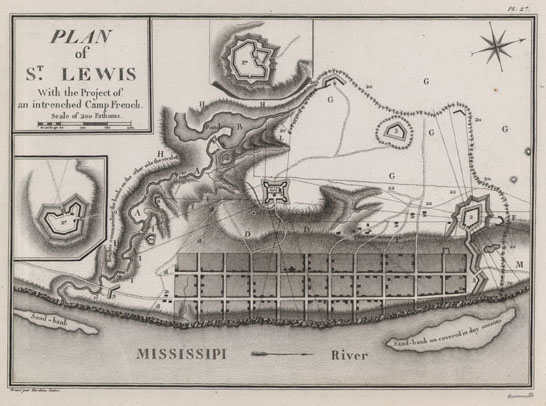
The small village of St. Louis was founded by French traders in 1764 but became a Spanish settlement when the French ceded the territory to Spain. Most of the approximately 900 St. Louisans were still of French heritage, overseen by a small number of Spanish soldiers. They were far outnumbered by the various Native American tribes who lived nearby as trading partners of the Europeans.
Map of the village of St. Louis c. 1790
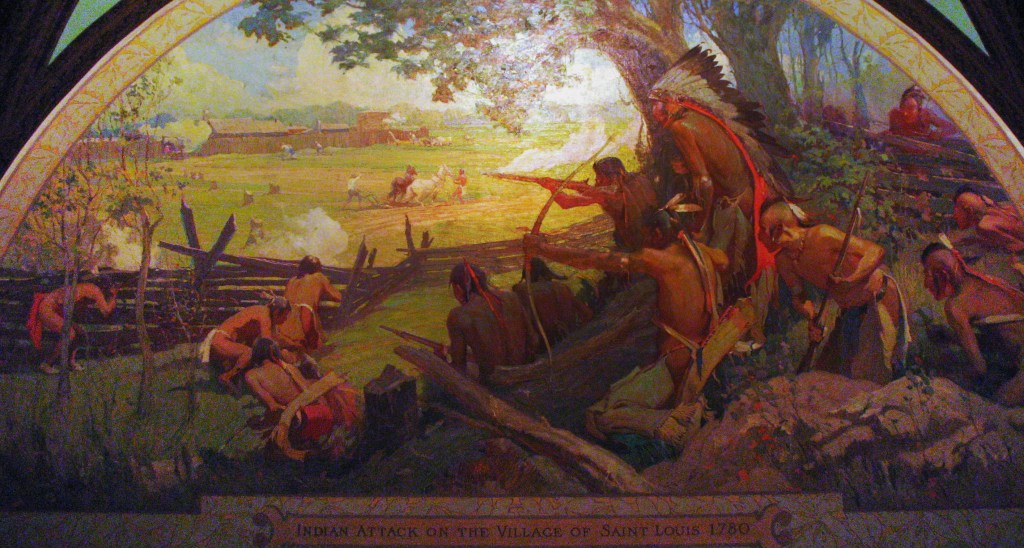
When the American Revolution broke out in 1776, the British sought to control not only the Mississippi River but also St. Louis, which was a trading hub and the political capital of the region. Because the British had only scattered troops in the Midwest, they recruited nearly 2,000 Native Americans from several tribes near the Great Lakes, who began traveling downriver in early May of 1780.
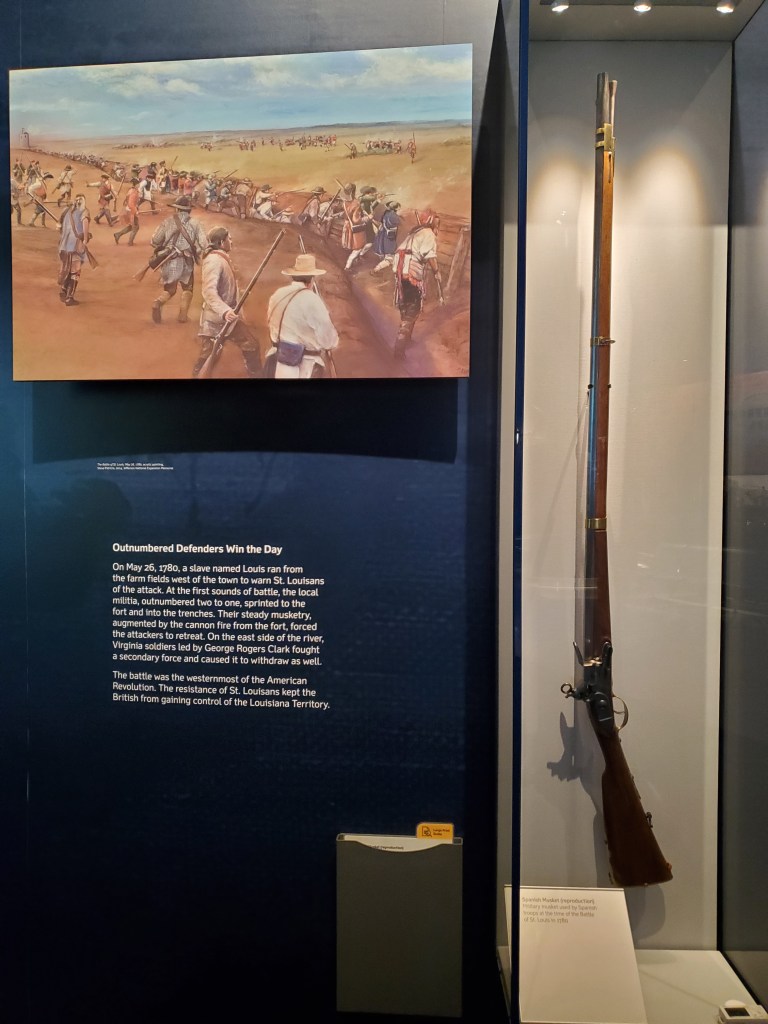
After fur traders warned the Spanish Lt. Governor Fernando de Leyba about the impending British attack, he began developing plans for his town’s defense. De Leyba made plans for four round defensive towers to be built on which to place sharpshooters and cannons. Only one tower – named Fort San Carlos –was finished by the time the attackers neared St. Louis. The locals managed to place five cannons on its roof as well as trenches along the outer walls of the town.
Once the British and their Native allies began attacking on May 26, the villagers were greatly outnumbered – as many as 100 were killed – and the outlook looked grim. However, thanks to their cannons and other defenses, St. Louis was able to overcome their attackers and win the battle. This meant the British were not able to gain control of the Mississippi River during the Revolutionary War, a key victory for the American colonists.
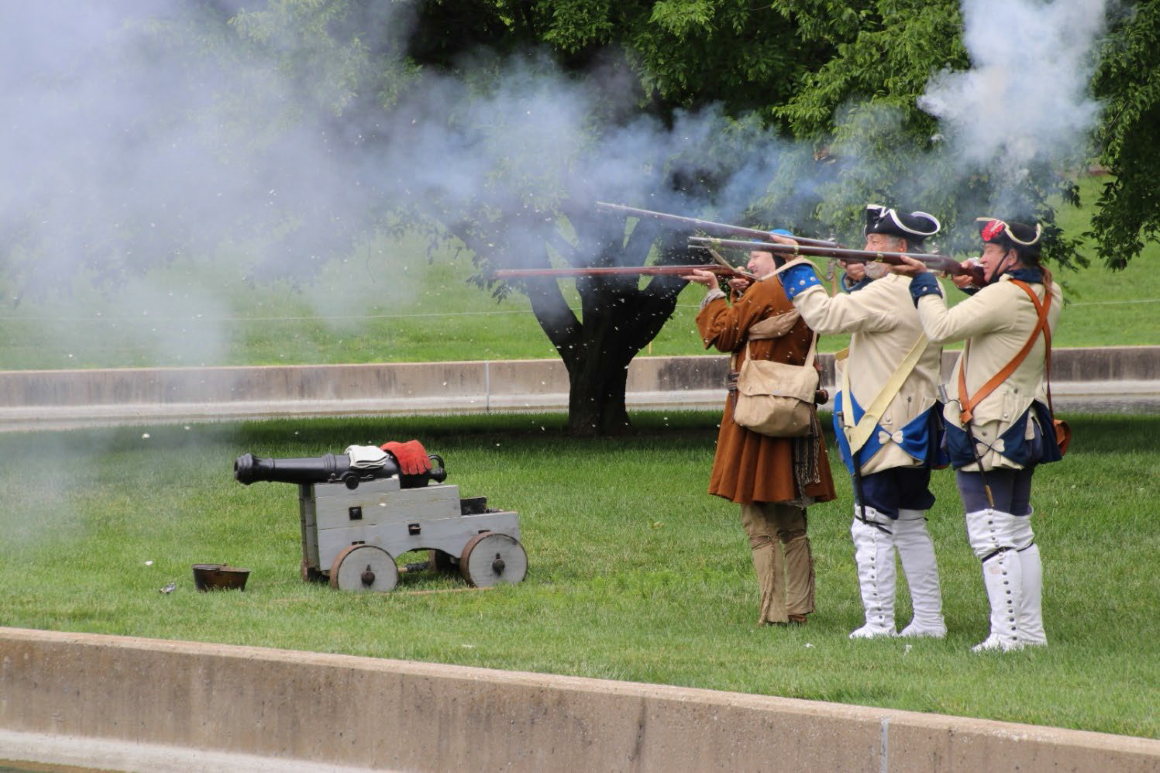
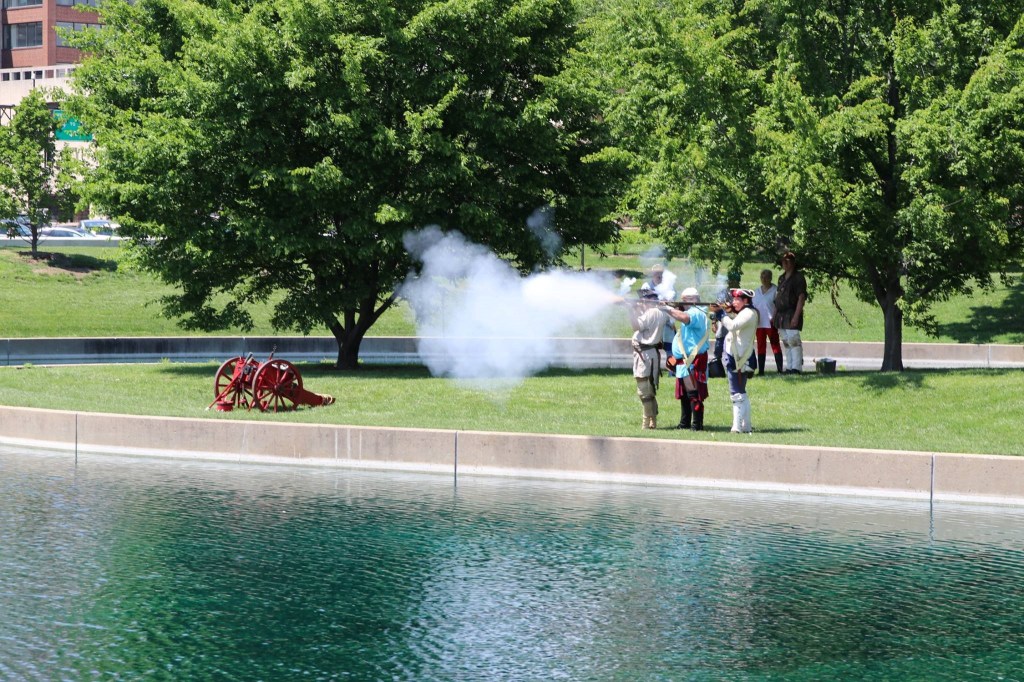
The National Park Service commemorates the Battle of St. Louis every year near the anniversary date. The event takes place this year on May 28th from 10 a.m. to 4 p.m. on the south end of the Gateway Arch grounds. Interpretive rangers and living history volunteers in 18th-century attire will be on hand to explain the story of St. Louis’ role in the American Revolution and the implications of the settlers’ victory. There will also be periodic musket- and cannon-firing demonstrations. Reservations are not required.
An exhibit at Gateway Arch National Park
More information on the Battle of St. Louis can be found in the Arch Museum. Also, check out an extensive new exhibit, The American Revolutionary War in the West, which just opened at St. Charles County’s Heritage Museum.
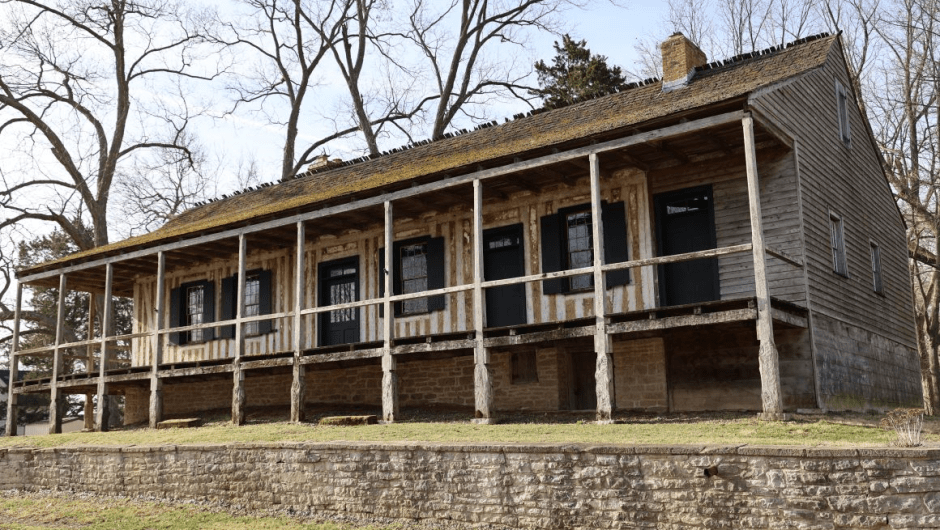
The newest acquisition to Ste. Genevieve National Historical Park’s historic buildings happens to be the oldest structure in the community. While the Green Tree Tavern has played numerous roles in the small Missouri town, it now serves as a reminder of the complex history of this unique European settlement.
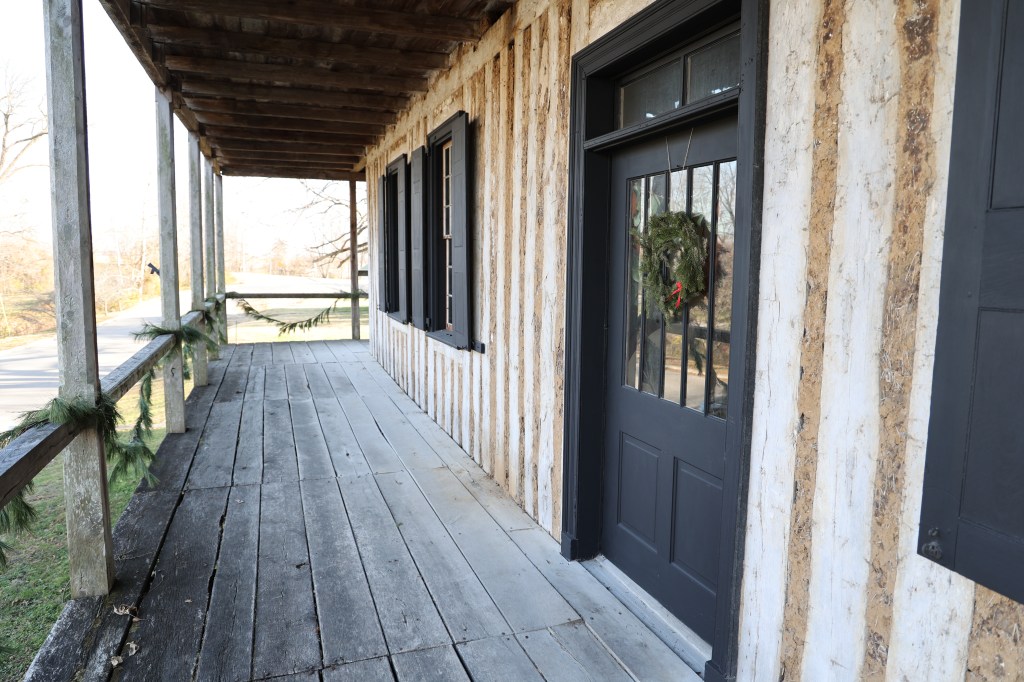
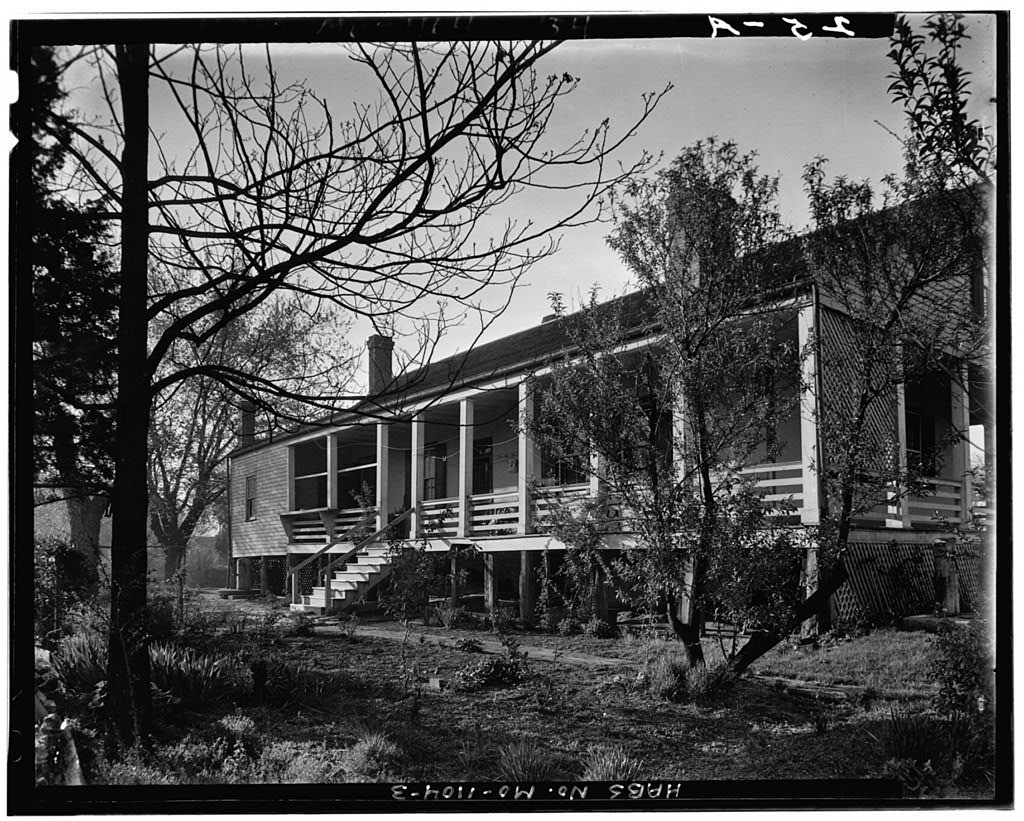
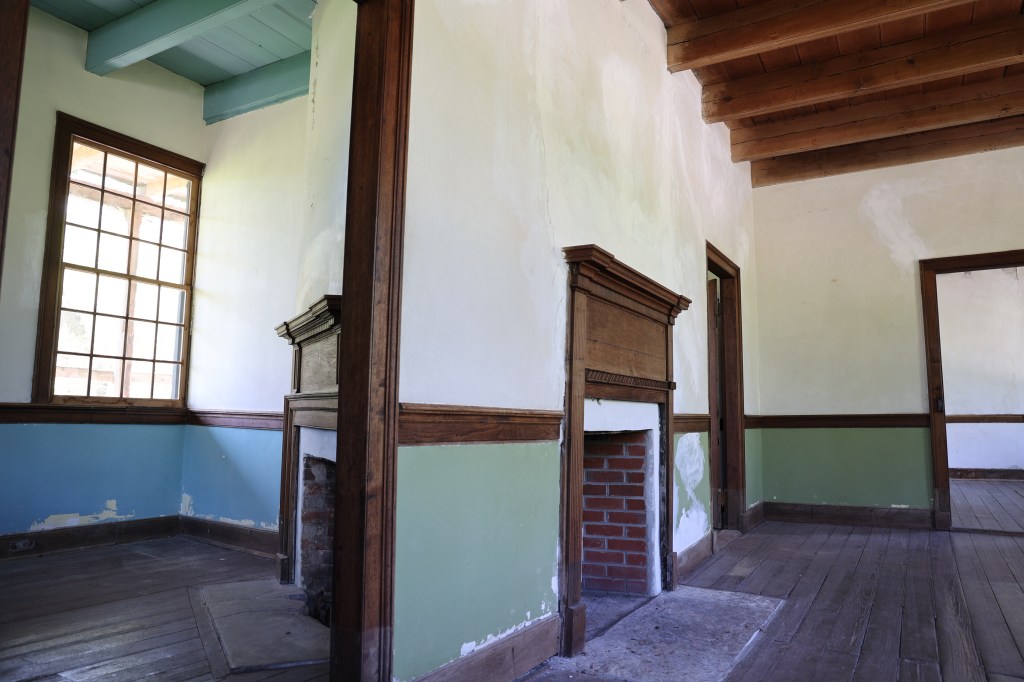
The Green Tree Tavern in Ste. Genevieve, Missouri, is a rare surviving example of French Colonial architecture known as poteaux sur sole (post on sill). Its unusual construction featured walls made of hand-hewn white oak logs arranged vertically rather than the more traditional horizontal log structure used elsewhere. Recent studies of the building’s timbers confirmed a construction date of 1790, making it the oldest home in the town and possibly the oldest home west of the Mississippi.
Green Tree Tavern c. 1934
The tavern has filled many different roles for many different people. It was originally built as a home for French Canadian Nicolas Janis and his family. When they migrated to the area, they brought with them at least 10 enslaved people, many of whose ownership transferred to the original owners’ descendants.
When Nicolas’ son, Francois, inherited the property, he opened it as an inn. The tavern offered lodging, entertainment, socializing, and news to the many travelers pouring into the new Louisiana Purchase territory. Guests could enjoy food and drink in the public room, then sleep in rooms heated by an unusual triangular fireplace. In later years the building served as a tobacco store and as the first Masonic Lodge in Missouri.
Interior view of Green Tree Tavern showing the triangular fireplace
The grounds of Green Tree Tavern are open year-round. National Park Service rangers offer free interior tours daily, but registration is required either in person at the park’s Welcome Center (66 Main Street) or by phone at (573) 880-7189.
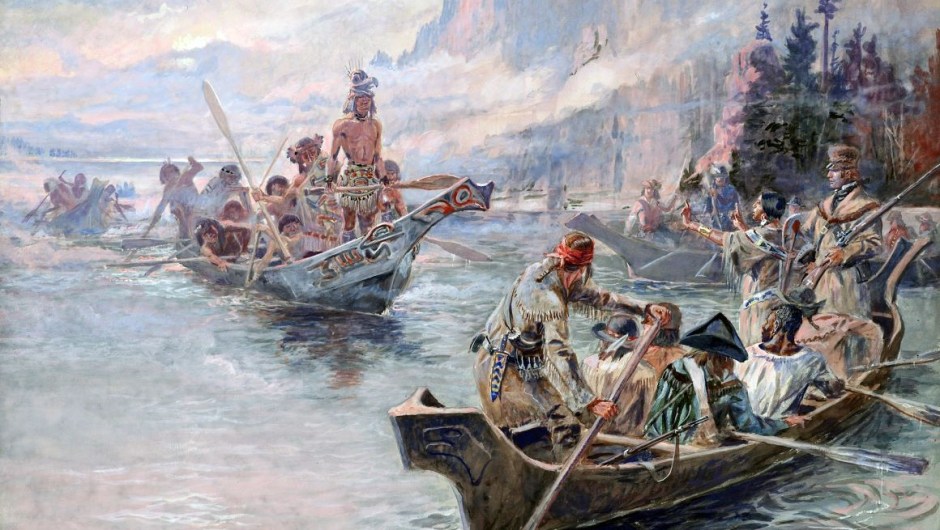
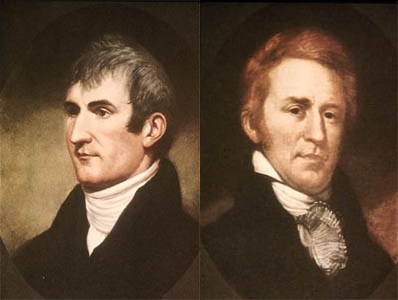
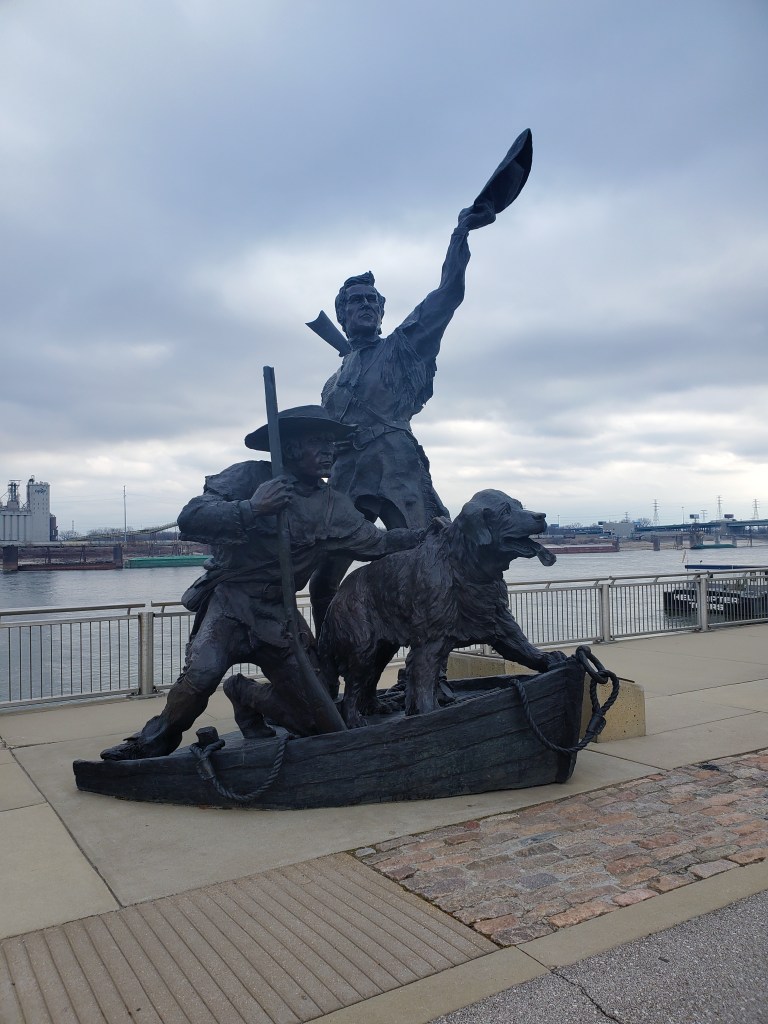
Nearly 218 years ago this week, 45 men and one dog set out from Camp Dubois near St. Louis on what was to become one of the most famous explorations in American history. On May 14, 1804, Meriwether Lewis and William Clark led their Corps of Discovery on an expedition to explore the newly acquired western portion of the continent. Their epic two-year journey took them to the Pacific Coast and back, yielding a treasure-trove of detailed maps, climate and soil data, and plant and animal specimens, as well as the beginning of relationships with dozens of tribal nations.
Two of JNPA’s partner sites – Gateway Arch National Park and the Lewis and Clark Visitor Center – feature interpretive exhibits about this famous expedition in their museums. So we thought it fitting to honor the intrepid explorers during this anniversary week.
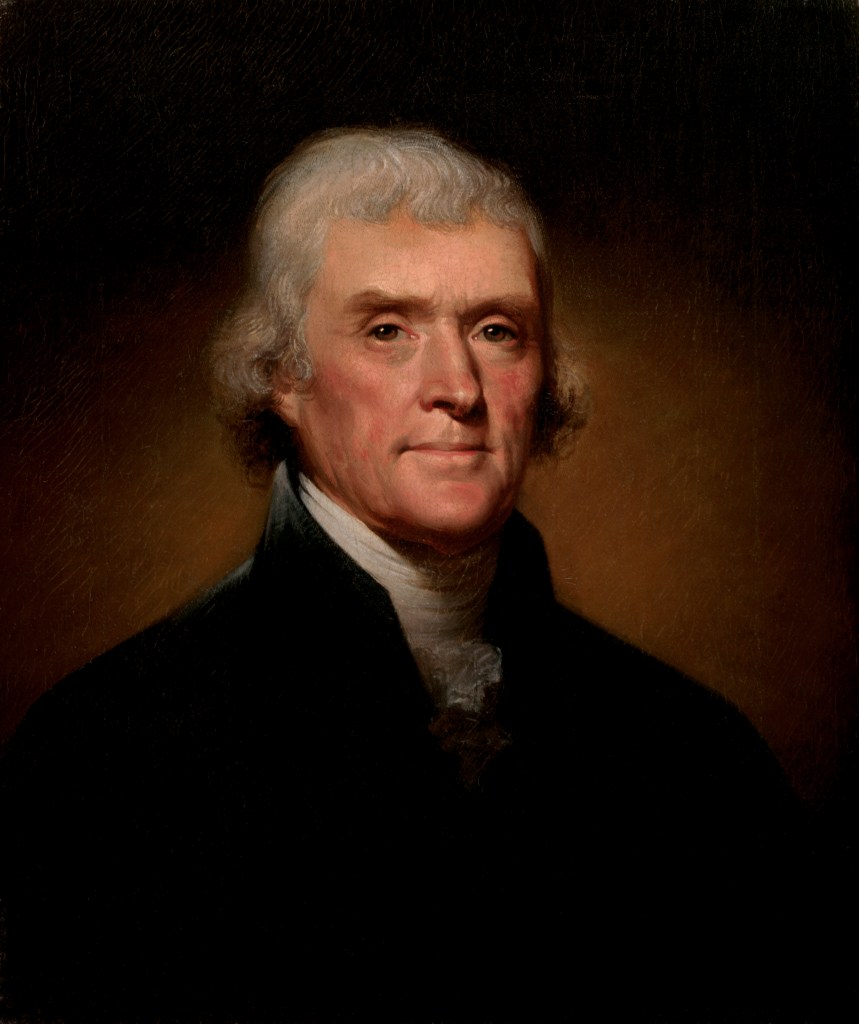
Thomas Jefferson
President Thomas Jefferson commissioned the expedition shortly after acquiring the Louisiana Purchase territory in 1803. Although scientific discoveries and mapping were of high importance, Jefferson’s primary interests were political and commercial. He envisioned an eventual expansion of the nation to the Pacific Ocean and wanted to establish an American presence in the west before European nations made claims to the region. He also charged Lewis and Clark with preparing the way for the extension of the valuable fur trade, with documenting other natural resources that could support future settlements, and with assessing the friendliness of the indigenous tribes they encountered.
Meriwether Lewis and William Clark
Jefferson provided the Corps of Discovery with the best clothing, firearms, boats, equipment, and rations then available. He also supplied them with an assortment of medals, ribbons, needles, mirrors, and other articles which were intended as gifts to Native American chiefs.
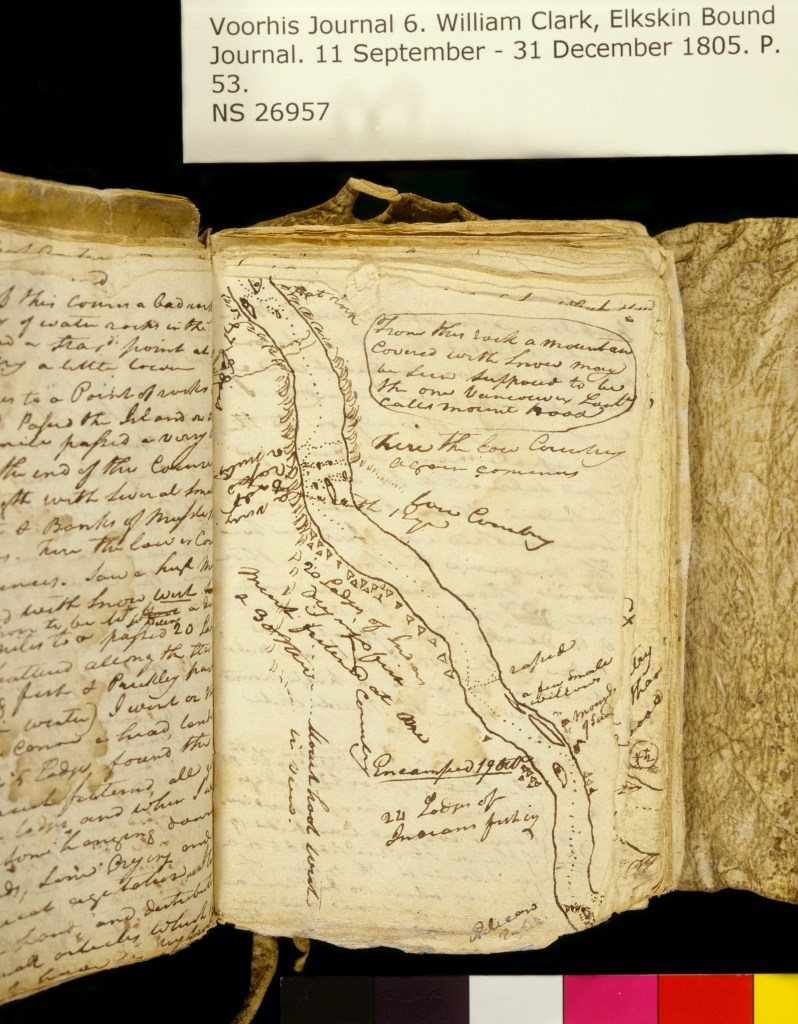
The expedition travelled up the Missouri River and through its tributaries in a specially built 55-foot keelboat and two smaller boats called pirogues, averaging 15 miles a day. Their journey proved difficult and exhausting: the men were plagued by heat, injuries, insects, and the river’s strong current and many snags. Both Lewis and Clark’s kept detailed records of these arduous conditions in their journals, which were primarily devoted to meticulous descriptions and drawings of the native people, plants, animals they saw.
[Columbia River near Mouth of Umatilla River, Washington and Oregon]. Entry of 19 October 1805, cont. Voorhis Journal #6 [Elkskin Bound Journal]. p. 53. [Moulton 5:302]. Voorhis Journal 6. William Clark, Elkskin Bound Journal, 11 September – 31 December 1805., p. 53. Clark Family Collection. William Clark Papers. Missouri Historical Society Archives. Photograph by Cary Horton, 2003. NS 26957. Photograph and scan (c) 2003, Missouri Historical Society.
To find out more about this famous expedition, you can visit the museum at the Gateway Arch. The Jefferson’s Vision gallery features numerous exhibits on Lewis and Clark’s journey, including replicas and artifacts, interactives about the plants and animals the explorers encountered, and information about the native peoples who inhabited the West at the time of the expedition.
The Arch Store also offers books and other products related to the Corps of Discovery, including the classic best-seller Undaunted Courage by Stephen Ambrose. You can purchase these and other items online or at The Arch Store.
As we approach Mother’s Day, it’s important to honor those who raised us. But it’s also a fun time to celebrate amazing animal moms. Look no farther than Voyageurs National Park for some great examples.
Credit: NPS
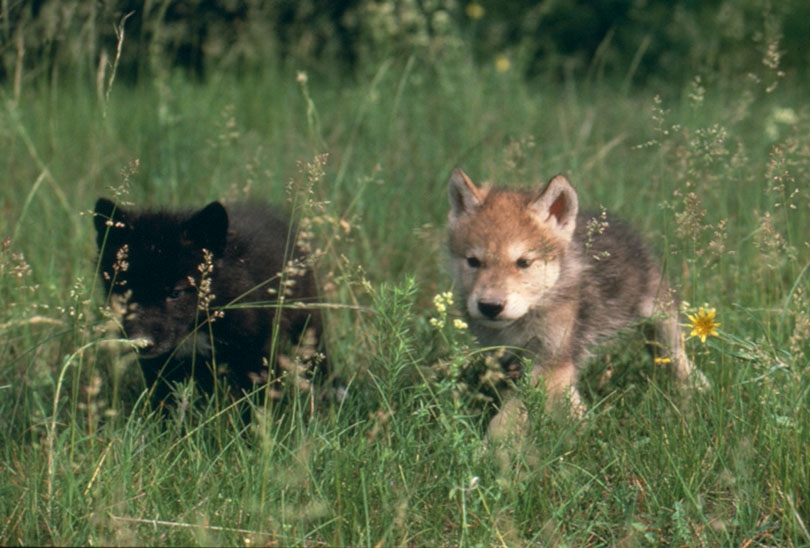
Gray wolf moms have litters of four to six pups, who remain with her in the den for six to eight weeks. Only the alpha female in a pack of gray wolves will become a mother, but all adult pack members contribute to supporting her and her pups. Young wolves will stay with their parents for two or more years before leaving to start their own territory, or they may stay with the pack and eventually replace their mother or father as alpha.
Credit: NPS
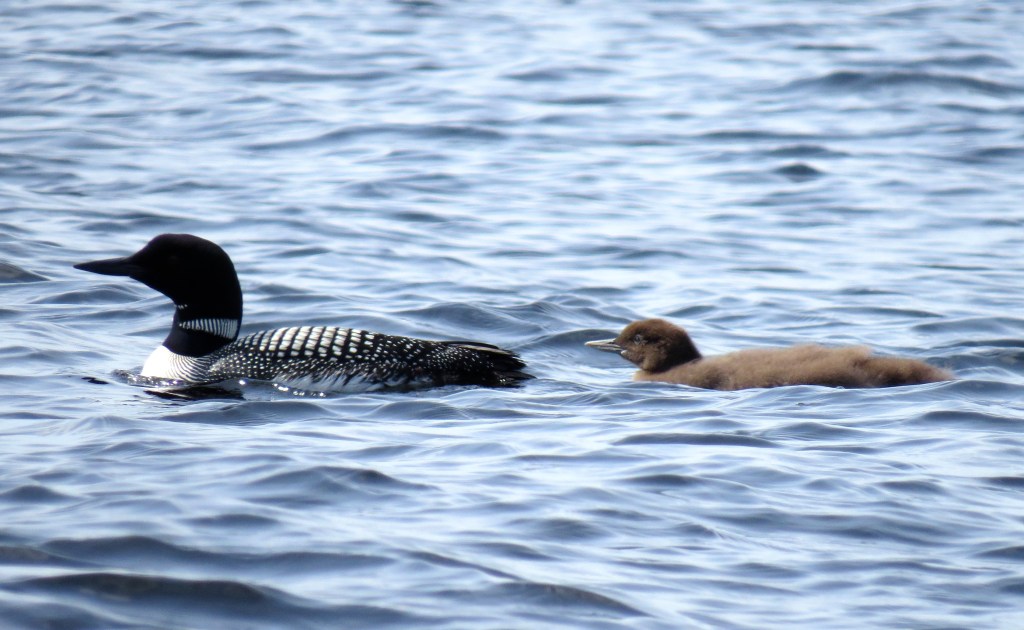
Voyageurs is a paradise for waterfowl, including the beautiful and haunting common loon. Mother loons typically have one or two chicks per year. It is very difficult for the birds to walk on their awkward legs, so the moms do not travel far from the water’s edge during nesting; and they spend much of their time in the water once their chicks hatch. Loon moms (and dads!) are very devoted parents and occasionally even carry their chicks on their back!
Credit: NPS
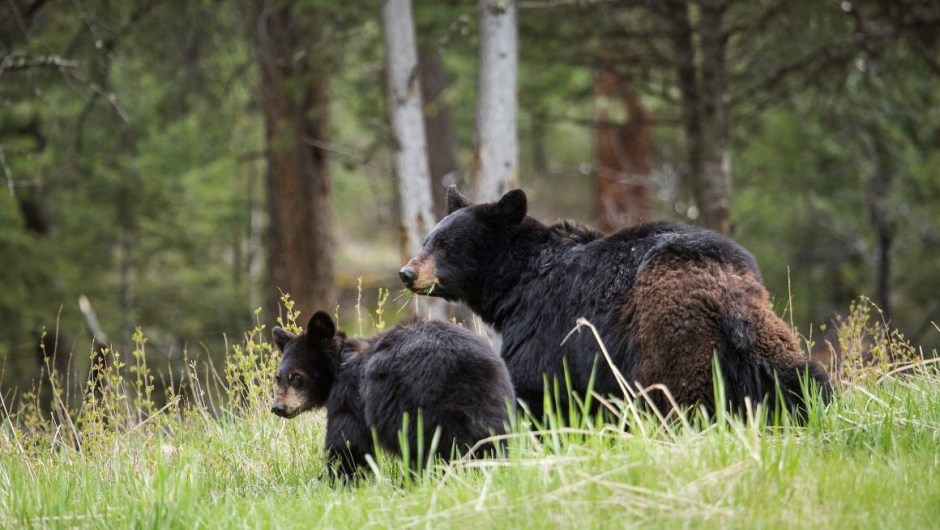
Black bears typically have two cubs every other year. A mother bear gives birth while she is in her den for the winter, then spends the time until spring dozing on and off while her cubs nurse. (That is a lot more sleep than human moms get in the early days!) The cubs will stay with their mother throughout spring, summer, and fall and will hibernate with her the following winter. They finally strike out on their own the following spring, when they are about 1 ½ years old.
Credit: David Hypes, NPS
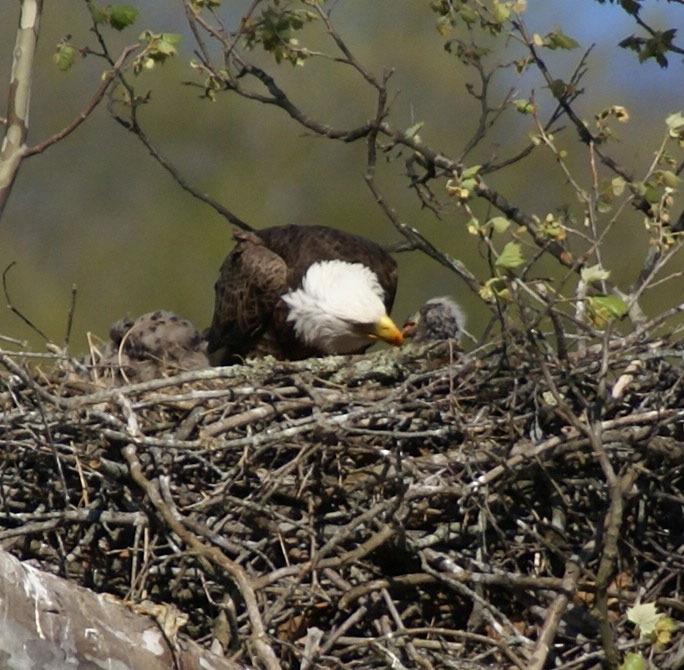
Bald eagle moms are very fortunate, as parenting duties are split evenly between moms and dads. Eagles lay one to three eggs per year, which hatch after about 35 days. The nestlings will remain in the next for 10-14 weeks, during which time both mom and dad will care for them.
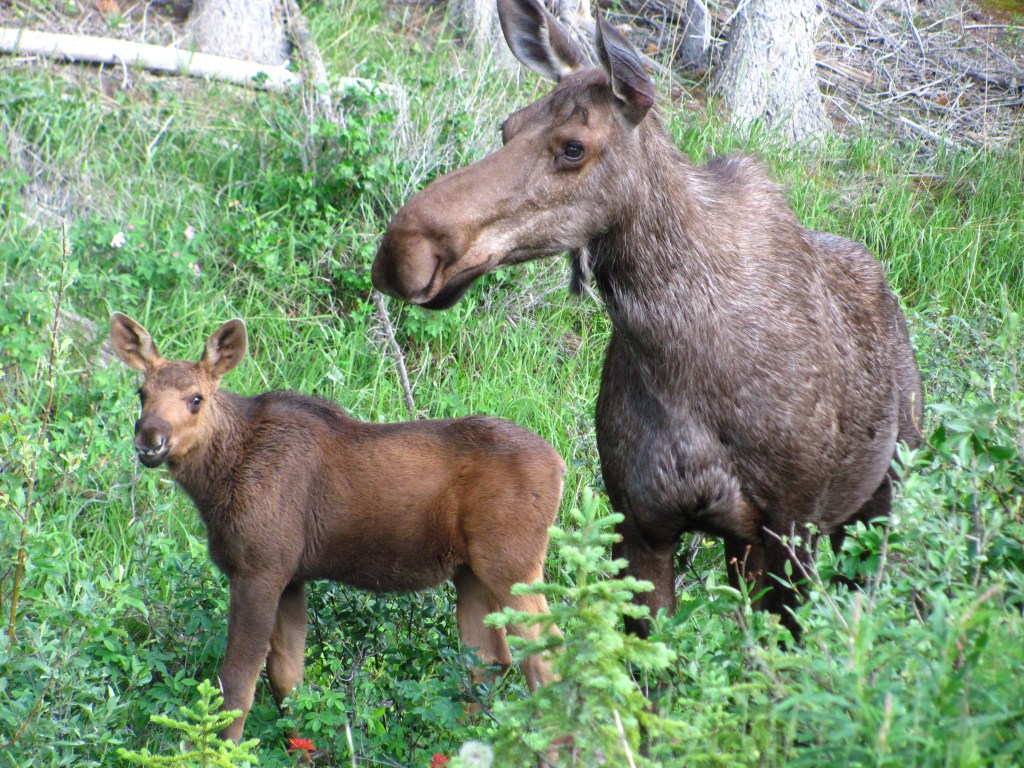
Female moose are beginning to give birth this time of year. Typically, a mother has one or two calves, which grow extremely quickly and can outrun a human by five days old! (Can you imagine having to chase your baby five days after giving birth?) Moose calves stay with their mother for about a year.
If you are looking for an animal-inspired gift for your mom this year, check out these beautiful wolf earrings or this stunning photo book all about the amazing loon.








 JNPA Blog