Celebrating “America’s Best Idea”

Who doesn’t love a birthday?  On August 25, let’s all celebrate the 107th birthday of the National Park Service!
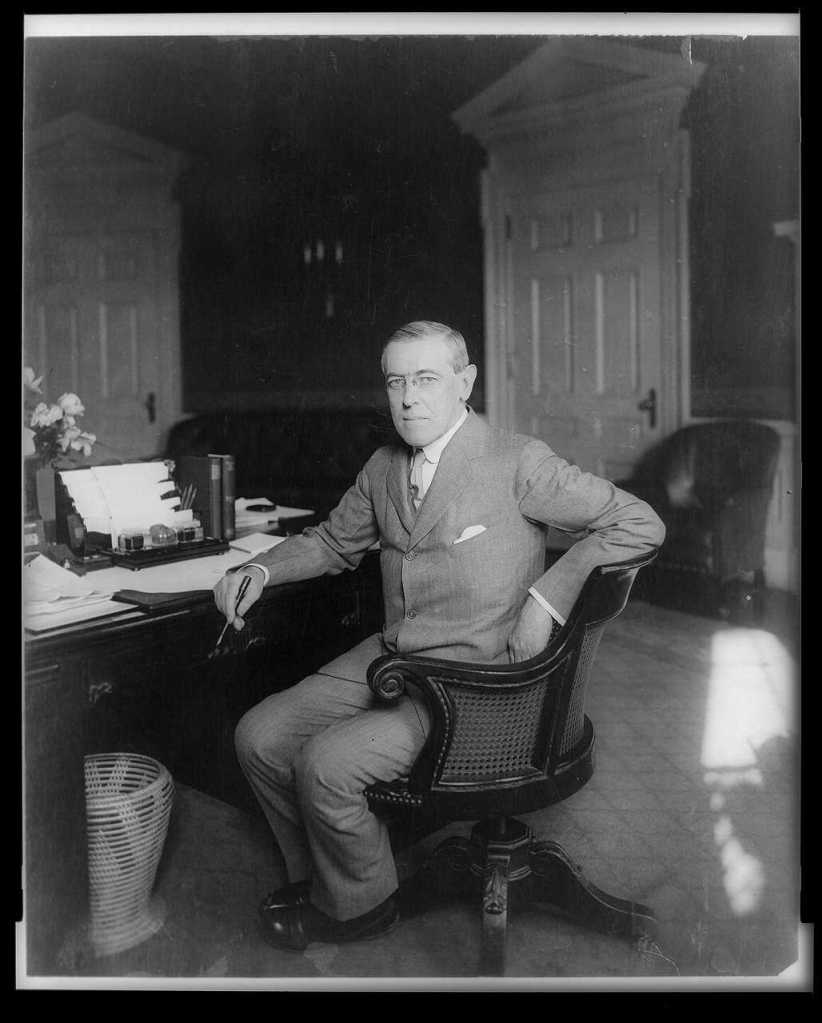
President Woodrow Wilson. Credit- Library of Congress

On August 25, 1916, President Woodrow Wilson signed the Organic Act, creating a new federal bureau within the Department of Interior to protect the 35 existing parks.  It was called the National Park Service.  The purpose of the new agency, according to the legislation that created it, is “to conserve the scenery and the natural and historic objects and the wildlife therein and to provide for the enjoyment of the same in such manner and by such means as will leave them unimpaired for the enjoyment of future generations.”  However, the story of the National Park Service actually began long before then, and it involved two other U.S. presidents.
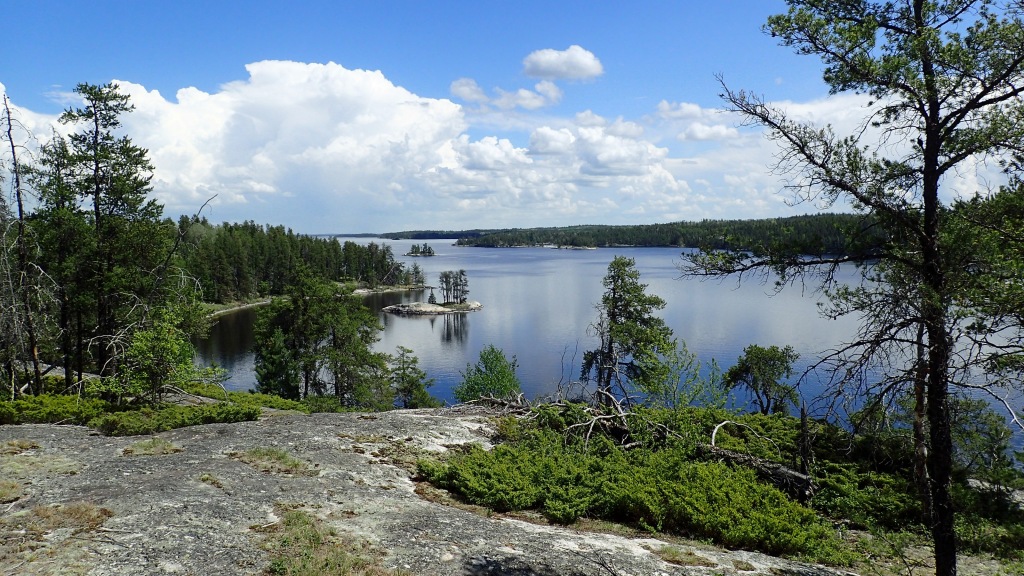
Voyageurs National Park

In 1872, President Ulysses S. Grant designated Yellowstone as the first national park and placed it under the control of the Secretary of the Interior. Then, in 1906, President Theodore Roosevelt enacted the Antiquities Act, which gave presidents the authority to create national parks, monuments, forests, and reserves. During his presidency, Roosevelt established 5 national parks and 18 national monuments.
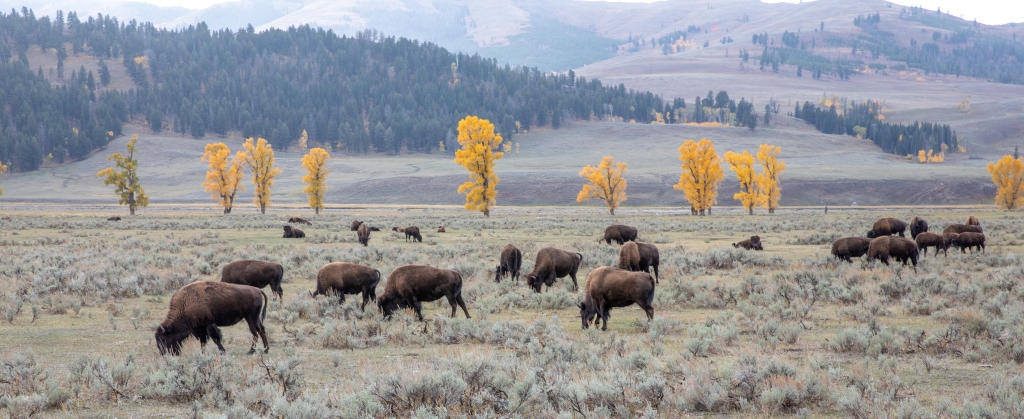
Yellowstone National Park. Credit- NPS

After the passage of the Organic Act in 1916, management of national parks fell to the National Park Service; in 1933, an executive order also transferred control of national monuments and certain military sites to the Park Service.

Today, the National Park Service manages and protects 425 sites in all 50 states.  This amounts to more than 85 million acres of natural spaces and historic sites. The largest national park is Wrangell – St. Elias National Park and Preserve in Alaska. It encompasses over 13 million acres! The smallest national park, at only 0.2 acres, is Thaddeus Kosciuszko National Memorial in Pennsylvania. In recent years, national parks have received more than 300 million visitors annually, and as additional sites are added to the National Park System, that number will only grow.
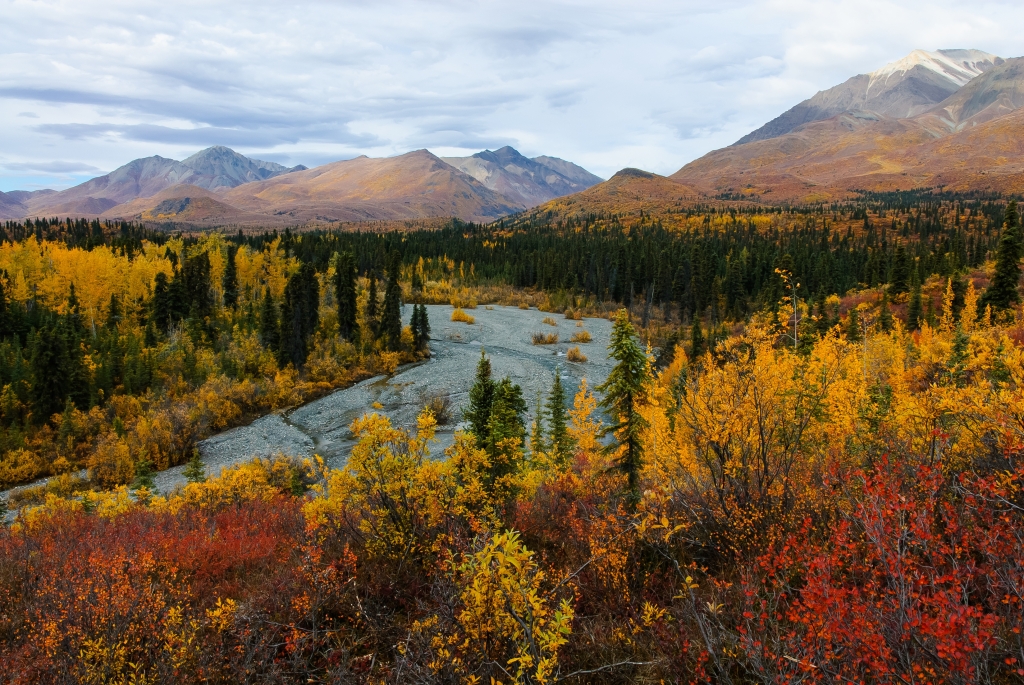
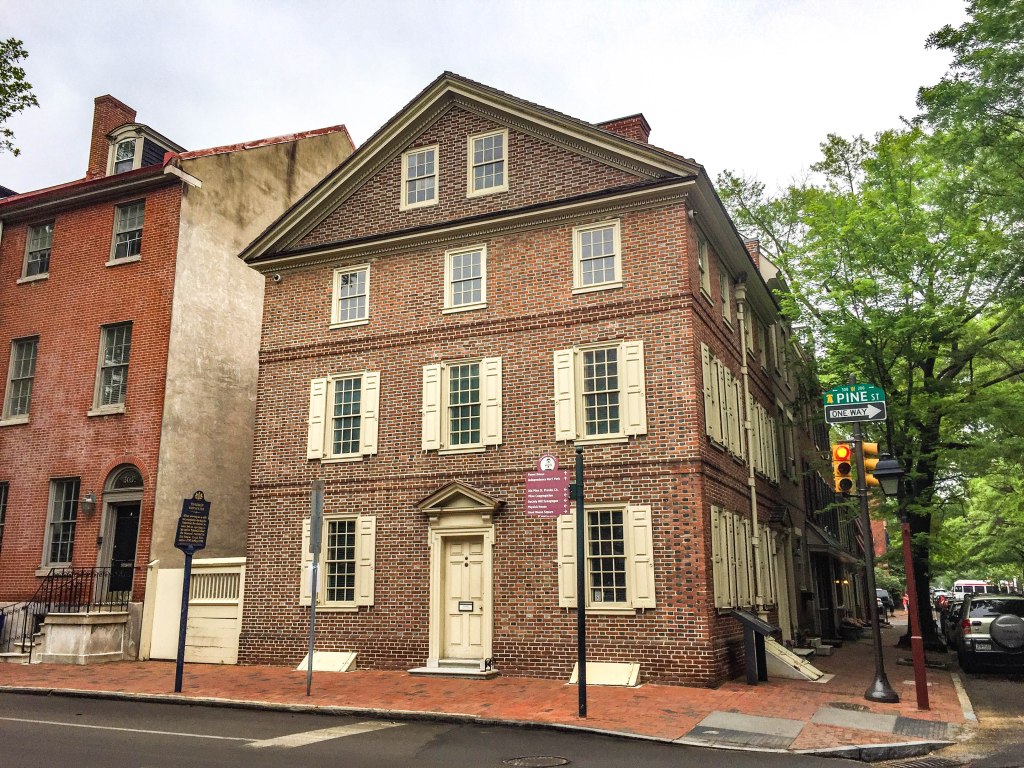
If you want to join in the anniversary celebrations, you can attend a special event at a nearby park unit (like this one at Ste. Genevieve National Historical Park) or share #YourParkStory on social media. The National Park Service website also has many ideas of how to celebrate!

Ste. Genevieve National Historical Park

As Pulitzer Prize winner and environmentalist Wallace Stegner said, “National parks are the best idea we ever had. Absolutely American, absolutely democratic, they reflect us at our best rather than our worst.” At Jefferson National Parks Association, we are so proud to support these American treasures, and we wish the National Park Service a very happy birthday!
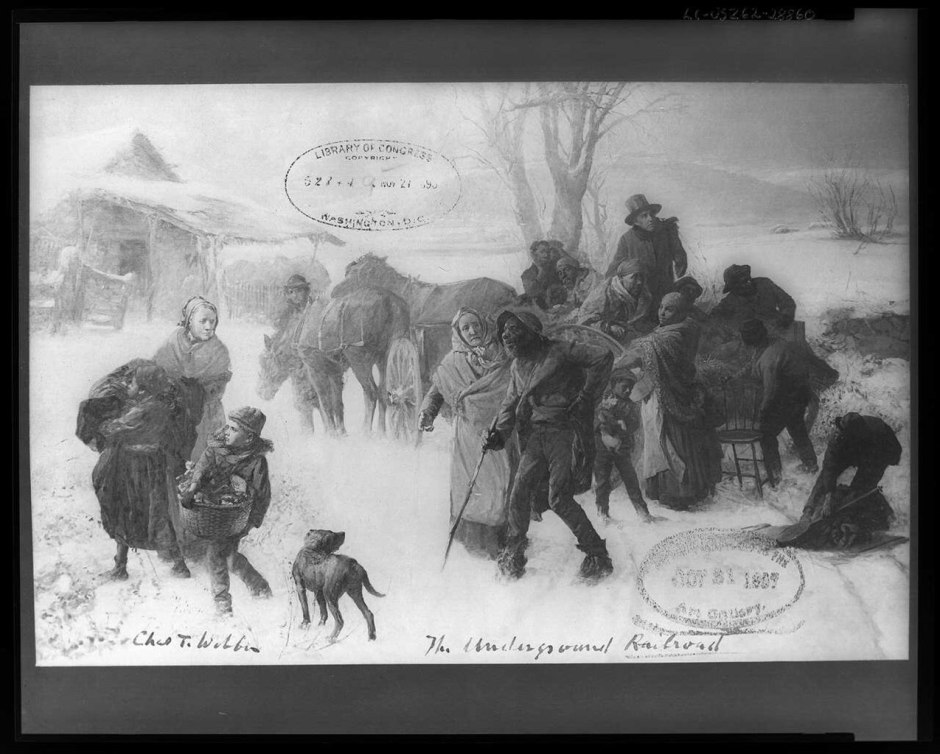
Remembering the Journey to Freedom

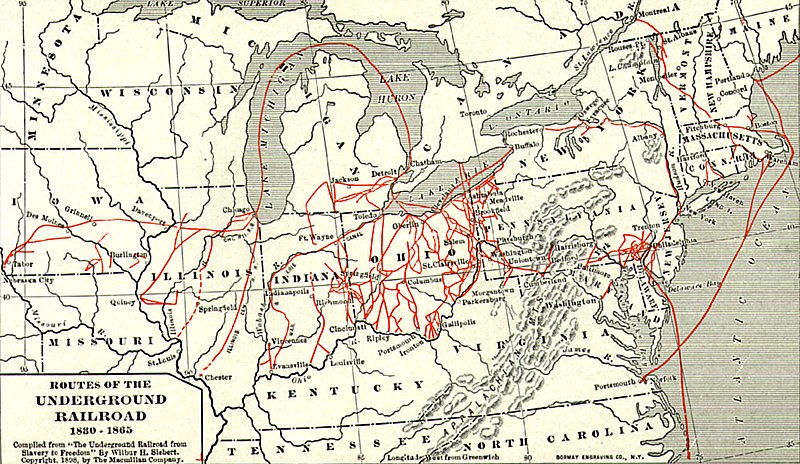
What was the Underground Railroad?  What was its significance?  Was it an actual subterranean rail route?

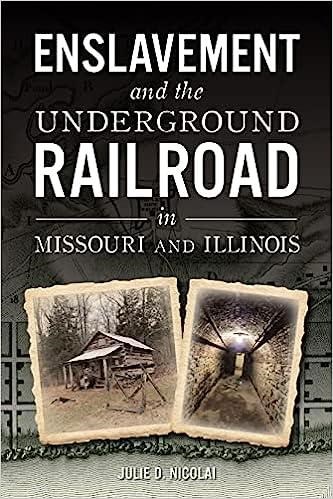
These and other questions will be explored at an event this Saturday at Ulysses S. Grant National Historic Site.  St. Louis historian Julia Nicolai will discuss her new book Enslavement and the Underground Railroad in Missouri and Illinois.  In addition to describing the horrors and challenges experienced by enslaved people in the Midwest, she will also recount their tales of courage and perseverance.

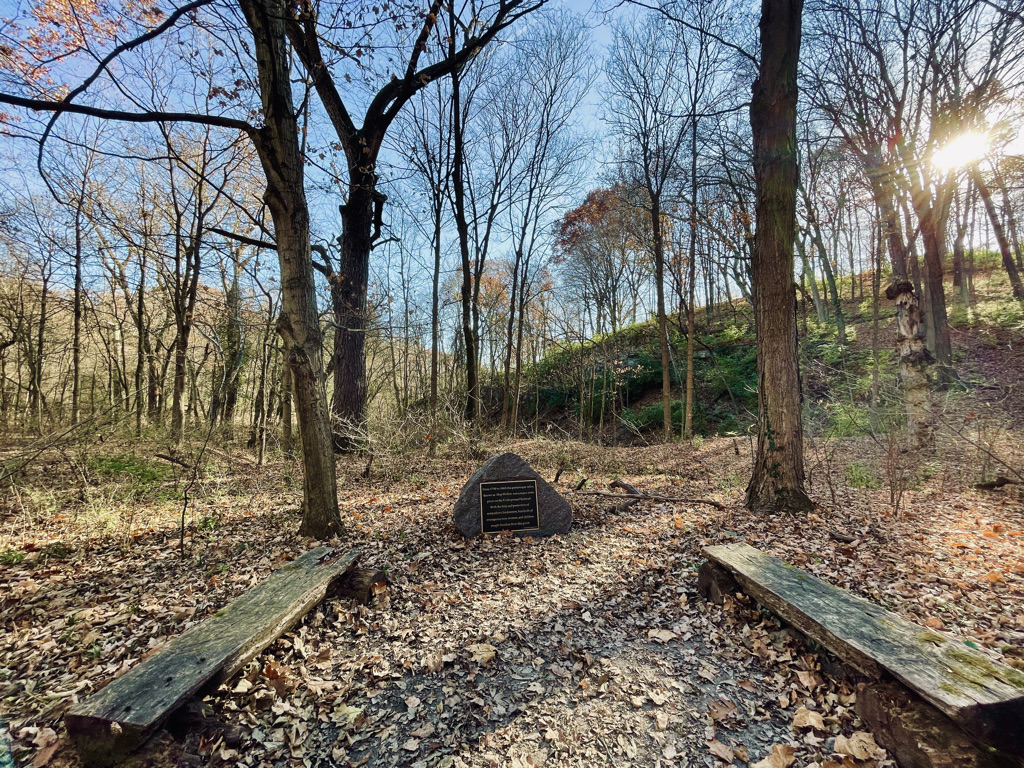
Marker for a stop on the Underground Railroad, Godfrey, IL

Enslaved people have always sought freedom.  From the earliest days of slavery in the 17th century and continuing through the mid-19th century, enslaved African Americans in the U.S. resisted bondage to gain their independence.  Some fled their captors by themselves; others ran away in families or groups, intent on establishing new communities in remote areas.

Many freedom seekers were able to embark on their journey with no assistance.  But over time, there developed an informal network of secret safehouses, routes, and resources across the country that helped enslaved African Americans escape bondage. Those seeking freedom and those who assisted them along the way united together to become what was known as the Underground Railroad.

Twenty-five years ago, the National Park Service formed the National Underground Railroad Network to Freedom  to honor, preserve, and promote the history of resistance to enslavement through escape and flight, which continues to inspire people worldwide.  The stories of escape recounted at these sites highlight the importance of the Underground Railroad in the eradication of slavery, and as a critical cornerstone of the national civil rights movement. 

The Network to Freedom program currently includes more than 740 locations nationwide with a verifiable connection to the Underground Railroad.  One such site in St. Louis is the Mary Meachum Freedom Crossing Site, which honors the efforts of the Rev. John Berry Meachum and his wife Mary for their work in helping enslaved people escape to Illinois, a free state where slavery was outlawed. 

This weekend’s Underground Railroad program at U.S. Grant National Historic Site will take place at 11:00 a.m. Saturday at the park’s Visitor Center theater.  It is free and reservations are not required.  Also pick up an autographed copy of Enslavement and the Underground Railroad in Missouri and Illinois in our park bookstore.

Whetting Your Child’s Appetite for Learning

Do you know a child who can spend hours looking at every plant, insect, and set of tracks they come across outside? What about a budding history buff who wants to know every detail of historical events? Are you a grown-up whose inner child never quite let go of your dream of being a paleontologist or train engineer or marine biologist? Whatever your child’s (or your inner child’s) interest, there is a National Park Service Junior Ranger program for you!

Credit: NPS

The NPS Junior Ranger program is an activity-based program aimed at 5- to 13-year olds that takes place in almost all national parks.  Children typically complete a series of activities during a park visit, share their answers with a park ranger, then receive an offical Junior Ranger patch and certificate. 

This very popular program got its start more than 90 years ago, beginning  as the “Yosemite Junior Nature School” in 1930. The school was held for six weeks every summer from 1930-1954 (with the exception of the years during WWII). Back then, earning an award (the equivalent of becoming a Junior Ranger today), was quite difficult! A child had to attend at least five meetings of the Junior Nature School as well as complete 25 out of the following 26 tests:

  1. Point out and give characteristics of ten trees.
  2. Point out and give characteristics of five shrubs.
  3. Demonstrate the ability to read tree history by means of tree rings.
  4. Tell the principal values of forests.
  5. Identify five birds by means of songs alone.
  6. Point out fifteen different kinds of birds.
  7. Name ten resident birds of Yosemite Valley, five predators, two waders, three wood borers, and fifteen perchers.
  8. Identify the nests of five birds.
  9. Point out the four principal minerals found in granite.
  10. Tell briefly the story of the origin of the Yosemite Valley.
  11. Illustrate the difference between stream-worn and glacial-worn boulders.
  12. Name and identify twenty-five different flowers.
  13. Know the principal parts of the flower.
  14. Explain the function of flowers in plant reproduction.
  15. Name and identify ten Yosemite mammals.
  16. Name and identify five Yosemite reptiles.
  17. Outline the life history of the bear.
  18. Tell four ways of identifying old Indian village sites.
  19. Tell how obsidian arrow points are made.
  20. Tell how the Yosemite [Native Americans] made acorn bread.
  21. Point out fifteen vegetable, ten animal, and three insect sources of food used by the Indians.
  22. Point out forty points of interest around Yosemite Valley.
  23. Identify four kinds of trout.
  24. Tell the methods of fish culture used in the hatchery.
  25. Demonstrate the ability to ‘read the trail-side like a book.’
  26. Identify the following: ant lion, termite, swallow-tail butterfly, grasshopper, wasp, dragon-fly, moth, and ladybird beetle.
Yosemite Junior Nature School, ca. 1935. Credit: NPS

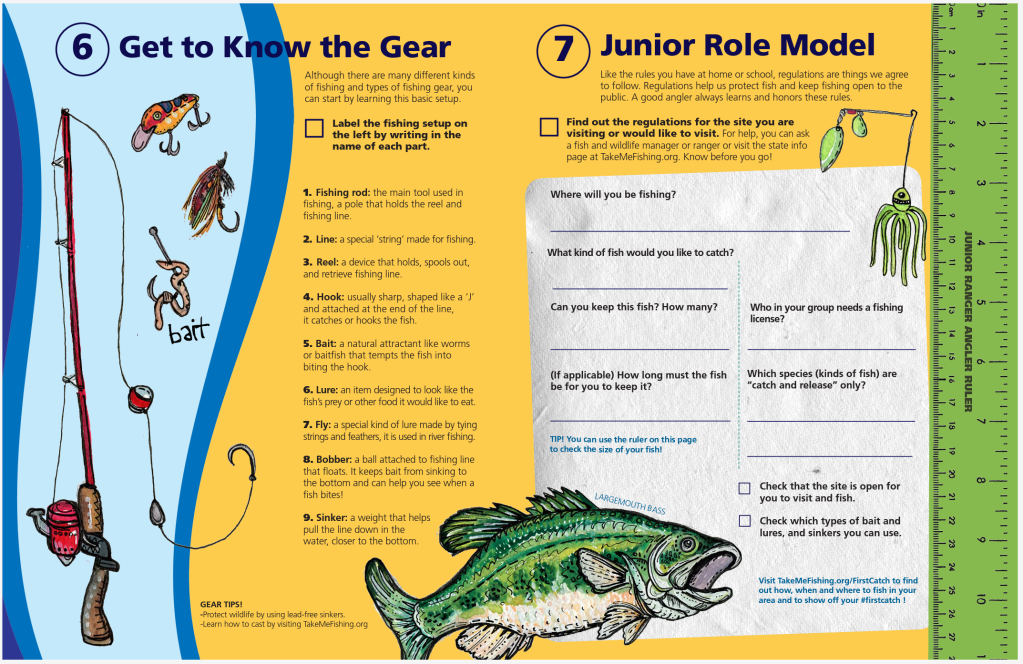
In 1955, the Junior Nature School officially transitioned to the Junior Ranger program, which was much closer to how the program runs today. Now, children (and adults!) can earn a Junior Ranger badge and certificate at over 400 National Park sites across the country by completing activities from that park’s official Junior Ranger booklet. Additionally, there are many national themed booklets available which can be completed at home or at a nearby national park. Some of these themed Junior Ranger programs include Wildland Firefighter, Archeologist, and Underground Railroad Explorer.

An excerpt from the “Junior Ranger- Let’s Go Fishing!” booklet

Each of JNPA’s partner parks participate in the Junior Ranger program, including:

Also, for a limited time, visitors to Gateway Arch National Park will have the opportunity to earn the “Riverboat Explorer” Junior Ranger badge. This program will be offered daily on riverboat cruises at 1:30pm and 3:00pm now through Labor Day.

Credit: NPS

The next time you visit a national park, make sure to check out their Junior Ranger Program. It is completely free, and you never know what new things you may learn! If you want to add to the experience, you can also purchase this Junior Ranger Hat and Junior Ranger Vest to proudly display all of your badges!