
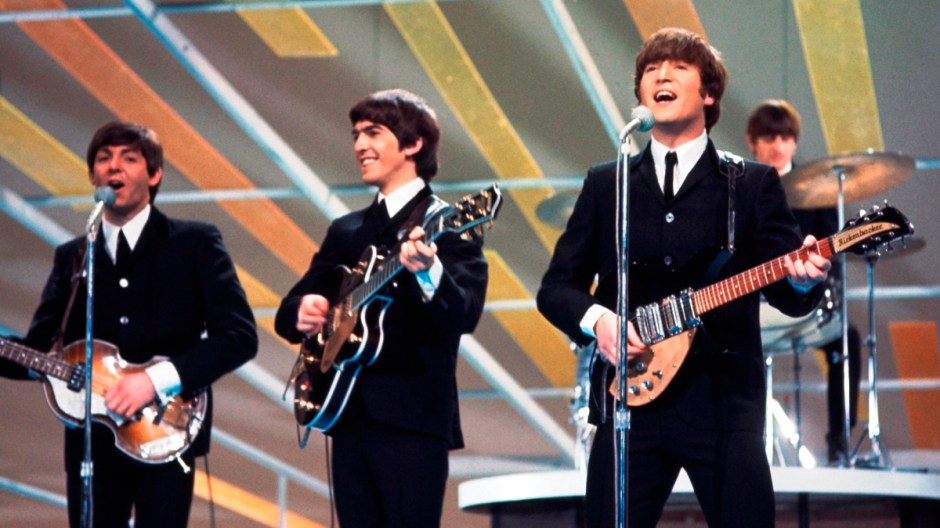
1968. “Beatlemania” was in full swing. Martin Luther King Jr. had been assassinated a year prior. The Civil Rights Act had just been passed, and almost a decade prior, the Little Rock Nine desegregated Little Rock Central High School in Arkansas. Meanwhile, Paul McCartney had been taking notice of the racial turmoil happening in the United States and was inspired to write a song of encouragement for the people fighting for civil rights. Maybe you recognize it?
“Blackbird singing in the dead of night,
Take these broken wings and learn to fly,
All your life,
You were only waiting for this moment to arise,
(You were only waiting for this moment to arise)“
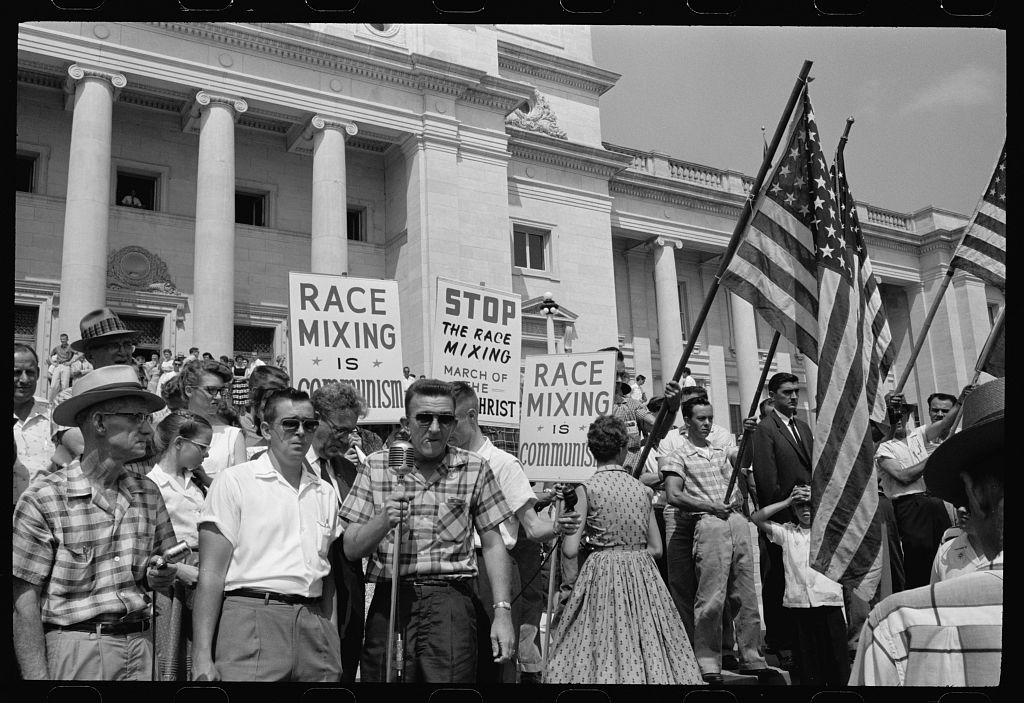
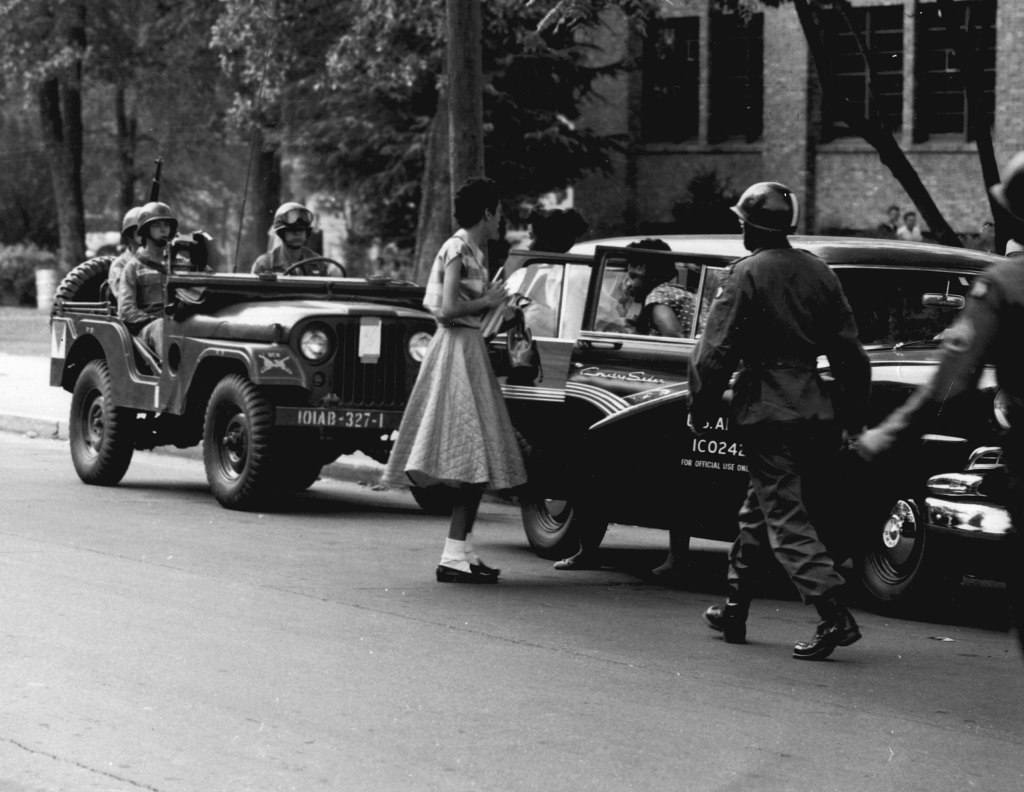
Melba Pattillo Beals was only a teenager when a mob of angry white people confronted her and the rest of the Little Rock Nine as they tried to enter Little Rock Central High School. After Brown v. the Board of Education, the landmark Supreme Court decision outlawing segregation in public schools, the Little Rock School District planned to implement a “gradual” desegregation beginning at Central High School. But on the first day of school, the African American students were met by an angry mob screaming threats at them, and they were barred from entering by the Arkansas National Guard. The governor of Arkansas had called out the guard to “maintain and restore order” by preventing the students from entering. Two weeks later, the students successfully entered the school, but rioting broke out outside and the Little Rock Nine were removed by police for their safety. It wasn’t until September 25, 1957, that federal troops under orders from President Eisenhower successfully escorted the students to their first full day of school.
“Blackbird singing in the dead of night (dead of night, night),
Take these sunken eyes and learn to see (learn to see),
All your life (all your life),
You were only waiting for this moment to be free”
McCartney has stated in several interviews that he was specifically inspired by the Little Rock Nine. In England, “bird” is slang for “girl,” so to McCartney, the titular “Blackbird” represented “Black girl.” He said in an interview with GQ, “I’d heard about the civil rights troubles that were happening in the 60s in Alabama, Mississippi, and Little Rock in particular. So that was in my mind, and I just thought it’d be really good if I could write something that if it ever reached any of the people going through those problems, it might kind of give them a little bit of hope.”
Sure enough, it did reach those people. Ten years after the events at Central High, Beals heard the Beatles’ “Blackbird” for the first time. In an interview with NPR, she said, “It reminded me of what my grandmother said to me when I came home from Central High School complaining about the abuse I had taken during the day: ‘March forward, girl. You have to keep going no matter what.’”
“Blackbird fly (fly, fly),
Blackbird fly (fly),
Into the light of a dark, black night,
Blackbird singing in the dead of night,
Take these broken wings and learn to fly (learn to fly, learn to fly),
All your life,
You were only waiting for this moment to arise.”
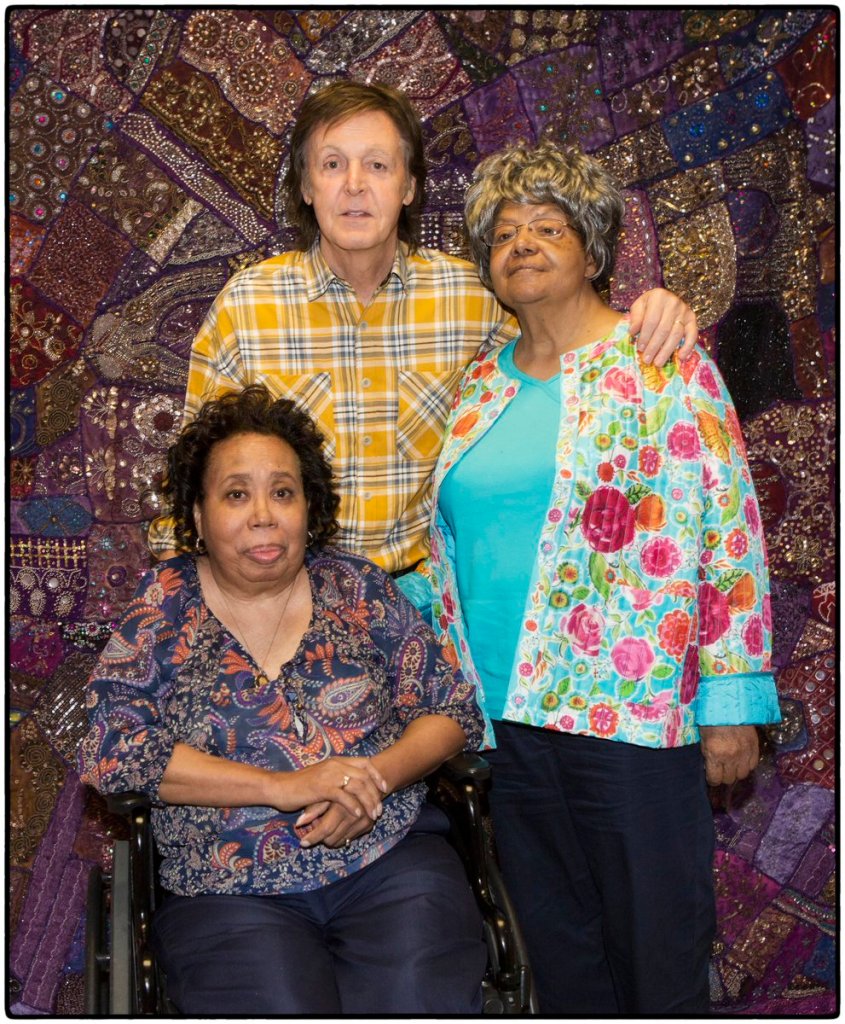
In 2016, McCartney was lucky enough to meet two members of the Little Rock Nine, Thelma Wair and Elizabeth Eckford, backstage at his Little Rock concert. When he introduced “Blackbird” that evening, McCartney said, “Way back in the Sixties, there was a lot of trouble going on over civil rights, particularly in Little Rock. We would notice this on the news back in England, so it’s a really important place for us, because to me, this is where civil rights started. We would see what was going on and sympathize with the people going through those troubles, and it made me want to write a song that, if it ever got back to the people going through those troubles, it might just help them a little bit, and that’s this next one.” You can watch a video of the performance here.
Today, Little Rock Central High School continues to operate as a fully integrated – and high-performing – public school and also as part of Little Rock Central High School National Historic Site, a unit of the National Park Service. The site interprets the story of the Little Rock Nine and the battle for civil rights.
 JNPA Blog