
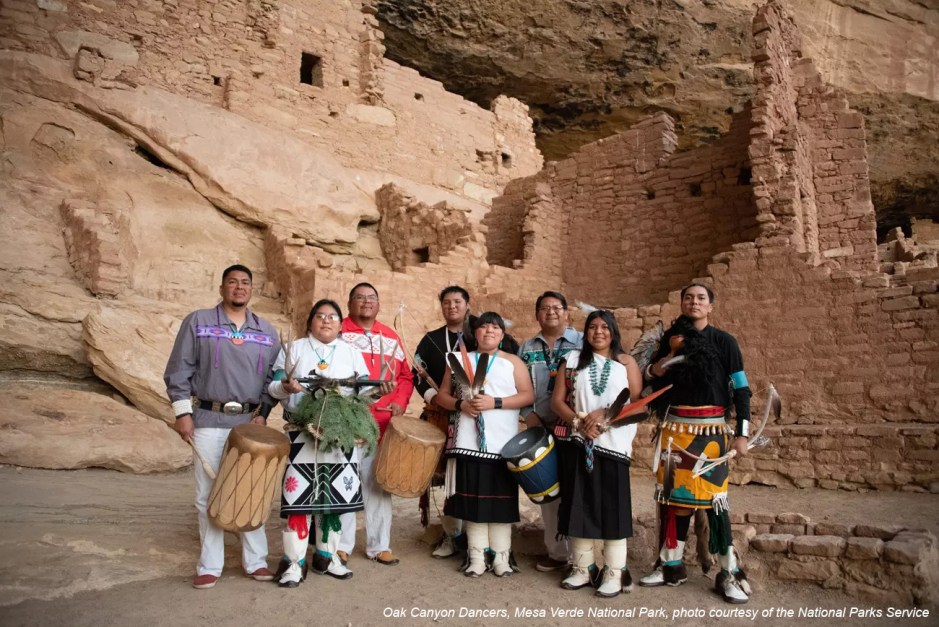
Long before Europeans explored and ultimately colonized the vast expanse of the United States, the land was home to many cultures dating back millennia. Today, our national parks celebrate these Indigenous cultures by preserving and sharing their many stories, histories, traditions and perspectives.
In honor of the upcoming Indigenous Peoples’ Day on October 14, we thought it was fitting to highlight how some of our partner sites are collaborating with neighboring Native tribes to develop new programs and exhibits.
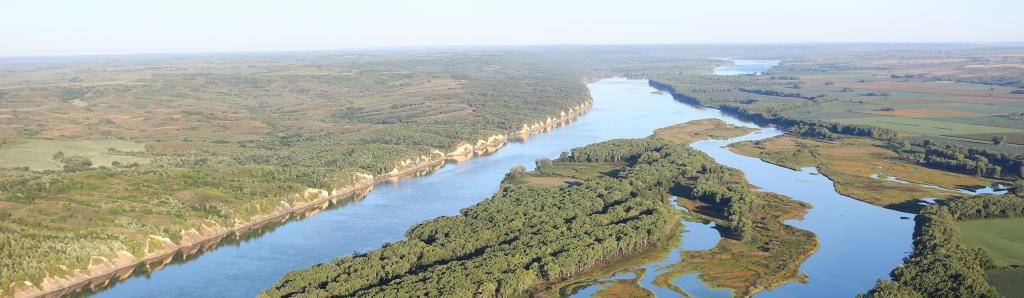
Missouri National Recreational River
Staff members at this Northern Plains park along the mighty Missouri are working to establish partnerships with the three tribes that call the park’s stretches of river home: the Yankton Sioux Nation, the Santee Sioux Nation, and the Ponca Tribe of Nebraska. They hope to develop programs for Native youth as well as opportunities for tribal elders to share their knowledge and teachings with their youth.
JNPA will support the park’s tribal partnership project with our new Blue Sky Grant funds.
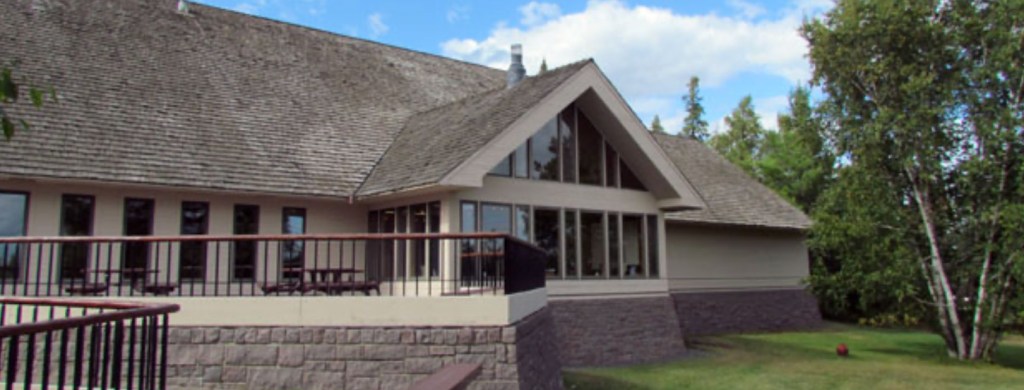
Voyageurs National Park
This northern Minnesota park is collaborating with Indigenous Ojibwe members of the Bois Forte Tribe on the creation of exhibits at the new Crane Lake Visitor & Education Center. New interpretive media will highlight themes of Indigenous knowledge, specifically incorporating traditional ecological knowledge of the Ojibwe/Anishinaabe people. There will be exhibits focusing on natural dark sky stories and the cultural history of the waterways that flow through Voyageurs National Park and the borderland region.
JNPA is supporting Voyageurs’ development of new Indigenous-focused exhibits with our new Blue Sky Grant funds.
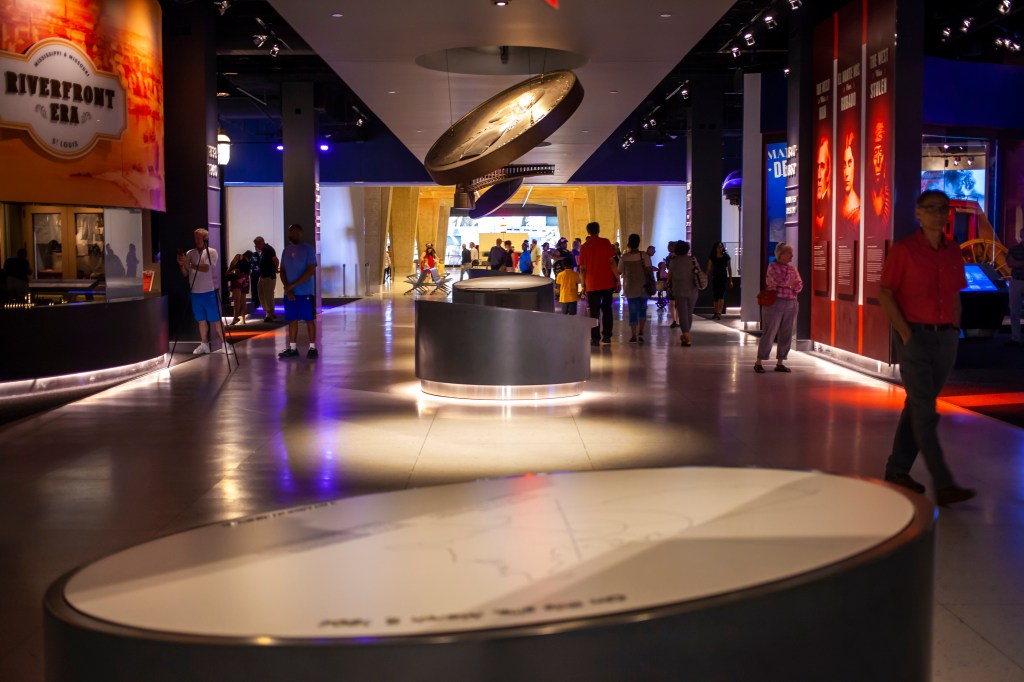
Gateway Arch National Park
When the new Museum at the Arch was under development, park staff at the Gateway Arch worked with many tribal nations, including members of the Osage Nation, to ensure the exhibits accurately reflected their perspectives. And since terminology tends to change and new Indigenous perspectives or research findings emerge, park leadership plans to host a gathering next year that would bring tribal consultants on site for an in-depth review of the museum exhibits.
The park staff also consults with Native Americans as it develops education and interpretive programs, to ensure the content incorporates tribal perspectives. And for special events, staff training and teacher workshops, the park tries to provide honorariums to Indigenous representatives so they can present programs in person—rather than having staff speak on their behalf.
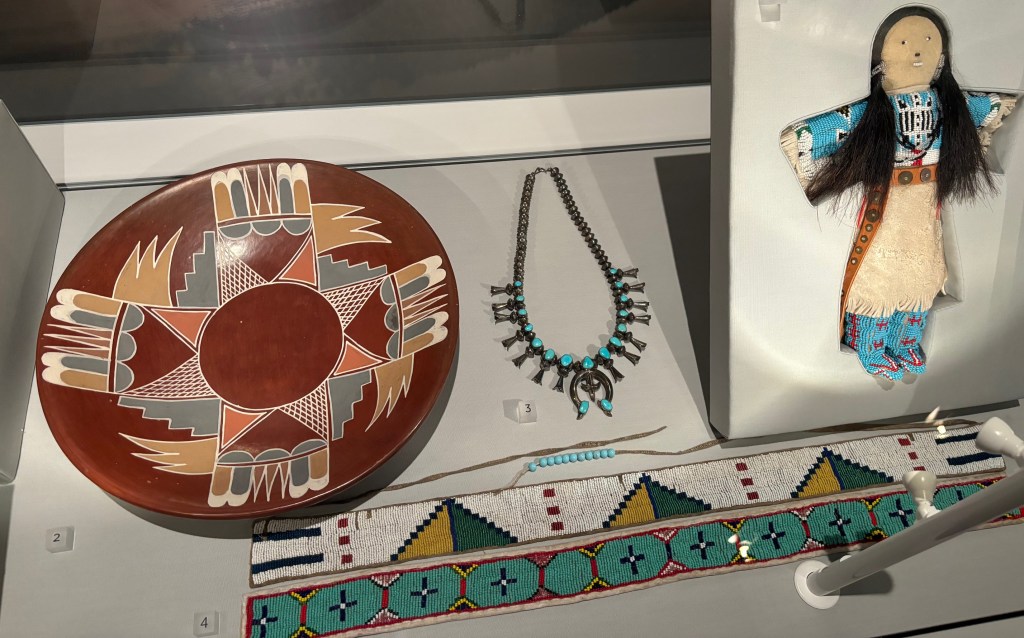
In addition, the park is working to identify any objects in the collections or on display that might fall under the Native American Graves Protection and Repatriation Act (NAGPRA). With the advice of tribal representatives, the park would need to identify any sacred or burial items that should be removed from display and/or returned to the respective tribes.
JNPA regularly underwrites fees for Indigenous speakers who deliver park programs.
 JNPA Blog