
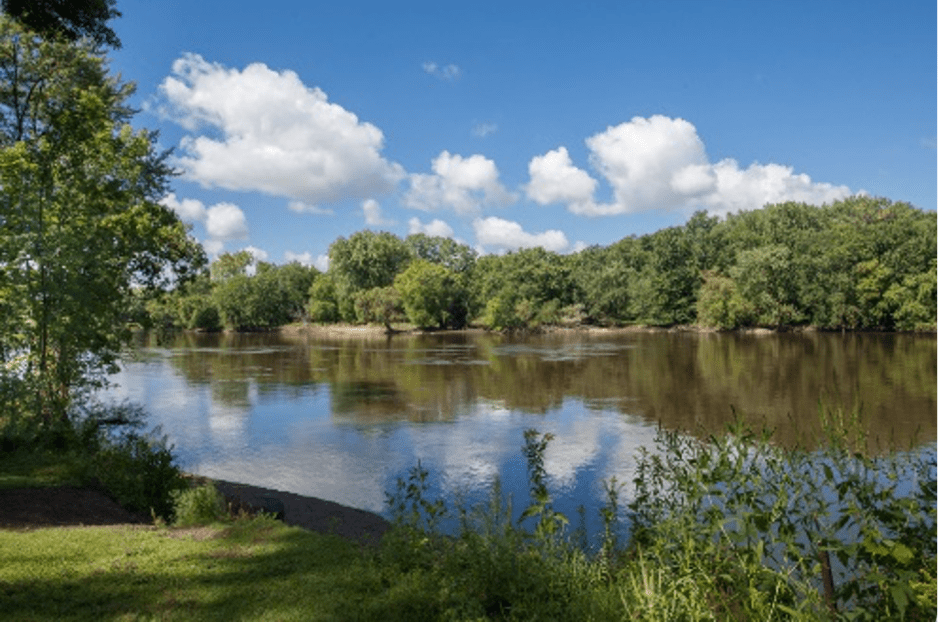
Early Ojibwe Indians called it misi-ziibi (meaning Great River). French explorers called it La Rivière de Saint Louis. The Spanish named it Río del Espíritu Santo. Today, we refer to it as the Big Muddy, Ol’ Man River, Old Blue, or the Mighty Mississippi.
No matter what we call it, the Mississippi River figures prominently in the history, ecology, geography, commerce, literature, and many diverse cultures of America. The river is also an integral part of several of our national park partner sites, including Gateway Arch National Park, Mississippi National River & Recreation Area, and Ste. Geneviève National Historical Park.
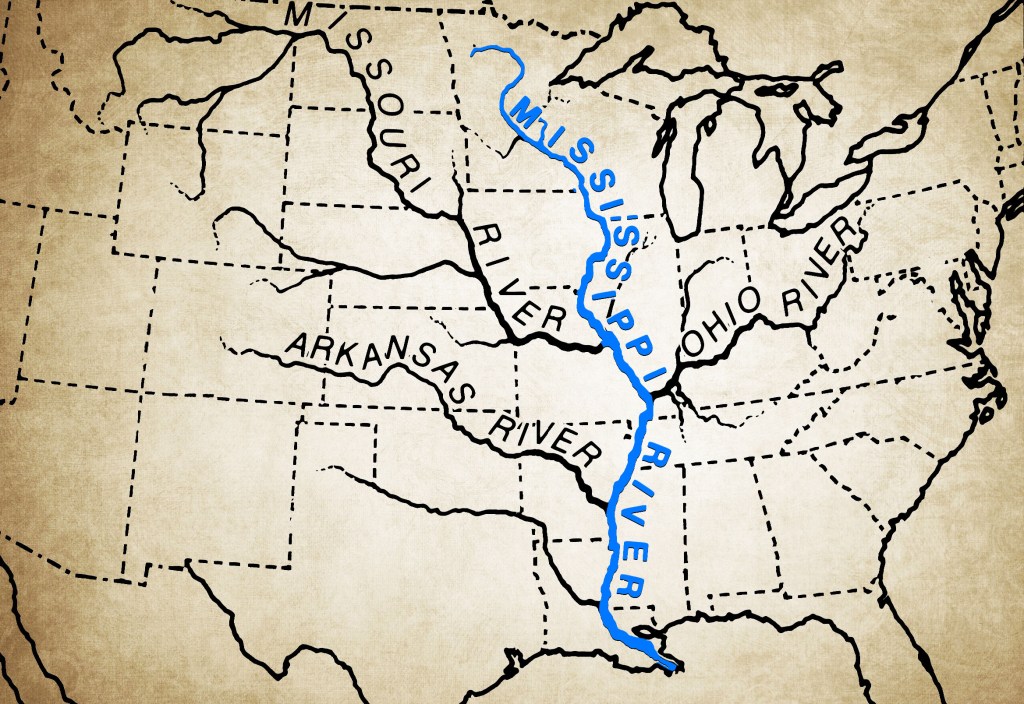
No matter how you look at it, the Mississippi is impressive. It measures 2,340 miles in length, stretching from its tiny source in northern Minnesota to the Gulf of Mexico. (In case you were wondering, it can take 90 days for a drop of water to travel that entire length!) Water from parts or all of 31 states and two Canadian provinces drains into the Mississippi, making it the third largest watershed in the world.

The river is home to an estimated 260 species of fish (25% of all North American species), 326 species of birds, more than 145 species of amphibians, and more than 50 species of mammals. Sixty percent of all North American birds use the river basin as their migratory flyway.
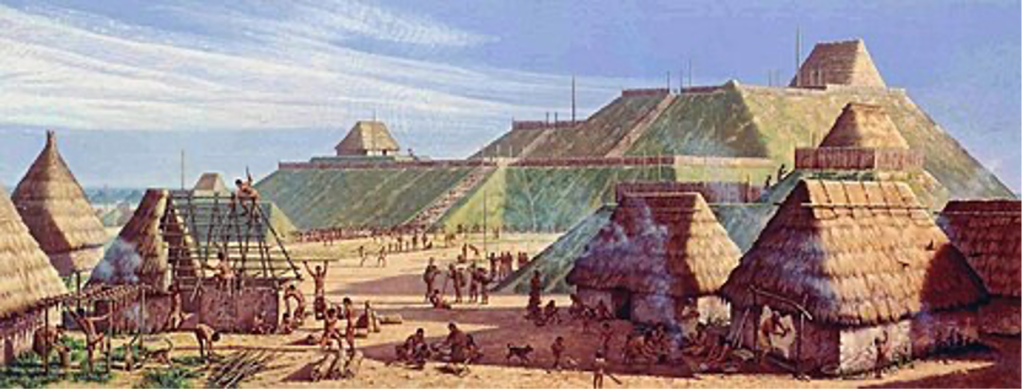
Humans, of course, have relied on the waters of the Mississippi for millennia. Native Americans have lived along its banks and tributaries for thousands of years. Most were hunter-gatherers, but some, such as the Mound Builders, formed prolific agricultural and urban civilizations. The ancient metropolis of Cahokia, Illinois, for instance, was more populous than London in the year A.D. 1250.
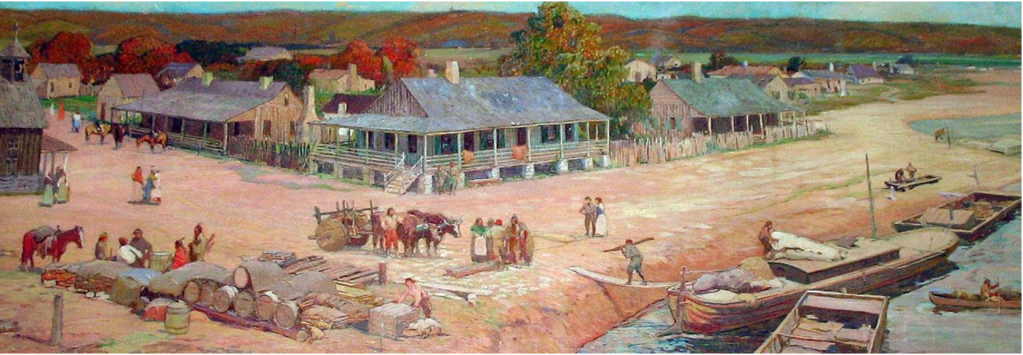
The arrival of Europeans in the 16th century changed the native way of life as first explorers, then settlers, ventured into the river basin in increasing numbers. Early European explorers used the Mississippi to explore the interior and northern reaches of the continent. Fur traders plied their trade on the river, and at various times soldiers of several nations garrisoned troops at strategic points along the river when the area was still on the frontier.
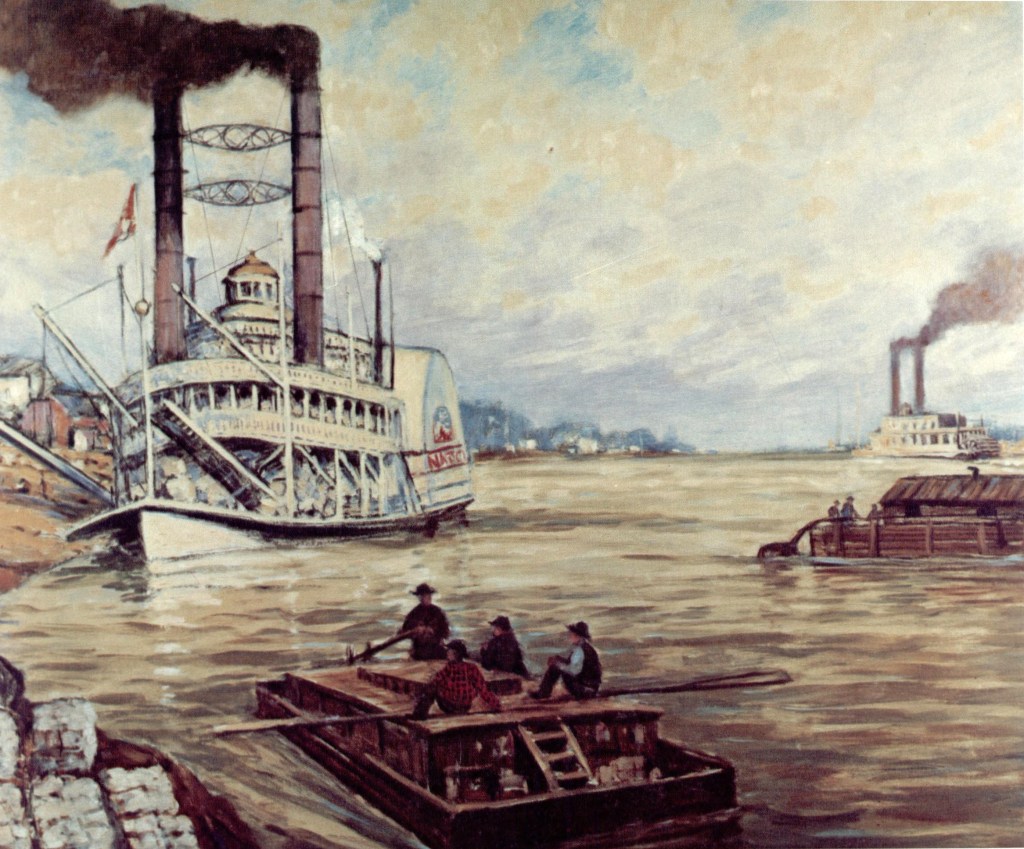
Starting in the 1800s, white settlers from Europe and America (and often their enslaved people) travelled the Mississippi on steamboats, further dispossessing the Native Americans of their lands and converting the landscape into farms and cities. They brought with them new traditions and cultures, and it wasn’t long before original American musical genres sprang up throughout the river basin.
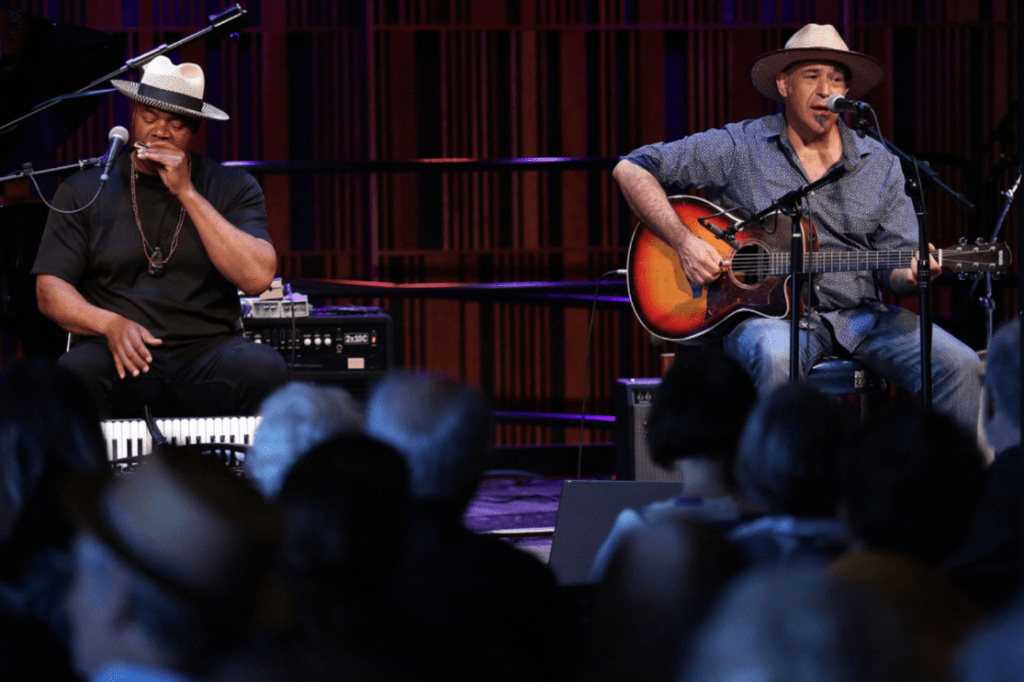
Jazz, blues, gospel, bluegrass, Dixieland, country, folk—all find their musical origins along the Mississippi’s banks. Our partner park Mississippi National River and Recreation Area has collected some original Songs of the Mississippi River, reflecting eight educational themes focused on the river. Take a listen to each one and imagine yourself as one of the unique characters who called the Mississippi home.
 JNPA Blog