
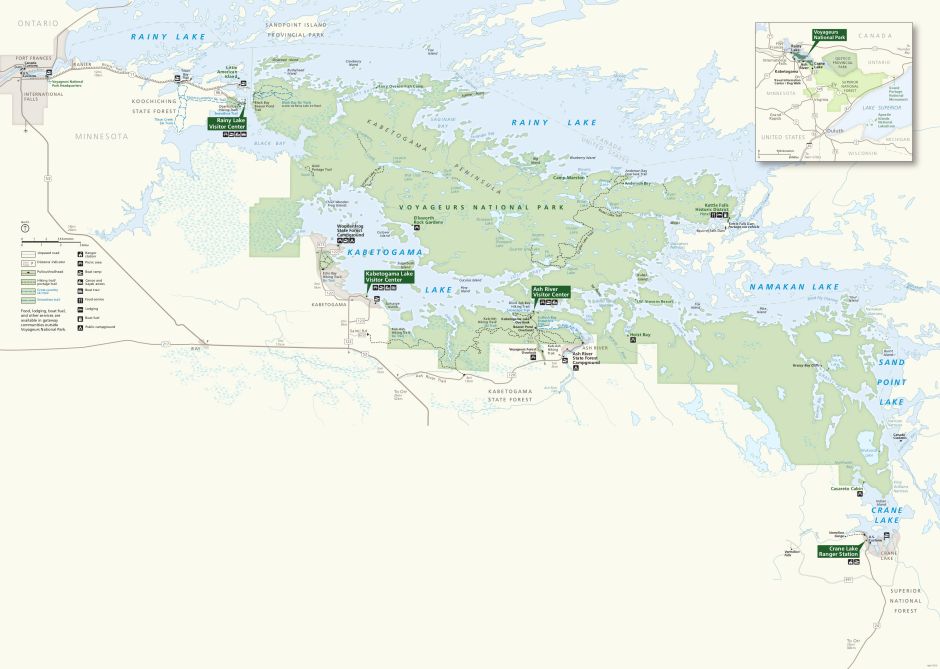
As we approach the end of Native American Heritage month, we wanted to honor the first people who occupied the lands we now call Voyageurs National Park. And to praise their artistry in the design of the remarkable birchbark canoe.
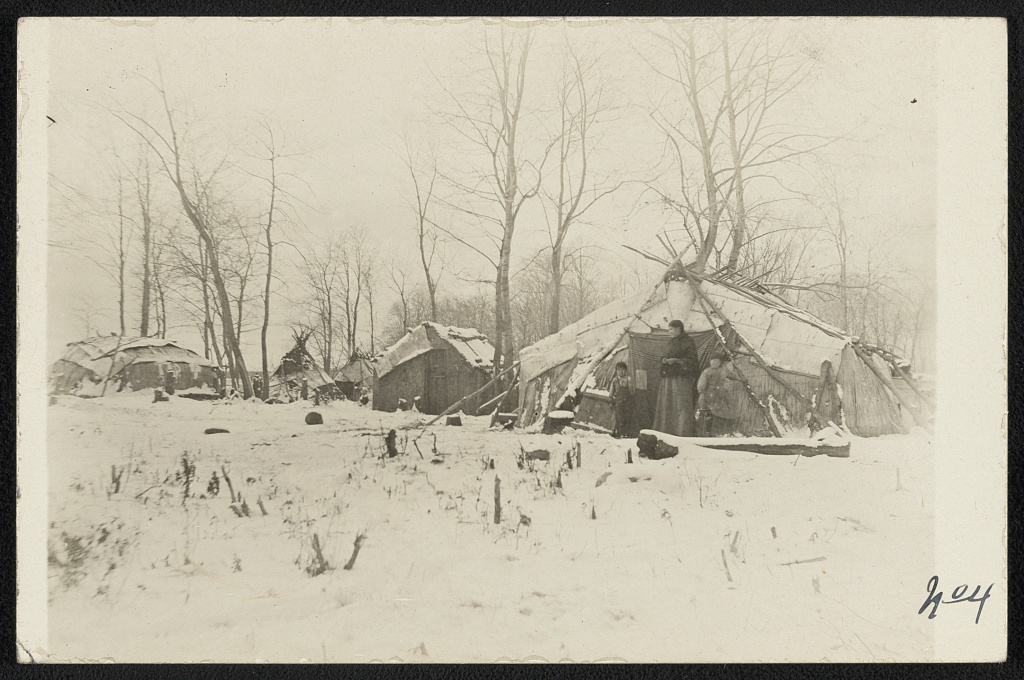
As glacial waters in northern Minnesota began to retreat nearly 10,000 years ago, small groups of people were able to move into the area, pursuing primarily a hunting and gathering lifestyle. The dense forests and the four major lakes within the 218,000 acres of today’s Voyageurs provided abundant natural resources for these Indigenous settlers. Fishing was their major source of food, as was the harvesting of native plants like wild rice.
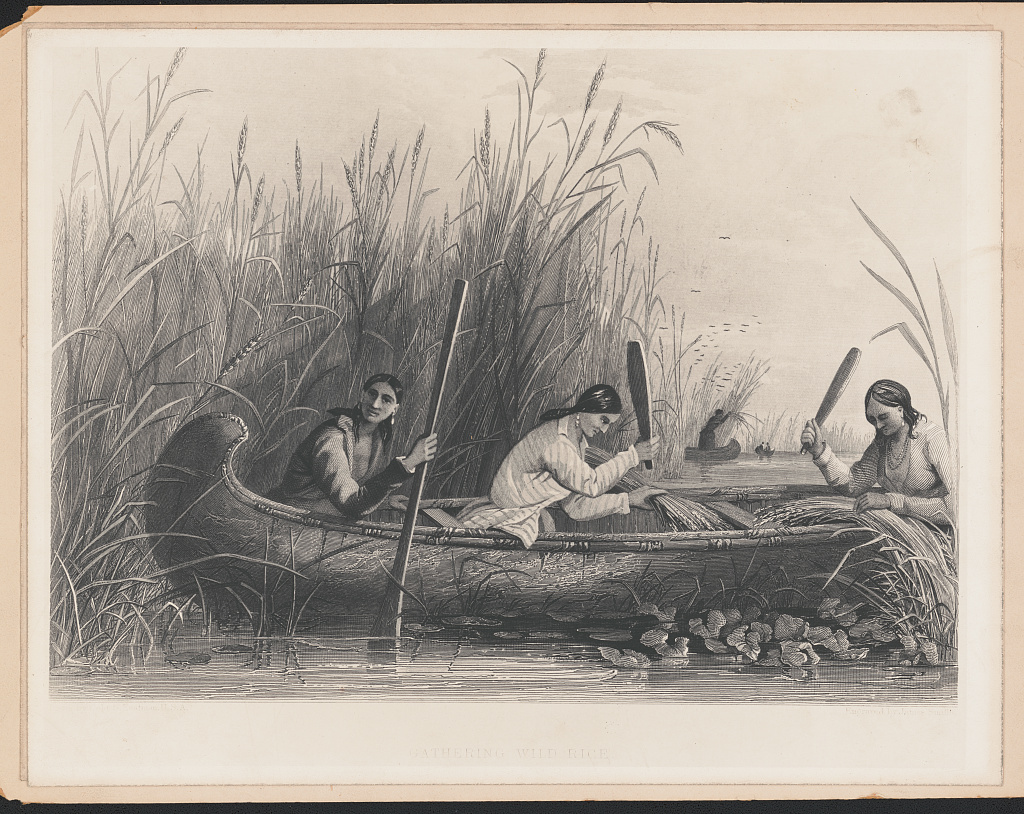
The dominant tribe in the area was the Ojibwe (also known as the Chippewa). Over time they played a key role in the region’s commerce as suppliers of food, furs, and canoes. The Ojibwes’ intimate knowledge of the local geography and resources also made them excellent guides for the European fur traders who later arrived in the area.
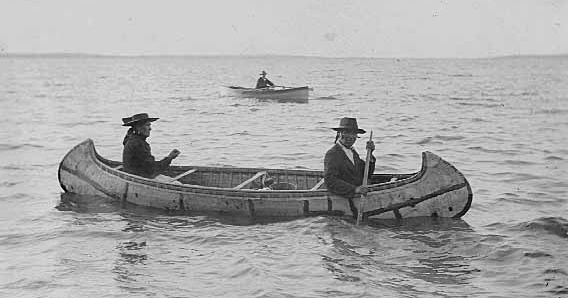
Since there were no roads or established trails in the early days of Minnesota, the Ojibwes’ primary mode of transportation was the birchbark canoe. They discovered that the outer rind of a birch tree can be stripped off without damaging the tree itself. When used for the outer skin of a canoe, birchbark is a naturally waterproof, resilient material, suitable for canoes that must navigate rivers, lakes, and even rapids. And its light weight made the canoes easy to carry over land.
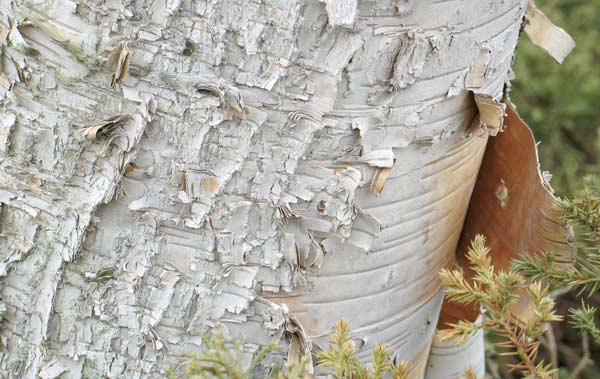
The Ojibwe canoe builders’ construction methods were impressive. They “make no use of nails and screws but everything is sewn and tied together,” reported a 19th-century observer. “The seams, stitches and knots are so regular, firm and artistic that nothing better could be asked for.”
The simple design integrates birch bark for the skin, cedar for the framework, split spruce-roots for sewing the bark to the frame, and a sealing compound made from cedar ashes and heated pine pitch for closing the seams. In the heyday of the fur trade, birchbark canoes were in high demand. The area that is now Voyageurs National Park became a canoe-building hub due to the abundance of birchbark and the artisanry of the Ojibwe.
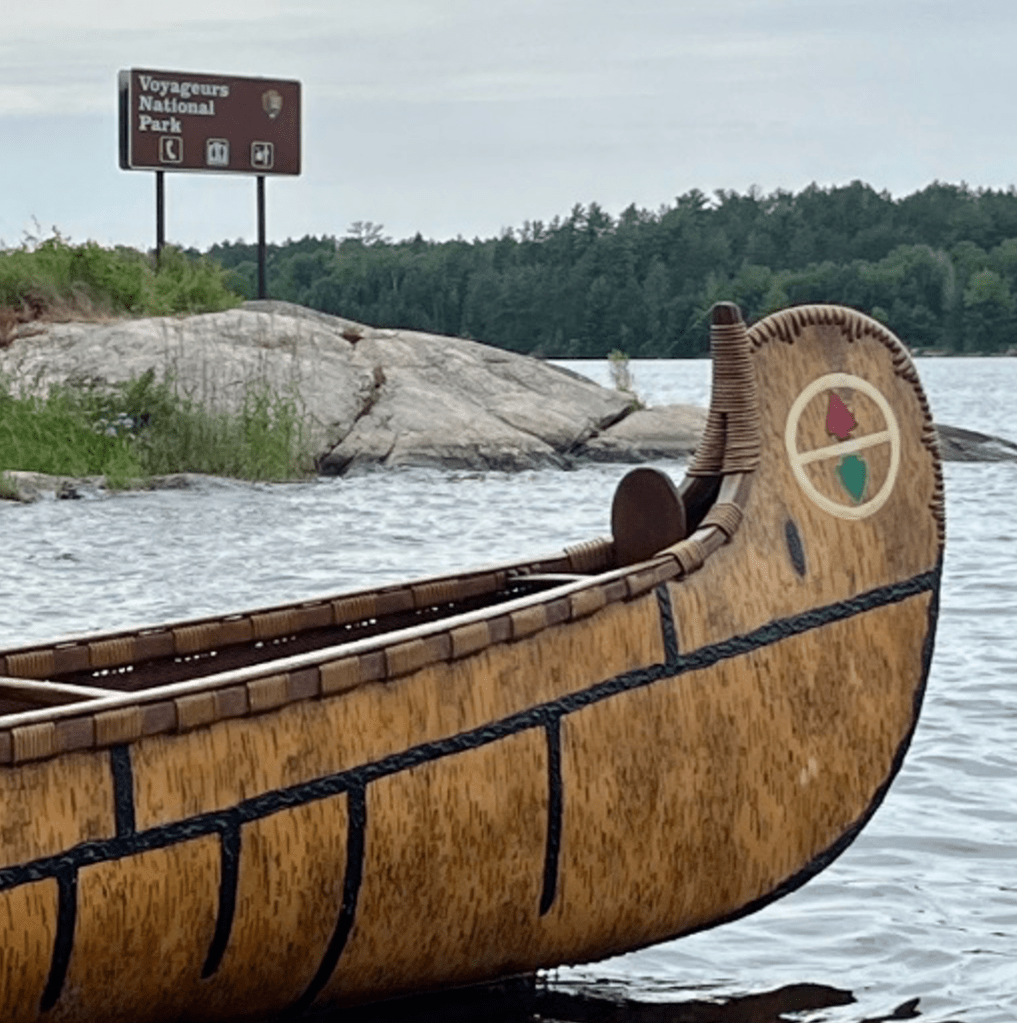
To get the full experience of a birchbark canoe, you’ll want to travel to Voyageurs next summer. The staff will invite you to participate in one of their programs featuring a replica of a 26-foot birchbark canoe – you might even get to paddle it!
 JNPA Blog