
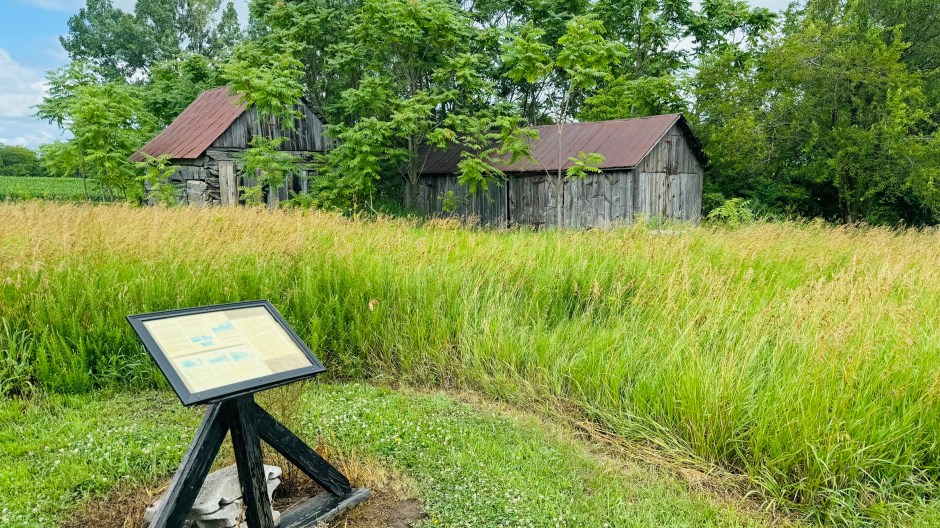
JNPA is proud to add to two new National Park Service sites to the list of partner parks that we serve. One site highlights the heroic story of a previously enslaved man, the other a sad reminder of Black-White conflict. This blog post will focus on the former, New Philadelphia National Historic Site. Our next post will tell the story of our other new partner park, Springfield 1908 Race Riot National Monument.
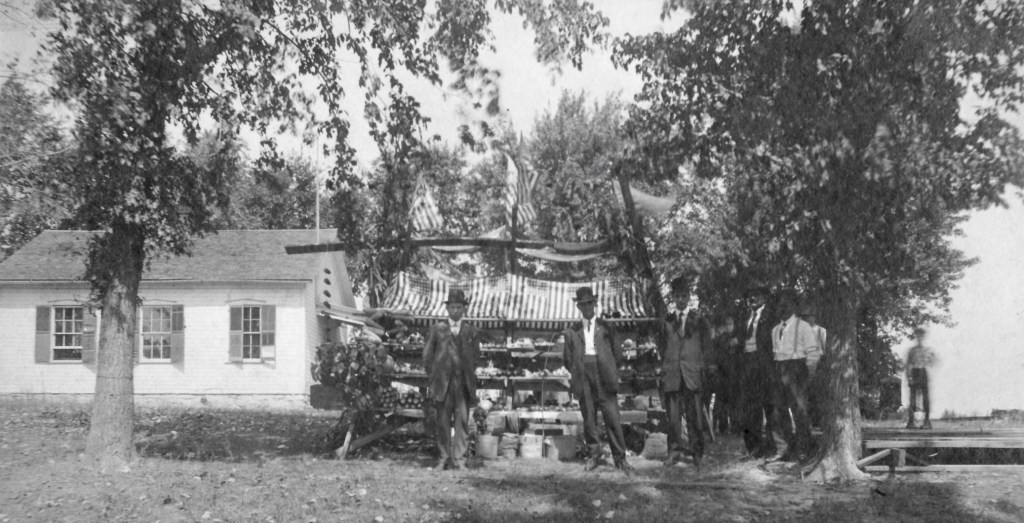
In 1836, the small village of New Philadelphia sprang up in west central Illinois, one of hundreds of villages and towns that emerged in rural America as settlers headed west. But New Philadelphia was not a typical pioneer community – it was the first American town founded and legally registered by an African American.
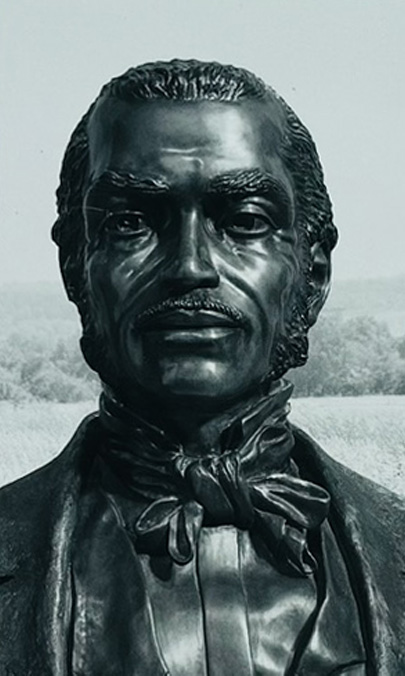
Frank McWorter (who called himself Free Frank) spent the first 42 years of his life as an enslaved man in South Carolina and Kentucky. Yet he aspired to freedom and independence. With the money he saved from outside jobs that his enslaver allowed him to hold, Free Frank was able to purchase freedom for his wife and himself, and ultimately 14 additional family members. In 1830, the couple and their freed children moved to the free state of Illinois, where they paid $100 for an 80-acre parcel of land and set up a pioneer homestead and farm in Pike County.
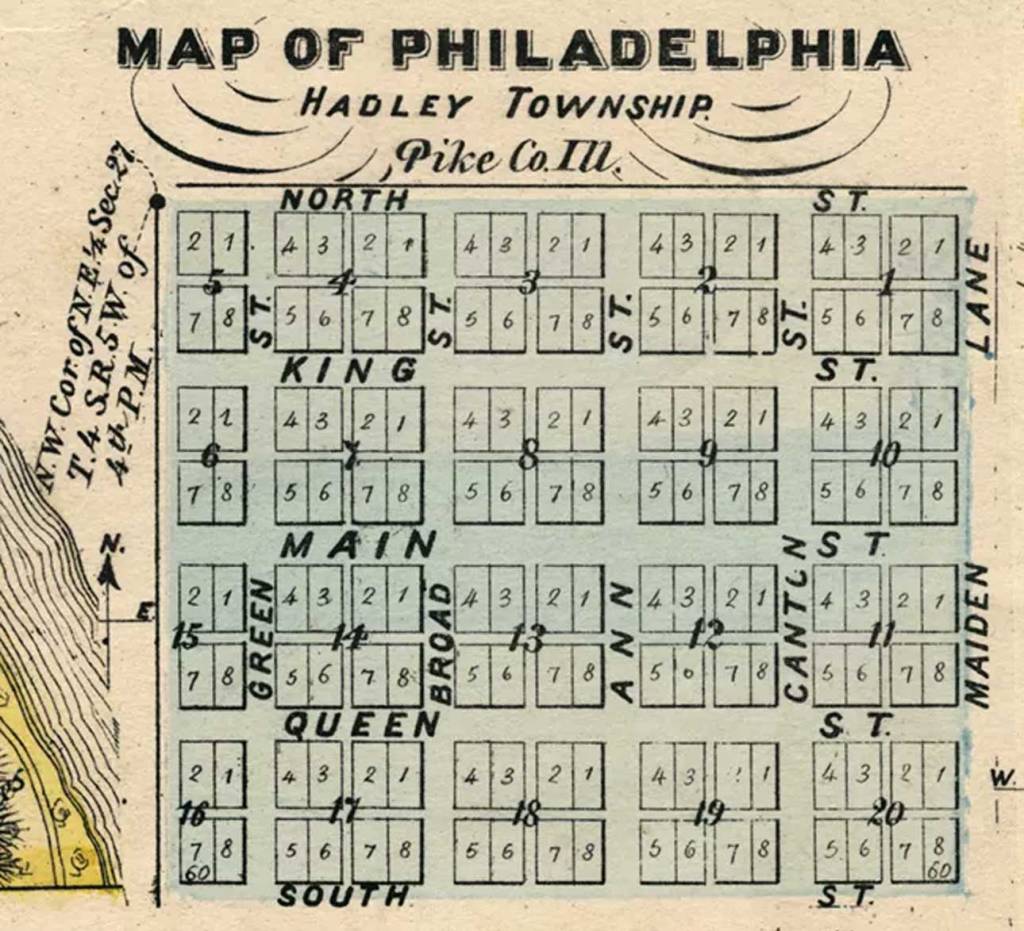
Free Frank officially registered and platted the town into 144 lots in 1836. He named it New Philadelphia, presumably to honor the city of Philadelphia, which had strong anti-slavery sentiments.
Soon the McWorters were joined by other settlers – both Black and White – drawn by nearby transportation routes and an abundance of natural resources. In 1865, it was a vibrant town with a population that peaked with as many as 100 residents, 30 percent of whom were Black. Federal census records from 1850 to 1880 report that residents worked as cabinetmakers, shoemakers, a wheelwright, a carpenter, a physician, teachers, ministers, merchants, and blacksmiths. The town served as a stagecoach stop and supported a post office for a time.
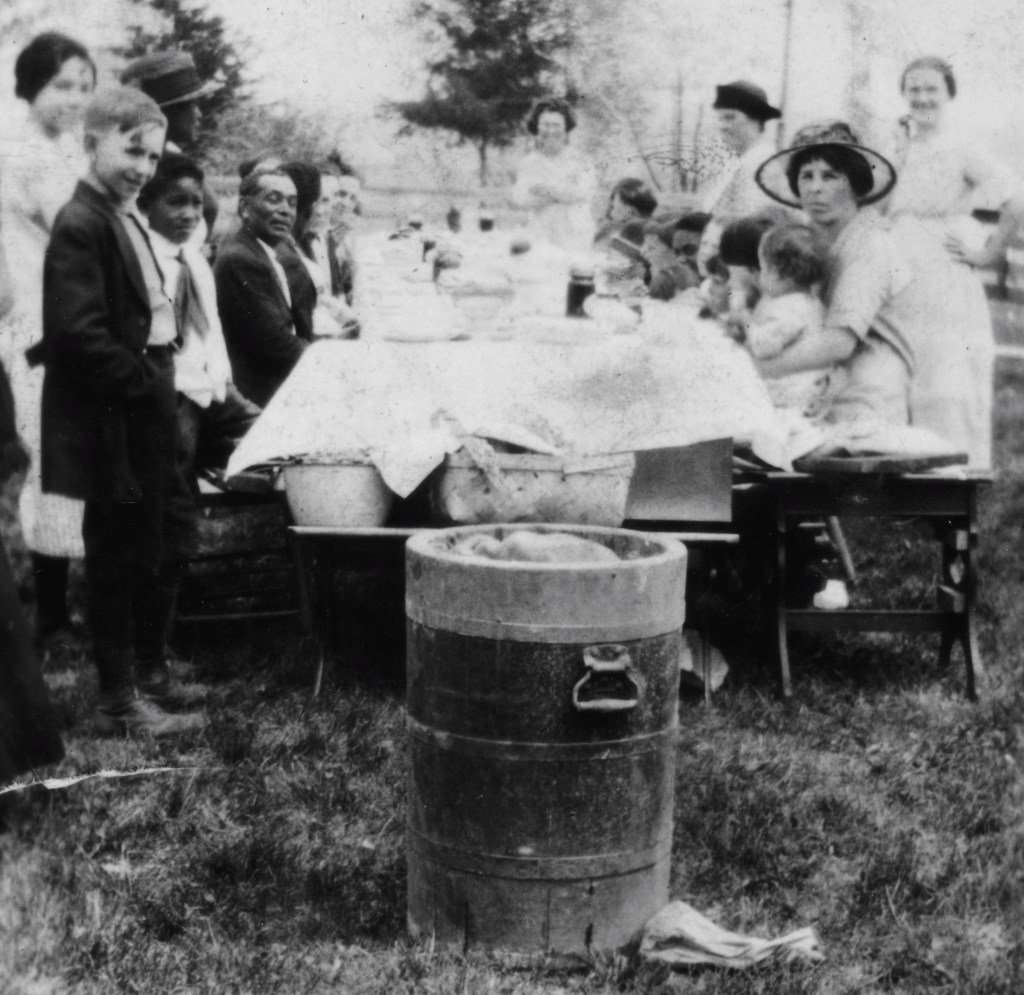
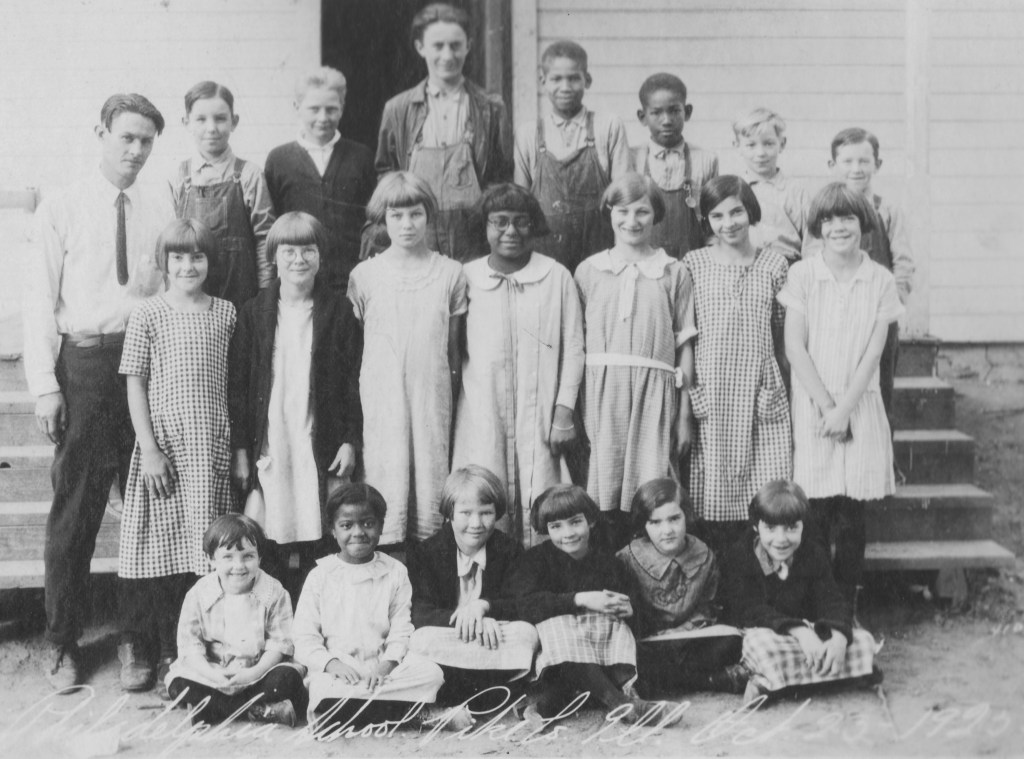
Black and White people freely intermingled throughout the town – on the farm, in church and at school. While other small towns in the area documented incidents of racial violence, researchers haven’t found evidence of any such occurrences in New Philadelphia.
Free Frank remained committed to helping emancipate enslaved people. As a free Black community only 20 miles from Missouri, New Philadelphia eventually became a stop on the Underground Railroad. According to descendants, his first cabin contained a cellar where freedom seekers could hide on their journey north. His sons even traveled with some freedom seekers to help them reach Canada.
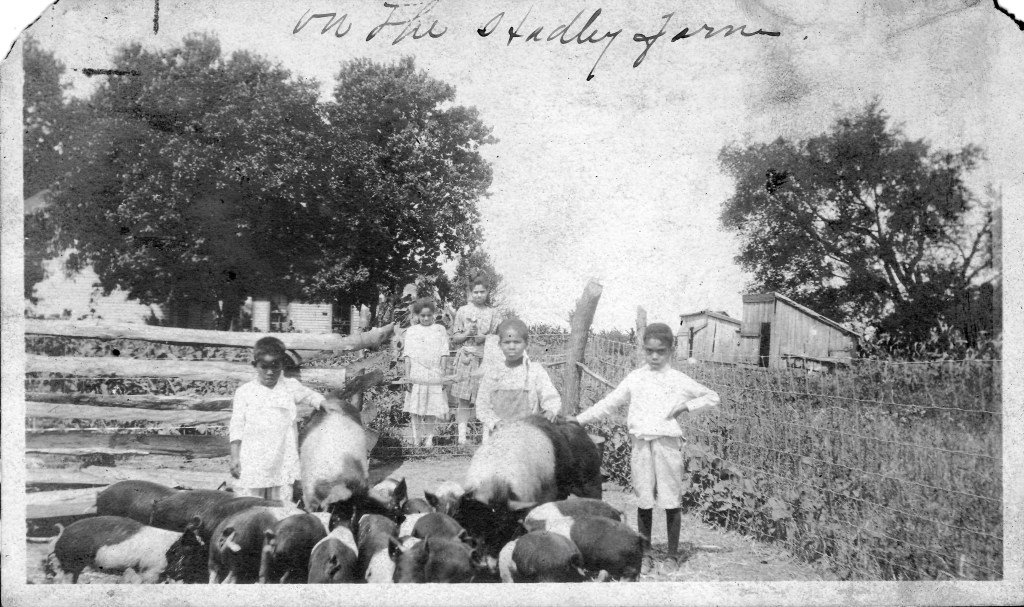
Over the ensuing decades, New Philadelphia declined, and most of its buildings were buried under farmland. But historical documents, oral histories, archeological research, local groups, and descendants have kept the town’s story alive. In late 2022, the National Park Service designated the town as a National Historic Site.
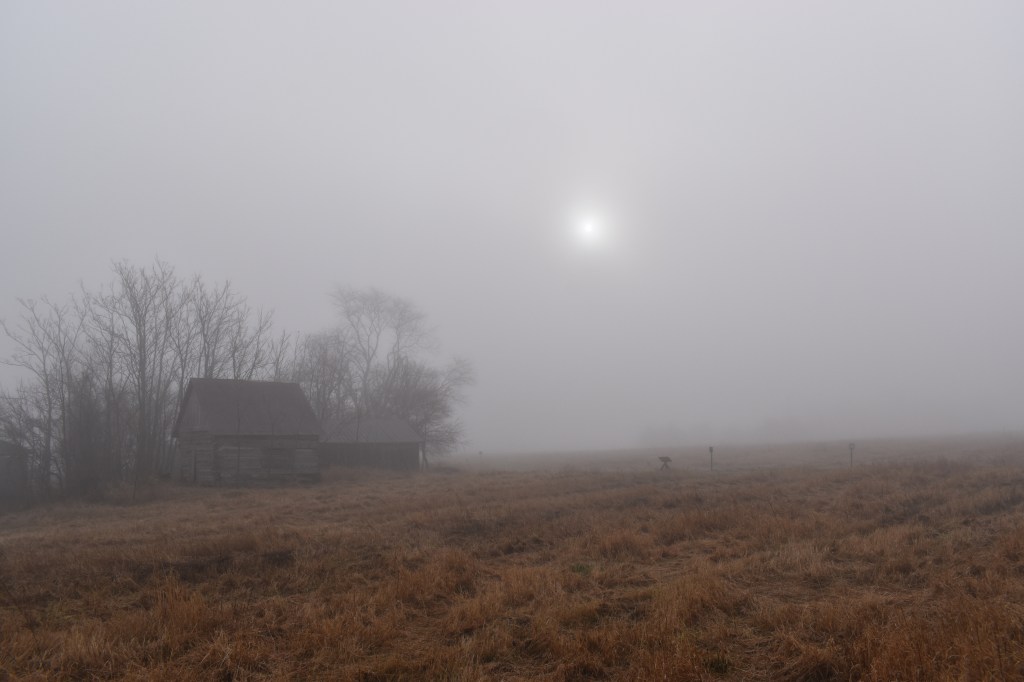
There are few visitor amenities on the site today, apart from an information kiosk and outdoor exhibits. But visitors who stroll along the ¼-mile walking trail can use their mobile devices to take an augmented virtual reality walking tour of the old town. NPS has plans to develop programs and additional facilities to bring New Philadelphia and the heroic story of Free Frank McWorter back to life.
 JNPA Blog