
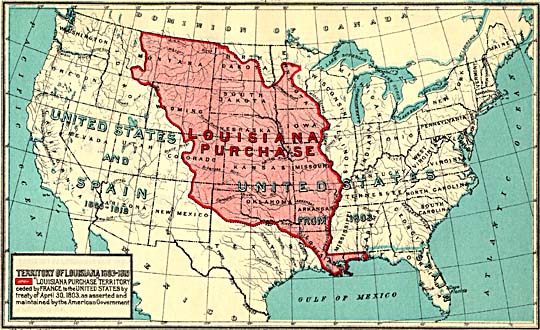
Tomorrow we commemorate an important milestone in the history of our nation. On April 30, 1803, the United States and France signed the Louisiana Purchase agreement. With one stroke of a pen, the U.S. purchased 828,000 square miles of land west of the Mississippi River at a cost of $15 million (approximately $371 million in today’s dollars). For roughly 4 cents an acre, our nation doubled its size, expanding our borders westward.
The historic purchase included land from 15 current U.S. states and two Canadian provinces: the entirety of Arkansas, Missouri, Iowa, Oklahoma, Kansas, and Nebraska; large portions of North Dakota and South Dakota; parts of Montana, Wyoming, and Colorado east of the Continental Divide; the portion of Minnesota west of the Mississippi River; parts of New Mexico and Texas; New Orleans and the area of present-day Louisiana west of the Mississippi River; and small portions of Alberta and Saskatchewan. (The western and northern borders of the acquired land were later amended by subsequent treaties with Spain and Great Britain.)
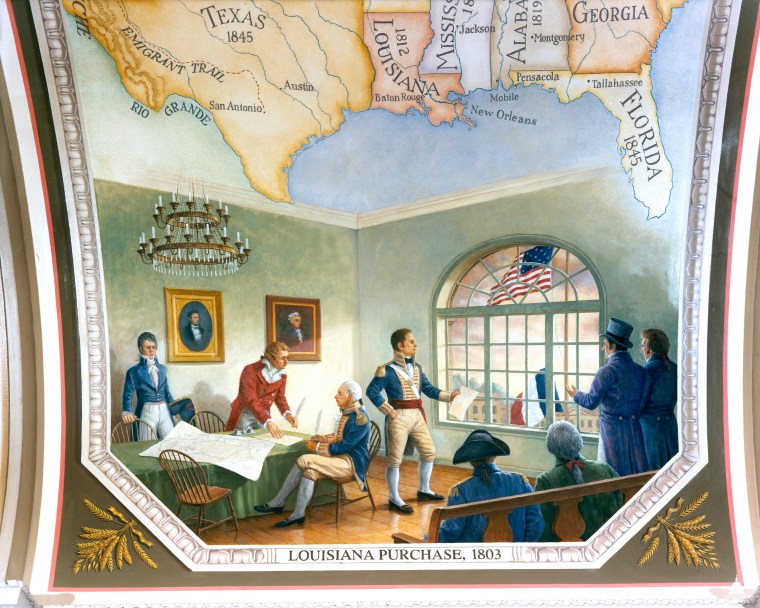
President Thomas Jefferson had long been eager to acquire the Louisiana Territory, especially the strategically crucial port of New Orleans. He authorized his negotiators to pay France up to $10 million just for New Orleans and the Floridas. But when they were offered the entire territory for an additional $5 million, they quickly agreed to the deal. Eventually Congress was persuaded to ratify the agreement and fund the purchase.
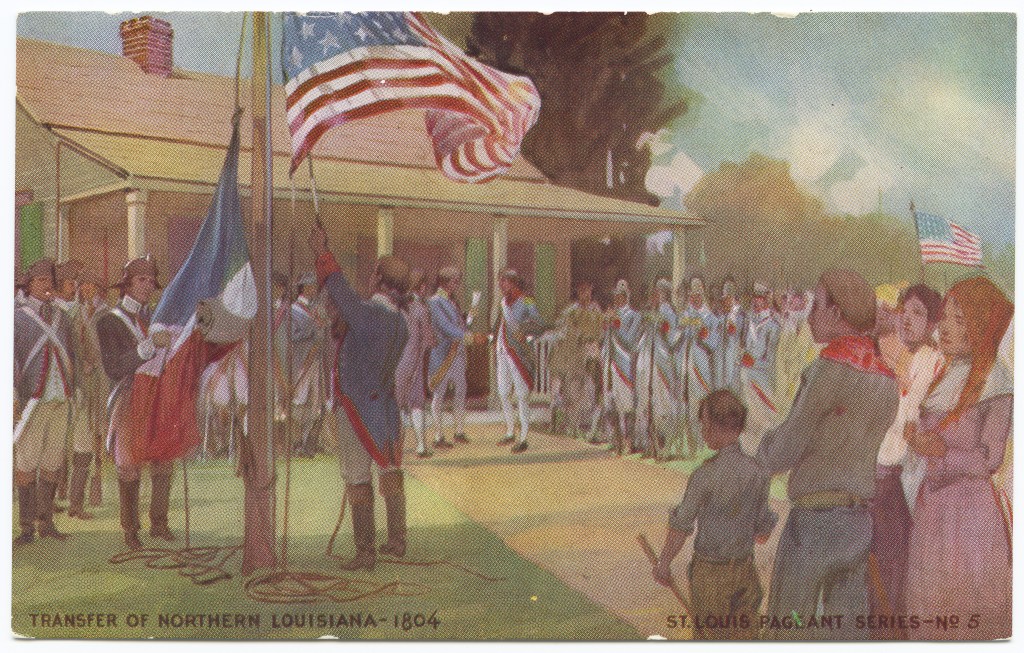
Though the Louisiana Purchase agreement was officially signed on April 30, the U.S. did not take immediate possession of the land. Spain had been in control of the territory since 1763. And although France re-acquired it in a secret deal in 1800, the region was still administered by Spain and needed to be formally turned over to France. It would be nearly a year before this was completed. Eventually on March 9, 1804, the transfer began in St. Louis. The Spanish flag was lowered and the French flag hoisted. It would fly for 24 hours before being removed and replaced by the American flag.

The event, often called Three Flags Day, officially cleared the way for Lewis and Clark to begin their expedition westward. It is commemorated in the Museum at Gateway Arch National Park.
In actuality, France controlled only a small portion of the Louisiana Territory when it was deeded to the U.S. Most of the land was inhabited by thousands of Native Americans, representing dozens of tribes. So in addition to the French possession, we purchased the right to obtain Native lands by treaty or by conquest, to the exclusion of other colonial powers.
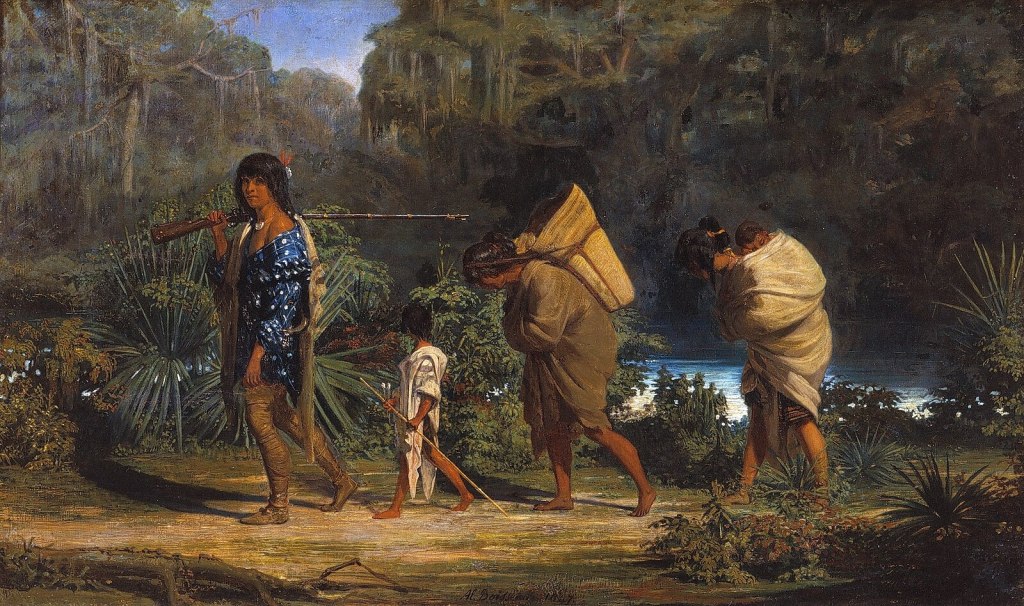
As we now know, for Indigenous people west of the Mississippi River, the Louisiana Purchase was the beginning of more than a century of land loss, forced relocation, and threats to traditional lifeways. As additional territories and U.S. states were established, more and more Americans from the East traveled west, leading to conflict with Indigenous peoples. Ultimately, Native tribes were forcibly moved onto reservations, losing vast swaths of their homelands. It wasn’t long before the federal government would force them to change their ways of life and try to erase their religions and cultural heritage.
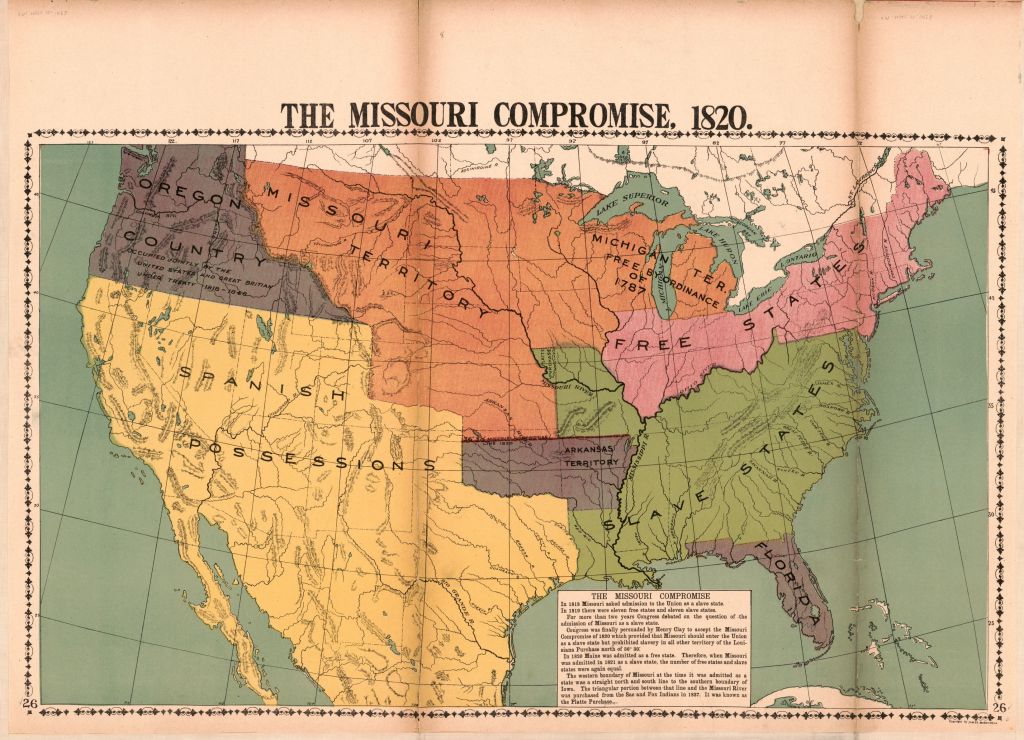
The fate of enslaved and free African Americans also became entangled in the newly acquired lands. As states organized within the Louisiana territory, the tensions between the pro-slavery South and the anti-slavery North intensified. The desire to maintain a balance between “free states” and “slave states” required a series of fragile compromises. The Missouri Compromise of 1820 was a temporary solution, though as agreements became more difficult to achieve, civil war became inevitable.
 JNPA Blog