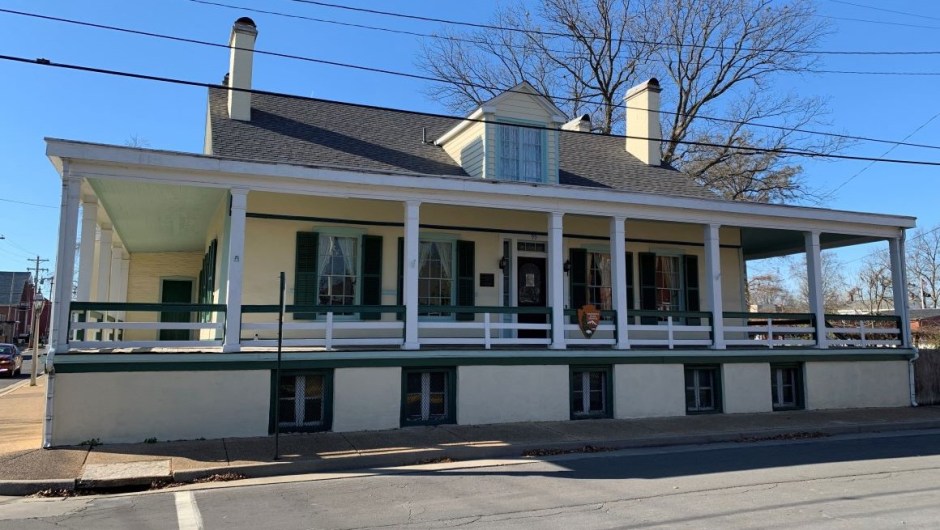
Bienvenue!

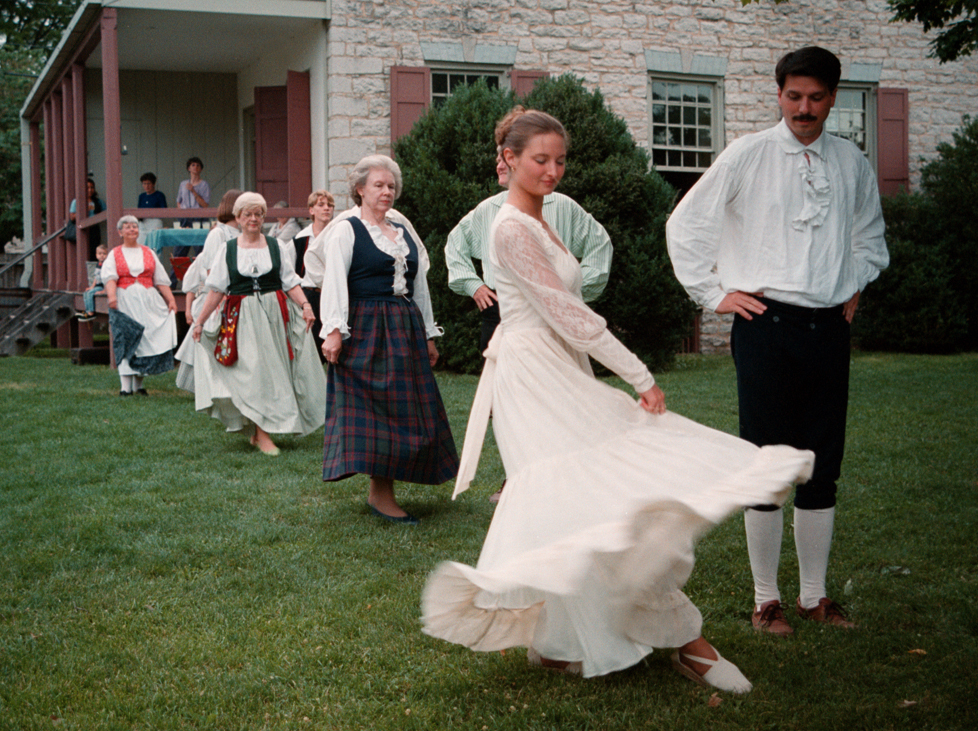
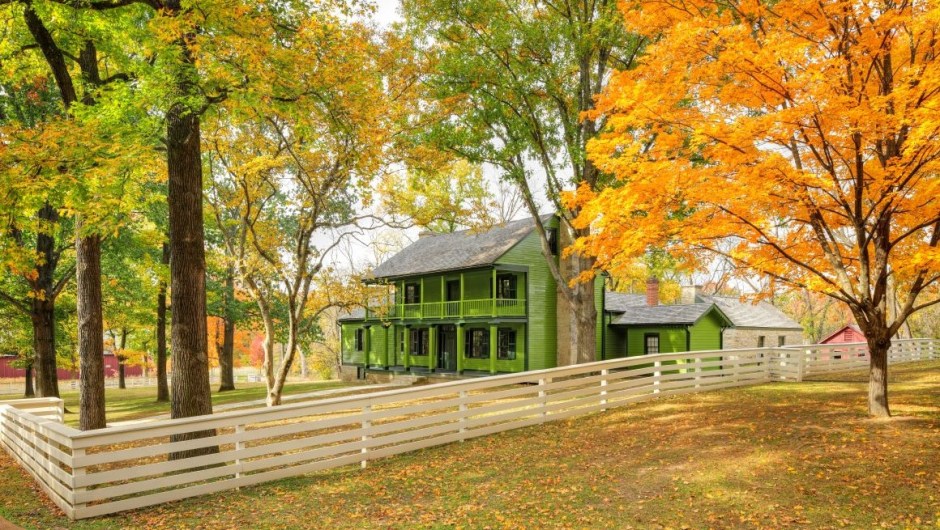
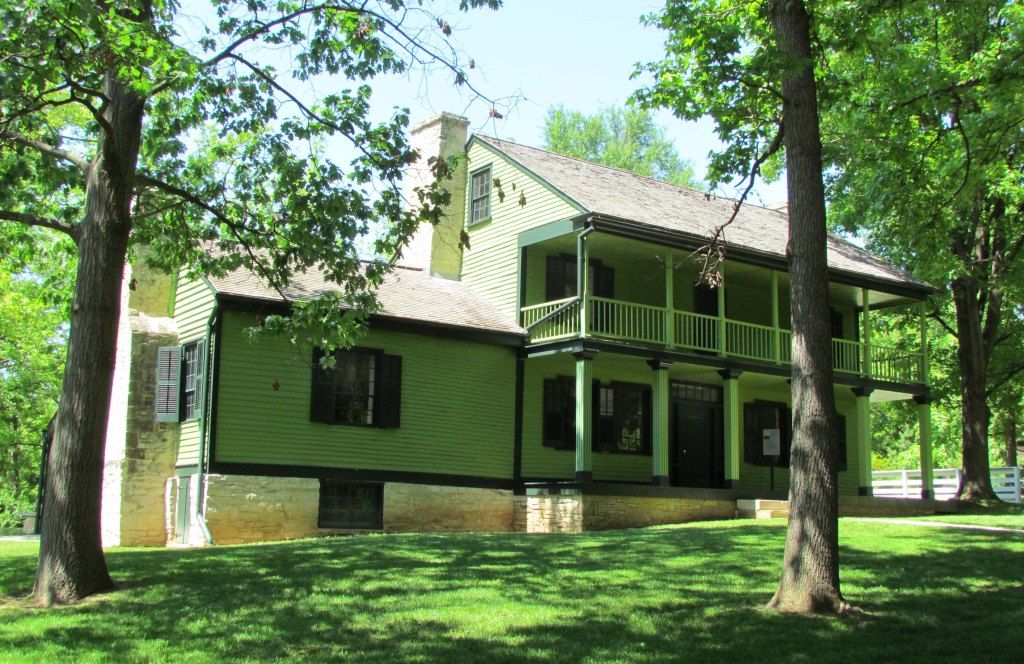
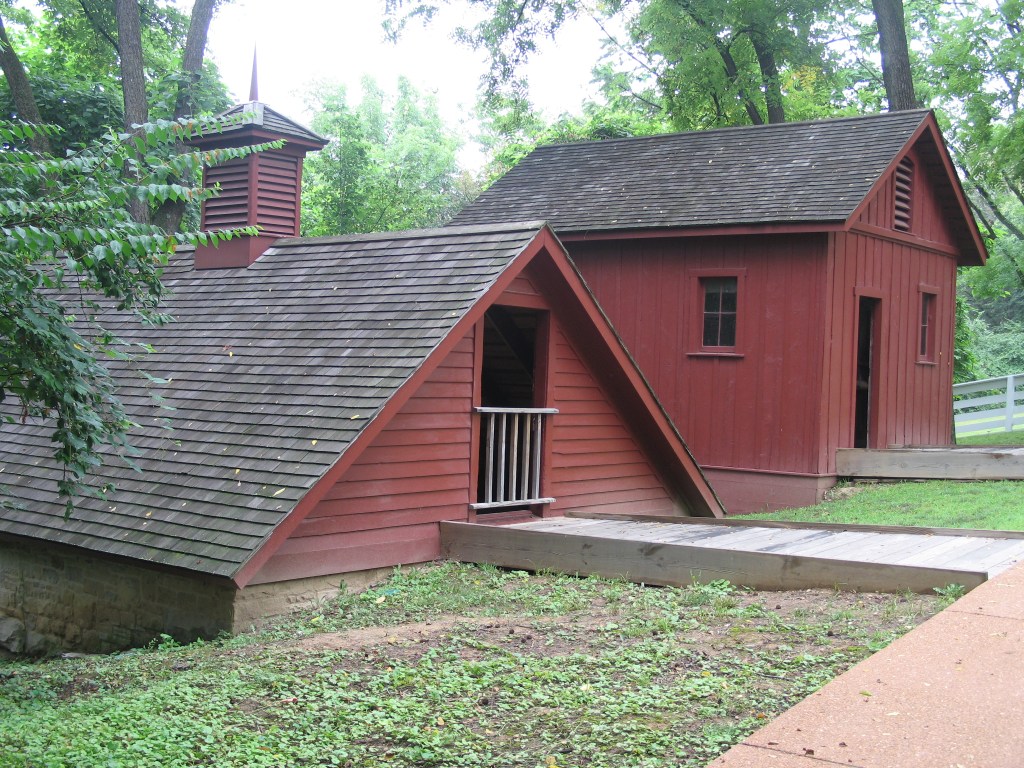
If you guessed Ste. Genevieve, Missouri, you’re right!  Ste. Genevieve National Historical Park became the 422nd unit of the National Park Service less than a year ago.  The town was established in the 1750s by French colonists when the territory west of the Mississippi River was part of French Louisiana.  Americans (many of German heritage) arrived in the early 1800s, along with African Americans, Creoles, Spaniards and Native American populations, creating a true melting pot of cultures. 
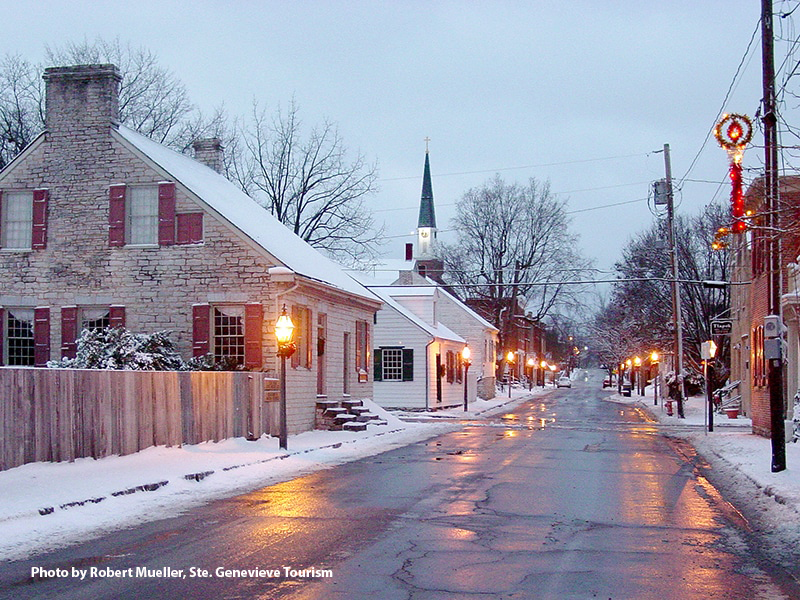
Ste. Genevieve boasts a number of historically significant wooden buildings that have survived the centuries.  These French-built “poteaux-en-terre” houses features walls made of vertical logs rather than the more traditional horizonal log structures used elsewhere.
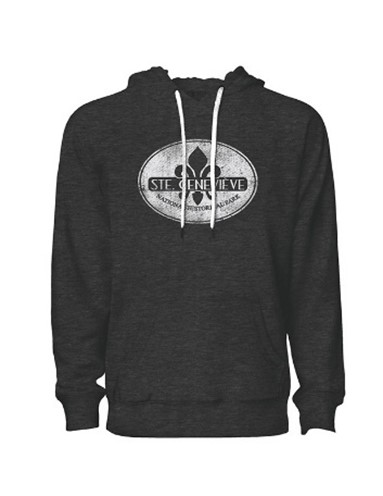
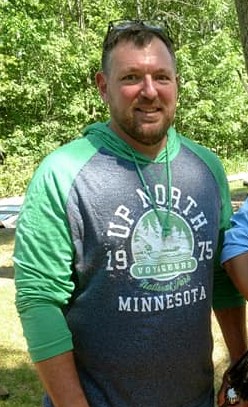
As a proud partner of this new national park site, JNPA operates the bookstore in the town’s welcome center.  Stop by and pay us a visit when you tour this charming town and pick up one of our interesting books or a fun souvenir like this cozy sweatshirt.
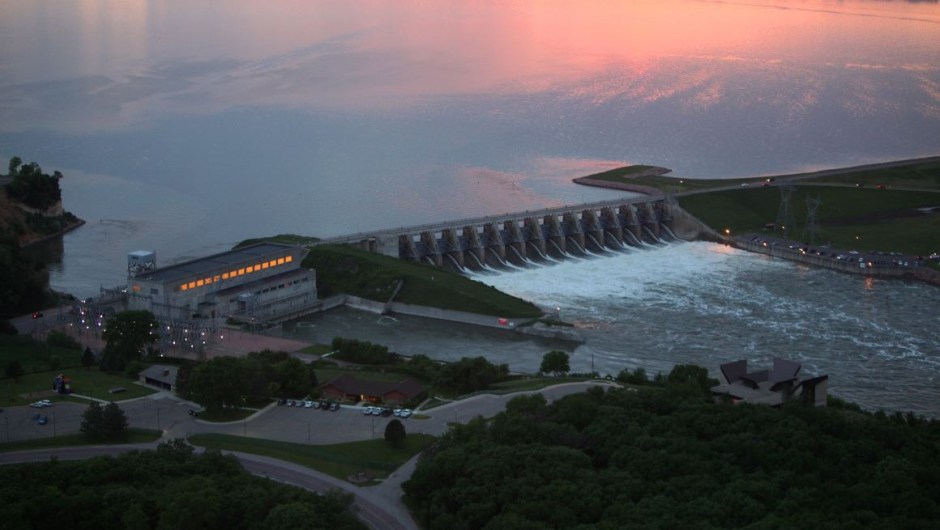
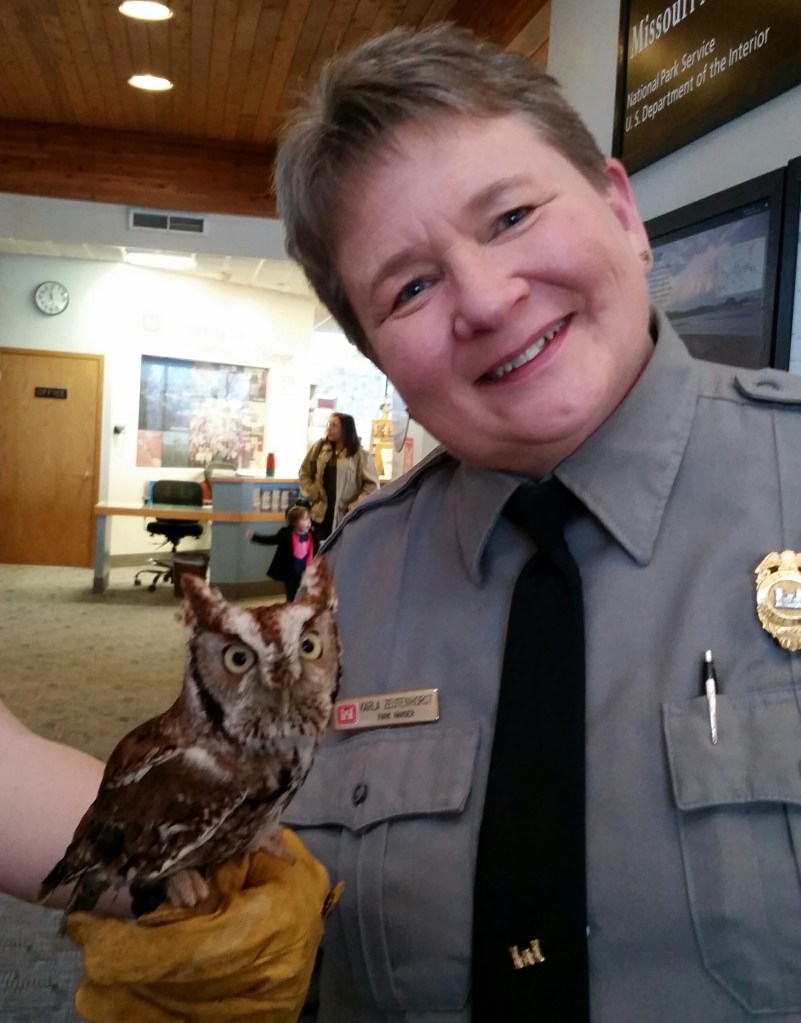
An Inside Look at the Lewis and Clark Visitor Center

Karla Zeutenhorst is a Park Ranger at the Lewis and Clark Visitor Center in Crofton, Nebraska. We caught up with her to get an inside look at what it is like to work as a ranger for the Army Corps of Engineers.

Why did you start working for the Army Corps?

I started working for the U.S. Army Corps of Engineers because I wanted to be a park ranger and they seem to have the best ranger program in my area. 

How long have you been working for the Corps and more specifically, at Lewis and Clark?

I have been working for the Corps for 32 years.  7 years at Saylorville Lake near Des Moines, IA, 7 years at Lake Sidney Lanier near Atlanta, GA, and 18 years at Lewis and Clark Lake in Yankton, SD, where I manage the Lewis and Clark Visitor Center

What is particularly special about the park you manage, or why should someone visit?

Lewis and Clark Lake is the first large reservoir on the Missouri River and provides recreational opportunities for people in South Dakota, Nebraska, Iowa and Minnesota. 

What’s your favorite part of the job?

The favorite part of my job is working with visitors.  At the Lewis and Clark Visitor Center, we get visitors from all over the U.S. and many other countries. 

What kinds of careers are available in the Army Corps of Engineers?

There are many different kinds of careers with the Corps.  Of course there are jobs as park rangers and biologists, but also in engineering, mechanics, electricians, safety, construction, financial, lawyers, public affairs and even medical professions.  Look on www.usajobs.gov for listings.

Are you reading or watching anything interesting right now?

I am currently reading the book “Park Ranger Stories from the U.S. Army Corps of Engineers” by Joseph P. Barry.

What’s your favorite activity to do at your site?

Watching and photographing birds.

Your park’s best kept secret is…?

The bookstore at the Lewis and Clark Visitor Center 😊

The Struggle for Equality in Education

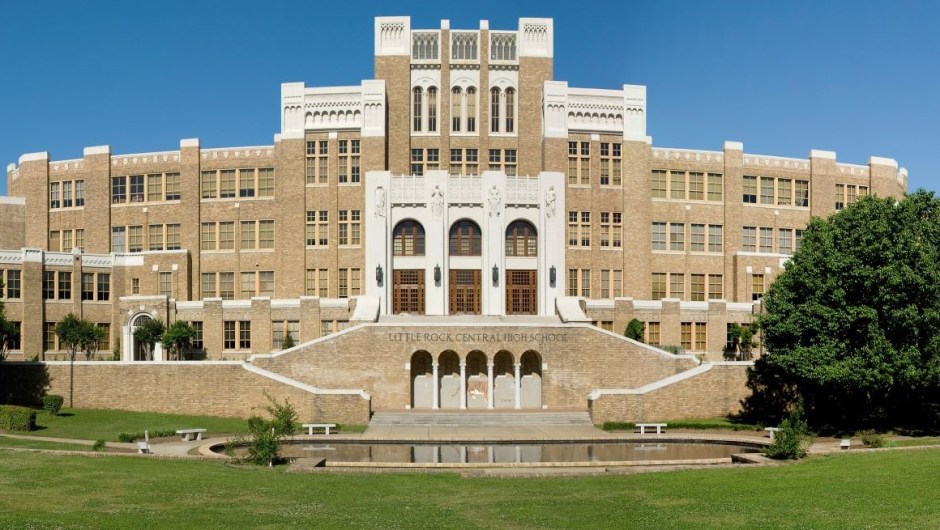
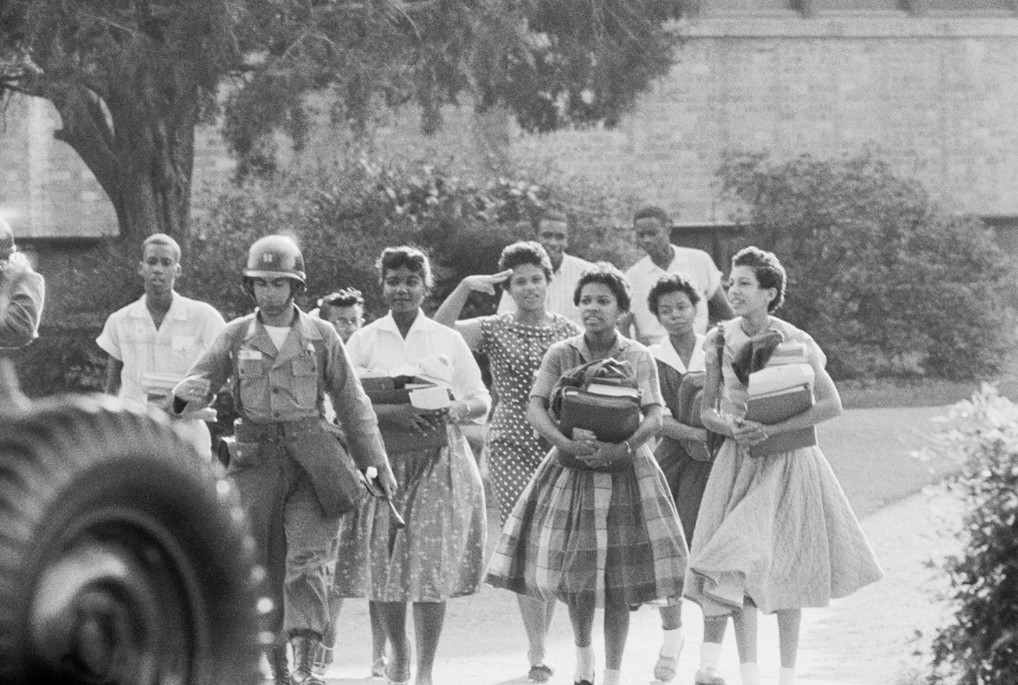
In September 1957, nine African American teenagers met fierce opposition by local mobs as they attempted to start the schoolyear at the all-white Central High School.  Eventually President Dwight Eisenhower ordered federal troops to quell the violence and to escort the students into the school.  This incident became the first real test of the landmark U.S. Supreme Court decision known as Brown v. Board of Education, which had ruled a few years earlier that segregation in public schools was unconstitutional.

The National Park Service commemorated the historic role that this site played when it named the high school a National Historic Landmark in 1982.  NPS also operates a nearby visitor center that interprets the historic civil rights events that landed the school in the national limelight.  Central High continues to operate as a functional high school today, the only one located within the boundary of a national historic site.

What’s It Like to Run a National Park?

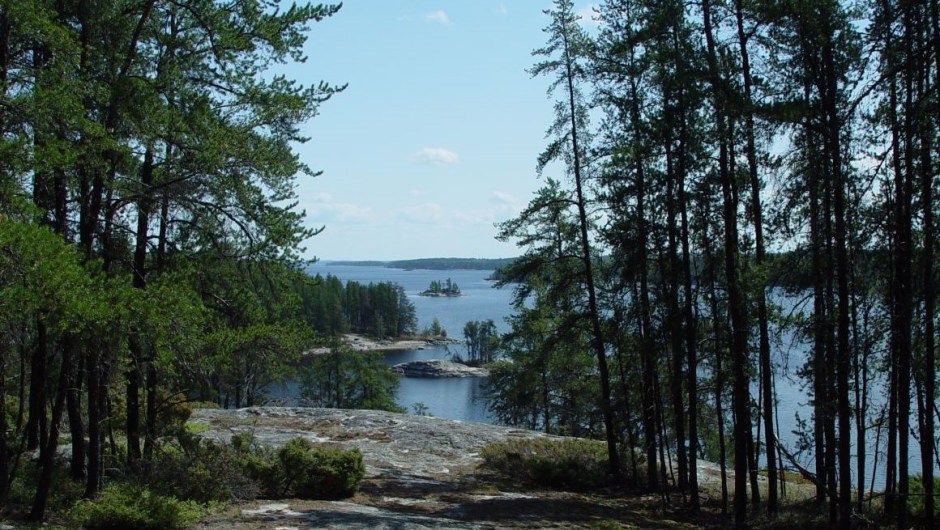
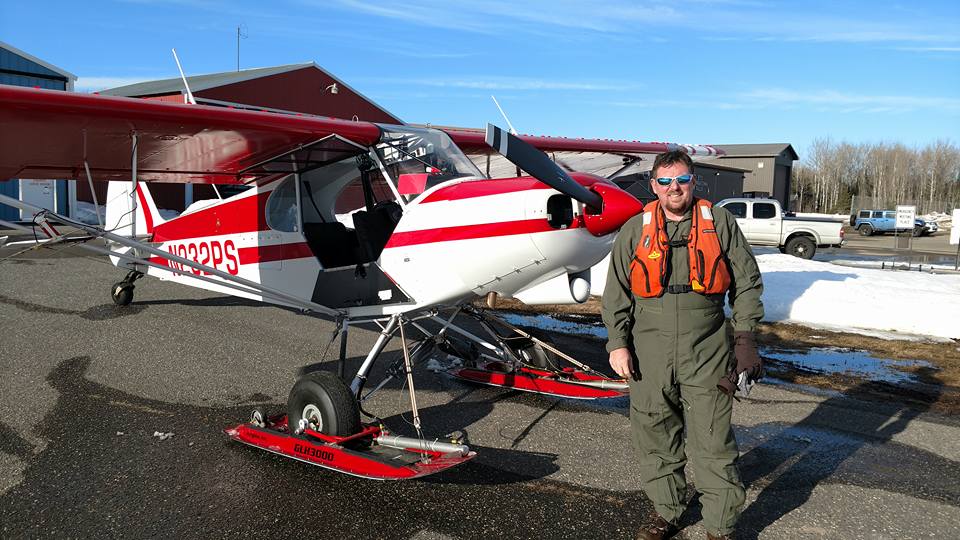
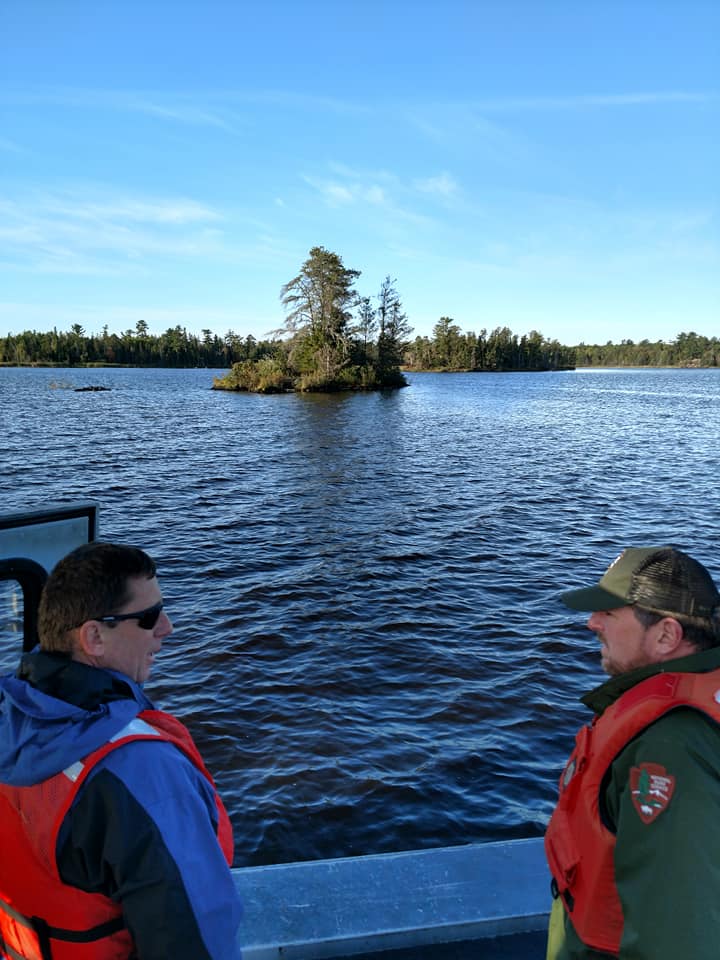
Bob deGross has been Superintendent of Voyageurs National Park since late 2016.  We caught up with him during a rare free moment to hear more about his job with the National Park Service.

Why did you start working for the National Park Service? 

I truly believe that the National Park Service is a great agency that cares for those places, protected by the efforts of concerned citizens, that truly tell the story of the United States through our scenic natural, and cultural landscapes. Visiting and learning about national park sites provide a great opportunity for people to learn about and connect to the story of the United States of America.

How long have you been working for NPS and more specifically, at Voyageurs? 

I started working with the National Park Service as a seasonal interpreter in the summer of 1989 at Mammoth Cave National Park in Kentucky. I worked seasonally for 5 years, then was offered my first permanent job in as an interpreter during the Spring of 1994 at the Shark Valley entrance to Everglades National Park in Florida. I began working at Voyageurs National Park in Minnesota December of 2016.

What’s your favorite part of the job? 

Getting out of my office. As the superintendent you deal with a variety of meetings related to personnel issues, community relations, and long-term planning. It’s a treat to get out in the field to travel through the park and see progress on projects that you spent so much time discussing in meetings. It’s fulfilling when you see things come together. A recent example is our rebuild of the Kettle Falls Overlook. Planning for that project took several years and now it’s finally getting completed. The team is doing a great job on the project. They take pride in all the work they do at the park.

What kinds of careers are available in the Park Service? 

There’s a great variety of careers within the National Park Service. At Voyageurs National Park our main function areas include Administration / Business Services; Visitor and Resource Protection (Law Enforcement); Natural and Cultural Resources; Interpretation and Education; and Facilities Management. There are a variety of opportunities beyond just what a person might think of what a “park ranger” is. Beside the typical conservation / preservation roles of wildlife biologist, park interpreter, or park law enforcement officer there’s opportunities in information / technology fields, budget, and finance, and a variety of others. The great thing about working with the NPS is that you get to live in some spectacular places, though the process of finding a seasonal or permanent job can have its frustrations. From my perspective it doesn’t matter what your day-to-day job is, in the end we are all working towards one objective – care for these special places, set aside by the American people, that tell the story of the United States.

Your park’s best kept secret is…? 

Not sure I want to share; it wouldn’t be a secret anymore. There are two. The first is to hike into the interior lakes on the Kabetogama Peninsula within the park. By doing so you really get an experience that provides solitude and escape. The likelihood is you won’t see another person on the trail. It’s best to take the hikes in late May / early June, or late September / early October. You can arrange use of canoes on the remote interior lakes through recreation.gov, once you hike in then you can paddle on the lake with no sign of other people at all. The second is that we have the best campsites in the NPS across the entire nation, but don’t tell anyone. Every site is lake side, each has an amazing view of the lake and great amenities such as tent pads, core pads, fire ring, picnic table, and bear lockers. The catch at Voyageurs National Park is that access to the peninsula trails and campsites requires either your own boat, or to hire a commercial operator. Probably 90% of the activities in the park will require this. There are trails that you can access on the mainland too, some short like the Beaver Pond Overlook, or Blind Ash Trail; some longer like the Kab-Ash Trail.

Free Teacher Workshop at Gateway Arch

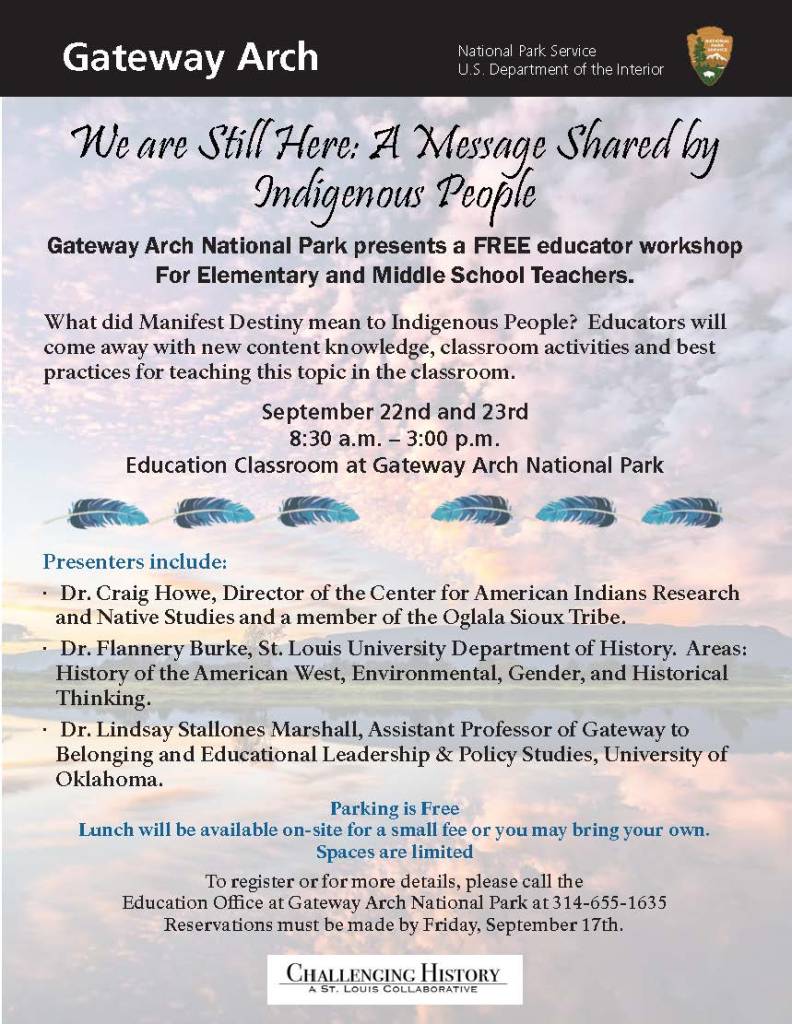
The educator workshop entitled “We Are Still Here:  A Message Shared by Indigenous People” will focus on what Manifest Destiny meant to Native Americans.  It will be held at the Gateway Arch on September 22nd and 23rd from 8:30 a.m. to 3:00 p.m.  Elementary and middle school teachers will walk away from this workshop with new content knowledge, primary source documents, classroom activities, and best practices for teaching difficult and sometimes controversial history topics.

This program is presented by the education staff at Gateway Arch National Park with support from Jefferson National Parks Association, and in partnership with Challenging History:  A St. Louis Collaborative.

To register or for more details, please call the Education Office at Gateway Arch National Park at 314-655-1635.  Space is limited.  Reservations must be made by Friday, September 17th.

Arch Store To Go!

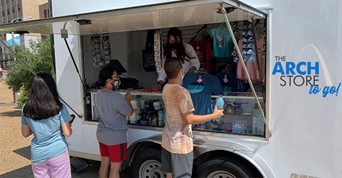
If you don’t have time to stop in at the Gateway Arch, you can still pick up a souvenir at the entrance.  The Arch Store To Go retail store sells a selection of the most popular items from The Arch Store, including t-shirts; mugs, cups and water bottles; ornaments; children’s books; and small Arch replicas and collectibles. Arch Store To Go is open weekends in May, and starting Memorial Day, it’s open every day from 9 a.m. to 5 p.m.  Of course, you can shop any time from the park’s online store.

Run Through History

Do you want to get fit and experience some of America’s rich history at the same time? Visit our partner park, Ulysses S. Grant National Historic Site on May 22, 2021 for their “Run Through History”.

Beginning at 10 a.m., you can join Park Guide Ashton Farrell for a 90-minute, moderately-paced 3 mile run from Ulysses S. Grant’s home, White Haven, to St. Paul’s Cemetery and back. Runners will explore the history of Grantwood Village and the original site of Grant’s “Hardscrabble” cabin.

This program is part of the “Healthy Parks, Healthy People” initiative at Ulysses S. Grant National Historic Site. 

Call 314-842-1867 to RSVP for this program

Show Your Love for the Arch!

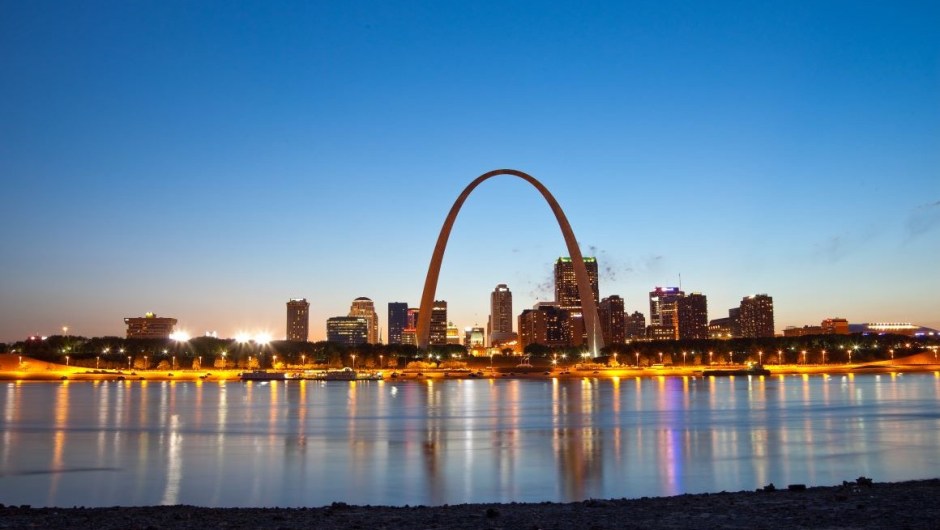
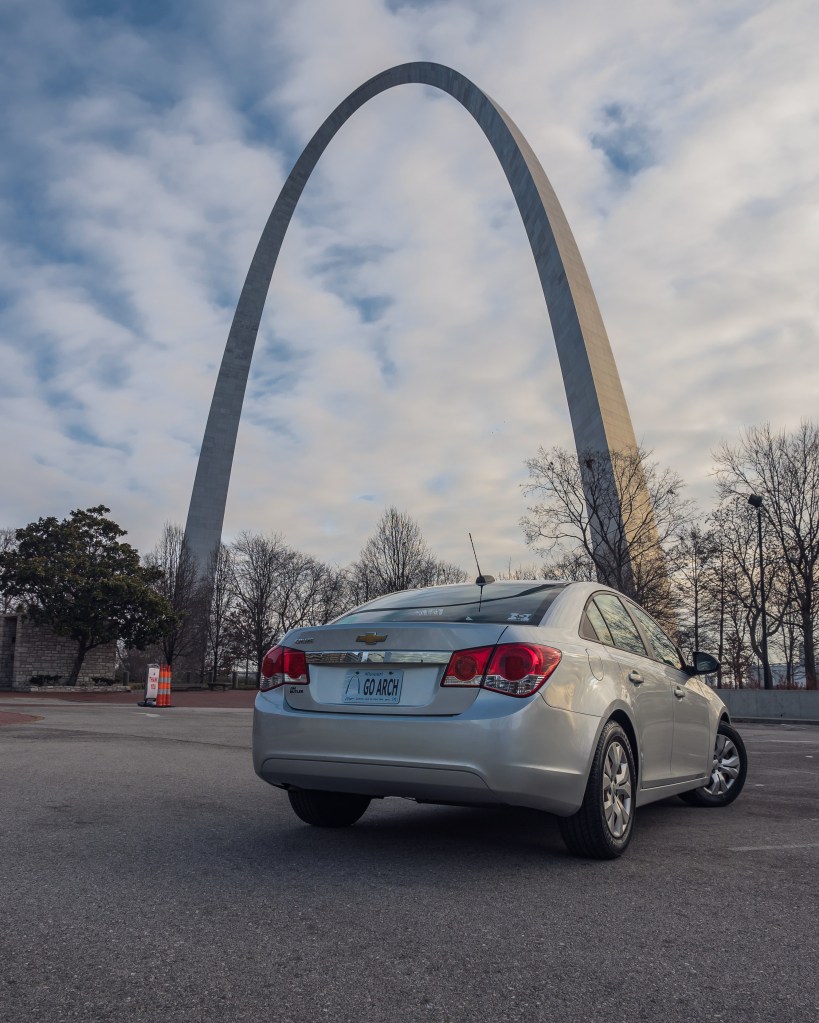
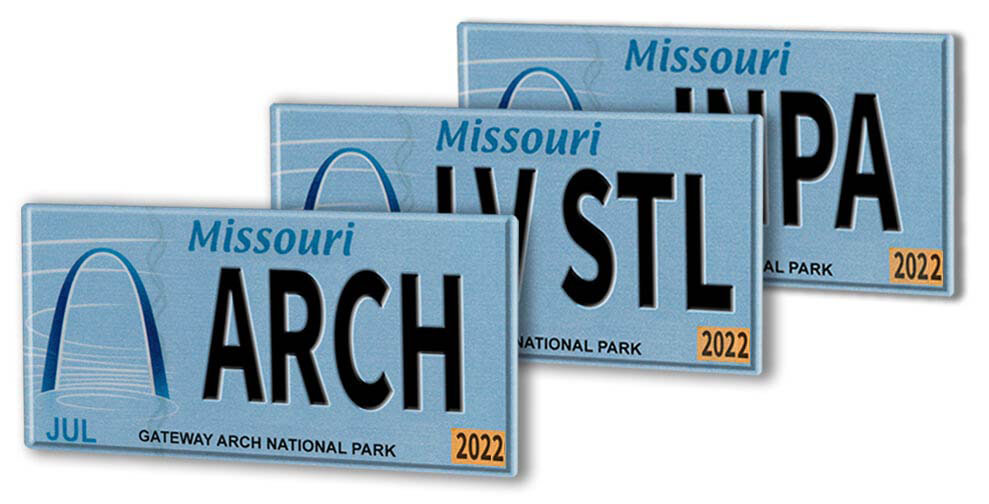
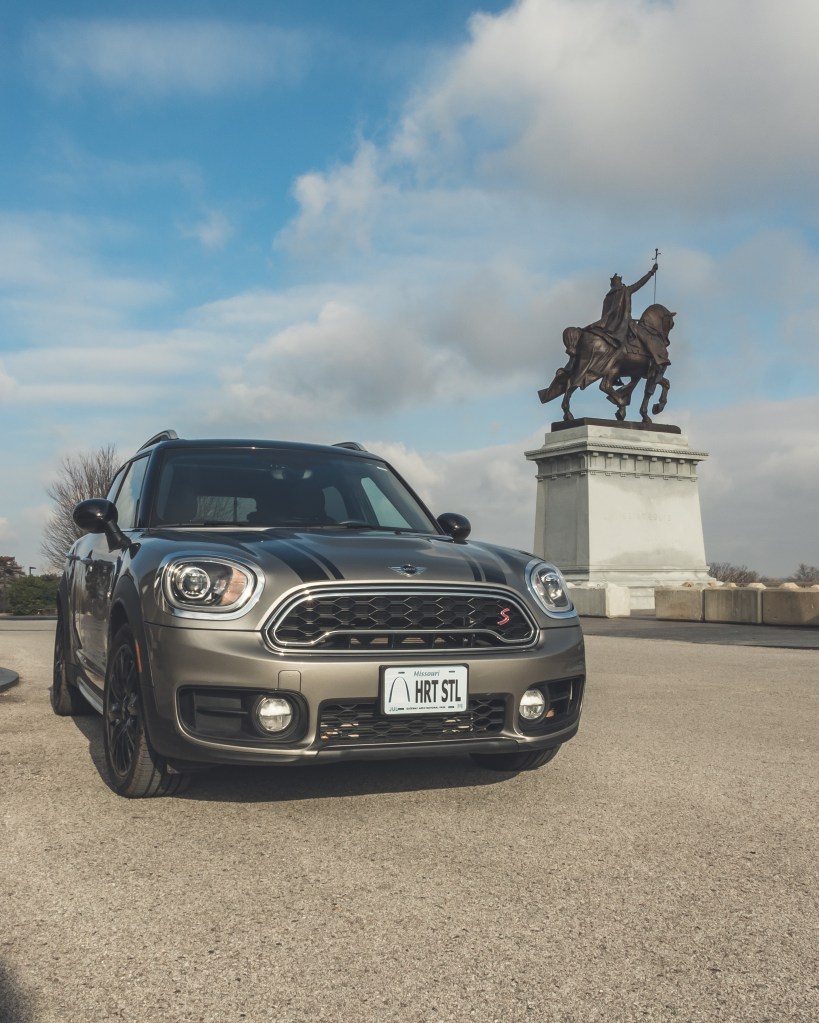
We’re sure the Gateway Arch is your favorite monument.  So why not show your love for the Arch whenever you take to the road?  Order the newly redesigned specialty Arch license plate for your car (sorry, Missouri cars only!) and support the Arch at the same time.

When you order our handsome license plate from Jefferson National Parks Association, your tax-deductible contribution will support enriching educational programs for all ages at Gateway Arch National Park.  The design not only features our iconic monument, but its graceful lines are a nod to the Arch’s circular west entrance. 

You can order Gateway Arch license plates at any time, regardless of your current Missouri license plate expiration date. To get started, follow the step-by-step instructions on our website which include submitting your tax-deductible donation to JNPA as well as completing the state’s application for personalized plates. You can customize your own plate message, so use your creativity!

What are you waiting for?  Your car wants the new Arch license plates!!