A Park by Any Other Name…

Let’s test your national park knowledge. 

  • What do the following sites have in common (aside from the word “national”):  National Battlefield, National Memorial, National Preserve, National Trail, National Monument, National Seashore, and National Cemetery?  Answer:  they’re all part of the National Park Service (NPS). 
  • Of the 425 sites in the national park system, how many are actually national parks?  Answer:  Only 63.   Wait, what?
  • What’s the difference between a national historic site and a national historical park?  Answer:  Ugh, don’t ask!*

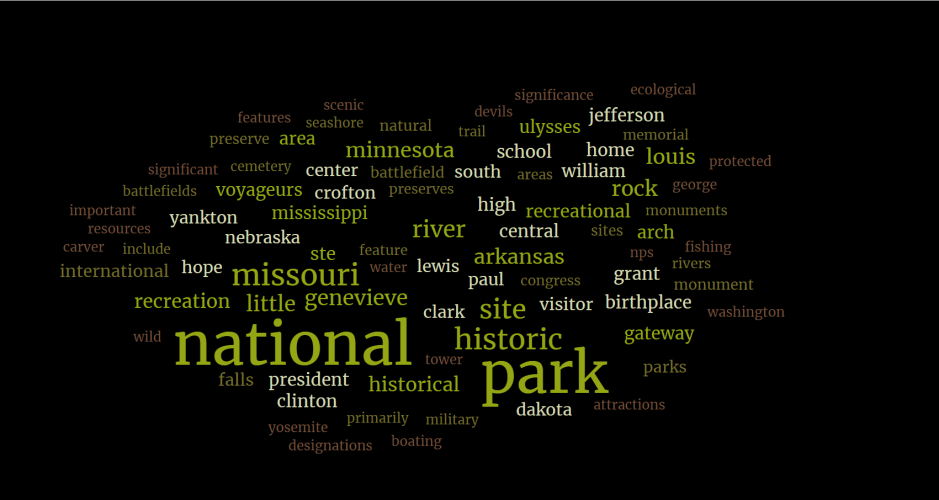
If you’re confused, you’re not alone.  There are more than two dozen designations given to the hundreds of sites in the national park system.  Some titles are self-explanatory and suggest the type of attraction one can find in the park unit.  These include sites that are primarily natural (e.g., national parks or preserves), historical (e.g., national historic sites or historical parks), military (e.g., national battlefields or battlefield parks), or recreational (e.g., national recreation areas). 

But many other names are, let’s say, curious.  In fact, both NPS and Congress are working to simplify the criteria and names of the park service units.  Until they do, here are a few general guidelines that might help us untangle the mess when we consider our nine partner sites.
Gateway Arch National Park

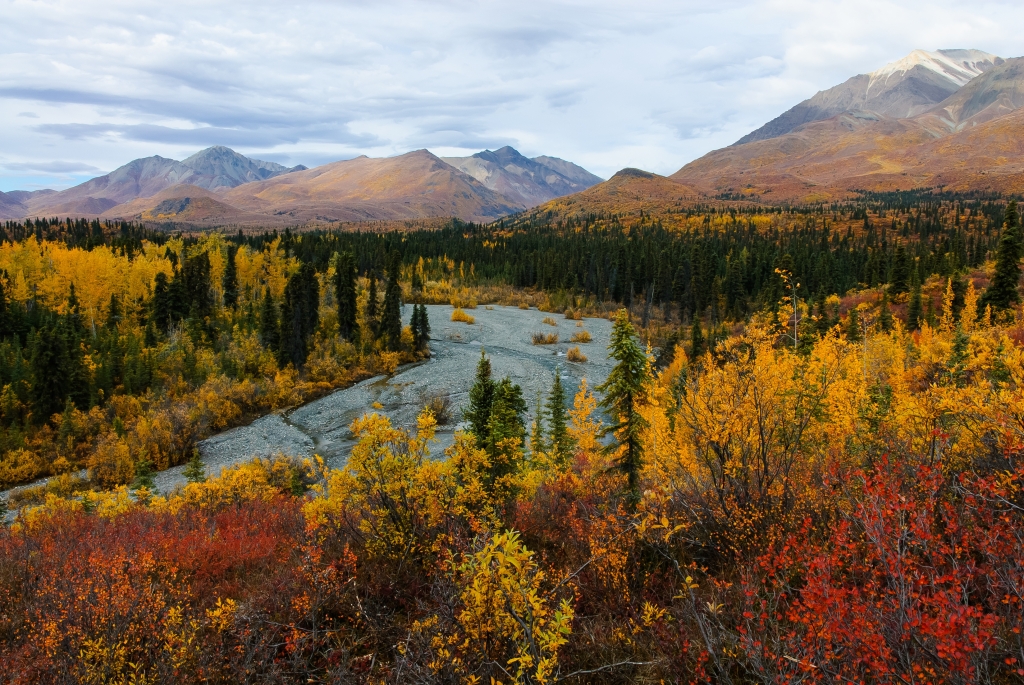
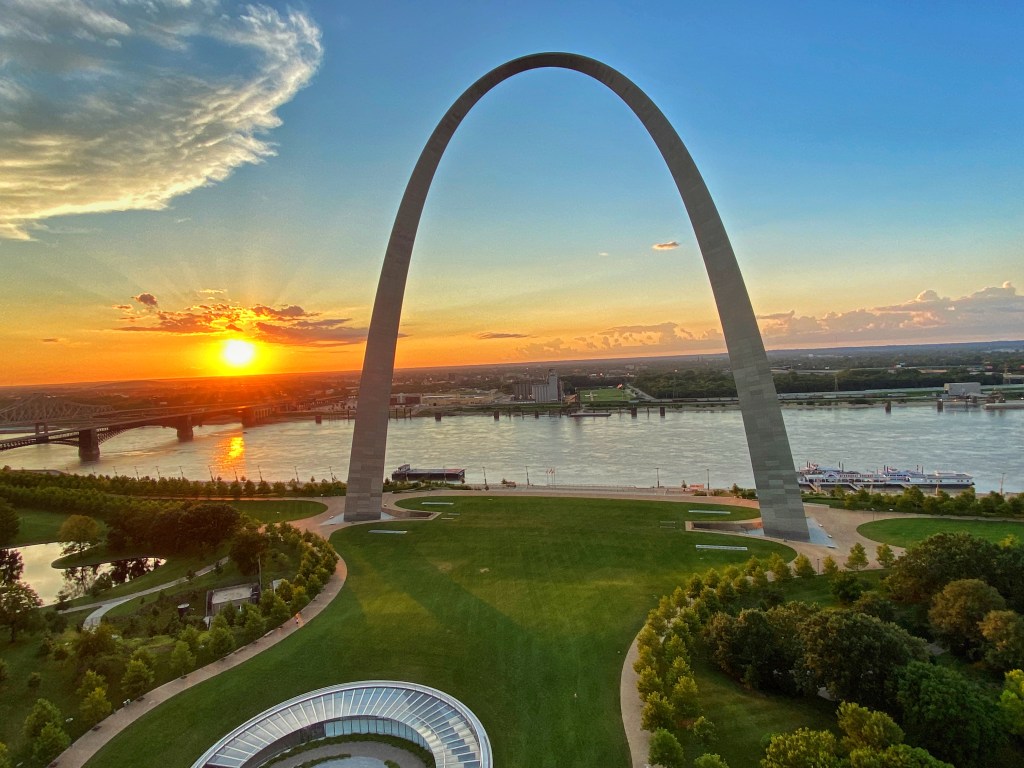
National parks – The 63 national parks are typically large, naturally diverse areas containing unique natural features and ecological resources.  Think Yosemite National Park or Voyageurs National Park.  An exception to this rule, however, happens to one of our favorite sites: Gateway Arch National Park, which Congress upgraded to national park from national memorial in 2018.

National preserves – These can be similar to national parks in size but typically allow use such as hunting or oil extraction that aren’t permitted in national parks.

Mississippi National River and Recreation Area

National recreation areas – These usually encompass areas with water-based recreation, like Mississippi National River and Recreation Area, and may include boating, fishing and hunting. 

National monuments – These sites are intended to preserve a single significant natural feature, like Devils Tower National Monument, or important historical feature, like George Washington Carver National Monument.  Monuments usually have fewer diverse attractions than do national parks.
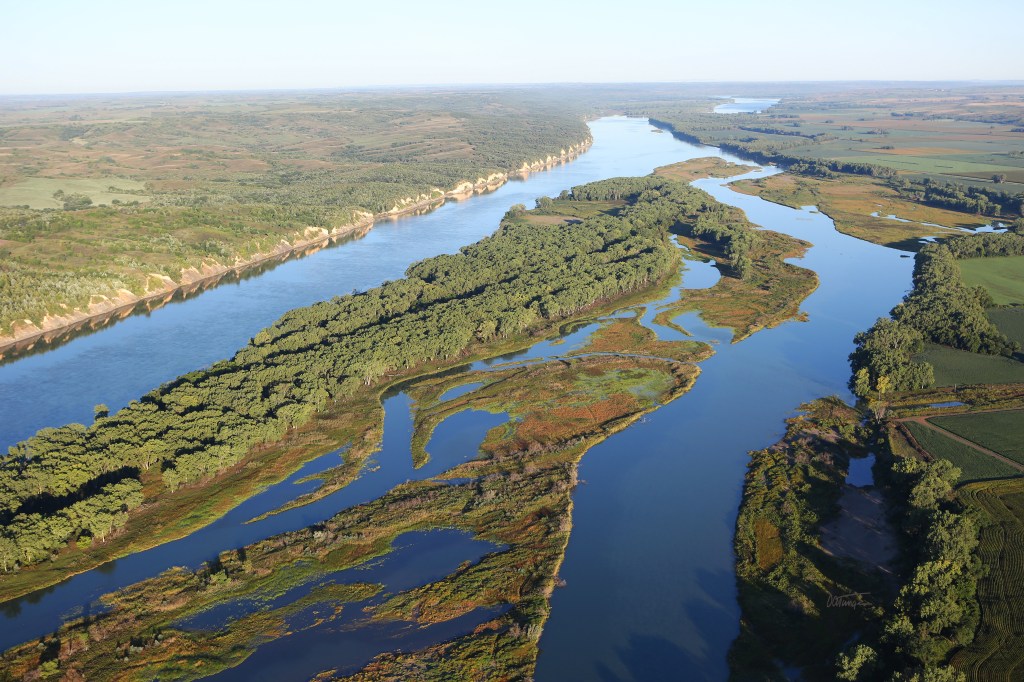
Missouri National Recreational River

Wild and scenic rivers –- Of the many river designations in the Park Service, this one encompasses rivers that are free flowing and protected from damaging development and use.  Missouri National Recreational River, for example, includes two free flowing stretches of the winding Missouri River.
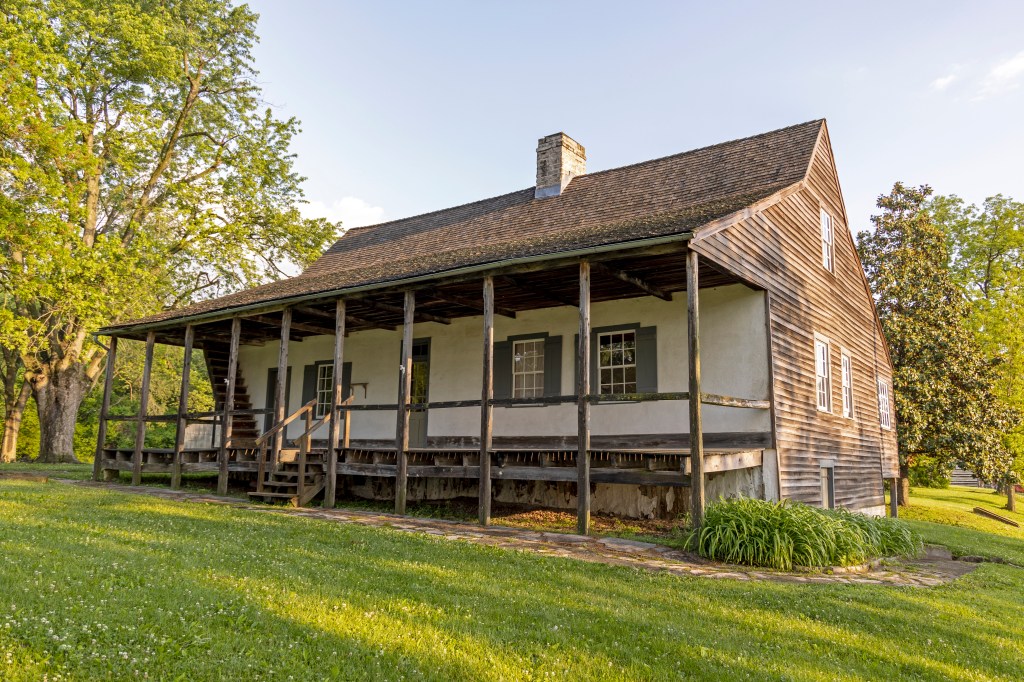
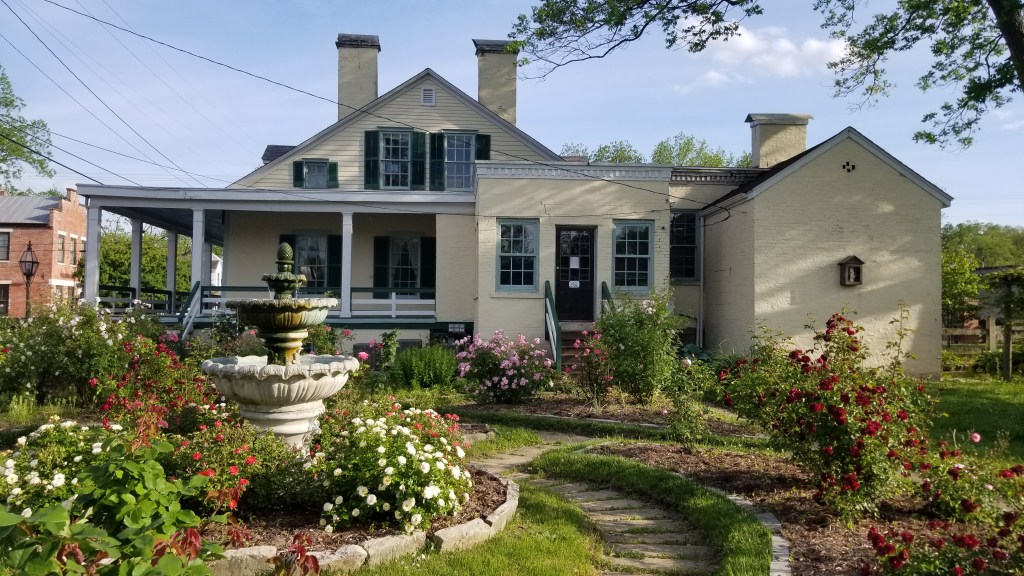
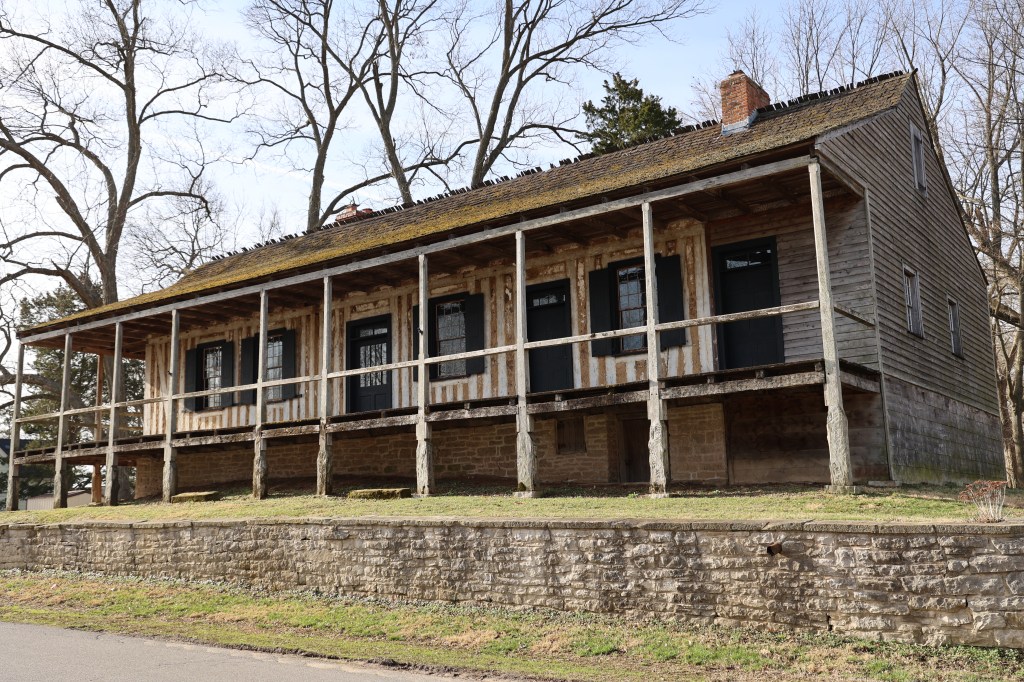
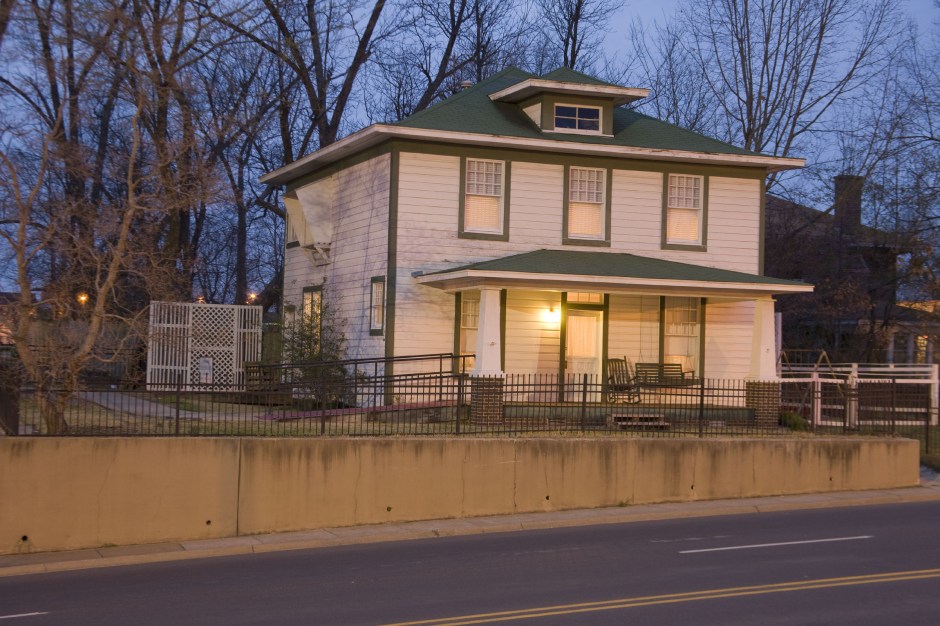
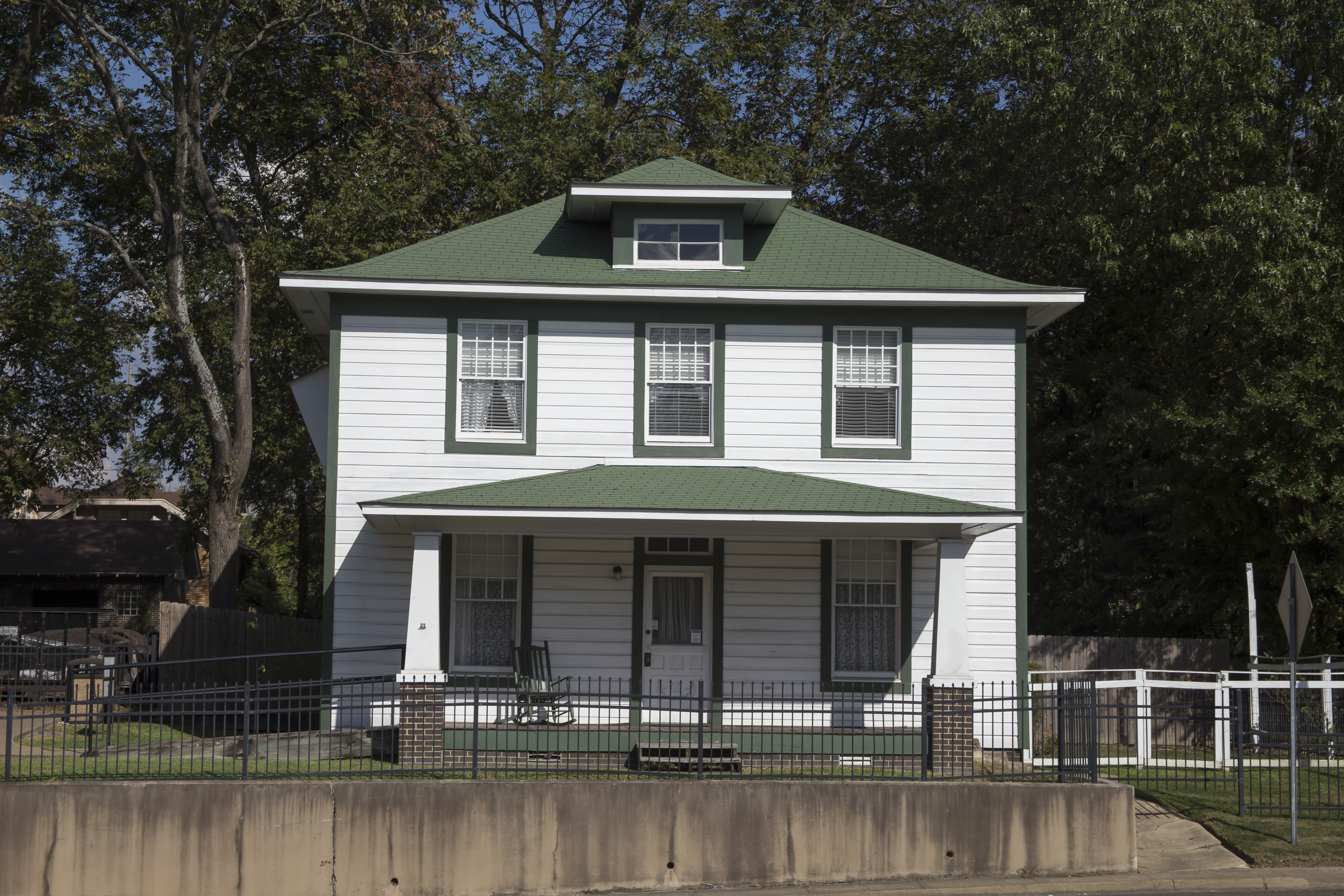
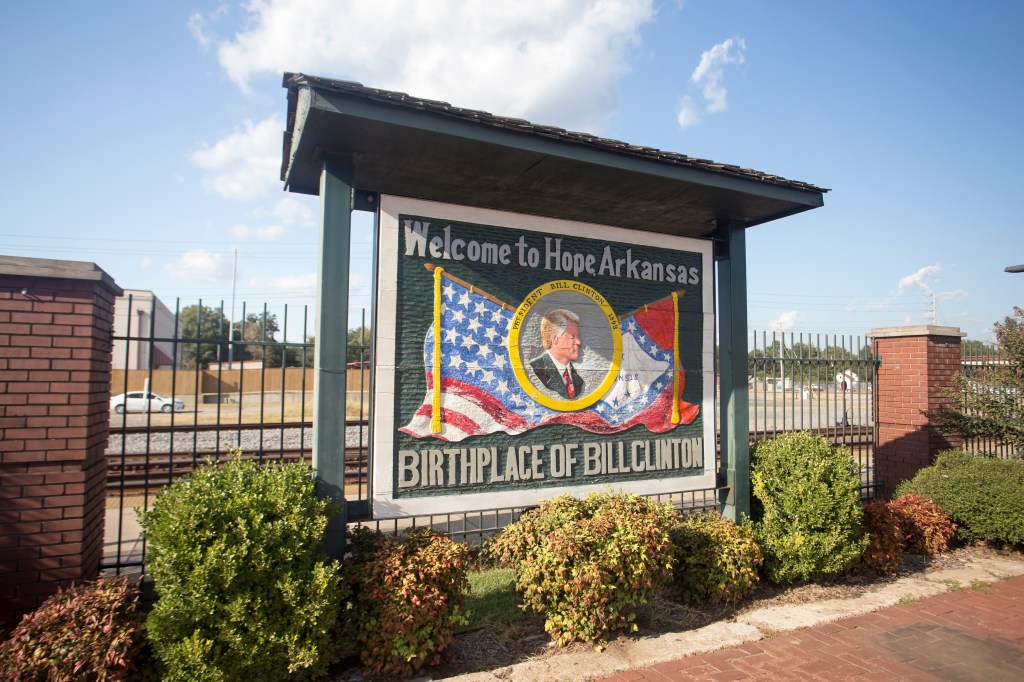
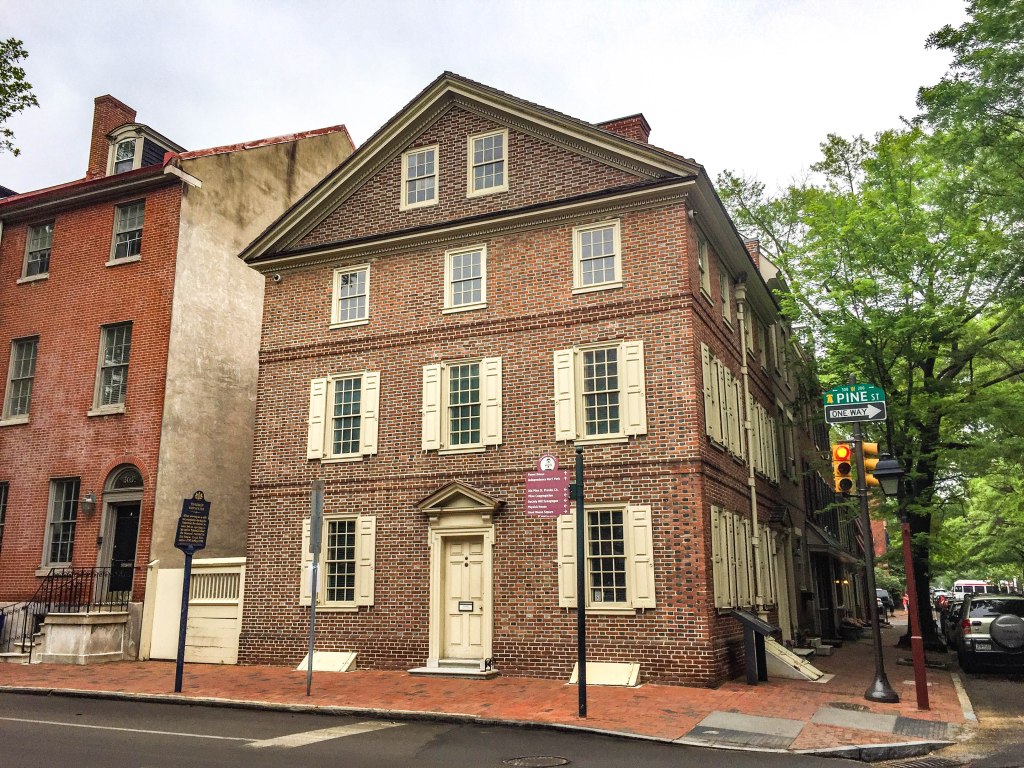
*National historic sites vs. historical parks – Although both of these designations preserve sites of historic significance, a national historical park (like Ste. Geneviève National Historical Park) is usually larger and of greater complexity than a national historic site (like Ulysses S. Grant National Historic Site, Little Rock Central High School National Historic Site, and President William Jefferson Clinton Birthplace Home National Historic Site).

These are far from the only designations within the National Park Service.  You’ll find additional descriptions here.

High School Students Solve Real-World Engineering Problems at Gateway Arch National Park

The Gateway Arch tram system is a one-of-a-kind invention that incorporates components of both Ferris Wheels and elevators in its design. There is nothing else quite like it in the world – and it was invented in only two weeks by Richard Bowser.

It is in this engineering spirit that the Gateway Arch National Park Engineering Contest was created. The contest, held in association with Washington University McKelvey School of Engineering, challenges teams of high school students to create a solution for a real engineering problem that exists in the park. The winning team takes home the coveted Richard Bowser Trophy, which they keep until next year’s competition.

Nine teams from area high schools participated in the 7th Annual Gateway Arch National Park Engineering Contest, making this year’s competition the fiercest yet.  Each year students are presented with a different engineering challenge. This year’s challenge asked students to engineer a system for automatically adjusting the Riverboats at the Gateway Arch dock to the appropriate level as the river rises and falls.

Situated on the river beneath the shadow of the Gateway Arch, the Riverboats at the Gateway Arch have been cruising the Mississippi since 1910. The Riverboats offer daily sightseeing cruises, dinner cruises, private charters, and specialty cruises to tourists and locals.

The boats’ dock structure is 303 feet long and consists of 4 barges. Keeping the dock tethered to the levee are four electric winches, one hydroelectric winch, and five cables. There are also utility lines that must be moved as the dock position varies with the water levels.

With the river level fluctuating daily, the dock must be frequently adjusted, so the ramps are not in the water and the docks themselves do not become grounded. Currently, these adjustments are made by hand, a time-consuming process that requires the full crew. 

In September 2023, students participating in the contest toured the dock with a park ranger and members of the Riverboats at the Gateway Arch team, so they could see how the winches are used, measure the area, take photographs, receive blueprints, and have any initial questions answered. Using this information, the students produced an executive summary that included pictures, diagrams and other visual aids to communicate their design, as well as a budget for the project.

The competition final was held at Washington University’s McKelvey Engineering complex in Whitaker Hall on Saturday, November 11, 2023. Each of the nine teams presented an executive summary to a panel of six judges (all professional engineers). The teams were judged on both their executive summary content and presentation.  They were scored in categories ranging from innovative design, functionality, and ease of use to responsible budget and realistic possibility of the design.

According to Gateway Arch National Park, this year’s contest was fierce and the most competitive yet, with the first-place school winning the trophy by only half a point! Christian Brothers College High School placed first, with teams from St. Louis Centers for Advanced Professional Studies (STL CAPS) taking second and third place. Both STL CAPS teams received the award for Best Executive Summary, as they remarkably tied with a 45.83 score out of 50 points.

The Parkway Spark! program also had two teams enter the competition. The Sparkles took home the award for Best Presentation after receiving a near-perfect presentation score of 49.33 out of 50. Student Ryder Risko of the Parkway Spark! River Tech team received the Charles Janson MVP Award.

The Taylor Tuleja McKelvey Award for Creativity and Ingenuity went to Kate Hulsen of St. Joseph’s Academy.

Other participating teams included Gateway Science Academy of St. Louis – High School, St. Louis University High School, and Gibault Catholic High School, the 2022 contest winner. 

In addition to the competition component, the contest final included a presentation from a professional engineer, a luncheon, and a guided tour of McKelvey School of Engineering for all contest participants and their families and friends in attendance – an excellent opportunity for students considering the engineering field.

For more information on this year’s contest visit gatewayarchengineeringcontest.com. To inquire about participating in the 8th Annual Gateway Arch National Park Engineering Contest in 2024, contact Anthony Gilpin, at tony_gilpin@nps.gov.

Something For Everyone

Working on your holiday gift-giving list?  We’ve got you covered!  Our partner parks have the perfect gifts for all of your loved ones.  What’s more — you don’t even have to leave home when you shop from JNPA’s online store

We stock a broad assortment of unique, curated products that evoke our parks’ themes and stories.  From books to apparel to children’s toys, you can find something for everyone on your list.  And when you shop, you’ll feel good knowing you are supporting the missions and programs of our public lands.

Here’s a sampling of what you’ll find:

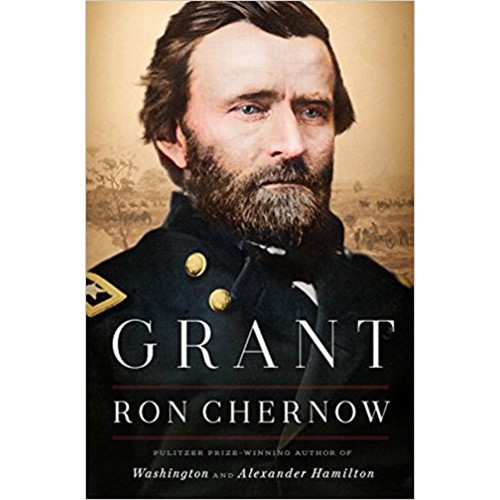
Winter is a perfect time to cozy up to a great book.  We have titles for almost any reader’s taste, but may we recommend Grant for the history lover on your gift list?  This all-encompassing portrait of our 18th president by Pulitzer Prize winner Ron Chernow is often called the definitive biography of Ulysses S. Grant. 

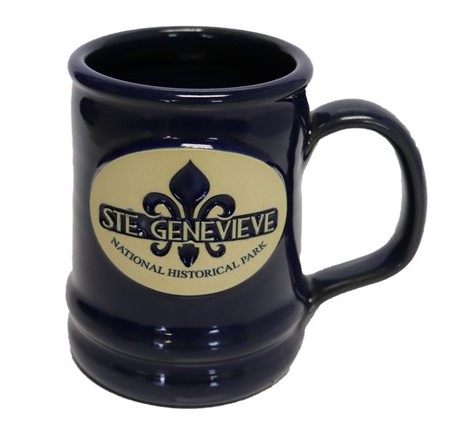
Know someone who loves hot drinks?  Consider this handsome pottery mug that commemorates our newest park partner, Ste. Geneviève National Historical Park.  The glossy navy blue mug is hand crafted in the U.S. by Deneen Pottery.

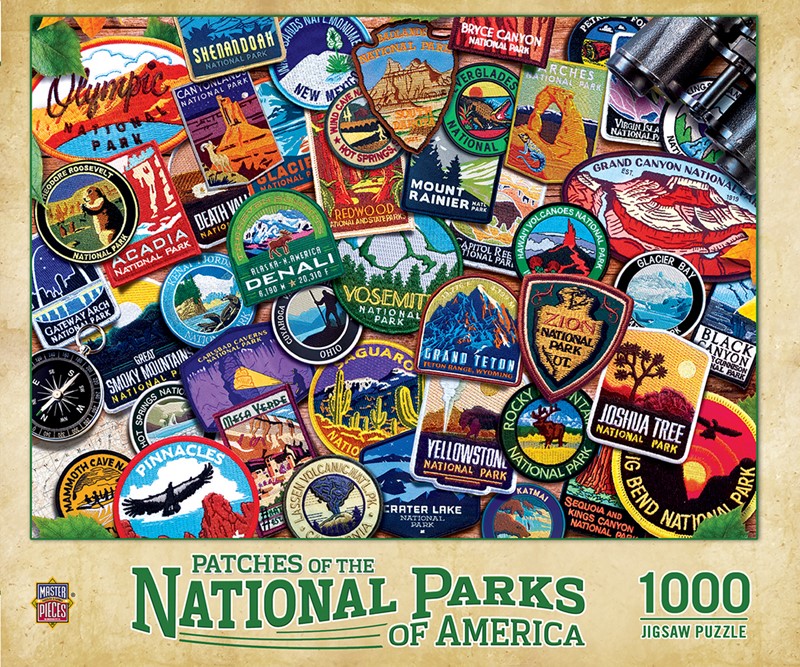
Puzzle fanatics will thank you (or curse you?) when they receive this beautiful jigsaw puzzle featuring colorful patches from national parks.  With 1,000 pieces, it’s not for the faint of heart!

You’ll never go wrong when you gift an ornament for the holiday tree.  We have a wide selection of styles and materials to choose from, from mid-century to stained glass to copper, including several collector’s items.  There’s our handmade Cloisonné ornament depicting Gateway Arch National Park, which comes in its own beaded box – a stunning addition to any tree. 

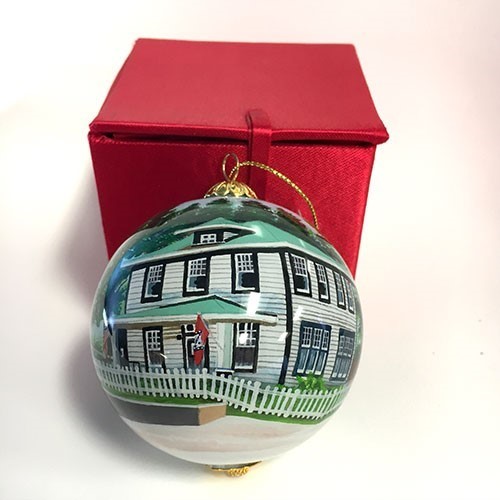
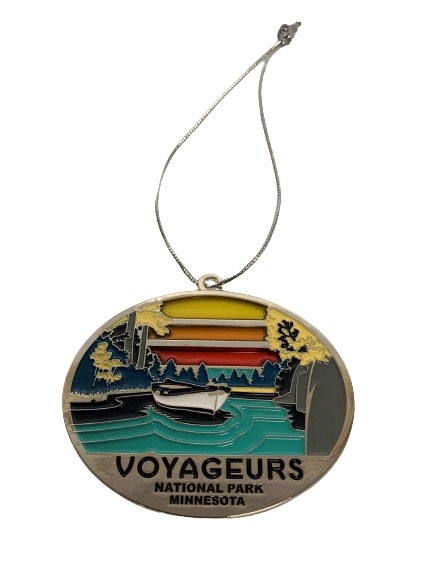
Another beauty is the hand-painted ornament featuring the President William Jefferson Clinton Birthplace Home National Historic Site.  This too comes in its own satin gift box. Or how about the colorful stained-glass ornament from Voyageurs National Park?  Its three translucent sections at the top represent the park’s dazzling sunsets over the lakes.

The teenagers on your list will be captivated by The Worst First Day, the powerful autobiography of civil rights icon Elizabeth Eckford, one of the Little Rock Nine.  This anti-bullying book provides critical lessons that help young people learn to resist bullying and stay strong in the face of challenges.

Last but not least, some ideas for the kids.  If they love parks and the outdoors, they’ll enjoy our Junior Ranger mini building block sets – one for boys and another for girls.

Of course, you can drop into any of our park stores to find a more complete product selection.  But if you order online, be sure to do so by December 11 to ensure your gifts will arrive on time.

On the Civil War Battlefield – at Age 11

Frederick Dent Grant had big shoes to fill.  As the oldest son of Ulysses S. Grant, Fred was treated “always as if I were already a man.”  He helped with chores around his childhood home at White Haven and was taught to ride and swim at an early age.  “I can see myself now, a chubby little chap, sitting on the back of one of the farm horses and holding on for dear life, my father urging me to be brave,” Grant later recalled.

Young Fred was also exposed early on to the stark realities of warfare.  Not long after his father was promoted to the rank of colonel in the 21st Illinois Infantry in 1861, Fred accompanied him through the Illinois countryside.  Colonel Grant believed his 11-year-old son was relishing his time as an unofficial member of the 21st.  He wrote to his wife Julia: “Fred enjoys it hugely…The Soldiers and officers call him Colonel and he seems to be quite a favorite.”

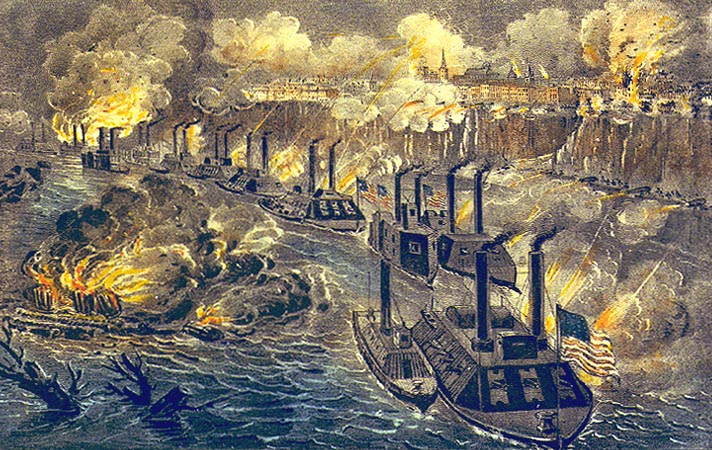
Ulysses also bragged about his son’s bravery a few years later when he brought him along during the Vicksburg Campaign of 1863.  “Fred is very well enjoying himself hugely. He has heard balls whistle and is not moved in the slightest by it. He was very anxious to run the blockade of Grand Gulf.”  But decades later, Fred painted a different picture, having been horrified by what he saw from a Union gunboat at Grand Gulf: “I was sickened by the scenes of carnage.” 

At one point, the boy was shot in the leg by a Confederate soldier, but soon made a complete recovery and was able to stay with his father until the 45-day siege of Vicksburg ended.  Fred returned to Ulysses’ side again during further battles.  And he accompanied him to Washington, DC, when President Lincoln promoted Grant as Commanding General of all Union armies.

Credit: NPS

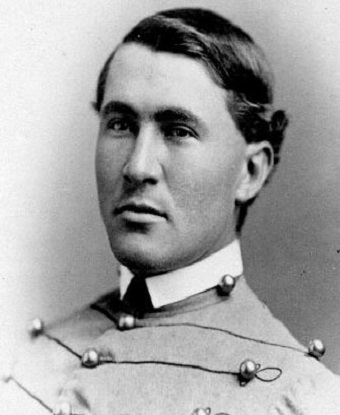
Despite his early distaste for the horrors of combat, Frederick Grant pursued a military career.  Like his father, he attended West Point six years after the end of the Civil War.  He was eventually promoted to the rank of Major General during the Spanish-American War.  Also like his father, he was a heavy smoker and died of cancer in 1885 at age 62.

Scary Stories from our National Parks

October is such a beautiful time of year to visit a national park in the Midwest. The leaves are turning, there is a crisp chill in the air, and… wait. Was that a footstep you heard behind you? Did that shadow just move? Are you being watched? Aaaaghhhh!!

National Parks are full of history, and many of them are full of wild landscapes, so it is not surprising that many are home to legends involving cryptids – creatures whose existence have never been scientifically proved. So in honor of Halloween, let’s gather ‘round the campfire and explore a few stories of creepy creatures from our partner parks:

Gateway Arch National Park and Ulysses S. Grant National Historic Site

These two JNPA partner parks are both located in St. Louis, MO; and while you would think you would be safe from legendary monsters in an urban area, you would be mistaken. MoMo the Missouri Monster was first sighted in a small town just north of St. Louis in 1972. It was described as a 7-foot-tall ape-like creature with so much thick black fur that the only visible part of its face was its large orange eyes. Tracks were found and submitted to the Oklahoma City Zoo, where they were deemed to be that of an unknown primate species. Since then, MoMo has been spotted several times in various places in Missouri along the Mississippi River, though sightings have become rarer in recent years.

MoMo the Missouri Monster. Credit: Legends of America

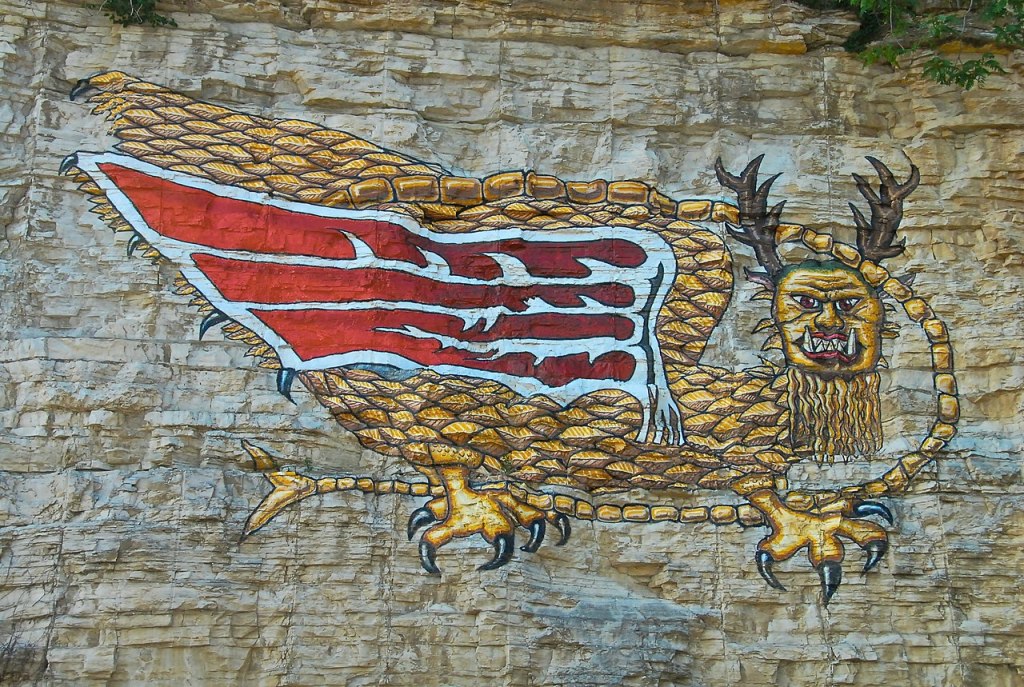
Another cryptid that calls the banks of the Mississippi home is the legendary Piasa Bird. Known as “the bird that devours men” to the Illiniwek tribes, the Piasa Bird was thought to inhabit caves along the river. In 1673, explorer Father Jacques Marquette described the monster in his journal, saying it was “as large as a calf with antlers like a deer, red eyes, a beard like a tiger’s, with the face of a man — its body covered with green, red, and black scales, and a tail so long it passed around the body, over the head, and between the legs.” In 1948, the St. Louis Post-Dispatch published an article about an “immense bird” that was seen flying over St. Louis. Witnesses who saw the bird reported that they initially thought it was a small plane until they saw it flap its wings. Could it have been a Piasa Bird?

A giant image of the Piasa Bird has glared down from the bluffs of the Mississippi in nearby Alton, IL, for many decades – a reminder of the enduring legend of this bizarre cryptid.

The Piasa Bird

Ste. Geneviève National Historical Park

Ste. Genevieve is the oldest French Colonial settlement west of the Mississippi river with a rich history that was influenced by the Native American tribes that called the land home, as well as the French settlers who came later. As with many other places where people of different cultures meet, some traditions and stories have become intertwined, thus creating the town’s annual  “Night of the Werewolf.”

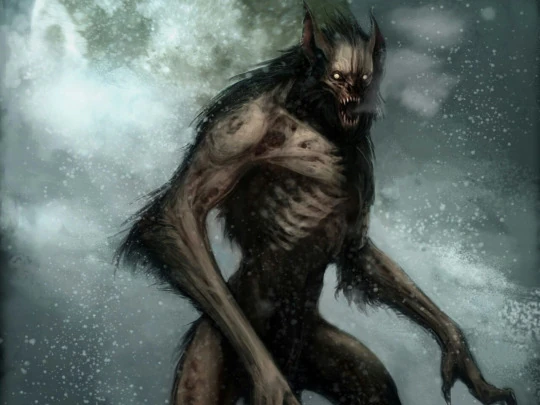
Many Native American tribes believe in shapeshifters or skin-walkers. These are believed to be people who have committed evil acts in order to gain the ability to possess or turn into an animal. Similarly, the French had a long history of legends involving the “loup-garou” or “garwulf,” which was either a witch who disguised herself as a wolf or a person who had been cursed with lycanthropy. The city of Ste. Genevieve keeps the tradition alive each fall  during the Night of the Werewolf festival. Werewolf stories are told around the campfire while families dine on s’mores, and then the evening culminates in a village-wide “werewolf hunt.”

An artistic depiction of the “loup-garou” or werewolf. Credit: BlueSkull001-Fandom Wiki

Little Rock Central High School National Historic Site

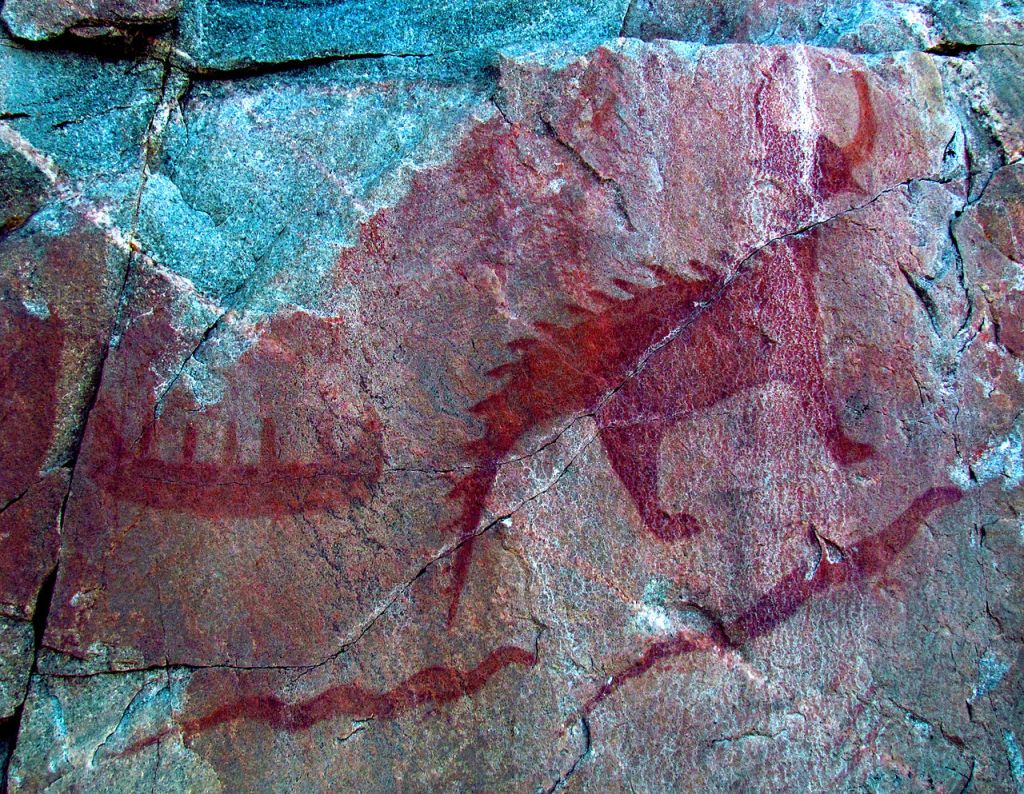
Just north of Little Rock, AR, is Greers Ferry Lake, a man-made lake that was created by the damming of the Little Red River in 1959. A local legend says that a water panther, a mythical creature described as a cross between an ape and a puma, had called the Little Red River home. When the lake was created, the creature was supposedly angered and began to terrorize the nearby community in Heber Springs. While multiple Native American tribes do have long-standing beliefs in water panthers, most of these pertain to the Great Lakes region. It actually appears that most of the “sightings” in Heber Springs can be traced back to a single book that was published in 2007.

An Ojibwe rock painting of a water panther. Credit: D. Gordon E. Robertson

President William Jefferson Clinton Birthplace Home National Historic Site

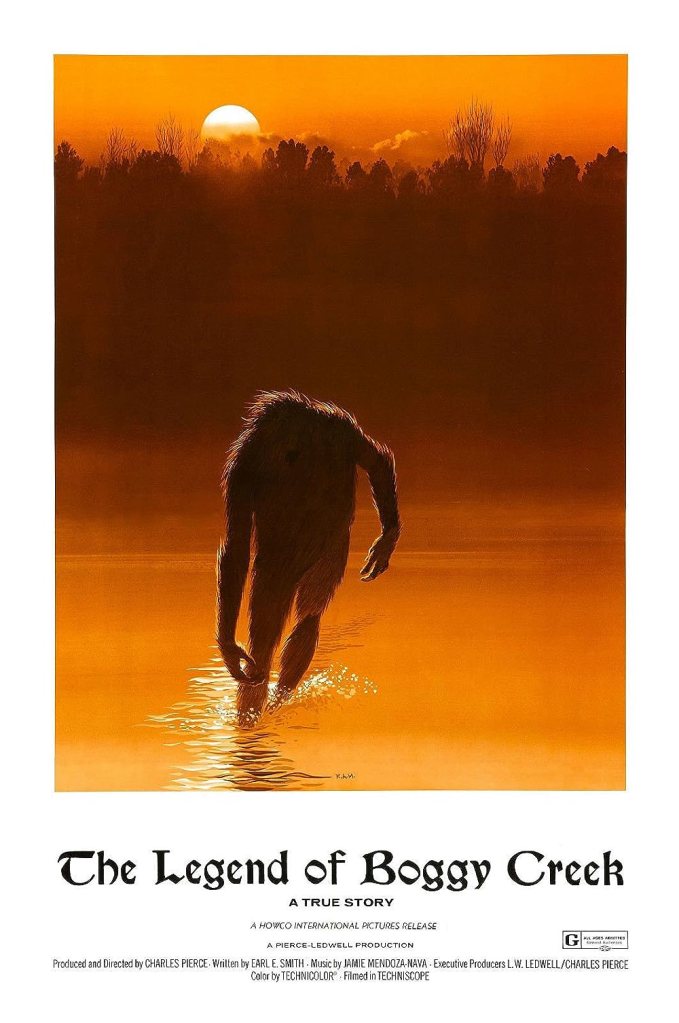
The tiny rural town of Fouke, AR, just south of Hope, AR — the site of Clinton Birthplace Home NHS — is home to a much more “successful” cryptid. The Fouke Monster, also known as the Boggy Creek Monster, is described much like other bigfoot-like creatures: 7 feet tall, around 300 pounds, covered in long dark hair, and exuding a horrible smell. Alleged sightings in the area date back to the 1850’s, but the creature gained national attention in 1972 thanks to the film “The Legend of Boggy Creek.” The low-budget horror film was surprisingly successful and became the 11th highest-grossing film that year!

Hmmm, wonder if little Billy Clinton ever heard of the monster when he was a boy…


Voyageurs National Park

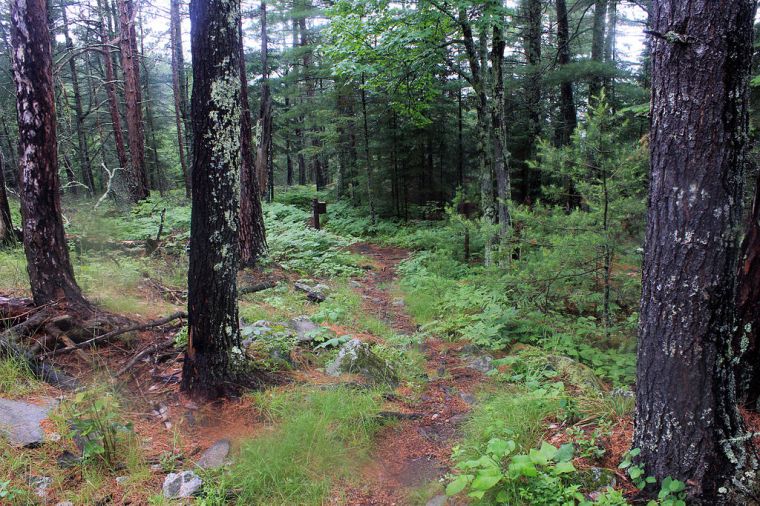
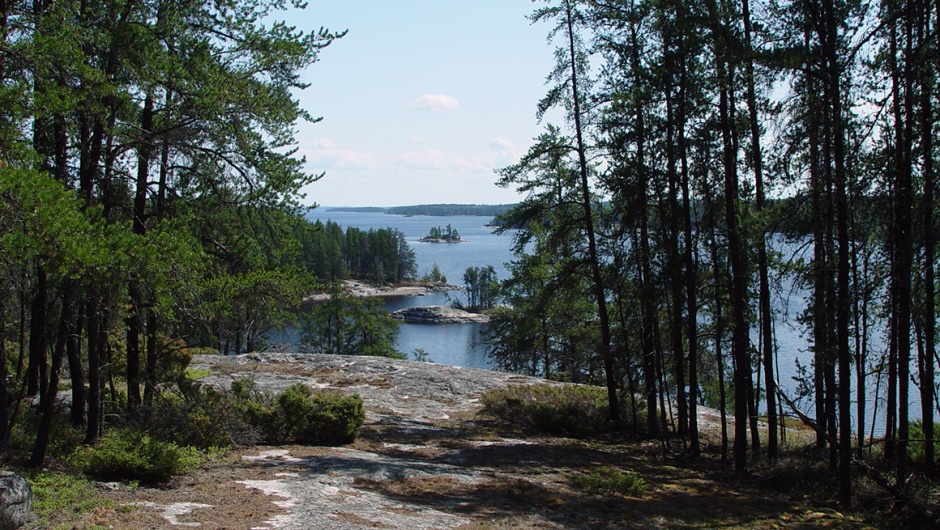
When you’re walking along a remote trail in Voyageurs National Park, and you feel like you are a million miles away from civilization, the forest can start to feel strangely magical and even scary. It is easy to see how Native tribes could start to believe in strange beings living in the forests along the Great Lakes. Memegwesi, Pukwudgie, dwarf, fairy. These are some of the many names that have been given to the “little people” of the forest.

While the specifics of the legends vary among different groups of people, they all believed that a race of tiny, human-like creatures lived in the North Woods and disliked adult humans. Some people believed them to be mischievous but harmless. Others believed they were evil and would steal children who wandered into the woods alone. The Ojibwe, the primary tribe to call the land around Voyageurs home, believed they were benevolent creatures who would protect lost or injured children.


No matter which National Park you may visit this fall, pay extra attention to your surroundings. You never know what creatures you may come across.

HAPPY HALLOWEEN!!!

New Leader at Clinton Birthplace Home

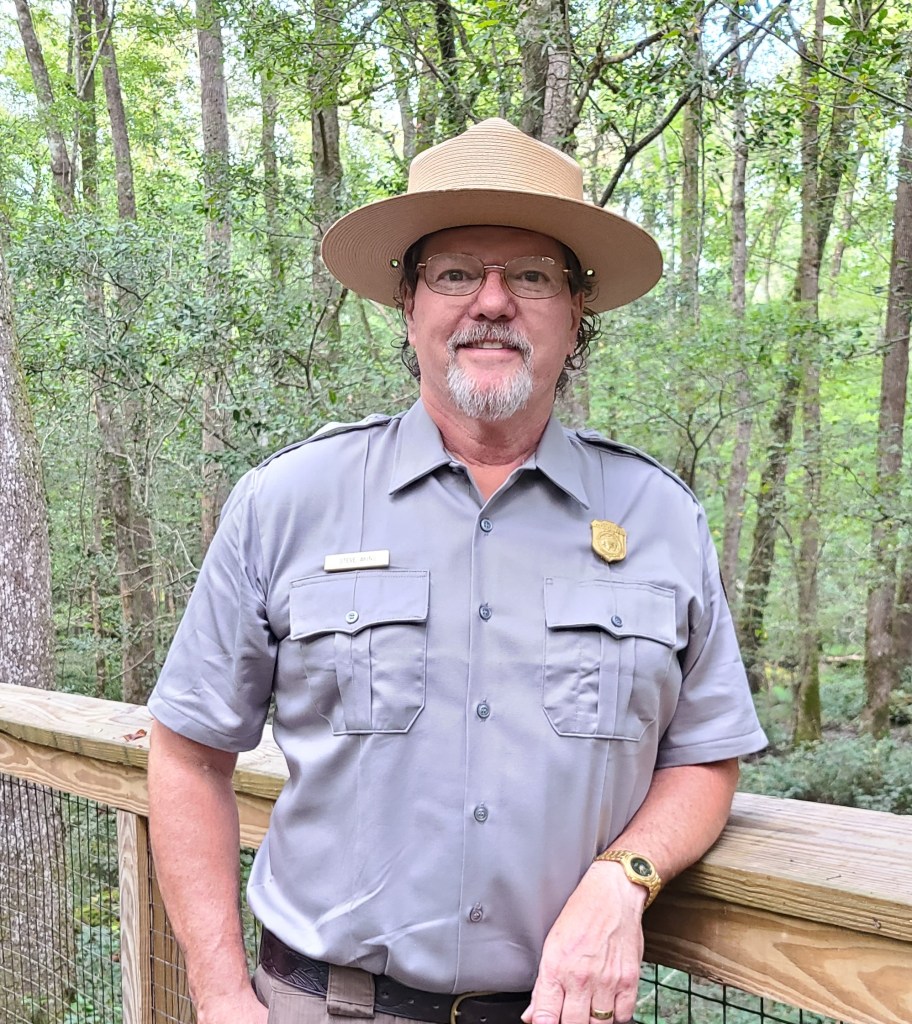
We extend a hearty Midwest welcome to the new superintendent at President William Jefferson Clinton Birthplace Home National Historic Site.  The National Park Service recently announced that Steve Akins will take the reins this fall at the Hope, Arkansas, park.

Akins has served at several NPS sites since joining the agency in 2016, including Glen Canyon National Recreation Area in Arizona and Utah, Puʻuhonua o Hōnaunau and Kaloko-Honokōhau National Historical Parks in Hawai’i, and Congaree National Park in South Carolina.  His expertise is in facility management, construction, and safety – skills that promise to serve him well when the park embarks on upcoming expansion plans.

NPS regional director Bert Frost says he is pleased to announce Akins’ appointment. “The next several years are an exciting, developmental time for the park and his background in facilities, in addition to his safety manager experience, make him ideal to lead this operation into the future,” Frost says.

“I am honored to be selected as the next superintendent of President William Jefferson Clinton Birthplace Home National Historic Site,” said Akins. “President Clinton was instrumental in bringing diversity and inclusion policies to the White House and I am excited to join the team that helps celebrate those accomplishments and values.”

Akins plans to move into the new post later this fall.  And in his free time, he says he and his wife look forward to camping and hiking in the natural splendor of Arkansas.

A National Park named after a Saint?

One of our partner park sites – Ste. Geneviève National Historical Park – understandably carries the name of the small Missouri town where it’s located.  But have you ever wondered who the “real” Sainte Genevieve was?

Now known as the Patron Saint of Paris, Geneviève lived in 5th century France, where she was widely admired for her piety, devotion, and charitable works.  She had frequent visions of angels and saints, and she was appointed by the bishop of Paris to look after other religious women of the city. Though she was reportedly born to a wealthy family in a Paris suburb, Geneviève followed an austere lifestyle.  Not only did she impose strict punishments on herself, she ate only twice a week, surviving on small portions of barley bread and beans.

In 451 when Attila the Hun threatened to attack Paris, Geneviève persuaded the panic-stricken residents of the city not to flee but to pray.  When Attila’s army diverted to Orléans instead, many credited her intervention with saving Paris.  Years later she prevented famine by penetrating a military blockade and delivering much-needed grain to the city.

After living a remarkable 90 years, Geneviève was laid to rest in a Paris abbey.  Her burial site became a place of pilgrimage, as worshippers reported many instances of miracles and cures attributed to her intercession.  Even today, her name is invoked during natural disasters such as drought, flooding, and widespread fever. 

When the town of Ste. Geneviève was founded along the Mississippi River in the 1750s, the French Catholic immigrants named their settlement after Geneviève in the hopes she would protect them from the trials and hardships they would encounter in their new home. 

The staff at Ste. Geneviève National Historical Park also honor her legacy with a statue of the beloved saint on an outside wall of the historic Jean-Baptiste Vallé House.  Be sure to look for it next time you visit the park. 

The Amazing Discoveries of Lewis and Clark

If you fancy yourself an outdoor explorer, there are natural treasures waiting to be discovered amidst the hustle and bustle of downtown St. Louis.  Where, you ask?  Gateway Arch National Park, of course!

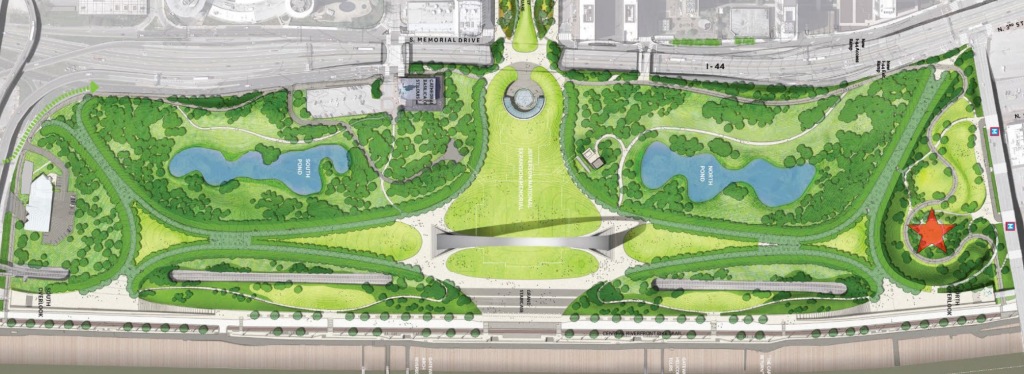
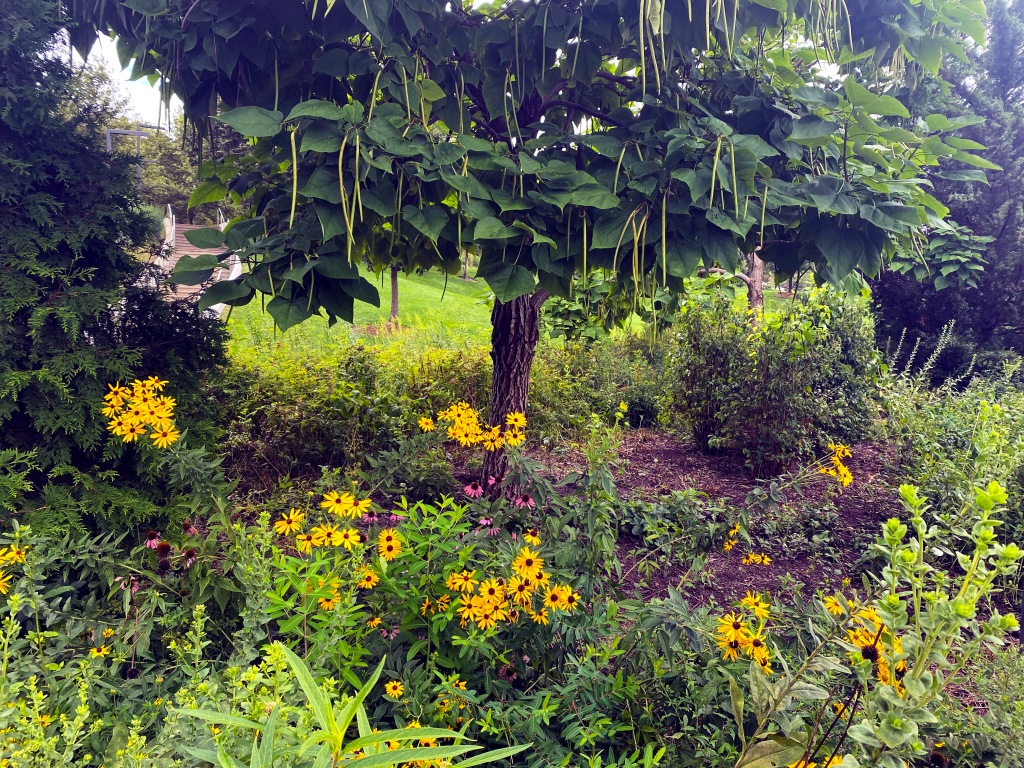
Although the 91-acre Arch grounds are dominated by manicured grassy areas, tree-lined paths, and sculptured ponds, there’s a small area at the north end of the park that looks a bit wilder.  This inviting little oasis – dubbed the Explorers’ Garden – is planted with some of the trees, bushes, and perennials that Lewis and Clark found on their famed expedition to the western U.S.  And it’s just waiting to be investigated!

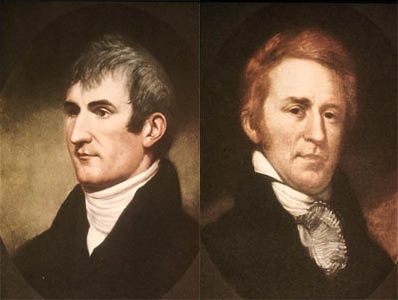
Meriwether Lewis (left) and William Clark (right)

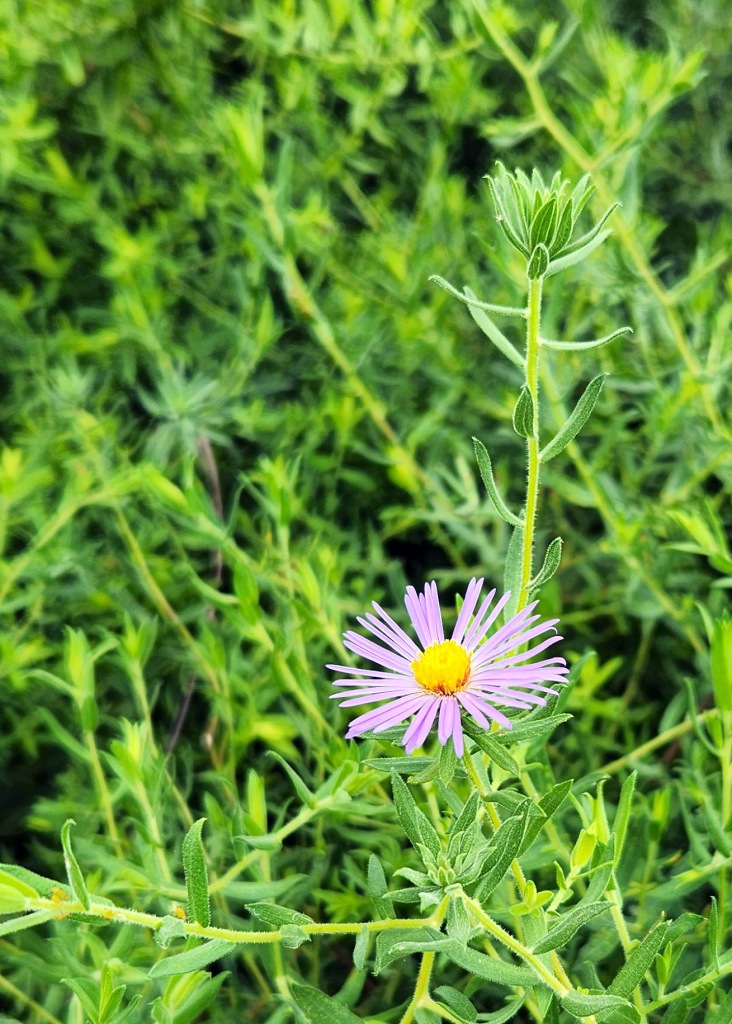
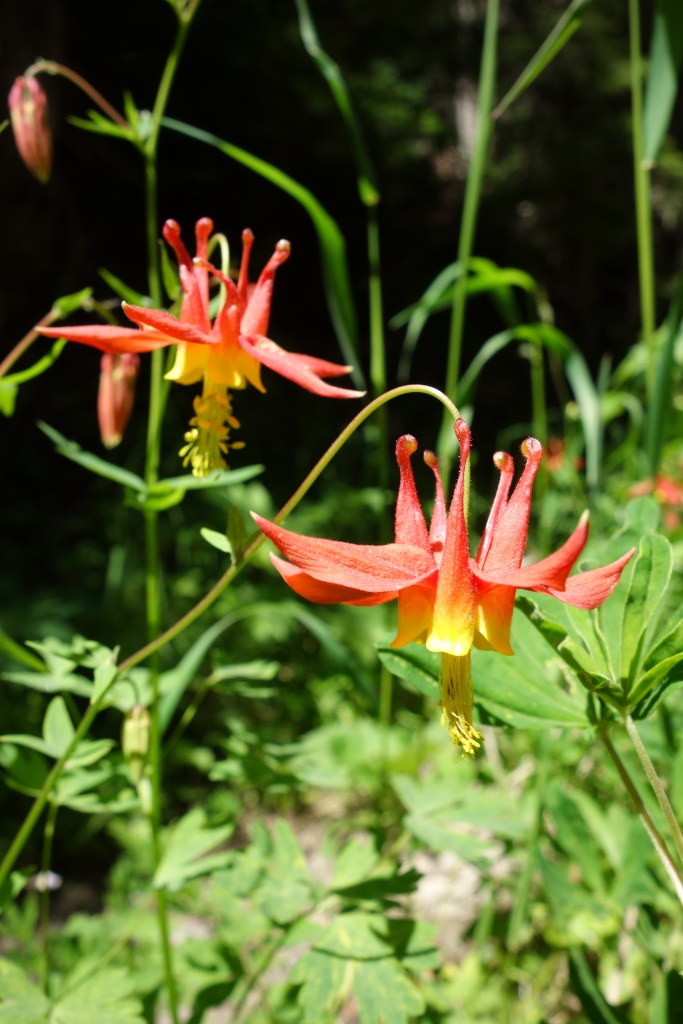
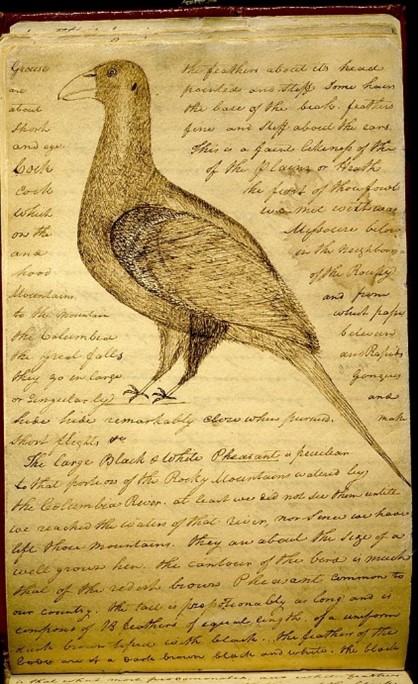
Between 1804 and 1806, Meriwether Lewis and William Clark were commissioned by President Thomas Jefferson to explore and map the newly acquired western portion of the continent.  Their extensive journals recorded measurements and observations of the rivers and landscapes, as well as accounts of the indigenous inhabitants they encountered. They also described at least 178 species of plants that were new to science, recording their habitat, growth and use by Native Americans.  These included the cottonwood tree, slender willow, aromatic aster, prickly pear, and red columbine.

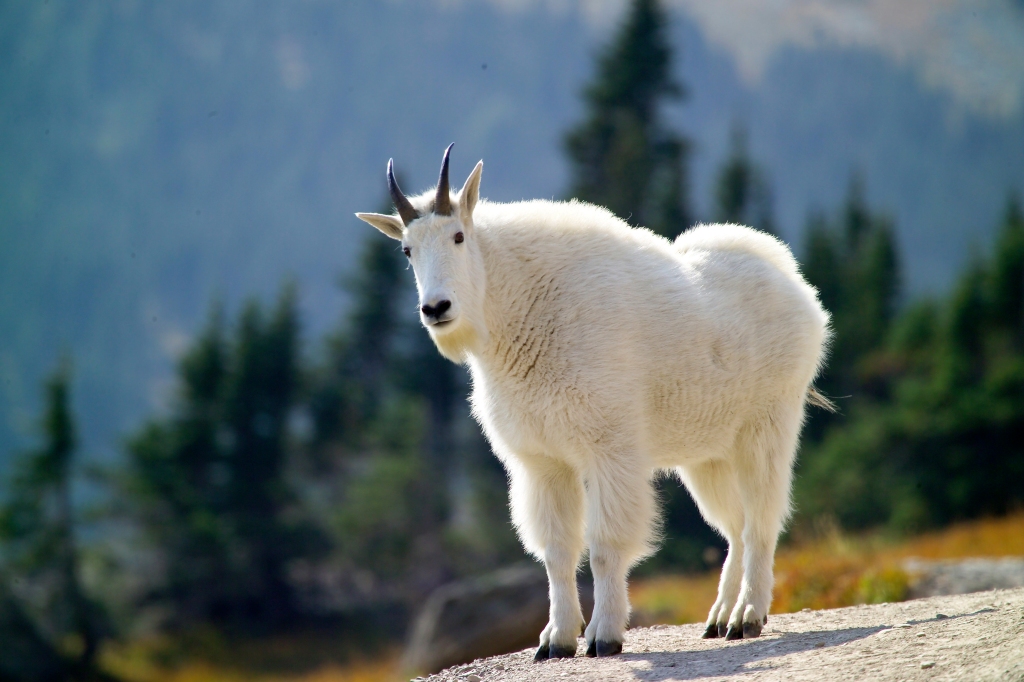
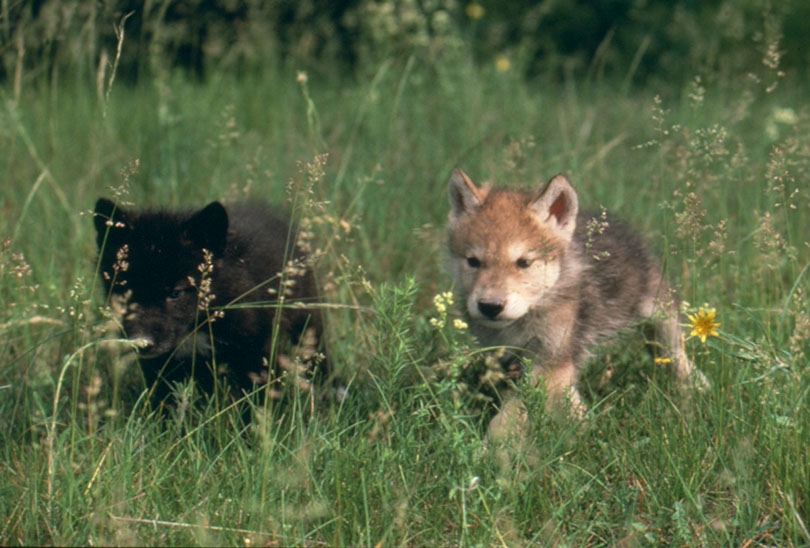
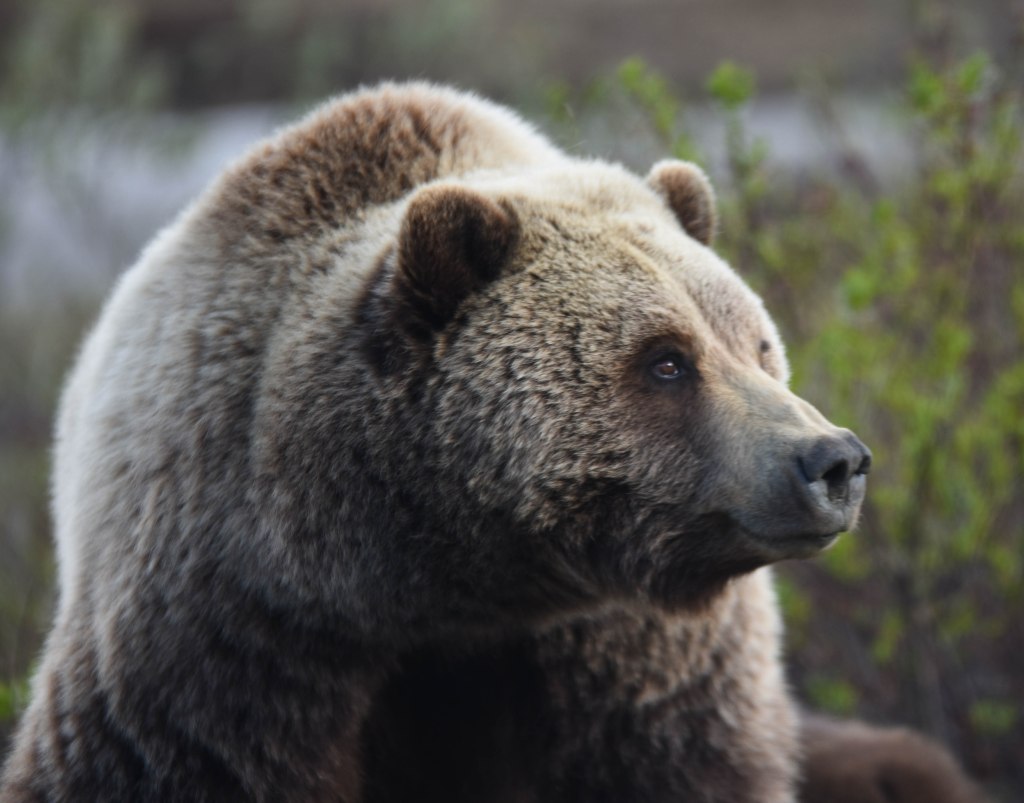
As for animals, the explorers described 122 new species of mammals, birds, reptiles, fish, and insects – including the grizzly bear, bighorn sheep, black tailed deer, mountain beaver, long-tailed weasel, mountain goat, coyote and various species of rabbit, squirrel, fox and wolf.

William Clark’s journal entry about a sage grouse, courtesy Missouri History Museum

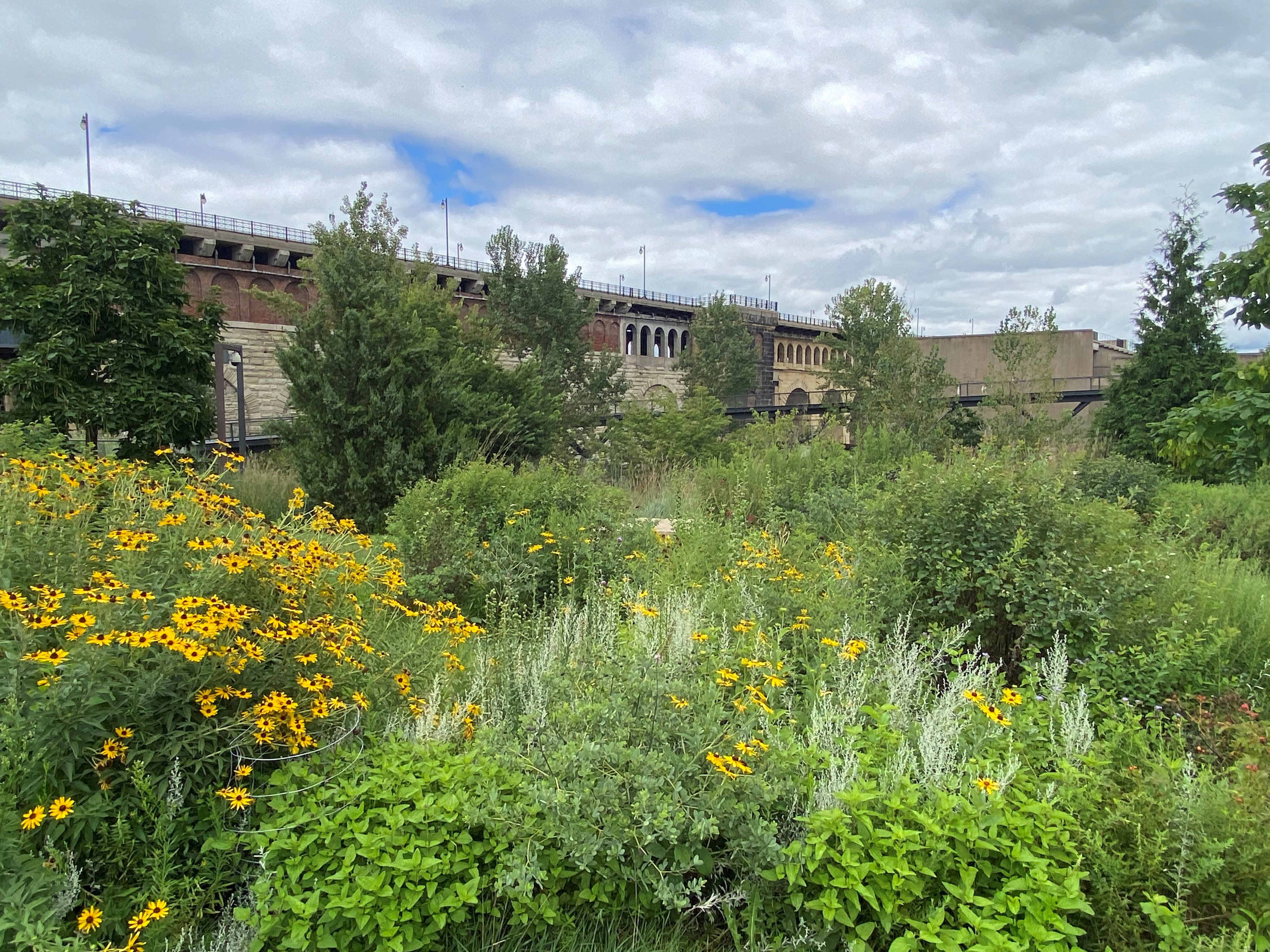
You probably won’t find any of these animals in the Explorers’ Garden, but some of the plants that Lewis and Clark discovered are included among the variety of native plants that National Park Service staff have introduced there.  Go here to find the list of plants (click on Explorers’ Garden).  

Map of Gateway Arch National Park highlighting the Explorers’ Garden

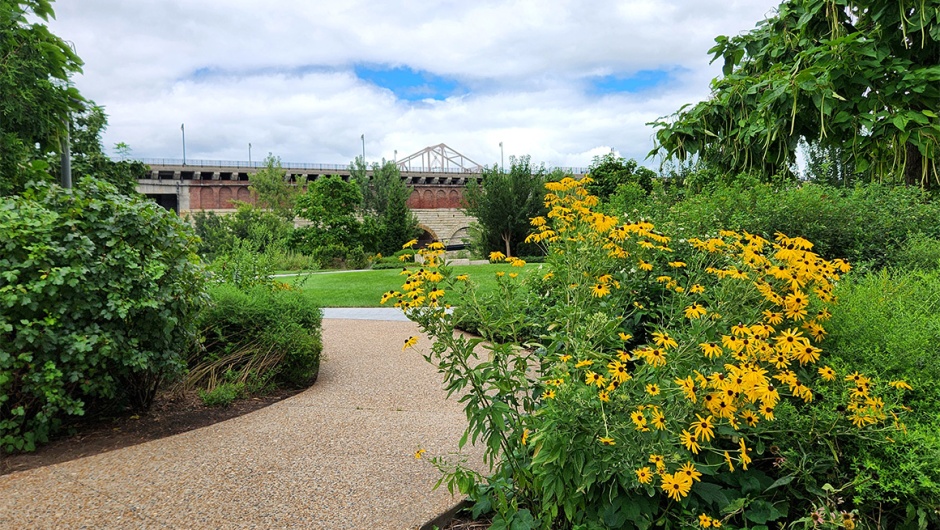
Many of these species were used by Native Americans and were described by Lewis and Clark in their expedition journals as they traveled west.  You’re invited to act as your own explorer and see what you can find – and be sure to bring the kids. The Explorers’ Garden provides a series of landscaped pathways scaled for children’s play as well as large stones they can climb. You’ll find the garden in the far northeast corner of the park grounds, in the shadow of historic Eads Bridge, the oldest bridge over the Mississippi River.

There’s no better time to visit the Explorers’ Garden than this Saturday Sept. 23, when the park will be celebrating National Public Lands Day.  History and gardening experts will be on hand to show you around, and there will be plenty of other family-friendly activities, so come on down!

If you want to help your kids learn about the famous explorers, they’ll enjoy this fun book Lewis and Clark for Kids: Their Journey of Discovery with 21 Activities.  It’s chock full of cool stories about their three-year journey, including information about the plants and animals they discovered.  You can pick it up at The Arch Store or order it from our online store.

The Hermit of the North Woods

There are many secrets and hidden stories within the forests and waters of Voyageurs National Park.  But perhaps one of the strangest is that of a mysterious recluse who made his home in the rugged back woods near Namakan Lake.

Credit: NPS

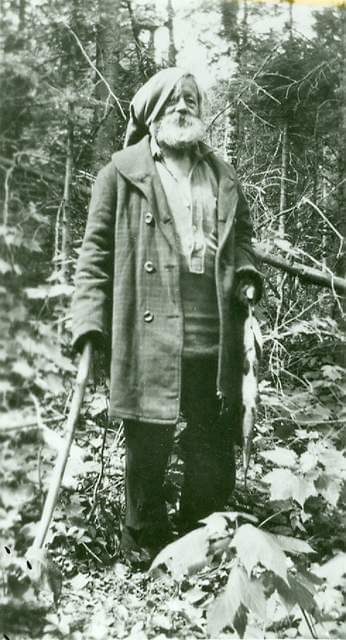
Sometime in the 1930s, locals spotted a small old man paddling a crude log raft on the park’s waters, earning him the nickname “Catamaran.”  No one knew where he came from or why he shunned civilization.  He seemed to be educated and reportedly spoke with a British accent.  He said his name was Bert Upton but refused to reveal more about himself.
Upton lived in a crude hut built over a dug-out hole in the ground, furnished with a homemade hammock but few other possessions.  He occasionally scavenged materials from logging camps but rejected offers of food and clothing from neighbors in the area.  He snared rabbits and other wildlife, and he also fished the local waters.  He seemed to enjoy his surroundings, forging paths in the woods and even planting attractive gardens around his hut.

Just five feet tall and wildly unkempt, Upton wore hacked-off pants and walked with a large walking stick. He was usually clothed in a cast-off wool jacket and a long cap made from the legs of long underwear.  He walked about in bare feet most of the year, but he was seen wearing shoes during the harsh Minnesota winters.   It’s hard to believe he could survive the severe cold, though he reportedly followed the old-world custom of conserving body heat by spending most of the winter in bed.

Some suspected Catamaran was fleeing the law; others just considered him a bizarre outcast.  Everyone agreed he was peculiar since he often suspected any donations of food were poisoned.

Credit: NPS

Whatever his past, the end of his life was no mystery.  He was found frozen to death in the snow by a local explorer, just a half-mile from his home.

If you’re lucky enough to camp out in the magnificent forests of Voyageurs National Park, perhaps you’ll begin to appreciate what brought this mysterious recluse to the North Woods and why he stayed.

Celebrating “America’s Best Idea”

Who doesn’t love a birthday?  On August 25, let’s all celebrate the 107th birthday of the National Park Service!

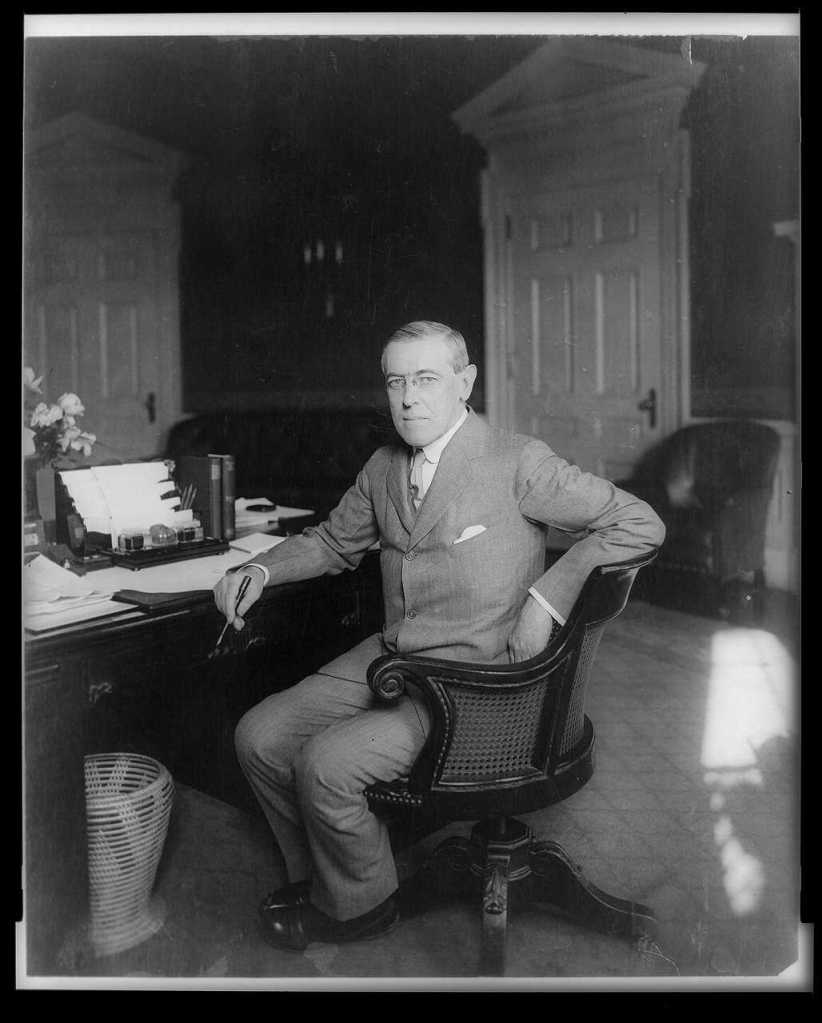
President Woodrow Wilson. Credit- Library of Congress

On August 25, 1916, President Woodrow Wilson signed the Organic Act, creating a new federal bureau within the Department of Interior to protect the 35 existing parks.  It was called the National Park Service.  The purpose of the new agency, according to the legislation that created it, is “to conserve the scenery and the natural and historic objects and the wildlife therein and to provide for the enjoyment of the same in such manner and by such means as will leave them unimpaired for the enjoyment of future generations.”  However, the story of the National Park Service actually began long before then, and it involved two other U.S. presidents.

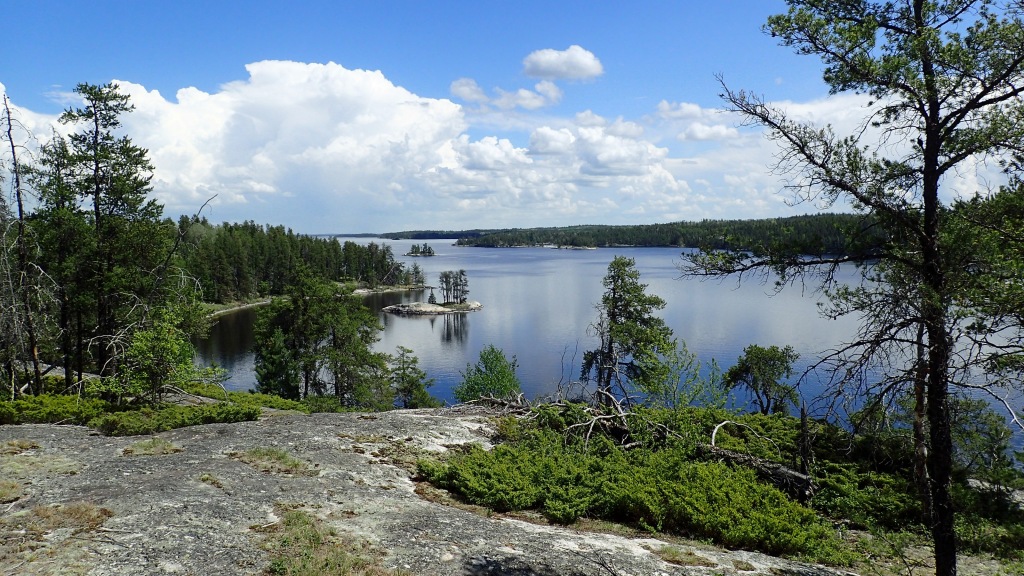
Voyageurs National Park

In 1872, President Ulysses S. Grant designated Yellowstone as the first national park and placed it under the control of the Secretary of the Interior. Then, in 1906, President Theodore Roosevelt enacted the Antiquities Act, which gave presidents the authority to create national parks, monuments, forests, and reserves. During his presidency, Roosevelt established 5 national parks and 18 national monuments.

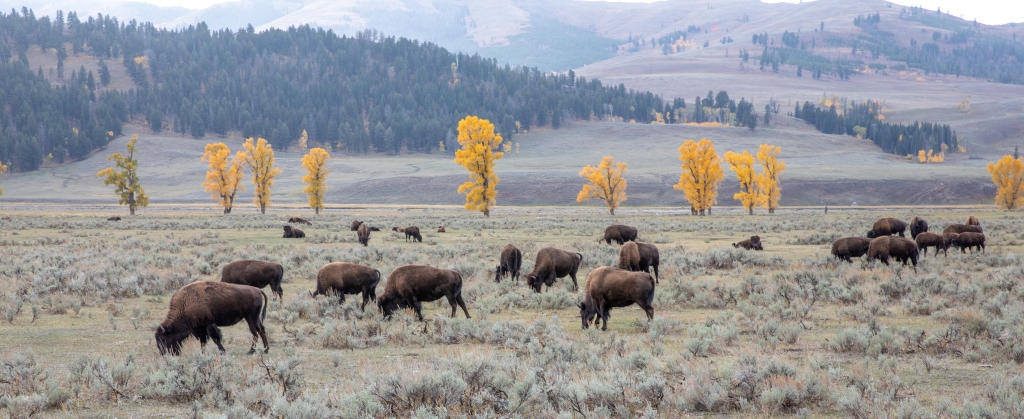
Yellowstone National Park. Credit- NPS

After the passage of the Organic Act in 1916, management of national parks fell to the National Park Service; in 1933, an executive order also transferred control of national monuments and certain military sites to the Park Service.

Today, the National Park Service manages and protects 425 sites in all 50 states.  This amounts to more than 85 million acres of natural spaces and historic sites. The largest national park is Wrangell – St. Elias National Park and Preserve in Alaska. It encompasses over 13 million acres! The smallest national park, at only 0.2 acres, is Thaddeus Kosciuszko National Memorial in Pennsylvania. In recent years, national parks have received more than 300 million visitors annually, and as additional sites are added to the National Park System, that number will only grow.

If you want to join in the anniversary celebrations, you can attend a special event at a nearby park unit (like this one at Ste. Genevieve National Historical Park) or share #YourParkStory on social media. The National Park Service website also has many ideas of how to celebrate!

Ste. Genevieve National Historical Park

As Pulitzer Prize winner and environmentalist Wallace Stegner said, “National parks are the best idea we ever had. Absolutely American, absolutely democratic, they reflect us at our best rather than our worst.” At Jefferson National Parks Association, we are so proud to support these American treasures, and we wish the National Park Service a very happy birthday!