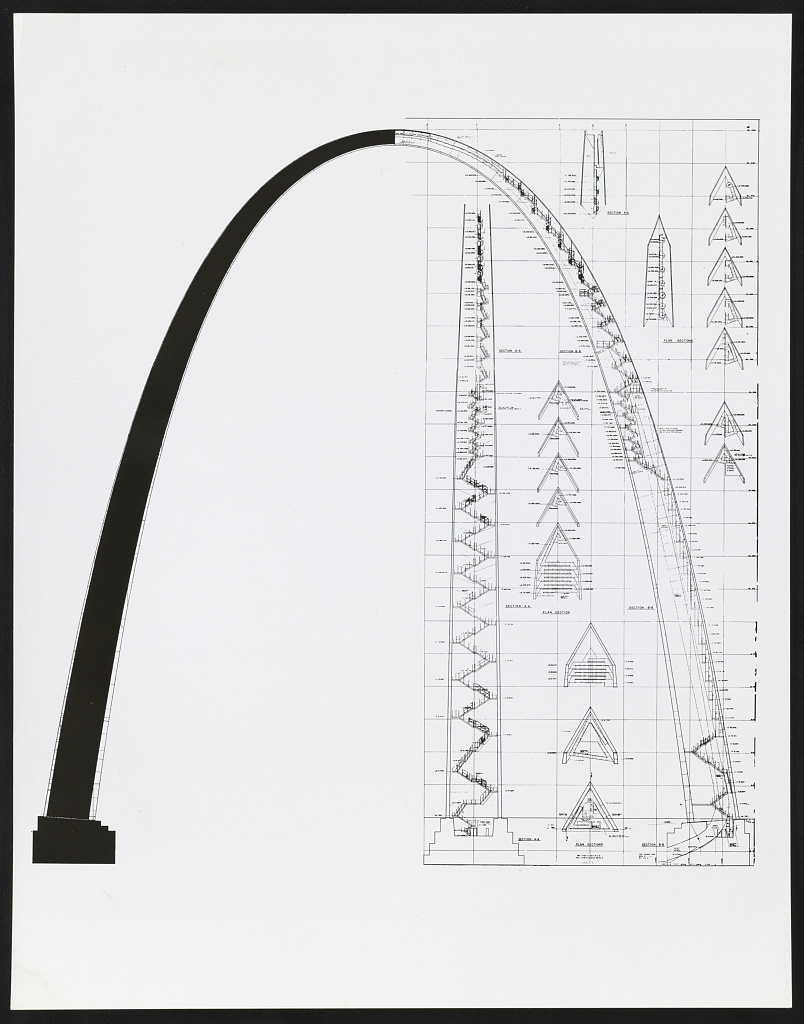
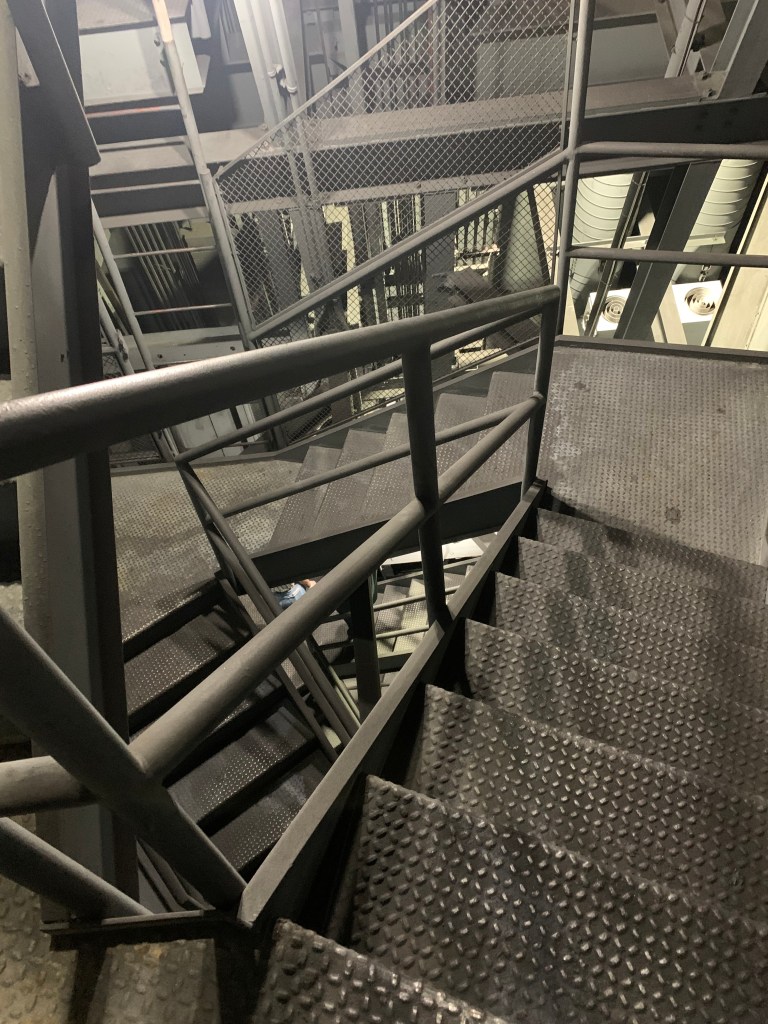
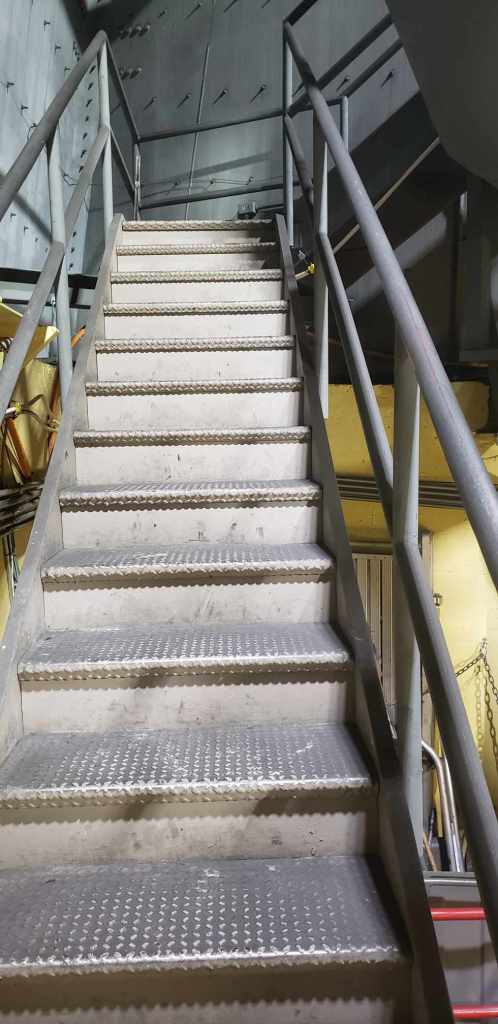
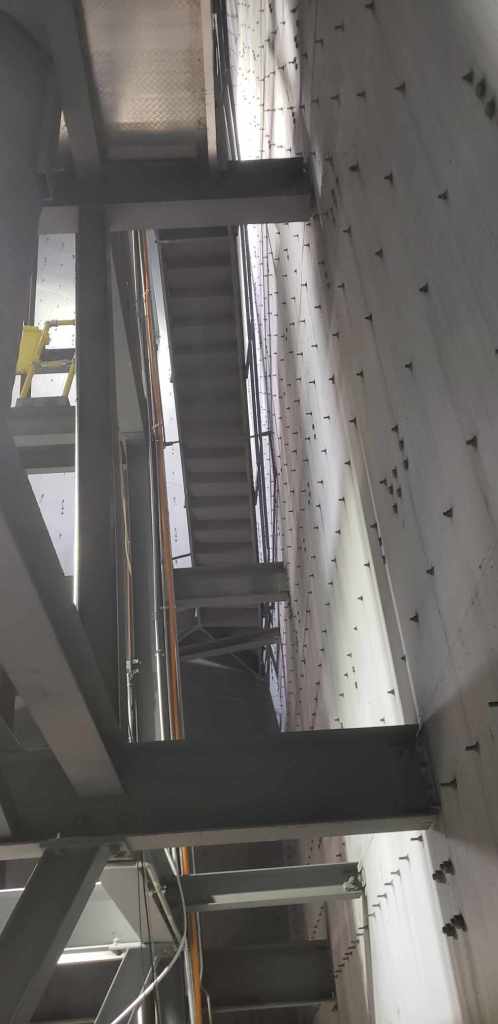
Shh, wanna know a secret that most visitors to Gateway Arch National Park don’t know? There’s another way to get to the top of the Arch, beyond riding in a tram car. There’s a hidden staircase inside each leg of the Arch, with 1,076 steps on each side.
Architectural drawing of the staircase inside the Gateway Arch. Credit: Library of Congress
But if the idea of climbing that many stairs makes your head spin, don’t worry. The staircases aren’t for public use.
When the Arch was built in the 1960s, the designers had already made plans for a tram system to carry visitors up to the observation deck (and down again). But they knew that park staff would also need access to the tram system for routine maintenance. So they installed the stairways. The stairs are an engineering feat, using 105 landings to snake through the curved structure.
Visitors can sometimes glimpse the hidden staircase through the small windows as they ride up and down in their tram car. So the next time you take a tram ride at the Arch, you can share the “secret” with your fellow riders!
Are you puzzling over what to do with yourself during cold winter days? Well, wonder no more. In honor of National Puzzle Day on January 29, we suggest cozying up indoors with a fun (or maybe maddeningly challenging) puzzle!
JNPA is crazy for puzzles; we sell a wide variety at our partner park stores. Some are three- dimensional and require manual dexterity (and patience!). Others are flat jigsaw puzzles, both single- and double-sided. Some are kid-friendly, others will challenge any grown-up. The artwork on some of our puzzles are custom-designed for a specific park, while others have a broader national parks theme.
Check out some of our more popular puzzles:
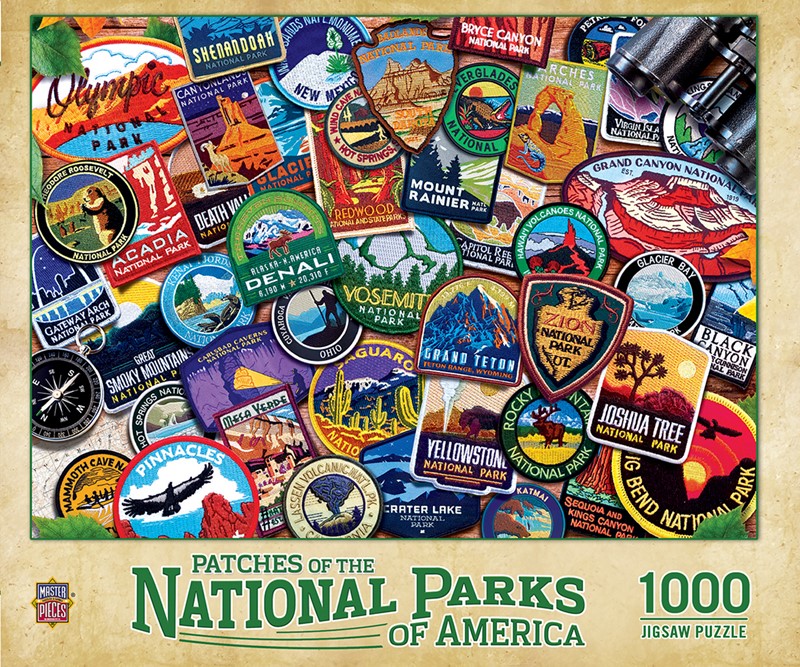
Puzzle fiends who love a challenge will want to snag this 1,000-piece national parks puzzle featuring a colorful montage of national park patches.
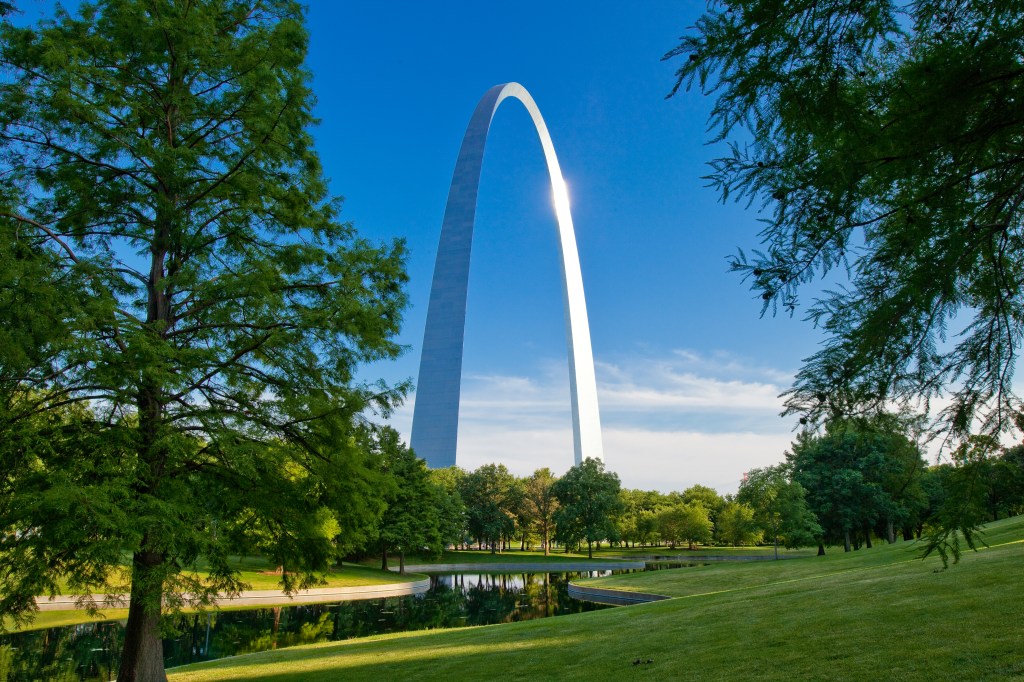
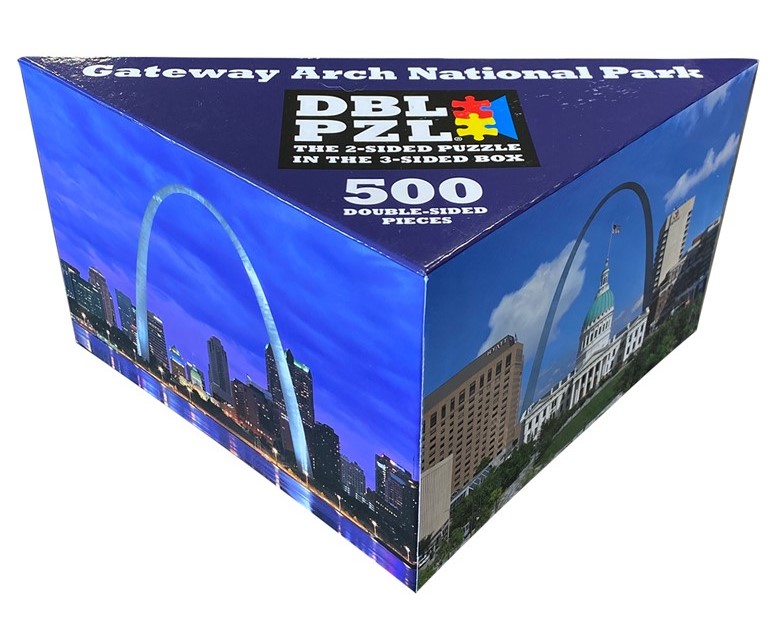
But if you like your 1,000 pieces divided into two puzzles, go for one of our two-sided Gateway Arch jigsaw puzzles. When you’re done with one side, just break the pieces apart and start on the other side.
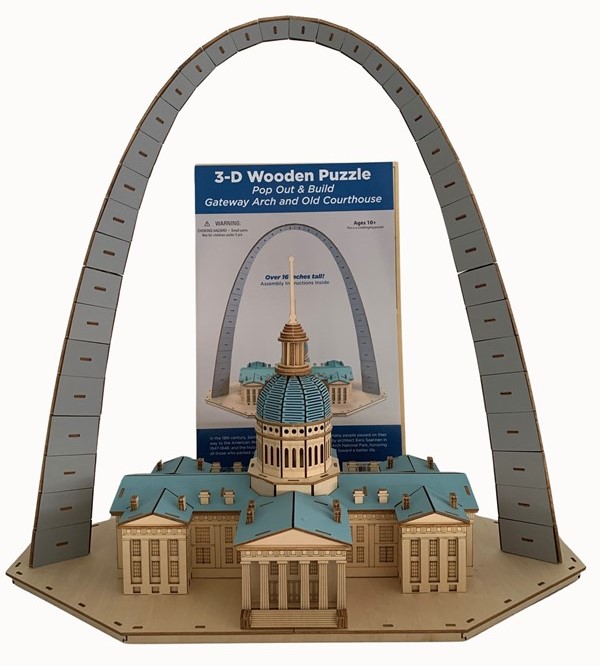
If two-dimensional puzzles aren’t your thing, how about trying your hand at some tricky 3D building sets? Warning – they’re challenging! We offer two buildable models of the Gateway Arch and Old Courthouse, one made from plastic mini-blocks and the other from wood.
Our Arch mini-building block set has 1,913 pieces – enough to keep a team of puzzlers busy for weeks. When completed, it stands more than 14” high.
The pieces for this wooden Arch model are first popped out of their cards, then assembled into a handsome 16” replica.
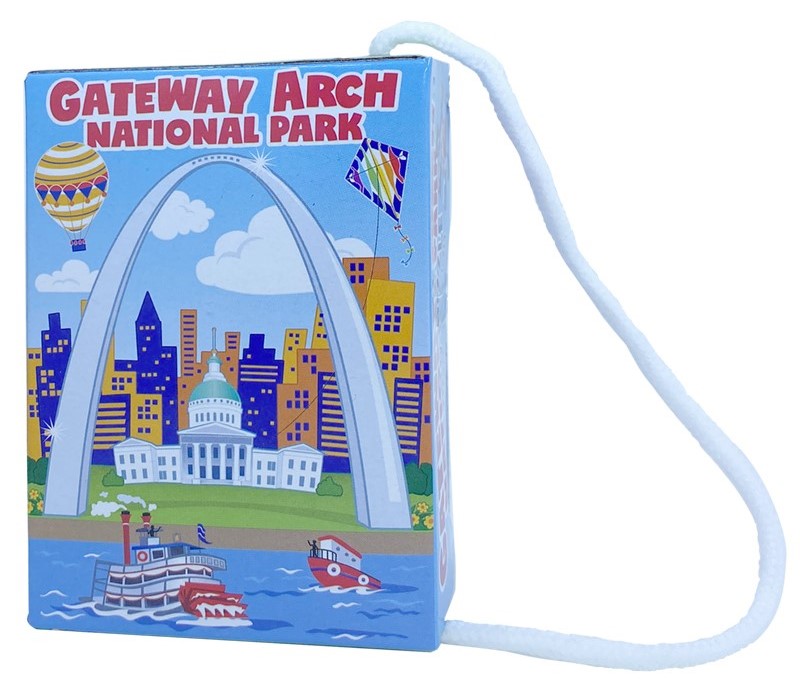
And finally, to help start your kids off right (and not discourage them!), we offer these little Gateway Arch mini puzzles: either this adorable 24-piece set with a cute carrying strap or a slightly more challenging 140-piece puzzle – they’re great for travel.
One of these projects is sure to be just right for a winter’s day. Happy puzzling!
The Gateway Arch tram system is a one-of-a-kind invention that incorporates components of both Ferris Wheels and elevators in its design. There is nothing else quite like it in the world – and it was invented in only two weeks by Richard Bowser.
It is in this engineering spirit that the Gateway Arch National Park Engineering Contest was created. The contest, held in association with Washington University McKelvey School of Engineering, challenges teams of high school students to create a solution for a real engineering problem that exists in the park. The winning team takes home the coveted Richard Bowser Trophy, which they keep until next year’s competition.
Nine teams from area high schools participated in the 7th Annual Gateway Arch National Park Engineering Contest, making this year’s competition the fiercest yet. Each year students are presented with a different engineering challenge. This year’s challenge asked students to engineer a system for automatically adjusting the Riverboats at the Gateway Arch dock to the appropriate level as the river rises and falls.
Situated on the river beneath the shadow of the Gateway Arch, the Riverboats at the Gateway Arch have been cruising the Mississippi since 1910. The Riverboats offer daily sightseeing cruises, dinner cruises, private charters, and specialty cruises to tourists and locals.
The boats’ dock structure is 303 feet long and consists of 4 barges. Keeping the dock tethered to the levee are four electric winches, one hydroelectric winch, and five cables. There are also utility lines that must be moved as the dock position varies with the water levels.
With the river level fluctuating daily, the dock must be frequently adjusted, so the ramps are not in the water and the docks themselves do not become grounded. Currently, these adjustments are made by hand, a time-consuming process that requires the full crew.
In September 2023, students participating in the contest toured the dock with a park ranger and members of the Riverboats at the Gateway Arch team, so they could see how the winches are used, measure the area, take photographs, receive blueprints, and have any initial questions answered. Using this information, the students produced an executive summary that included pictures, diagrams and other visual aids to communicate their design, as well as a budget for the project.
The competition final was held at Washington University’s McKelvey Engineering complex in Whitaker Hall on Saturday, November 11, 2023. Each of the nine teams presented an executive summary to a panel of six judges (all professional engineers). The teams were judged on both their executive summary content and presentation. They were scored in categories ranging from innovative design, functionality, and ease of use to responsible budget and realistic possibility of the design.
According to Gateway Arch National Park, this year’s contest was fierce and the most competitive yet, with the first-place school winning the trophy by only half a point! Christian Brothers College High School placed first, with teams from St. Louis Centers for Advanced Professional Studies (STL CAPS) taking second and third place. Both STL CAPS teams received the award for Best Executive Summary, as they remarkably tied with a 45.83 score out of 50 points.
The Parkway Spark! program also had two teams enter the competition. The Sparkles took home the award for Best Presentation after receiving a near-perfect presentation score of 49.33 out of 50. Student Ryder Risko of the Parkway Spark! River Tech team received the Charles Janson MVP Award.
The Taylor Tuleja McKelvey Award for Creativity and Ingenuity went to Kate Hulsen of St. Joseph’s Academy.
In addition to the competition component, the contest final included a presentation from a professional engineer, a luncheon, and a guided tour of McKelvey School of Engineering for all contest participants and their families and friends in attendance – an excellent opportunity for students considering the engineering field.
For more information on this year’s contest visit gatewayarchengineeringcontest.com. To inquire about participating in the 8th Annual Gateway Arch National Park Engineering Contest in 2024, contact Anthony Gilpin, at tony_gilpin@nps.gov.
Looking for a memorable way to celebrate the Fourth of July this year? Look no further than Gateway Arch National Park.
Visitors who gather on the Arch grounds tomorrow evening will have a front row seat to one of the nation’s most spectacular fireworks displays. The civic organization Fair Saint Louis will set off more than 1½ tons of fireworks from a barge in the Mississippi River, just beneath the Arch. It promises to be the largest fireworks show the organization has ever produced.
The show is scheduled to begin at 9:30 p.m., and last about 30 minutes. Visitors are encouraged to bring blankets and lawn chairs and to picnic on the grass. No glass or alcohol is allowed. The Arch itself will not be open, but the grounds and riverfront will be accessible.
This is the 42nd year that Fair Saint Louis will present its Fireworks Spectacular. It will also host its 140th America’s Birthday Parade the morning of the Fourth.
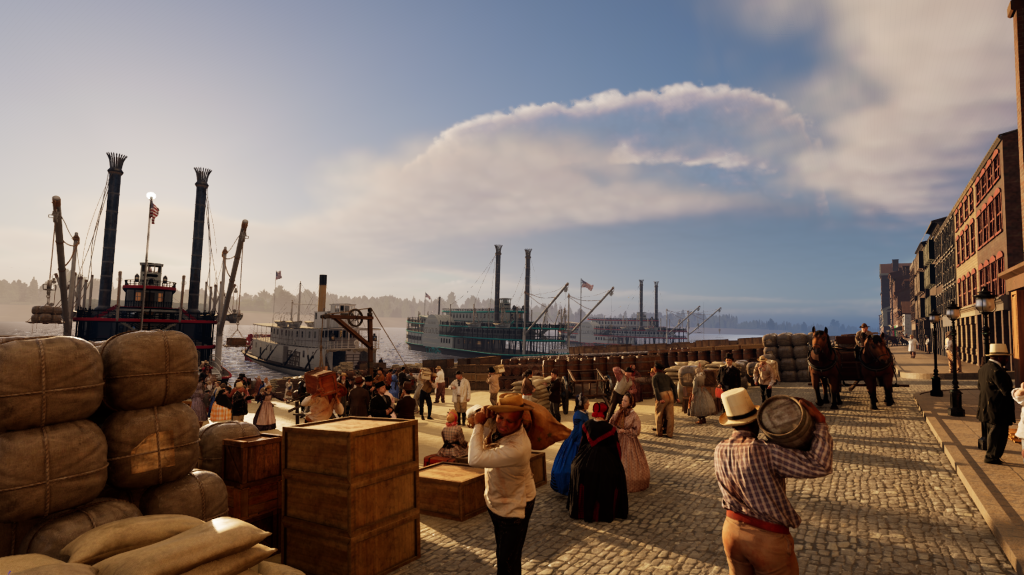
Gateway Arch National Park has added a new attraction to its already-full list of activities…and it just might blow your mind. It’s a virtual reality (VR) experience that transports visitors to a 360⁰ depiction of the 1850s St. Louis riverfront. And it all takes place in a newly designed area on the lower level of the Arch visitor center.
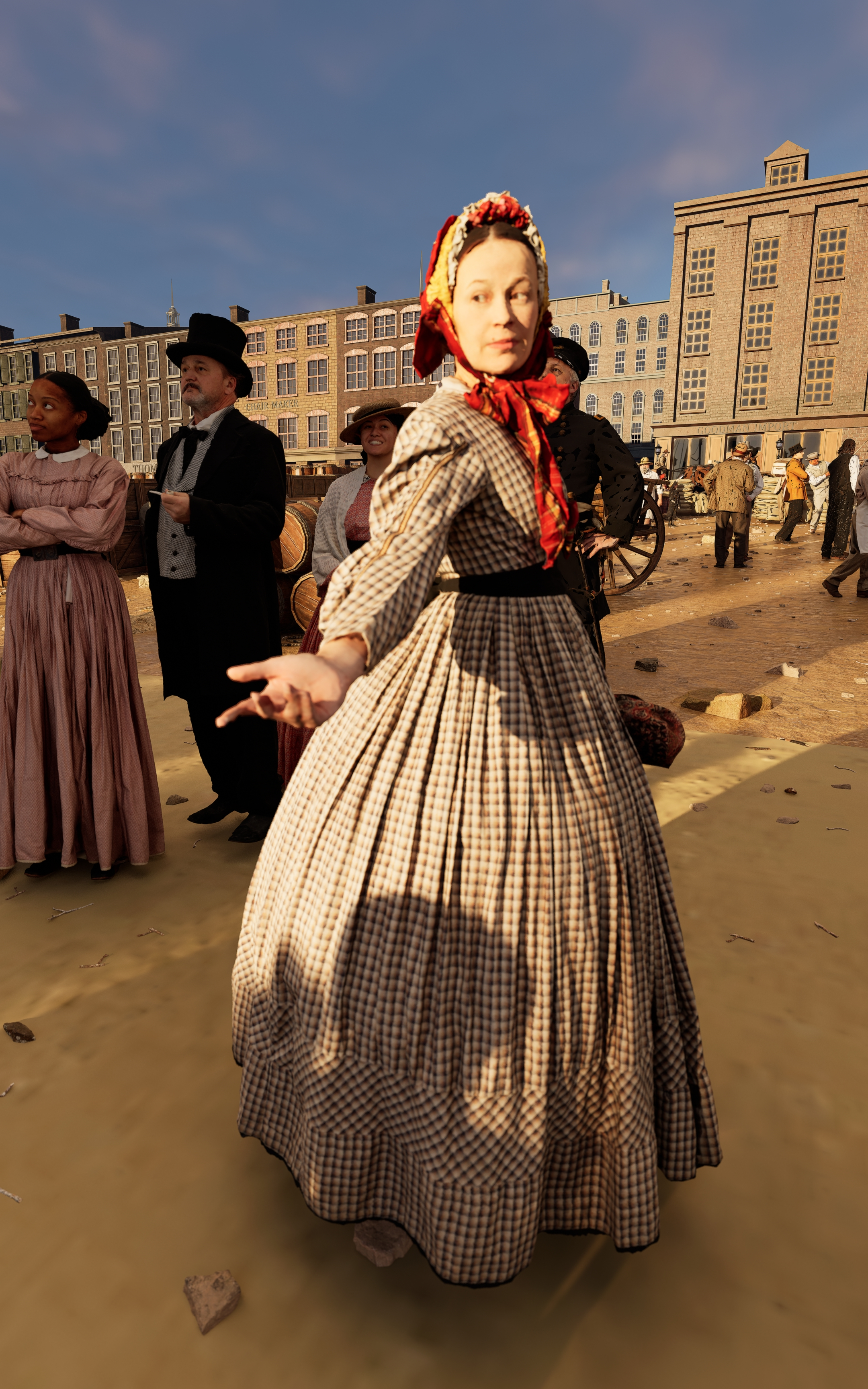
When you put on a special 3D headset, you’ll be immersed in the sights and sounds of the St. Louis levee in the 1850s, an era when the city was an important crossroads for America’s westward migration. Watch as steamboats deliver travelers and goods from around the world. And hear the stories of courage, struggle, and hopes of some of the real people who crossed paths there. The VR program aligns with one of the historic eras that visitors can also learn about in the Arch museum, though it brings it to life in a very unique way.
Jefferson National Parks Association and park staff have teamed up to bring this production – titled Cobblestones & Courage – to park visitors. JNPA funded the work and selected TimeLooper – a pioneering interpretive design firm – to develop the programming.
“Gateway Arch National Park is constantly seeking new and engaging ways to share the story of America’s westward expansion with visitors,” says David Grove, President and CEO of JNPA. “As a park partner, we’re thrilled to bring this unique experience to visitors. Cobblestones & Courage brings history to life in a tangible way using 3D technology to diversify the park’s storytelling methods.”
The new Virtual Reality Theater is located in the lower Gateway Arch lobby, right outside The Arch Store, which JNPA also operates. Tickets are $10 for adults, $8 children (ages 5-15). Reservations are encouraged and tickets can be pre-purchased here.
If you’ve ever wanted to travel back in time, this is the way to do it. Check it out! And also take a look at a preview video of the production.
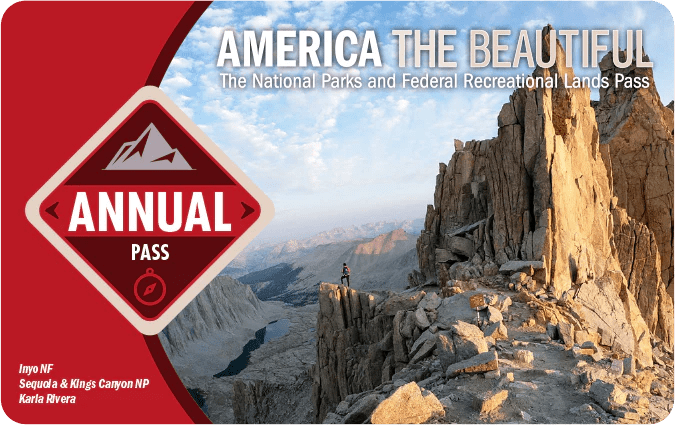
Now that summer is in full swing, you’re probably making vacation plans. If a national park is on your travel agenda, we have a suggestion you won’t want to pass up: buy an America the Beautiful Pass.
This $80 annual pass entitles you and three guests to free access to more than 2,000 public sites managed by five federal agencies for an unlimited number of visits during the year. And since some national parks charge up to $20 per person or $35 per vehicle, these savings can add up. What’s more, the proceeds from the purchase of each pass are dedicated to improving and enhancing visitor experiences at these federal recreation sites.
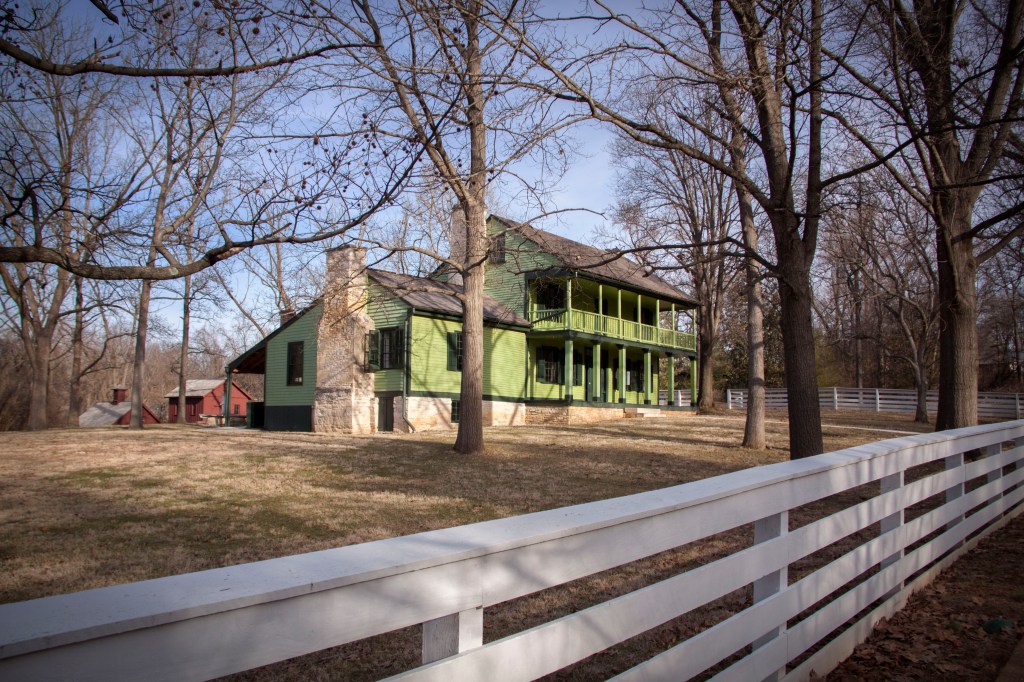
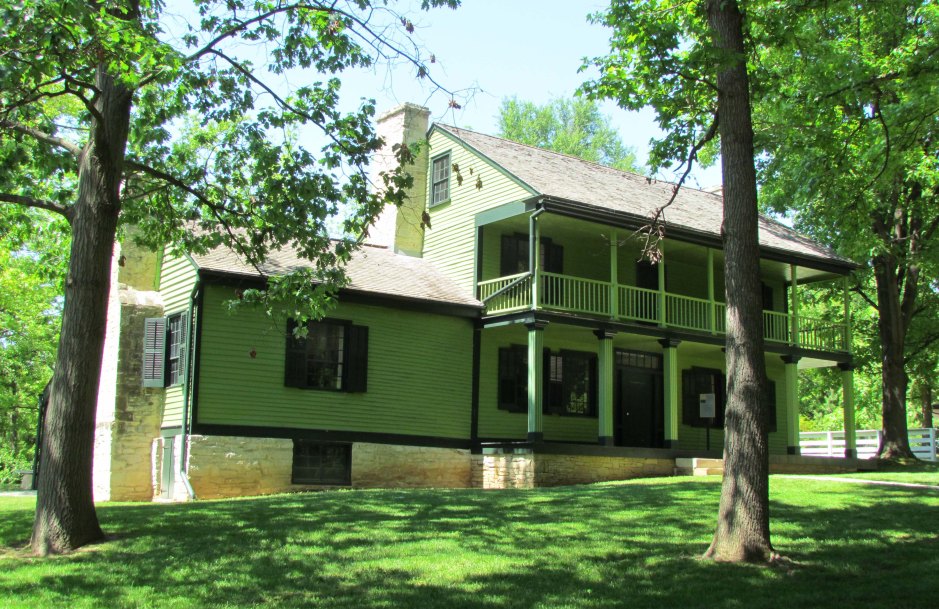
Ulysses S. Grant National Historic Site. Credit: NPS/David Newmann
Beyond the regular annual park pass, there are other options for certain groups:
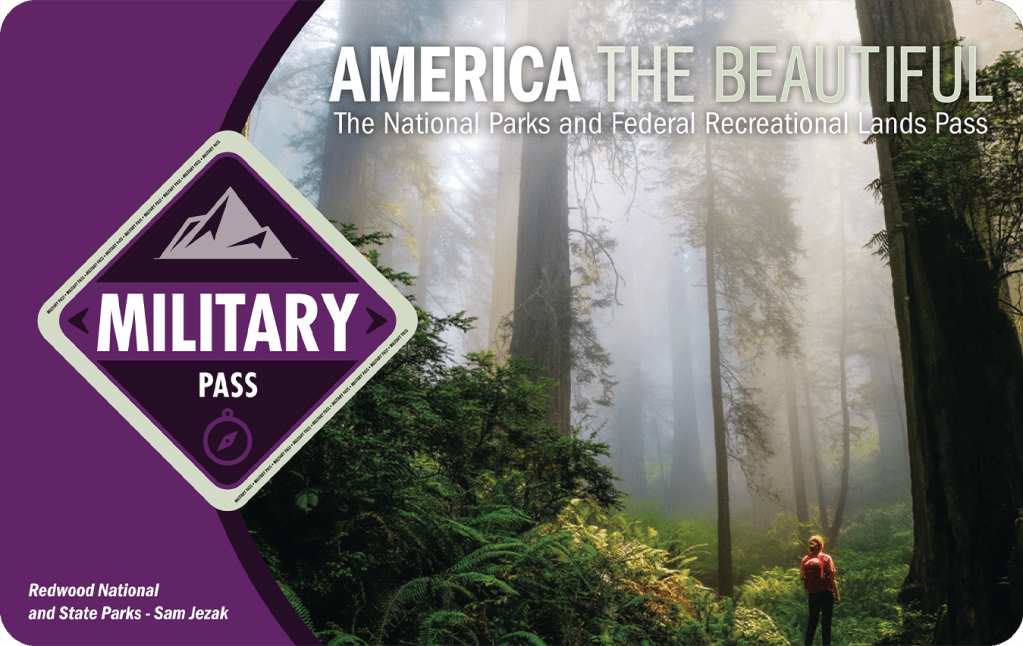
Members of the military and their dependents qualify for a free annual Military Pass;
Gold Star families and Veterans can receive a free lifetime Military Pass;
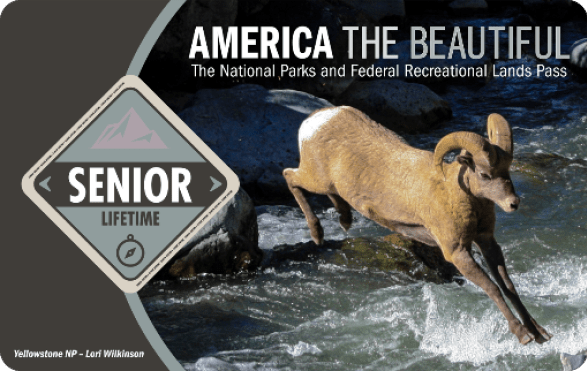
Those who are ages 62 and up can purchase a $20 annual Senior Pass or an $80 lifetime Senior Pass;
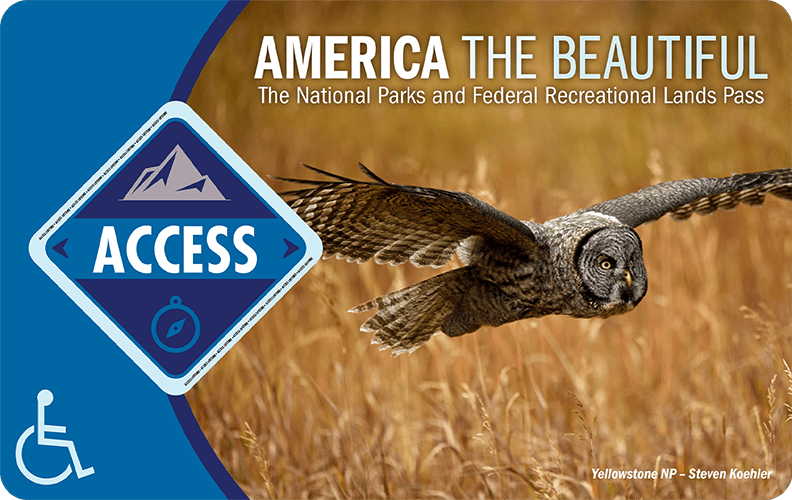
Those who have a permanent disability can qualify for a free lifetime Access Pass, regardless of their age.
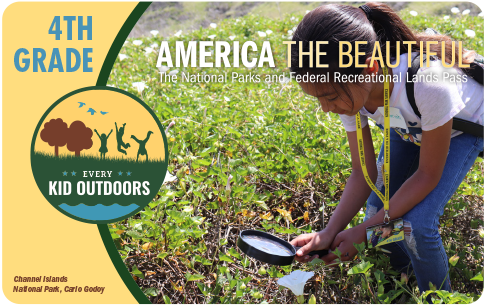
Children in 4th grade and their educators can take advantage of a free Every Kid Outdoors Annual 4th Grade Pass.
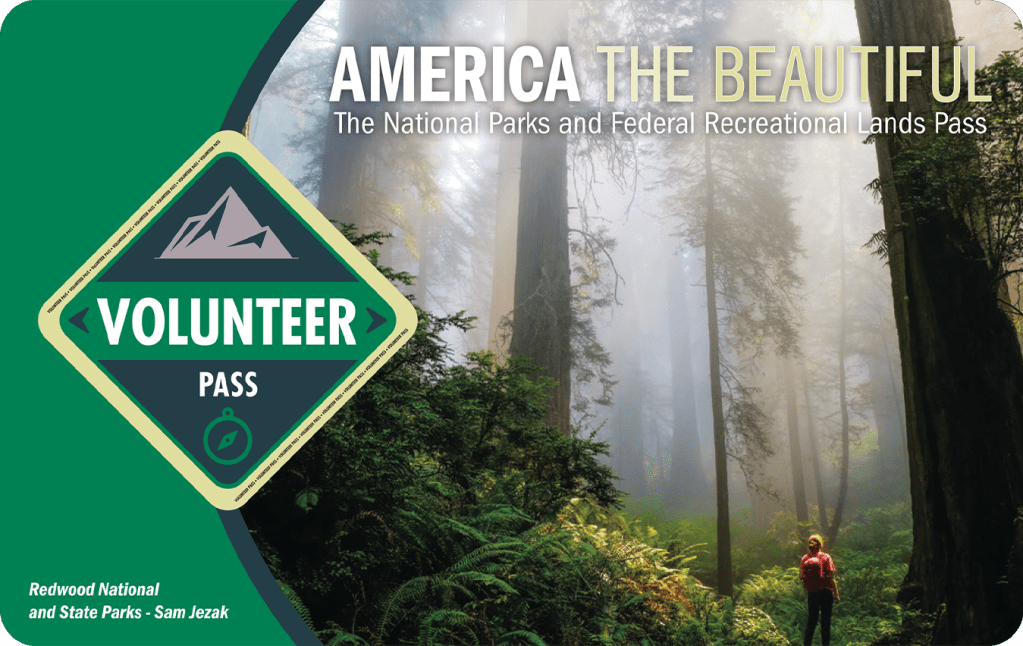
Those who volunteer for a federal recreation site for more than 250 hours are entitled to a one-year Volunteer Pass.
Where can you get one of these park passes? If your vacation is more than two weeks away, you’ll have time to order your passes online and have them mailed to you (there’s a $10 processing fee for online orders). But if you’re travelling sooner, you’ll want to buy your passes at one of more than 1,000 recreation sites managed by the National Park Service, Bureau of Land Management, U.S. Fish and Wildlife Service, U.S. Forest Service, and the U.S. Army Corps of Engineers. To find one near you, go here.
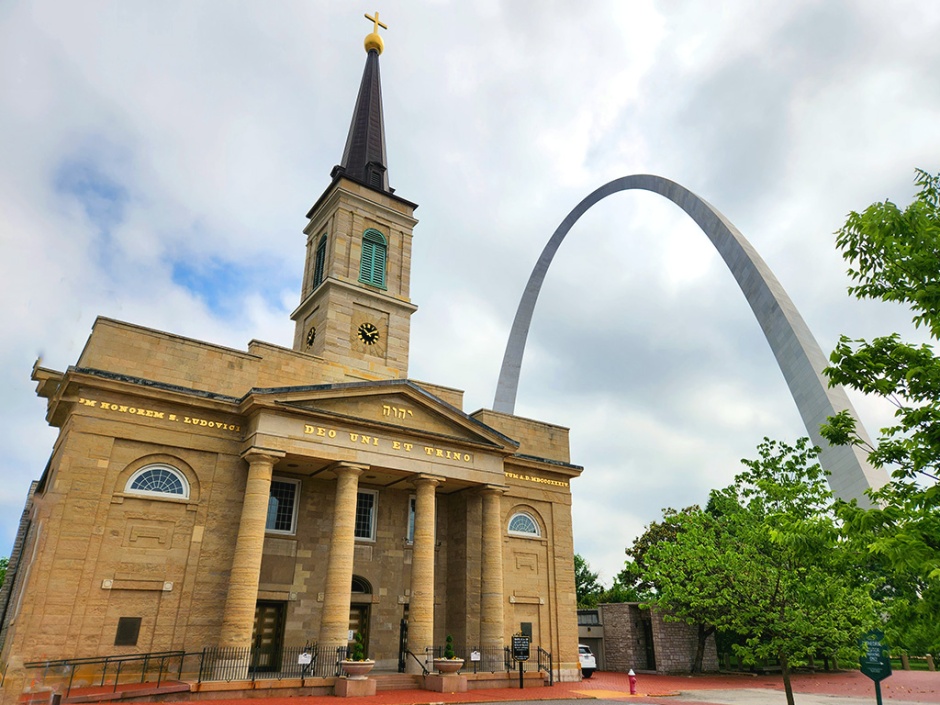
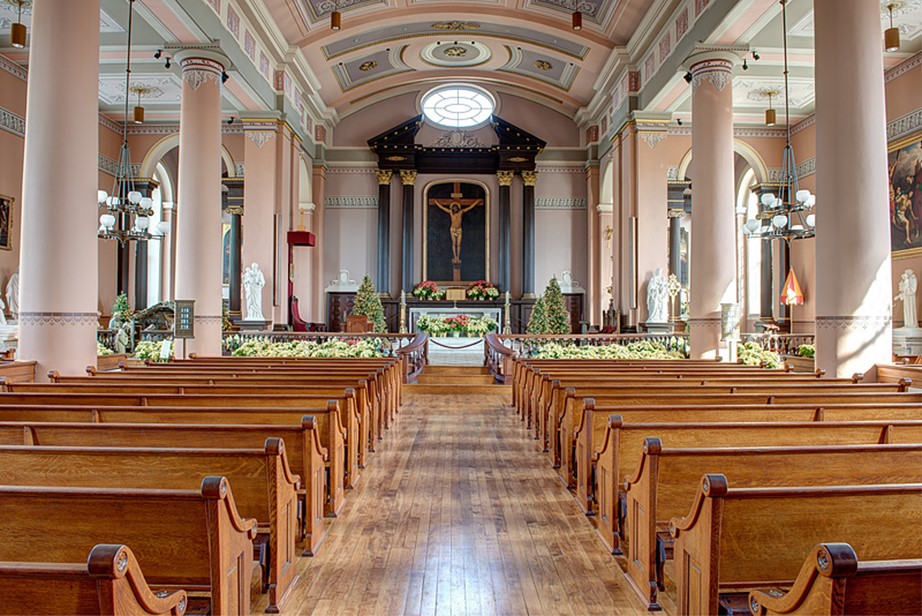
When you visit Gateway Arch National Park, you may not expect to see a Catholic Church perched on the edge of the Arch grounds. Nor is just any church – it’s the first cathedral west of the Mississippi River.
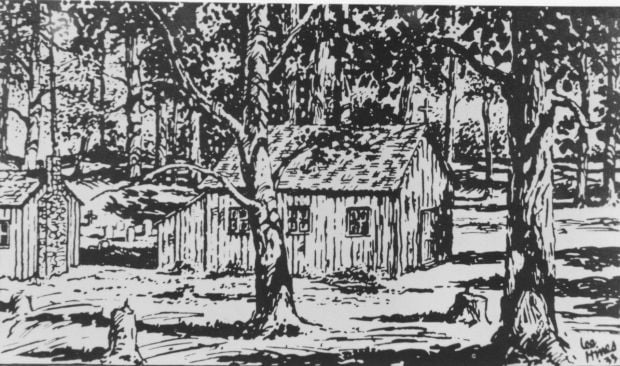
Depiction of the original log church c. 1770
This handsome stone building is formally known as the Basilica of Saint Louis, King of France, but St. Louisans refer to it as simply the Old Cathedral. In 1764, St. Louis was established as a French fur trading post. Since then, the city has fallen under the control of three different countries (France, Spain, and the United States) and the church served a wide variety of purposes. One thing, however, has remained the same since 1770: the ownership of the land where the Old Cathedral sits. Although the building has been changed several times, for the last 253 years the property has been home to a Catholic church.
Old Cathedral c. 1834. Credit: Missouri Historical Society
Beginning as a simple log building, the Catholic church was the only house of worship in the area of any denomination until the early 1800s. Over the years, it was renovated and expanded, until construction of the “new” cathedral began in 1831. As the social hub of the region, the church played host to many significant people and stood witness to a number of historic events. Jean Baptiste Charbonneau, the son of Sacagawea, was baptized at the church, as were explorer William Clark’s children. The church survived war, cholera, fire, influenza, tornados, and many other tragedies that befell the St. Louis region.
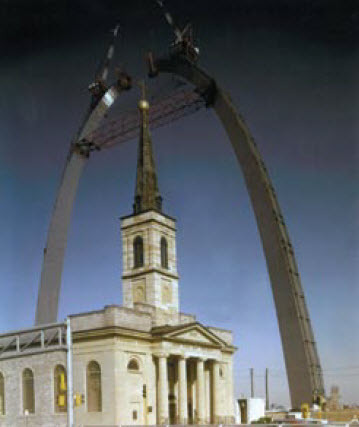
Old Cathedral c. 1965. Credit: Basilica of Saint Louis, King of France
Because of its historical significance, Pope John XXIII designated the Old Cathedral as “The Basilica of Saint Louis, King of France” in 1961. However, at that time, the building was in disrepair, and much of the riverfront had been cleared to make room for the future Jefferson National Expansion Memorial (now Gateway Arch National Park). The cathedral was one of only two buildings on the future park grounds that was spared from demolition (the other being the Old Courthouse). The archbishop of St. Louis, Cardinal Joseph Ritter, decided to keep the designation a secret when he launched a restoration project of the Old Cathedral. The news of its elevated title was not announced until the project was completed in 1963, right before the St. Louis Bicentennial in 1964 and the completion of the Arch in 1965.
Credit: Basilica of Saint Louis, King of France
Now, the Old Cathedral stands next to the Gateway Arch as a testament to the beginnings of the Village of St. Louis and how far our city has come. It invites visitors to attend Mass and offers free tours on the first Sunday of each month following the noon Mass.
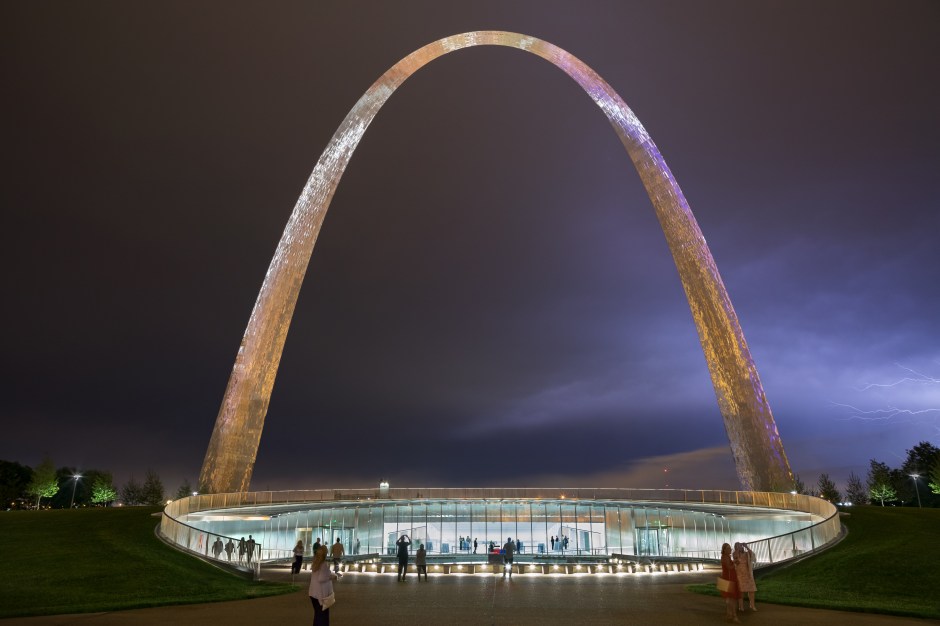
When you think of National Parks that support wildlife conservation, you may think of Yellowstone, Voyageurs, or Great Smoky Mountains. However, urban parks like Gateway Arch National Park can also have a big impact on wildlife conservation. That’s why the park is snuffing out the lights that illuminate the Arch this month.
Wait, what?
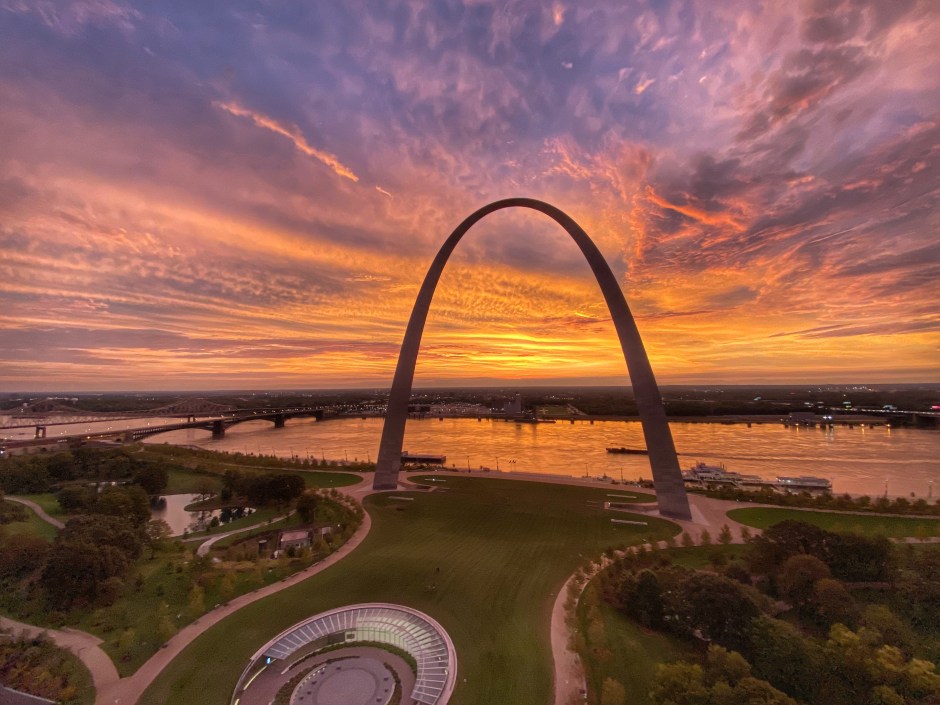
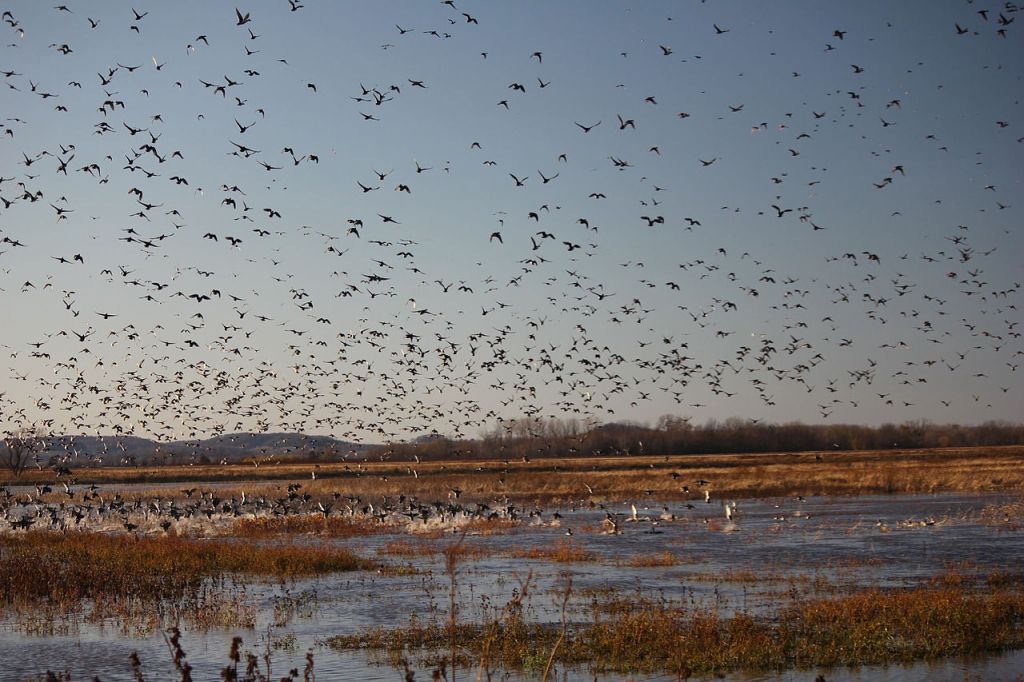
Let us explain. The Mississippi River, with its wide banks and flowing waters, cuts a path through the heart of our continent that is free from mountains or ridges. This provides a perfect path for over 300 species of migrating birds, known as the Mississippi Flyway. During the months of May and September, songbirds and waterfowl use the over 2,500-mile-long route to move between their summer breeding grounds in Canada and their wintering grounds in Mexico. However, bright lights from buildings, including the Arch, can confuse these long-distance flyers, most of which migrate at night.
Gateway Arch National Park is doing its part to help the migrating birds by partnering with Lights Out Heartland to reduce light pollution. Throughout the month of May, the National Park Service will not illuminate the Gateway Arch at night.
“St. Louis sits right beneath the Mississippi Flyway, a major migration highway,” said Jeremy Sweat, Superintendent of Gateway Arch National Park. “For over a decade Gateway Arch’s exterior lights have been turned off for two weeks each May and September to help minimize the possible disorienting effect the lights may have on birds that migrate at night. As migration patterns have changed, this year the park will extend the lights off for the entire month of May.”
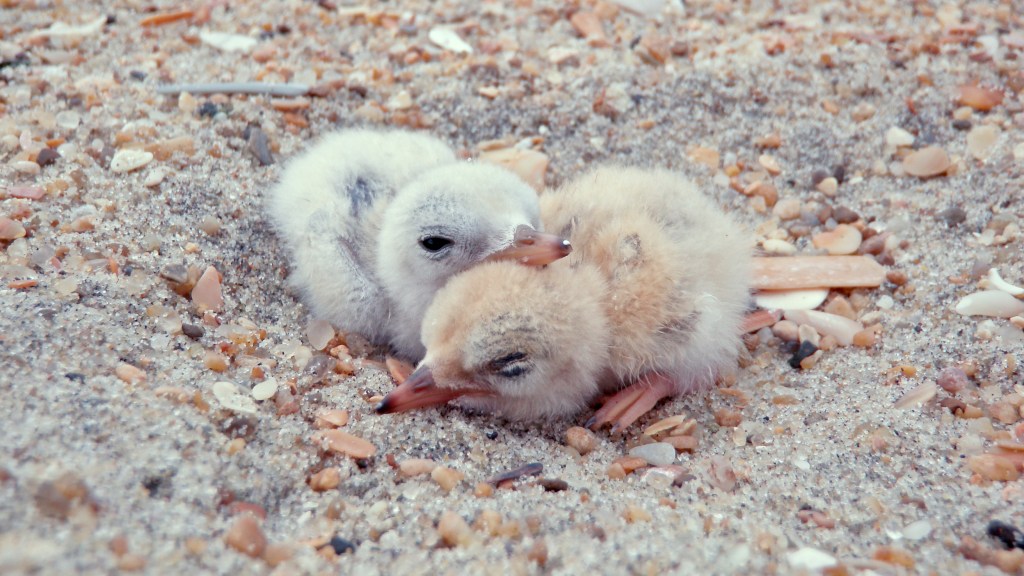
Least Tern chicks. Credit-NPS
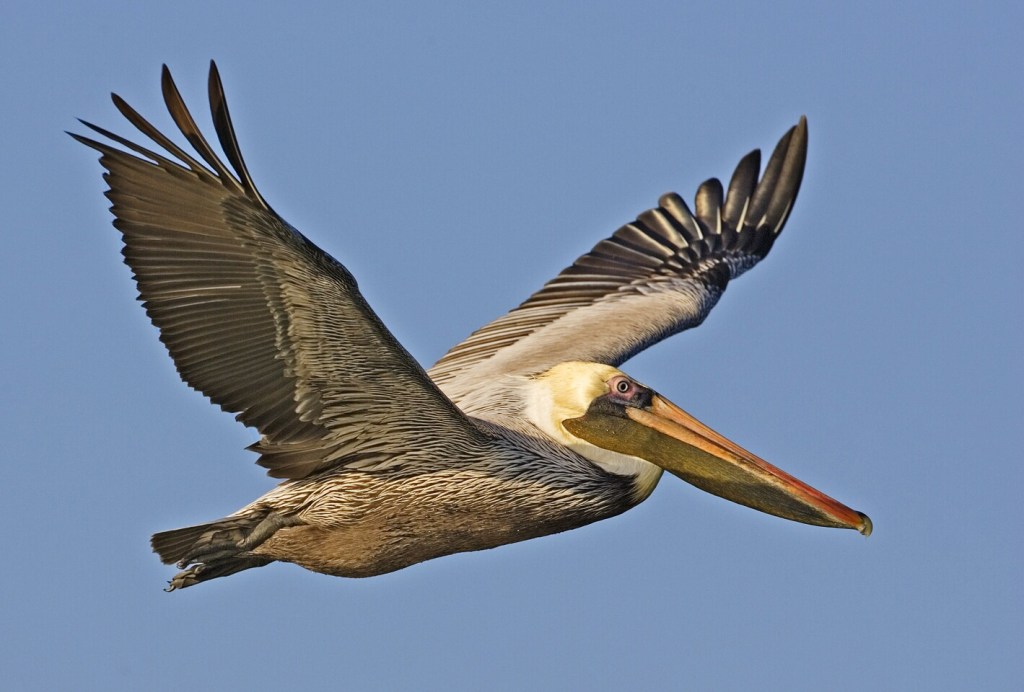
Many of the species traveling along the flyway have been impacted by environmental disasters such as oil spills and habitat loss, meaning that they require more protection to ensure their species’ survival. The Audubon Society has identified several “priority birds” that frequent the Mississippi Flyway, such as Brown Pelican, Little Blue Heron, Least Tern, and Seaside Sparrow.
Brown Pelican. Credit-NPS
You can do your part to help migrating birds like these. During migration season, turn off decorative lights outside your home between the hours of 11 PM and 6 AM and use window coverings to reduce the impact of interior lighting. You can also ask owners of office buildings and apartment complexes to dim all unnecessary lights in May and September (and many are voluntarily doing that already). After all, it’s for the birds!
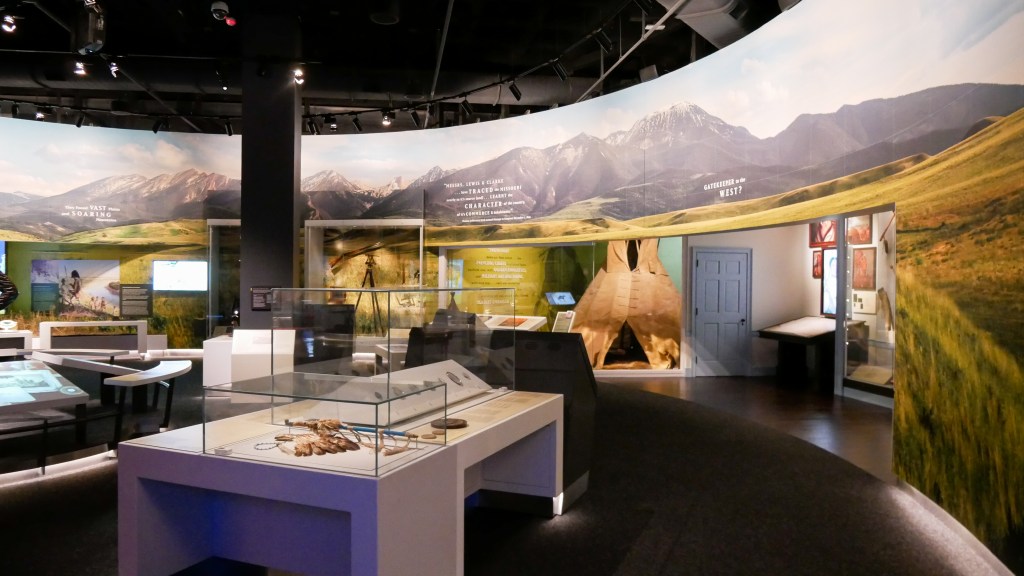
When you visit Gateway Arch National Park, you’re no doubt wowed by seeing the height and majesty of America’s tallest monument. And you probably also can’t wait to take a tram ride to the top. But there are plenty of cool things to experience down below on the ground level of the visitor center, like the Museum at the Gateway Arch. That’s where you can learn what America’s westward expansion was like through the eyes of explorers and pioneers, Native Americans and enslaved individuals, and women and children. You can also learn the stories of the founding of St. Louis and see unique artifacts and displays that commemorate the pioneering spirit.
In 2018, the Museum at the Gateway Arch underwent a major renovation. A key factor in this renovation was increased inclusivity in how visitors physically interact with the galleries and with the stories told in the exhibits. The galleries within the museum now tell the city’s history through the eyes of the various cultures involved, encouraging visitors to think about other perspectives.
Credit: Gateway Arch Park Foundation
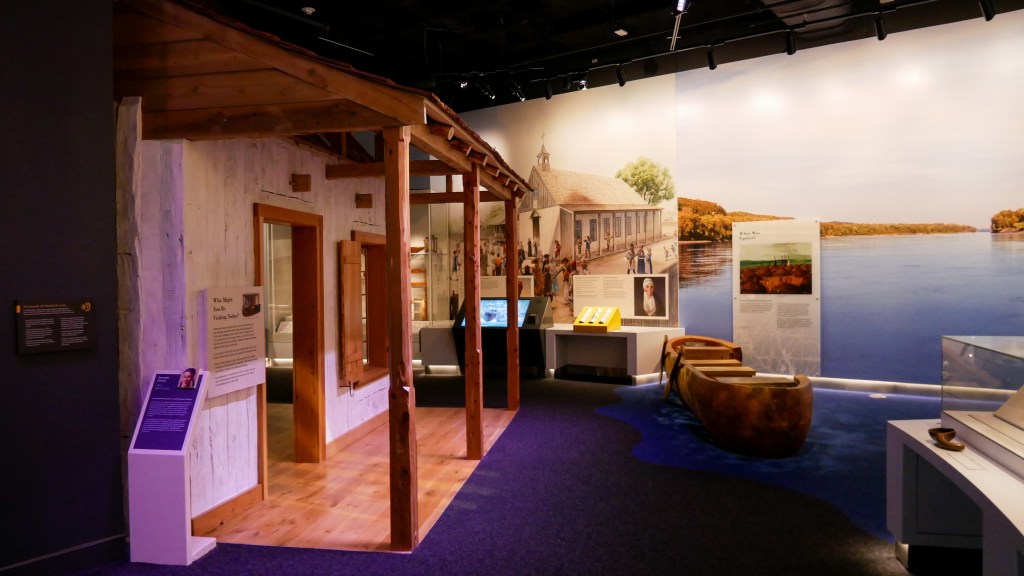
The museum is composed of six interactive galleries that detail more than 200 years of American history. Early St. Louis history will come alive in the Colonial St. Louis gallery as you take in artifacts from the region’s early French colonial inhabitants, including a full-sized vertical log house. You’ll also learn about the Indigenous and Creole cultures of St. Louis before the Louisiana Purchase.
Credit: Gateway Arch Park Foundation
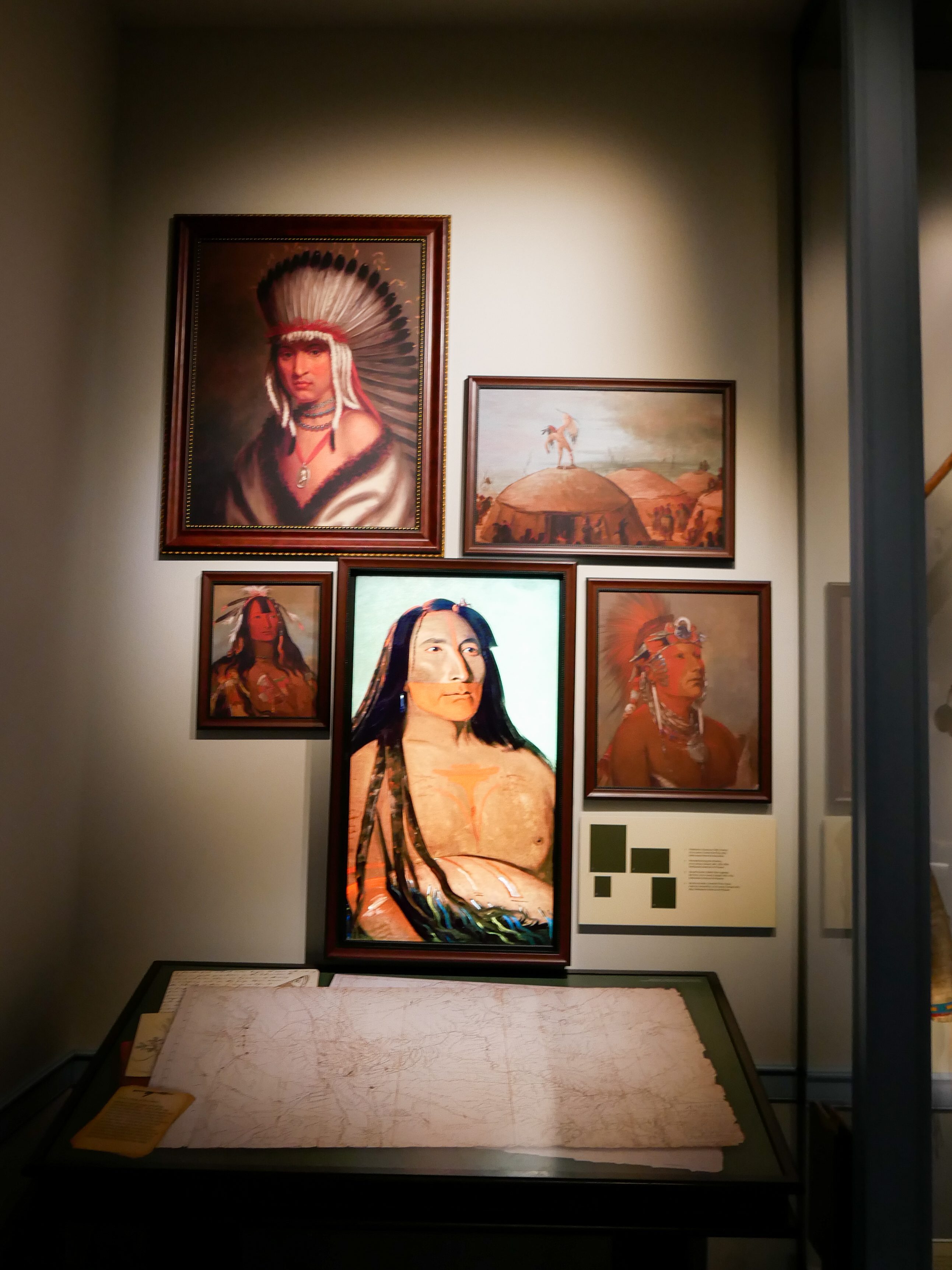
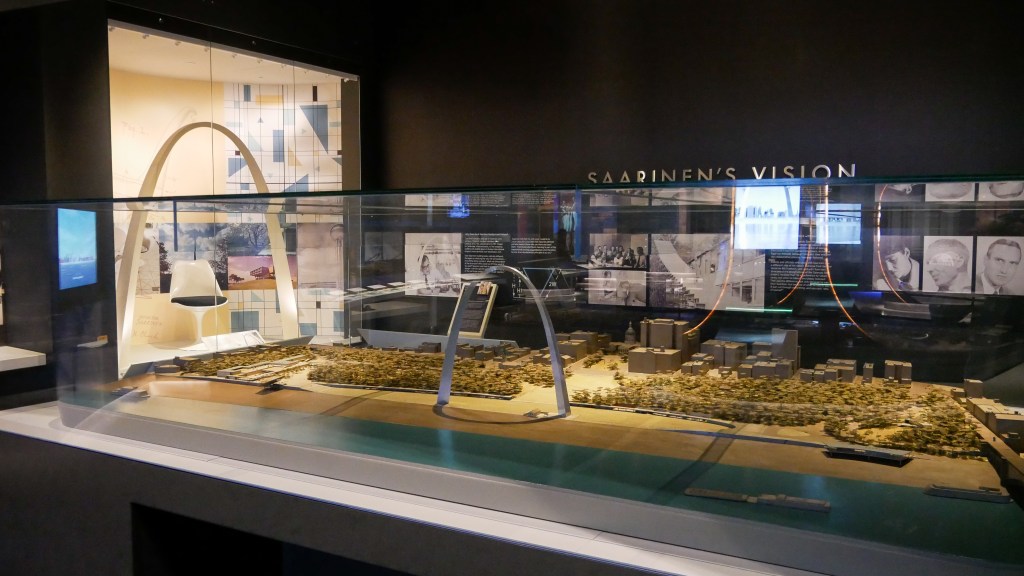
Jefferson’s Vision focuses on the Lewis and Clark expedition, which set the stage for the opening of the American West to settlers from all parts of 19th century society. Examine the discoveries from the explorers’ adventures, see the tools they used, and learn about the ongoing struggle among nations for supremacy in North America.
Credit: Gateway Arch Park Foundation
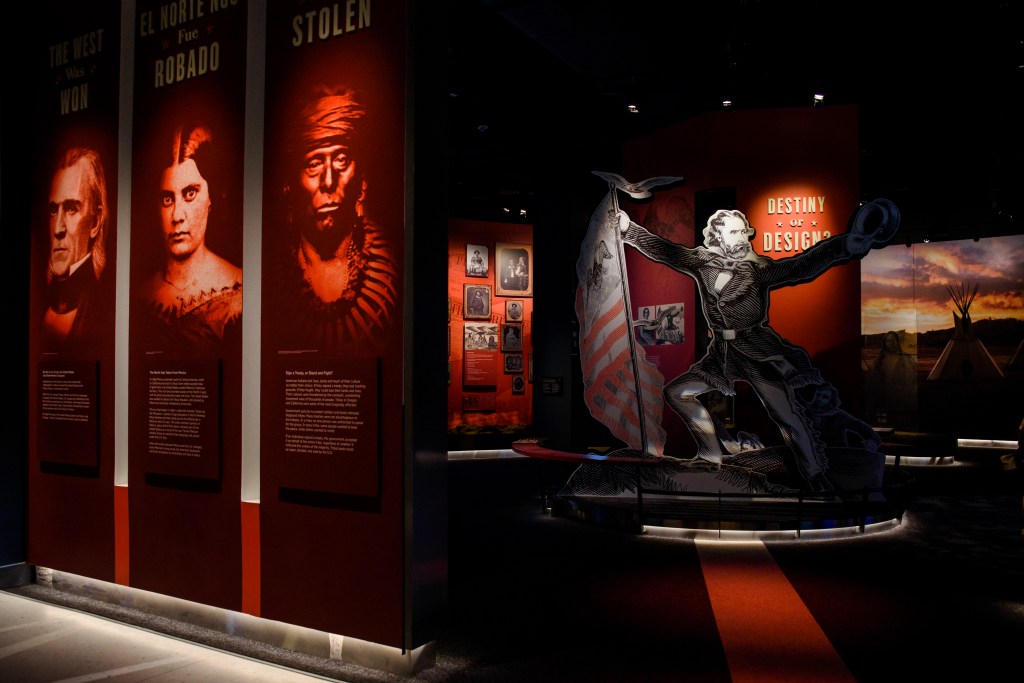
By the mid-1800s, many Americans believed their country had a God-given right to expand its borders throughout the continent. In Manifest Destiny you can examine the clash of cultures as settlers moved west, including the Indigenous inhabitants and the Mexican government.
Credit: Gateway Arch Park Foundation
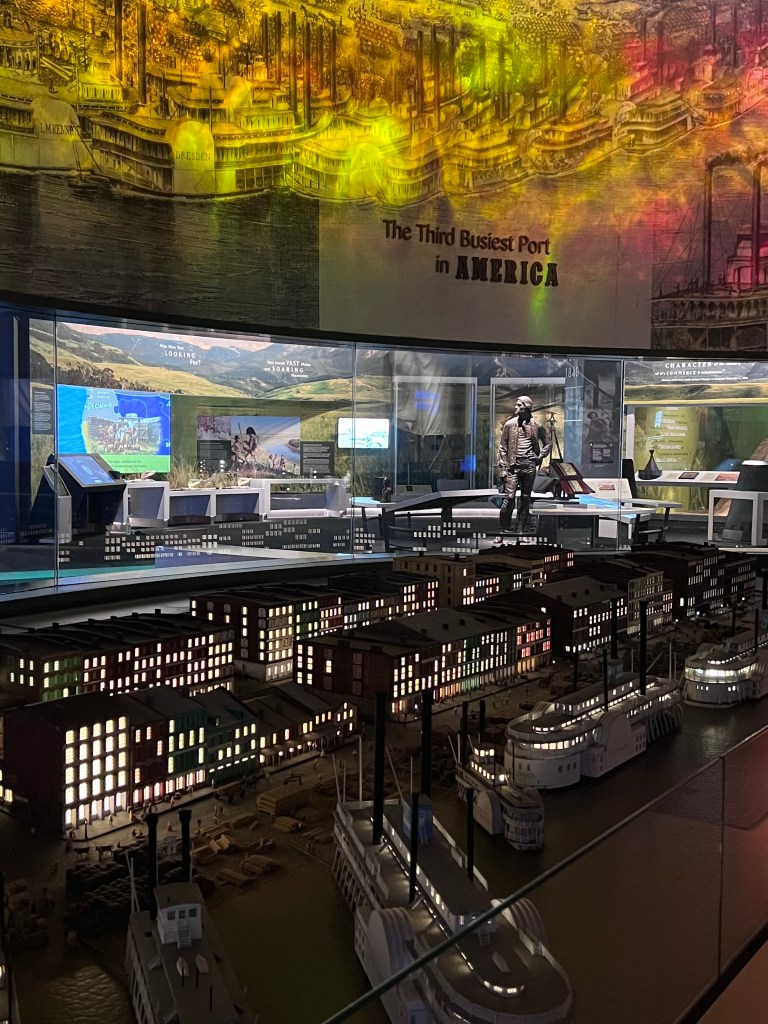
The Riverfront Era gallery traces the evolution of St. Louis as steamboats began to arrive on its riverbanks. By the mid-19th century, the city had truly earned its title as Gateway to the West as the levee bustled with dozens of riverboats carrying goods and people to other parts of the United States. The highlight of this gallery is an intricate scale model of the St. Louis riverfront that changes from day to night before your eyes.
In New Frontiers you can explore what it was like to live in the American West. See an authentic buffalo-hide tipi as you learn about the very different lifestyles of European settlers and Native Americans.
Credit: Gateway Arch Park Foundation
If you’re wowed by the design of the Gateway Arch, you’ll want to spend time in the Building the Dream gallery. There you can examine the various concepts that architects submitted to anchor the new national monument to westward expansion and see the details of Eero Saarinen’s award-winning design. Also discover the innovative builders who constructed the Arch.
Credit: Gateway Arch Park Foundation
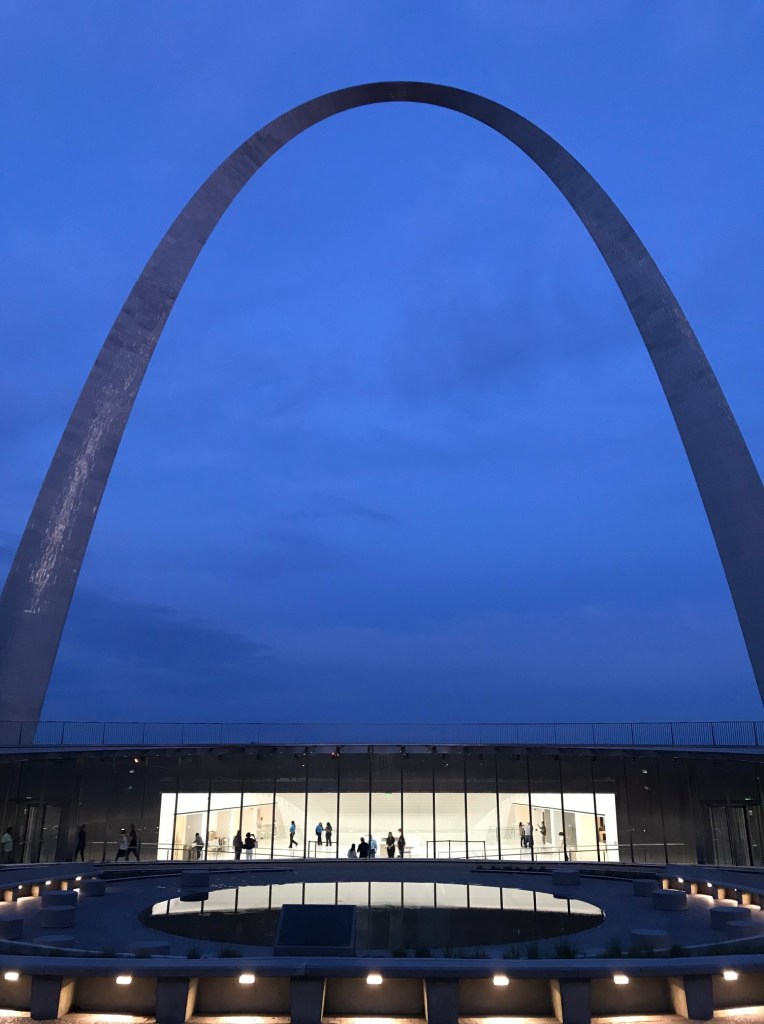
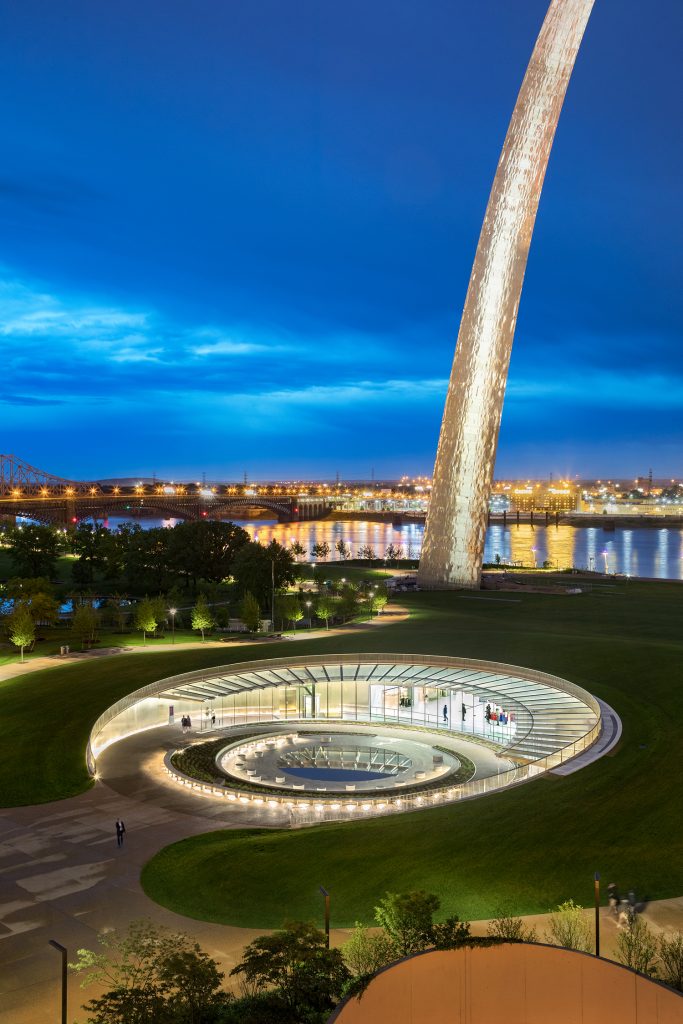
The new Arch Museum is only part of park partners’ plans for restoring, maintaining and enhancing the national park. There is also a new entrance to the Arch, improvements to the 90-acre grounds, and new interior amenities like The Arch Store and the Arch Café. Additional renovations have begun at the Old Courthouse and are expected to be completed in the next few years.
Be sure to visit to see all that’s new at the Arch!
Featured Image Credit: Gateway Arch Park Foundation
The two National Park Service sites in St. Louis are filled with exhibits, artifacts, and programs that tell important stories about our nation’s past – from the exploration of the American west to the lives of two U.S. presidents to the struggle for civil rights. The resources at these parks – Ulysses S. Grant National Historic Site and Gateway Arch National Park – are available free to all visitors. But all too often, children from under-served communities aren’t able to take advantage of these experiences.
Now there’s a unique opportunity for middle school students to visit these sites this summer for a full week of specially-designed programs.
Credit: U.S. Grant National Historic Site
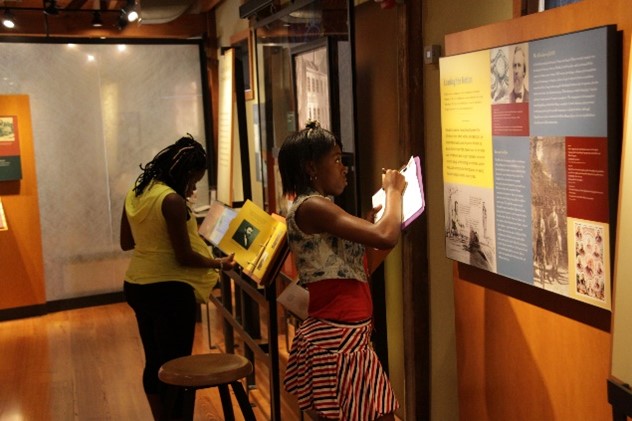
The Arch and U. S. Grant are offering free weeklong summer workshops at their sites for middle school students from African American communities. Daily transportation and lunch are included at no cost, as are normally fee-based experiences like the Arch tram ride and a Mississippi riverboat cruise.
The five-day workshops will be offered at both the Arch and at Grant during select weeks from June to August. Educators from both parks will lead the programs. Their aim is to familiarize students with under-told stories of Black Americans in St. Louis and throughout Missouri, including stories of slavery, resistance, and Reconstruction. The participants will learn by discovery instead of direct instruction, with guidance from park staff. Students will select a person or story they want to research, then will present their creative project on their chosen subject at the conclusion of the workshop.
If you are interested, now’s the time to apply! The parks are accepting applications for groups of approximately 15 students (ideally from schools or youth groups) through mid-April. Those interested in applying should contact Julie Northrip, Program Manager of Interpretation and Education at Ulysses S. Grant NHS by emailing julie_northrip@nps.gov or calling 314-842-1867 ext. 223. Please list in order your preference for which week your youth can attend.
June 12-16
June 19-23
June 26-30
July 24-28
July 31-Aug 4
JNPA is proud to support this unique program by underwriting the cost of the student lunches.











 JNPA Blog