
What’s your favorite fruit? Apples or bananas? Blueberries? Maybe peaches or strawberries? Could you imagine a day without coffee? Or a world without chocolate? (Aaaghh!!!)
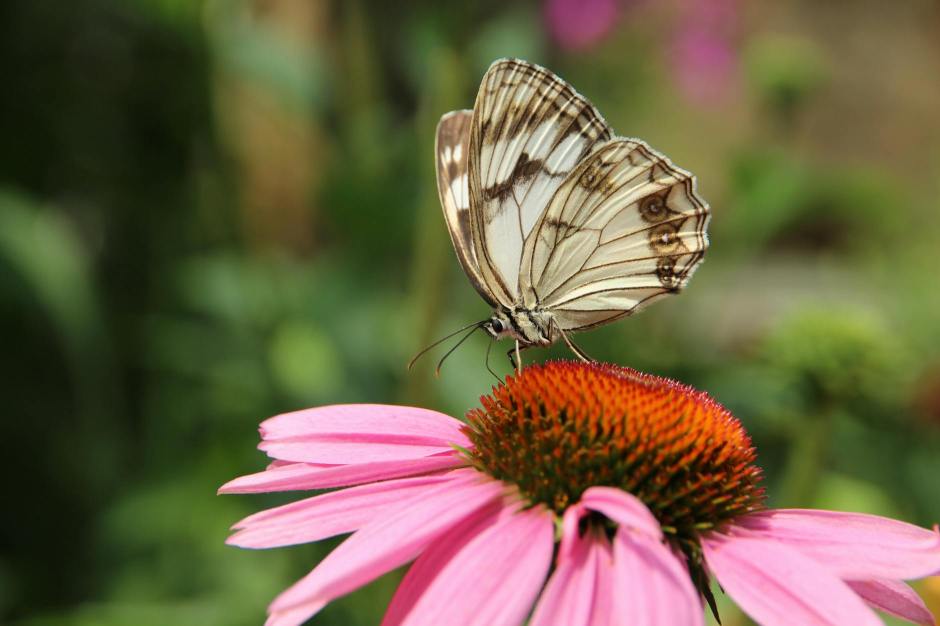
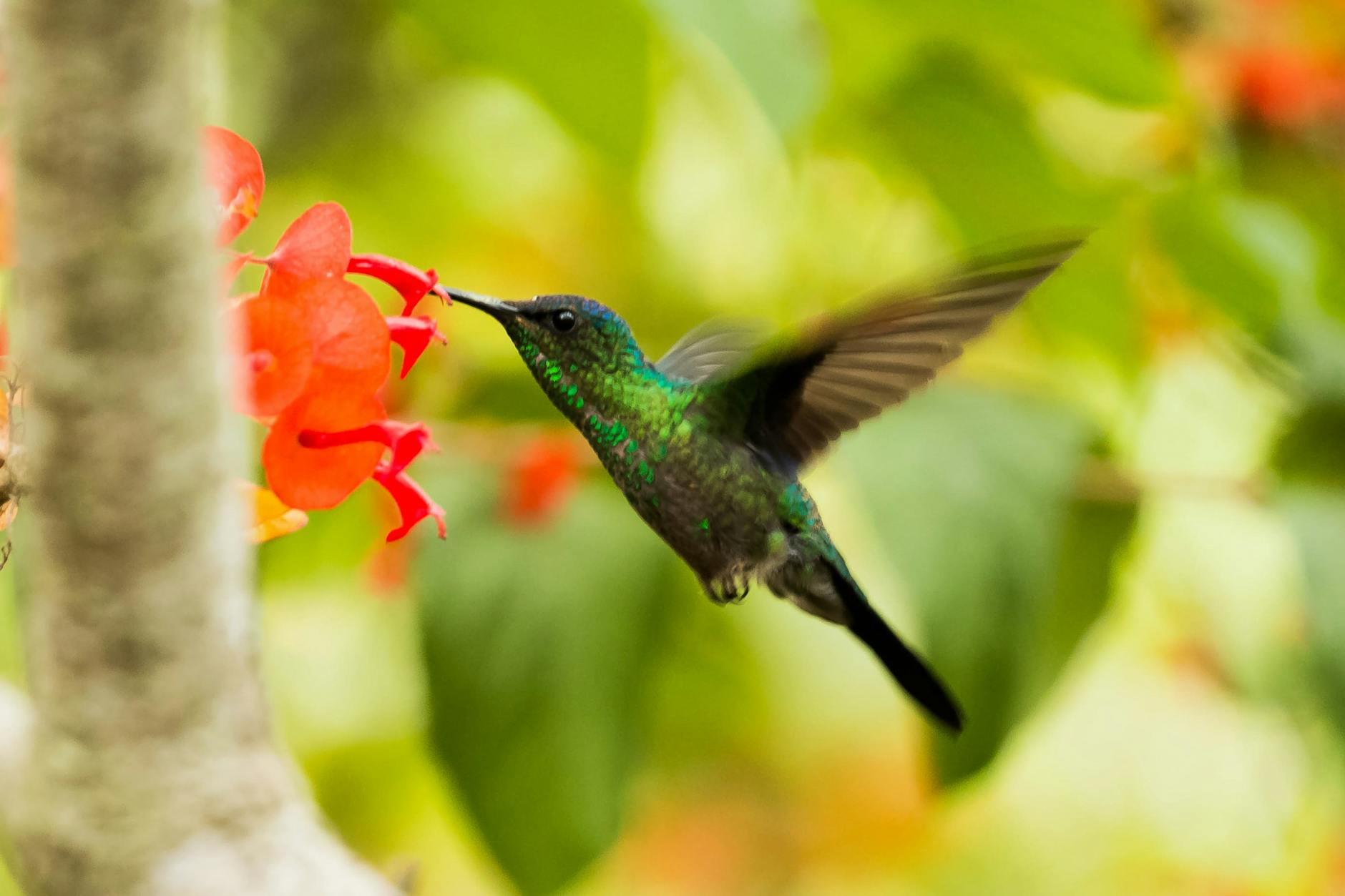
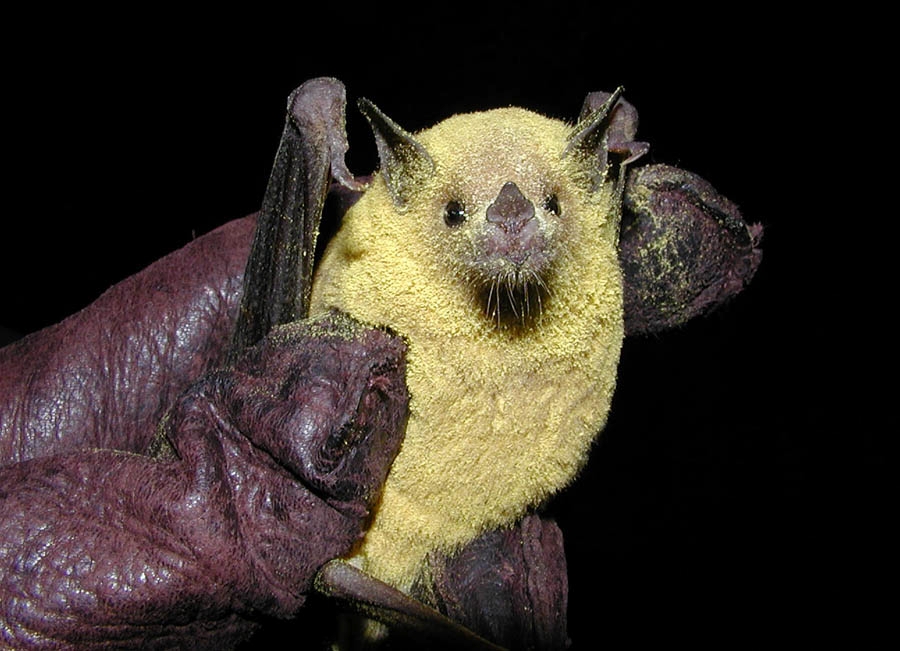
Well, if any of these foods are on your must-have list, you can thank a pollinator – specifically one of the thousands of birds, bats, bees, butterflies, beetles, and other insects that move pollen from plant to plant. We rely on these little critters for one out of every three bites of food we eat. Three-fourths of the world’s flowering plants and more than a third of the world’s food crops depend on animal pollinators for successful seed and fruit production, making pollinators a vital link to our food security, economy, and overall environmental health.

So what does this have to do with national parks and public lands?
The National Park Service is committed to preserving our natural pollinator populations, especially those species that are in decline. In many parks, species inventories are helping site managers know which pollinators are present so they can better understand the state of park ecosystems and make decisions about how to manage them.
Seventeen national parks are currently being surveyed for bees and butterflies in a project that started this spring and will continue through 2026. In collaboration with university and NGO partners, these projects will address ecological priorities for pollinator conservation identified by park staff. These include invasive plant removal, grazing management, controlled burning, and habitat restoration.
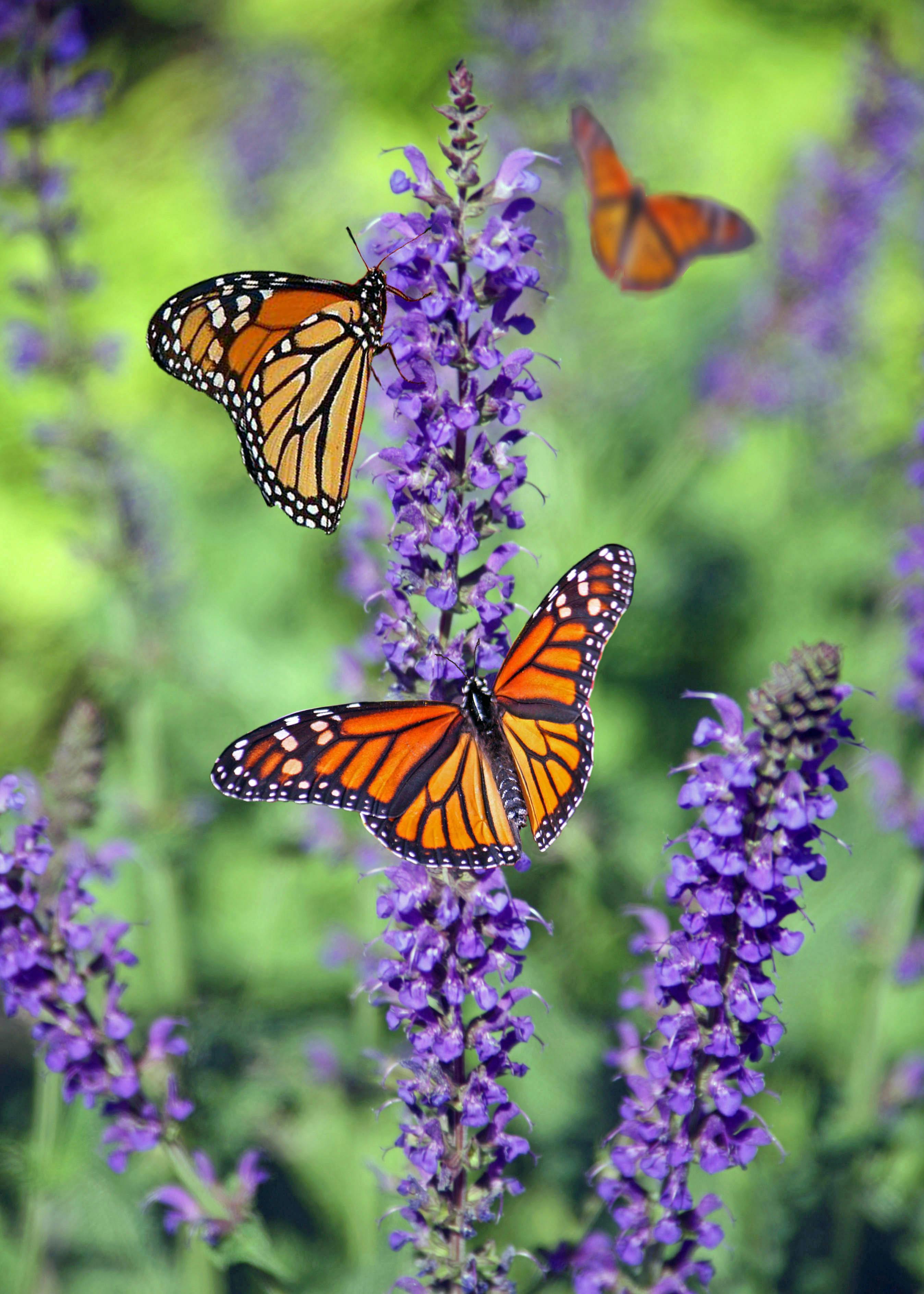
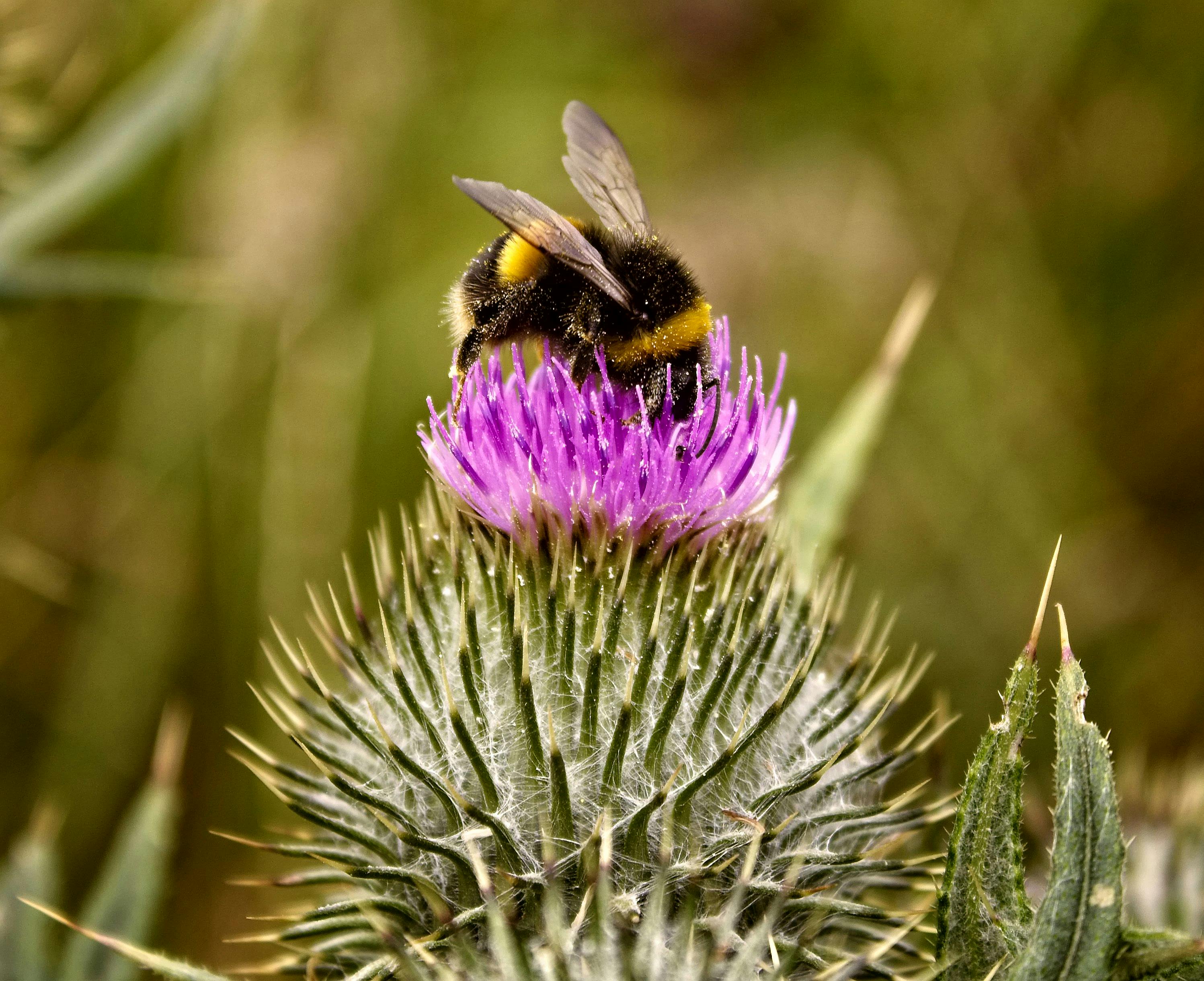
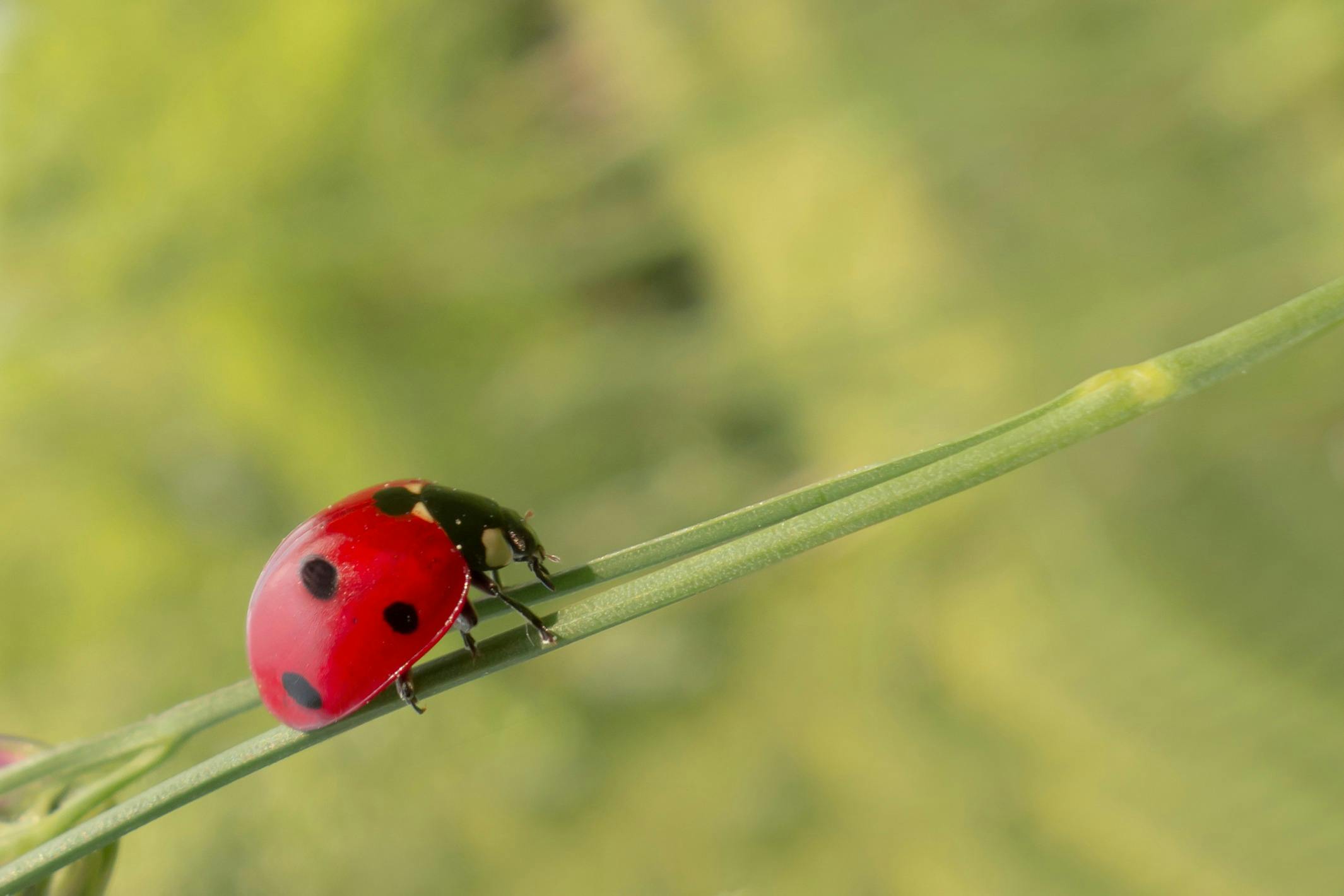
Mississippi National River & Recreation Area – one of JNPA’s partner sites – is included in this long-range pollinator study. At the same time, park staff are also taking steps to protect the Monarch butterfly. In order to ensure adequate supplies of Monarch-friendly nectar, they have planted numerous “pollinator gardens” throughout the park, each of which feature milkweed plants, the only plants that monarch caterpillars can eat. In this way, the park hopes to reverse the years-long decline of its Monarch populations.
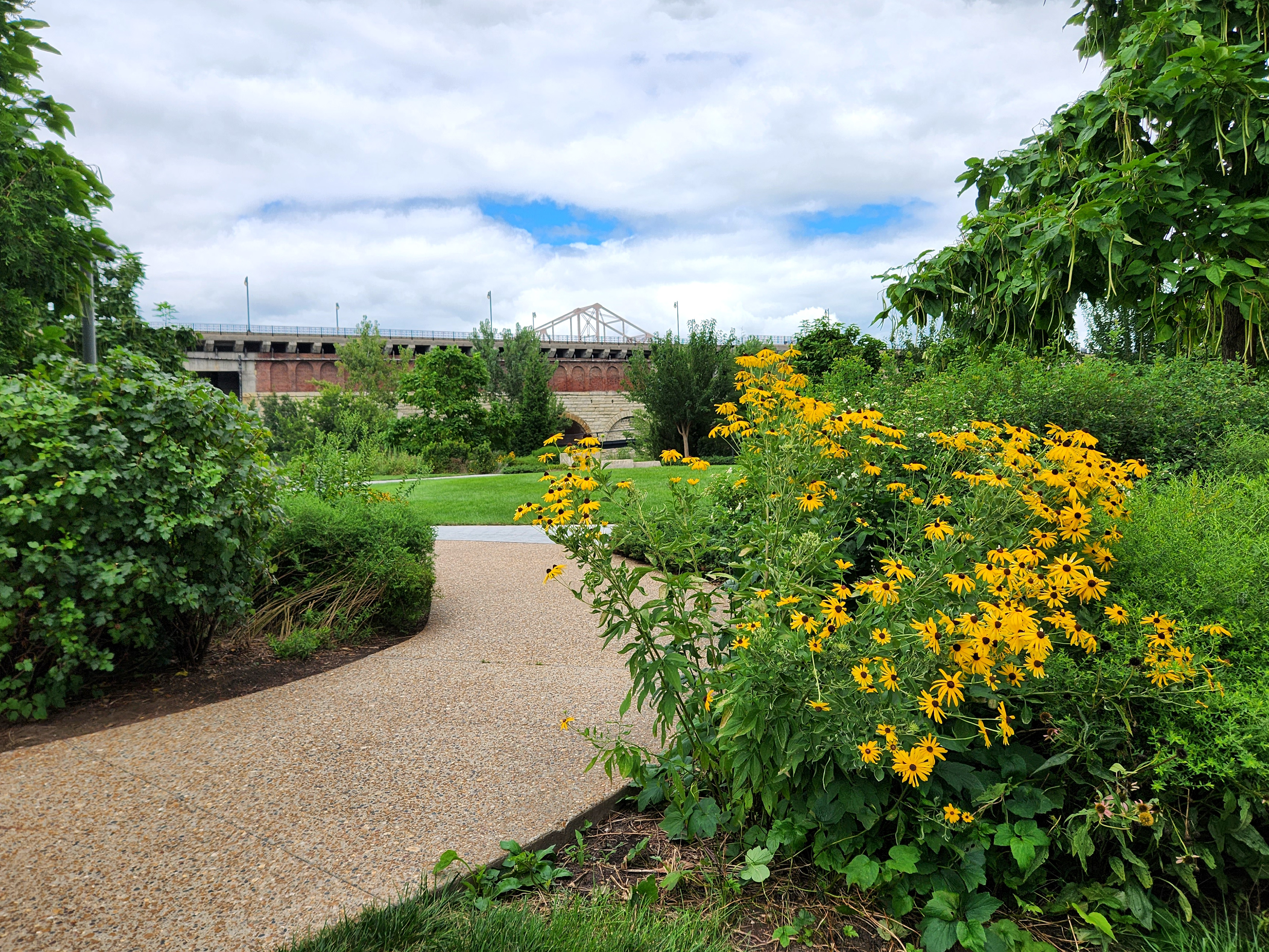
Gardeners at Gateway Arch National Park are also serious about helping pollinators. The plants you’ll see in the luscious Explorer Garden at the park’s northern tip were selected with the intention of creating a friendly stopover for native pollinators. For an in-depth look at seven of these native plant species on the Arch grounds, check out this short video.
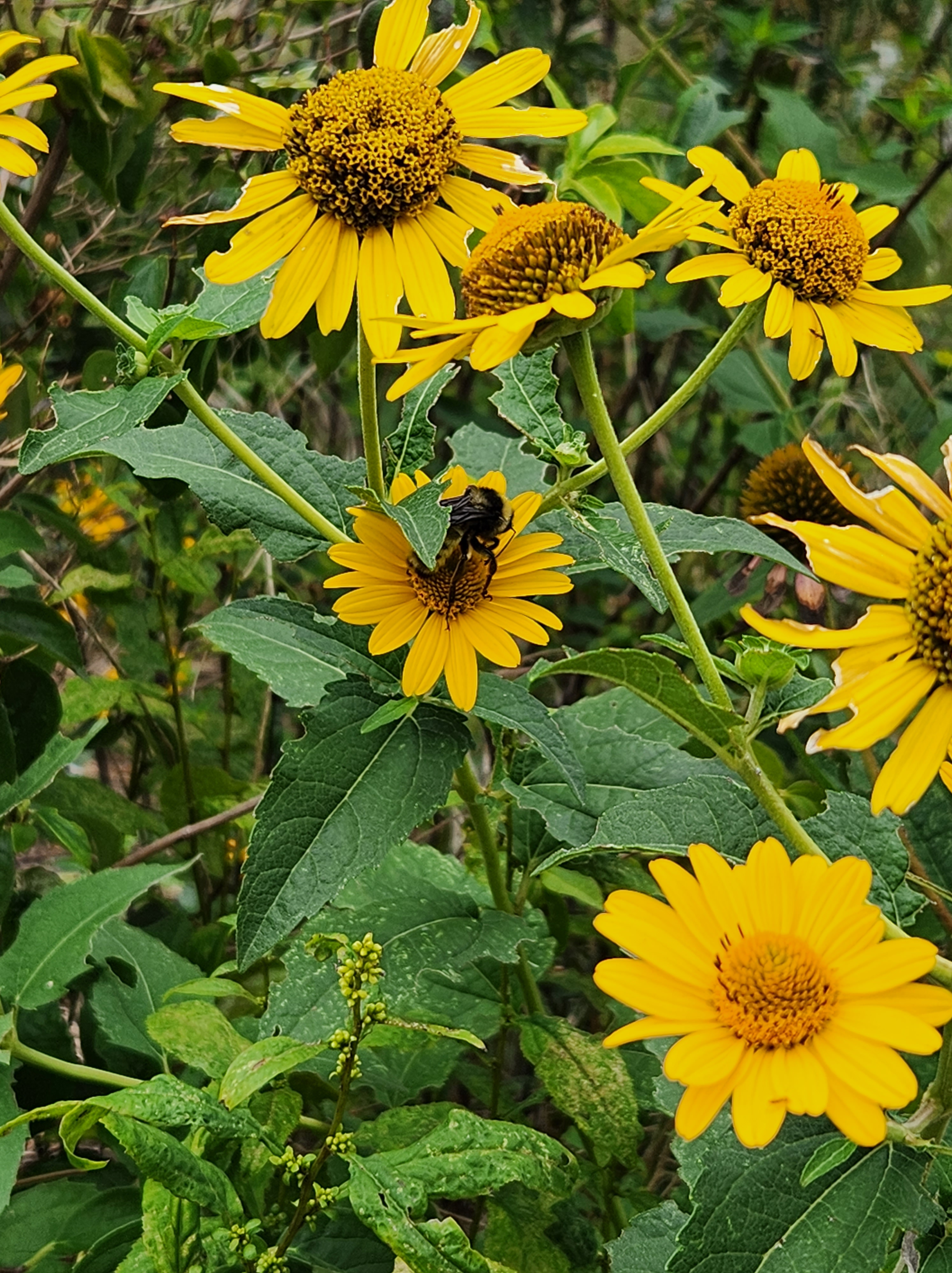
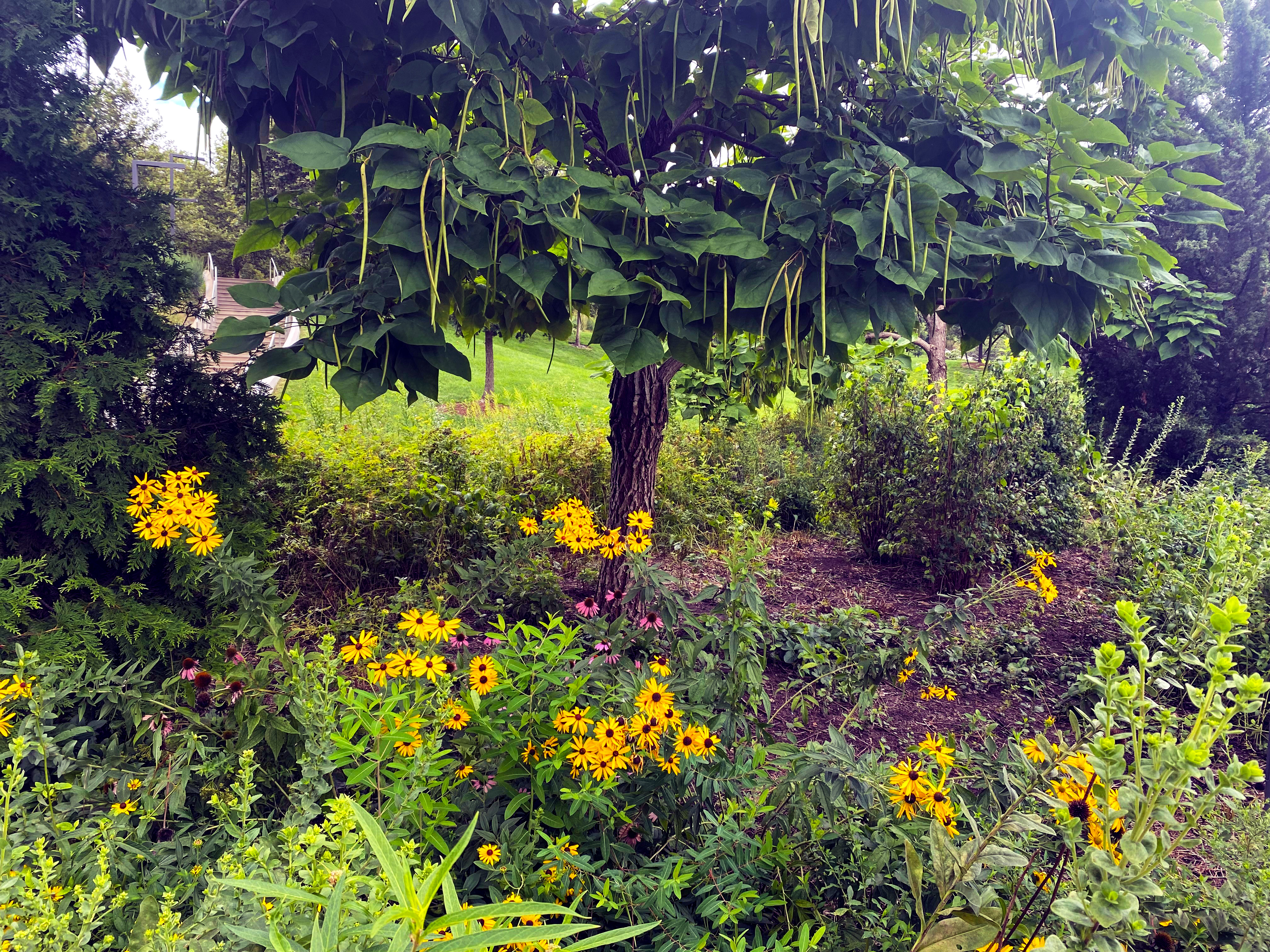
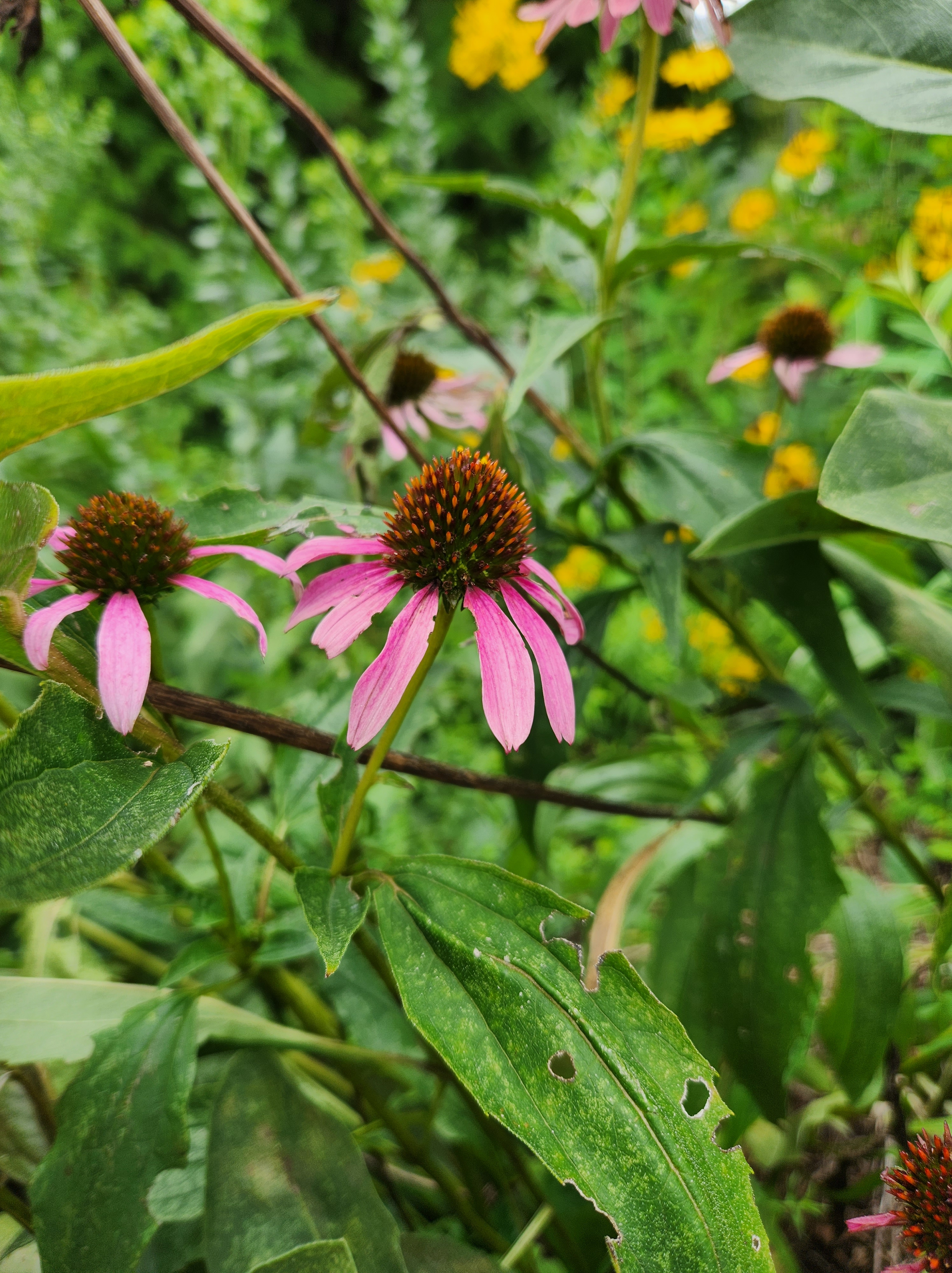
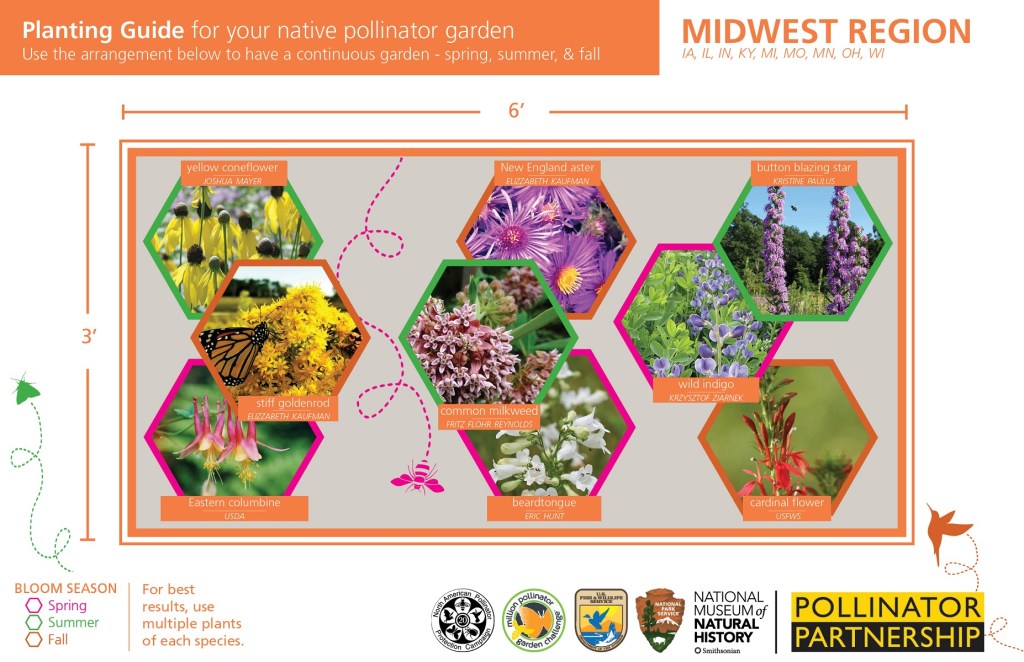
Finally, there are many things you can do to help keep our pollinator populations healthy, even if it’s just in your own backyard. The NPS website also contains valuable information about how to attract local or migrating pollinators, including planting and landscaping tips, and opportunities to record your own sightings of pollinators on your next trip to a national park.
So the next time you see a tiny bee, butterfly, or hummingbird flitting from flower to flower, take a minute to appreciate its beauty AND its critical role in nature.
 JNPA Blog