Preserving a Hard but Important Chapter of American History

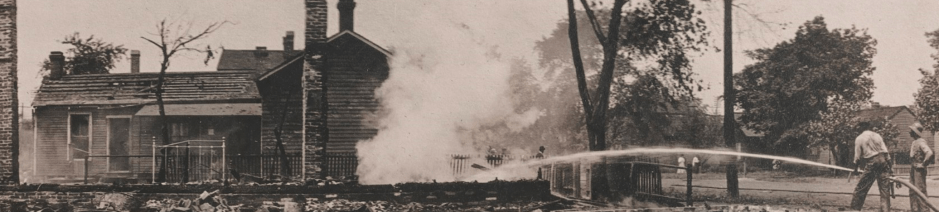
A difficult chapter in the history of race relations in America is the focus of one of JNPA’s newest park partners. Springfield 1908 Race Riot National Monument was included as a National Park Service site in 2024. It commemorates the events of August 1908, when African American residents of Springfield, Illinois, were targeted and attacked by thousands of White residents.

Courtesy of NPS

The riot erupted after two Black men were accused of crimes (many of them later unsubstantiated) against White residents. As with many other race riots of this era, the accusations served as a pretext to force Black residents from their communities. White mobs in Springfield destroyed Black homes and businesses and lynched two Black men. After three days of violence, the state militia helped restore order, arresting approximately 150 participants. Few, however, were ever convicted.  
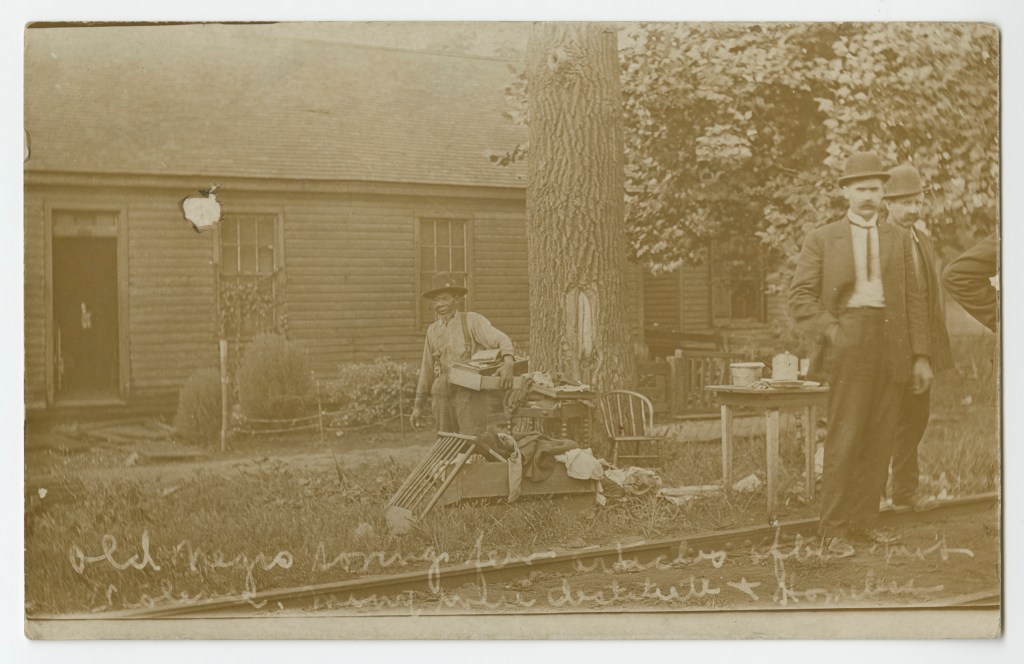
Courtesy of NPS

This shameful episode was just one of numerous incidents of racially motivated riots and violent acts that took place in many American cities in the late 19th and early 20th-centuries.  This particular riot captured national attention because it took place in Abraham Lincoln’s hometown.  It eventually led to the founding of the National Association for the Advancement of Colored People (NAACP) in 1909.
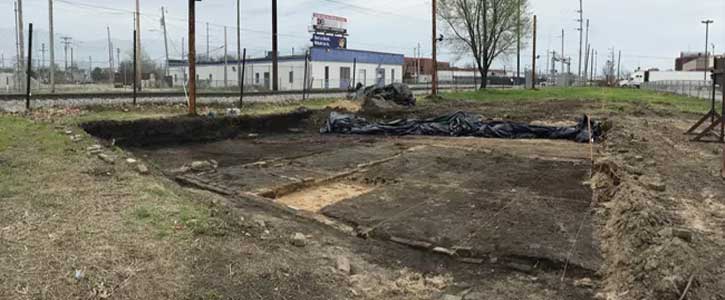
Archeological excavation at the site.  Courtesy of NPS

The National Monument was established in August 2024 very near where the 1908 riot started. While there is nothing left of the original buildings, archeological evidence gives a rare glimpse into a community devastated by racial hatred. The foundations of five homes and related artifacts show how residents lived in the predominately Black neighborhood called the “Badlands.”  The site is a rare surviving resource directly associated with race riots in America.

Those interested in visiting the Springfield Race Riot site can begin their journey at Lincoln Home National Historic Site, just one mile away. There they can get information about the new National Monument and discover a self-guided walking tour of the park. Eventually, the National Park Service plans to develop programs and facilities to breathe new life into the stories surrounding the Springfield race riot. This is part of the agency’s ongoing commitment to telling a more complete story of the civil rights movement in America. JNPA is proud to be a partner in this endeavor.
You were only waiting for this moment to arise…

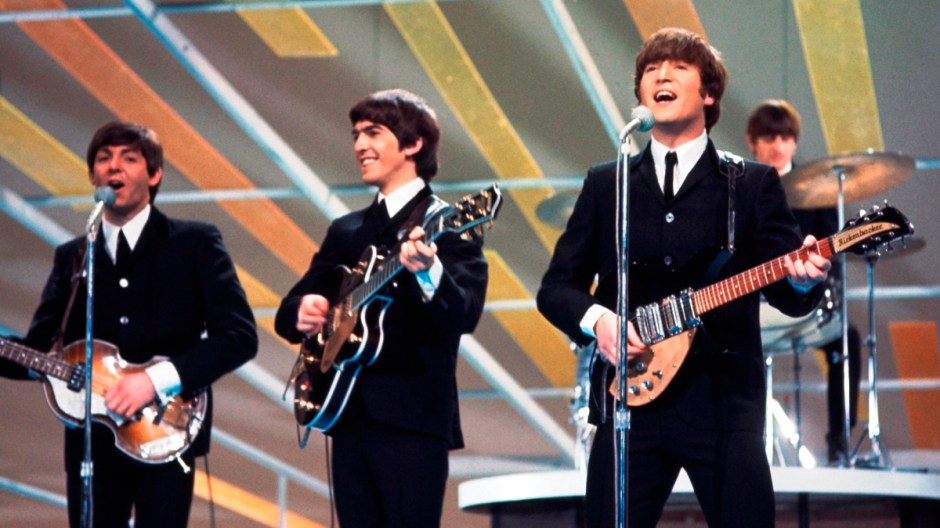
1968. “Beatlemania” was in full swing. Martin Luther King Jr. had been assassinated a year prior. The Civil Rights Act had just been passed, and almost a decade prior, the Little Rock Nine desegregated Little Rock Central High School in Arkansas. Meanwhile, Paul McCartney had been taking notice of the racial turmoil happening in the United States and was inspired to write a song of encouragement for the people fighting for civil rights. Maybe you recognize it?

Credit: Library of Congress

“Blackbird singing in the dead of night,
Take these broken wings and learn to fly,
All your life,
You were only waiting for this moment to arise,
(You were only waiting for this moment to arise)

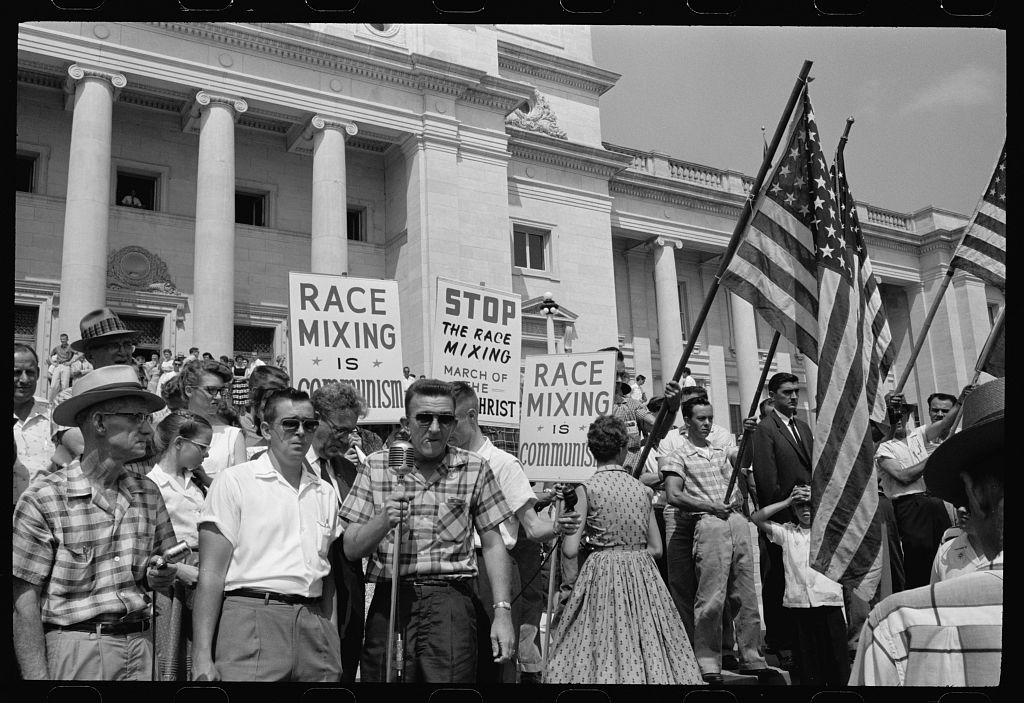
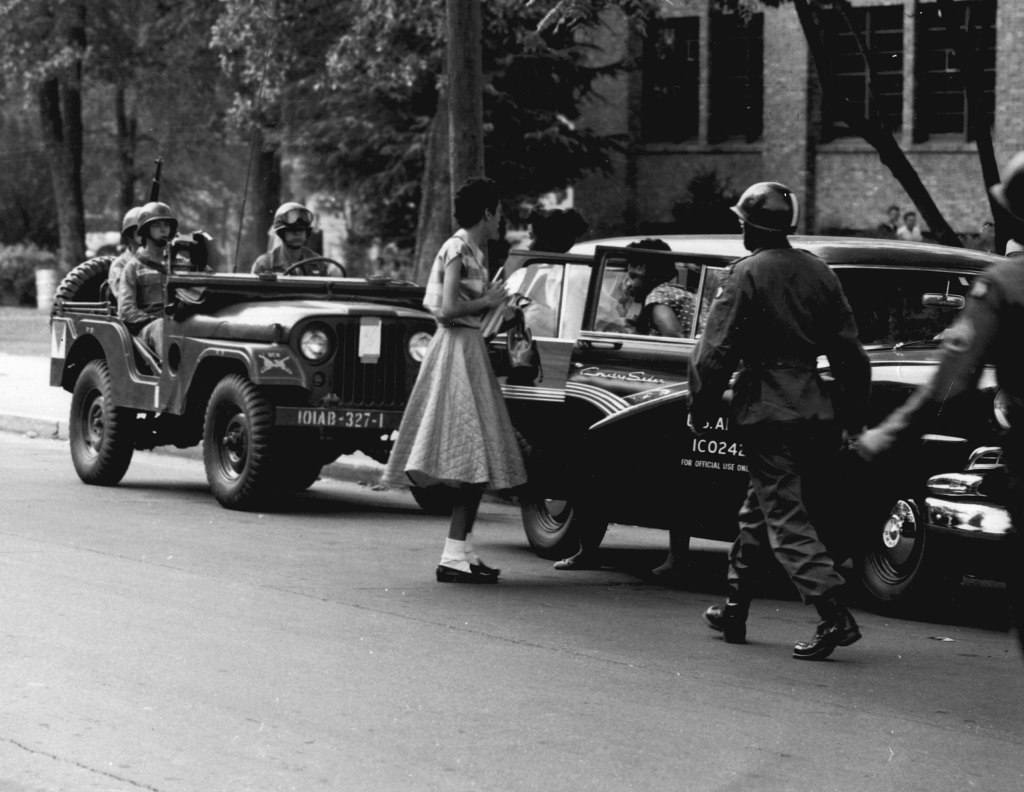
Melba Pattillo Beals was only a teenager when a mob of angry white people confronted her and the rest of the Little Rock Nine as they tried to enter Little Rock Central High School. After Brown v. the Board of Education, the landmark Supreme Court decision outlawing segregation in public schools, the Little Rock School District planned to implement a “gradual” desegregation beginning at Central High School. But on the first day of school, the African American students were met by an angry mob screaming threats at them, and they were barred from entering by the Arkansas National Guard. The governor of Arkansas had called out the guard to “maintain and restore order” by preventing the students from entering. Two weeks later, the students successfully entered the school, but rioting broke out outside and the Little Rock Nine were removed by police for their safety. It wasn’t until September 25, 1957, that federal troops under orders from President Eisenhower successfully escorted the students to their first full day of school.

“Blackbird singing in the dead of night (dead of night, night),
Take these sunken eyes and learn to see (learn to see),
All your life (all your life),
You were only waiting for this moment to be free”

McCartney has stated in several interviews that he was specifically inspired by the Little Rock Nine. In England, “bird” is slang for “girl,” so to McCartney, the titular “Blackbird” represented “Black girl.” He said in an interview with GQ, “I’d heard about the civil rights troubles that were happening in the 60s in Alabama, Mississippi, and Little Rock in particular. So that was in my mind, and I just thought it’d be really good if I could write something that if it ever reached any of the people going through those problems, it might kind of give them a little bit of hope.”

Sure enough, it did reach those people. Ten years after the events at Central High, Beals heard the Beatles’ “Blackbird” for the first time. In an interview with NPR, she said, “It reminded me of what my grandmother said to me when I came home from Central High School complaining about the abuse I had taken during the day: ‘March forward, girl. You have to keep going no matter what.’”

“Blackbird fly (fly, fly),
Blackbird fly (fly),
Into the light of a dark, black night
,
Blackbird singing in the dead of night,

Take these broken wings and learn to fly (learn to fly, learn to fly),
All your life,
You were only waiting for this moment to arise.”

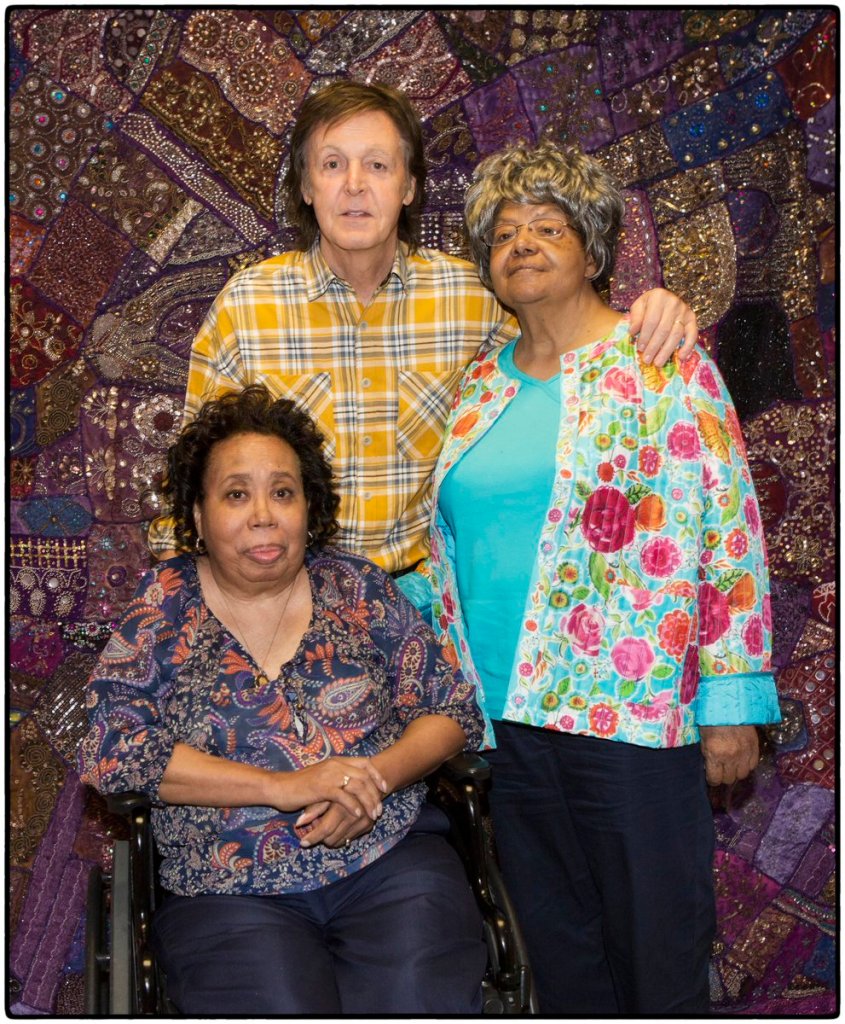
In 2016, McCartney was lucky enough to meet two members of the Little Rock Nine, Thelma Wair and Elizabeth Eckford, backstage at his Little Rock concert. When he introduced “Blackbird” that evening, McCartney said, “Way back in the Sixties, there was a lot of trouble going on over civil rights, particularly in Little Rock. We would notice this on the news back in England, so it’s a really important place for us, because to me, this is where civil rights started. We would see what was going on and sympathize with the people going through those troubles, and it made me want to write a song that, if it ever got back to the people going through those troubles, it might just help them a little bit, and that’s this next one.” You can watch a video of the performance here.

Today, Little Rock Central High School continues to operate as a fully integrated – and high-performing – public school and also as part of Little Rock Central High School National Historic Site, a unit of the National Park Service. The site interprets the story of the Little Rock Nine and the battle for civil rights.

Eisenhower’s Civil Rights Legacy

If you were asked to list well-known champions of racial equality from America’s past, Dwight Eisenhower would probably not make the cut.  The nation’s 34th president was a conservative who never planned to be a crusader on behalf of civil rights.  But the 1957 struggle to allow Black students to attend Little Rock Central High School in Arkansas forced his hand, and had a lasting effect on school integration.

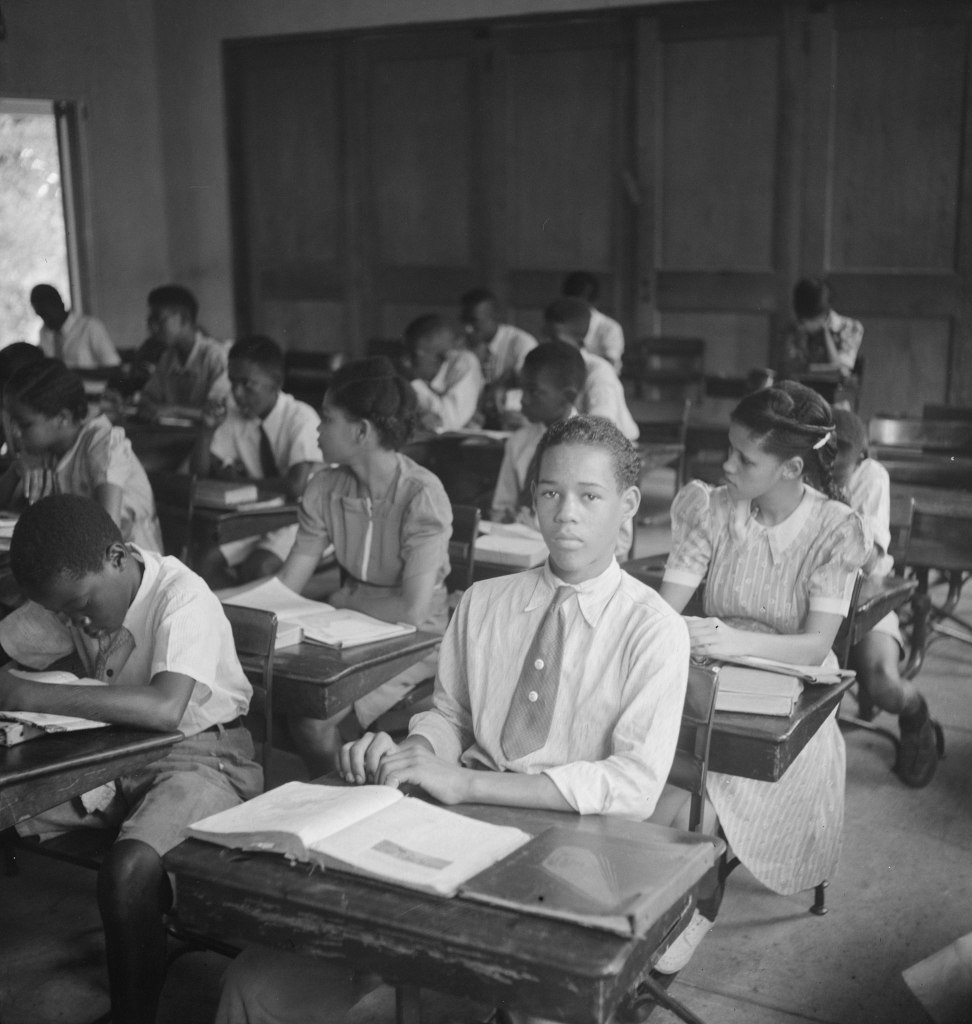
Racial equality was a polarizing topic in the mid-20th century.  African Americans who had served their country during World War II were no longer willing to accept living in a country that saw them as second-class citizens.  So began the widespread push for equal rights and for an end to racial segregation in the workplace, in the military, and in schools.

Supreme Court under Justice Earl Warren, 1953-1954

The Supreme Court’s groundbreaking 1954 ruling on school integration – Brown vs. Board of Education – was a turning point in educational equality.  The court ruled unanimously that state laws allowing the separation of children in public schools on the basis of race was unconstitutional.   This landmark decision was handed down not long after Eisenhower was elected president.  He had already been on record urging advocates of desegregation to go slowly, and said he sympathized with white southerners who saw the movement as a threat to their way of life.  So Ike gave the high court’s ruling only tepid support: “The Supreme Court has spoken, and I am sworn to uphold the constitutional process in this country; I will obey.”  

Soldiers escorting African American students from Central High School, 1957

Despite his reticence, however, Eisenhower was reluctantly thrown into the civil rights controversy in 1957, when white mobs prevented the desegregation of Central High School.  Arkansas Governor Orval Faubus saw political advantages in using the National Guard to block the entry of African American students to Central High. After meeting with Eisenhower, Faubus promised to allow the students to enroll—but then withdrew the National Guard, allowing a violent mob to surround the school. In response, Eisenhower dispatched federal troops, the first time since Reconstruction that a president had sent military forces into the South to enforce federal law.

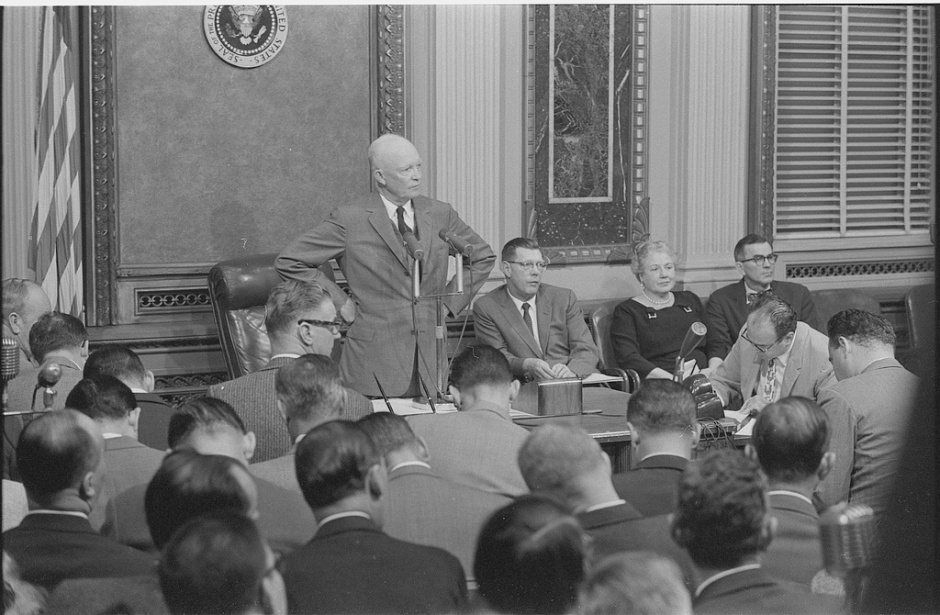
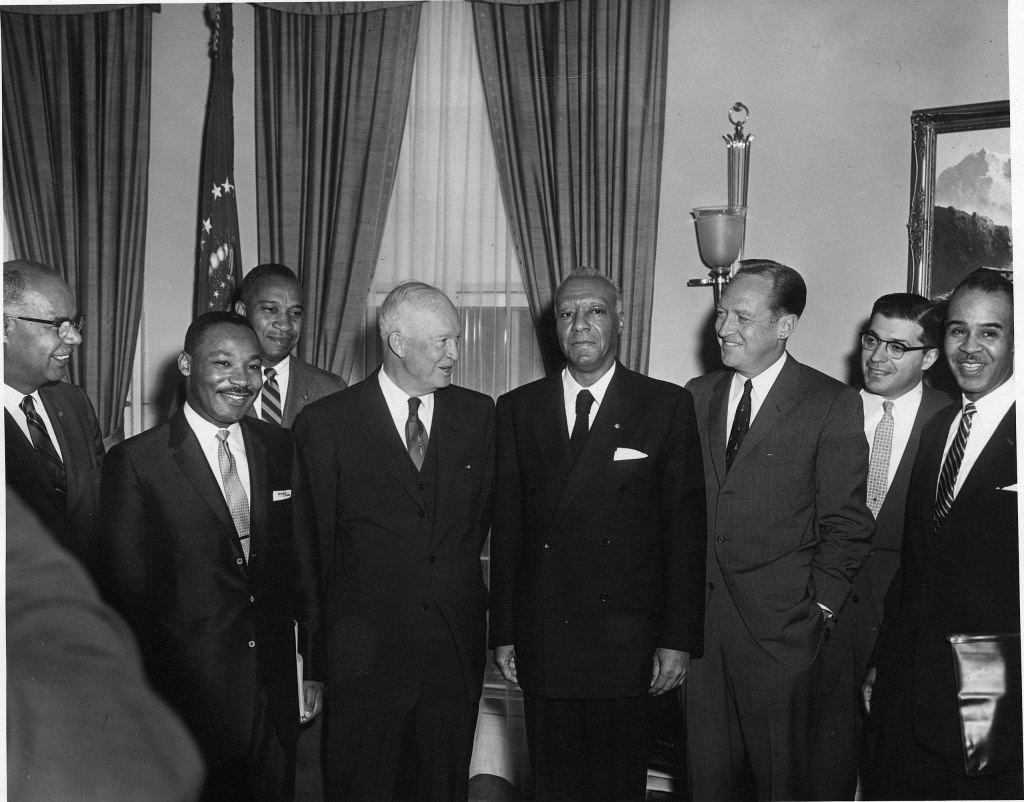
President Eisenhower with civil rights leaders, 1958

As complex as Eisenhower’s civil rights record is, there is no denying he played an important role in the desegregation of America’s public schools.  For a more in-depth look at this chapter of the struggle for equality, be sure to visit Little Rock Central High School National Historic Site.