French Lesson

French soldiers, explorers, and fur traders established settlements in North America as early as the 1500s.  The vast territories of “New France” spanned a large portion of eastern North America, from what is now Canada south to the Gulf of Mexico.

Map of New France circa 1750

Among the earliest French settlements in the so-called Illinois Country was the village of Ste. Geneviève, founded by French Canadians in 1750.  These hardy immigrants were drawn by the rich soils deposited by the nearby Mississippi River and by minerals and other natural resources the region offered.  Naturally they brought their Old World culture, religion, laws, architecture, and language with them.  But it wasn’t long before they adopted new habits, customs, and even words that fit their new lives in the New World.

In fact, the residents of Ste. Geneviève created what historians call a French Creole cultural zone in the middle Mississippi Valley.  The influences of European immigrants, Native Americans, and free and enslaved Blacks combined to create customs that were unique in terms of law, religion, clothing, use of the land, architecture, personal philosophy, and slave law.  This regional culture was unlike anything else in what is now the United States, and substantially different from its parent cultures in Canada and France.

Credit: NPS

The Creoles of Ste. Geneviève (a term used to describe a French, Spanish or African person born in America) lived in tight-knit communities along the river rather than on isolated farmsteads as most Anglos did.  Their agricultural system evoked that of northern France, in which the residents grazed and farmed on common lands just outside the village.

Creoles also dressed differently than Anglos and seem to have been influenced by the local indigenous people. An 1811 traveler recalled that “Men wore a blanket coat of coarse cloth or coating, with a cape behind, which could be drawn over the head…They wore a blue handkerchief on their heads; but no hats, or shoes, or stockings; moccasins, or the Indian sandals, were used by both sexes.” And despite their shared Christian religion, Creoles apparently scandalized their Anglo neighbors on Sundays. After church they held auctions, conducted business, danced, and bet on cards and horse racing.

Then there was the Creoles’ language.  Though most settlers in Ste. Geneviève were of French ancestry, it didn’t take long for them to adopt new words, phrases, and pronunciations.  Naturally, the New World presented new influences on the immigrants.  Unfamiliar animals and plants needed names, tools and objects long used by Indigenous peoples needed descriptions, as did new patterns of commerce and trade.  In many cases they adopted or adapted words from African or Native American languages to fill these descriptive gaps. 

Some of these terms seem quaint to modern ears:  bete puante (literally, stinking beast, i.e. skunk; bete rouge (red beast, i.e. chigger); and chat sauvage (wildcat, i.e. raccoon).  Other Creole words have been absorbed into the modern English language:  bayou (from an Indian word for a body of water cut off from a river); butte (for a hill); and cache (for a place to store or hide goods).
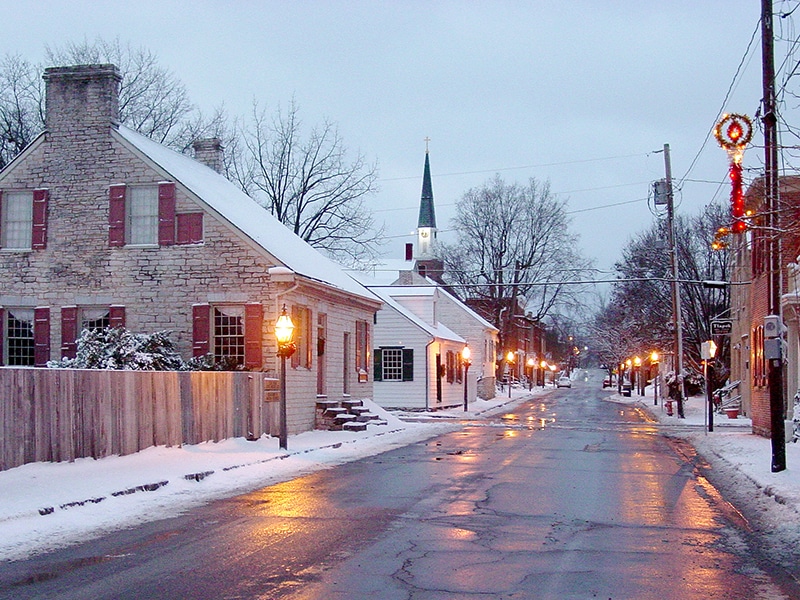
Photo Credit: Robert Mueller, Ste. Genevieve Tourism

For an in-depth immersion in early French colonial life, a trip to Ste. Geneviève, Missouri, is a must.  As one of America’s oldest permanent European settlements, the proud little community offers a mixture of fascinating history and modern charm.  And don’t miss the guided tours of its unique historic buildings offered by the rangers at Ste. Geneviève National Historical Park

ça vaut le détour!

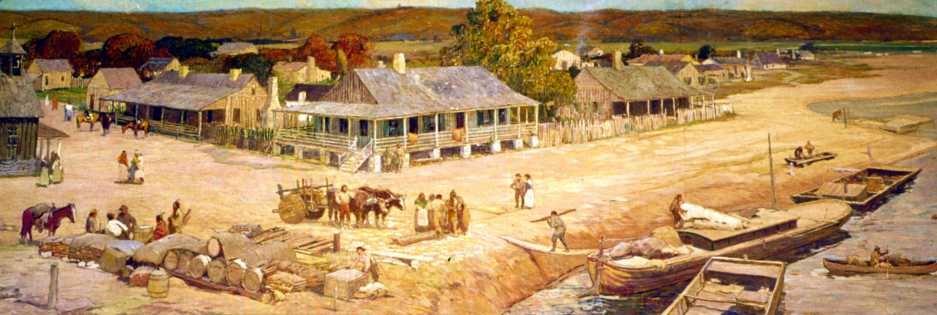
*Featured Image Credit: capitol mural of early Ste. Genevieve by Oscar Berninghaus- State Historical Society of Missouri
Hidden Treasures?

When Ste. Genevieve National Historical Park joined the National Park Service (NPS) in 2020, historians already knew quite a lot about the 18th century French colonial village.  The unique vertical log construction of some of the homes was well documented, as were the interactions of the many different cultures and nationalities who migrated to the town.  But are there secrets still buried beneath the historic sites in Ste. Genevieve? 

Courtesy NPS

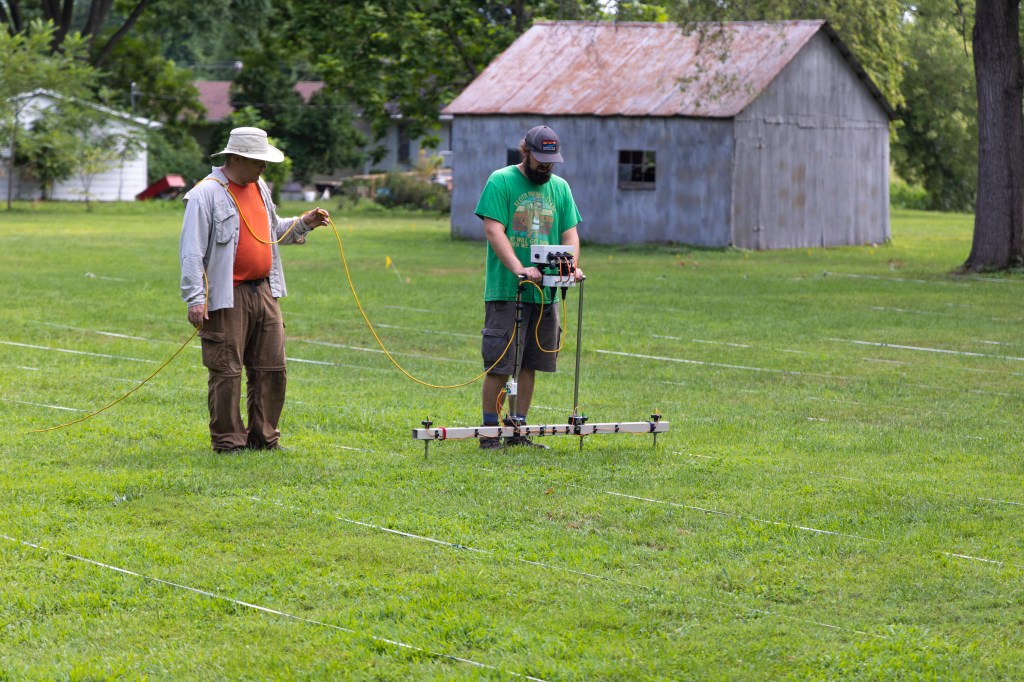
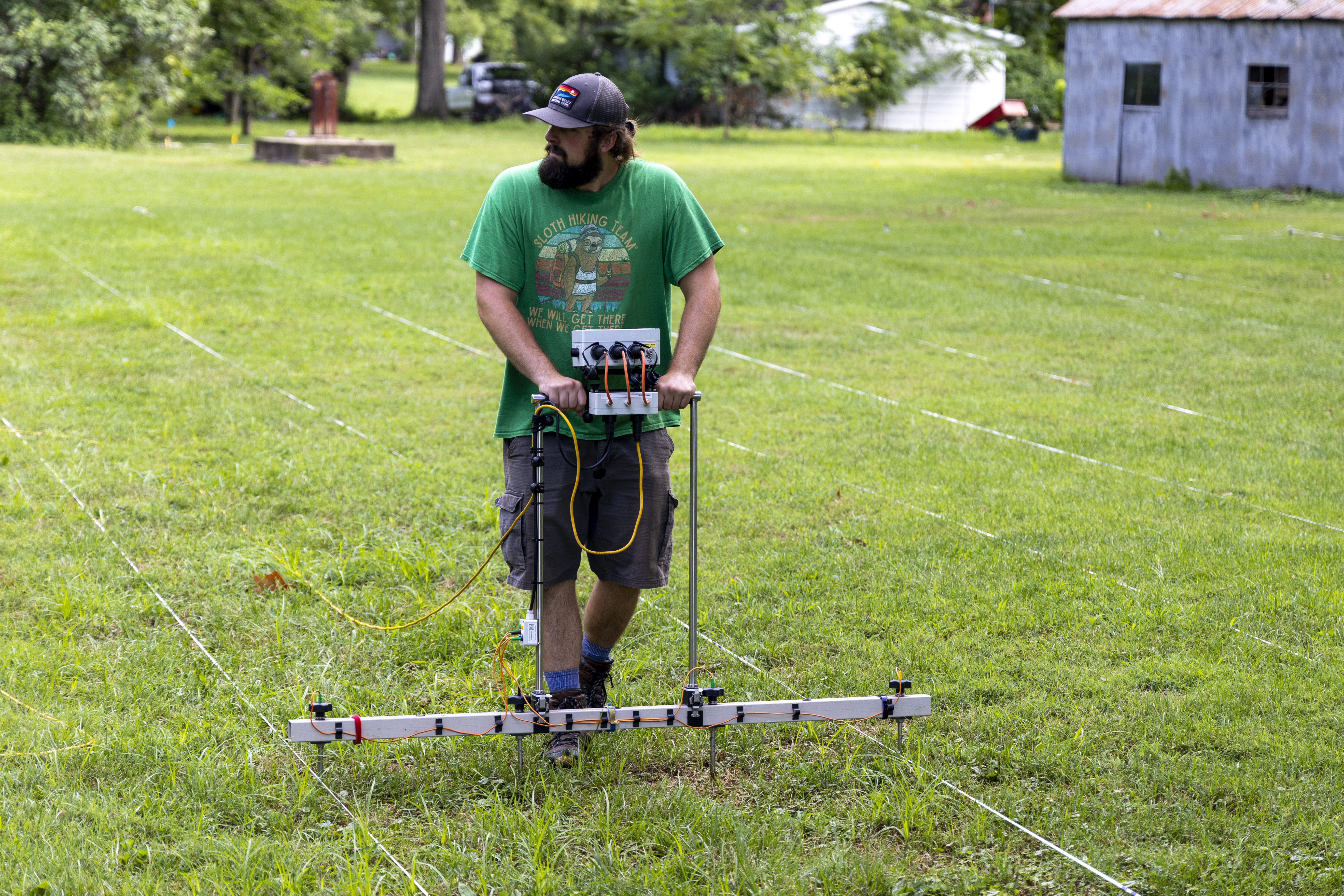
That’s what the Park Service wants to find out.  This summer agency officials dispatched specialists from the NPS Midwest Archeology Center to investigate the grounds of the park’s historic buildings, including the Jean Baptiste Vallé house, Green Tree Tavern, and the Bauvais-Amoureux house.  The archaeologists are searching for items such as the remains of trash pits, outbuildings like barns, kitchens and stables, and perhaps even a privy or two.

Researching spaces outside the main homes can reveal information about how people lived or worked on-site, including enslaved men and women or hired servants. Information like this is invaluable to creating a complete picture of a historic community, since accounts of these individuals are often left out of traditional records. With the help of MWAC, park officials hope to gain a better understanding of the history of the park’s buildings and their occupants.

Courtesy NPS

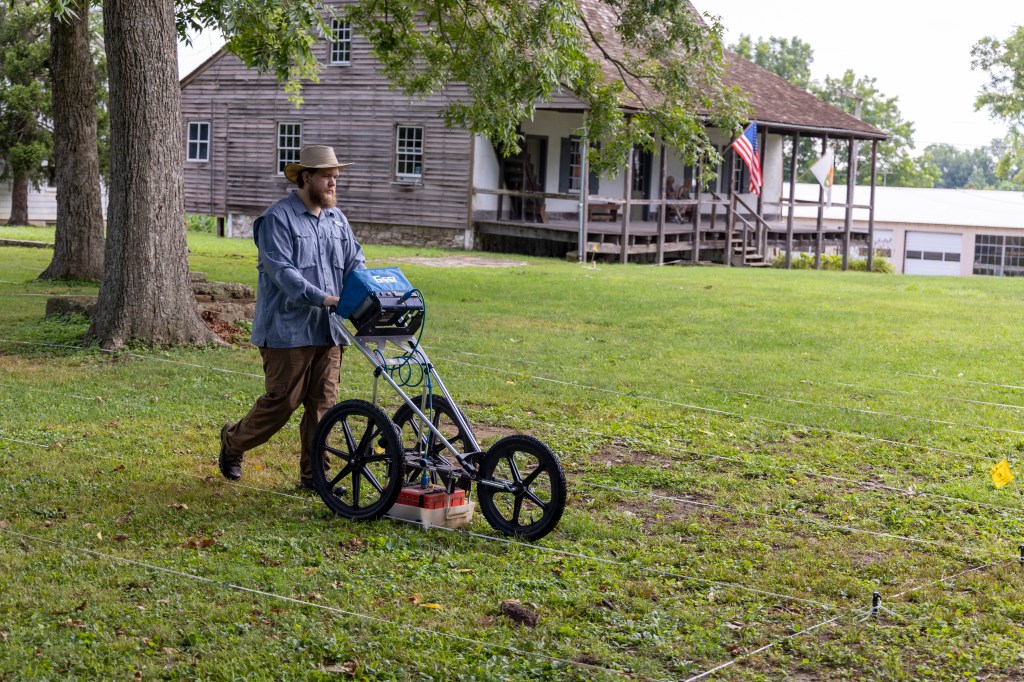
To locate artifacts or remains of old structures, the archeologists conducted geophysical surveys of each property they studied.  Among the state-of-the art instruments they used were magnetometers, ground-penetrating radar equipment, and electromagnetic induction meters.  (Pretty high-tech stuff!)  All of the data they collected will be analyzed over the next year or two, and the scientists will generate a comprehensive report of their findings.

The Midwest Archeology Center has conducted research for more than 70 NPS sites throughout the mid-continent.  Using high-tech equipment and good old-fashioned digging tools, its studies have ranged from 10,000-year-old American Indian campsites to the garbage in Abraham Lincoln’s backyard.

We can’t wait to find out what the archeologists uncover at Ste. Genevieve, and you can be sure we’ll let you know when we learn the results.  Meanwhile, be sure to pay a visit to the park to get a firsthand look at this amazing site.   

Une Femme Courageuse

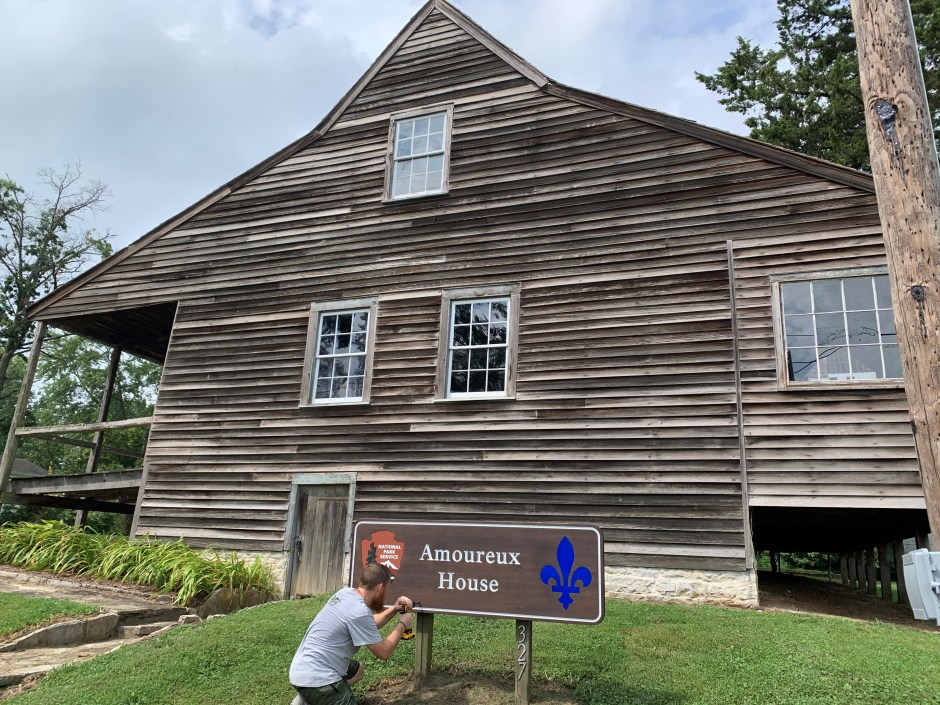
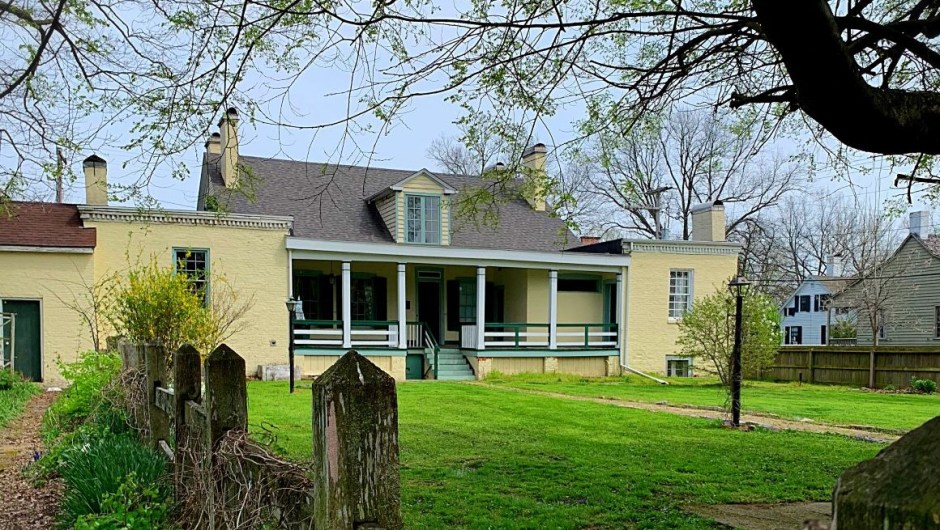
Visitors to the historic Bauvais-Amoureux House in Ste. Genevieve National Historical Park usually marvel over its unique French colonial architecture – it is one of only five surviving poteaux-en-terre (meaning post-in-ground) houses in North America. But while the 1792 structure is truly unique, even more fascinating is the story of one of its owners, Madame Pélagie Amoureux.

Pélagie was an African American woman born in 1805 and enslaved by the Bauvais-Vitale family. She married Benjamin Amoureux, a white man, in 1830. Interracial marriage was not legal in Missouri at the time, so they traveled to Illinois to marry before returning to Ste. Genevieve. Their first son, Felix, was born in 1831 and was also enslaved by the Bauvais-Vitale family until he and his mother were freed in 1832. Pélagie and Benjamin were not allowed to live in the same house even while married, so Benjamin purchased a house for Pélagie from the family of Jean Baptiste Bauvais in the 1850’s, which they then renamed the Amoureux house.  The couple had five children over the course of their marriage and were finally allowed to live together as a family in the Amoureux house in the 1860’s.

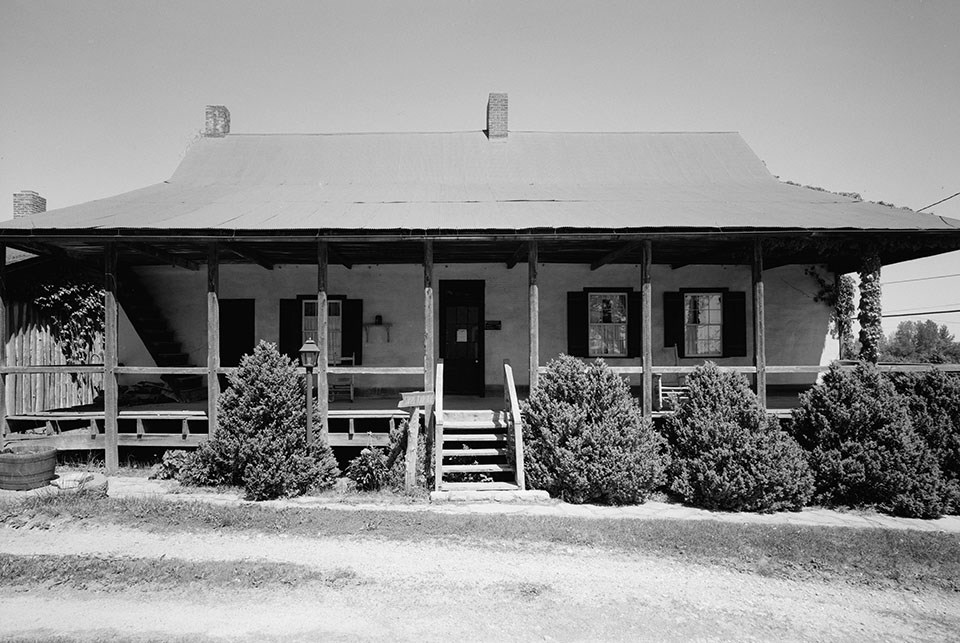
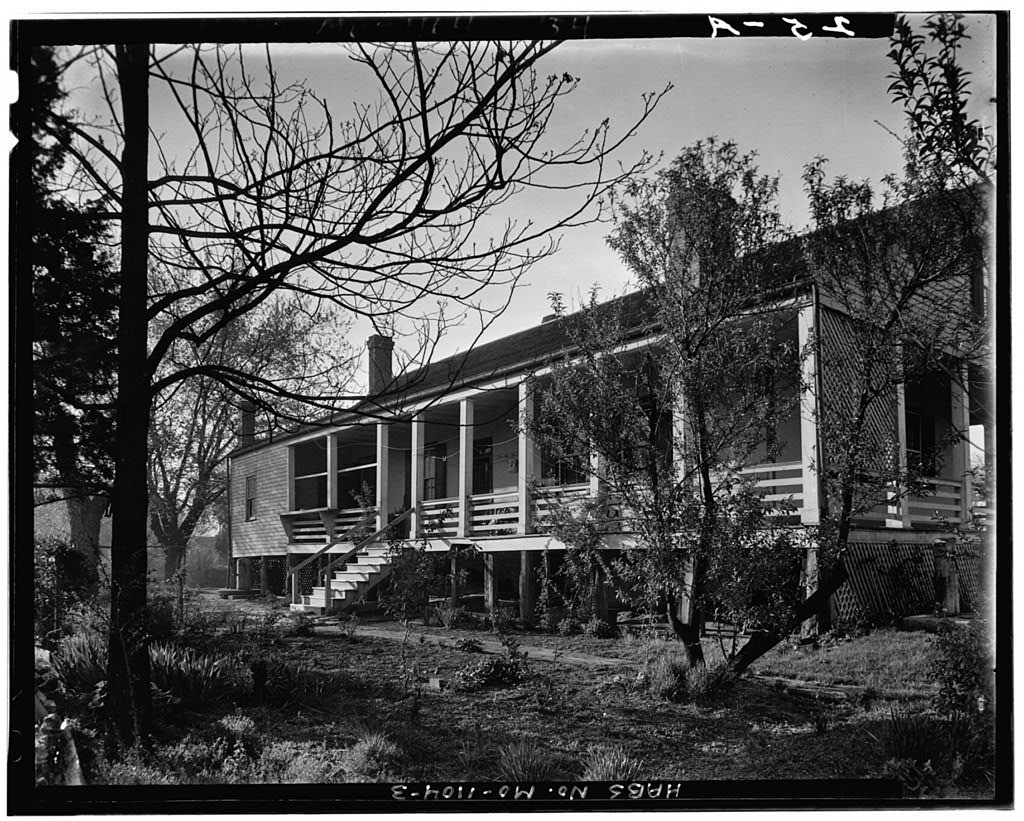
An undated historic photo of Amoureux House. Credit: Library of Congress
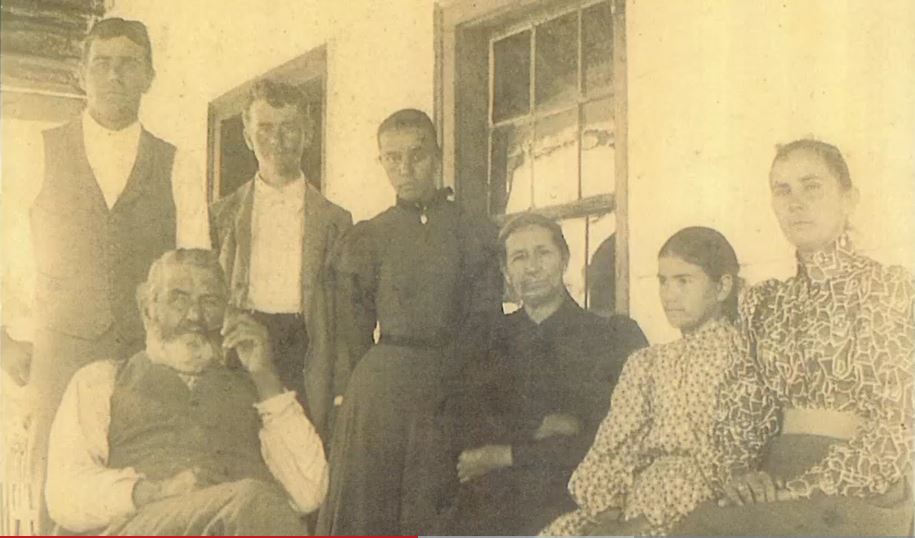
Pelagie Amoureux and her family. Credit: NPS

Over the course of her life, Pélagie was not afraid to stand up for herself, despite being both African American and a woman. On three separate occasions, she sued people who threatened or harmed her. While the courts did not side with her in any of the cases, she still did what she could to stand up for her rights. Pélagie died in 1890.  Her children and their descendants continued to live in the Amoureux house until 1963. After changing owners a handful of times, the Bauvais-Amoureux house was donated to the National Park Service in 2019 as the first official property of Ste. Genevieve National Historical Park.

The park staff is committed to bringing to light the story of Pelagie and other overlooked figures from the town’s history.  We encourage you to take a ranger-led tour of the Bauvais-Amoureux when you visit the park.

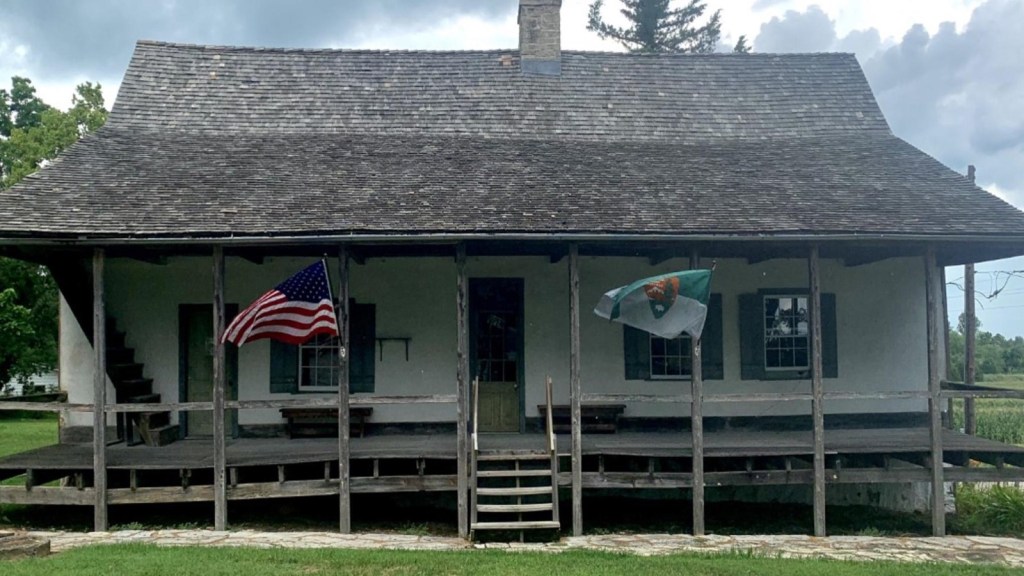
The Bauvais-Amoureux House today. Credit: NPS

The Newest Addition to Ste. Gen is also the Oldest

The newest acquisition to Ste. Genevieve National Historical Park’s historic buildings happens to be the oldest structure in the community.  While the Green Tree Tavern has played numerous roles in the small Missouri town, it now serves as a reminder of the complex history of this unique European settlement.

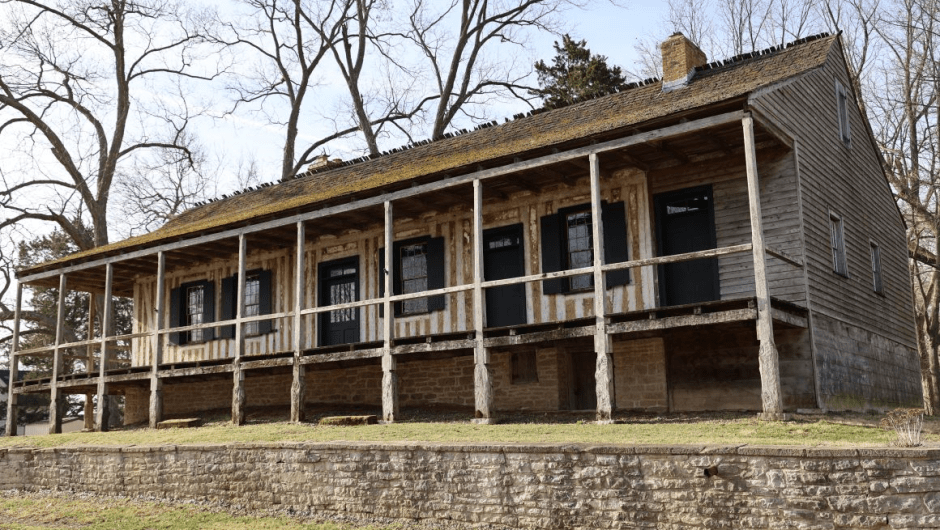
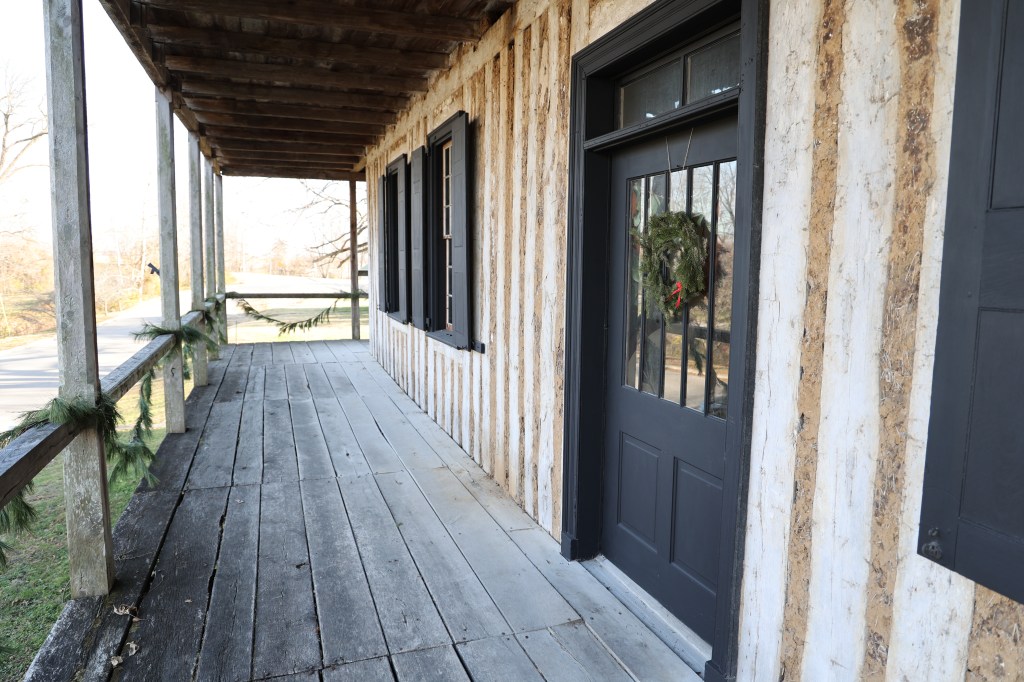
The Green Tree Tavern in Ste. Genevieve, Missouri, is a rare surviving example of French Colonial architecture known as poteaux sur sole (post on sill). Its unusual construction featured walls made of hand-hewn white oak logs arranged vertically rather than the more traditional horizontal log structure used elsewhere.  Recent studies of the building’s timbers confirmed a construction date of 1790, making it the oldest home in the town and possibly the oldest home west of the Mississippi.

Green Tree Tavern c. 1934

The tavern has filled many different roles for many different people.  It was originally built as a home for French Canadian Nicolas Janis and his family.  When they migrated to the area, they brought with them at least 10 enslaved people, many of whose ownership transferred to the original owners’ descendants. 

When Nicolas’ son, Francois, inherited the property, he opened it as an inn.  The tavern offered lodging, entertainment, socializing, and news to the many travelers pouring into the new Louisiana Purchase territory. Guests could enjoy food and drink in the public room, then sleep in rooms heated by an unusual triangular fireplace.  In later years the building served as a tobacco store and as the first Masonic Lodge in Missouri.

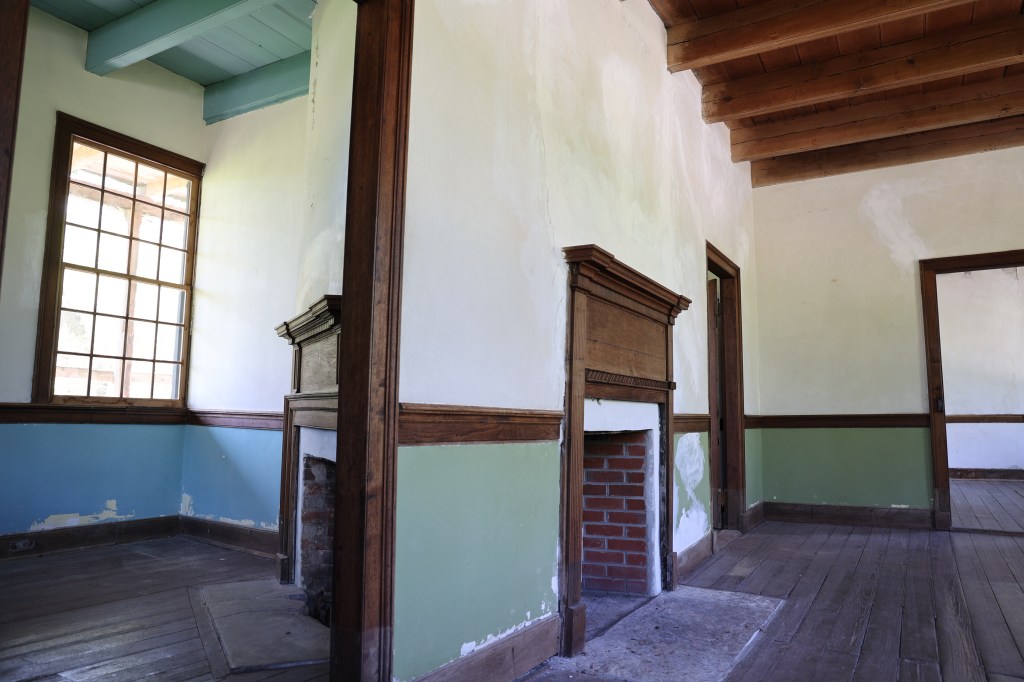
Interior view of Green Tree Tavern showing the triangular fireplace

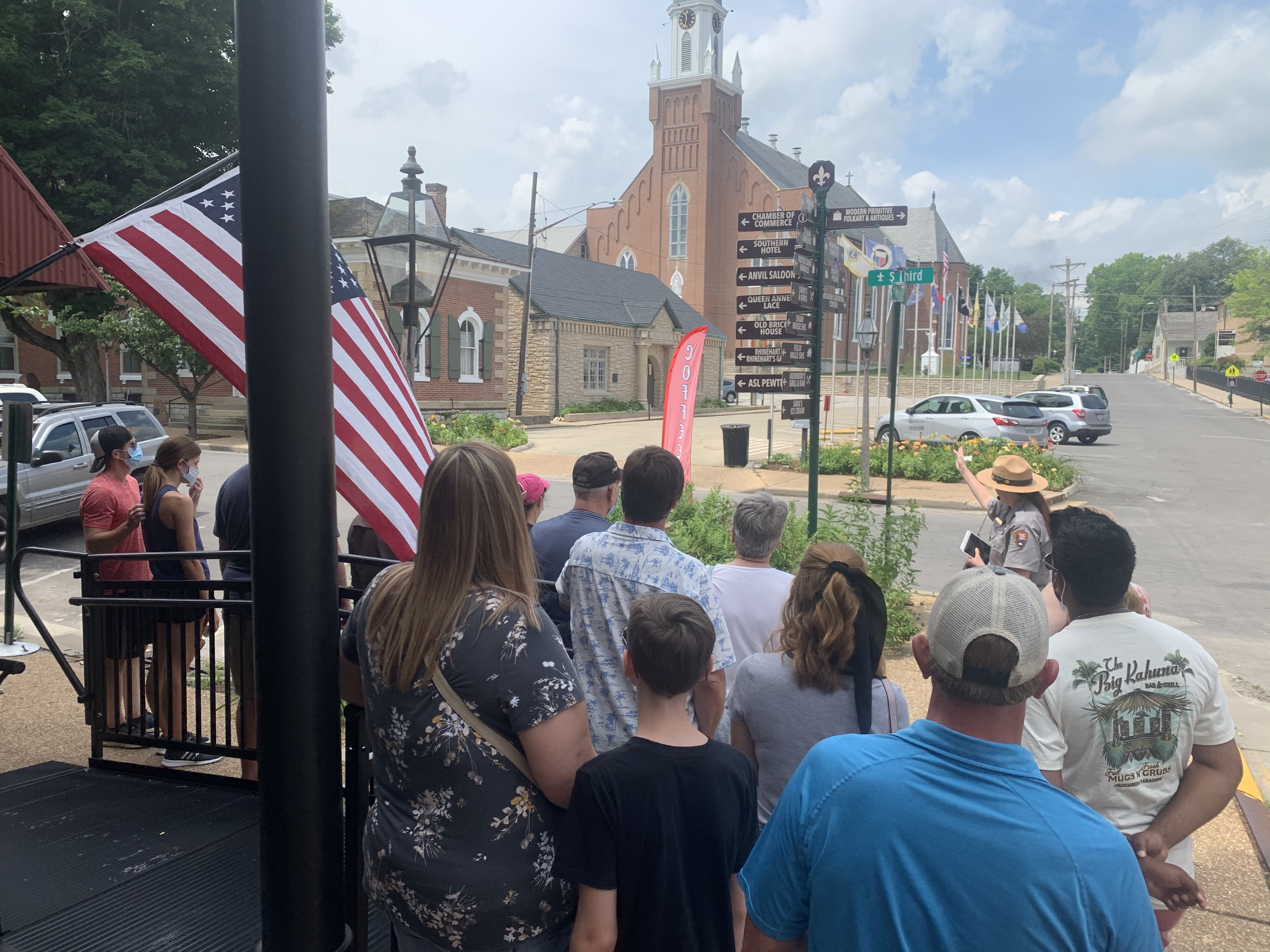
The grounds of Green Tree Tavern are open year-round.  National Park Service rangers offer free interior tours daily, but registration is required either in person at the park’s Welcome Center (66 Main Street) or by phone at (573) 880-7189.

How Many National Park Sites Have YOU Visited?

The National Park Service system currently includes 423 sites throughout the United States and its territories.  These range from national monuments and battlefields to national historic sites and recreation areas to national rivers and seashores. 

Don’t feel bad if you haven’t visited the majority of these places (most of us haven’t!). But luckily, National Park Week is just around the corner – a perfect time to add to your NPS “life list.”

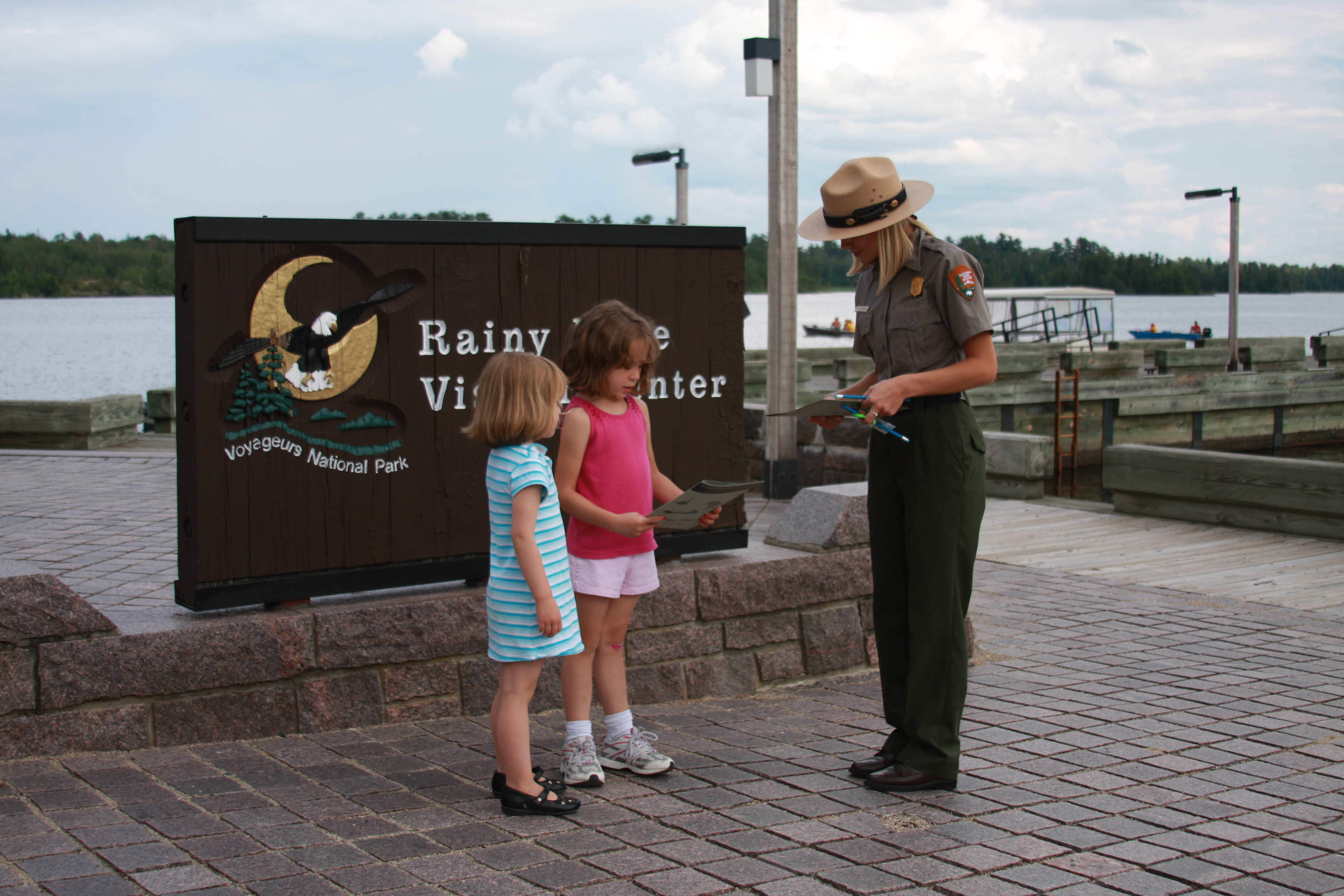
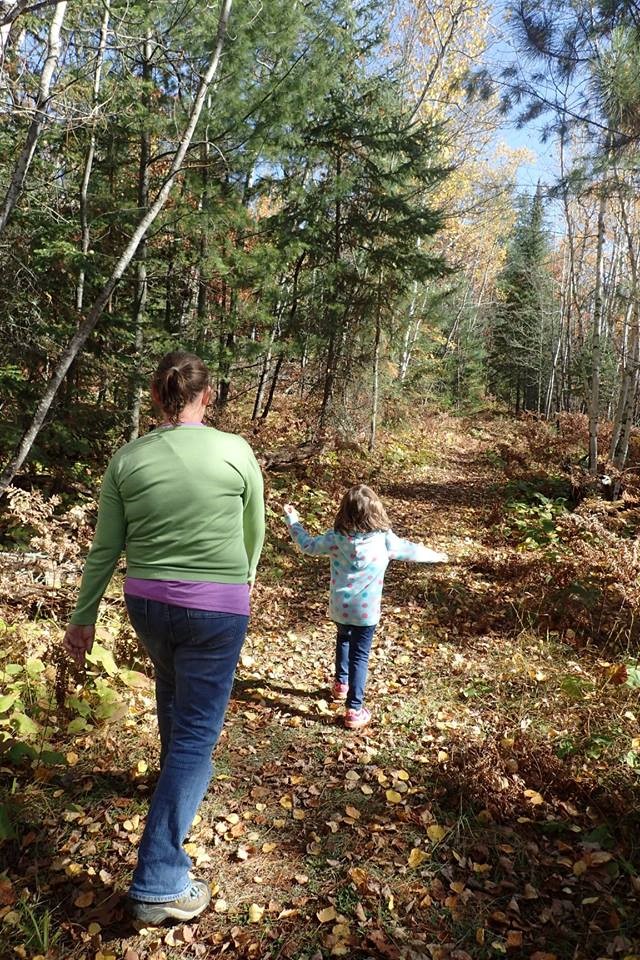
National Park Week is an annual celebration jointly hosted by the National Park Service and the National Park Foundation to encourage everyone to discover our nation’s diverse historic, natural, and cultural treasures.  This year, the week runs from April 16 through 24.  Parks across the country will host a variety of special programs, events, and digital experiences, including National Junior Ranger Day for kids on Saturday April 23.  You can find out more about programs and themes you might be interested in by going here.  

Another bonus for park visitors during National Park Week – entrance fees are waived at all parks on Saturday April 16.  (Other 2022 free fee days can be found here).  Luckily, there are never entry fees at JNPA’s partner parks but each of them would be glad to see you in April, or any time!

If you’re planning to visit any of the 63 parks that have “national park” in their name, you’ll want a copy of National Geographic’s national park guide as well as the Passport to Your National Parks, which not only contains park information but allows you to collect the passport stamps from every park you visit.