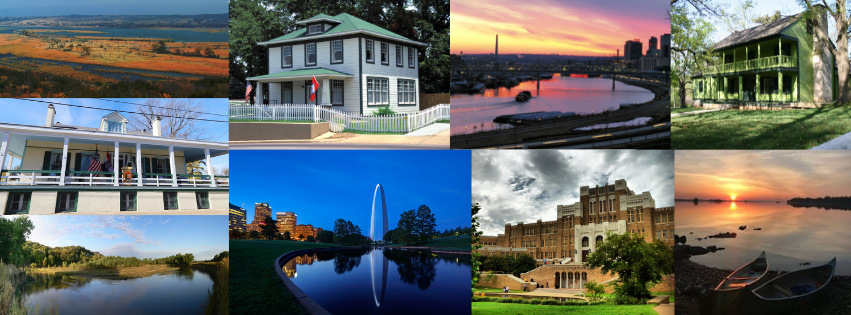
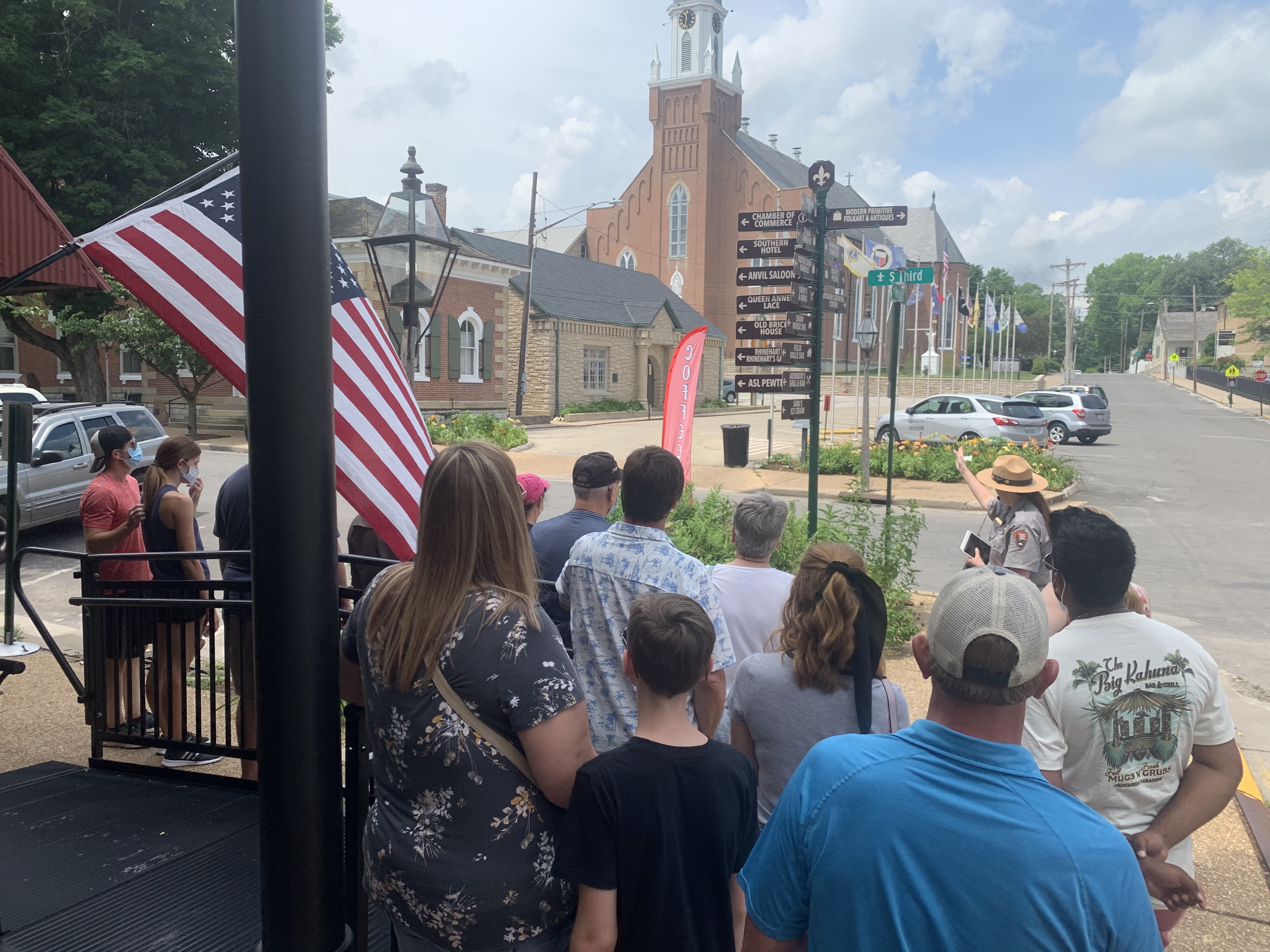
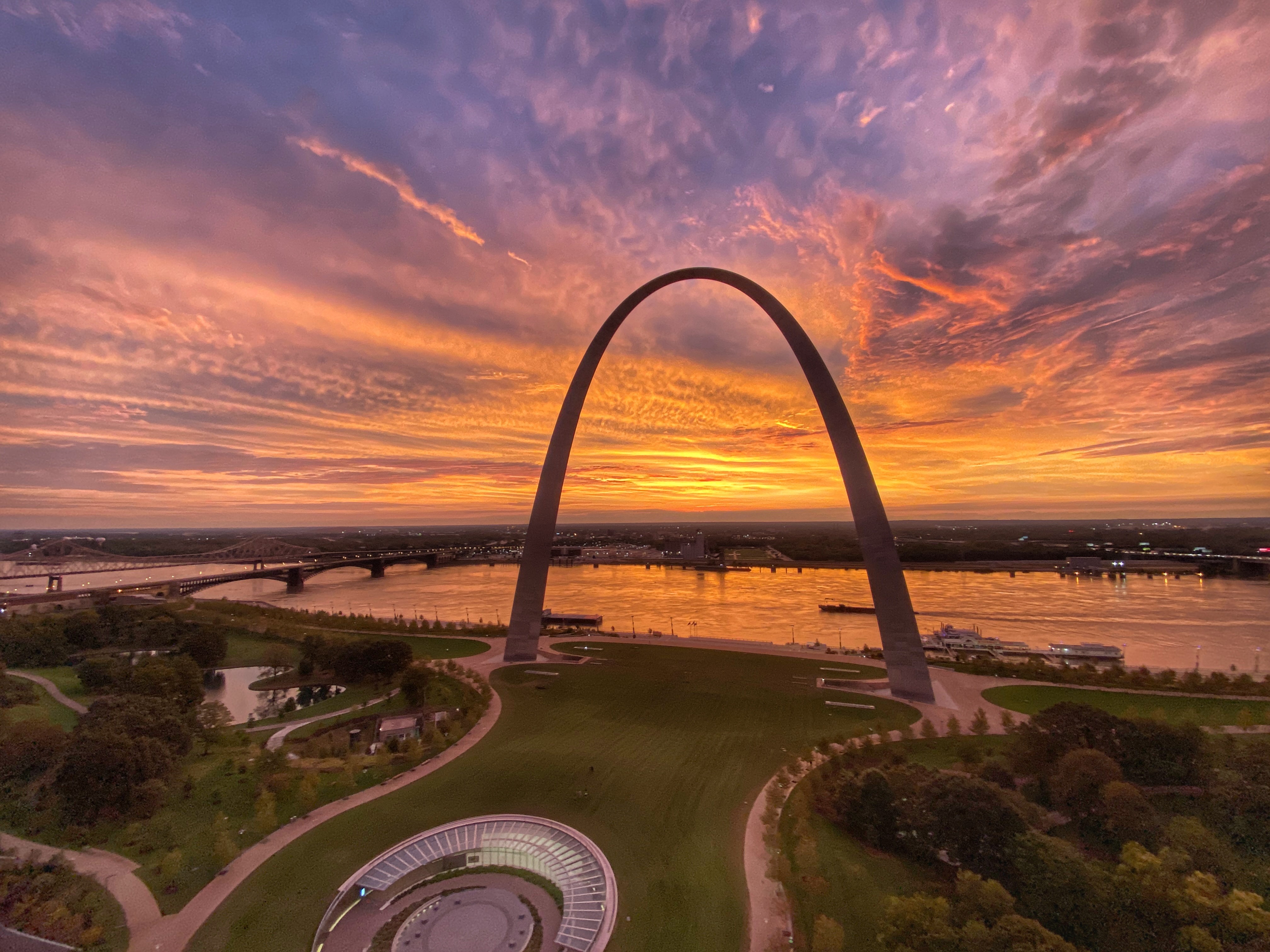
The National Park Service system currently includes 423 sites throughout the United States and its territories. These range from national monuments and battlefields to national historic sites and recreation areas to national rivers and seashores.
Don’t feel bad if you haven’t visited the majority of these places (most of us haven’t!). But luckily, National Park Week is just around the corner – a perfect time to add to your NPS “life list.”
National Park Week is an annual celebration jointly hosted by the National Park Service and the National Park Foundation to encourage everyone to discover our nation’s diverse historic, natural, and cultural treasures. This year, the week runs from April 16 through 24. Parks across the country will host a variety of special programs, events, and digital experiences, including National Junior Ranger Day for kids on Saturday April 23. You can find out more about programs and themes you might be interested in by going here.
Another bonus for park visitors during National Park Week – entrance fees are waived at all parks on Saturday April 16. (Other 2022 free fee days can be found here). Luckily, there are never entry fees at JNPA’s partner parks but each of them would be glad to see you in April, or any time!
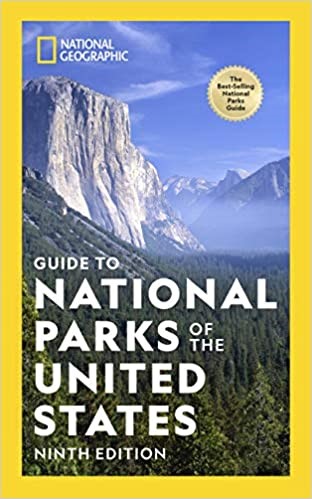
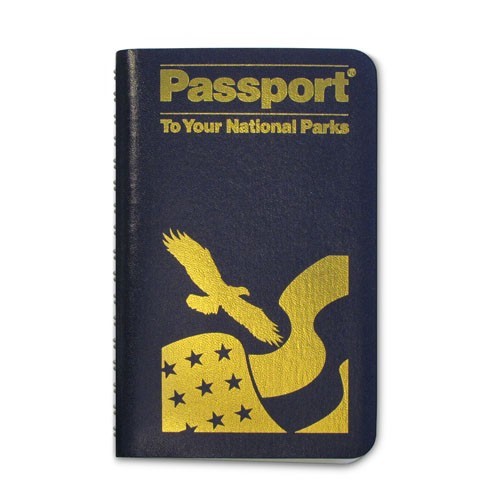
If you’re planning to visit any of the 63 parks that have “national park” in their name, you’ll want a copy of National Geographic’s national park guide as well as the Passport to Your National Parks, which not only contains park information but allows you to collect the passport stamps from every park you visit.
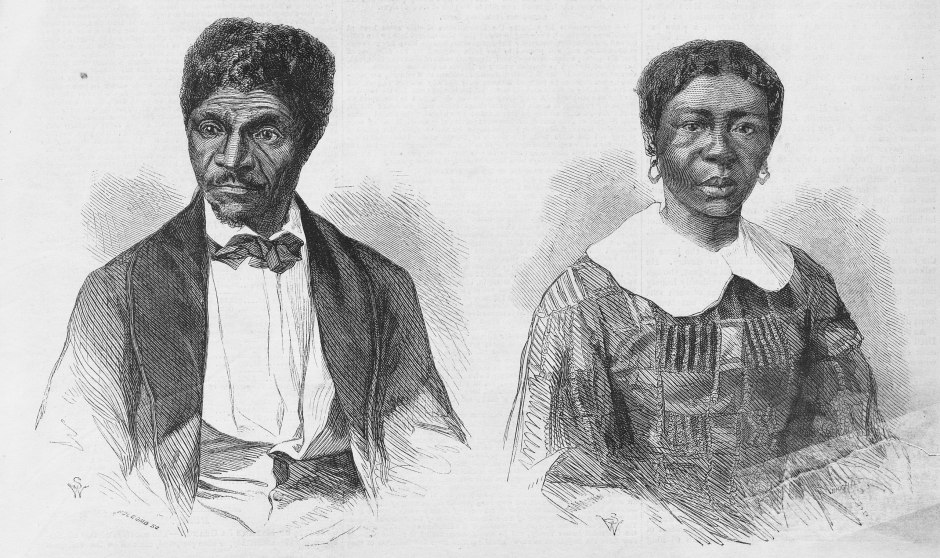
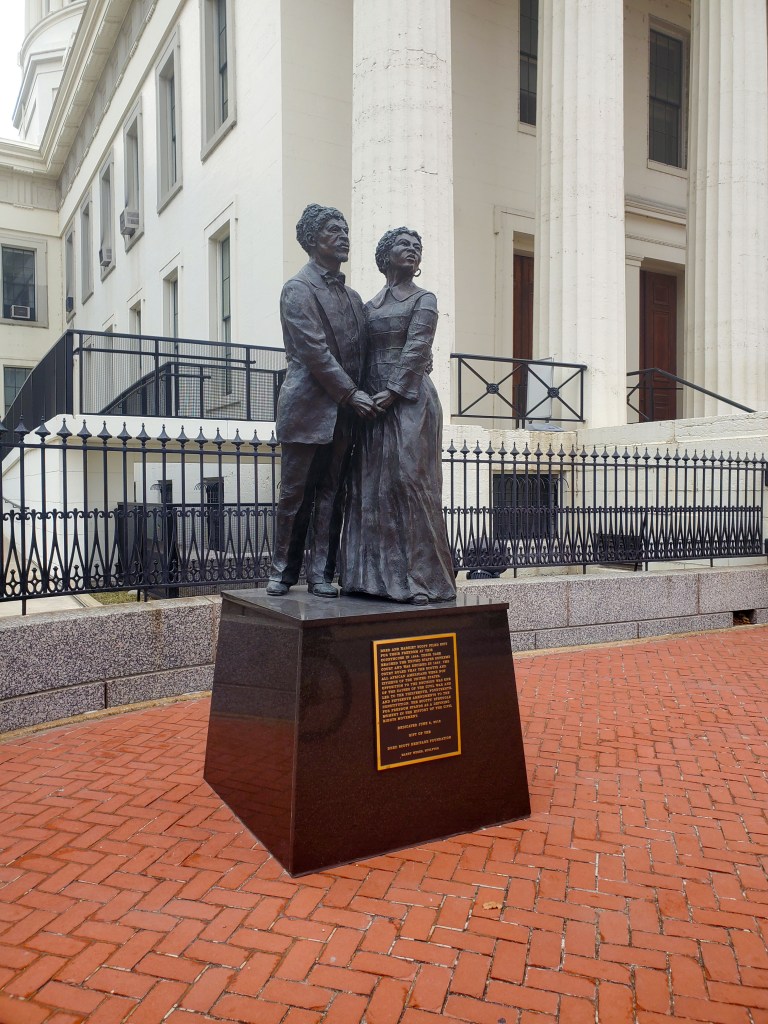
The road to freedom from slavery was a long one for Dred and Harriet Scott. Just over 170 years ago, on March 22, 1852, the Missouri Supreme Court ruled that enslaved people entering a free territory were not automatically free, delivering a blow to the hopes and dreams of the Missouri couple. While this was not the end of the Scotts’ pursuit for freedom, this stain on Missouri history was not corrected for over a century.
Dred Scott was born in Virginia sometime around 1799. He was enslaved by the Blow family, who moved him to Alabama and then Missouri. He was then sold to an army surgeon, Dr. John Emerson, who took him to Illinois, a free state, and then Fort Snelling, Wisconsin, a free territory. At Fort Snelling, Dred met and married Harriet Robinson, an enslaved woman whose owner transferred ownership of Harriet to Dr. Emerson, who then brought the couple back to St. Louis.
In 1846, the Scotts sued for their freedom at the Old Courthouse in St. Louis on the grounds that they had lived in a free territory, and Missouri had been known to follow the legal precedent of “once free, always free.” However, the Scotts lost their case on a technicality and began a decade of litigation that would lead to unfavorable rulings in both the Missouri Supreme Court and the United States Supreme Court.
The final decision from the United States Supreme Court in March 1857 ruled that Black people, whether free or enslaved, were not United States citizens and therefore had no right to sue in federal court. The court also ruled that the Missouri Compromise was unconstitutional, and that Congress did not have the authority to prohibit slavery in territories. This outraged abolitionists and is thought to have hastened the onset of the Civil War.
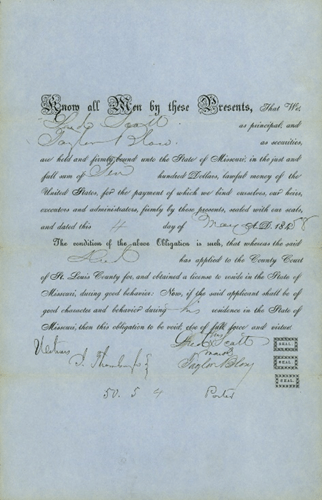
Dred Scott’s “free negro bond.” Credit: Missouri Historical Society
The Scotts did eventually gain their freedom later in 1857, after the son of Dred’s original enslaver purchased and subsequently emancipated their family. Sadly, Dred Scott passed away the following year from tuberculosis.
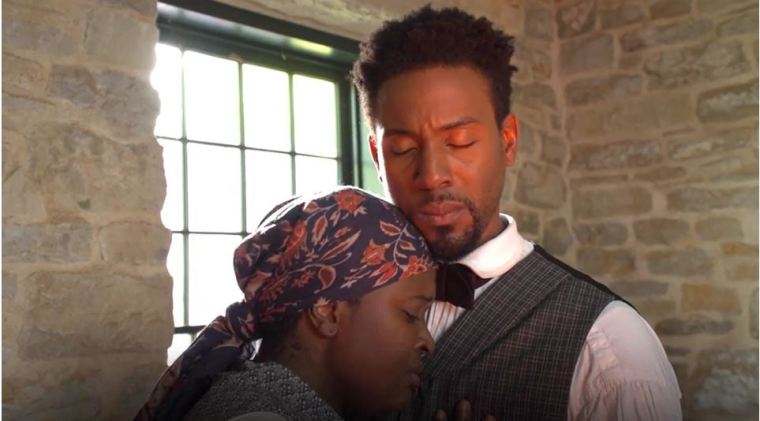
To watch a dramatic re-enactment of a conversation between Dred and Harriet Scott, you can view the short video A Bid for Freedom. JNPA helped produce this video for Gateway Arch National Park.
It was not until 2021 that the Missouri State Legislature finally passed House Concurrent Resolution 4, formally denouncing the Dred Scott decision. JNPA Board Member Lynne Jackson — Dred and Harriet Scott’s great-great granddaughter — is the President and Founder of the Dred Scott Heritage Foundation. She said:
“We started seriously inquiring about a renunciation of the 1852 Dred Scott decision in 2013 and hoped something along that order would be in the Missouri time capsule in 2015. The next serious push was in 2018 when we came close to a senate vote, but time ran out. We are very pleased at the bi-partisan and unanimous votes by the MO State Legislature in 2021.”
The Dred Scott Heritage Foundation continues the work of recognizing the Scott Family’s place in history both at the Old Courthouse in Gateway Arch National Park and through efforts to construct an educational memorial at Dred Scott’s gravesite in St. Louis’ Calvary Cemetery.