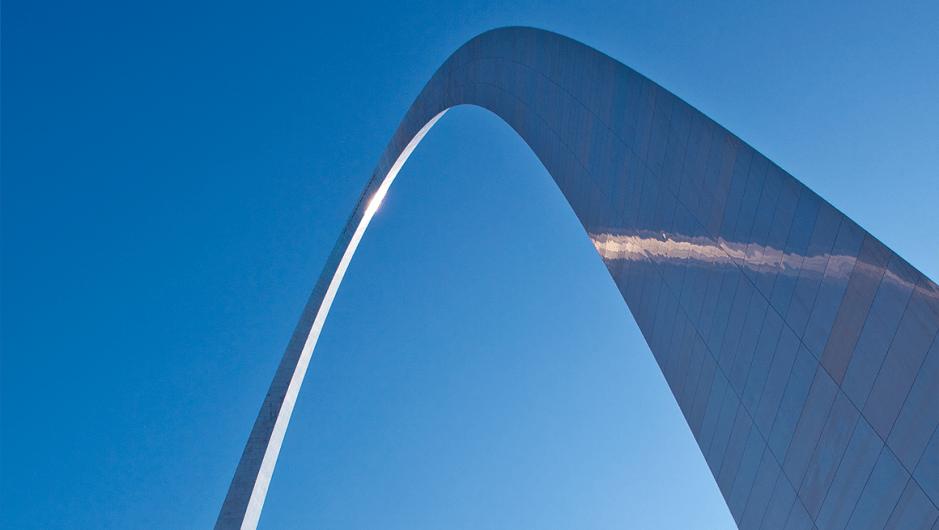
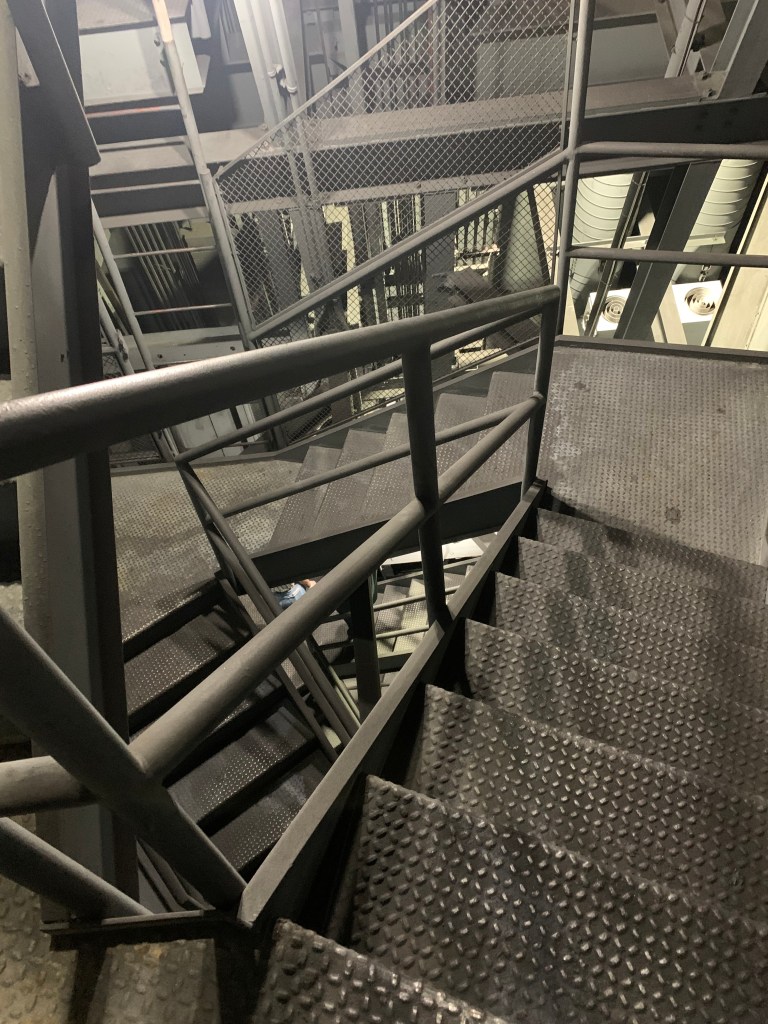
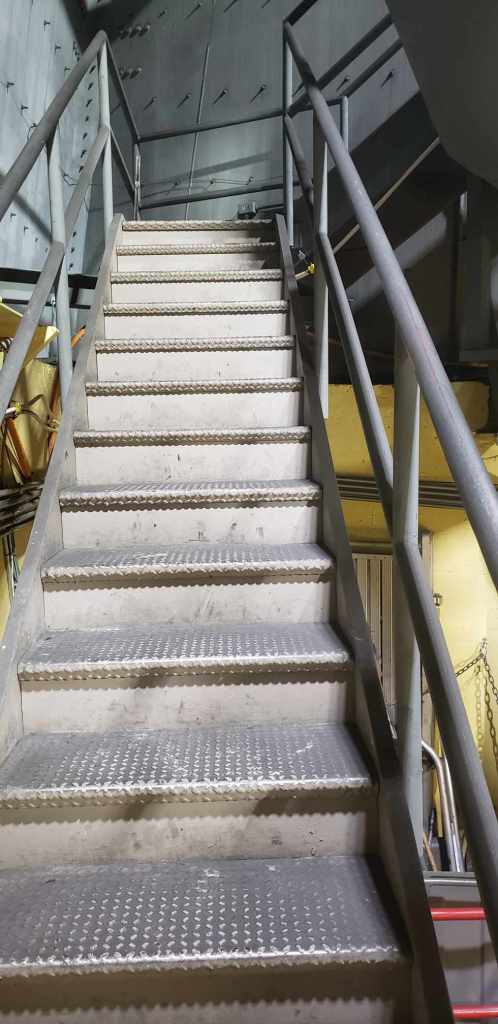
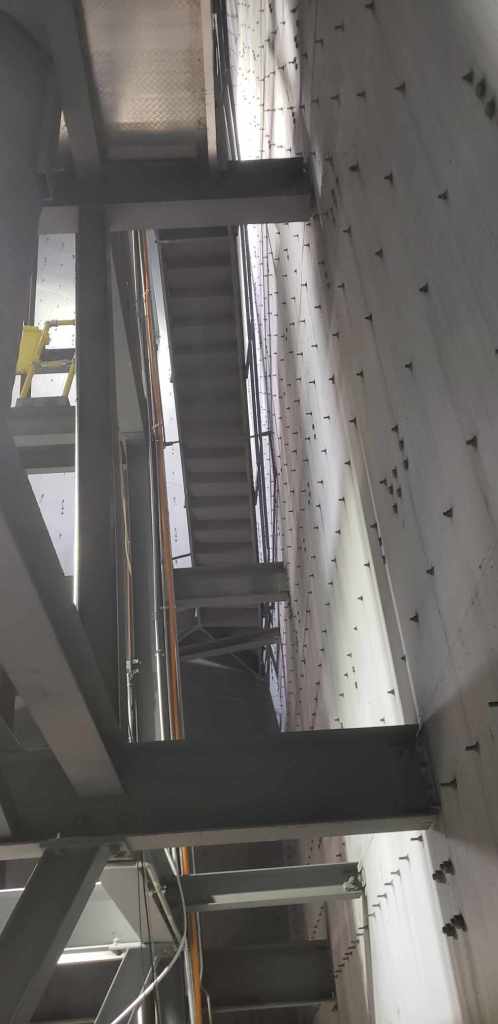
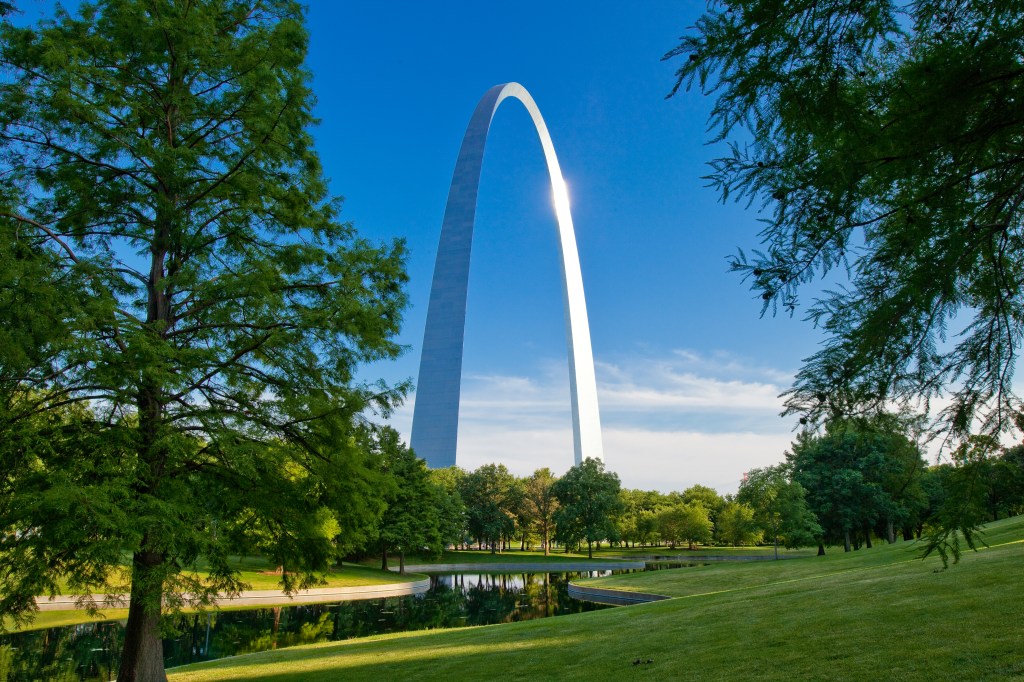
Shh, wanna know a secret that most visitors to Gateway Arch National Park don’t know? There’s another way to get to the top of the Arch, beyond riding in a tram car. There’s a hidden staircase inside each leg of the Arch, with 1,076 steps on each side.
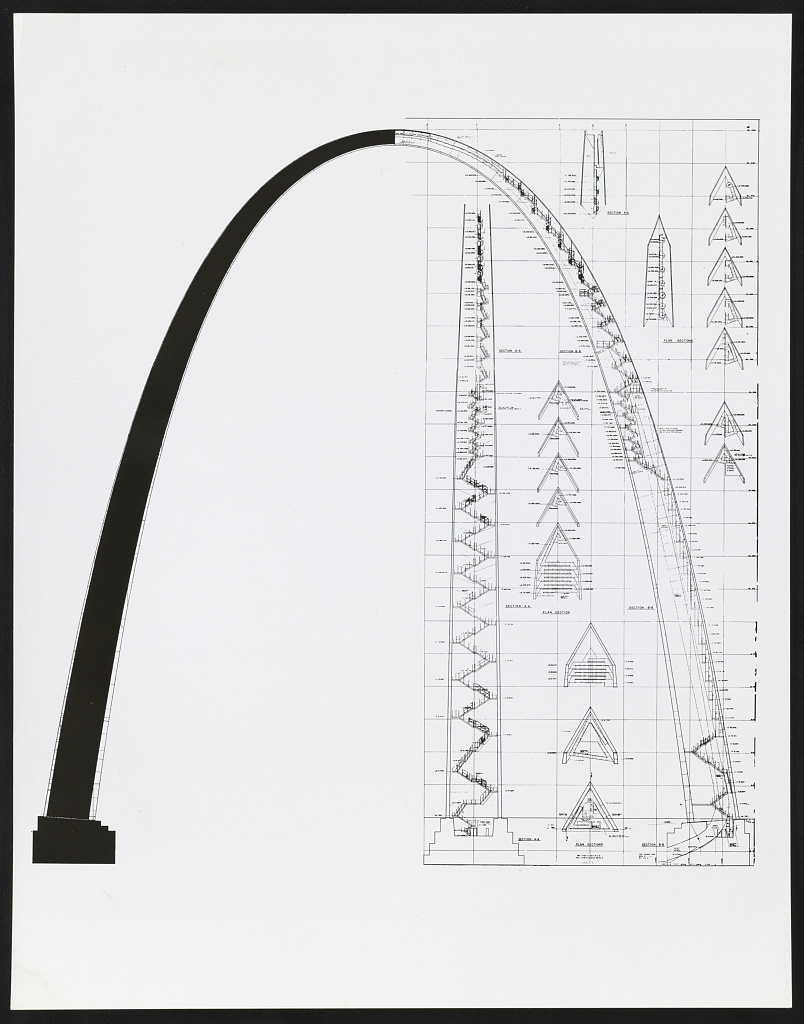
Architectural drawing of the staircase inside the Gateway Arch. Credit: Library of Congress
But if the idea of climbing that many stairs makes your head spin, don’t worry. The staircases aren’t for public use.
When the Arch was built in the 1960s, the designers had already made plans for a tram system to carry visitors up to the observation deck (and down again). But they knew that park staff would also need access to the tram system for routine maintenance. So they installed the stairways. The stairs are an engineering feat, using 105 landings to snake through the curved structure.
Visitors can sometimes glimpse the hidden staircase through the small windows as they ride up and down in their tram car. So the next time you take a tram ride at the Arch, you can share the “secret” with your fellow riders!
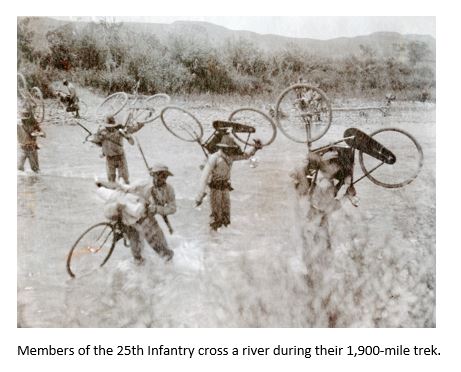
If you’ve ever taken a verrrrry long bicycle ride, you know the physical endurance needed for such an undertaking. Now imagine biking off-road through mountain ranges, mud, deep sand, and flowing streams, all while carrying heavy supplies. For more than 1,900 miles!
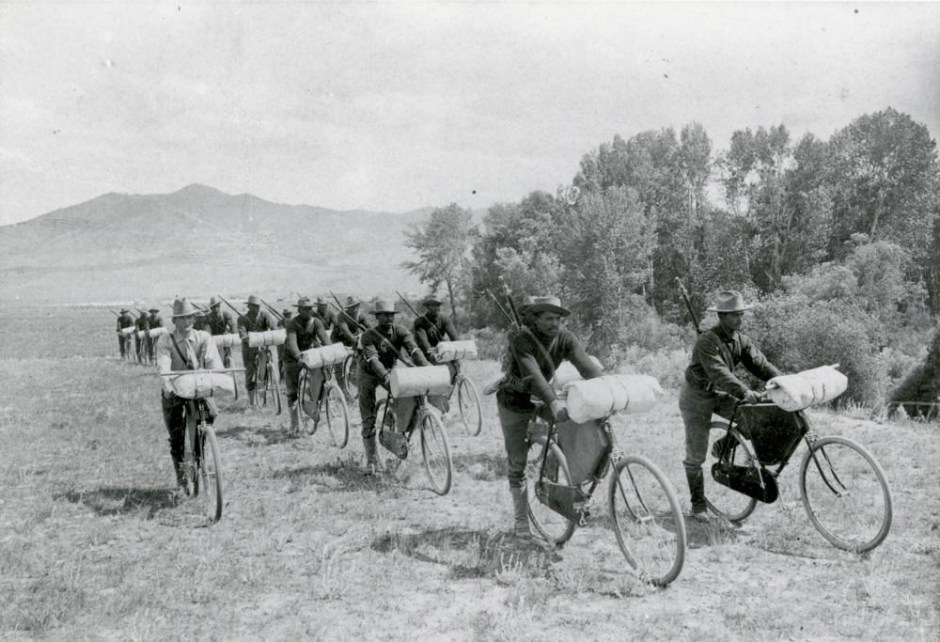
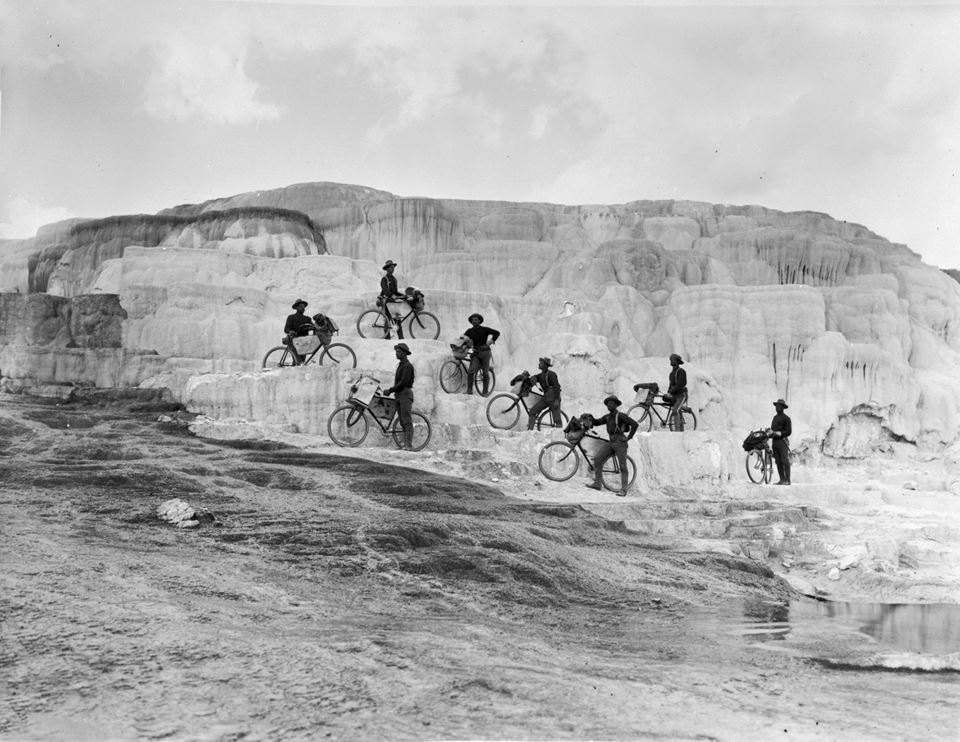
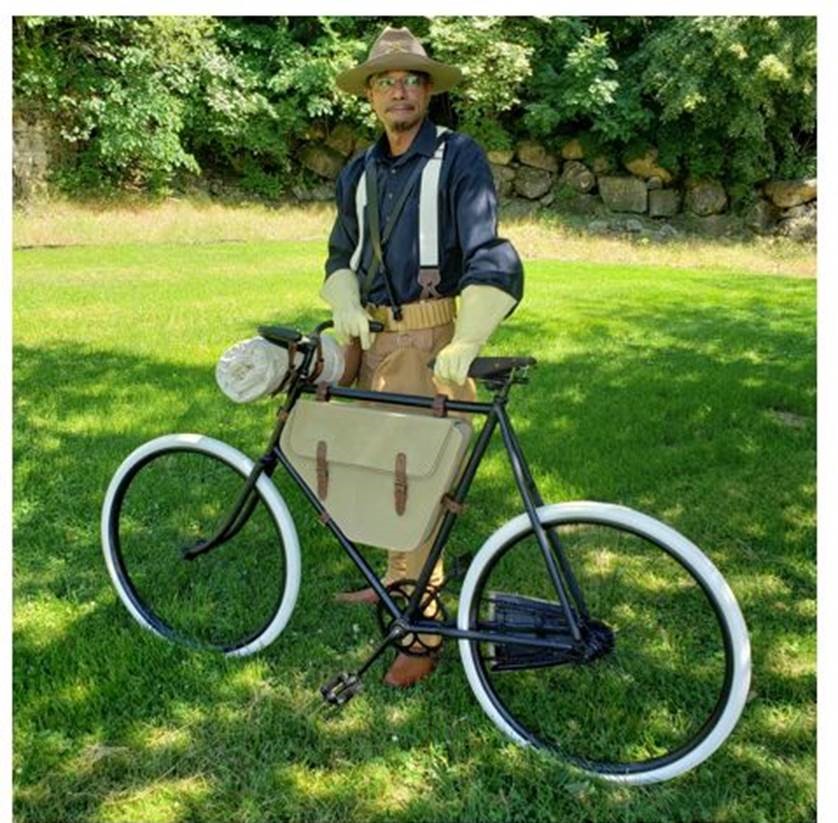
That’s just what members of the U.S. Army’s 25th Infantry accomplished – in 1897 no less. The so-called Iron Riders were members of the famed Buffalo Soldiers, all-black regiments who served on the American frontier in the mid-1800s. A living history program this weekend at Gateway Arch National Park will recount the Riders’ grueling journey.
Credit: NPS
As the popularity of bicycles soared worldwide at the end of the 19th century, the Army decided to evaluate their use for certain military operations. Military leaders commissioned a long-distance experiment that would test the efficiency of bikes as a way of moving troops. In May 1897, the all-Black 25th Infantry Regiment Bicycle Corps embarked from Missoula, Montana, bound for St. Louis – a journey of nearly 2,000 miles. Their heavy bikes were laden with all they would need for the trip: cooking supplies and food, rifles and ammunition, tent and poles, and clothing. The combined weight of these provisions and the heavy one-speed bike was 59 pounds!
Credit: Missouri State Parks
The arduous journey took 41 days, an average of about 50 miles per day. The men endured severe storms, extreme heat, food and water shortages, illness from tainted water, and racism and hostility from local residents. In the words of the bicycle corps’ leader Lt. James Moss, “We made and broke camp in the rain; we traveled through mud, water, sand, dust, over rocks, ruts, etc.; for we crossed and recrossed mountain ranges, and forded streams, carrying our rations, rifles, ammunition, tents, blankets, extra underwear, medicines, tools, repairing material, cooking utensils and extra bicycle parts.”
On July 24, 1897, the Iron Riders arrived in St. Louis to great fanfare. Thousands of locals gathered to cheer the finale of what national newspapers called the Great Experiment. Yet despite several attempts to assemble subsequent experimental rides, the corps was ordered to return to Montana. No permanent military bicycle corps was ever established, and the Army soon shifted its focus towards the use of trucks and other motorized vehicles.
Kevin Smith, Iron Rider re-enactor
To learn more about the journey of the Iron Riders, be sure to attend the program at the Arch this Saturday, from 11:00 to 2:00. A re-enactor will be on hand to discuss the riders’ trial and triumphs. Admission is free and no reservation is required.
Are you puzzling over what to do with yourself during cold winter days? Well, wonder no more. In honor of National Puzzle Day on January 29, we suggest cozying up indoors with a fun (or maybe maddeningly challenging) puzzle!
JNPA is crazy for puzzles; we sell a wide variety at our partner park stores. Some are three- dimensional and require manual dexterity (and patience!). Others are flat jigsaw puzzles, both single- and double-sided. Some are kid-friendly, others will challenge any grown-up. The artwork on some of our puzzles are custom-designed for a specific park, while others have a broader national parks theme.
Check out some of our more popular puzzles:
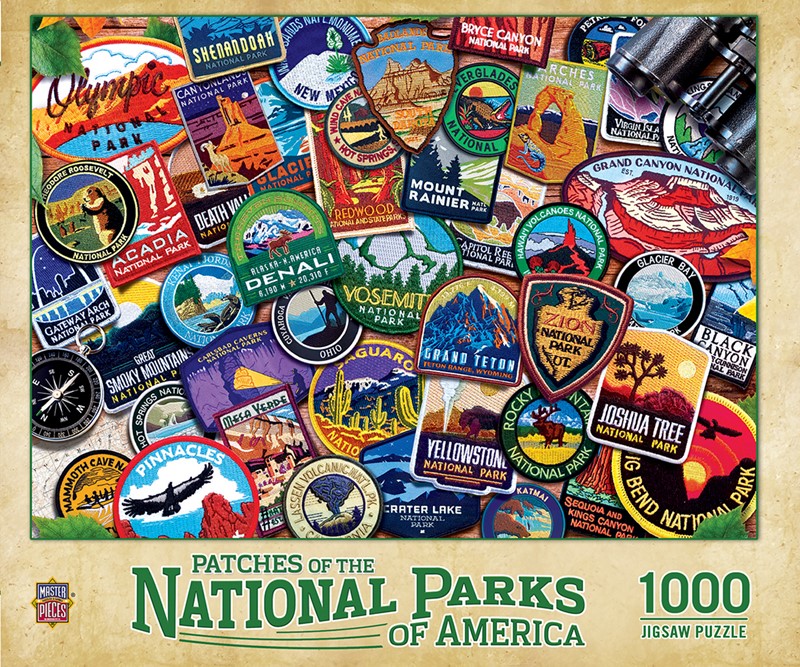
Puzzle fiends who love a challenge will want to snag this 1,000-piece national parks puzzle featuring a colorful montage of national park patches.
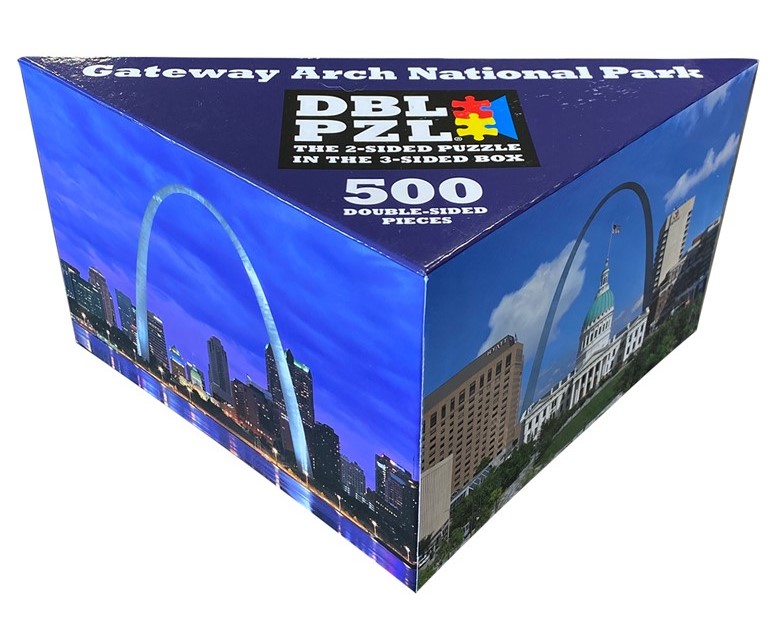
But if you like your 1,000 pieces divided into two puzzles, go for one of our two-sided Gateway Arch jigsaw puzzles. When you’re done with one side, just break the pieces apart and start on the other side.
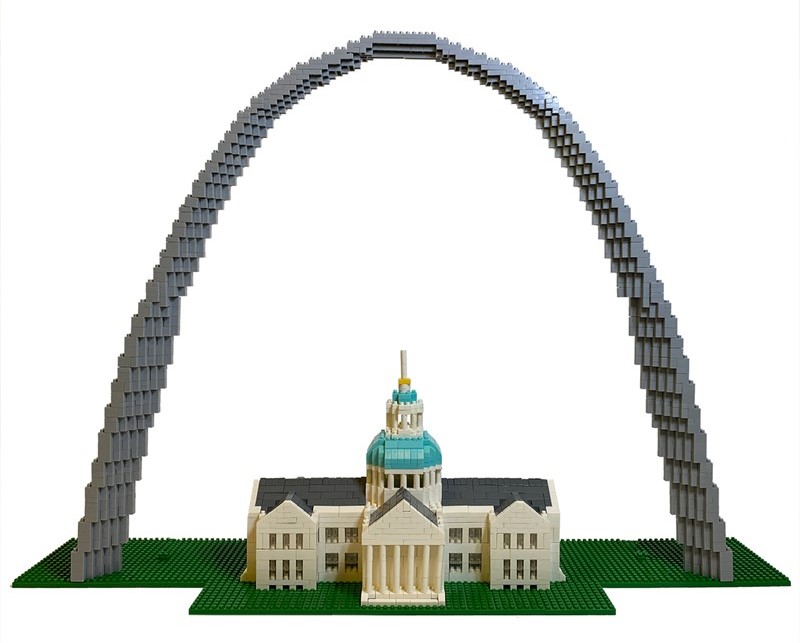
If two-dimensional puzzles aren’t your thing, how about trying your hand at some tricky 3D building sets? Warning – they’re challenging! We offer two buildable models of the Gateway Arch and Old Courthouse, one made from plastic mini-blocks and the other from wood.
Our Arch mini-building block set has 1,913 pieces – enough to keep a team of puzzlers busy for weeks. When completed, it stands more than 14” high.
The pieces for this wooden Arch model are first popped out of their cards, then assembled into a handsome 16” replica.
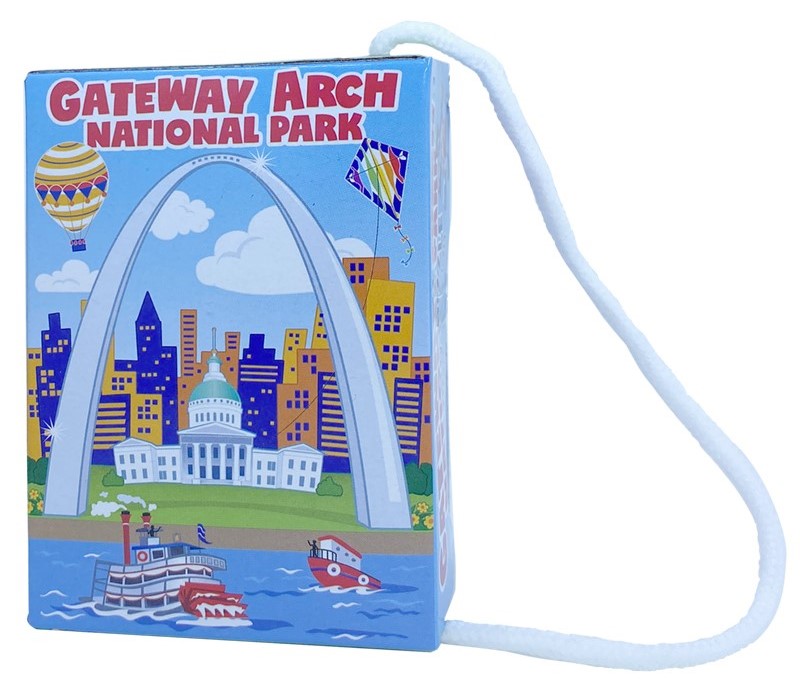
And finally, to help start your kids off right (and not discourage them!), we offer these little Gateway Arch mini puzzles: either this adorable 24-piece set with a cute carrying strap or a slightly more challenging 140-piece puzzle – they’re great for travel.
One of these projects is sure to be just right for a winter’s day. Happy puzzling!
The Gateway Arch tram system is a one-of-a-kind invention that incorporates components of both Ferris Wheels and elevators in its design. There is nothing else quite like it in the world – and it was invented in only two weeks by Richard Bowser.
It is in this engineering spirit that the Gateway Arch National Park Engineering Contest was created. The contest, held in association with Washington University McKelvey School of Engineering, challenges teams of high school students to create a solution for a real engineering problem that exists in the park. The winning team takes home the coveted Richard Bowser Trophy, which they keep until next year’s competition.
Nine teams from area high schools participated in the 7th Annual Gateway Arch National Park Engineering Contest, making this year’s competition the fiercest yet. Each year students are presented with a different engineering challenge. This year’s challenge asked students to engineer a system for automatically adjusting the Riverboats at the Gateway Arch dock to the appropriate level as the river rises and falls.
Situated on the river beneath the shadow of the Gateway Arch, the Riverboats at the Gateway Arch have been cruising the Mississippi since 1910. The Riverboats offer daily sightseeing cruises, dinner cruises, private charters, and specialty cruises to tourists and locals.
The boats’ dock structure is 303 feet long and consists of 4 barges. Keeping the dock tethered to the levee are four electric winches, one hydroelectric winch, and five cables. There are also utility lines that must be moved as the dock position varies with the water levels.
With the river level fluctuating daily, the dock must be frequently adjusted, so the ramps are not in the water and the docks themselves do not become grounded. Currently, these adjustments are made by hand, a time-consuming process that requires the full crew.
In September 2023, students participating in the contest toured the dock with a park ranger and members of the Riverboats at the Gateway Arch team, so they could see how the winches are used, measure the area, take photographs, receive blueprints, and have any initial questions answered. Using this information, the students produced an executive summary that included pictures, diagrams and other visual aids to communicate their design, as well as a budget for the project.
The competition final was held at Washington University’s McKelvey Engineering complex in Whitaker Hall on Saturday, November 11, 2023. Each of the nine teams presented an executive summary to a panel of six judges (all professional engineers). The teams were judged on both their executive summary content and presentation. They were scored in categories ranging from innovative design, functionality, and ease of use to responsible budget and realistic possibility of the design.
According to Gateway Arch National Park, this year’s contest was fierce and the most competitive yet, with the first-place school winning the trophy by only half a point! Christian Brothers College High School placed first, with teams from St. Louis Centers for Advanced Professional Studies (STL CAPS) taking second and third place. Both STL CAPS teams received the award for Best Executive Summary, as they remarkably tied with a 45.83 score out of 50 points.
The Parkway Spark! program also had two teams enter the competition. The Sparkles took home the award for Best Presentation after receiving a near-perfect presentation score of 49.33 out of 50. Student Ryder Risko of the Parkway Spark! River Tech team received the Charles Janson MVP Award.
The Taylor Tuleja McKelvey Award for Creativity and Ingenuity went to Kate Hulsen of St. Joseph’s Academy.
In addition to the competition component, the contest final included a presentation from a professional engineer, a luncheon, and a guided tour of McKelvey School of Engineering for all contest participants and their families and friends in attendance – an excellent opportunity for students considering the engineering field.
For more information on this year’s contest visit gatewayarchengineeringcontest.com. To inquire about participating in the 8th Annual Gateway Arch National Park Engineering Contest in 2024, contact Anthony Gilpin, at tony_gilpin@nps.gov.
If you fancy yourself an outdoor explorer, there are natural treasures waiting to be discovered amidst the hustle and bustle of downtown St. Louis. Where, you ask? Gateway Arch National Park, of course!
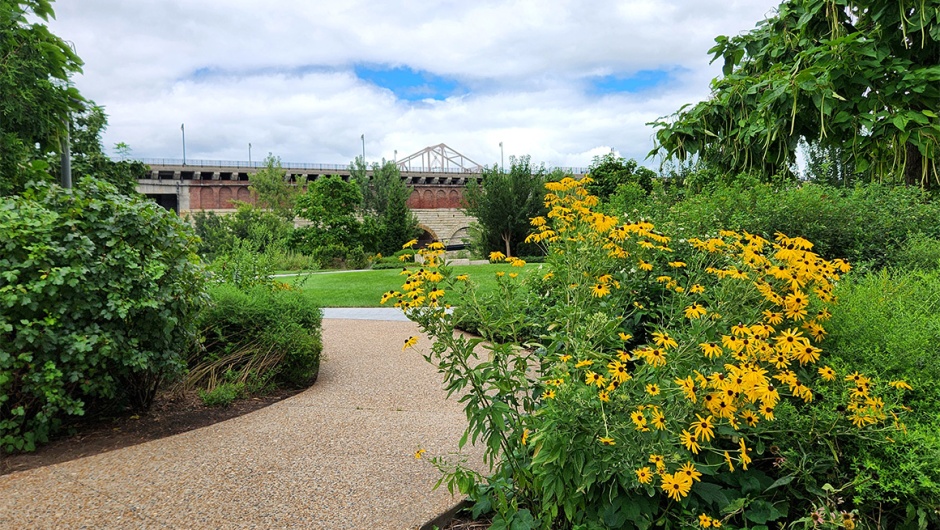
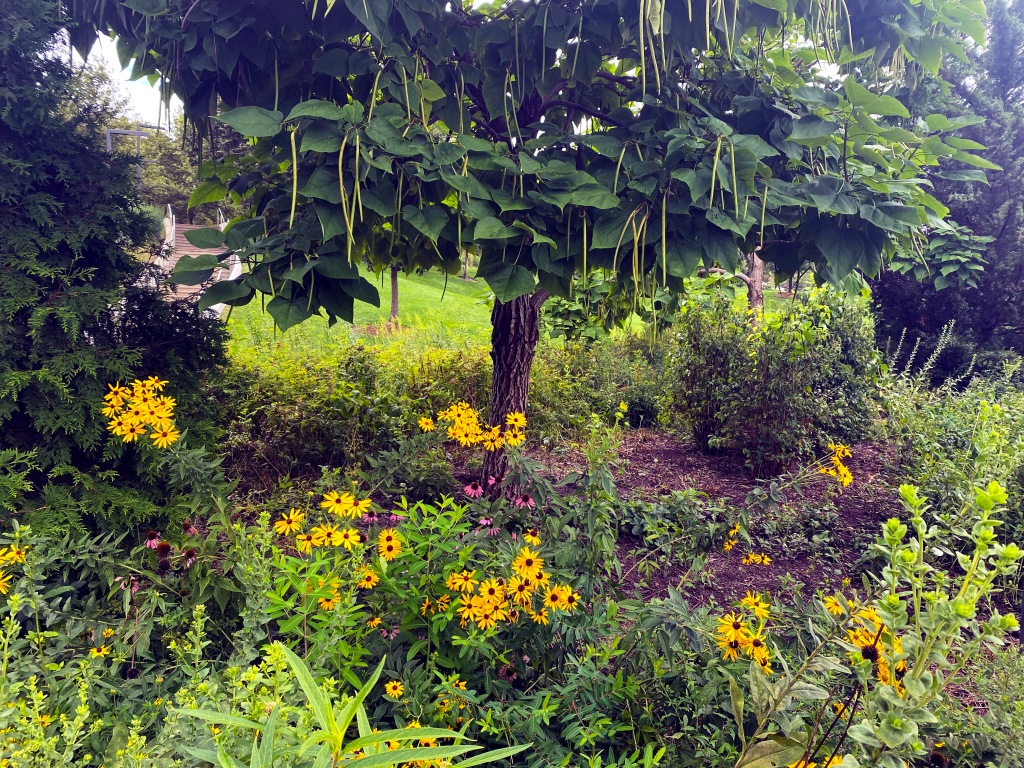
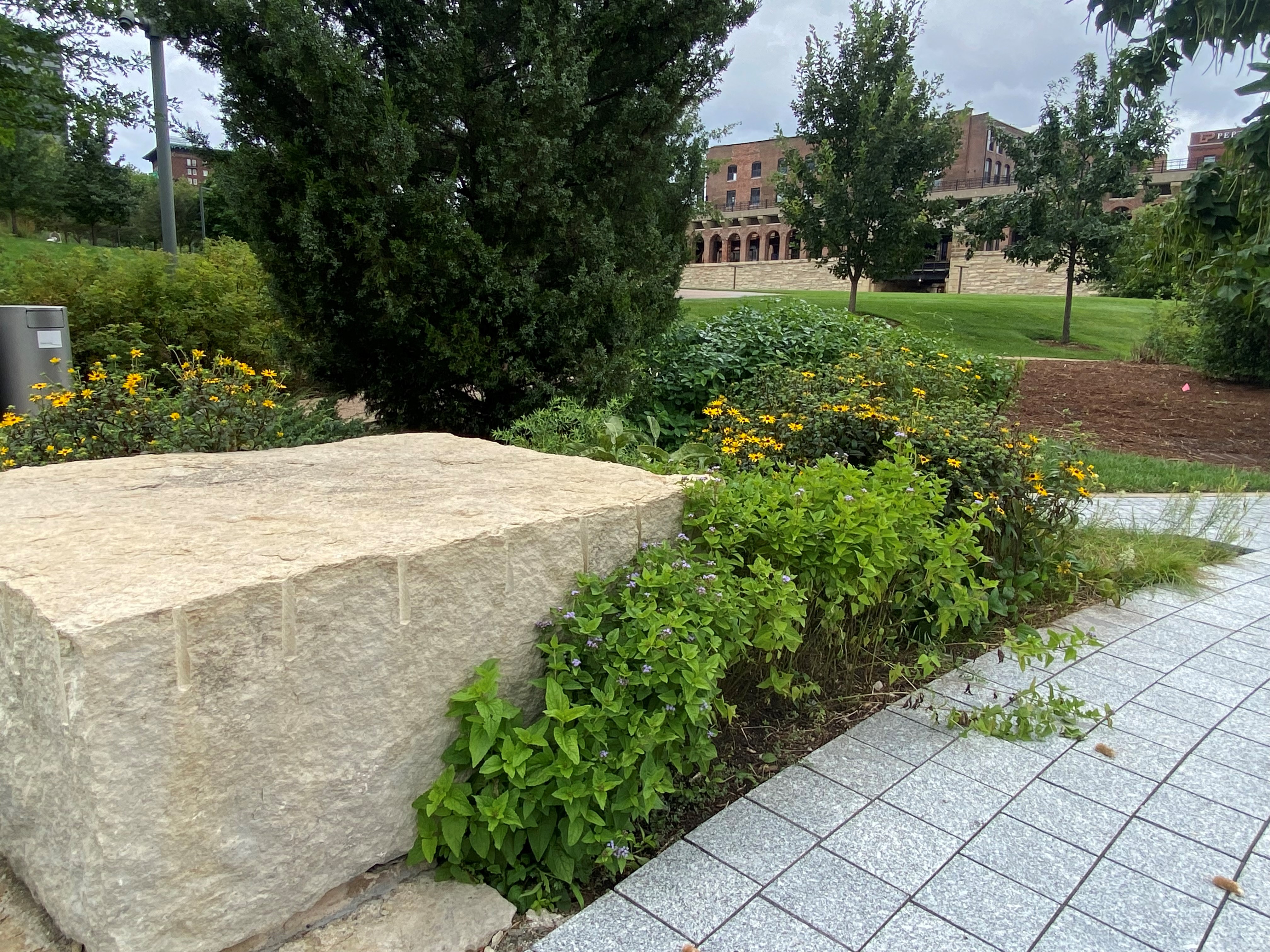
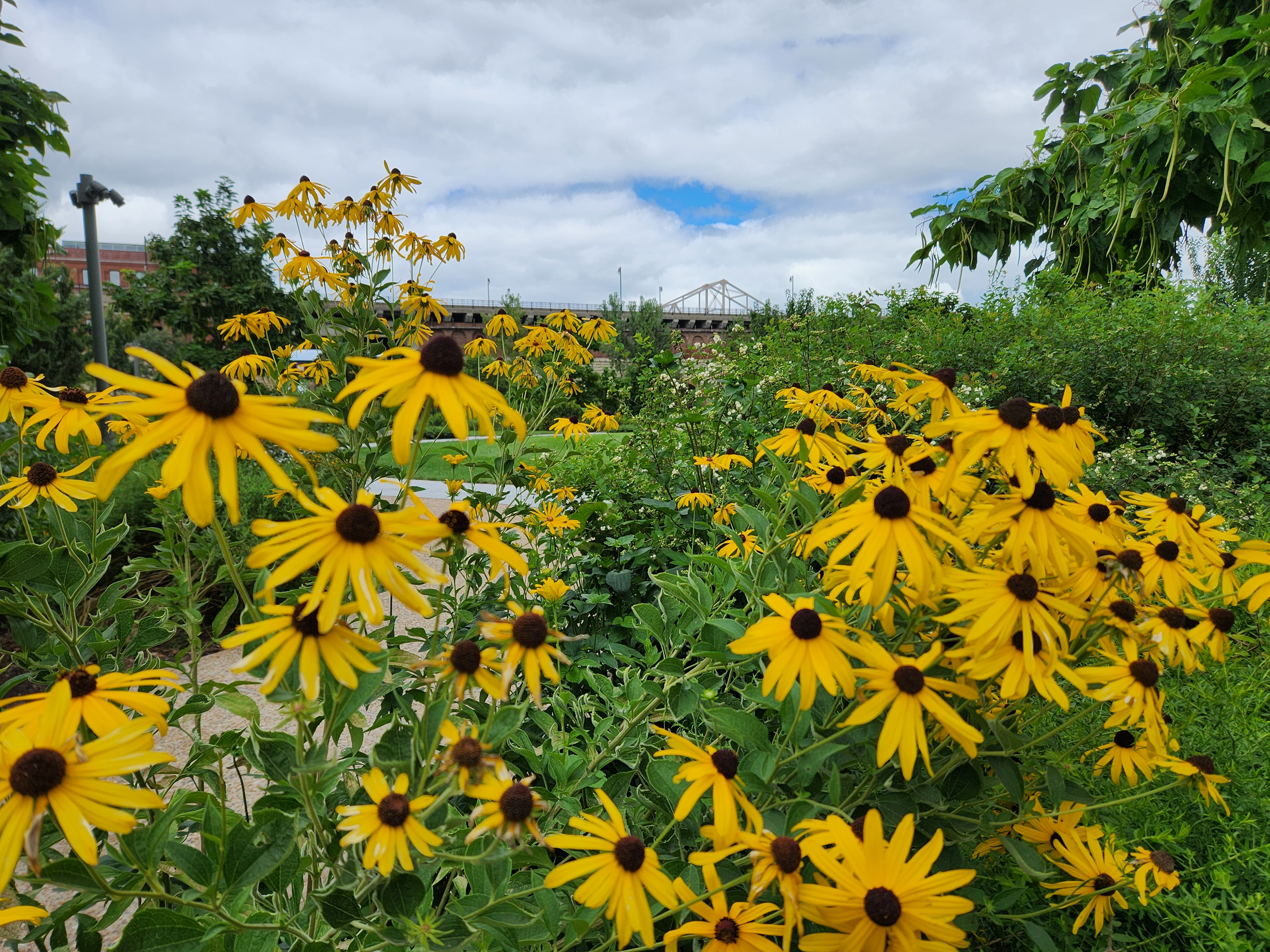
Although the 91-acre Arch grounds are dominated by manicured grassy areas, tree-lined paths, and sculptured ponds, there’s a small area at the north end of the park that looks a bit wilder. This inviting little oasis – dubbed the Explorers’ Garden – is planted with some of the trees, bushes, and perennials that Lewis and Clark found on their famed expedition to the western U.S. And it’s just waiting to be investigated!
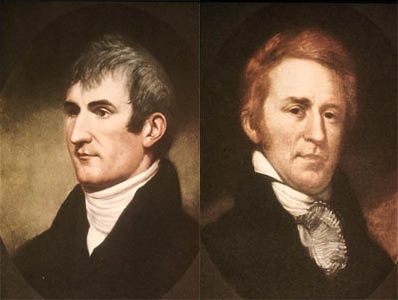
Meriwether Lewis (left) and William Clark (right)
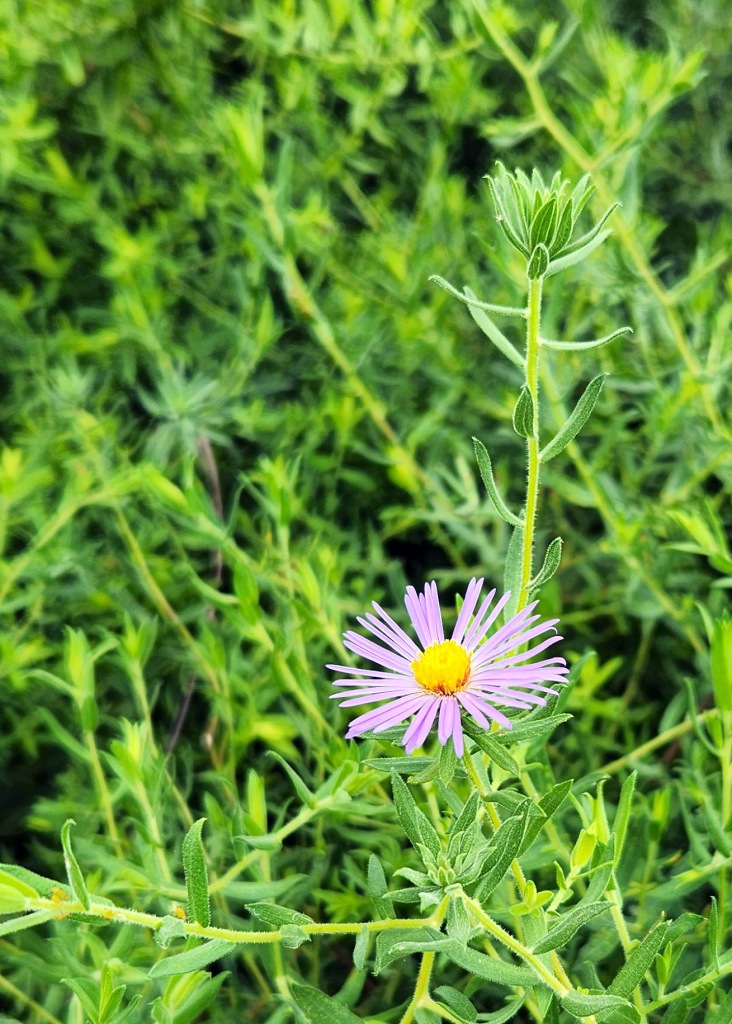
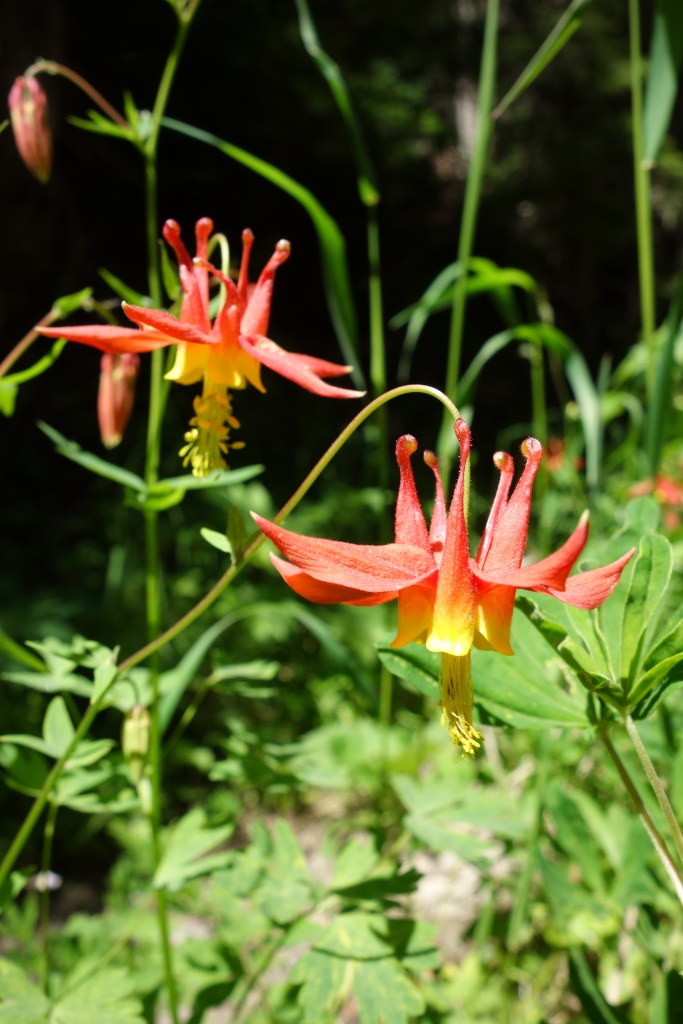
Between 1804 and 1806, Meriwether Lewis and William Clark were commissioned by President Thomas Jefferson to explore and map the newly acquired western portion of the continent. Their extensive journals recorded measurements and observations of the rivers and landscapes, as well as accounts of the indigenous inhabitants they encountered. They also described at least 178 species of plants that were new to science, recording their habitat, growth and use by Native Americans. These included the cottonwood tree, slender willow, aromatic aster, prickly pear, and red columbine.
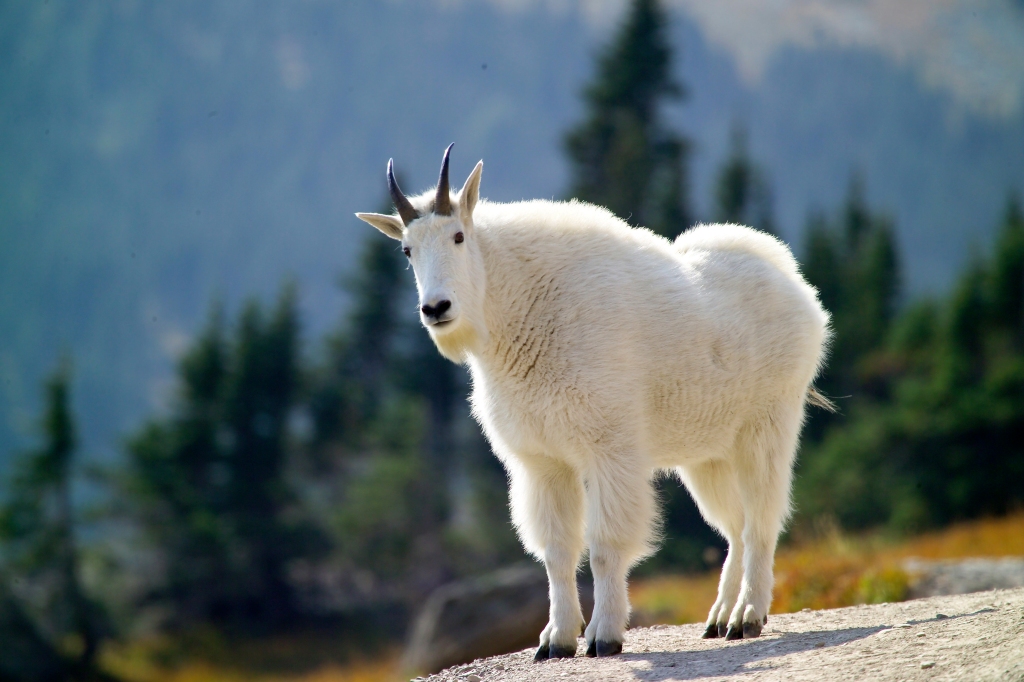
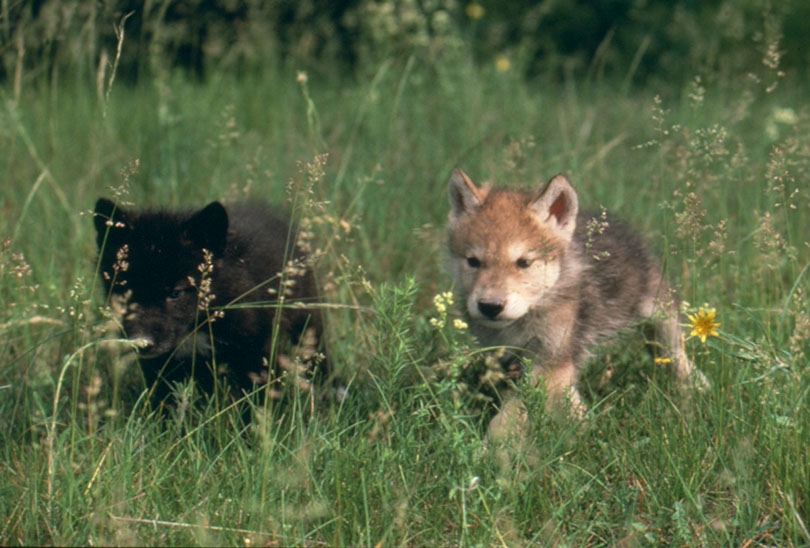
As for animals, the explorers described 122 new species of mammals, birds, reptiles, fish, and insects – including the grizzly bear, bighorn sheep, black tailed deer, mountain beaver, long-tailed weasel, mountain goat, coyote and various species of rabbit, squirrel, fox and wolf.
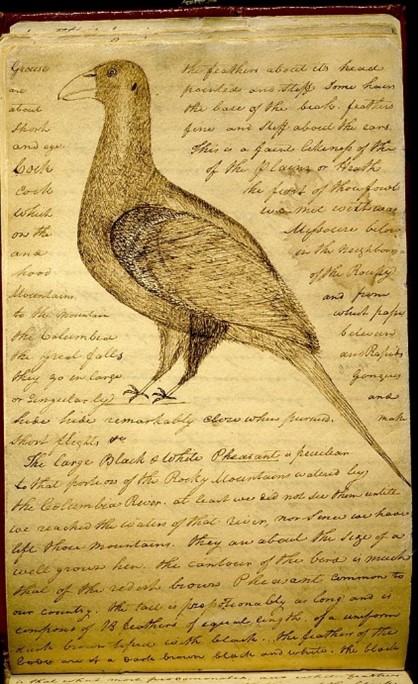
William Clark’s journal entry about a sage grouse, courtesy Missouri History Museum
You probably won’t find any of these animals in the Explorers’ Garden, but some of the plants that Lewis and Clark discovered are included among the variety of native plants that National Park Service staff have introduced there. Go here to find the list of plants (click on Explorers’ Garden).
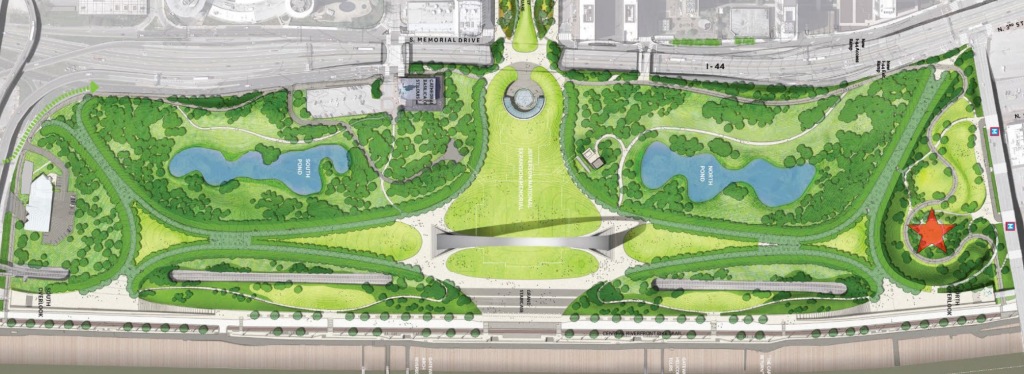
Map of Gateway Arch National Park highlighting the Explorers’ Garden
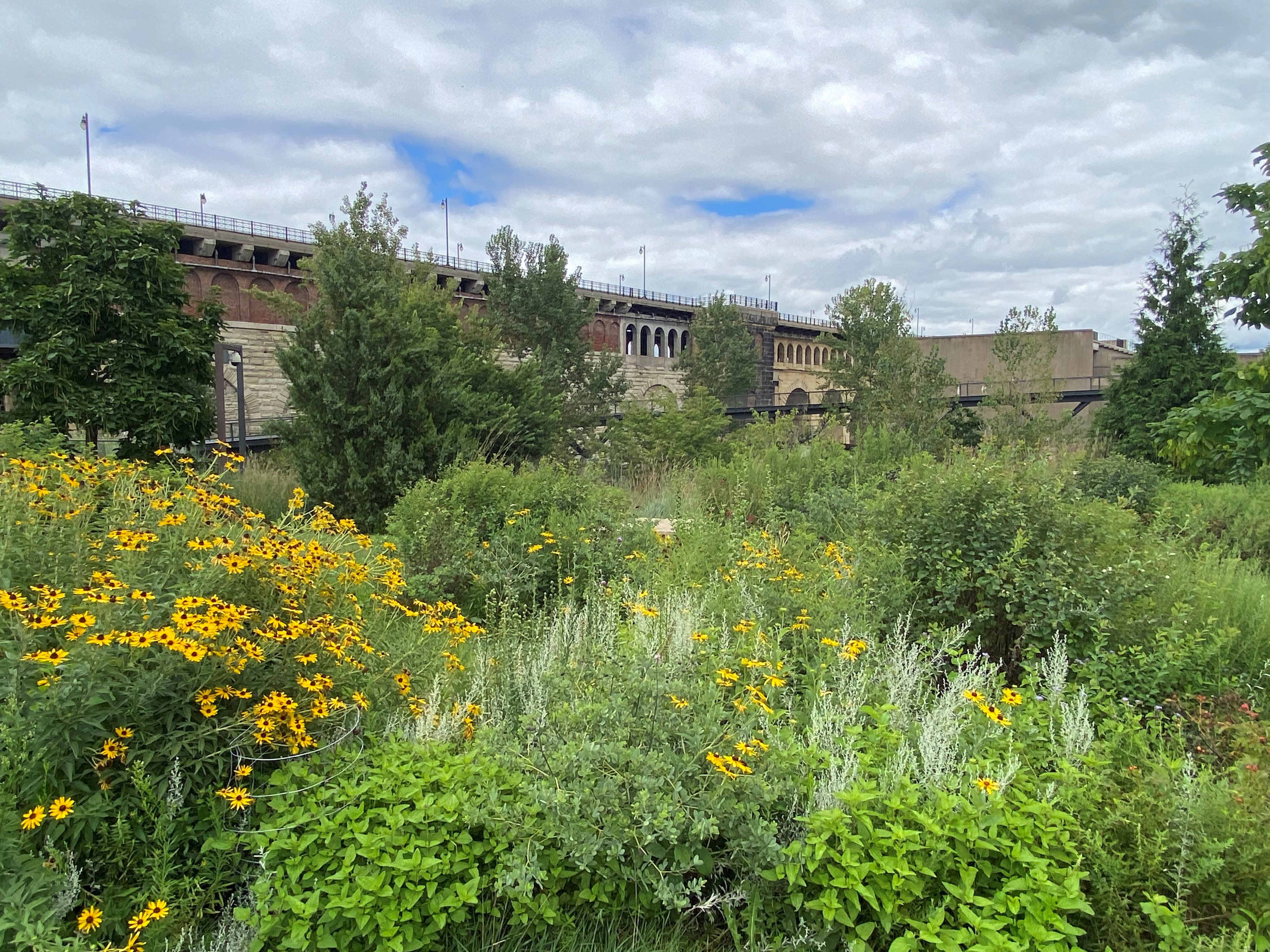
Many of these species were used by Native Americans and were described by Lewis and Clark in their expedition journals as they traveled west. You’re invited to act as your own explorer and see what you can find – and be sure to bring the kids. The Explorers’ Garden provides a series of landscaped pathways scaled for children’s play as well as large stones they can climb. You’ll find the garden in the far northeast corner of the park grounds, in the shadow of historic Eads Bridge, the oldest bridge over the Mississippi River.
There’s no better time to visit the Explorers’ Garden than this Saturday Sept. 23, when the park will be celebrating National Public Lands Day. History and gardening experts will be on hand to show you around, and there will be plenty of other family-friendly activities, so come on down!
If you want to help your kids learn about the famous explorers, they’ll enjoy this fun book Lewis and Clark for Kids: Their Journey of Discovery with 21 Activities. It’s chock full of cool stories about their three-year journey, including information about the plants and animals they discovered. You can pick it up at The Arch Store or order it from our online store.
Looking for a memorable way to celebrate the Fourth of July this year? Look no further than Gateway Arch National Park.
Visitors who gather on the Arch grounds tomorrow evening will have a front row seat to one of the nation’s most spectacular fireworks displays. The civic organization Fair Saint Louis will set off more than 1½ tons of fireworks from a barge in the Mississippi River, just beneath the Arch. It promises to be the largest fireworks show the organization has ever produced.
The show is scheduled to begin at 9:30 p.m., and last about 30 minutes. Visitors are encouraged to bring blankets and lawn chairs and to picnic on the grass. No glass or alcohol is allowed. The Arch itself will not be open, but the grounds and riverfront will be accessible.
This is the 42nd year that Fair Saint Louis will present its Fireworks Spectacular. It will also host its 140th America’s Birthday Parade the morning of the Fourth.
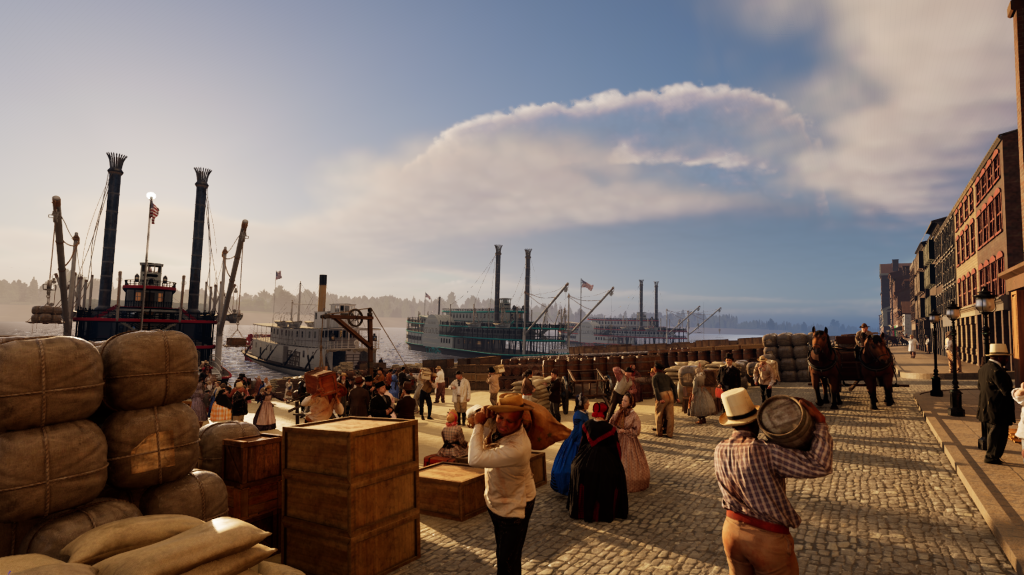
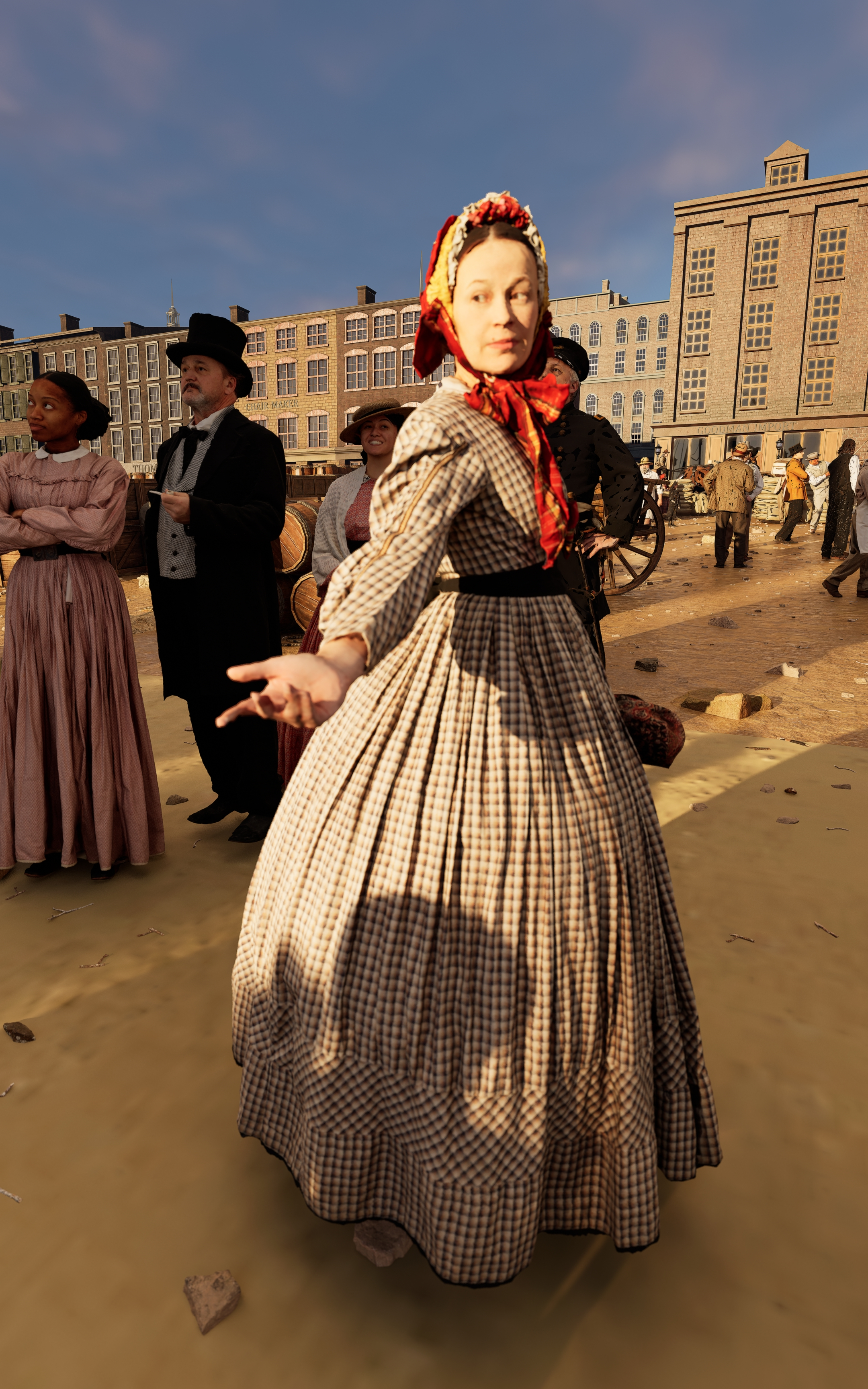
Gateway Arch National Park has added a new attraction to its already-full list of activities…and it just might blow your mind. It’s a virtual reality (VR) experience that transports visitors to a 360⁰ depiction of the 1850s St. Louis riverfront. And it all takes place in a newly designed area on the lower level of the Arch visitor center.
When you put on a special 3D headset, you’ll be immersed in the sights and sounds of the St. Louis levee in the 1850s, an era when the city was an important crossroads for America’s westward migration. Watch as steamboats deliver travelers and goods from around the world. And hear the stories of courage, struggle, and hopes of some of the real people who crossed paths there. The VR program aligns with one of the historic eras that visitors can also learn about in the Arch museum, though it brings it to life in a very unique way.
Jefferson National Parks Association and park staff have teamed up to bring this production – titled Cobblestones & Courage – to park visitors. JNPA funded the work and selected TimeLooper – a pioneering interpretive design firm – to develop the programming.
“Gateway Arch National Park is constantly seeking new and engaging ways to share the story of America’s westward expansion with visitors,” says David Grove, President and CEO of JNPA. “As a park partner, we’re thrilled to bring this unique experience to visitors. Cobblestones & Courage brings history to life in a tangible way using 3D technology to diversify the park’s storytelling methods.”
The new Virtual Reality Theater is located in the lower Gateway Arch lobby, right outside The Arch Store, which JNPA also operates. Tickets are $10 for adults, $8 children (ages 5-15). Reservations are encouraged and tickets can be pre-purchased here.
If you’ve ever wanted to travel back in time, this is the way to do it. Check it out! And also take a look at a preview video of the production.
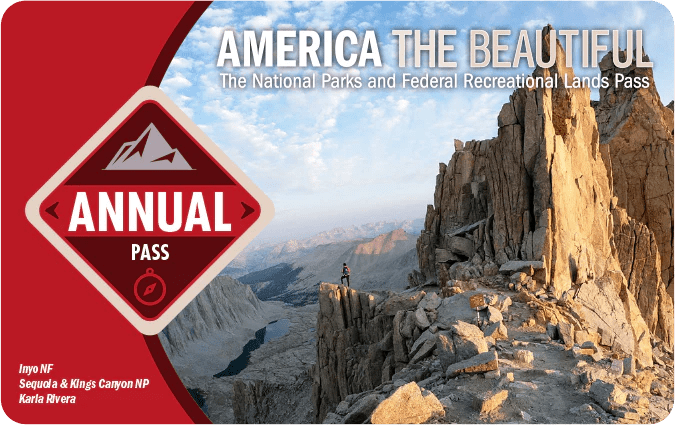
Now that summer is in full swing, you’re probably making vacation plans. If a national park is on your travel agenda, we have a suggestion you won’t want to pass up: buy an America the Beautiful Pass.
This $80 annual pass entitles you and three guests to free access to more than 2,000 public sites managed by five federal agencies for an unlimited number of visits during the year. And since some national parks charge up to $20 per person or $35 per vehicle, these savings can add up. What’s more, the proceeds from the purchase of each pass are dedicated to improving and enhancing visitor experiences at these federal recreation sites.
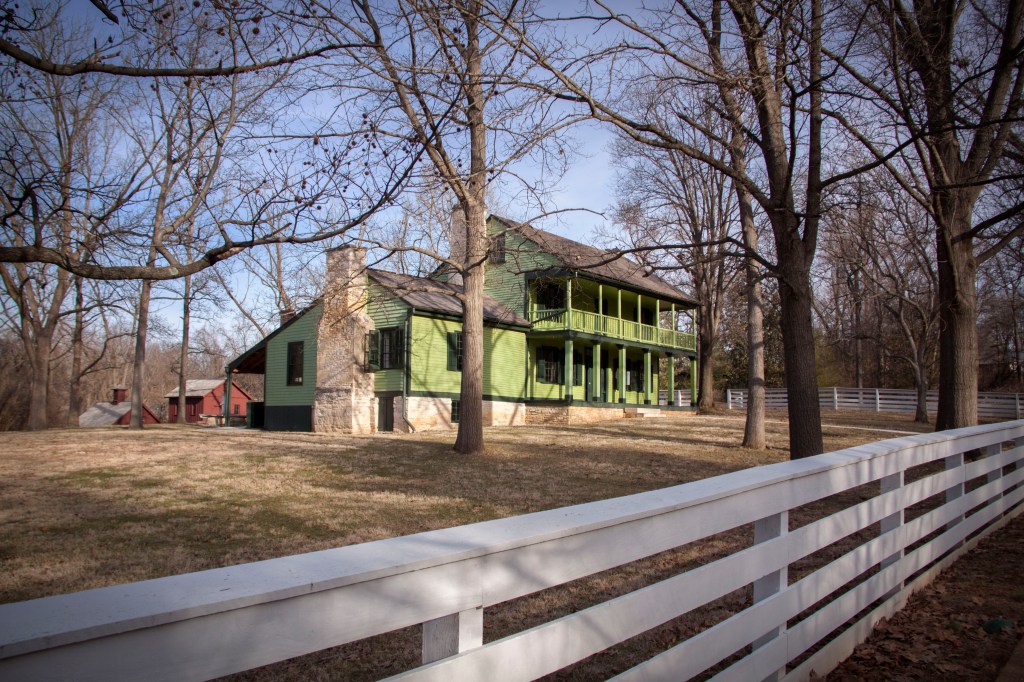
Ulysses S. Grant National Historic Site. Credit: NPS/David Newmann
Beyond the regular annual park pass, there are other options for certain groups:
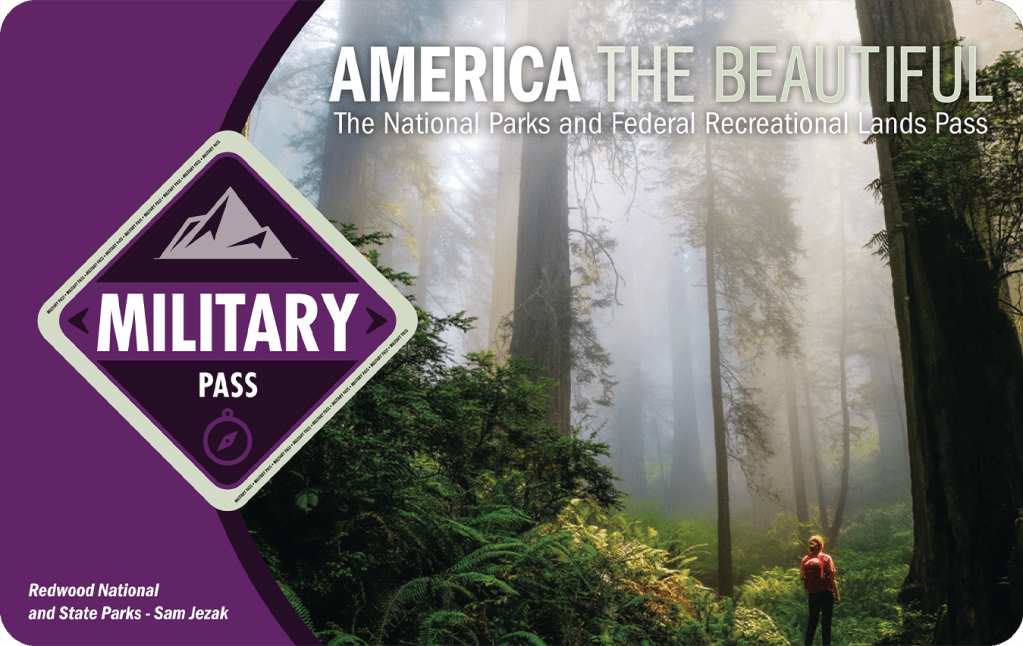
Members of the military and their dependents qualify for a free annual Military Pass;
Gold Star families and Veterans can receive a free lifetime Military Pass;
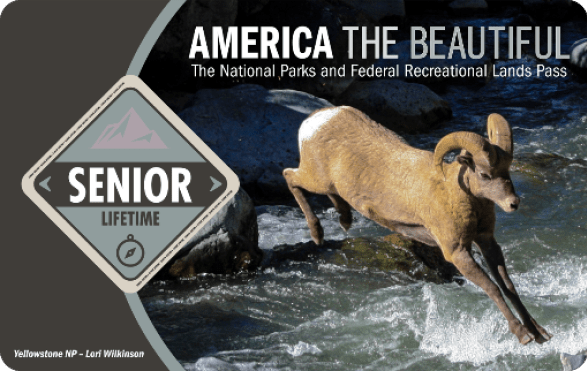
Those who are ages 62 and up can purchase a $20 annual Senior Pass or an $80 lifetime Senior Pass;
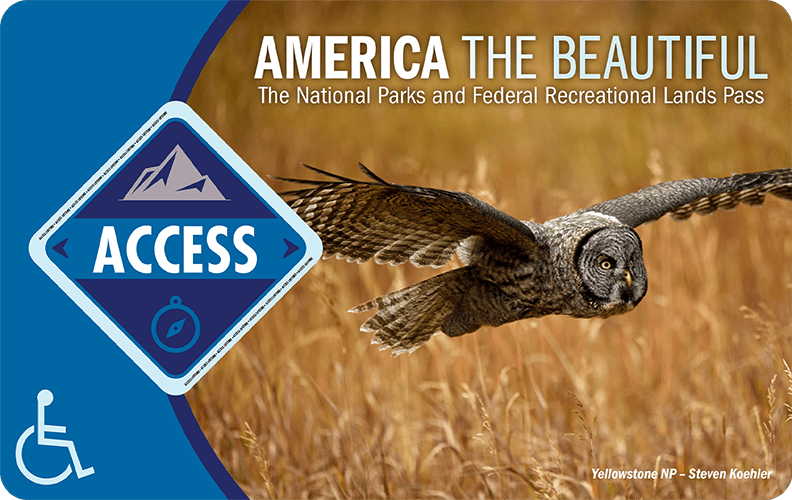
Those who have a permanent disability can qualify for a free lifetime Access Pass, regardless of their age.
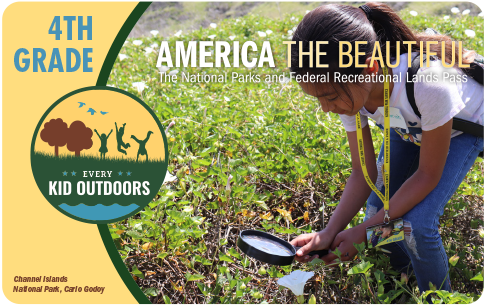
Children in 4th grade and their educators can take advantage of a free Every Kid Outdoors Annual 4th Grade Pass.
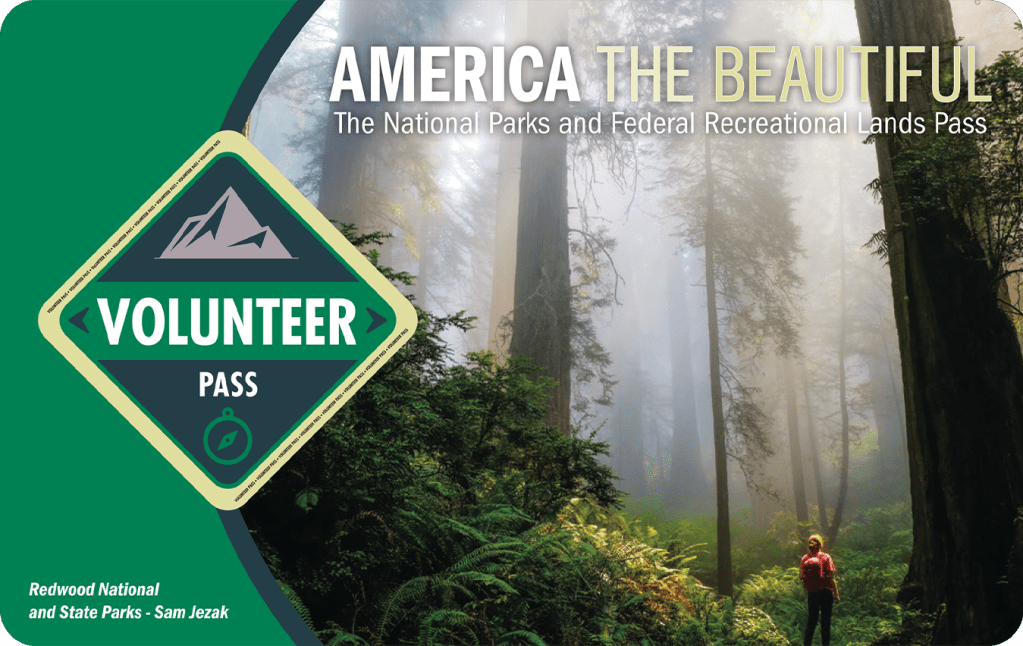
Those who volunteer for a federal recreation site for more than 250 hours are entitled to a one-year Volunteer Pass.
Where can you get one of these park passes? If your vacation is more than two weeks away, you’ll have time to order your passes online and have them mailed to you (there’s a $10 processing fee for online orders). But if you’re travelling sooner, you’ll want to buy your passes at one of more than 1,000 recreation sites managed by the National Park Service, Bureau of Land Management, U.S. Fish and Wildlife Service, U.S. Forest Service, and the U.S. Army Corps of Engineers. To find one near you, go here.
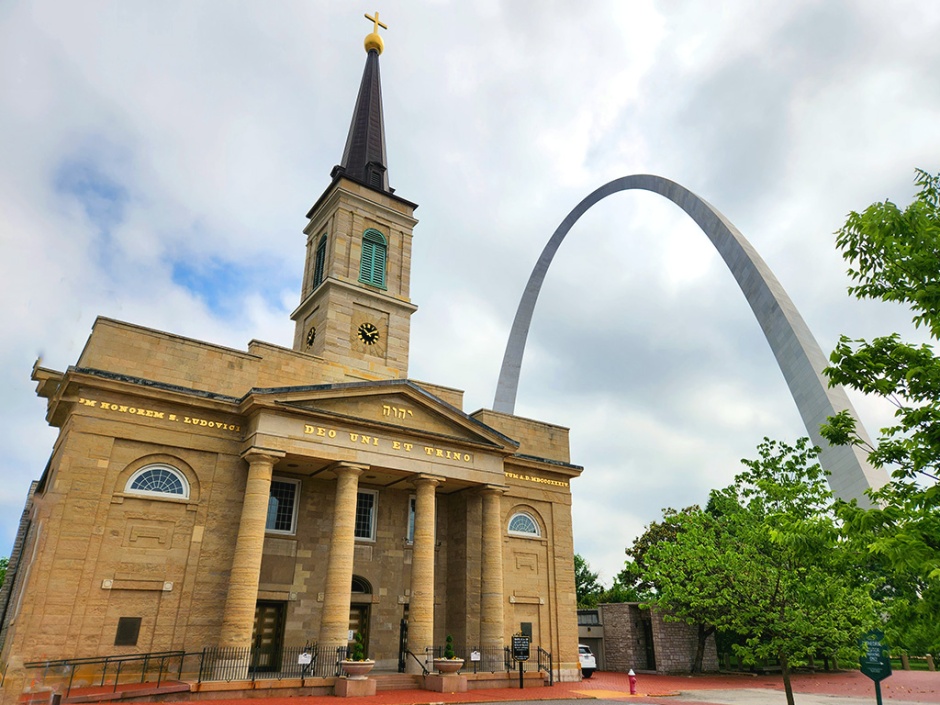
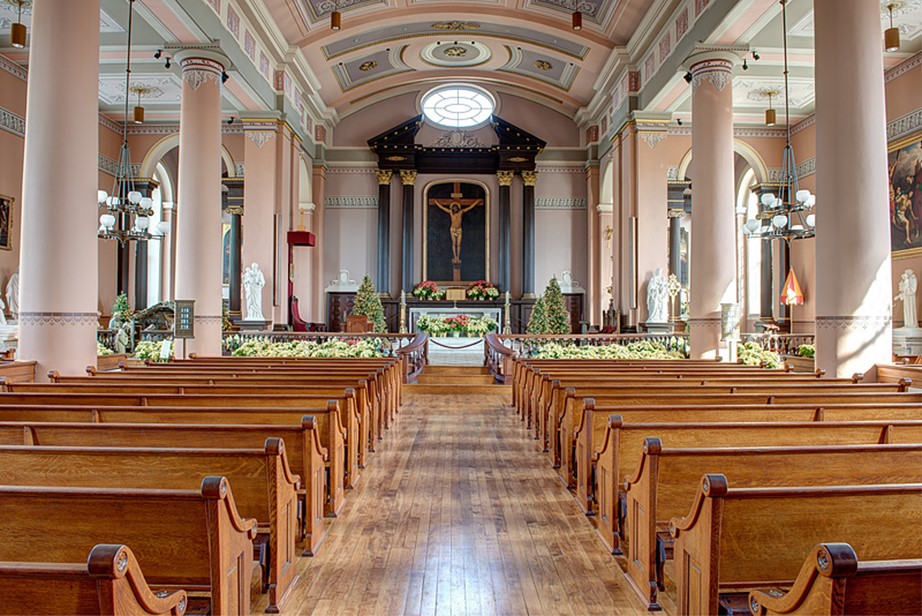
When you visit Gateway Arch National Park, you may not expect to see a Catholic Church perched on the edge of the Arch grounds. Nor is just any church – it’s the first cathedral west of the Mississippi River.
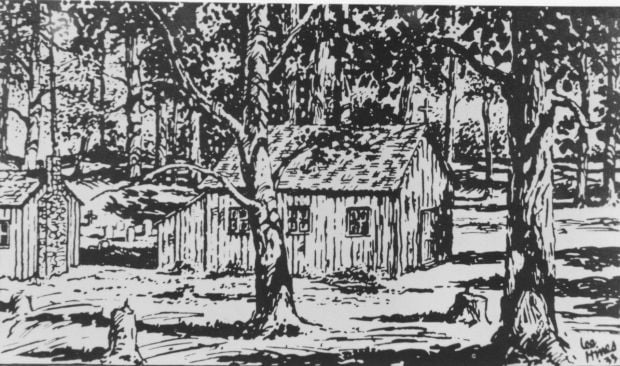
Depiction of the original log church c. 1770
This handsome stone building is formally known as the Basilica of Saint Louis, King of France, but St. Louisans refer to it as simply the Old Cathedral. In 1764, St. Louis was established as a French fur trading post. Since then, the city has fallen under the control of three different countries (France, Spain, and the United States) and the church served a wide variety of purposes. One thing, however, has remained the same since 1770: the ownership of the land where the Old Cathedral sits. Although the building has been changed several times, for the last 253 years the property has been home to a Catholic church.
Old Cathedral c. 1834. Credit: Missouri Historical Society
Beginning as a simple log building, the Catholic church was the only house of worship in the area of any denomination until the early 1800s. Over the years, it was renovated and expanded, until construction of the “new” cathedral began in 1831. As the social hub of the region, the church played host to many significant people and stood witness to a number of historic events. Jean Baptiste Charbonneau, the son of Sacagawea, was baptized at the church, as were explorer William Clark’s children. The church survived war, cholera, fire, influenza, tornados, and many other tragedies that befell the St. Louis region.
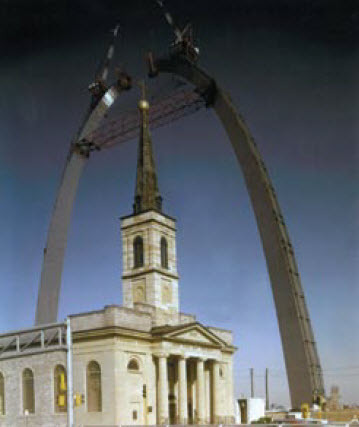
Old Cathedral c. 1965. Credit: Basilica of Saint Louis, King of France
Because of its historical significance, Pope John XXIII designated the Old Cathedral as “The Basilica of Saint Louis, King of France” in 1961. However, at that time, the building was in disrepair, and much of the riverfront had been cleared to make room for the future Jefferson National Expansion Memorial (now Gateway Arch National Park). The cathedral was one of only two buildings on the future park grounds that was spared from demolition (the other being the Old Courthouse). The archbishop of St. Louis, Cardinal Joseph Ritter, decided to keep the designation a secret when he launched a restoration project of the Old Cathedral. The news of its elevated title was not announced until the project was completed in 1963, right before the St. Louis Bicentennial in 1964 and the completion of the Arch in 1965.
Credit: Basilica of Saint Louis, King of France
Now, the Old Cathedral stands next to the Gateway Arch as a testament to the beginnings of the Village of St. Louis and how far our city has come. It invites visitors to attend Mass and offers free tours on the first Sunday of each month following the noon Mass.
Feel like hitting the road? Check out our suggestions for a few fun weekend adventures.
Trip 1- St. Louis
Day 1– Let’s start this trip with St. Louis’ own iconic Gateway Arch! Your first stop will be the museum at Gateway Arch National Park, where you will learn all about the history of St. Louis, westward expansion, and the unique architecture contest which resulted in the construction of the Arch. Next, catch a showing of the documentary film Monument to the Dream followed by a tram ride to the top of the Arch. At 630 feet high, you can’t beat those views! For lunch, you can grab a bite at the Arch Café, have a picnic on the beautiful park grounds, or go check out the restaurants downtown. (St. Louis is known for its diverse food offerings.) In the afternoon, take a riverboat tour of the Mighty Mississippi before you do some exploring of Downtown St. Louis. Catch a Cardinals baseball game, go for a stroll through Citygarden Sculpture Park, or take a tour of the National Blues Museum. For dinner, check out the restaurants and nightlife at Ballpark Village.
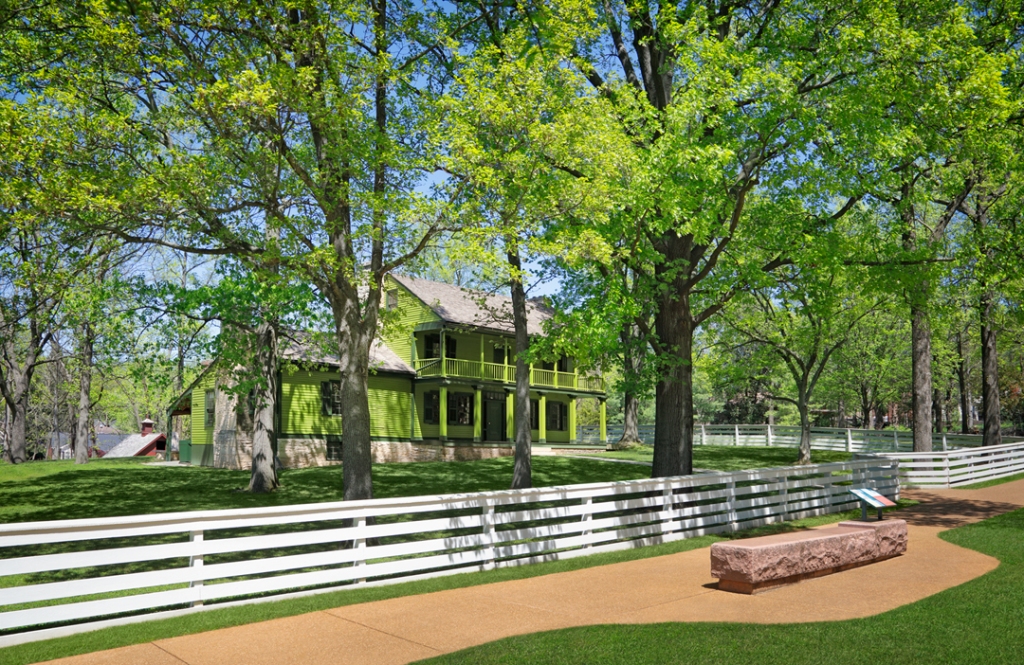
Day 2– Your main attraction for today will be Ulysses S. Grant National Historic Site in south St. Louis County. Check out the orientation film and take a self-guided tour of the park’s museum, housed in the historic 1872 horse stable that Grant himself designed. Then embark on a guided tour of White Haven, the home where Ulysses S. Grant and his wife, Julia, fell in love and made their life together. Next, head to brunch or lunch at The Barn restaurant before taking a tour of the Thomas Sappington House Museum next door. When you’re done, make sure to take a stroll through Father Dickson Cemetery, one of the first public cemeteries for African Americans in St. Louis. For dinner, take your pick from the many wonderful restaurants in nearby Crestwood, Kirkwood, or Webster Groves.
Green Tree TavernJean Baptiste Valle House
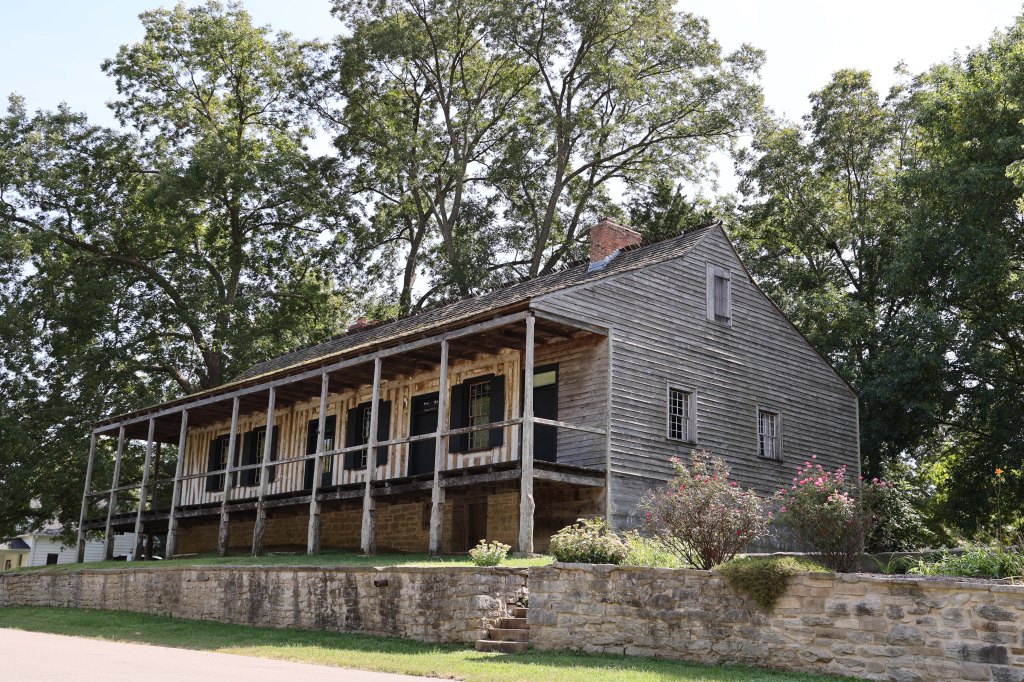
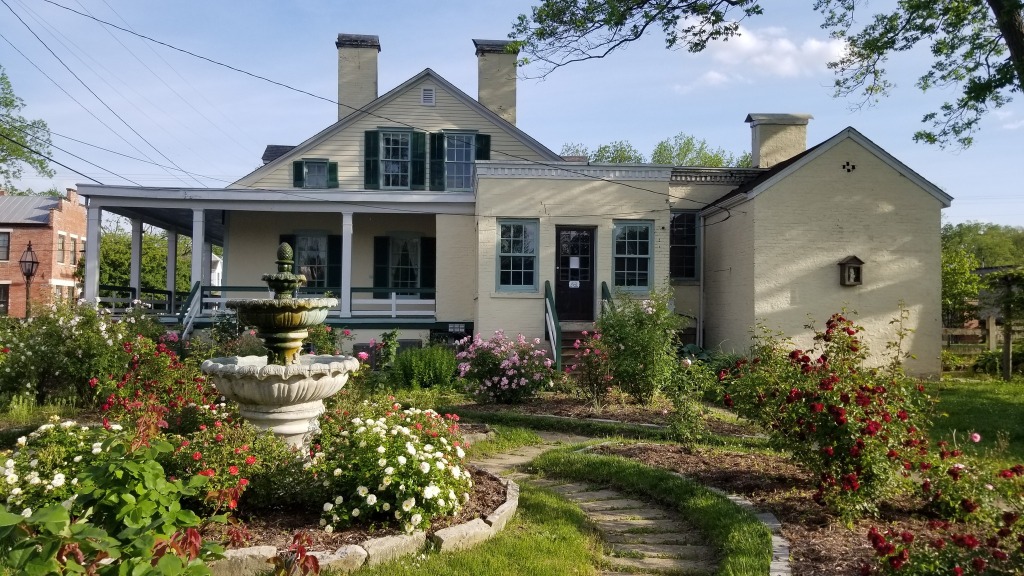
Day 3– On the final day of your weekend trip, you are going to head an hour south along the Mississippi to the beautiful Ste. Genevieve National Historical Park. This unique park is spread out across multiple buildings in the 18th century town of Ste. Genevieve. You can take ranger-led tours of the historic Green Tree Tavern and the Jean Baptiste Valle House. Next, you can wander through this picturesque small town and visit the multitude of shops, museums, and restaurants. For dinner, visit one of the six wineries on the Route du Vin Wine Trail.
Trip 2- Arkansas
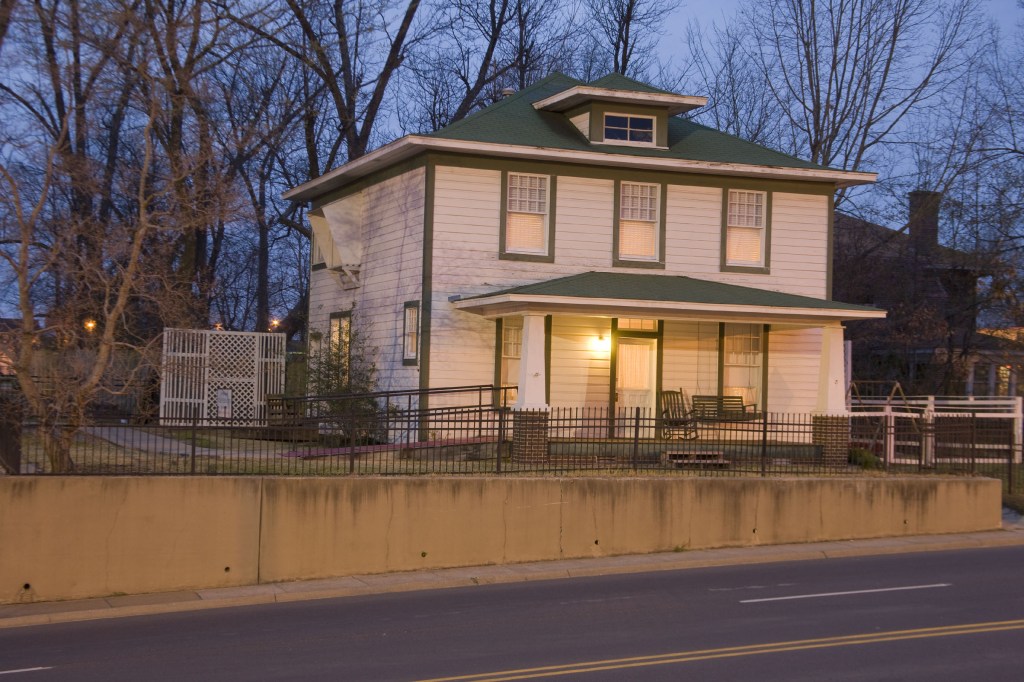
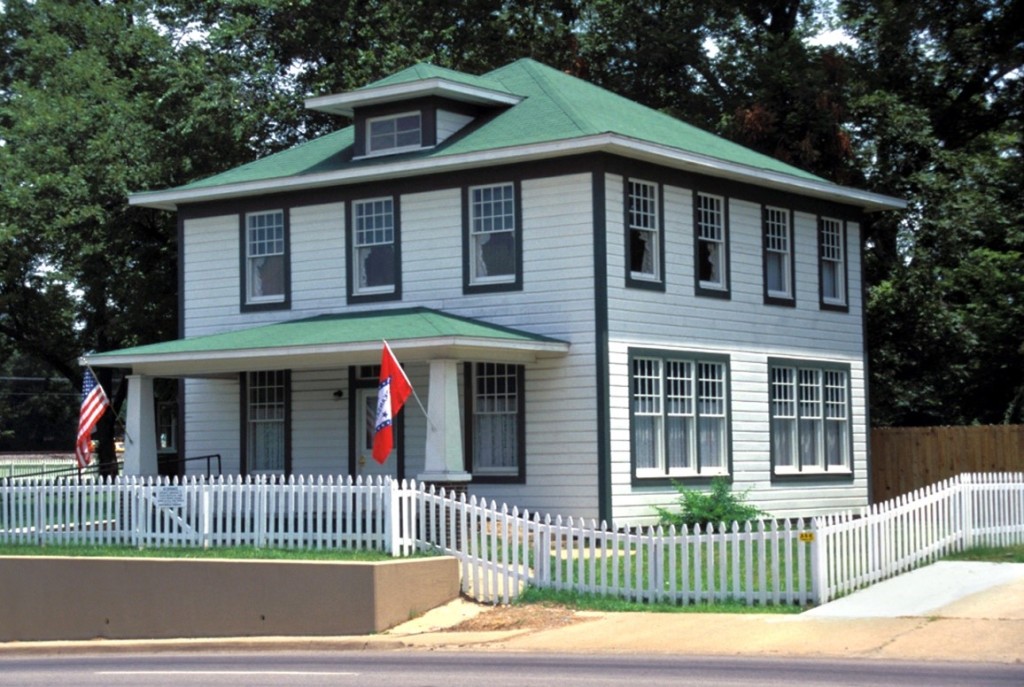
Day 1– Every good trip begins with a little hope, and for this trip, we are taking that literally! Your first stop is the President William Jefferson Clinton Birthplace Home National Historic Site in the quaint town of Hope, Arkansas. Stop by the park’s visitor center before taking a ranger-led tour of the home where our 42nd President was born. Next, head down the road for lunch at Tailgaters Burger Co. or one of the other local restaurants. In the afternoon, you can check out the Hope Visitor Center and Museum or the quirky Klipsch Museum of Audio History.
Credit: NPS/Calvin Smith
Day 2– About a 90-minute drive from Hope is the unique town of Hot Springs. One of the first “spa towns,” Hot Springs has a mix of historic architecture and natural beauty. Though Hot Springs National Park is not one of JNPA’s partner parks, we still don’t want you to miss this gem! Your first stop is the Fordyce Bathhouse Museum and Visitor Center to talk to a ranger and learn more about the history of the area. Next, you can check out historic Bathhouse Row or go for a hike on one of the park’s many miles of trails. For lunch, stop by the Superior Bathhouse Brewery, the only brewery located in a national park! In the afternoon and evening, go for a soak at one of the bathhouses, take another hike, or check out Downtown Hot Springs.
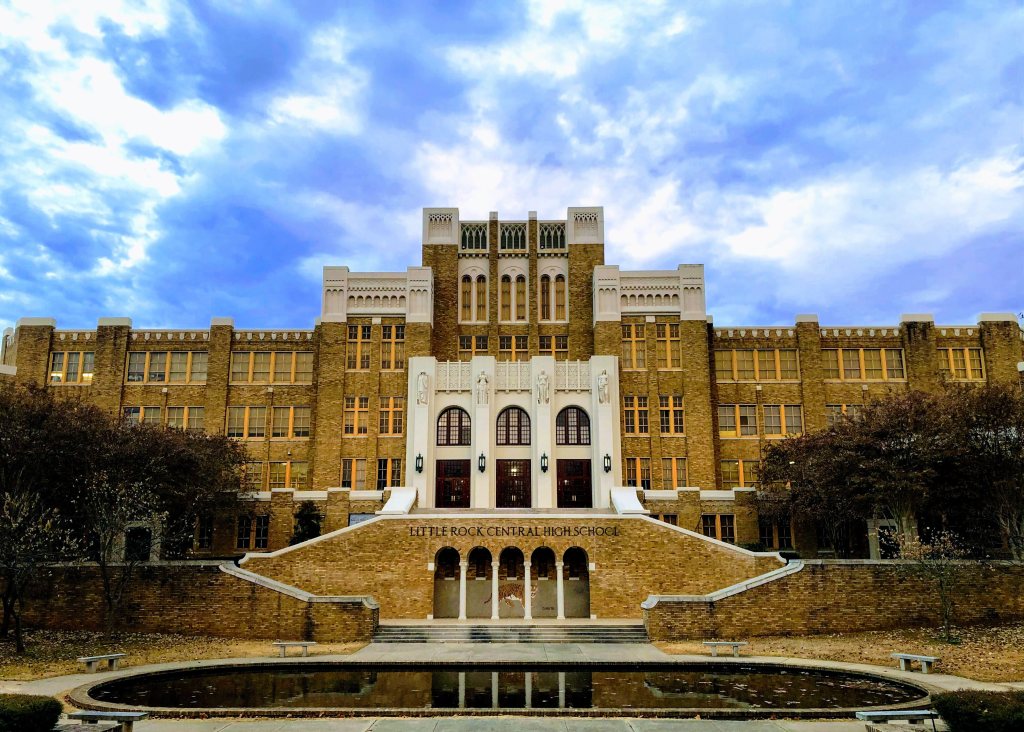
Day 3– Continuing northeast for an hour, this trip ends at the capital of Arkansas, the bustling city of Little Rock. At Little Rock Central High School National Historic Site, you will learn about the bravery of the Little Rock Nine and the rocky beginnings of the desegregation of America’s schools. Stop by the park’s visitor center first to view the exhibits and watch the interpretive film. Then, take a ranger-led tour of the school, which is still in use today. Ask the park rangers for a lunch recommendation before heading into the city to check out one of the many other cultural institutions. Don’t forget to visit the State Capitol Building, which offers free guided tours. Animal enthusiasts may want to see the Little Rock Zoo, or art aficionados may enjoy the Arkansas Museum of Fine Arts. For an outstanding ending to your Arkansas vacation, check out one of the many local restaurants for dinner.
Trip 3- Northern Minnesota
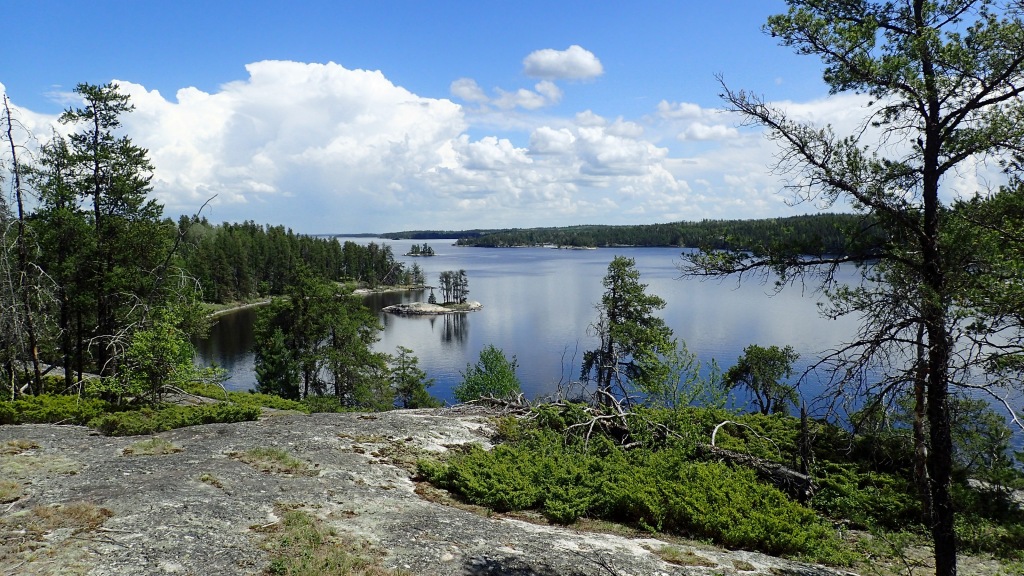
Day 1– At over 200,000 acres, Voyageurs National Park will take up all three days of this getaway. Your first stop will be one of the three visitor centers. The largest, Rainy Lake Visitor Center, offers exhibits, an orientation film about the park, and a bookstore (operated by you-know-who). Next, head out on one of the park’s many hiking trails to take in the scenery. Bring a picnic lunch to enjoy along the trail, but make sure to pack out what you pack in. End your day by getting settled into your lodgings. You could opt for the Kettle Falls Hotel or get a bit more adventurous: there are a variety of camping options at Voyageurs or you could even rent a houseboat!
Credit: NPS
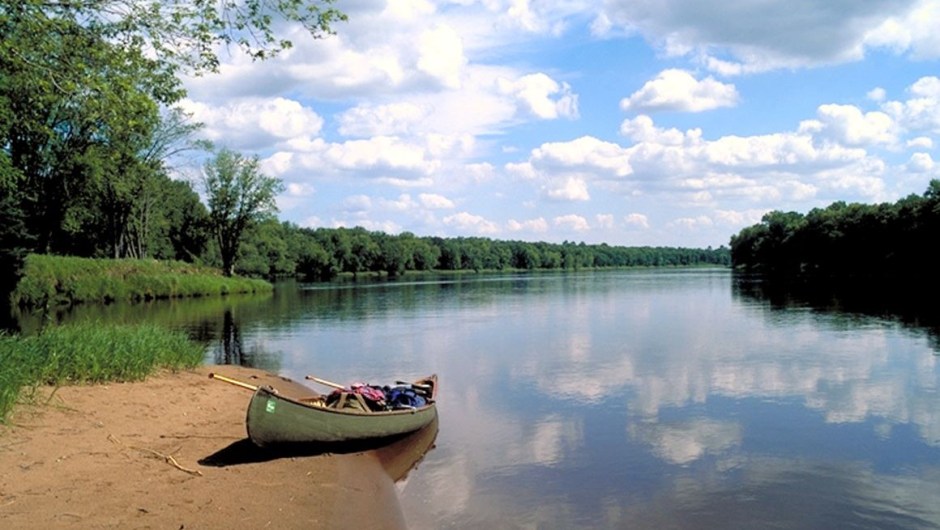
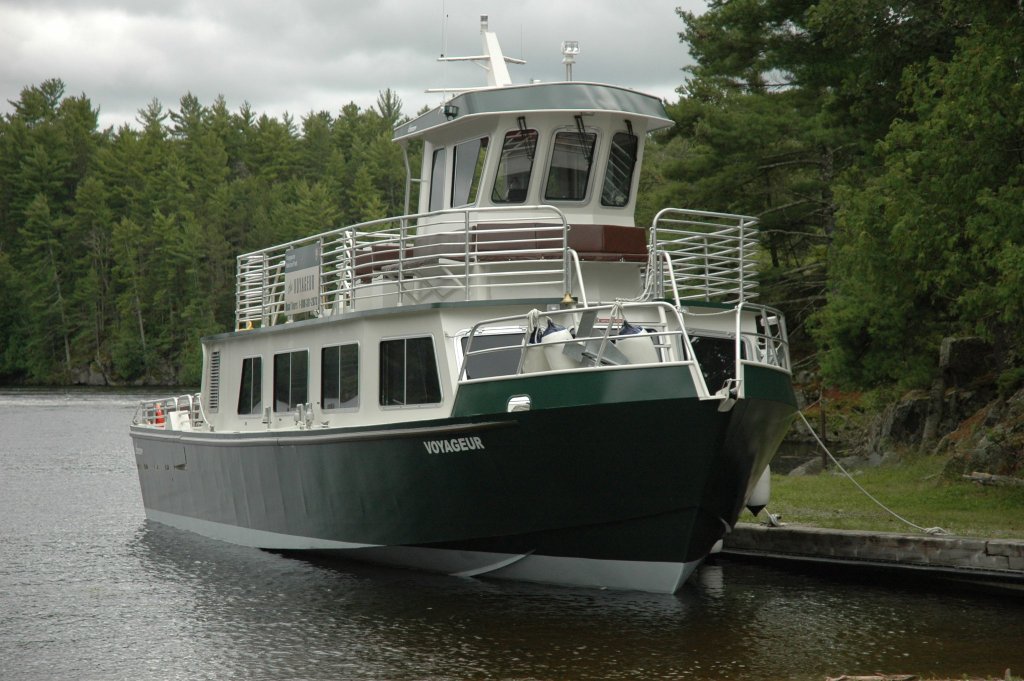
Day 2– For your only full day at the park, take the opportunity to participate in a guided tour or two. In the Rainy Lake district, you can take a boat tour aboard the Voyageur, or in the Namakan district, you can voyage on the park’s newest tour boat, the Ne-zho-dain. If you are feeling extra adventurous, sign up for one of the park’s North Canoe Voyages, where you can paddle a replica of a north canoe while being immersed in an on-the-water living history lesson!
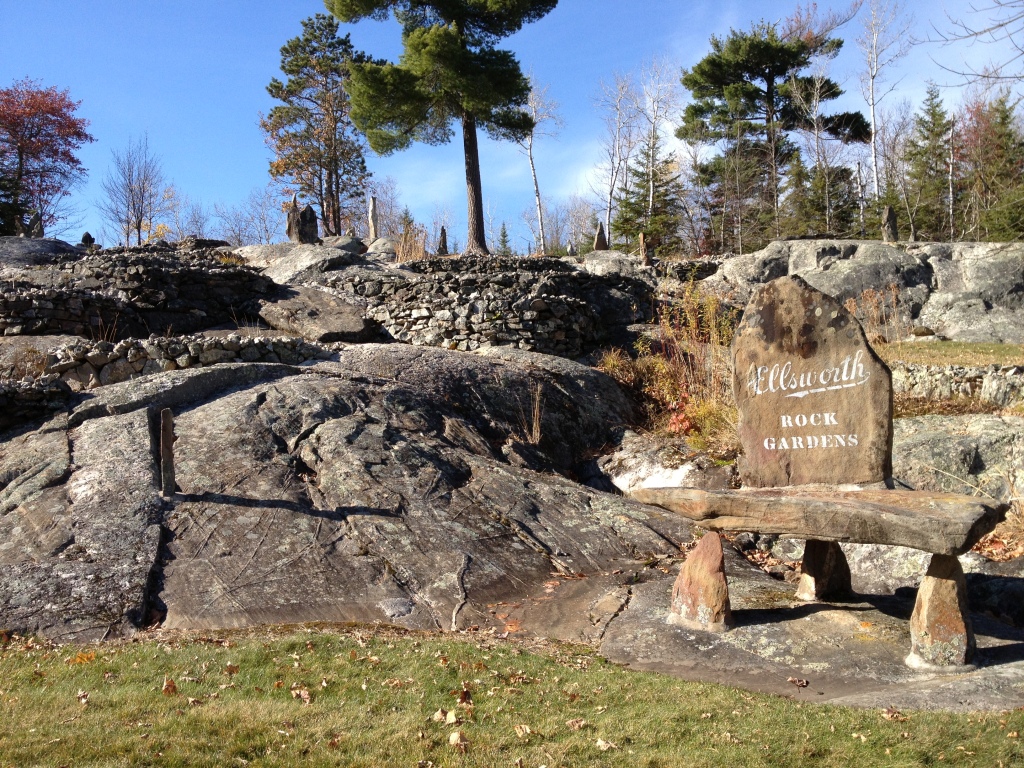
Day 3– For your final day at Voyageurs, take time to check out the Ellsworth Rock Gardens and the Harry Oveson Fish Camp, or do a bit of birdwatching. Then on your way out of the park, stop by one of the gateway communities, such as International Falls, to see the sights and restaurants they have to offer.

















 JNPA Blog