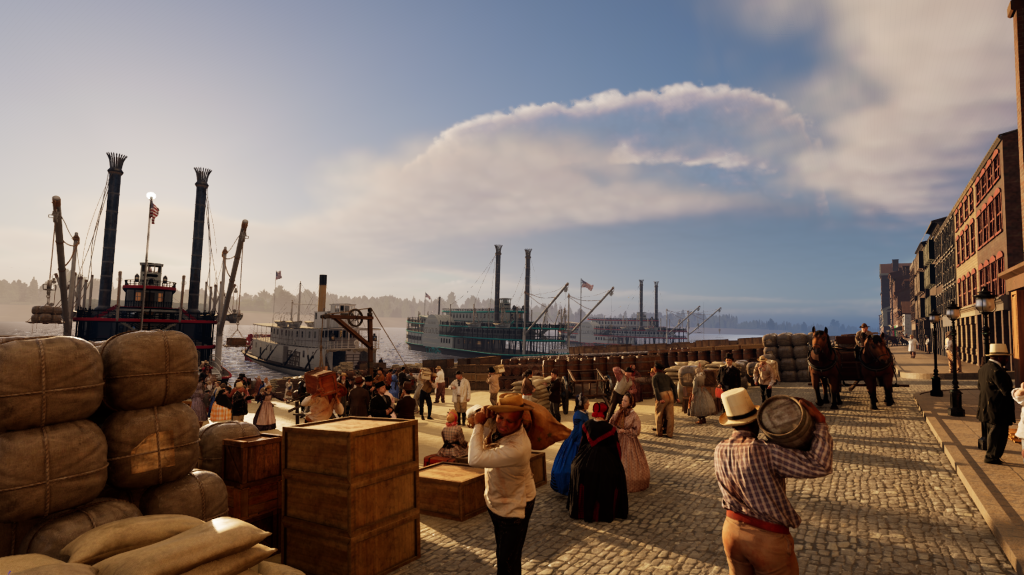
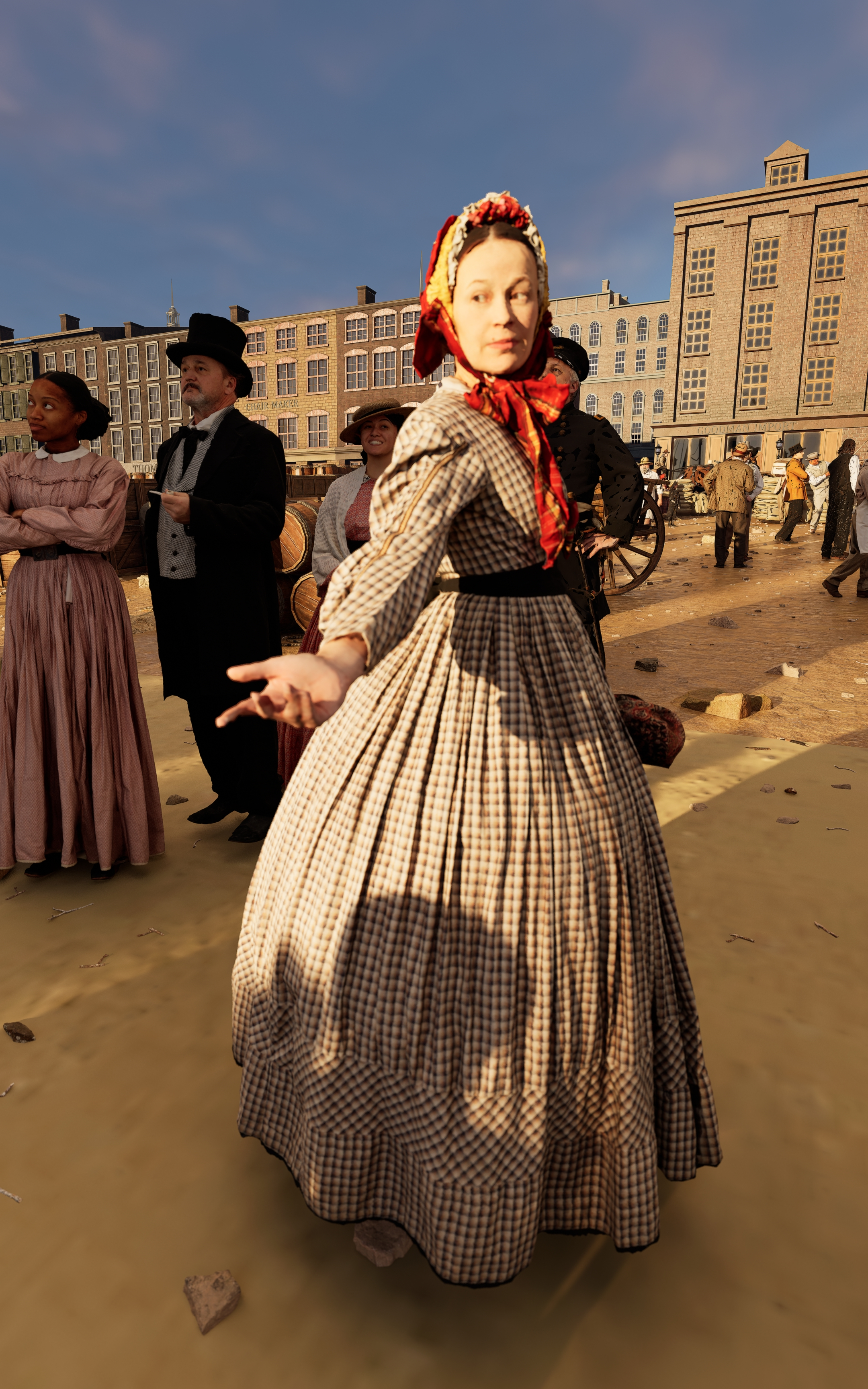
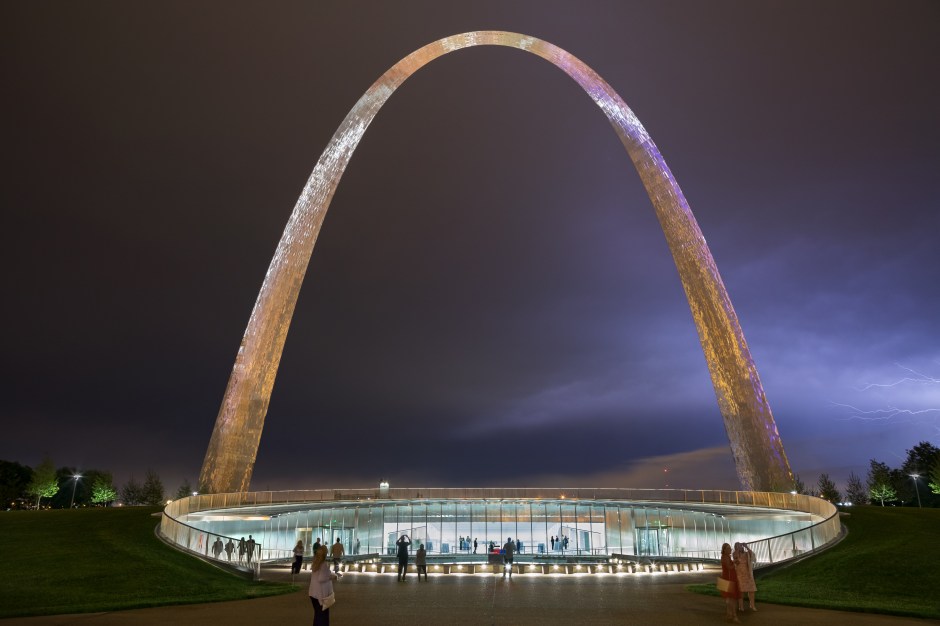
Gateway Arch National Park has added a new attraction to its already-full list of activities…and it just might blow your mind. It’s a virtual reality (VR) experience that transports visitors to a 360⁰ depiction of the 1850s St. Louis riverfront. And it all takes place in a newly designed area on the lower level of the Arch visitor center.
When you put on a special 3D headset, you’ll be immersed in the sights and sounds of the St. Louis levee in the 1850s, an era when the city was an important crossroads for America’s westward migration. Watch as steamboats deliver travelers and goods from around the world. And hear the stories of courage, struggle, and hopes of some of the real people who crossed paths there. The VR program aligns with one of the historic eras that visitors can also learn about in the Arch museum, though it brings it to life in a very unique way.
Jefferson National Parks Association and park staff have teamed up to bring this production – titled Cobblestones & Courage – to park visitors. JNPA funded the work and selected TimeLooper – a pioneering interpretive design firm – to develop the programming.
“Gateway Arch National Park is constantly seeking new and engaging ways to share the story of America’s westward expansion with visitors,” says David Grove, President and CEO of JNPA. “As a park partner, we’re thrilled to bring this unique experience to visitors. Cobblestones & Courage brings history to life in a tangible way using 3D technology to diversify the park’s storytelling methods.”
The new Virtual Reality Theater is located in the lower Gateway Arch lobby, right outside The Arch Store, which JNPA also operates. Tickets are $10 for adults, $8 children (ages 5-15). Reservations are encouraged and tickets can be pre-purchased here.
If you’ve ever wanted to travel back in time, this is the way to do it. Check it out! And also take a look at a preview video of the production.
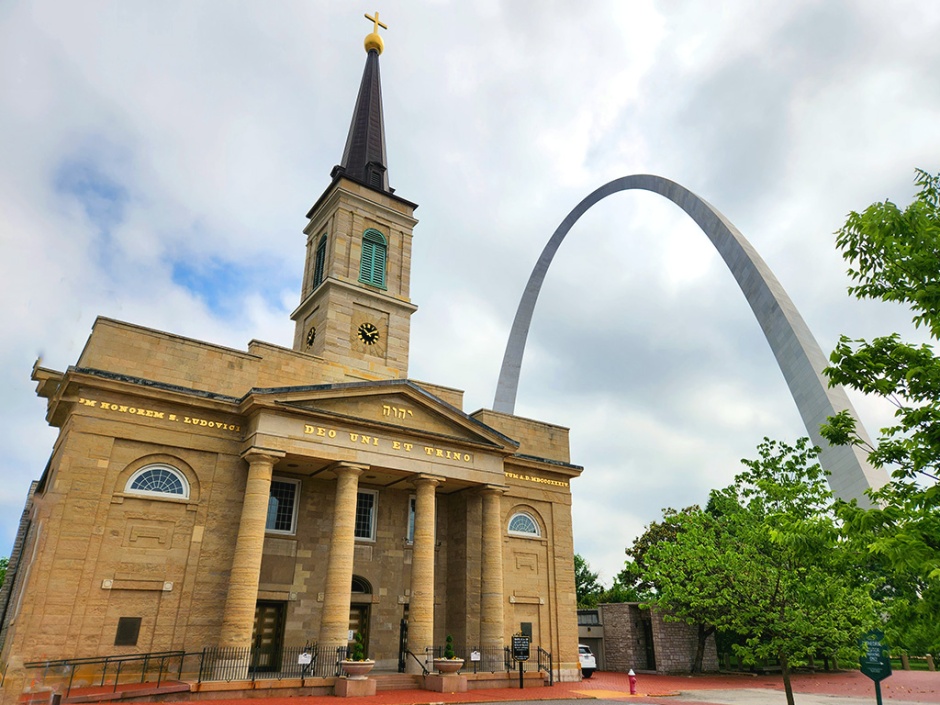
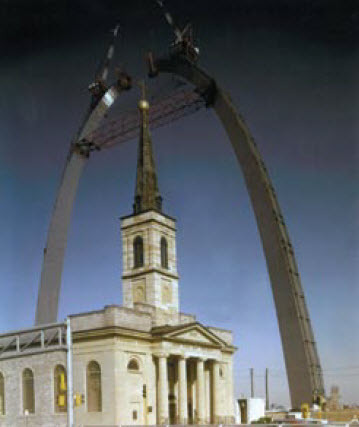
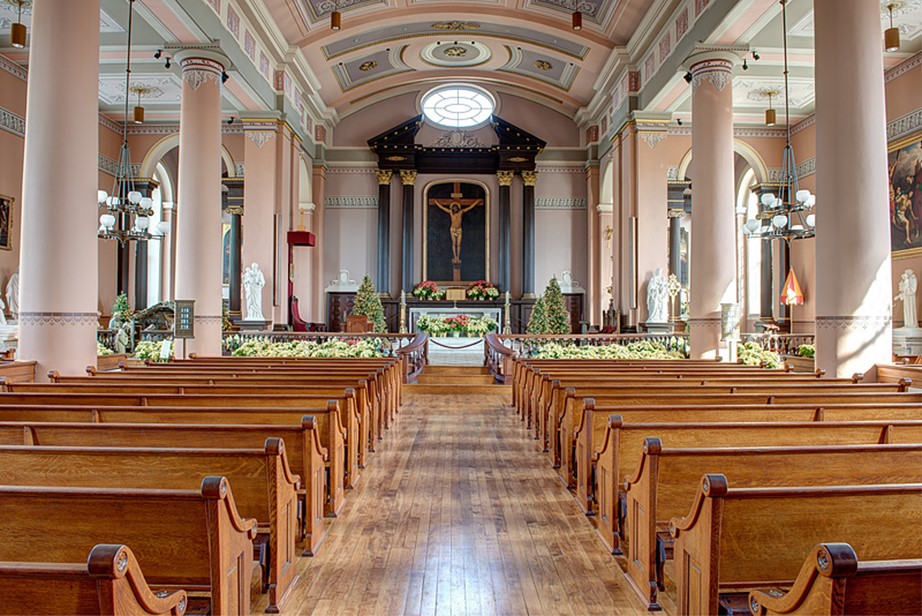
When you visit Gateway Arch National Park, you may not expect to see a Catholic Church perched on the edge of the Arch grounds. Nor is just any church – it’s the first cathedral west of the Mississippi River.
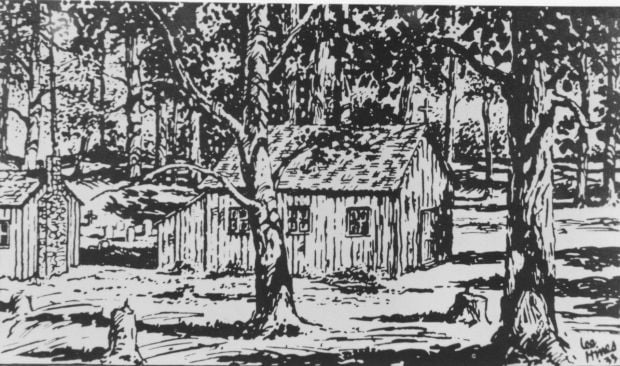
Depiction of the original log church c. 1770
This handsome stone building is formally known as the Basilica of Saint Louis, King of France, but St. Louisans refer to it as simply the Old Cathedral. In 1764, St. Louis was established as a French fur trading post. Since then, the city has fallen under the control of three different countries (France, Spain, and the United States) and the church served a wide variety of purposes. One thing, however, has remained the same since 1770: the ownership of the land where the Old Cathedral sits. Although the building has been changed several times, for the last 253 years the property has been home to a Catholic church.
Old Cathedral c. 1834. Credit: Missouri Historical Society
Beginning as a simple log building, the Catholic church was the only house of worship in the area of any denomination until the early 1800s. Over the years, it was renovated and expanded, until construction of the “new” cathedral began in 1831. As the social hub of the region, the church played host to many significant people and stood witness to a number of historic events. Jean Baptiste Charbonneau, the son of Sacagawea, was baptized at the church, as were explorer William Clark’s children. The church survived war, cholera, fire, influenza, tornados, and many other tragedies that befell the St. Louis region.
Old Cathedral c. 1965. Credit: Basilica of Saint Louis, King of France
Because of its historical significance, Pope John XXIII designated the Old Cathedral as “The Basilica of Saint Louis, King of France” in 1961. However, at that time, the building was in disrepair, and much of the riverfront had been cleared to make room for the future Jefferson National Expansion Memorial (now Gateway Arch National Park). The cathedral was one of only two buildings on the future park grounds that was spared from demolition (the other being the Old Courthouse). The archbishop of St. Louis, Cardinal Joseph Ritter, decided to keep the designation a secret when he launched a restoration project of the Old Cathedral. The news of its elevated title was not announced until the project was completed in 1963, right before the St. Louis Bicentennial in 1964 and the completion of the Arch in 1965.
Credit: Basilica of Saint Louis, King of France
Now, the Old Cathedral stands next to the Gateway Arch as a testament to the beginnings of the Village of St. Louis and how far our city has come. It invites visitors to attend Mass and offers free tours on the first Sunday of each month following the noon Mass.
Feel like hitting the road? Check out our suggestions for a few fun weekend adventures.
Trip 1- St. Louis
Day 1– Let’s start this trip with St. Louis’ own iconic Gateway Arch! Your first stop will be the museum at Gateway Arch National Park, where you will learn all about the history of St. Louis, westward expansion, and the unique architecture contest which resulted in the construction of the Arch. Next, catch a showing of the documentary film Monument to the Dream followed by a tram ride to the top of the Arch. At 630 feet high, you can’t beat those views! For lunch, you can grab a bite at the Arch Café, have a picnic on the beautiful park grounds, or go check out the restaurants downtown. (St. Louis is known for its diverse food offerings.) In the afternoon, take a riverboat tour of the Mighty Mississippi before you do some exploring of Downtown St. Louis. Catch a Cardinals baseball game, go for a stroll through Citygarden Sculpture Park, or take a tour of the National Blues Museum. For dinner, check out the restaurants and nightlife at Ballpark Village.
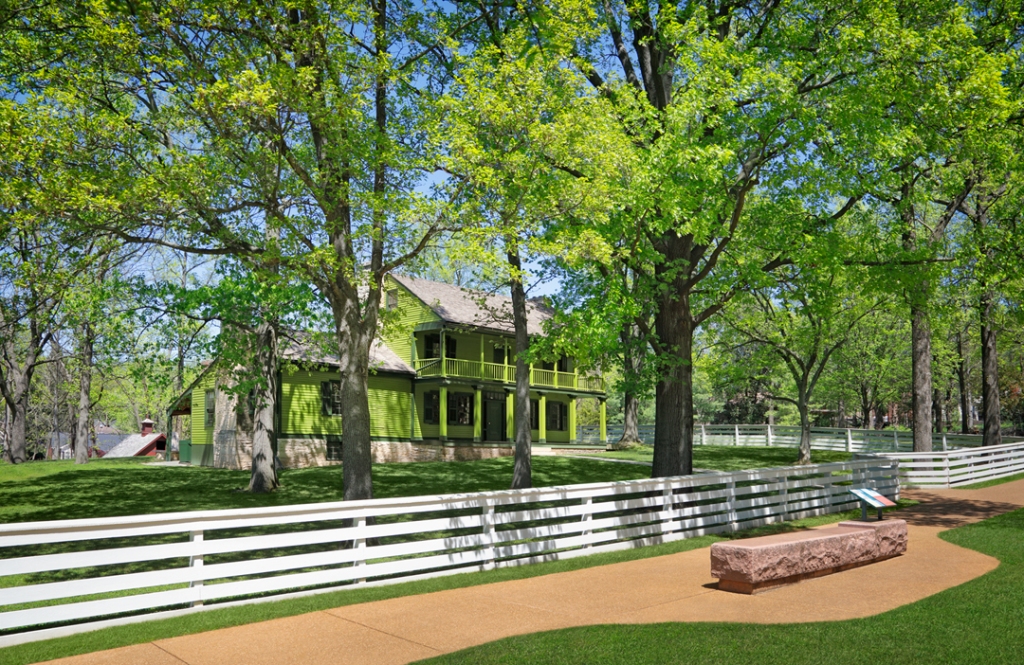
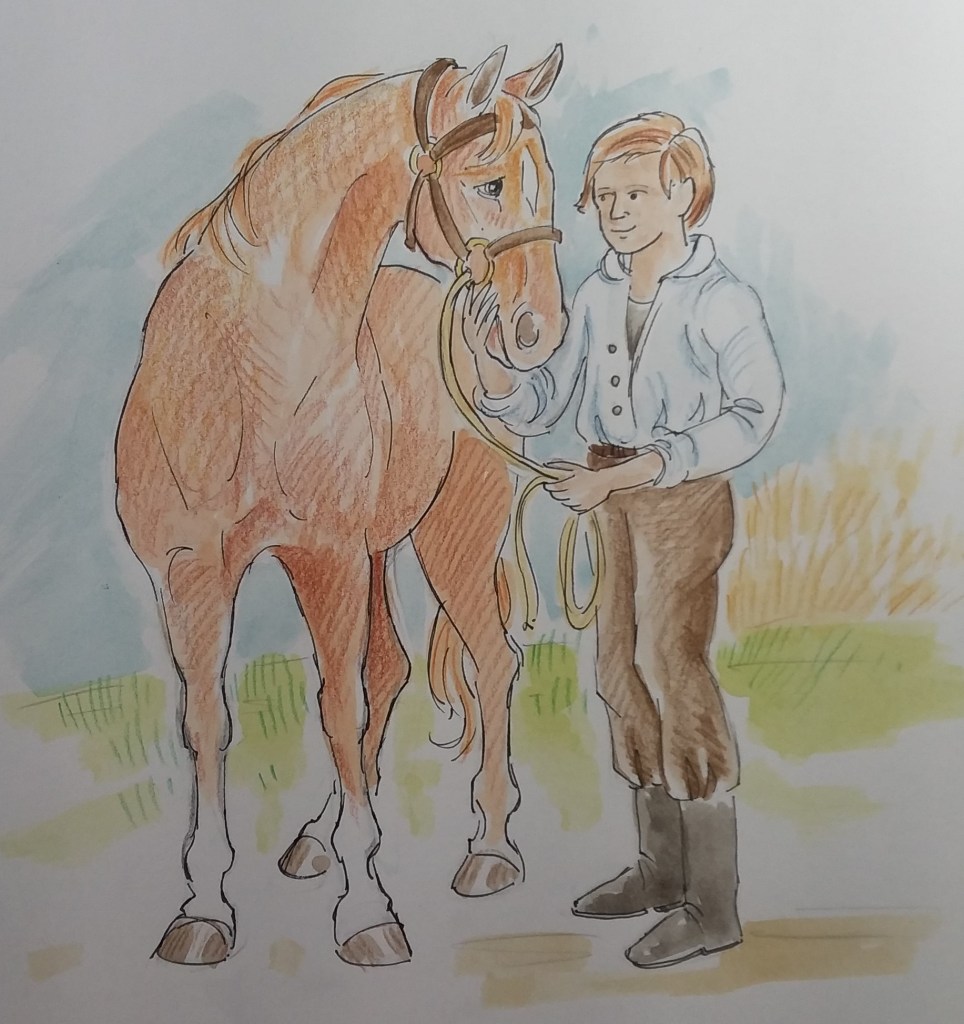
Day 2– Your main attraction for today will be Ulysses S. Grant National Historic Site in south St. Louis County. Check out the orientation film and take a self-guided tour of the park’s museum, housed in the historic 1872 horse stable that Grant himself designed. Then embark on a guided tour of White Haven, the home where Ulysses S. Grant and his wife, Julia, fell in love and made their life together. Next, head to brunch or lunch at The Barn restaurant before taking a tour of the Thomas Sappington House Museum next door. When you’re done, make sure to take a stroll through Father Dickson Cemetery, one of the first public cemeteries for African Americans in St. Louis. For dinner, take your pick from the many wonderful restaurants in nearby Crestwood, Kirkwood, or Webster Groves.
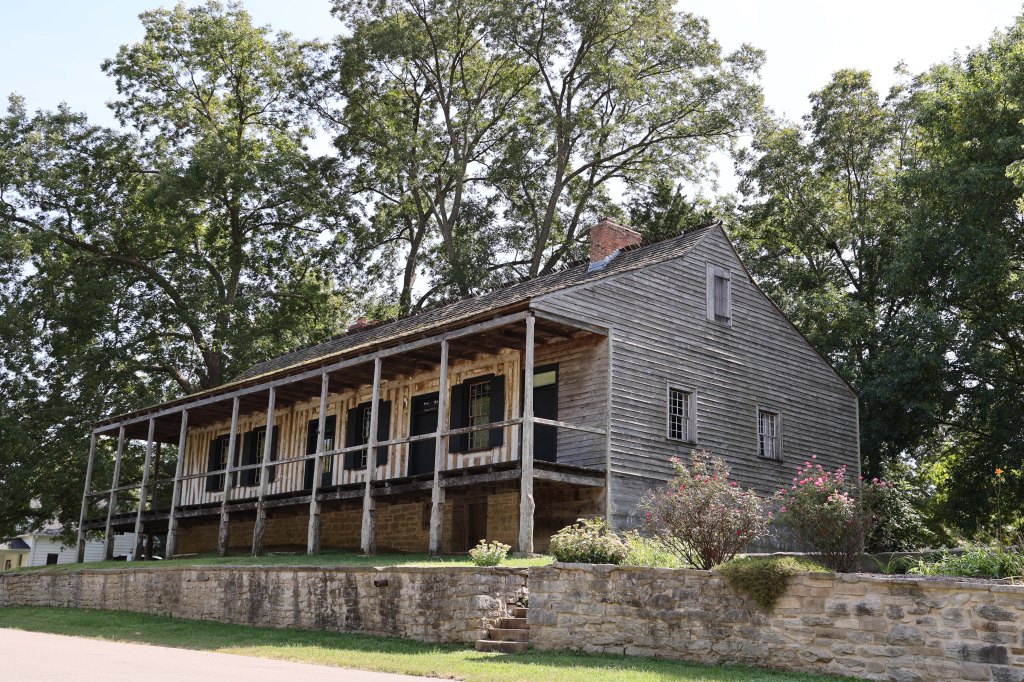
Green Tree TavernJean Baptiste Valle House
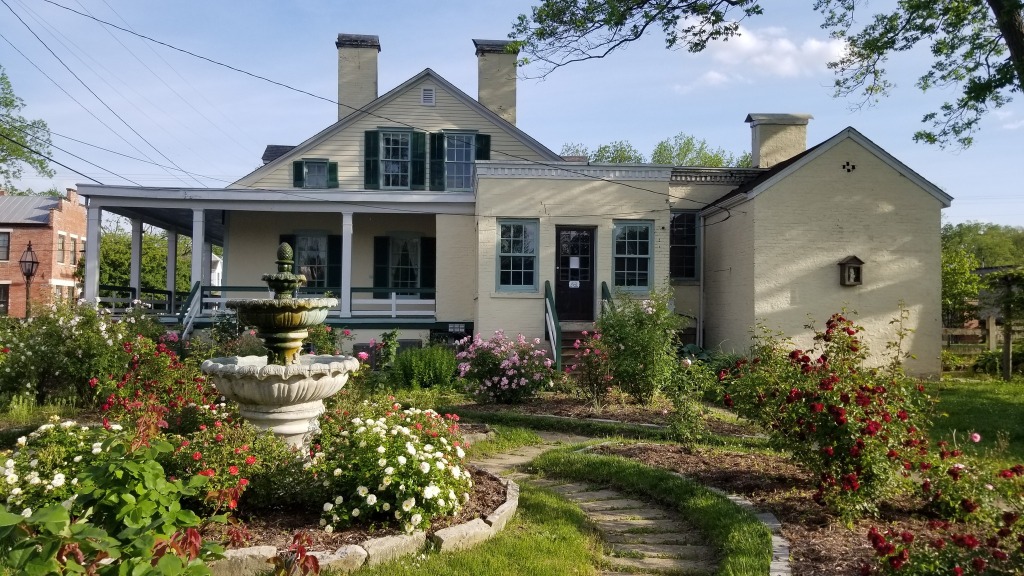
Day 3– On the final day of your weekend trip, you are going to head an hour south along the Mississippi to the beautiful Ste. Genevieve National Historical Park. This unique park is spread out across multiple buildings in the 18th century town of Ste. Genevieve. You can take ranger-led tours of the historic Green Tree Tavern and the Jean Baptiste Valle House. Next, you can wander through this picturesque small town and visit the multitude of shops, museums, and restaurants. For dinner, visit one of the six wineries on the Route du Vin Wine Trail.
Trip 2- Arkansas
Day 1– Every good trip begins with a little hope, and for this trip, we are taking that literally! Your first stop is the President William Jefferson Clinton Birthplace Home National Historic Site in the quaint town of Hope, Arkansas. Stop by the park’s visitor center before taking a ranger-led tour of the home where our 42nd President was born. Next, head down the road for lunch at Tailgaters Burger Co. or one of the other local restaurants. In the afternoon, you can check out the Hope Visitor Center and Museum or the quirky Klipsch Museum of Audio History.
Credit: NPS/Calvin Smith
Day 2– About a 90-minute drive from Hope is the unique town of Hot Springs. One of the first “spa towns,” Hot Springs has a mix of historic architecture and natural beauty. Though Hot Springs National Park is not one of JNPA’s partner parks, we still don’t want you to miss this gem! Your first stop is the Fordyce Bathhouse Museum and Visitor Center to talk to a ranger and learn more about the history of the area. Next, you can check out historic Bathhouse Row or go for a hike on one of the park’s many miles of trails. For lunch, stop by the Superior Bathhouse Brewery, the only brewery located in a national park! In the afternoon and evening, go for a soak at one of the bathhouses, take another hike, or check out Downtown Hot Springs.
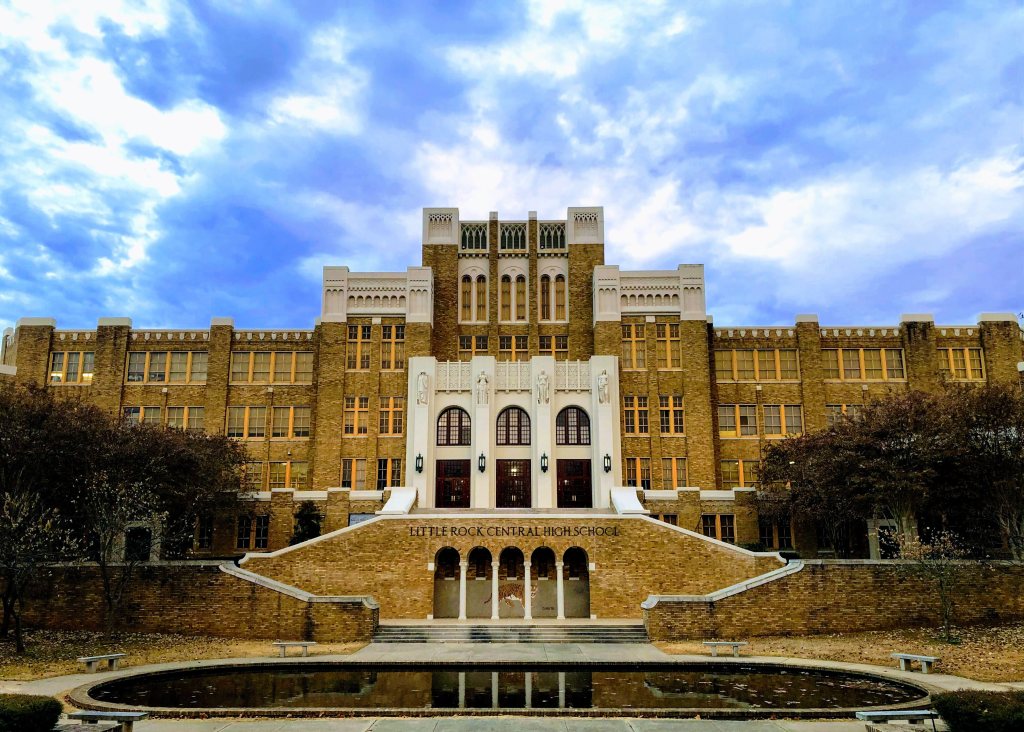
Day 3– Continuing northeast for an hour, this trip ends at the capital of Arkansas, the bustling city of Little Rock. At Little Rock Central High School National Historic Site, you will learn about the bravery of the Little Rock Nine and the rocky beginnings of the desegregation of America’s schools. Stop by the park’s visitor center first to view the exhibits and watch the interpretive film. Then, take a ranger-led tour of the school, which is still in use today. Ask the park rangers for a lunch recommendation before heading into the city to check out one of the many other cultural institutions. Don’t forget to visit the State Capitol Building, which offers free guided tours. Animal enthusiasts may want to see the Little Rock Zoo, or art aficionados may enjoy the Arkansas Museum of Fine Arts. For an outstanding ending to your Arkansas vacation, check out one of the many local restaurants for dinner.
Trip 3- Northern Minnesota
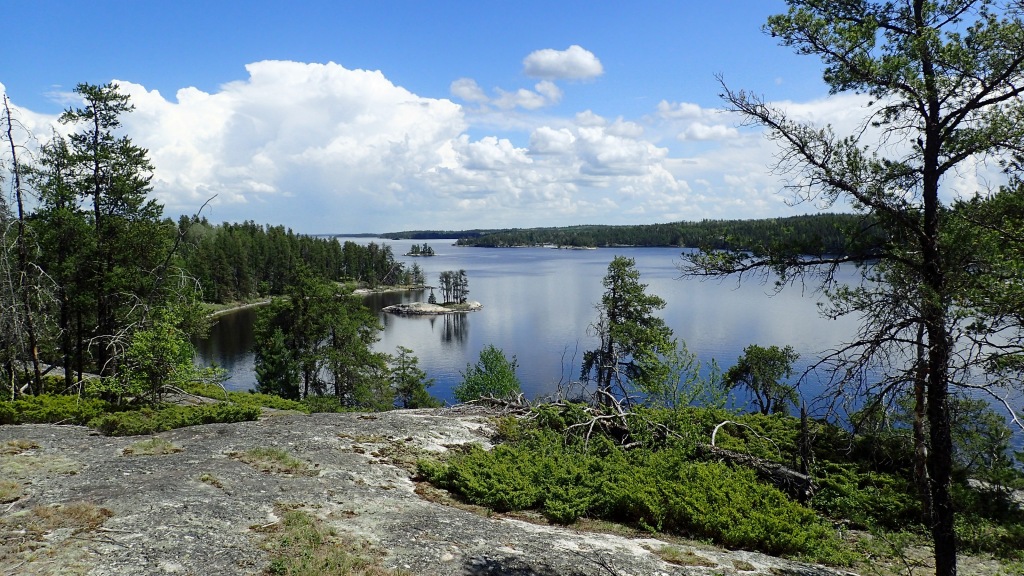
Day 1– At over 200,000 acres, Voyageurs National Park will take up all three days of this getaway. Your first stop will be one of the three visitor centers. The largest, Rainy Lake Visitor Center, offers exhibits, an orientation film about the park, and a bookstore (operated by you-know-who). Next, head out on one of the park’s many hiking trails to take in the scenery. Bring a picnic lunch to enjoy along the trail, but make sure to pack out what you pack in. End your day by getting settled into your lodgings. You could opt for the Kettle Falls Hotel or get a bit more adventurous: there are a variety of camping options at Voyageurs or you could even rent a houseboat!
Credit: NPS
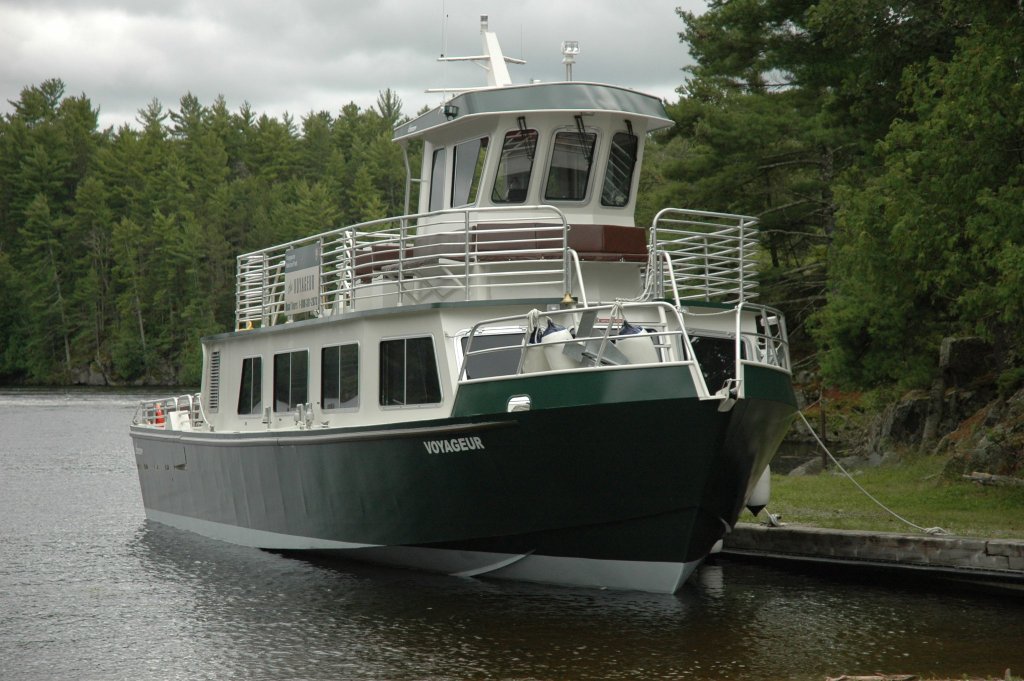
Day 2– For your only full day at the park, take the opportunity to participate in a guided tour or two. In the Rainy Lake district, you can take a boat tour aboard the Voyageur, or in the Namakan district, you can voyage on the park’s newest tour boat, the Ne-zho-dain. If you are feeling extra adventurous, sign up for one of the park’s North Canoe Voyages, where you can paddle a replica of a north canoe while being immersed in an on-the-water living history lesson!
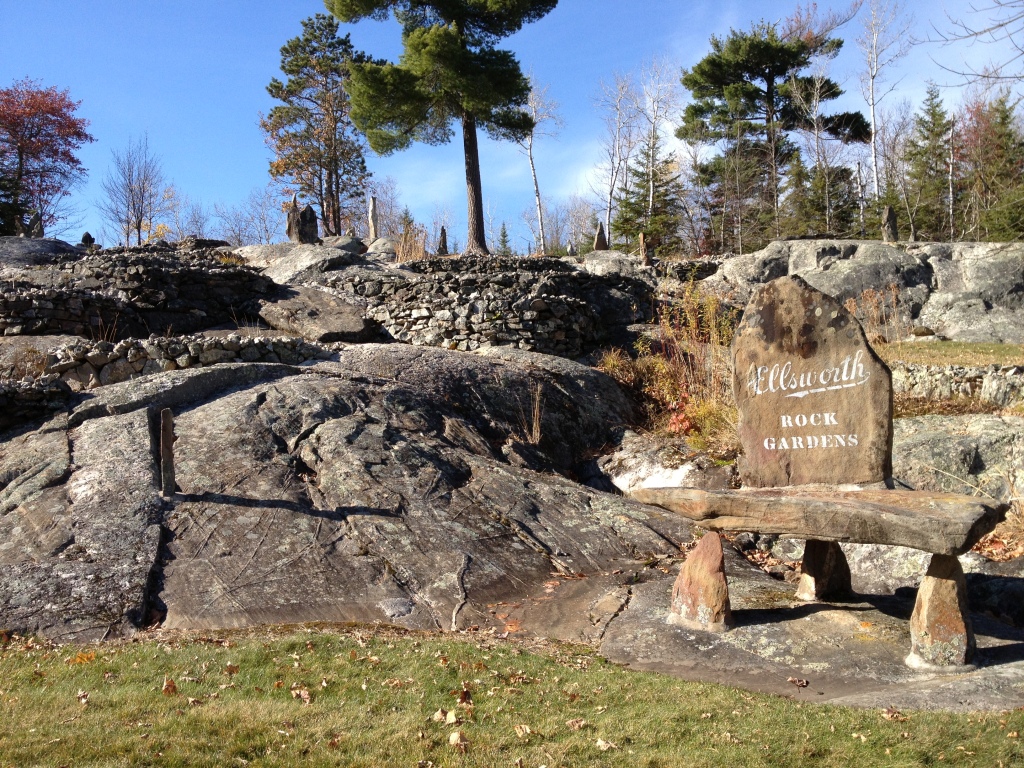
Day 3– For your final day at Voyageurs, take time to check out the Ellsworth Rock Gardens and the Harry Oveson Fish Camp, or do a bit of birdwatching. Then on your way out of the park, stop by one of the gateway communities, such as International Falls, to see the sights and restaurants they have to offer.
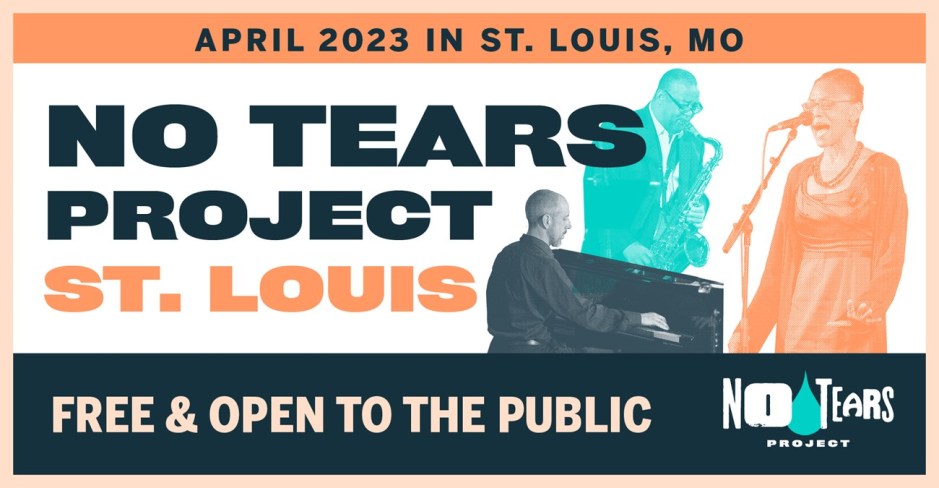
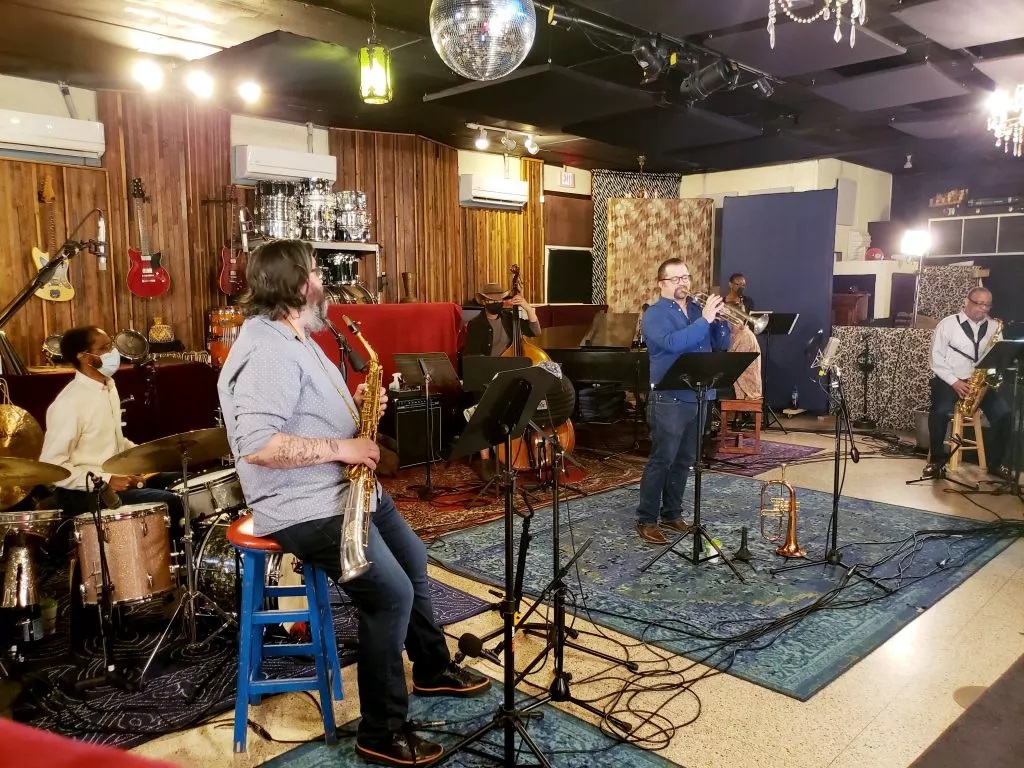
When examining the complex history of civil rights in St. Louis, and the country as a whole, you may turn to books, documentaries, the internet, or… music? Yes! Thanks to one unique program, many of our nation’s civil rights stories have been interpreted through jazz music. This month, Gateway Arch National Park has partnered with Oxford American and Jazz St. Louis to develop the No Tears Project – St. Louis, “a multi-day residency of free events that will use music and conversation to engage communities in civil rights education and storytelling.”
The No Tears Project began in 2019 by interpreting the story of the Little Rock Nine in Little Rock, Arkansas, and has since gone on to develop programs in New Orleans, Louisiana; Fayetteville, Arkansas; and Tulsa, Oklahoma.
No Tears Suite – Little Rock
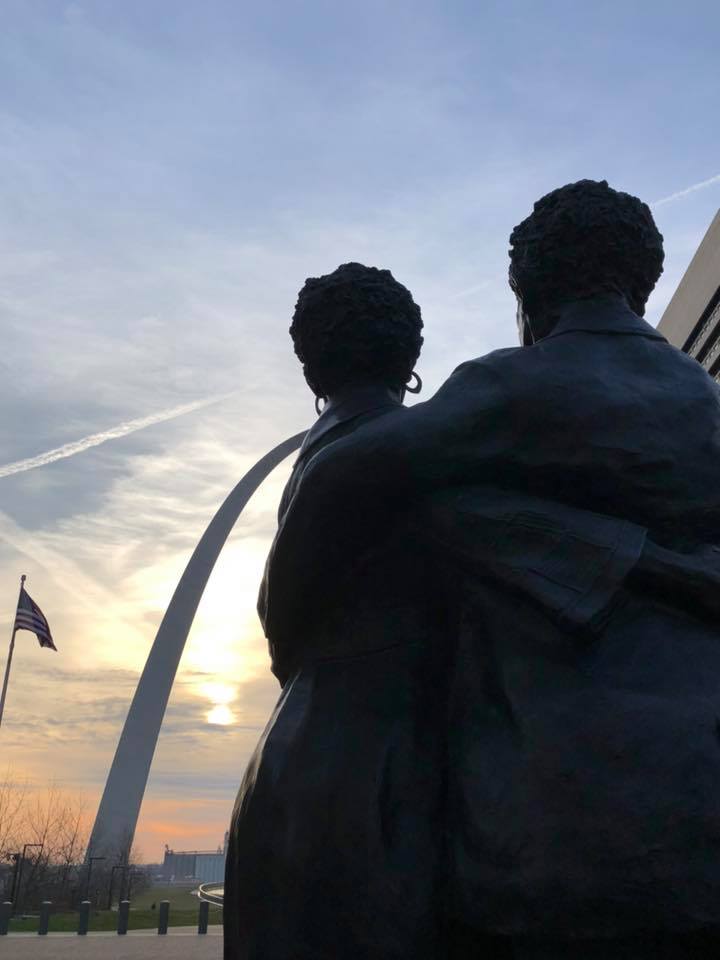
Throughout the month of April, the project is using youth education events, panel discussions, and community concerts to interpret St. Louis’ role in the broader American civil rights story. Many notable guests will be featured during the project events, including Lynne Jackson, great-great granddaughter of Dred and Harriett Scott and founder of the Dred Scott Heritage Foundation; Percy Green, civil rights activist; and Elizabeth Eckford, a member of the Little Rock Nine.
“It’s an honor to work with these people and organizations to present an arts-based civil rights program like No Tears Project in St. Louis—a city so rich in cultural and musical heritage,” said Ryan Harris, No Tears Project Director and consultant to Oxford American. “Like all communities, St. Louis can become a better place through continued dialogue that honestly addresses its past, forging a deeper understanding of each other to move forward together, and create a better future. The fact that two of the city’s major cultural institutions, Gateway Arch National Park and Jazz St. Louis, are creating the space for these programs and this music reiterates their own commitment to the work and the importance of these conversations.”
“We’re excited to be working with Oxford American, Jazz St. Louis, local partners and community leaders on No Tears Project,” said Tarona Armstrong, Deputy Superintendent of Gateway Arch National Park. “The events will foster relevant and constructive conversations through education workshops and live performances, while connecting and engaging diverse audiences and youth to the history of our park and the civil rights movement.”
This week, the project is culminating in a panel discussion at the Arch on Wednesday, April 26, followed by live concerts at Jazz St. Louis on Friday, April 28 and Saturday, April 29. All of the events are free to the public, but registration is required. Details can be found here.
The No Tears Project – St. Louis residency is made possible by a consortium of generous funders led by Jefferson National Parks Association with additional support from Gateway Arch Park Foundation and the Stella Boyle Smith Trust.
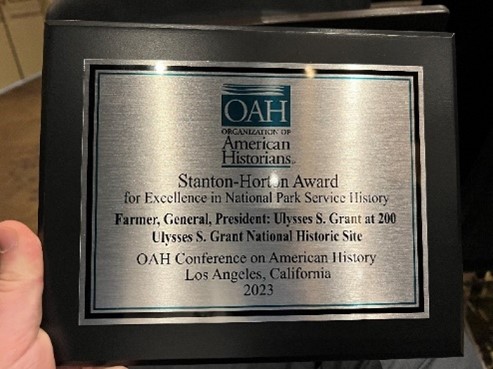
We congratulate our friends at Ulysses S. Grant National Historic Site for their recent award from the Organization of American Historians. At the OAH conference in California last month, the park was recognized for Excellence in National Park Service History because of the many public events and programs honoring last year’s 200th anniversary of Ulysses Grant’s birth.
Park staff members used the occasion of the Grant Bicentennial year as a “hook” to connect park visitors to many aspects of the former president’s life, both public and private. Rangers offered more than 100 in-person education programs, six special events (one with horses!), 26 off-site programs, and 16 virtual programs in 2022. They also created online exhibits, videos, and articles on the park’s website to reach audiences that couldn’t attend on-site programs.
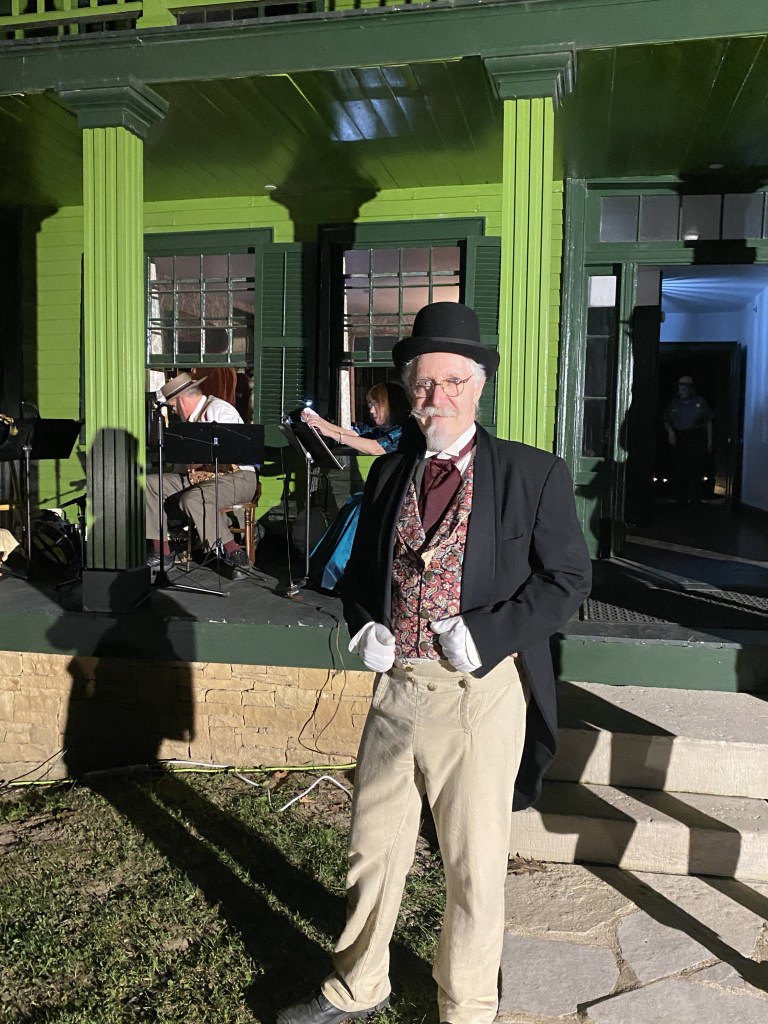
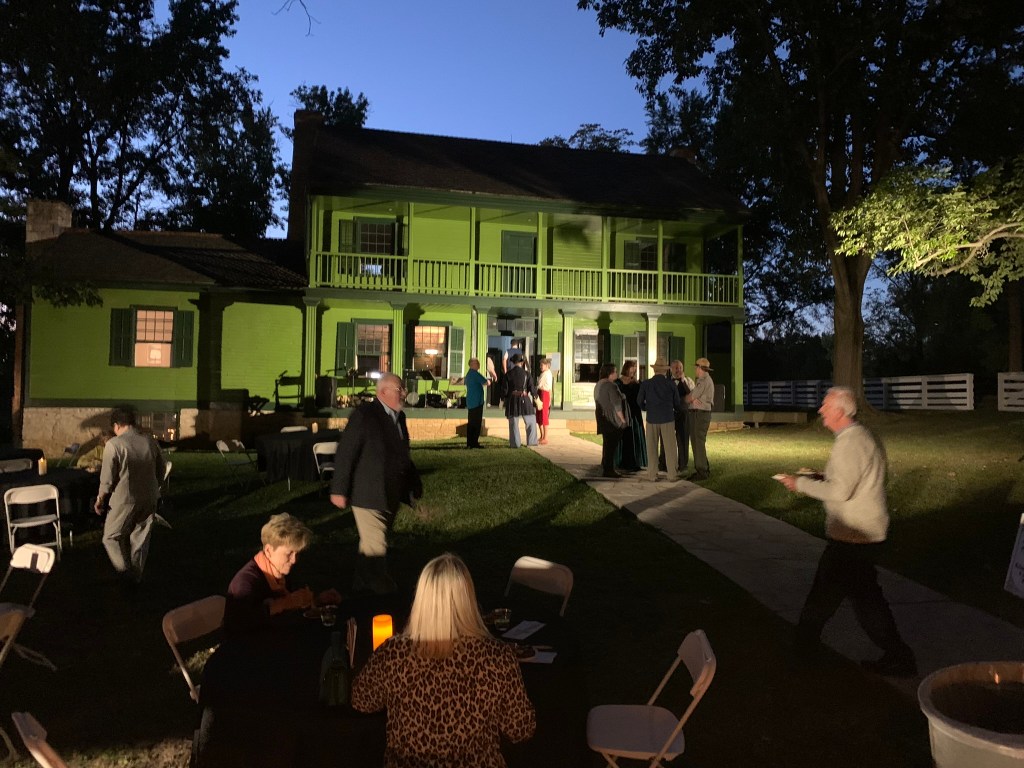
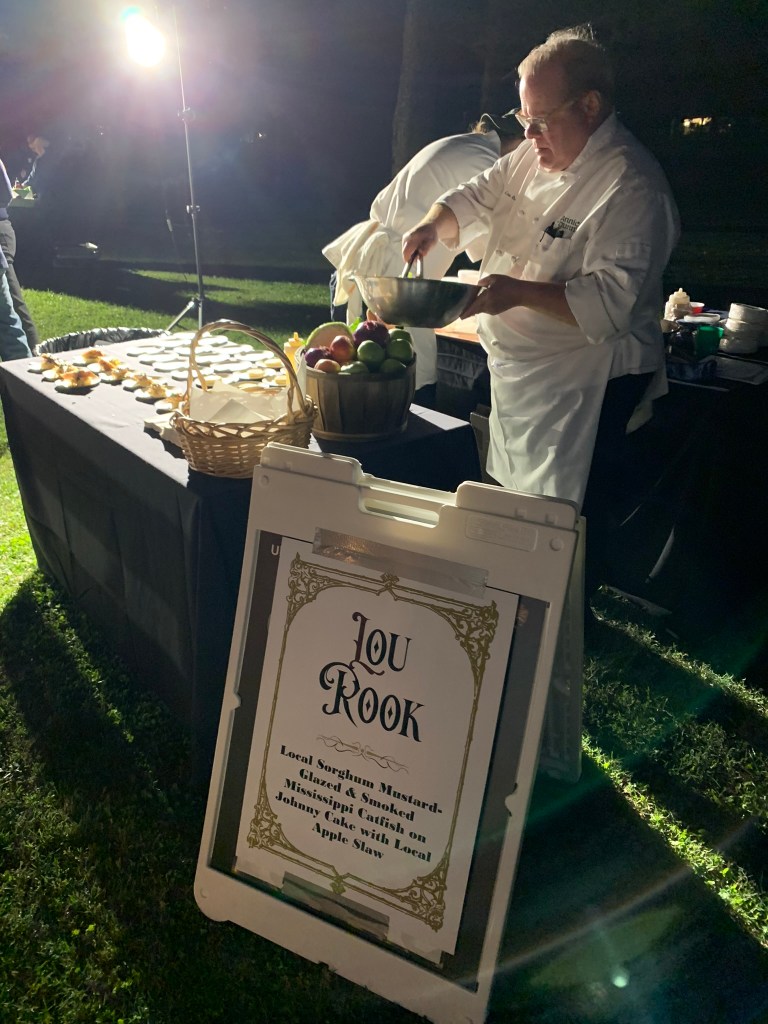
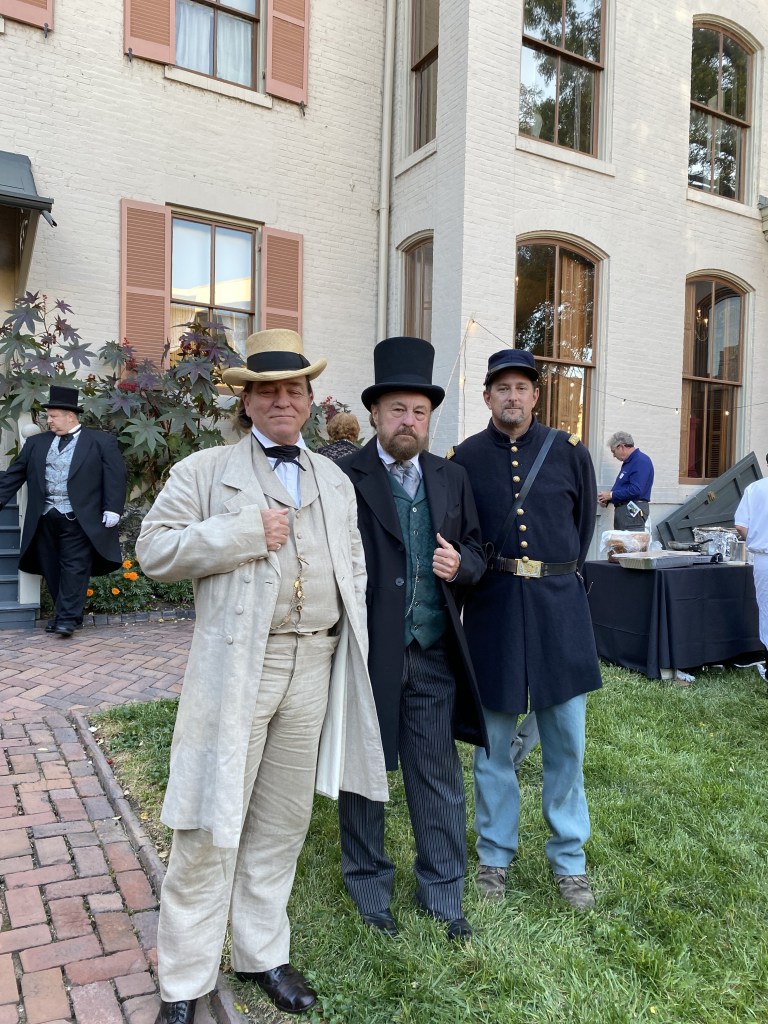
Among the Grant-related events held at the park was an extravagant dinner recognizing benefit the Grant bicentennial, held in partnership with the Campbell House Museum, where Grant sometimes dined. The September event featured local chefs who offered historically inspired recipes from the 1800s. More than 400 guests attended the occasion, which JNPA was proud to host.
For a more complete list of the programs and events that earned the park its recent award, click here.
When you visit Gateway Arch National Park, you’re no doubt wowed by seeing the height and majesty of America’s tallest monument. And you probably also can’t wait to take a tram ride to the top. But there are plenty of cool things to experience down below on the ground level of the visitor center, like the Museum at the Gateway Arch. That’s where you can learn what America’s westward expansion was like through the eyes of explorers and pioneers, Native Americans and enslaved individuals, and women and children. You can also learn the stories of the founding of St. Louis and see unique artifacts and displays that commemorate the pioneering spirit.
In 2018, the Museum at the Gateway Arch underwent a major renovation. A key factor in this renovation was increased inclusivity in how visitors physically interact with the galleries and with the stories told in the exhibits. The galleries within the museum now tell the city’s history through the eyes of the various cultures involved, encouraging visitors to think about other perspectives.
Credit: Gateway Arch Park Foundation
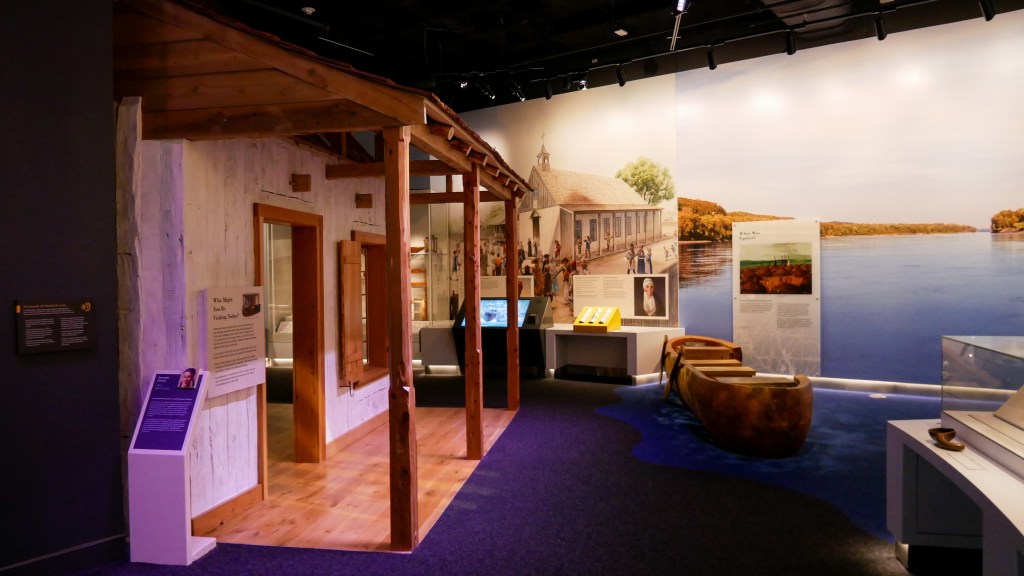
The museum is composed of six interactive galleries that detail more than 200 years of American history. Early St. Louis history will come alive in the Colonial St. Louis gallery as you take in artifacts from the region’s early French colonial inhabitants, including a full-sized vertical log house. You’ll also learn about the Indigenous and Creole cultures of St. Louis before the Louisiana Purchase.
Credit: Gateway Arch Park Foundation
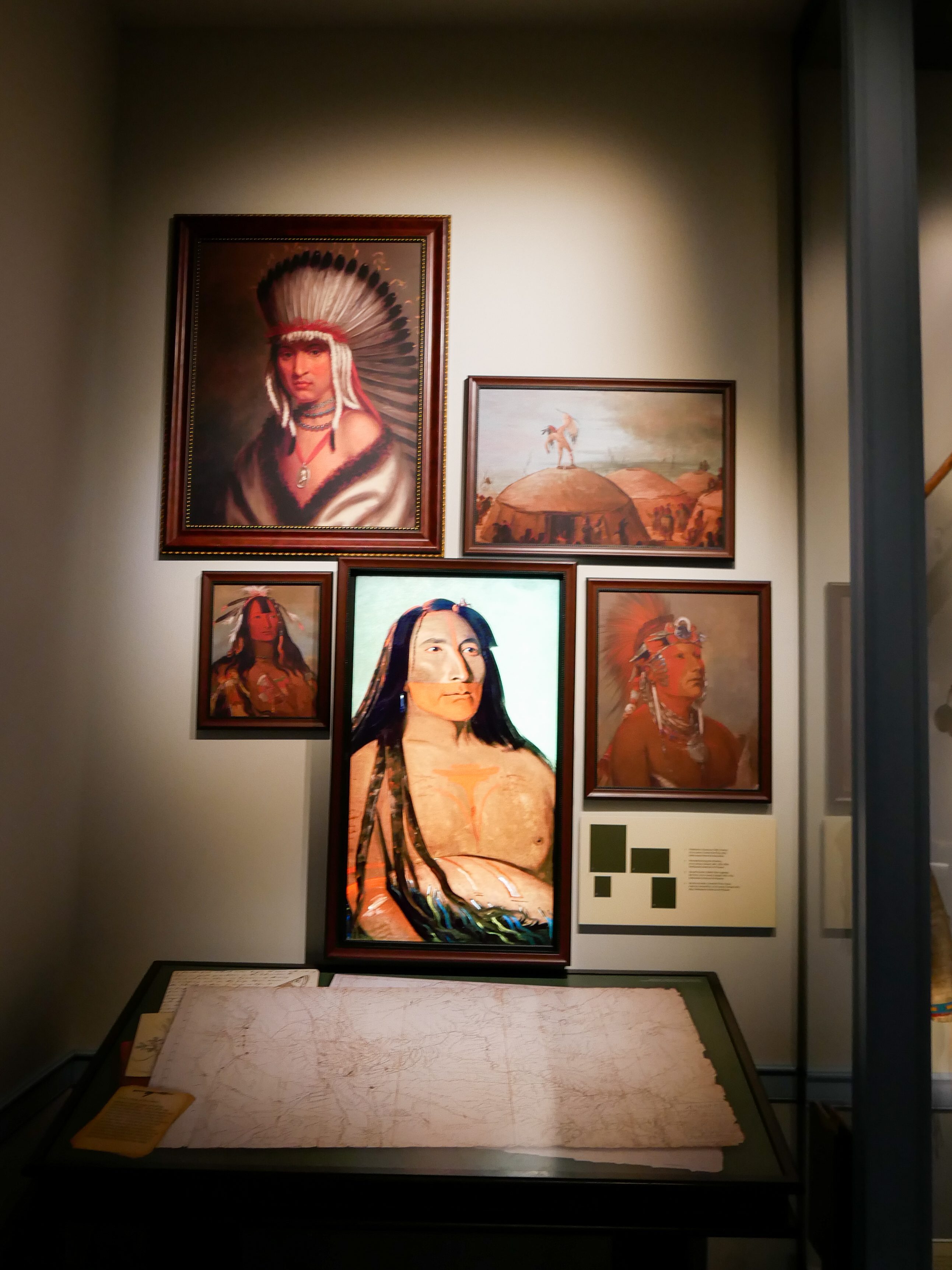
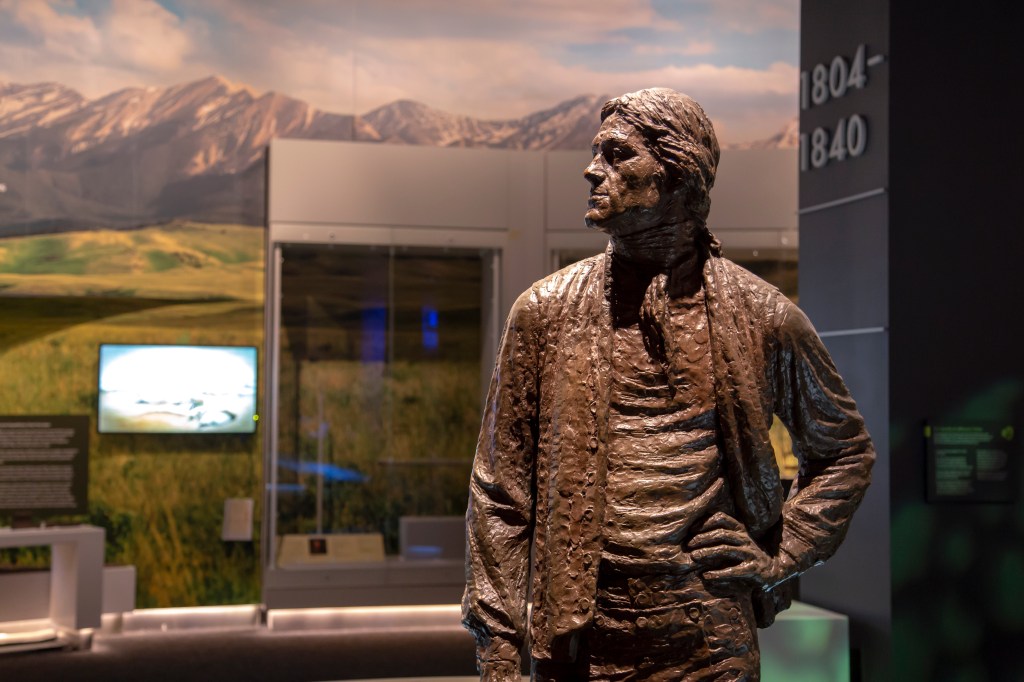
Jefferson’s Vision focuses on the Lewis and Clark expedition, which set the stage for the opening of the American West to settlers from all parts of 19th century society. Examine the discoveries from the explorers’ adventures, see the tools they used, and learn about the ongoing struggle among nations for supremacy in North America.
Credit: Gateway Arch Park Foundation
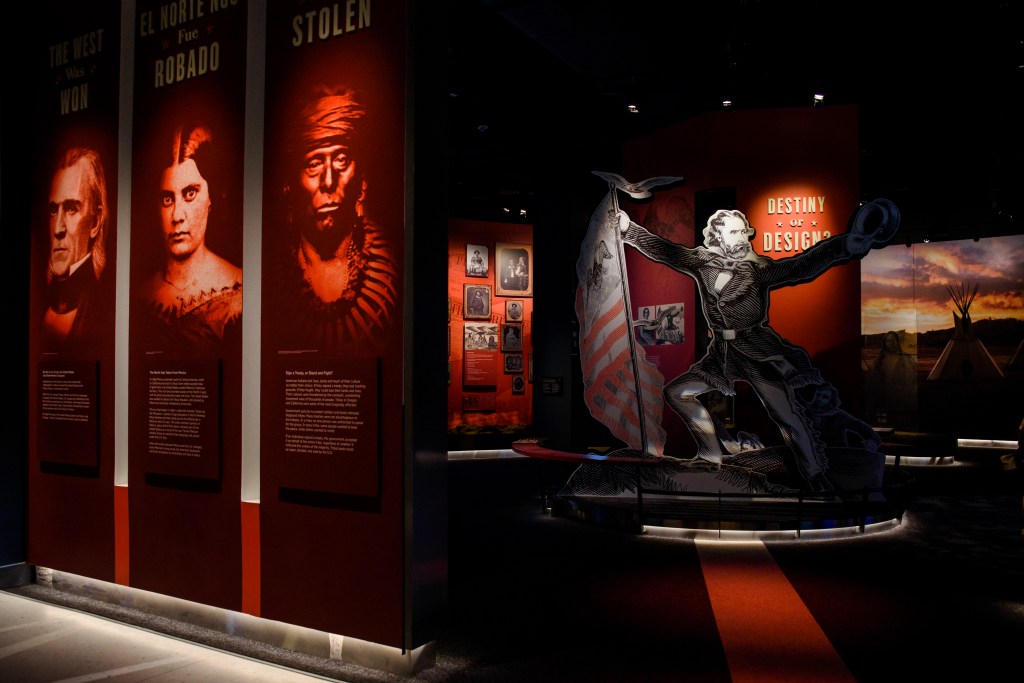
By the mid-1800s, many Americans believed their country had a God-given right to expand its borders throughout the continent. In Manifest Destiny you can examine the clash of cultures as settlers moved west, including the Indigenous inhabitants and the Mexican government.
Credit: Gateway Arch Park Foundation
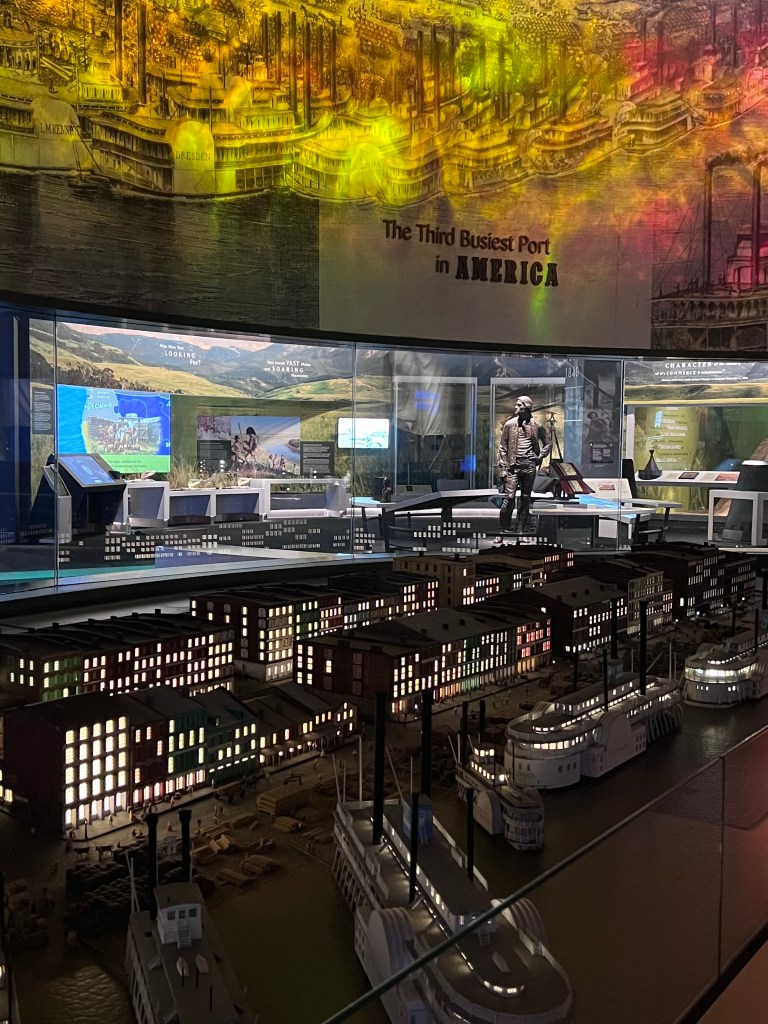
The Riverfront Era gallery traces the evolution of St. Louis as steamboats began to arrive on its riverbanks. By the mid-19th century, the city had truly earned its title as Gateway to the West as the levee bustled with dozens of riverboats carrying goods and people to other parts of the United States. The highlight of this gallery is an intricate scale model of the St. Louis riverfront that changes from day to night before your eyes.
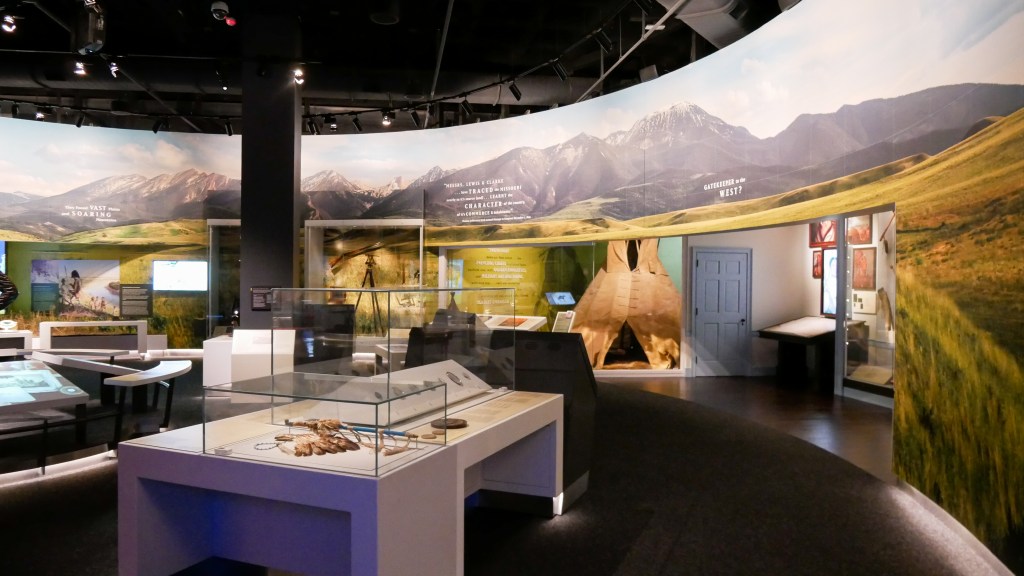
In New Frontiers you can explore what it was like to live in the American West. See an authentic buffalo-hide tipi as you learn about the very different lifestyles of European settlers and Native Americans.
Credit: Gateway Arch Park Foundation
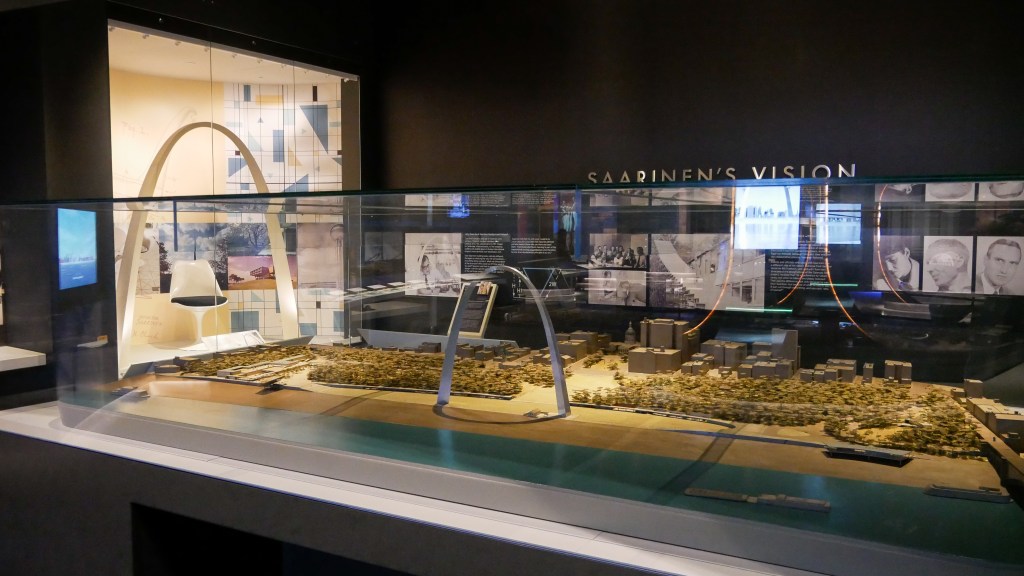
If you’re wowed by the design of the Gateway Arch, you’ll want to spend time in the Building the Dream gallery. There you can examine the various concepts that architects submitted to anchor the new national monument to westward expansion and see the details of Eero Saarinen’s award-winning design. Also discover the innovative builders who constructed the Arch.
Credit: Gateway Arch Park Foundation
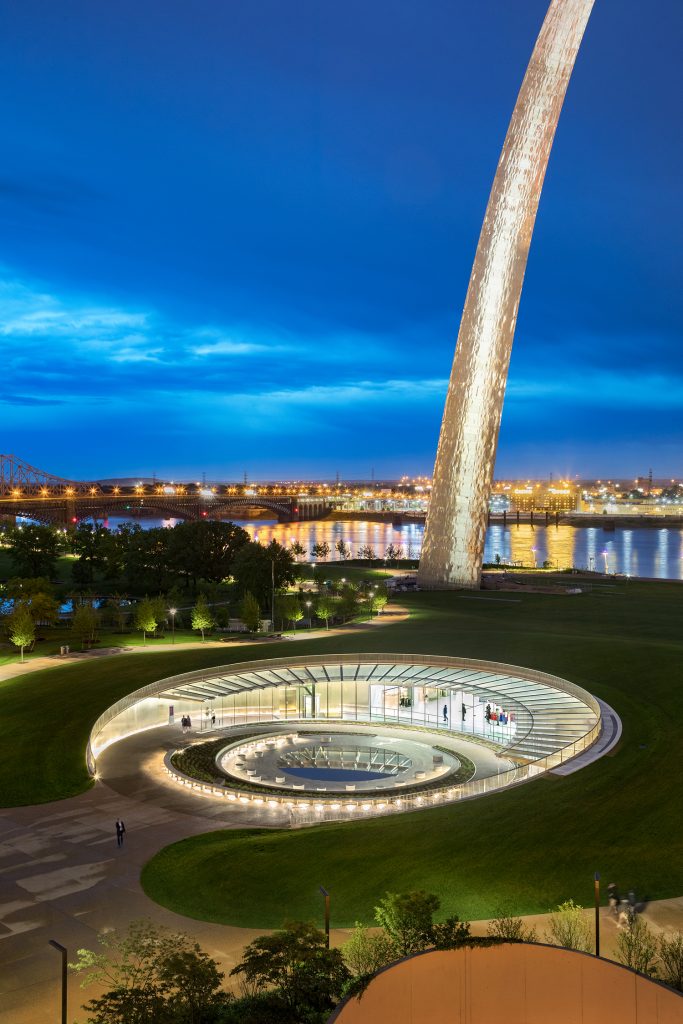
The new Arch Museum is only part of park partners’ plans for restoring, maintaining and enhancing the national park. There is also a new entrance to the Arch, improvements to the 90-acre grounds, and new interior amenities like The Arch Store and the Arch Café. Additional renovations have begun at the Old Courthouse and are expected to be completed in the next few years.
Be sure to visit to see all that’s new at the Arch!
Featured Image Credit: Gateway Arch Park Foundation
The two National Park Service sites in St. Louis are filled with exhibits, artifacts, and programs that tell important stories about our nation’s past – from the exploration of the American west to the lives of two U.S. presidents to the struggle for civil rights. The resources at these parks – Ulysses S. Grant National Historic Site and Gateway Arch National Park – are available free to all visitors. But all too often, children from under-served communities aren’t able to take advantage of these experiences.
Now there’s a unique opportunity for middle school students to visit these sites this summer for a full week of specially-designed programs.
Credit: U.S. Grant National Historic Site
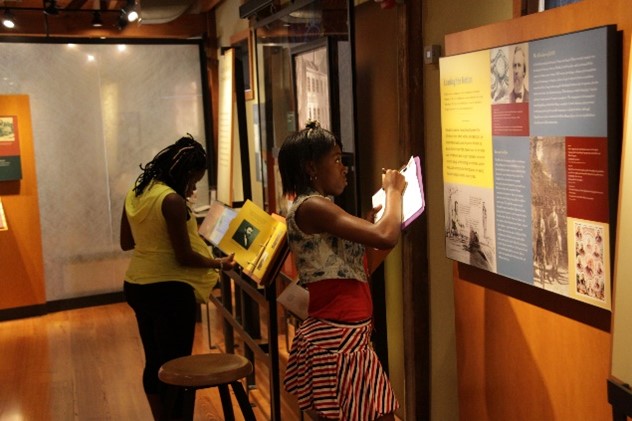
The Arch and U. S. Grant are offering free weeklong summer workshops at their sites for middle school students from African American communities. Daily transportation and lunch are included at no cost, as are normally fee-based experiences like the Arch tram ride and a Mississippi riverboat cruise.
The five-day workshops will be offered at both the Arch and at Grant during select weeks from June to August. Educators from both parks will lead the programs. Their aim is to familiarize students with under-told stories of Black Americans in St. Louis and throughout Missouri, including stories of slavery, resistance, and Reconstruction. The participants will learn by discovery instead of direct instruction, with guidance from park staff. Students will select a person or story they want to research, then will present their creative project on their chosen subject at the conclusion of the workshop.
If you are interested, now’s the time to apply! The parks are accepting applications for groups of approximately 15 students (ideally from schools or youth groups) through mid-April. Those interested in applying should contact Julie Northrip, Program Manager of Interpretation and Education at Ulysses S. Grant NHS by emailing julie_northrip@nps.gov or calling 314-842-1867 ext. 223. Please list in order your preference for which week your youth can attend.
June 12-16
June 19-23
June 26-30
July 24-28
July 31-Aug 4
JNPA is proud to support this unique program by underwriting the cost of the student lunches.
Throughout history, women have been instrumental in every facet of human endeavor. Whether they have been renowned trailblazers or unsung heroines working behind the scenes, women have helped guide the course of American history and they continue to shape our future.
That’s why JNPA is commemorating Women’s History Month. In the words of a White House proclamation, the month of March is an opportunity to “celebrate the countless women who have fought tirelessly and courageously for equality, justice, and opportunity in our Nation. We also reaffirm our commitment to advancing rights and opportunities for women and girls in the United States and around the world.”
In honor of Women’s History Month, JNPA is proud to offer a number of books that shine a light on examples of women’s contributions to our national heritage, in both civil rights and voting rights:
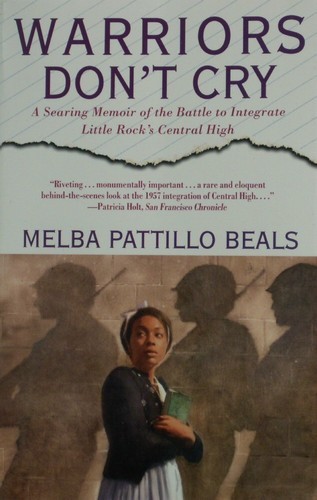
Warriors Don’t Cry is a first-person account of Melba Pattillo Beals, one of nine African American teenagers who helped integrate Little Rock’s Central High School in the 1950s. This searing account of her junior year at Central High highlights Beals’ bravery in the face of racist warnings, attacks, and ultimately, death threats.
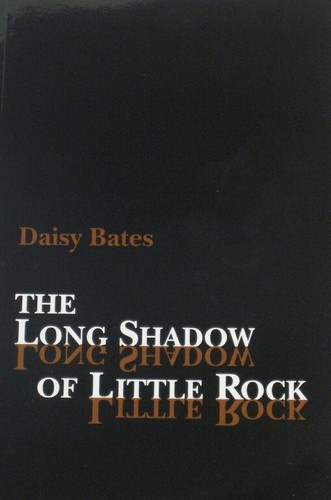
The Long Shadow of Little Rock is a riveting memoir by Daisy Bates, one of the Little Rock Nine. As a later civil rights activist, journalist, and lecturer, Bates provides a riveting and very personal account of America’s fraught school desegregation movement.
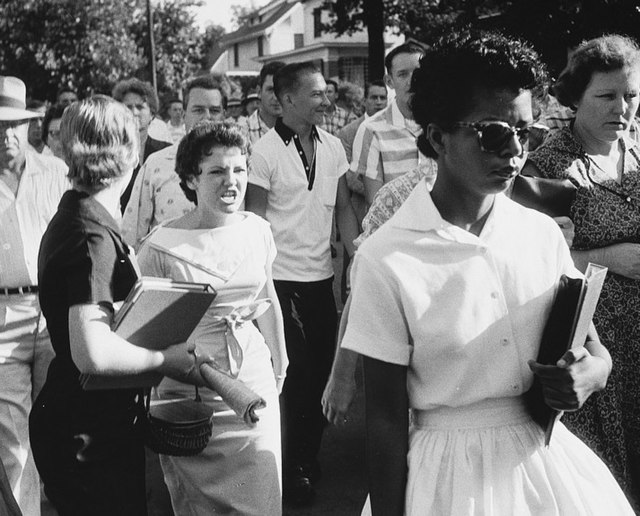
An iconic 1957 image of a white girl screaming at an African American student highlights the anguish of America’s struggle to desegregate schools. Elizabeth and Hazel recounts the intersecting lives of those two girls – Elizabeth Eckford and Hazel Bryan Massery – whose very different lives unexpectedly braided together.
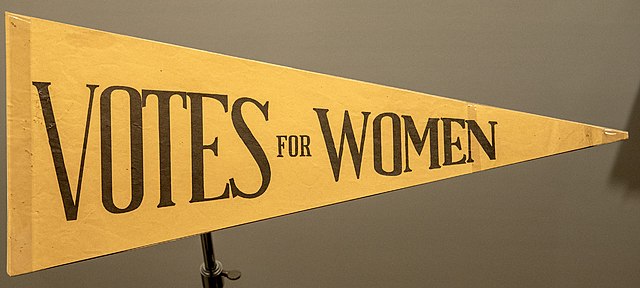
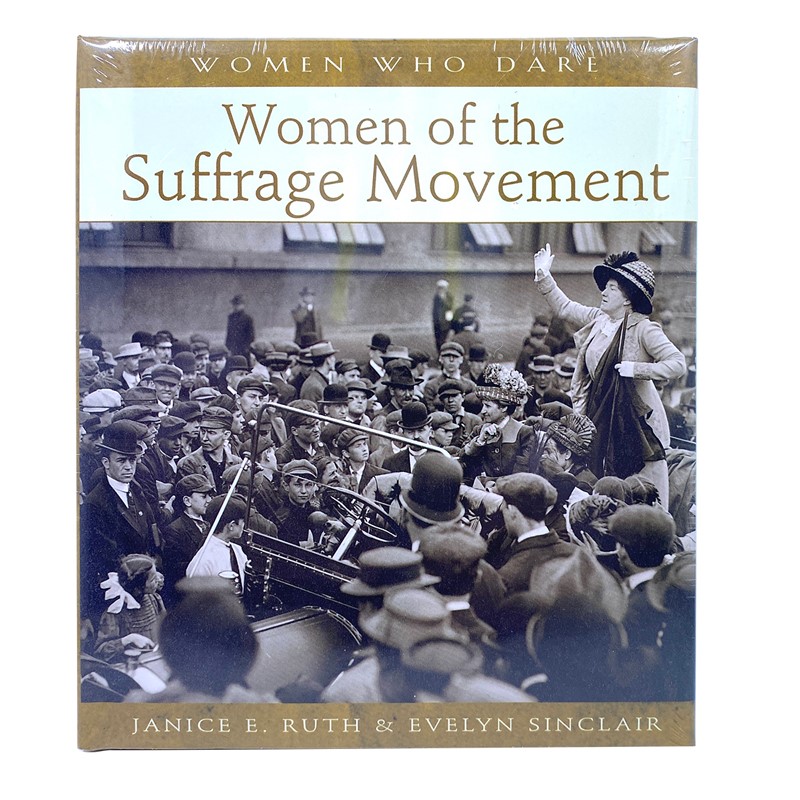
Women of the Suffrage Movement recounts the decades-long struggle of American women to secure the right to vote, from the famous Seneca Falls meeting in 1848 to the ratification of the Nineteenth Amendment in 1920.
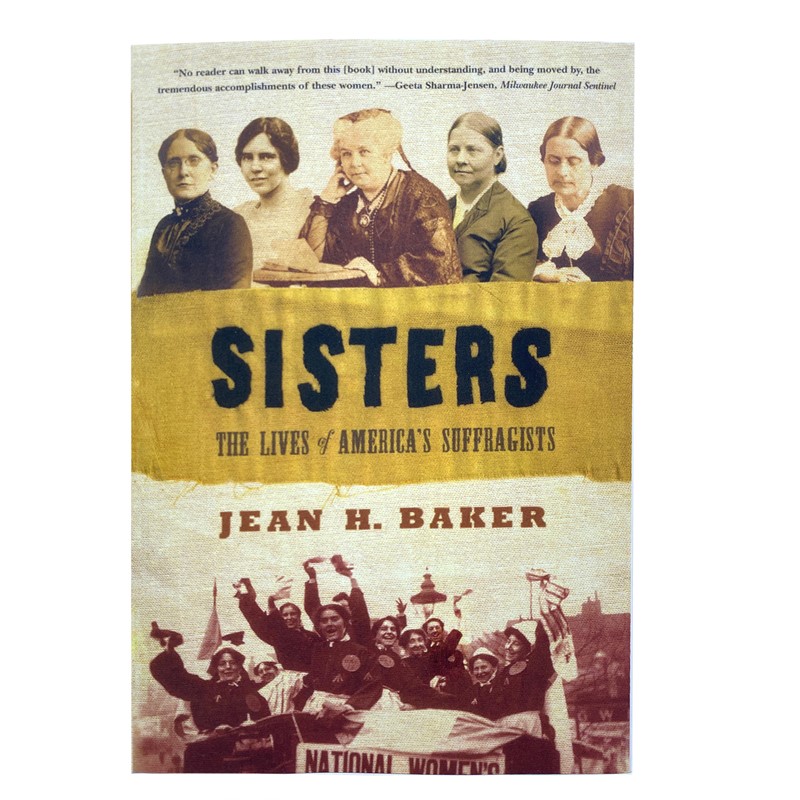
The women’s suffrage movement of the 1800s and 1900s was about more than just the right to vote. It encompassed the most fundamental rights of citizenship: the right to receive fair wages, to hold property, to sign contracts, and to file suit in court. Sisters examines the lives of America’s leading suffragists and how their efforts resulted in far-reaching changes to the nation’s laws.
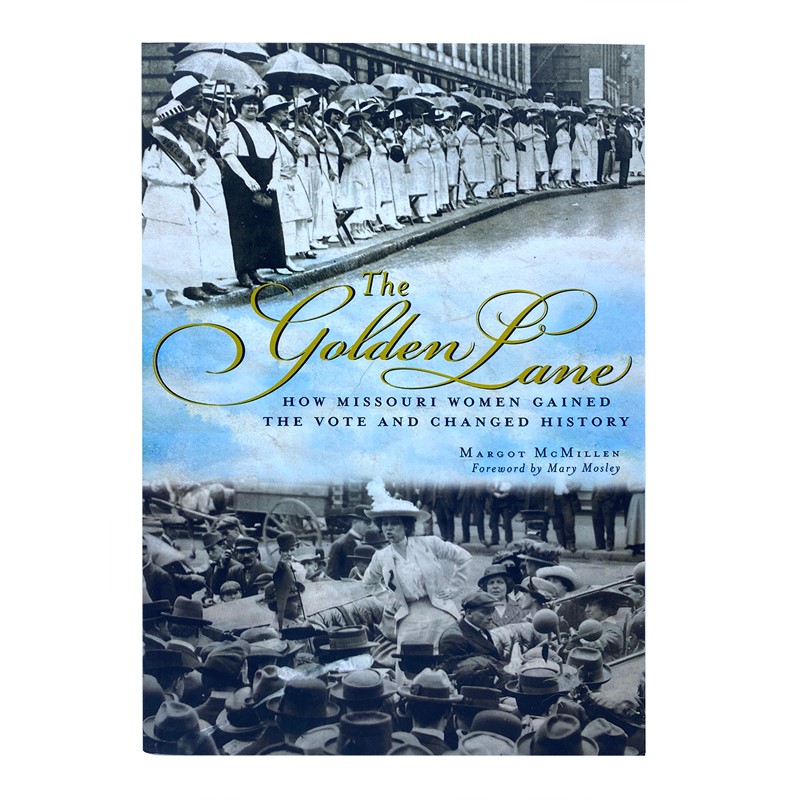
The Golden Lane is the story of how women in Missouri gained the vote and changed the state’s history.
We love President’s Day! Why? Because JNPA is the proud partner of three national parks that were created to honor a U.S. president. So as we approach President’s Day on Monday February 20, join us in honoring our national leaders, and find out how you can celebrate the upcoming holiday.
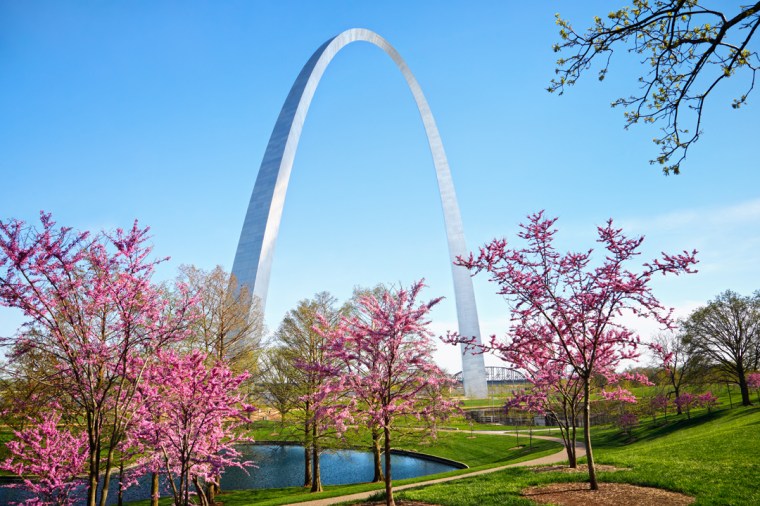
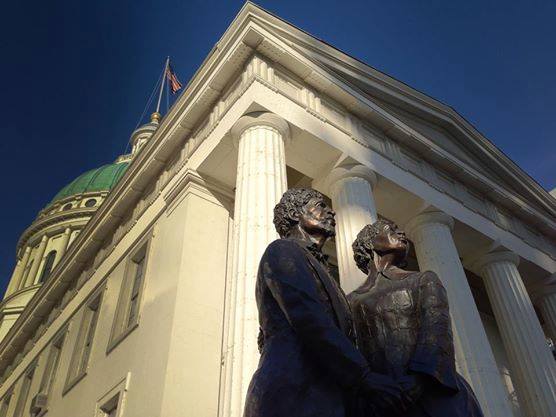
Though his name is no longer included in the park title, Thomas Jefferson is the reason behind the establishment of Gateway Arch National Park (formerly Jefferson National Expansion Memorial). The 90-acre park is a memorial to the third president’s role in exploring the American West. In addition to Eero Saarinen’s soaring Arch, the park features a museum that explores St. Louis’ vital role in U.S. history. It also includes the historic Old Courthouse, where the enslaved Dred and Harriet Scott sued for their freedom in the mid-1800s. (The Courthouse is currently closed for renovations.)
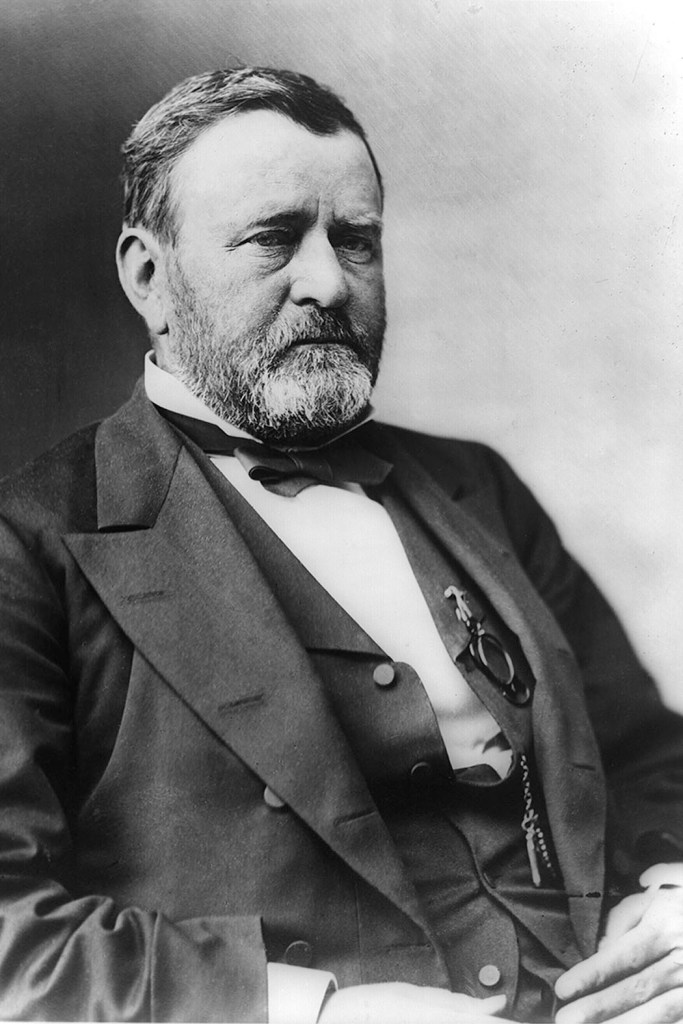
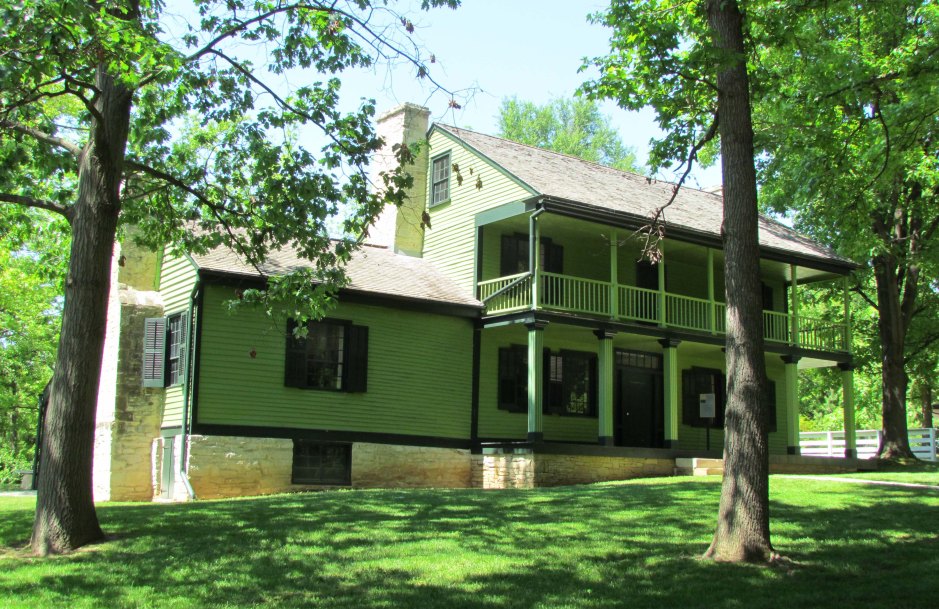
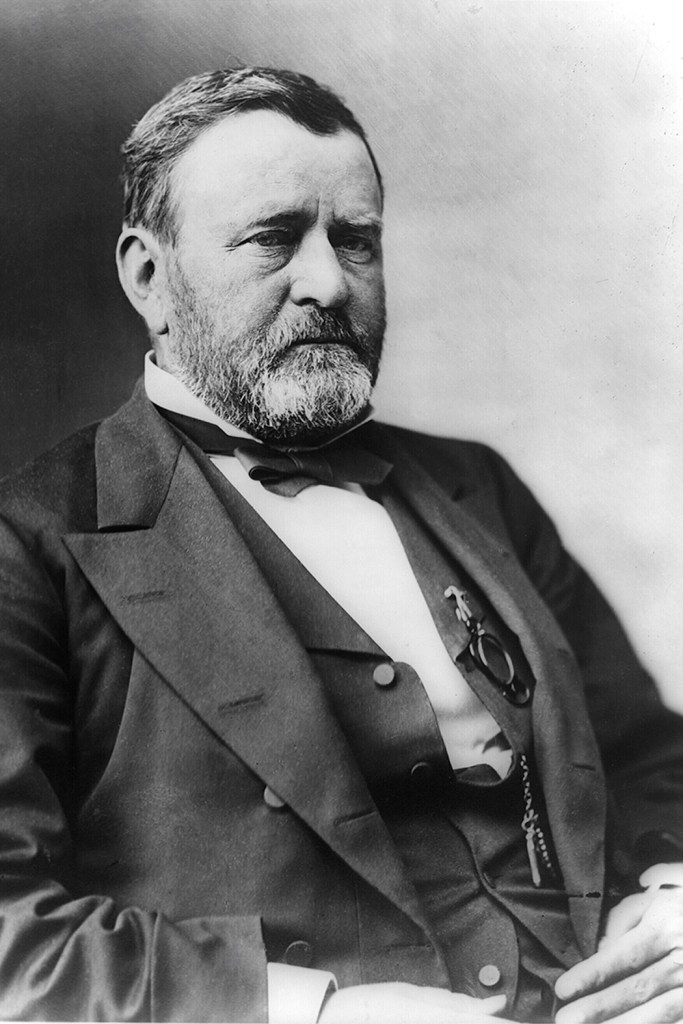
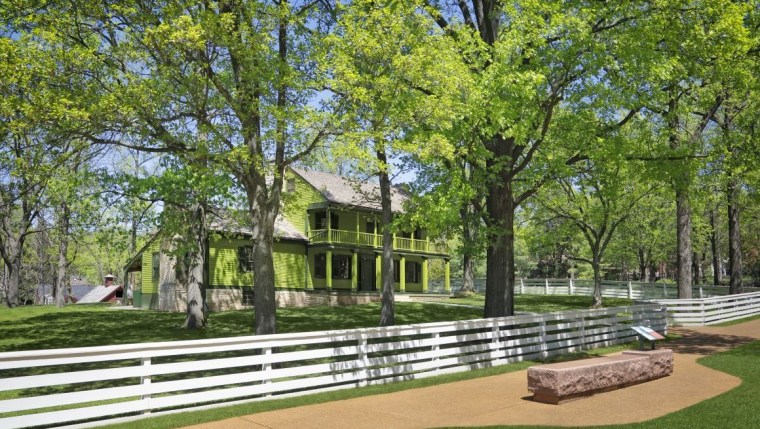
Ulysses S. Grant National Historic Site commemorates the life and illustrious military career of our 18th president. White Haven, the restored home where Grant and his wife Julia lived in the 1850s, is one of five historic structures that visitors can tour. The site also features a museum housed in Grant’s former stable, as well as an introductory film on Grant’s life in the visitor center.
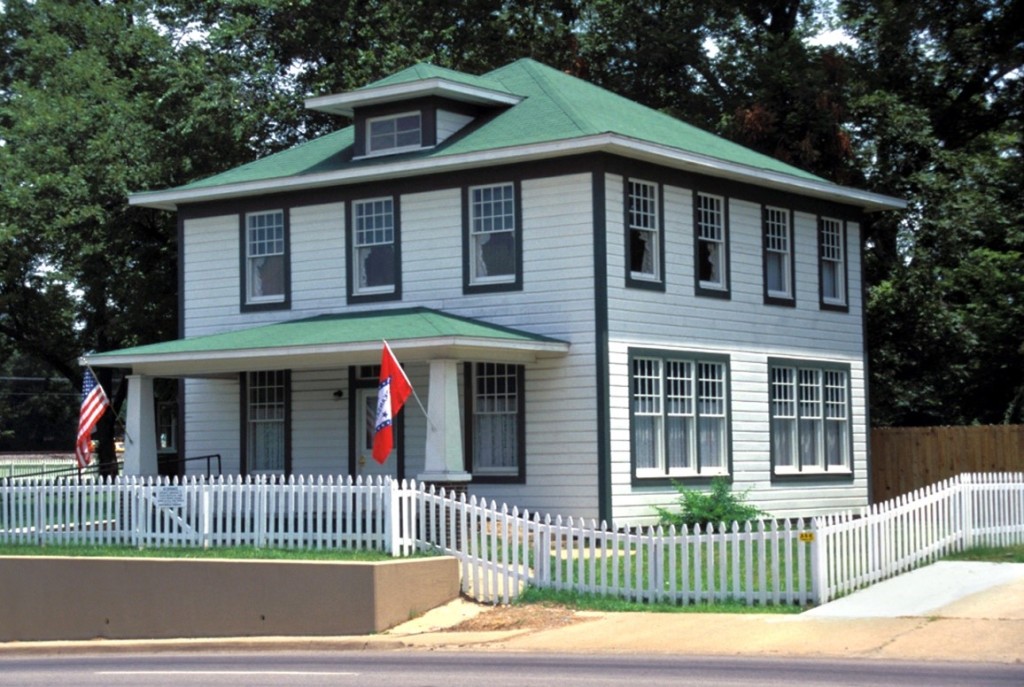
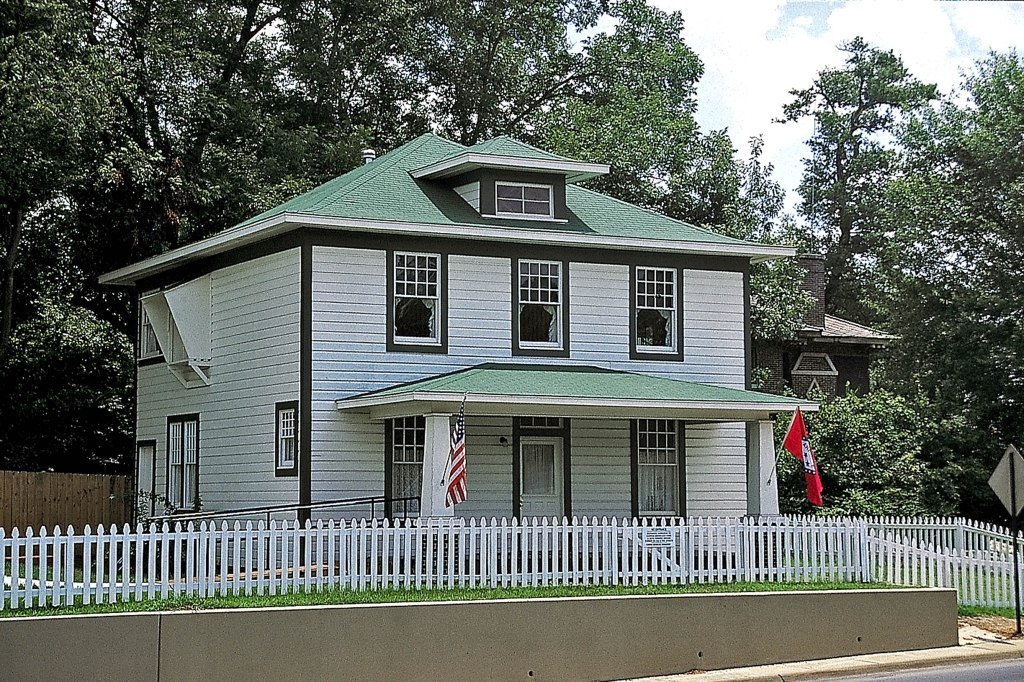
The boyhood home of President Bill Clinton is the featured attraction at President William Jefferson Clinton Birthplace Home National Historic Site in Hope, Arkansas. The small but important park recently celebrated its 12th anniversary as a National Park Service site. Clinton spent the first four years of his life in the white frame house. Visitors can join a ranger-led tour of the home, which has been restored with furniture that evokes the 1940s, and view exhibits on the president’s life in the nearby visitor center.
Looking for a way to celebrate President’s Day? Here are two St. Louis-area events you might enjoy, as well as a few products we love:
At the Gateway Arch:
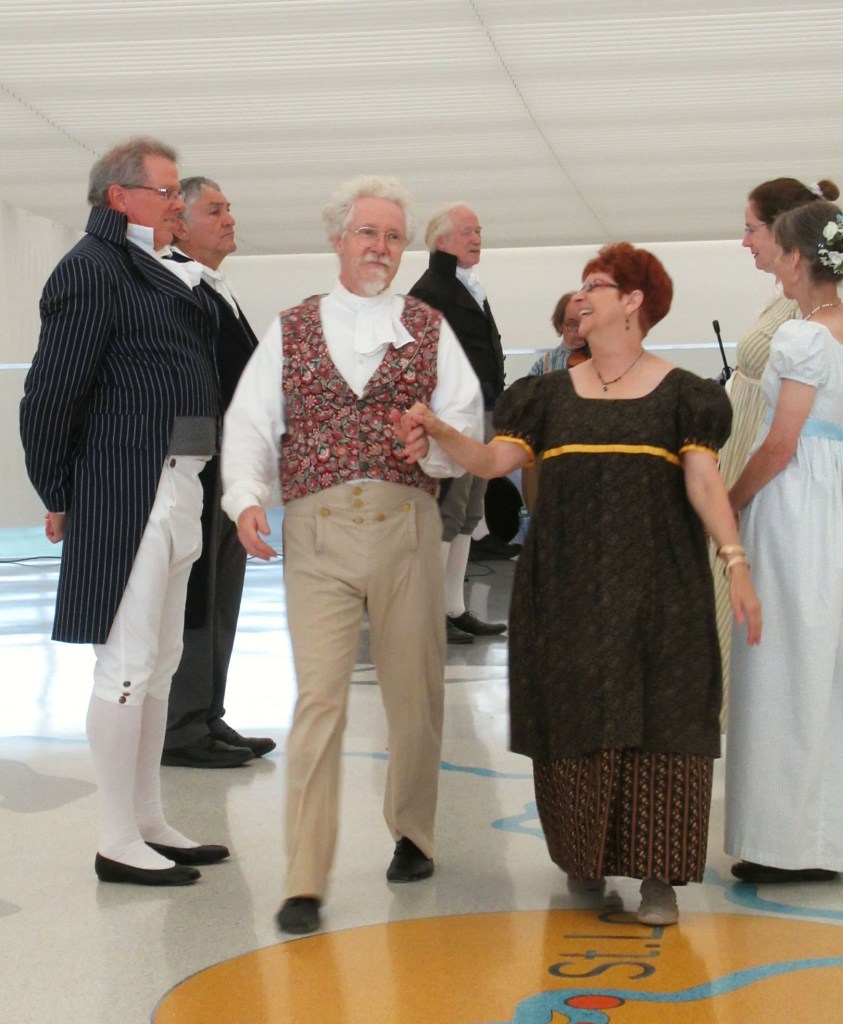
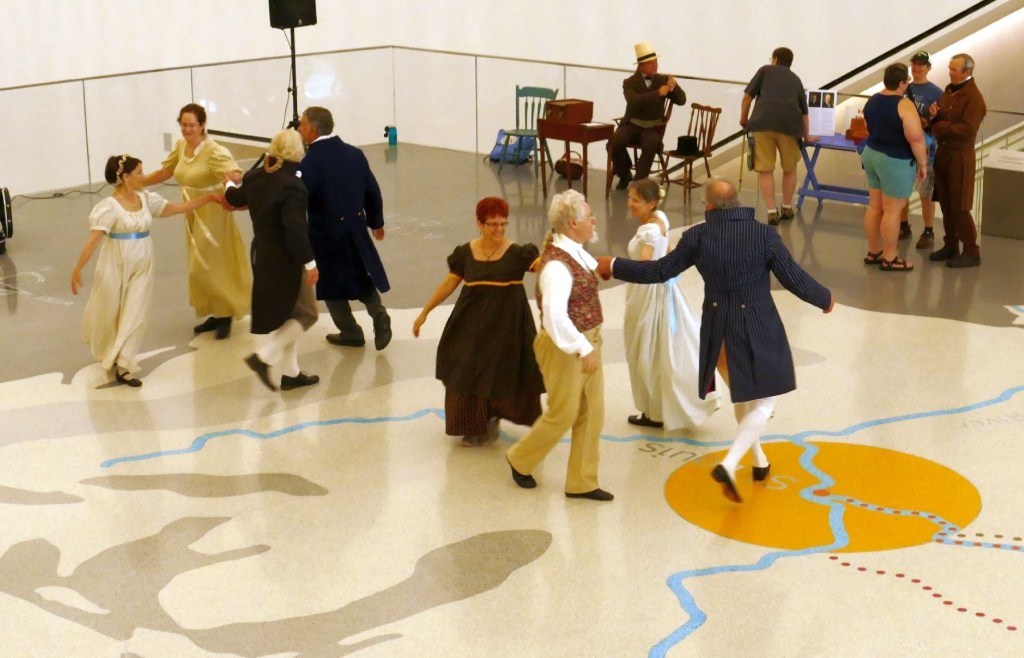
Washington’s Ball, Saturday Feb. 18 12:00-4:00
Although Gateway Arch National Park is less about George Washington than Thomas Jefferson, the park will celebrate the first president’s birthday with a mid-19th century ball. Visitors can learn old-fashioned dance steps from a historic dance expert, or just hang back and watch others twirl the afternoon away.
The ball will be held on the mezzanine inside the Arch visitor center. It is free and open to all ages. Historical clothing is not required to participate!
At Ulysses S. Grant National Historic Site:
Museum Quest, Monday, February 20
Here’s a family-friendly way to observe President’s Day: take part in a follow-the-clues quest at the park’s museum. You’ll learn about Grant’s connection to other presidents, as well as some of accomplishments and events during his presidency. When you have completed the quest, you will receive a special commemorative gift.
The quest will run all day, and is fun for all ages.
Fans of bobbleheads can celebrate the holiday with one of our fun presidential bobbleheads – either Thomas Jefferson or Bill Clinton. Whichever you choose, be sure to ask the president a question and he’ll answer you with a nod, “Yes, yes, yes, yes!” Both bobbleheads are available at our park stores, or online.
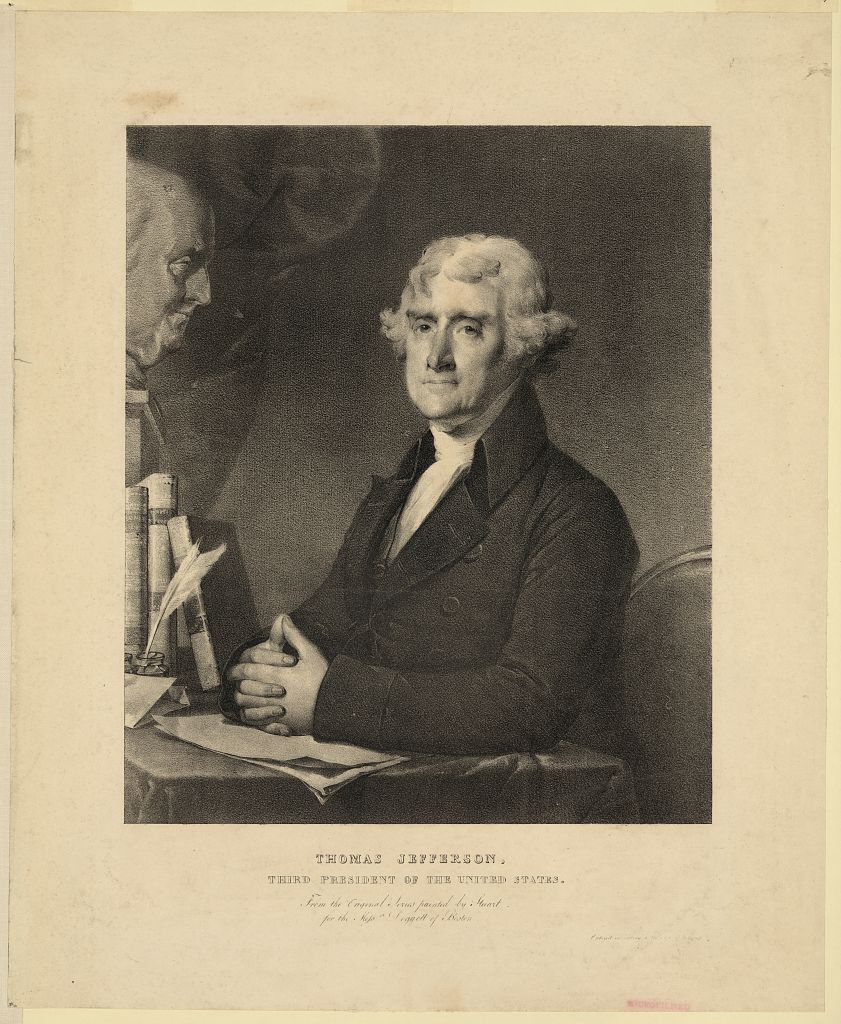
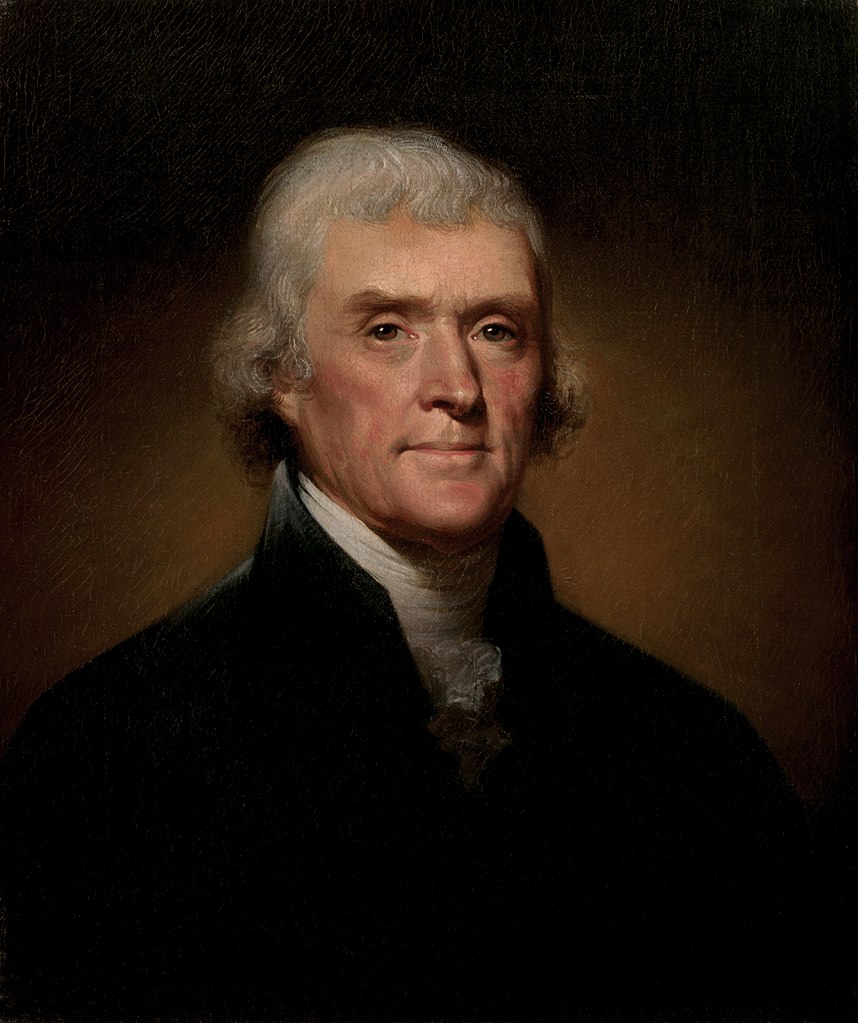
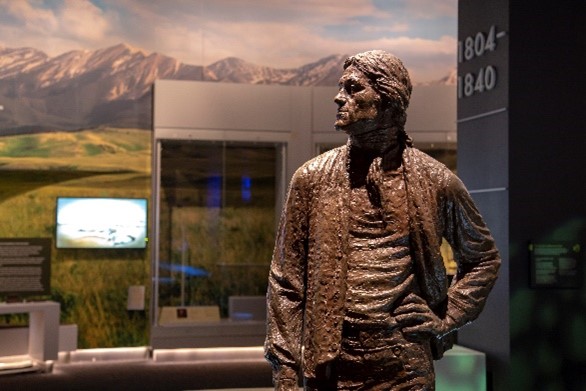
How many superlatives can one use to describe Thomas Jefferson? First and foremost, he was a Founding Father whose defense of democracy and individual rights motivated American colonists to break away from Britain and form a new nation. As principal author of the Declaration of Independence, he inspired human rights movements around the world with his assertion that “all men are created equal” and that they had a right to “life, liberty, and the pursuit of happiness.”
Jefferson was also the first American Secretary of State, the second vice-president, and the third president. During his presidential term, he peacefully negotiated the purchase from France of 827,987 square miles of the continent – known as the Louisiana Purchase – doubling the size of the U.S. And he commissioned Meriwether Lewis and George Clark to lead their Corps of Discovery on their ambitious and successful two-year exploration of the newly acquired territory.
Diplomat, statesman, lawyer, architect, inventor, philosopher, and plantation owner – there seems no end to the accomplishments of this 19th century figure. Yet Thomas Jefferson was also a man of contradictions.
Though he often called slavery an “abominable crime” and a “moral depravity,” he was a lifelong slaveholder who used slave labor for his household, plantation, and workshops. Over the course of his life, he owned more than 600 enslaved African Americans, eventually freeing only 10 of them, including the children of his household slave Sally Hemmings, with whom he had a longtime affair.
Jefferson also held conflicting views on Native Americans. On the one hand, he refuted the idea that Indigenous people were an inferior race, asserting that they were “equal in body and mind” to people of European descent. Yet as president, he adopted an assimilation policy toward American Indians known as his “civilization program” and advocated for policies that called for the removal of Indians from their homelands.
Jefferson’s views on religion, like everything else about him, were complex. He was a governing member of his local Episcopal Church, yet he came to believe Jesus was an important philosopher but not the son of God. Jefferson’s religious views were nevertheless highly influential. He reacted strongly against the laws of Virginia Colony, for instance, which allowed only Anglicans to hold public office. These laws prompted Jefferson to write the Statute of Religious Freedom for Virginia, ideas later incorporated into the Bill of Rights of the U.S. Constitution.
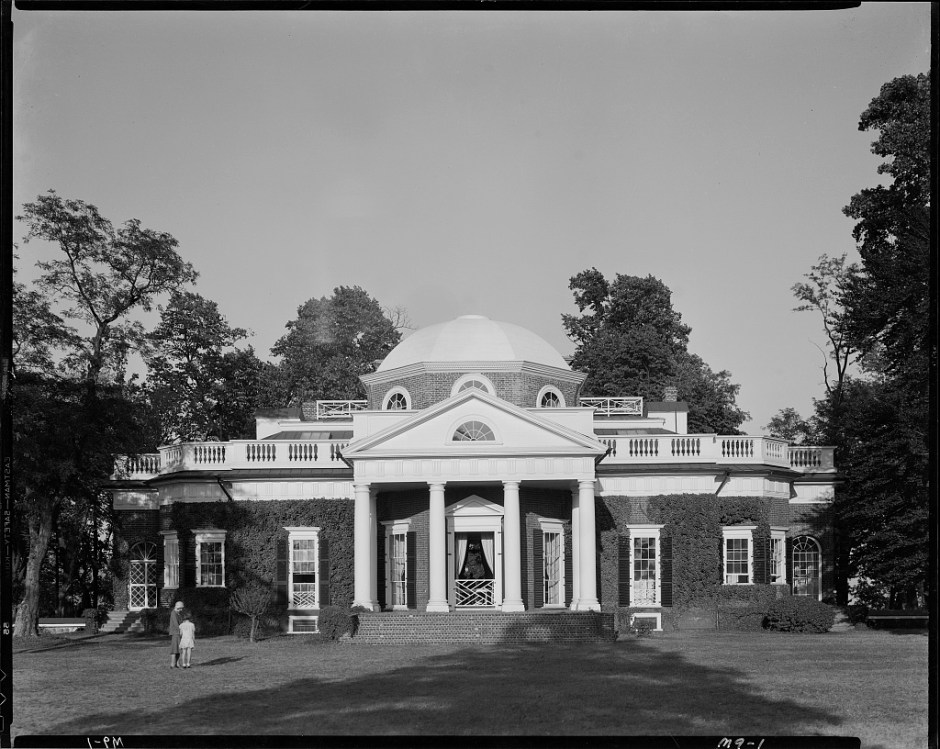
Jefferson’s relationship to money was also complicated. He was wealthy most of his life, partly due to inheritances of slaves, land, and livestock from his own father and his first wife Martha’s father. He lived a lavish lifestyle at Monticello, the estate he built on a Virginia hilltop, spending large sums on construction projects, furnishings, and décor. At the end of his life, however, Jefferson was more than $100,000 in debt (about $2 million today) and was forced to sell his personal library to the government. It became the nucleus of the Library of Congress.
Overall, the legacy of Thomas Jefferson is complex and full of contradictions. Neither a true hero nor a villain, he was simply a brilliant but complicated human being. Through both his successes and shortcomings, it cannot be denied that Thomas Jefferson permanently altered the course of American history.














 JNPA Blog