Preserving a Hard but Important Chapter of American History

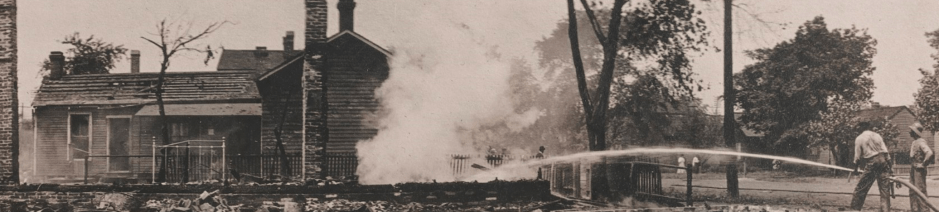
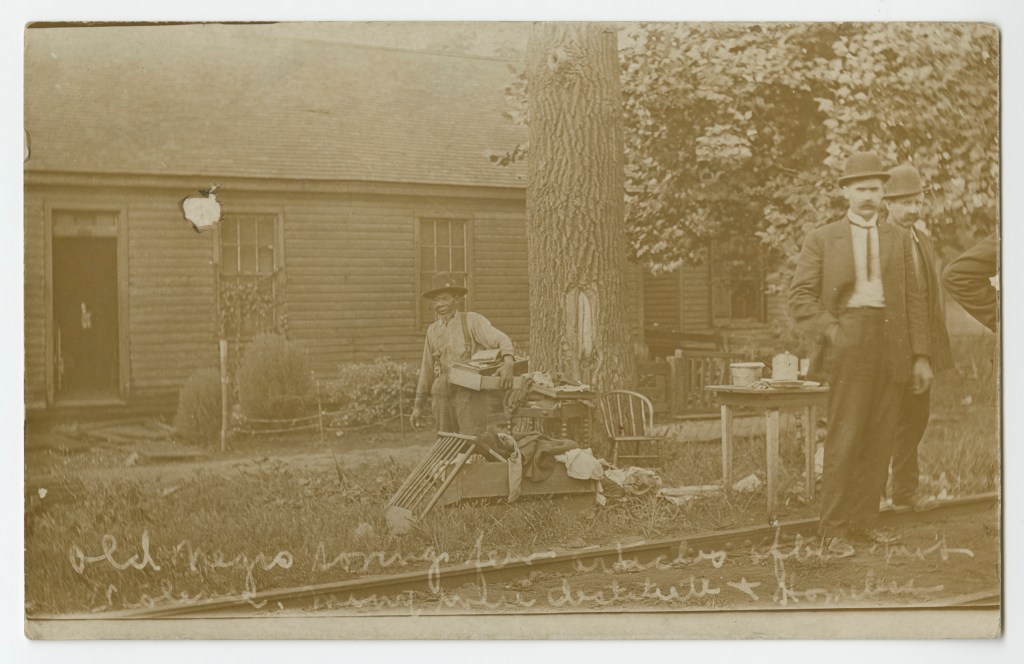
A difficult chapter in the history of race relations in America is the focus of one of JNPA’s newest park partners. Springfield 1908 Race Riot National Monument was included as a National Park Service site in 2024. It commemorates the events of August 1908, when African American residents of Springfield, Illinois, were targeted and attacked by thousands of White residents.

Courtesy of NPS

The riot erupted after two Black men were accused of crimes (many of them later unsubstantiated) against White residents. As with many other race riots of this era, the accusations served as a pretext to force Black residents from their communities. White mobs in Springfield destroyed Black homes and businesses and lynched two Black men. After three days of violence, the state militia helped restore order, arresting approximately 150 participants. Few, however, were ever convicted.  
Courtesy of NPS

This shameful episode was just one of numerous incidents of racially motivated riots and violent acts that took place in many American cities in the late 19th and early 20th-centuries.  This particular riot captured national attention because it took place in Abraham Lincoln’s hometown.  It eventually led to the founding of the National Association for the Advancement of Colored People (NAACP) in 1909.
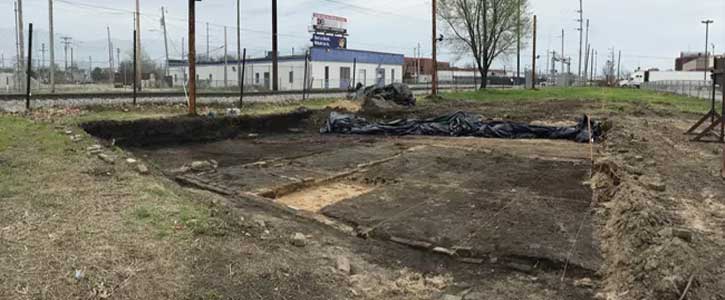
Archeological excavation at the site.  Courtesy of NPS

The National Monument was established in August 2024 very near where the 1908 riot started. While there is nothing left of the original buildings, archeological evidence gives a rare glimpse into a community devastated by racial hatred. The foundations of five homes and related artifacts show how residents lived in the predominately Black neighborhood called the “Badlands.”  The site is a rare surviving resource directly associated with race riots in America.

Those interested in visiting the Springfield Race Riot site can begin their journey at Lincoln Home National Historic Site, just one mile away. There they can get information about the new National Monument and discover a self-guided walking tour of the park. Eventually, the National Park Service plans to develop programs and facilities to breathe new life into the stories surrounding the Springfield race riot. This is part of the agency’s ongoing commitment to telling a more complete story of the civil rights movement in America. JNPA is proud to be a partner in this endeavor.
A Multi-Racial Town on the Prairie

JNPA is proud to add to two new National Park Service sites to the list of partner parks that we serve. One site highlights the heroic story of a previously enslaved man, the other a sad reminder of Black-White conflict. This blog post will focus on the former, New Philadelphia National Historic Site. Our next post will tell the story of our other new partner park, Springfield 1908 Race Riot National Monument.

Courtesy of Gerald McWorter and Kate Williams McWorter

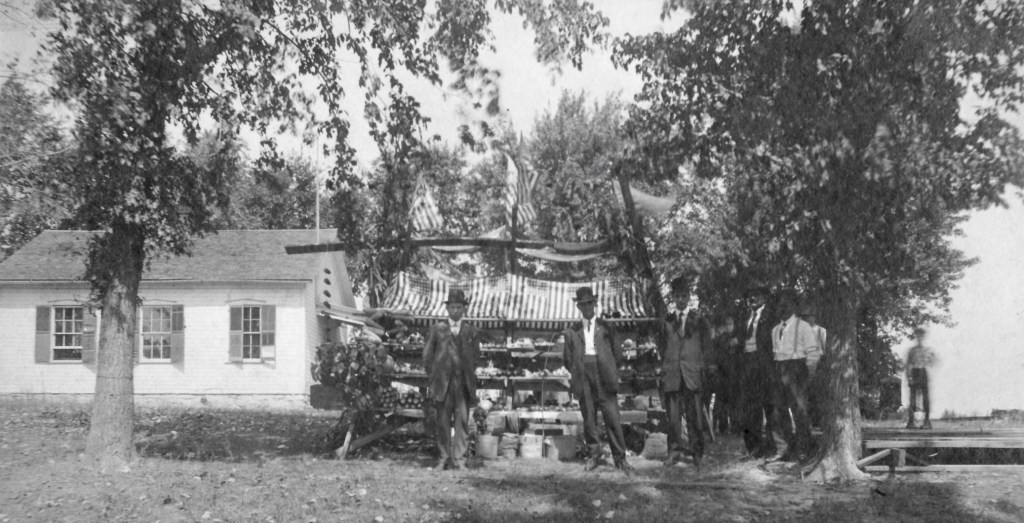
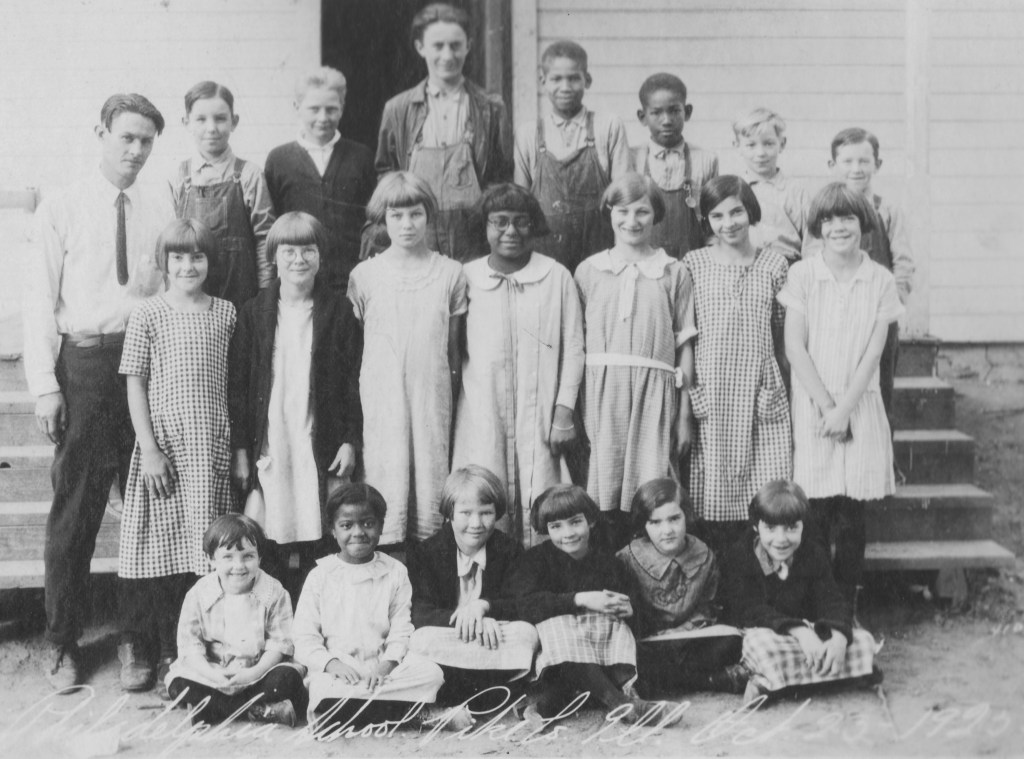
In 1836, the small village of New Philadelphia sprang up in west central Illinois, one of hundreds of villages and towns that emerged in rural America as settlers headed west. But New Philadelphia was not a typical pioneer community – it was the first American town founded and legally registered by an African American.

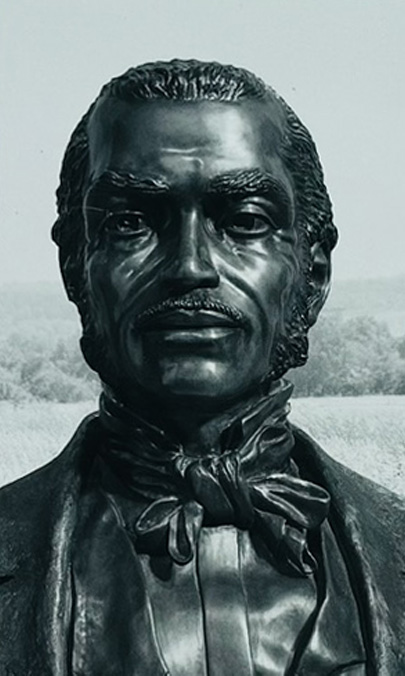
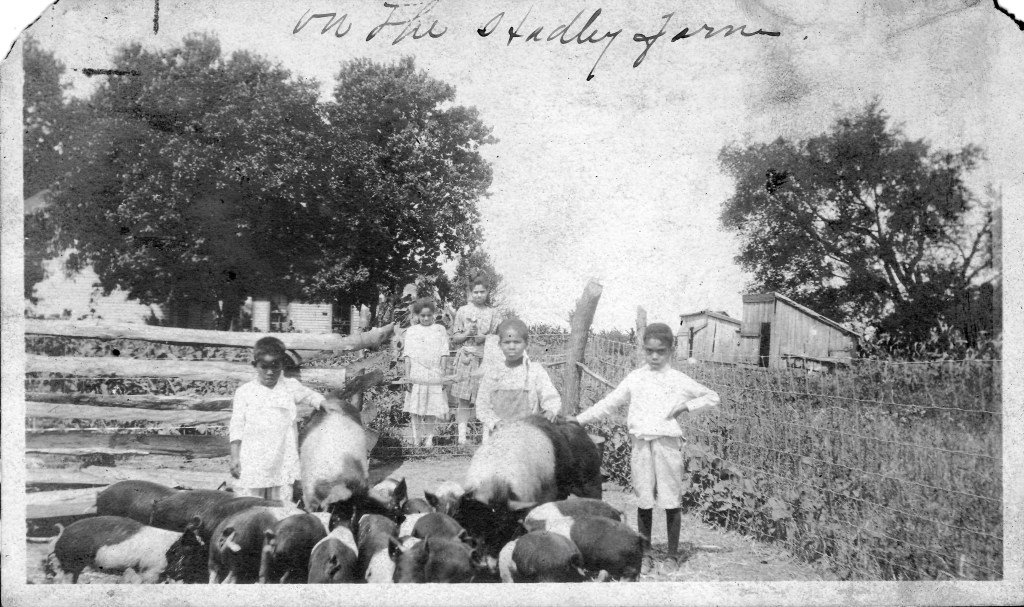
Frank McWorter (who called himself Free Frank) spent the first 42 years of his life as an enslaved man in South Carolina and Kentucky. Yet he aspired to freedom and independence. With the money he saved from outside jobs that his enslaver allowed him to hold, Free Frank was able to purchase freedom for his wife and himself, and ultimately 14 additional family members. In 1830, the couple and their freed children moved to the free state of Illinois, where they paid $100 for an 80-acre parcel of land and set up a pioneer homestead and farm in Pike County.

Courtesy of Gerald McWorter and Kate Williams McWorter

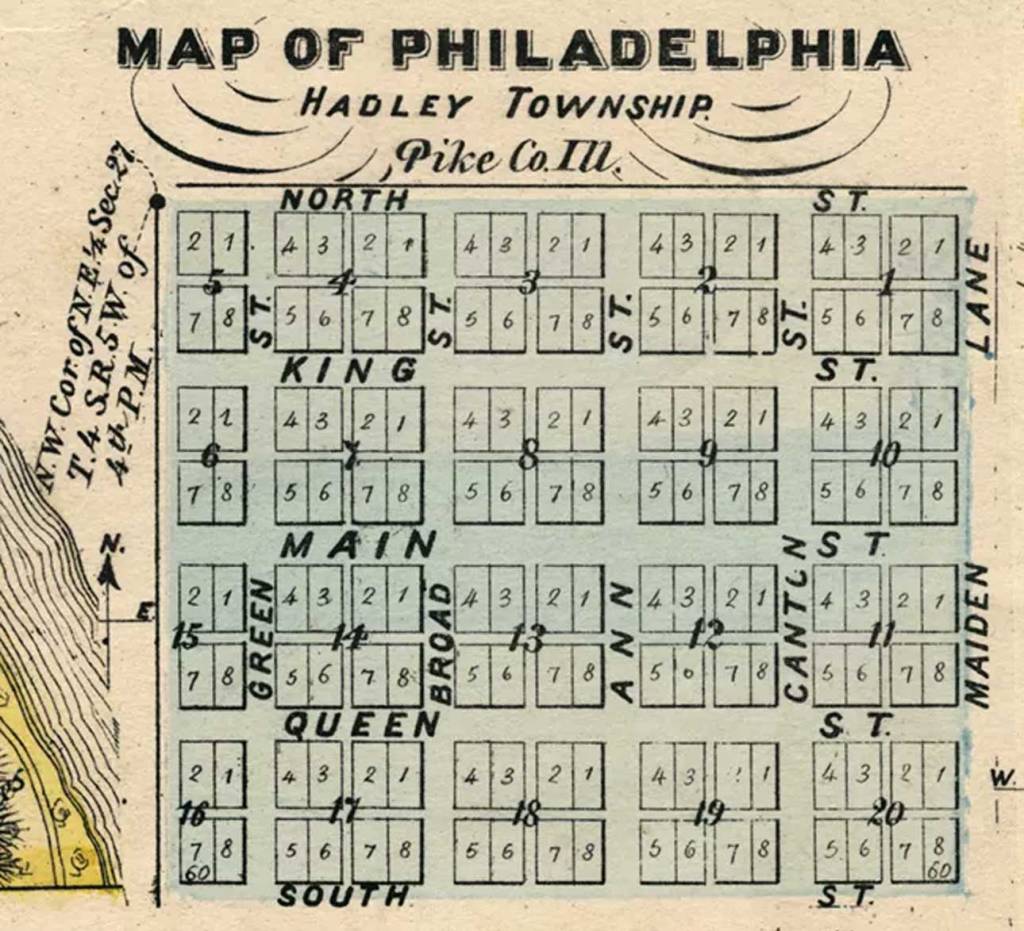
Free Frank officially registered and platted the town into 144 lots in 1836. He named it New Philadelphia, presumably to honor the city of Philadelphia, which had strong anti-slavery sentiments.

Soon the McWorters were joined by other settlers – both Black and White – drawn by nearby transportation routes and an abundance of natural resources.  In 1865, it was a vibrant town with a population that peaked with as many as 100 residents, 30 percent of whom were Black. Federal census records from 1850 to 1880 report that residents worked as cabinetmakers, shoemakers, a wheelwright, a carpenter, a physician, teachers, ministers, merchants, and blacksmiths. The town served as a stagecoach stop and supported a post office for a time.

Courtesy of Gerald McWorter and Kate Williams McWorter

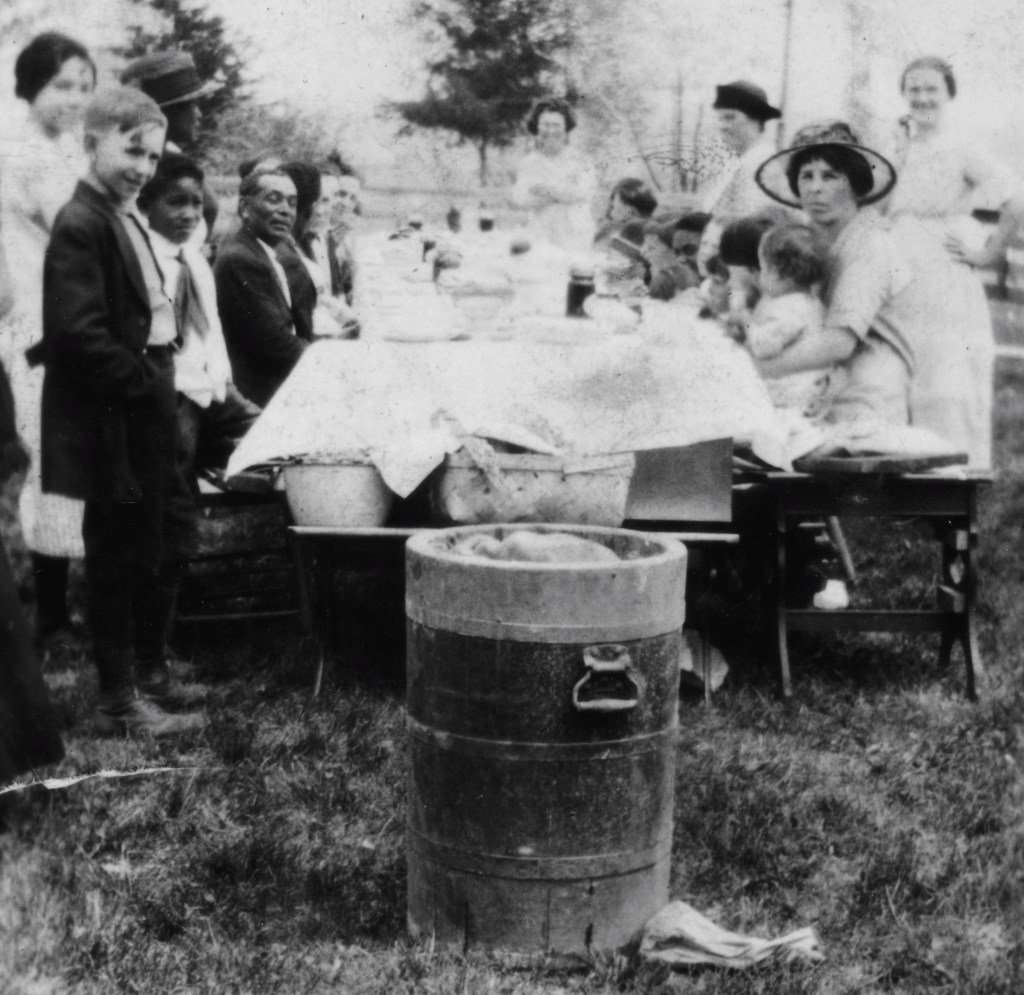
Black and White people freely intermingled throughout the town – on the farm, in church and at school. While other small towns in the area documented incidents of racial violence, researchers haven’t found evidence of any such occurrences in New Philadelphia.

Courtesy of Gerald McWorter and Kate Williams McWorter

Free Frank remained committed to helping emancipate enslaved people. As a free Black community only 20 miles from Missouri, New Philadelphia eventually became a stop on the Underground Railroad. According to descendants, his first cabin contained a cellar where freedom seekers could hide on their journey north. His sons even traveled with some freedom seekers to help them reach Canada.

Courtesy of Gerald McWorter and Kate Williams McWorter

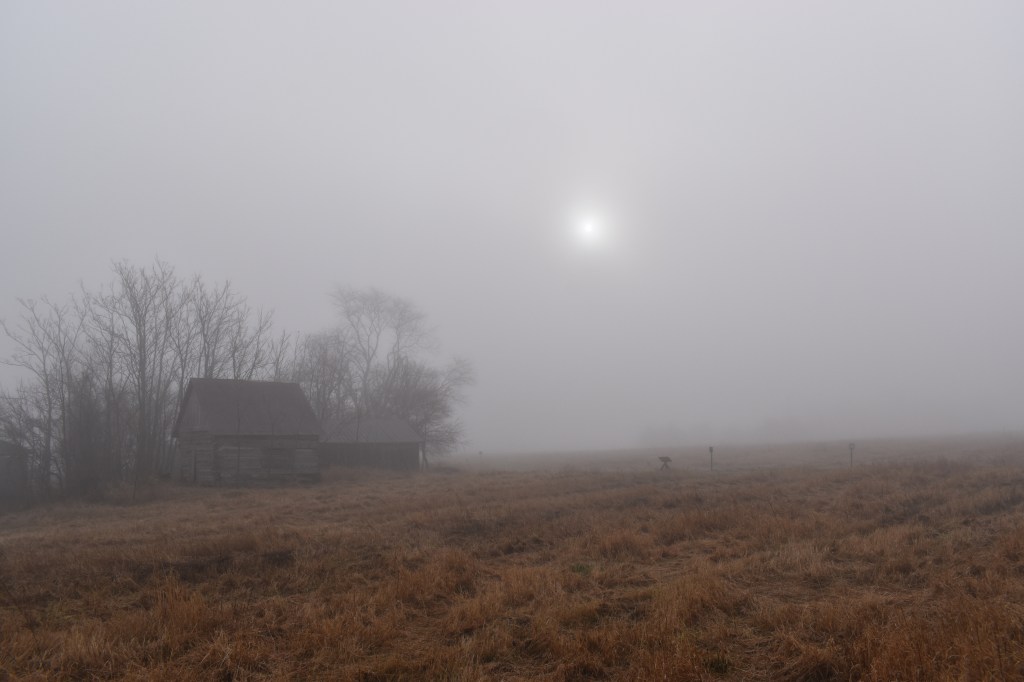
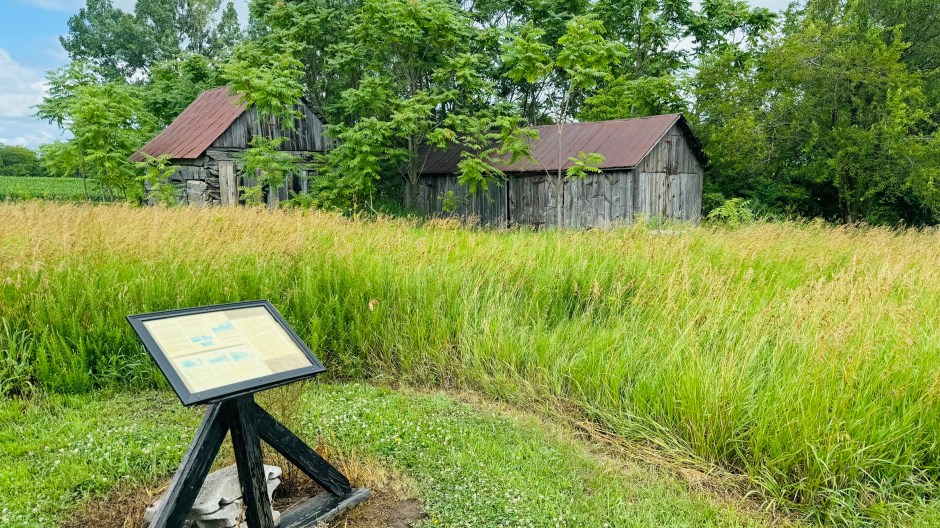
Over the ensuing decades, New Philadelphia declined, and most of its buildings were buried under farmland. But historical documents, oral histories, archeological research, local groups, and descendants have kept the town’s story alive.  In late 2022, the National Park Service designated the town as a National Historic Site.  

There are few visitor amenities on the site today, apart from an information kiosk and outdoor exhibits. But visitors who stroll along the ¼-mile walking trail can use their mobile devices to take an augmented virtual reality walking tour of the old town. NPS has plans to develop programs and additional facilities to bring New Philadelphia and the heroic story of Free Frank McWorter back to life.

Preserving the Delta’s Heritage

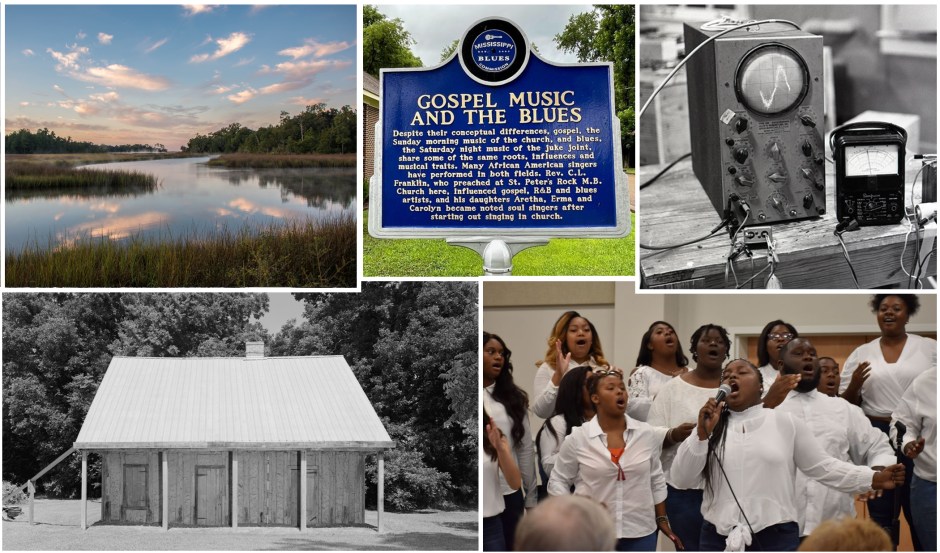
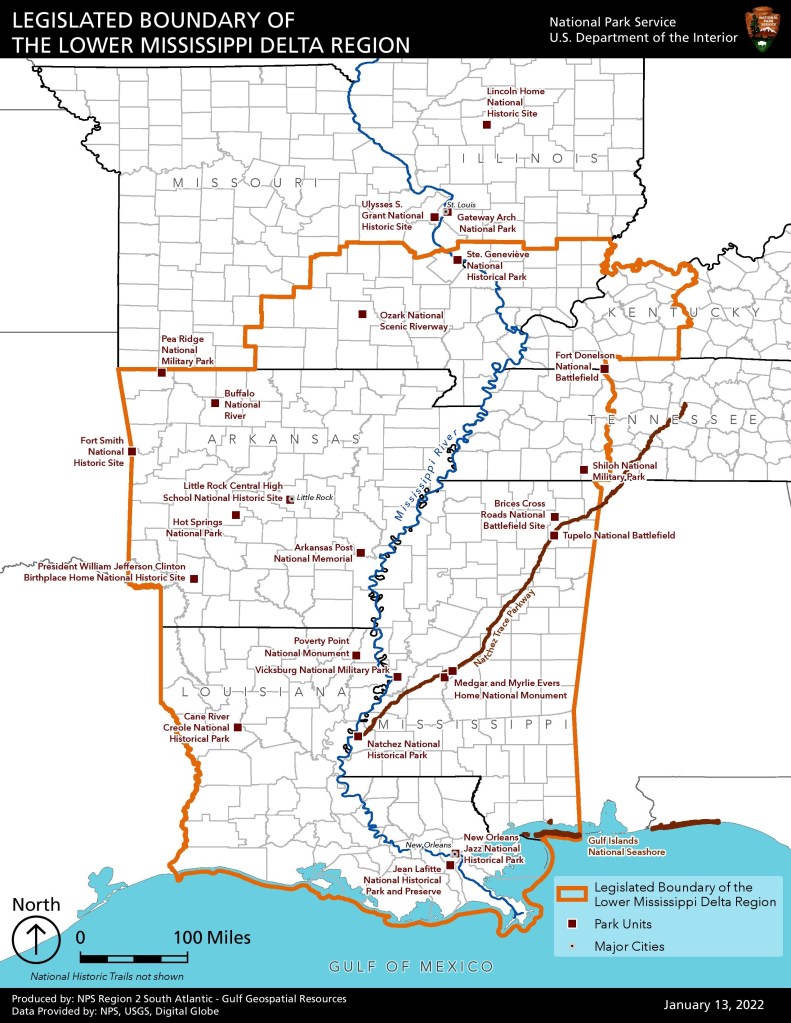
The Lower Mississippi Delta Region is the cradle of rich multi-cultural traditions, brimming with stories and sites that testify to both our nation’s diversity and to its struggles. Helping preserve the region’s historic and cultural treasures is the focus of the Lower Mississippi Delta Initiative (LMDI), a National Park Service grant program. This year, JNPA began administering the program on behalf of the Park Service, and we recently distributed funding to 23 amazing projects!

The Lower Mississippi Delta Initiative was established by Congress in 1994 to support archeological, historical, cultural, and heritage projects in the communities of the Delta Region. The Lower Mississippi Delta Region is comprised of 219 counties across the states of Arkansas, Illinois, Kentucky, Louisiana, Mississippi, Missouri, and Tennessee.

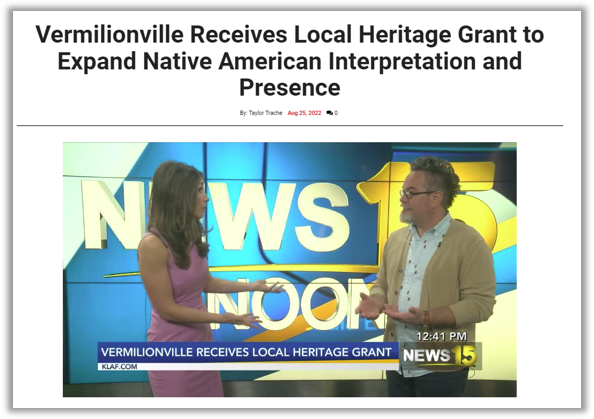
Each year, the initiative awards Local Heritage Grants of up to $25,000 to not-for-profit organizations to complete projects pertaining to Native American culture and heritage, African-American culture and heritage, public roads and visitor use plans, regional music heritage, museums, HBCUs, archeological sites, and historic buildings and structures. This year we were proud to award 23 grants to organizations representing every state in the region.  Many of these organizations are small, emerging, and/or rural, and these grants can make a hug impact in their ability to achieve their mission.

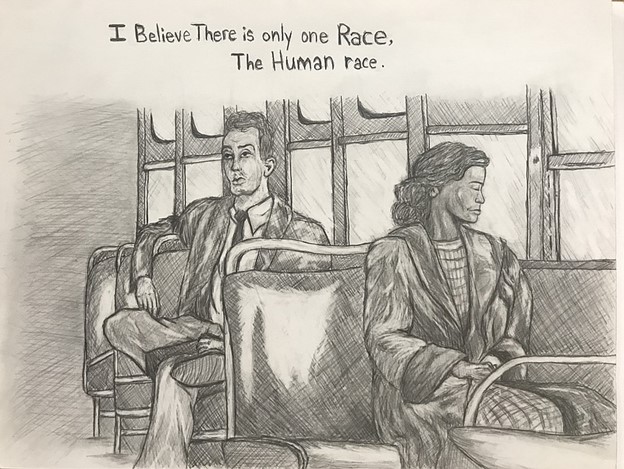
This year’s projects included music festivals, murals, museum exhibits, educational programs for students, historic building renovations, historical markers, and others. One project that has already taken place, Arkansas Peace Week, featured activities to educate the public, promote peace, and raise awareness for local organizations. One such activity was a youth art contest with the theme of “End racism. Build peace.”

Madison McKnight, a senior at Jessieville High School, won first place in the 11th-12th grade division with her entry, “Peace Over Racism,” which depicted American civil rights activist Daisy Bates. Arkansas Peace Week.

JNPA is gratified to be a partner in this worthy project. “We are pleased to partner with the National Park Service in ensuring that communities throughout the Lower Mississippi Delta region have an opportunity to preserve and promote the culture and heritage of this vibrant region,” said David A. Grove, President and CEO of JNPA.

Other LMDI projects will be completed throughout the coming year, and we are excited to see the results! Applications for the 2023 grant cycle will be available next spring. Check the LMDI Local Heritage Grant Program website for updates.