A Tribute to Ol’ Man River

Early Ojibwe Indians called it misi-ziibi (meaning Great River). French explorers called it La Rivière de Saint Louis. The Spanish named it Río del Espíritu Santo.  Today, we refer to it as the Big Muddy, Ol’ Man River, Old Blue, or the Mighty Mississippi.

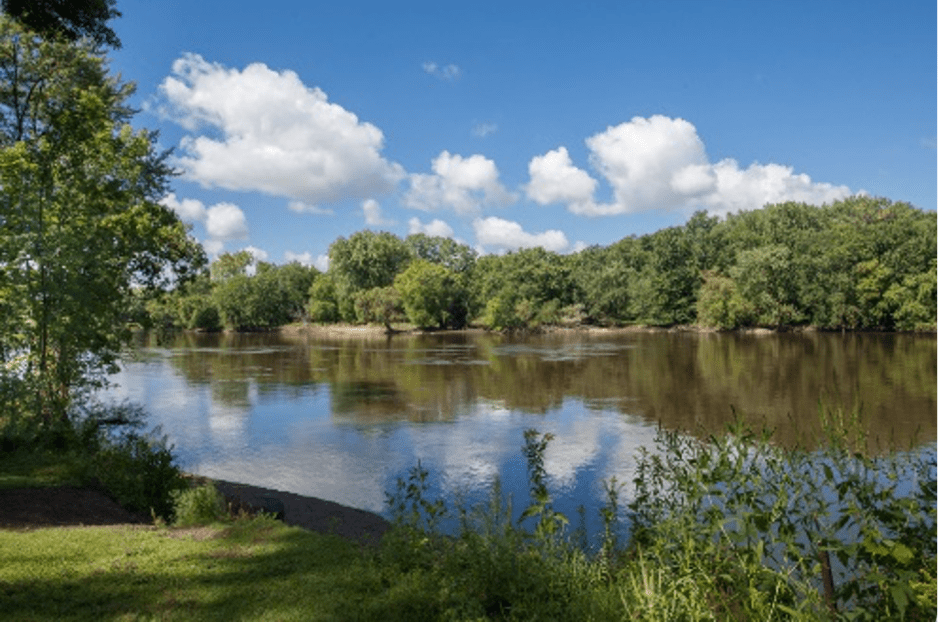
No matter what we call it, the Mississippi River figures prominently in the history, ecology, geography, commerce, literature, and many diverse cultures of America. The river is also an integral part of several of our national park partner sites, including Gateway Arch National ParkMississippi National River & Recreation Area, and Ste. Geneviève National Historical Park.
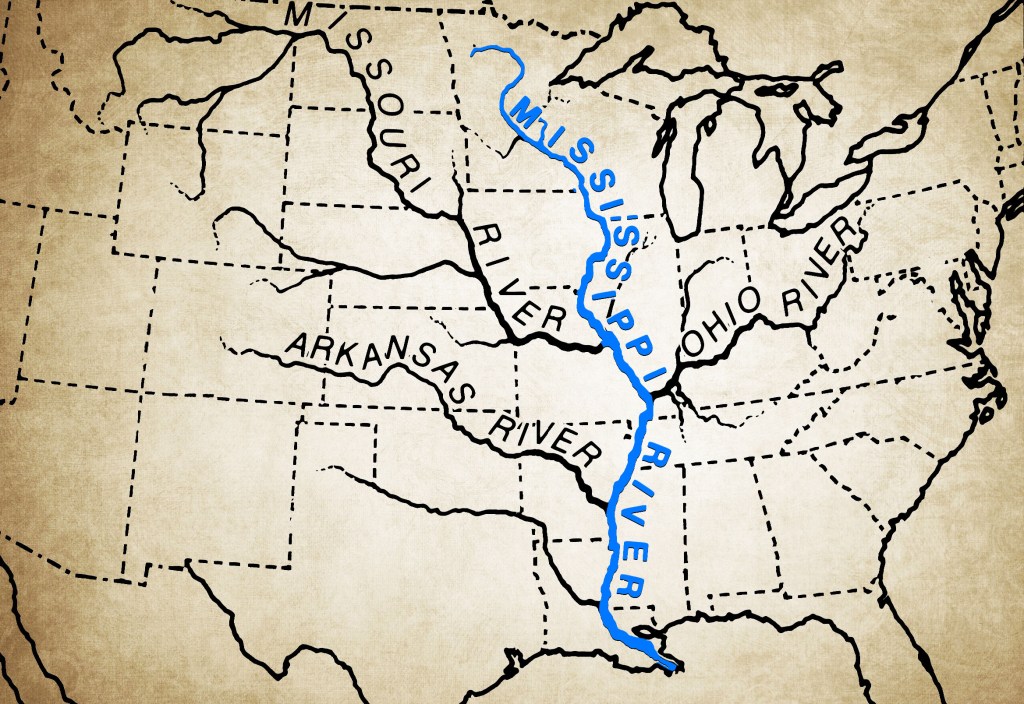
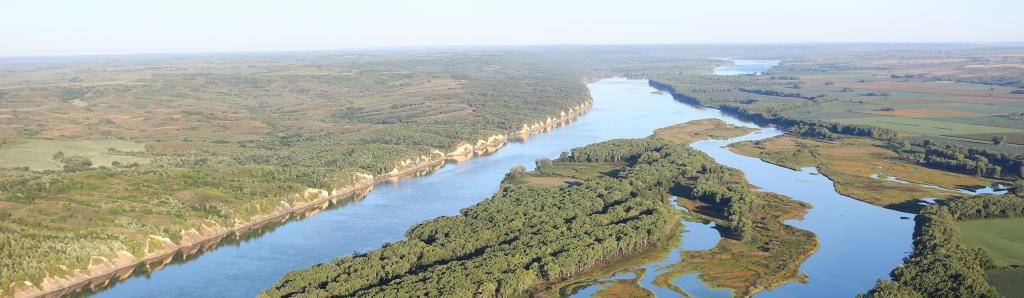
No matter how you look at it, the Mississippi is impressive. It measures 2,340 miles in length, stretching from its tiny source in northern Minnesota to the Gulf of Mexico. (In case you were wondering, it can take 90 days for a drop of water to travel that entire length!) Water from parts or all of 31 states and two Canadian provinces drains into the Mississippi, making it the third largest watershed in the world.

Images courtesy of NPS

The river is home to an estimated 260 species of fish (25% of all North American species), 326 species of birds, more than 145 species of amphibians, and more than 50 species of mammals. Sixty percent of all North American birds use the river basin as their migratory flyway.
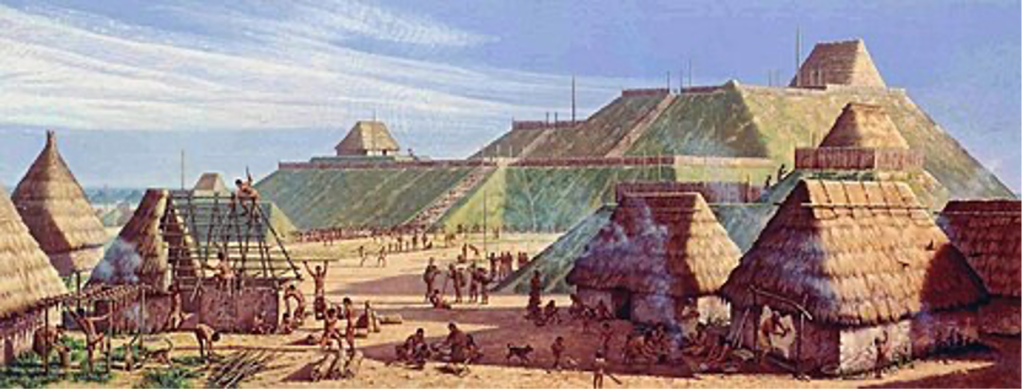
Reconstruction of Cahokia Mounds site, courtesy Michael Hampshire for the Cahokia Mounds State Historic Site

Humans, of course, have relied on the waters of the Mississippi for millennia. Native Americans have lived along its banks and tributaries for thousands of years. Most were hunter-gatherers, but some, such as the Mound Builders, formed prolific agricultural and urban civilizations. The ancient metropolis of Cahokia, Illinois, for instance, was more populous than London in the year A.D. 1250.
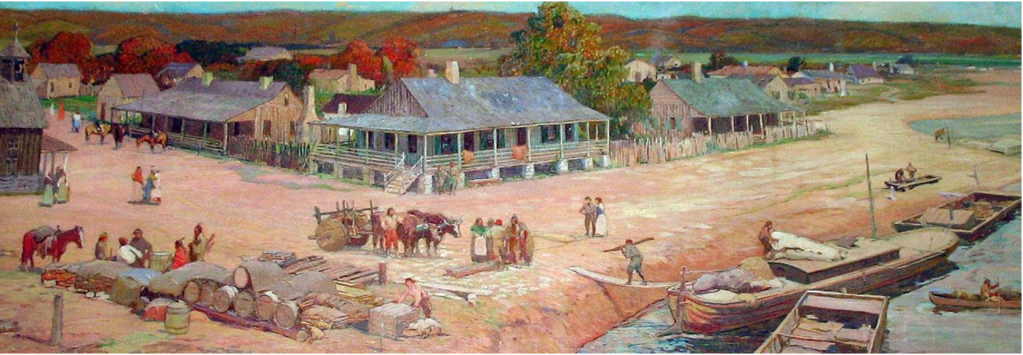
Settlers in early Ste. Geneviève, on the banks of the river.  From Missouri State Capitol mural by Oscar E. Berninghaus.

The arrival of Europeans in the 16th century changed the native way of life as first explorers, then settlers, ventured into the river basin in increasing numbers. Early European explorers used the Mississippi to explore the interior and northern reaches of the continent. Fur traders plied their trade on the river, and at various times soldiers of several nations garrisoned troops at strategic points along the river when the area was still on the frontier.
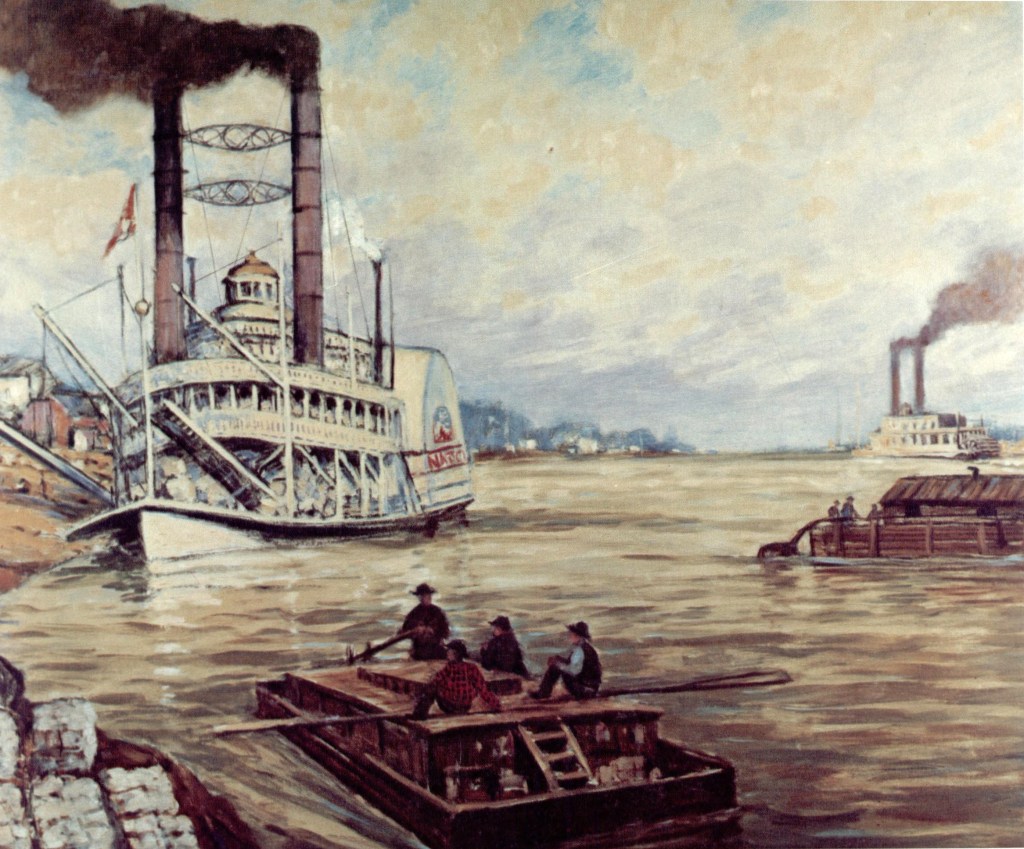
Starting in the 1800s, white settlers from Europe and America (and often their enslaved people) travelled the Mississippi on steamboats, further dispossessing the Native Americans of their lands and converting the landscape into farms and cities. They brought with them new traditions and cultures, and it wasn’t long before original American musical genres sprang up throughout the river basin.   
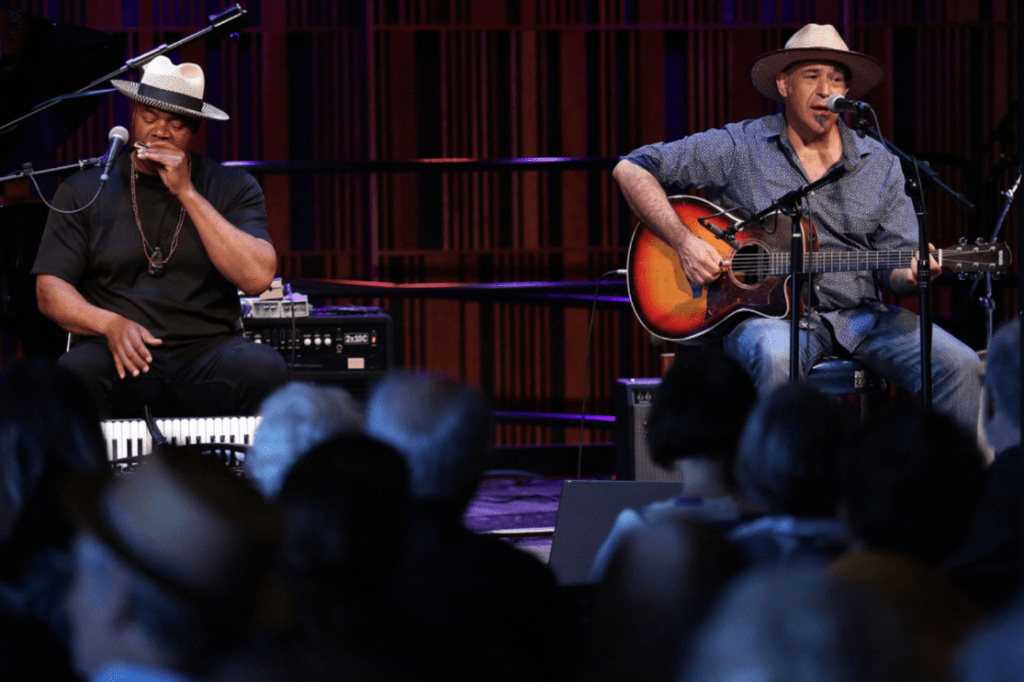
Image courtesy of NPS

Jazz, blues, gospel, bluegrass, Dixieland, country, folk—all find their musical origins along the Mississippi’s banks. Our partner park Mississippi National River and Recreation Area has collected some original Songs of the Mississippi River, reflecting eight educational themes focused on the river. Take a listen to each one and imagine yourself as one of the unique characters who called the Mississippi home.  
Honoring Indigenous People

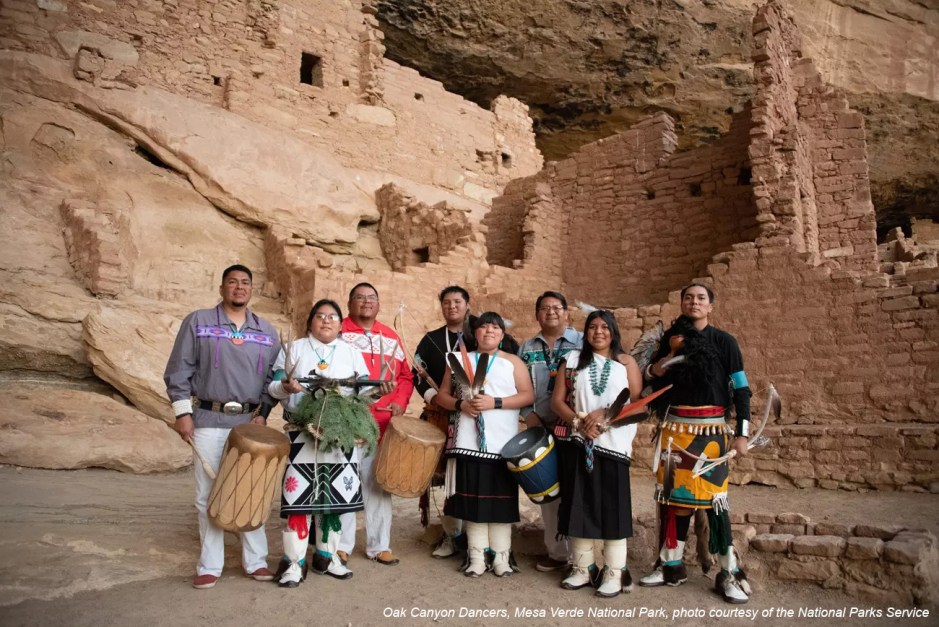
Long before Europeans explored and ultimately colonized the vast expanse of the United States, the land was home to many cultures dating back millennia. Today, our national parks celebrate these Indigenous cultures by preserving and sharing their many stories, histories, traditions and perspectives.

In honor of the upcoming Indigenous Peoples’ Day on October 14, we thought it was fitting to highlight how some of our partner sites are collaborating with neighboring Native tribes to develop new programs and exhibits.

Missouri National Recreational River

Missouri National Recreational River

Staff members at this Northern Plains park along the mighty Missouri are working to establish partnerships with the three tribes that call the park’s stretches of river home: the Yankton Sioux Nation, the Santee Sioux Nation, and the Ponca Tribe of Nebraska. They hope to develop programs for Native youth as well as opportunities for tribal elders to share their knowledge and teachings with their youth. 

JNPA will support the park’s tribal partnership project with our new Blue Sky Grant funds.

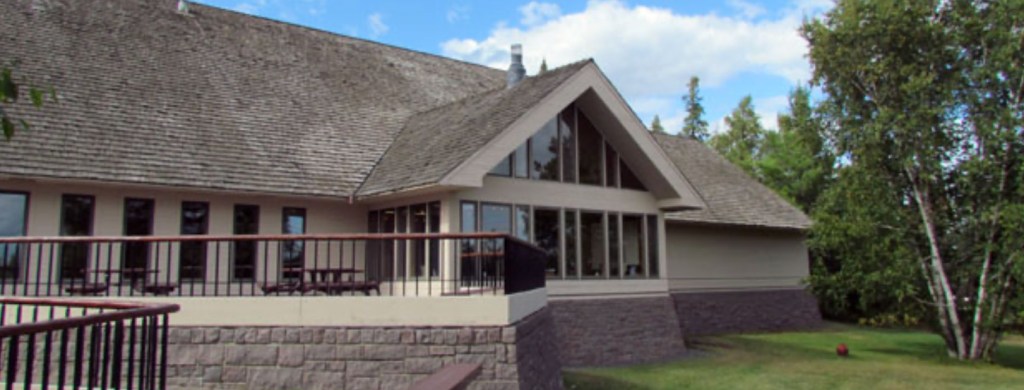
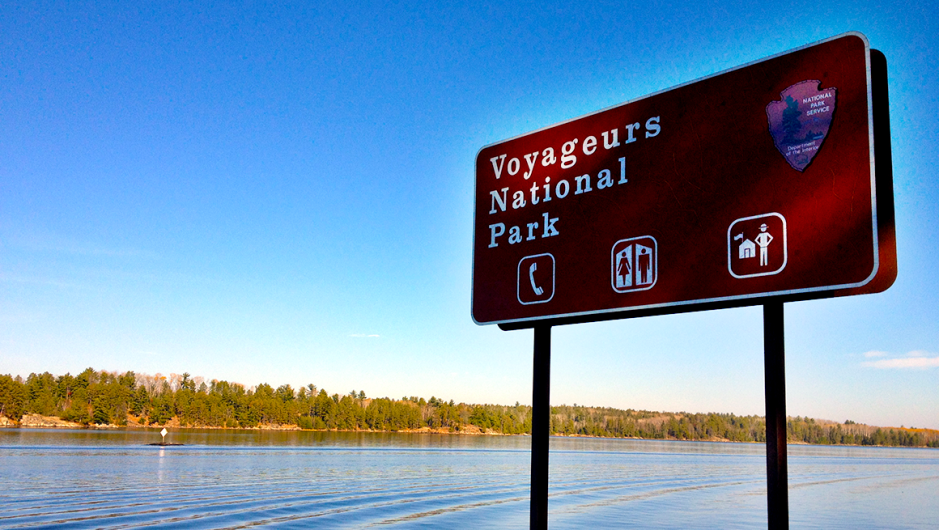
Voyageurs National Park, Crane Lake Visitor Center

Voyageurs National Park

This northern Minnesota park is collaborating with Indigenous Ojibwe members of the Bois Forte Tribe on the creation of exhibits at the new Crane Lake Visitor & Education Center. New interpretive media will highlight themes of Indigenous knowledge, specifically incorporating traditional ecological knowledge of the Ojibwe/Anishinaabe people. There will be exhibits focusing on natural dark sky stories and the cultural history of the waterways that flow through Voyageurs National Park and the borderland region.

JNPA is supporting Voyageurs’ development of new Indigenous-focused exhibits with our new Blue Sky Grant funds. 

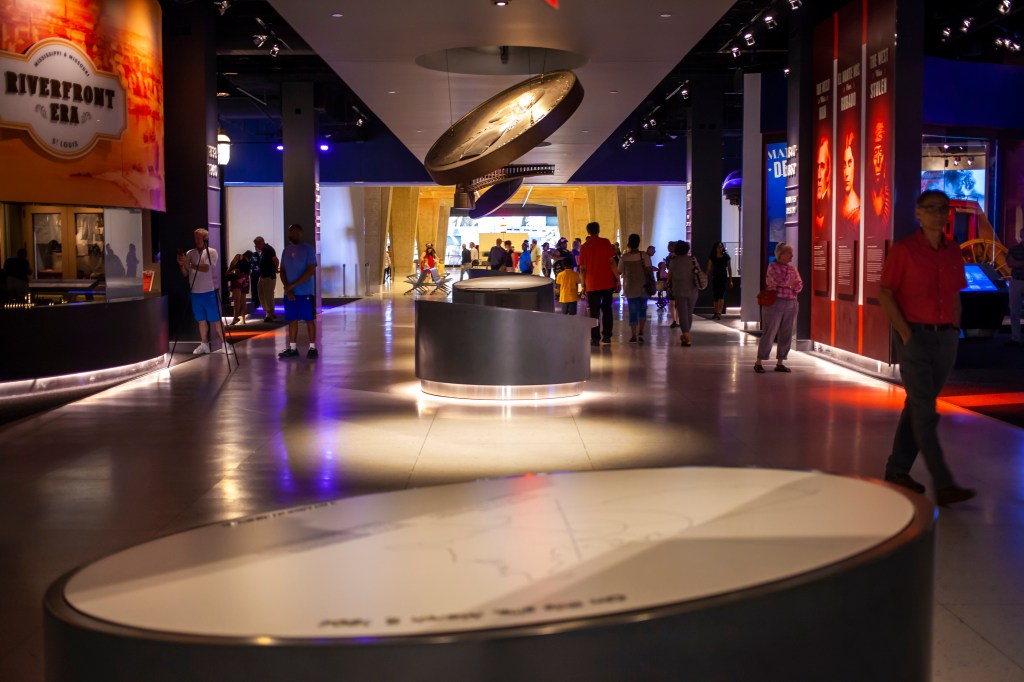
St. Louis Gateway Arch Museum

Gateway Arch National Park

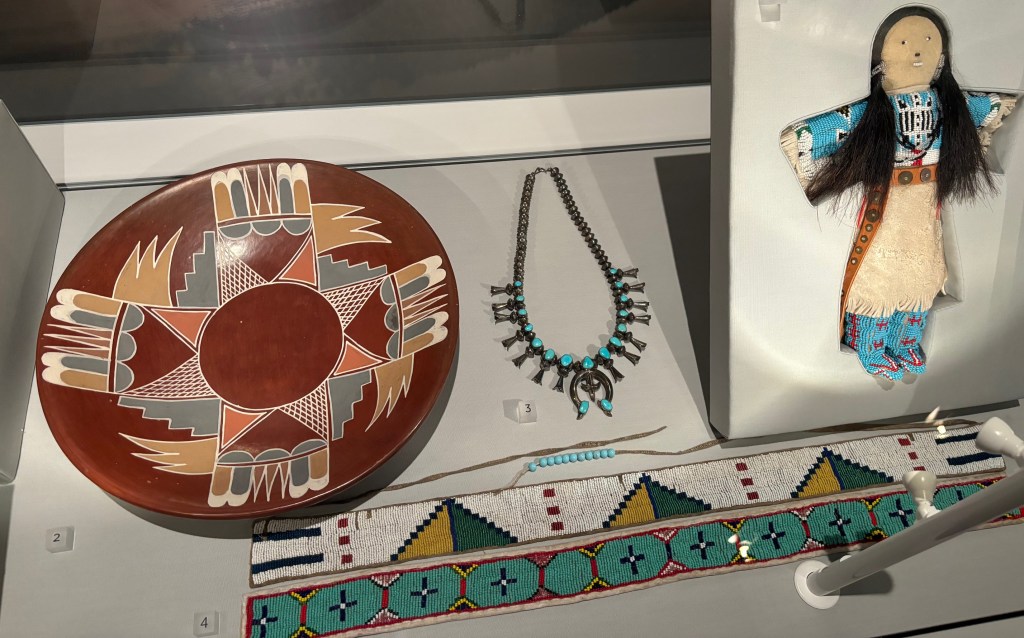
When the new Museum at the Arch was under development, park staff at the Gateway Arch worked with many tribal nations, including members of the Osage Nation, to ensure the exhibits accurately reflected their perspectives. And since terminology tends to change and new Indigenous perspectives or research findings emerge, park leadership plans to host a gathering next year that would bring tribal consultants on site for an in-depth review of the museum exhibits.

The park staff also consults with Native Americans as it develops education and interpretive programs, to ensure the content incorporates tribal perspectives. And for special events, staff training and teacher workshops, the park tries to provide honorariums to Indigenous representatives so they can present programs in person—rather than having staff speak on their behalf.

In addition, the park is working to identify any objects in the collections or on display that might fall under the Native American Graves Protection and Repatriation Act (NAGPRA). With the advice of tribal representatives, the park would need to identify any sacred or burial items that should be removed from display and/or returned to the respective tribes. 

JNPA regularly underwrites fees for Indigenous speakers who deliver park programs. 

Unsung Heroes of National Parks and Public Lands

When you picture someone who works for a national park, you probably think of a ranger in a flat hat, but did you know that park rangers are not the only ones who keep these treasured sites running? In fact, it takes a wide range of talented people to protect and maintain these historic sites and natural spaces.  Today we’re starting a blog series to shine a light on the employees at our partner sites who spend day in and day out taking care of these amazing public lands and their visitors – ranging from specialists in law enforcement and groundskeeping to administrative staff and so many others.

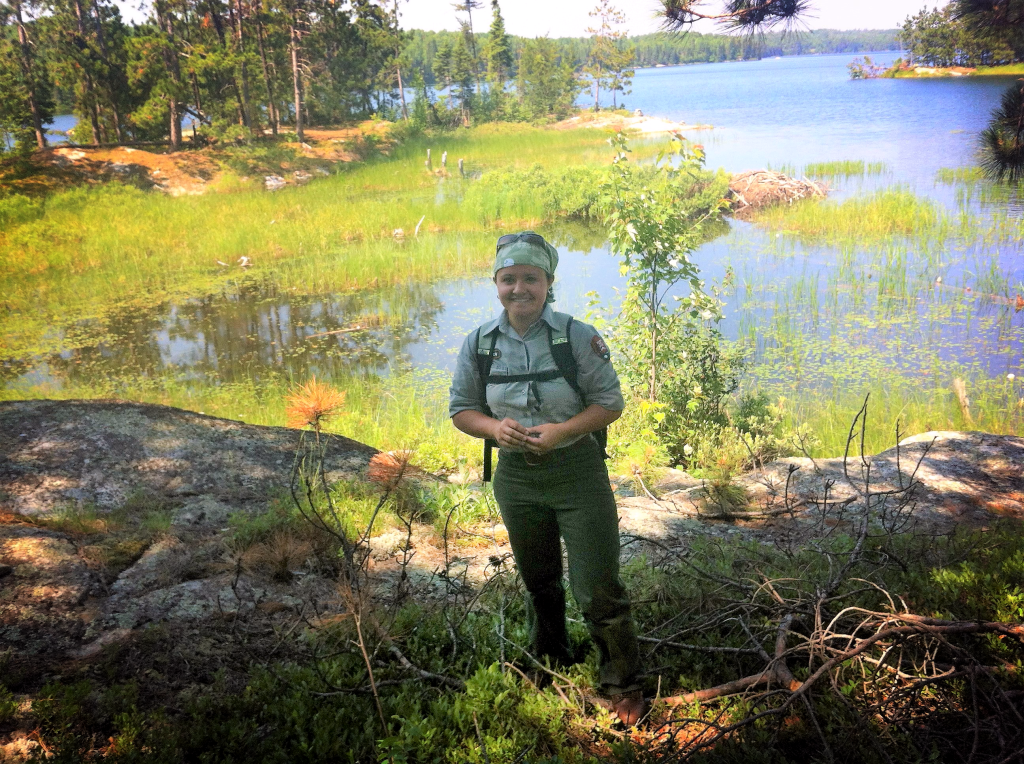
First up, we spoke to Candy Braton, Recreation Fee Specialist at Voyageurs National Park. Candy started her career as a seasonal maintenance worker at Voyageurs in 2001. Seasonal work was perfect for Candy while she completed her master’s degree in environmental studies and raised her two small sons. She also worked at Rocky Mountain National Park before moving into her fulltime current position at Voyageurs in 2018.

Candy on her first hike to Cruiser Lake.

What made you want to pursue a career in public lands?

My desire for a career with the NPS grew very organically. I slowly realized as I attended college that what I was doing for my summer job, and where I was spending my summers, were what I was becoming most passionate about. I wanted to be involved with caring for special places such as Voyageurs and doing what I could to help others understand the need to care for them as well. After two years of college, I switched my major to Environmental Studies and finally felt certain that my educational and future career goals were aligned with what simply made me happy.

What is your favorite part of the job?

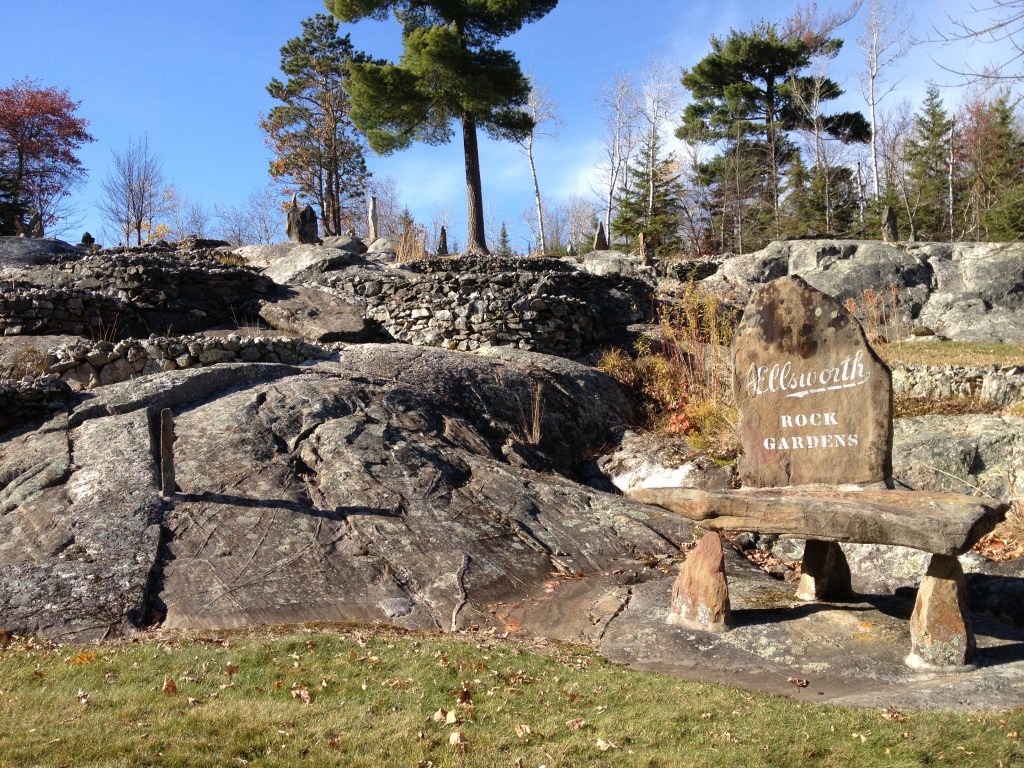
I am admittedly a nerd when it comes to helping people plan trips in the park or looking into camping statistics at VOYA, so if I’m in the office I genuinely enjoy doing those things, but I love when I get the chance to get back in the field doing just about anything. One part of managing the Rec Fee program at VOYA is completing collections of park donations, which guarantees me at least a few chances to take a boat to Ellsworth Rock Gardens each season, and managing certain aspects of our backcountry camping opportunities gives me reason to get in a few hiking trips for work in as well.

What is particularly special about Voyageurs National Park?

What I love about Voyageurs is you can always escape crowds. No matter where you are on the lakes you can find somewhere to feel completely secluded. I love that there is so little development that when you look at the long stretches of rugged shoreline, it feels timeless – you’re seeing it the same way people did in the past and how people will continue to see it generations from now because of the existence of the park.

What is a funny/favorite memory from your job?

When I was cleaning campsites one season, I had a student seasonal working with me, and as we were driving our boat in a channel we saw something small swimming in the water. We came to a stop to try and figure out what it was, at which time it turned and started swimming right toward us. As it got close to the boat, we realized it was a racoon, and it started scratching at the boat like it was trying to get in. My coworker started yelling and ran to the other side of the boat, ready to jump out if the racoon got in, because it just so happened that she had an intense fear of racoons of all things! Some other favorite memories are when I got to camp for a week in the backcountry for work, or when I’d sit quietly on random shorelines to have lunch and would see deer come out of the woods for a drink from the lake, families of otters frolicking on the shoreline, loons feeding their babies, and all sort of other things I’d try to remind myself most people don’t get as a job perk!

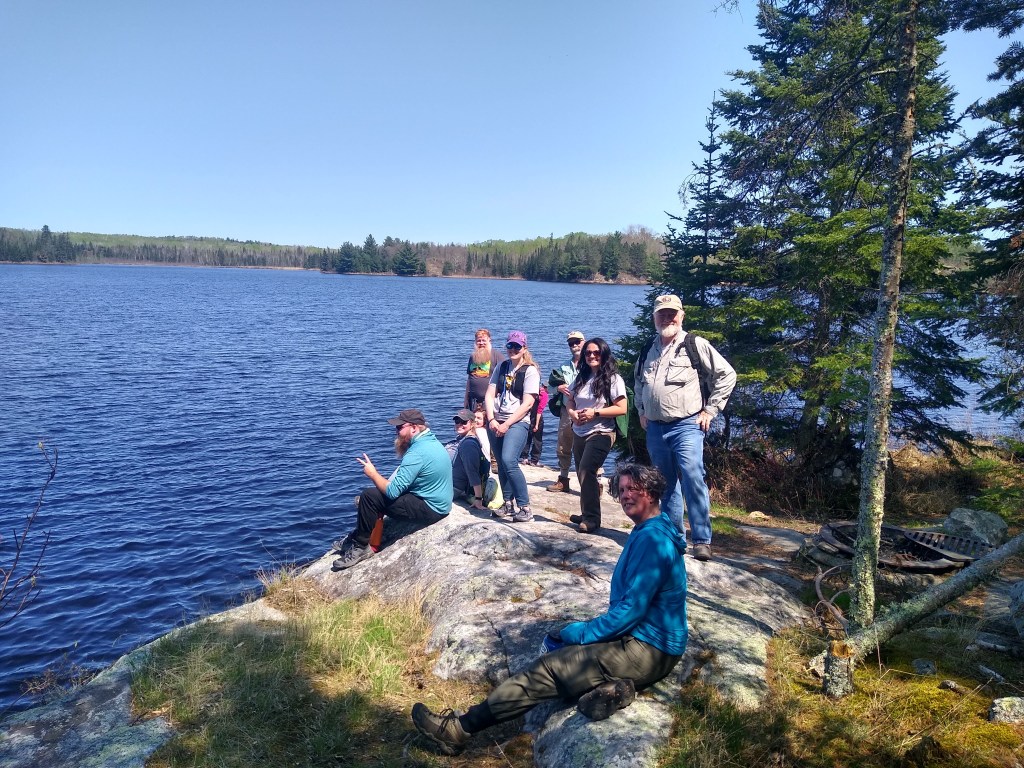
Candy leading the 2023 Seasonal Rangers to a backcountry lake.

What advice do you have for someone who wants to start a career with public lands?

My advice would be to explore the public lands near you; become familiar with them both from the resource perspective and the visitor perspective. Volunteer your time or apply for a variety of seasonal positions to get tangible experience in the different areas that interest you and help narrow down the type of job you find most fulfilling. Our charitable partner, the Voyageurs Conservancy, leads a Teen Ambassador program that gets groups of youth out into the park for an immersive experience camping, connecting with the land, learning about the park, and getting exposure to the wide array of work and research that happens in the park. There are also a variety of conservation organizations that give groups of high-school-aged students opportunities to camp in parks while completing valuable projects. Here at VOYA, the Conservation Corps of MN (CCM), the Student Conservation Association (SCA), and Youth Conservation Corps (YCC) are common youth organizations that do this.

Why do you think national parks and public lands are important?

National parks and public lands are important because they preserve the most beautiful and unique landscapes throughout the country. They are places of great historical and cultural significance, while also being home to some of the most biologically diverse environments. They are places that offer inspiration with their breathtaking views, the ability to slow down and feel connected to nature in a busy, fast-paced world, and an endless array of recreational opportunities so everyone can experience them in the ways that they enjoy most.

New Leader at U.S. Grant National Historic Site

We’re excited to welcome Nathan Wilson as the new superintendent at Ulysses S. Grant National Historic Site.  The National Park Service announced his appointment, effective this month.  Wilson is a 17-year veteran of NPS and has a wide range of experience working in historical parks, mostly in the Midwest.  We recently caught up with him to learn why he’s excited about his new role at our partner park.

Why did you start working for the National Park Service?

I’ve always enjoyed the outdoors and parks as places to reflect, learn, and recreate. As a student in the Parks, Recreation, and Tourism program at the University of Missouri, I became interested in public land management and the various agencies tasked with overseeing them. I found the National Park Service mandate to protect and preserve our nation’s most significant resources – for everyone’s enjoyment – to be particularly special. That’s what led me to pursue a career working for the agency. I was fortunate to receive an internship at Fort Smith National Historic Site as I was finishing my undergraduate degree and that opportunity turned out to be a springboard for my career with the NPS.  

What is particularly special about U.S. Grant National Historic Site, or why should someone visit?

I think the story we tell in conjunction with the physical resources at the site make for a very impactful experience. The period of Grant’s life spent here in St. Louis is often overlooked in comparison to his time served as Union general and president. However, it was critical in shaping and influencing the values, character, and identity that we associate with this American hero today. Visitors get a meaningful glimpse into this part of his life when they visit our park.

What’s your favorite part of the job, or what do you hope to accomplish at ULSG?

The park staff does an incredible job of interpreting the Grant story and administering and caring for the resources here at the park. The level and variety of skill among our team is impressive and inspiring to me, and collaborating with them is a highlight of the job. I’m truly honored by the opportunity to take on this leadership role and look forward to continued collaboration with this amazing team during Grant’s bicentennial year and into the future.

What’s your favorite activity to do at your park?

I really enjoy the historic structures and cultural landscape here at the park. The restoration and rehabilitation work that took place at White Haven in the 1990s transformed the park structures and makes for a great historic preservation experience, and the landscape provides a nice greenspace to enjoy the outdoors in suburban St. Louis.   

Your park’s best kept secret is…?

Not necessarily a secret but I’d be remiss if I didn’t give a shout out to our park volunteers. We’ve got over 20 volunteers here at Grant who help us with everything from visitor services and tours to cultural resource management and museum operations. These dedicated team members provide a tremendous amount of support to our park and are a major contributor to the high-quality visitor experience we provide at the Ulysses S. Grant National Historic Site.