The Old Courthouse Reopens

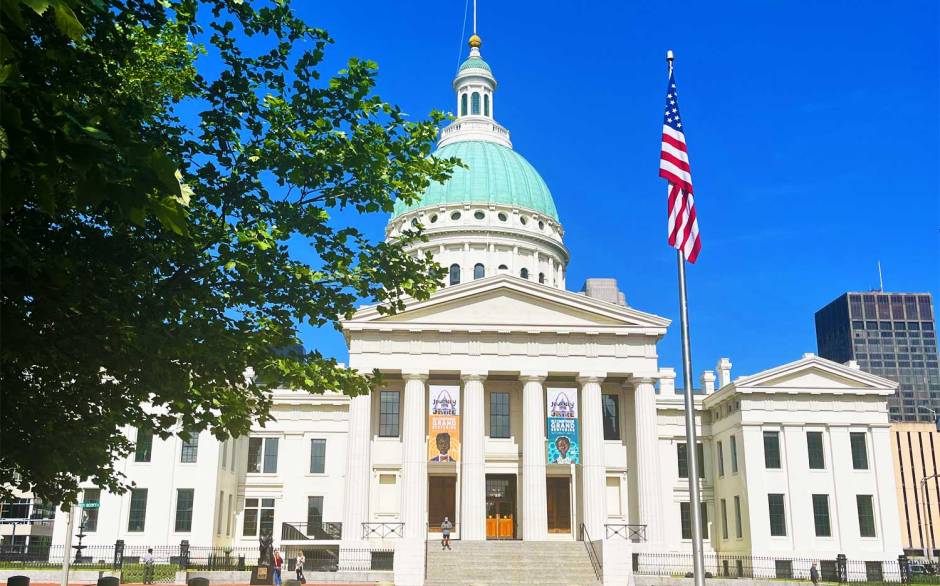
If you haven’t yet visited the newly renovated Old Courthouse at Gateway Arch National Park, be sure to add it to your ‘must see’ list. The grand old building reopened to the public on May 3 after being closed for several years, both to accommodate extensive structural improvements and to install new exhibits.

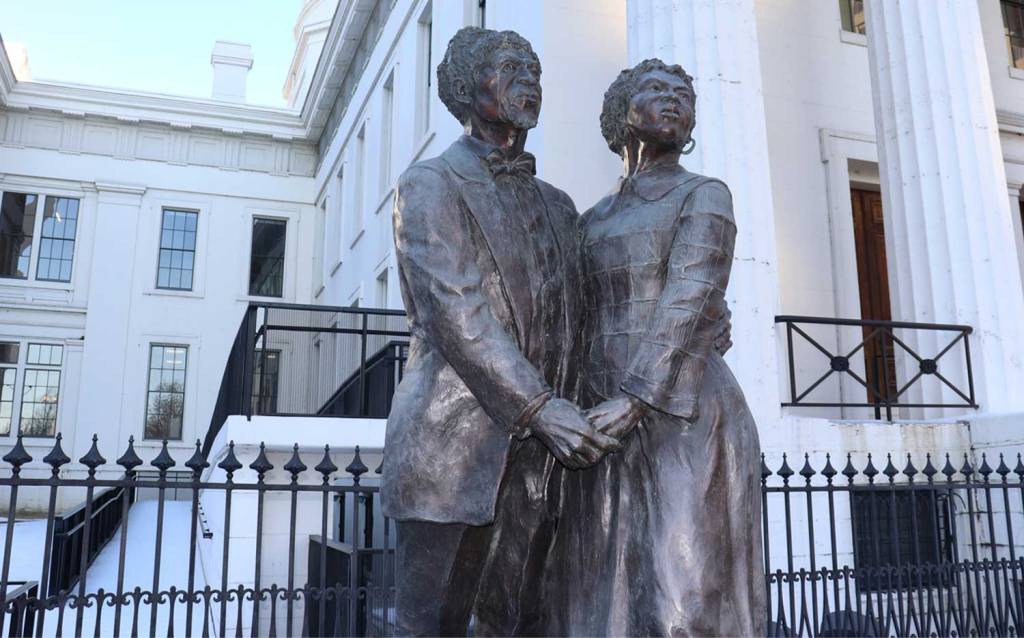
The Courthouse has played a seminal role in St. Louis history, and in the national struggle for civil rights. Slave auctions were held on its steps. Inside its walls more than 300 enslaved African Americans filed suit for their freedom.  Among the most prominent cases were the first two trials of Dred and Harriet Scott’s bid for freedom from enslavement. The building was also the scene of Virginia Minor’s efforts to secure women’s right to vote.  

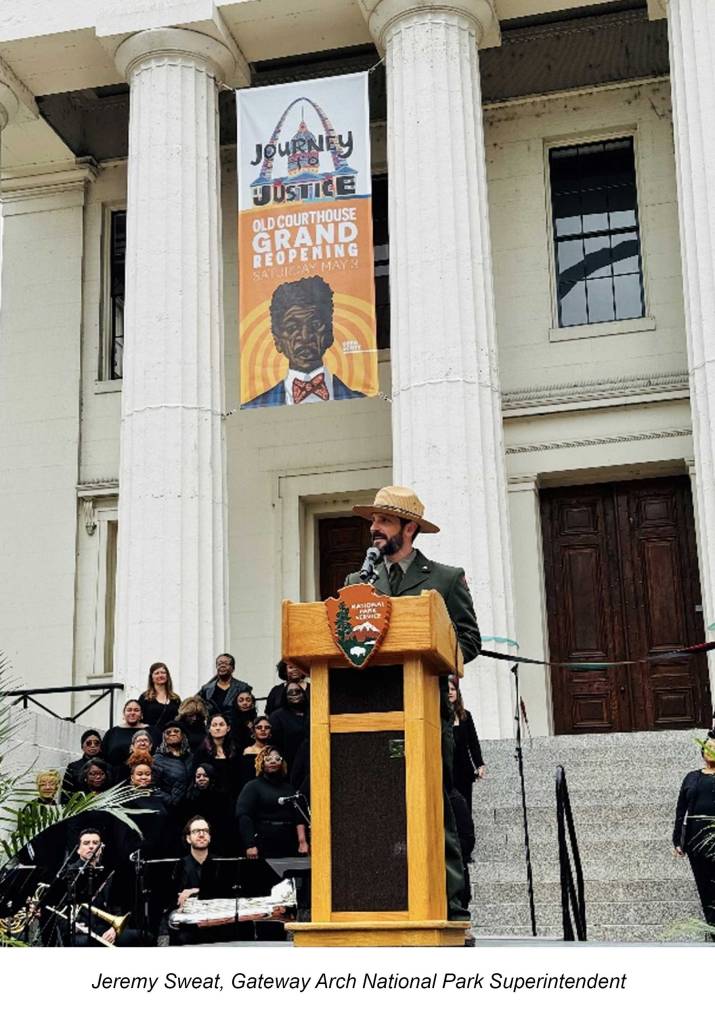
“The Old Courthouse has been the site of some of the most pivotal moments in American history, and now it will offer visitors an even deeper connection to its past,” said Jeremy Sweat, Superintendent of Gateway Arch National Park. “With the new exhibits, enhanced accessibility, and structural updates, the Old Courthouse will continue to be a vital educational and cultural resource for generations to come.”

The Old Courthouse renovation marks the final phase of the $380 million CityArchRiver project—the largest public-private partnership in National Park Service history. The building’s updates enhance visitors’ experiences while preserving its architectural beauty:

All-New Exhibits: Compelling galleries that delve into the stories of Dred and Harriet Scott, African American life in St. Louis, the continued struggle for civil rights, and the courthouse’s architectural and legal legacy.

New Accessibility Features: Installation of the first elevator in the building’s history, which allows all visitors access to the second floor to tour the historic courtrooms.

Structural and System Improvements: Renovated ceilings and flooring, a state-of-the-art fire suppression system, upgraded heating, ventilation, and air conditioning systems, and general restoration and improvements.

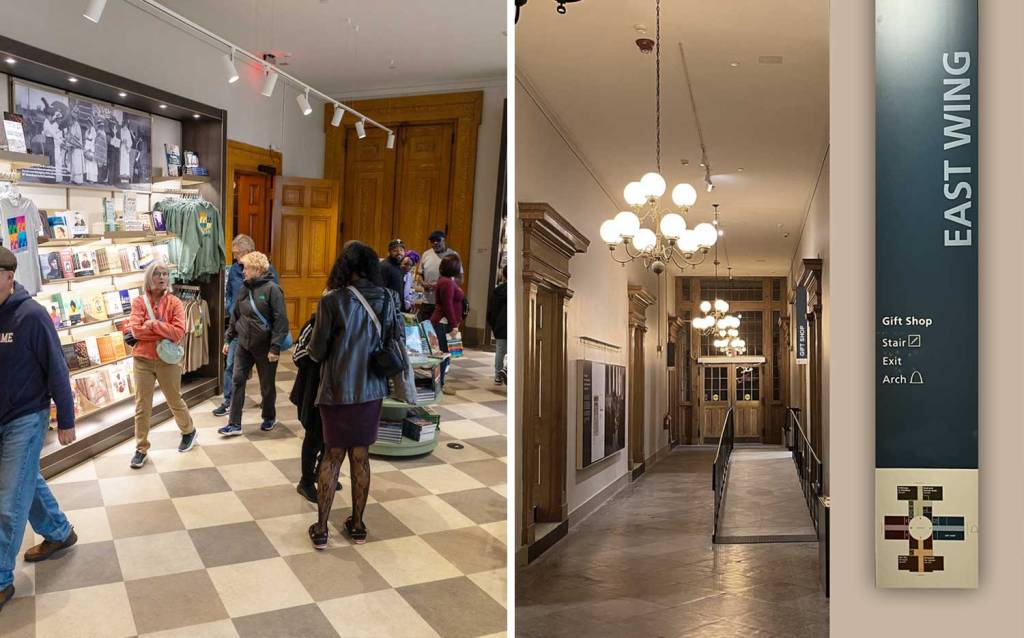
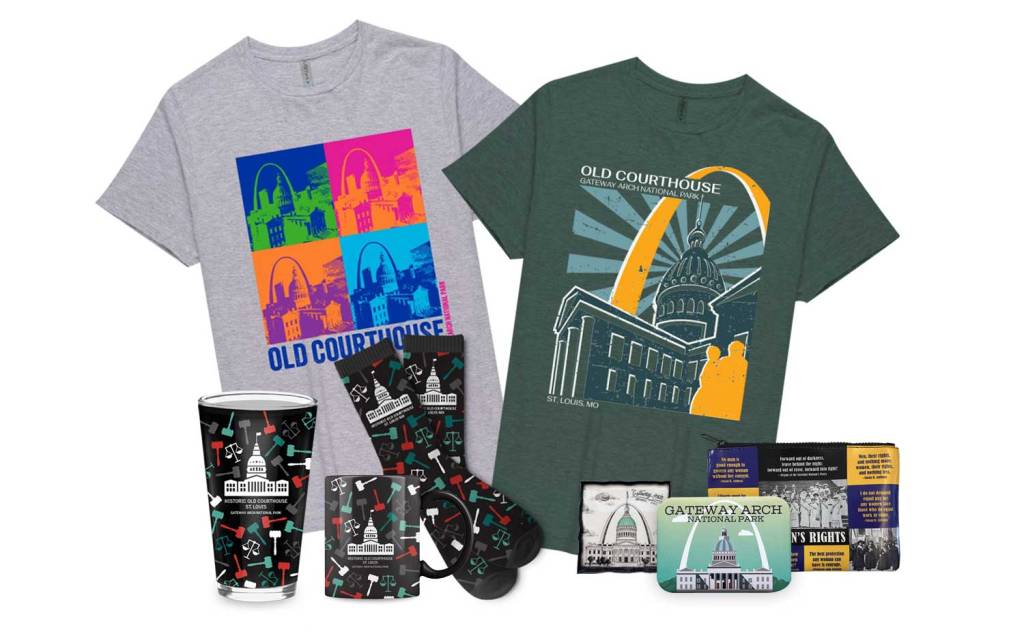
The renovations included major updates to JNPA’s gift shop inside the Courthouse. The 1,400-square-foot space was carefully designed to complement the historic architecture of the building. From custom fixtures to interpretive banners, every detail was chosen to reflect the building’s distinctive character and storied past. In addition to the thoughtfully curated book collection, the shop offers Old Courthouse-inspired apparel, accessories, drinkware and memorabilia. We invite you to stop in during your visit, or order from our online store.
Doubling the Size of America – at 4¢ an Acre!

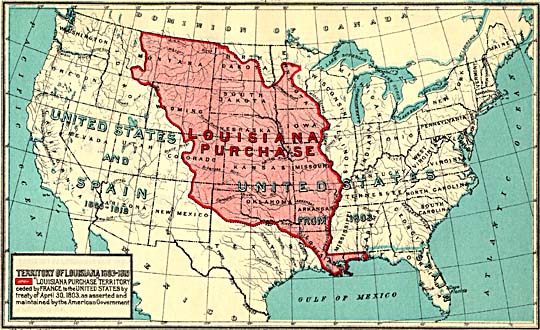
Tomorrow we commemorate an important milestone in the history of our nation. On April 30, 1803, the United States and France signed the Louisiana Purchase agreement. With one stroke of a pen, the U.S. purchased 828,000 square miles of land west of the Mississippi River at a cost of $15 million (approximately $371 million in today’s dollars).  For roughly 4 cents an acre, our nation doubled its size, expanding our borders westward.

The historic purchase included land from 15 current U.S. states and two Canadian provinces:  the entirety of Arkansas, Missouri, Iowa, Oklahoma, Kansas, and Nebraska; large portions of North Dakota and South Dakota; parts of Montana, Wyoming, and Colorado east of the Continental Divide; the portion of Minnesota west of the Mississippi River; parts of New Mexico and Texas; New Orleans and the area of present-day Louisiana west of the Mississippi River; and small portions of Alberta and Saskatchewan. (The western and northern borders of the acquired land were later amended by subsequent treaties with Spain and Great Britain.)

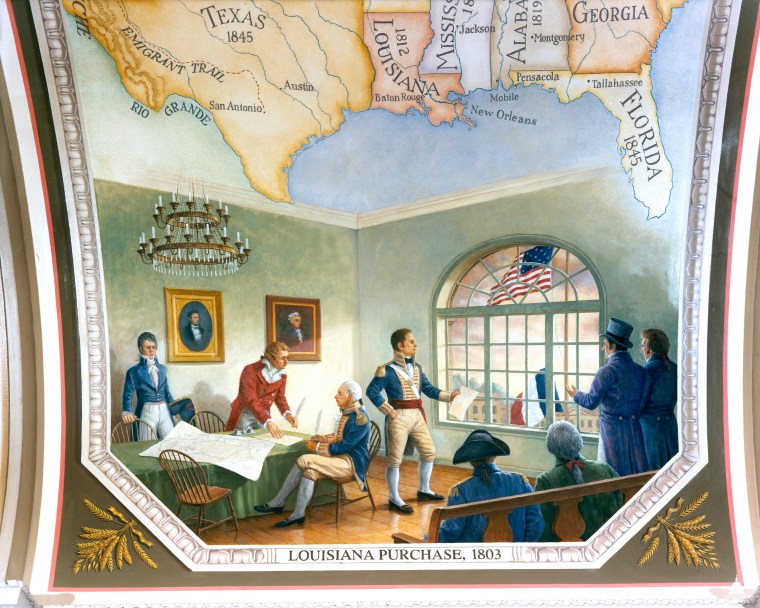
Architect of the Capitol, Wikimedia Commons

President Thomas Jefferson had long been eager to acquire the Louisiana Territory, especially the strategically crucial port of New Orleans. He authorized his negotiators to pay France up to $10 million just for New Orleans and the Floridas. But when they were offered the entire territory for an additional $5 million, they quickly agreed to the deal. Eventually Congress was persuaded to ratify the agreement and fund the purchase. 
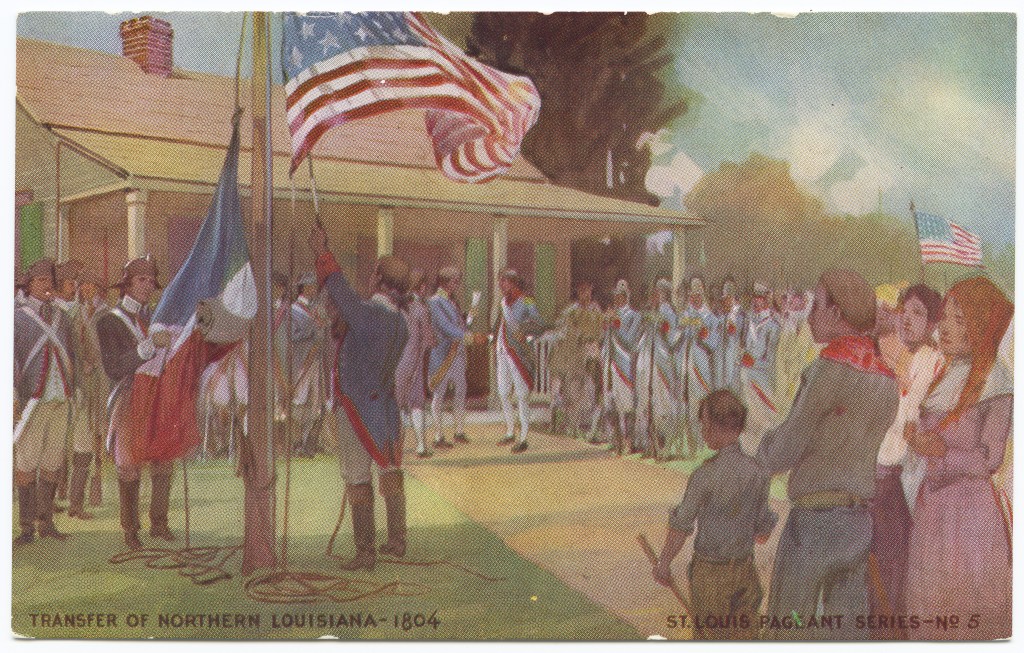
Three Flags Day ceremony, courtesy of the Missouri History Museum Collections

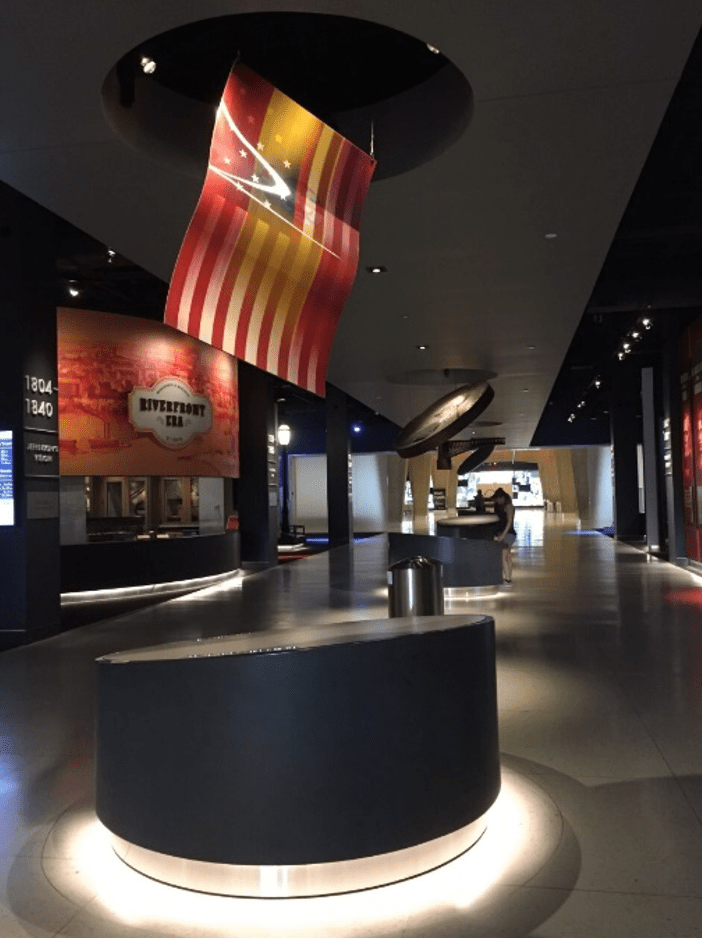
Though the Louisiana Purchase agreement was officially signed on April 30, the U.S. did not take immediate possession of the land. Spain had been in control of the territory since 1763. And although France re-acquired it in a secret deal in 1800, the region was still administered by Spain and needed to be formally turned over to France. It would be nearly a year before this was completed. Eventually on March 9, 1804, the transfer began in St. Louis. The Spanish flag was lowered and the French flag hoisted. It would fly for 24 hours before being removed and replaced by the American flag.

The event, often called Three Flags Day, officially cleared the way for Lewis and Clark to begin their expedition westward.   It is commemorated in the Museum at Gateway Arch National Park.

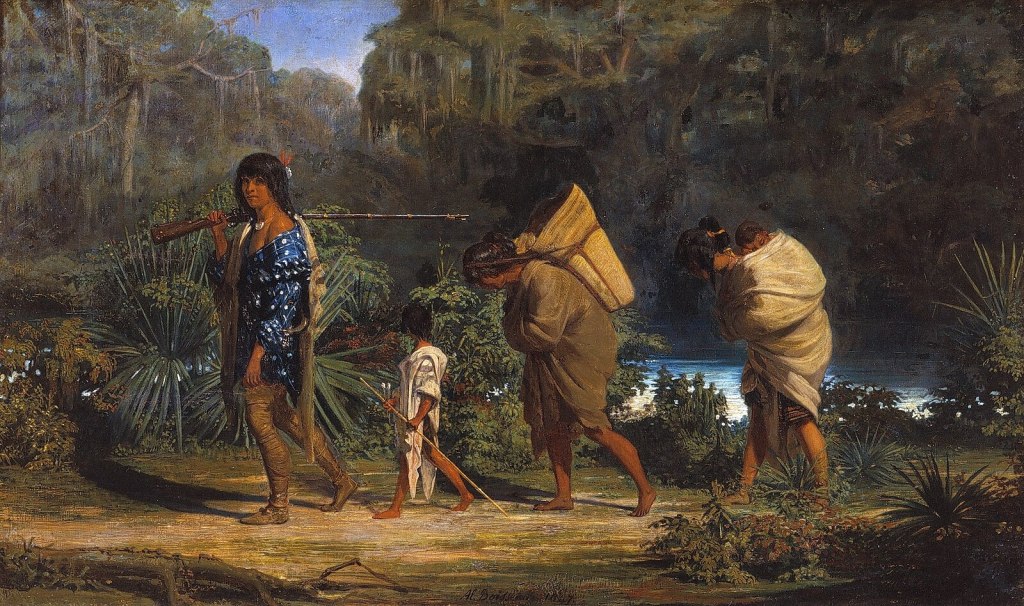
In actuality, France controlled only a small portion of the Louisiana Territory when it was deeded to the U.S. Most of the land was inhabited by thousands of Native Americans, representing dozens of tribes. So in addition to the French possession, we purchased the right to obtain Native lands by treaty or by conquest, to the exclusion of other colonial powers. 

Courtesy New Orleans Museum of Art

As we now know, for Indigenous people west of the Mississippi River, the Louisiana Purchase was the beginning of more than a century of land loss, forced relocation, and threats to traditional lifeways. As additional territories and U.S. states were established, more and more Americans from the East traveled west, leading to conflict with Indigenous peoples. Ultimately, Native tribes were forcibly moved onto reservations, losing vast swaths of their homelands. It wasn’t long before the federal government would force them to change their ways of life and try to erase their religions and cultural heritage.

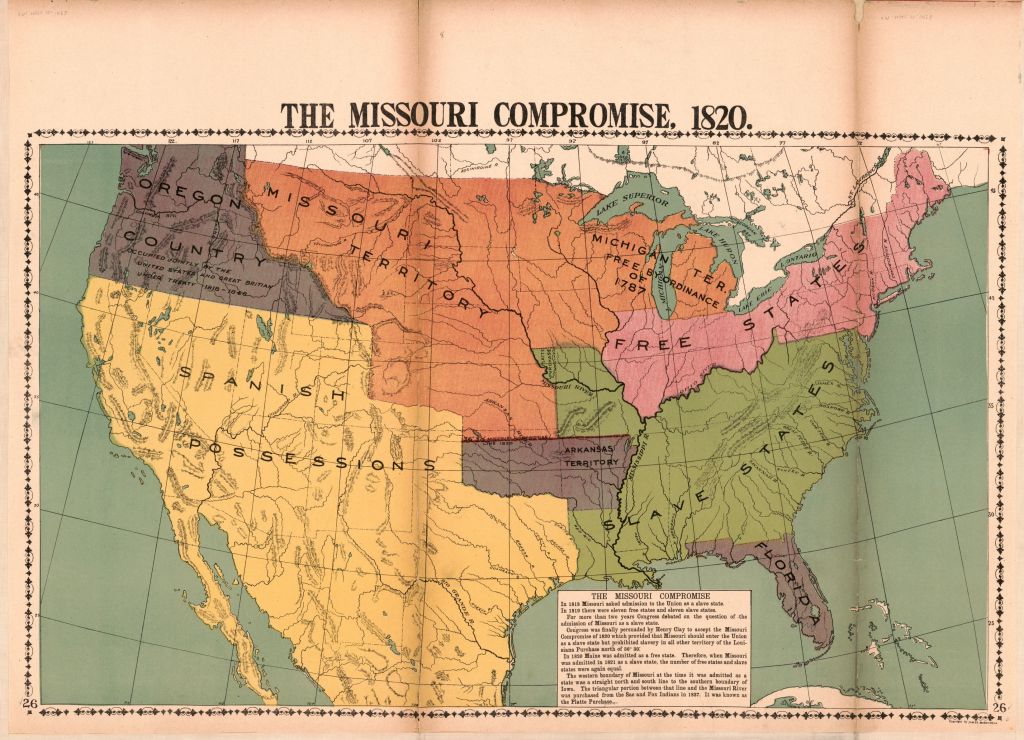
The fate of enslaved and free African Americans also became entangled in the newly acquired lands. As states organized within the Louisiana territory, the tensions between the pro-slavery South and the anti-slavery North intensified. The desire to maintain a balance between “free states” and “slave states” required a series of fragile compromises. The Missouri Compromise of 1820 was a temporary solution, though as agreements became more difficult to achieve, civil war became inevitable.

Now THAT’S Old!

We join our friends at Voyageurs National Park as they proudly celebrate the park’s 50th year with the National Park Service:  quite an impressive anniversary. Since 1975, this pristine site in northern Minnesota has been a sanctuary of natural beauty, cultural heritage, and outdoor recreation. Yet as notable an achievement as this is, the history of the park’s 281,000 acres goes back much farther – and we mean way back.

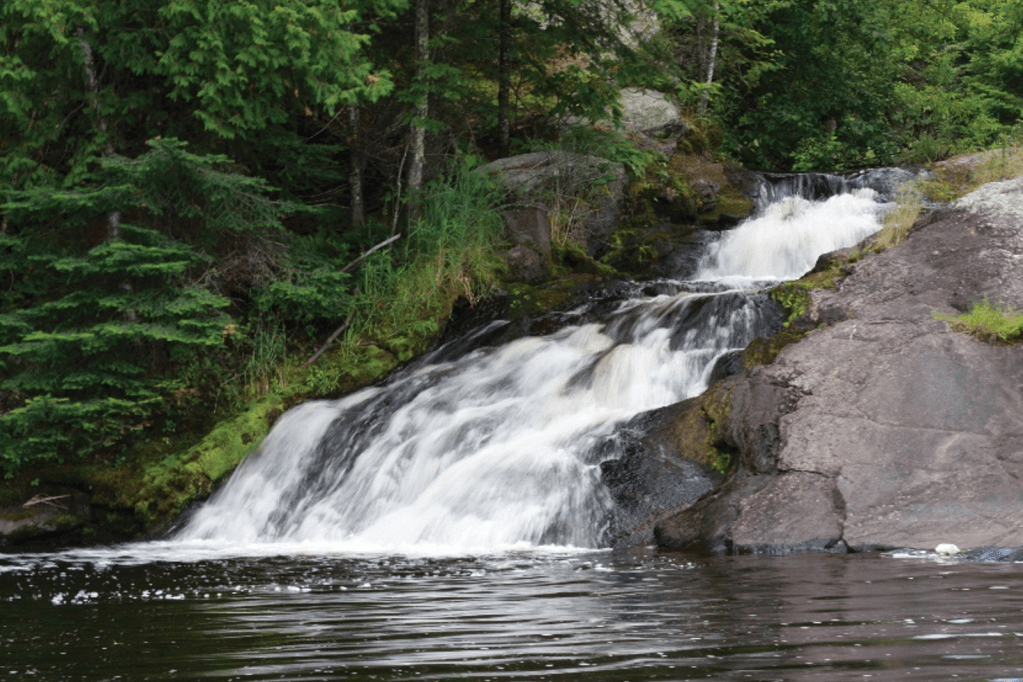
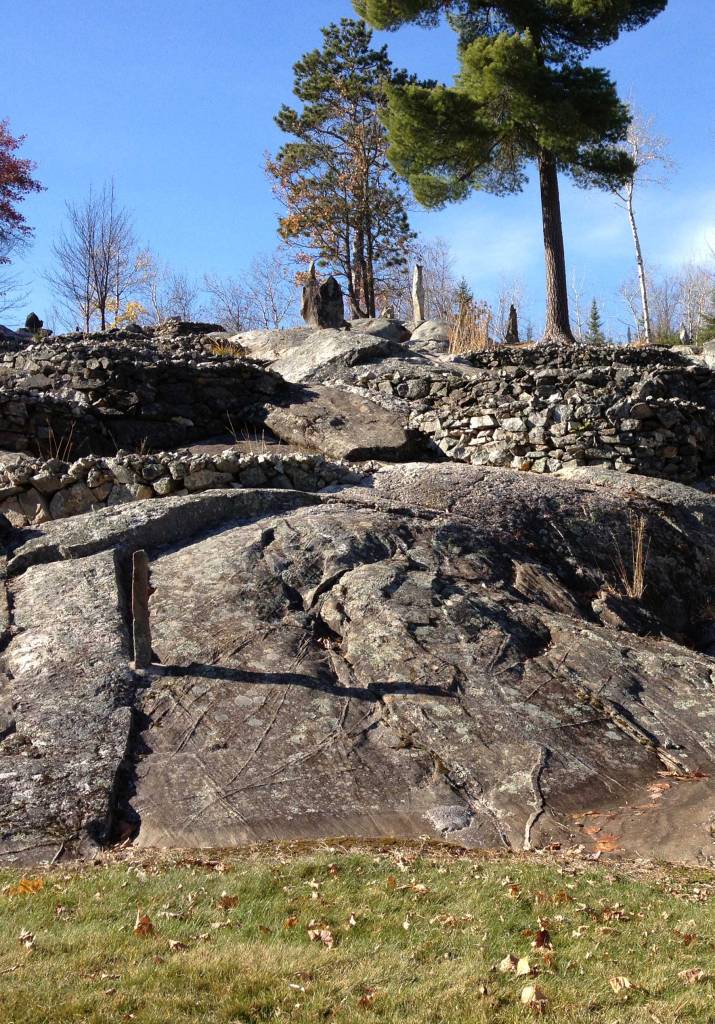
Voyageurs National Park is one of the few places in North America where you can touch rocks half the age of the Earth. The exposed rock that greets visitors today dates from the creation of the continent, representing the southern edge of the volcanic bedrock that forms the core of North America.  

At one time, massive, explosive volcanoes deposited layer after layer of ash and lava. Subsequent uplifting, folding, tremendous pressure, and superheating created the park’s igneous and metamorphic rock. Over time, erosion wore down the volcanic mountain range, and the ice ages brought glaciers that moved rivers of ice and exposed ancient Precambrian rocks that had formed over two billion years ago!  

As the glaciers receded, torrents of melted water filled low-lying areas, creating the numerous lakes, streams, and bogs of today’s landscape. Another byproduct of glaciation are rocks known as “glacial erratics” that were carried on sheets of ice. These displaced blocks – ranging in size from pebbles to blocks the size of automobiles – are evident throughout the park today, helping form its undulating topography. 

Although not nearly as old as the park’s geology, the first signs of humans’ arrival go back at least 10,000 years.  Evidence of Native Americansfur-trading voyageurs,  European settlers and homesteaders, and of early logging, mining, and commercial fishing operations are scattered throughout the park. 

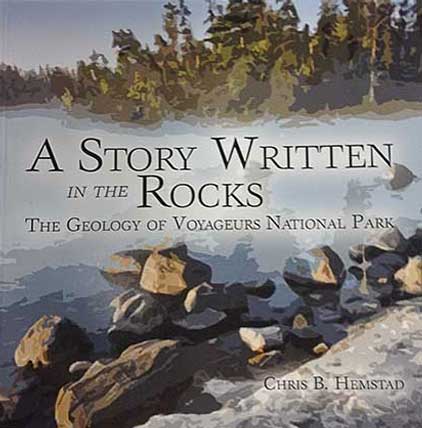
The best way to experience the magnificence of Voyageurs National Park is by visiting. Short of that, you can read more about the park’s geologic features by ordering a copy  of A Story Written in the Rocks from JNPA’s online store.

Preserving a Hard but Important Chapter of American History

A difficult chapter in the history of race relations in America is the focus of one of JNPA’s newest park partners. Springfield 1908 Race Riot National Monument was included as a National Park Service site in 2024. It commemorates the events of August 1908, when African American residents of Springfield, Illinois, were targeted and attacked by thousands of White residents.

Courtesy of NPS

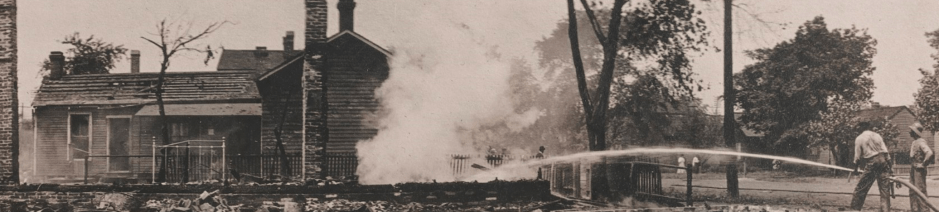
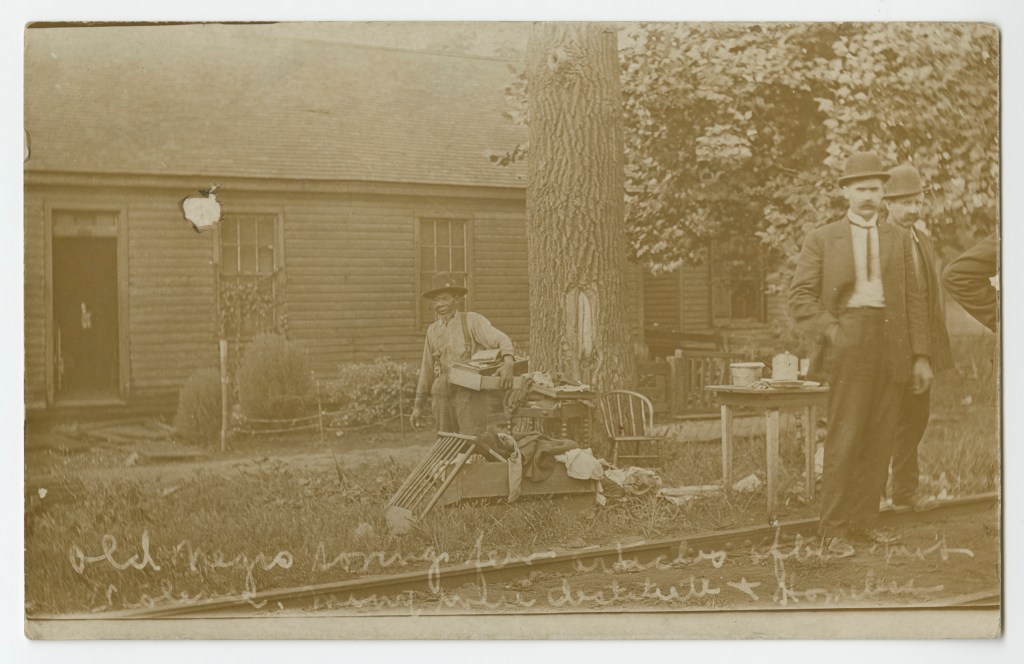
The riot erupted after two Black men were accused of crimes (many of them later unsubstantiated) against White residents. As with many other race riots of this era, the accusations served as a pretext to force Black residents from their communities. White mobs in Springfield destroyed Black homes and businesses and lynched two Black men. After three days of violence, the state militia helped restore order, arresting approximately 150 participants. Few, however, were ever convicted.  

Courtesy of NPS

This shameful episode was just one of numerous incidents of racially motivated riots and violent acts that took place in many American cities in the late 19th and early 20th-centuries.  This particular riot captured national attention because it took place in Abraham Lincoln’s hometown.  It eventually led to the founding of the National Association for the Advancement of Colored People (NAACP) in 1909.

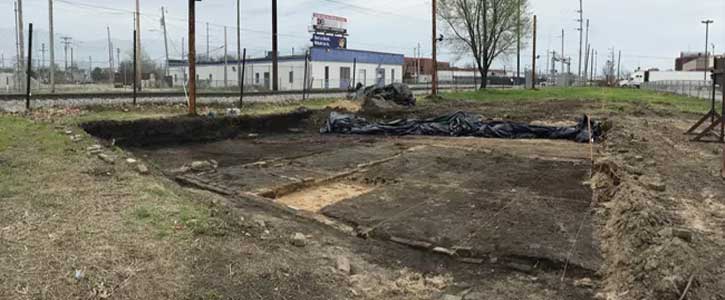
Archeological excavation at the site.  Courtesy of NPS

The National Monument was established in August 2024 very near where the 1908 riot started. While there is nothing left of the original buildings, archeological evidence gives a rare glimpse into a community devastated by racial hatred. The foundations of five homes and related artifacts show how residents lived in the predominately Black neighborhood called the “Badlands.”  The site is a rare surviving resource directly associated with race riots in America.

Those interested in visiting the Springfield Race Riot site can begin their journey at Lincoln Home National Historic Site, just one mile away. There they can get information about the new National Monument and discover a self-guided walking tour of the park. Eventually, the National Park Service plans to develop programs and facilities to breathe new life into the stories surrounding the Springfield race riot. This is part of the agency’s ongoing commitment to telling a more complete story of the civil rights movement in America. JNPA is proud to be a partner in this endeavor.

A Multi-Racial Town on the Prairie

JNPA is proud to add to two new National Park Service sites to the list of partner parks that we serve. One site highlights the heroic story of a previously enslaved man, the other a sad reminder of Black-White conflict. This blog post will focus on the former, New Philadelphia National Historic Site. Our next post will tell the story of our other new partner park, Springfield 1908 Race Riot National Monument.

Courtesy of Gerald McWorter and Kate Williams McWorter

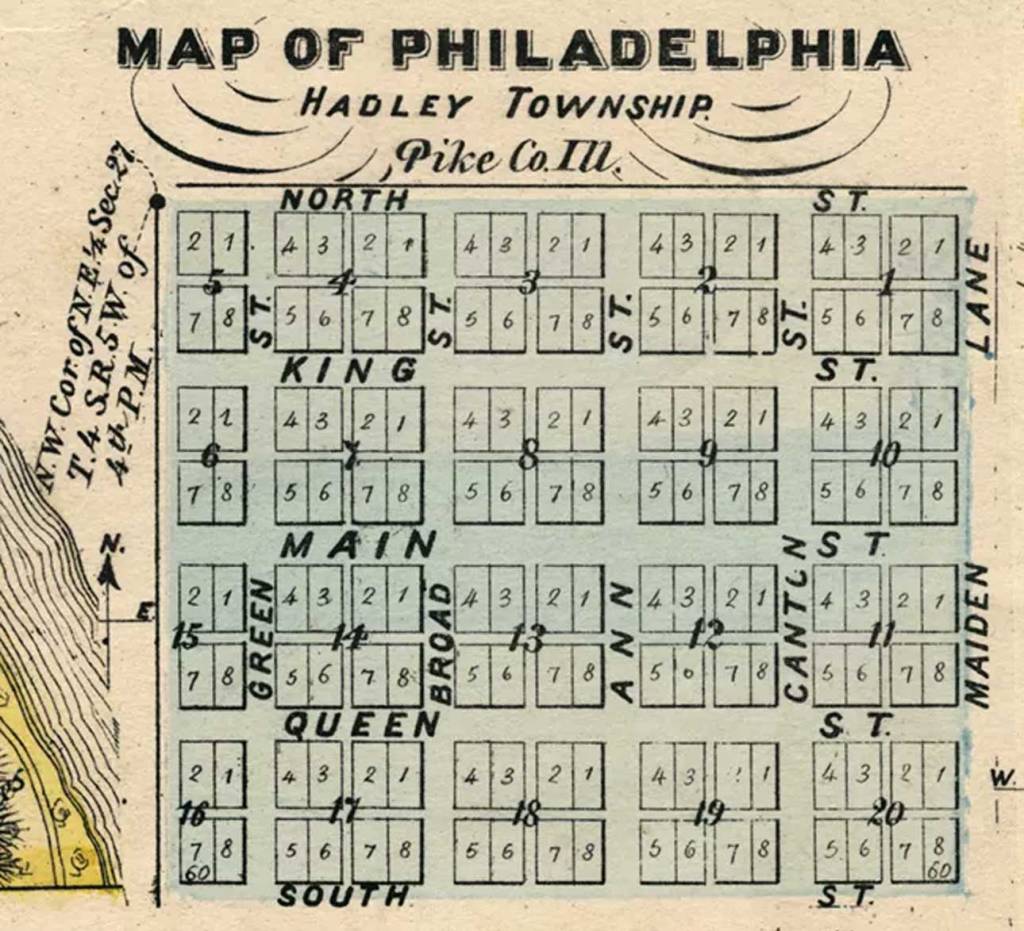
In 1836, the small village of New Philadelphia sprang up in west central Illinois, one of hundreds of villages and towns that emerged in rural America as settlers headed west. But New Philadelphia was not a typical pioneer community – it was the first American town founded and legally registered by an African American.

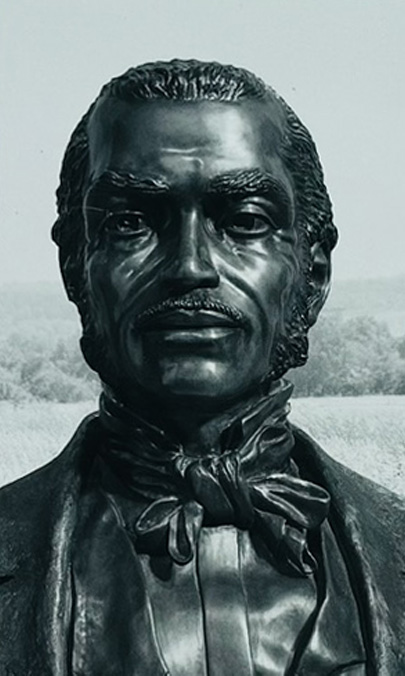
Frank McWorter (who called himself Free Frank) spent the first 42 years of his life as an enslaved man in South Carolina and Kentucky. Yet he aspired to freedom and independence. With the money he saved from outside jobs that his enslaver allowed him to hold, Free Frank was able to purchase freedom for his wife and himself, and ultimately 14 additional family members. In 1830, the couple and their freed children moved to the free state of Illinois, where they paid $100 for an 80-acre parcel of land and set up a pioneer homestead and farm in Pike County.

Courtesy of Gerald McWorter and Kate Williams McWorter

Free Frank officially registered and platted the town into 144 lots in 1836. He named it New Philadelphia, presumably to honor the city of Philadelphia, which had strong anti-slavery sentiments.

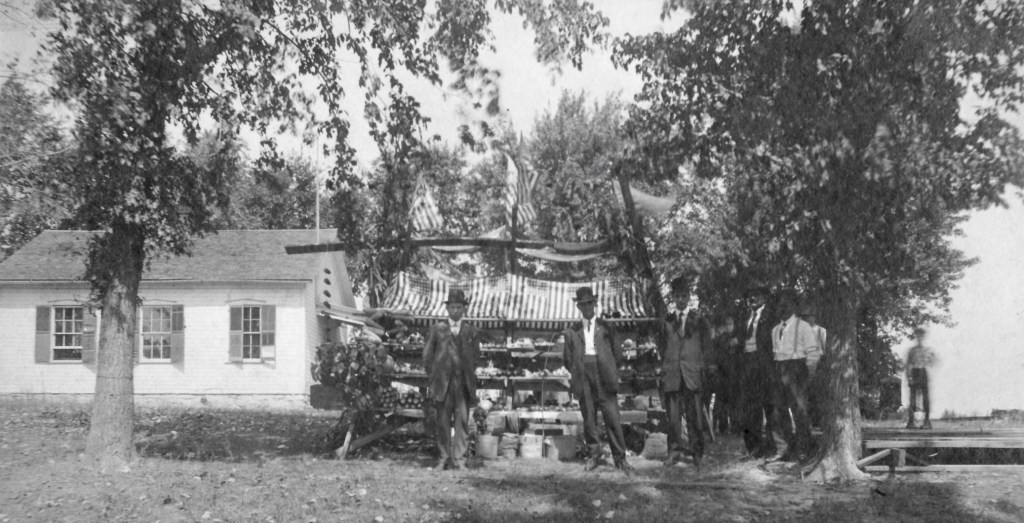
Soon the McWorters were joined by other settlers – both Black and White – drawn by nearby transportation routes and an abundance of natural resources.  In 1865, it was a vibrant town with a population that peaked with as many as 100 residents, 30 percent of whom were Black. Federal census records from 1850 to 1880 report that residents worked as cabinetmakers, shoemakers, a wheelwright, a carpenter, a physician, teachers, ministers, merchants, and blacksmiths. The town served as a stagecoach stop and supported a post office for a time.

Courtesy of Gerald McWorter and Kate Williams McWorter

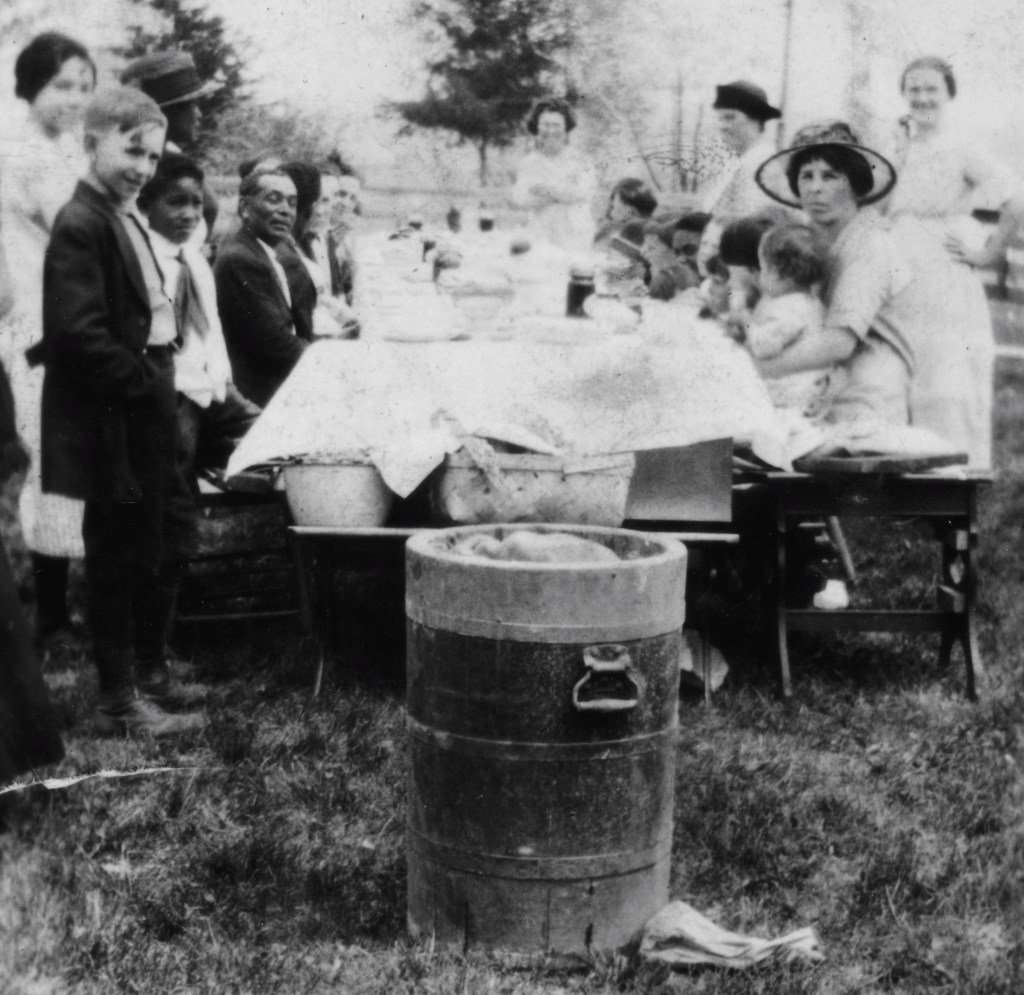
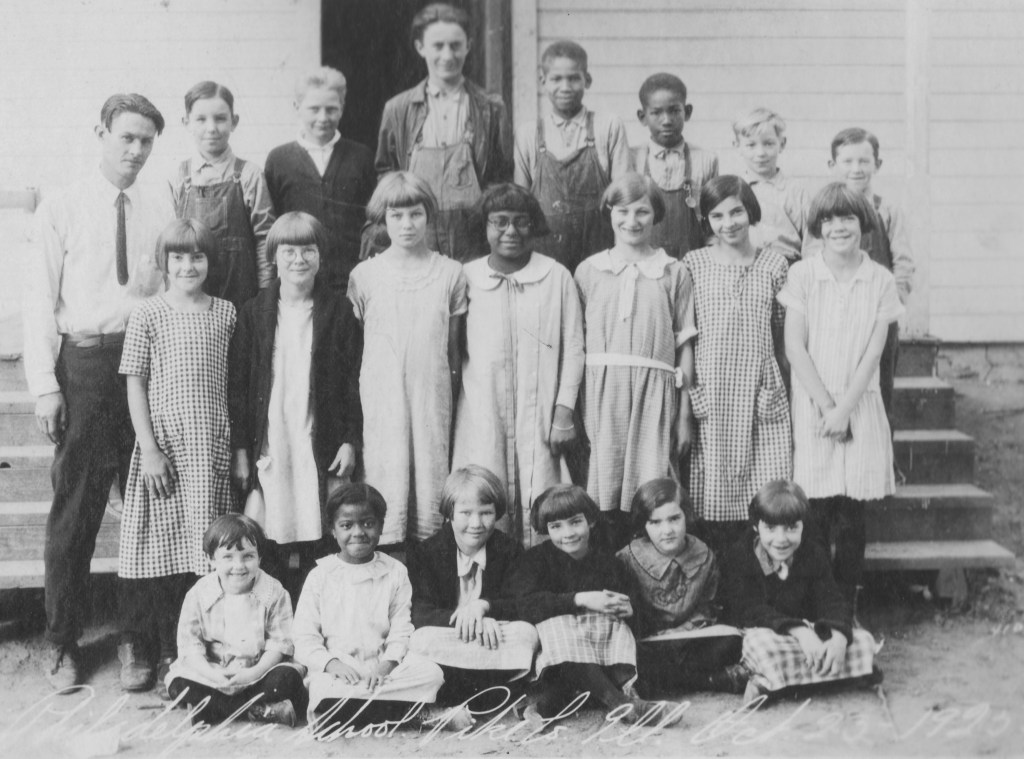
Black and White people freely intermingled throughout the town – on the farm, in church and at school. While other small towns in the area documented incidents of racial violence, researchers haven’t found evidence of any such occurrences in New Philadelphia.

Courtesy of Gerald McWorter and Kate Williams McWorter

Free Frank remained committed to helping emancipate enslaved people. As a free Black community only 20 miles from Missouri, New Philadelphia eventually became a stop on the Underground Railroad. According to descendants, his first cabin contained a cellar where freedom seekers could hide on their journey north. His sons even traveled with some freedom seekers to help them reach Canada.

Courtesy of Gerald McWorter and Kate Williams McWorter

Over the ensuing decades, New Philadelphia declined, and most of its buildings were buried under farmland. But historical documents, oral histories, archeological research, local groups, and descendants have kept the town’s story alive.  In late 2022, the National Park Service designated the town as a National Historic Site.  

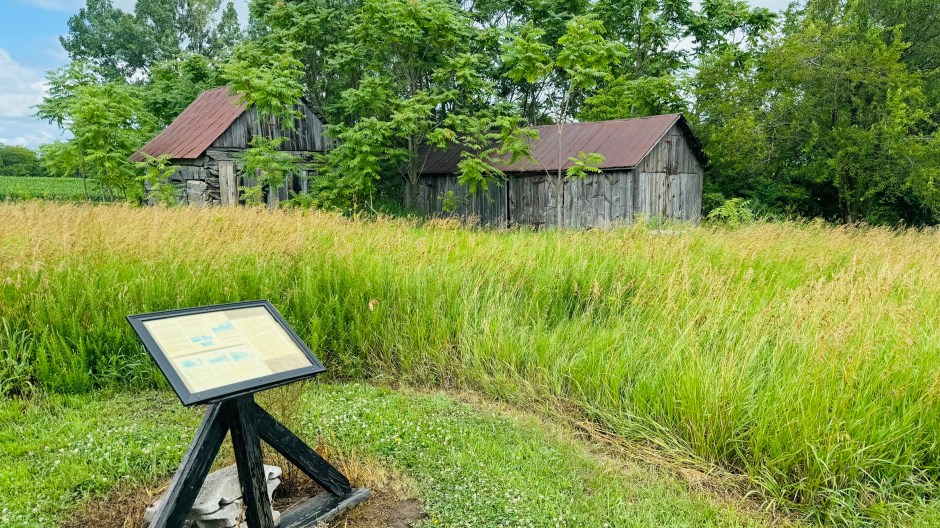
There are few visitor amenities on the site today, apart from an information kiosk and outdoor exhibits. But visitors who stroll along the ¼-mile walking trail can use their mobile devices to take an augmented virtual reality walking tour of the old town. NPS has plans to develop programs and additional facilities to bring New Philadelphia and the heroic story of Free Frank McWorter back to life.

Seeking Women’s Right to Vote

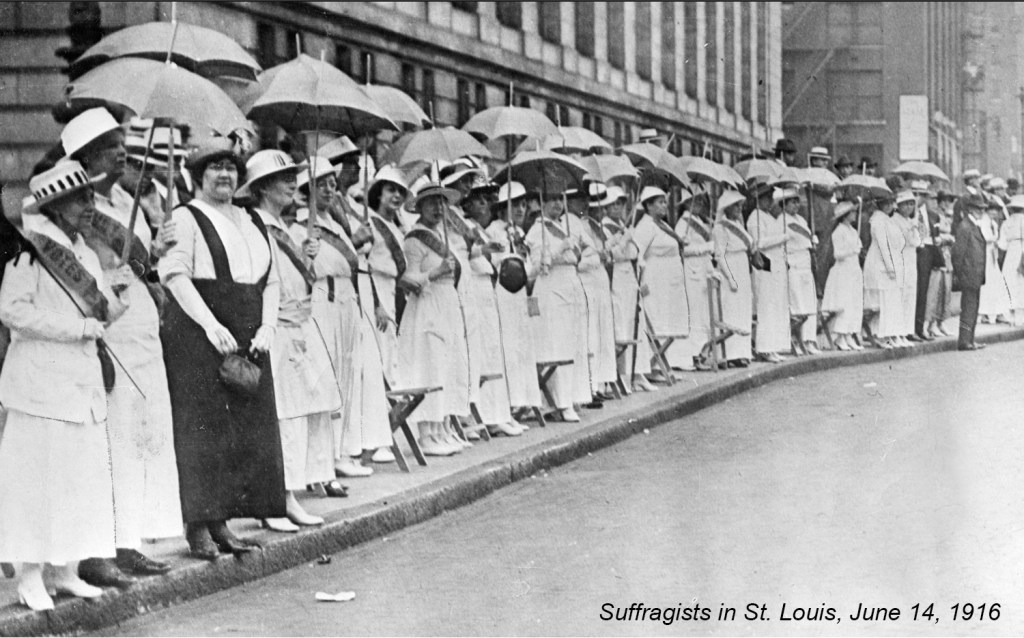
More than 150 years ago, the Old Courthouse at Gateway Arch National Park was the scene of an important yet little-known chapter in the early days of the U.S. women’s suffrage movement. And though the outcome of the court case brought by suffragist Virginia Minor didn’t result in women’s right to vote at the time, it set the stage for the eventual adoption of the 19th amendment to the U.S. Constitution 48 years later, finally granting women the vote.

In October of 1872 – shortly before the Presidential election of that year – Virginia Minor walked into the St. Louis Courthouse determined to make history. She tried to register to vote in the upcoming election, citing the 14th Amendment clause which states “All persons born or naturalized in the United States… are citizens of the United States.” Yet the registrar refused to register Minor because she was female, provoking a civil suit brought by Virginia and her lawyer husband, Francis Minor.

The Minors quickly lost their case in the lower court, and it was eventually heard by the U.S. Supreme Court. The high court unanimously ruled that citizenship did not guarantee the right to vote – a major blow to the women’s suffrage movement.

Suffragists then turned their efforts toward state-by-state campaigns to change state constitutions to allow women to vote. Eventually nine states and territories, mostly in the West, had abolished voting restrictions against women by the time the 19th Amendment was ratified 1920. Sadly, Virginia Minor never lived to see women’s right to vote enshrined in the U.S. Constitution. She died in 1894, leaving $1,000 in her will to Susan B. Anthony to carry on the struggle.

On March 30, Gateway Arch National Park will highlight the story of Virginia Minor in a public presentation. Check here for more details.

The Paradox of Thomas Jefferson

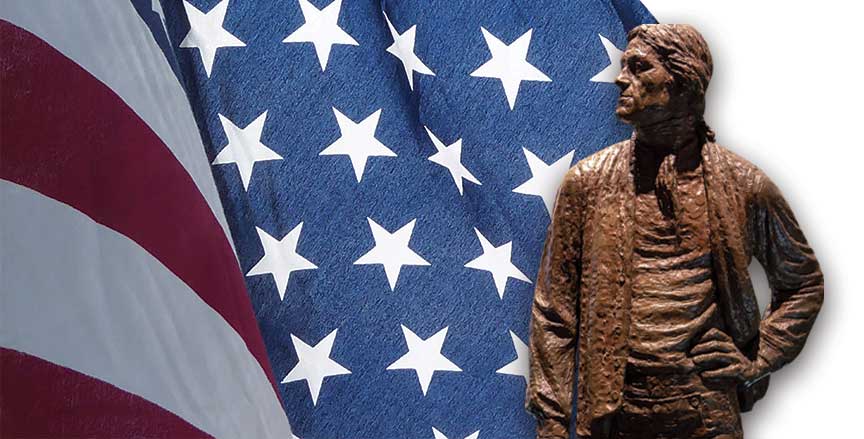
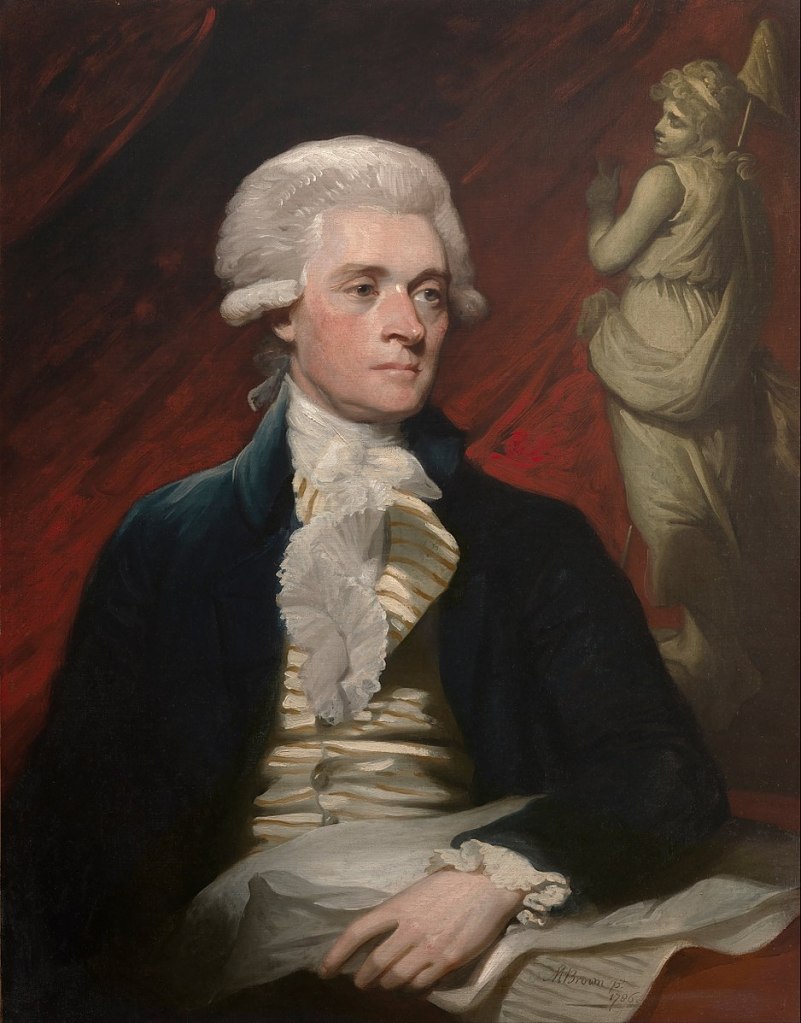
It’s hard to underestimate the achievements and long-lasting contributions of our third U.S. president. Thomas Jefferson was a founding father of our nation, author of the Declaration of Independence, diplomat, political philosopher, architect, horticulturist, and inventor. He also founded and designed the University of Virginia, negotiated the purchase of the Louisiana Territory from France, and launched Lewis and Clark on their expedition to the American west.

The very existence of Gateway Arch National Park (formerly Jefferson National Expansion Memorial) is a testament to Jefferson’s vision of a nation that would span the continent.

Yet despite Jefferson’s accomplishments, many scholars continue to find him an enigma, especially when it comes to slavery. Though he referred to the institution as an “abominable crime” and a “hideous blot,” he enslaved more than 600 people over the course of his life and kept an enslaved young girl as a concubine. How can we reconcile this paradox?


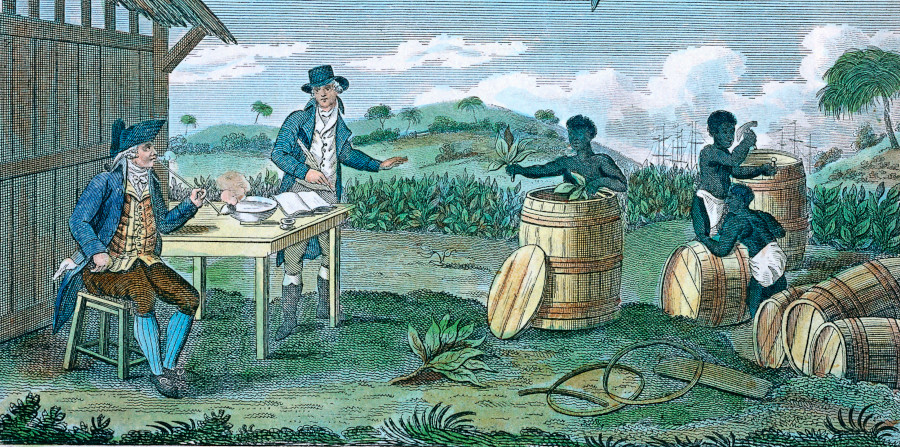
A Typical Tobacco Plantation, print by Richard H. Laurie, 1821

First, we should acknowledge the life of the young Jefferson: his upbringing was one of wealth and privilege. His father’s enormous plantation in colonial Virginia was supported by the work of at least 60 enslaved laborers who toiled in the gardens and fields, tended the livestock, and worked in the family home. As a young man, Thomas inherited lands from both his father and his father-in-law, eventually administering a sprawling 5,000-acre plantation planted mostly in tobacco. Like other wealthy landowners in the South, he could not have managed Monticello without the contributions of the enslaved men, women, and children he also inherited. 

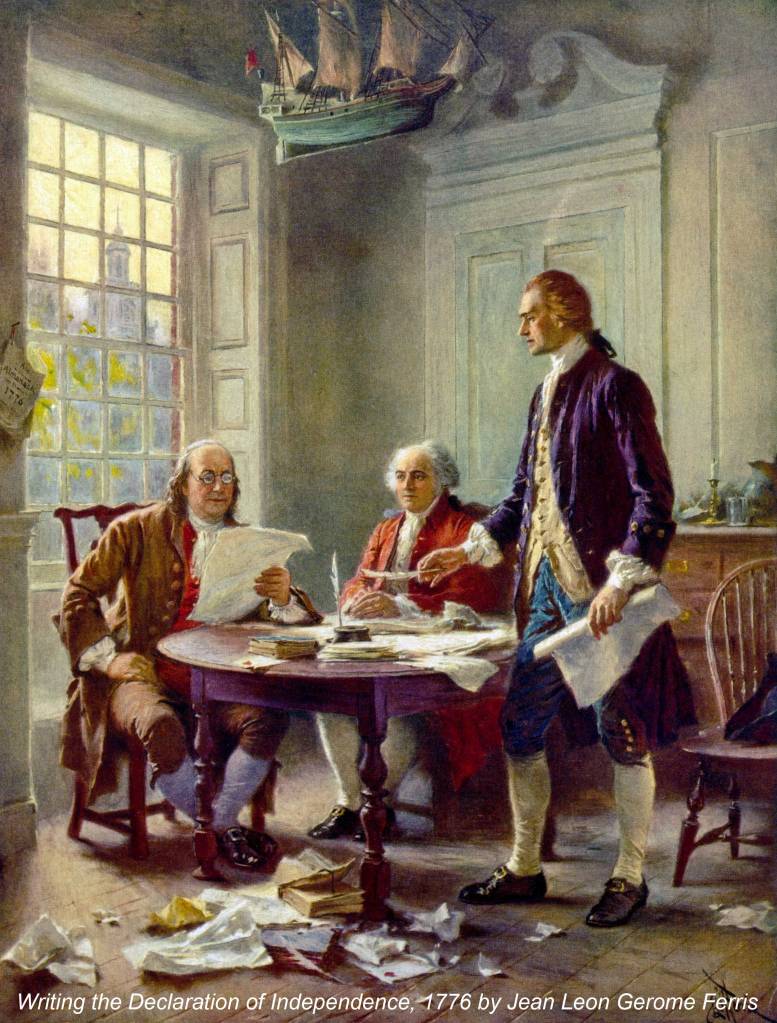
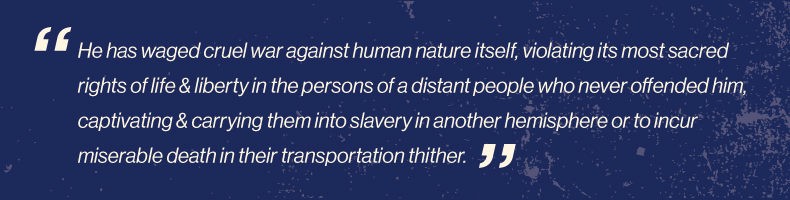
Yet over time, Jefferson began to see slavery as a “moral depravity.”  In fact, as he was writing the Declaration of Independence in 1776, he included a 168-word anti-slavery clause that blamed King George III for his role in creating and perpetuating the slave trade. Some of the accusations he made: 

The entire anti-slavery clause was later deleted from the Declaration by delegates to Second Continental Congress, one-third of whom were enslavers. Decades later, Jefferson attributed the removal of the controversial text to the wishes of delegates from South Carolina and Georgia, who strenuously objected to any ban on the importation of slaves. The founding fathers who had opposed slavery – including Jefferson – did not insist on retaining the clause, fearful of dividing the fragile new nation.


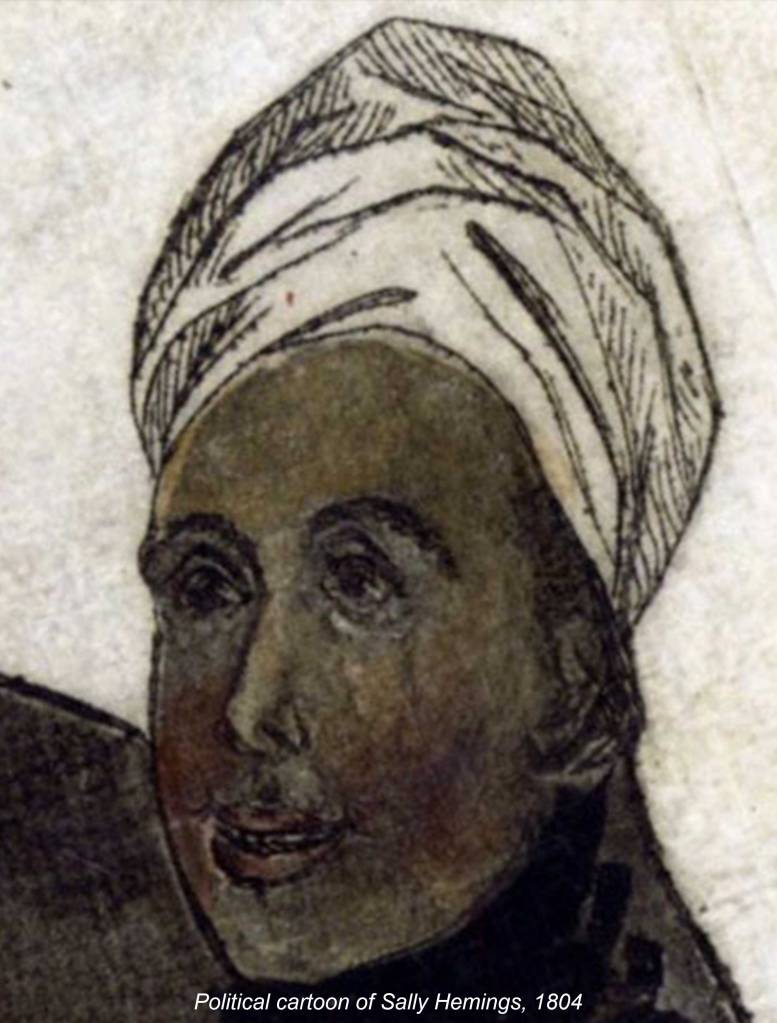
In recent years, Jefferson scholars have delved more deeply into the lives of the enslaved people who lived at Monticello.  Among them were the many generations of the Hemings family, who held important jobs in the household.  Young 14-year-old Sally Hemings is thought to have been the daughter of Jefferson’s father-in-law, John Wayles. 

It was with this enslaved girl that Jefferson carried on a life-long affair, and with whom he fathered several children. DNA evidence has shown that Jefferson fathered at least one of Sally Hemings’ sons, bearing out the truth of the old rumors and political slander that accompanied this liaison. Jefferson cared for Sally’s biracial children and eventually freed them. However, Sally Hemings was never legally emancipated. Instead, she was unofficially freed—or “given her time”—by Jefferson’s daughter Martha after his death.

Clearly, Thomas Jefferson’s relationship with slavery was a painful and complicated one. Yet he will always remain an important founding father and influential force in the formation of our nation.   

Hoodoo Traditions on the Plantation

When Africans were captured as slaves and transported to the Americas, they naturally brought with them many of the traditions and cultural practices from their homelands. One cultural practice that had tribal origins in Central and West Africa was hoodoo, a spiritual tradition that was popular among enslaved people on numerous American plantations, including White Haven. What exactly WAS hoodoo?

Hoodoo (not to be confused with voodoo) is not a religion per se. It is a collection of rituals such as herbal healings, ancestor worship, song, and folk magic inspired by African religious practices. The practice of hoodoo arose when enslaved workers were forced to become Christians upon arrival in North America. Although the rituals were historically used for curative and protective purposes, they also provided empowerment and comfort for people who had little agency over their lives. Often, hoodoo practitioners attempted to communicate with ancestors and created spells that called for justice and vengeance. Because it was a crime for the enslaved to practice African traditions, many hoodoo practices were hidden from slave owners.

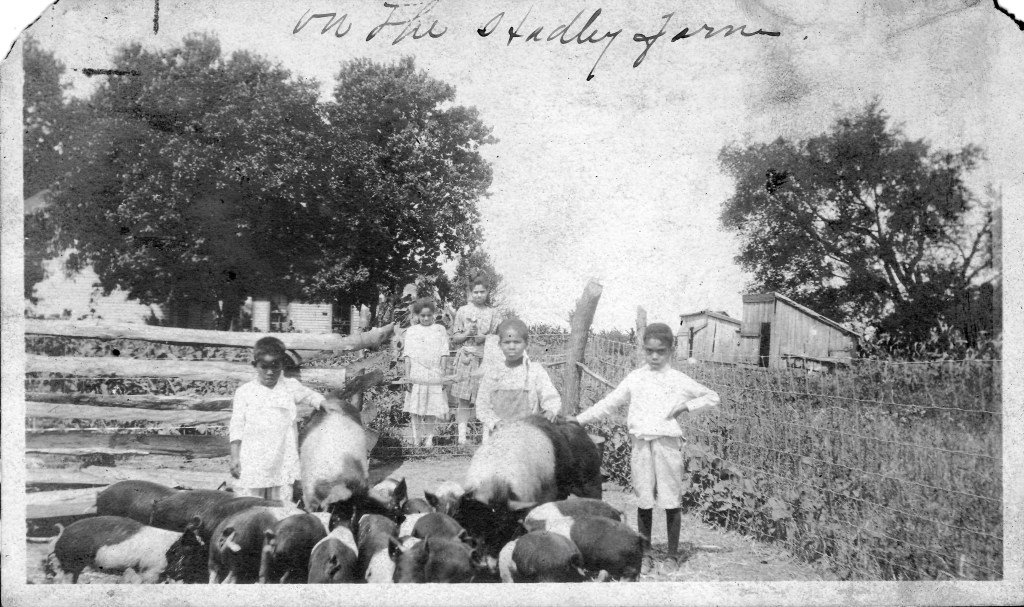
Archeologists and historians working in the 1990s discovered evidence that hoodoo was practiced by the slave community at Ulysses S. Grant National Historic Site. They found cloth bundles known as minkisi buried beneath the floorboards at White Haven. These bundles purportedly contain spirits that inhabit objects created by a conjurer.   

The objects found inside the White Haven minkisi included beads, buttons, crab claws, a peach pit, crystals, seashells, iron, and sharp projectile points – each of which carried a spiritual meaning. Silver dimes were found in the site’s Winter Kitchen, often used in hoodoo as protective charms. Other items found in minkisi bundles at the historic site were similar to those found in conjure bundles on other slave plantations. 

Hoodoo practices did not end when slavery was abolished in the U.S. In the late 19th century and well into the 20thcentury, some African Americans turned to hoodoo to help them find jobs or to protect them from law enforcement and racial violence. They also practiced hoodoo to treat illnesses using herbal remedies. These African-derived practices and beliefs continue in some African American communities today.  

🥶 Baby, It’s Cold Outside! 🥶

So far, it’s been a challenging winter for many of us.  If you live in the Midwest, you’ve probably had to bundle up in recent weeks as snowstorms and bone-chilling temperatures have settled in.  If you still need a few more additions to your winter wardrobe, our partner park stores have just the thing to keep you toasty and warm, and you can order all of them online.

Are you craving a new hoodie or sweatshirt to snuggle into?  We’ve got you “covered” (ahem).  How about this charcoal-colored hooded sweatshirt made of cozy French terrycloth, featuring the logo of Ste. Geneviève National Historical Park?

Or this handsome hoodie from Missouri National Recreational River, in a light ash gray? 

For those who want to make a political statement, there’s our “I Was Expelled” black hooded sweatshirt from Little Rock Central High School National Historic Site. It features an image and quote from Minnijean Brown Trickey, one of the Little Rock Nine. 

Or how about this multi-colored, super soft sweatshirt from Gateway Arch National Park?  

Not to worry, we haven’t forgotten your head and your toes! Fans of Voyageurs National Park will love this warm pom-pom beanie, knitted in a colorful design. 

Or maybe you’d prefer to sport these fun socks that celebrate Gateway Arch National Park. 

Whatever winter apparel you choose, you can feel even warmer when you know your purchases directly support educational programming and exhibits at each of our parks.

Grant’s Very Unpleasant Ride

Many of us shudder at the prospect of enduring bone-chilling weather. But imagine having to endure sub-zero temperatures on a multi-day outdoor journey, on bad roads through rugged wilderness, and on horseback! That’s what Ulysses S. Grant had to face during the winter of 1864 as he searched for supply lines for his Union troops fighting the U.S. Civil War.

The Union general was laying plans to capture Atlanta, well before that assignment fell to General William Sherman. As Grant explored possible supply routes that would provide easy access to the front in Georgia, he was hoping the Cumberland Gap – straddling Kentucky, Virginia and Tennessee – would fit the bill. The mountain passes in the Gap were valued by both Union and Confederate armies as a way to move men and supplies between the eastern and western theaters of war. But when Grant reached the area in January 1864, what he found was quite unpleasant: 

This assessment must have been particularly disheartening for such an accomplished horseman as Grant. From an early age, he became adept at riding, training, and caring for horses, and used those skills during his military career and private life. Some historians believe he bought the White Haven property (now Ulysses S. Grant National Historic Site) from his wife’s family after the Civil War mainly to breed and raise horses.

Grant ultimately had to abandon his plans to move troops through the Gap that freezing cold winter.  He might have succeeded in reaching Atlanta by other routes, but President Lincoln interrupted that strategy.  Lincoln promoted him to the rank of Lt. General in March 1864, and placed him in command of the Union armies. 

Grant’s eventual plan to win the war involved immobilizing General Robert E. Lee’s army near Richmond, Virginia, while General Sherman led the Union army through Georgia. Grant went on to force the Confederates to surrender in 1865.

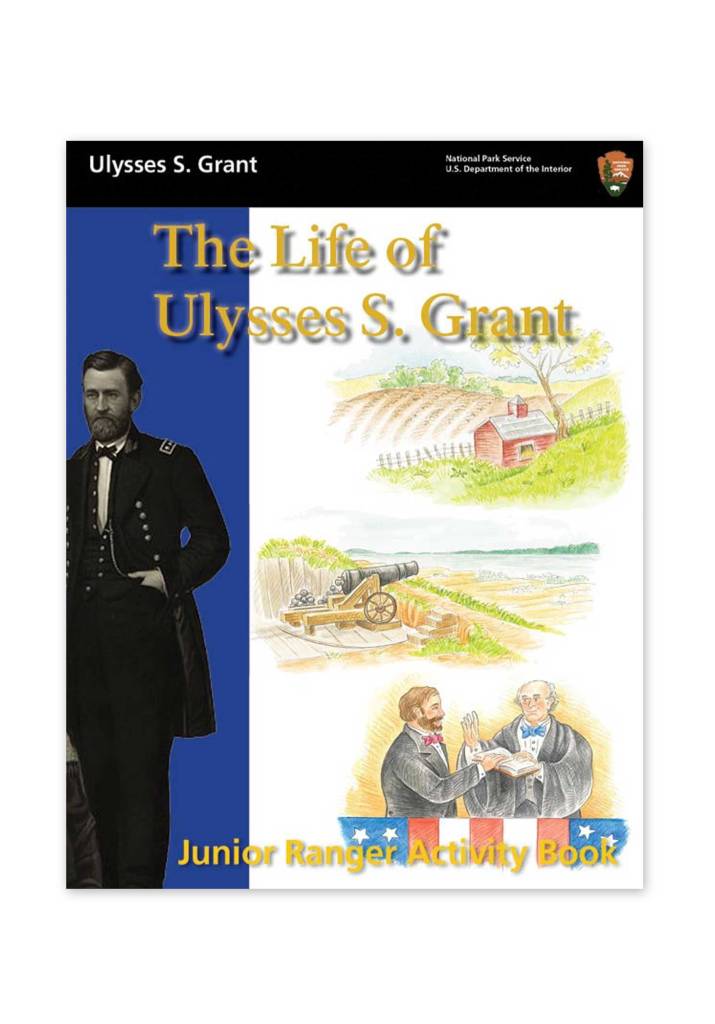
To learn more about the life and accomplishments of Ulysses S. Grant, consider a visit to Ulysses S. Grant National Historic Site.