Unsung Heroes of National Parks and Public Lands

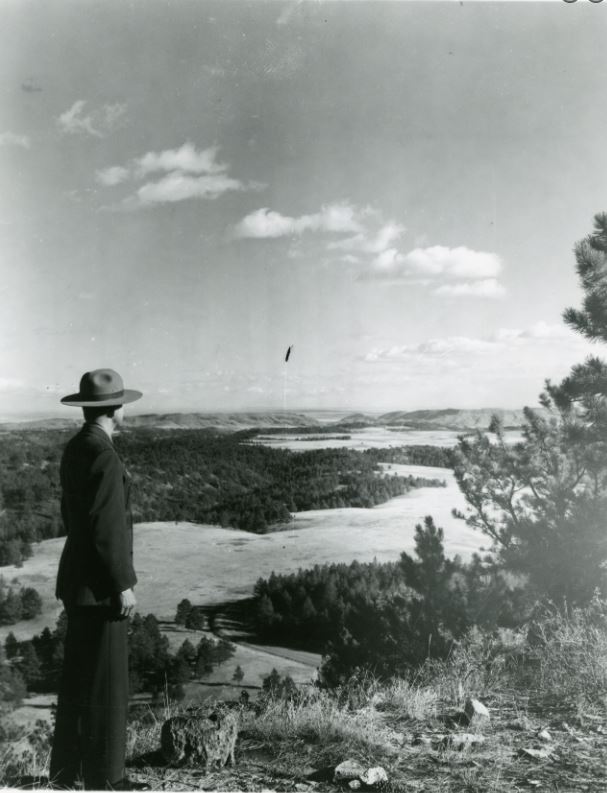
When you picture someone who works for a national park, you probably think of a ranger in a flat hat, but did you know that park rangers are not the only ones who keep these treasured sites running? In fact, it takes a wide range of talented people to protect and maintain these historic sites and natural spaces.  Today we’re starting a blog series to shine a light on the employees at our partner sites who spend day in and day out taking care of these amazing public lands and their visitors – ranging from specialists in law enforcement and groundskeeping to administrative staff and so many others.

First up, we spoke to Candy Braton, Recreation Fee Specialist at Voyageurs National Park. Candy started her career as a seasonal maintenance worker at Voyageurs in 2001. Seasonal work was perfect for Candy while she completed her master’s degree in environmental studies and raised her two small sons. She also worked at Rocky Mountain National Park before moving into her fulltime current position at Voyageurs in 2018.
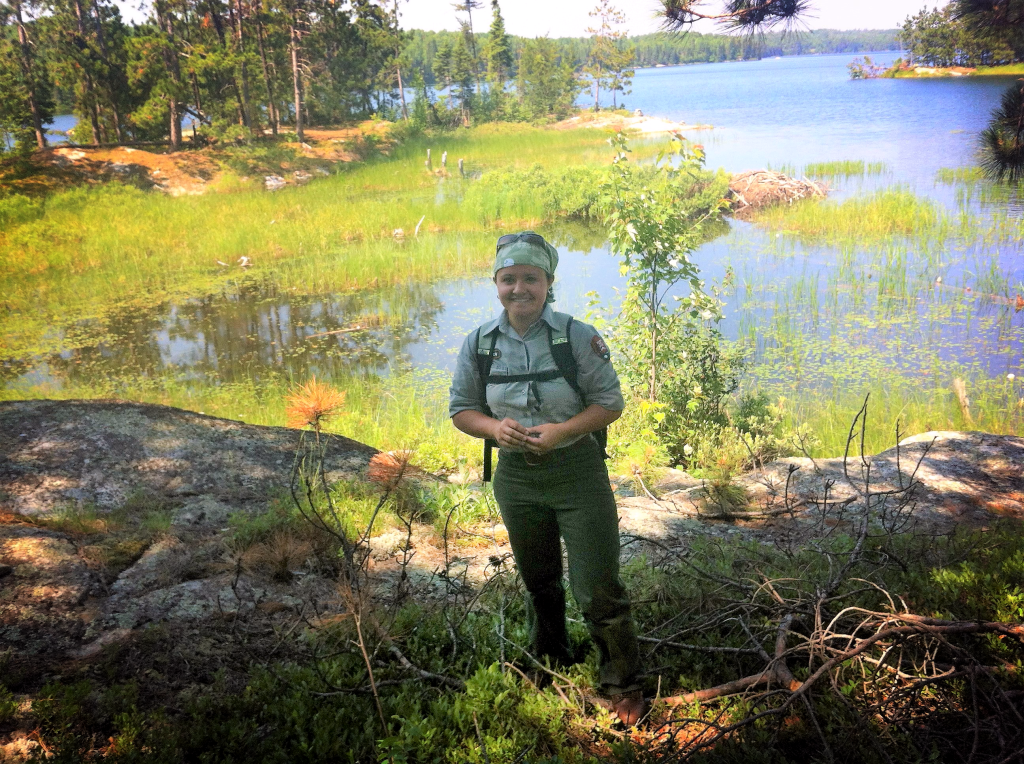
Candy on her first hike to Cruiser Lake.

What made you want to pursue a career in public lands?

My desire for a career with the NPS grew very organically. I slowly realized as I attended college that what I was doing for my summer job, and where I was spending my summers, were what I was becoming most passionate about. I wanted to be involved with caring for special places such as Voyageurs and doing what I could to help others understand the need to care for them as well. After two years of college, I switched my major to Environmental Studies and finally felt certain that my educational and future career goals were aligned with what simply made me happy.

What is your favorite part of the job?

I am admittedly a nerd when it comes to helping people plan trips in the park or looking into camping statistics at VOYA, so if I’m in the office I genuinely enjoy doing those things, but I love when I get the chance to get back in the field doing just about anything. One part of managing the Rec Fee program at VOYA is completing collections of park donations, which guarantees me at least a few chances to take a boat to Ellsworth Rock Gardens each season, and managing certain aspects of our backcountry camping opportunities gives me reason to get in a few hiking trips for work in as well.
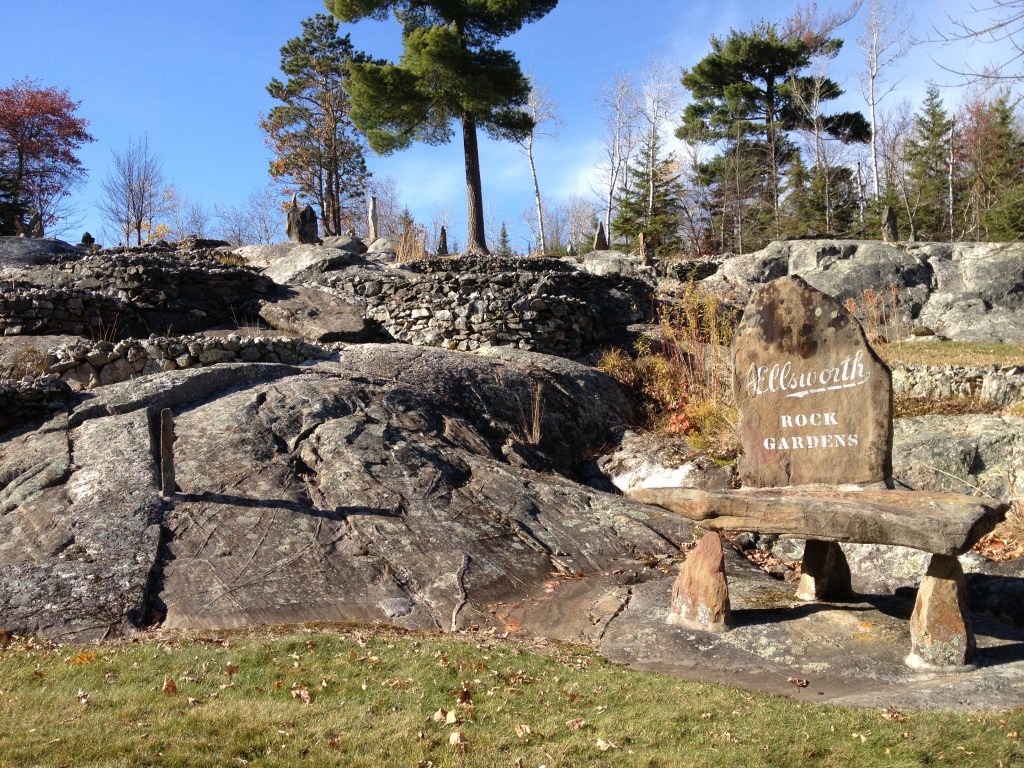
What is particularly special about Voyageurs National Park?

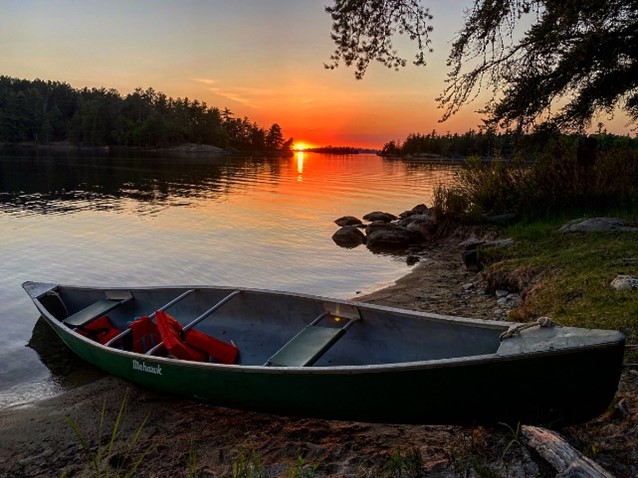
What I love about Voyageurs is you can always escape crowds. No matter where you are on the lakes you can find somewhere to feel completely secluded. I love that there is so little development that when you look at the long stretches of rugged shoreline, it feels timeless – you’re seeing it the same way people did in the past and how people will continue to see it generations from now because of the existence of the park.

What is a funny/favorite memory from your job?

When I was cleaning campsites one season, I had a student seasonal working with me, and as we were driving our boat in a channel we saw something small swimming in the water. We came to a stop to try and figure out what it was, at which time it turned and started swimming right toward us. As it got close to the boat, we realized it was a racoon, and it started scratching at the boat like it was trying to get in. My coworker started yelling and ran to the other side of the boat, ready to jump out if the racoon got in, because it just so happened that she had an intense fear of racoons of all things! Some other favorite memories are when I got to camp for a week in the backcountry for work, or when I’d sit quietly on random shorelines to have lunch and would see deer come out of the woods for a drink from the lake, families of otters frolicking on the shoreline, loons feeding their babies, and all sort of other things I’d try to remind myself most people don’t get as a job perk!
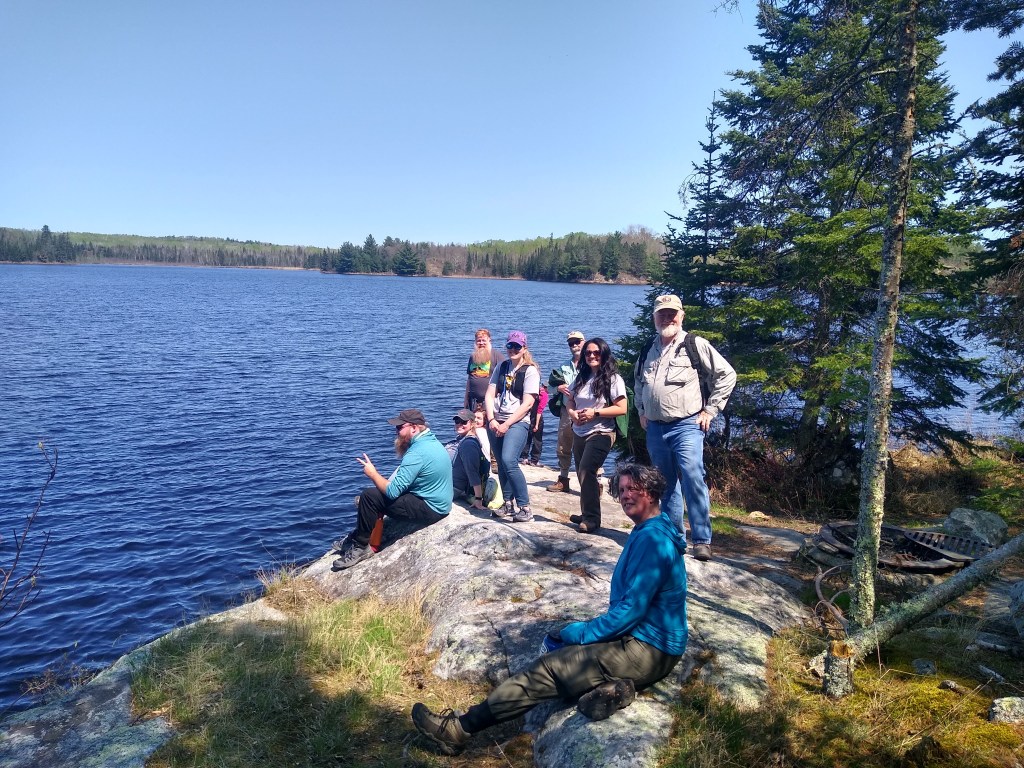
Candy leading the 2023 Seasonal Rangers to a backcountry lake.

What advice do you have for someone who wants to start a career with public lands?

My advice would be to explore the public lands near you; become familiar with them both from the resource perspective and the visitor perspective. Volunteer your time or apply for a variety of seasonal positions to get tangible experience in the different areas that interest you and help narrow down the type of job you find most fulfilling. Our charitable partner, the Voyageurs Conservancy, leads a Teen Ambassador program that gets groups of youth out into the park for an immersive experience camping, connecting with the land, learning about the park, and getting exposure to the wide array of work and research that happens in the park. There are also a variety of conservation organizations that give groups of high-school-aged students opportunities to camp in parks while completing valuable projects. Here at VOYA, the Conservation Corps of MN (CCM), the Student Conservation Association (SCA), and Youth Conservation Corps (YCC) are common youth organizations that do this.

Why do you think national parks and public lands are important?

National parks and public lands are important because they preserve the most beautiful and unique landscapes throughout the country. They are places of great historical and cultural significance, while also being home to some of the most biologically diverse environments. They are places that offer inspiration with their breathtaking views, the ability to slow down and feel connected to nature in a busy, fast-paced world, and an endless array of recreational opportunities so everyone can experience them in the ways that they enjoy most.
Learning Together

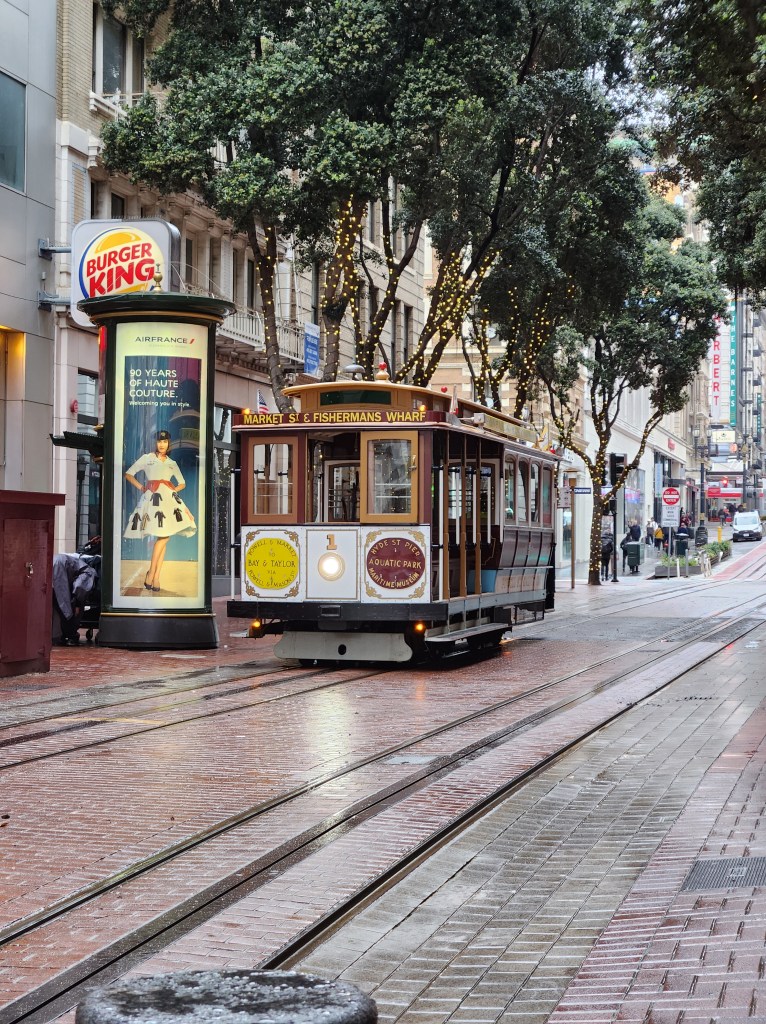
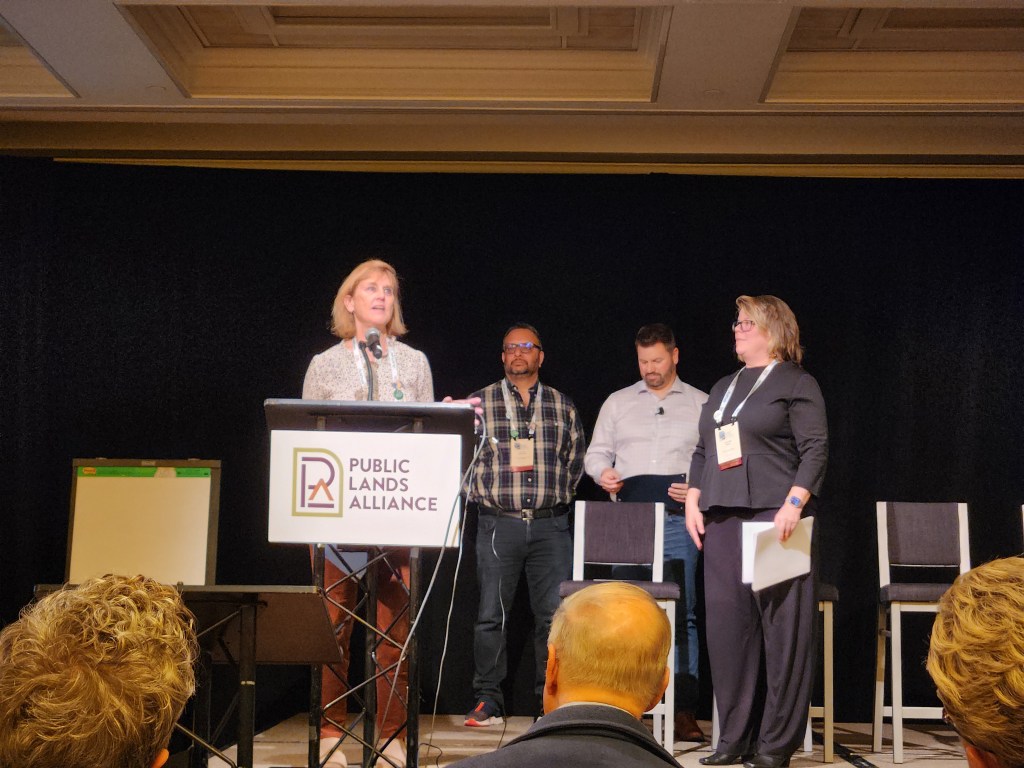
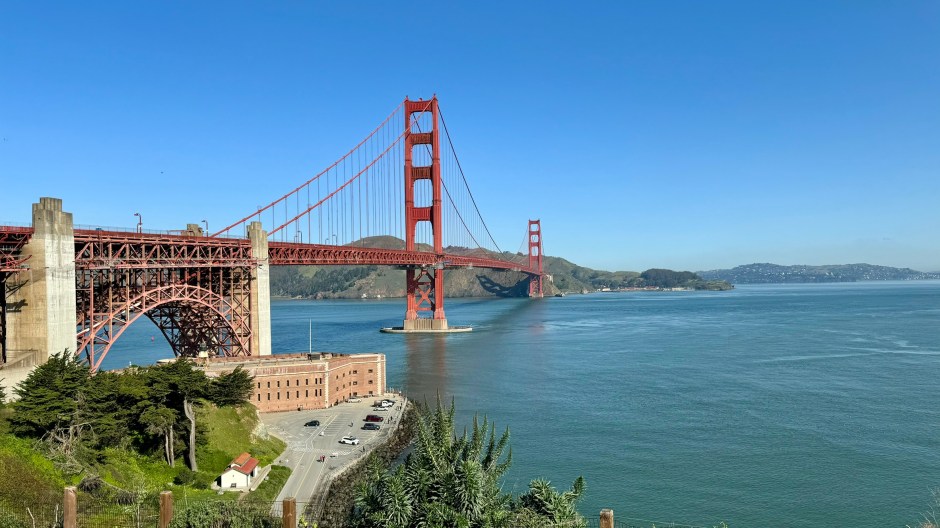
“I left my heart in San Francisco. High on a hill, it calls to me.” Tony Bennett famously sang of the captivating beauty of San Francisco, and a few JNPA staff members were lucky enough to experience that beauty earlier this month at the 2024 Public Lands Alliance Annual Convention.

The Public Lands Alliance (PLA) is a network of nonprofit partners of America’s public lands. Since 1977, PLA has connected public lands partners to agency leaders, socially conscious corporations, and to each other while providing resources for training, education, and collaboration. Each year, PLA holds an annual convention which brings together its members to participate in educational sessions, networking events, field trips to public lands sites, and a trade show featuring educational and public lands-related products.

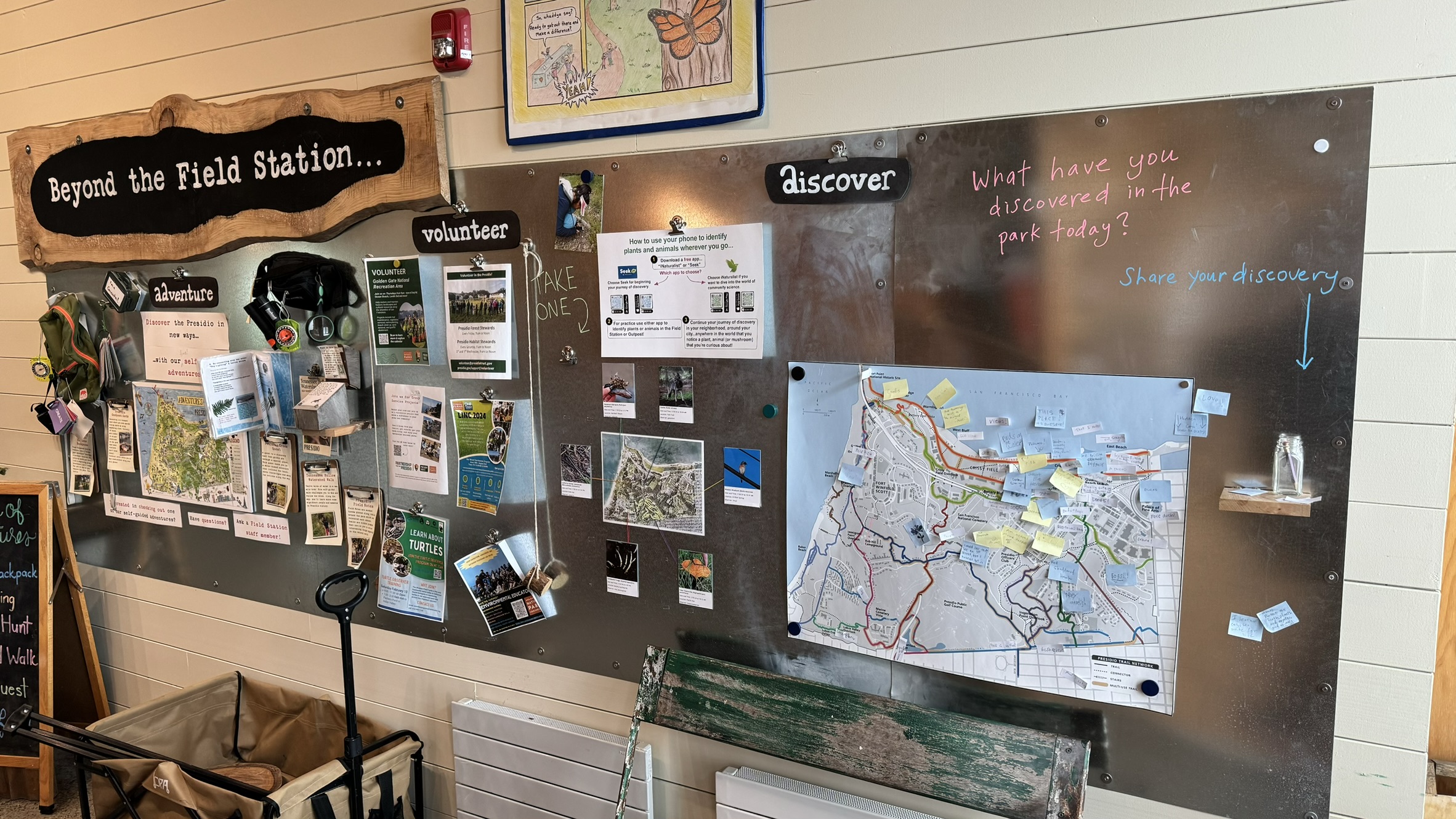
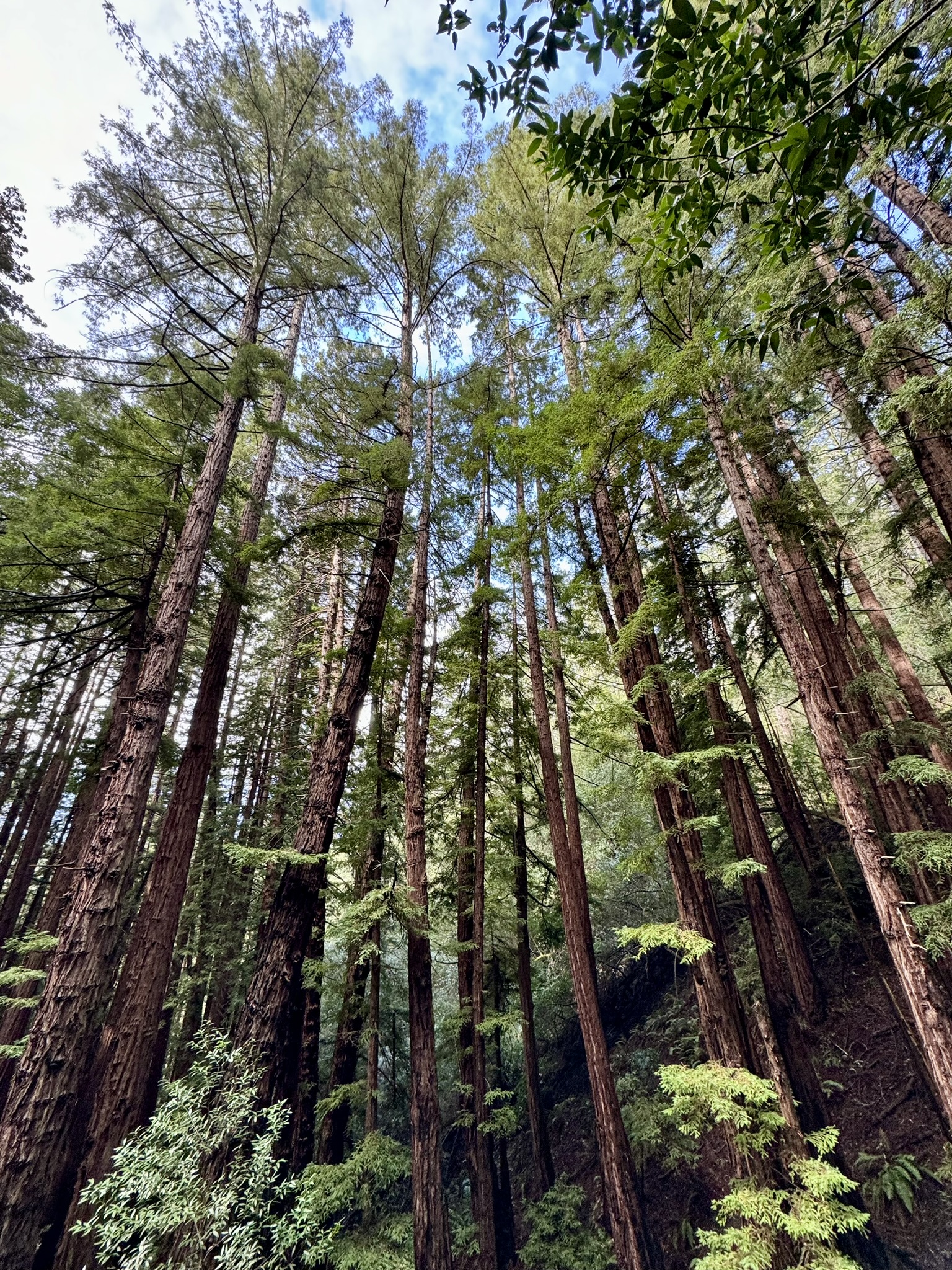
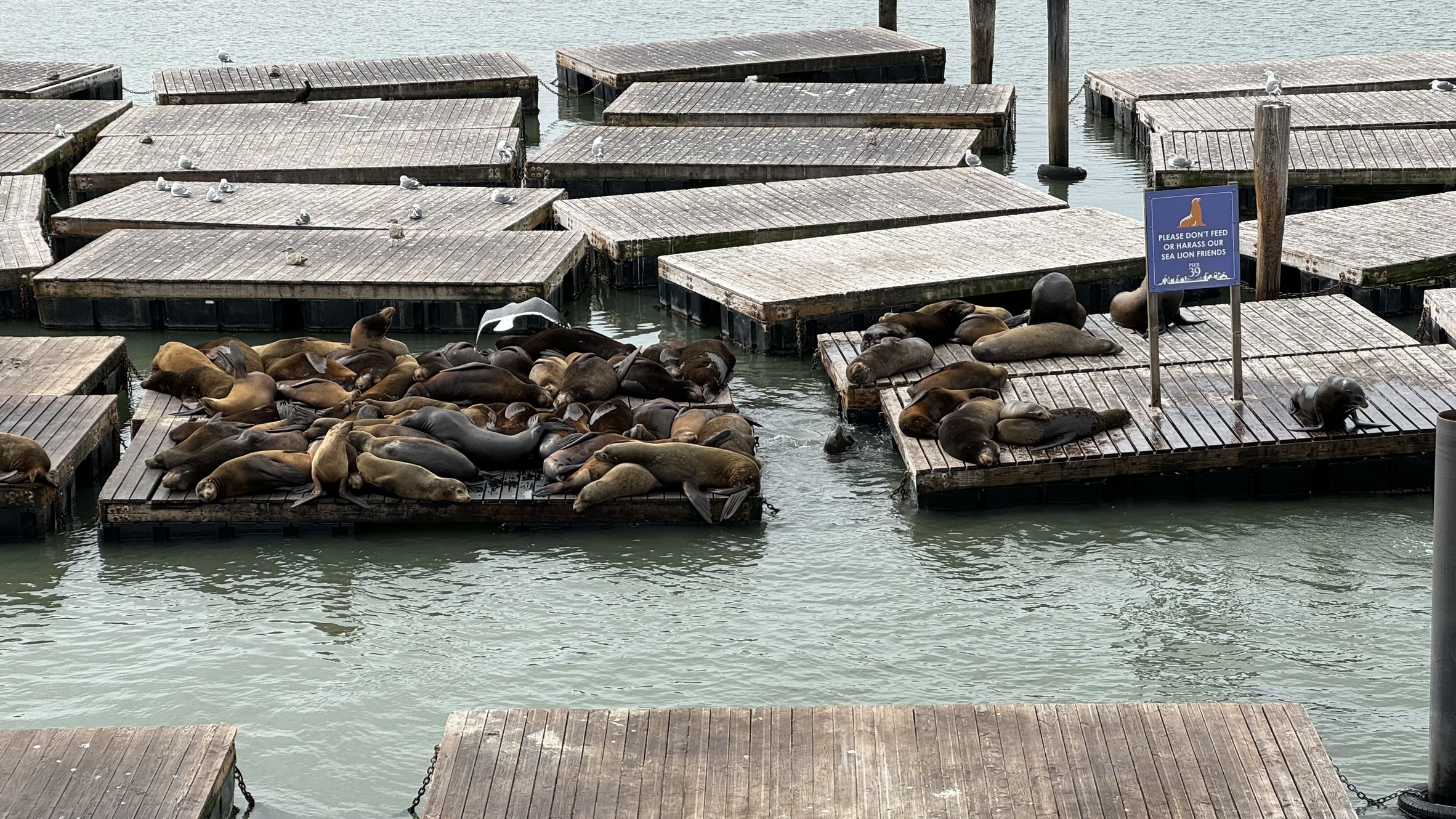
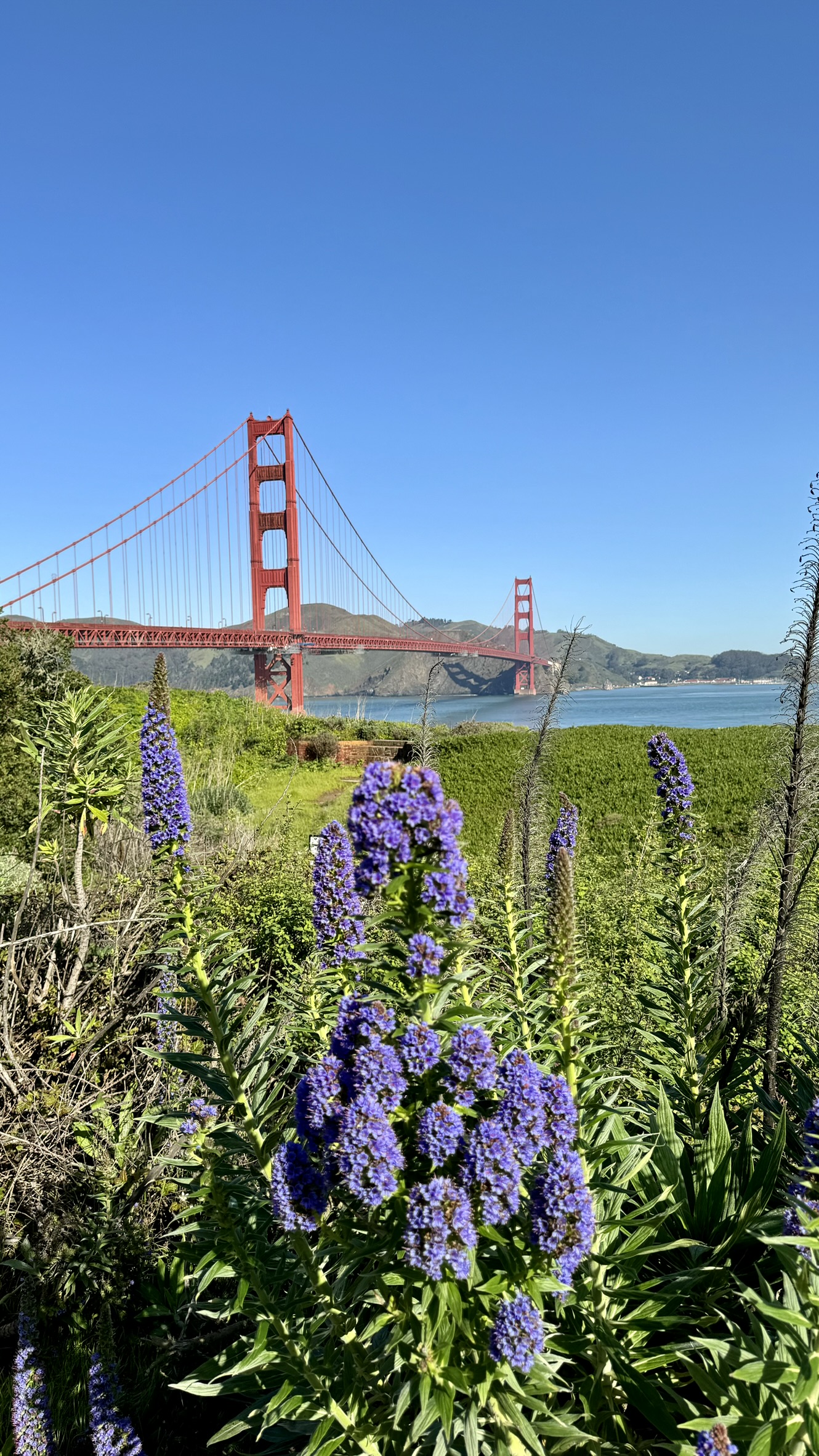
This year, the convention was held March 4-8 in San Francisco. For some attendees, the week began with “field trips” to public lands sites in the Bay area, such as the Golden Gate Bridge, Fort Point National Historic Site, and the Presidio Tunnel Tops.

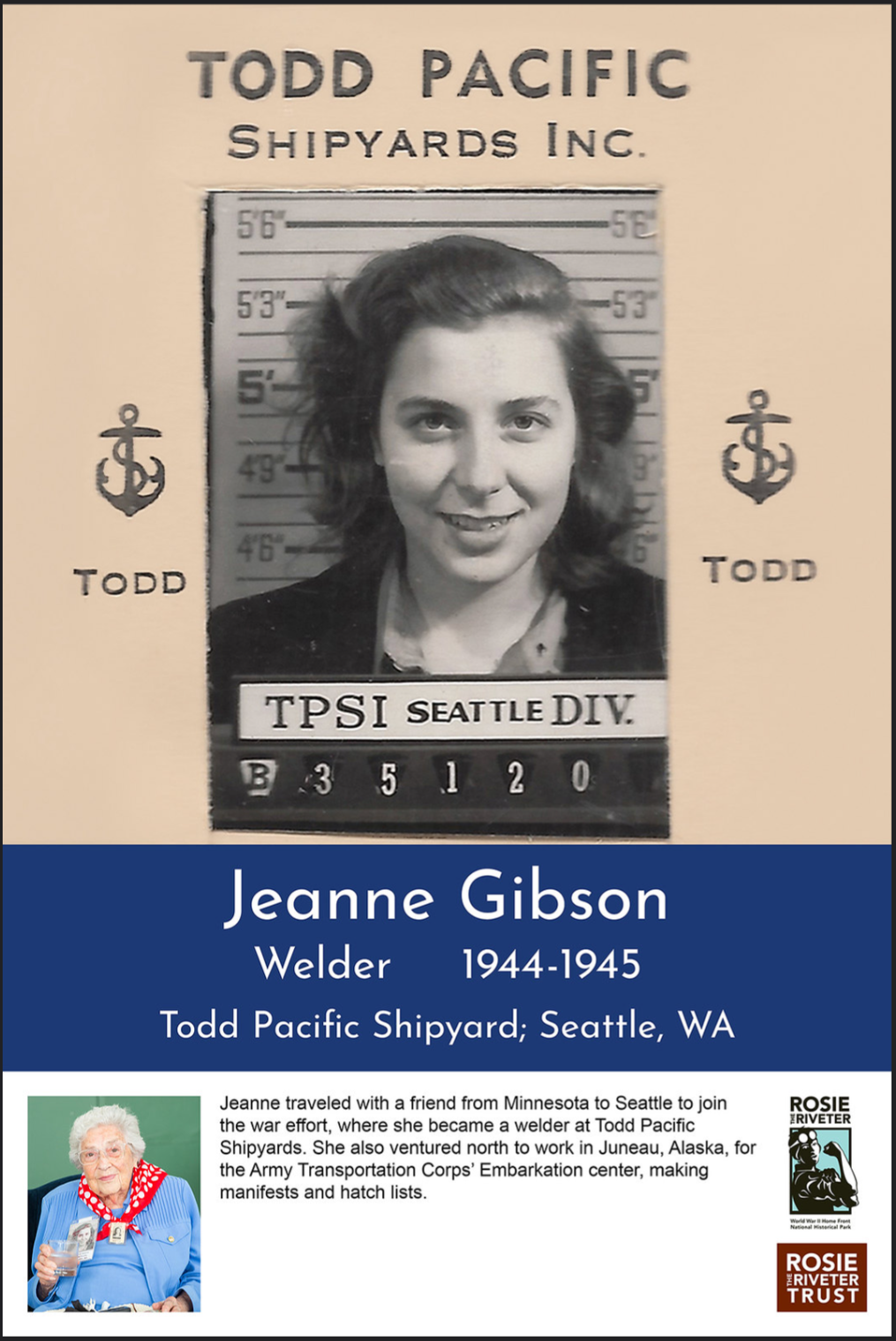
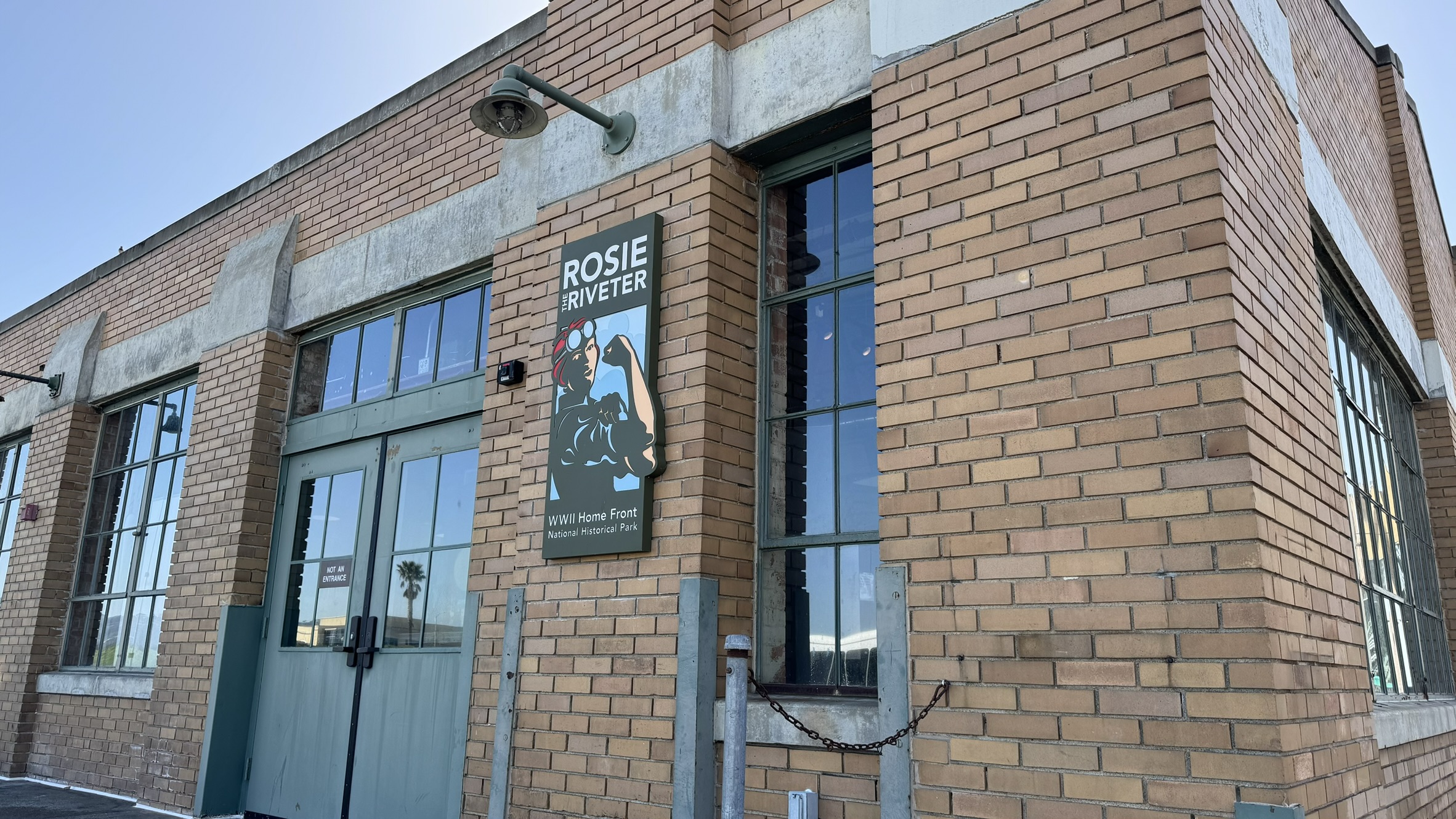
The convention officially began with a session about how organizations in the Bay Area have collaborated to create inclusive experiences and outdoor spaces in the Golden Gate National Recreation Area. The session ended with a bang — literally! The incredible percussionists and dancers of Fogo na Roupa, a Bay Area Brazilian Carnaval performance group, gave a performance that got everyone up on their feet dancing along. Attendees were then treated to an opening reception themed around Rosie the Riveter, including a visit from a real-life “Rosie,” Jeanne Gibson. Jeanne was a welder at Todd Pacific Shipyard from 1944-1945 and now volunteers for Rosie the Riveter WWII Home Front National Historical Park.

A whirlwind of sessions began bright and early Tuesday morning and continued the rest of the week. A few highlights included:

  • A panel discussion on outdoor stewardship and wellness;
  • A case study on the work done in the Marianas Islands to commemorate indigenous stories;
  • An in-depth guide to ethical storytelling;
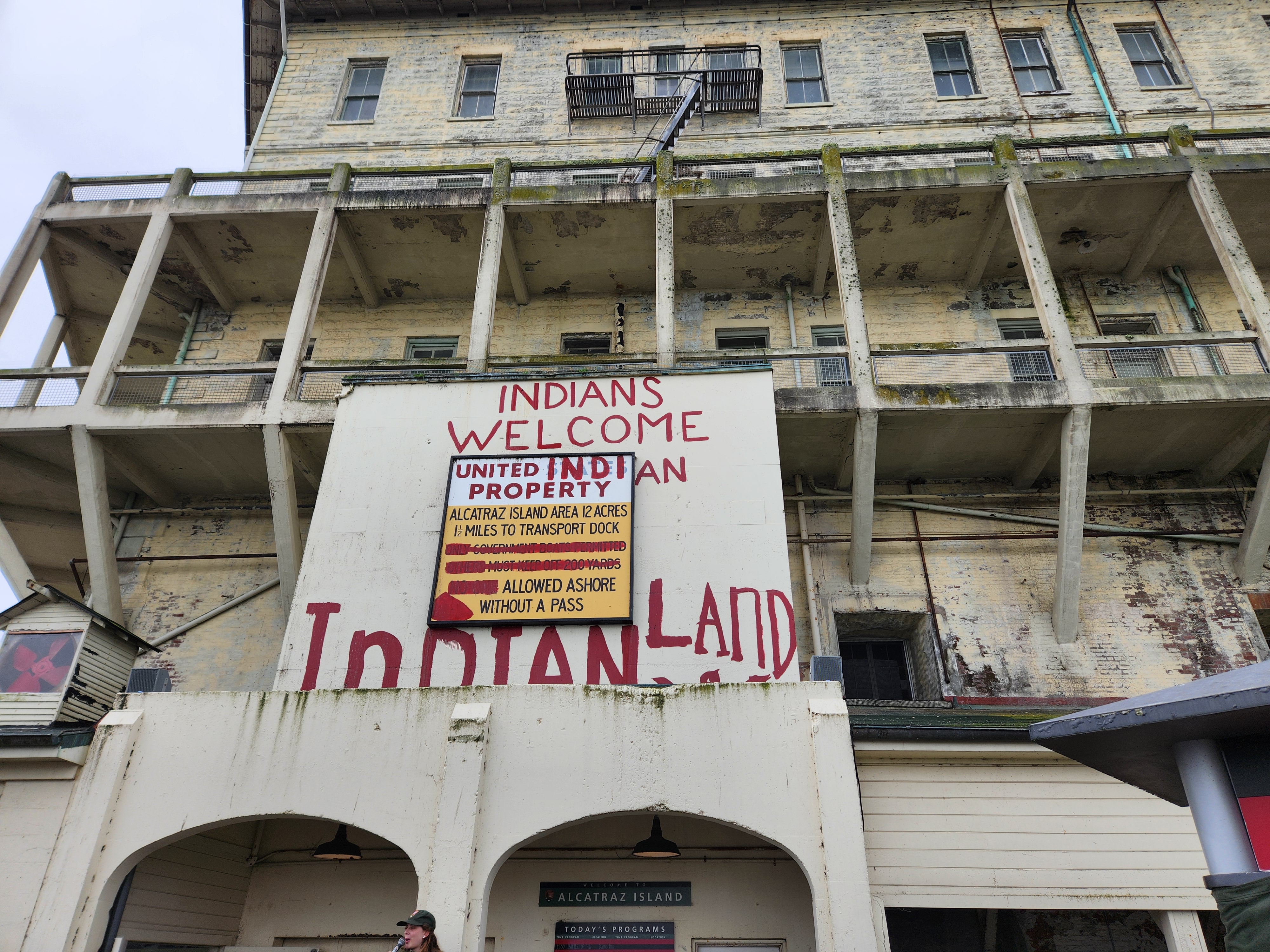
  • A panel discussion about how the National Park Service and others are collaborating with the Native American veterans of the Alcatraz Occupations to highlight their personal stories while creating a new Alcatraz exhibit about Indigenous history and the occupations.
  • An education session about how the U.S. Fish and Wildlife Service and National Park Service are using innovative new ways to prevent birds from colliding with glass at federal sites, as well as how the public can make their homes and businesses safer for birds.

Not only were attendees able to attend the illuminating education sessions, but there were a few extra opportunities both in and out of the convention. One evening, PLA hosted a screening of the breathtaking documentary, “Out There: A National Park Story” followed by a discussion with filmmaker Brendan Hall.

During one of the convention’s general sessions, the Public Lands Alliance surprised attendees with an early announcement of a few winners of its coveted Partnership Awards. Jefferson National Parks Association won Best Innovative Product for our virtual reality experience Cobblestones and Courage!

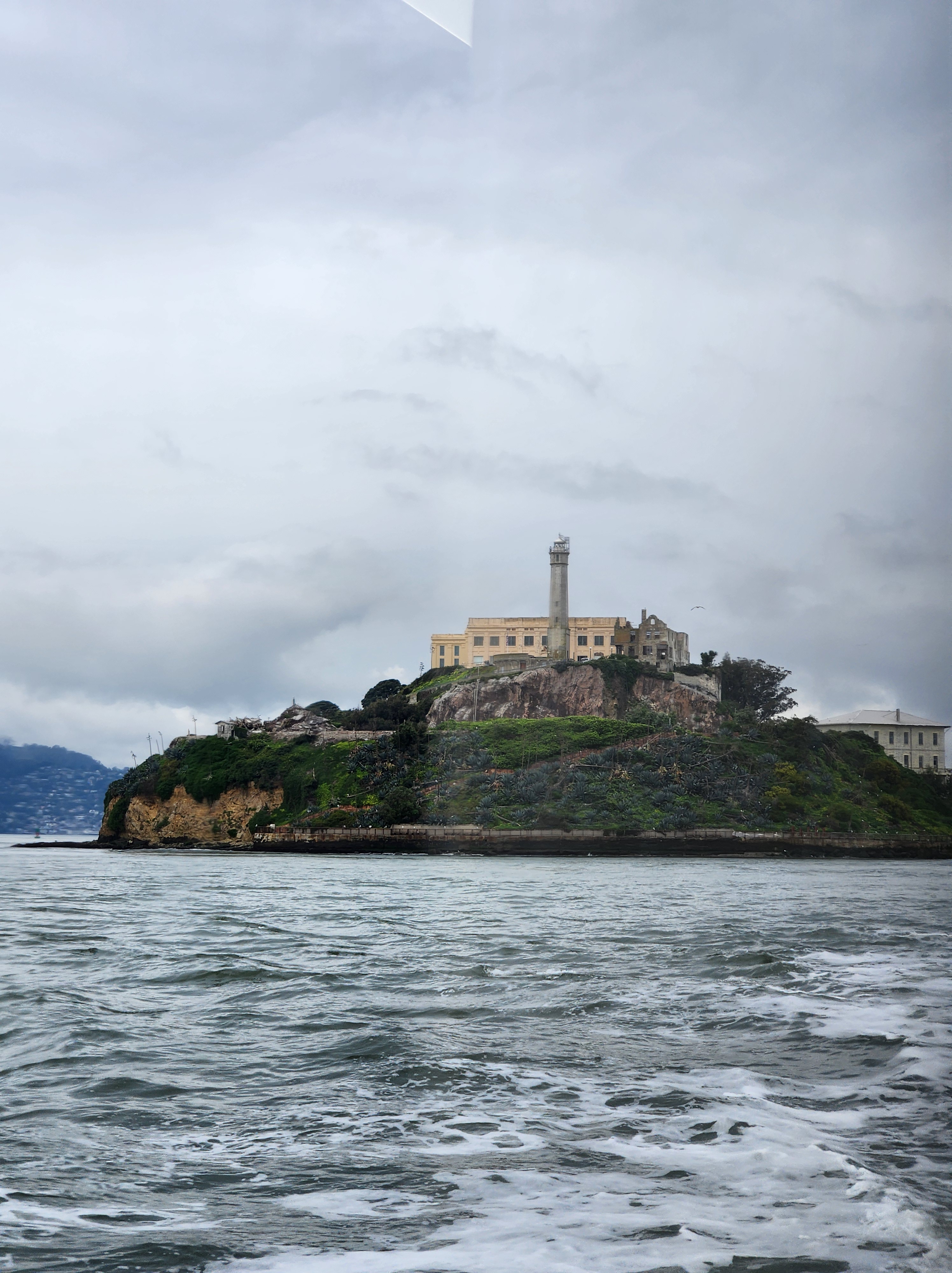
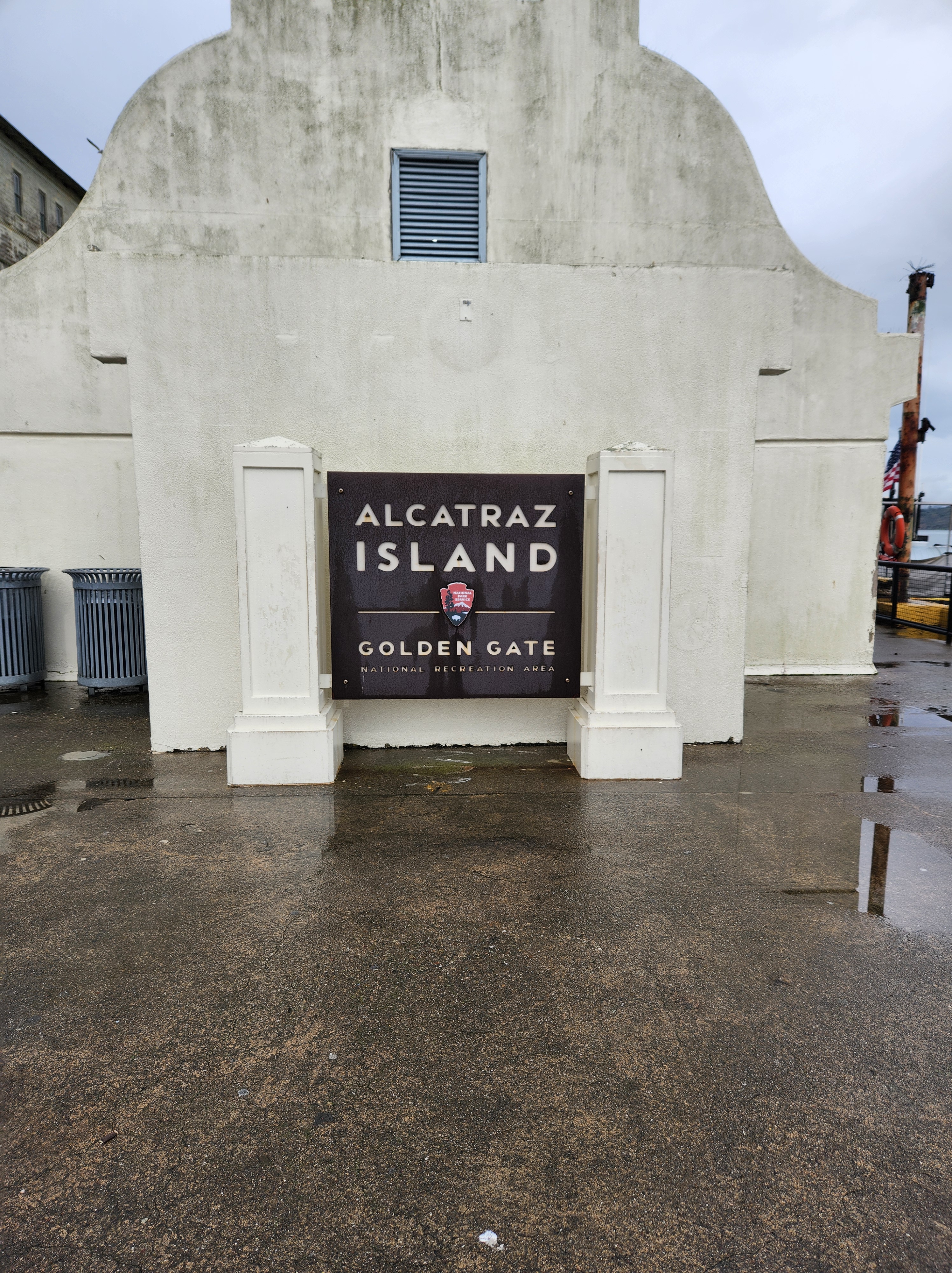
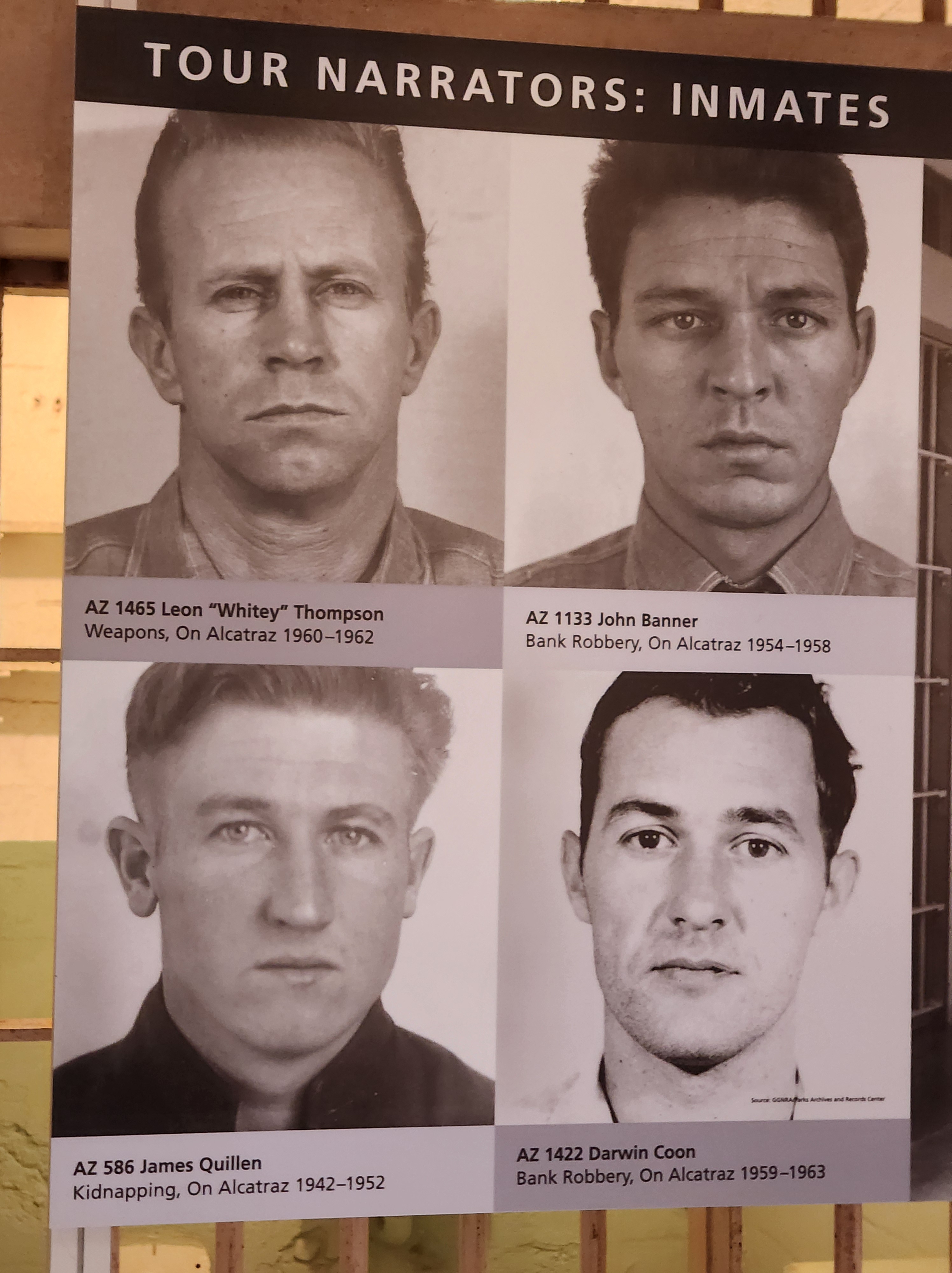
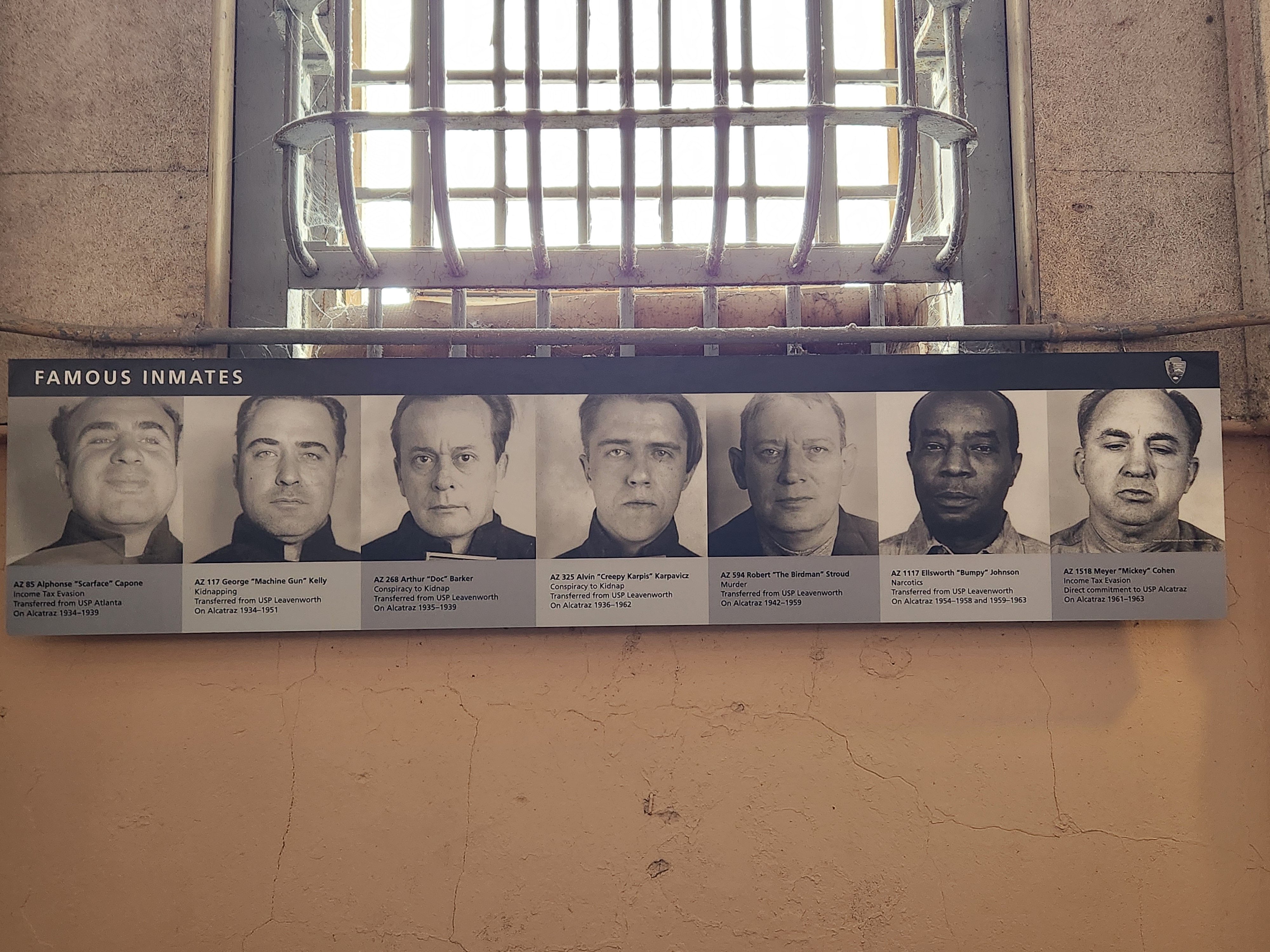
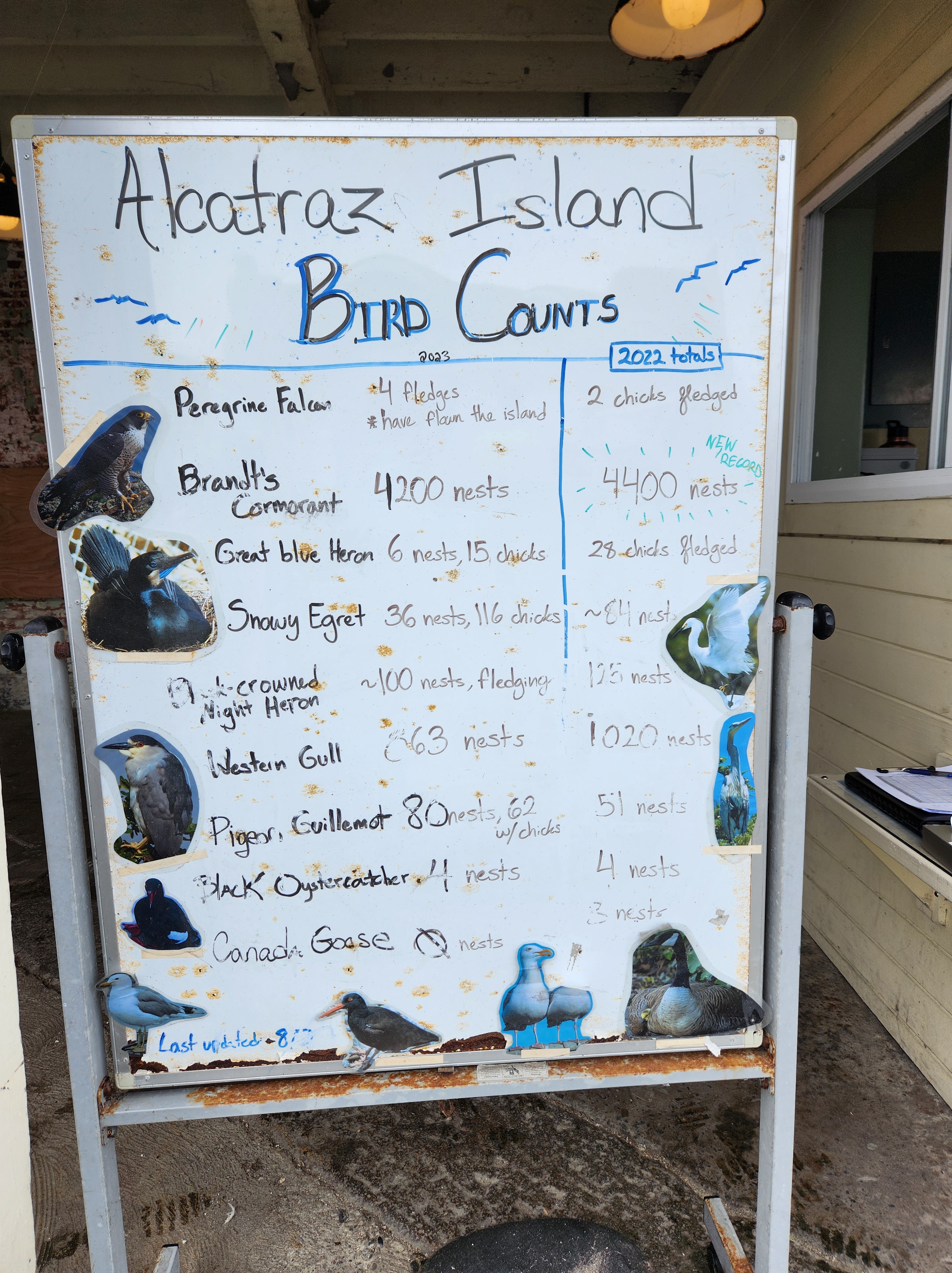
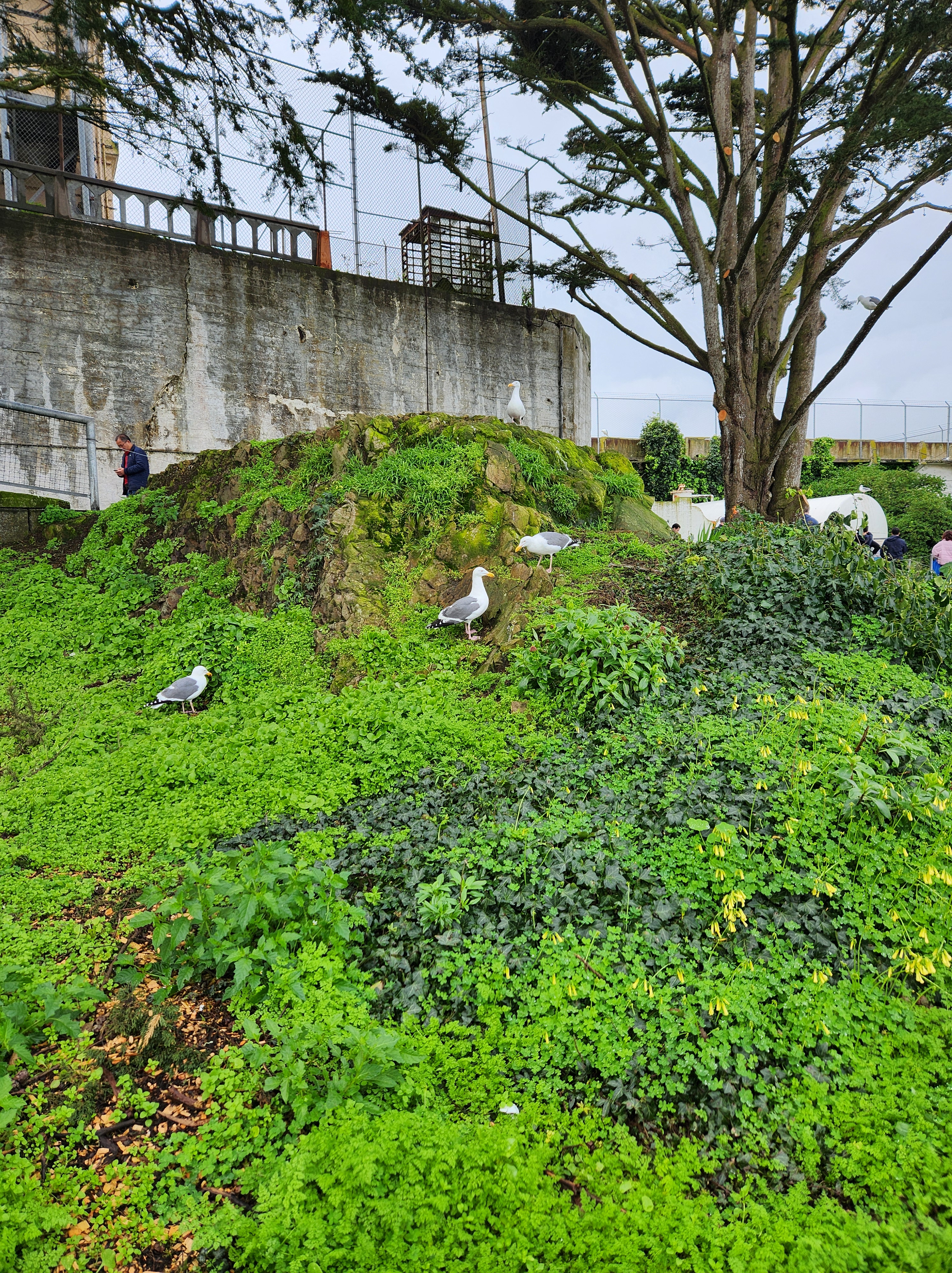
JNPA attendees took a few individual excursions outside the convention. One person visited Alcatraz Island in Golden Gate Recreation Area. A featured experience at Alcatraz is the highly immersive audio tour of the cellhouse, which is narrated by former guards and inmates. Alcatraz is also home to several types of wildlife and is the second largest seagull nesting ground in the world.

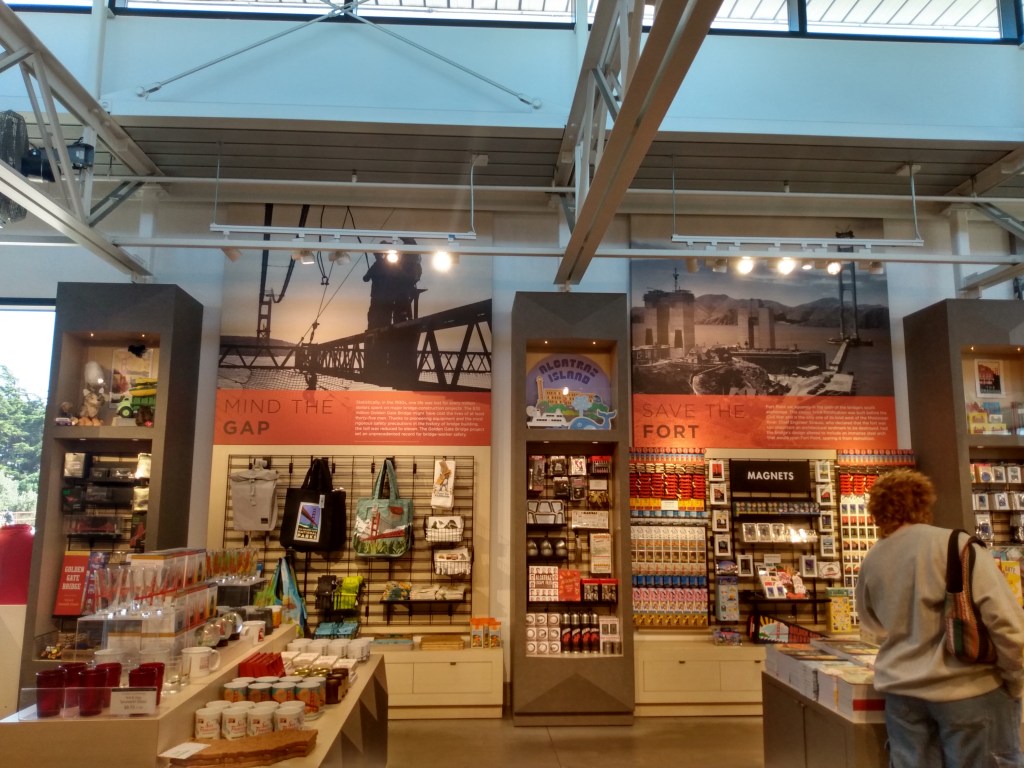
JNPA’s retail team visited the Golden Gate Bridge Store, which is operated by Golden Gate National Parks Conservancy. They were very impressed by how well the store mixes both product merchandising and storytelling through exhibits.

The convention concluded with a special presentation by Rue Mapp, Founder & CEO of Outdoor Afro. Rue spoke about her life and the inspiring story of how she created this organization dedicated to bringing the African American community closer to nature. She also talked about the benefits of people connecting with the outdoors and how public lands can play a vital role in improving community health.

While each attendee came into the convention with different perspectives and goals, it is safe to say that everyone left with a shared sense of appreciation that we all get to play even a small part in supporting our amazing public lands.

Celebrating “America’s Best Idea”

Who doesn’t love a birthday?  On August 25, let’s all celebrate the 107th birthday of the National Park Service!

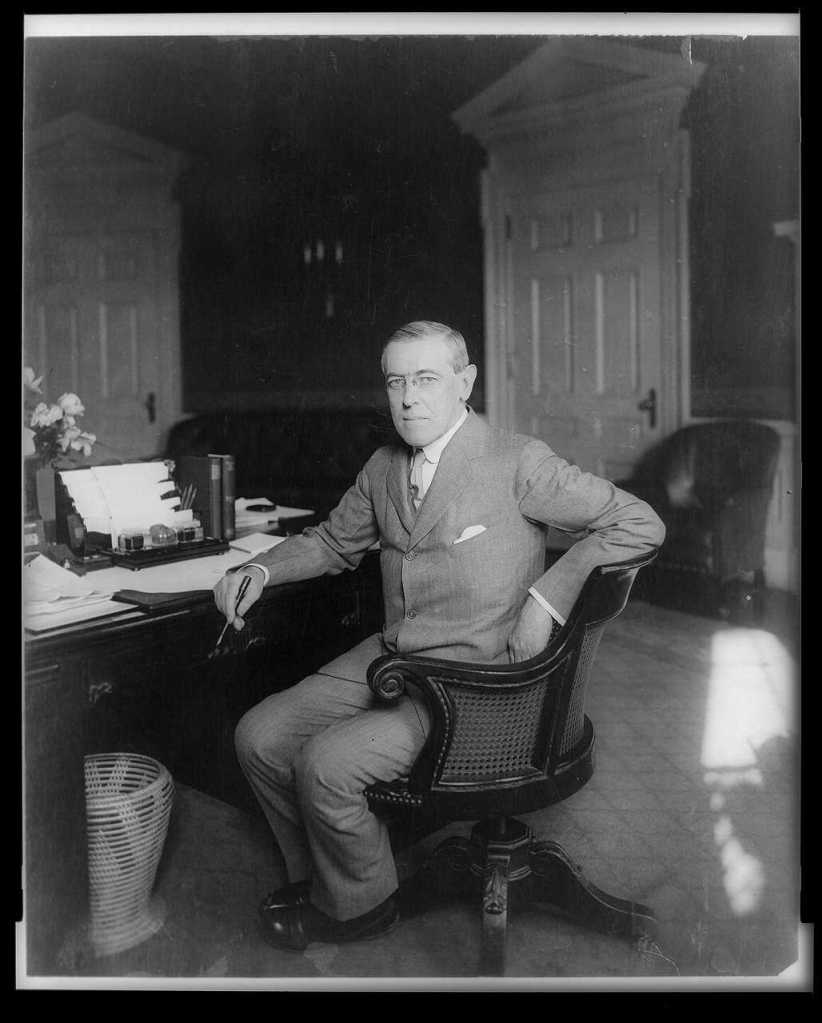
President Woodrow Wilson. Credit- Library of Congress

On August 25, 1916, President Woodrow Wilson signed the Organic Act, creating a new federal bureau within the Department of Interior to protect the 35 existing parks.  It was called the National Park Service.  The purpose of the new agency, according to the legislation that created it, is “to conserve the scenery and the natural and historic objects and the wildlife therein and to provide for the enjoyment of the same in such manner and by such means as will leave them unimpaired for the enjoyment of future generations.”  However, the story of the National Park Service actually began long before then, and it involved two other U.S. presidents.

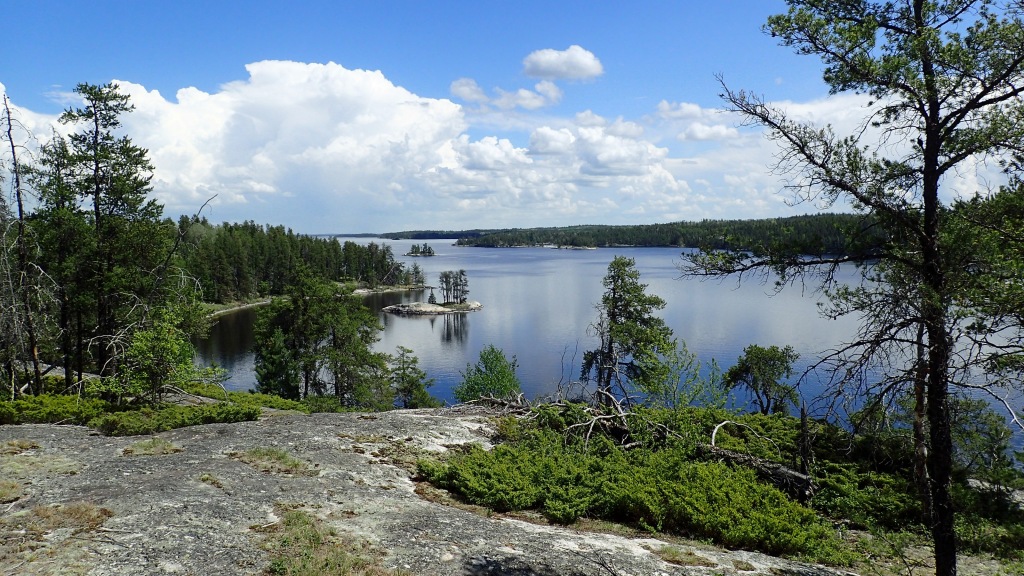
Voyageurs National Park

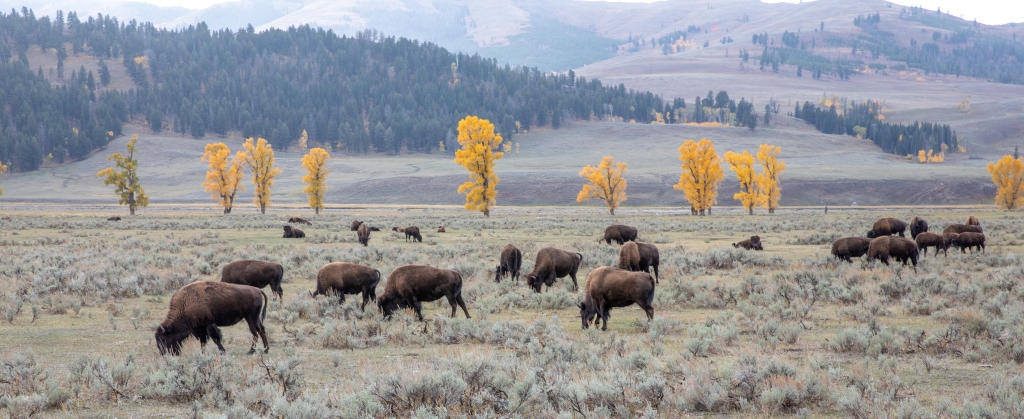
In 1872, President Ulysses S. Grant designated Yellowstone as the first national park and placed it under the control of the Secretary of the Interior. Then, in 1906, President Theodore Roosevelt enacted the Antiquities Act, which gave presidents the authority to create national parks, monuments, forests, and reserves. During his presidency, Roosevelt established 5 national parks and 18 national monuments.

Yellowstone National Park. Credit- NPS

After the passage of the Organic Act in 1916, management of national parks fell to the National Park Service; in 1933, an executive order also transferred control of national monuments and certain military sites to the Park Service.

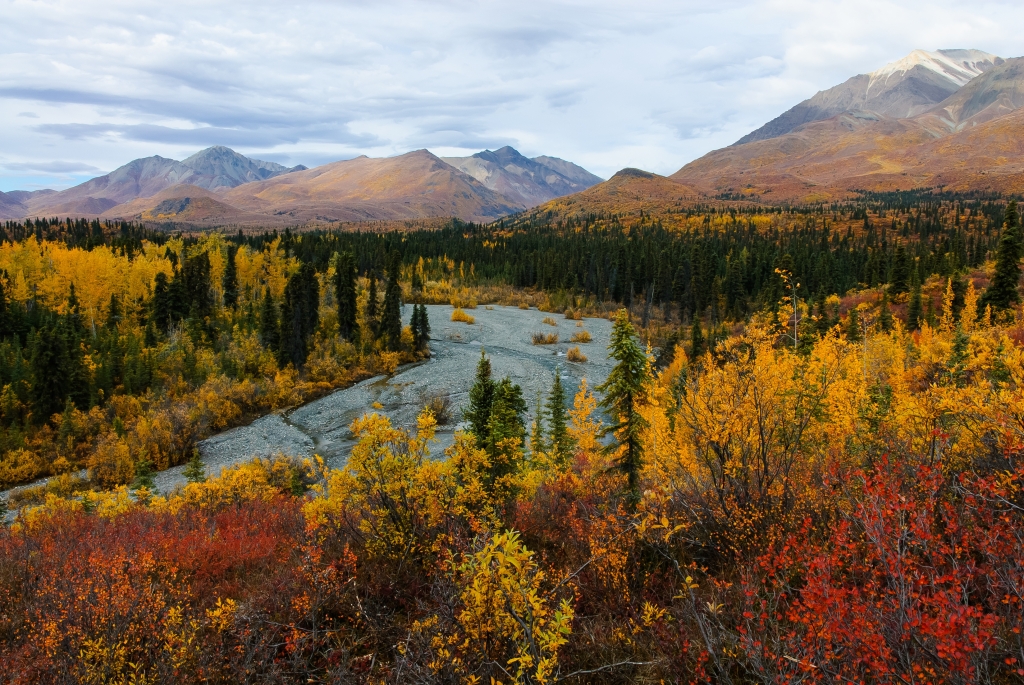
Today, the National Park Service manages and protects 425 sites in all 50 states.  This amounts to more than 85 million acres of natural spaces and historic sites. The largest national park is Wrangell – St. Elias National Park and Preserve in Alaska. It encompasses over 13 million acres! The smallest national park, at only 0.2 acres, is Thaddeus Kosciuszko National Memorial in Pennsylvania. In recent years, national parks have received more than 300 million visitors annually, and as additional sites are added to the National Park System, that number will only grow.

If you want to join in the anniversary celebrations, you can attend a special event at a nearby park unit (like this one at Ste. Genevieve National Historical Park) or share #YourParkStory on social media. The National Park Service website also has many ideas of how to celebrate!

Ste. Genevieve National Historical Park

As Pulitzer Prize winner and environmentalist Wallace Stegner said, “National parks are the best idea we ever had. Absolutely American, absolutely democratic, they reflect us at our best rather than our worst.” At Jefferson National Parks Association, we are so proud to support these American treasures, and we wish the National Park Service a very happy birthday!

Don’t “Pass” This Up!

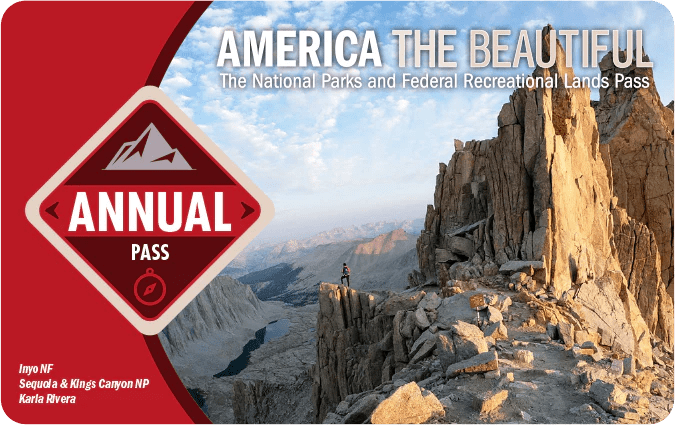
Now that summer is in full swing, you’re probably making vacation plans. If a national park is on your travel agenda, we have a suggestion you won’t want to pass up:  buy an America the Beautiful Pass

This $80 annual pass entitles you and three guests to free access to more than 2,000 public sites managed by five federal agencies for an unlimited number of visits during the year.  And since some national parks charge up to $20 per person or $35 per vehicle, these savings can add up.  What’s more, the proceeds from the purchase of each pass are dedicated to improving and enhancing visitor experiences at these federal recreation sites.

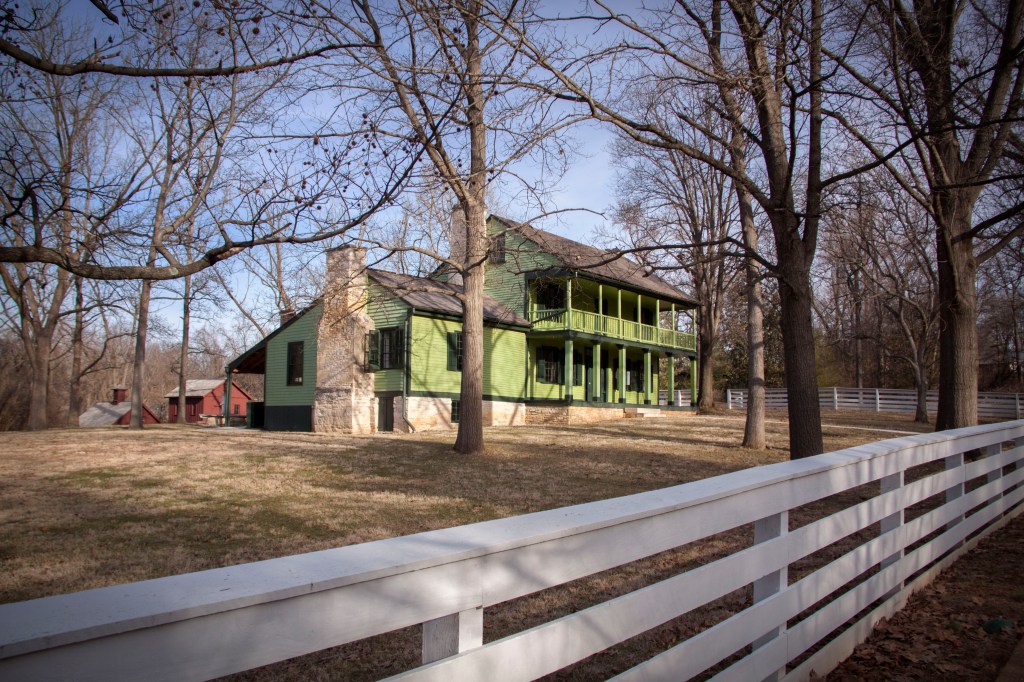
Ulysses S. Grant National Historic Site. Credit: NPS/David Newmann

Beyond the regular annual park pass, there are other options for certain groups: 

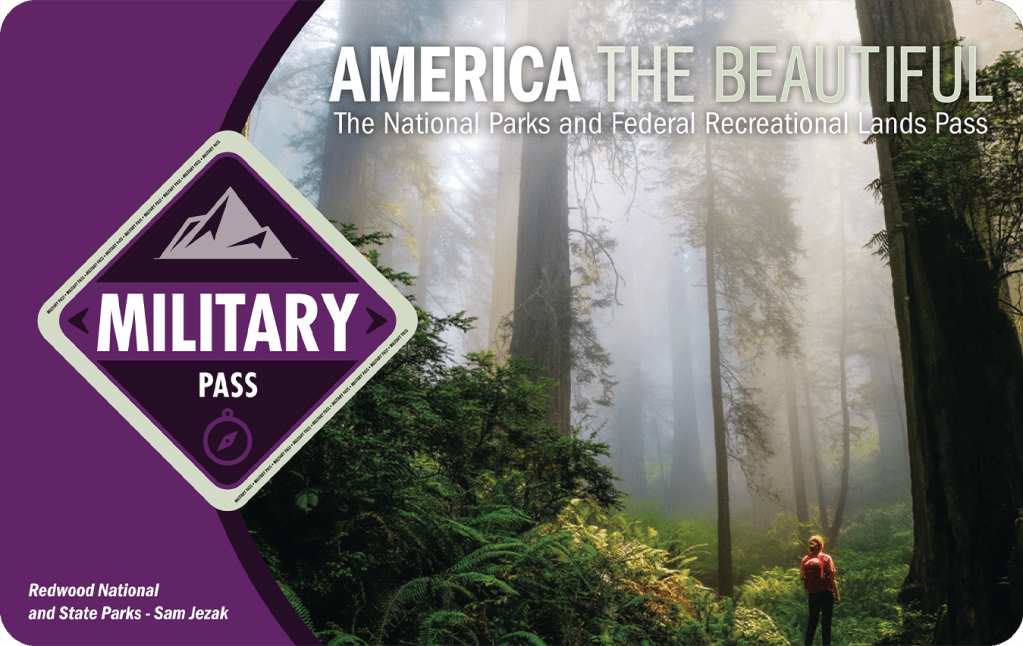
  • Members of the military and their dependents qualify for a free annual Military Pass;
  • Gold Star families and Veterans can receive a free lifetime Military Pass;
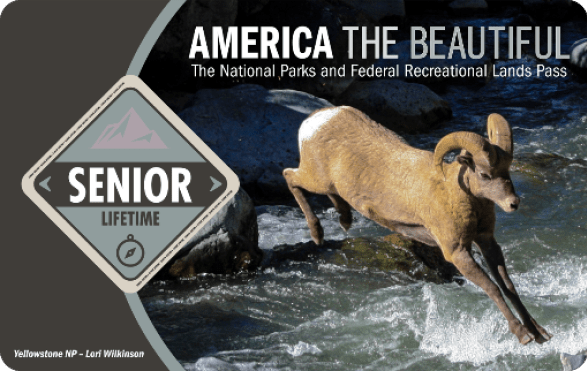
  • Those who are ages 62 and up can purchase a $20 annual Senior Pass or an $80 lifetime Senior Pass;
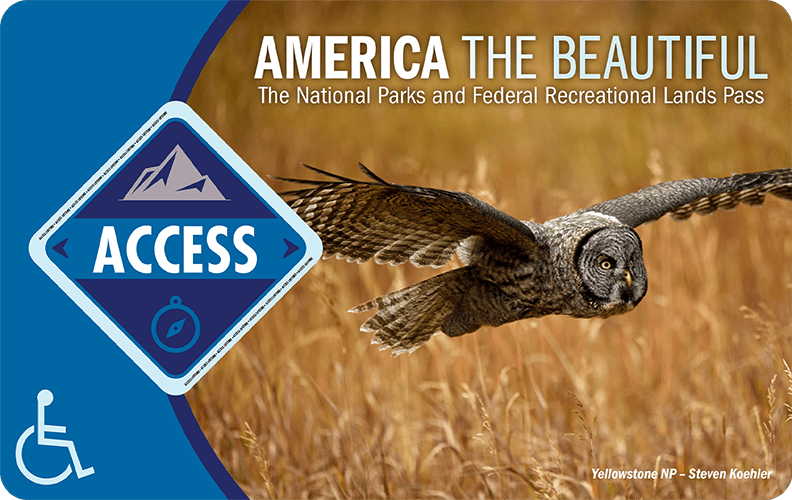
  • Those who have a permanent disability can qualify for a free lifetime Access Pass, regardless of their age.
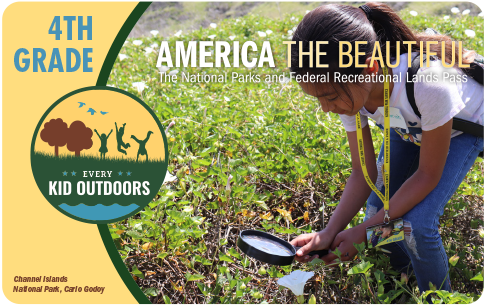
  • Children in 4th grade and their educators can take advantage of a free Every Kid Outdoors Annual 4th Grade Pass.
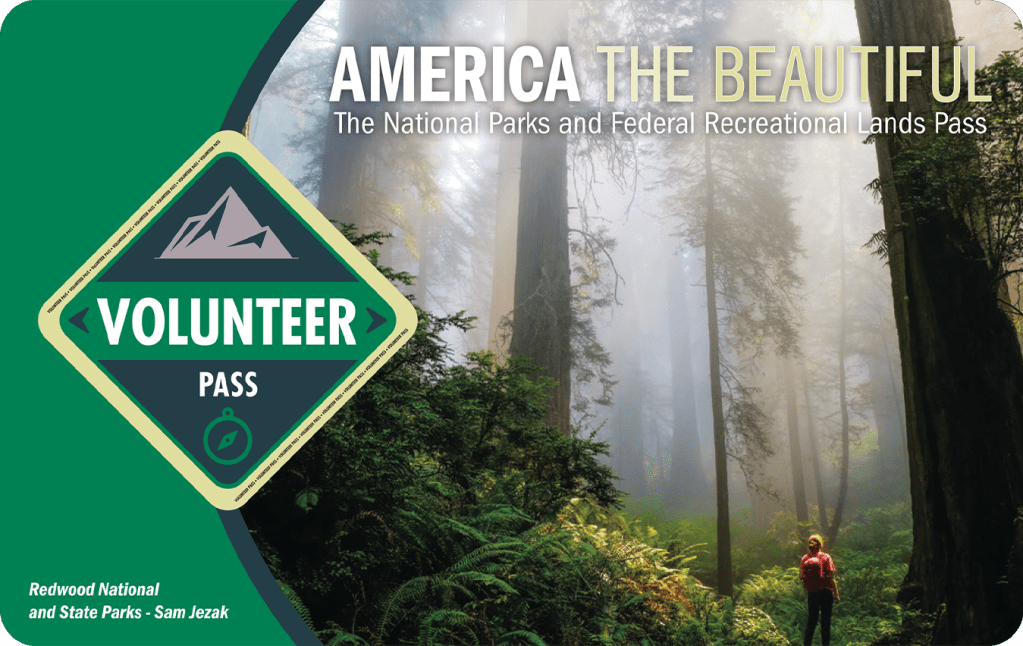
  • Those who volunteer for a federal recreation site for more than 250 hours are entitled to a one-year Volunteer Pass.

Where can you get one of these park passes?  If your vacation is more than two weeks away, you’ll have time to order your passes online and have them mailed to you (there’s a $10 processing fee for online orders).  But if you’re travelling sooner, you’ll want to buy your passes at one of more than 1,000 recreation sites managed by the National Park Service, Bureau of Land Management, U.S. Fish and Wildlife Service, U.S. Forest Service, and the U.S. Army Corps of Engineers.  To find one near you, go here.

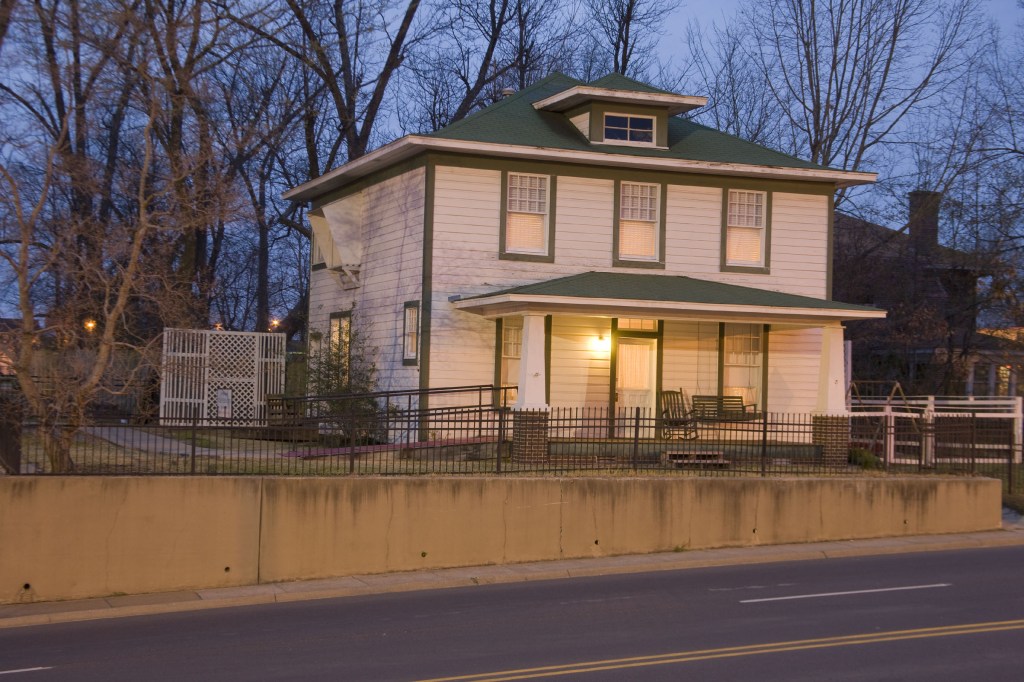
Clinton Birthplace Home National Historic Site

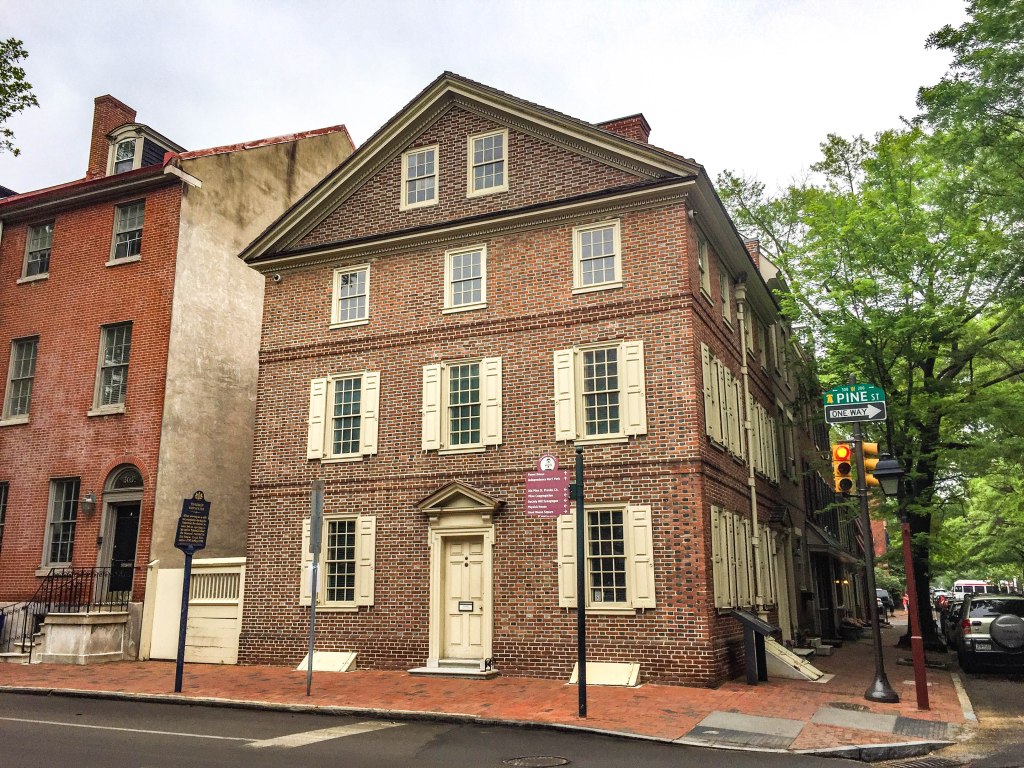
A number of JNPA partner parks sell passes at their visitor centers:  Gateway Arch National Park, Ulysses S. Grant National Historic Site, Little Rock Central High School National Historic Site, Clinton Birthplace Home National Historic Site, and Lewis & Clark Visitor Center.

Enjoy your summer travels!

Calling all NPS History Buffs!

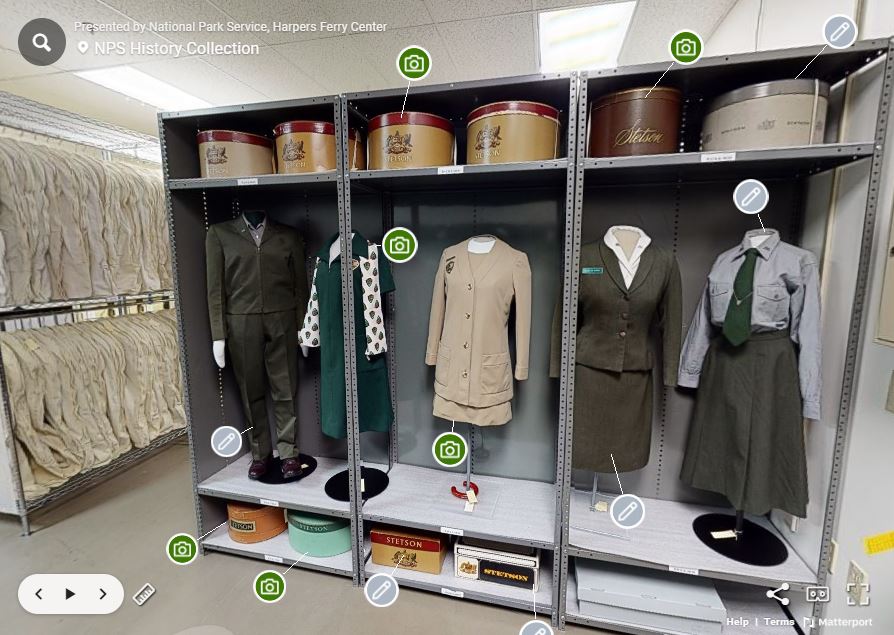
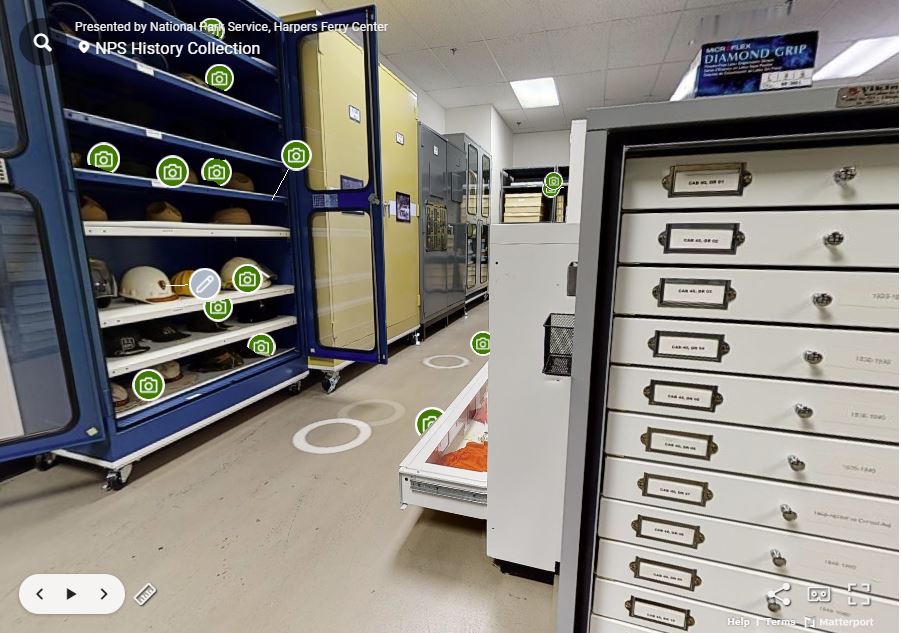
The National Park Service has a long and storied history.  Starting with the establishment of Yellowstone National Park in 1872, NPS has taken seriously its mission of preserving and protecting America’s natural resources and historical places for the benefit of current and future generations.  Over the years, the agency has collected more than four million artifacts, photographs, documents, uniforms, and other memorabilia that document the stories of our nation’s culture and history.  Most of those items are carefully stored and preserved at the NPS Harper’s Ferry Center in West Virginia, where few of us will ever be privileged to see them.

But now there’s good news for NPS history buffs – the agency’s history collection can be accessed virtually through a new behind the scenes experience. You can follow the guided tour or choose your own path to discover objects, art, photographs, and uniforms that span over 100 years of NPS history. 

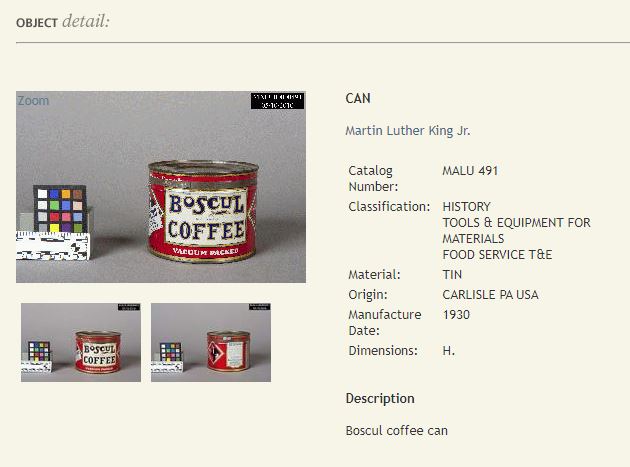
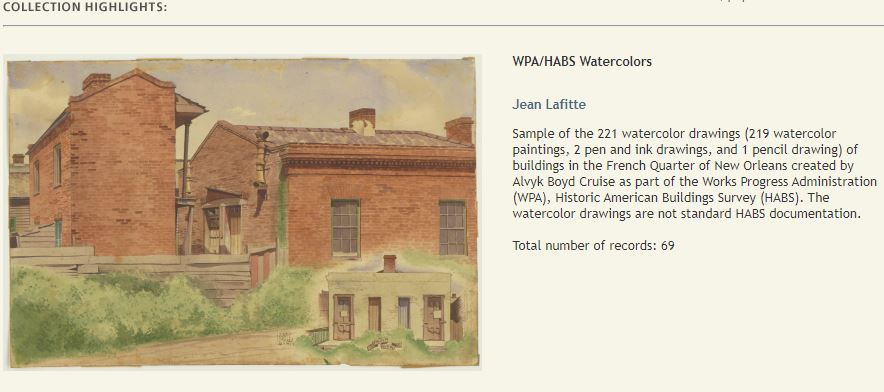
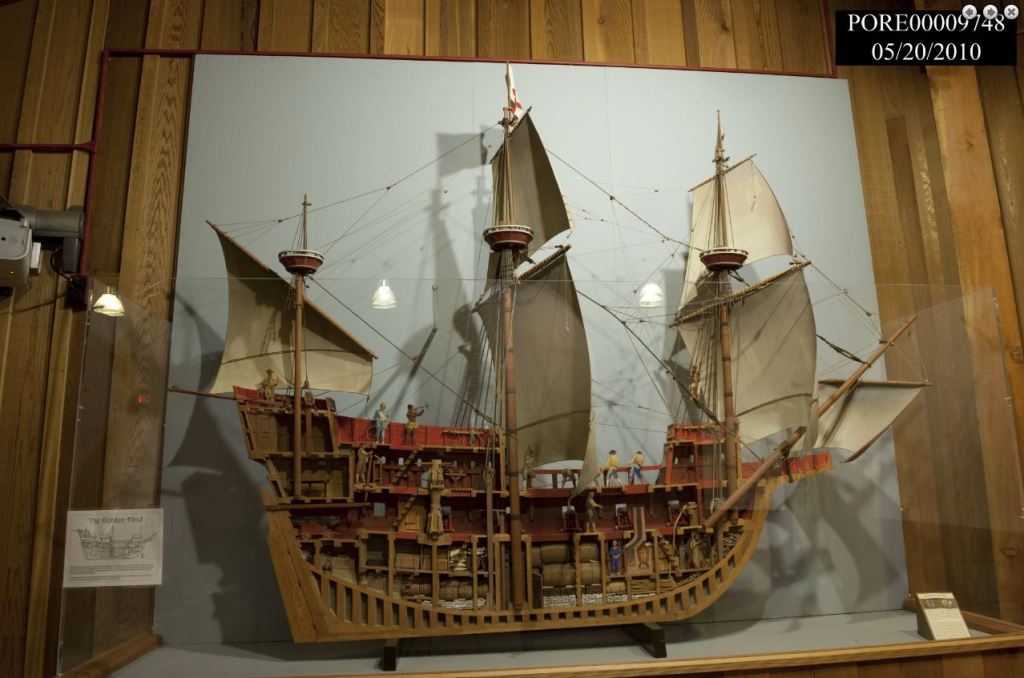
Another fascinating resource is the NPS online museum collection, a searchable online database that provides access to thousands of images and records from numerous parks’ individual museum collections. You can simply browse the online database or search the themed collection highlights that group together the parks’ artifacts by particular themes, types of objects, or locations.  Each week, NPS features a Collection Highlight of the Week that can range from historic clothing to model ships to prehistoric artifacts.  (Warning – you can quickly get absorbed by these fascinating items and lose all track of time!)

Finally, teachers will want to check out the NPS online resource  Teaching with Museum Collections. The site provides lesson plans by theme and park as well as guides on How to Read an Object and How to Read a Photo.  

Happy snooping!

Who doesn’t love a birthday?

The National Park Service is turning 106 this Thursday, and you’re invited to help celebrate.  With more than 400 park units across the country, there are countless ways to join in the fun.

On August 25, 1916, President Woodrow Wilson charged the Department of the Interior with establishing a new federal bureau to protect the 35 national parks and monuments then managed by the department.  The new agency, dubbed the National Park Service, was directed “to conserve the scenery and the natural and historic objects and the wild life therein and to provide for the enjoyment of the same in such manner and by such means as will leave them unimpaired for the enjoyment of future generations.”

Yellowstone National Park. Photo by Kerry on Pexels.com

The creation of the iconic Yellowstone National Park in 1872 actually pre-dated the establishment of the Park Service.  In subsequent years Congress authorized additional national parks and monuments, many of them carved from the federal lands of the West.  But it was not until the National Park Service was created that all of these parklands were administered by one centralized agency.
Today, the national park system has expanded to 423 sites, covering more than 84 million acres in 50 states, the District of Columbia, American Samoa, Guam, Puerto Rico, Saipan, and the Virgin Islands.  These sites range from national battlefields and military parks to national rivers and lakeshores to national historic sites and monuments. 

Voyageurs National Park

In honor of its 106th birthday, the Park Service wants you to share your favorite WOW moments from past visits to any NPS location.  These could include an occasion when you encountered breath-taking scenery, heard an inspirational ranger talk, or were surprised when you learned about a compelling historical event.  You’re invited to share your WOW moments via social media and tag it with #NPSBirthday.
The NPS app

You’re also encouraged to experience parks virtually.  There’s the NPS app, where you can learn about all of the national park sites and get tips to help you on your next visit, as well a number of  podcast series that highlight the stories and wonders of various national parks.  And for kids (of all ages), be sure to check out NPS Games and Challenges where you can test your park knowledge or learn something new about many national parks.  One of our favorites is Where the “Park” Am I? – it’s not as easy as it sounds!

Mississippi National River and Recreation Area

However you decide to celebrate the long history of the National Park Service, we’re sure you agree with author Wallace Stegner, who famously said “National parks are the best idea we ever had. Absolutely American, absolutely democratic, they reflect us at our best rather than our worst.”

Happy Birthday, NPS!!!