Broke at Christmas

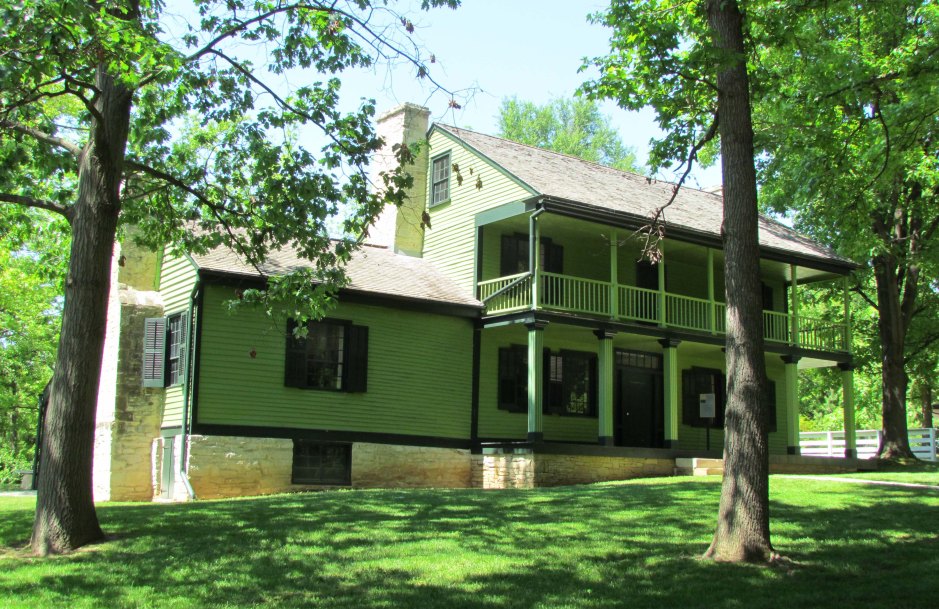
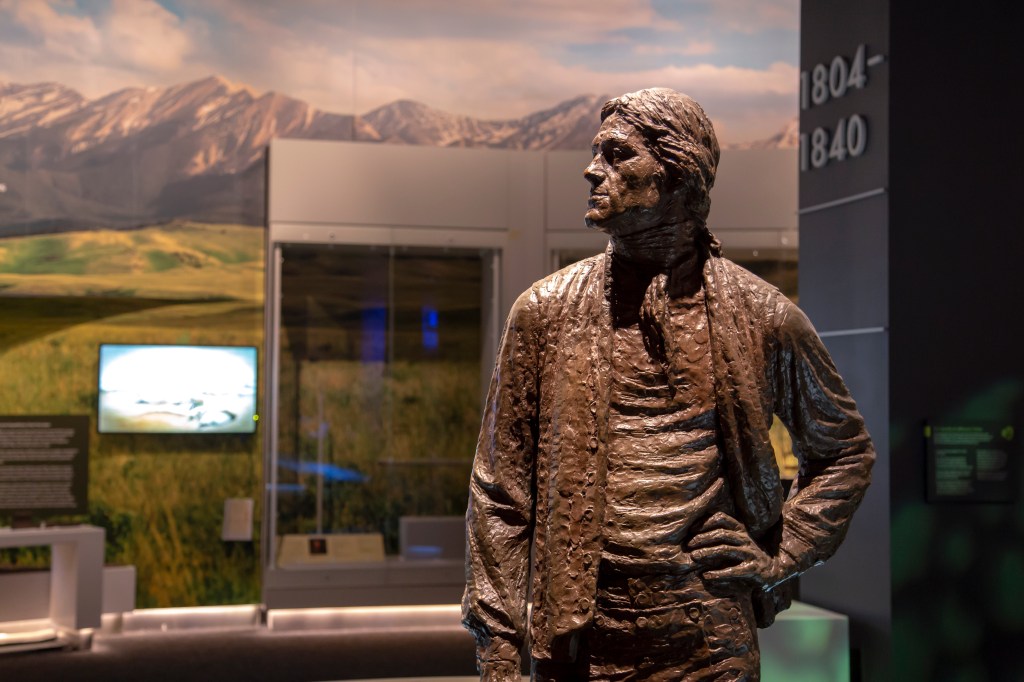
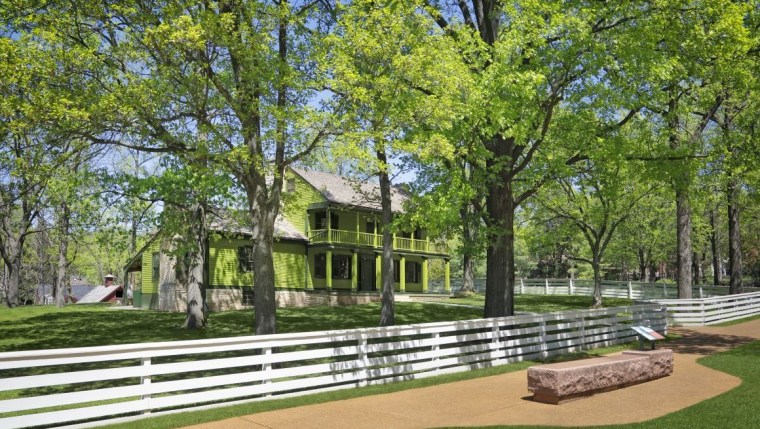
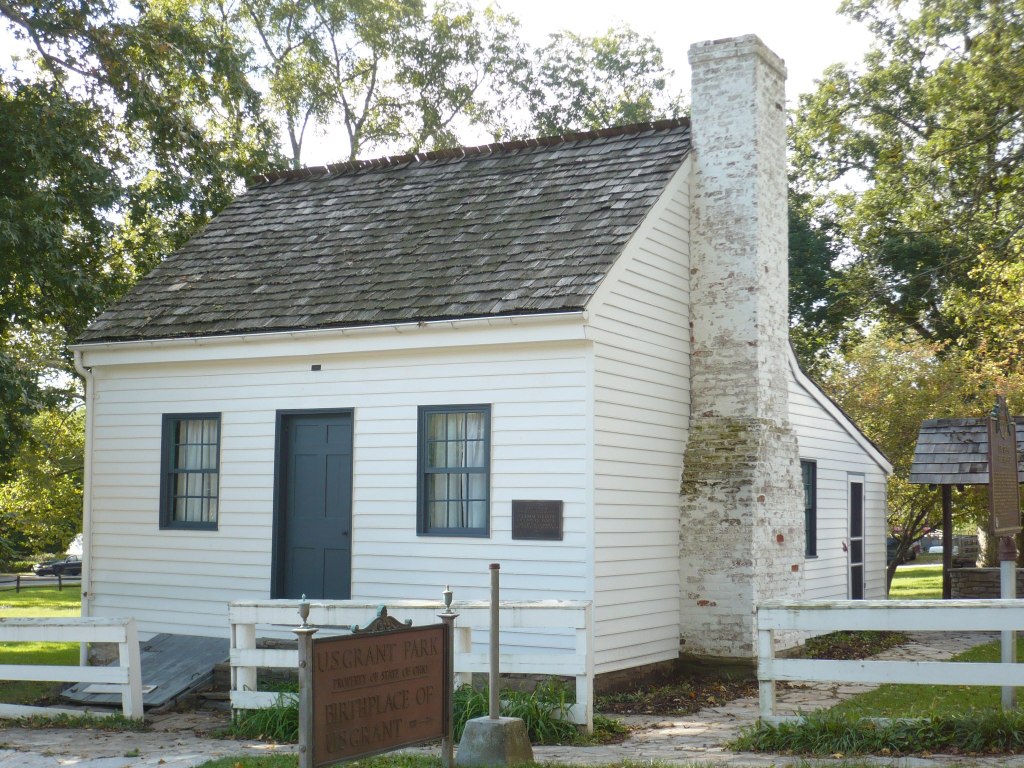
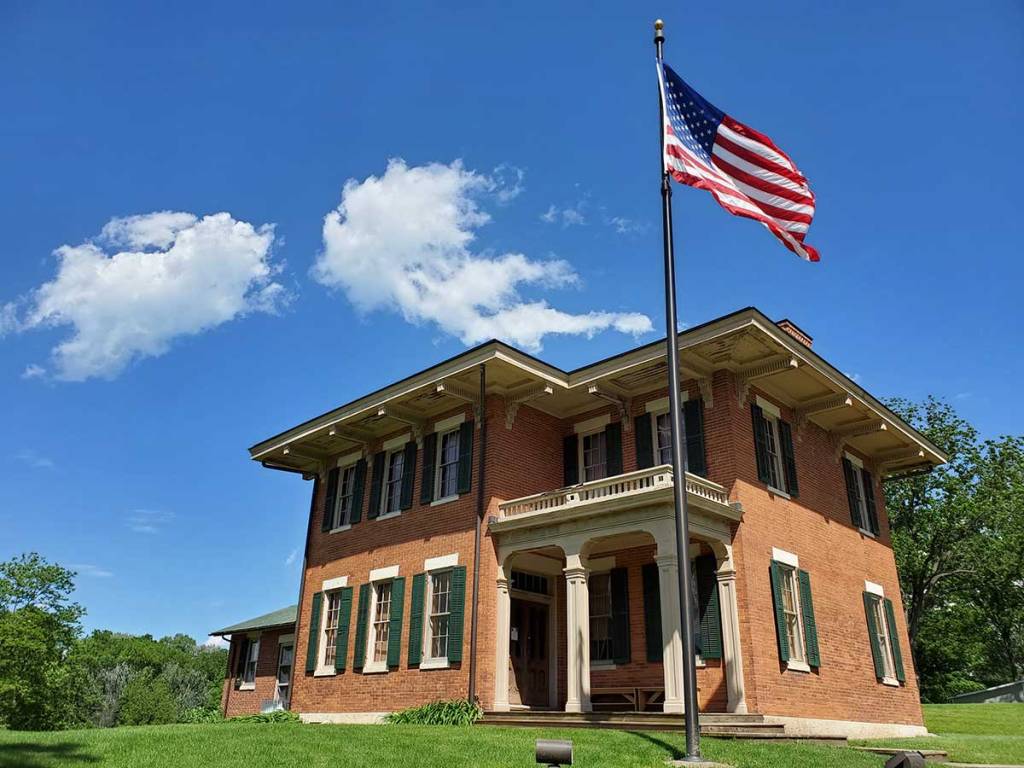
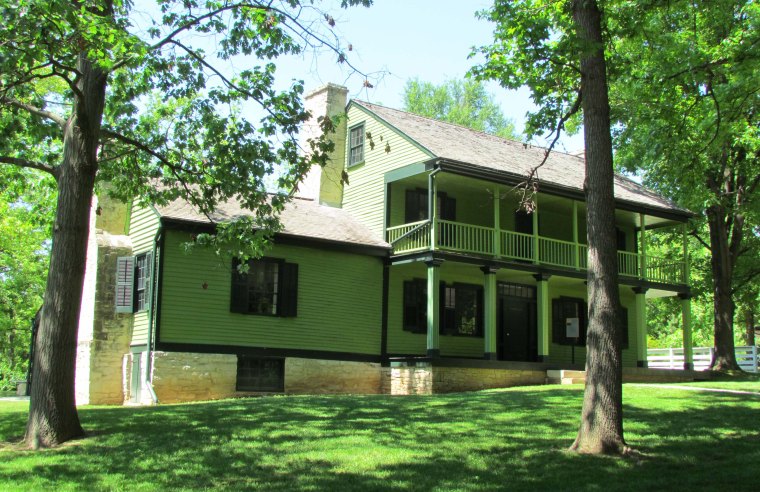
Let’s face it – many of us stress over holiday spending, whether it’s for gifts, airline tickets, party clothes, special foods, or even supplies for house guests.  So it might be comforting to know that some of America’s most famous historical figures also faced money woes during the Christmas season.  Take Ulysses S. Grant, who found himself in tough times at the holidays while living at White Haven.

Credit: NPS

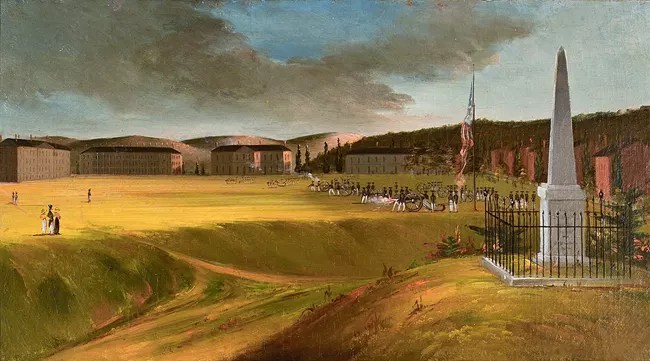
In the mid-1850s, Grant was working hard to make a living as a farmer while he and his wife Julia were raising their young children at his in-laws’ 850-acre plantation near St. Louis.  He intended to plant potatoes, sweet potatoes, corn, and other vegetables – enough “to keep a wagon going to market every day.”  He was optimistic that the venture would be successful, writing his father that “Every day I like farming better and I do not doubt that money is to be made of it.” 

However, unseasonably bad weather, poor health, and an unstable economy hampered Grant, and he was forced on several occasions to ask his father for a loan to purchase farm equipment and seeds.  By late 1857 he became despondent and predicted financial ruin if his father didn’t come through (there is no evidence he ever received his much-needed loan). 

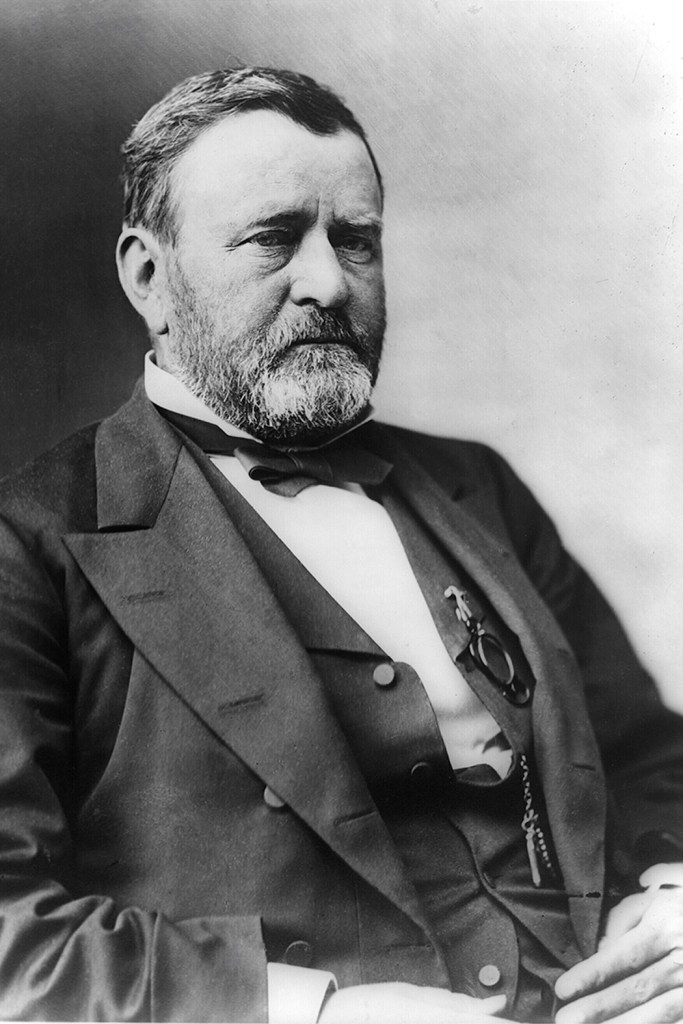
Credit: Library of Congress

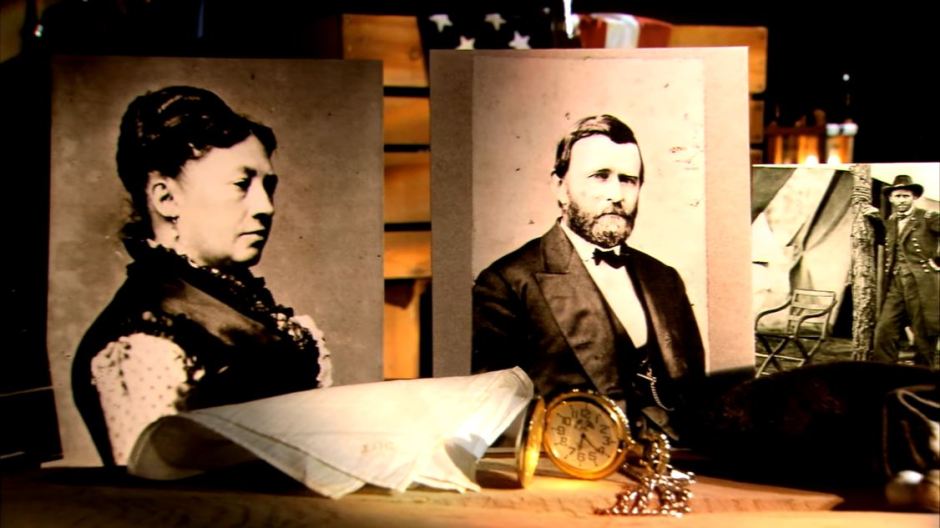
To make matters worse, America was undergoing a severe recession known as the Panic of 1857 caused by both the declining international economy and the over-expansion of the U.S. economy in previous years.  The Grant family was in a precarious financial state.  Just two days before Christmas, Grant was forced to pawn off a valuable gold watch and chain.  Even with this cash infusion, Ulysses, Julia, and their three children no doubt endured a bleak holiday season, as did many other American families that year.

A Painting of White Haven before the American Civil War. Credit: NPS

Eventually, Grant made plans to sell his farming equipment and by the fall of 1858 he and his family moved to St. Louis to find a new line of work.  Within a few years, the family moved to Galena, Illinois, and never again lived in Missouri.

“I still believe in a place called Hope.”

The National Park Service operates dozens of historic places that explore the lives and contributions of many of our U.S. Presidents.  They range from homes where future presidents lived as children to memorials that honor their memories after their deaths. 

One of the newer presidential sites – President William Jefferson Clinton Birthplace Home National Historic Site – will be celebrating its 12th anniversary as an NPS site tomorrow.  And while it is a smaller park, it holds a fascinating history.

Credit: Clinton Foundation

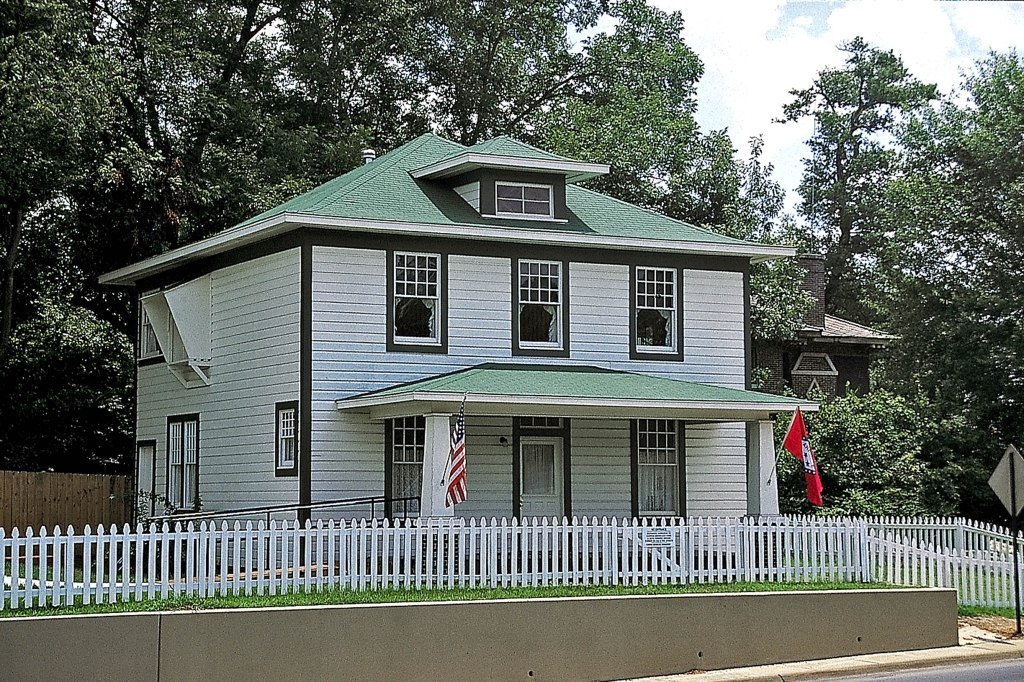
Little Billy Clinton (originally named Blythe until he was adopted by his stepfather) spent the first four years of his life in a white frame house at 117 South Hervey Street in Hope, Arkansas.  His widowed mother Virginia left town shortly after he was born to attend nursing school, so the young boy was left in the care of his grandparents, who ran a small grocery store.  At a time when the southern U.S. was racially segregated, his grandparents served people of all races, a memory that Clinton says shaped his broad view on race relations and social justice. 

The 2½-story home – built in 1917 in a quiet residential neighborhood of Hope – was designed in the “American foursquare” style, so called because of its square floor plan. Its interior has been restored in recent years and although the furnishings inside the house aren’t original, they were carefully chosen to evoke the 1940s, when Clinton lived there. The first floor includes a living room, dining room and kitchen; upstairs are three bedrooms.

Little Billy’s bedroom with its cowboy-themed bedspread overlooks the nearby railroad tracks.  Billy loved playing cowboy games with the neighborhood children, many of whom remained friends well into the future president’s White House years. 

Today, National Park Service rangers offer guided tours of the home upon request.  (Their schedule changes often, so it’s best to call 870-4455 for accurate tour times.) The park also operates a Visitor Center next door to the home, where guests can tour interpretive exhibits focusing on the life of the 42nd president.  JNPA operates a gift shop there that features books and other products that interpret his life as well as fair-trade craft products from around the world, upon the request of the former president.

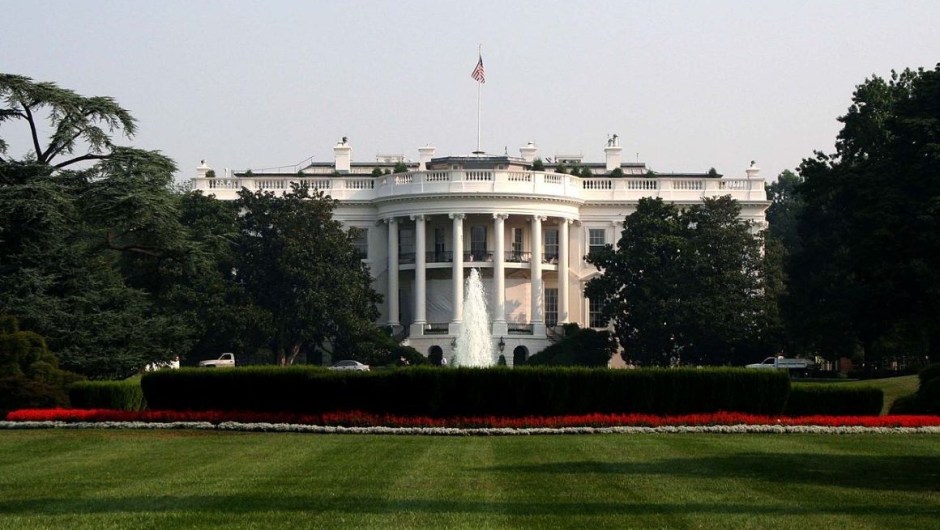
Credit: White House Collection/White House Historical Association

President Clinton credits his early days in his childhood home for many of the important life lessons that later defined his presidency and his leadership as a global statesman.  As he frequently says, “I still believe in a place called Hope.”

Calling all NPS History Buffs!

The National Park Service has a long and storied history.  Starting with the establishment of Yellowstone National Park in 1872, NPS has taken seriously its mission of preserving and protecting America’s natural resources and historical places for the benefit of current and future generations.  Over the years, the agency has collected more than four million artifacts, photographs, documents, uniforms, and other memorabilia that document the stories of our nation’s culture and history.  Most of those items are carefully stored and preserved at the NPS Harper’s Ferry Center in West Virginia, where few of us will ever be privileged to see them.

But now there’s good news for NPS history buffs – the agency’s history collection can be accessed virtually through a new behind the scenes experience. You can follow the guided tour or choose your own path to discover objects, art, photographs, and uniforms that span over 100 years of NPS history. 

Another fascinating resource is the NPS online museum collection, a searchable online database that provides access to thousands of images and records from numerous parks’ individual museum collections. You can simply browse the online database or search the themed collection highlights that group together the parks’ artifacts by particular themes, types of objects, or locations.  Each week, NPS features a Collection Highlight of the Week that can range from historic clothing to model ships to prehistoric artifacts.  (Warning – you can quickly get absorbed by these fascinating items and lose all track of time!)

Finally, teachers will want to check out the NPS online resource  Teaching with Museum Collections. The site provides lesson plans by theme and park as well as guides on How to Read an Object and How to Read a Photo.  

Happy snooping!

Gateway Arch Gifts for Everyone!

Prowling for gift ideas for your loved ones this holiday season?  Look no further – The Arch Store at Gateway Arch National Park has got you covered. 
From kids to adults, from hobbyists to national park lovers – you’ll find a fun selection of merchandise to satisfy even the pickiest member of your family. 
Let’s see what our longtime sales associate Michelle Christian recommends in her Black Friday shopping guide video.

All of the products Michelle highlighted are available at The Arch Store on the lower level of the Arch visitor center.  You can also shop for them at our online store and have them delivered (but please order early to assure they arrive on time!).

Fans of national parks will enjoy this challenging jigsaw puzzle that features patches from each of America’s beloved parks (including our personal favorite).  Its 1,000 colorful pieces should keep puzzle addicts busy all winter.

Of course it’s never too early to get children interested in our parks.  This adorable alphabet board book will help pre-readers become familiar with many popular animals, landmarks, and scenic views from national parks.

If you have any hobbyists on your gift-giving list, they’re sure to enjoy our Gateway Arch mini building blocks set.  With more than 1,900 pieces, it’s not for the faint of heart!  Once completed, the finished product stands 14” high and more than 18” long.

As they build or puzzle, perhaps they’d like to sip coffee or cocoa from our handsome Arch by Moonlight mug.  Available in blue or black, the mug features the Arch rendered in silver foil, overlaid by a raised hand-painted landscape in the foreground. 

Children also love something special to sip from.  Wouldn’t the kid in your life love one of these zany little Gateway Arch tumblers with the matching spiral straw?  Choose from green, purple, or blue.  Makes a great stocking stuffer! 

How about giving your little readers this adorable book on the Gateway Arch?  They’ll enjoy being guided around the Arch by Archie the Squirrel.

Last but not least – how about this stunning stemless wine glass? The hand-painted design features the Gateway Arch against a colorful floral background.  Pick up one or two for that special someone.

Why We’re Thankful

Here at JNPA, we’re proud to serve as a non-profit partner of some of our nation’s most treasured public lands.  So in honor of the upcoming Thanksgiving holiday, we wanted to take a moment to list some of the many things we’re thankful for.

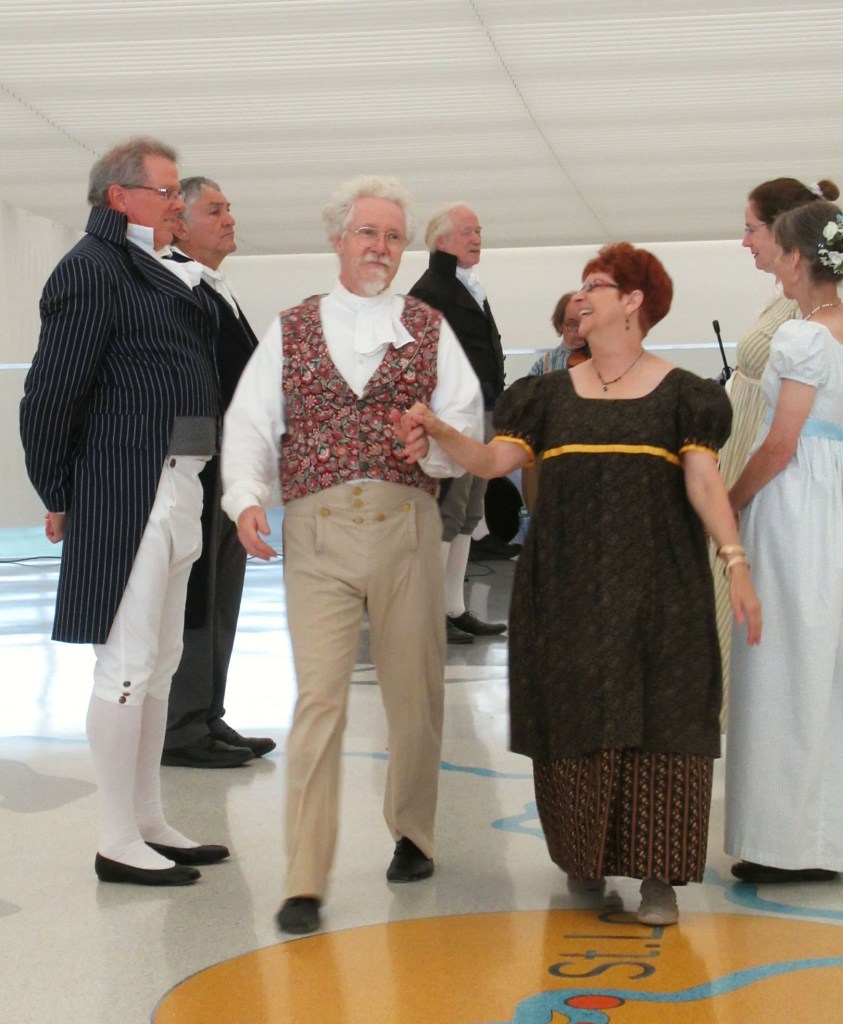
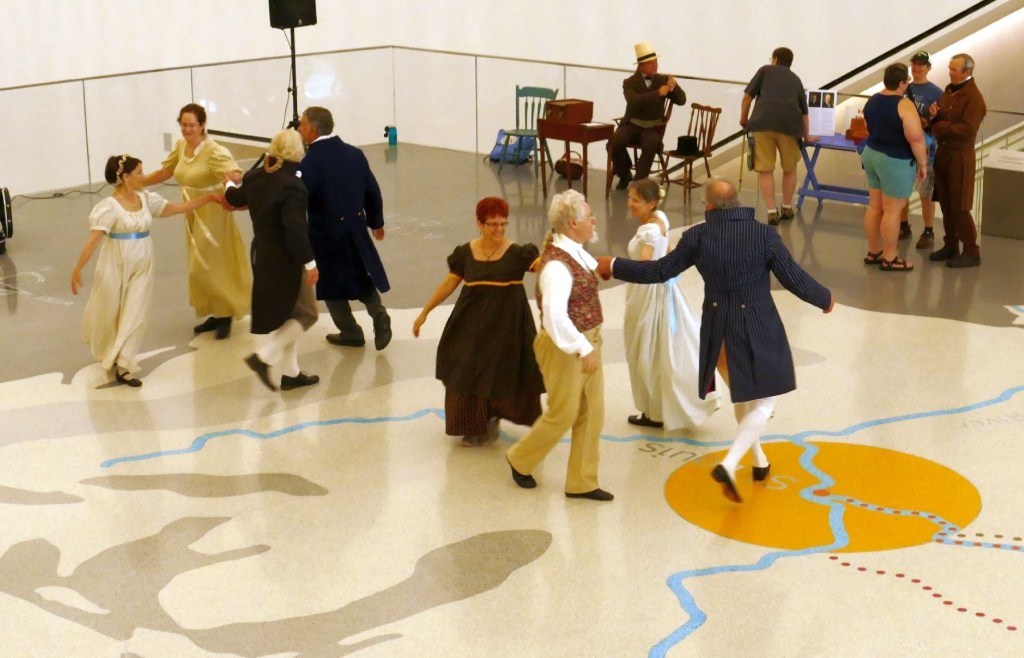
Living history programs that bring the past alive for visitors of all ages. 

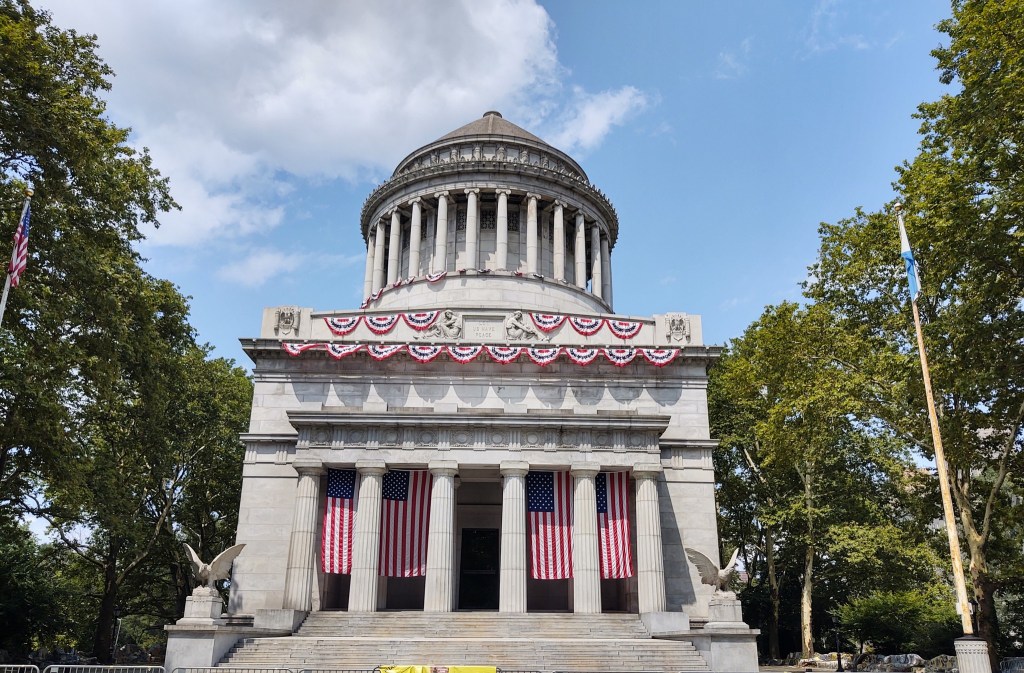
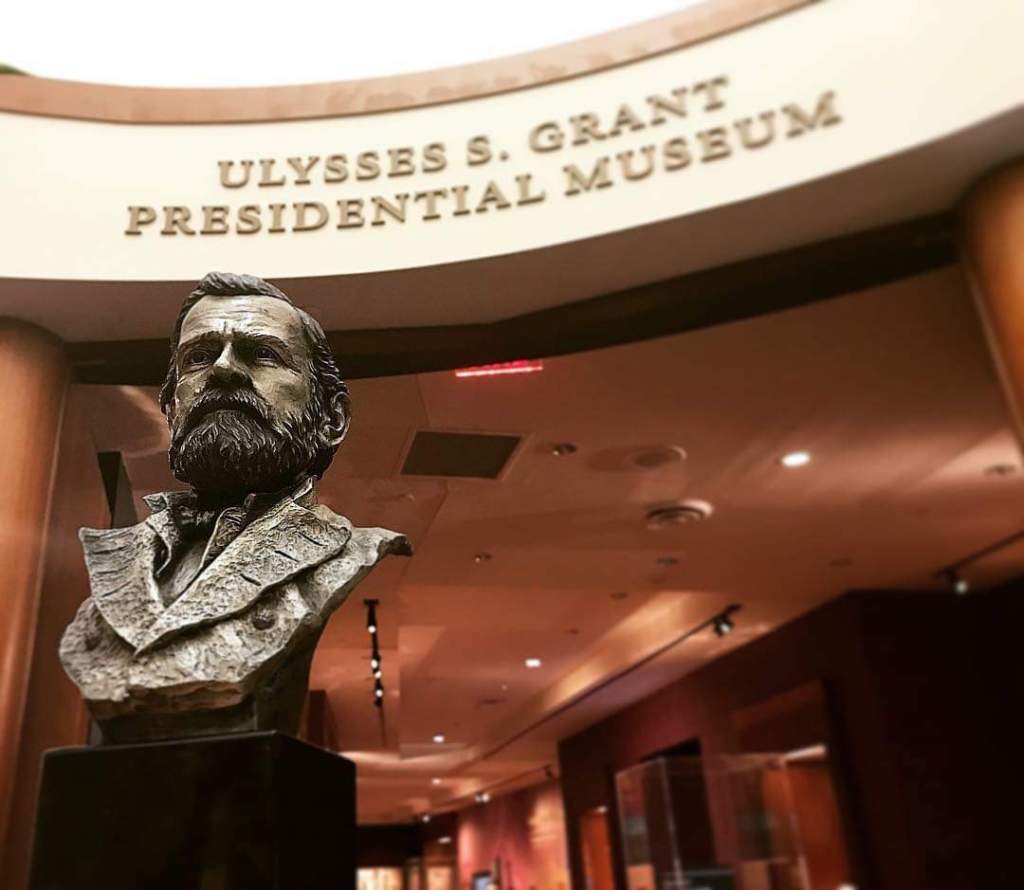
(Ulysses S. Grant National Historic Site)

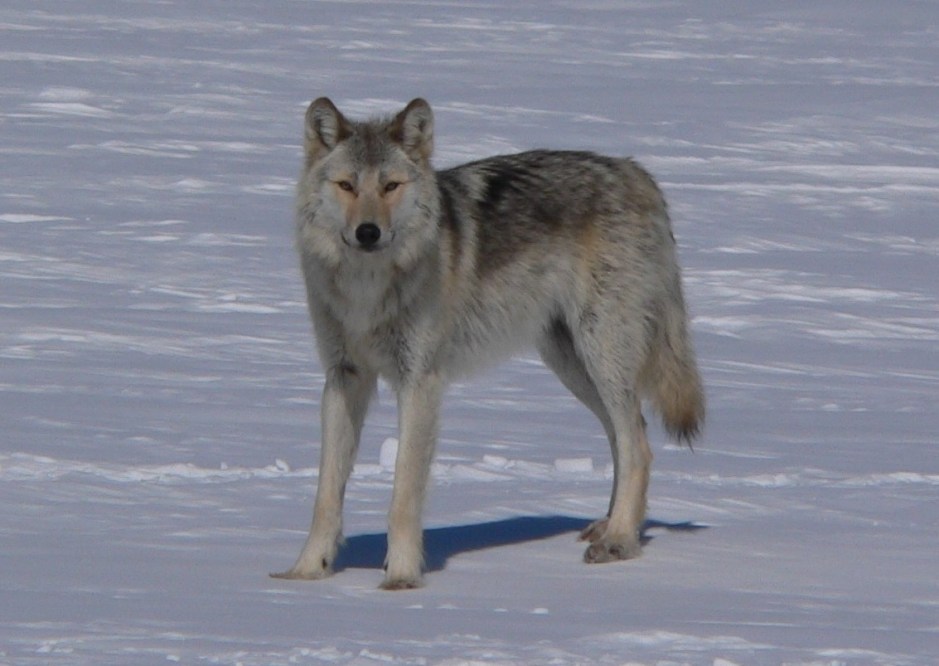
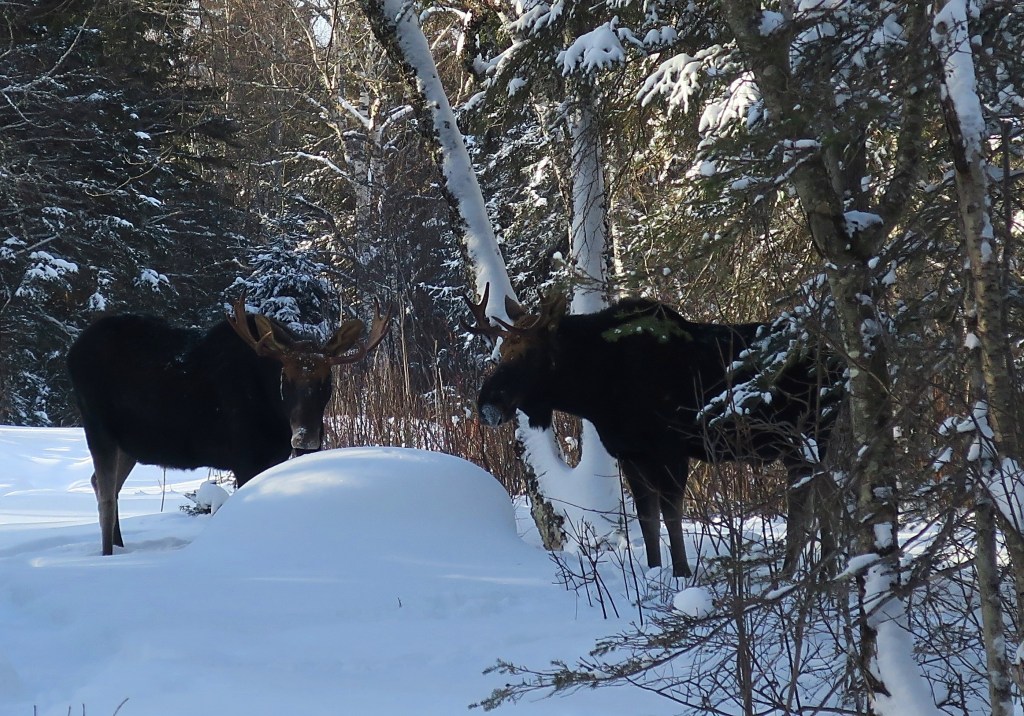
Breathtaking scenery that inspires and enriches all of us.

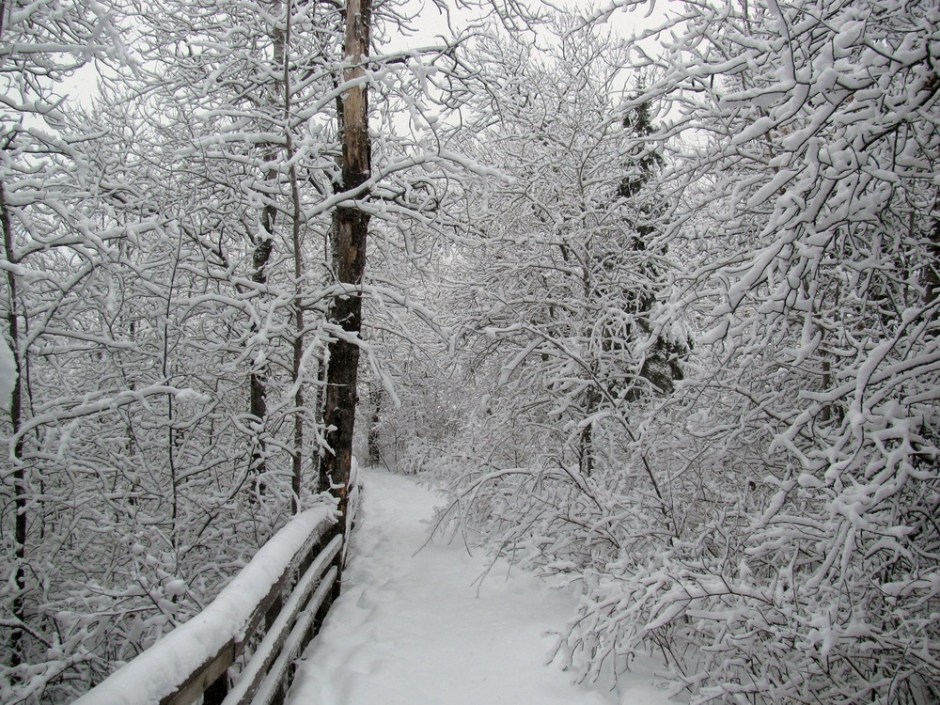
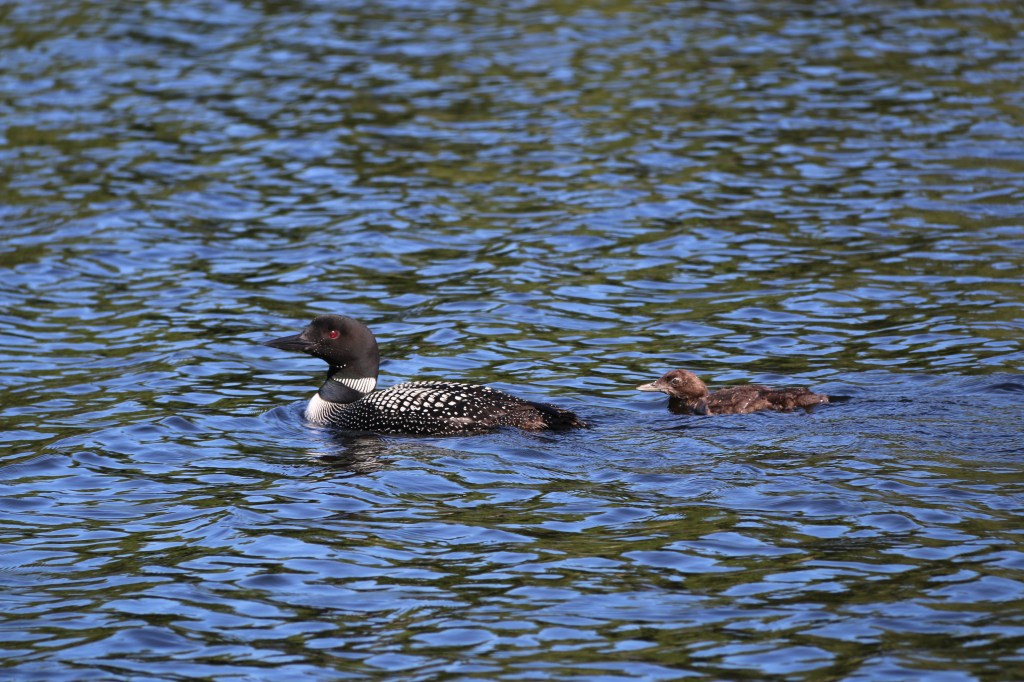
(Voyageurs National Park)

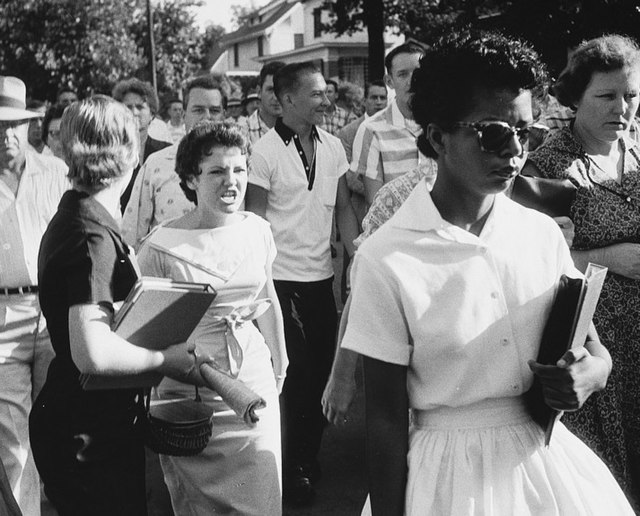
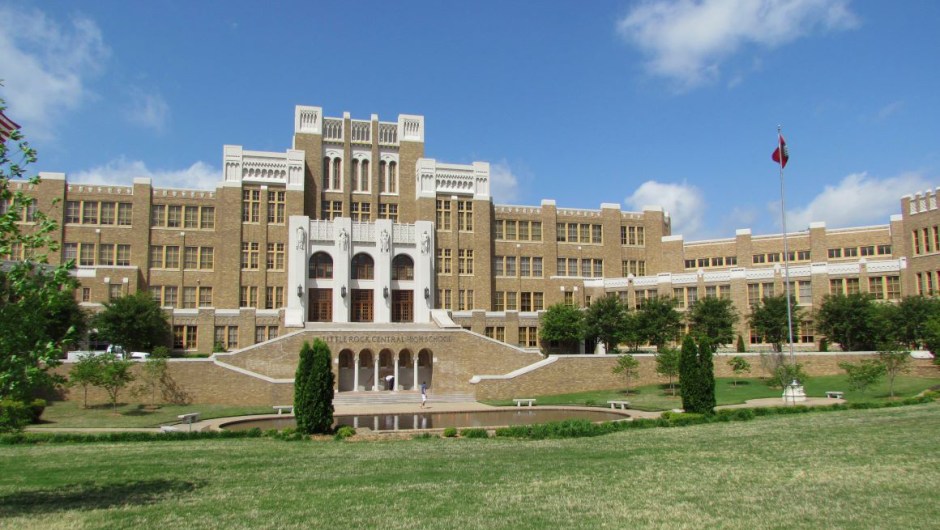
Parks that honor the courageous men and women who fought for equality for all Americans.

(Little Rock Central High School National Historic Site)

Preserving America’s important historic buildings for future generations to enjoy.

(Ste. Genevieve National Historical Park)

Dedicated interpretive rangers from the Army Corps of Engineers who share the wonders of their sites with visitors.

(Lewis and Clark Visitor Center)

Energetic and committed National Park Service rangers who inspire children to become Junior Rangers.

(Voyageurs National Park)

Opportunities for recreation and enjoyment of the outdoors.

(Lewis and Clark Visitor Center)

Educators at all of our partner parks who share their love of public lands with tomorrow’s generation.

(Gateway Arch National Park)

Preserving the homes of America’s presidents as a way of helping us understand and connect with these important figures.

(President William Jefferson Clinton Birthplace Home National Historic Site)

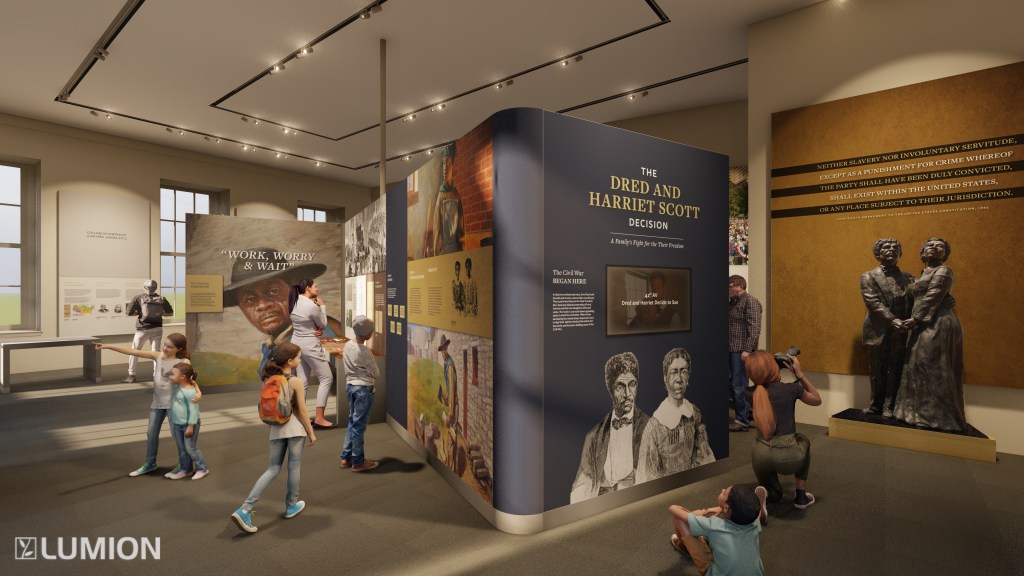
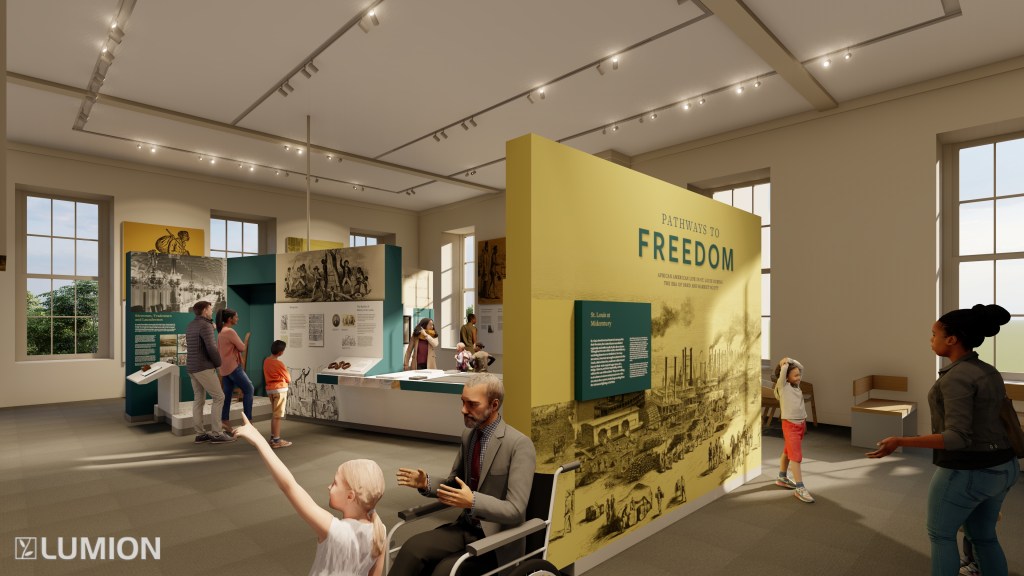
Honoring African Americans’ struggle to achieve freedom and respect in American society.

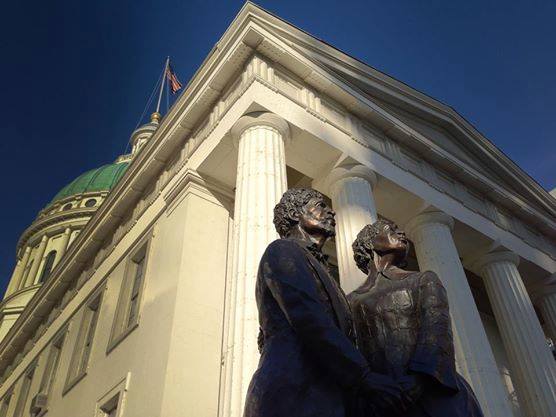
(Gateway Arch National Park)

Commemorating the diverse nationalities, traditions, and cultures that helped shape our nation.

(Ste. Genevieve National Historical Park)

Preserving critical wilderness areas that safeguard our nation’s biodiversity and ecological health.

(Mississippi National River and Recreation Area)

Protecting America’s rivers and streams that are so vital for drinking water, recreation, and commerce.

(Missouri National Recreational River)

Architectural marvels that enhance our nation’s cultural heritage and stimulate our imaginations.

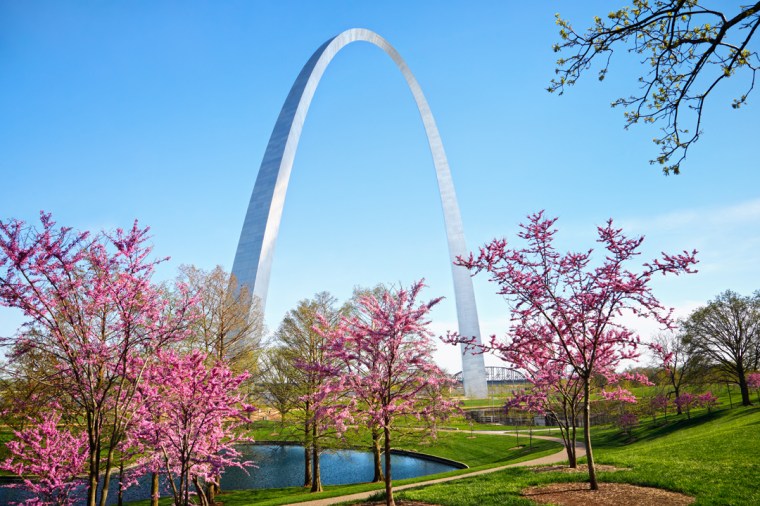
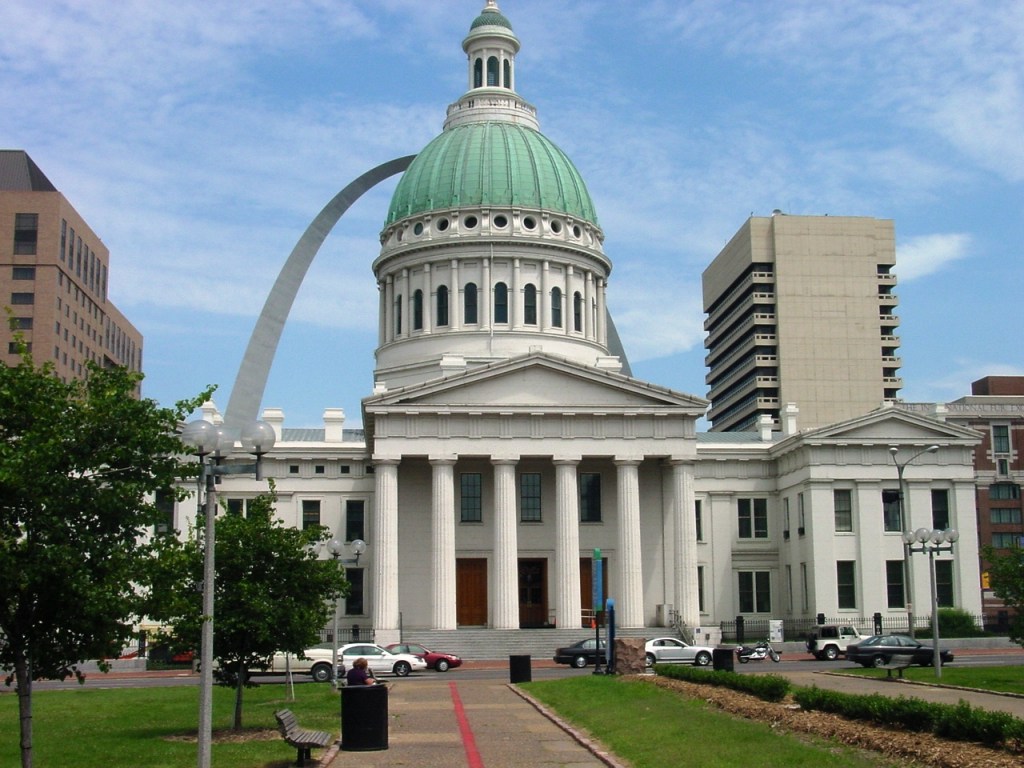
(Gateway Arch National Park)

Many thanks to JNPA’s partner parks and all they do to protect America’s heritage, landscapes, and stories.   Happy Thanksgiving!

Thanksgiving’s Complicated History

Every schoolkid will tell you about the origins of Thanksgiving.  How the Pilgrims in Massachusetts shared a late autumn feast with members of the Wampanoag nation after the colonists’ first harvest in 1621.  How the celebration became an annual tradition commemorated throughout the growing nation.  And how Thanksgiving Day was eventually declared a national holiday that Americans still honor around the family dinner table.

Sound like what you learned in school?

Uncle Sam’s Thanksgiving Dinner – Thomas Nast 1869

Well, as with so many accounts of our nation’s past, the Thanksgiving origin story is just a little more complex than that (and a lot more interesting).  And thanks to the historians at Ulysses S. Grant National Historic Site, you can learn all about it this weekend. 

An annual day of thanks does indeed harken back to the very early days of our nation.  But it wasn’t observed only in Massachusetts.  In 1619, a group of English colonists celebrated a thanksgiving service and feast after their ship safely landed near Jamestown, Virginia, and they vowed to establish the tradition every year thereafter. 

Thanksgiving was celebrated sporadically in various American colonies throughout the 17th and 18th centuries.  In 1789, President George Washington issued a proclamation encouraging a nationwide day of thanks, though his declaration had more to do with a religious observance than an autumn feast.  Governors of various states gradually embraced the idea, and the observance of Thanksgiving became more widespread – until the 1850s. 

For whatever reason, the origin of Thanksgiving – and indeed the young nation – had become associated with New England, not Virginia.  So as the national divide over slavery polarized the North and the South, southerners soured on anything associated with Massachusetts.  They considered Thanksgiving a “Yankee holiday” and adorned with that region’s symbols and traditions:  Pilgrims, turkey, pumpkins, and cranberries. So rather than celebrate the annual event, many Confederate sympathizers chose to fast on Thanksgiving, not feast.

Lincoln’s Thanksgiving Proclamation – Library of Congress

When President Abraham Lincoln proclaimed Thanksgiving a national holiday at the height of the Civil War in 1863, he was well aware of this controversy.  In his proclamation he intentionally refrained from mentioning any references to the geographic origins of the feast, instead looking at the shared holiday as a way to “heal the wounds of the nation.”

Union soldiers fighting in the war made the most of the new holiday as they paused to enjoy a special meal.  Their Confederate counterparts, however, most likely abstained.  

Today, as most Americans honor Thanksgiving with their own traditions, few probably realize the fraught history surrounding the holiday.  If you’re interested in learning more about its origins, you’re invited to a special ranger talk at 10:00 a.m. this Saturday at Ulysses S. Grant National Historic Site.  Park historian Nick Sacco will share his insight on the history of Thanksgiving during the Civil War.  The lecture is free, but reservations are required.  Call (314) 842-1867 ext. 230 to sign up.

Meanwhile, warm Thanksgiving wishes from Jefferson National Parks Association!

♫”Well it goes from St. Louis, down to Missouri…”♫

What better way to celebrate the upcoming 96th anniversary of Route 66 than with a cool new license plate for your road car?  And since St. Louis is the largest city along Route 66 between Chicago and Los Angeles, this is a perfect time to sign up for a license plate commemorating the town’s beloved icon, the Gateway Arch.

On November 11, 1926, Route 66 was officially inaugurated as one of the nation’s original numbered highways.  It wound through small towns, around larger cities, and through undeveloped rural landscapes as it meandered from the Midwest to southern California.  The Mother Road eventually spanned 2,448 miles, though much of it was unpaved in its early days. 

The two-lane highway served as a primary route for people migrating westward during the Depression and Dust Bowl years.  In the 1940s it was an important supply route for soldiers and military equipment during World War II.  And in subsequent decades it became a cultural touchstone popularized in song and film.  But with the advent of the federal highway system and four-lane interstates, travelers bypassed numerous sections of Route 66 in favor of speedier journeys.  U.S. 66 was finally decommissioned as a federal highway in 1984 although various portions of the road have been restored and placed on the National Register of Historic Places.

Credit: Explore St. Louis

Today the enduring popularity of the Route 66 legend continues to lure tourists – especially foreign travelers – seeking a taste of Americana from another era.  Numerous Route 66 associations offer maps that highlight roadside attractions and markers along the original route, including those in the St. Louis area.

Whether you plan to celebrate the Mother Road’s anniversary by driving to some of the route’s nostalgic sites or you just want to cruise around your neighborhood in style, show off your pride in our renowned St. Louis icon with an Arch license plate (Missouri car owners only).  When you sign up for a plate on JNPA’s website, your tax-deductible donation will help support education programs at Gateway Arch National Park.  And you can order an Arch license plate at any time, regardless of your Missouri license plate expiration date.

So sign up today.  Soon your car will be the envy of your fellow drivers!

Honoring our Veterans

The National Park Service is among many federal agencies that strive to honor the service of current and former military personnel and their families.  In honor of Veteran’s Day, Gateway Arch National Park, along with the Gateway Arch Park Foundation, will be hold a commemorative event honoring the bravery and sacrifice of all U.S. military veterans.

Credit: Gateway Arch Park Foundation

“Salute to Veterans” will take place on Saturday, Nov. 5 from 1-2 p.m. The program will feature a performance by the Missouri Brass Quintet from the 399th Army Band based at Fort Leonard Wood, MO. The musicians will play both patriotic and traditional repertoire.

The concert will take place outdoors at Luther Ely Smith Square, located between the Old Courthouse and the Arch west entrance plaza.  Admission to “Salute to Veterans” is free and open to the public. 

Another way the Park Service honors veterans and military personnel is with the Annual Military Pass.  The pass provides free entrance to national parks and other federal recreation areas for all current U.S. military members and their dependents, U.S. military veterans, and Gold Star Families.  Click here for more information.

Preserving the Delta’s Heritage

The Lower Mississippi Delta Region is the cradle of rich multi-cultural traditions, brimming with stories and sites that testify to both our nation’s diversity and to its struggles. Helping preserve the region’s historic and cultural treasures is the focus of the Lower Mississippi Delta Initiative (LMDI), a National Park Service grant program. This year, JNPA began administering the program on behalf of the Park Service, and we recently distributed funding to 23 amazing projects!

The Lower Mississippi Delta Initiative was established by Congress in 1994 to support archeological, historical, cultural, and heritage projects in the communities of the Delta Region. The Lower Mississippi Delta Region is comprised of 219 counties across the states of Arkansas, Illinois, Kentucky, Louisiana, Mississippi, Missouri, and Tennessee.

Each year, the initiative awards Local Heritage Grants of up to $25,000 to not-for-profit organizations to complete projects pertaining to Native American culture and heritage, African-American culture and heritage, public roads and visitor use plans, regional music heritage, museums, HBCUs, archeological sites, and historic buildings and structures. This year we were proud to award 23 grants to organizations representing every state in the region.  Many of these organizations are small, emerging, and/or rural, and these grants can make a hug impact in their ability to achieve their mission.

This year’s projects included music festivals, murals, museum exhibits, educational programs for students, historic building renovations, historical markers, and others. One project that has already taken place, Arkansas Peace Week, featured activities to educate the public, promote peace, and raise awareness for local organizations. One such activity was a youth art contest with the theme of “End racism. Build peace.”

Madison McKnight, a senior at Jessieville High School, won first place in the 11th-12th grade division with her entry, “Peace Over Racism,” which depicted American civil rights activist Daisy Bates. Arkansas Peace Week.

JNPA is gratified to be a partner in this worthy project. “We are pleased to partner with the National Park Service in ensuring that communities throughout the Lower Mississippi Delta region have an opportunity to preserve and promote the culture and heritage of this vibrant region,” said David A. Grove, President and CEO of JNPA.

Other LMDI projects will be completed throughout the coming year, and we are excited to see the results! Applications for the 2023 grant cycle will be available next spring. Check the LMDI Local Heritage Grant Program website for updates.

Who Were the Voyageurs?

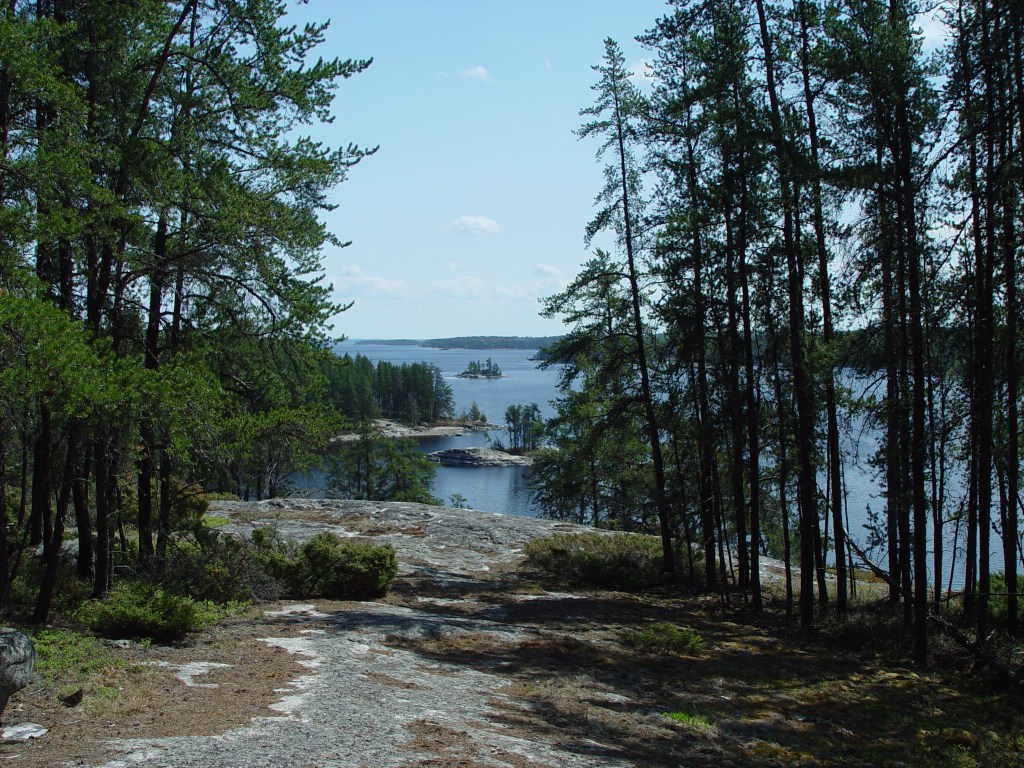
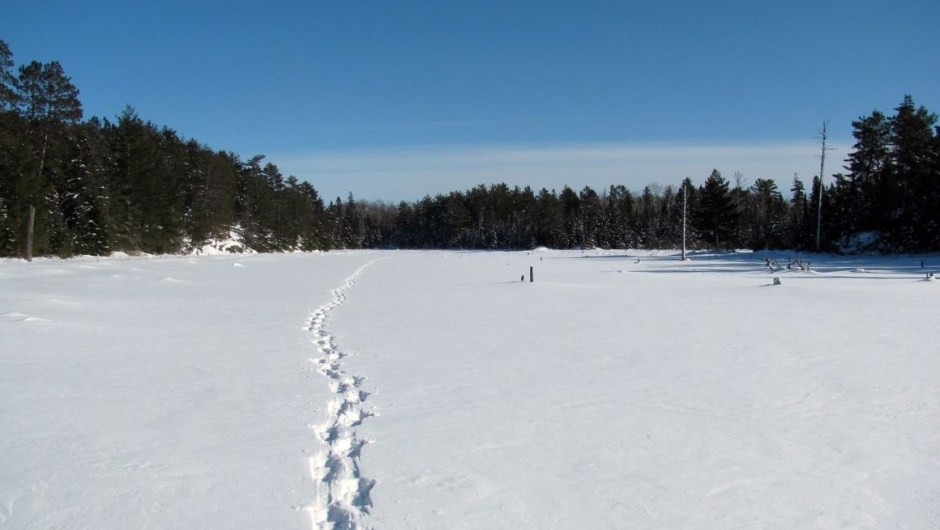
Voyageurs National Park in northern Minnesota is a rugged wilderness of clear blue lakes, pine forests, and bountiful wildlife.  After glaciers scoured the landscape and carved deep valleys and waterways hundreds of thousands of years ago, they exposed rock formations averaging one to three billion years old – some of the oldest rocks on the continent!  Human inhabitants eventually made use of the abundant resources the area offered, from early indigenous peoples to the waves of European settlers who followed them.  Among these were the intrepid explorers who traveled by canoe in search of animal pelts and other goods to trade and transport. These were the voyageurs, for whom the park is named. 

But just who were they?

“Voyageurs on a sleigh on a river” by Andries Vermeulen, 1640-72

At the height of the North American fur trade in the 18th and 19th centuries, Europeans were clamoring for pelts of beaver, otter, mink, fox, and other fur-bearing animals.  After the New England states were mostly hunted out, businesses started looking to the deep unexplored wilderness in middle of the continent for new sources of pelts. 

Several large trading corporations – mostly based in Montreal – recruited hearty French Canadian men to transport their precious cargo over the region’s many rivers and lakes.  These canoe-bound adventurers came to be known as voyageurs (French for travelers).  A typical voyageur was a short man (better to fit in a canoe) from an impoverished background who was eager to find a calling that would pay well.  He would take to the wilderness with a group of other company recruits for months or years at a time, subsisting on rations of pork, corn, rice, and fish.

“Voyageurs” by Charles Deas, 1846

The life of these cargo haulers was a physically grueling one.  It was expected that each voyageur would work at least 14 hours a day, paddle 50 strokes a minute, and carry two bales of 90 pounds each across each portage.  To keep a rhythm for their paddling, the voyageurs sang a variety of songs. Singing also helped pass the time and made the work seem lighter.

“At the Portage: Hudson’s Bay Company’s Employés on their annual expedition” by Harry Ogden in George Monro Grant’s Picturesque Canada, Vol. I (New York: Belden Brothers, 1882)

Many voyageurs maintained good relations with local tribal nations.  In Minnesota, that was primarily the Ojibwe and the Dakota.  They learned from indigenous people how to survive in the regions they travelled, and they adopted many of the Natives’ traditional methods and technologies.  In fact, the canoe itself was a Native American invention.  

It is this historic interplay of both indigenous and European cultures that created a lasting impact on the peoples and area now known today as Voyageurs National Park.

Header image credit: “Canoe Manned by Voyageurs Passing a Waterfall” by Frances Anne Hopkins, 1869