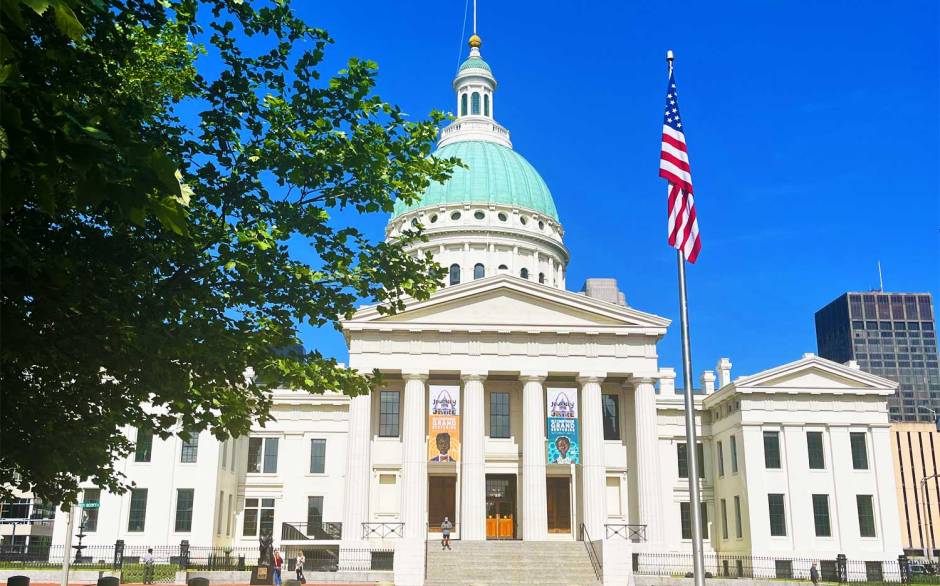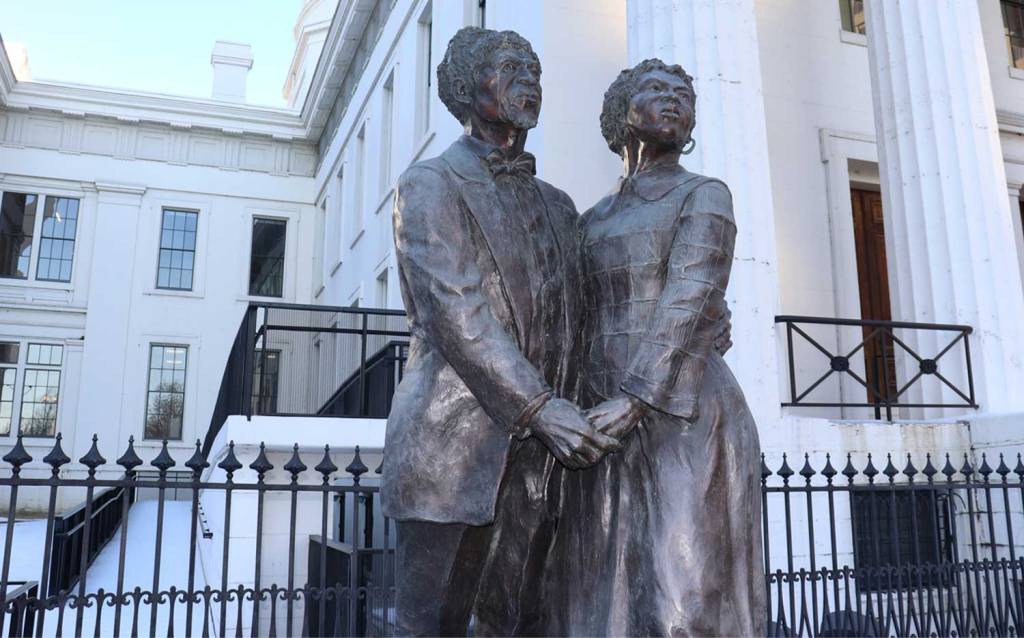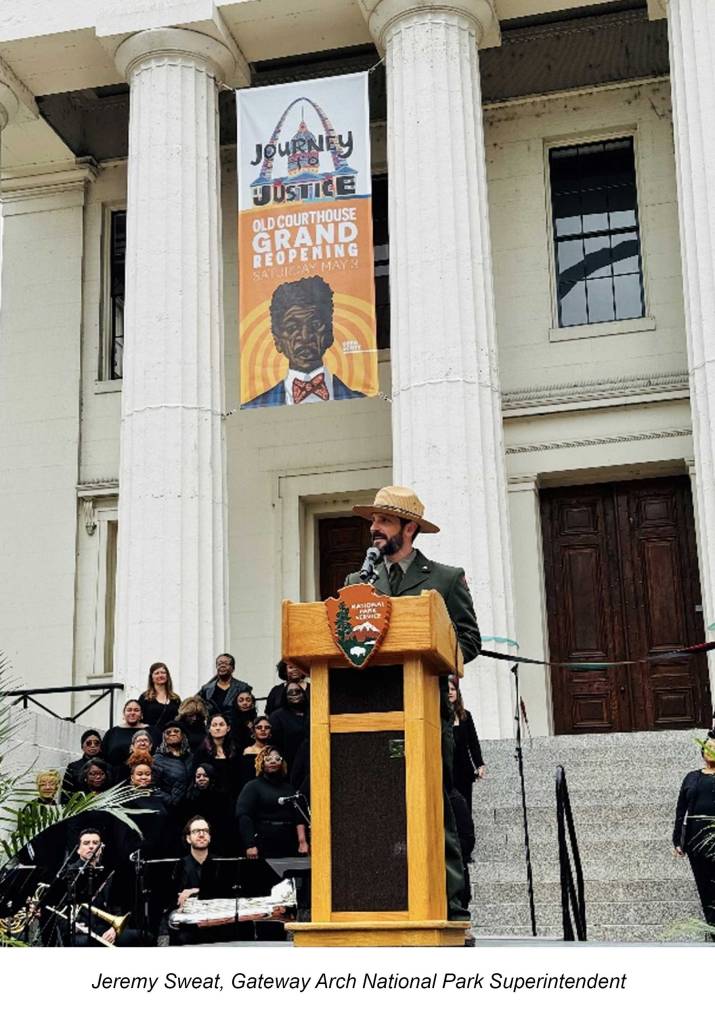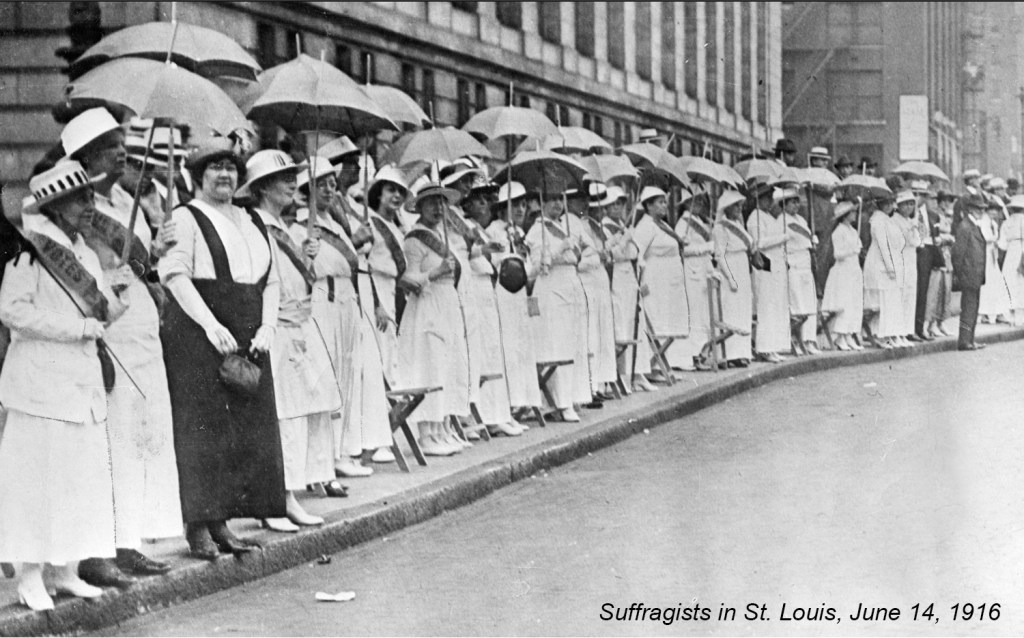
More than 150 years ago, the Old Courthouse at Gateway Arch National Park was the scene of an important yet little-known chapter in the early days of the U.S. women’s suffrage movement. And though the outcome of the court case brought by suffragist Virginia Minor didn’t result in women’s right to vote at the time, it set the stage for the eventual adoption of the 19th amendment to the U.S. Constitution 48 years later, finally granting women the vote.
In October of 1872 – shortly before the Presidential election of that year – Virginia Minor walked into the St. Louis Courthouse determined to make history. She tried to register to vote in the upcoming election, citing the 14th Amendment clause which states “All persons born or naturalized in the United States… are citizens of the United States.” Yet the registrar refused to register Minor because she was female, provoking a civil suit brought by Virginia and her lawyer husband, Francis Minor.
The Minors quickly lost their case in the lower court, and it was eventually heard by the U.S. Supreme Court. The high court unanimously ruled that citizenship did not guarantee the right to vote – a major blow to the women’s suffrage movement.
Suffragists then turned their efforts toward state-by-state campaigns to change state constitutions to allow women to vote. Eventually nine states and territories, mostly in the West, had abolished voting restrictions against women by the time the 19th Amendment was ratified 1920. Sadly, Virginia Minor never lived to see women’s right to vote enshrined in the U.S. Constitution. She died in 1894, leaving $1,000 in her will to Susan B. Anthony to carry on the struggle.
On March 30, Gateway Arch National Park will highlight the story of Virginia Minor in a public presentation. Check here for more details.
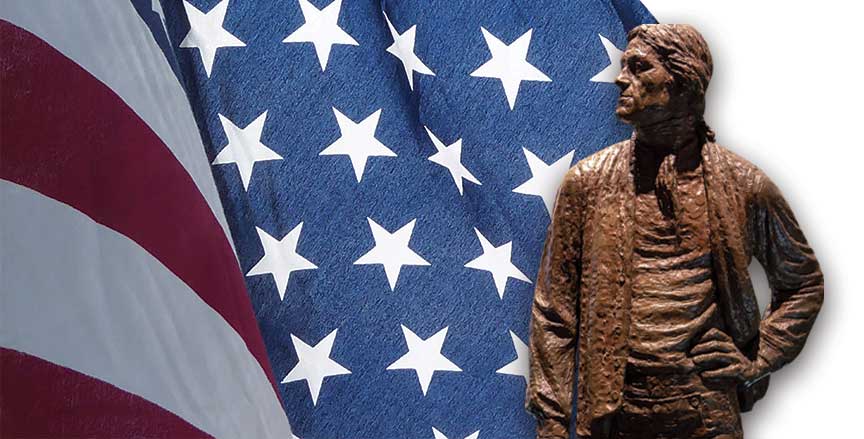
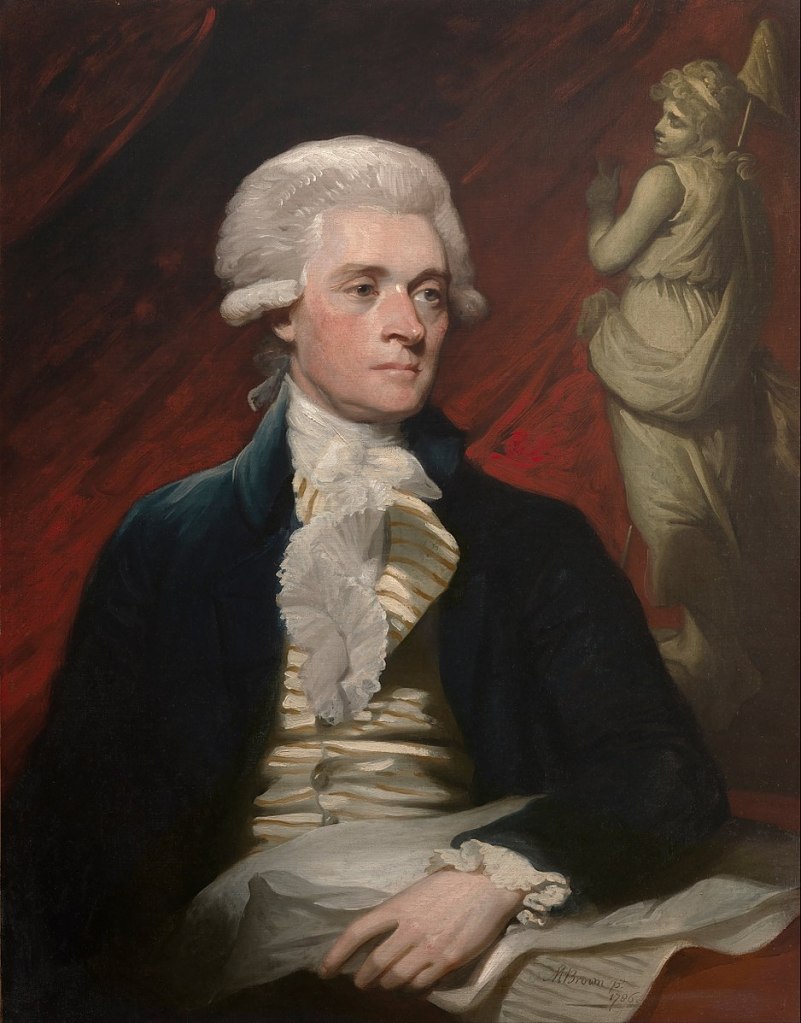
It’s hard to underestimate the achievements and long-lasting contributions of our third U.S. president. Thomas Jefferson was a founding father of our nation, author of the Declaration of Independence, diplomat, political philosopher, architect, horticulturist, and inventor. He also founded and designed the University of Virginia, negotiated the purchase of the Louisiana Territory from France, and launched Lewis and Clark on their expedition to the American west.
The very existence of Gateway Arch National Park (formerly Jefferson National Expansion Memorial) is a testament to Jefferson’s vision of a nation that would span the continent.
Yet despite Jefferson’s accomplishments, many scholars continue to find him an enigma, especially when it comes to slavery. Though he referred to the institution as an “abominable crime” and a “hideous blot,” he enslaved more than 600 people over the course of his life and kept an enslaved young girl as a concubine. How can we reconcile this paradox?
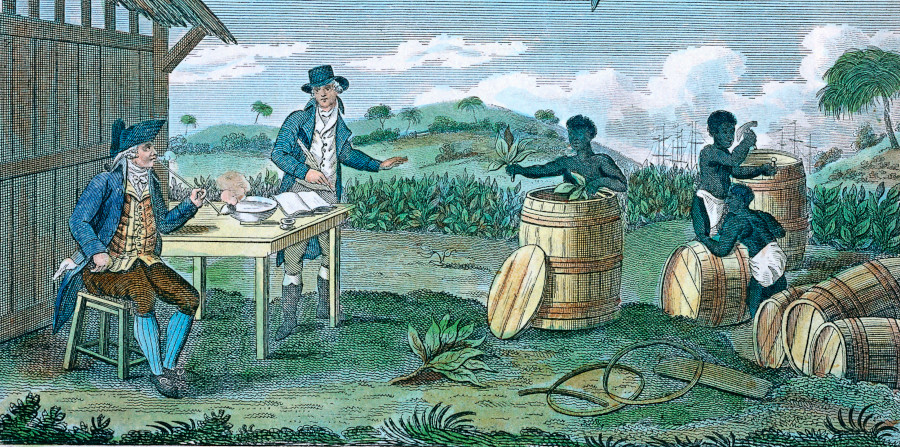
A Typical Tobacco Plantation, print by Richard H. Laurie, 1821
First, we should acknowledge the life of the young Jefferson: his upbringing was one of wealth and privilege. His father’s enormous plantation in colonial Virginia was supported by the work of at least 60 enslaved laborers who toiled in the gardens and fields, tended the livestock, and worked in the family home. As a young man, Thomas inherited lands from both his father and his father-in-law, eventually administering a sprawling 5,000-acre plantation planted mostly in tobacco. Like other wealthy landowners in the South, he could not have managed Monticello without the contributions of the enslaved men, women, and children he also inherited.
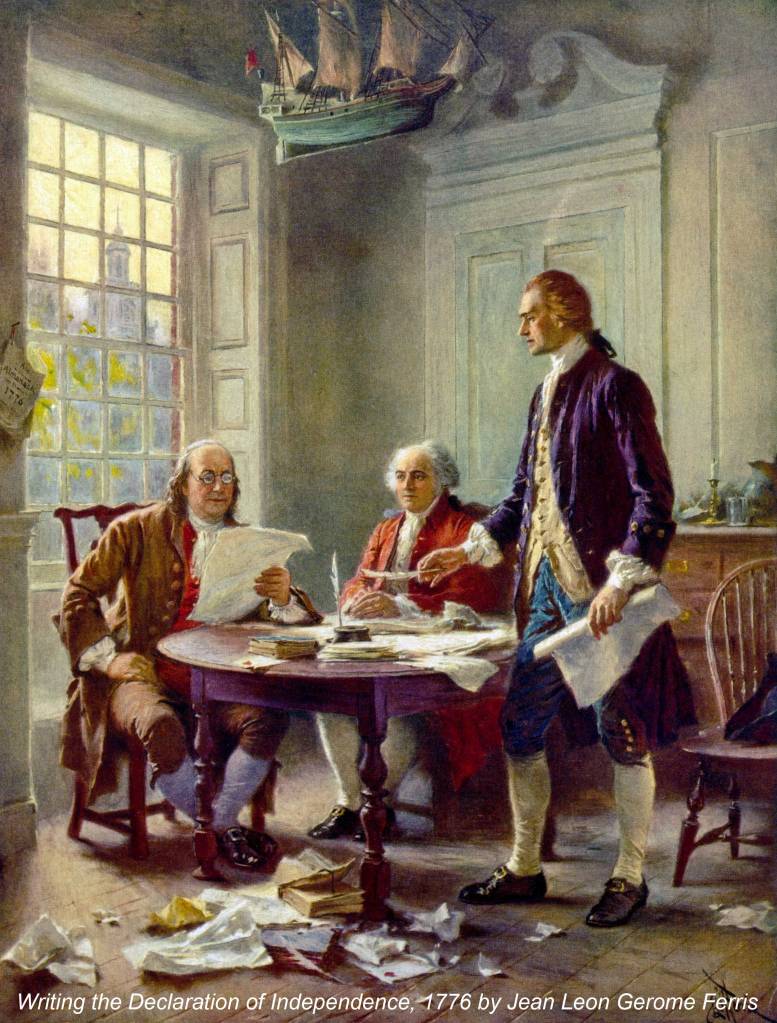
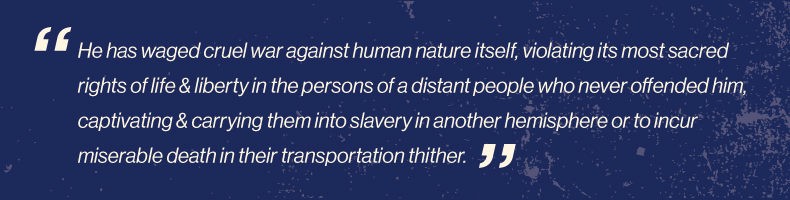
Yet over time, Jefferson began to see slavery as a “moral depravity.” In fact, as he was writing the Declaration of Independence in 1776, he included a 168-word anti-slavery clause that blamed King George III for his role in creating and perpetuating the slave trade. Some of the accusations he made:
The entire anti-slavery clause was later deleted from the Declaration by delegates to Second Continental Congress, one-third of whom were enslavers. Decades later, Jefferson attributed the removal of the controversial text to the wishes of delegates from South Carolina and Georgia, who strenuously objected to any ban on the importation of slaves. The founding fathers who had opposed slavery – including Jefferson – did not insist on retaining the clause, fearful of dividing the fragile new nation.
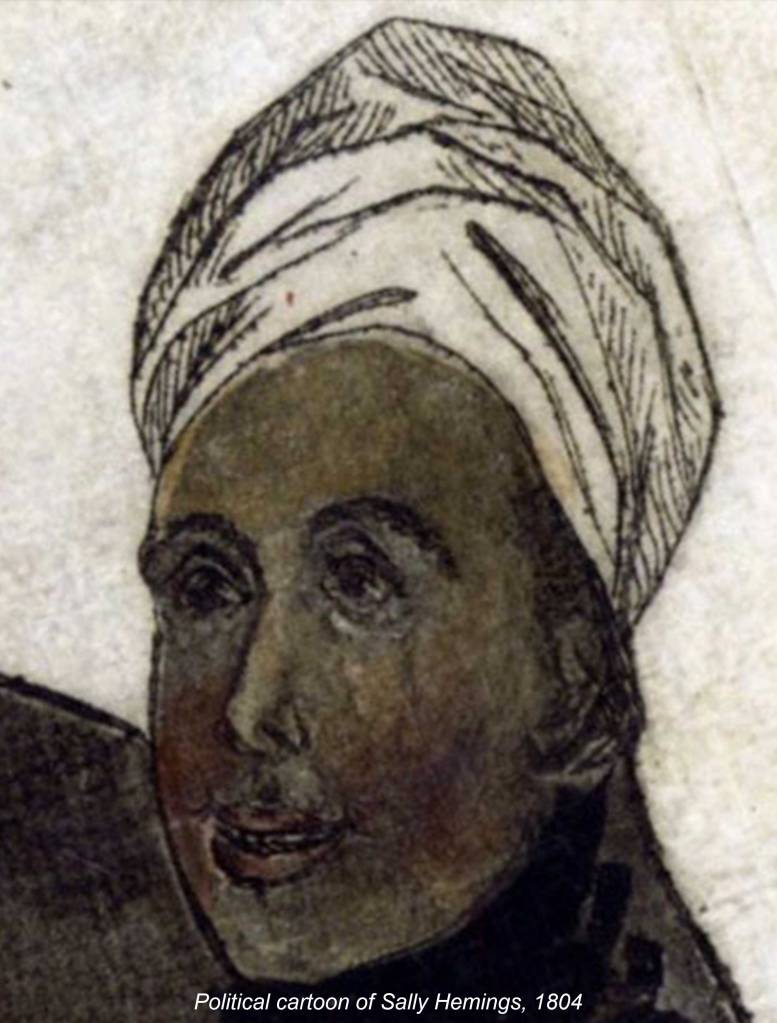
In recent years, Jefferson scholars have delved more deeply into the lives of the enslaved people who lived at Monticello. Among them were the many generations of the Hemings family, who held important jobs in the household. Young 14-year-old Sally Hemings is thought to have been the daughter of Jefferson’s father-in-law, John Wayles.
It was with this enslaved girl that Jefferson carried on a life-long affair, and with whom he fathered several children. DNA evidence has shown that Jefferson fathered at least one of Sally Hemings’ sons, bearing out the truth of the old rumors and political slander that accompanied this liaison. Jefferson cared for Sally’s biracial children and eventually freed them. However, Sally Hemings was never legally emancipated. Instead, she was unofficially freed—or “given her time”—by Jefferson’s daughter Martha after his death.
Clearly, Thomas Jefferson’s relationship with slavery was a painful and complicated one. Yet he will always remain an important founding father and influential force in the formation of our nation.
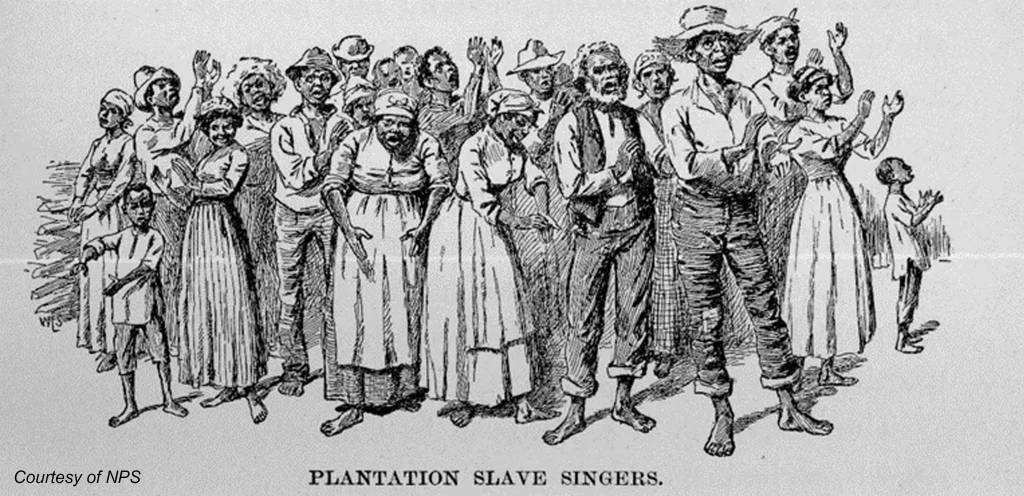
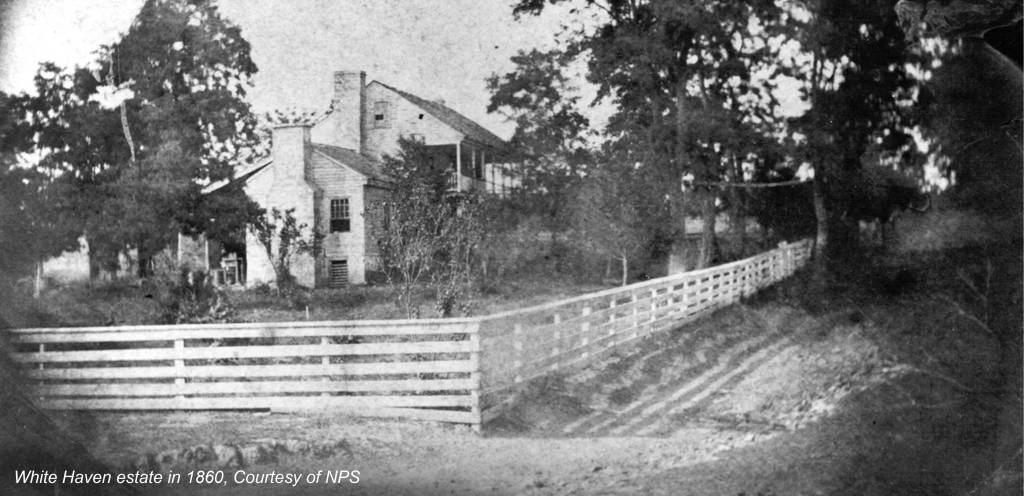
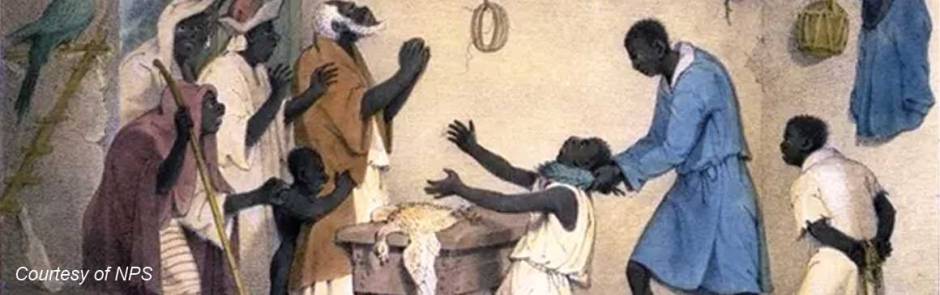
When Africans were captured as slaves and transported to the Americas, they naturally brought with them many of the traditions and cultural practices from their homelands. One cultural practice that had tribal origins in Central and West Africa was hoodoo, a spiritual tradition that was popular among enslaved people on numerous American plantations, including White Haven. What exactly WAS hoodoo?
Hoodoo (not to be confused with voodoo) is not a religion per se. It is a collection of rituals such as herbal healings, ancestor worship, song, and folk magic inspired by African religious practices. The practice of hoodoo arose when enslaved workers were forced to become Christians upon arrival in North America. Although the rituals were historically used for curative and protective purposes, they also provided empowerment and comfort for people who had little agency over their lives. Often, hoodoo practitioners attempted to communicate with ancestors and created spells that called for justice and vengeance. Because it was a crime for the enslaved to practice African traditions, many hoodoo practices were hidden from slave owners.
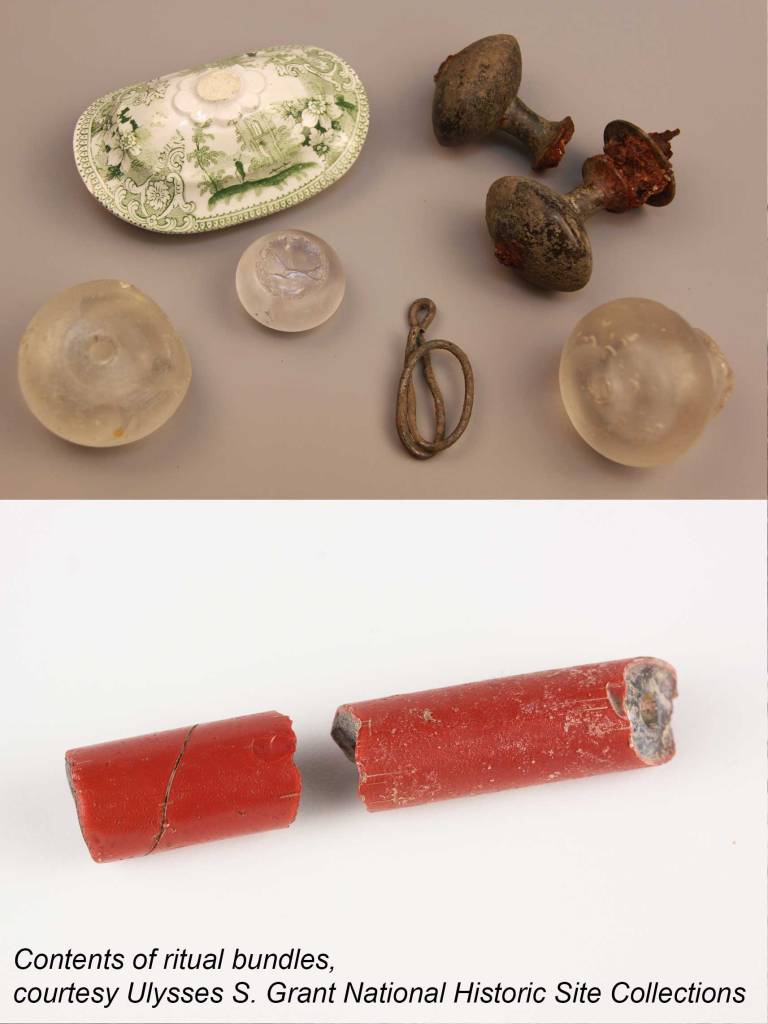
Archeologists and historians working in the 1990s discovered evidence that hoodoo was practiced by the slave community at Ulysses S. Grant National Historic Site. They found cloth bundles known as minkisi buried beneath the floorboards at White Haven. These bundles purportedly contain spirits that inhabit objects created by a conjurer.
The objects found inside the White Haven minkisi included beads, buttons, crab claws, a peach pit, crystals, seashells, iron, and sharp projectile points – each of which carried a spiritual meaning. Silver dimes were found in the site’s Winter Kitchen, often used in hoodoo as protective charms. Other items found in minkisi bundles at the historic site were similar to those found in conjure bundles on other slave plantations.
Hoodoo practices did not end when slavery was abolished in the U.S. In the late 19th century and well into the 20thcentury, some African Americans turned to hoodoo to help them find jobs or to protect them from law enforcement and racial violence. They also practiced hoodoo to treat illnesses using herbal remedies. These African-derived practices and beliefs continue in some African American communities today.
So far, it’s been a challenging winter for many of us. If you live in the Midwest, you’ve probably had to bundle up in recent weeks as snowstorms and bone-chilling temperatures have settled in. If you still need a few more additions to your winter wardrobe, our partner park stores have just the thing to keep you toasty and warm, and you can order all of them online.
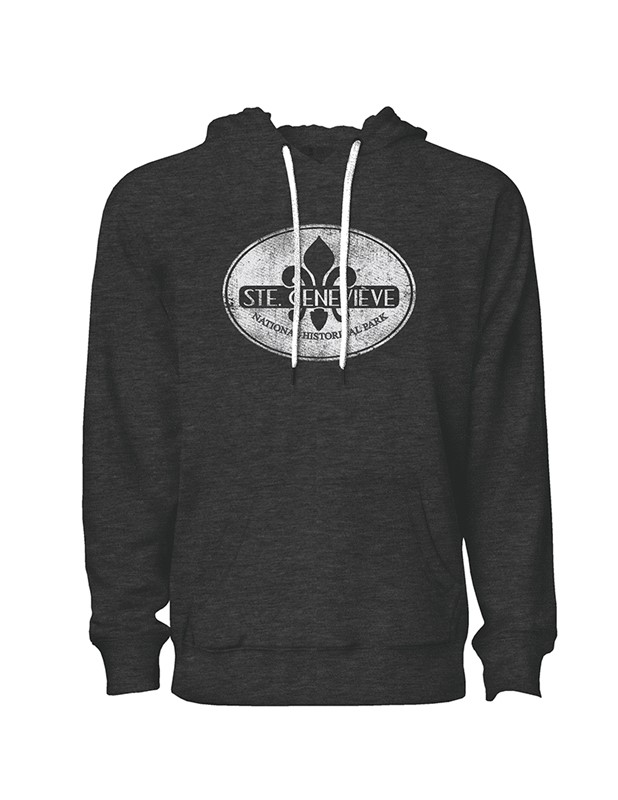
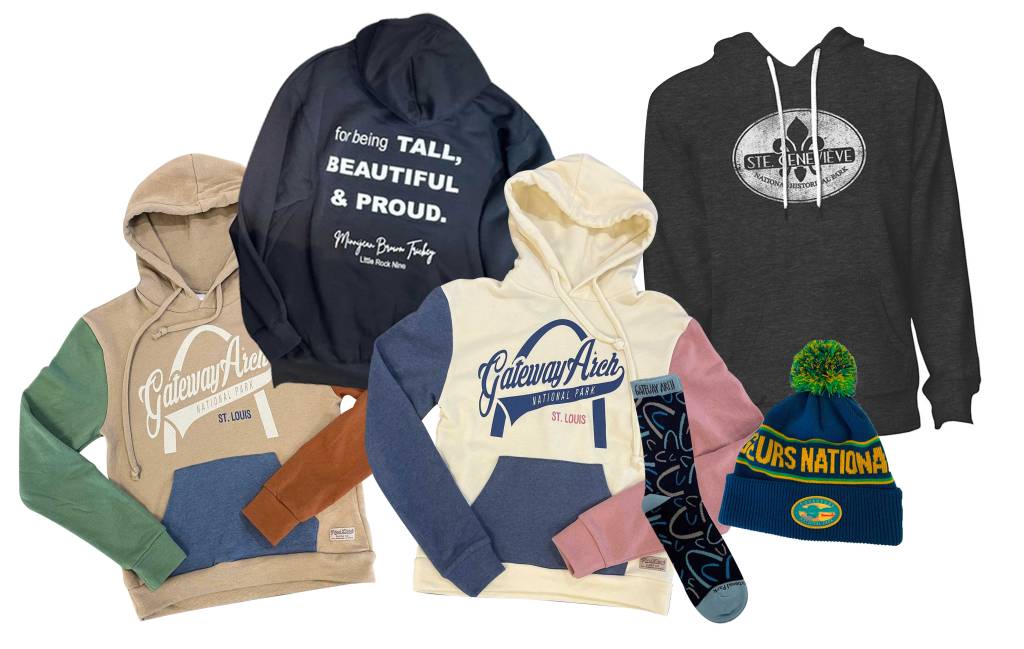
Are you craving a new hoodie or sweatshirt to snuggle into? We’ve got you “covered” (ahem). How about this charcoal-colored hooded sweatshirt made of cozy French terrycloth, featuring the logo of Ste. Geneviève National Historical Park?
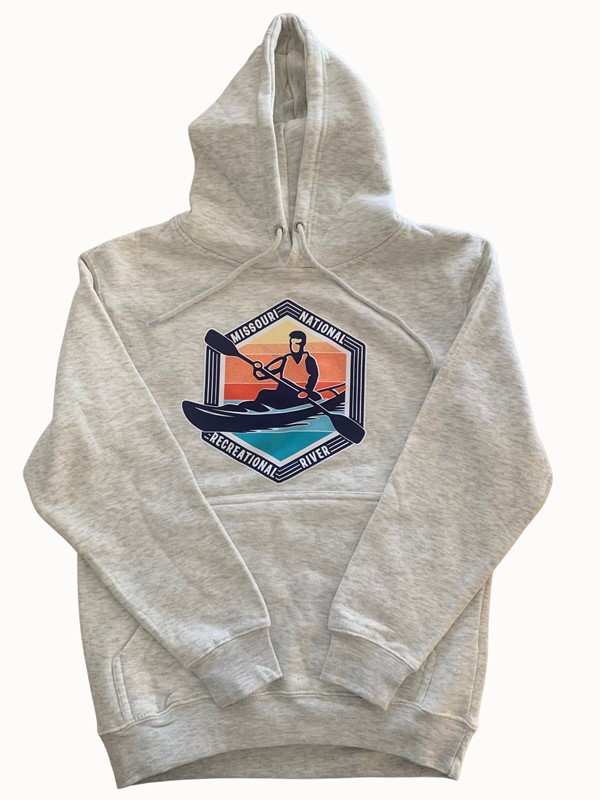
Or this handsome hoodie from Missouri National Recreational River, in a light ash gray?
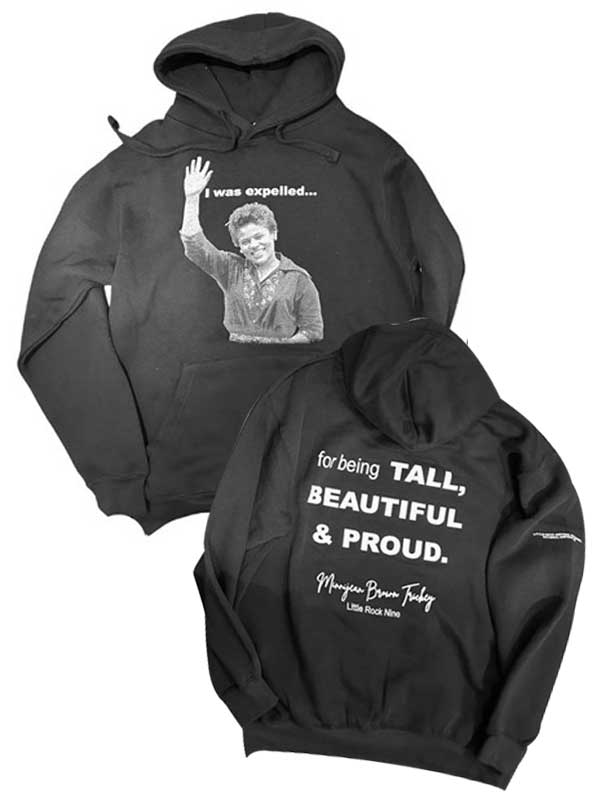
For those who want to make a political statement, there’s our “I Was Expelled” black hooded sweatshirt from Little Rock Central High School National Historic Site. It features an image and quote from Minnijean Brown Trickey, one of the Little Rock Nine.
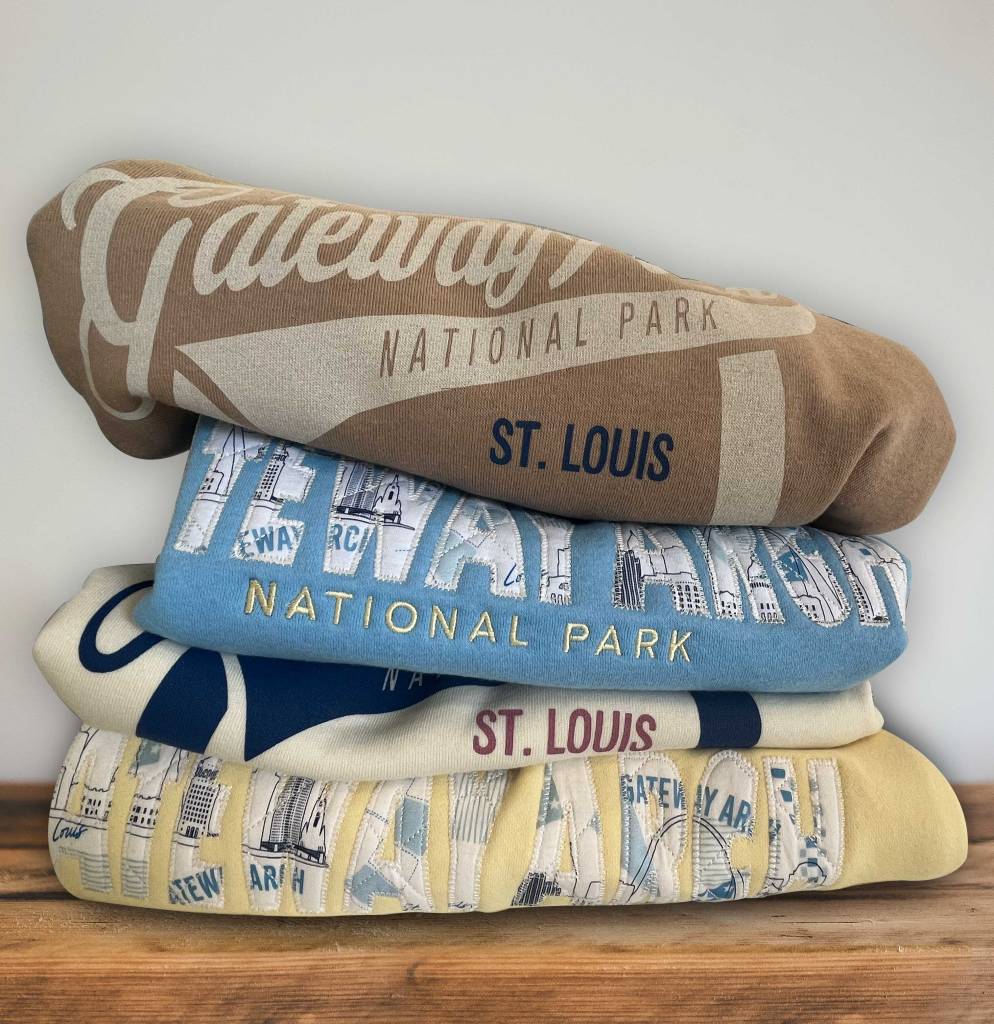
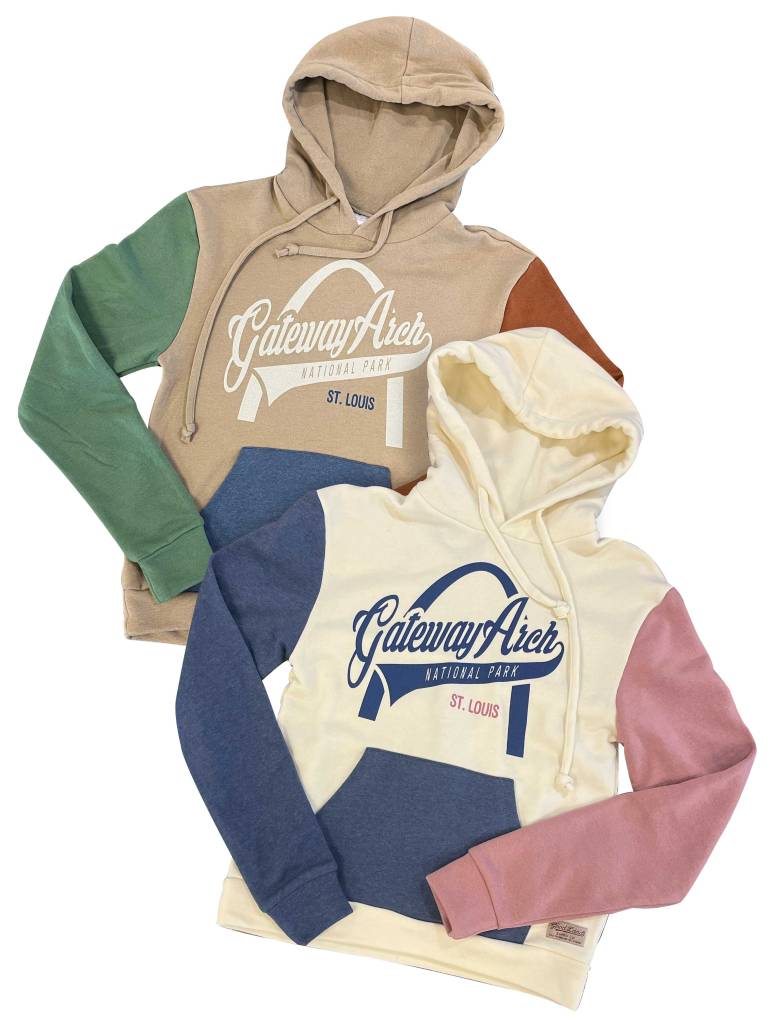
Or how about this multi-colored, super soft sweatshirt from Gateway Arch National Park?
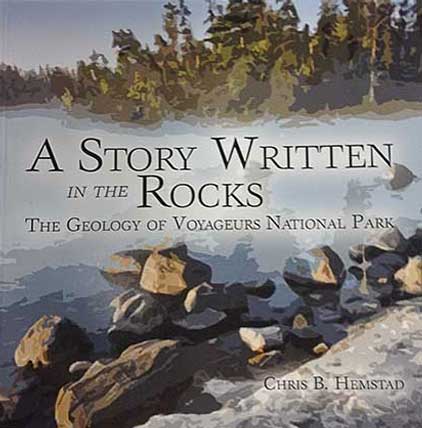
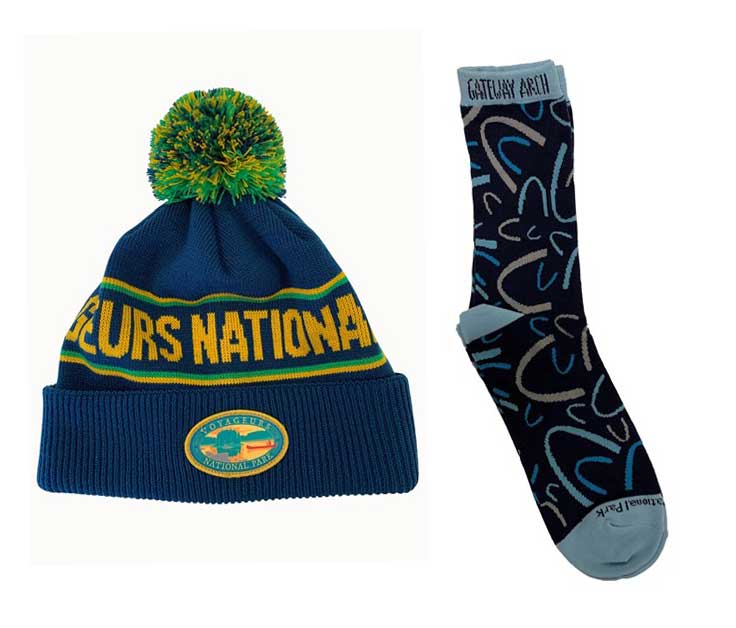
Not to worry, we haven’t forgotten your head and your toes! Fans of Voyageurs National Park will love this warm pom-pom beanie, knitted in a colorful design.
Or maybe you’d prefer to sport these fun socks that celebrate Gateway Arch National Park.
Whatever winter apparel you choose, you can feel even warmer when you know your purchases directly support educational programming and exhibits at each of our parks.
Many of us shudder at the prospect of enduring bone-chilling weather. But imagine having to endure sub-zero temperatures on a multi-day outdoor journey, on bad roads through rugged wilderness, and on horseback! That’s what Ulysses S. Grant had to face during the winter of 1864 as he searched for supply lines for his Union troops fighting the U.S. Civil War.
The Union general was laying plans to capture Atlanta, well before that assignment fell to General William Sherman. As Grant explored possible supply routes that would provide easy access to the front in Georgia, he was hoping the Cumberland Gap – straddling Kentucky, Virginia and Tennessee – would fit the bill. The mountain passes in the Gap were valued by both Union and Confederate armies as a way to move men and supplies between the eastern and western theaters of war. But when Grant reached the area in January 1864, what he found was quite unpleasant:
This assessment must have been particularly disheartening for such an accomplished horseman as Grant. From an early age, he became adept at riding, training, and caring for horses, and used those skills during his military career and private life. Some historians believe he bought the White Haven property (now Ulysses S. Grant National Historic Site) from his wife’s family after the Civil War mainly to breed and raise horses.
Grant ultimately had to abandon his plans to move troops through the Gap that freezing cold winter. He might have succeeded in reaching Atlanta by other routes, but President Lincoln interrupted that strategy. Lincoln promoted him to the rank of Lt. General in March 1864, and placed him in command of the Union armies.
Grant’s eventual plan to win the war involved immobilizing General Robert E. Lee’s army near Richmond, Virginia, while General Sherman led the Union army through Georgia. Grant went on to force the Confederates to surrender in 1865.
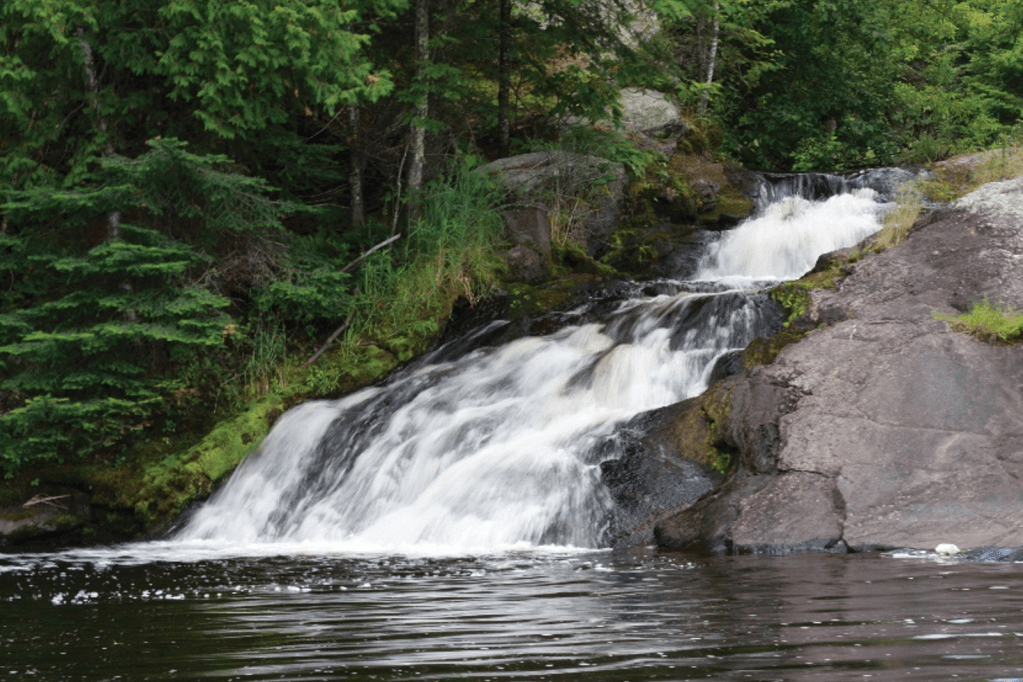
If you’re a cold-hardy adventurer, there’s no better way to experience the magnificence of snow-draped landscapes than with a winter visit to Voyageurs National Park. This stunning 218,000-acre park in northern Minnesota offers numerous ways to enjoy its natural splendor: from snowmobiling, cross-country skiing, and hiking to ice-fishing, sledding, and snowshoeing. And for less athletically inclined visitors, there’s always driving your car on the park’s ice roads!
Snowmobilers flock to Voyageurs every winter for the park’s 110 miles of groomed trails. However, since many of the snowmobile trails cross frozen lakes, it’s imperative to pay attention to the ice thickness on many bodies of water. A mid-December report showed there is not enough solid ice to open the frozen lakes to vehicle traffic. The park lists current conditions on its website.
Cross-country skiers can enjoy a number of beginner- and intermediate-level loop trails through pine and birch forests, some with a view of an active beaver pond.
The park offers ski and snowshoe rentals at the Rainy Lake Visitor Center and also accepts advanced reservations by phone (218-286-5258) and online. Kids’ sizes are available.
In case you’re wondering if kids enjoy these winter sports, check out this park video of a recent showshoe class.
Just as with snowmobiling, these activities are also reliant on adequate snowfall and ice formation. Park crews have been clearing and grooming trails through the woods and open land but are waiting for adequate ice thickness on the lakes before tackling those areas. Visitors can pick up this fold-out National Geographic map at JNPA’s park stores, which lists most of the park’s trails.
More “mild” activities at the park include sledding and driving the park’s ice roads. The two main ice roads begin at the visitor centers, but the routes vary from year to year. Cars and trucks weighing less than 7,000 lbs. are allowed, but the speed limit is 30 mph.
Naturally, safety is the prime consideration for every outdoor activity at Voyageurs. The park offers a comprehensive list of important safety tips for all winter sports, and urges visitors to consult rangers before setting out and to be on the lookout for posted signs throughout the park.
How do YOU celebrate the holidays? Your answer may depend upon your religious practices or your family traditions. But if you’d lived in the French colonial village of Ste. Geneviève in the 1700s, chances are you and your neighbors would have commemorated the winter holidays in very similar ways.
The Midnight Mass, Félix Hilaire Buhot
The townspeople of 18th-century Ste. Geneviève were predominantly Catholic, having brought their religious and cultural traditions from France. One of their most festive seasons of the year was December to mid-January. The four weeks prior to Christmas was Advent, a time of reflection, fasting, and merriment. The culmination of Advent was Christmas Eve, when most of the community attended midnight Mass.
After the church service ended, the townsfolk gathered with their extended families for a feast called La Réveillon. This special breakfast would start in the early hours of the morning and proceed well into the next day. La Réveillon featured traditional breakfast foods such as eggs, sausage, and breads along with non-traditional items like puddings, stews, and cakes. Christmas Day festivities would continue throughout the day with more feasting, church services, and in some households, balls or parties.
During this time of year the Frenchwomen of Ste. Geneviève were able to show off their cooking skills, using the new foods they found available in the New World, and incorporating African and Native American influences.
In 1811 Henry M. Brackenridge wrote that “The table was provided in a very different manner from that of the generality of Americans. With the poorest French peasant, cookery is an art well understood. They make great use of vegetables and prepared in a manner to be wholesome and palatable. Instead of roast and fried, they had soups and fricassees, and gumbos…”
The Kings Ball featured finely dressed participants like those seen in this sketch of the “Bal de la Courtille” from 1820. Library of Congress)
The next holiday celebration, La Guiannée, took place on New Year’s Eve. On the evening of December 31st, a troupe of male singers dressed in costume went door-to-door throughout the community. As they sang, they asked for donations from each household for the upcoming Epiphany feast. The group collected things like lard, poultry, eggs, wheat, and candles to feed the community and decorate for the Epiphany Celebration. (The 250-year-old tradition of La Guiannée is still celebrated in Ste. Geneviève to this day.)
Green Tree Tavern, courtesy NPS
As the years went on and the village changed, the holiday traditions for the French Catholic residents of Ste. Geneviève ebbed and flowed. With the arrival of new residents from American and German backgrounds, new traditions emerged, and old traditions adapted to suit the growing community. The changes have allowed for many of the French Catholic traditions to continue into the present-day community.
As we approach the end of Native American Heritage month, we wanted to honor the first people who occupied the lands we now call Voyageurs National Park. And to praise their artistry in the design of the remarkable birchbark canoe.
Ojibwe village 1910, Library of Congress
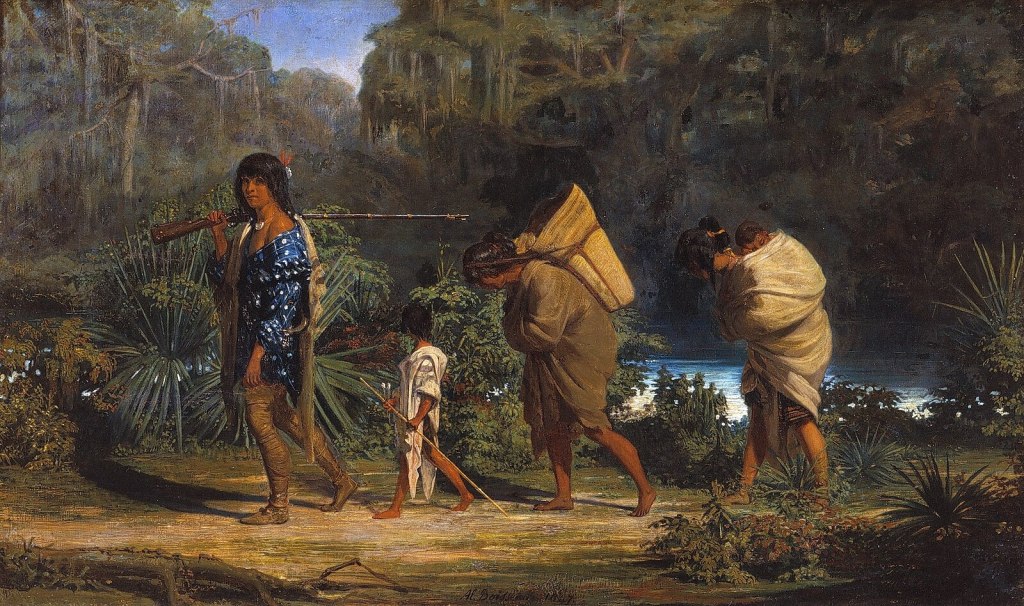
As glacial waters in northern Minnesota began to retreat nearly 10,000 years ago, small groups of people were able to move into the area, pursuing primarily a hunting and gathering lifestyle. The dense forests and the four major lakes within the 218,000 acres of today’s Voyageurs provided abundant natural resources for these Indigenous settlers. Fishing was their major source of food, as was the harvesting of native plants like wild rice.
Ojibwe women harvesting wild rice, Seth Eastman 1848, Library of Congress
The dominant tribe in the area was the Ojibwe (also known as the Chippewa). Over time they played a key role in the region’s commerce as suppliers of food, furs, and canoes. The Ojibwes’ intimate knowledge of the local geography and resources also made them excellent guides for the European fur traders who later arrived in the area.
Ojibwe birchbark canoe 1910
Since there were no roads or established trails in the early days of Minnesota, the Ojibwes’ primary mode of transportation was the birchbark canoe. They discovered that the outer rind of a birch tree can be stripped off without damaging the tree itself. When used for the outer skin of a canoe, birchbark is a naturally waterproof, resilient material, suitable for canoes that must navigate rivers, lakes, and even rapids. And its light weight made the canoes easy to carry over land.
Paper birch tree , credit Sue Sweeney, Wikimedia Commons
The Ojibwe canoe builders’ construction methods were impressive. They “make no use of nails and screws but everything is sewn and tied together,” reported a 19th-century observer. “The seams, stitches and knots are so regular, firm and artistic that nothing better could be asked for.”
The simple design integrates birch bark for the skin, cedar for the framework, split spruce-roots for sewing the bark to the frame, and a sealing compound made from cedar ashes and heated pine pitch for closing the seams. In the heyday of the fur trade, birchbark canoes were in high demand. The area that is now Voyageurs National Park became a canoe-building hub due to the abundance of birchbark and the artisanry of the Ojibwe.
To get the full experience of a birchbark canoe, you’ll want to travel to Voyageurs next summer. The staff will invite you to participate in one of their programs featuring a replica of a 26-foot birchbark canoe – you might even get to paddle it!
We can’t imagine that anyone is tired of hearing about U.S. presidential elections, right? (heh-heh). But wait – we’re not asking you to vote again anytime soon! We’re talking about a few fascinating presidential contests from more than 150 years ago, involving Ulysses S. Grant.
When the U.S. Civil War ended in 1865, Abraham Lincoln was serving his second term as President. General Grant, the military hero of the Union war effort, agreed with many of his policies and had little interest in seeking elected office. “Everybody who knows me knows that I have no political aspirations either now or for the future,” he wrote in a letter. “I hope to remain a soldier as long as I live.”
President Grant, photo by Matthew Brady (Library of Congress) President Johnson, photo by A. Gardner (Library of Congress)
However, Grant’s political aspirations changed after the assassination of President Lincoln. Lincoln’s successor, Andrew Johnson, was a Unionist Southerner who became increasingly lenient toward former Confederates. Johnson vetoed all civil rights legislation passed by Congress, putting him at odds with numerous prominent leaders including Grant, a supporter of African American civil rights.
Campaign flyer from the 1868 presidential election
The Republican Party persuaded Grant to run for president in 1868 against New York governor Horatio Seymour. The party’s platform included ongoing support for Reconstruction, protecting the rights of loyal southerners including African Americans, and ultimately granting all male citizens the right to vote. Other issues included reducing taxes, working towards the elimination of the national debt, and promoting westward expansion and economic growth. Grant’s campaign slogan was “Let Us Have Peace.” He won the 1868 popular vote by 300,000, helped by the newly enfranchised Blacks in some Southern reconstructed states.
Thomas Nast – 1867 Harper’s Weekly
After his first term in office, Grant’s popularity was still high, though there was increasing opposition from those who favored replacing Reconstruction in the South with local self-government, i.e., white rule. The Democratic party nominated Horace Greeley as its candidate in 1872, but once again Grant prevailed, this time by a margin of 56 to 44 percent.
Grant’s two terms as the 18th U.S. president are marked by a number of accomplishments. He supported and signed the 15th Amendment to the Constitution, giving African American men the right to vote. He fought to protect Native Americans from people who wanted their land, although the eventual results of this “peace policy” were mixed. He sought free public education for all, regardless of race, gender, or religion. Grant signed legislation establishing Yellowstone as the nation’s first national park in 1872. And on the international front, he peacefully settled major disputes with England over its support for the Confederacy during the Civil War.
After eight years in office, Grant looked forward to retirement, and Rutherford B. Hayes was elected president in 1876. But as the 1880 elections loomed, supporters of Grant urged him to run for an unprecedented third term. They favored his strong advocacy for Black civil rights and his diplomatic efforts to strengthen the U.S. at home and abroad. Others, however, were concerned about corruption among some of Grant’s former White House aides, and they formed an “anybody but Grant” coalition.
Grant “surrenders” the party’s nomination to Garfield. Puck Magazine 1880, Library of Congress
Grant did not actively seek the Republican Party’s 1880 nomination, but he didn’t turn it down either. He stood for election during the party’s convention in Chicago, as did several other candidates. But after numerous votes, the delegates failed to select a presidential candidate. Congressman James A. Garfield made a persuasive speech calling for party unity, after which the party nominated him. Garfield went on to be elected president later that year.
If you’re interested in learning more about the 1880 election, the staff at Ulysses S. Grant National Historic Site has compiled a small temporary exhibit in the site’s visitor center that examines Grant’s “surrendering” the nomination to Garfield. It runs through mid-November.
Halloween is here! That time of year when young (and not so young) trick-or-treaters dress up as ghosts, superheroes, princesses, and cowboys. What will your kids (or you) be this year?
Left: 6-year-old Billy Blythe (Clinton) as Hopalong Cassidy. Courtesy of NPS.
One now-famous little boy had no problem picking his Halloween costume. Young Billy Blythe (later President William Jefferson Clinton) was obsessed with the cowboy star Hopalong Cassidy. He dressed up in western outfits whenever he could and was particularly proud of his childhood bedspread embroidered with his hero’s name. (Check out his bedroom when you visit President William Jefferson Clinton Birthplace Home National Historic Site.)
Was little Billy attracted to Hopalong Cassidy because he often rescued honest citizens from despicable outlaws? Or was it because the film and TV star shared the same last name as his maternal grandparents, Eldridge and Edith Cassidy? Whatever the reason, he remained fascinated with his idol for many years.
Courtesy of NPS
While we’re on the subject of Halloween, how about some clever ideas for how to carve your pumpkins? The National Park Service offers a fun selection of downloadable pumpkin carving templates, including a fat bear (shown above), a bat (did you know more than 45 species of bats live in national parks?), a bison butting a park visitor (!), and a coyote howling at the moon. What will YOUR jack-o-lantern look like?