Help the Arch Celebrate a Glorious 60 Years

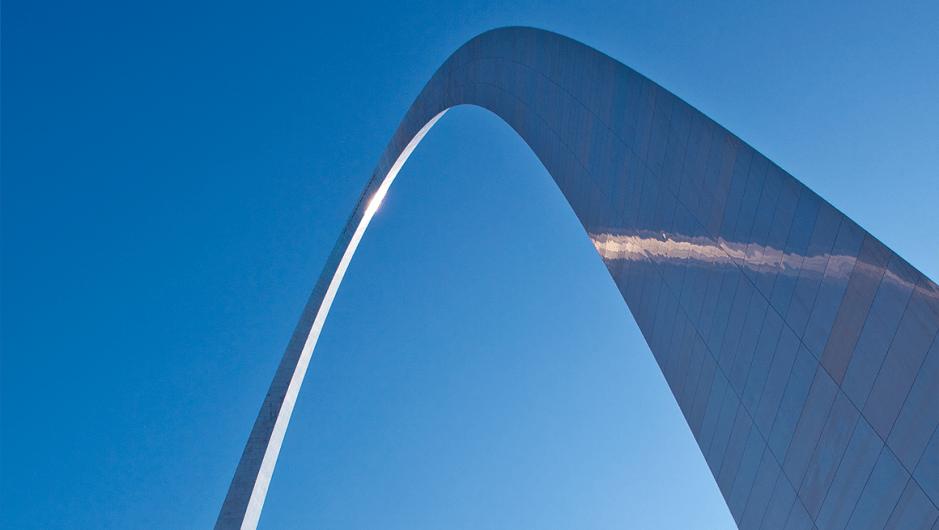
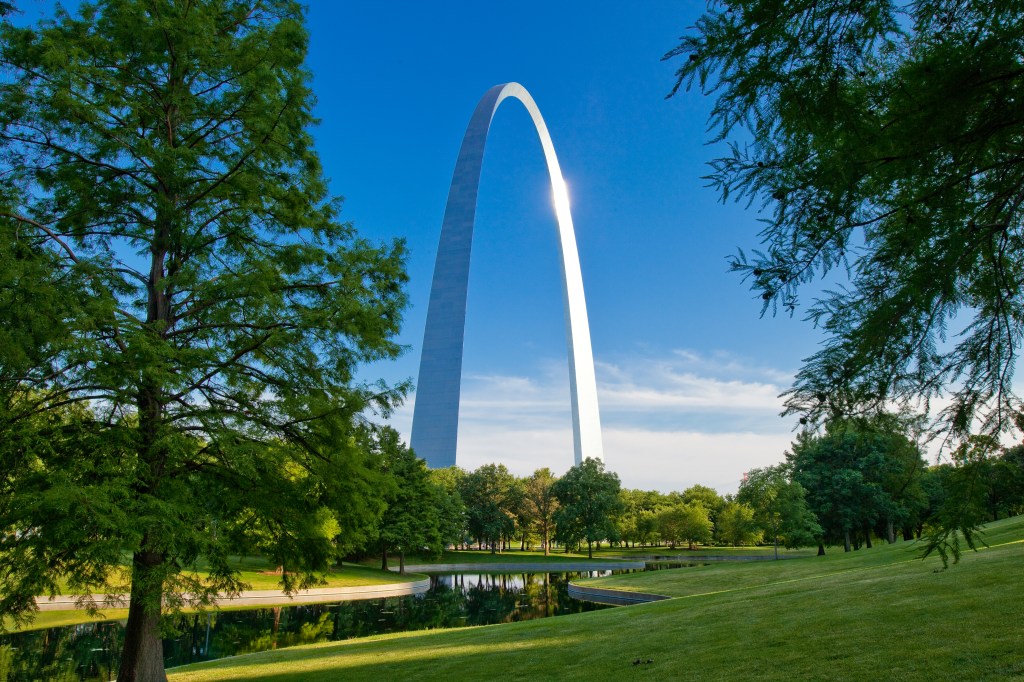
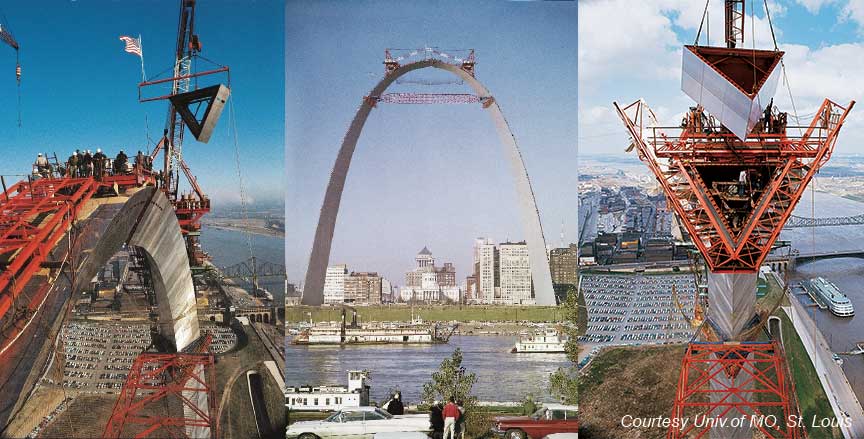
The Gateway Arch is celebrating its 60th anniversary and you’re invited to be part of the celebration! Sixty years ago on October 28, 1965, the final keystone piece was laid at the top of the monument, joining the two curving stainless steel legs of the 630-foot structure. Once that important triangular piece was inserted, the Arch soared into history as a symbol of Thomas Jefferson’s vision of westward expansion. And it took its place as the tallest manmade monument in the U.S.
To commemorate this historic event, starting tomorrow Gateway Arch National Park will host three days of fun – and free! – crafts, musical performances, and activities. (The park has temporarily reopened until November 2 despite the government shutdown.)  

Highlights include:

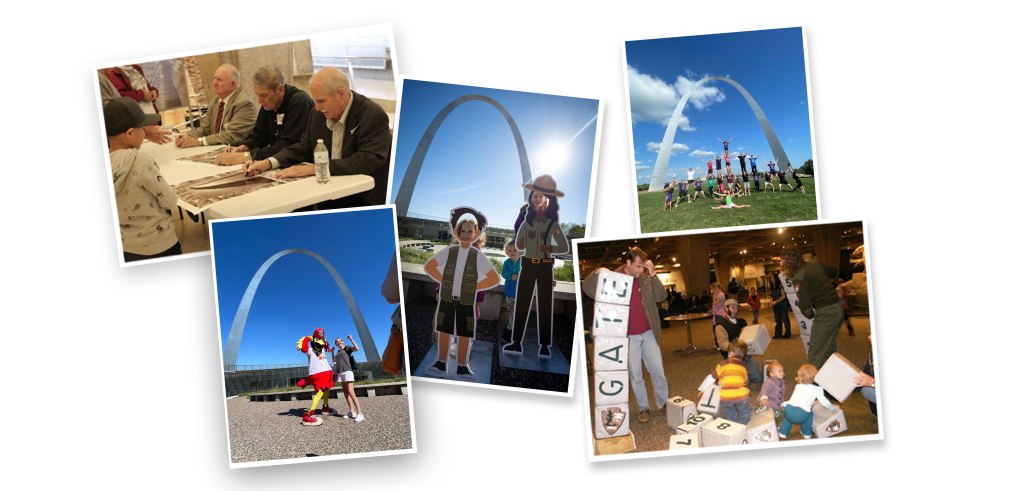
  • Visits from some of the Arch builders, men who helped construct the Arch 60 years ago, who will autograph posters for visitors and reminisce about their contributions to the building of the monument
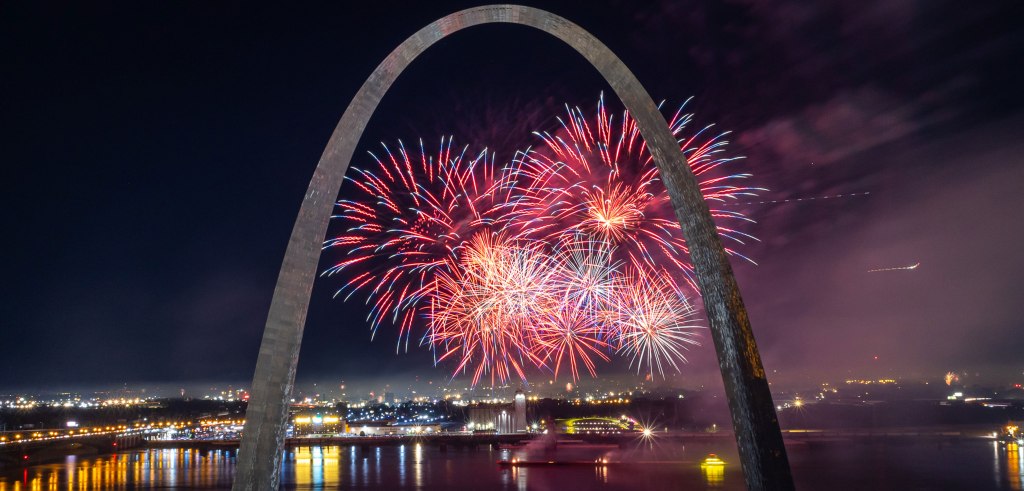
  • A fireworks display under the Arch
  • A performance by the Marching Eagles band from Columbia (IL) High School
  • Performances by the St. Louis Arches, the high-flying acrobats from Circus Harmony
  • Children’s craft activities, including building the “Arch” with giant blocks, getting a (washable) Arch tattoo, posing as an Arch builder or park ranger, and signing a giant birthday card.
  • A visit by St. Louis Cardinals mascot Fredbird, as well as other local team mascots.

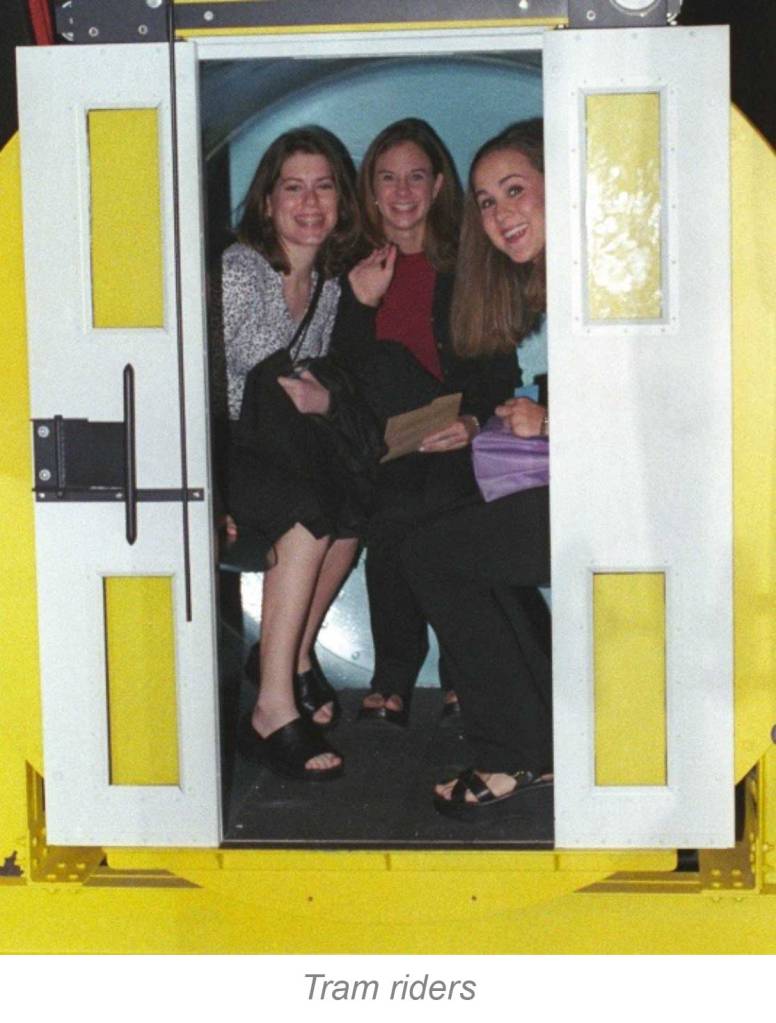
And for the lucky ones who purchase a ticket on the Tram Ride to the Top on October 28, you’ll become an exclusive member of the Tram Ride to the Top Club, entitling you to a special certificate. We highly recommend purchasing your tickets in advance as they are expected to sell out. 
It’s not often we get to commemorate a milestone anniversary of the completion of one of the world’s most iconic monuments. JNPA is proud to have led the collaborative private effort to temporarily reopen Gateway Arch National Park even in the face of the current government shutdown, enabling this birthday celebration to take place. We hope visitors take this opportunity to visit the Arch and Old Courthouse while it remains open through November 2.
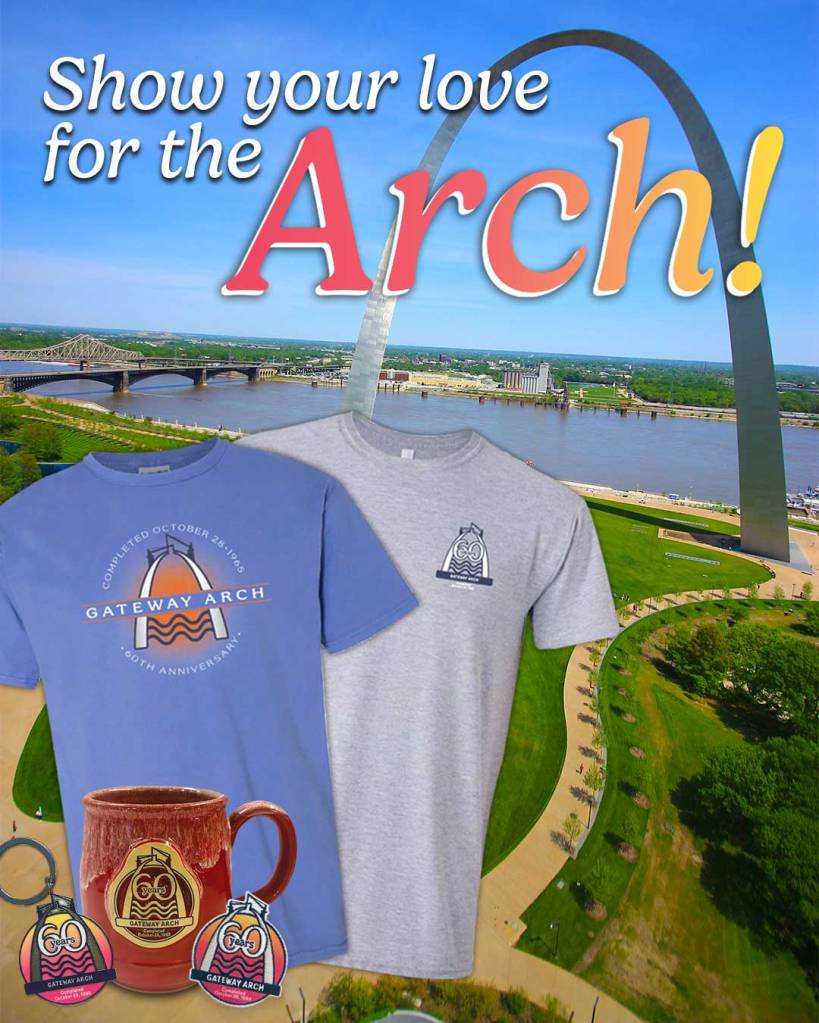
If you can’t stop by for a visit, you can still honor the Arch anniversary with one of our commemorative 60th anniversary products, available from our online store. Show your love for the Arch and help support your favorite park!
A Most Skilled Horseman

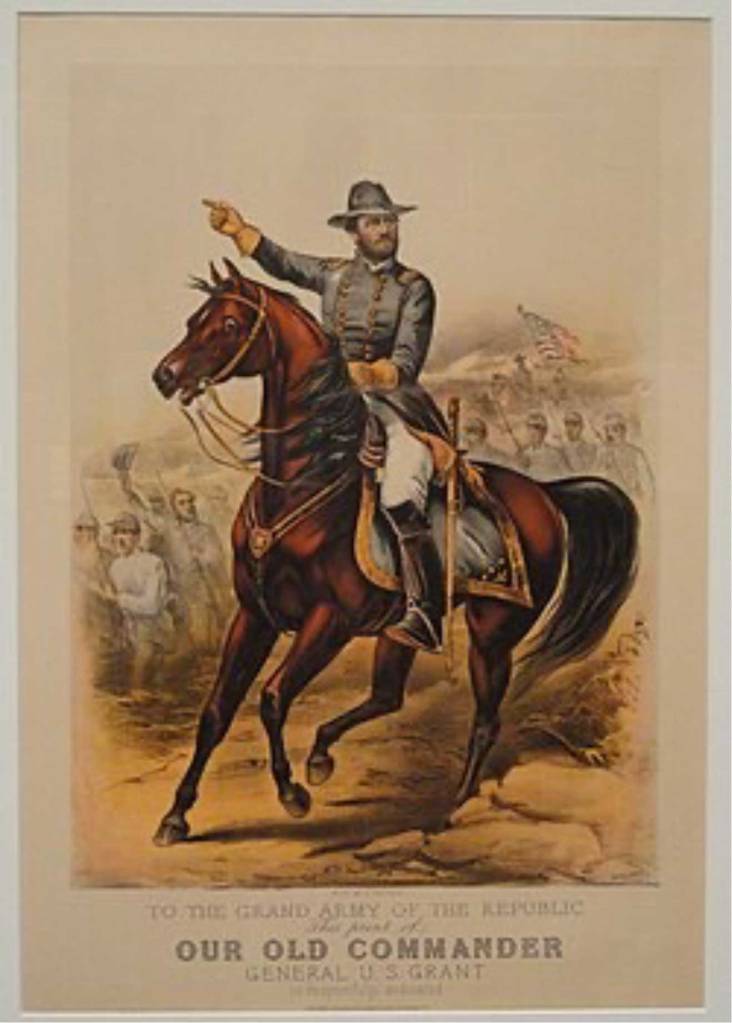
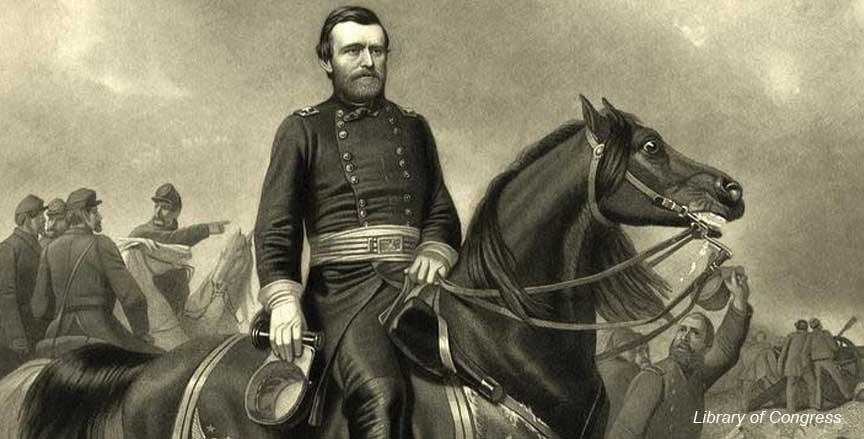
Many of our U.S. presidents were accomplished horsemen. George Washington was known as the “finest horseman of his age;” Thomas Jefferson rode nearly every day until late in life; Andrew Jackson bred and raced horses, stabling several at the White House; and Zachary Taylor grazed his beloved warhorse on the White House lawn. But Ulysses S. Grant is considered by many to be the most skilled horseman to ever occupy the Oval Office.

Even as a small boy, Grant’s connection with horses was obvious. There are numerous stories of young Ulysses breaking in horses nobody else could ride and doing daredevil stunts on horseback. By age five, he was an accomplished and daring rider, known for standing on one leg while maintaining his balance at a gallop. His mother was heard to say, “Horses seem to understand Ulysses.” 

Throughout adulthood, Grant continued to ride, train, and care for horses. For him, riding was more than a pastime – it was a form of discipline and excellence.  When he attended West Point, his riding abilities were legendary. Fellow cadet James Longstreet described Grant’s skills: “In horsemanship…he was noted as the most proficient in the Academy. In fact, rider and horse held together like the fabled centaur.” 

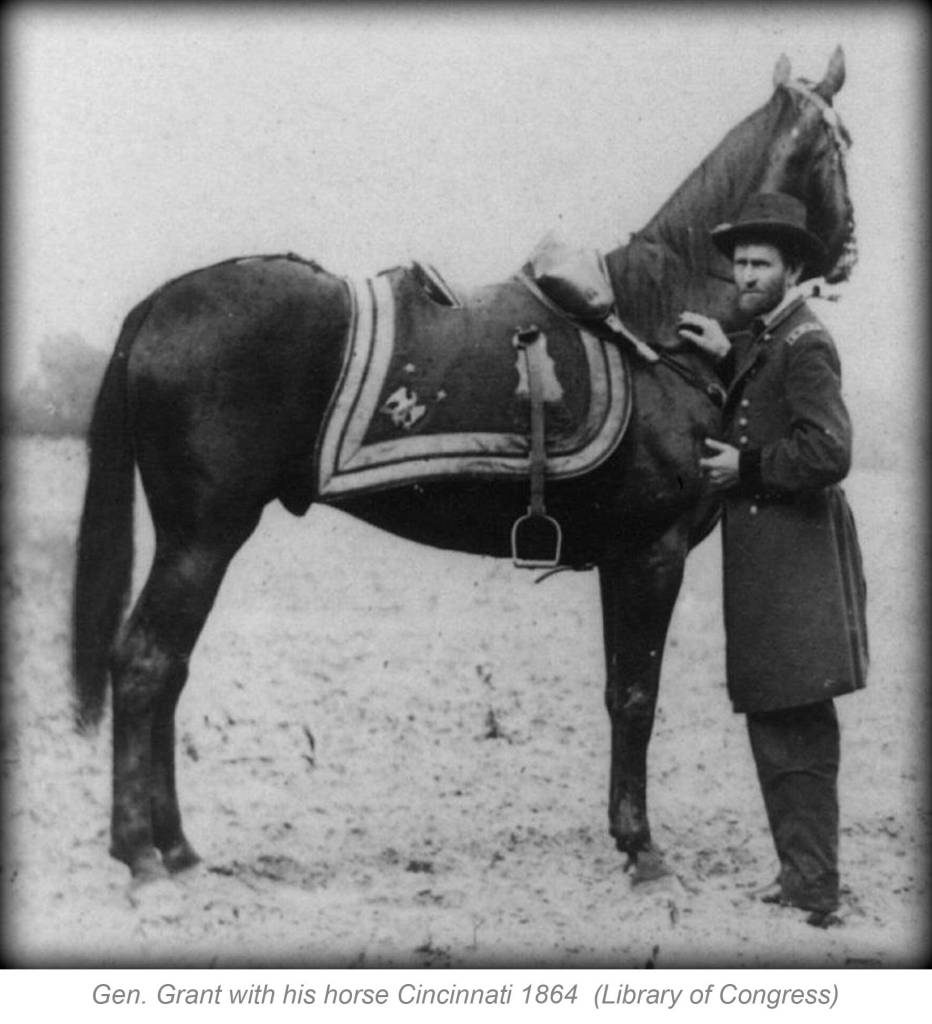
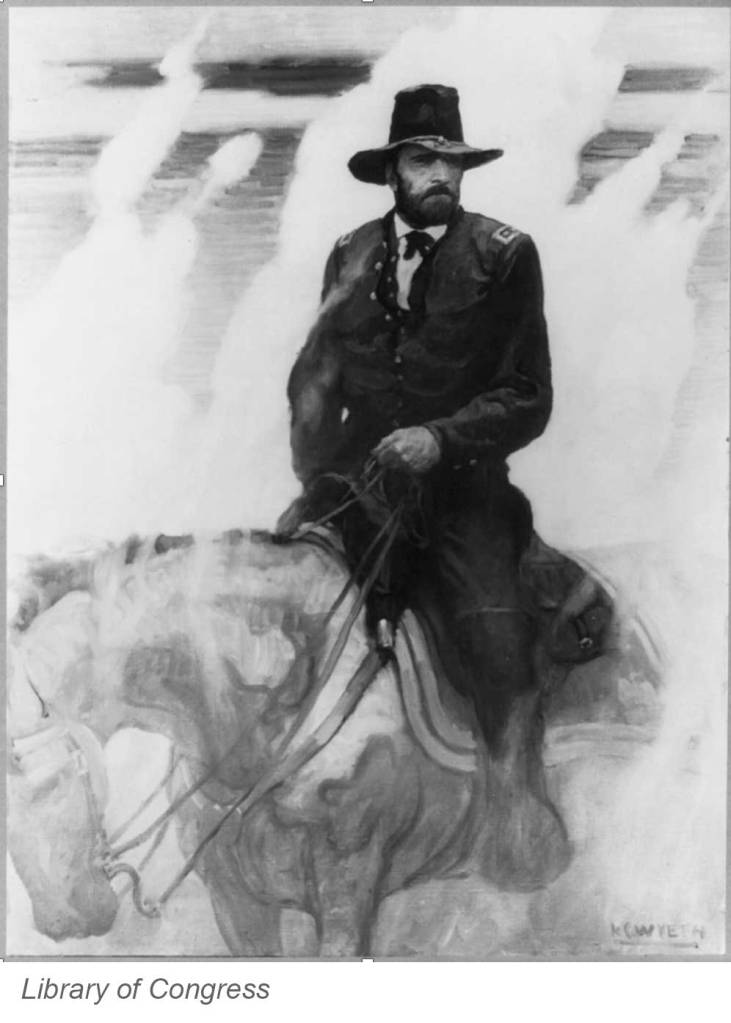
During the Civil War, riding was Grant’s preferred means of transportation since he found it a useful way to scout the terrain. His most famous horse, Cincinnati, was given to him as a gift after the Battle of Chattanooga and quickly became his favorite. (The horse was the son of Lexington, at one time the fastest four-mile thoroughbred in the country.) Cincinnati was a reliable warhorse, remaining even tempered during the fiercest of battles, and Grant continued to own him until the horse’s death of old age.

Courtesy NPS.

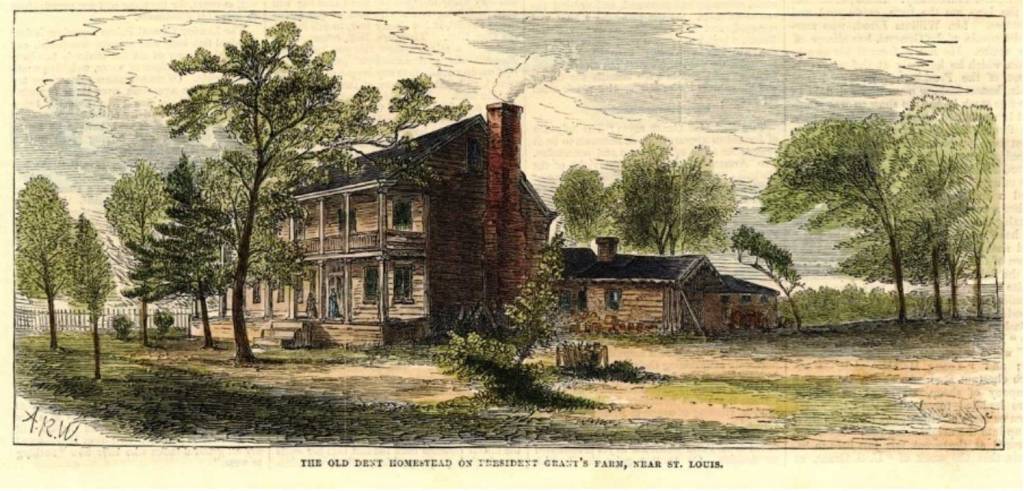
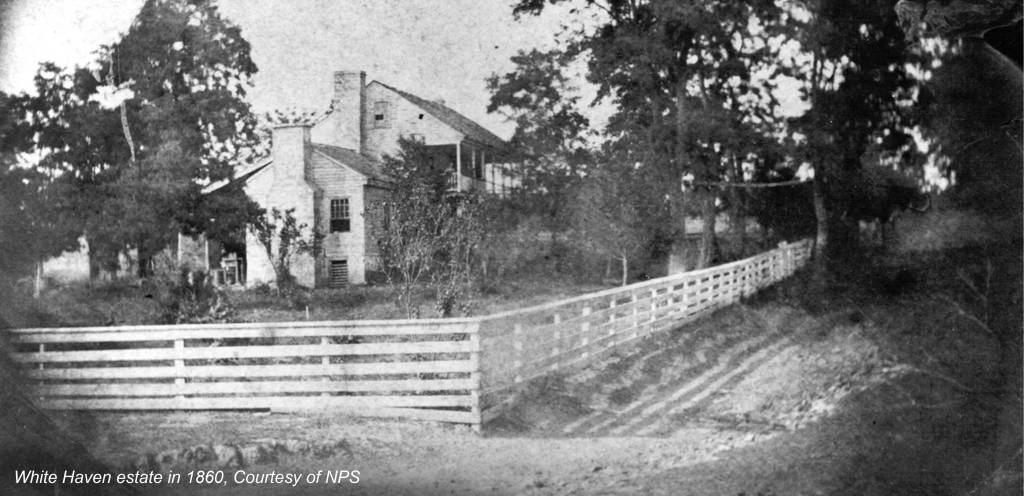
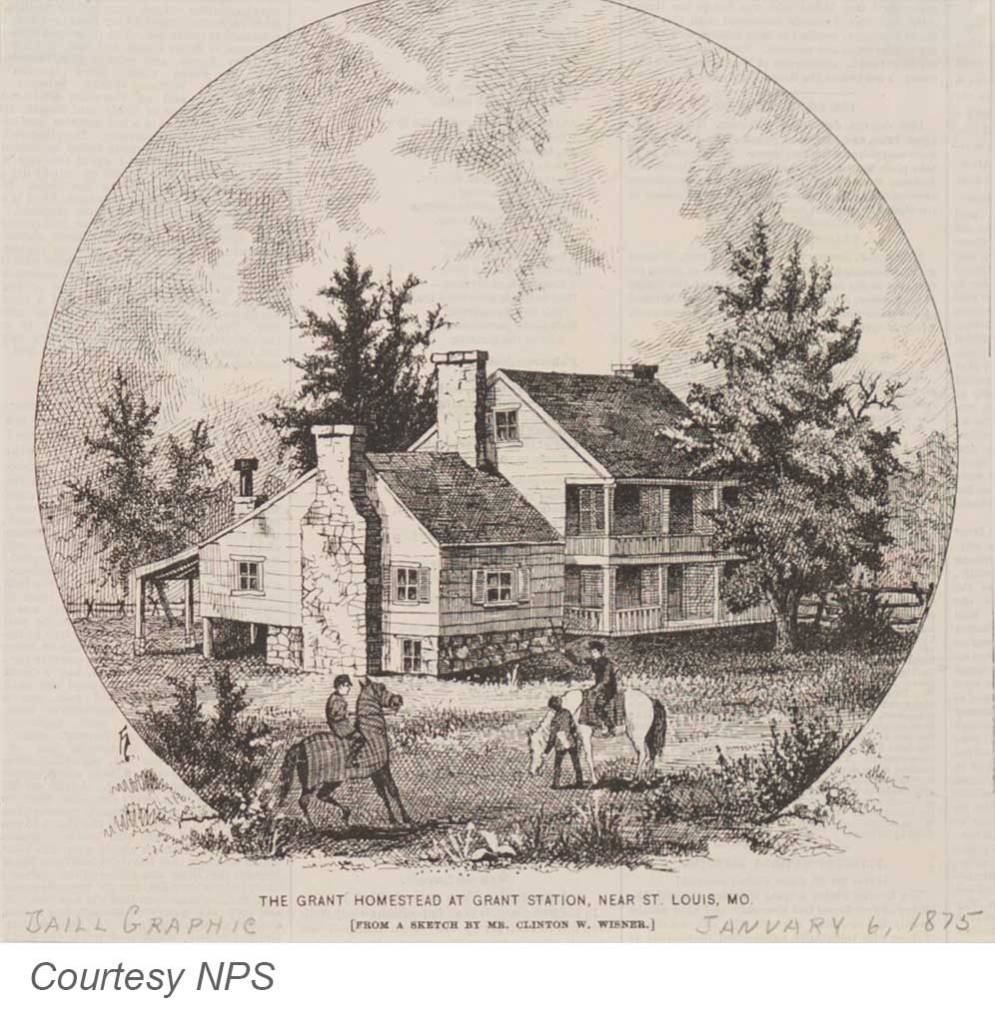
After the war, Grant turned to horse breeding. In 1866 he bought the 860-acre White Haven estate outside St. Louis from his wife’s family, primarily to breed and raise horses. To do this, he needed to convert the bulk of the land from fruits and vegetables to grass and hay to provide feed for the horses. He wrote his caretaker: “I want to get all the ground in grass as soon as it can be got rich enough, except what will be in fruit.”

Original stable at White Haven.

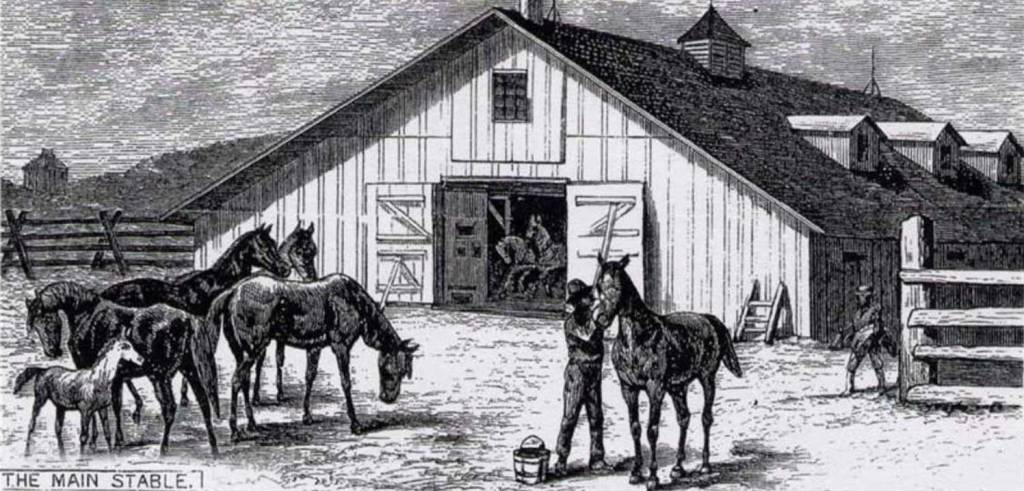
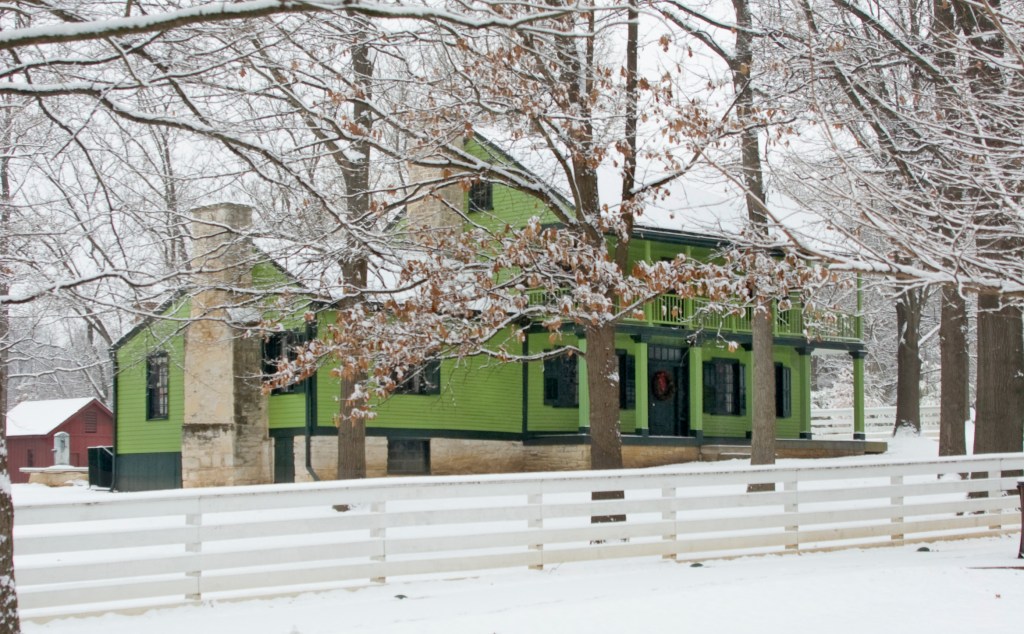
In 1871, he also designed and built a large stable that could accommodate 25 horses, including his beloved trotters, thoroughbreds, and Morgans. Today, the stable remains standing and serves as the museum at Ulysses S. Grant National Historic Site

Grant’s breeding farm produced a number of very fine horses, which in 1873 were valued at $25,000 ($675,000 in today’s dollars). And yet the operation was barely turning a profit. Grant decided to shut down the farm and put its resources to auction in 1875. He lost the farm when he was swindled by a New York City business partner in 1884. 

Today, the last ten acres of Grant’s horse farm constitute Ulysses S. Grant National Historic Site.

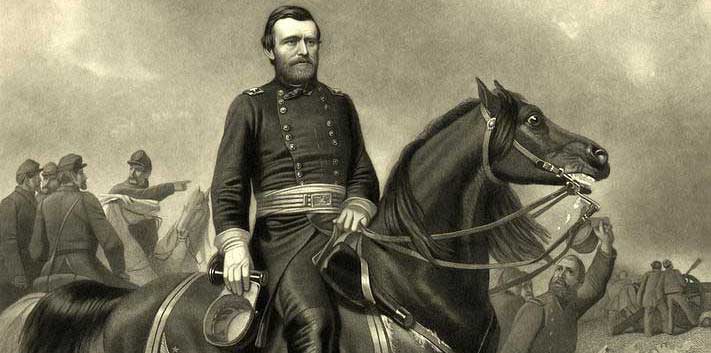
Currier & Ives print, 1885.

Hey Kids, You Can Become a Junior Ranger!!!

National parks aren’t just for adults. If you’re planning a trip to a park with your kids this summer, make sure you check out the site’s Junior Ranger activities when you visit. These programs help children appreciate and connect to our parks – whether it’s walking in the footsteps of famous people, exploring beautiful landscapes, developing new interests, or just having fun.  

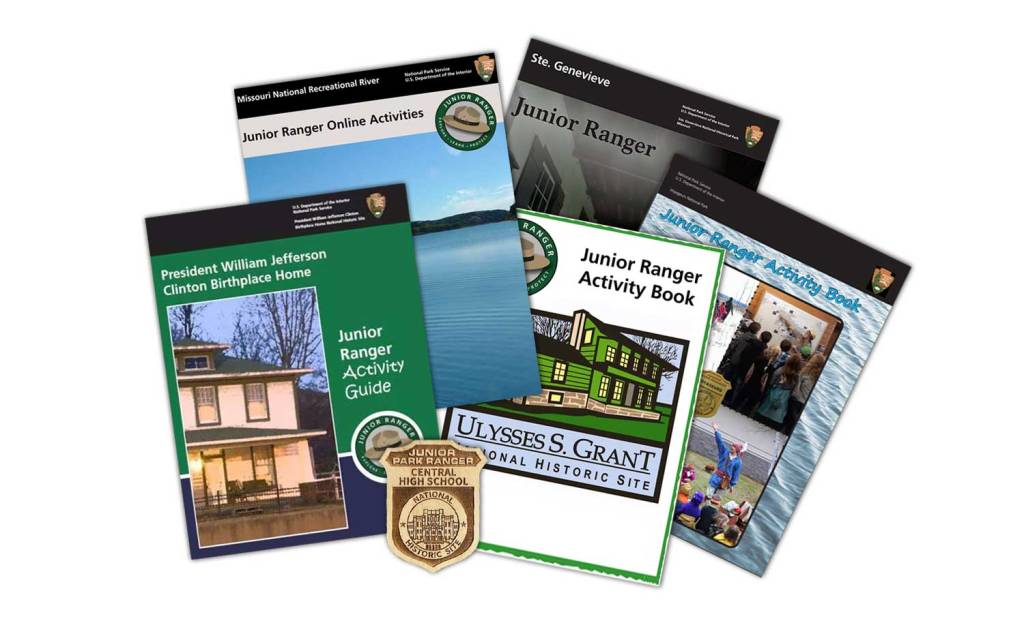
Here’s how it works: Before your visit, go to the park’s webpage to learn about its special kids’ activities. Most of the nation’s 400+ national park sites offer Junior Ranger programs. When you’re on site, check in at the visitor center. That’s where kids will typically receive a free park-specific activity book that helps them learn about the landmarks, history, wildlife, geology or other themes unique to that park.  

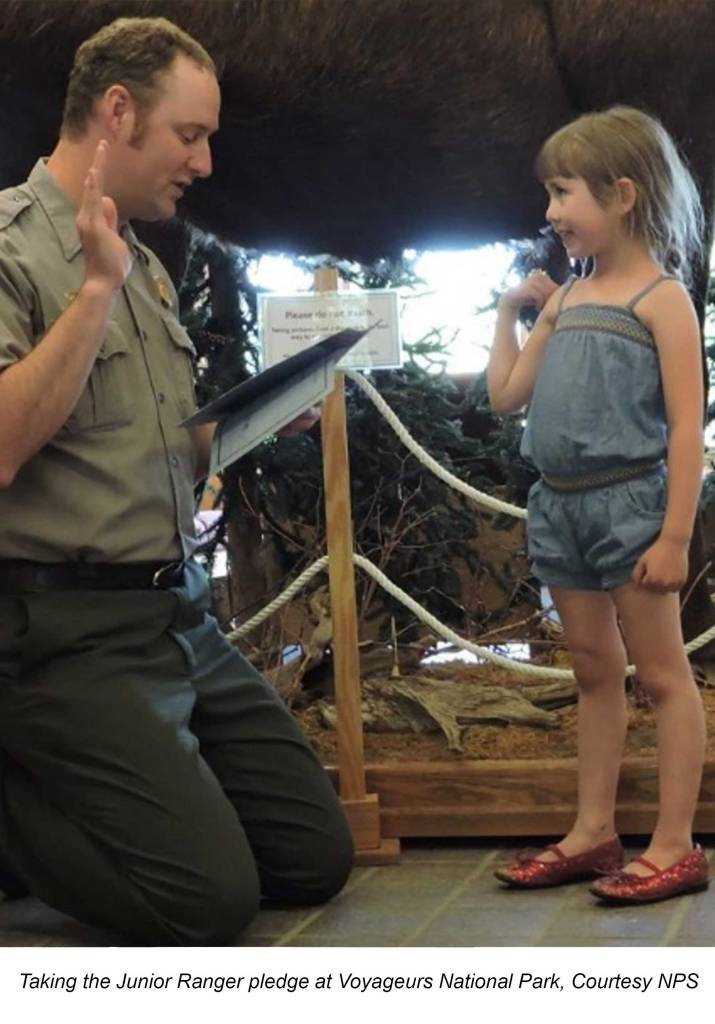
After your kids complete the activities in the book, they’ll need to present it to a park ranger to receive a special Junior Ranger badge and certificate. Often, they’ll also take a pledge to learn, protect, and explore their national parks. 

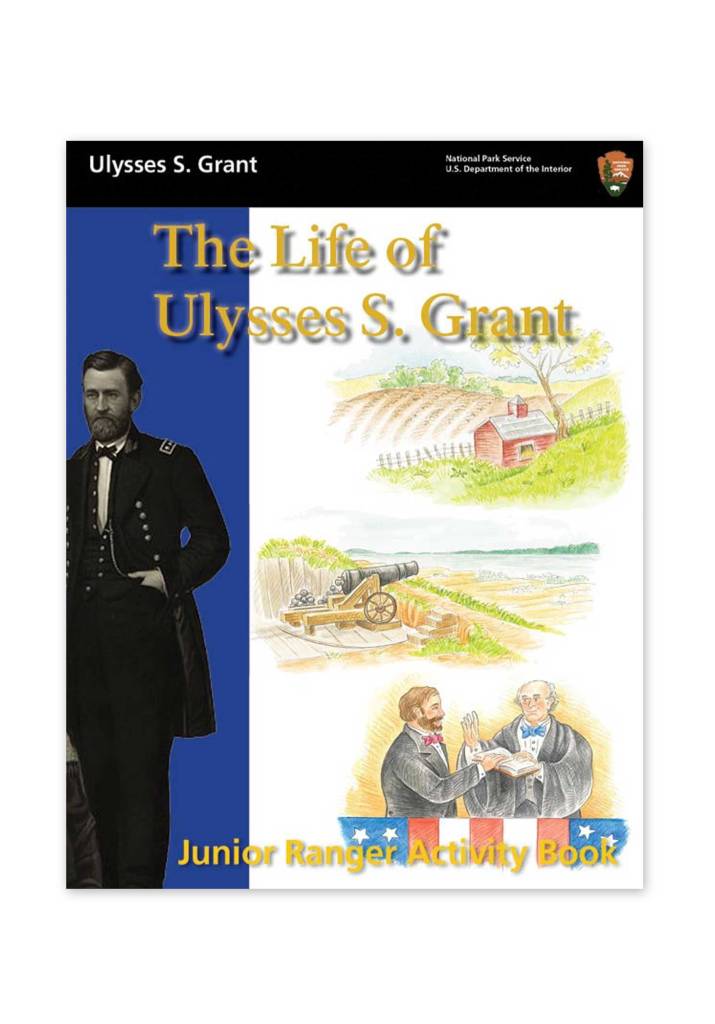
For kids who can’t visit in person, the National Park Service website offers a Junior Ranger Online section featuring videos, games, and songs, allowing families at home to connect with parks around the country. And many parks have their own Virtual Junior Ranger programs. Voyageurs National Park, for instance, includes fun activities on its website, as well as the opportunity to download the Virtual Ranger badge. U.S. Grant National Historic Site created a special Bicentennial Virtual Ranger Activity Book to celebrate the 200th anniversary of Grant’s birth.  

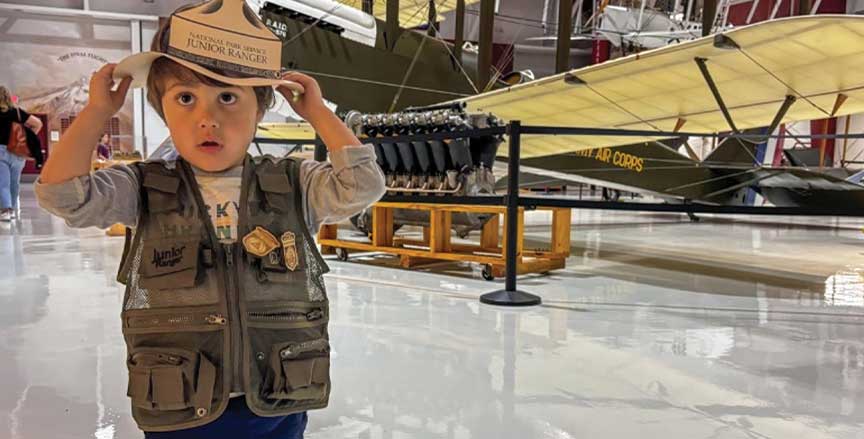
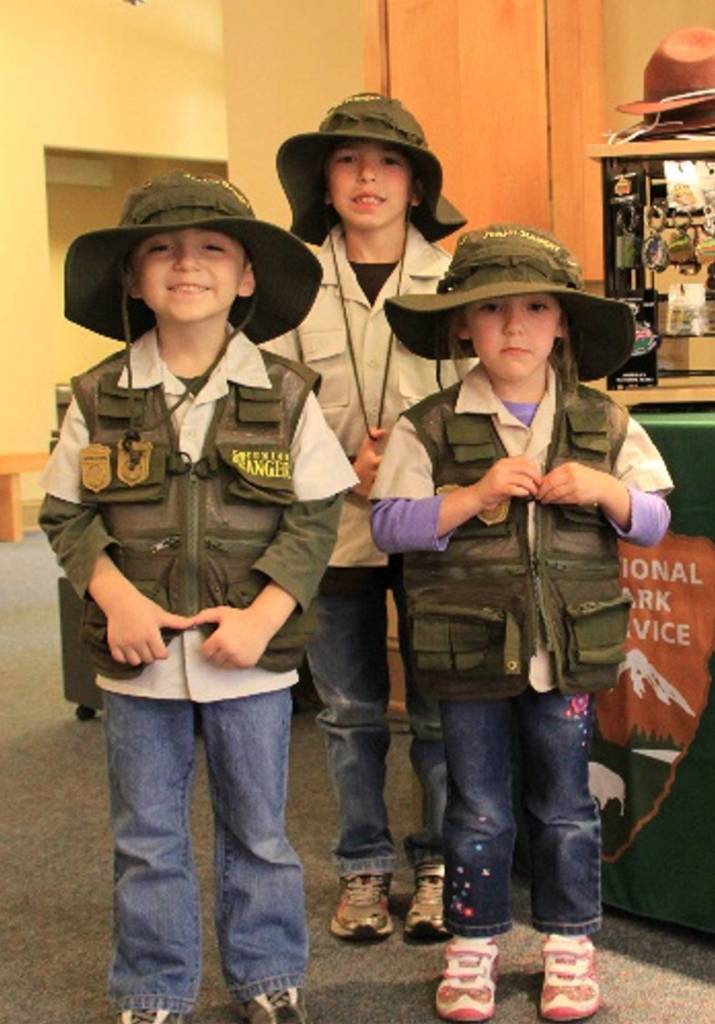
Finally, for those kids who want to go the extra mile, why not let them dress like a park ranger with a special Junior Ranger Vest and Flat Hat! JNPA carries a wide range of Junior Ranger products like these in our online store, including mini building blocks, pins, and activity books.  

However you introduce national parks to your kids, they’ll be sure to get more out of their visits when they become Junior Rangers!

The Old Courthouse Reopens

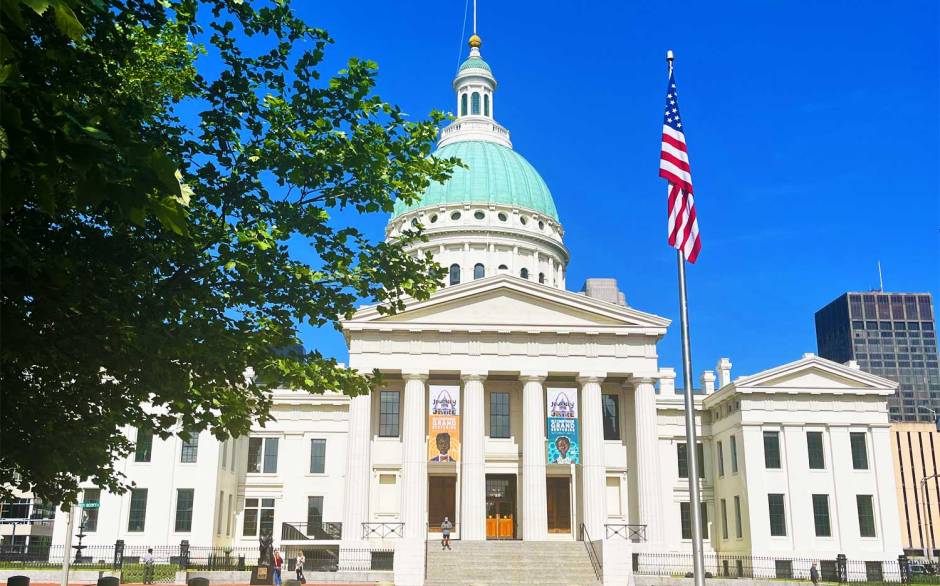
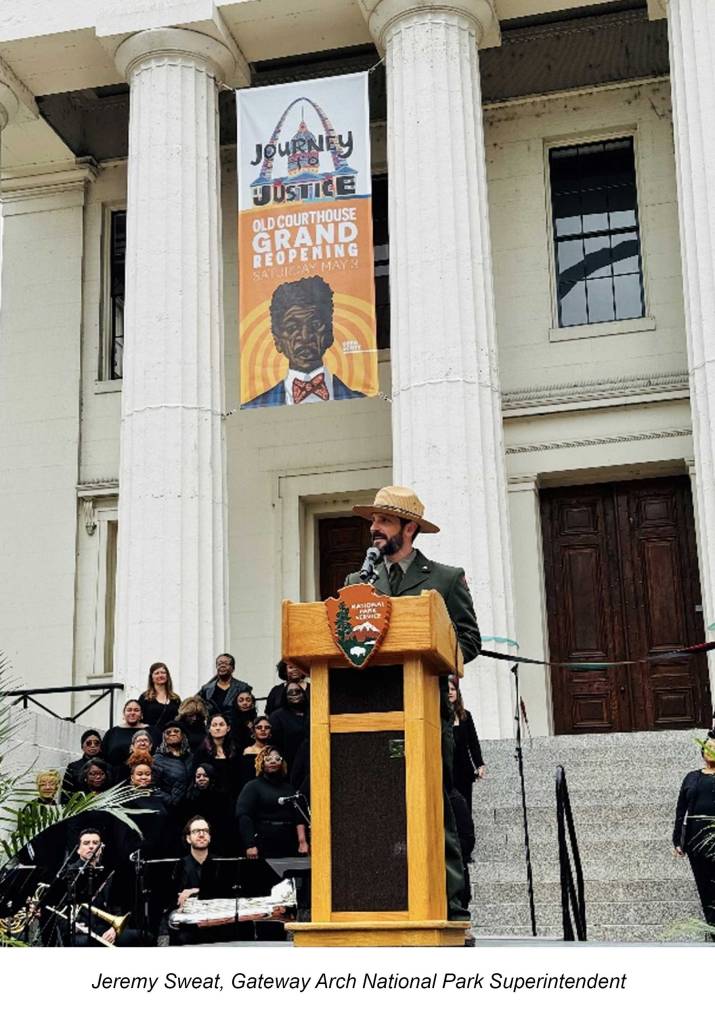
If you haven’t yet visited the newly renovated Old Courthouse at Gateway Arch National Park, be sure to add it to your ‘must see’ list. The grand old building reopened to the public on May 3 after being closed for several years, both to accommodate extensive structural improvements and to install new exhibits.

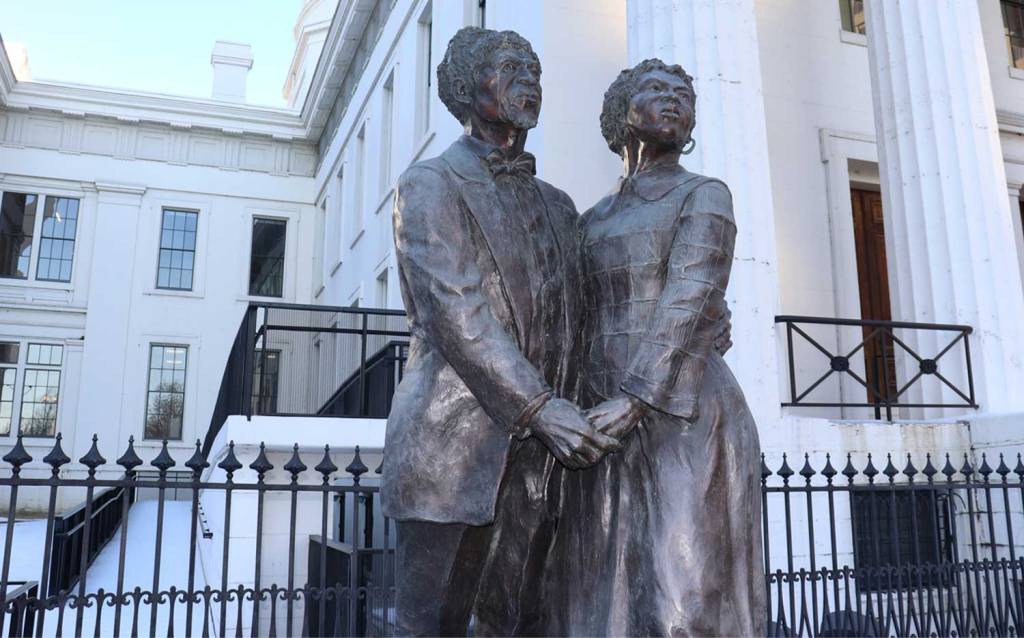
The Courthouse has played a seminal role in St. Louis history, and in the national struggle for civil rights. Slave auctions were held on its steps. Inside its walls more than 300 enslaved African Americans filed suit for their freedom.  Among the most prominent cases were the first two trials of Dred and Harriet Scott’s bid for freedom from enslavement. The building was also the scene of Virginia Minor’s efforts to secure women’s right to vote.  

“The Old Courthouse has been the site of some of the most pivotal moments in American history, and now it will offer visitors an even deeper connection to its past,” said Jeremy Sweat, Superintendent of Gateway Arch National Park. “With the new exhibits, enhanced accessibility, and structural updates, the Old Courthouse will continue to be a vital educational and cultural resource for generations to come.”

The Old Courthouse renovation marks the final phase of the $380 million CityArchRiver project—the largest public-private partnership in National Park Service history. The building’s updates enhance visitors’ experiences while preserving its architectural beauty:

All-New Exhibits: Compelling galleries that delve into the stories of Dred and Harriet Scott, African American life in St. Louis, the continued struggle for civil rights, and the courthouse’s architectural and legal legacy.

New Accessibility Features: Installation of the first elevator in the building’s history, which allows all visitors access to the second floor to tour the historic courtrooms.

Structural and System Improvements: Renovated ceilings and flooring, a state-of-the-art fire suppression system, upgraded heating, ventilation, and air conditioning systems, and general restoration and improvements.

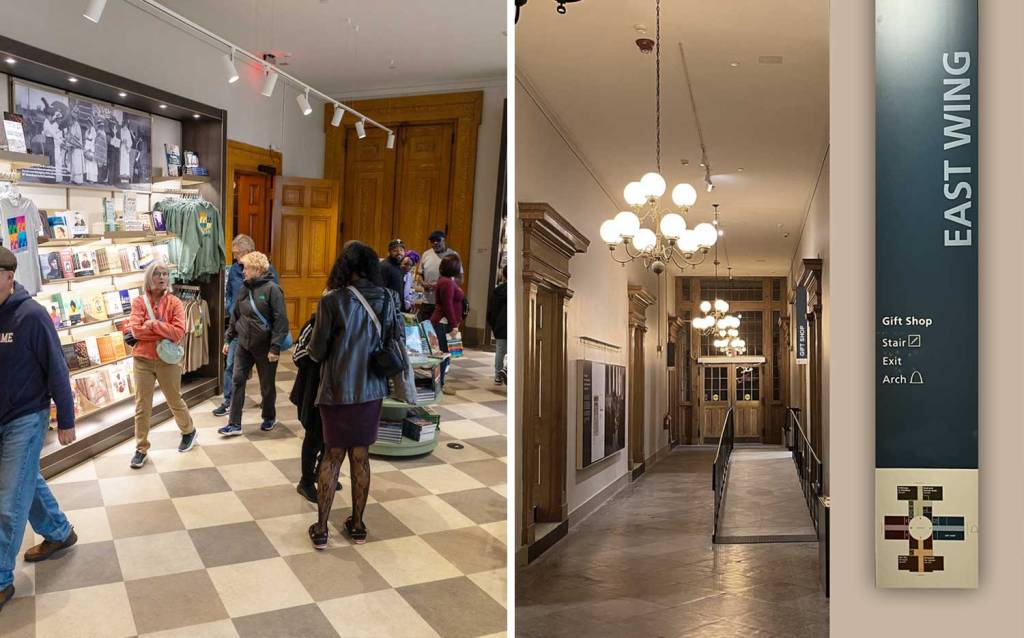
The renovations included major updates to JNPA’s gift shop inside the Courthouse. The 1,400-square-foot space was carefully designed to complement the historic architecture of the building. From custom fixtures to interpretive banners, every detail was chosen to reflect the building’s distinctive character and storied past. In addition to the thoughtfully curated book collection, the shop offers Old Courthouse-inspired apparel, accessories, drinkware and memorabilia. We invite you to stop in during your visit, or order from our online store.

Doubling the Size of America – at 4¢ an Acre!

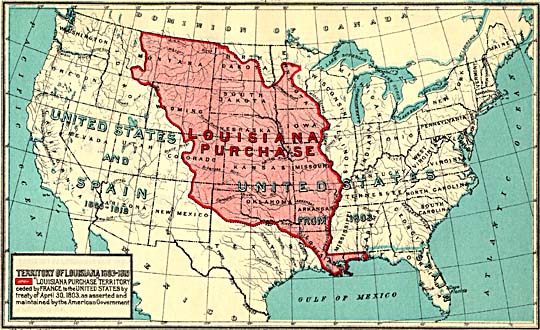
Tomorrow we commemorate an important milestone in the history of our nation. On April 30, 1803, the United States and France signed the Louisiana Purchase agreement. With one stroke of a pen, the U.S. purchased 828,000 square miles of land west of the Mississippi River at a cost of $15 million (approximately $371 million in today’s dollars).  For roughly 4 cents an acre, our nation doubled its size, expanding our borders westward.

The historic purchase included land from 15 current U.S. states and two Canadian provinces:  the entirety of Arkansas, Missouri, Iowa, Oklahoma, Kansas, and Nebraska; large portions of North Dakota and South Dakota; parts of Montana, Wyoming, and Colorado east of the Continental Divide; the portion of Minnesota west of the Mississippi River; parts of New Mexico and Texas; New Orleans and the area of present-day Louisiana west of the Mississippi River; and small portions of Alberta and Saskatchewan. (The western and northern borders of the acquired land were later amended by subsequent treaties with Spain and Great Britain.)

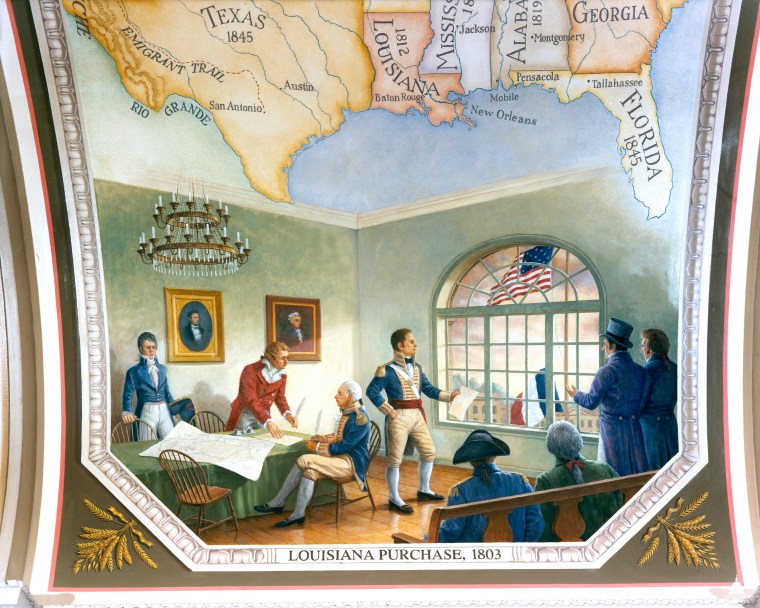
Architect of the Capitol, Wikimedia Commons

President Thomas Jefferson had long been eager to acquire the Louisiana Territory, especially the strategically crucial port of New Orleans. He authorized his negotiators to pay France up to $10 million just for New Orleans and the Floridas. But when they were offered the entire territory for an additional $5 million, they quickly agreed to the deal. Eventually Congress was persuaded to ratify the agreement and fund the purchase. 

Three Flags Day ceremony, courtesy of the Missouri History Museum Collections

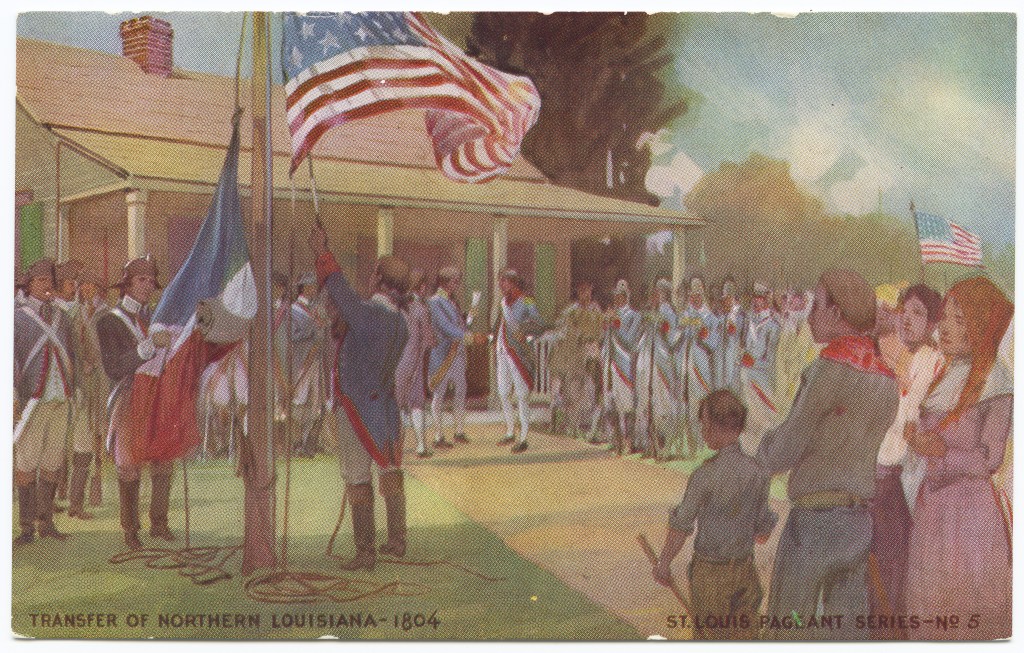
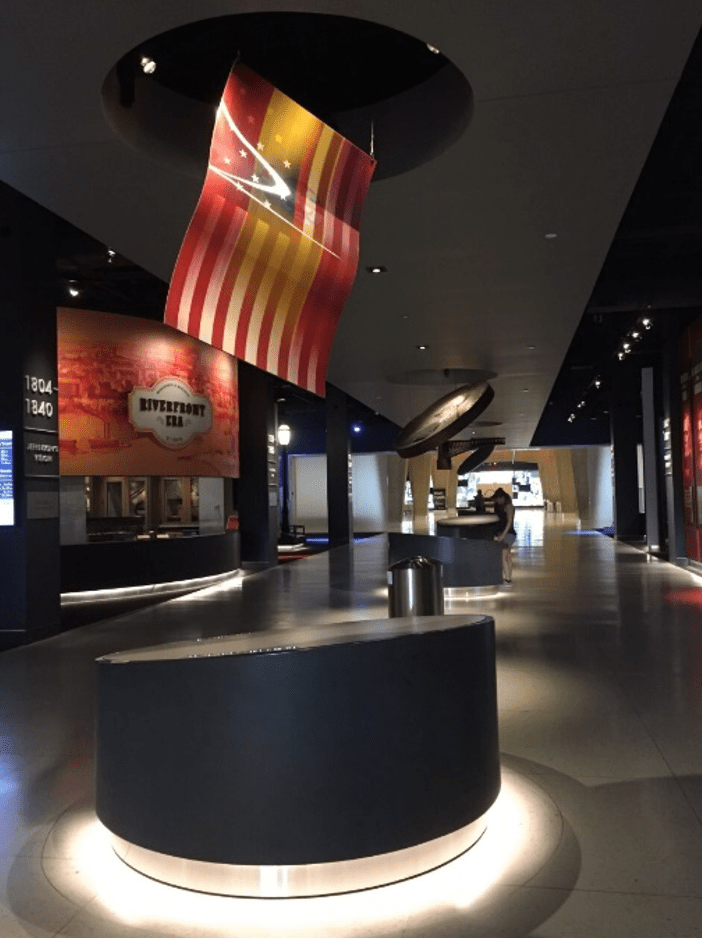
Though the Louisiana Purchase agreement was officially signed on April 30, the U.S. did not take immediate possession of the land. Spain had been in control of the territory since 1763. And although France re-acquired it in a secret deal in 1800, the region was still administered by Spain and needed to be formally turned over to France. It would be nearly a year before this was completed. Eventually on March 9, 1804, the transfer began in St. Louis. The Spanish flag was lowered and the French flag hoisted. It would fly for 24 hours before being removed and replaced by the American flag.

The event, often called Three Flags Day, officially cleared the way for Lewis and Clark to begin their expedition westward.   It is commemorated in the Museum at Gateway Arch National Park.

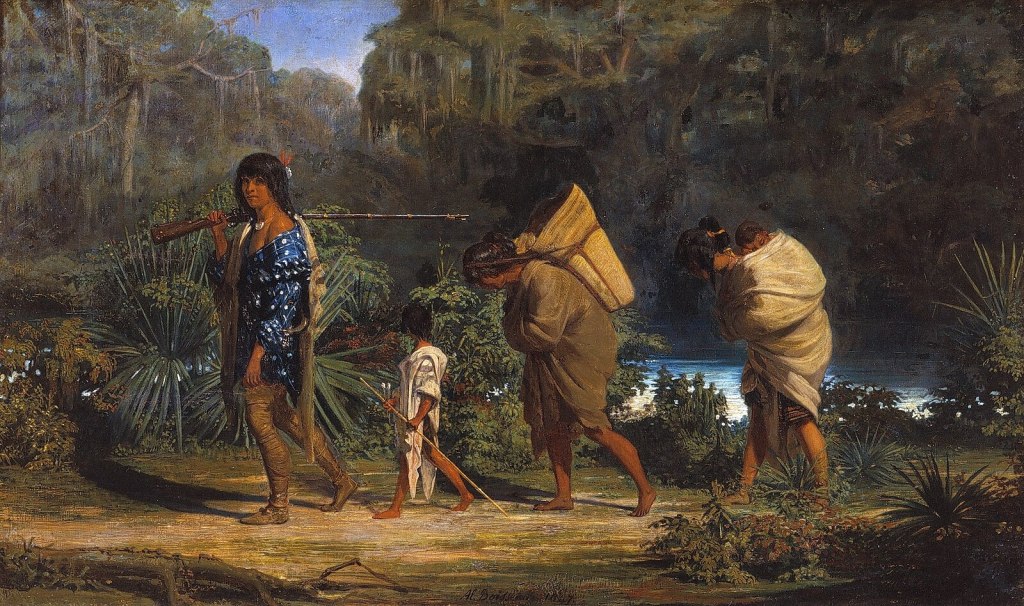
In actuality, France controlled only a small portion of the Louisiana Territory when it was deeded to the U.S. Most of the land was inhabited by thousands of Native Americans, representing dozens of tribes. So in addition to the French possession, we purchased the right to obtain Native lands by treaty or by conquest, to the exclusion of other colonial powers. 

Courtesy New Orleans Museum of Art

As we now know, for Indigenous people west of the Mississippi River, the Louisiana Purchase was the beginning of more than a century of land loss, forced relocation, and threats to traditional lifeways. As additional territories and U.S. states were established, more and more Americans from the East traveled west, leading to conflict with Indigenous peoples. Ultimately, Native tribes were forcibly moved onto reservations, losing vast swaths of their homelands. It wasn’t long before the federal government would force them to change their ways of life and try to erase their religions and cultural heritage.

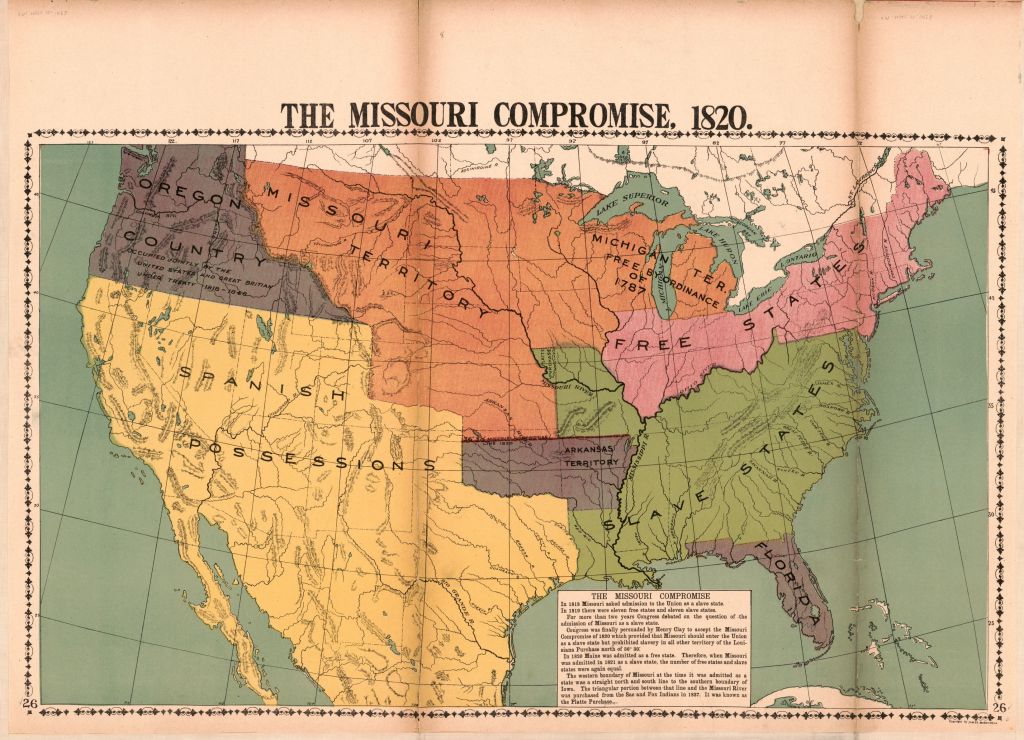
The fate of enslaved and free African Americans also became entangled in the newly acquired lands. As states organized within the Louisiana territory, the tensions between the pro-slavery South and the anti-slavery North intensified. The desire to maintain a balance between “free states” and “slave states” required a series of fragile compromises. The Missouri Compromise of 1820 was a temporary solution, though as agreements became more difficult to achieve, civil war became inevitable.

The Paradox of Thomas Jefferson

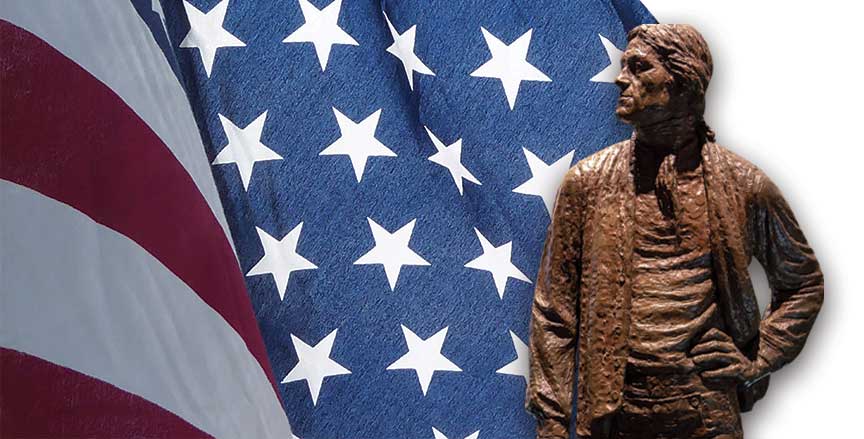
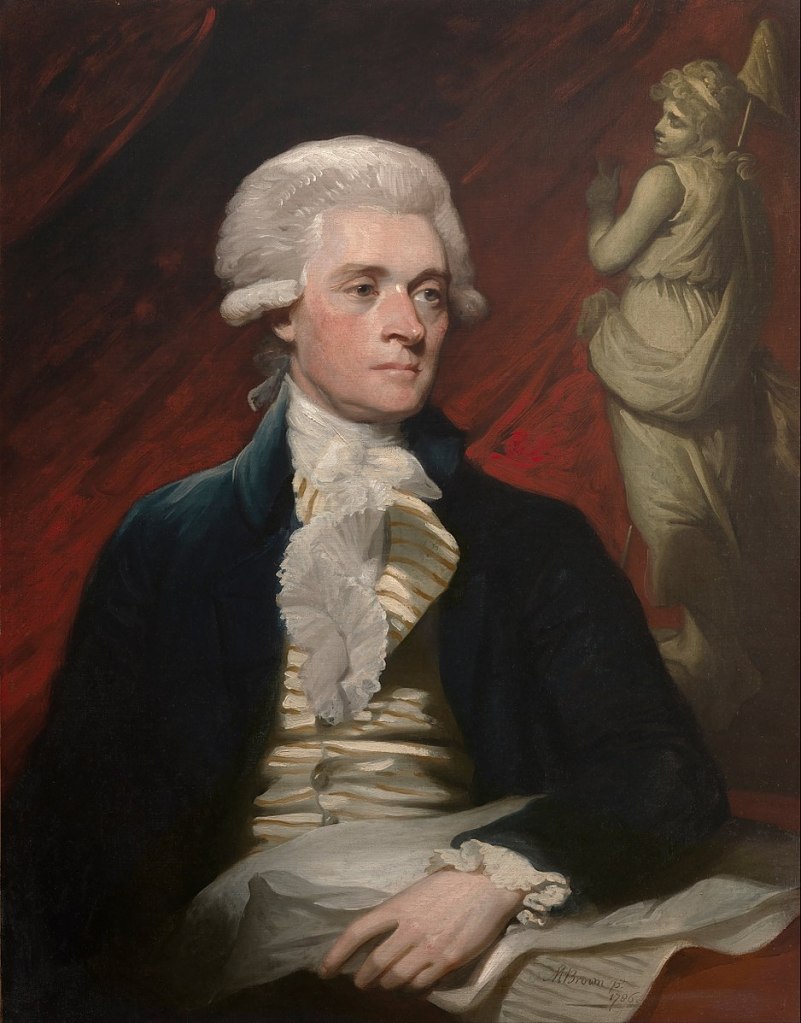
It’s hard to underestimate the achievements and long-lasting contributions of our third U.S. president. Thomas Jefferson was a founding father of our nation, author of the Declaration of Independence, diplomat, political philosopher, architect, horticulturist, and inventor. He also founded and designed the University of Virginia, negotiated the purchase of the Louisiana Territory from France, and launched Lewis and Clark on their expedition to the American west.

The very existence of Gateway Arch National Park (formerly Jefferson National Expansion Memorial) is a testament to Jefferson’s vision of a nation that would span the continent.

Yet despite Jefferson’s accomplishments, many scholars continue to find him an enigma, especially when it comes to slavery. Though he referred to the institution as an “abominable crime” and a “hideous blot,” he enslaved more than 600 people over the course of his life and kept an enslaved young girl as a concubine. How can we reconcile this paradox?


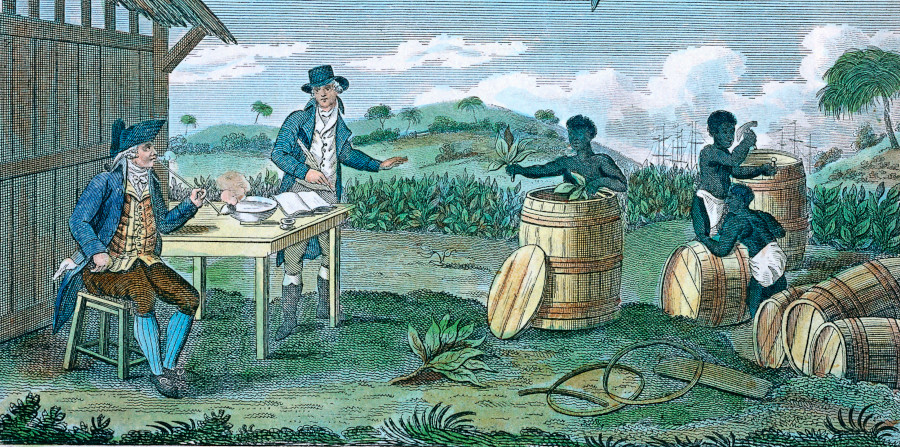
A Typical Tobacco Plantation, print by Richard H. Laurie, 1821

First, we should acknowledge the life of the young Jefferson: his upbringing was one of wealth and privilege. His father’s enormous plantation in colonial Virginia was supported by the work of at least 60 enslaved laborers who toiled in the gardens and fields, tended the livestock, and worked in the family home. As a young man, Thomas inherited lands from both his father and his father-in-law, eventually administering a sprawling 5,000-acre plantation planted mostly in tobacco. Like other wealthy landowners in the South, he could not have managed Monticello without the contributions of the enslaved men, women, and children he also inherited. 

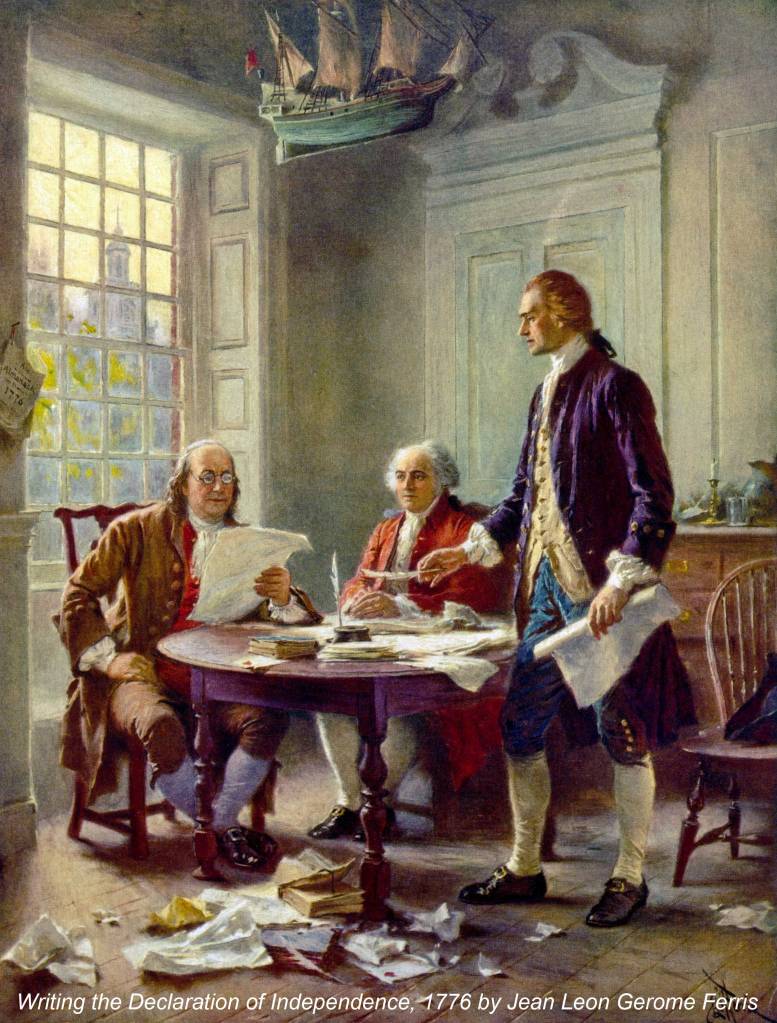
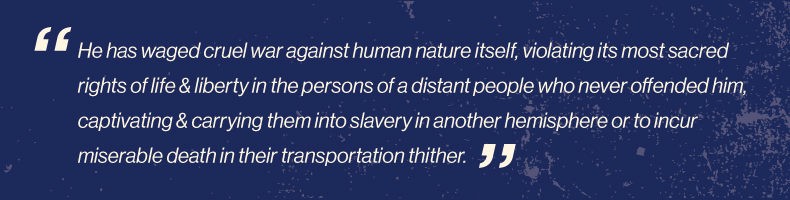
Yet over time, Jefferson began to see slavery as a “moral depravity.”  In fact, as he was writing the Declaration of Independence in 1776, he included a 168-word anti-slavery clause that blamed King George III for his role in creating and perpetuating the slave trade. Some of the accusations he made: 

The entire anti-slavery clause was later deleted from the Declaration by delegates to Second Continental Congress, one-third of whom were enslavers. Decades later, Jefferson attributed the removal of the controversial text to the wishes of delegates from South Carolina and Georgia, who strenuously objected to any ban on the importation of slaves. The founding fathers who had opposed slavery – including Jefferson – did not insist on retaining the clause, fearful of dividing the fragile new nation.


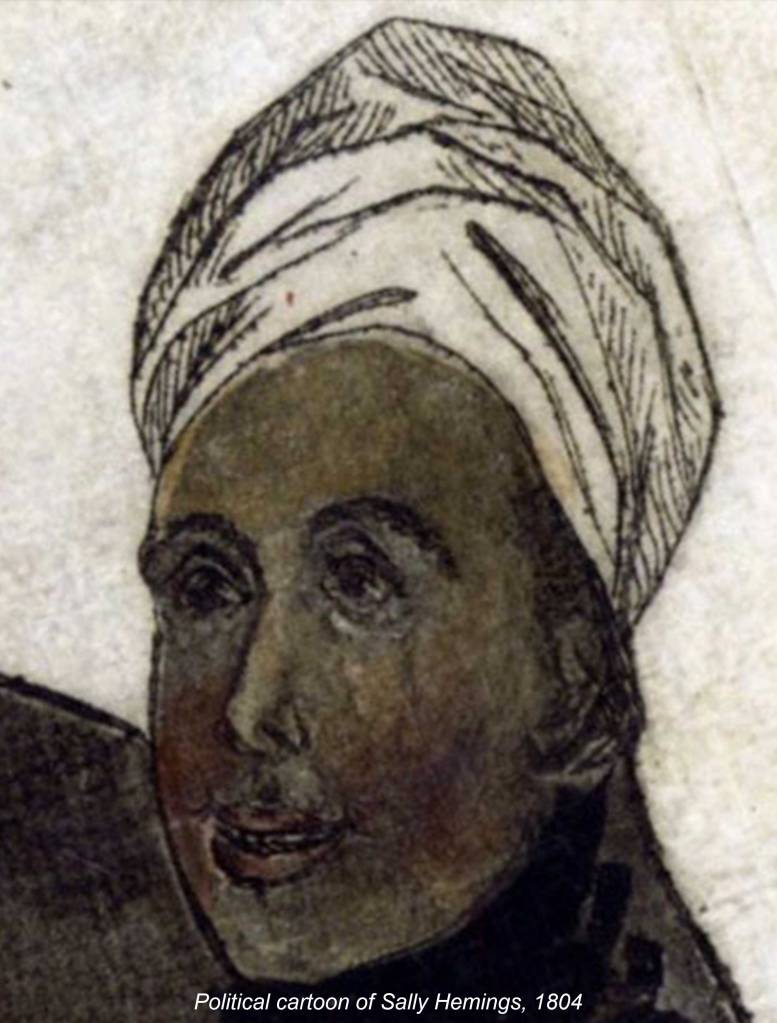
In recent years, Jefferson scholars have delved more deeply into the lives of the enslaved people who lived at Monticello.  Among them were the many generations of the Hemings family, who held important jobs in the household.  Young 14-year-old Sally Hemings is thought to have been the daughter of Jefferson’s father-in-law, John Wayles. 

It was with this enslaved girl that Jefferson carried on a life-long affair, and with whom he fathered several children. DNA evidence has shown that Jefferson fathered at least one of Sally Hemings’ sons, bearing out the truth of the old rumors and political slander that accompanied this liaison. Jefferson cared for Sally’s biracial children and eventually freed them. However, Sally Hemings was never legally emancipated. Instead, she was unofficially freed—or “given her time”—by Jefferson’s daughter Martha after his death.

Clearly, Thomas Jefferson’s relationship with slavery was a painful and complicated one. Yet he will always remain an important founding father and influential force in the formation of our nation.   

Hoodoo Traditions on the Plantation

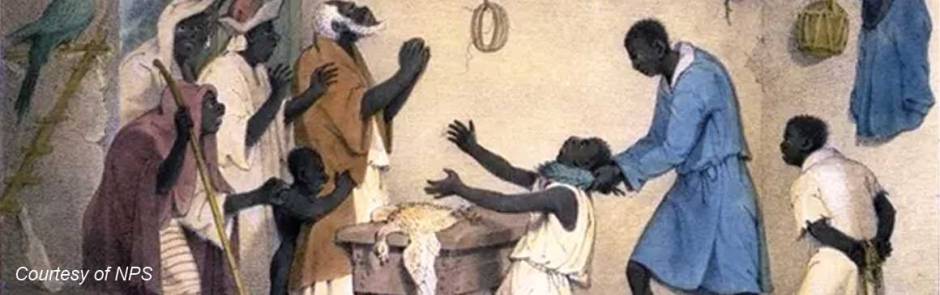
When Africans were captured as slaves and transported to the Americas, they naturally brought with them many of the traditions and cultural practices from their homelands. One cultural practice that had tribal origins in Central and West Africa was hoodoo, a spiritual tradition that was popular among enslaved people on numerous American plantations, including White Haven. What exactly WAS hoodoo?

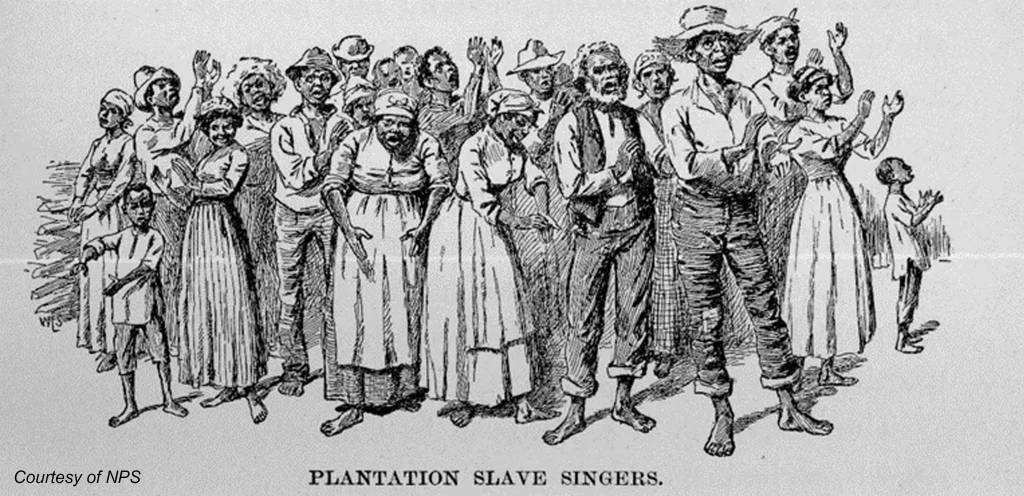
Hoodoo (not to be confused with voodoo) is not a religion per se. It is a collection of rituals such as herbal healings, ancestor worship, song, and folk magic inspired by African religious practices. The practice of hoodoo arose when enslaved workers were forced to become Christians upon arrival in North America. Although the rituals were historically used for curative and protective purposes, they also provided empowerment and comfort for people who had little agency over their lives. Often, hoodoo practitioners attempted to communicate with ancestors and created spells that called for justice and vengeance. Because it was a crime for the enslaved to practice African traditions, many hoodoo practices were hidden from slave owners.

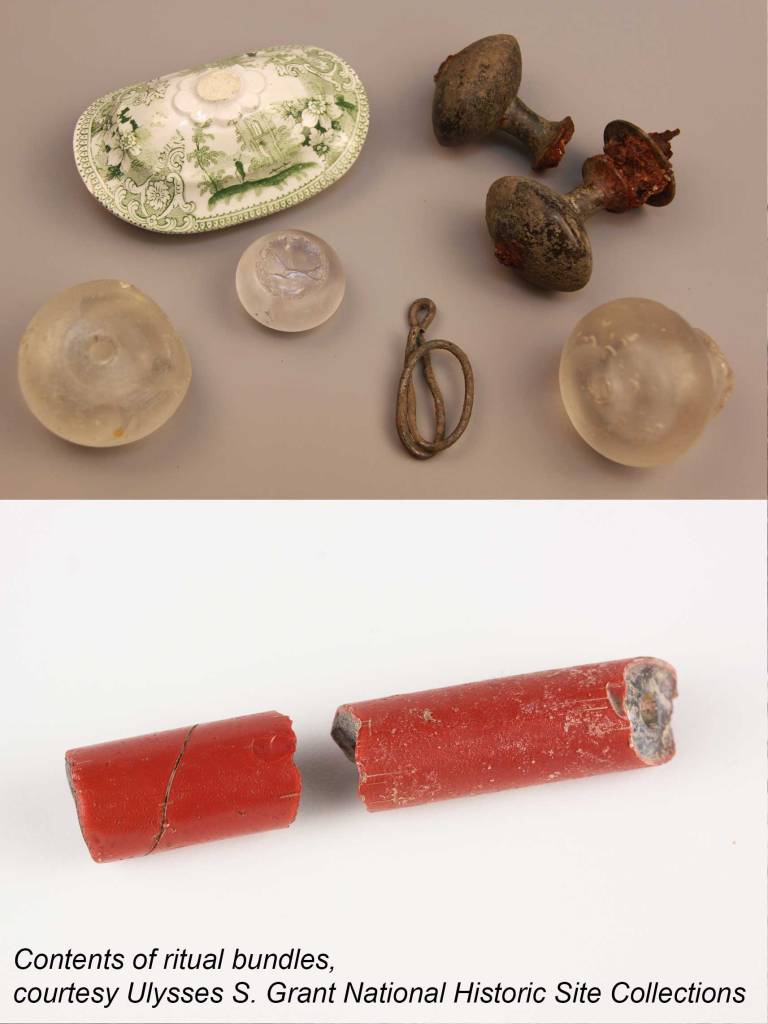
Archeologists and historians working in the 1990s discovered evidence that hoodoo was practiced by the slave community at Ulysses S. Grant National Historic Site. They found cloth bundles known as minkisi buried beneath the floorboards at White Haven. These bundles purportedly contain spirits that inhabit objects created by a conjurer.   

The objects found inside the White Haven minkisi included beads, buttons, crab claws, a peach pit, crystals, seashells, iron, and sharp projectile points – each of which carried a spiritual meaning. Silver dimes were found in the site’s Winter Kitchen, often used in hoodoo as protective charms. Other items found in minkisi bundles at the historic site were similar to those found in conjure bundles on other slave plantations. 

Hoodoo practices did not end when slavery was abolished in the U.S. In the late 19th century and well into the 20thcentury, some African Americans turned to hoodoo to help them find jobs or to protect them from law enforcement and racial violence. They also practiced hoodoo to treat illnesses using herbal remedies. These African-derived practices and beliefs continue in some African American communities today.  

🥶 Baby, It’s Cold Outside! 🥶

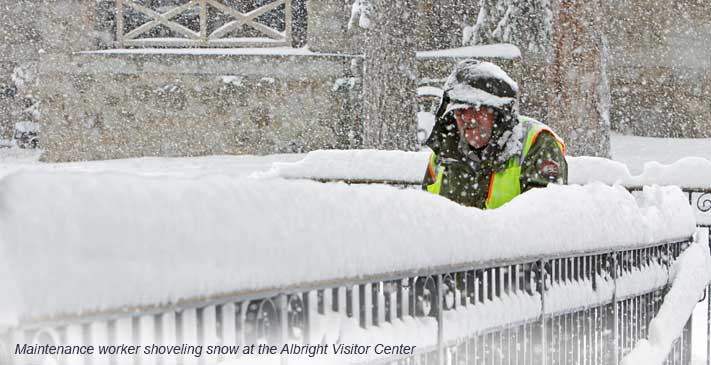
So far, it’s been a challenging winter for many of us.  If you live in the Midwest, you’ve probably had to bundle up in recent weeks as snowstorms and bone-chilling temperatures have settled in.  If you still need a few more additions to your winter wardrobe, our partner park stores have just the thing to keep you toasty and warm, and you can order all of them online.

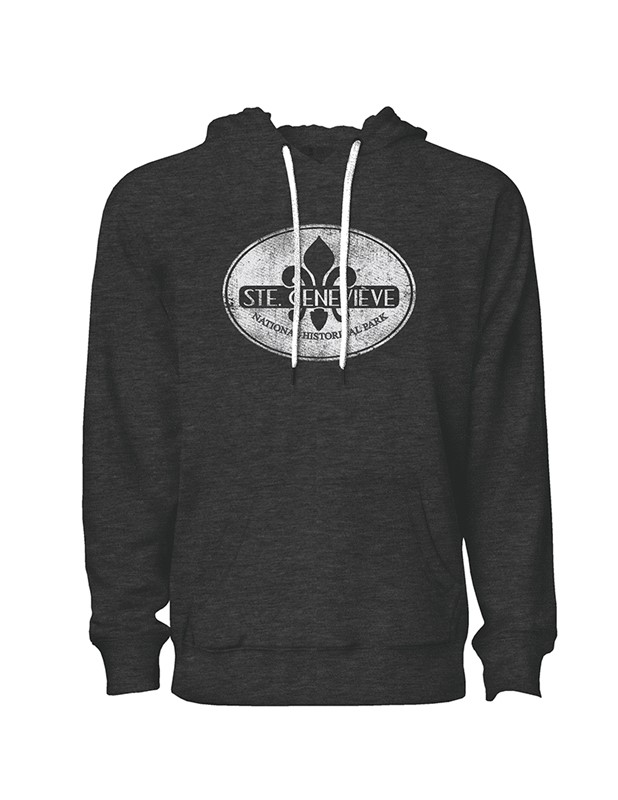
Are you craving a new hoodie or sweatshirt to snuggle into?  We’ve got you “covered” (ahem).  How about this charcoal-colored hooded sweatshirt made of cozy French terrycloth, featuring the logo of Ste. Geneviève National Historical Park?

Or this handsome hoodie from Missouri National Recreational River, in a light ash gray? 

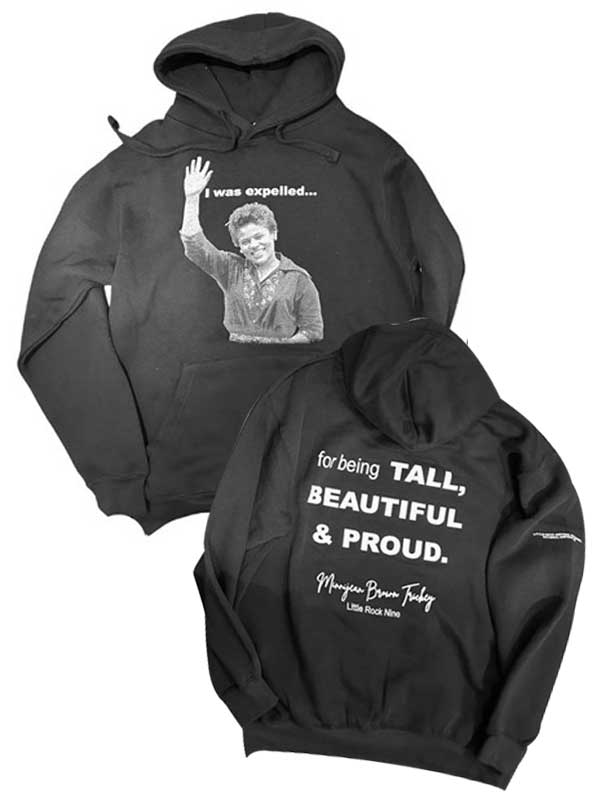
For those who want to make a political statement, there’s our “I Was Expelled” black hooded sweatshirt from Little Rock Central High School National Historic Site. It features an image and quote from Minnijean Brown Trickey, one of the Little Rock Nine. 

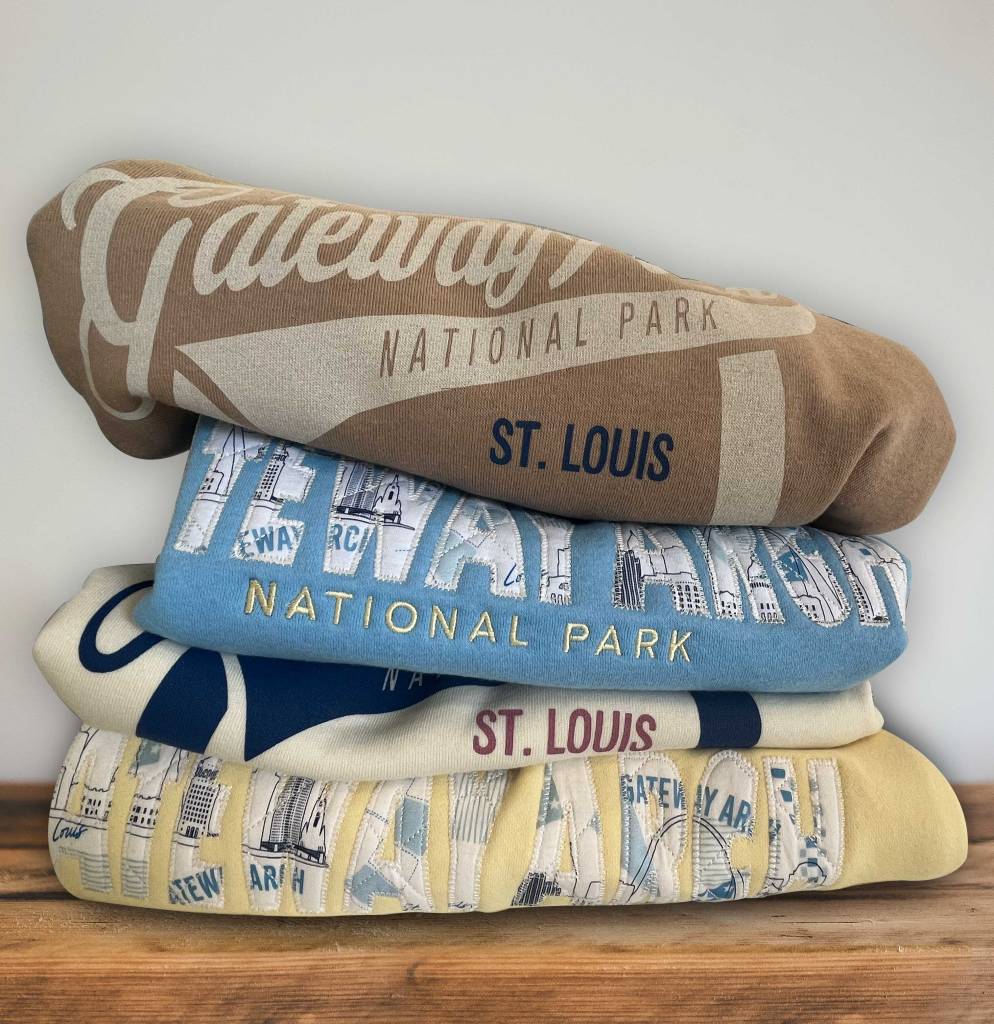
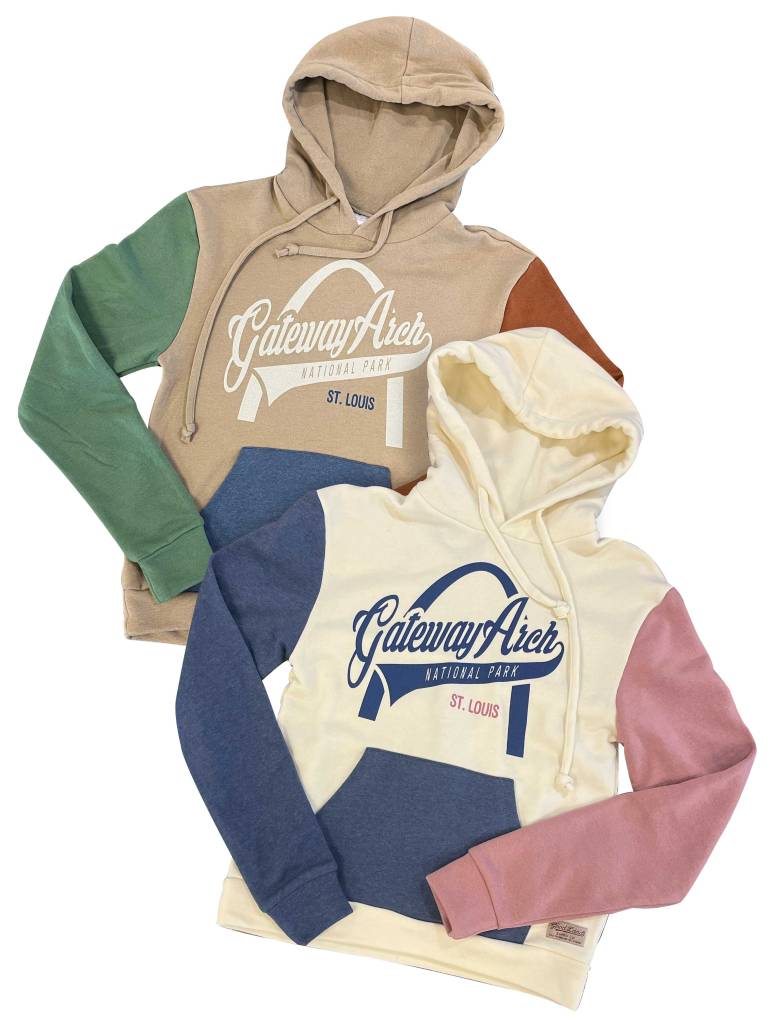
Or how about this multi-colored, super soft sweatshirt from Gateway Arch National Park?  

Not to worry, we haven’t forgotten your head and your toes! Fans of Voyageurs National Park will love this warm pom-pom beanie, knitted in a colorful design. 

Or maybe you’d prefer to sport these fun socks that celebrate Gateway Arch National Park. 

Whatever winter apparel you choose, you can feel even warmer when you know your purchases directly support educational programming and exhibits at each of our parks.

Grant’s Very Unpleasant Ride

Many of us shudder at the prospect of enduring bone-chilling weather. But imagine having to endure sub-zero temperatures on a multi-day outdoor journey, on bad roads through rugged wilderness, and on horseback! That’s what Ulysses S. Grant had to face during the winter of 1864 as he searched for supply lines for his Union troops fighting the U.S. Civil War.

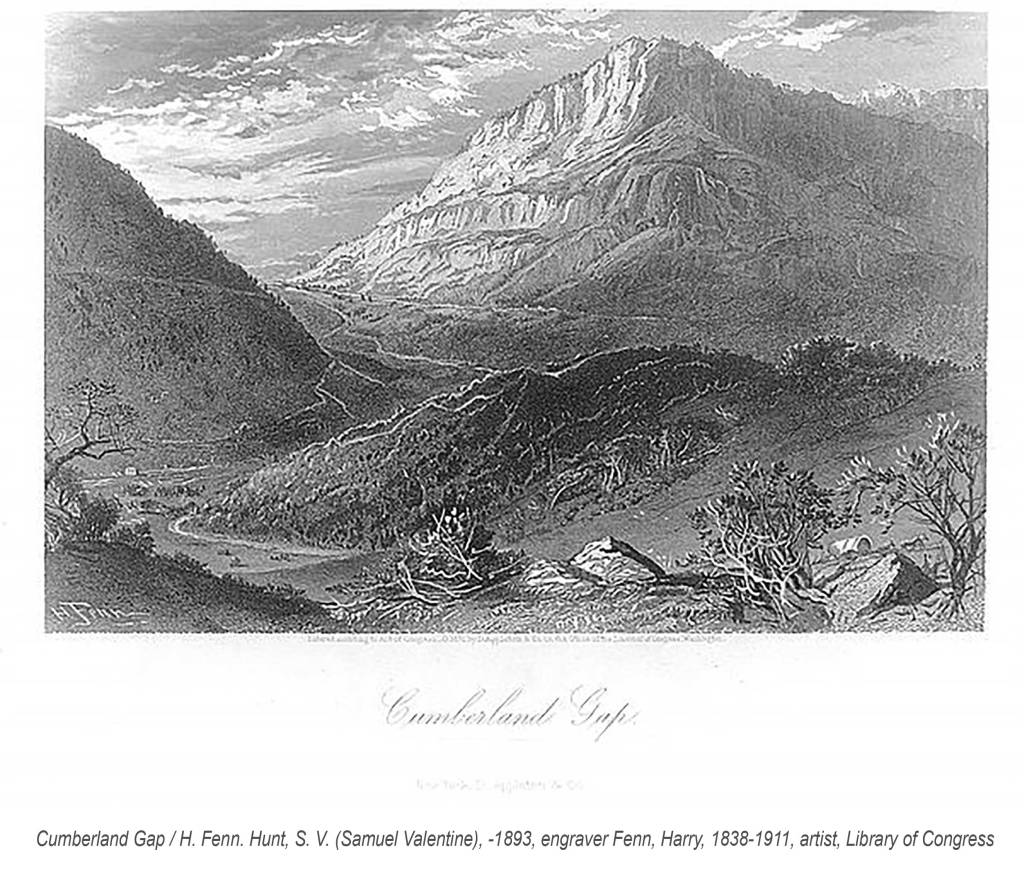
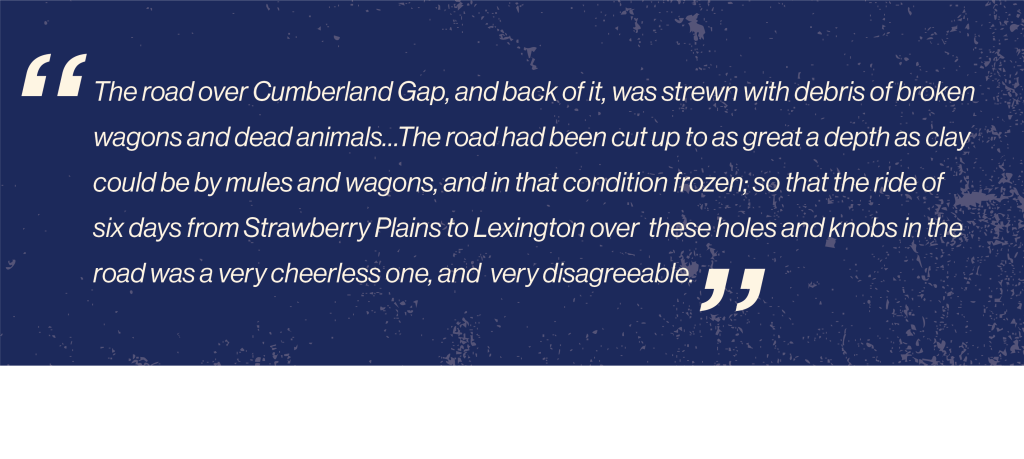
The Union general was laying plans to capture Atlanta, well before that assignment fell to General William Sherman. As Grant explored possible supply routes that would provide easy access to the front in Georgia, he was hoping the Cumberland Gap – straddling Kentucky, Virginia and Tennessee – would fit the bill. The mountain passes in the Gap were valued by both Union and Confederate armies as a way to move men and supplies between the eastern and western theaters of war. But when Grant reached the area in January 1864, what he found was quite unpleasant: 

This assessment must have been particularly disheartening for such an accomplished horseman as Grant. From an early age, he became adept at riding, training, and caring for horses, and used those skills during his military career and private life. Some historians believe he bought the White Haven property (now Ulysses S. Grant National Historic Site) from his wife’s family after the Civil War mainly to breed and raise horses.

Grant ultimately had to abandon his plans to move troops through the Gap that freezing cold winter.  He might have succeeded in reaching Atlanta by other routes, but President Lincoln interrupted that strategy.  Lincoln promoted him to the rank of Lt. General in March 1864, and placed him in command of the Union armies. 

Grant’s eventual plan to win the war involved immobilizing General Robert E. Lee’s army near Richmond, Virginia, while General Sherman led the Union army through Georgia. Grant went on to force the Confederates to surrender in 1865.

To learn more about the life and accomplishments of Ulysses S. Grant, consider a visit to Ulysses S. Grant National Historic Site.

The Secret Staircase within the Gateway Arch

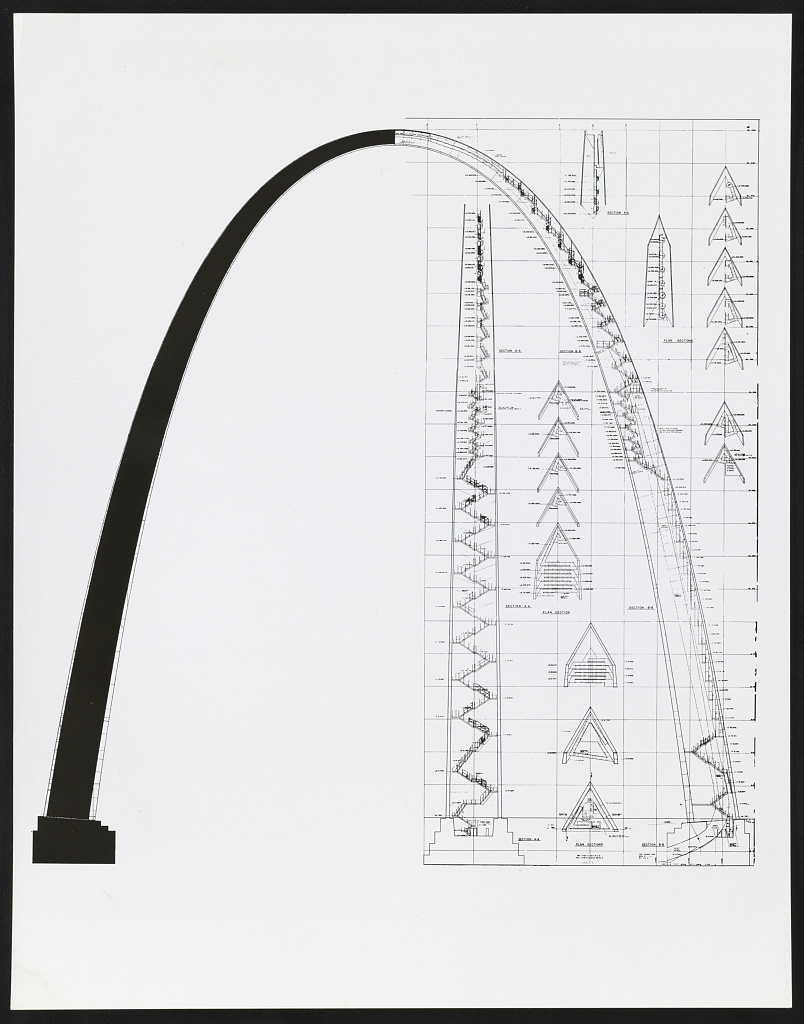
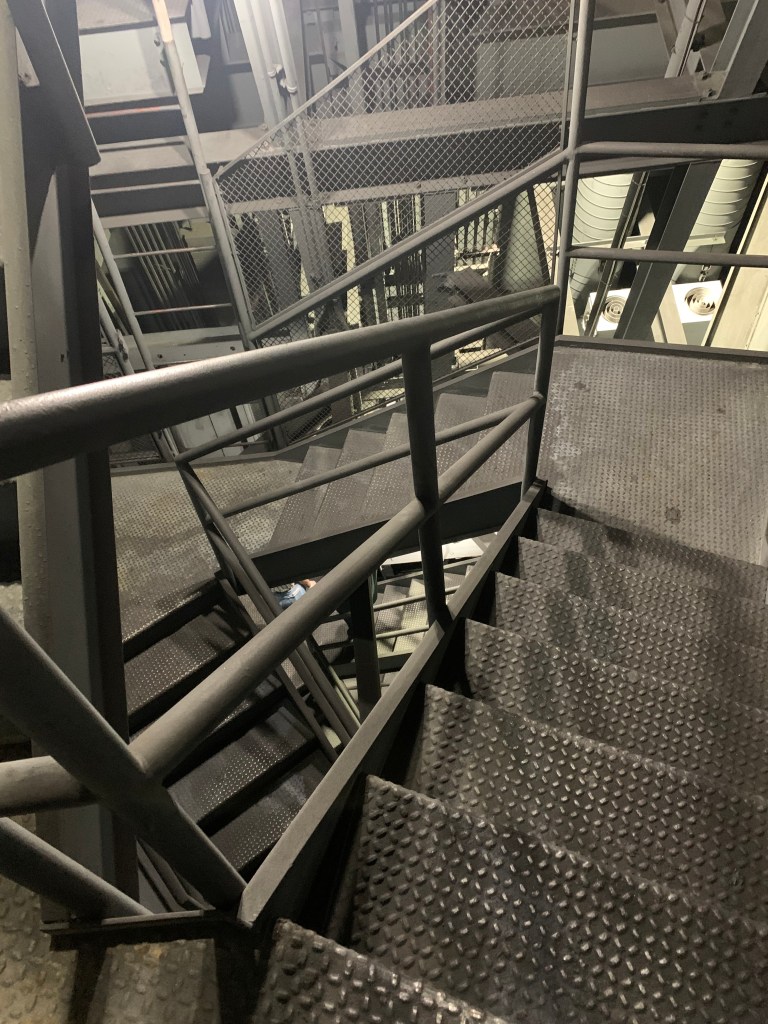
Shh, wanna know a secret that most visitors to Gateway Arch National Park don’t know?  There’s another way to get to the top of the Arch, beyond riding in a tram car. There’s a hidden staircase inside each leg of the Arch, with 1,076 steps on each side. 

Architectural drawing of the staircase inside the Gateway Arch. Credit: Library of Congress

But if the idea of climbing that many stairs makes your head spin, don’t worry.  The staircases aren’t for public use.

When the Arch was built in the 1960s, the designers had already made plans for a tram system to carry visitors up to the observation deck (and down again).  But they knew that park staff would also need access to the tram system for routine maintenance.  So they installed the stairways.  The stairs are an engineering feat, using 105 landings to snake through the curved structure. 

Visitors can sometimes glimpse the hidden staircase through the small windows as they ride up and down in their tram car.  So the next time you take a tram ride at the Arch, you can share the “secret” with your fellow riders!