
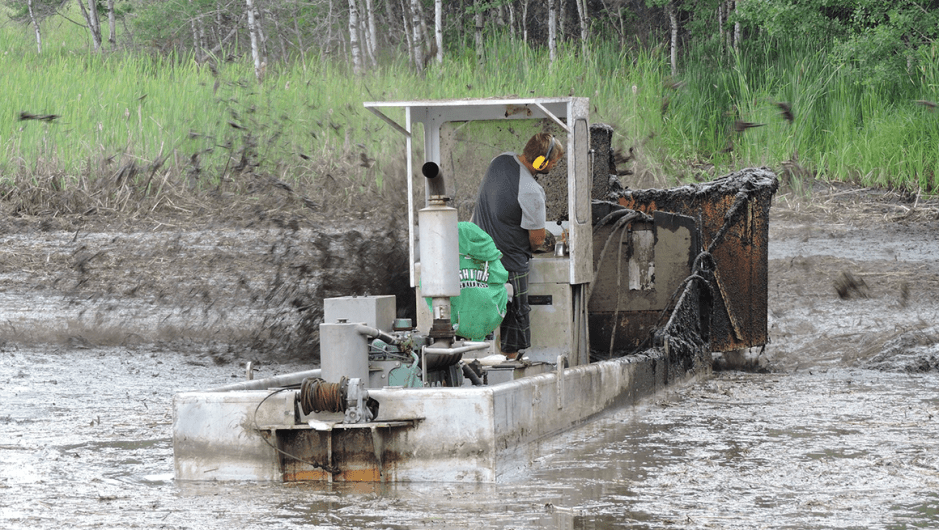
We’ve all heard about invasive plants and the havoc they can wreak on natural ecosystems, including our own backyards. But what do you do when you’re faced with 500 acres of an aggressive invasive plant that is threatening wildlife and degrading local habitats?
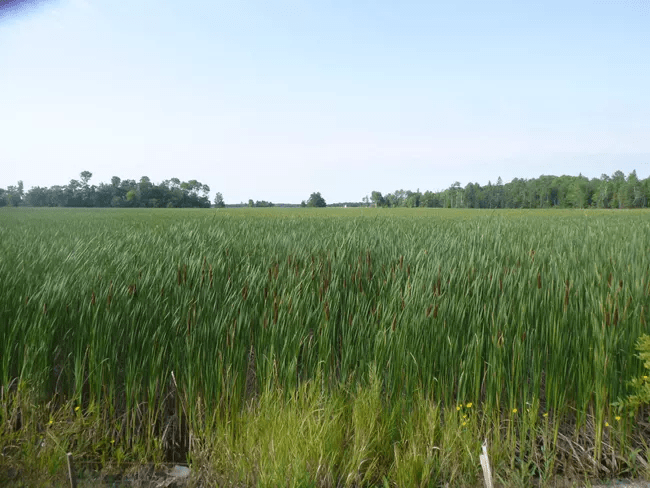
That’s the problem facing Voyageurs National Park. Several decades ago, hybrid cattails started invading some of the 20,000+ acres of wetlands in Voyageurs. They began to form dense floating mats on the surface of the lakes, choking shorelines and displacing native communities of plants such as wild rice, sedges, rushes, and the less hardy species of native cattails. The invasives also threatened the habitat of numerous aquatic animals in the park, including muskrats, waterfowl and other birds, and various fish species like northern pike.
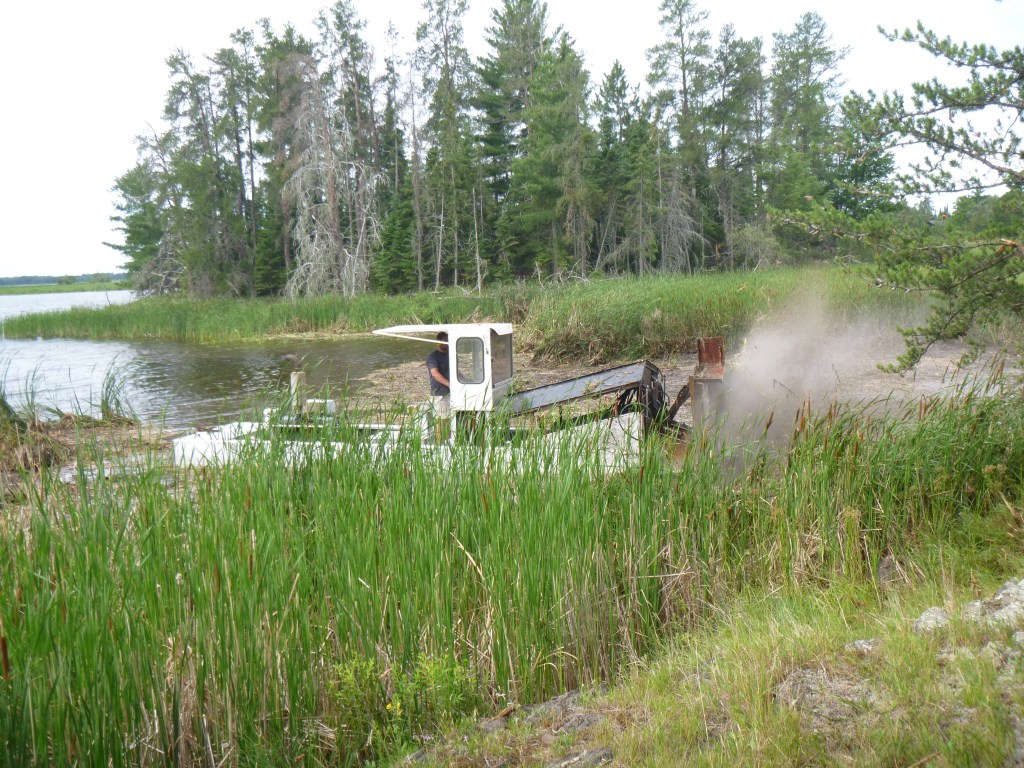
Park officials have had some success in removing the invasive cattails with controlled burning. But they found the most effective scheme is to make use of large (and costly) amphibious equipment to mechanically remove the unwanted cattail clumps.
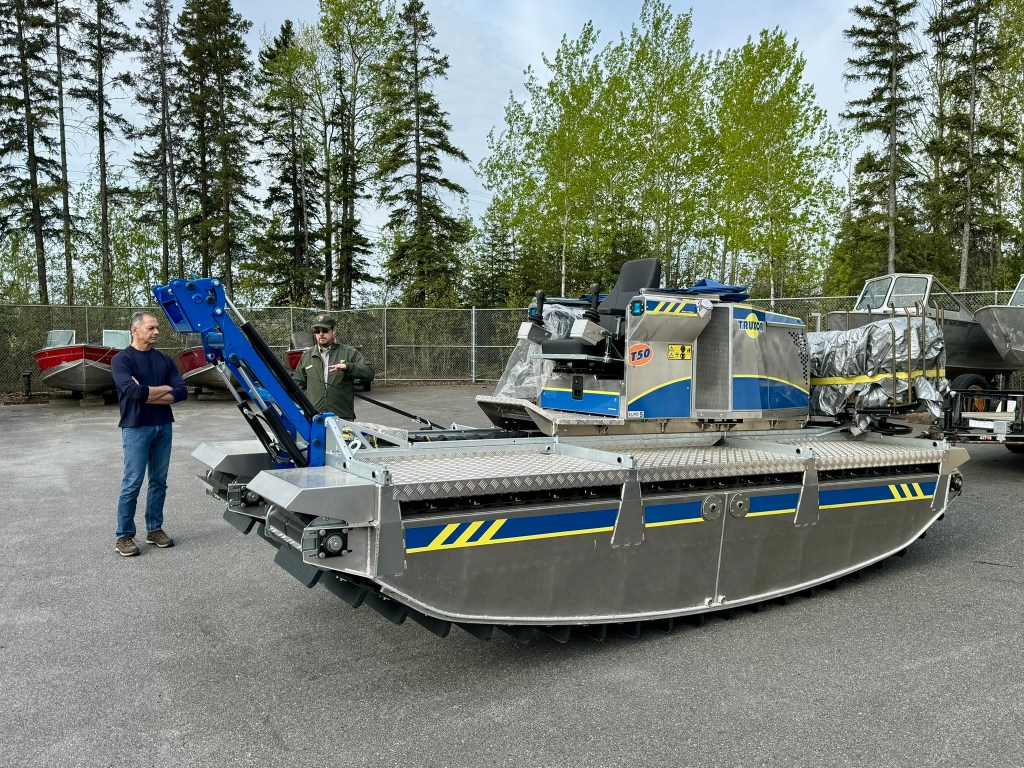
Fortunately, Voyageurs was able to qualify for a new Guaranteed Match Program that JNPA started offering its partner sites. With $10,000 in matching funds from both JNPA and the Voyageurs Conservancy, the park was able to secure a $20,000 grant from the Conservation and Outdoor Recreation Challenge Cost Share Program from the National Park Trust. A total of $40,000 was dedicated to the cattail removing equipment.
“JNPA is proud to serve our park partners by supporting their important work,” says JNPA President & CEO David Grove. “So we’re very pleased to help fund this ecosystem restoration project at Voyageurs.”
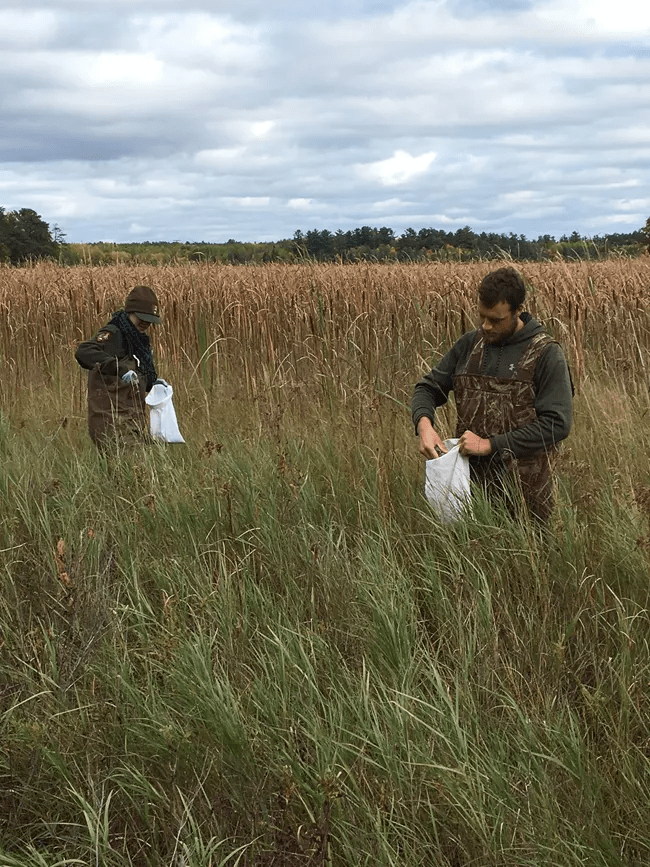
Once the non-native cattails are removed, the park plans to restore many of the degraded wetlands using seeds from local plant species, encouraging the return of healthy and diverse ecosystems. This fall, the Voyageurs Conservancy will host a volunteer program aimed at collecting wild rice seeds from healthy areas of the park and sowing them in the newly renovated wetland areas. Wild rice has long been an important food for the native Ojibwe people. Historically the wild rice in the area that is now Voyageurs National Park was so plentiful that during the fall harvest the Ojibwe could fill one canoe with 400 pounds of rice! When you visit one of JNPA’s stores in the park, be sure to pick up a few bags of native wild rice.
To see the cattail removal project in action, check out this fascinating little NPS video.
Header photo credit: NPS
 JNPA Blog