It’s a bird! It’s a plane! No, it’s…

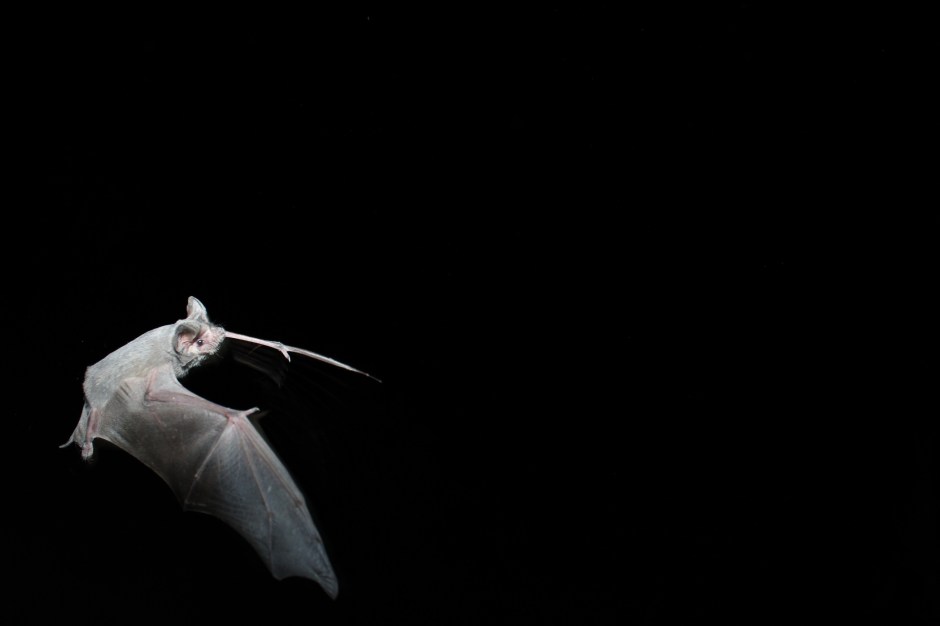
Pop quiz! What animals are small, furry, eat thousands of mosquitoes every night, and are critical to many natural ecosystems?  Bats!  

National parks are home to 45 species of these cute (to some!) little mammals, each of which play an important role in nature.  Yet they have recently been decimated by a deadly disease. Luckily, Missouri National Recreational River and many other national parks are working to rescue bat populations.

Why is it so important to protect bats? In contrast to the pop culture depiction of tiny flying vampires, most bats eat insects, fruit, plant nectar, or small animals such as fish or frogs. In fact, only three of the nearly 1,500 bat species in the world drink blood, and they only live in Central and South America. Insect-eating bats feed on so many flying pests that their contributions would add up to more than $3 billion worth of pest control in the United States alone!
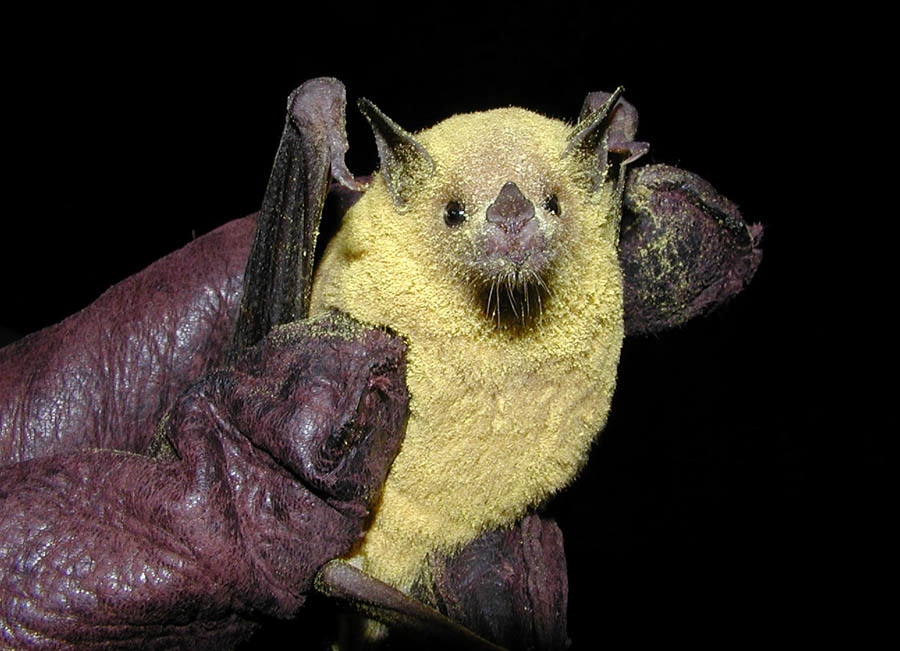
A lesser long-nosed bat covered in pollen from an agave flower. Credit NPS.

Additionally, bats are excellent pollinators. Do you enjoy tequila? Well, thank bats because they are the number one pollinator of blue agave! Bats also contribute to the ecosystem by supporting cave communities, distributing seeds from the fruit they eat, and serving as prey to other animals. Bats have even inspired technological advances such as sonar systems designed after bats’ echolocation and new types of drones inspired by bats’ thin, flexible wings!

It’s clear that bats are AMAZING animals, so what is wreaking so much havoc on their populations? It’s a disease known as white-nose syndrome, caused by the fungus Pseudogymnoascus destructans. The fungus infects bats during hibernation, covering their face and wings. This causes the bats to wake up more frequently, use up their fat reserves, and starve before winter is over. The fungus is easily transmitted through physical contact, either with infected bats or on cave surfaces. Because the fungus spreads through contact, it can also be carried on shoes, clothing, and supplies. That’s why scientists urge people who visit caves to thoroughly decontaminate all of their clothing, shoes, and supplies before and after their visit.
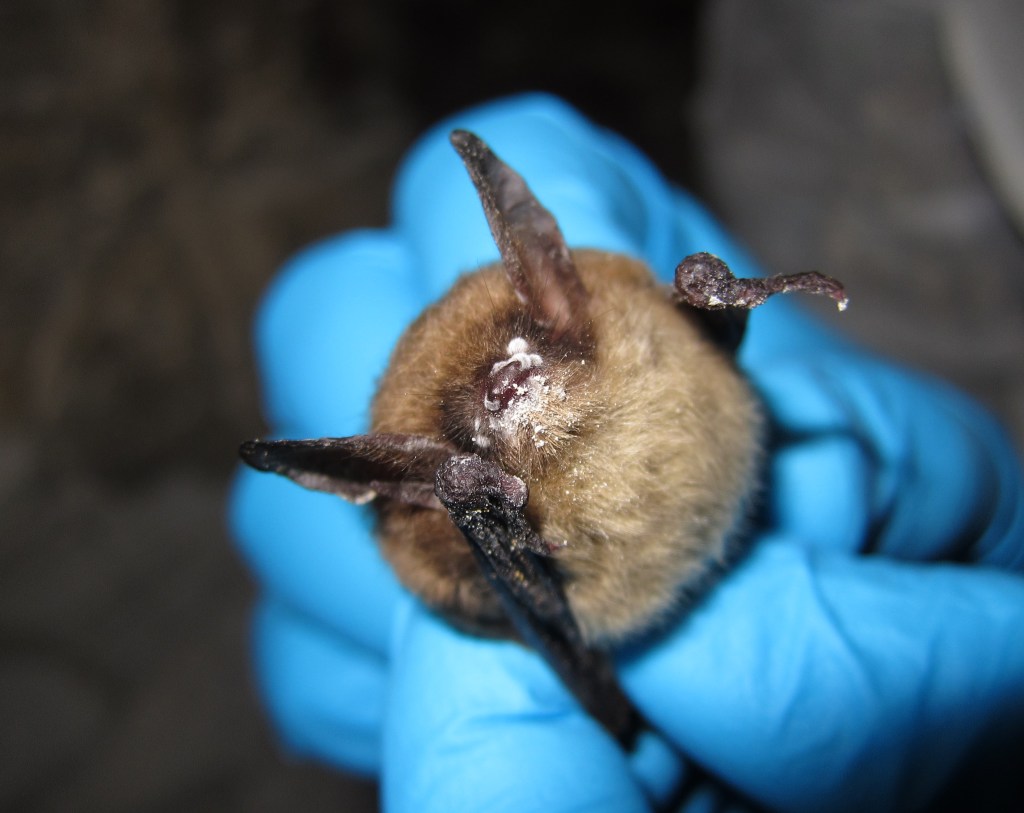
A northern long-eared bat with visible symptoms of white-nose syndrome. Credit US Fish and Wildlife Service.

Missouri National Recreational River, a JNPA partner park, began an acoustic monitoring program in 2014 to monitor bat populations in and around the park. Acoustic recorders were installed to detect the calls bats use for echolocation. Different species of bats have different calls, so this system can also determine what species are in and around the park. Researchers then review the recordings and analyze the data.

A bat acoustic monitoring station at Missouri National Recreational River. Credit NPS.

So far, scientists have determined that eight species of bat call the park home: the big brown bat, eastern red bat, hoary bat, silver-haired bat, little brown bat, northern long-eared bat, evening bat, and tri-colored bat. Although white-nose syndrome has been detected in nearby populations in South Dakota, thankfully it has not been detected within the park boundaries.

If you want to learn more about bats and how to help protect them and their habitats, visit the National Park Service website.
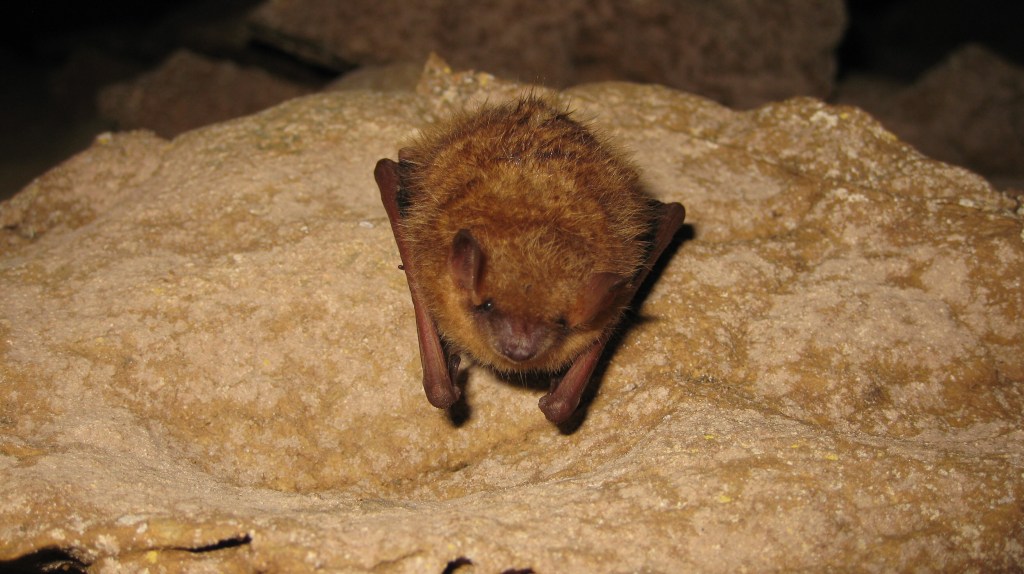
A tri-colored bat. Credit NPS.

The Amazing Discoveries of Lewis and Clark

If you fancy yourself an outdoor explorer, there are natural treasures waiting to be discovered amidst the hustle and bustle of downtown St. Louis.  Where, you ask?  Gateway Arch National Park, of course!

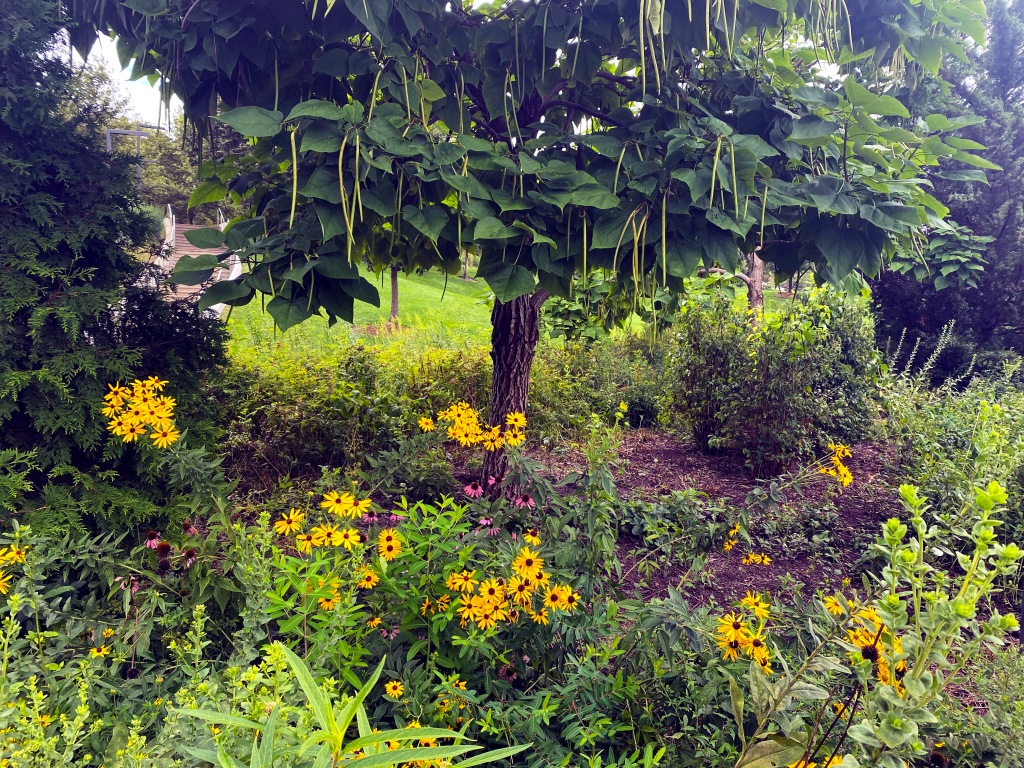
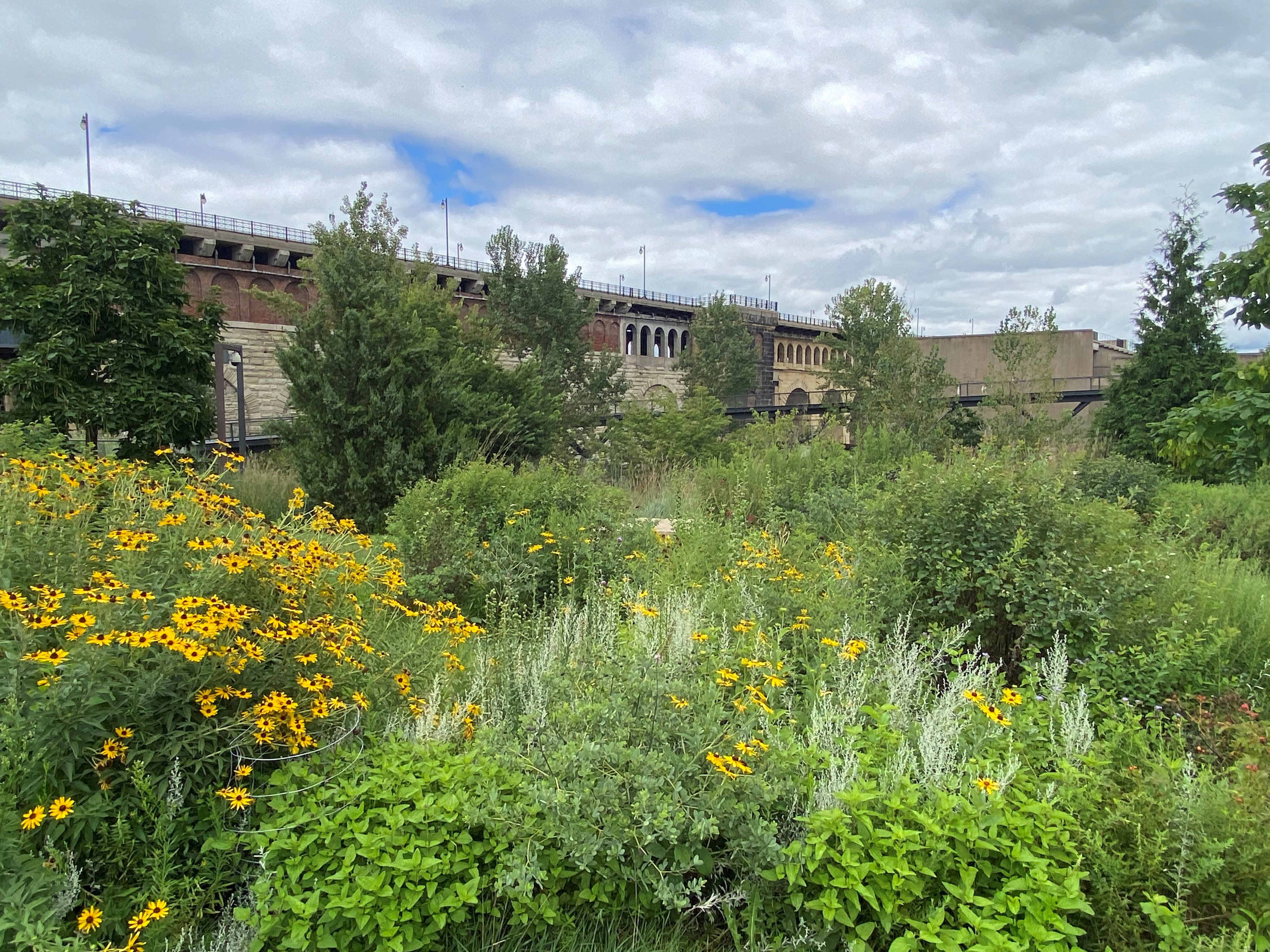
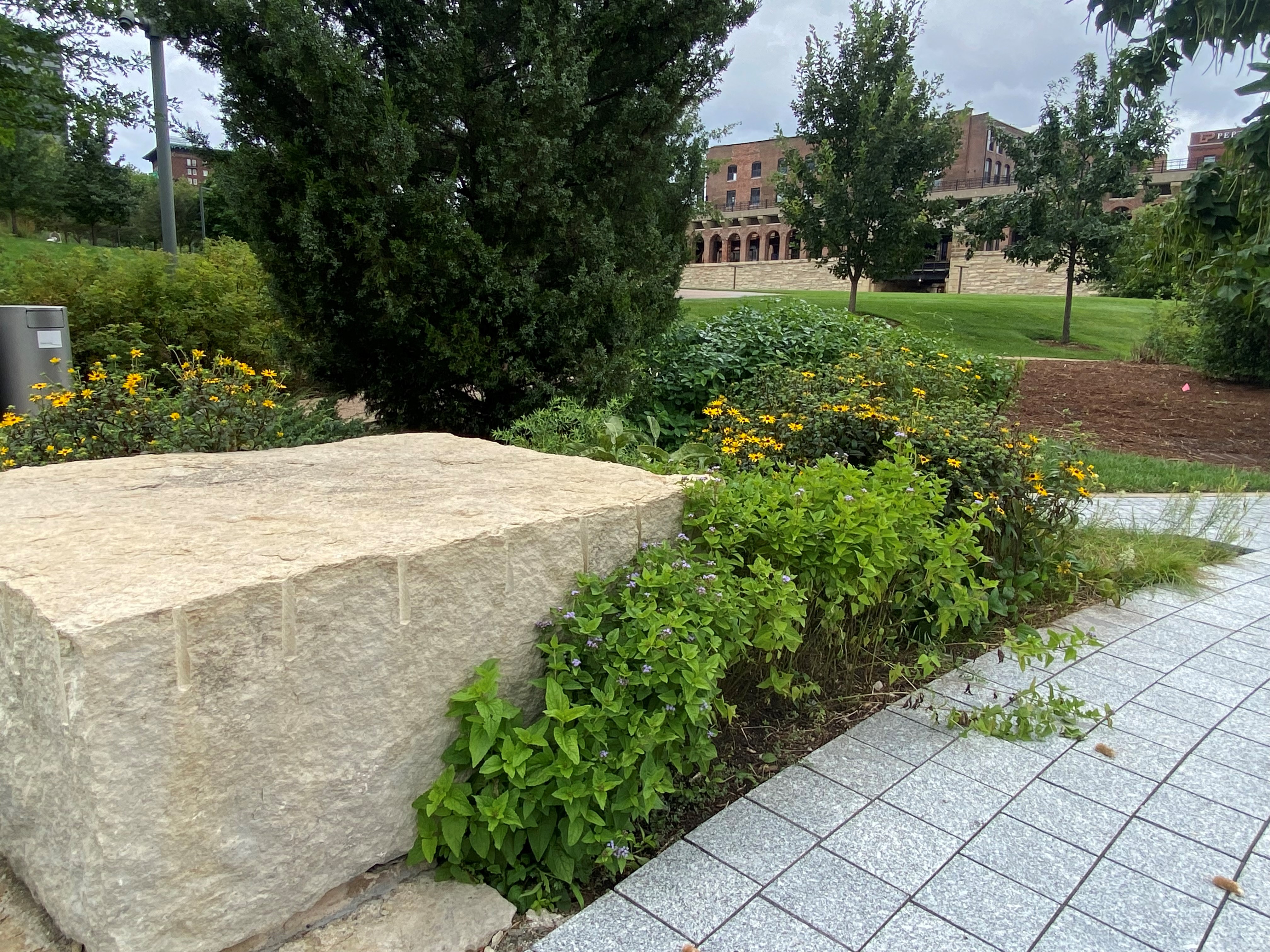
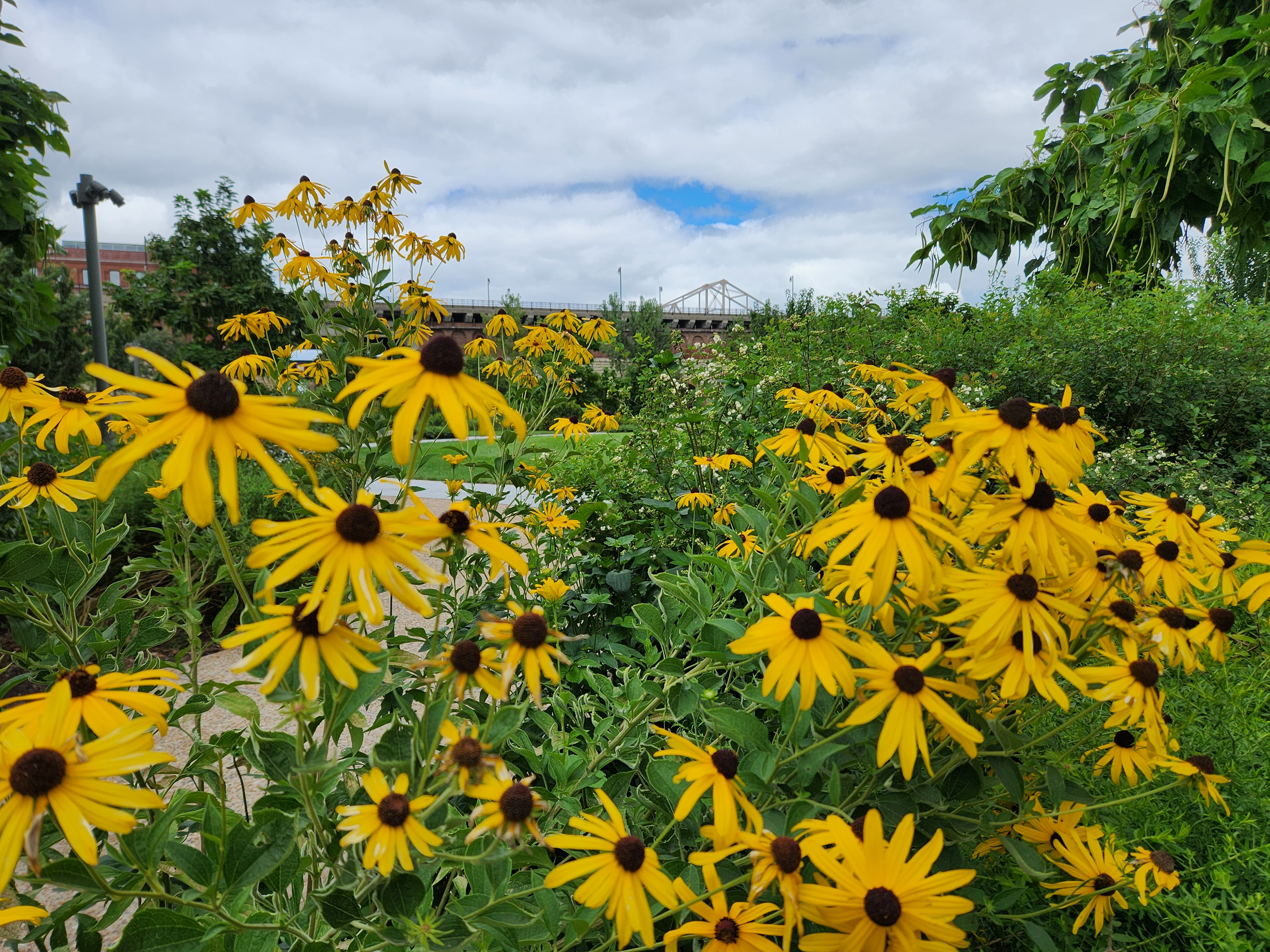
Although the 91-acre Arch grounds are dominated by manicured grassy areas, tree-lined paths, and sculptured ponds, there’s a small area at the north end of the park that looks a bit wilder.  This inviting little oasis – dubbed the Explorers’ Garden – is planted with some of the trees, bushes, and perennials that Lewis and Clark found on their famed expedition to the western U.S.  And it’s just waiting to be investigated!

Meriwether Lewis (left) and William Clark (right)

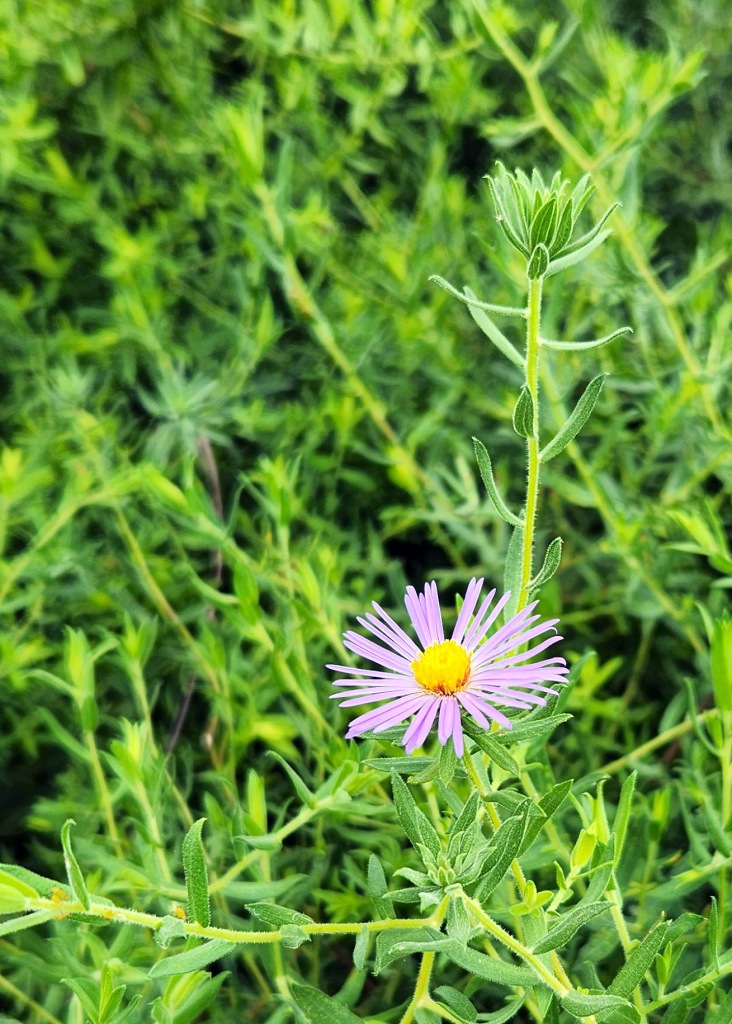
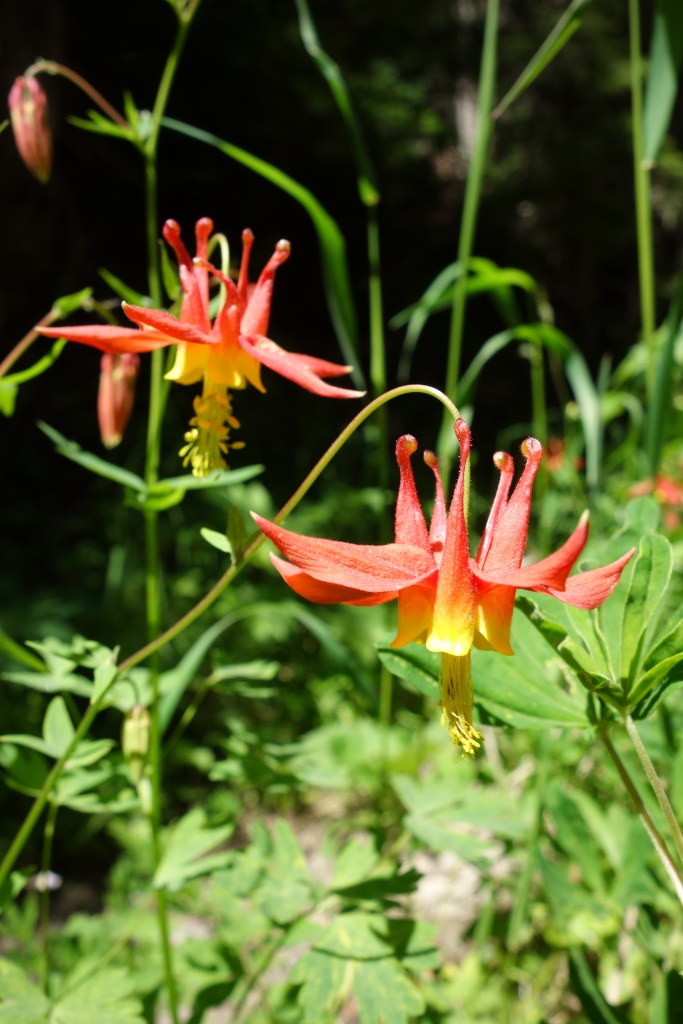
Between 1804 and 1806, Meriwether Lewis and William Clark were commissioned by President Thomas Jefferson to explore and map the newly acquired western portion of the continent.  Their extensive journals recorded measurements and observations of the rivers and landscapes, as well as accounts of the indigenous inhabitants they encountered. They also described at least 178 species of plants that were new to science, recording their habitat, growth and use by Native Americans.  These included the cottonwood tree, slender willow, aromatic aster, prickly pear, and red columbine.

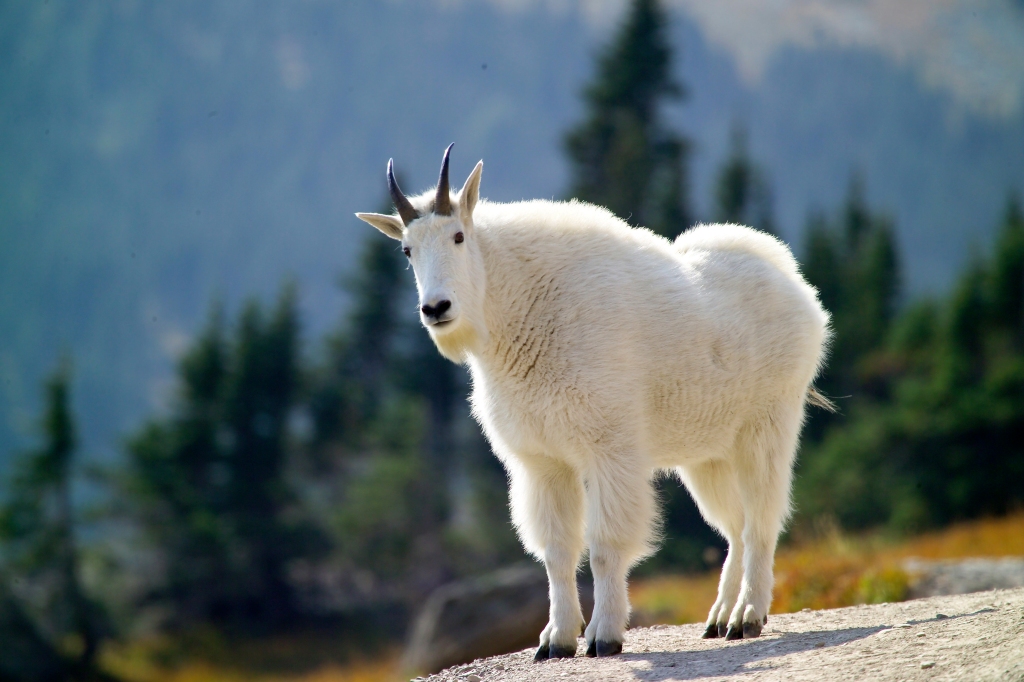
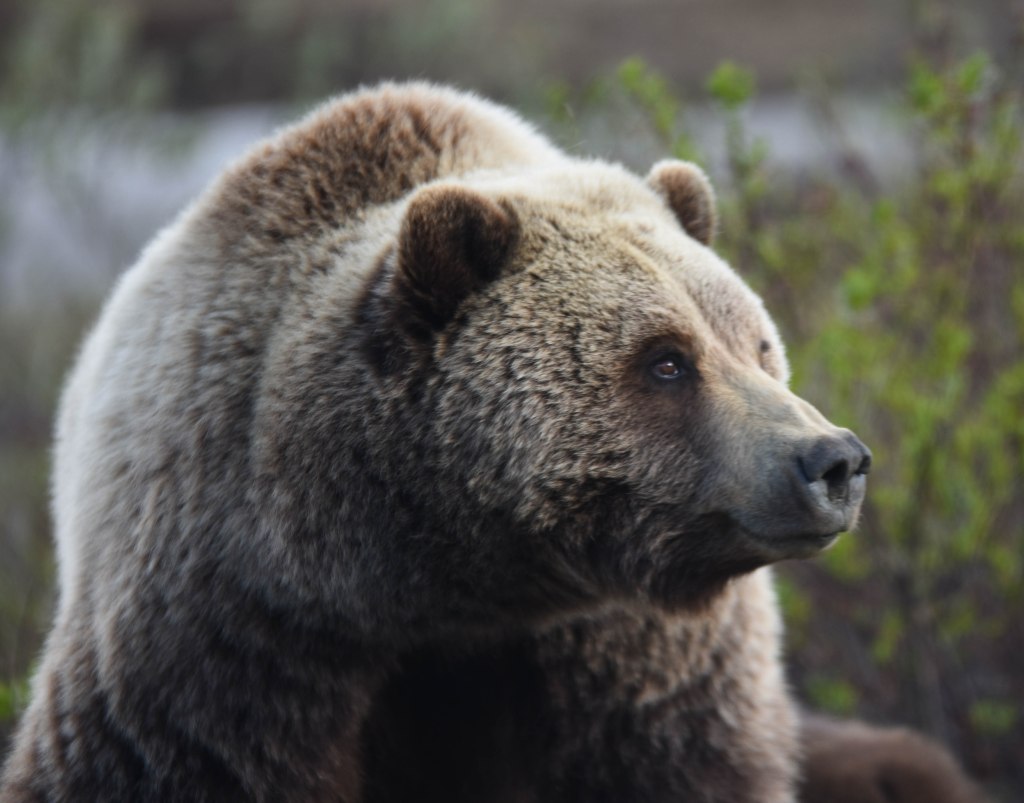
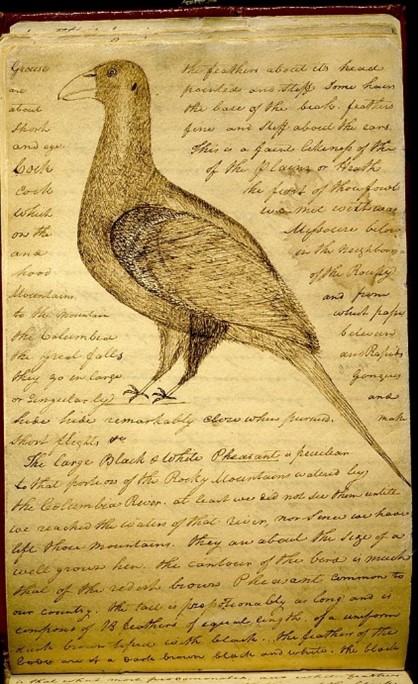
As for animals, the explorers described 122 new species of mammals, birds, reptiles, fish, and insects – including the grizzly bear, bighorn sheep, black tailed deer, mountain beaver, long-tailed weasel, mountain goat, coyote and various species of rabbit, squirrel, fox and wolf.

William Clark’s journal entry about a sage grouse, courtesy Missouri History Museum

You probably won’t find any of these animals in the Explorers’ Garden, but some of the plants that Lewis and Clark discovered are included among the variety of native plants that National Park Service staff have introduced there.  Go here to find the list of plants (click on Explorers’ Garden).  

Map of Gateway Arch National Park highlighting the Explorers’ Garden

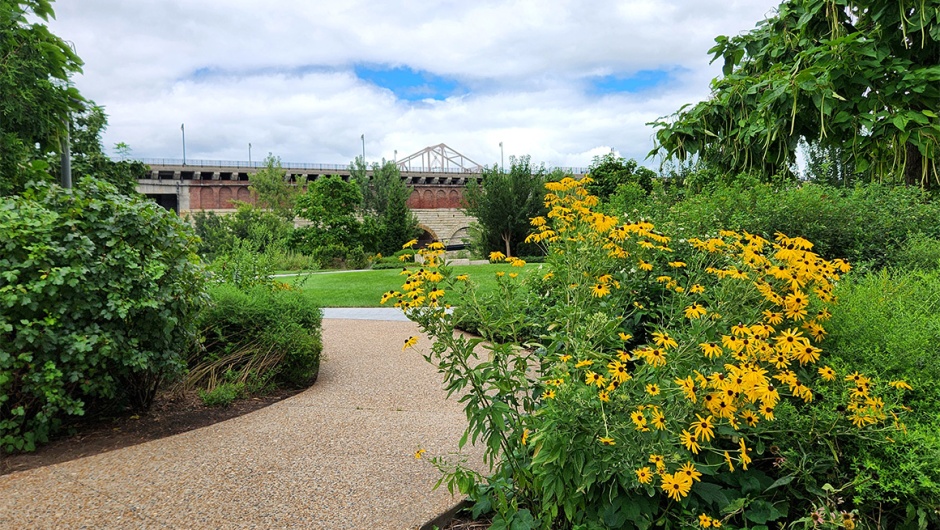
Many of these species were used by Native Americans and were described by Lewis and Clark in their expedition journals as they traveled west.  You’re invited to act as your own explorer and see what you can find – and be sure to bring the kids. The Explorers’ Garden provides a series of landscaped pathways scaled for children’s play as well as large stones they can climb. You’ll find the garden in the far northeast corner of the park grounds, in the shadow of historic Eads Bridge, the oldest bridge over the Mississippi River.

There’s no better time to visit the Explorers’ Garden than this Saturday Sept. 23, when the park will be celebrating National Public Lands Day.  History and gardening experts will be on hand to show you around, and there will be plenty of other family-friendly activities, so come on down!

If you want to help your kids learn about the famous explorers, they’ll enjoy this fun book Lewis and Clark for Kids: Their Journey of Discovery with 21 Activities.  It’s chock full of cool stories about their three-year journey, including information about the plants and animals they discovered.  You can pick it up at The Arch Store or order it from our online store.

Wonderful Winter Wildlife

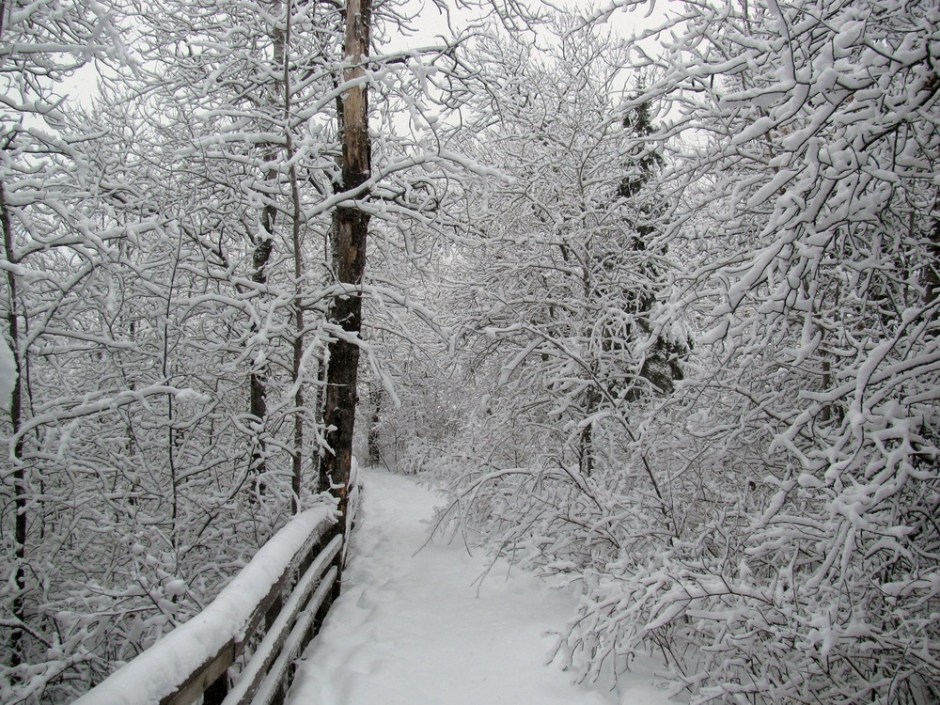
Winter, a time of frozen lakes, sparkling snowfall, frigid temperatures, and… abundant wildlife? If you’re in Voyageurs National Park, then yes! Though temperatures remain below freezing in the park for nearly a third of the year(!), that does not stop some intrepid animals from making an appearance.

Credit: NPS/Grunwald

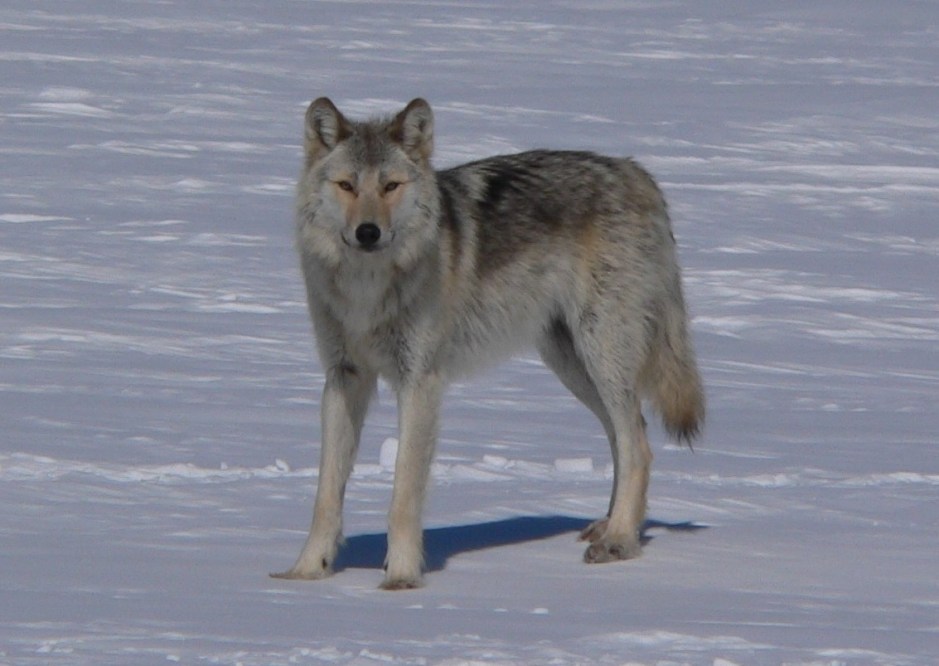
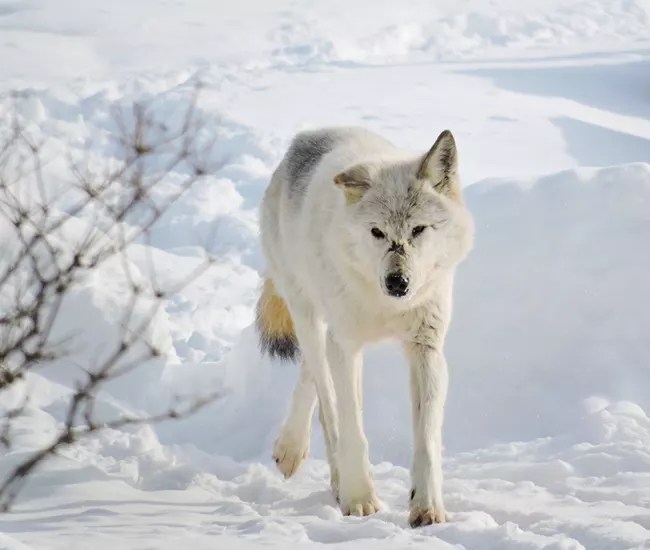
Winter is actually the ideal time of year to visit Voyageurs if you are hoping to see gray wolves in the wild. As the dominant predator in the park, they have an active and healthy population throughout the year, but during winter they can be more easily seen as they move along the lake shores hunting for food.

Credit: NPS/Nathan Hanks

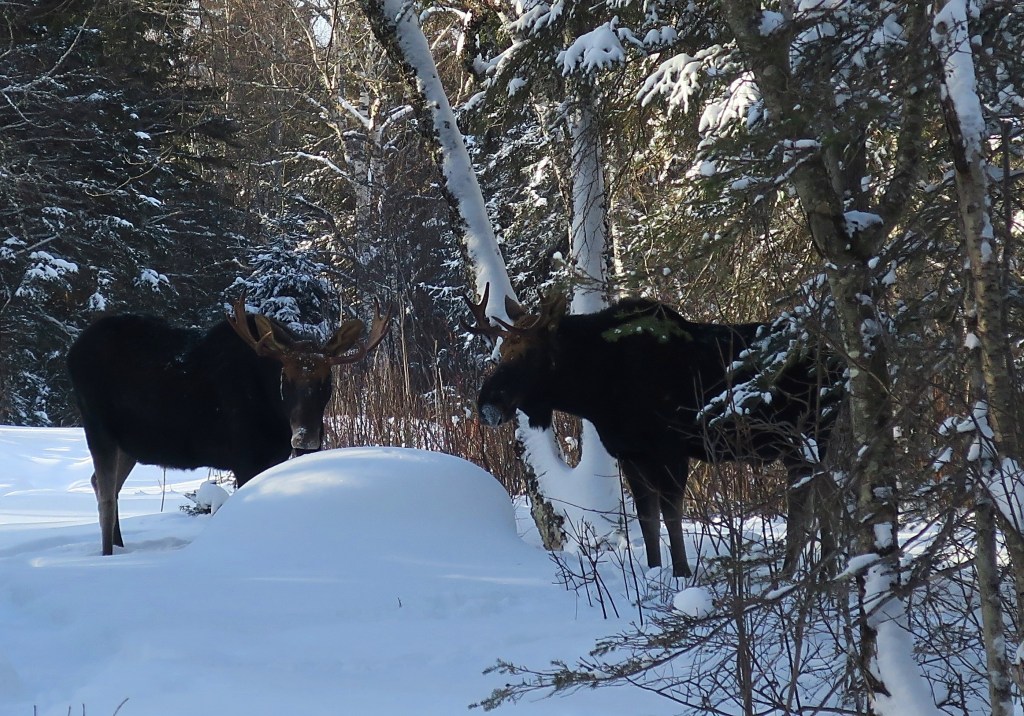
The largest mammal in Voyageurs National Park is the magnificent and formidable moose. During the winter, moose have less access to high-quality foods, instead feeding on large quantities of willow, birch, and aspen. The scarcity of food resources forces the animals to conserve their energy, which includes staying away from deep snow and using packed trails or cleared roads. This increases the likelihood that  wildlife enthusiasts might see them, though you will want to be especially alert when driving in moose territory! Even if you do not see wild moose, you may be lucky enough to spot their antlers lying in the snow, as adult bull moose shed their antlers during the winter.

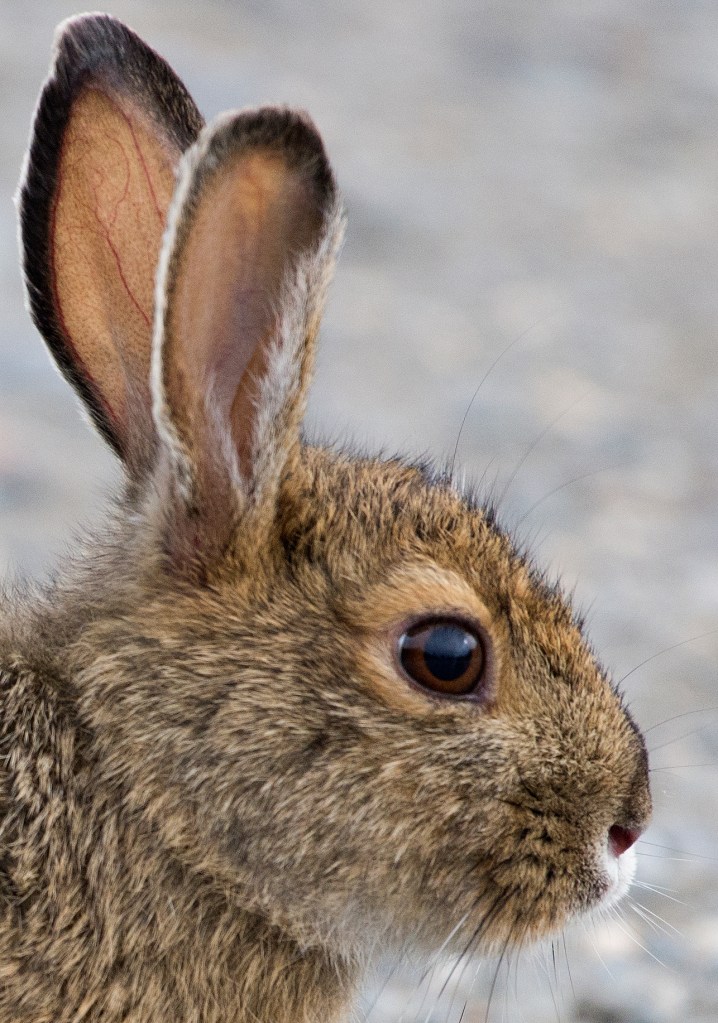
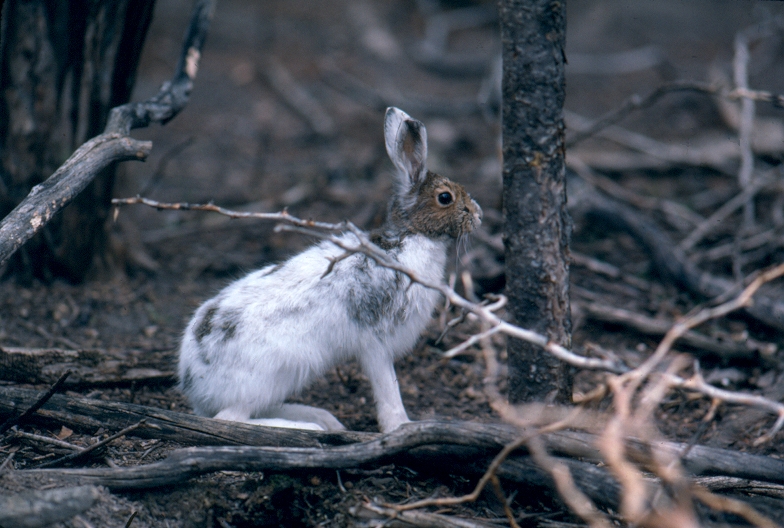
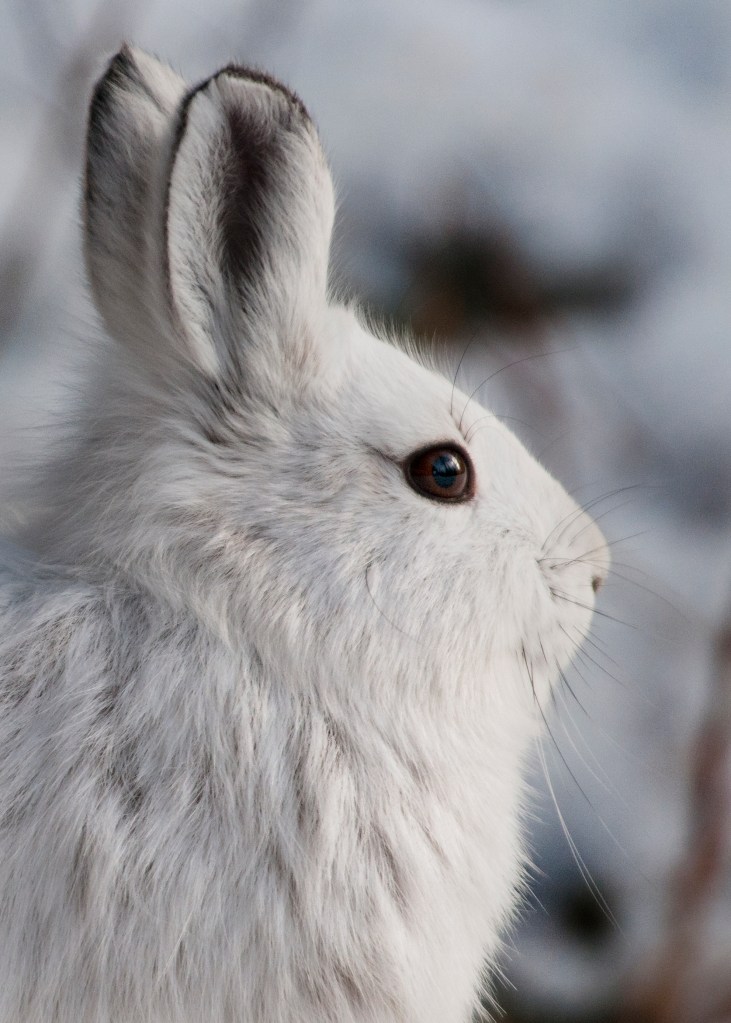
An animal that may be more challenging to spot in winter is the snowshoe hare. These small mammals are slightly larger than a cottontail rabbit and live primarily in coniferous forests such as those found in Voyageurs. Snowshoe hares are unique because their fur actually changes color depending on the season! In summer, they are dark brown to blend in with the shadows of their forest habitat. In winter, their fur turns a brilliant white which helps them to perfectly blend in with the snow.

Credit: NPS/Gordy Lindgren

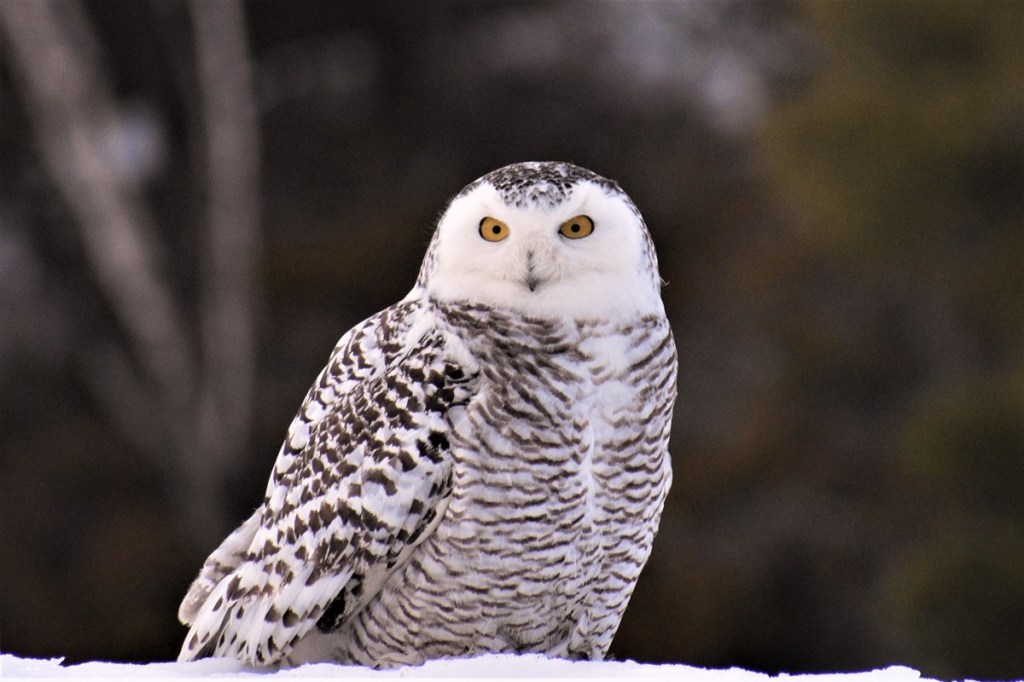
No matter the season, Voyageurs is a perfect place for birdwatching. Many species of birds remain in the park throughout the winter, including loons, grey owls, great horned owls, cardinals, and warblers. One majestic bird actually migrates TO Minnesota in winter! Canadian winters actually drive snowy owls south to the more “moderate” climate of Voyageurs National Park, though they return north during the warmer summer months. These beautiful birds have perfect camouflage for the snowy months and the eerie ability to fly in complete silence, presenting a challenge for birdwatchers.  But if you are incredibly lucky, you may be able to spot one!

Voyageurs National Park: 80 Years in the Making

Voyageurs National Park is a wonderland of lakes, streams, forests, and wildlife.  It is also one of the few places in North America where you can see and touch rocks half the age of the Earth. The exposed rock is the southern edge of the Canadian Shield, the gigantic dome of volcanic bedrock that forms the core of the continent. 

As this special site gets ready to celebrate its 52nd year as a national park on January 8, it’s worth looking back on its controversial beginnings.  Voyageurs is a park that took 80 years to create! 

All the way back in 1891, the Minnesota Legislature passed a resolution requesting that the federal government create a national park in Minnesota by “setting apart a tract of land along the northern boundary of the state.”  Congress never acted upon the request but that didn’t stop nature lovers from continuing to press for some form of federal protection for the forest and water resources of northeastern Minnesota, especially the border lakes region. History lovers, too, wanted the area preserved to commemorate the intrepid French-Canadian voyageurs who once criss-crossed its lakes and streams to transport furs and other goods. 

However, opposition to the national park proposal was fierce, especially from business interests who wanted to take advantage of the area’s abundant natural resources, primarily forests, minerals, and water.  The battle also pitted locals against what they called “outsiders,” i.e., lawmakers in Minneapolis and St. Paul, and “land grabbing” federal lawmakers. 

The stalemate continued through the mid-20th century until the 1950s and 1960s, when park proponents managed to interest the National Park Service in developing a plan for a national park.  In October of 1962, the NPS Advisory Board submitted a formal recommendation to the Secretary of Interior, noting that the area was “superbly qualified to be designated the second national park in the Midwest.” (Isle Royale was the first national park in the region.) 

It took years for the park’s enabling legislation to pass Congress, part of which required the State of Minnesota to donate 36,000 acres of state-owned land to the effort.  Many local residents were still opposed, seeing the move as encroachment by the federal government that would limit logging and hunting in the area and decrease taxable property. 

But finally in 1971 President Nixon signed the Voyageurs bill into law, though the site wouldn’t be officially established as the nation’s 36th national park until 1975.   

After the creation of the park, NPS began planning and constructing trails, boating sites, and other visitor amenities; it also established the area as a site for scientific research and conservation. In 1992, a wildlife protection zone was established for the gray wolf.  More than 220 Indigenous pre-contact sites have been identified within the park, some of which are listed on the National Register of Historic Places.  

The path to national park status isn’t always smooth.  But JNPA, for one, is gratified that Voyageurs will continue to protect this invaluable wilderness experience for all Americans. 

Who Were the Voyageurs?

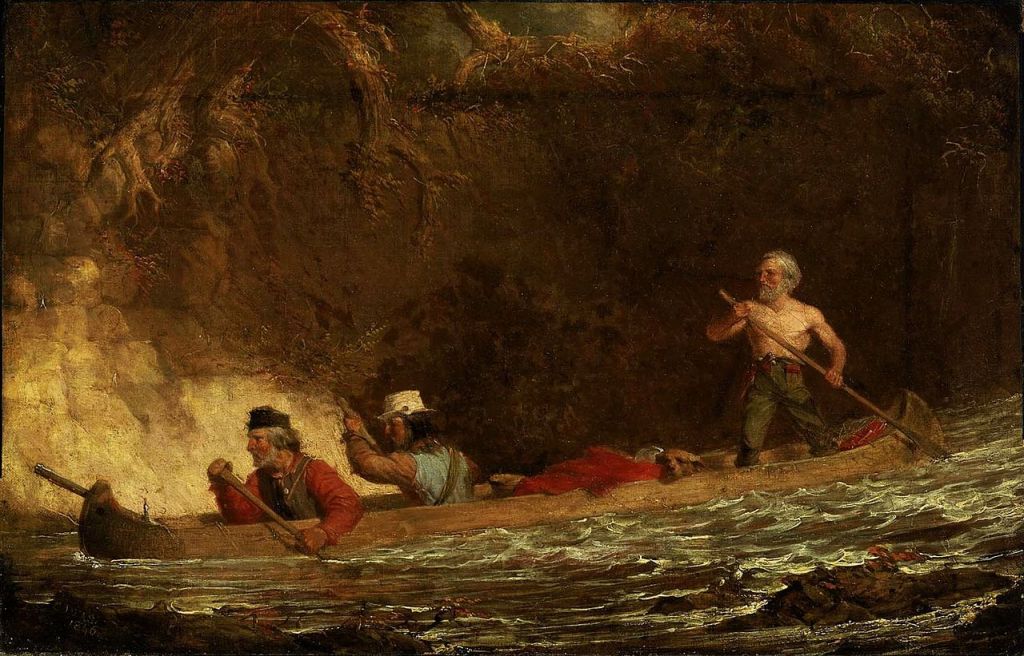
Voyageurs National Park in northern Minnesota is a rugged wilderness of clear blue lakes, pine forests, and bountiful wildlife.  After glaciers scoured the landscape and carved deep valleys and waterways hundreds of thousands of years ago, they exposed rock formations averaging one to three billion years old – some of the oldest rocks on the continent!  Human inhabitants eventually made use of the abundant resources the area offered, from early indigenous peoples to the waves of European settlers who followed them.  Among these were the intrepid explorers who traveled by canoe in search of animal pelts and other goods to trade and transport. These were the voyageurs, for whom the park is named. 

But just who were they?

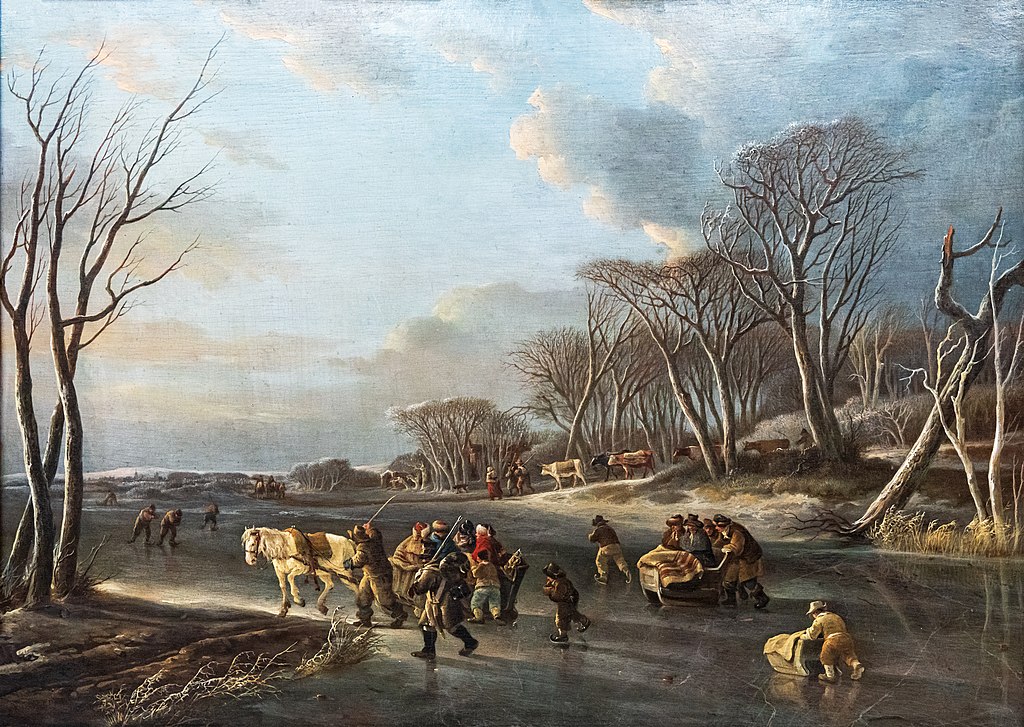
“Voyageurs on a sleigh on a river” by Andries Vermeulen, 1640-72

At the height of the North American fur trade in the 18th and 19th centuries, Europeans were clamoring for pelts of beaver, otter, mink, fox, and other fur-bearing animals.  After the New England states were mostly hunted out, businesses started looking to the deep unexplored wilderness in middle of the continent for new sources of pelts. 

Several large trading corporations – mostly based in Montreal – recruited hearty French Canadian men to transport their precious cargo over the region’s many rivers and lakes.  These canoe-bound adventurers came to be known as voyageurs (French for travelers).  A typical voyageur was a short man (better to fit in a canoe) from an impoverished background who was eager to find a calling that would pay well.  He would take to the wilderness with a group of other company recruits for months or years at a time, subsisting on rations of pork, corn, rice, and fish.

“Voyageurs” by Charles Deas, 1846

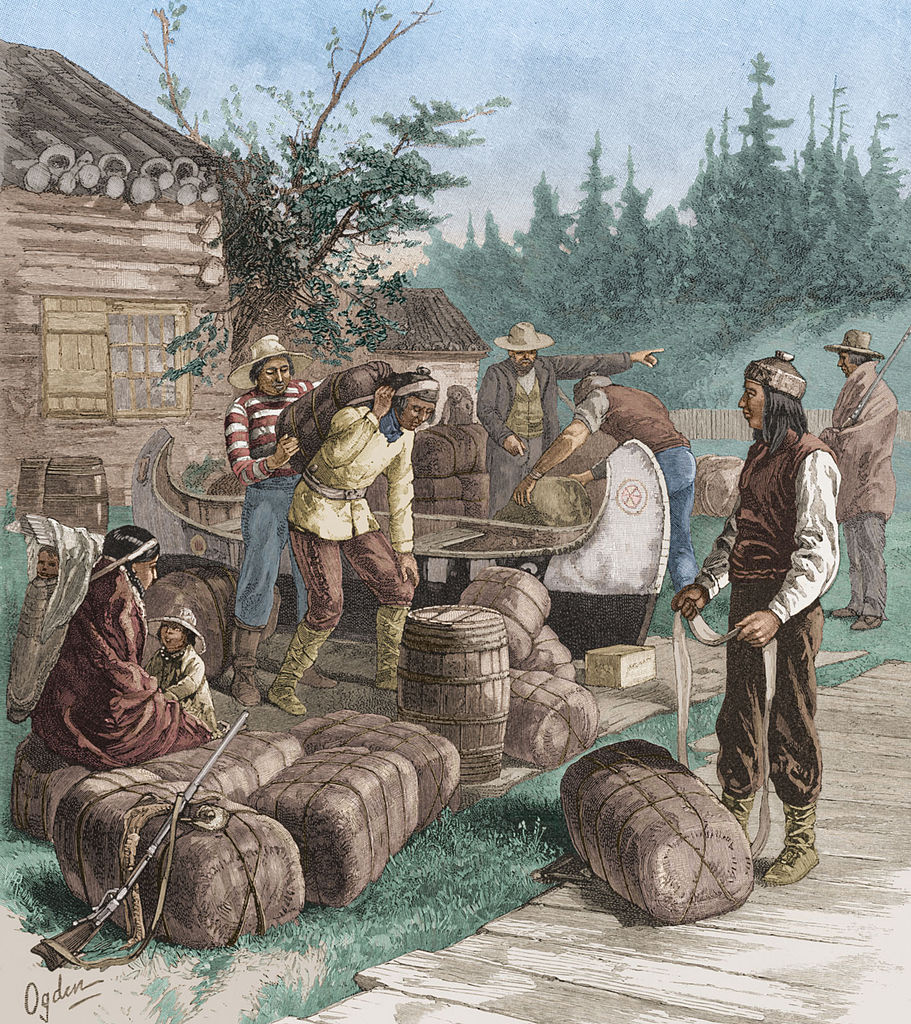
The life of these cargo haulers was a physically grueling one.  It was expected that each voyageur would work at least 14 hours a day, paddle 50 strokes a minute, and carry two bales of 90 pounds each across each portage.  To keep a rhythm for their paddling, the voyageurs sang a variety of songs. Singing also helped pass the time and made the work seem lighter.

“At the Portage: Hudson’s Bay Company’s Employés on their annual expedition” by Harry Ogden in George Monro Grant’s Picturesque Canada, Vol. I (New York: Belden Brothers, 1882)

Many voyageurs maintained good relations with local tribal nations.  In Minnesota, that was primarily the Ojibwe and the Dakota.  They learned from indigenous people how to survive in the regions they travelled, and they adopted many of the Natives’ traditional methods and technologies.  In fact, the canoe itself was a Native American invention.  

It is this historic interplay of both indigenous and European cultures that created a lasting impact on the peoples and area now known today as Voyageurs National Park.

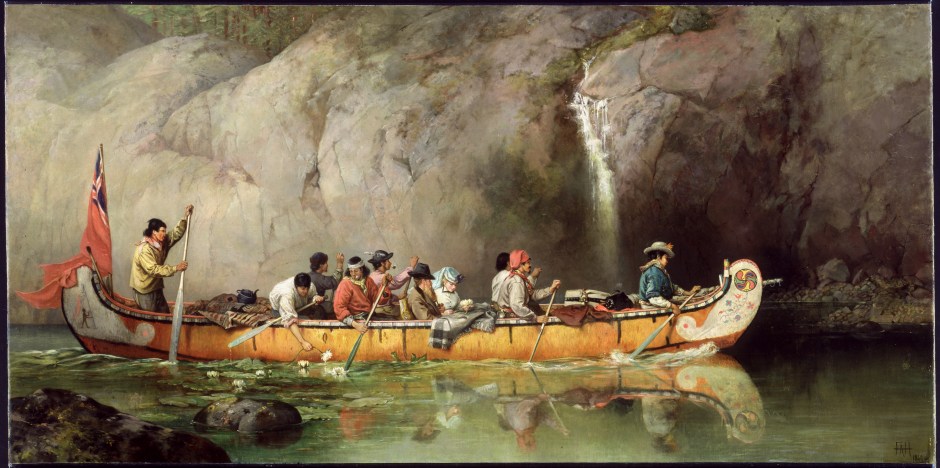
Header image credit: “Canoe Manned by Voyageurs Passing a Waterfall” by Frances Anne Hopkins, 1869

Come Sail Away with Me

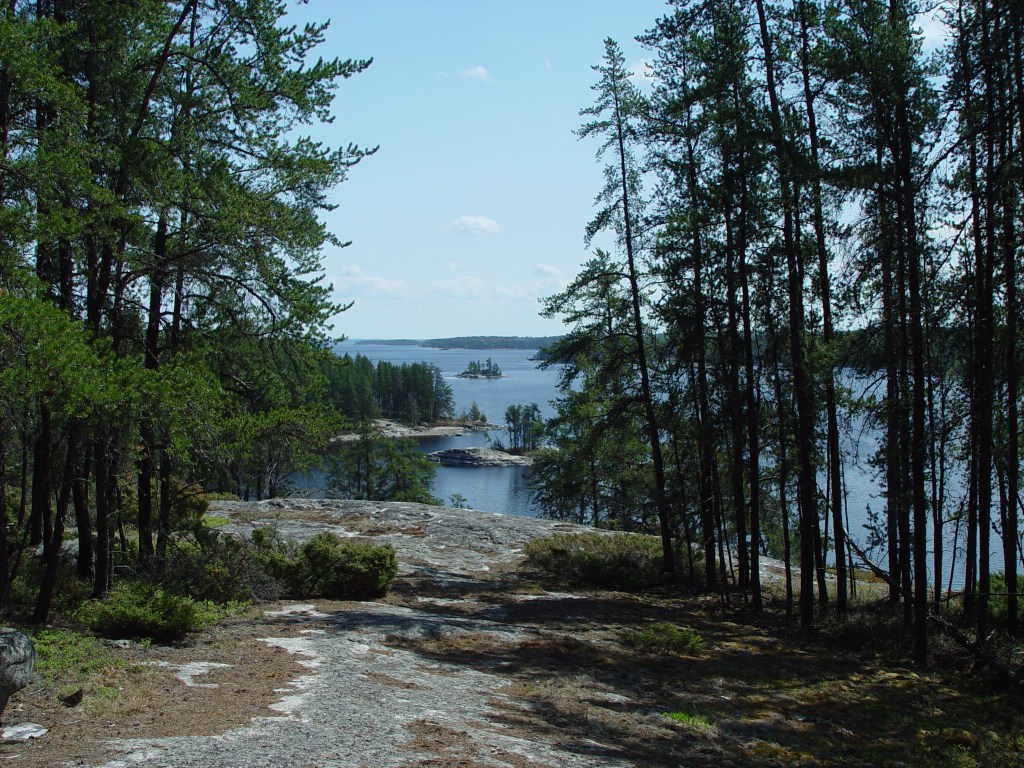
When you visit Voyageurs National Park in northern Minnesota, you’re going to want to ditch the car.  The stunning 218,000-acre park — with more than 500 islands and 655 miles of pristine shoreline – is best explored by boat.  But what if you don’t want to bring (or rent) a boat yet still want to experience Voyageur’s scenery of rugged, pine-covered shorelines and bountiful wildlife?  No worries – the park staff has you covered!

Credit: NPS

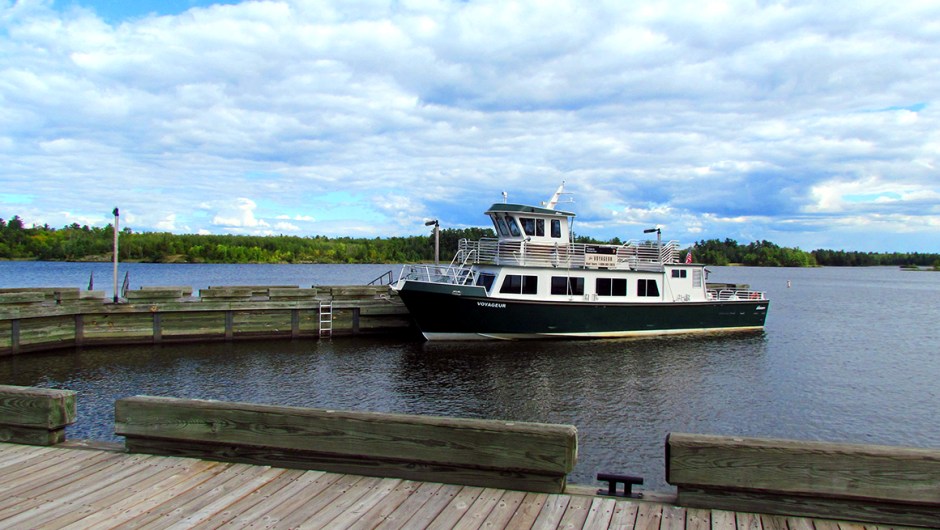
You can enjoy this watery wonderland aboard a tour boat offered by the park. With Voyageurs staff member as guides, you’ll experience incredible views of forests, rock outcroppings and secluded islands while hearing captivating stories of the park’s past.  And if you visit in the next month or so, the fall foliage will begin standing out amid the evergreens, their reflection on the water providing twice the color.

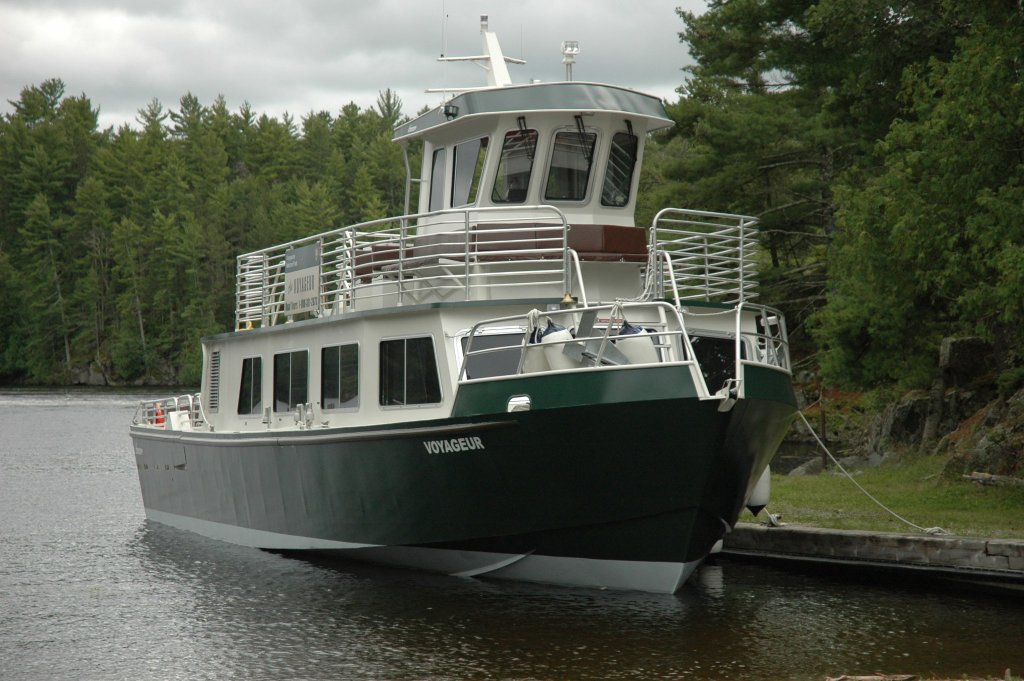
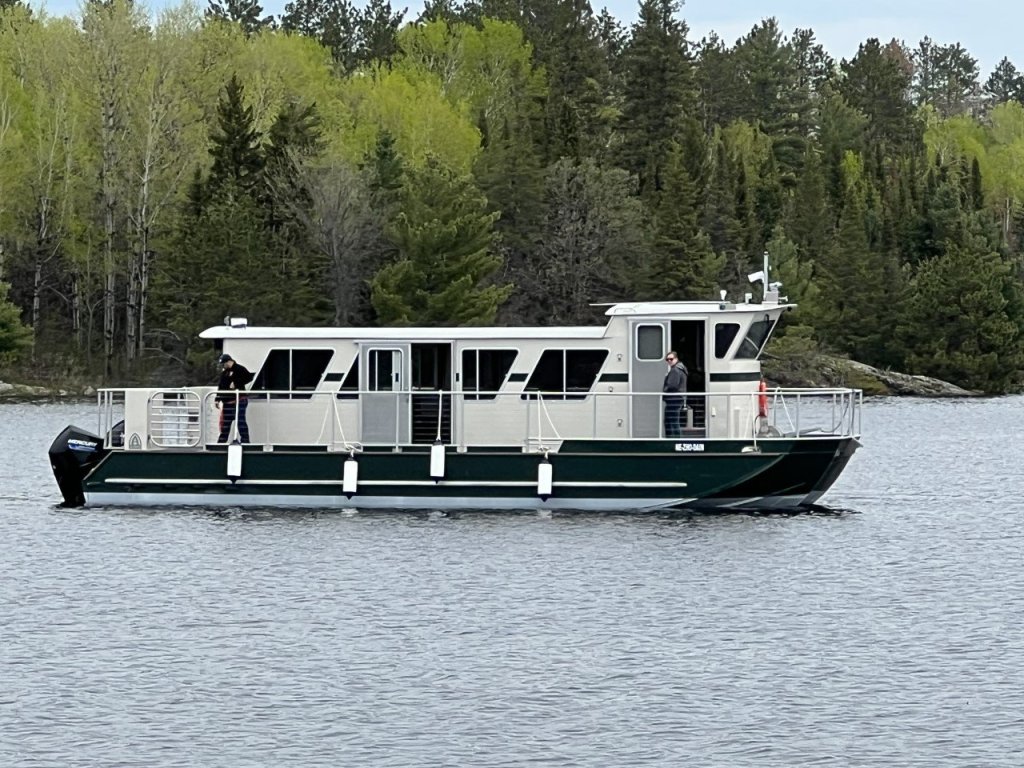
Depending on which visitor center you leave from, the park has two tour boats to choose from, each of which travels on different lakes.  The “Voyageur” cruises on Rainy Lake and the brand new “Ne-zho-dain” on Kabetogama and Namakan Lakes.  The 32-passenger Ne-zho-dain debuted this summer and features trips to areas only accessible from the water, like Kettle Falls and the whimsical Ellsworth Rock Gardens.  Visitors can view the park’s wildlife, geology, and scenery from an enclosed cabin or an open-air deck.  The new tour boat was named after Chief Ne-zho-dain, a a local indigenous leader who was reported to be the last known Ojibwe survivor of an infamous 1842 battle with the Cut Foot Sioux.

Both of the park’s tour boats are fully accessible.  If weather conditions permit, they will operate during the first part of autumn before shutting down for winter.  So if you can’t make it to the park right now, be sure to book a spring or summer tour next year.  Tickets can be booked online here.   

The Coolest Architects at Voyageurs National Park

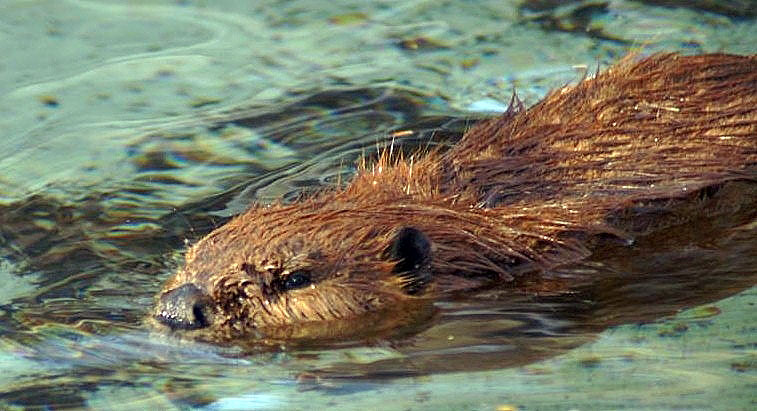
Voyageurs National Park may owe its very existence to a furry, flat-tailed rodent.  The 218,000-acre park, 40% of which is covered by water, is the perfect habitat for one very unique mammal… the American beaver. Beavers have historically played a pivotal role there, since the titular French-Canadian “voyageurs” first came to the area to trade with the Ojibwe tribe for beaver furs. While trapping is no longer allowed in what is now the national park, beavers continue to make an impact on the ecosystem.

Credit: NPS

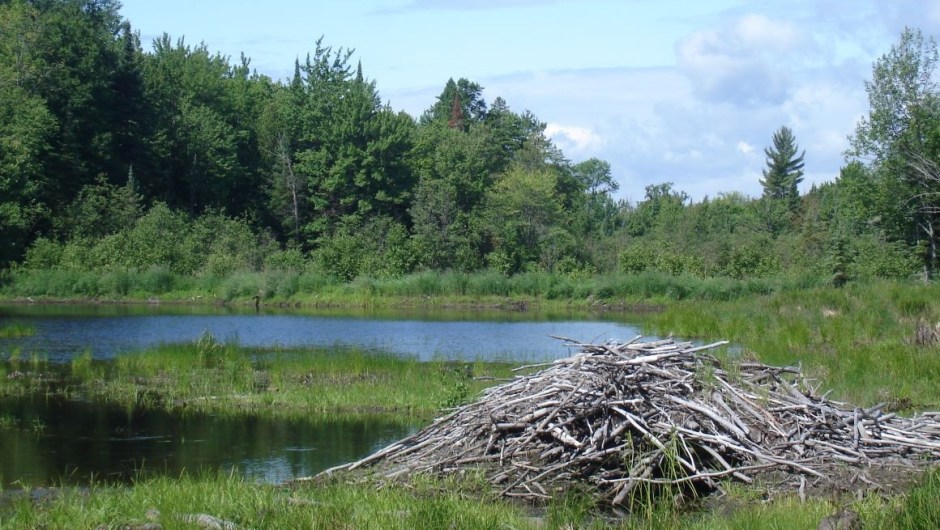
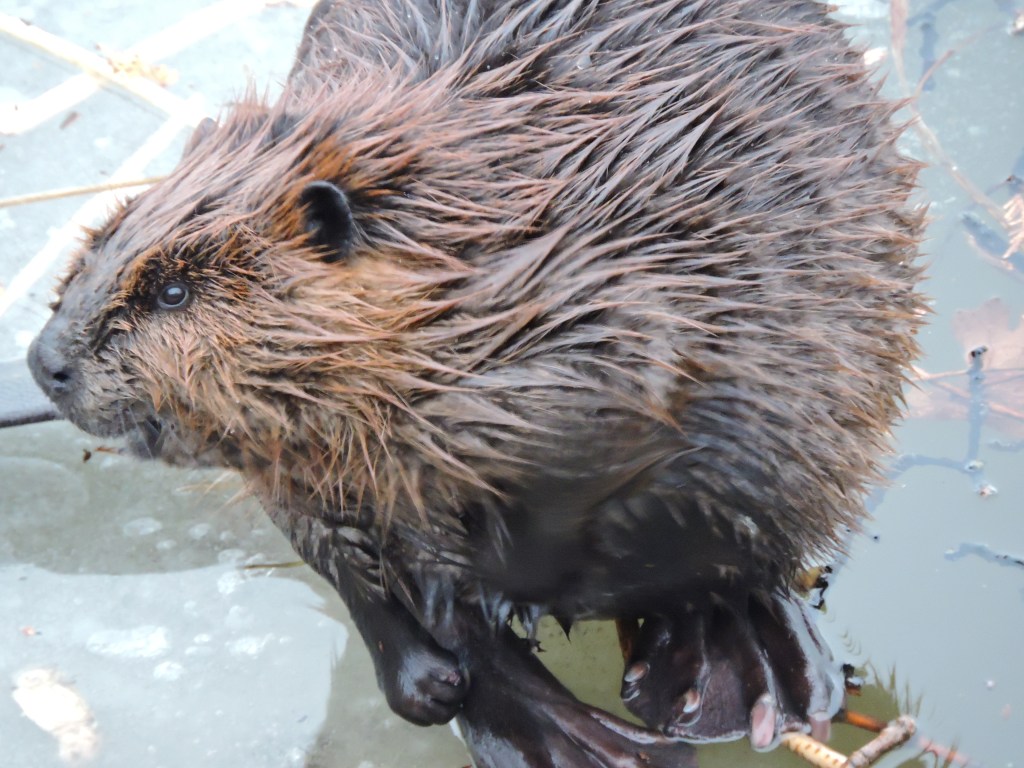
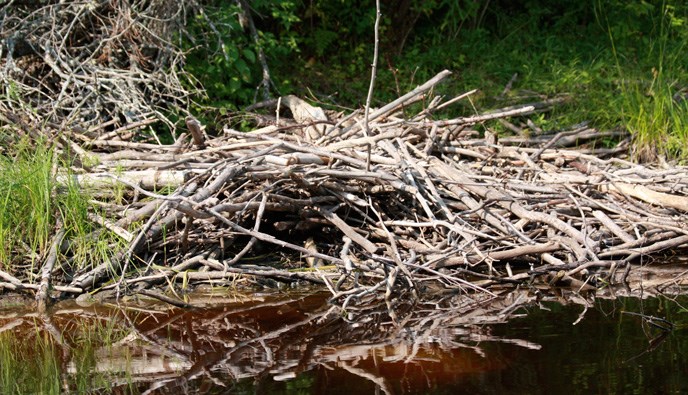
Beavers are the largest rodents in the United States and are one of the only animals (outside of humans) who actively alter their habitat to suit their needs.  The animals mate for life, and beaver parents raise their young in structures they build called “lodges.” These lodges are constructed on the edges of ponds and lakes and are made of mud and sticks chewed by the beavers. By locating the single lodge entrance underwater, the parents are better able to protect their babies (called “kits”) from predators. Beavers’ construction talents can alter entire ecosystems.  If there is not an existing body of water large enough on which to build their lodge, they will dam up a river or stream to create a suitable habitat for their homes.  This activity will flood the surrounding area, killing trees and undergrowth. The resulting wetland will then attract insects, fish and other wildlife, greatly increasing the area’s biodiversity.  

A beaver lodge at Voyageurs National Park. Credit: NPS

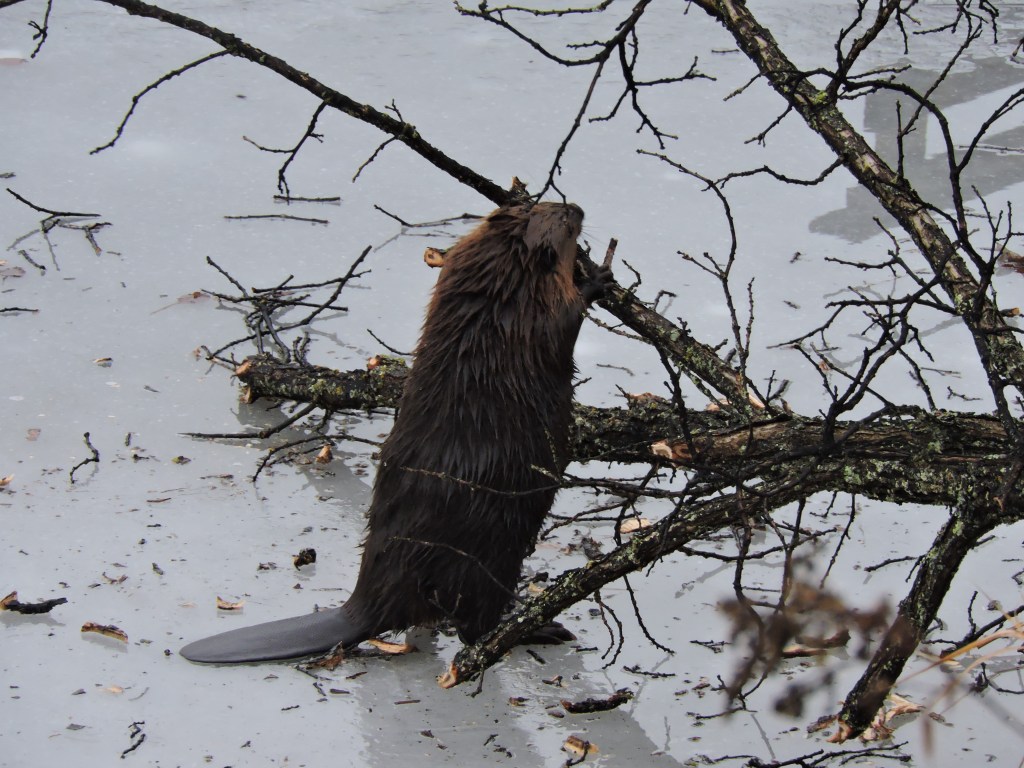
Not only are beavers great architects, but they also have some other truly unique characteristics. Beavers have two large incisors which grow continuously throughout their life.  They use these teeth to cut down trees and branches. Beavers are also known for their distinctive large flat tail. Most people would correctly assume that they use it to help with swimming, but did you know that they also use it to help balance while standing up to chew branches? They will also slap it on the surface of the water (making an incredibly loud noise!) in order to scare away any intruders.

Credit: NPS

As one of the many beloved animals that call Voyageurs home, beavers have been studied extensively by park staff. During a research project from 2006-2009, biologists tagged nearly 500 beavers. By tracking the tagged beavers over the next few years, they were able to determine that young beavers can travel up to 30-50 miles from where they were born! This mobility may be due to the interconnected lake system in Voyageurs, which allows young beavers to travel long distances without ever leaving the water (and thus avoiding predators). Beavers are adapted quite well to water. They can hold their breath for up to 15 minutes and have see-through eyelids which they use as goggles!

Credit: David Stang

Today the highest recorded density of beavers in the U.S. can be found in the protected waters of Voyageurs:  between 3,800 to 4,750 animals, based on 948 active beaver lodges found in a recent park study. If you visit Voyageurs National Park, you may be lucky enough to see a lodge or even catch a glimpse of a beaver, and there are things you can do to help protect these wonderful animals. Make sure to always keep your distance from any wildlife you encounter, both for their safety and yours. Also, do not approach, touch, or walk on a beaver lodge. This could damage the structure and disrupt or even injure the animals inside. You can learn more about the beavers and other wildlife that call Voyageurs home by clicking here.

A Rocky Wonderland in the North Woods

Most people visit Voyageurs National Park to experience the scenic splendor of its forests, view its diverse wildlife, and enjoy boating on its pristine lakes.  However, there’s one surprising attraction at Voyageurs that owes its existence not to nature, but to one very imaginative, relentless craftsman. 

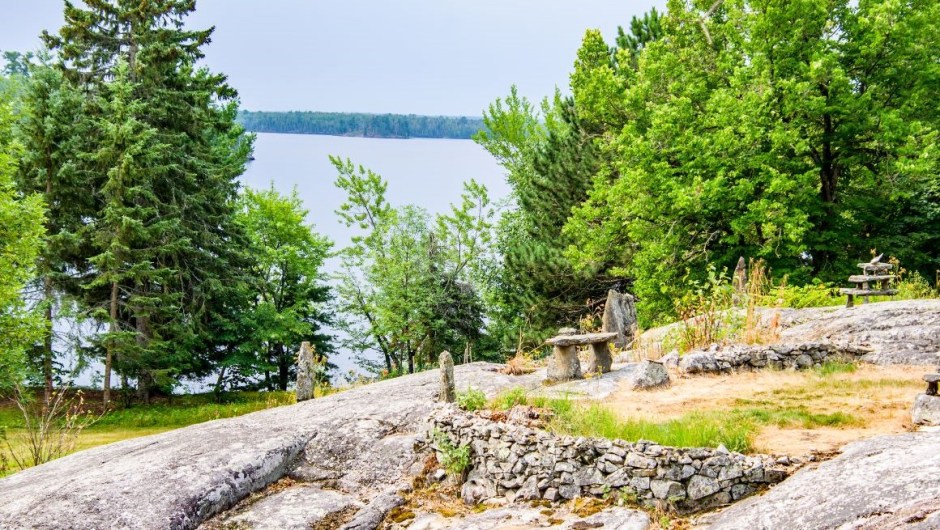
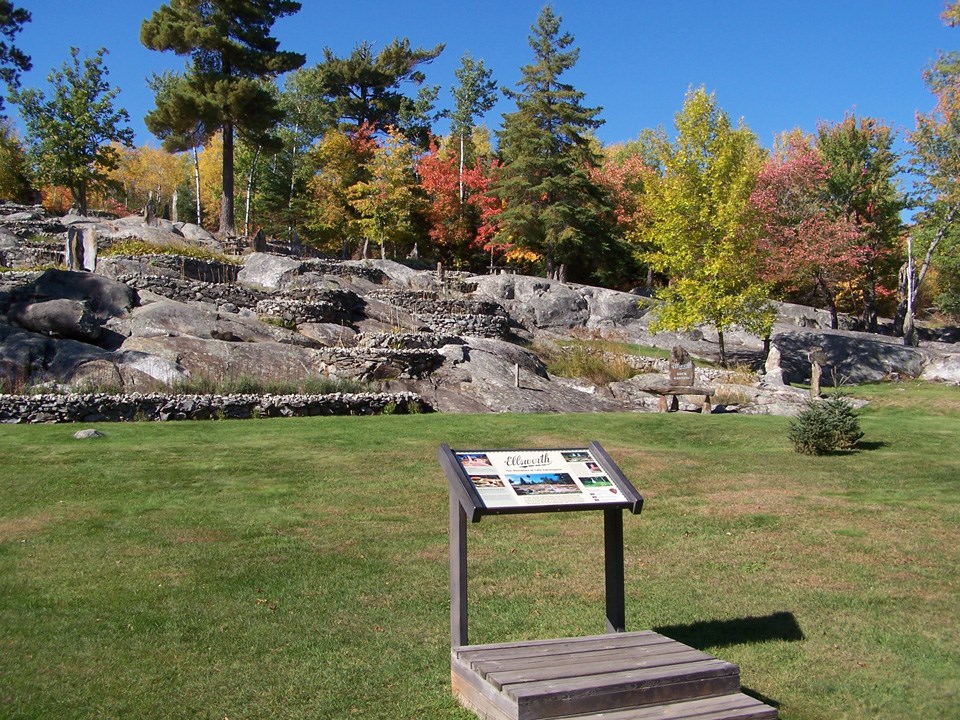
In the 1940s, Chicago carpenter Jack Ellsworth spent summers with his wife on land that later became the national park; it was there that he had a vision. He began to carve complex terraced gardens on a prominent rocky outcrop near his home, using the native materials that he found on-site. 

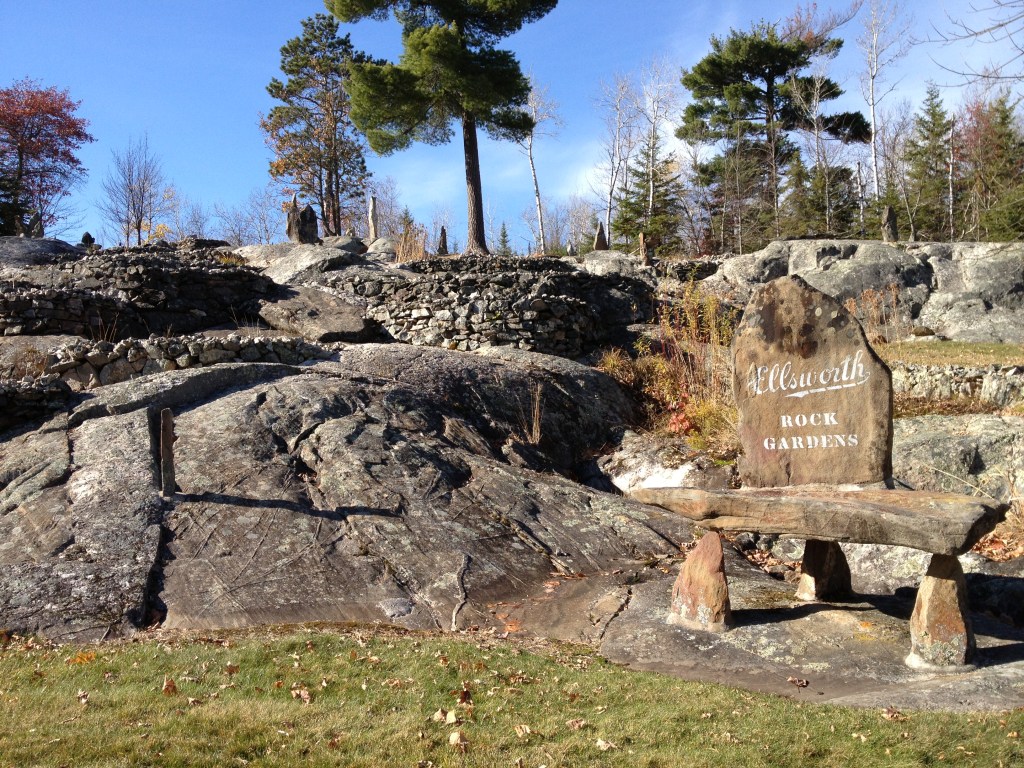
Over the next 20 summers, Ellsworth constructed 62 rock-bordered flower beds which he connected with stone stairways, grassy paths, bridges, and stepping stones.  He filled the terraced beds with more than 13,000 lilies and other flower varieties, creating a colorful artistic wonderland now known as the Ellsworth Rock Gardens on the shores of Kabetogama Lake.
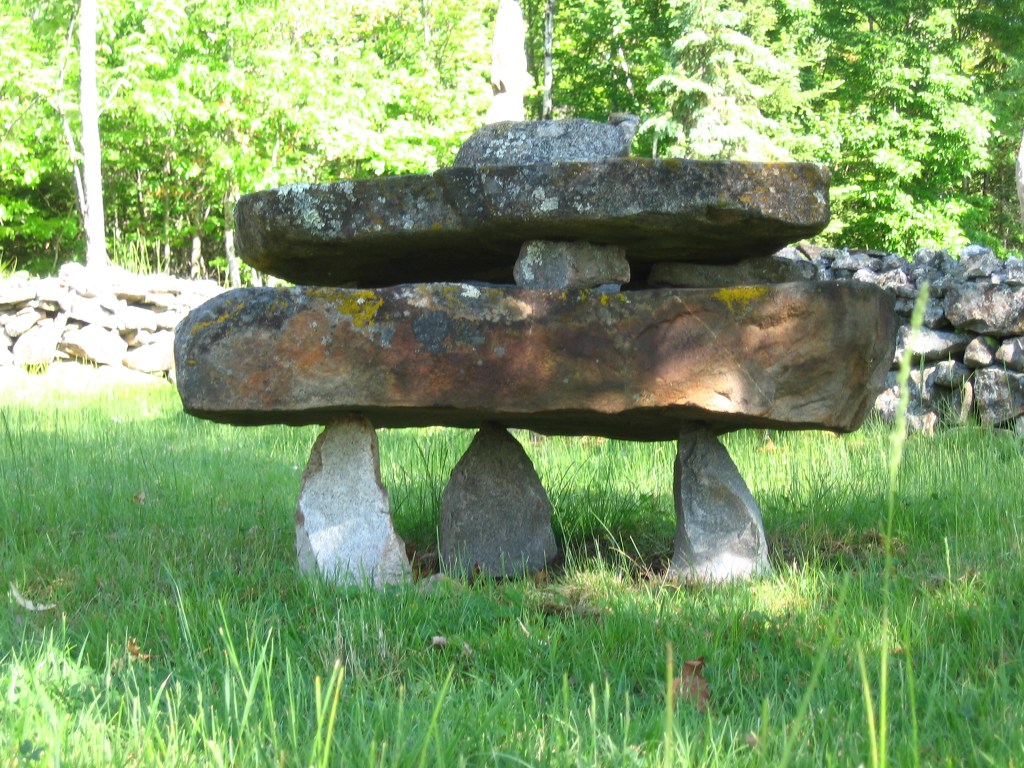
Over time, Ellsworth accented his landscape with whimsical stone sculptures ranging from monoliths and carved animals to benches, chairs and tables.  Many of his sculptures are carefully balanced rock formations, created without mortar. 
The rock gardens soon became a popular tourist destination despite its remote location.  Ellsworth continued to maintain and embellish his gardens until the mid-1960s, when his health began to fail and he could no longer visit the area.  Without his supervision, the nearby forests slowly engulfed the terraced gardens and many of his sculptures deteriorated.

Soon after Voyageurs became a 218,000-acre national park in 1975, the National Park Service acquired the Ellsworth Rock Gardens land as well.  The aging cabins and outbuildings were removed but no real maintenance was performed on the area until the mid-1990s.  Then NPS staff and volunteers began removing the invading vegetation and shoring up the historic features.  They also built a new dock where park visitors can moor their boats during their garden visit (the site is only accessible by water) and installed interpretive signs. 

Credit: NPS

If you’re planning a trip to Minnesota this summer, carve out time to visit the Ellsworth Rock Gardens.  You won’t be disappointed.

Animals Have Mothers Too!

As we approach Mother’s Day, it’s important to honor those who raised us.  But it’s also a fun time to celebrate amazing animal moms.  Look no farther than Voyageurs National Park for some great examples.

Credit: NPS

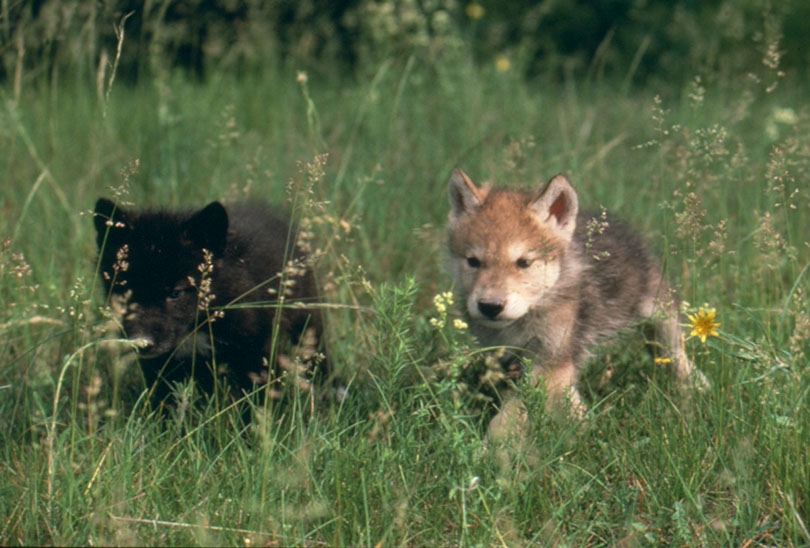
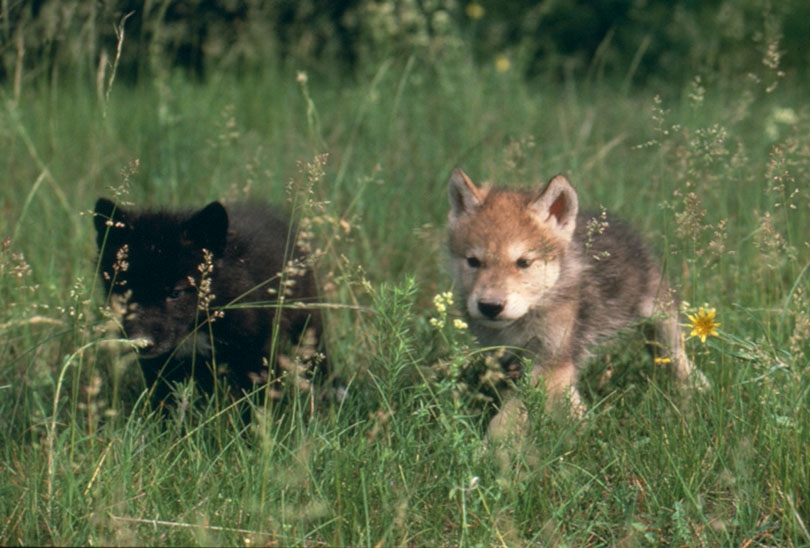
Gray wolf moms have litters of four to six pups, who remain with her in the den for six to eight weeks. Only the alpha female in a pack of gray wolves will become a mother, but all adult pack members contribute to supporting her and her pups. Young wolves will stay with their parents for two or more years before leaving to start their own territory, or they may stay with the pack and eventually replace their mother or father as alpha.

Credit: NPS

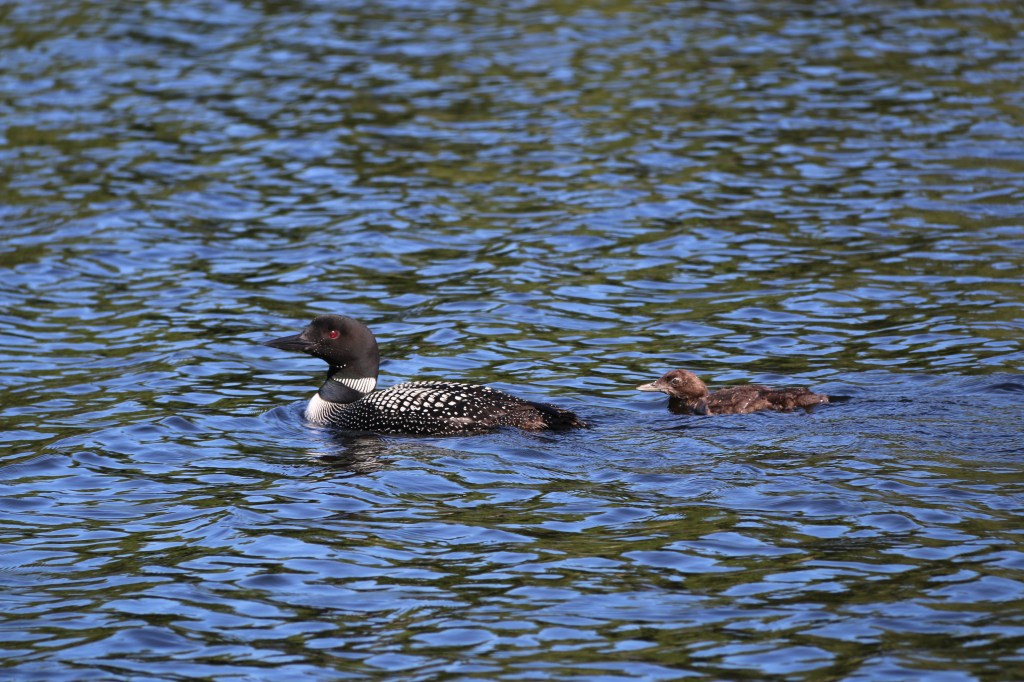
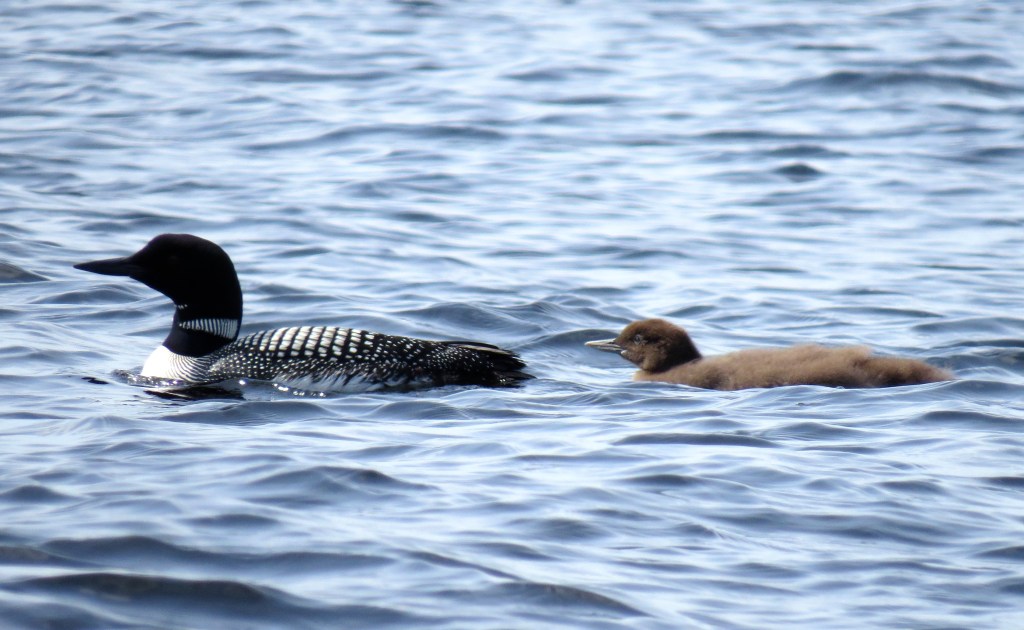
Voyageurs is a paradise for waterfowl, including the beautiful and haunting common loon.  Mother loons typically have one or two chicks per year. It is very difficult for the birds to walk on their awkward legs, so the moms do not travel far from the water’s edge during nesting; and they spend much of their time in the water once their chicks hatch. Loon moms (and dads!) are very devoted parents and occasionally even carry their chicks on their back!

Credit: NPS

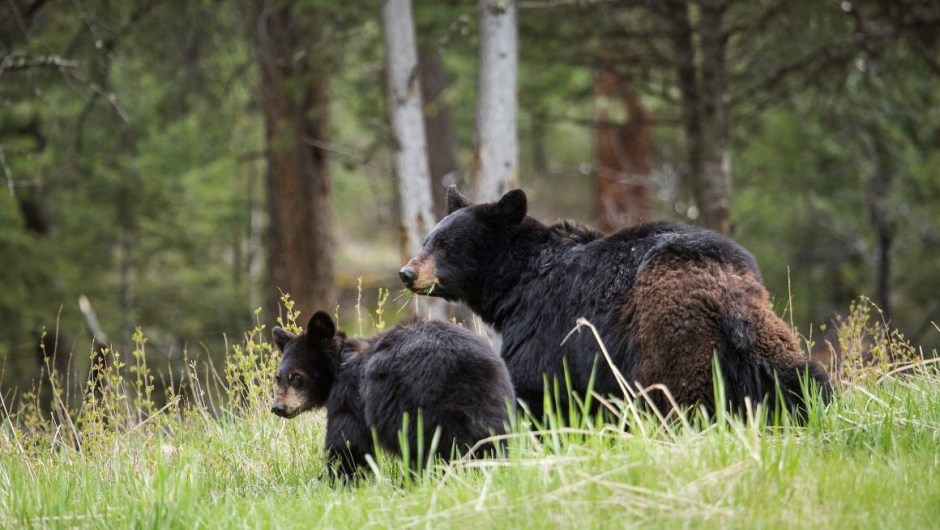
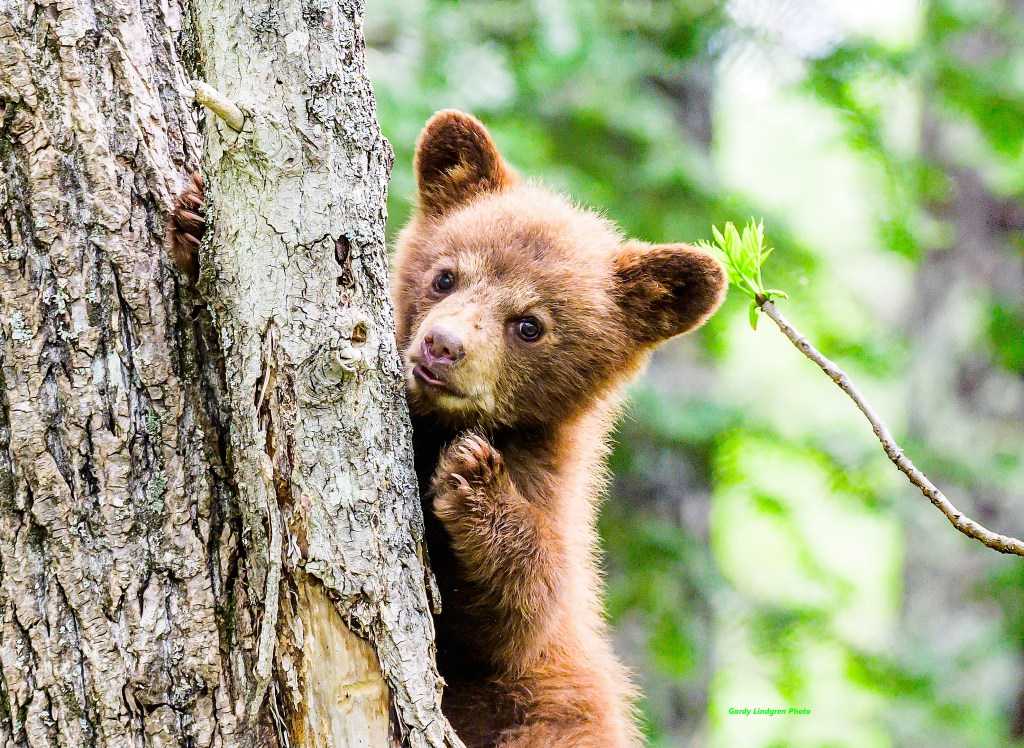
Black bears typically have two cubs every other year. A mother bear gives birth while she is in her den for the winter, then spends the time until spring dozing on and off while her cubs nurse. (That is a lot more sleep than human moms get in the early days!) The cubs will stay with their mother throughout spring, summer, and fall and will hibernate with her the following winter. They finally strike out on their own the following spring, when they are about 1 ½ years old.

Credit: David Hypes, NPS

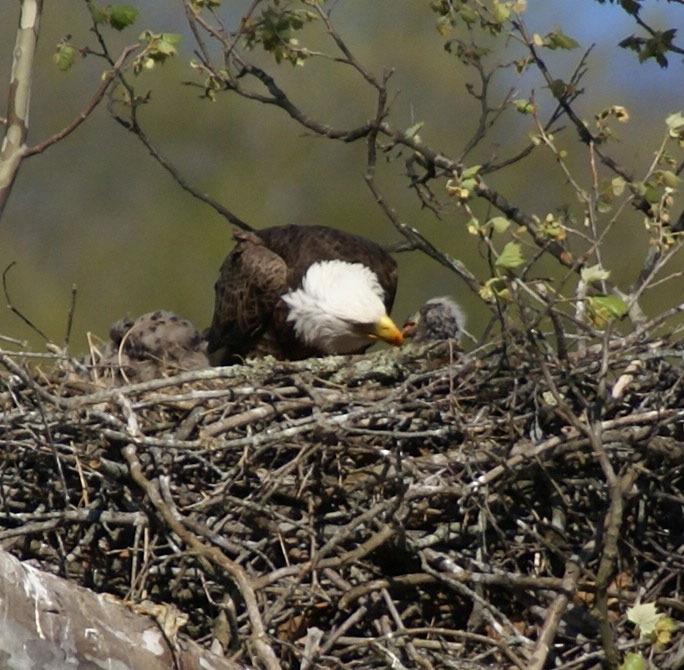
Bald eagle moms are very fortunate, as parenting duties are split evenly between moms and dads. Eagles lay one to three eggs per year, which hatch after about 35 days. The nestlings will remain in the next for 10-14 weeks, during which time both mom and dad will care for them.

Credit: Veronika Ronkos

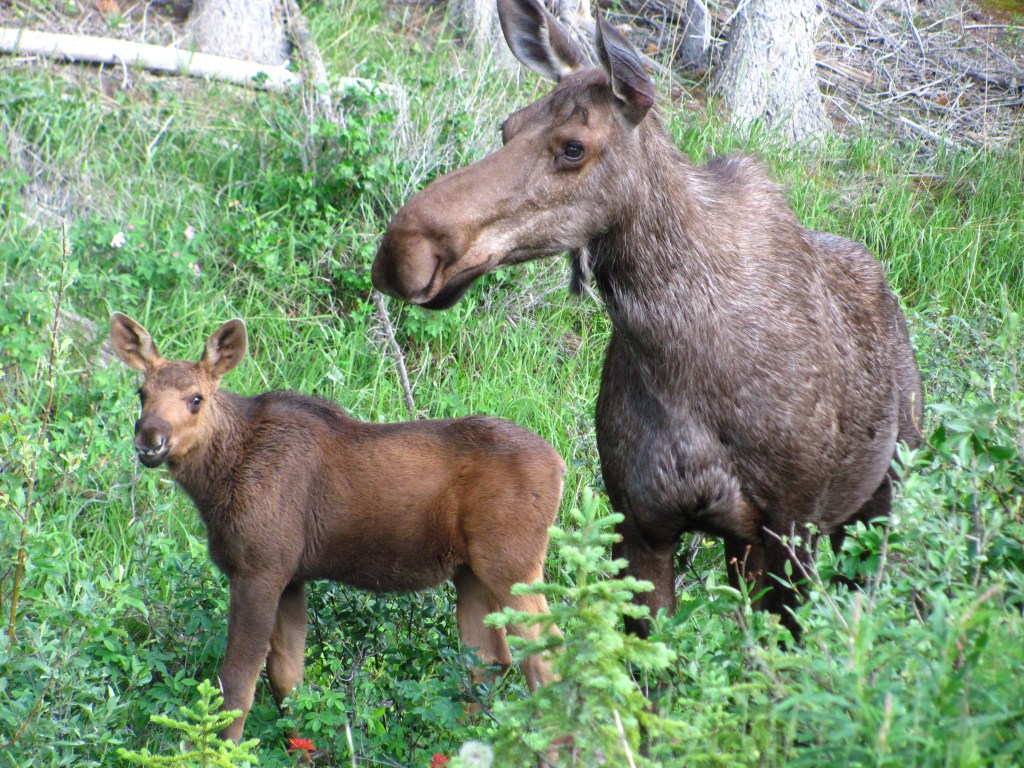
Female moose are beginning to give birth this time of year. Typically, a mother has one or two calves, which grow extremely quickly and can outrun a human by five days old! (Can you imagine having to chase your baby five days after giving birth?) Moose calves stay with their mother for about a year.

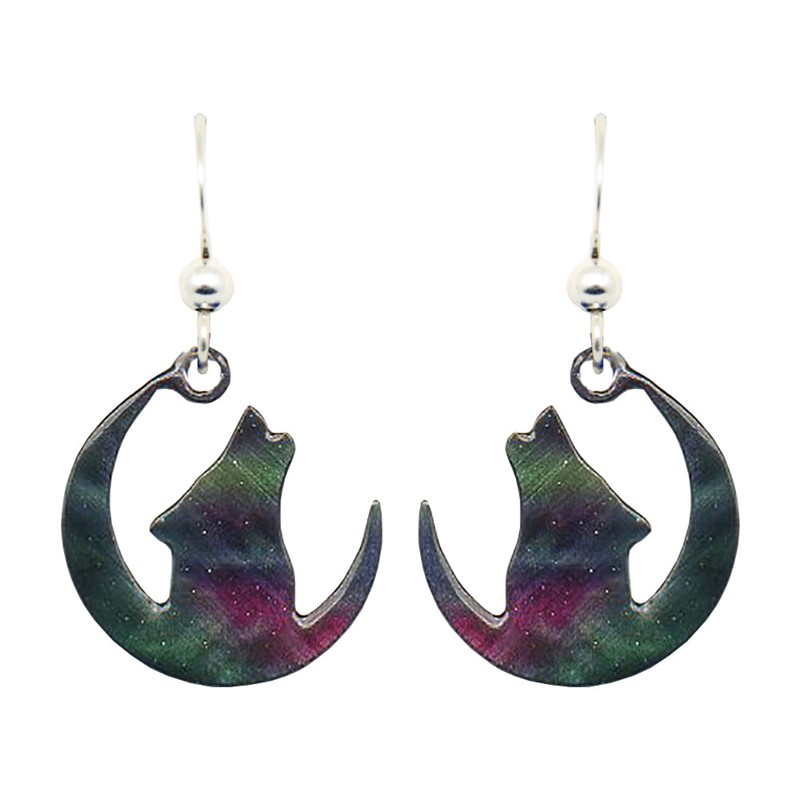
If you are looking for an animal-inspired gift for your mom this year, check out these beautiful wolf earrings or this stunning photo book all about the amazing loon.