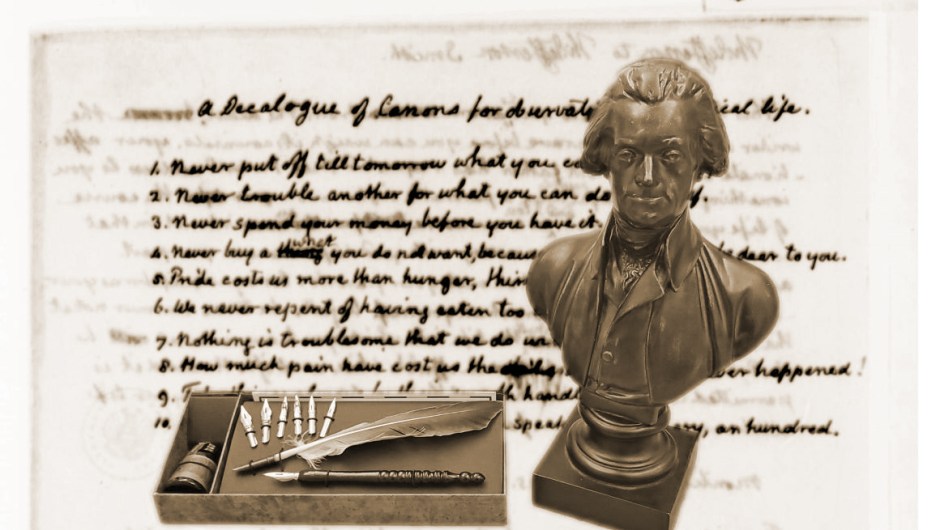
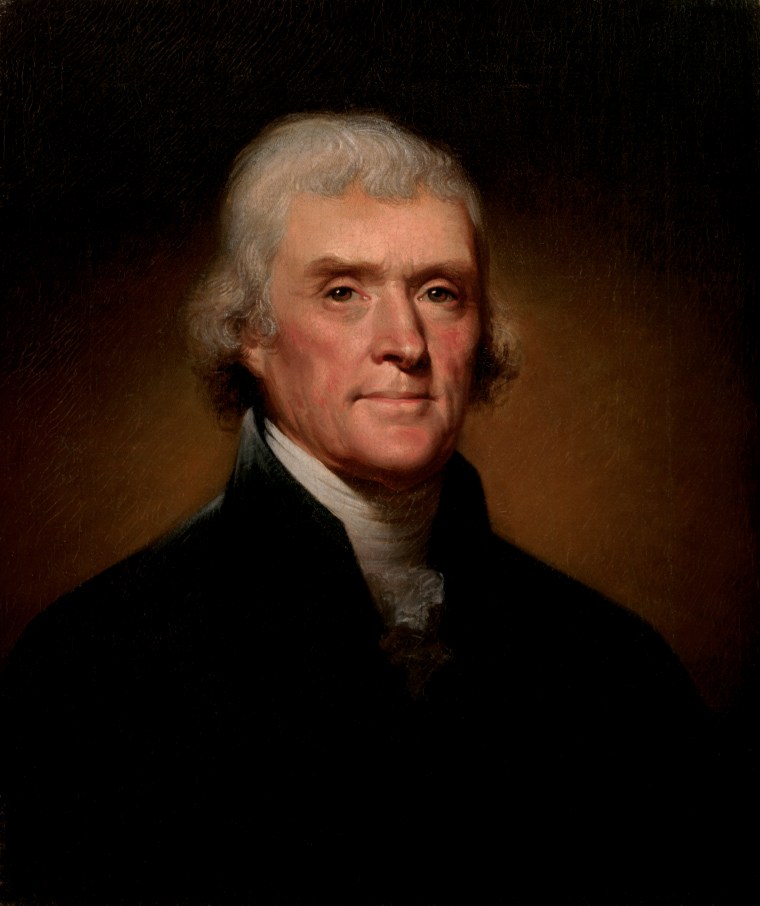
At this patriotic time of year, we often recall our nation’s founding fathers. Here at JNPA, we’re particularly fond of the visionary Thomas Jefferson, whom the National Park Service honors as part of the founding mission of Gateway Arch National Park. But while Jefferson is famous for many reasons (let’s see — third U.S. President, author of the Declaration of Independence, signer of the Louisiana Purchase…), you might not be familiar with his lesser known Ten Rules of Conduct.
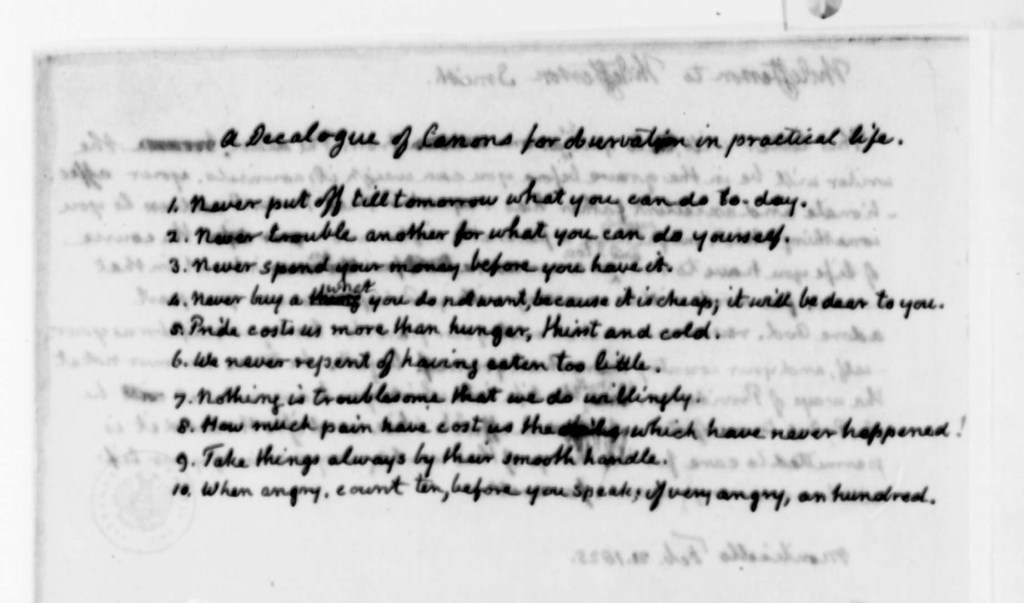
Thomas Jefferson often advised others, including his children and grandchildren, on how to conduct themselves and frequently developed lists of personal behavior for them. In 1825, the year before he died, he imparted what he called “a decalogue of canons for observation in practical life.” Some of these rules were borrowed from literary sources; others seem to be his own creation.
Jefferson’s rules seem to be as relevant today as they were in the 1800s:
Never put off till tomorrow what you can do to-day.
Never trouble another for what you can do yourself.
Never spend your money before you have it.
Never buy what you do not want, because it is cheap; it will be dear to you.
Pride costs us more than hunger, thirst and cold.
We never repent of having eaten too little.
Nothing is troublesome that we do willingly.
How much pain have cost us the evils which have never happened!
Take things always by their smooth handle.
When angry, count ten, before you speak; if very angry, an hundred.
Thomas Jefferson’s signature
If you decide to share Jefferson’s useful rules with the children in your family, why not also treat them to this mini-building block set? That way, they can build their own (4-inch) statue to Jefferson.
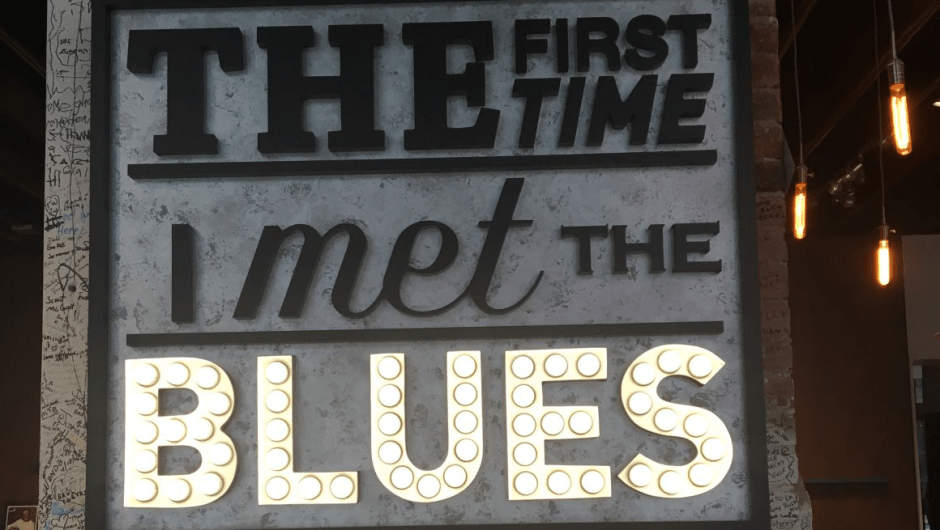
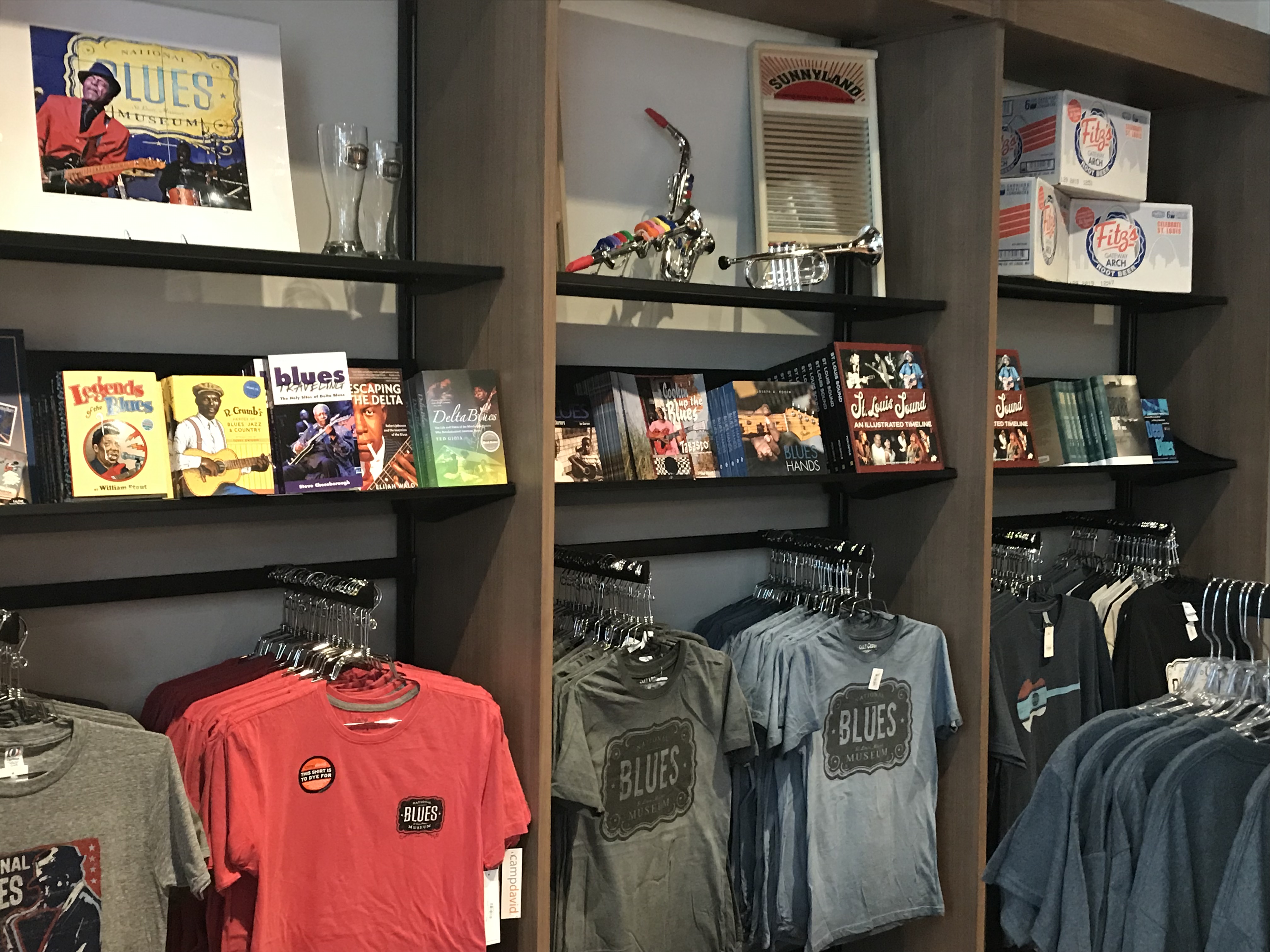
Can you guess which of JNPA’s museum stores sells harmonicas, a guitar-shaped bottle opener, and a St. Louis license plate magnet? If you said the gift shop at the National Blues Museum, you’re right! JNPA has operated this unique retail location since 2019, and you’ll find it chockful of cool music-related products that are found nowhere else.
Credit: Explore St. Louis
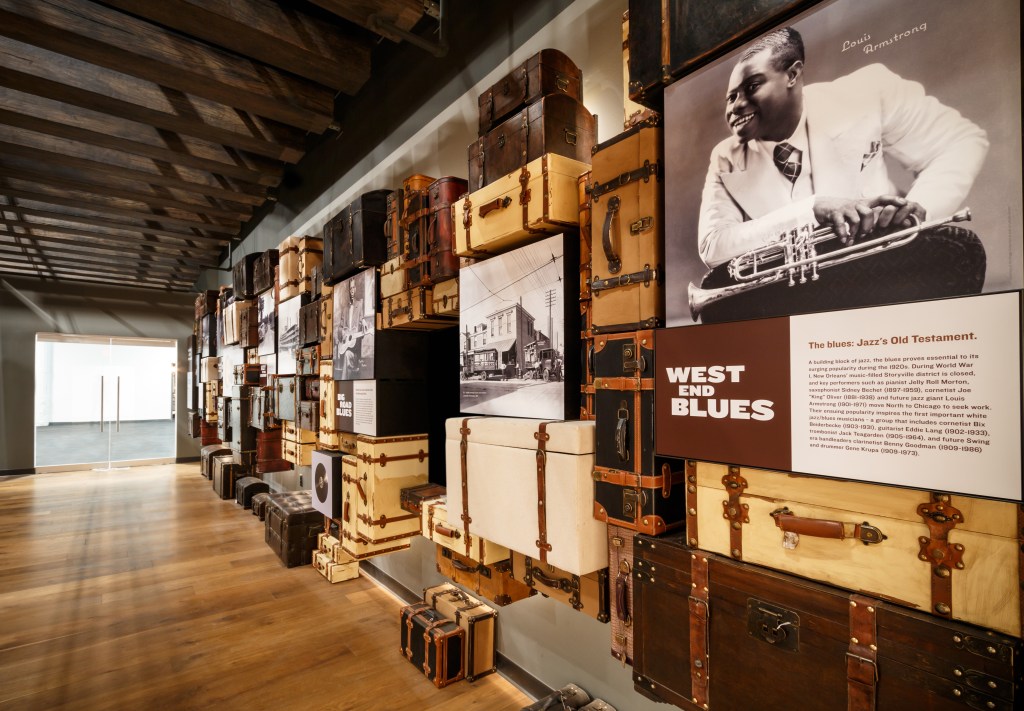
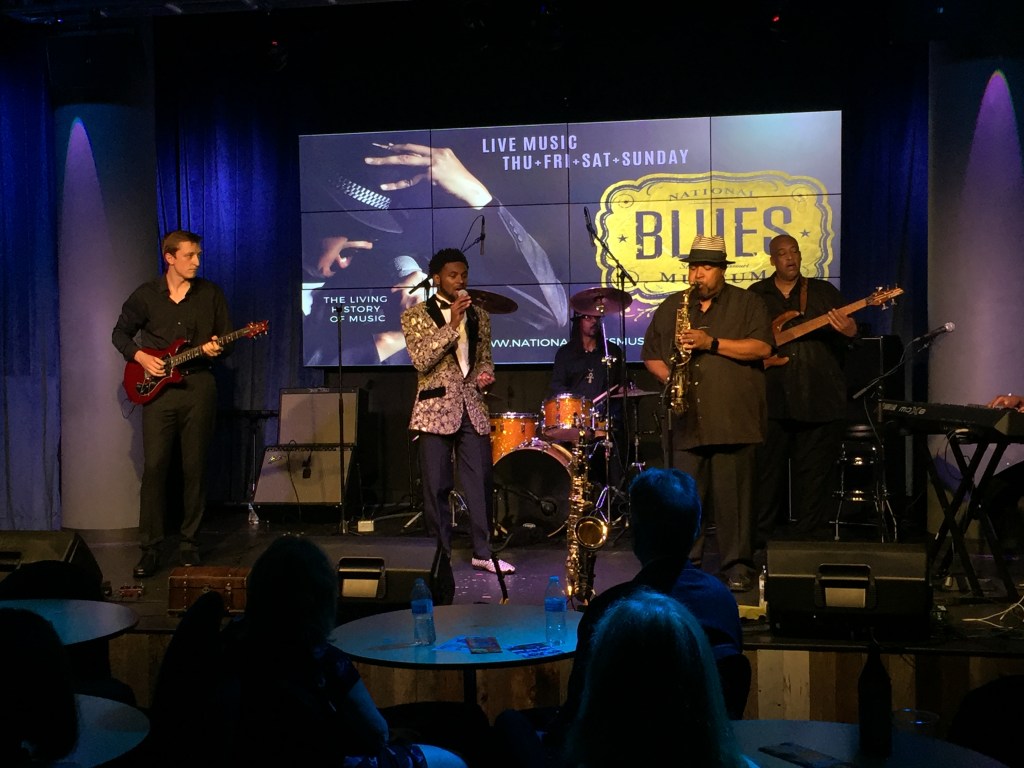
If you haven’t paid a visit yet to the National Blues Museum, it’s high time to treat yourself. The museum celebrates the blues as the foundation of all modern American music with high-tech exhibits, unique artifacts from famous musicians, and a state-of-the-art concert venue. It’s open daily from 12-5 p.m.
The site’s location in downtown St. Louis is intentional. Situated along the historic Blues Highway (Highway 61), the city had an important influence on the evolution of blues music. Musicians and song writers performed there as they traveled from the South to the recording studios of Chicago.
The museum traces the development of the blues and its various styles. It recognizes the musicians who created the musical genre as well as those who contribute to it today. To keep the traditions alive, part of the museum is devoted to an intimate concert space where audiences can hear local and touring blues artists perform. And at the Thursday night Sittin’ on the Porch jam sessions, aspiring blues players are welcome to bring a musical instrument and sit in with the pros during the musical numbers.
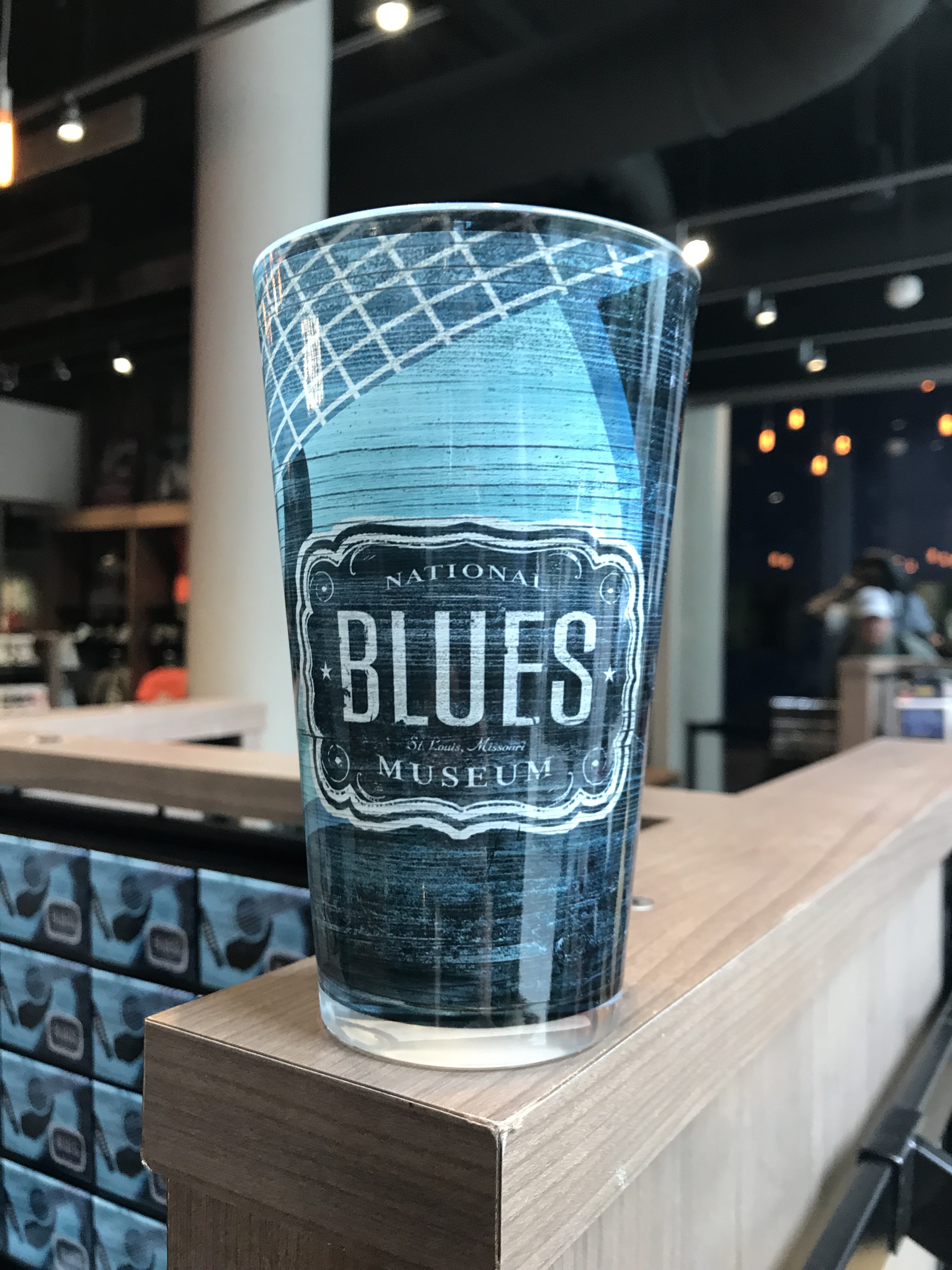
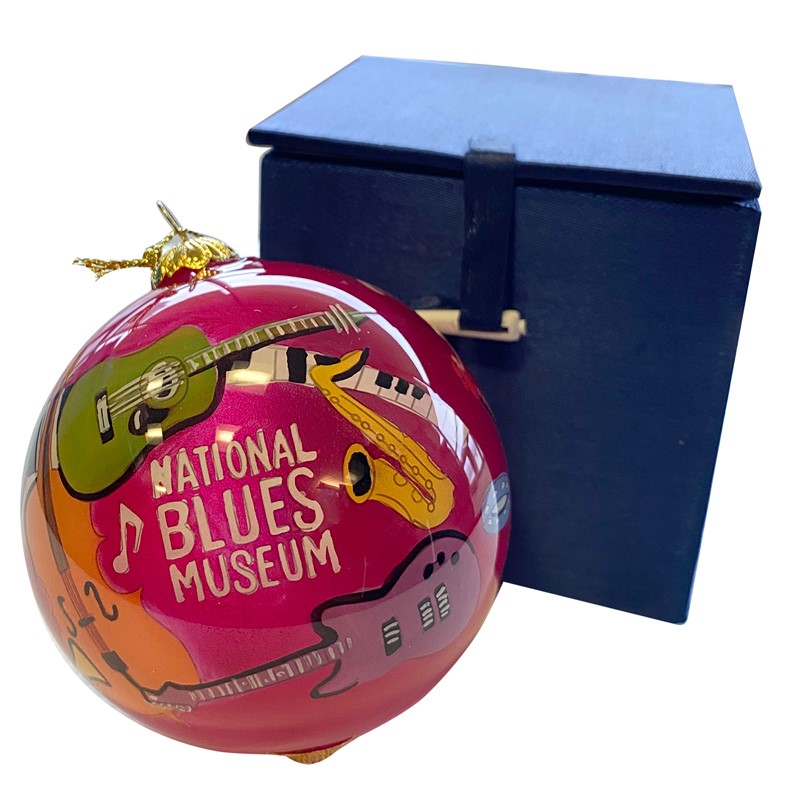
When you visit the National Blues Museum, be sure to stop by our handsome store. We feature a wide range of blues-themed merchandise, from books, CDs and instruments to hip apparel, bar glasses and gifts. For instance, check out this snazzy hand-painted glass ornament . Proceeds from product sales – either at the museum or from our online store – help support the educational mission of the museum.
There’s always a diverse crowd visiting our national park partners, but four-legged visitors? Well, that’s who you’ll see at Ulysses S. Grant National Historic Site this Saturday.
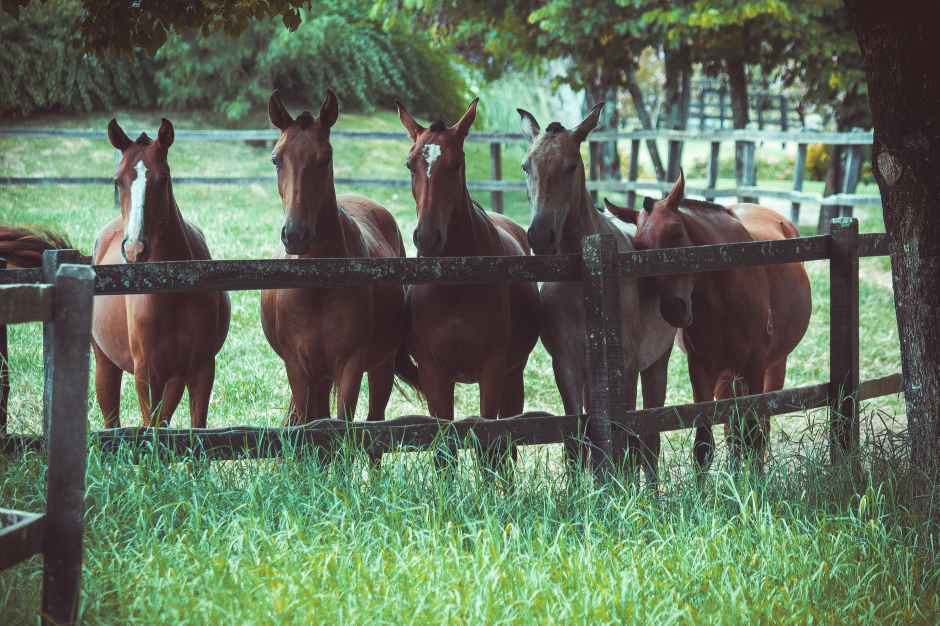
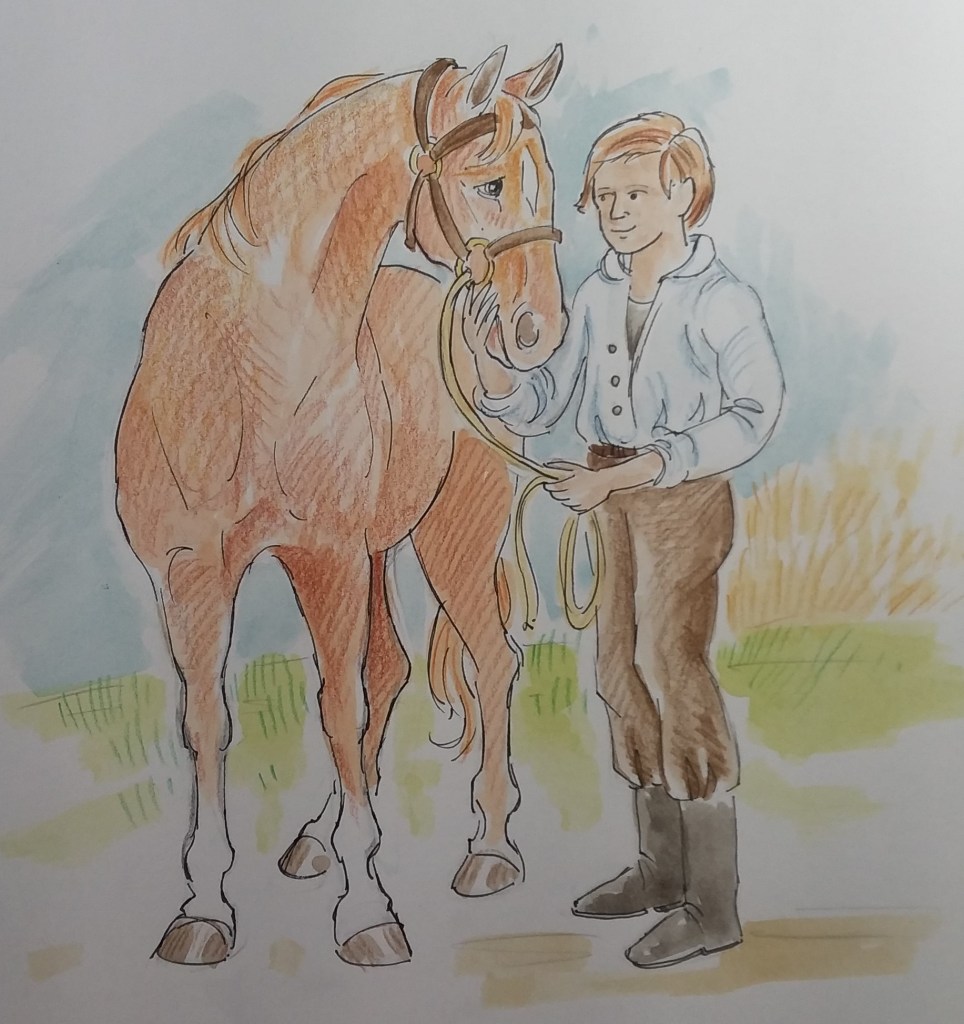
As a tribute to Ulysses Grant’s lifelong passion for horses, the park will host Horses and Grant at White Haven this Saturday. Horses from area ranchers and owners will be on hand to help park interpreters explain the central role that the animals played in the 18th president’s life.
Illustration by Leslie Przybylek
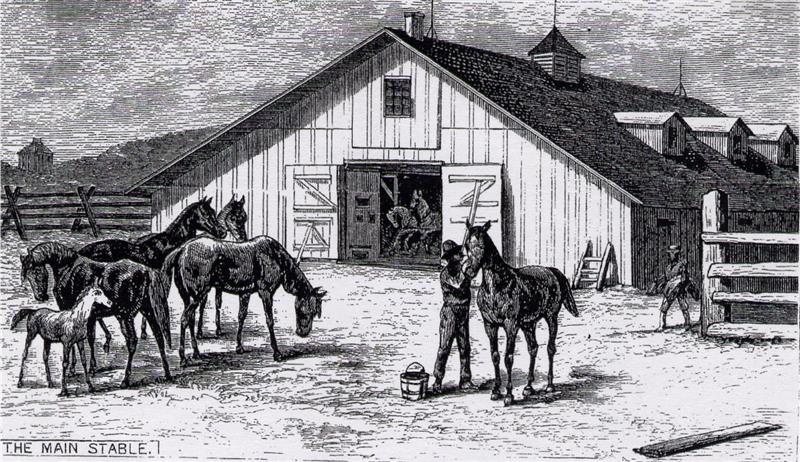
From the time he was a small boy, Grant loved to ride, train, and care for horses. Horses were also vital to him as a soldier and farmer. He was an accomplished rider both in his military career and his private life, and owned a succession of horses throughout his life. In fact, it was thought he bought the White Haven property from his wife’s family after the Civil War mainly to breed and raise horses.
Original horse barn on the White Haven property
At the park this Saturday, there will be formal demonstrations on horsemanship, saddles, and the history of racing, as well as hands-on activities for children. The free event runs from 10 a.m. to 4 p.m.; reservations are not required. It is offered as one of the site’s Grant bicentennial activities.
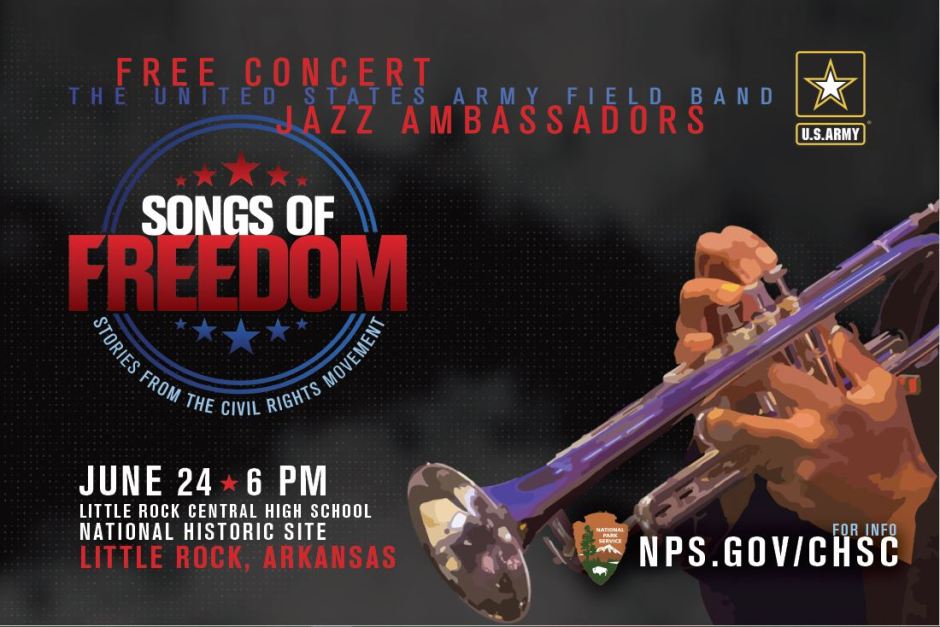
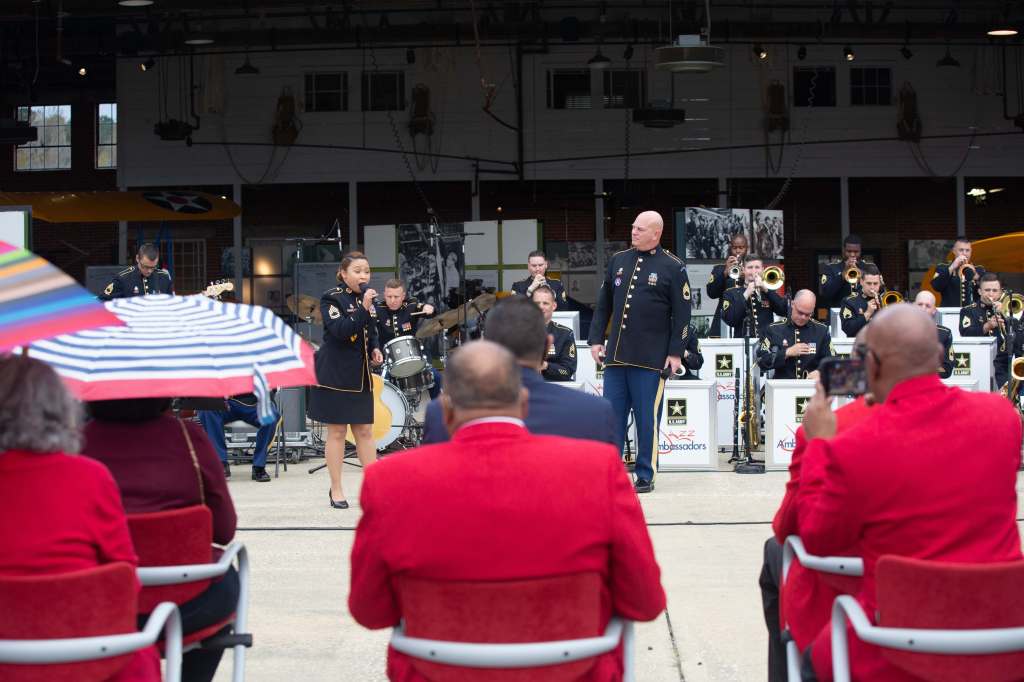
If you like rousing jazz and swing music, you’ll want to head to Little Rock, Arkansas, this Friday evening. The U.S. Army’s official touring big band, the Jazz Ambassadors, will present a 90-minute concert at Little Rock Central High School National Historic Site.
Credit: The U.S. Army Field Band
The theme of Friday’s concert is Songs of Freedom, Stories from the Civil Rights Movement. It’s fitting that the musicians will be performing these selections at Central High, since it served as the frontline of America’s school desegregation battles in the 1950s.
The 19-member Jazz Ambassadors have received widespread acclaim at home and abroad, earning the ensemble the title “America’s Big Band.” The musicians have performed in all 50 states and overseas. Their stop in Little Rock is part of their Summer 2022 tour. Check out the clip below to hear a snippet of their musical style.
The Songs of Freedom concert will take place outdoors on the park grounds on Friday, June 24 from 6:00 to 7:30 p.m. It is free and open to the public. For more information, contact Little Rock Central High School National Historic Site at (501) 374-1957.
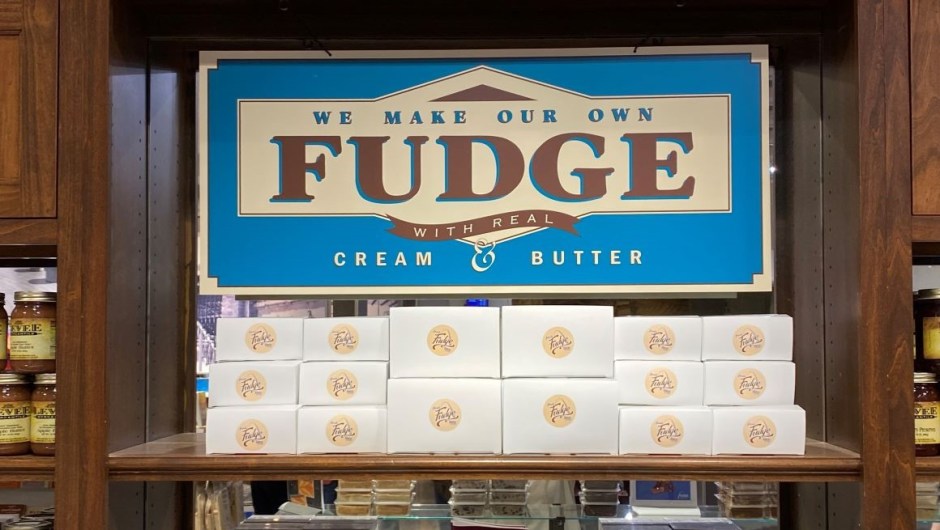
Stop the presses. We have an important news flash: National Fudge Day is just around the corner! Actually, it’s not until June 16 but we’re letting you know early because – hey, fudge! We also wanted to give you extra time to pop down to The Arch Store to pick up a box for yourself, or for your sweetie (sweetie, get it?), in time for the Big Day.
Fudge is thought to have originated as a mistake. Accordingly to legend, a candy maker in the late 1800s botched a batch of caramel he was making, but he ended up making something just as tasty. And since the term “fudge” was already in use to describe a clumsy adjustment or nonsense, the name stuck!
Wondering why we sell fudge at The Arch Store, where our products have to adhere to the interpretive themes of Gateway Arch National Park? Well among other things, we feature various foods, toys and other historical goods that were available in the early days of St. Louis, where pioneers and western explorers passed through on their way to the western frontier. And fudge was as popular in old St. Louis as it is now.
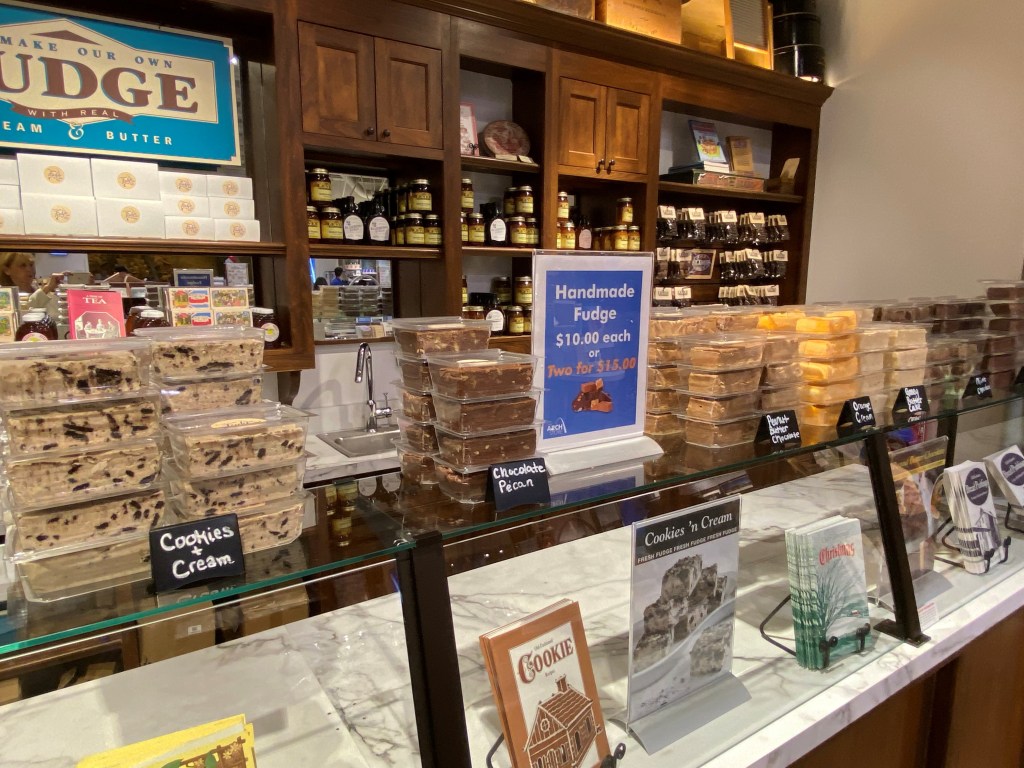
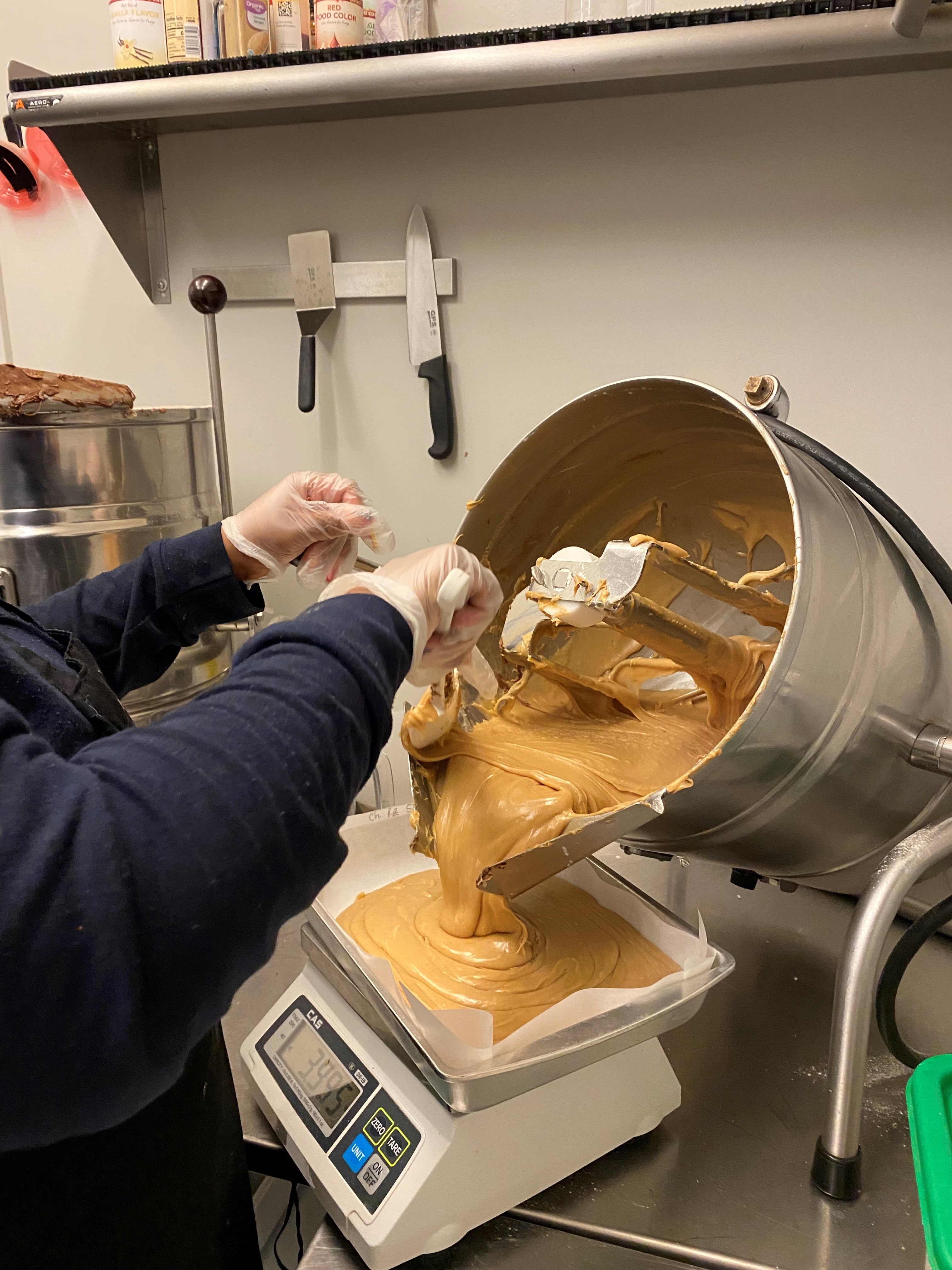
The Arch Store makes its own fudge several days a week in a specially designed kitchen and we sell it at our historically themed fudge counter in the back of the store, often after giving customers free samples to try. Our best-selling flavors are Chocolate Sea Salt Caramel, Peanut Butter-Chocolate and Gooey Butter Cake. Mmmmm.
So celebrate National Fudge Day with a trip to The Arch Store to get a sweet taste of the past. And be sure to let us know which is YOUR favorite flavor!
How much do you know about the skies above us? Well here’s a fun way to learn. All would-be stargazers should mark their calendars for the return of the summer and fall Gateway to the Stars series at Gateway Arch National Park. Visitors of all ages can join in the fun.
Credit: NPS
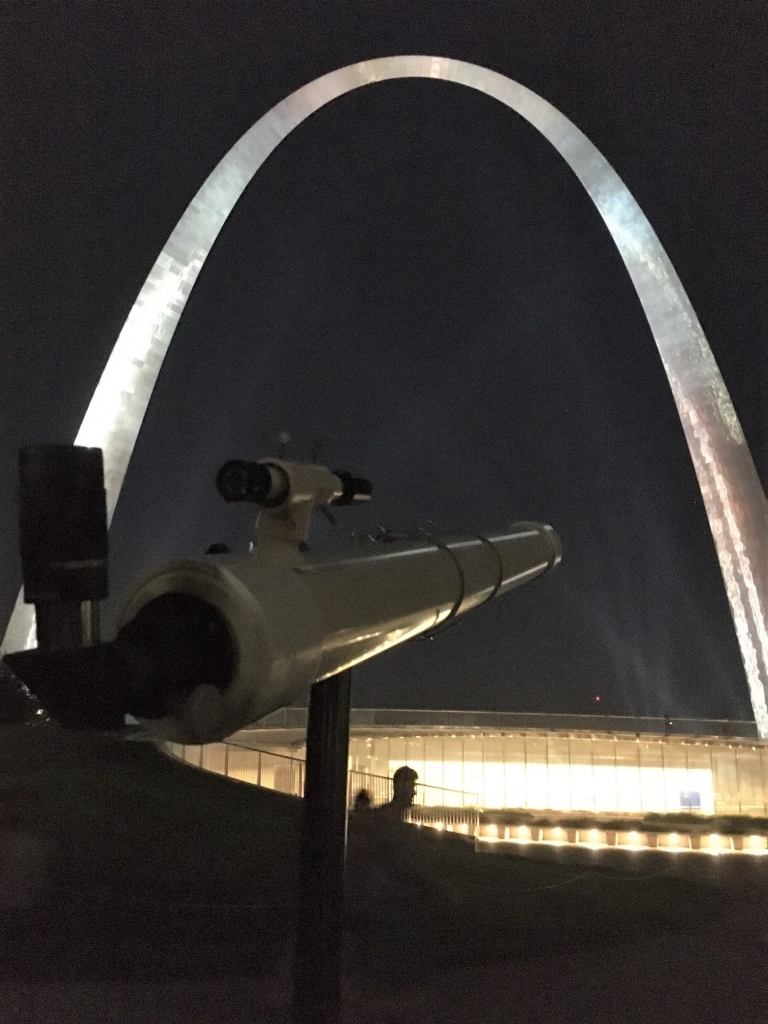
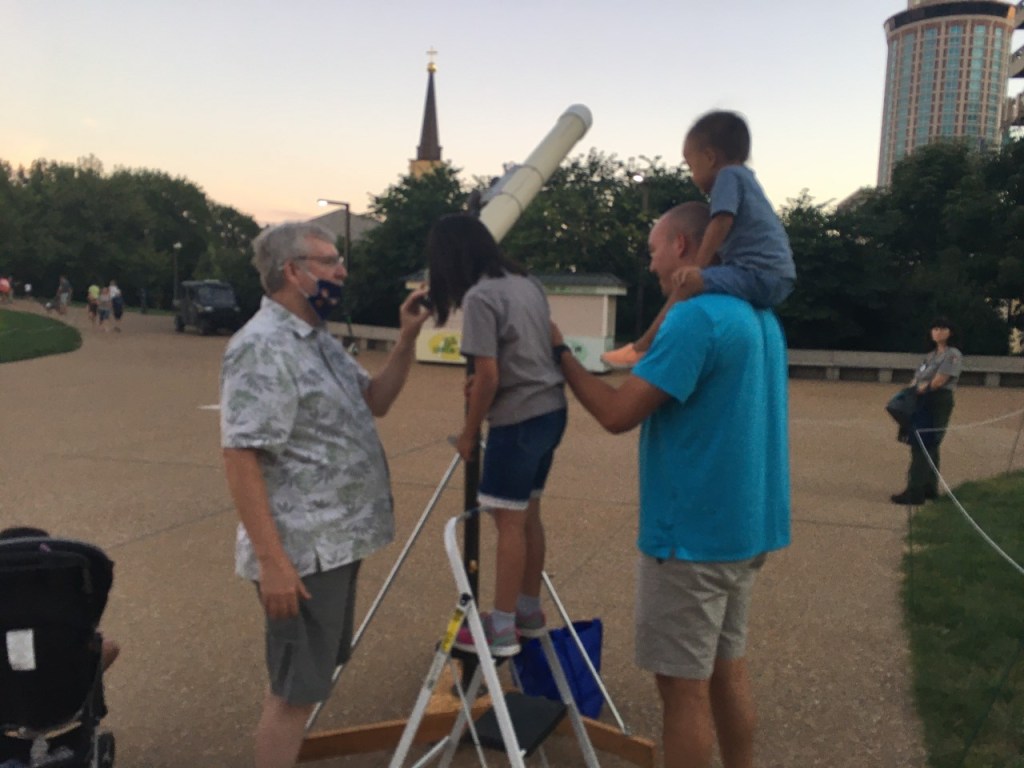
Each month from now through October, the National Park Service and the St. Louis Astronomical Society will offer public astronomy programs and telescope viewing at the Gateway Arch. Each evening event will begin with a ranger talk and discussion inside the park’s Visitor Center at 6:45 p.m. followed by telescope viewings of the night sky just outside the Arch entrance beginning at 8:00 p.m., weather permitting. Volunteers from the Astronomical Society will have multiple telescopes available for participants to use and will help interpret what people can see through the eyepiece.
Credit: NPS
The theme of each evening will differ. No reservation is required except for the children’s program on July 10, which requires advance registration:
Sunday, June 12: Stories in the Stars The discussion will focus on the sky as a cultural resource and will include constellation stories from many cultures. Visitors will also be invited to share their sky stories.
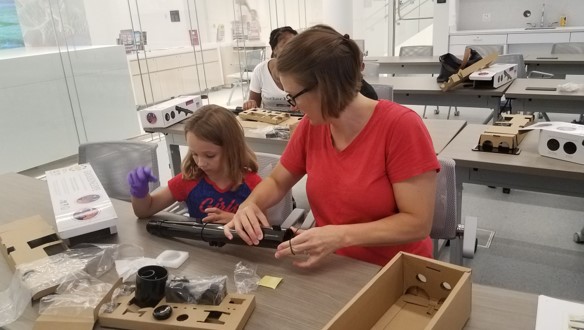
Sunday, July 10: Kids Explorer Night Children ages 5-12 can earn their Junior Ranger Night Explorer patches as they build and take home their own Galileoscopes. These are small refractor telescopes that allow viewers to see the same objects as famed astronomer Galileo Galilei such as craters of the moon and four moons of Jupiter. Space is limited. Go to Gateway to the Stars: Kids Explorer Night for information on how to sign up.
Credit: NPS
Sunday, August 14: The New James Webb Space Telescope Learn about the newest space telescope, its “first light,” and early discoveries it has already made.
Saturday, September 3: Lights Out Heartland Speakers from Dark Sky Missouri will discuss the impact of light pollution on wildlife and the environment.
Let’s say you’re a tourist wandering around downtown St. Louis looking to pick up a fun souvenir or needing directions to a nearby attraction. Where do you go? Well, we have a place for you!
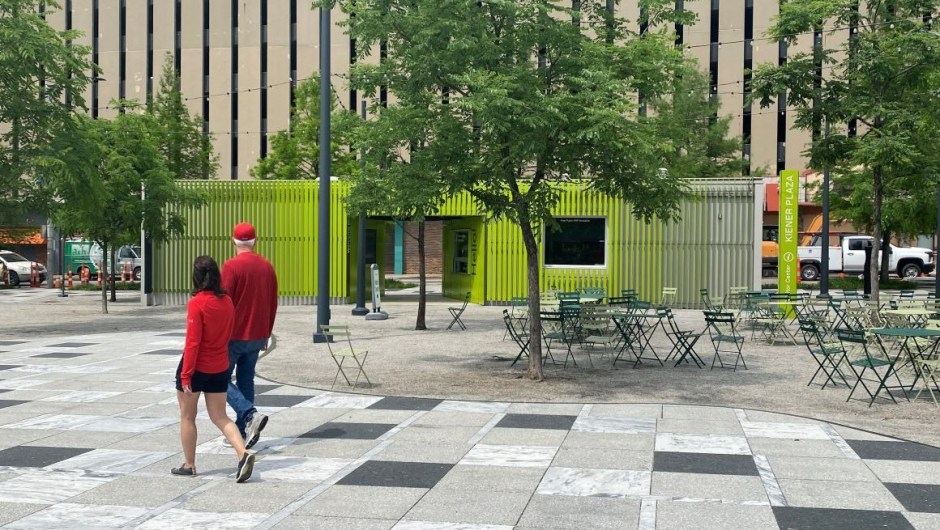
Head on over to Kiener Plaza, just west of Gateway Arch National Park, and look for the bright green Visitor Center. That’s where you’ll find JNPA’s newest little retail shop as well as a visitor information booth staffed by Explore St. Louis. Their friendly personnel can direct visitors to a wide range of tourist destinations and activities in the region.
And for those who want to take home a special souvenir from their visit, our store offers shirts, hats, drinkware and collectibles that sport a colorful St. Louis logo.
Credit: Gateway Arch Park Foundation
Kiener Plaza sits just west of the Old Courthouse and Gateway Arch. The city park features winding paths and a lawn that can accommodate a variety of events, including a bicycle parking grove, a shade garden with café tables and chairs, benches, a fountain garden with a splash pad, a children’s play garden, and a statue honoring former Olympian Harry Kiener.
Stop by our shop and say hello next time you’re downtown. Our store hours are 10 a.m. to 5 p.m. Friday, Saturday, and Sunday now through Labor Day.
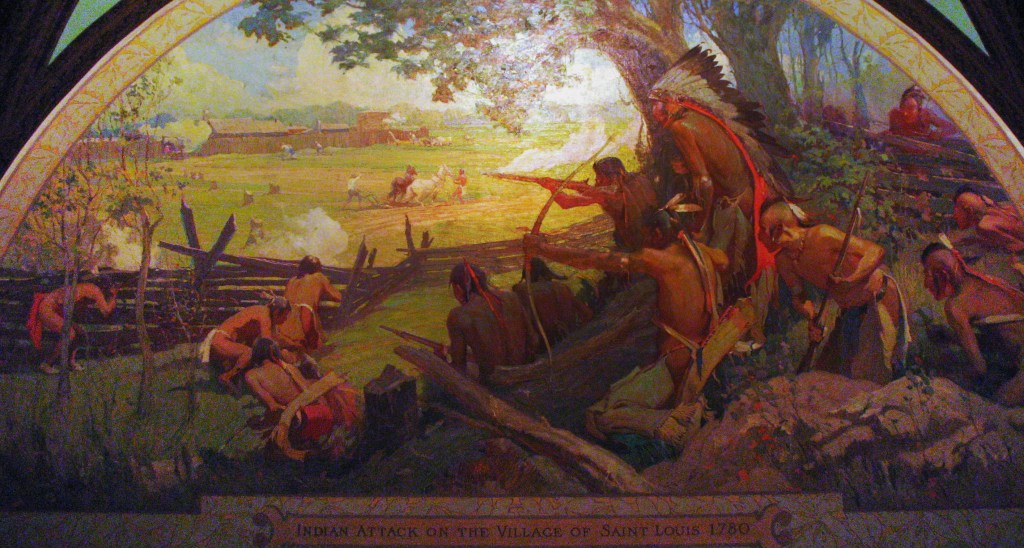
When we think of the American Revolutionary War, we usually imagine the action taking place on the East Coast and involving just the British and the American colonists. But the battles west of the Appalachian Mountains, though less well known, also helped shape the destiny of the nation; and they involved various indigenous tribes as well as the French and the Spanish. The Battle of St. Louis in 1780 – which took place near what is now the western border of Gateway Arch National Park – was one such conflict.
The small village of St. Louis was founded by French traders in 1764 but became a Spanish settlement when the French ceded the territory to Spain. Most of the approximately 900 St. Louisans were still of French heritage, overseen by a small number of Spanish soldiers. They were far outnumbered by the various Native American tribes who lived nearby as trading partners of the Europeans.
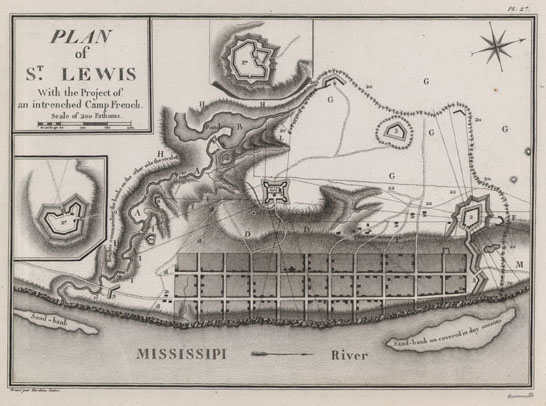
Map of the village of St. Louis c. 1790
When the American Revolution broke out in 1776, the British sought to control not only the Mississippi River but also St. Louis, which was a trading hub and the political capital of the region. Because the British had only scattered troops in the Midwest, they recruited nearly 2,000 Native Americans from several tribes near the Great Lakes, who began traveling downriver in early May of 1780.
After fur traders warned the Spanish Lt. Governor Fernando de Leyba about the impending British attack, he began developing plans for his town’s defense. De Leyba made plans for four round defensive towers to be built on which to place sharpshooters and cannons. Only one tower – named Fort San Carlos –was finished by the time the attackers neared St. Louis. The locals managed to place five cannons on its roof as well as trenches along the outer walls of the town.
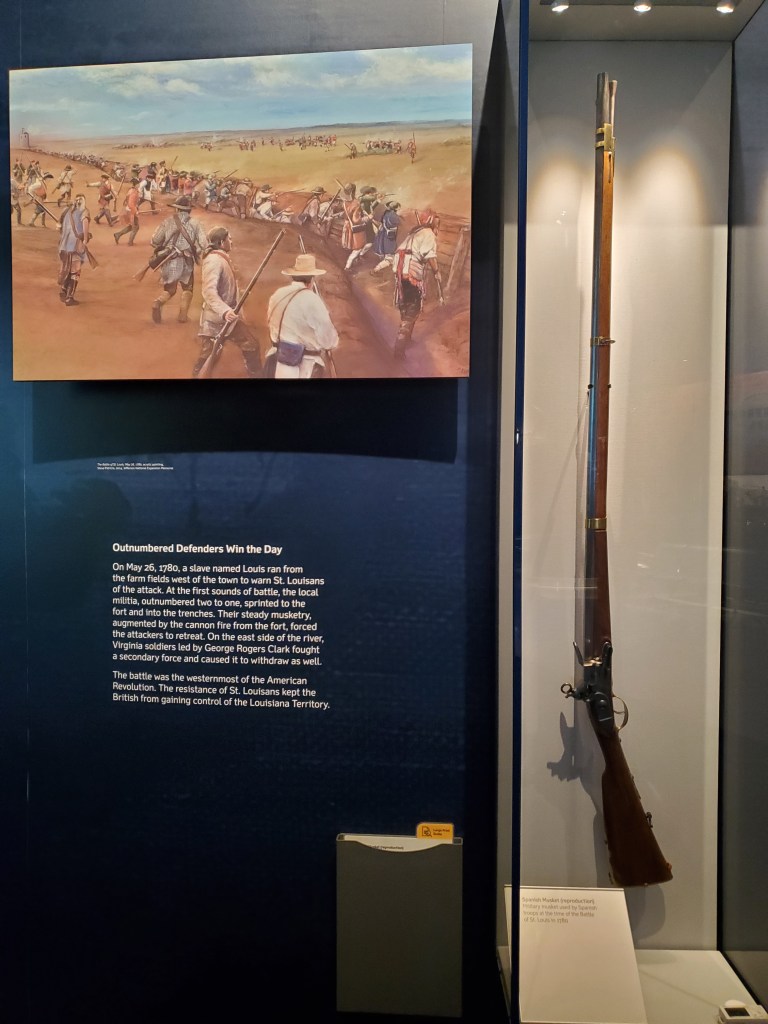
Once the British and their Native allies began attacking on May 26, the villagers were greatly outnumbered – as many as 100 were killed – and the outlook looked grim. However, thanks to their cannons and other defenses, St. Louis was able to overcome their attackers and win the battle. This meant the British were not able to gain control of the Mississippi River during the Revolutionary War, a key victory for the American colonists.
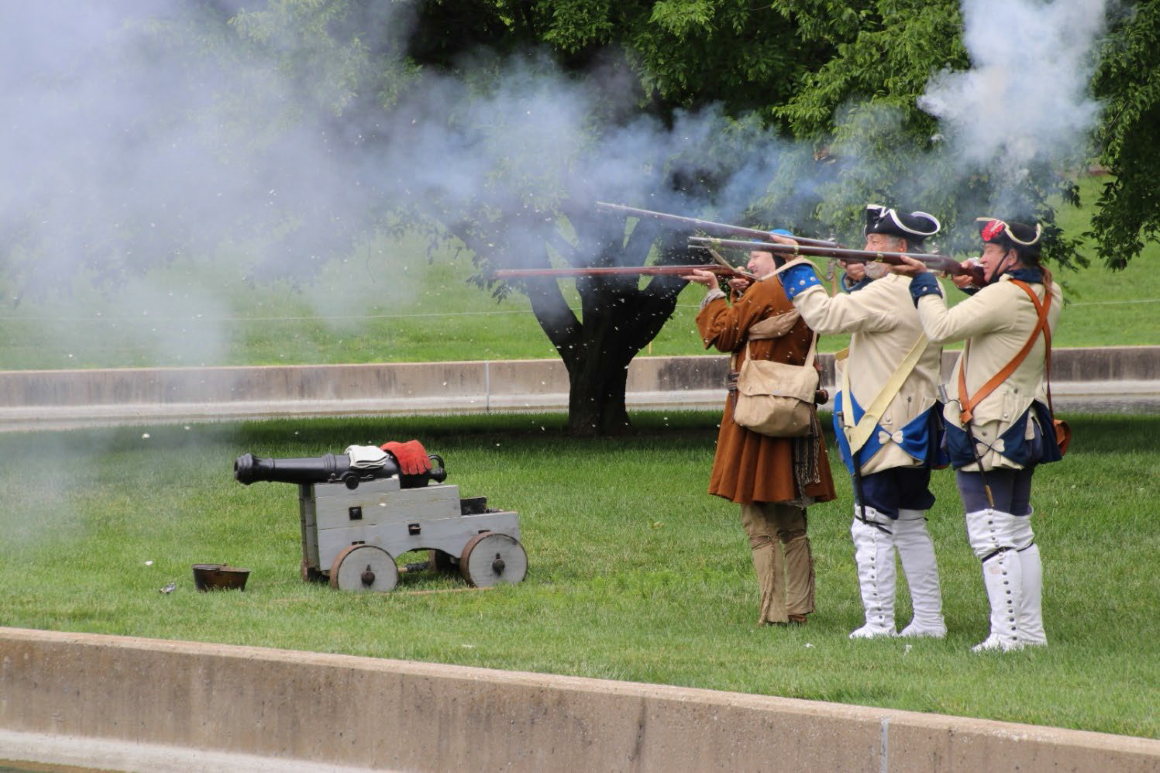
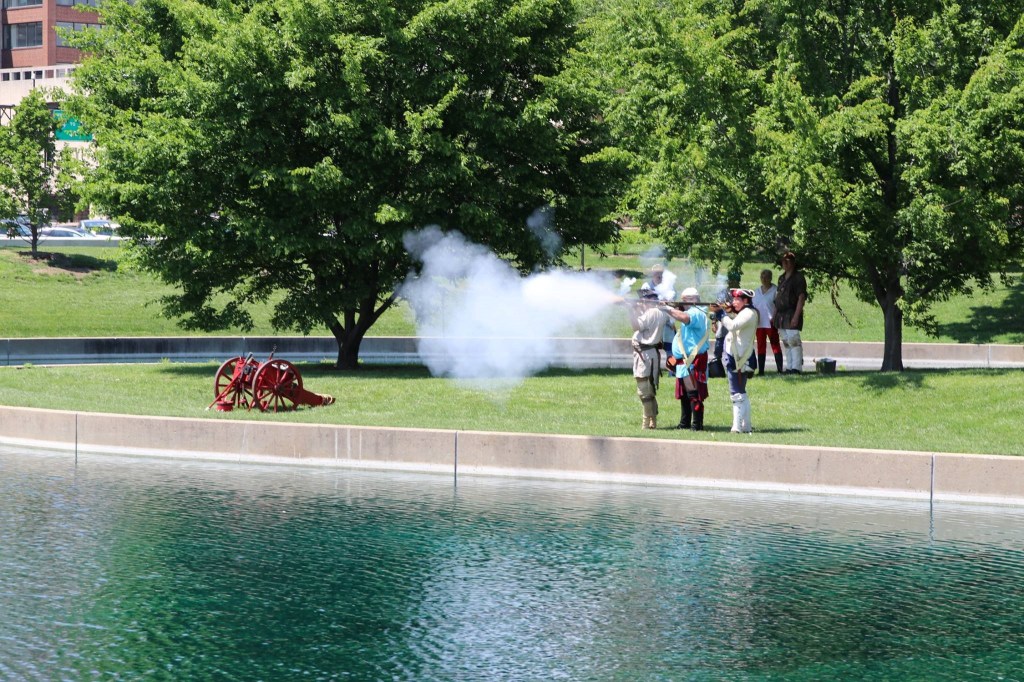
The National Park Service commemorates the Battle of St. Louis every year near the anniversary date. The event takes place this year on May 28th from 10 a.m. to 4 p.m. on the south end of the Gateway Arch grounds. Interpretive rangers and living history volunteers in 18th-century attire will be on hand to explain the story of St. Louis’ role in the American Revolution and the implications of the settlers’ victory. There will also be periodic musket- and cannon-firing demonstrations. Reservations are not required.
An exhibit at Gateway Arch National Park
More information on the Battle of St. Louis can be found in the Arch Museum. Also, check out an extensive new exhibit, The American Revolutionary War in the West, which just opened at St. Charles County’s Heritage Museum.
The newest acquisition to Ste. Genevieve National Historical Park’s historic buildings happens to be the oldest structure in the community. While the Green Tree Tavern has played numerous roles in the small Missouri town, it now serves as a reminder of the complex history of this unique European settlement.
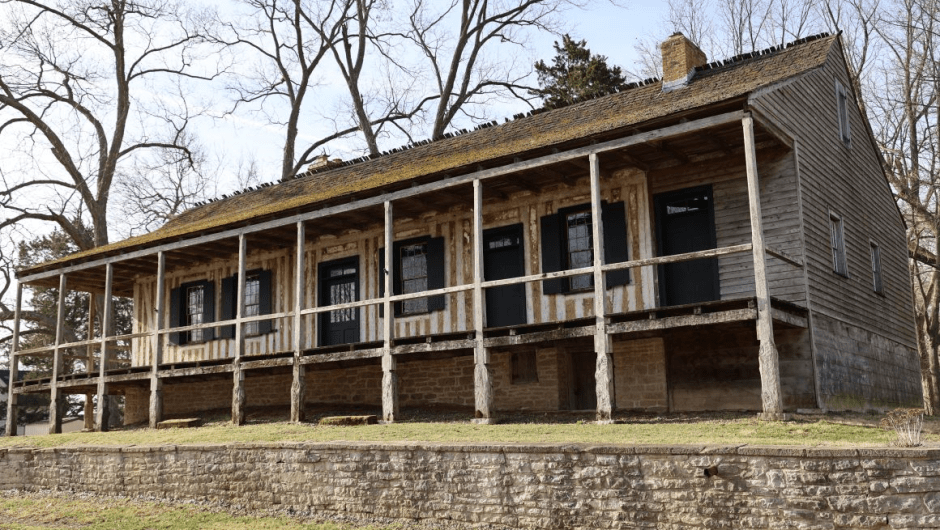
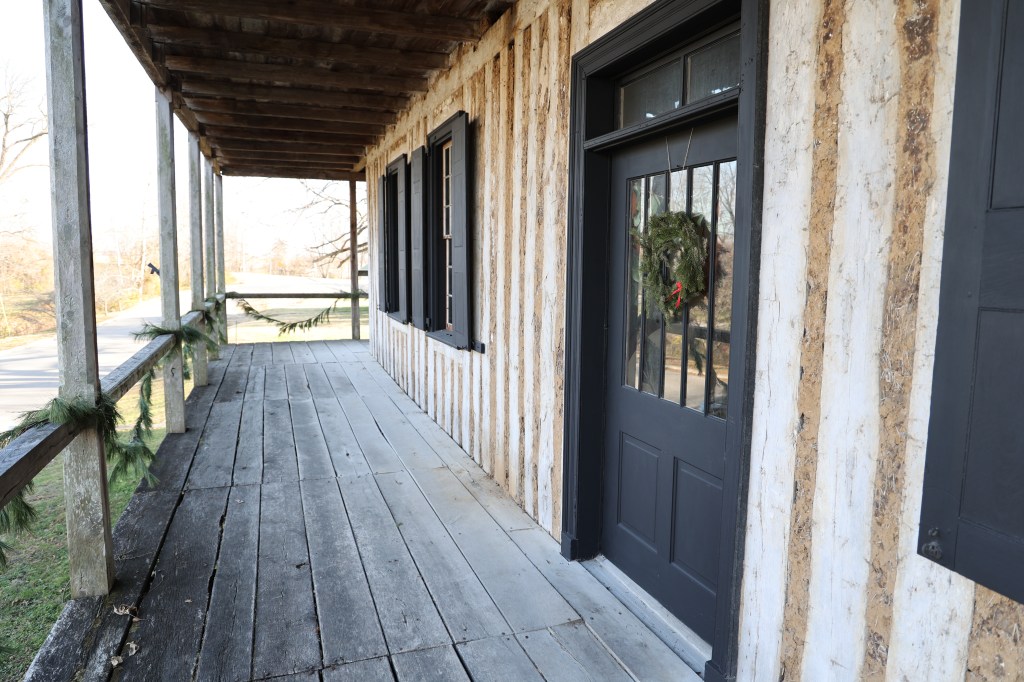
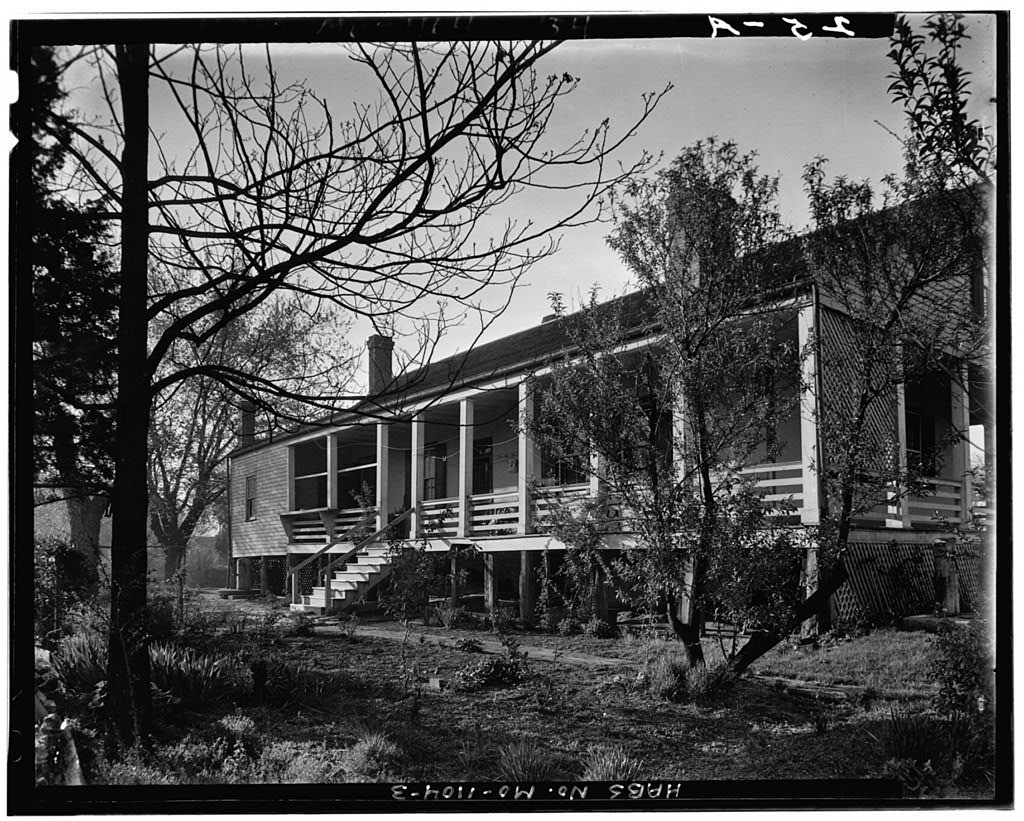
The Green Tree Tavern in Ste. Genevieve, Missouri, is a rare surviving example of French Colonial architecture known as poteaux sur sole (post on sill). Its unusual construction featured walls made of hand-hewn white oak logs arranged vertically rather than the more traditional horizontal log structure used elsewhere. Recent studies of the building’s timbers confirmed a construction date of 1790, making it the oldest home in the town and possibly the oldest home west of the Mississippi.
Green Tree Tavern c. 1934
The tavern has filled many different roles for many different people. It was originally built as a home for French Canadian Nicolas Janis and his family. When they migrated to the area, they brought with them at least 10 enslaved people, many of whose ownership transferred to the original owners’ descendants.
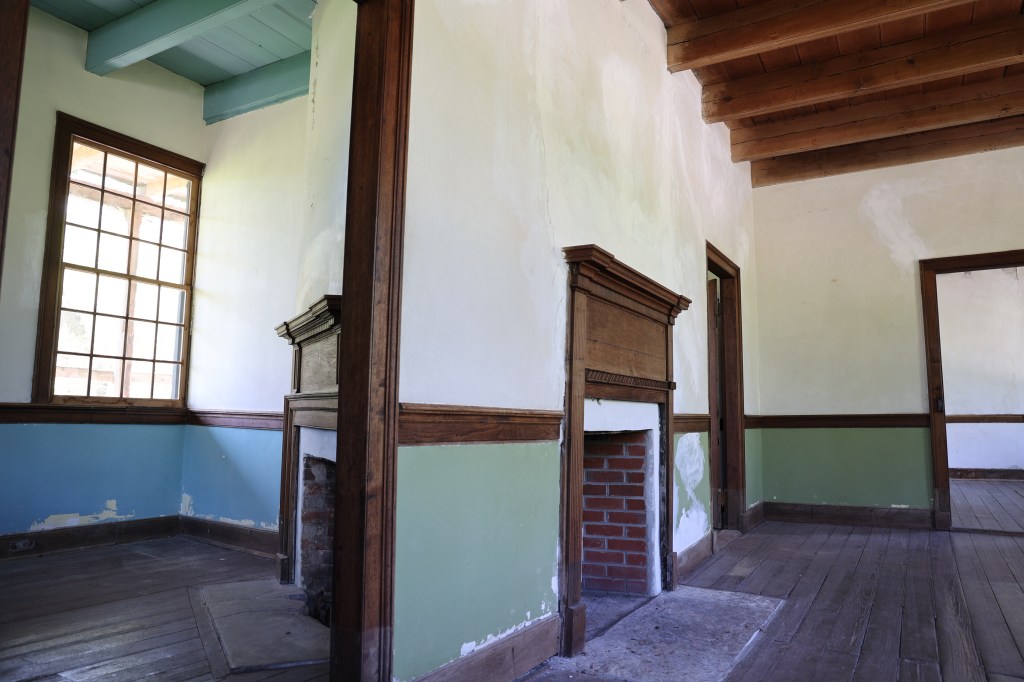
When Nicolas’ son, Francois, inherited the property, he opened it as an inn. The tavern offered lodging, entertainment, socializing, and news to the many travelers pouring into the new Louisiana Purchase territory. Guests could enjoy food and drink in the public room, then sleep in rooms heated by an unusual triangular fireplace. In later years the building served as a tobacco store and as the first Masonic Lodge in Missouri.
Interior view of Green Tree Tavern showing the triangular fireplace
The grounds of Green Tree Tavern are open year-round. National Park Service rangers offer free interior tours daily, but registration is required either in person at the park’s Welcome Center (66 Main Street) or by phone at (573) 880-7189.
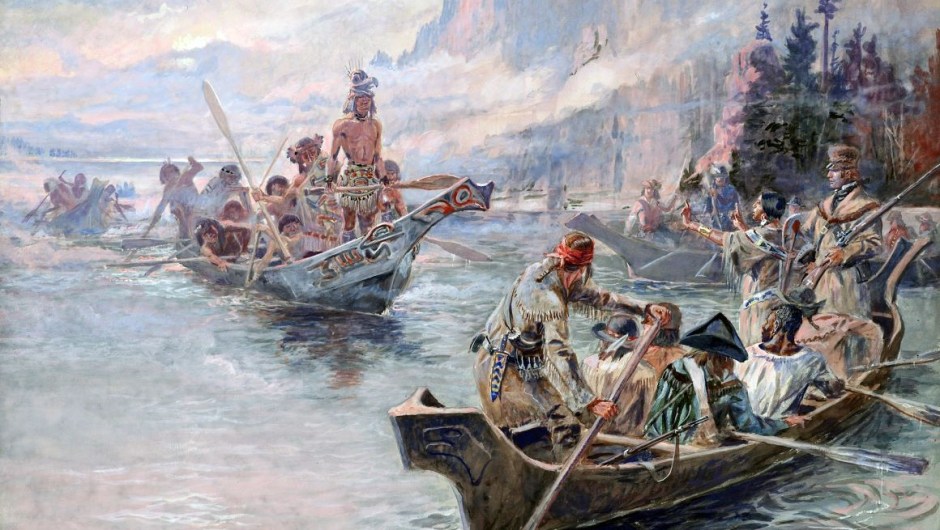
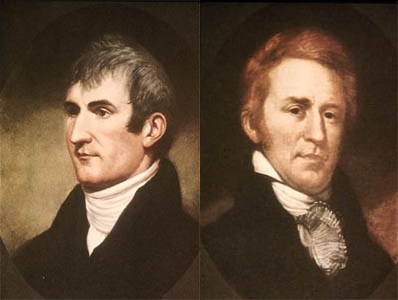
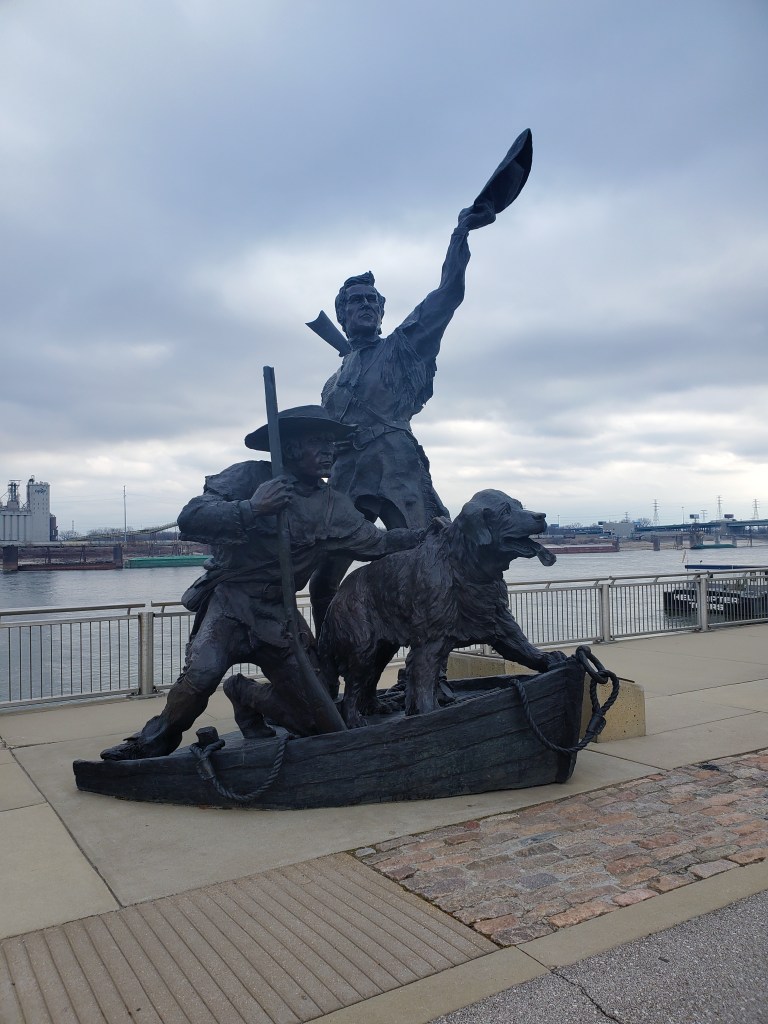
Nearly 218 years ago this week, 45 men and one dog set out from Camp Dubois near St. Louis on what was to become one of the most famous explorations in American history. On May 14, 1804, Meriwether Lewis and William Clark led their Corps of Discovery on an expedition to explore the newly acquired western portion of the continent. Their epic two-year journey took them to the Pacific Coast and back, yielding a treasure-trove of detailed maps, climate and soil data, and plant and animal specimens, as well as the beginning of relationships with dozens of tribal nations.
Two of JNPA’s partner sites – Gateway Arch National Park and the Lewis and Clark Visitor Center – feature interpretive exhibits about this famous expedition in their museums. So we thought it fitting to honor the intrepid explorers during this anniversary week.
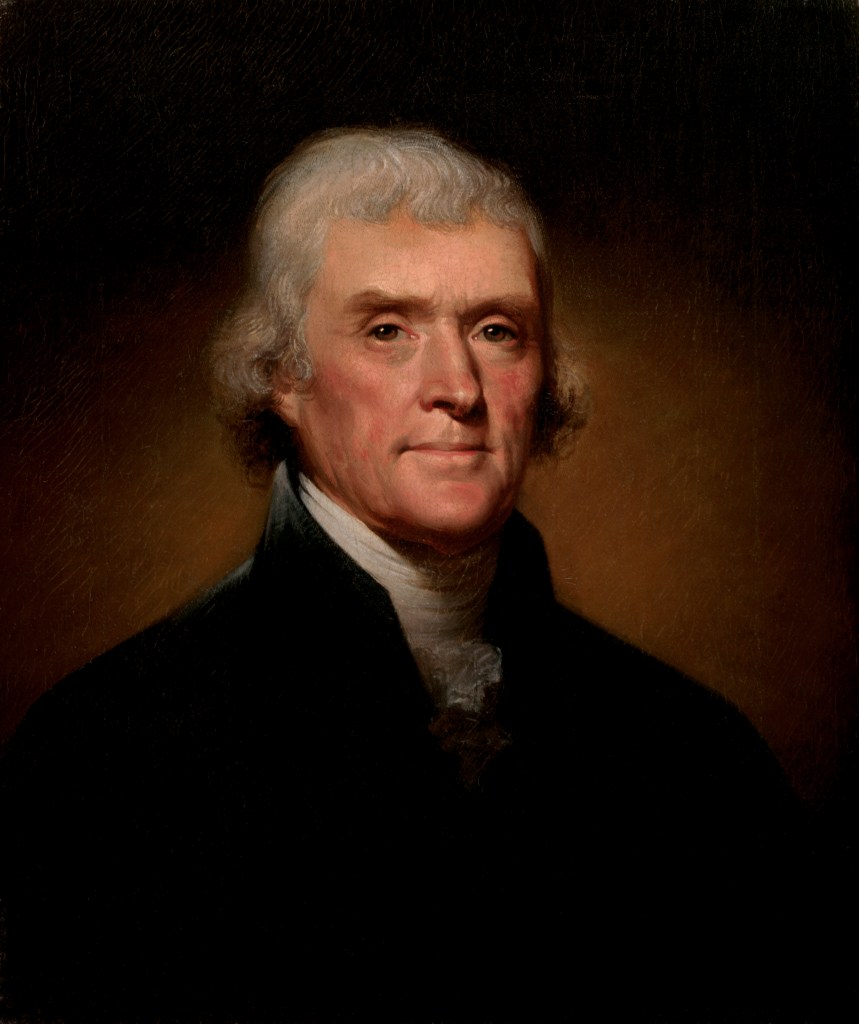
Thomas Jefferson
President Thomas Jefferson commissioned the expedition shortly after acquiring the Louisiana Purchase territory in 1803. Although scientific discoveries and mapping were of high importance, Jefferson’s primary interests were political and commercial. He envisioned an eventual expansion of the nation to the Pacific Ocean and wanted to establish an American presence in the west before European nations made claims to the region. He also charged Lewis and Clark with preparing the way for the extension of the valuable fur trade, with documenting other natural resources that could support future settlements, and with assessing the friendliness of the indigenous tribes they encountered.
Meriwether Lewis and William Clark
Jefferson provided the Corps of Discovery with the best clothing, firearms, boats, equipment, and rations then available. He also supplied them with an assortment of medals, ribbons, needles, mirrors, and other articles which were intended as gifts to Native American chiefs.
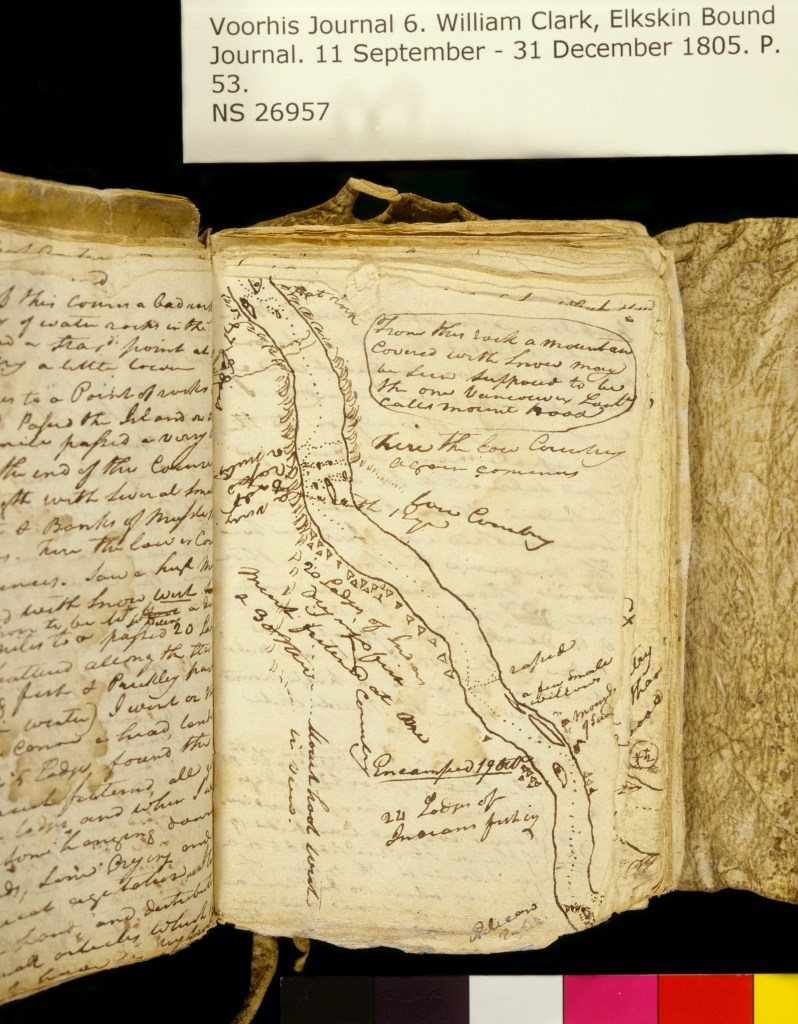
The expedition travelled up the Missouri River and through its tributaries in a specially built 55-foot keelboat and two smaller boats called pirogues, averaging 15 miles a day. Their journey proved difficult and exhausting: the men were plagued by heat, injuries, insects, and the river’s strong current and many snags. Both Lewis and Clark’s kept detailed records of these arduous conditions in their journals, which were primarily devoted to meticulous descriptions and drawings of the native people, plants, animals they saw.
[Columbia River near Mouth of Umatilla River, Washington and Oregon]. Entry of 19 October 1805, cont. Voorhis Journal #6 [Elkskin Bound Journal]. p. 53. [Moulton 5:302]. Voorhis Journal 6. William Clark, Elkskin Bound Journal, 11 September – 31 December 1805., p. 53. Clark Family Collection. William Clark Papers. Missouri Historical Society Archives. Photograph by Cary Horton, 2003. NS 26957. Photograph and scan (c) 2003, Missouri Historical Society.
To find out more about this famous expedition, you can visit the museum at the Gateway Arch. The Jefferson’s Vision gallery features numerous exhibits on Lewis and Clark’s journey, including replicas and artifacts, interactives about the plants and animals the explorers encountered, and information about the native peoples who inhabited the West at the time of the expedition.
The Arch Store also offers books and other products related to the Corps of Discovery, including the classic best-seller Undaunted Courage by Stephen Ambrose. You can purchase these and other items online or at The Arch Store.









 JNPA Blog