Unsung Heroes of National Parks and Public Lands

When you picture someone who works for a national park, you probably think of a ranger in a flat hat, but did you know that park rangers are not the only ones who keep these treasured sites running? In fact, it takes a wide range of talented people to protect and maintain these historic sites and natural spaces.  Today we’re starting a blog series to shine a light on the employees at our partner sites who spend day in and day out taking care of these amazing public lands and their visitors – ranging from specialists in law enforcement and groundskeeping to administrative staff and so many others.

First up, we spoke to Candy Braton, Recreation Fee Specialist at Voyageurs National Park. Candy started her career as a seasonal maintenance worker at Voyageurs in 2001. Seasonal work was perfect for Candy while she completed her master’s degree in environmental studies and raised her two small sons. She also worked at Rocky Mountain National Park before moving into her fulltime current position at Voyageurs in 2018.
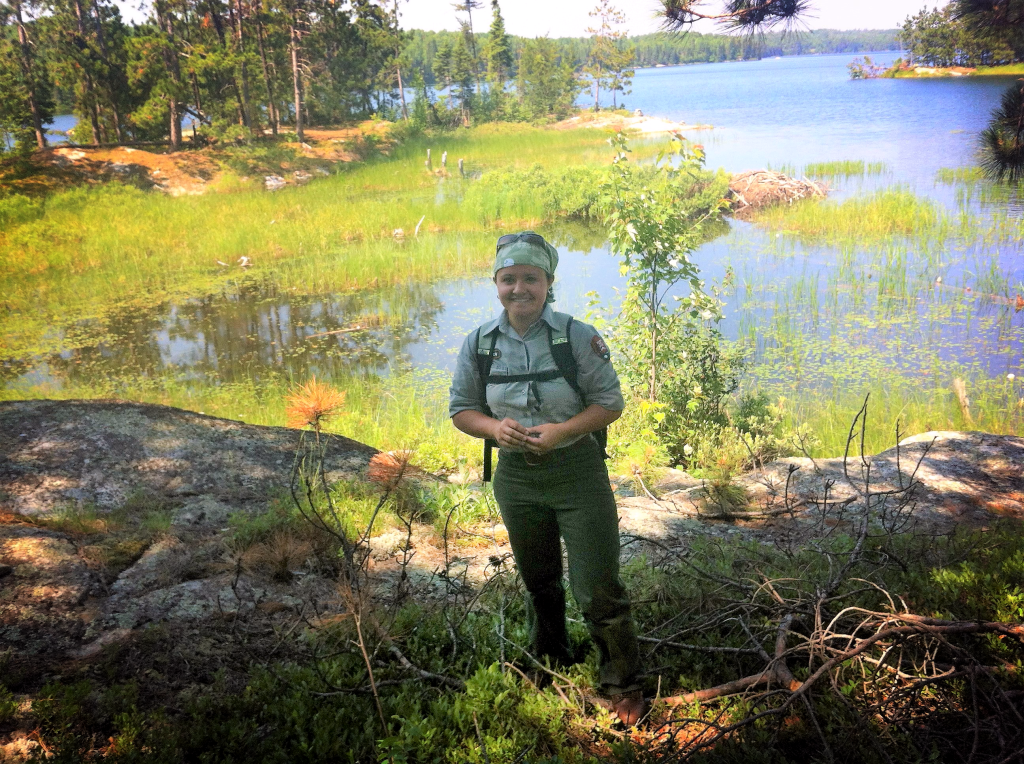
Candy on her first hike to Cruiser Lake.

What made you want to pursue a career in public lands?

My desire for a career with the NPS grew very organically. I slowly realized as I attended college that what I was doing for my summer job, and where I was spending my summers, were what I was becoming most passionate about. I wanted to be involved with caring for special places such as Voyageurs and doing what I could to help others understand the need to care for them as well. After two years of college, I switched my major to Environmental Studies and finally felt certain that my educational and future career goals were aligned with what simply made me happy.

What is your favorite part of the job?

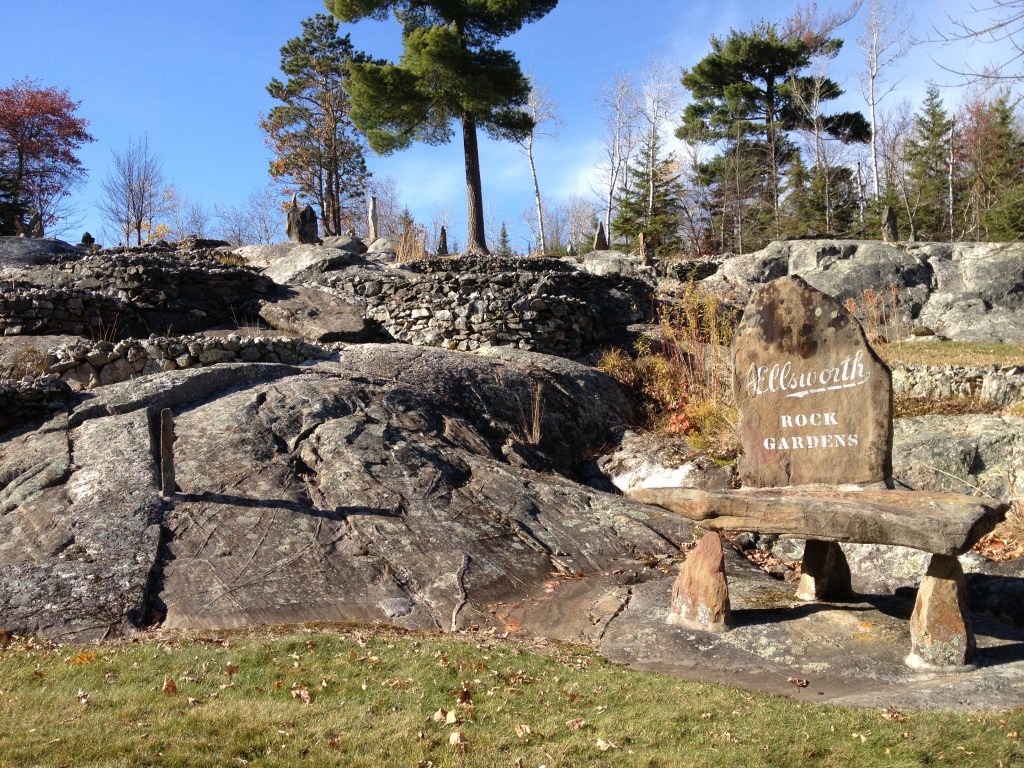
I am admittedly a nerd when it comes to helping people plan trips in the park or looking into camping statistics at VOYA, so if I’m in the office I genuinely enjoy doing those things, but I love when I get the chance to get back in the field doing just about anything. One part of managing the Rec Fee program at VOYA is completing collections of park donations, which guarantees me at least a few chances to take a boat to Ellsworth Rock Gardens each season, and managing certain aspects of our backcountry camping opportunities gives me reason to get in a few hiking trips for work in as well.
What is particularly special about Voyageurs National Park?

What I love about Voyageurs is you can always escape crowds. No matter where you are on the lakes you can find somewhere to feel completely secluded. I love that there is so little development that when you look at the long stretches of rugged shoreline, it feels timeless – you’re seeing it the same way people did in the past and how people will continue to see it generations from now because of the existence of the park.

What is a funny/favorite memory from your job?

When I was cleaning campsites one season, I had a student seasonal working with me, and as we were driving our boat in a channel we saw something small swimming in the water. We came to a stop to try and figure out what it was, at which time it turned and started swimming right toward us. As it got close to the boat, we realized it was a racoon, and it started scratching at the boat like it was trying to get in. My coworker started yelling and ran to the other side of the boat, ready to jump out if the racoon got in, because it just so happened that she had an intense fear of racoons of all things! Some other favorite memories are when I got to camp for a week in the backcountry for work, or when I’d sit quietly on random shorelines to have lunch and would see deer come out of the woods for a drink from the lake, families of otters frolicking on the shoreline, loons feeding their babies, and all sort of other things I’d try to remind myself most people don’t get as a job perk!
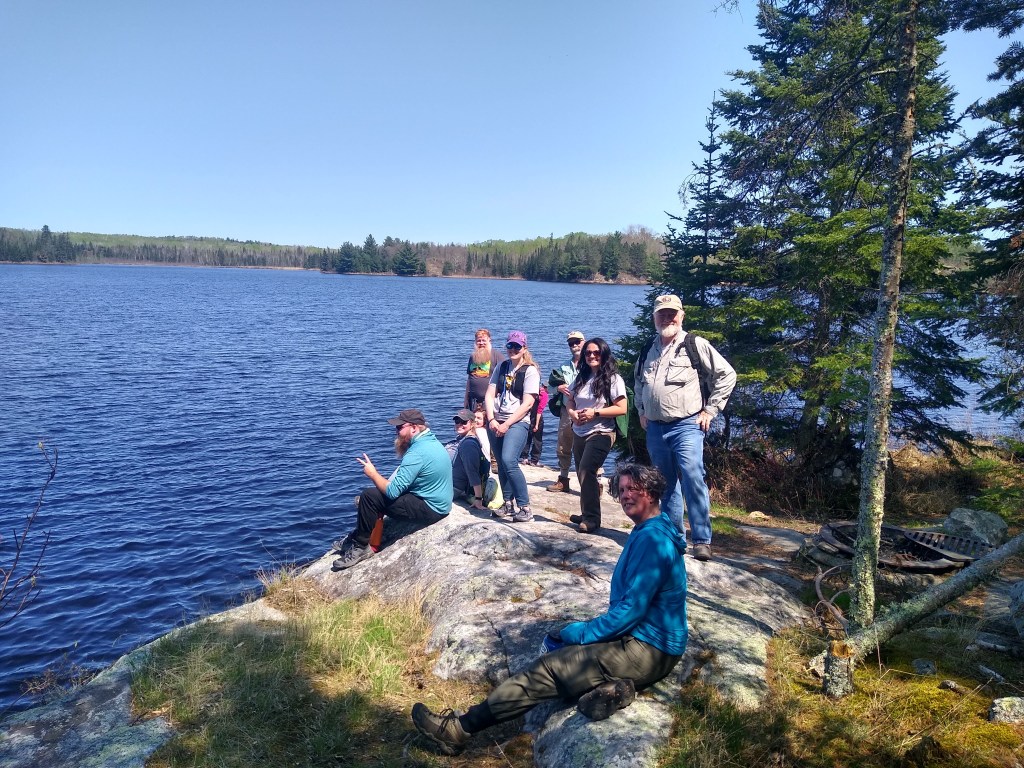
Candy leading the 2023 Seasonal Rangers to a backcountry lake.

What advice do you have for someone who wants to start a career with public lands?

My advice would be to explore the public lands near you; become familiar with them both from the resource perspective and the visitor perspective. Volunteer your time or apply for a variety of seasonal positions to get tangible experience in the different areas that interest you and help narrow down the type of job you find most fulfilling. Our charitable partner, the Voyageurs Conservancy, leads a Teen Ambassador program that gets groups of youth out into the park for an immersive experience camping, connecting with the land, learning about the park, and getting exposure to the wide array of work and research that happens in the park. There are also a variety of conservation organizations that give groups of high-school-aged students opportunities to camp in parks while completing valuable projects. Here at VOYA, the Conservation Corps of MN (CCM), the Student Conservation Association (SCA), and Youth Conservation Corps (YCC) are common youth organizations that do this.

Why do you think national parks and public lands are important?

National parks and public lands are important because they preserve the most beautiful and unique landscapes throughout the country. They are places of great historical and cultural significance, while also being home to some of the most biologically diverse environments. They are places that offer inspiration with their breathtaking views, the ability to slow down and feel connected to nature in a busy, fast-paced world, and an endless array of recreational opportunities so everyone can experience them in the ways that they enjoy most.
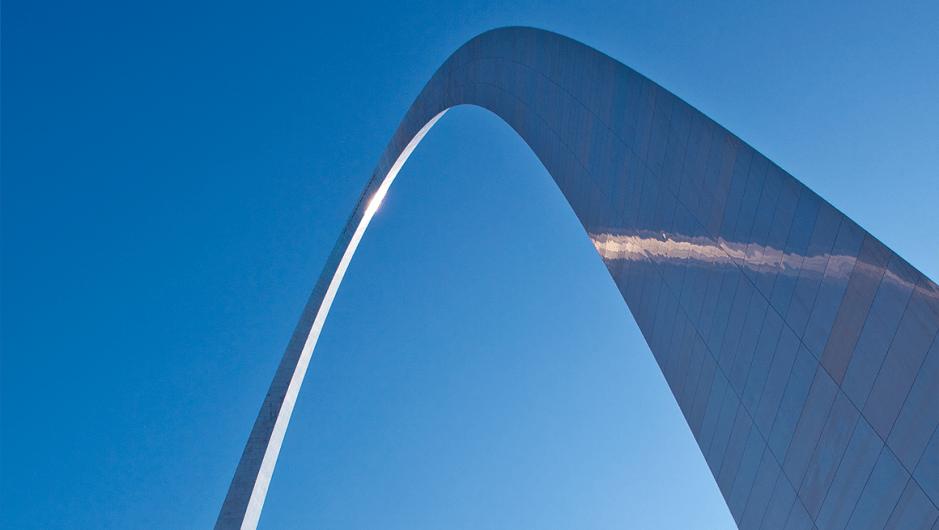
The Secret Staircase within the Gateway Arch

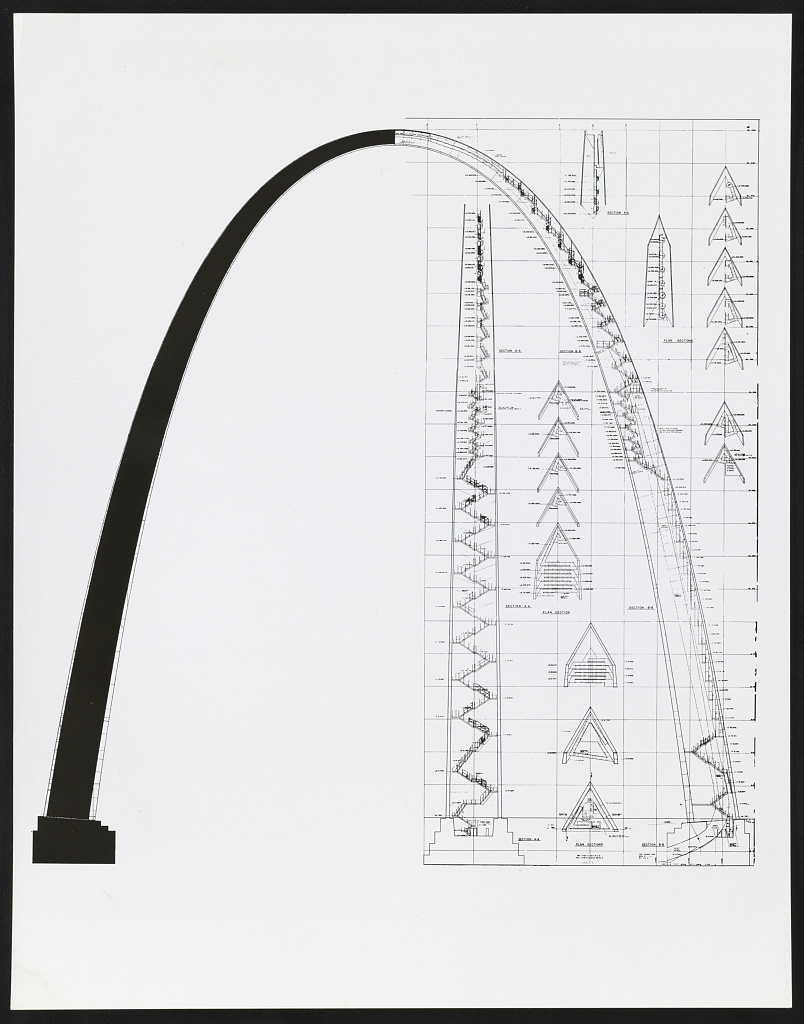
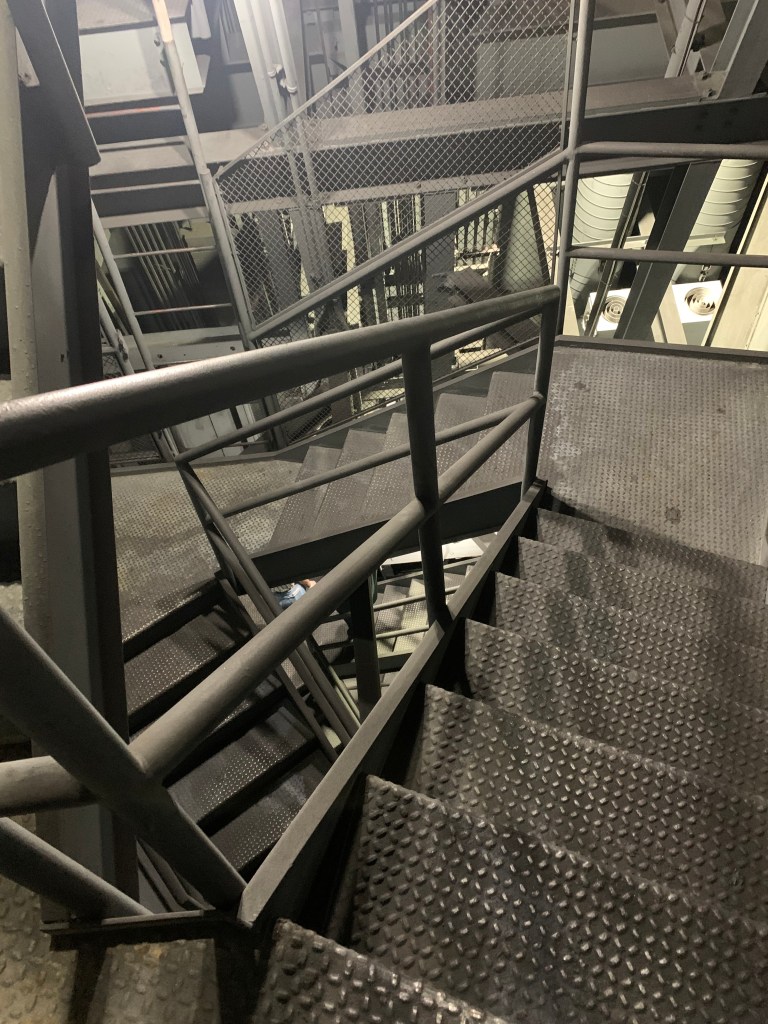
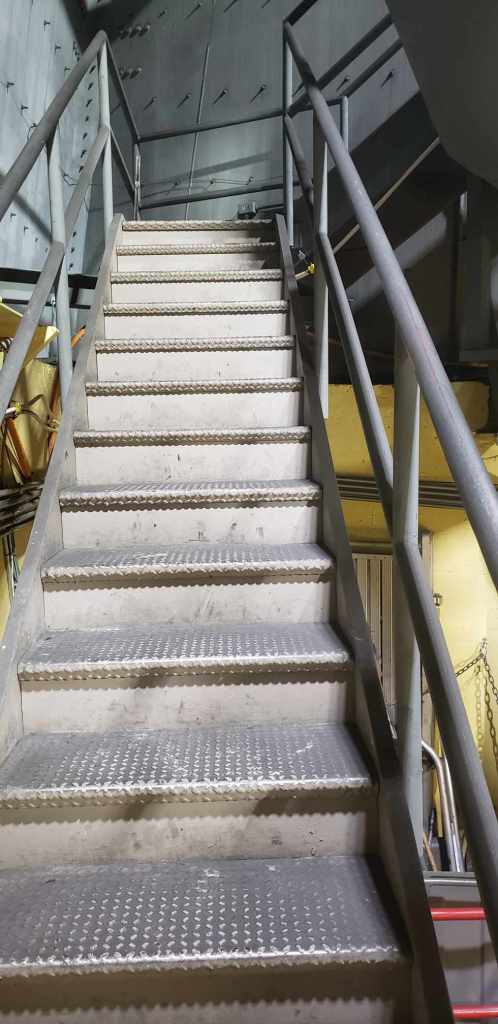
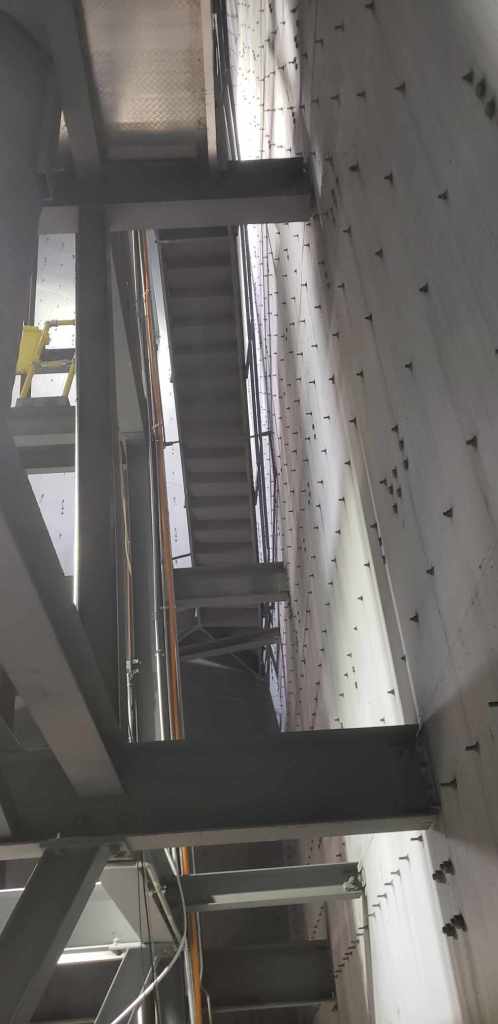
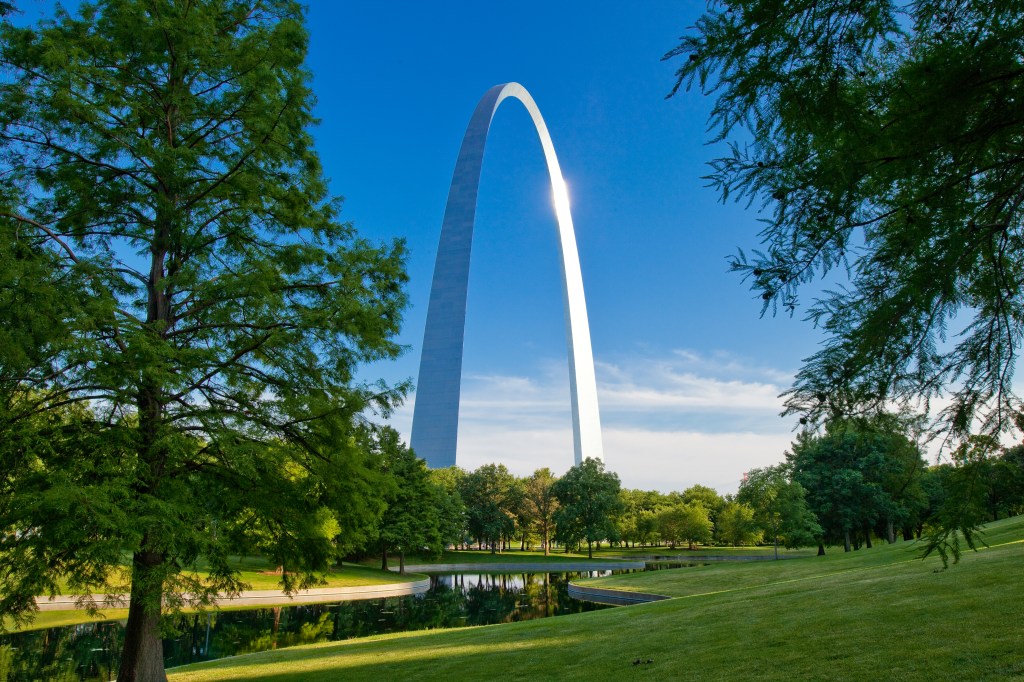
Shh, wanna know a secret that most visitors to Gateway Arch National Park don’t know?  There’s another way to get to the top of the Arch, beyond riding in a tram car. There’s a hidden staircase inside each leg of the Arch, with 1,076 steps on each side. 

Architectural drawing of the staircase inside the Gateway Arch. Credit: Library of Congress

But if the idea of climbing that many stairs makes your head spin, don’t worry.  The staircases aren’t for public use.

When the Arch was built in the 1960s, the designers had already made plans for a tram system to carry visitors up to the observation deck (and down again).  But they knew that park staff would also need access to the tram system for routine maintenance.  So they installed the stairways.  The stairs are an engineering feat, using 105 landings to snake through the curved structure. 

Visitors can sometimes glimpse the hidden staircase through the small windows as they ride up and down in their tram car.  So the next time you take a tram ride at the Arch, you can share the “secret” with your fellow riders!

Protecting Pollinators in Parks and Public Lands

What’s your favorite fruit?  Apples or bananas?  Blueberries?  Maybe peaches or strawberries?   Could you imagine a day without coffee?  Or a world without chocolate?  (Aaaghh!!!)

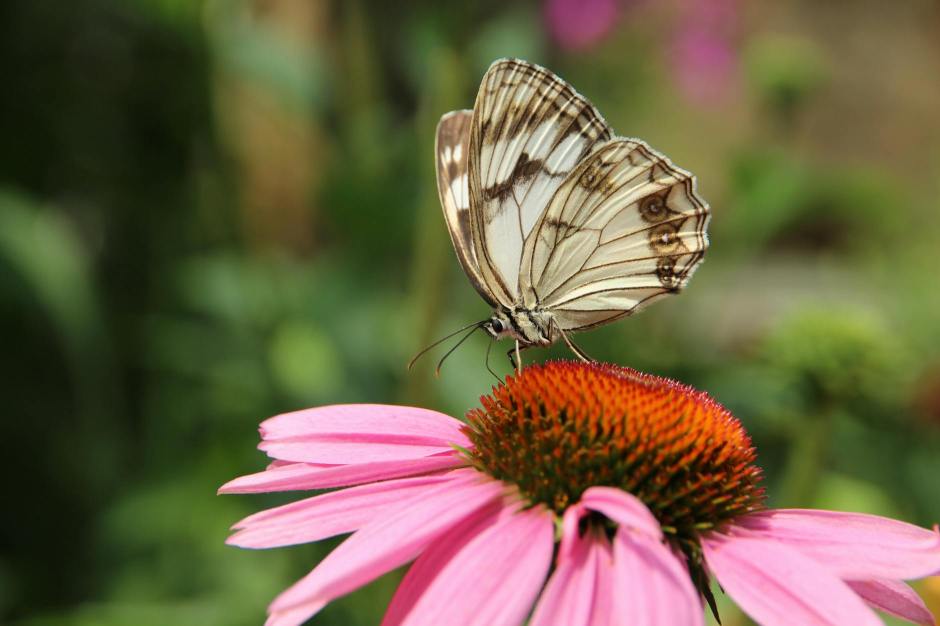
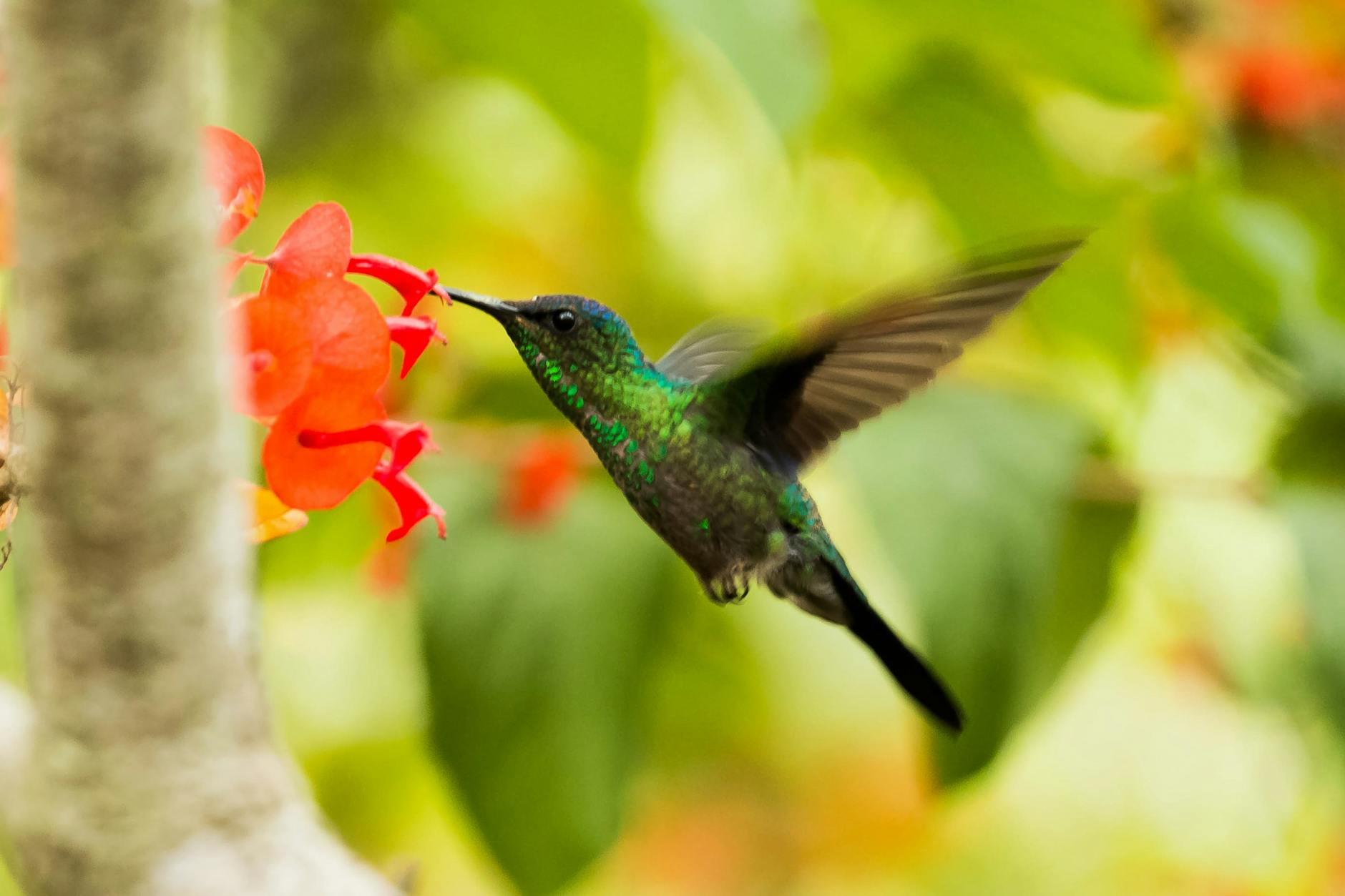
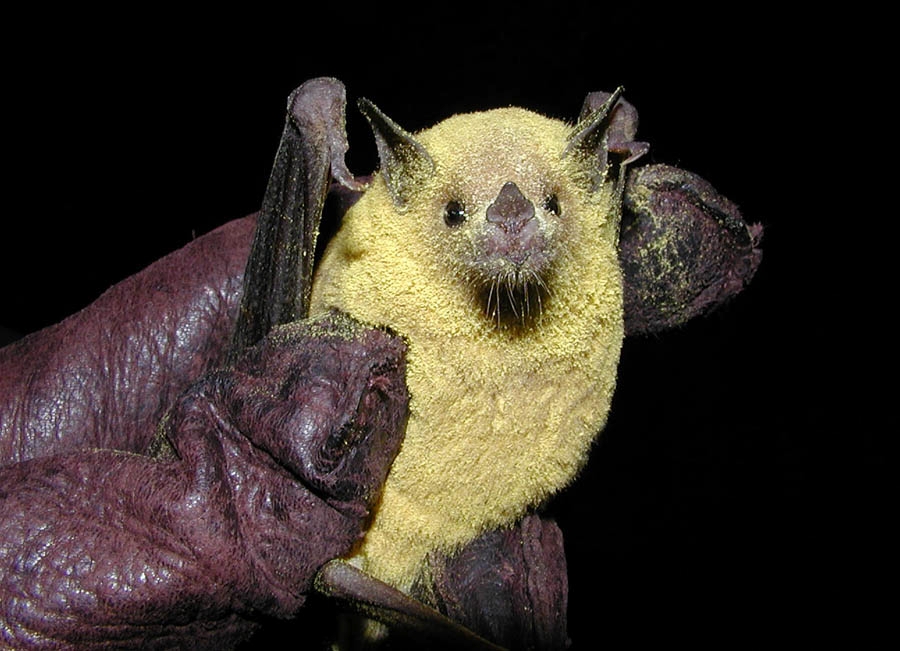
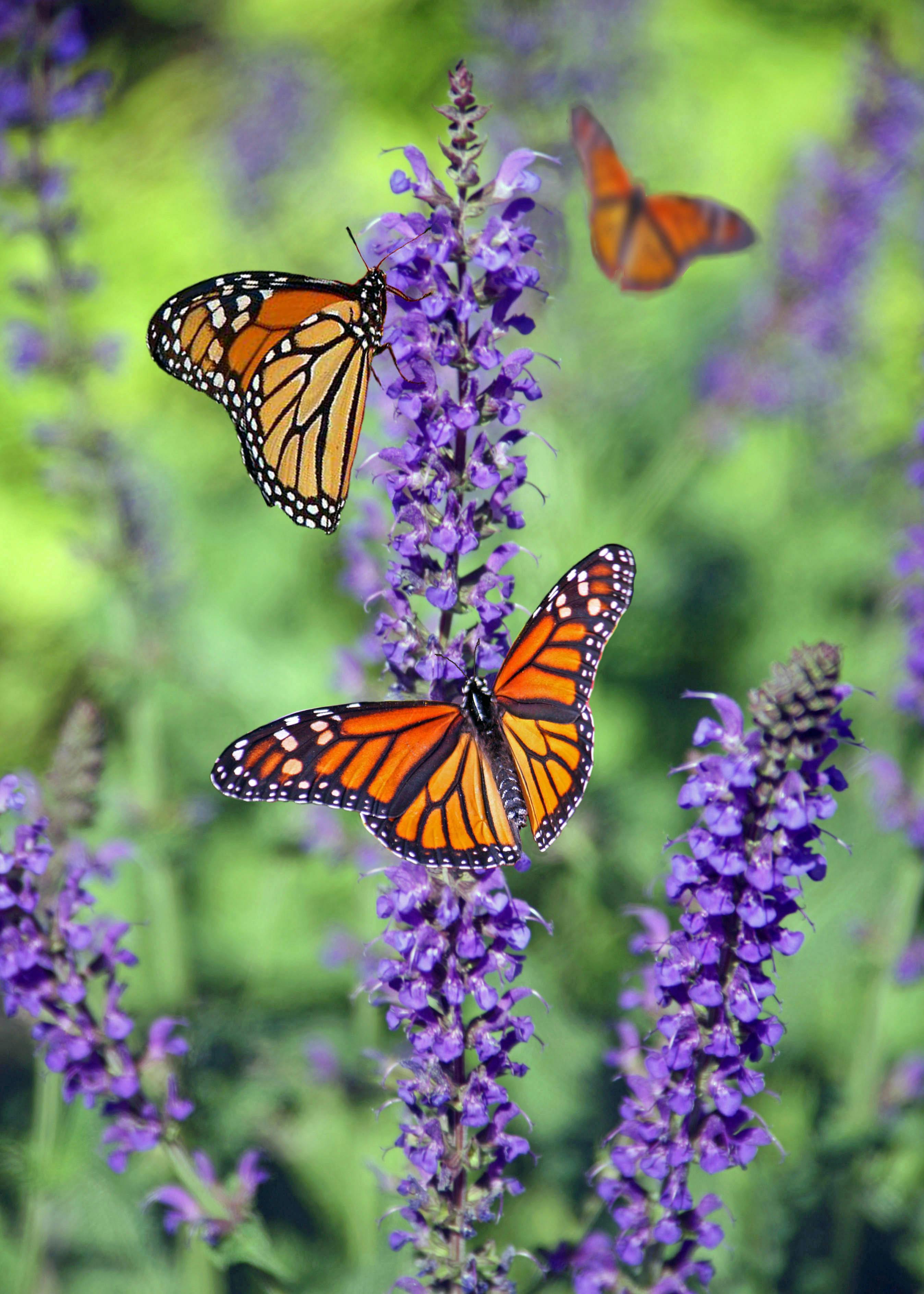
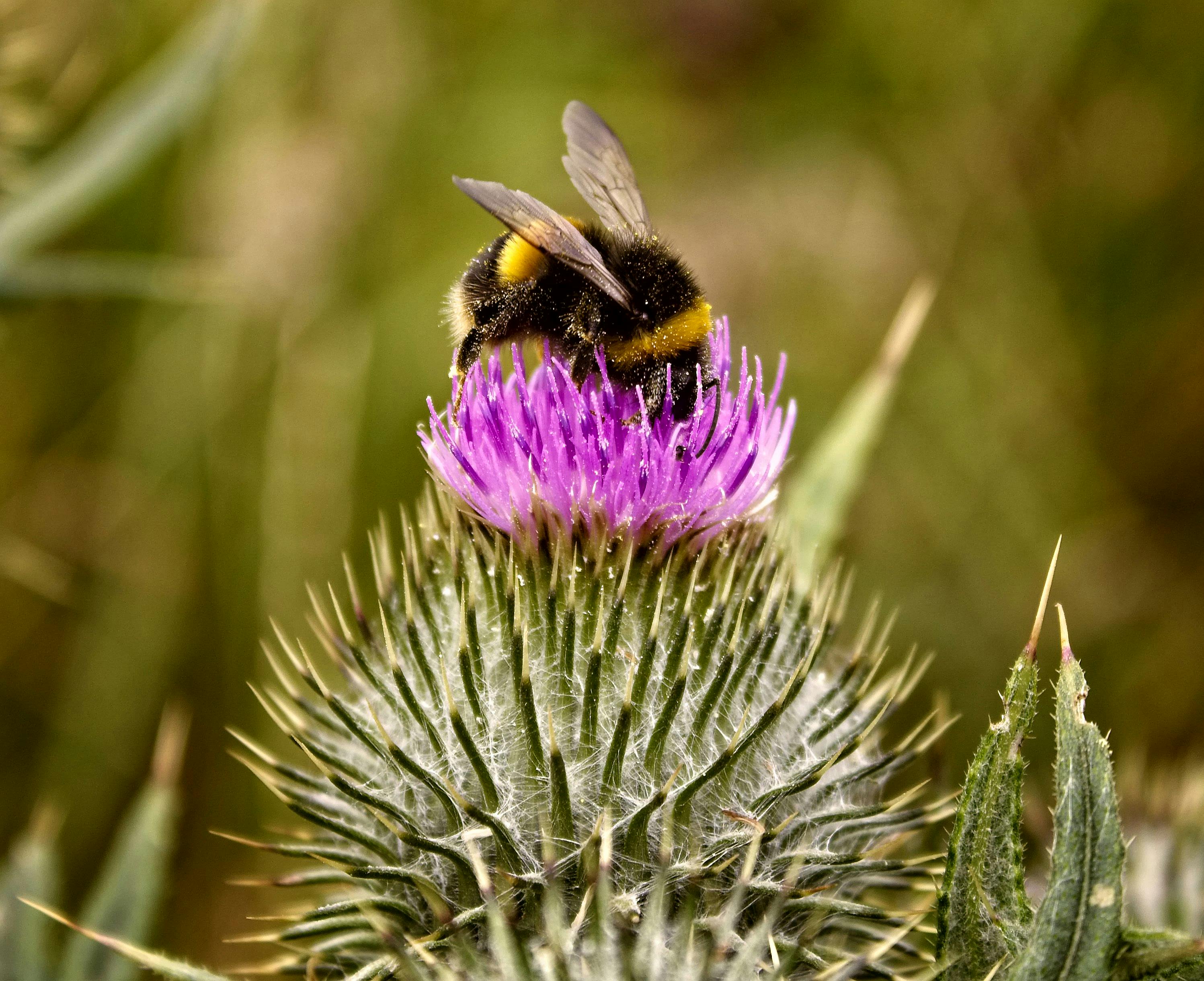
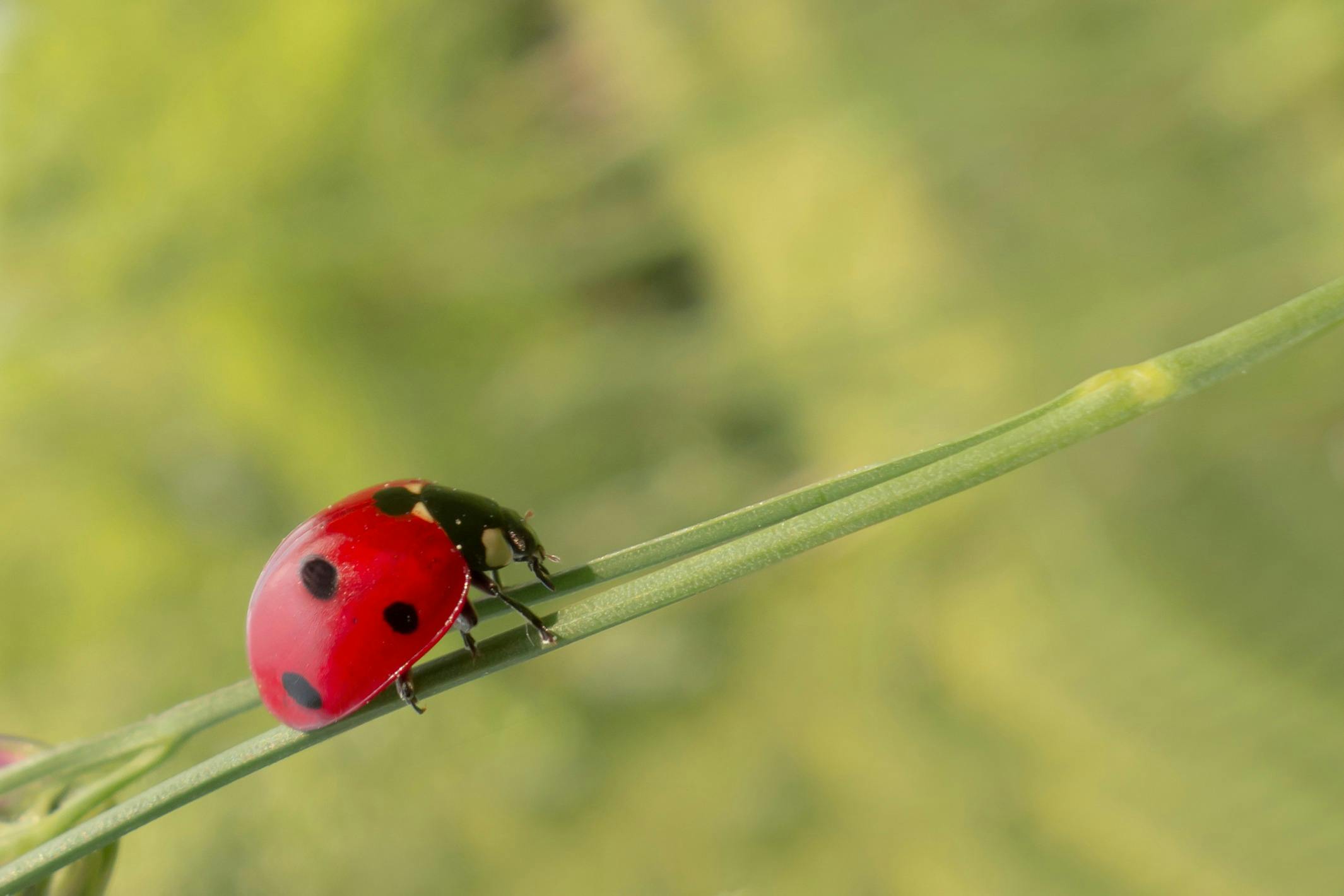
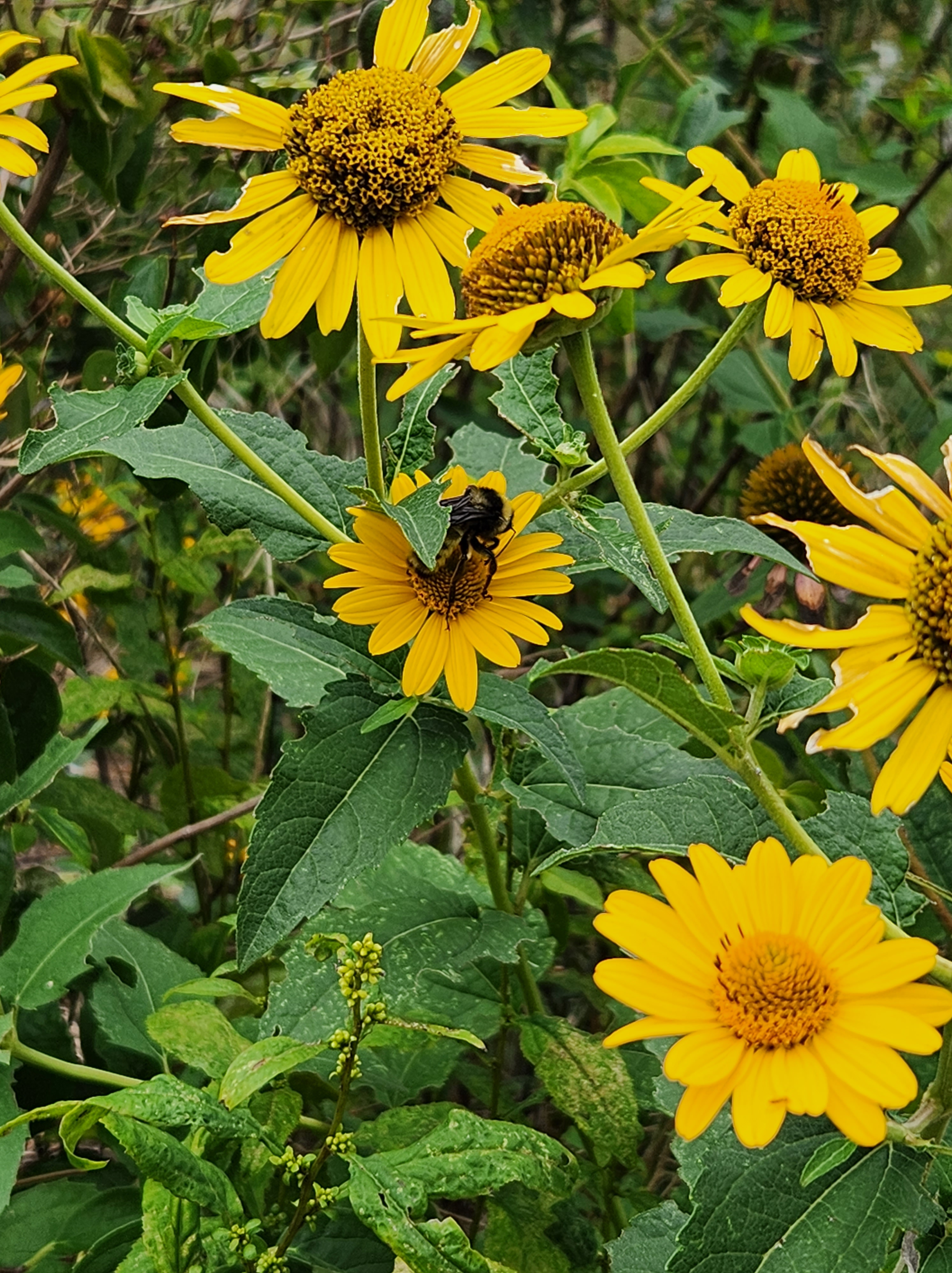
Well, if any of these foods are on your must-have list, you can thank a pollinator – specifically one of the thousands of birds, bats, bees, butterflies, beetles, and other insects that move pollen from plant to plant.  We rely on these little critters for one out of every three bites of food we eat.  Three-fourths of the world’s flowering plants and more than a third of the world’s food crops depend on animal pollinators for successful seed and fruit production, making pollinators a vital link to our food security, economy, and overall environmental health.

Photo by Viktoria Slowikowska on Pexels.com

So what does this have to do with national parks and public lands?

The National Park Service is committed to preserving our natural pollinator populations, especially those species that are in decline.  In many parks, species inventories are helping site managers know which pollinators are present so they can better understand the state of park ecosystems and make decisions about how to manage them.

Seventeen national parks are currently being surveyed for bees and butterflies in a project that started this spring and will continue through 2026.  In collaboration with university and NGO partners, these projects will address ecological priorities for pollinator conservation identified by park staff.  These include invasive plant removal, grazing management, controlled burning, and habitat restoration.

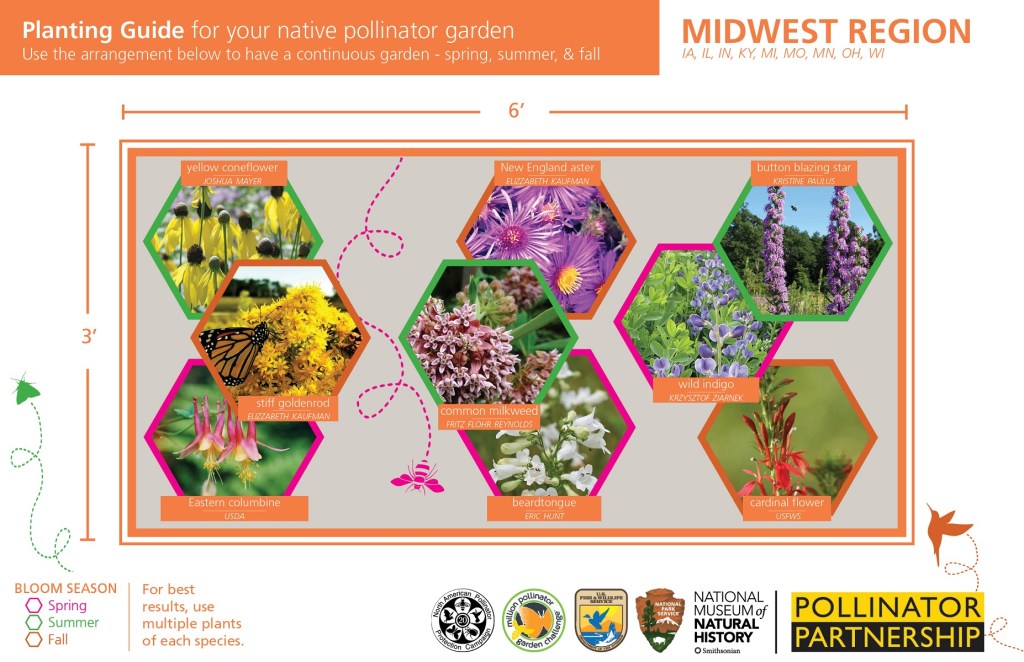
Mississippi National River & Recreation Area – one of JNPA’s partner sites – is included in this long-range pollinator study.  At the same time, park staff are also taking steps to protect the Monarch butterfly.  In order to ensure adequate supplies of Monarch-friendly nectar, they have planted numerous “pollinator gardens” throughout the park, each of which feature milkweed plants, the only plants that monarch caterpillars can eat.  In this way, the park hopes to reverse the years-long decline of its Monarch populations. 

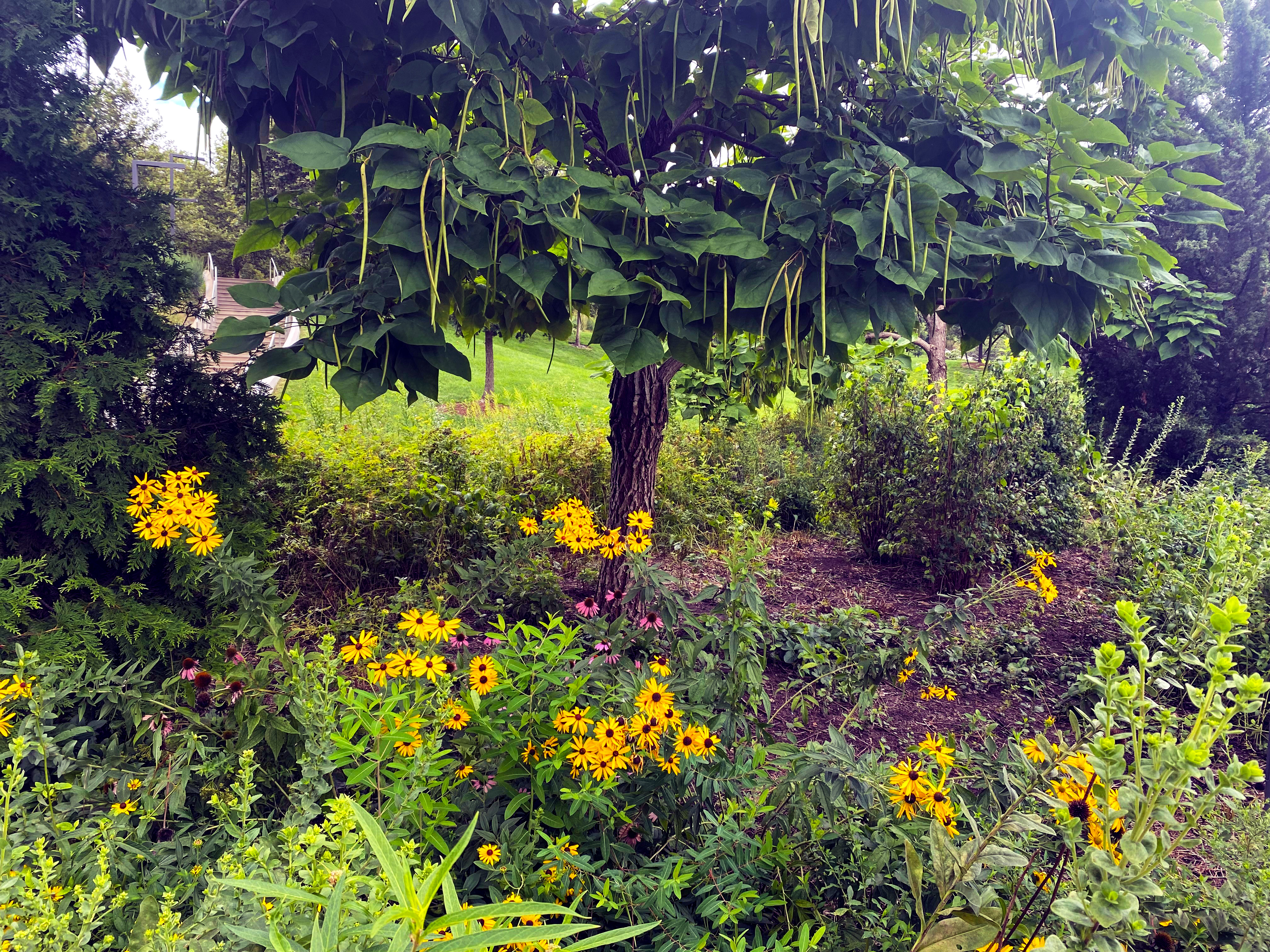
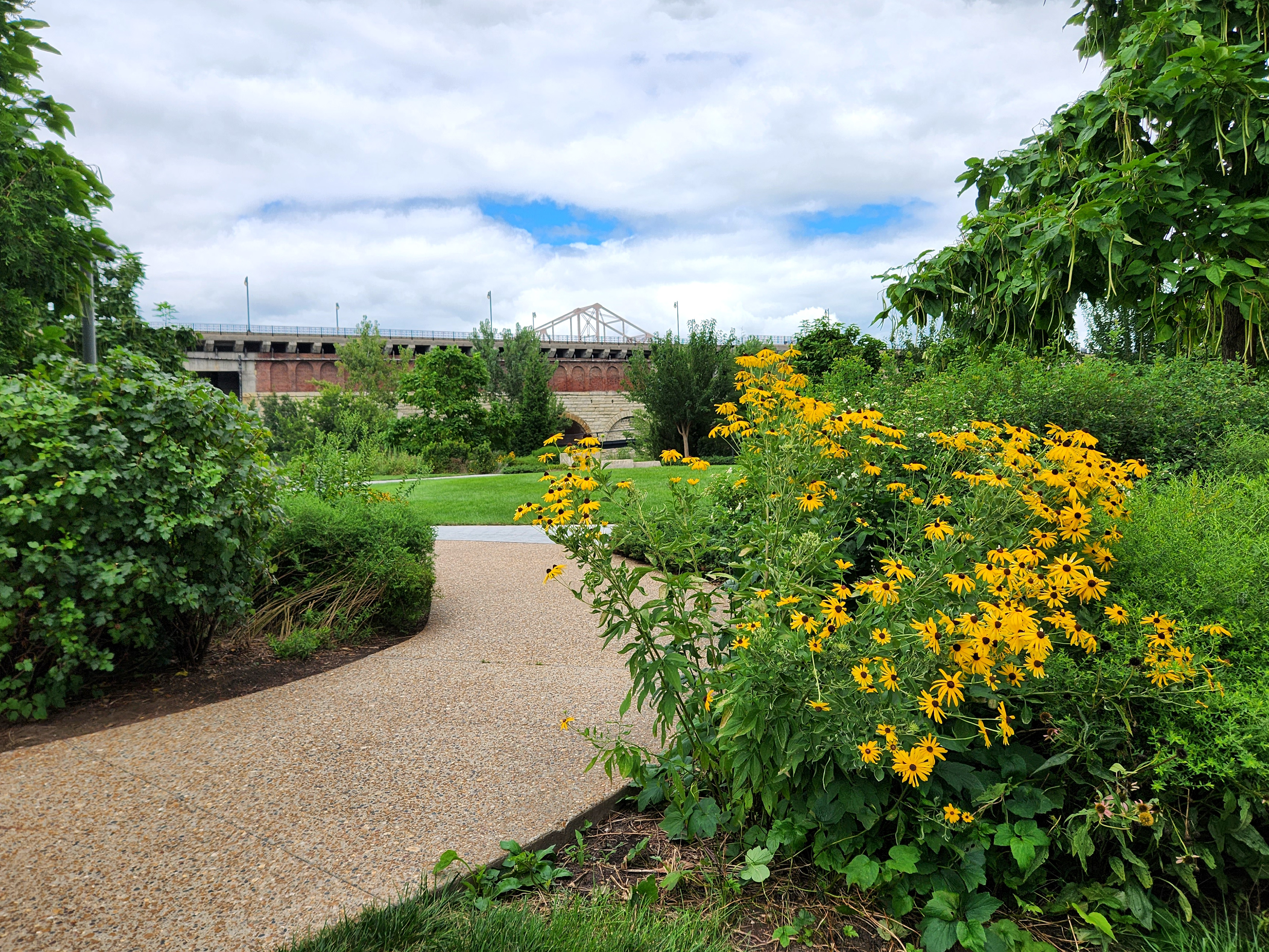
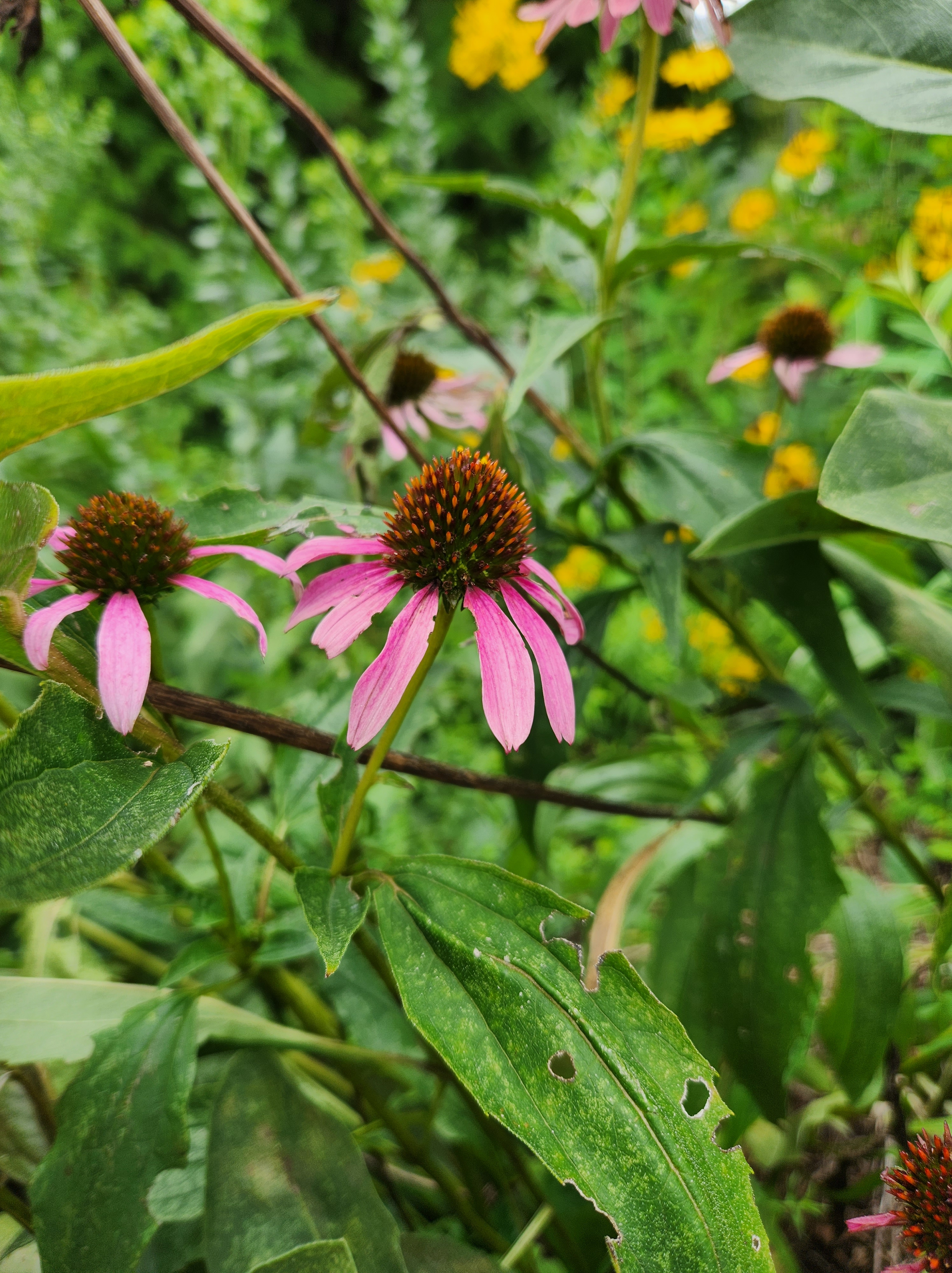
Gardeners at Gateway Arch National Park are also serious about helping pollinators.  The plants you’ll see in the luscious Explorer Garden at the park’s northern tip were selected with the intention of creating a friendly stopover for native pollinators.  For an in-depth look at seven of these native plant species on the Arch grounds, check out this short video

Finally, there are many things you can do to help keep our pollinator populations healthy, even if it’s just in your own backyard.  The NPS website also contains valuable information about how to attract local or migrating pollinators, including planting and landscaping tips, and opportunities to record your own sightings of pollinators on your next trip to a national park.

So the next time you see a tiny bee, butterfly, or hummingbird flitting from flower to flower, take a minute to appreciate its beauty AND its critical role in nature.

It’s Never Too Early to Start Making Memories at Historic Sites and Museums

It’s the weekend, “Baby Shark” is permanently burned into your brain, you NEED to get out of the house, and you’ve been to every playground in your town umpteen-million times. If you are the parent of kids under the age of five, this scenario may sound painfully familiar. But what if we told you that there was somewhere fun that you can take your small children that you BOTH will enjoy?  Why not try a museum or historic site in the National Park System!

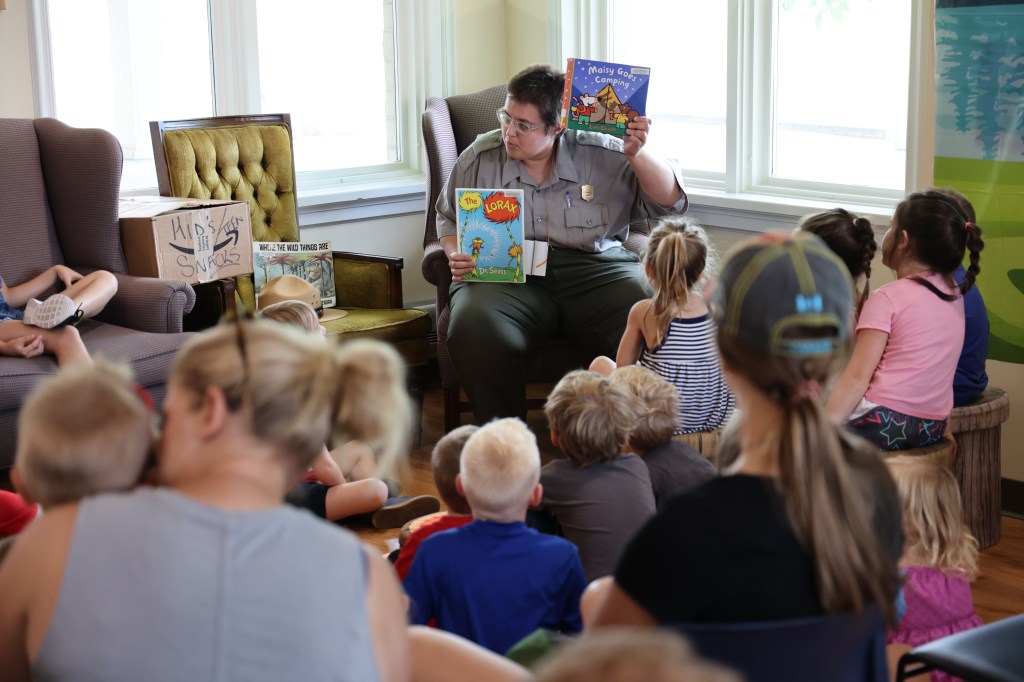
Reading with a Ranger from Ste. Genevieve National Historical Park. Credit: NPS

The mission of the National Park Service is “to preserve the natural and cultural resources of the National Park System for the enjoyment, education, and inspiration of current and future generations,” and they take that mission very seriously. This means that all sites within the National Park System do their best to be a welcoming place for all ages. Not only can your family enjoy the wonders of natural parks, but museums and historic sites will also happily welcome you and your little ones.

Children participate in boat building activity behind the Jean Baptiste Valle House at Ste. Genevieve National Historical Park. Credit: NPS

Before visiting a national park site, check out its website. Every park’s website has a “Kids and Youth” section, and many include specific activities for toddlers. Many people are aware of the NPS Junior Ranger Program, which is typically geared towards children over the age of five, but some parks have recently adapted their Junior Ranger booklets to include activities for younger children. For example, Ulysses S. Grant National Historic Site includes a picture scavenger hunt that leads children to various places around the historic home.

Excerpt from the Ulysses S. Grant National Historic Site Junior Ranger booklet. Credit: NPS

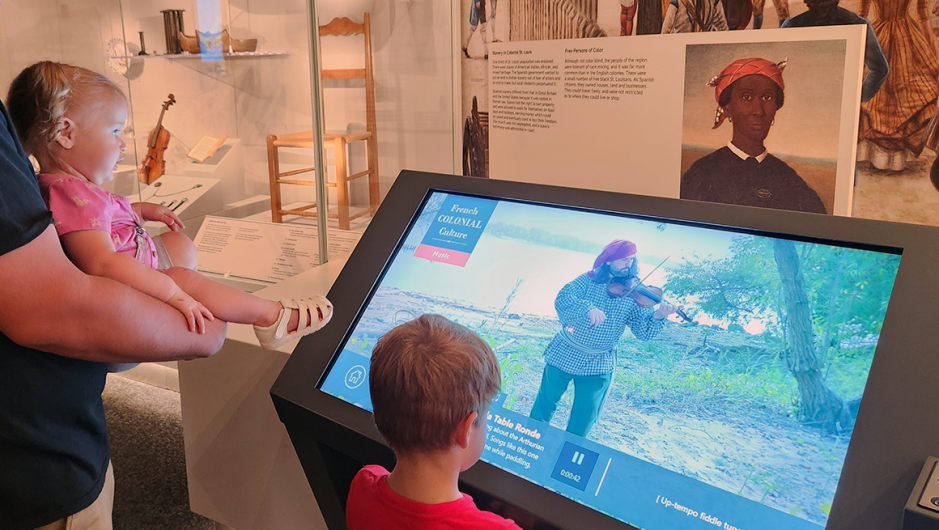
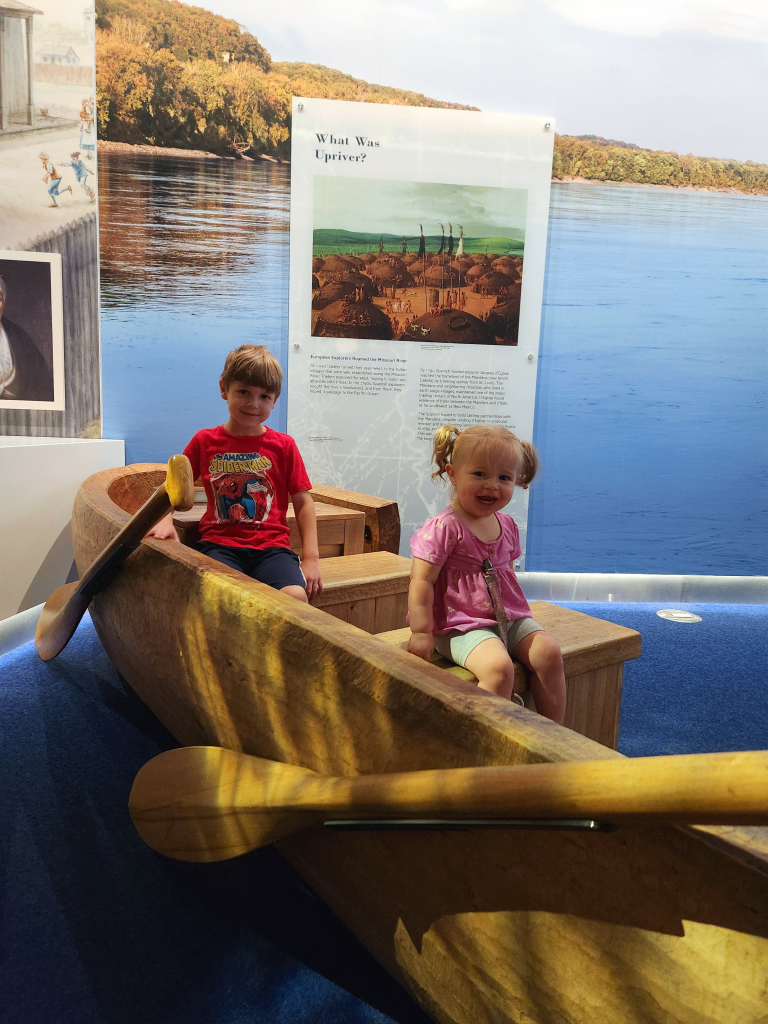
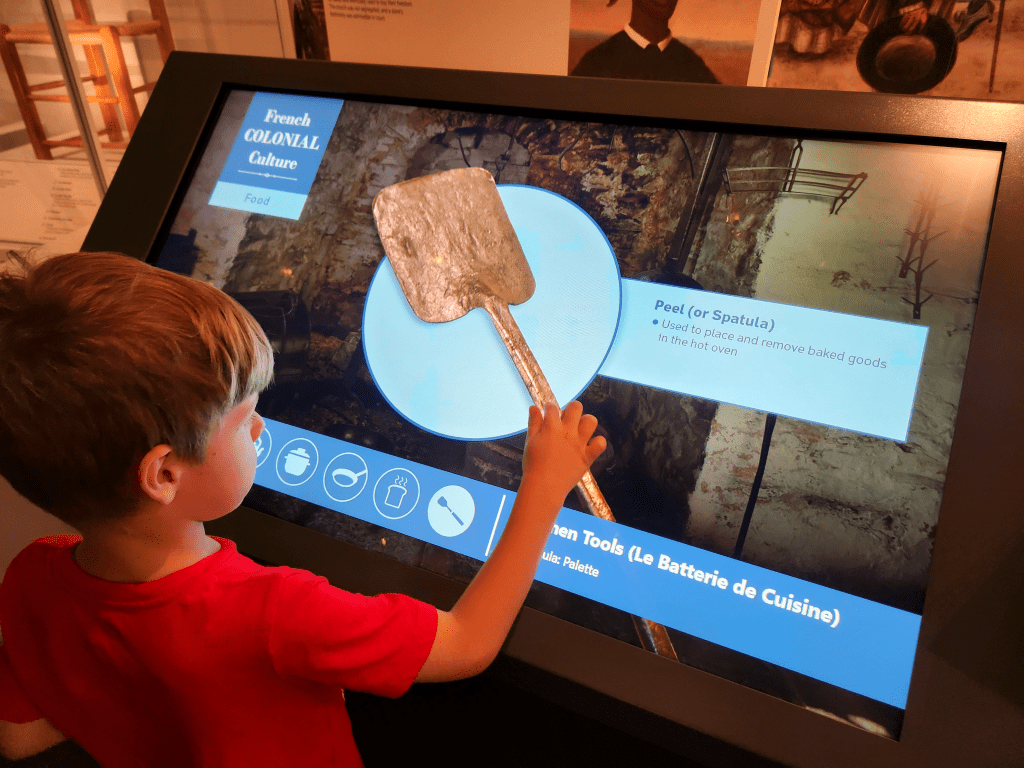
Some sites have interactive exhibits that are perfect for toddlers and preschoolers. The museum at Gateway Arch National Park features touchable exhibits like a beaver pelt, a replica pirogue kids can sit in, and interactive touchscreens with educational games. They even have a scale map of Lewis and Clark’s expedition route on the floor that kids can stomp on!

Young children can use interactive touchscreens to learn about French colonial cooking.

Make sure you check out a park’s calendar of events and keep a look out for programs targeted at families with small children. Museums and historic sites often have programs such as puppet shows, touch tables, or reading with a ranger. Many special events also have activities for the whole family, such as the annual NPS Birthday Bash at Ste. Genevieve National Historical Park.

A puppet show at Gateway Arch National Park. Credit: NPS / D. Reissing

Here are a few tips for your visit:

  • Try to read a book or watch a video that ties into the theme of the site before you visit.  We sell kids’ books for a number of partner parks in our online store. Get them excited!
  • SNACKS. Make sure your children eat well before your visit and keep a few extra snacks on hand in your car.
  • Try to burn off some energy before your visit. Many sites have walking trails or some sort of greenspace nearby. Let your kids stretch those little legs and get their wiggles out!
There is plenty of space to run on the grounds of Gateway Arch National Park.
  • Bring a stroller or carrier. It will help you keep your child from wandering off, and it will help your child to feel safe and comfortable in new situation.
  • Manage your expectations. You are more than likely not going to read every interpretive panel in the museum, and that is ok! Instead of trying to see everything, try to see the site from your child’s perspective. What can they see from their eye level? What draws their attention? You’d be surprised what small things a child will notice that most adults overlook.
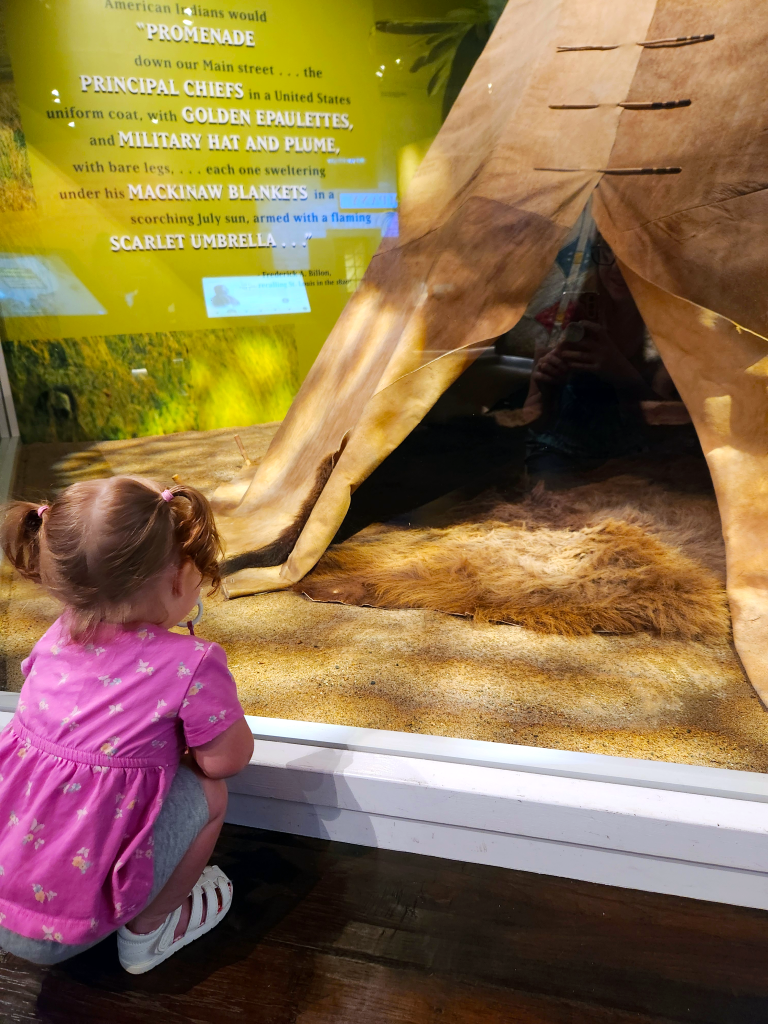
Toddlers are at perfect eye-level to see inside this teepee exhibit.
  • Go early when it is less crowded. It will be easier for you to relax, and there will be more opportunities to speak with park staff. Which brings me to my next point…
  • Talk to a ranger! Park rangers are excellent and engaging storytellers, and they know the site better than anyone. They will be able to point you toward exhibits and activities that are most likely to spark your child’s interest.
  • It can also be fun to let your children lead. Hold their hand and see where their curiosity takes them. If they are old enough to speak, ask them about what they see.
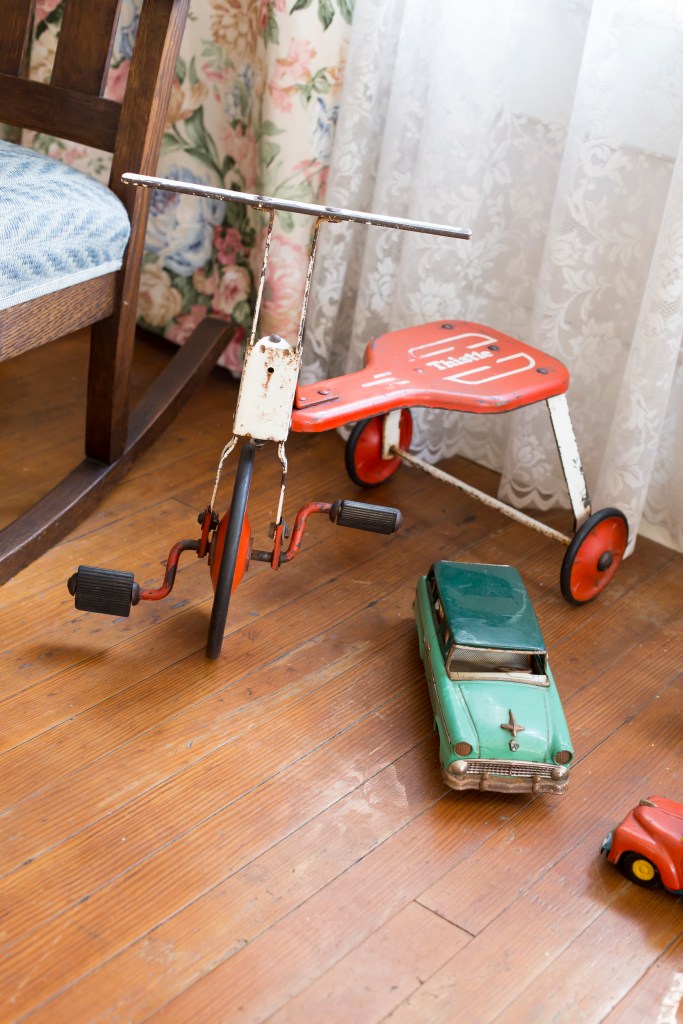
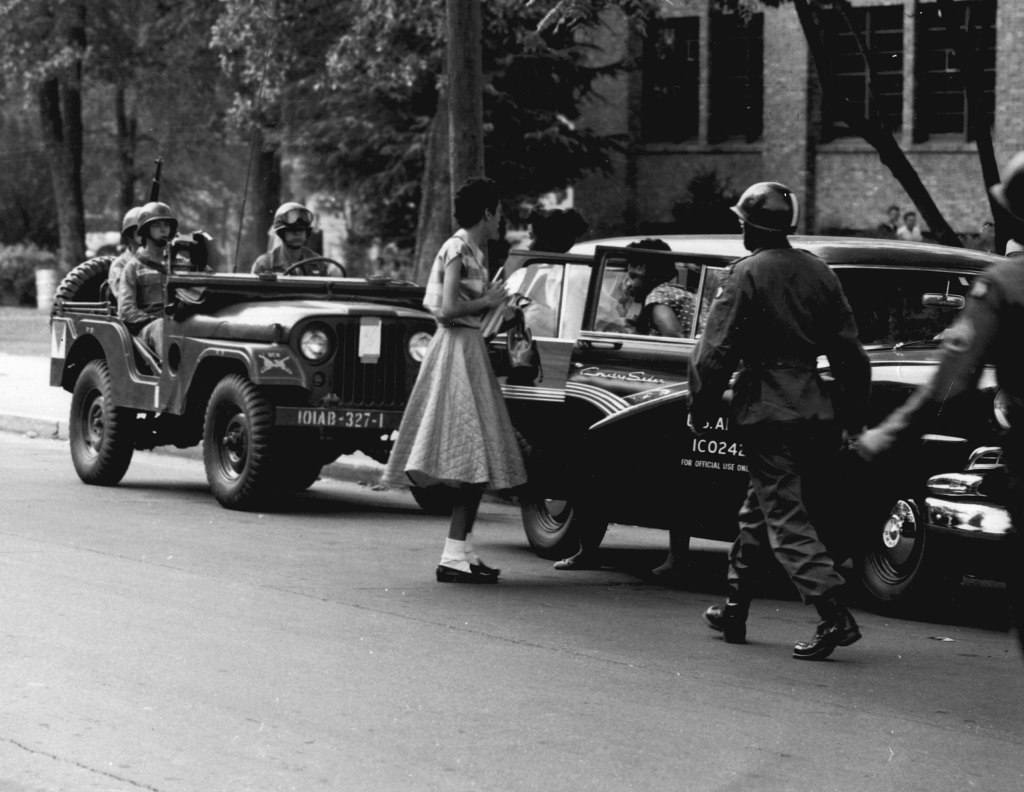
  • Point out the kids in the stories. Show them Bill Clinton’s childhood bedroom and toys at President William Jefferson Clinton Birthplace Home National Historic Site or talk to them about how the Little Rock Nine were just kids when they bravely became the first African American students to attend Central High School.
Members of the Little Rock Nine are escorted by the National Guard.
  • Let them ask questions! Toddlers LOVE to ask what seems like millions of questions a day. Let them ask about anything and everything that strikes their fancy and make it a game to find the answers together!
  • If you need to leave, leave. Do not feel like you have to see every exhibit. It is better to leave on a happy but unfinished note than to leave on a bad one.
No matter which site you choose to visit, we are sure you will make many happy memories with your little ones.

A toddler gazes up at an interpretive panel.

Battling the Invaders!

We’ve all heard about invasive plants and the havoc they can wreak on natural ecosystems, including our own backyards.  But what do you do when you’re faced with 500 acres of an aggressive invasive plant that is threatening wildlife and degrading local habitats?

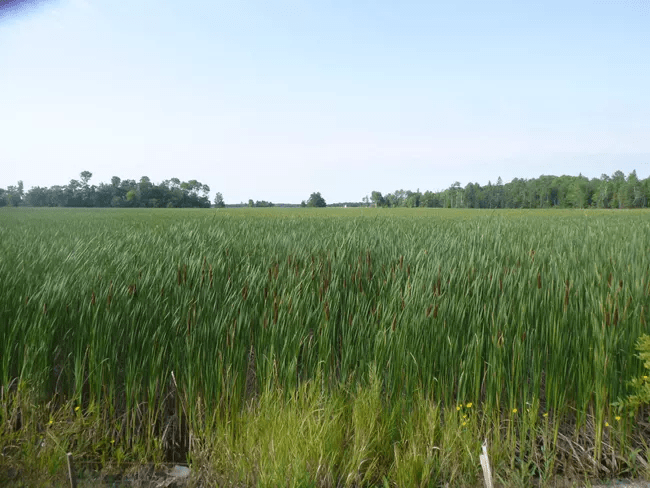
Dense mats of invasive cattails crowd out native plants – NPS photo

That’s the problem facing Voyageurs National Park.  Several decades ago, hybrid cattails started invading some of the 20,000+ acres of wetlands in Voyageurs.  They began to form dense floating mats on the surface of the lakes, choking shorelines and displacing native communities of plants such as wild rice, sedges, rushes, and the less hardy species of native cattails.  The invasives also threatened the habitat of numerous aquatic animals in the park, including muskrats, waterfowl and other birds, and various fish species like northern pike. 

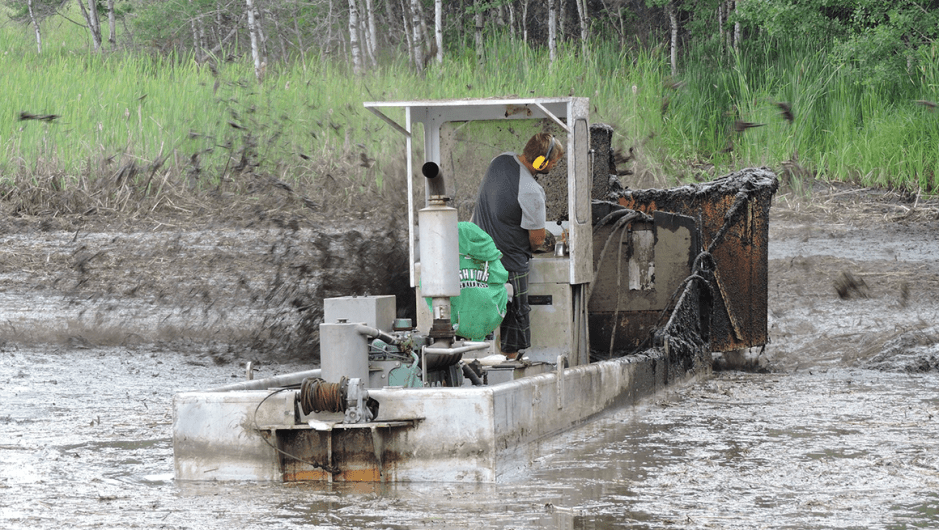
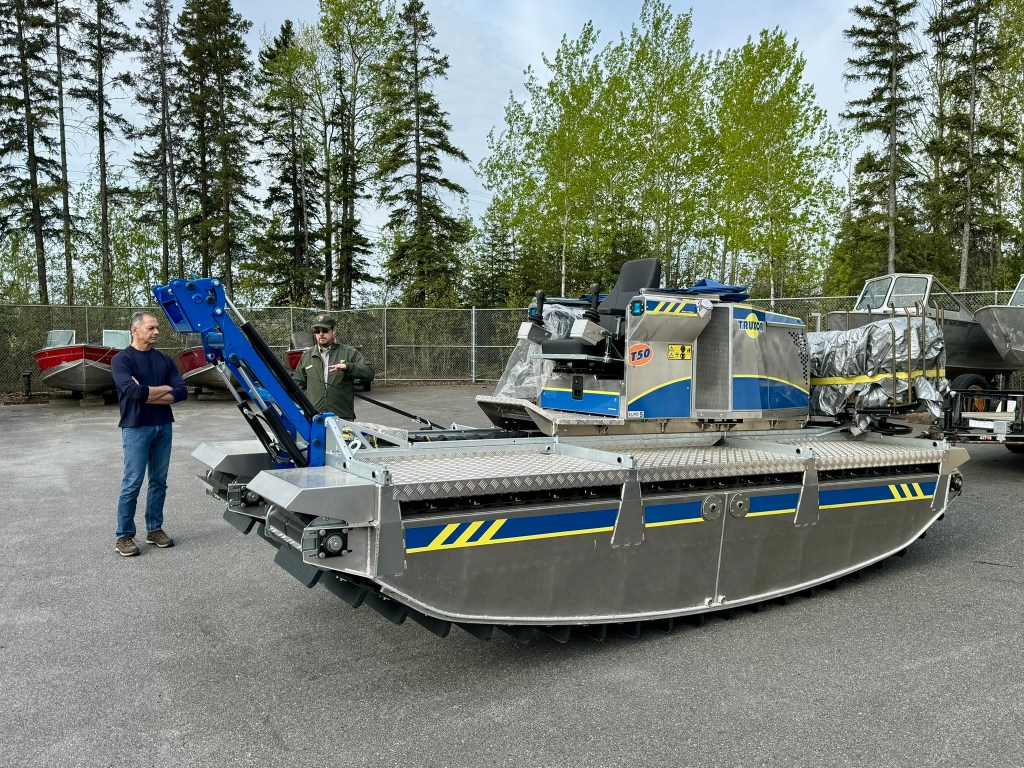
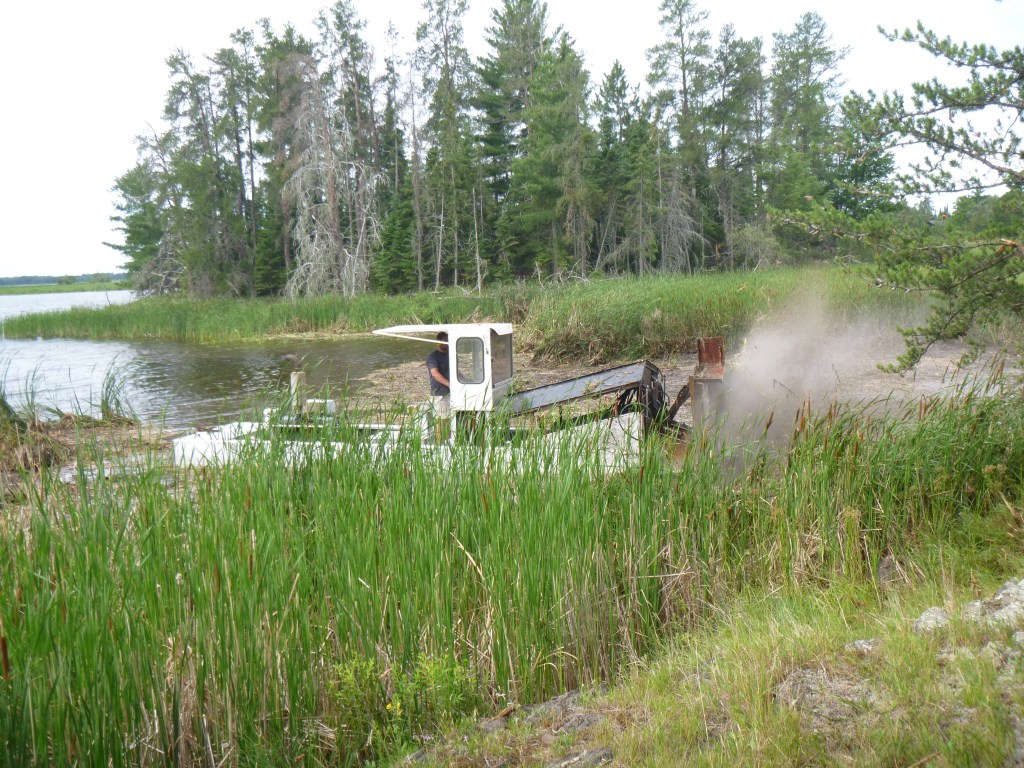
Park officials have had some success in removing the invasive cattails with controlled burning.  But they found the most effective scheme is to make use of large (and costly) amphibious equipment to mechanically remove the unwanted cattail clumps. 

One of the new amphibious machines

Fortunately, Voyageurs was able to qualify for a new Guaranteed Match Program that JNPA started offering its partner sites.  With $10,000 in matching funds from both JNPA and the Voyageurs Conservancy, the park was able to secure a $20,000 grant from the Conservation and Outdoor Recreation Challenge Cost Share Program from the National Park Trust.  A total of $40,000 was dedicated to the cattail removing equipment.

Removing invasive cattails – NPS photo

“JNPA is proud to serve our park partners by supporting their important work,” says JNPA President & CEO David Grove.  “So we’re very pleased to help fund this ecosystem restoration project at Voyageurs.”

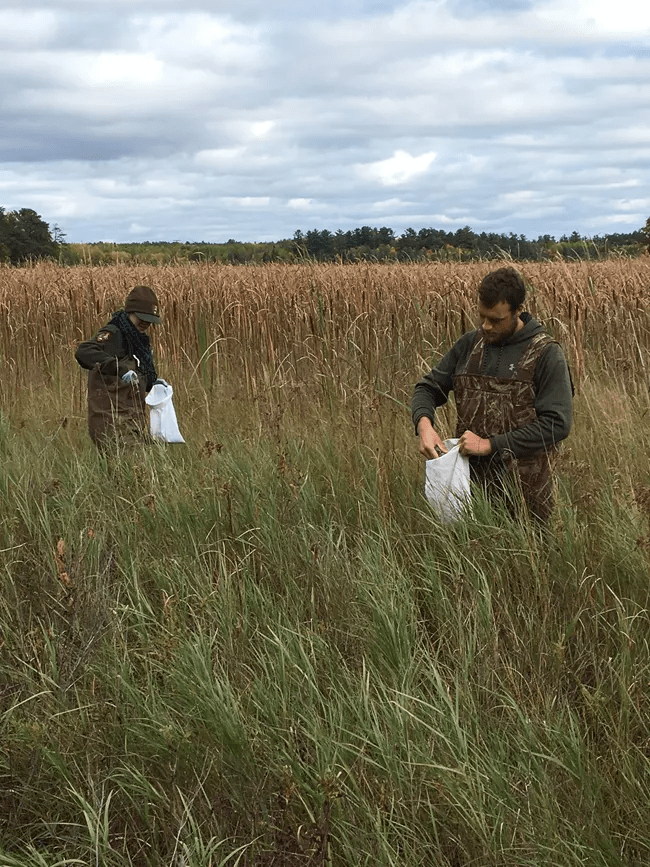
Gathering seeds from native wild rice – NPS photo

Once the non-native cattails are removed, the park plans to restore many of the degraded wetlands using seeds from local plant species, encouraging the return of healthy and diverse ecosystems.  This fall, the Voyageurs Conservancy will host a volunteer program aimed at collecting wild rice seeds from healthy areas of the park and sowing them in the newly renovated wetland areas.  Wild rice has long been an important food for the native Ojibwe people.  Historically the wild rice in the area that is now Voyageurs National Park was so plentiful that during the fall harvest the Ojibwe could fill one canoe with 400 pounds of rice!  When you visit one of JNPA’s stores in the park, be sure to pick up a few bags of native wild rice.

To see the cattail removal project in action, check out this fascinating little NPS video.

Header photo credit: NPS

You were only waiting for this moment to arise…

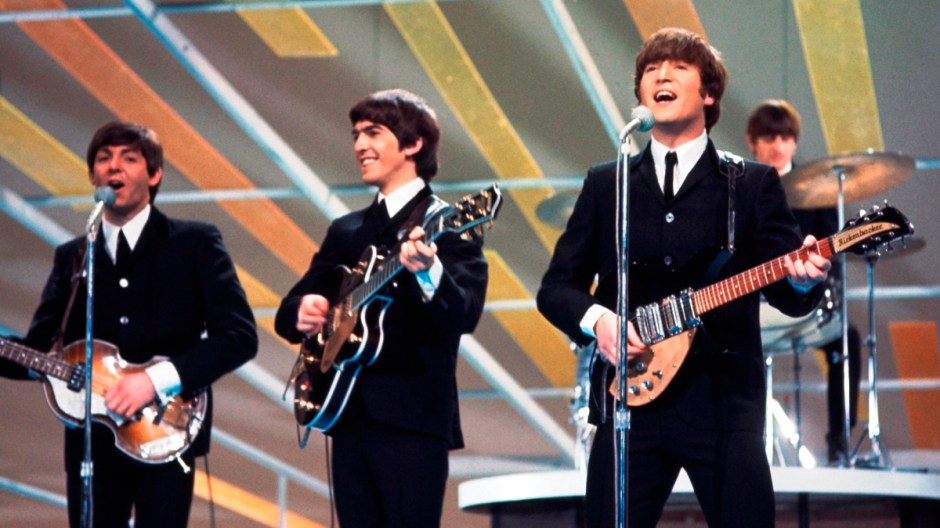
1968. “Beatlemania” was in full swing. Martin Luther King Jr. had been assassinated a year prior. The Civil Rights Act had just been passed, and almost a decade prior, the Little Rock Nine desegregated Little Rock Central High School in Arkansas. Meanwhile, Paul McCartney had been taking notice of the racial turmoil happening in the United States and was inspired to write a song of encouragement for the people fighting for civil rights. Maybe you recognize it?

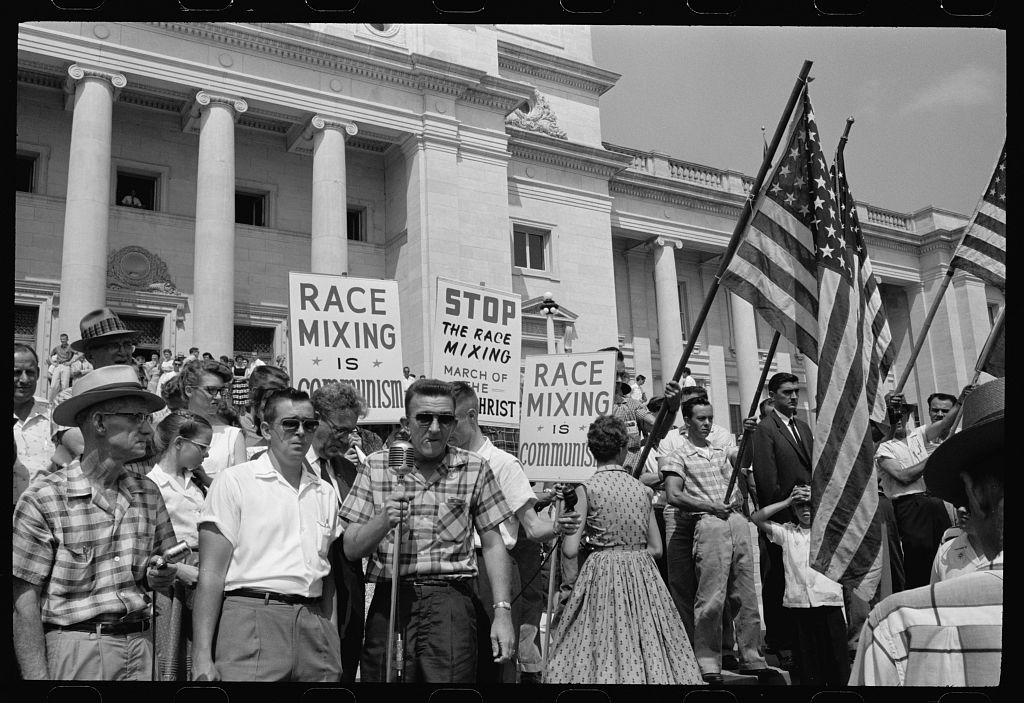
Credit: Library of Congress

“Blackbird singing in the dead of night,
Take these broken wings and learn to fly,
All your life,
You were only waiting for this moment to arise,
(You were only waiting for this moment to arise)

Melba Pattillo Beals was only a teenager when a mob of angry white people confronted her and the rest of the Little Rock Nine as they tried to enter Little Rock Central High School. After Brown v. the Board of Education, the landmark Supreme Court decision outlawing segregation in public schools, the Little Rock School District planned to implement a “gradual” desegregation beginning at Central High School. But on the first day of school, the African American students were met by an angry mob screaming threats at them, and they were barred from entering by the Arkansas National Guard. The governor of Arkansas had called out the guard to “maintain and restore order” by preventing the students from entering. Two weeks later, the students successfully entered the school, but rioting broke out outside and the Little Rock Nine were removed by police for their safety. It wasn’t until September 25, 1957, that federal troops under orders from President Eisenhower successfully escorted the students to their first full day of school.

“Blackbird singing in the dead of night (dead of night, night),
Take these sunken eyes and learn to see (learn to see),
All your life (all your life),
You were only waiting for this moment to be free”

McCartney has stated in several interviews that he was specifically inspired by the Little Rock Nine. In England, “bird” is slang for “girl,” so to McCartney, the titular “Blackbird” represented “Black girl.” He said in an interview with GQ, “I’d heard about the civil rights troubles that were happening in the 60s in Alabama, Mississippi, and Little Rock in particular. So that was in my mind, and I just thought it’d be really good if I could write something that if it ever reached any of the people going through those problems, it might kind of give them a little bit of hope.”

Sure enough, it did reach those people. Ten years after the events at Central High, Beals heard the Beatles’ “Blackbird” for the first time. In an interview with NPR, she said, “It reminded me of what my grandmother said to me when I came home from Central High School complaining about the abuse I had taken during the day: ‘March forward, girl. You have to keep going no matter what.’”

“Blackbird fly (fly, fly),
Blackbird fly (fly),
Into the light of a dark, black night
,
Blackbird singing in the dead of night,

Take these broken wings and learn to fly (learn to fly, learn to fly),
All your life,
You were only waiting for this moment to arise.”

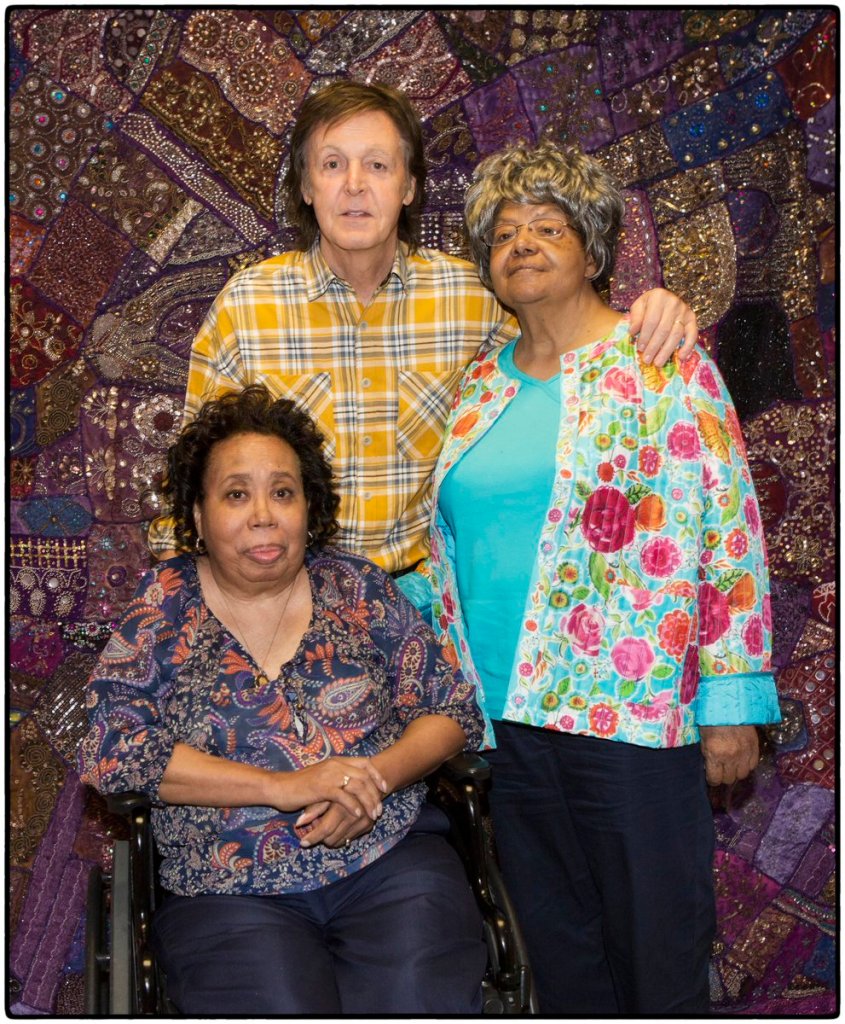
In 2016, McCartney was lucky enough to meet two members of the Little Rock Nine, Thelma Wair and Elizabeth Eckford, backstage at his Little Rock concert. When he introduced “Blackbird” that evening, McCartney said, “Way back in the Sixties, there was a lot of trouble going on over civil rights, particularly in Little Rock. We would notice this on the news back in England, so it’s a really important place for us, because to me, this is where civil rights started. We would see what was going on and sympathize with the people going through those troubles, and it made me want to write a song that, if it ever got back to the people going through those troubles, it might just help them a little bit, and that’s this next one.” You can watch a video of the performance here.

Today, Little Rock Central High School continues to operate as a fully integrated – and high-performing – public school and also as part of Little Rock Central High School National Historic Site, a unit of the National Park Service. The site interprets the story of the Little Rock Nine and the battle for civil rights.

The Bridge of Firsts

They said it couldn’t be done.  They said the design of Eads Bridge was preposterous, that it would snarl riverboat traffic, that riverboats wouldn’t fit under it, that its chief engineer had never designed a bridge, that the Mississippi River’s massive currents and 8-foot-thick ice floes would crush it, that its stone piers wouldn’t support its heavy steel spans. 

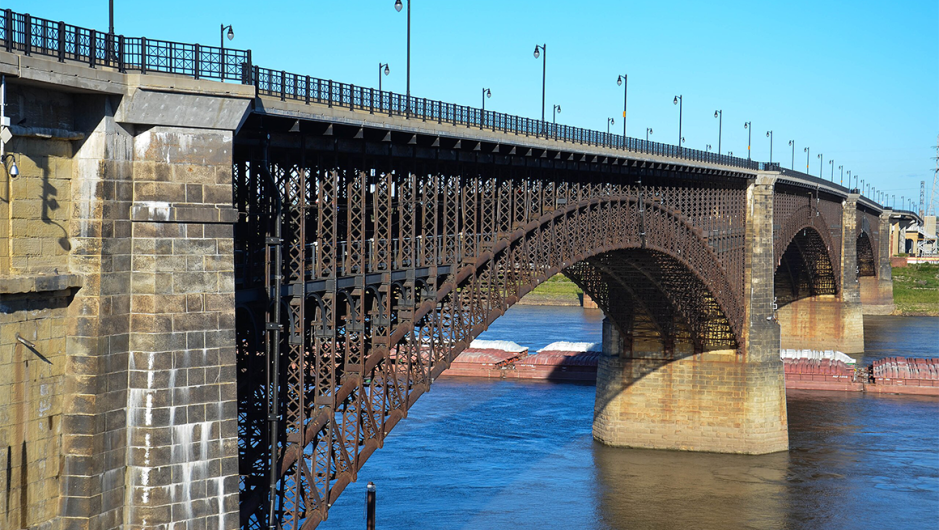
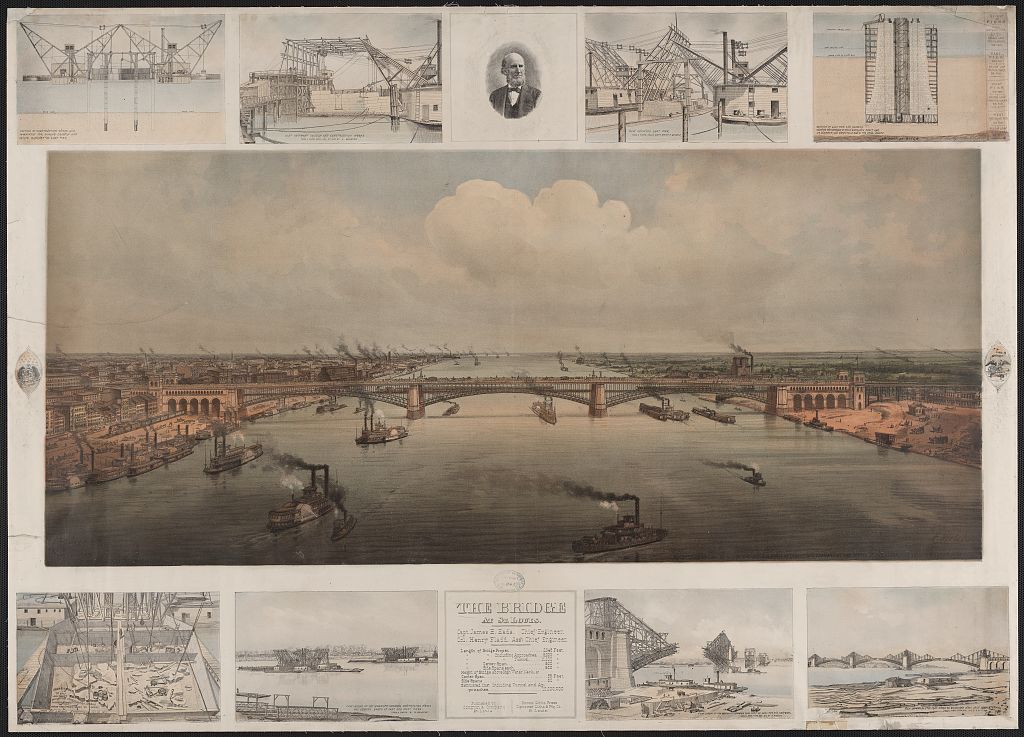
But against all odds, when the Illinois & St. Louis Bridge (later known as Eads Bridge) was completed in 1874, it became the largest bridge built at the time, and the very first steel bridge.  And 150 years later, it still stands as the oldest existing bridge on the Mississippi and a testament to one man’s ingenuity. 

In the decade following the Civil War, railroads began to edge out river traffic as the nation’s primary transportation mode.  But the Mississippi River was a barrier to rail traffic.  Trains would reach the river’s edge, empty their cargo onto a ferry, ship it across the river, then load it onto new trains on the other side.  This cumbersome system meant St. Louis was losing out to Chicago as a center of Midwestern commerce.

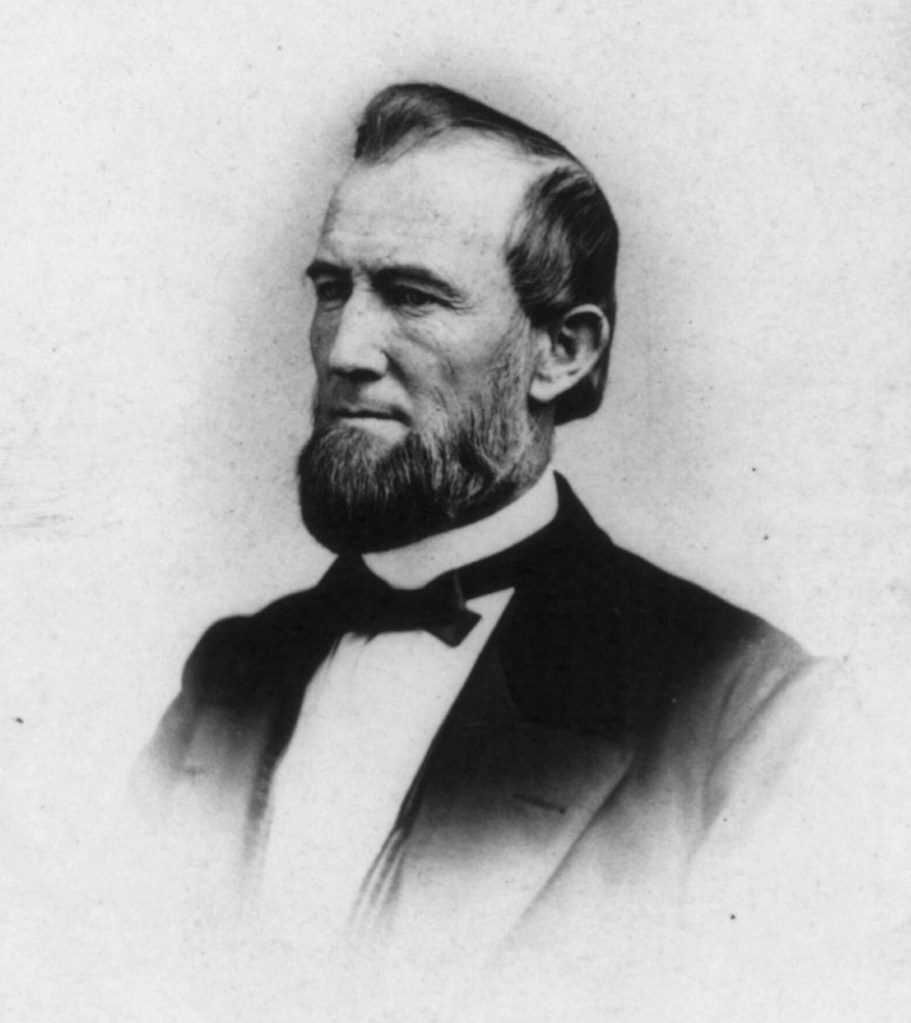
James Eads

A young self-educated river engineer named James Buchanan Eads offered St. Louis leaders a solution.  He had no experience with bridge design, though he’d made a name for himself salvaging wrecks on the river bottom and designing ironclad gunboats for the Union navy during the Civil War.

Credit: Library of Congress

Eads’ design called for giant arches that would support the weight of the bridge from below, leaving ample room for boat traffic while spanning the wide distance from Missouri to Illinois.  Naysayers doubted whether the amateur designer’s enormous arches would hold up.  Eads’ solution?  Steel. The strong and relatively lightweight alloy had never been used as a large-scale building material, but Eads maintained it would be perfect for his bridge.

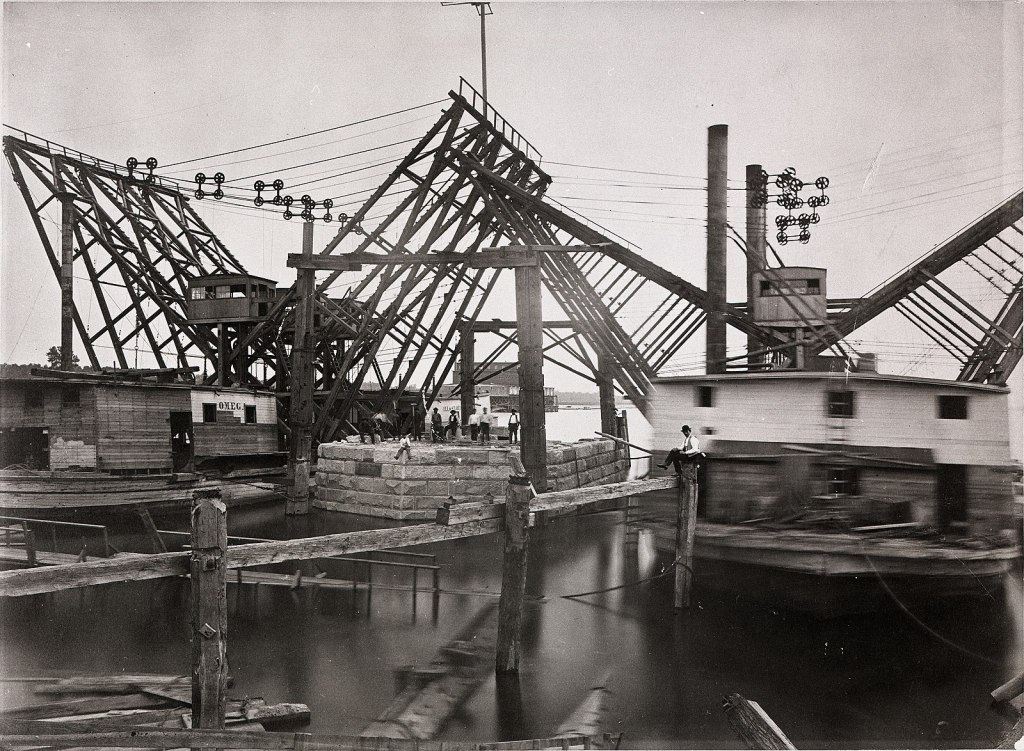
Sinking the east pier of Eads Bridge

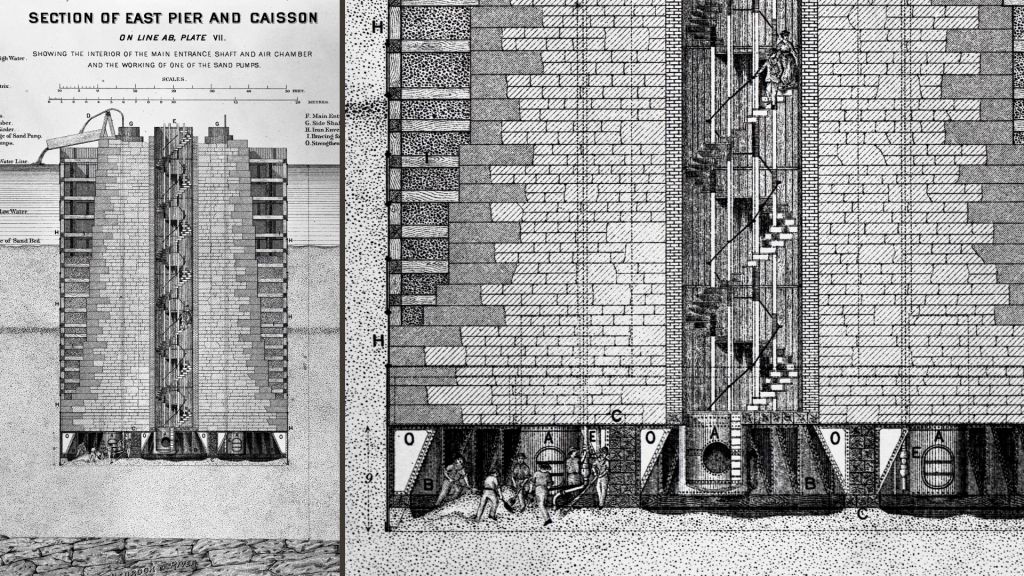
Another equally daunting challenge lay below the water. To ensure the bridge would stand up to the notoriously swift currents of the Mississippi, Eads believed that the four stone piers needed to be anchored not just in mud and silt but in bedrock, more than 100 feet below the water’s surface. 

Credit: Missouri Historical Society

To accomplish such a deep underwater pier construction, he invented a pneumatic caisson, a large watertight chamber filled with compressed air to keep out water and mud.  Little did he know, however, that the workers within these pressurized chambers would suffer what came to be known as caisson disease (also known as the bends) when they emerged at the surface too quickly.  Despite the establishment of a floating hospital to treat the ailing workmen, at least 15 died as a result.

Dedication of Eads Bridge July 4, 1874, Saint Louis Art Museum

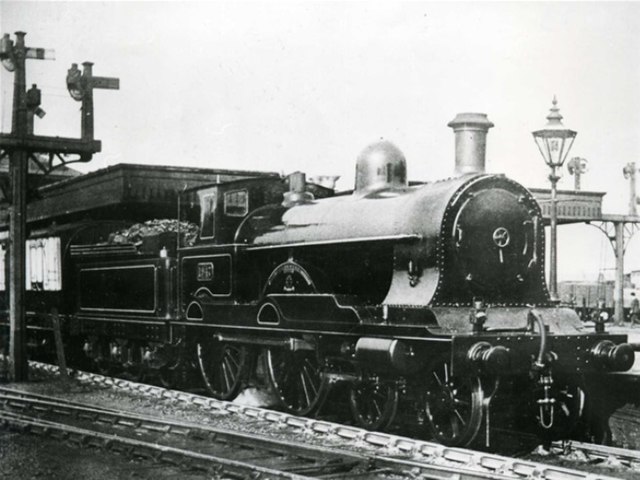
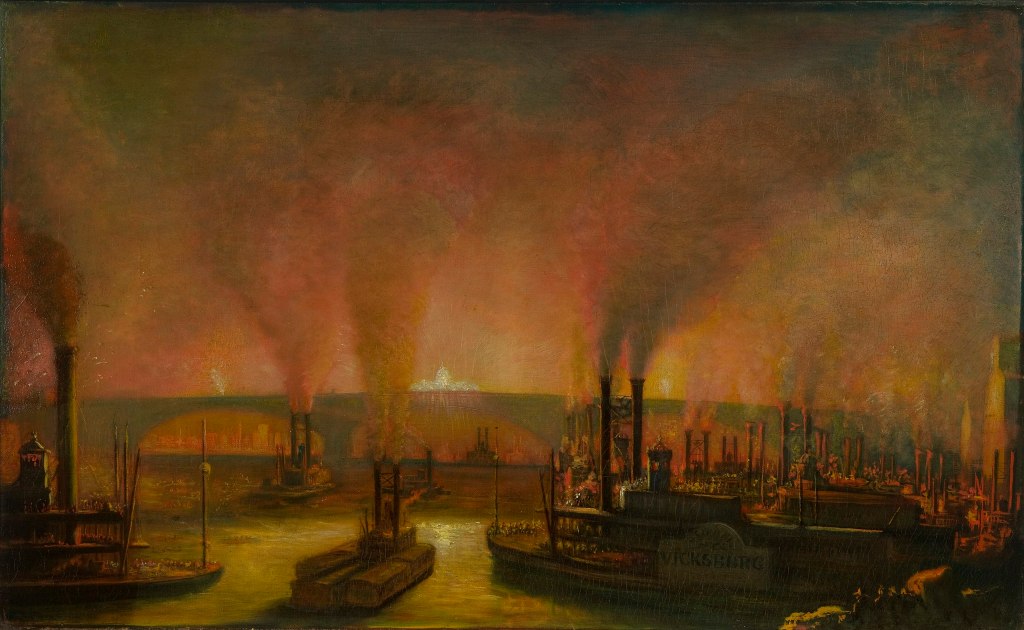
After seven long years and a cost of more than $7 million, the bridge opened in 1874 – at the time the world’s largest bridge and the first to use structural steel.  To reassure those who worried it wouldn’t carry heavy loads, Eads brought in 15 50-ton locomotives filled with coal and water, which safely crossed the bridge in both directions. The grand opening ceremony on July 4th – complete with a 14-mile parade, gun salutes, and a fireworks display – was attended by an estimated 200,000 people on both sides of the river. President Ulysses S. Grant was in attendance, as were a host of other elected officials and dignitaries.

Credit: Debbie Franke

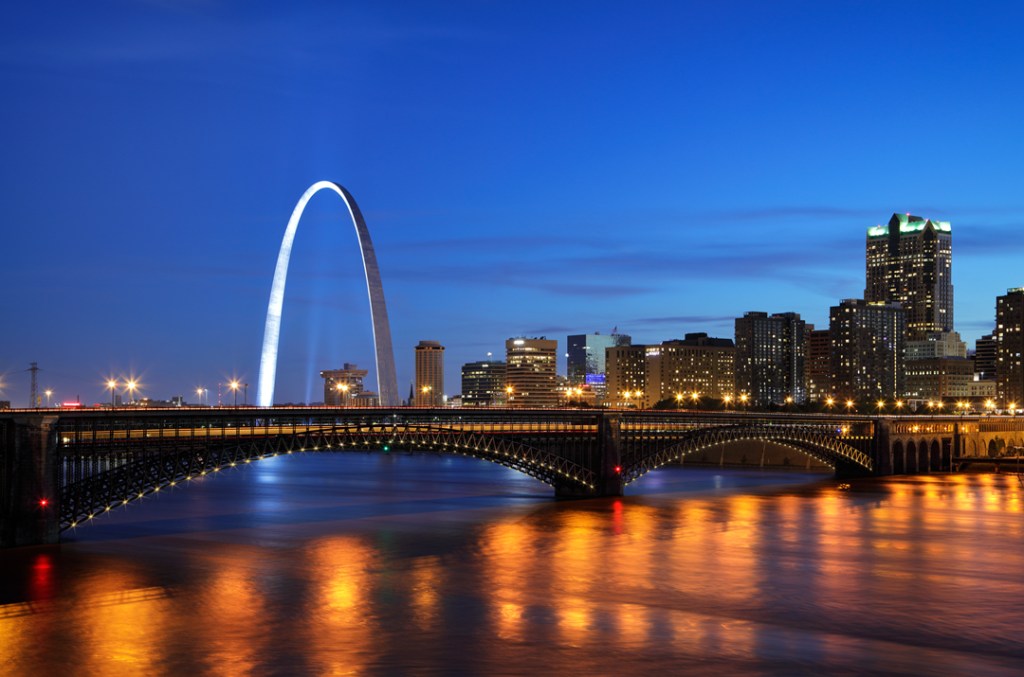
The National Park Service designated Eads Bridge a National Historic Landmark in 1964, and it has since received accolades from the city of St. Louis and from numerous professional organizations.  It continues to carry automobile and light rail traffic across the Mississippi River today, just north of the Gateway Arch.

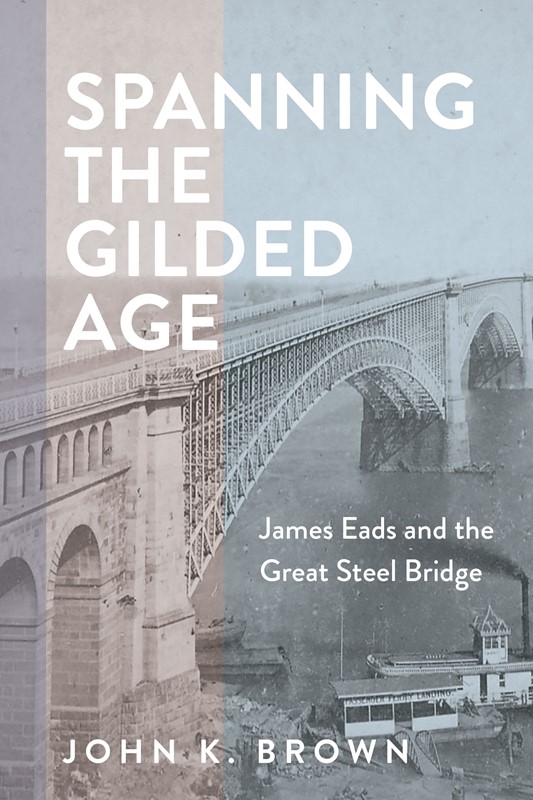
Eads Bridge fans will want to attend one of Gateway Arch National Park’s upcoming educational programs about the bridge offered by historian Paul Giroux and park rangers inside the park visitor center.  The Arch museum will also feature artifacts from the original bridge.  And The Arch Store has a number of commemorative Eads Bridge products and books available for purchase, including the newly published Spanning the Gilded Age

Juneteenth at our Parks

Several of our partner parks are planning events to honor Juneteenth, one of the oldest known commemorations related to the abolition of slavery in the United States.  The holiday marks the day that enslaved people in Texas learned they had been freed.   News of the Emancipation Proclamation had taken two-and-a-half years to reach Texas, arriving June 19, 1865.

Staff at Ste. Geneviève National Historical Park have found a unique way to honor the enslaved residents of the park’s historic houses during the annual Juneteenth commemoration.  They place flowers on the porches of the Jean Baptiste Vallé House, Bauvais-Amoureux House, and Green Tree Tavern.  Each flower memorializes an individual who was enslaved at that home.

Credit: NPS

This project is an outgrowth of the park’s ongoing effort to learn more about the early Black residents of Ste. Genevieve.  So far, staff and volunteers have confirmed the names of 46 individuals who were enslaved at the three NPS-managed houses.  They hope to uncover the larger narratives of these residents and learn about their connections among the free and enslaved people of color in the historic community. The park plans to share the details of these findings through public events like Juneteenth.

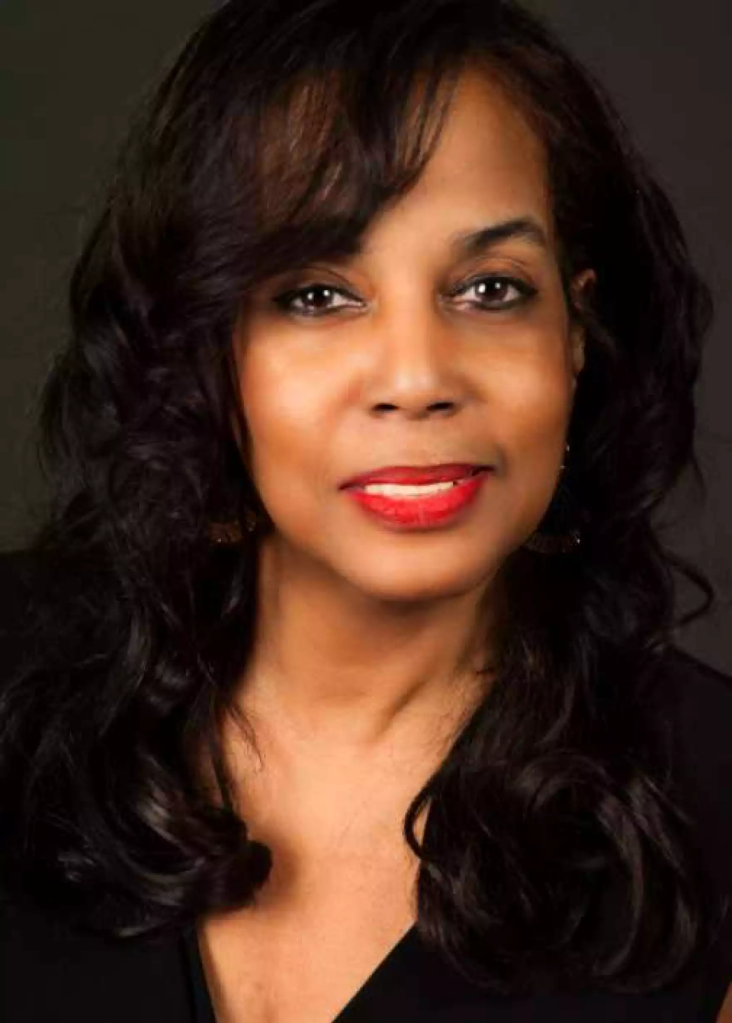
Lynne Jackson

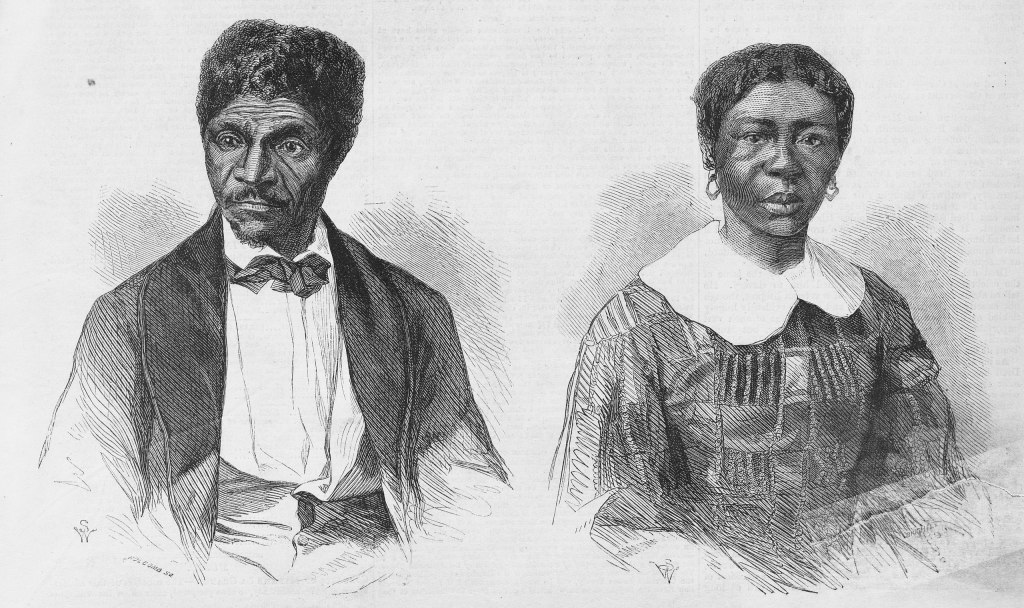
Another Juneteenth-related program will take place at the park on Saturday June 22.  Lynne Jackson, a descendant of Dred and Harriet Scott, will share the story of her famous ancestors’ long-awaited emancipation in 1857.  She will also discuss the Freedom Suit Memorial in St. Louis, a bronze sculpture erected in 2022 commemorating the many lawsuits that enslaved people filed against slaveholders in an effort to gain their freedom. 

The lecture begins at 1:30 at the park’s Welcome Center.  The event is free, but reservations are recommended; reserve your spot by calling 573-880-7189.

Peggy Harris

Ulysses S. Grant National Historic Site will celebrate Juneteenth on Saturday June 15 with a unique program– Rhythms, Rhymes and Cultural Times.  This one-woman show by performer Peggy Harris is a collection of narratives depicting the lives of various strong Black women, including an African Royal’s recounting of the slave trade, Harriett Tubman’s journey to freedom, Harriet Scott’s support of her husband Dred, and Luisah Teish’s call to join women of color together to embrace their culture and spirituality.

The free program takes place at the park at 1:00 p.m. For reservations call 314-842-1867 ext. 230.

If These Walls Could Talk

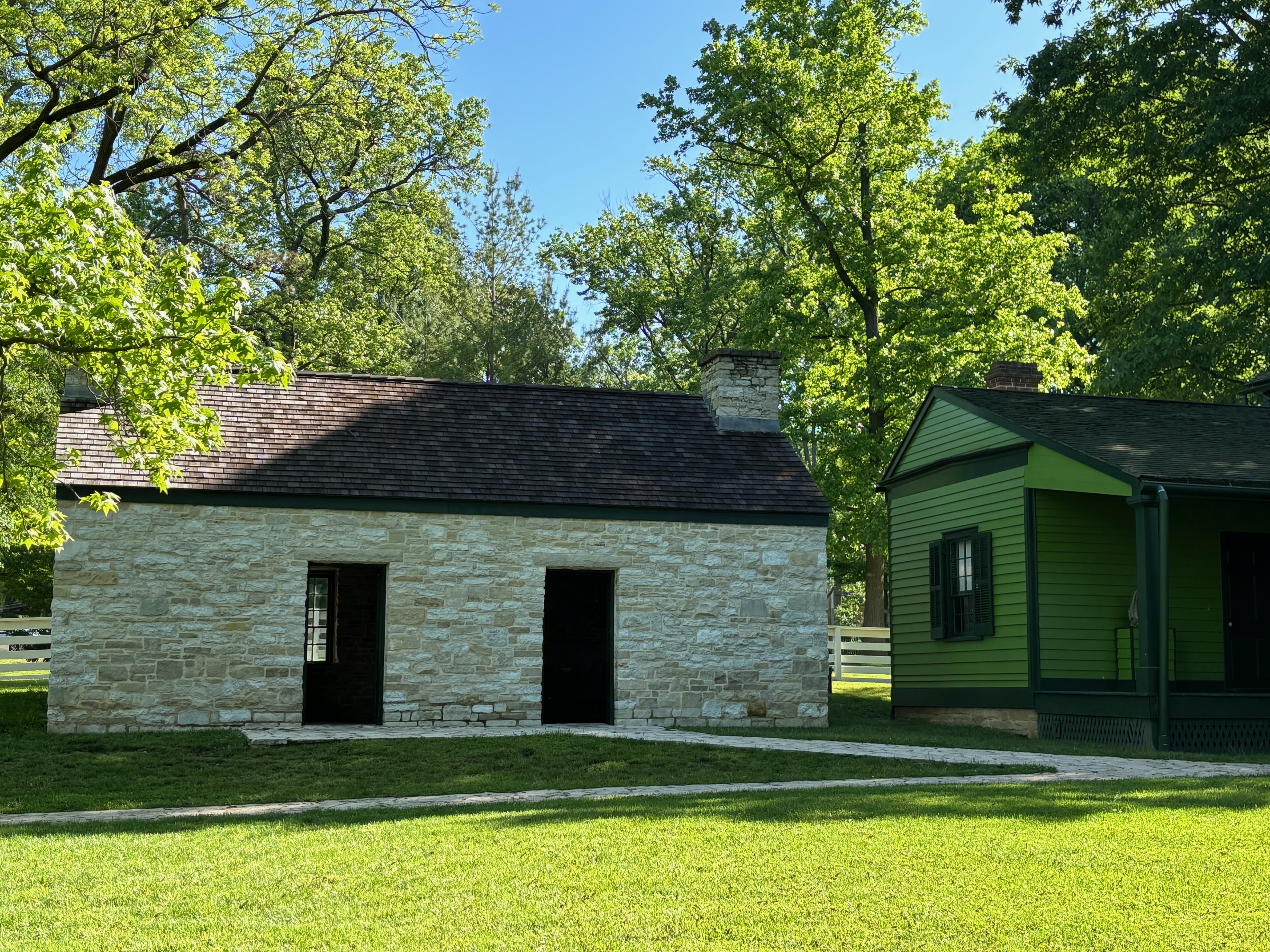
Visitors to the White Haven estate at Ulysses S. Grant National Historic Site sometimes happen upon a curious stone building behind the historic house.  This humble little structure looks a bit out of place amid the other wooden buildings on the site, and it has undergone several transformations since it was built.  What was it used for?

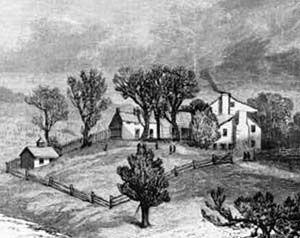
White Haven, circa 1850. Stone building is visible to the immediate left of the main house. Photo credit: NPS

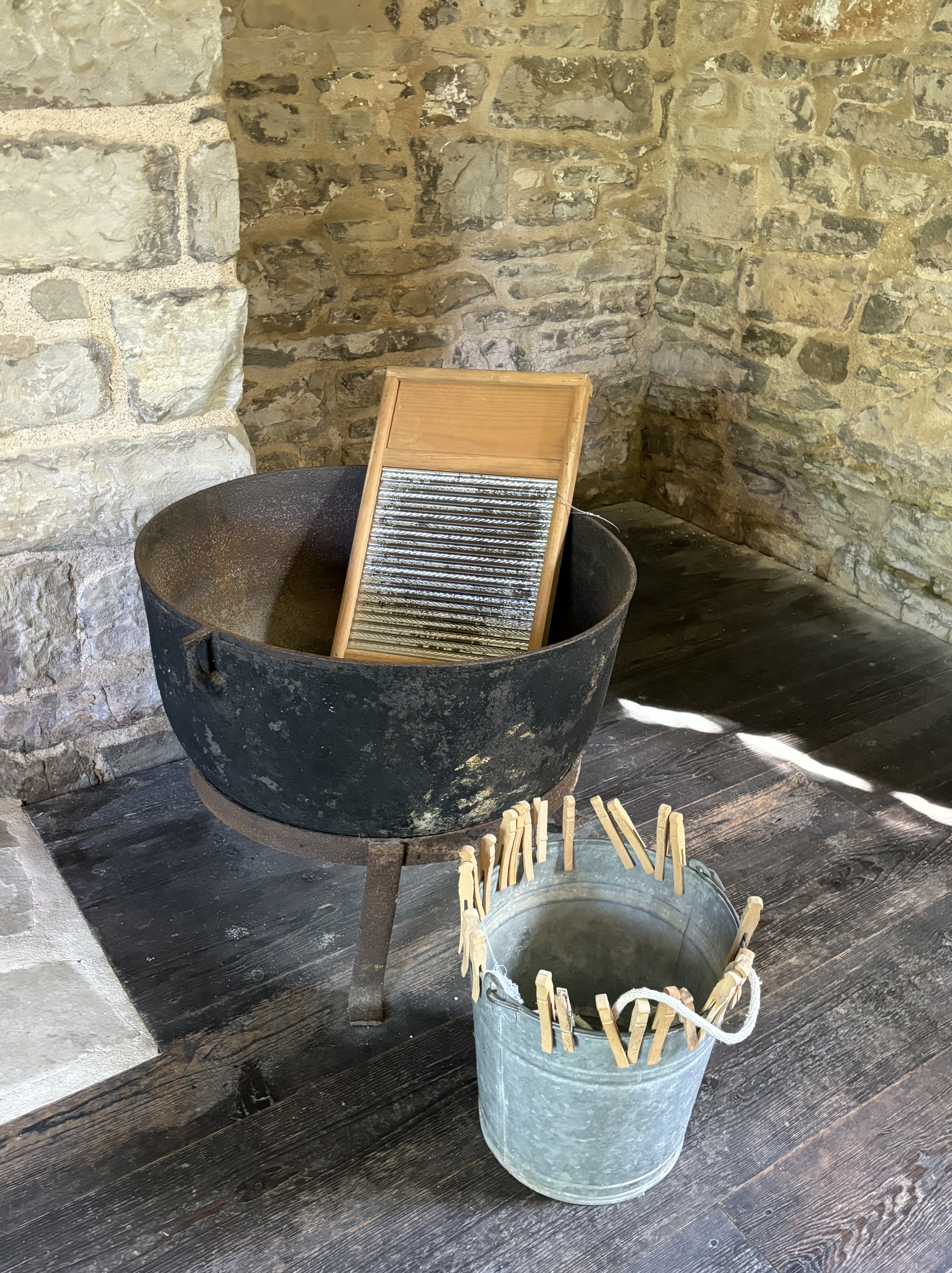
National Park Service archeologists believe the stone building was probably built well before the Civil War – perhaps as early as 1840 – when Grant’s in-laws, Frederick and Ellen Dent, owned and farmed the 850-acre slave plantation.  Enslaved laborers are thought to have worked there, cooking food, sewing clothing, and cleaning laundry; and some enslaved cooks may even have lived in the attic. 

 Although the main house on the estate featured a basement kitchen, its wood construction would have been prone to catching fire during the cold winter months, so cooking duties would probably have shifted to the cooler stone kitchen during the summer. 

Photo credit: NPS

Yet a workplace for enslaved people wasn’t the end of the little building’s story. Sometime after slavery was abolished, a permanent kitchen was established on the first floor of the main residence and the stone building ceased to function as a summer kitchen. The roof and walls of the neglected building collapsed.

Photo credit: NPS

Then in the 1940s or 1950s, the private owners of White Haven expanded the west wall of the stone building, rebuilt and re-roofed it, and used it as a three-car garage. Changes to the structure included rebuilding exterior walls, removal of the wall dividing the two rooms, replacement of the gabled roof with a shed roof, and a concrete floor.

Photo credit: NPS

After the National Park Service acquired ownership of White Haven in 1990 (a purchase facilitated by JNPA), workers restored the stone building to its original appearance.  Archaeological digs yielded numerous broken dishes, crockery, silverware, as well as sewing equipment from the nineteenth century – further evidence of the domestic tasks enslaved laborers were performing at this site.

On your next visit to the park, be sure to pay a visit to the summer kitchen building, where you’ll find additional information about its many uses. 

Mothers Who Made History

Resilience, optimism, and unconditional love. These are traits that are shared by three mothers who played an important role in our country’s history and who helped shape America’s future through their love for their families.

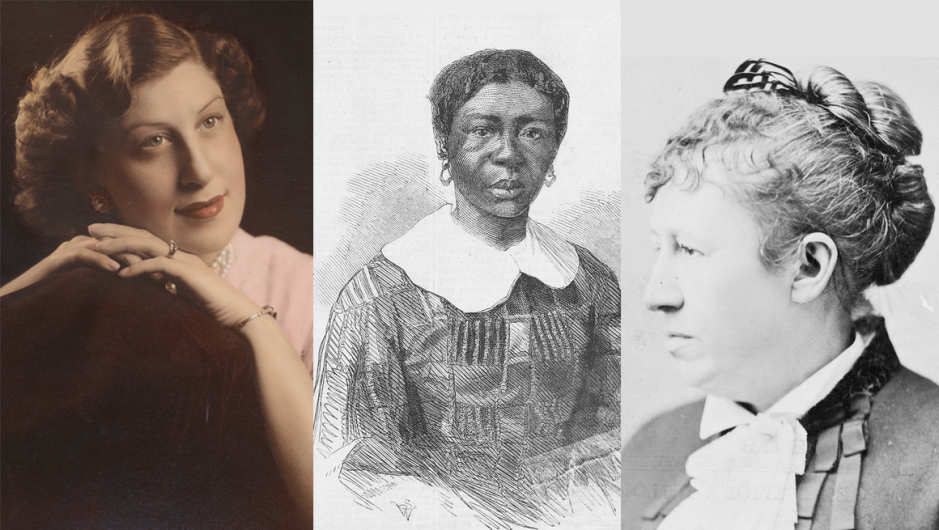
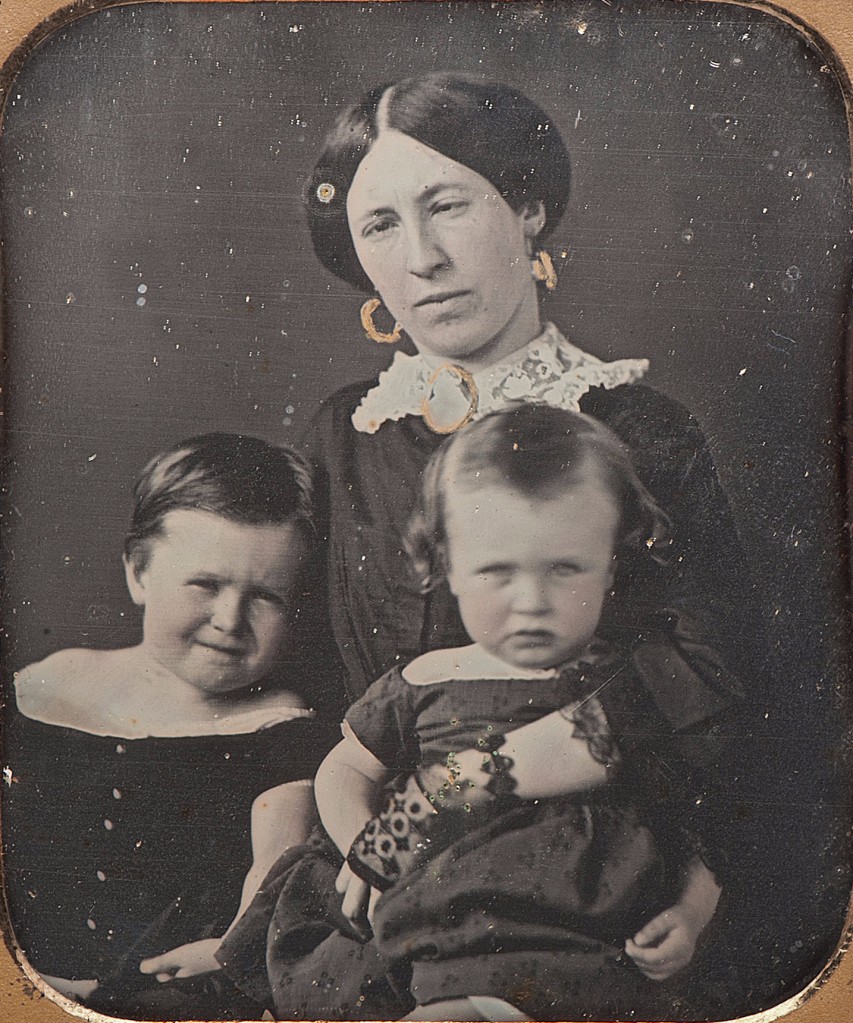
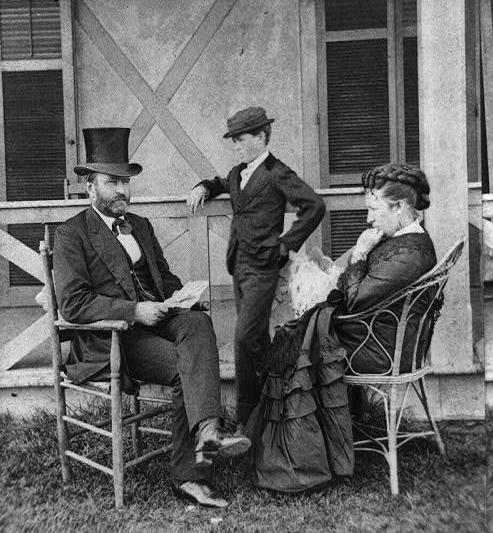
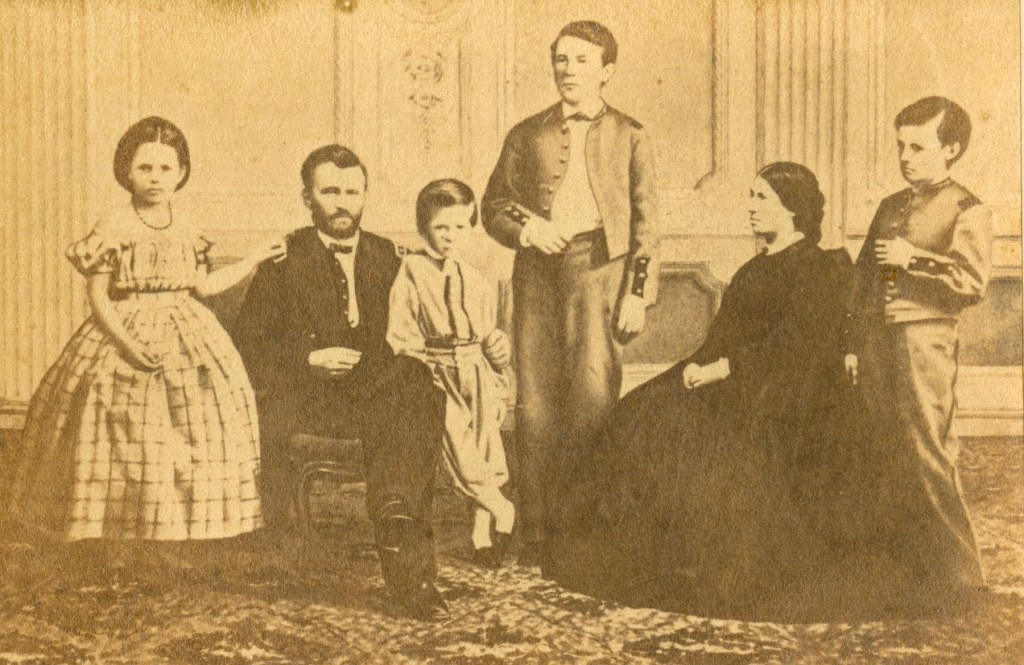
Julia Dent Grant may be best known as the wife of President Ulysses S. Grant, but she held another equally important title: mother. Julia met Ulysses in 1844, and they were married four years later. Their first child, Frederick Dent Grant, was born in 1850, followed by Ulysses S. “Buck” Grant Jr. in 1852, Ellen Wrenshall “Nellie” Grant in 1855, and Jesse Root Grant in 1858. 

In the 1800’s, nearly half of the babies born in the United States did not live to see their fifth birthday. However, all four of the Grants’ children lived into adulthood. Julia and Ulysses were incredibly devoted to their children and were known to be “permissive” parents. They taught their offspring to ride horses from the time they were small, and they allowed them to be noisy, playful, happy children.

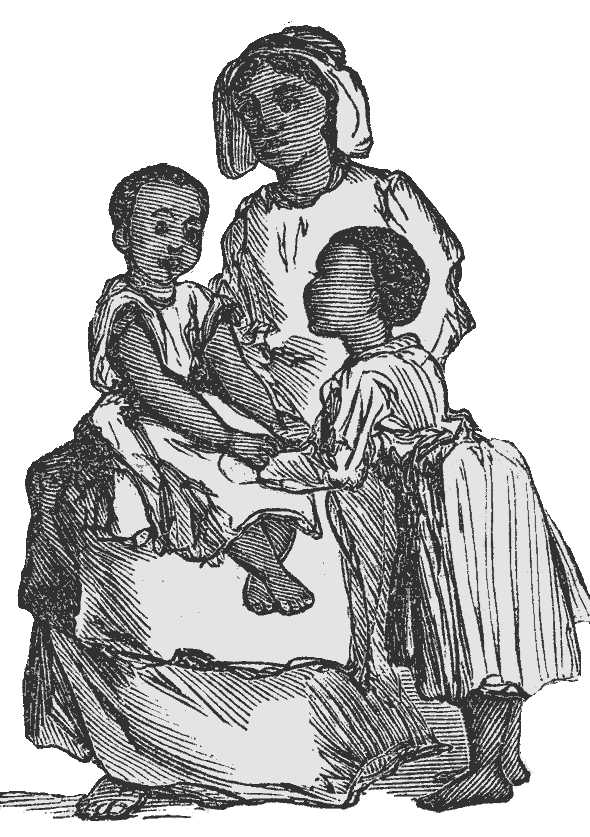
Harriet Robinson Scott was an enslaved woman whose determination to free herself, her husband, and her daughters changed the course of African American history.   

Harriet was born into slavery sometime around 1815.  Her enslaver brought her to Fort Snelling (in present-day Minnesota) in the 1830’s, where she met and married the enslaved Dred Scott. Their enslaver subsequently moved them between free and slave-holding territories frequently while leasing them out as hired hands.  Their residence in free areas would become the centerpiece of the couple’s claim to freedom. 

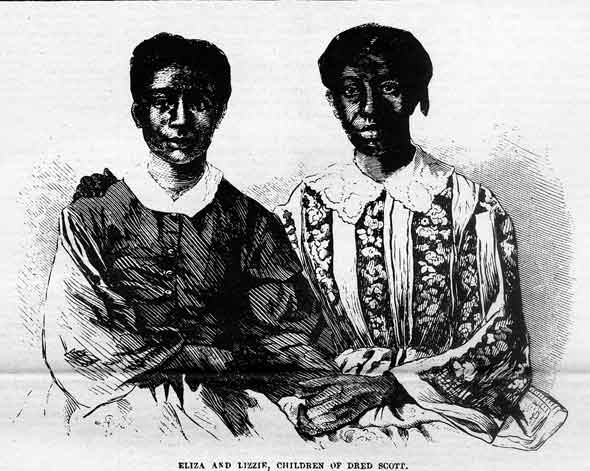
Harriet and Dred eventually wound up in St. Louis with their two daughters, Eliza and Lizzie.  It was here that the couple began to explore their chances of gaining their freedom. Harriet in particular was highly motivated to see her daughters become free.  After a failed attempt to purchase their way out of slavery, she encouraged Dred to sue for their freedom in the courts.

She and Dred endured five trials over the course of 11 years to fight for their family’s freedom, and it was her love for her children that kept her going through those hard times. Though the infamous Supreme Court decision in the Dred Scott Case denied them their freedom, the son of Dred’s original enslaver finally freed the family a few months after the verdict.

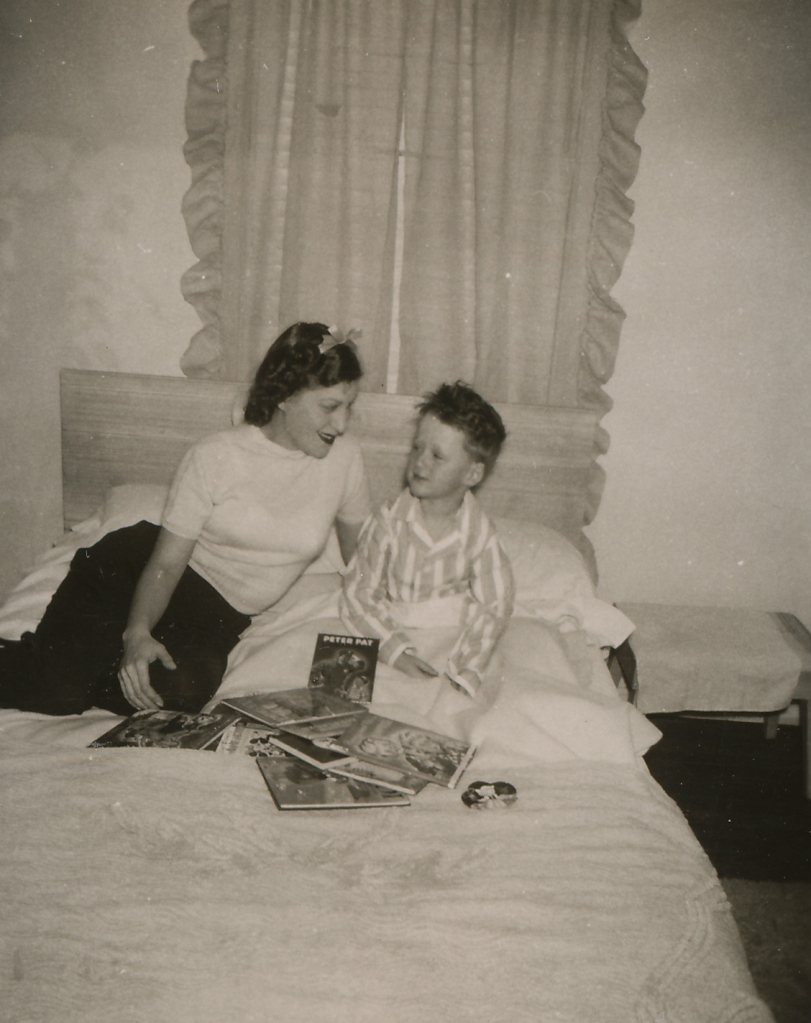
Former President Bill Clinton’s mother, Virginia Clinton Kelley, was known for her optimism and enthusiasm for life.  Bill Clinton was quoted as saying that, to his mother, “every day was a good day.”

Clinton’s father, William Jefferson Blythe II, died in a car accident when his wife Virginia was pregnant. Suddenly alone, she had to figure out a way to support herself and her newborn son in little Hope, Arkansas. With the support of her parents, Virginia was able to attend nursing school. She later married Roger Clinton Sr., who turned out to be an abusive alcoholic. Despite the many hardships she faced over the course of her life, Virginia was wholeheartedly devoted to Bill and later to his little brother, Roger Jr. She believed that it was her responsibility to support herself and create a good life for her children, regardless of their circumstances.  Although she died in 1994, she luckily lived long enough to see Bill become the 42nd president of the United States the previous year.