Eisenhower’s Civil Rights Legacy

If you were asked to list well-known champions of racial equality from America’s past, Dwight Eisenhower would probably not make the cut.  The nation’s 34th president was a conservative who never planned to be a crusader on behalf of civil rights.  But the 1957 struggle to allow Black students to attend Little Rock Central High School in Arkansas forced his hand, and had a lasting effect on school integration.
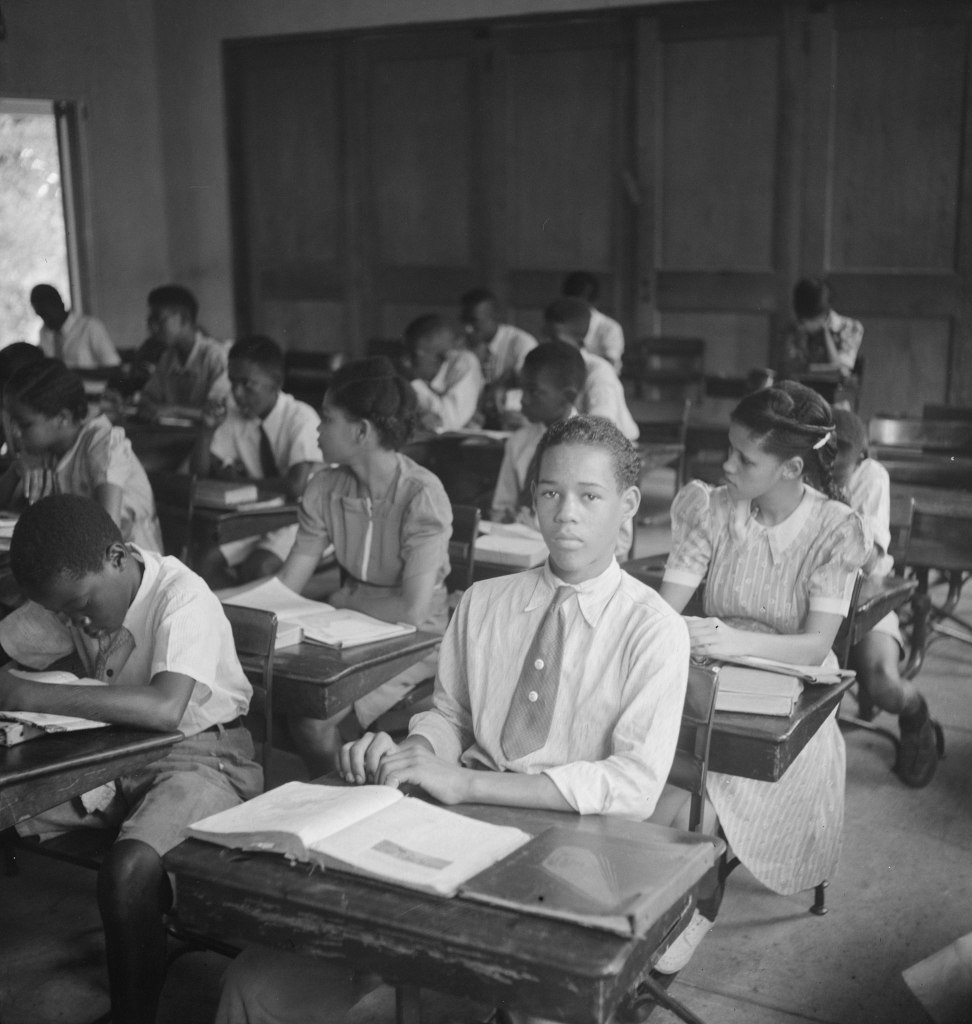
Racial equality was a polarizing topic in the mid-20th century.  African Americans who had served their country during World War II were no longer willing to accept living in a country that saw them as second-class citizens.  So began the widespread push for equal rights and for an end to racial segregation in the workplace, in the military, and in schools.

Supreme Court under Justice Earl Warren, 1953-1954

The Supreme Court’s groundbreaking 1954 ruling on school integration – Brown vs. Board of Education – was a turning point in educational equality.  The court ruled unanimously that state laws allowing the separation of children in public schools on the basis of race was unconstitutional.   This landmark decision was handed down not long after Eisenhower was elected president.  He had already been on record urging advocates of desegregation to go slowly, and said he sympathized with white southerners who saw the movement as a threat to their way of life.  So Ike gave the high court’s ruling only tepid support: “The Supreme Court has spoken, and I am sworn to uphold the constitutional process in this country; I will obey.”  

Soldiers escorting African American students from Central High School, 1957

Despite his reticence, however, Eisenhower was reluctantly thrown into the civil rights controversy in 1957, when white mobs prevented the desegregation of Central High School.  Arkansas Governor Orval Faubus saw political advantages in using the National Guard to block the entry of African American students to Central High. After meeting with Eisenhower, Faubus promised to allow the students to enroll—but then withdrew the National Guard, allowing a violent mob to surround the school. In response, Eisenhower dispatched federal troops, the first time since Reconstruction that a president had sent military forces into the South to enforce federal law.
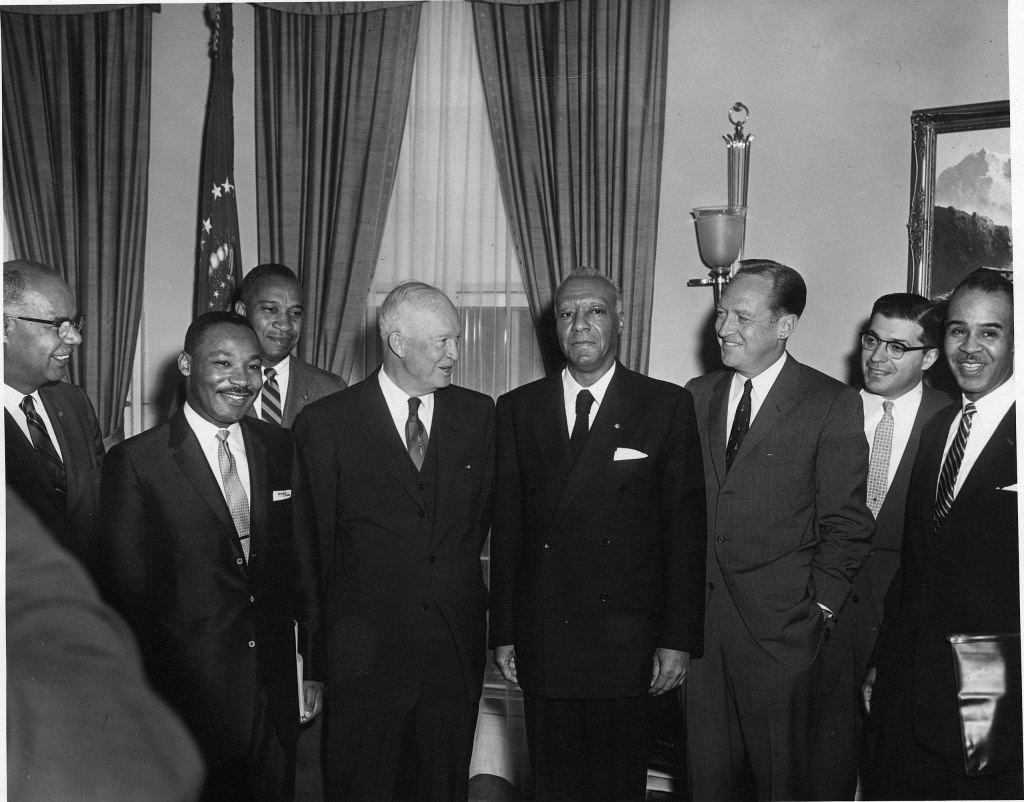
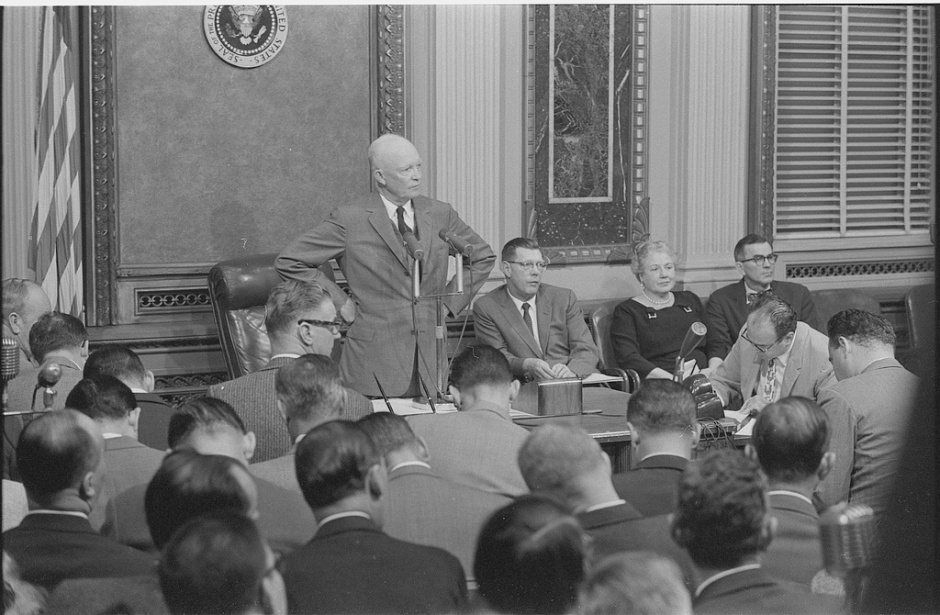
President Eisenhower with civil rights leaders, 1958

As complex as Eisenhower’s civil rights record is, there is no denying he played an important role in the desegregation of America’s public schools.  For a more in-depth look at this chapter of the struggle for equality, be sure to visit Little Rock Central High School National Historic Site.
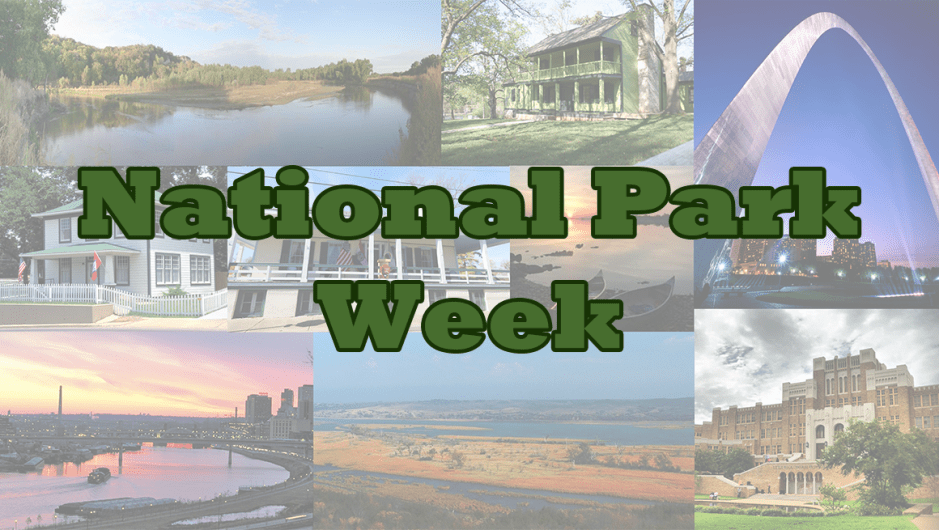
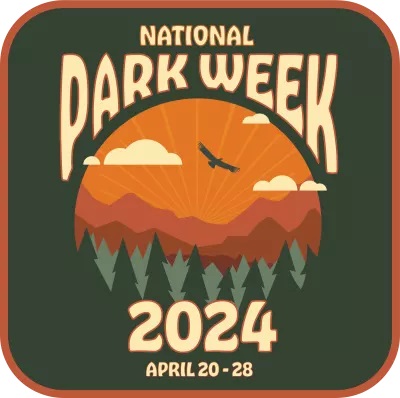
Get Involved at a National Park!

Are you a fan of national parks?  Beyond just paying them a visit, do you want to get more involved in their events and activities?  Then National Park Week is for you!!

In August of 1991, the very first National Park Week was established to honor the National Park Service’s 75th anniversary. Since then, it has been celebrated in April alongside Earth Day. This year, National Park Week is April 20-28, and each day is themed around a unique aspect of the national parks.

April 20 – Discovery/ Park Rx Day

To kick off the week and also encourage people to discover a new park, entrance fees at all national parks are waived on April 20!

It is also Park Rx Day, focusing on the connection between the health of people, the health of parks, and the health of our planet.

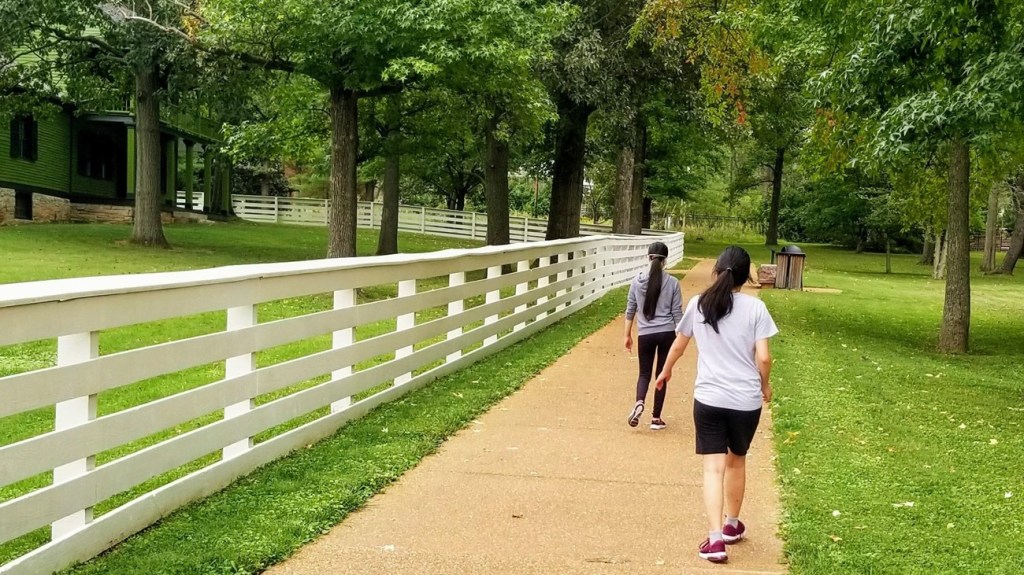
If you are in Missouri, we highly recommend attempting the NPS Wellness Challenge. All seven of the national park sites in Missouri offer challenges in three categories that visitors can complete: mental, physical, and learning. If you complete a challenge, you can earn a Wellness Challenge Badge!

Visitors take a walk through history as part of the NPS Wellness Challenge at Ulysses S. Grant National Historic Site. Credit: NPS
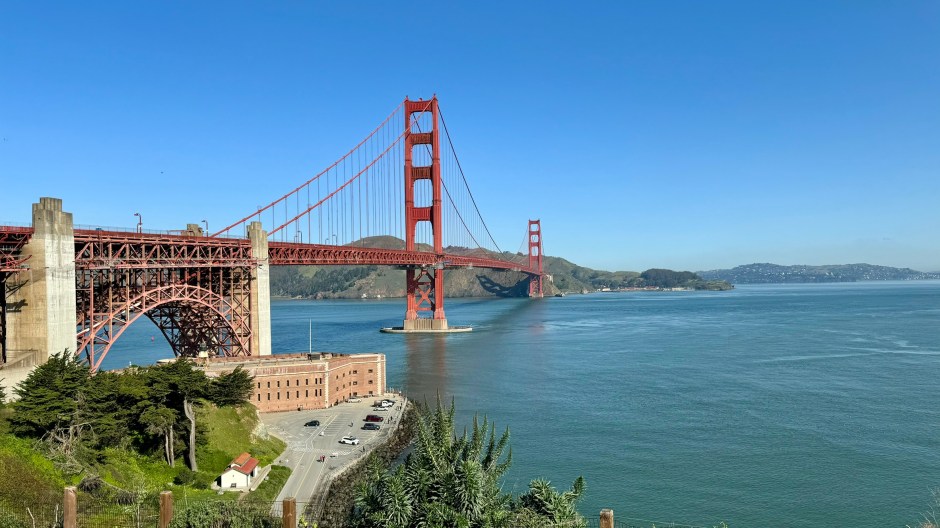
April 21 – Volunteers

Have you ever wanted to volunteer at a national park but either lived too far away or could not find activities that fit your schedule? Now you can volunteer VIRTUALLY as a citizen archivist! Ahead of the upcoming 250th anniversary of American Independence, the National Archives and Records Administration is collaborating with the National Park Service to have volunteers transcribe Revolutionary War Pension Records. These records hold incredible, untold stories of the American Revolution, and once transcribed, will be a permanent contribution to our country’s historical record.

Want to get outside to volunteer? Gateway Arch National Park is having its first ever BioBlitz on April 28. Volunteers will use the iNaturalist app to document various types of wildlife found in the park.

April 22 – Earth Day

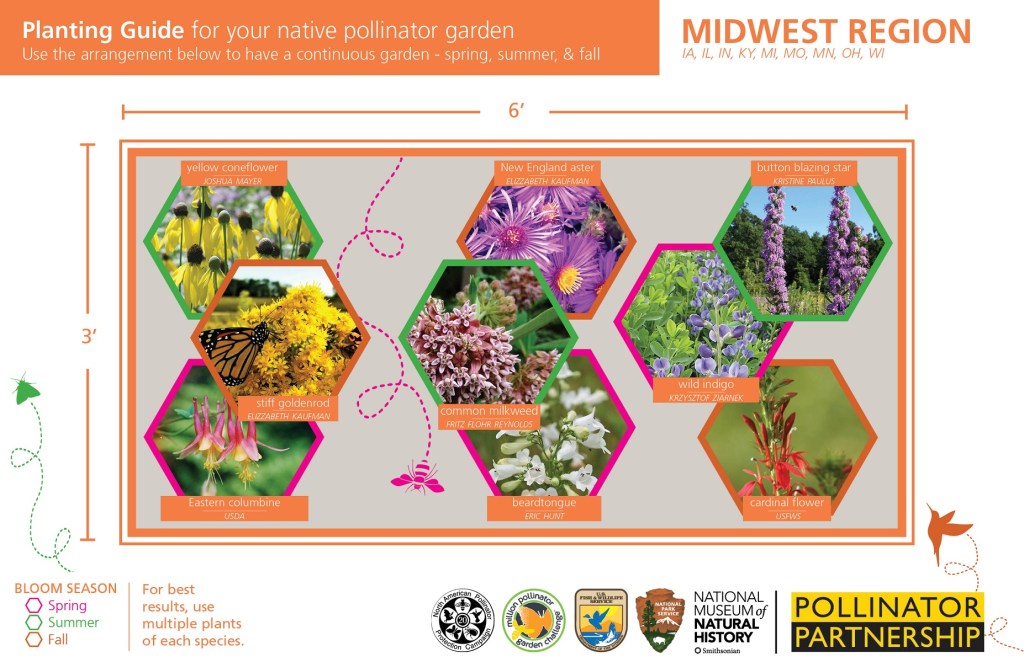
On Earth Day, you can join an event at a park near you, or you can learn about all the great ways to practice conservation at home. By taking a few small steps, you can do your part to help protect pollinators, birds, bats, oceans, and even our night skies!

April 23 – Innovation

National Park sites are full of innovative ideas, programs, and technology. For Innovation Day, check out a few of our past blog posts about innovation in some of our partner parks:

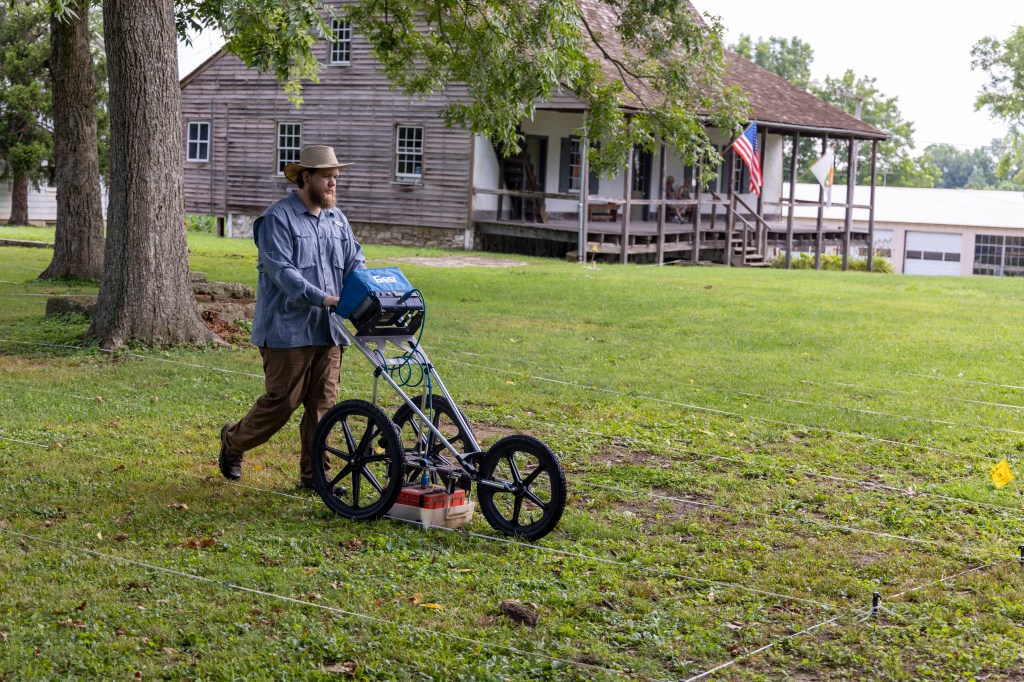
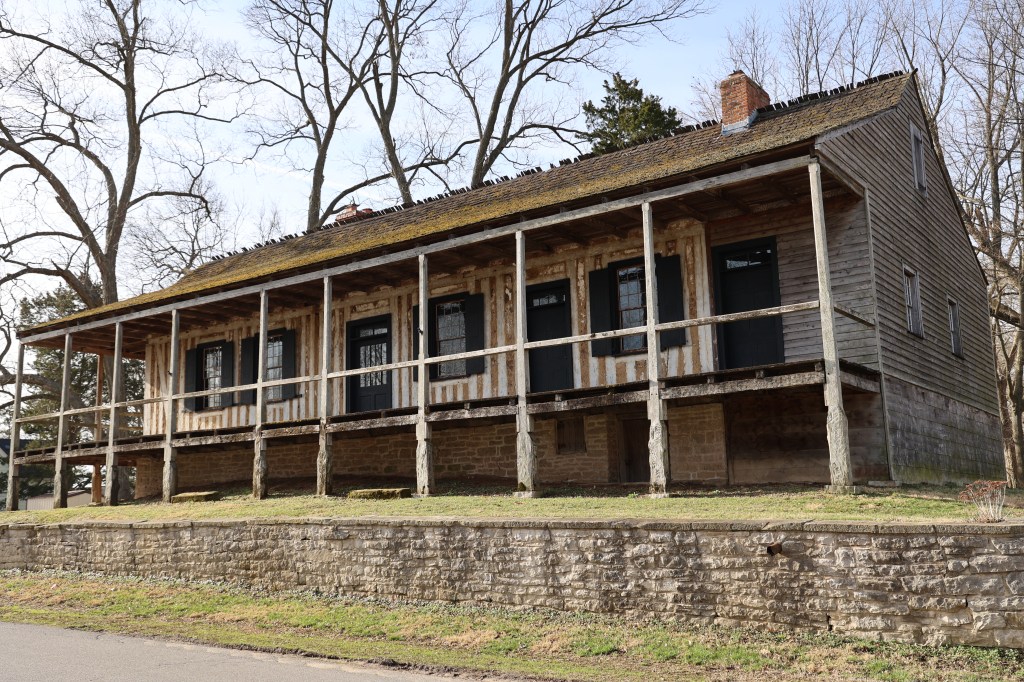
Archeological exploration at Ste. Geneviève National Historical Park. Credit: NPS

April 24 – Workforce Wednesday

On April 24, the National Park Service is hosting a special virtual event, “Then/Now/Tomorrow: Empowering Our Future Conservation and Climate Stewards.” This is a great opportunity for teens and young adults to learn about volunteer and career opportunities in parks!

April 25 – Youth Engagement

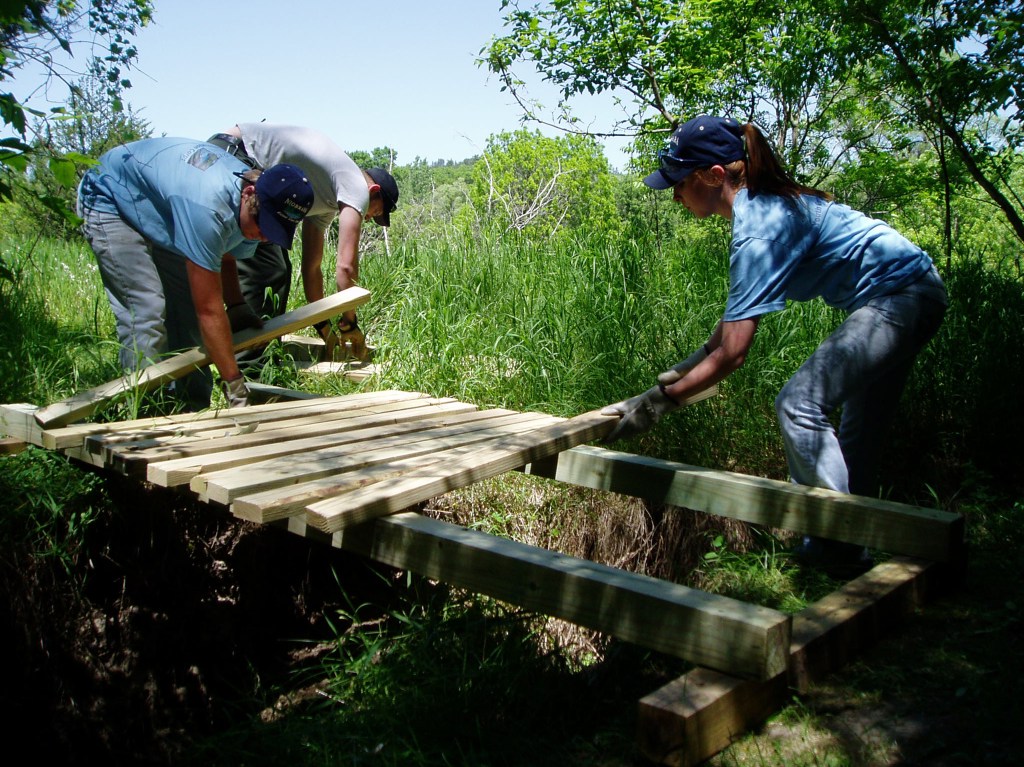
After joining the webinar on Workforce Wednesday, young people between the ages of 15 and 18 can take the next step on their National Park Journey by researching and applying for opportunities with the Youth Conservation Corps! One of our partner parks, Voyageurs National Park, even has an upcoming opportunity May 13 – June 13 for Corps members to repair boardwalks and complete trail maintenance in the park.

Youth Conservation Corps installing a bridge at Niobrara National Scenic River. Credit: NPS

April 26 – Community Connections

Did you know that the National Park Service’s work does not stop at a park’s boundary? Every day, parks across the country partner with their surrounding communities to expand their mission of conserving the natural and cultural resources of our country for the “enjoyment, education, and inspiration of this and future generations.” A few notable examples in the JNPA network of sites include:

Crosby Farm at Mississippi National River and Recreation Area. Credit: NPS

April 27 – Junior Ranger Day

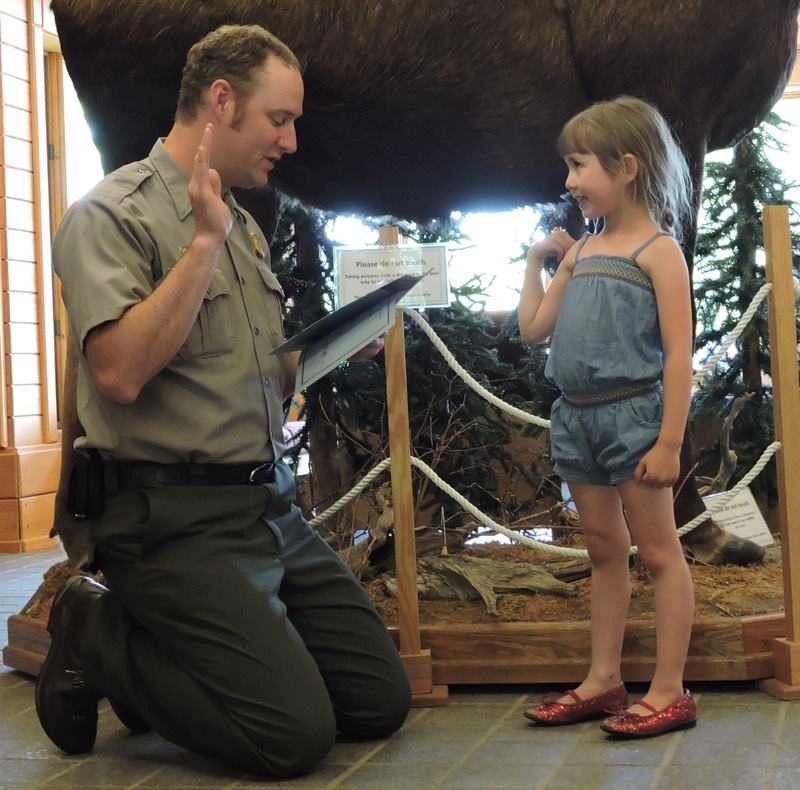
“Explore. Learn. Protect.” This is the motto of the NPS Junior Ranger program, an activity-based program to help kids of all ages learn about parks. On Junior Ranger Day, a variety of special events will be hosted at parks across the country, including Mississippi National River and Recreation Area, Ste. Geneviève National Historical Park, and Ulysses S. Grant National Historic Site.
Swearing in a Junior Ranger at Voyageurs National Park   Credit: NPS

April 28 – Arts in the Parks

When you think of national parks, art may not be the first thing that comes to mind. However, all five of the “fine arts” play an important role at national park sites.

  • Painting – Beginning in the 1800’s, beautiful landscapes of the American West were captured by the painters of the Hudson River School. These paintings helped inspire support for the creation of the national parks. This tradition continues today with the NPS Artist-in-Residence program.
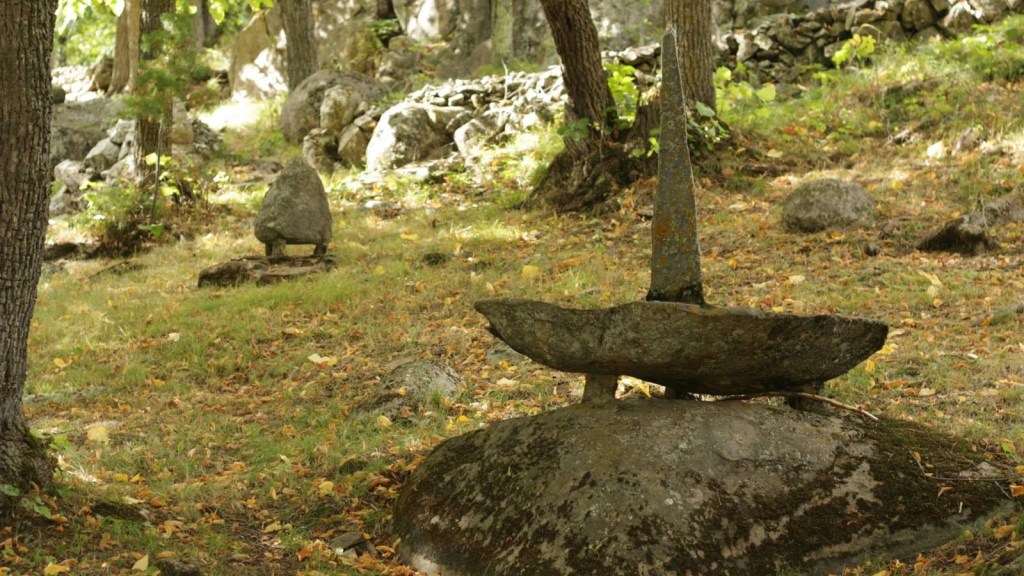
  • Sculpture – The Ellsworth Rock Gardens at Voyageurs National Park is home to over 200 abstract rock sculptures.
  • Architecture– Standing at 630 ft, one of the most iconic architectural marvels in the National Park Service is the Gateway Arch.
  • Music – Little Rock Central High School National Historic Site, Oxford American, and composers Christopher Parker and Kelley Hurt partnered to create a musical tribute to the Little Rock Nine, a jazz composition entitled “The No Tears Suite.”
  • Poetry – A new initiative this year is “Poetry in Parks.” U.S. National Poet Laureate Ada Limón selected historic American poems which will be displayed as public works of art on picnic tables in seven national parks. The installations will be unveiled throughout the summer and fall.
Rock sculptures at Ellsworth Rock Gardens/Voyageurs National Park. Credit: NPS

No matter what theme speaks to you, no matter how old you are, no matter if you visit in person or virtually, go to a national park next week!

See It Now Or Wait Another 21 Years!

One of our solar system’s most awe-inspiring events will be on full display for many lucky Americans next week:  a total eclipse of the sun.  And visitors to Ste. Geneviève National Historical Park will get a front-row seat!

An excerpt of a NASA map shows the path and timing of the eclipse over Missouri. Credit: NASA’s Scientific Visualization Studio

Next Monday April 8, people who live in a broad swath of the U.S. will be able to watch as the moon slowly obscures the sun.  The lucky ones, including those in southwestern Missouri, will witness up to a four-minute window of “totality” when the sun is completely covered by the moon’s shadow. 

A total eclipse occurs somewhere on Earth only once every one-and-a-half years. The next one to pass over Missouri is predicted for 2045. However, only a tiny portion of the state will be in totality then.  So now’s the time to catch it!

The little town of Ste. Geneviève is getting ready for a full day of eclipse events next Monday.  Various local groups, including staff from Ste. Genevieve National Historical Park, will host a “viewing event” at the county community center (21390 Highway 32 Ste. Genevieve, MO) from 10:00 am to 4:00 pm.  The period of actual totality starts at 1:59 p.m.  Event activities include:

  • Learning about the eclipse from knowledgeable experts, including park rangers.
  • “Hearing” the eclipse through an innovative LightSound device developed by Harvard astronomers that translates light into sound.
  • Purchasing specially designed Eclipse 2024 products and eclipse glasses from JNPA.
  • Enjoying food trucks and trolley rides.
  • Marveling at the total eclipse with the community of Ste. Genevieve, MO!
Credit: The Planetary Society and NPS

In addition, kids can pick up a solar filter and an Eclipse Explorer Junior Ranger book (after completing the book, they’ll receive a special badge). Fourth graders with a printed voucher can also pick up an Every Kid Outdoors pass.

For more details, check out the park’s solar eclipse page.  We hope to see you in Ste. Gen!

A composite image of the October 2023 eclipse over Bryce Canyon National Park. Credit: NPS/Peter Densmore

Learning Together

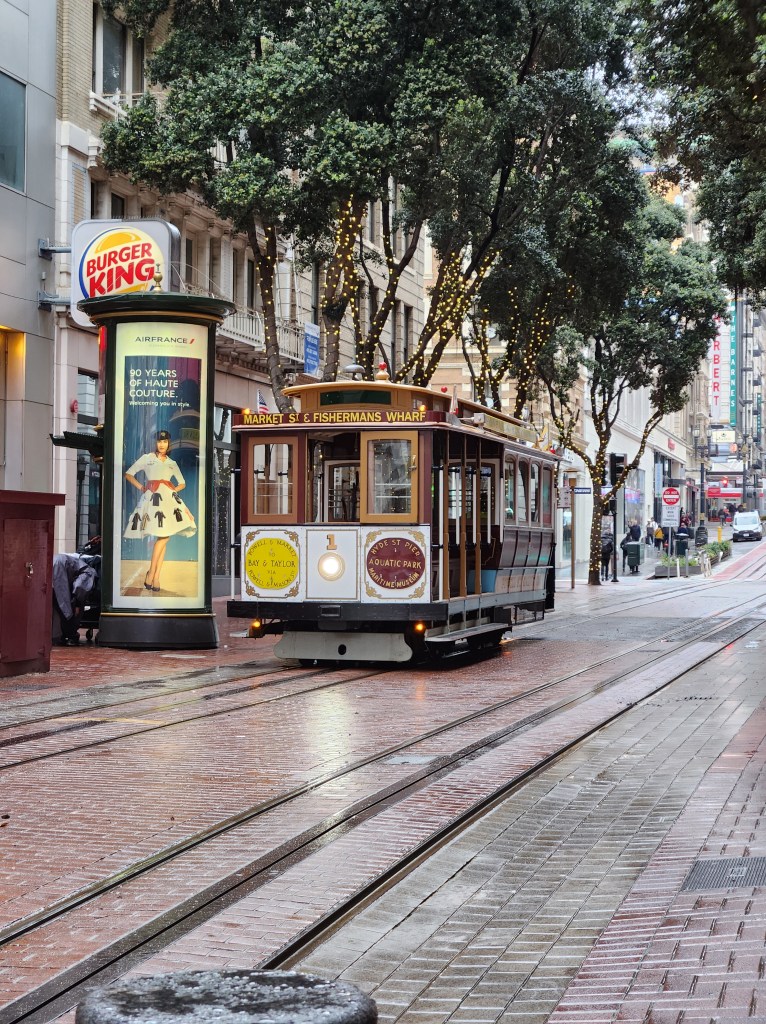
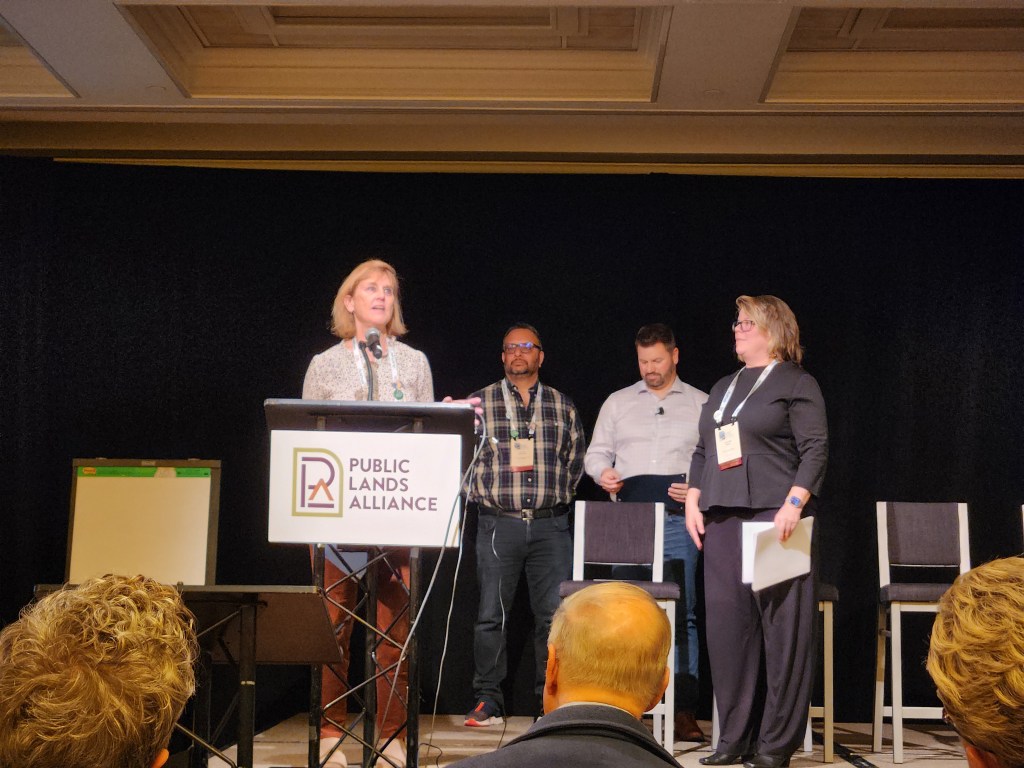
“I left my heart in San Francisco. High on a hill, it calls to me.” Tony Bennett famously sang of the captivating beauty of San Francisco, and a few JNPA staff members were lucky enough to experience that beauty earlier this month at the 2024 Public Lands Alliance Annual Convention.

The Public Lands Alliance (PLA) is a network of nonprofit partners of America’s public lands. Since 1977, PLA has connected public lands partners to agency leaders, socially conscious corporations, and to each other while providing resources for training, education, and collaboration. Each year, PLA holds an annual convention which brings together its members to participate in educational sessions, networking events, field trips to public lands sites, and a trade show featuring educational and public lands-related products.

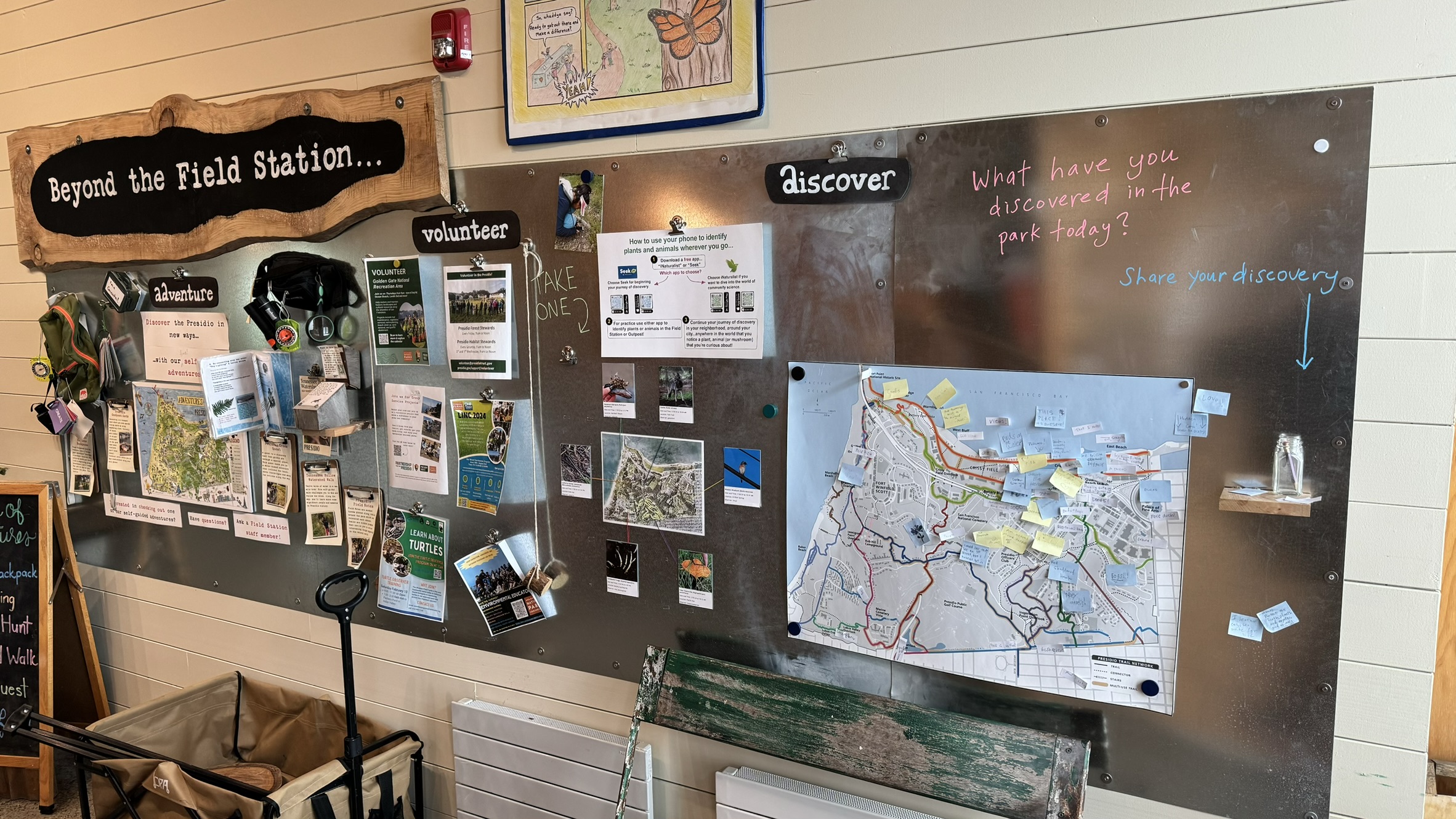
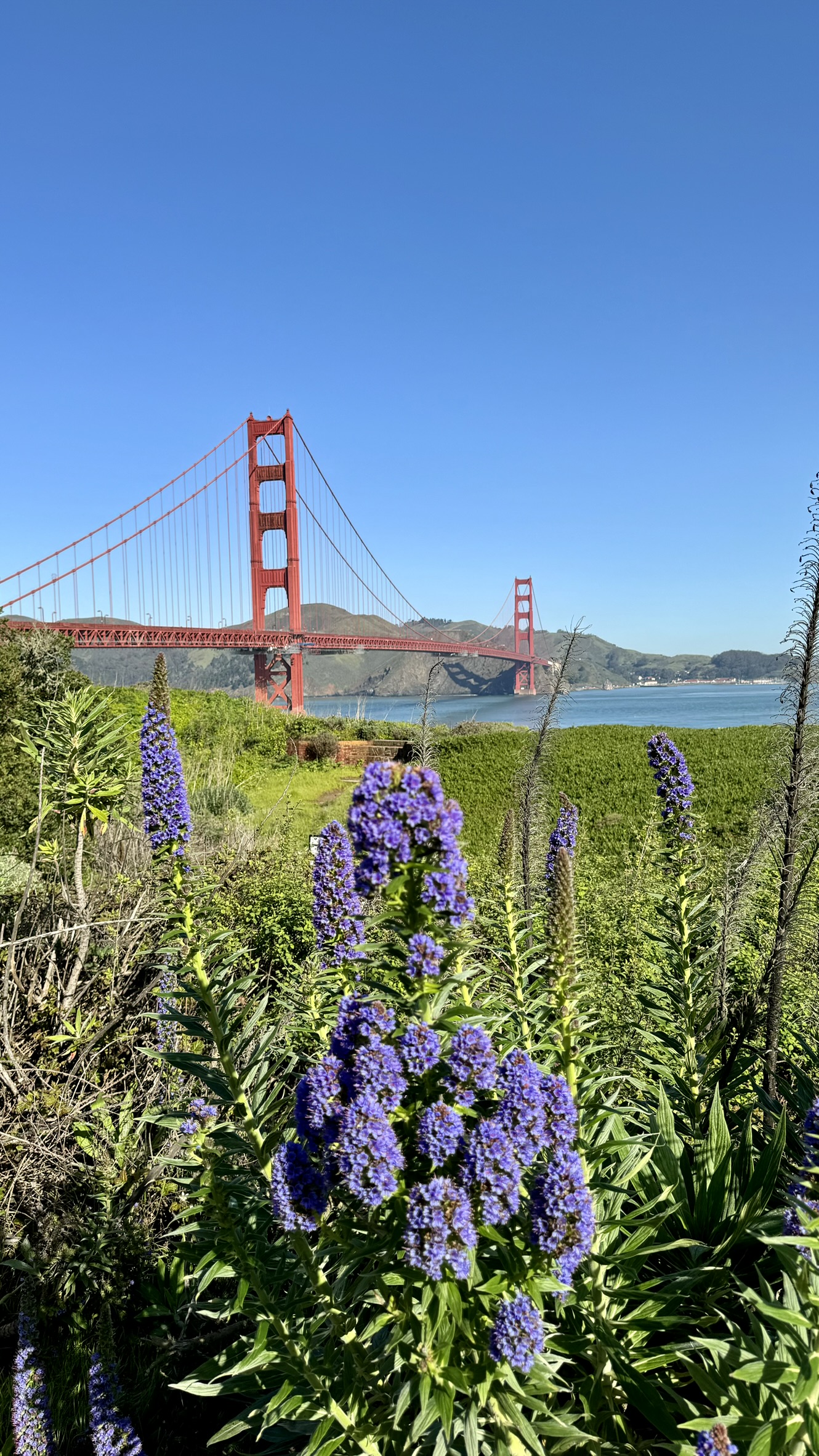
This year, the convention was held March 4-8 in San Francisco. For some attendees, the week began with “field trips” to public lands sites in the Bay area, such as the Golden Gate Bridge, Fort Point National Historic Site, and the Presidio Tunnel Tops.

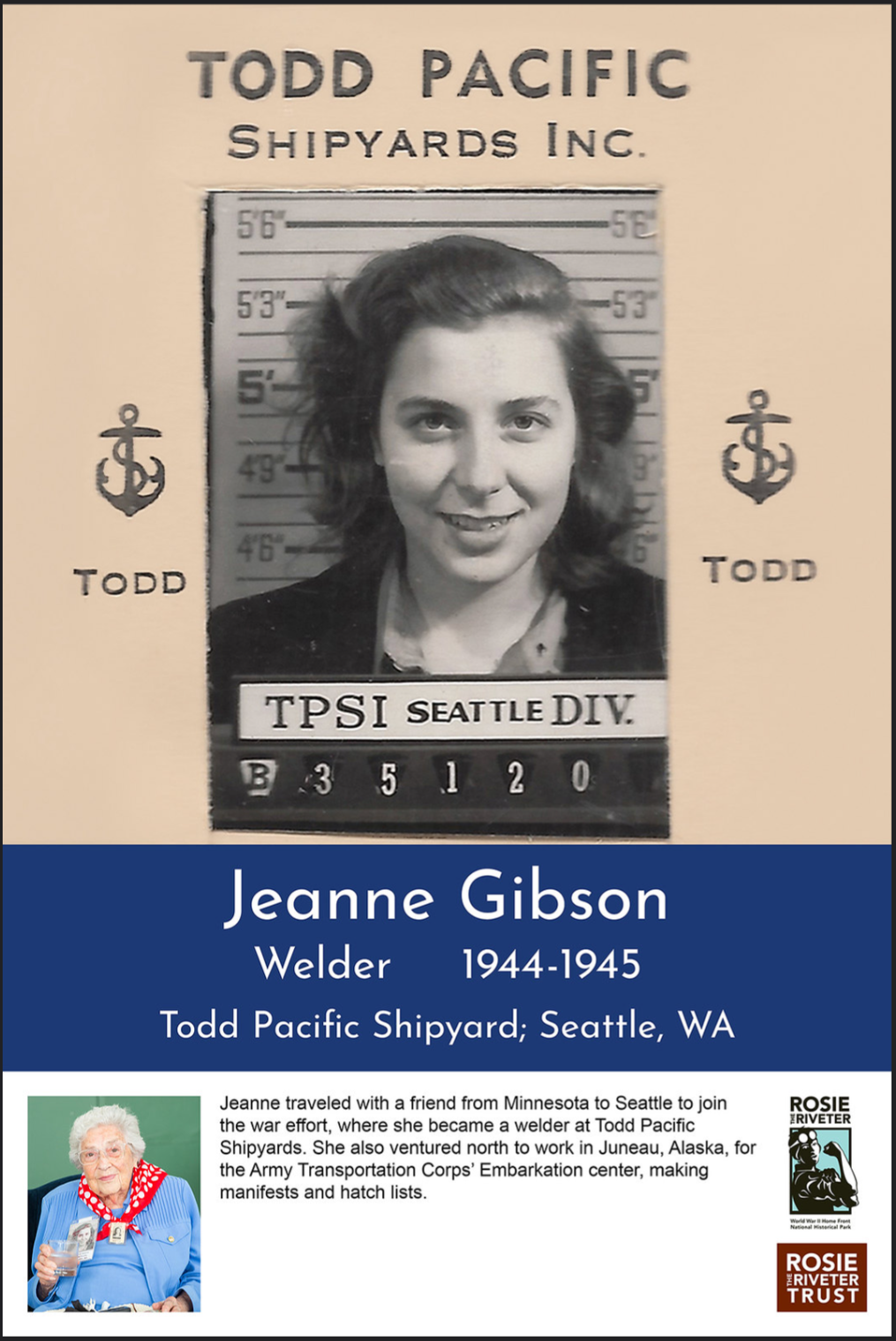
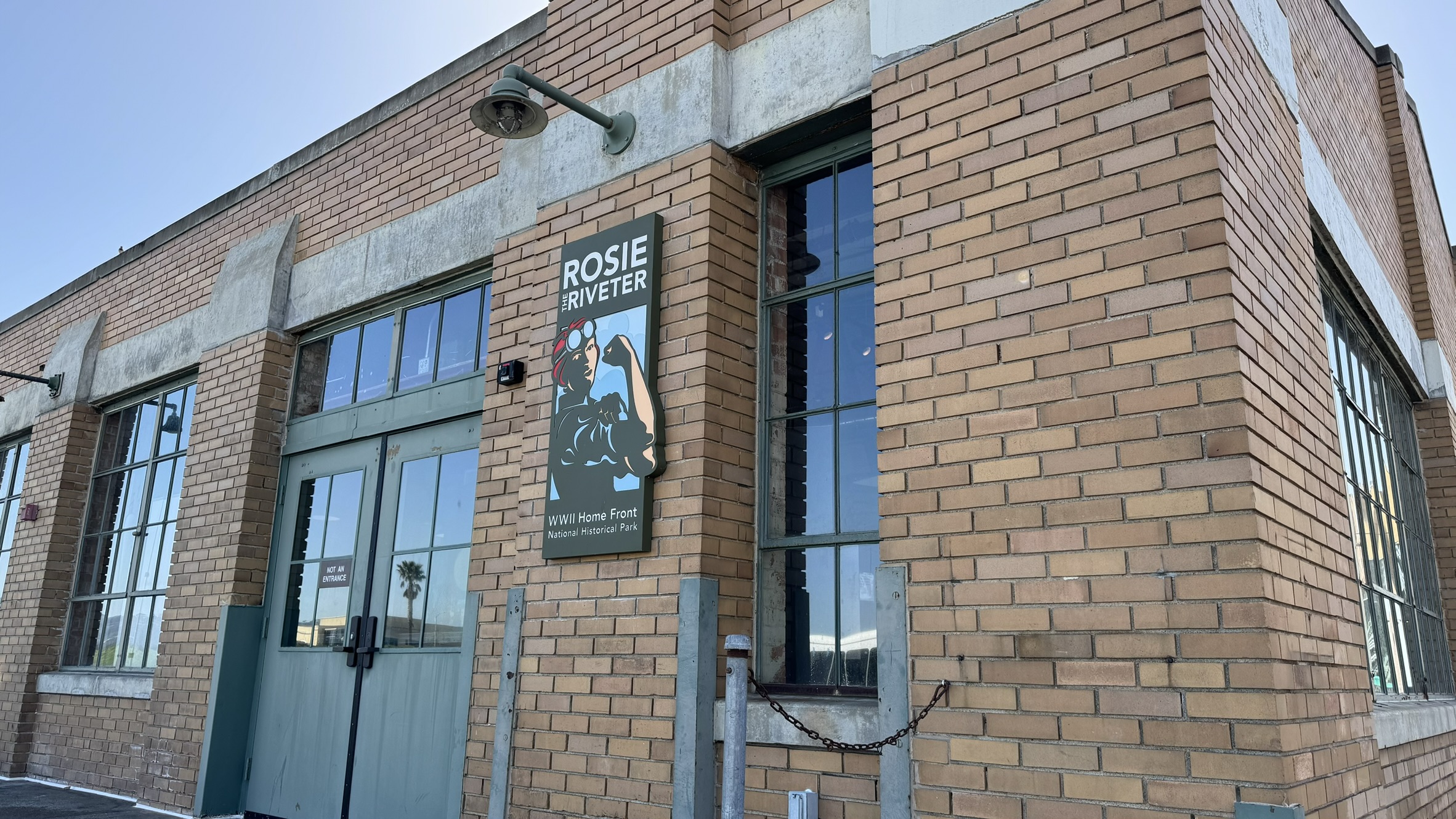
The convention officially began with a session about how organizations in the Bay Area have collaborated to create inclusive experiences and outdoor spaces in the Golden Gate National Recreation Area. The session ended with a bang — literally! The incredible percussionists and dancers of Fogo na Roupa, a Bay Area Brazilian Carnaval performance group, gave a performance that got everyone up on their feet dancing along. Attendees were then treated to an opening reception themed around Rosie the Riveter, including a visit from a real-life “Rosie,” Jeanne Gibson. Jeanne was a welder at Todd Pacific Shipyard from 1944-1945 and now volunteers for Rosie the Riveter WWII Home Front National Historical Park.

A whirlwind of sessions began bright and early Tuesday morning and continued the rest of the week. A few highlights included:

  • A panel discussion on outdoor stewardship and wellness;
  • A case study on the work done in the Marianas Islands to commemorate indigenous stories;
  • An in-depth guide to ethical storytelling;
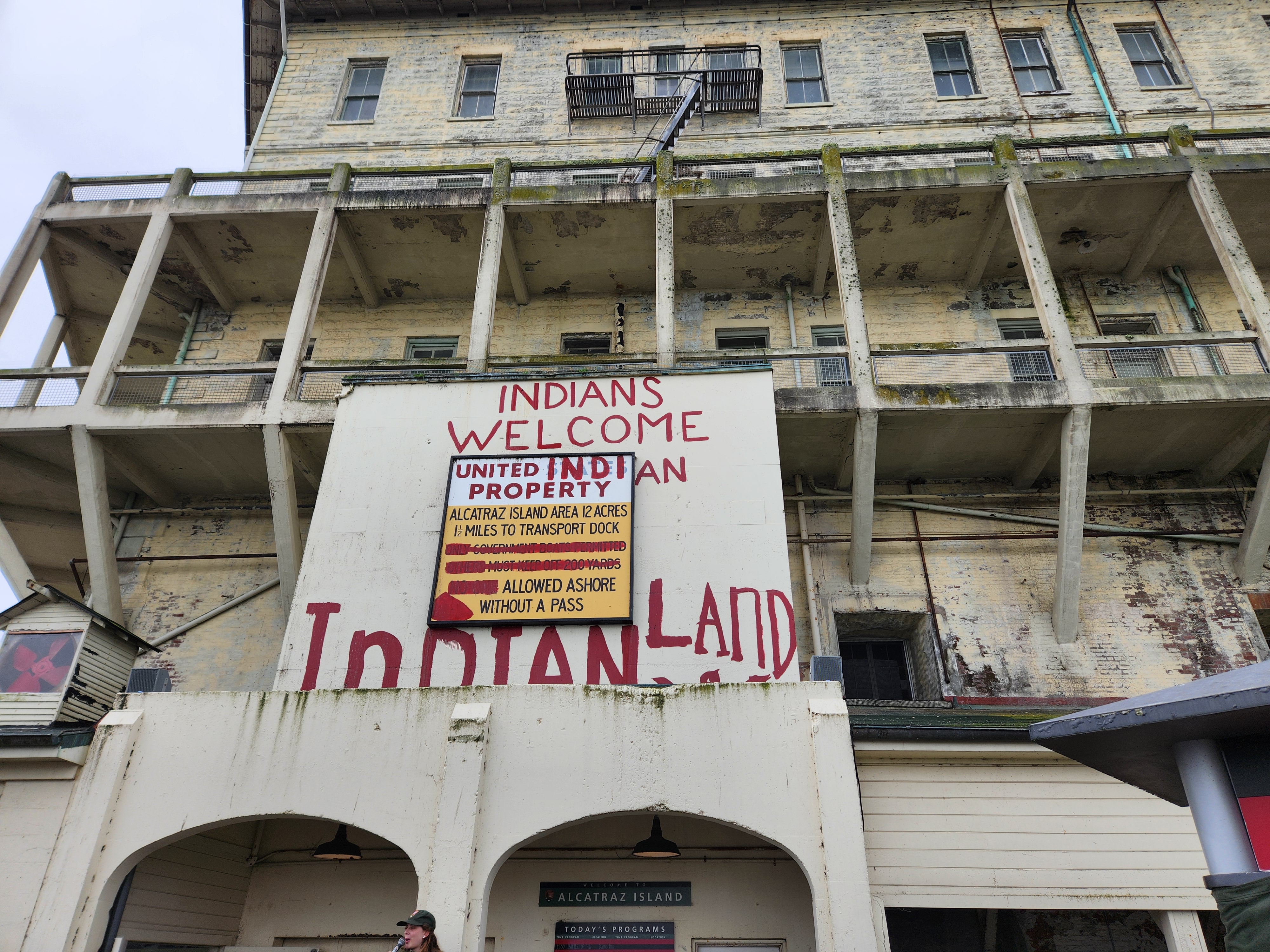
  • A panel discussion about how the National Park Service and others are collaborating with the Native American veterans of the Alcatraz Occupations to highlight their personal stories while creating a new Alcatraz exhibit about Indigenous history and the occupations.
  • An education session about how the U.S. Fish and Wildlife Service and National Park Service are using innovative new ways to prevent birds from colliding with glass at federal sites, as well as how the public can make their homes and businesses safer for birds.

Not only were attendees able to attend the illuminating education sessions, but there were a few extra opportunities both in and out of the convention. One evening, PLA hosted a screening of the breathtaking documentary, “Out There: A National Park Story” followed by a discussion with filmmaker Brendan Hall.

During one of the convention’s general sessions, the Public Lands Alliance surprised attendees with an early announcement of a few winners of its coveted Partnership Awards. Jefferson National Parks Association won Best Innovative Product for our virtual reality experience Cobblestones and Courage!

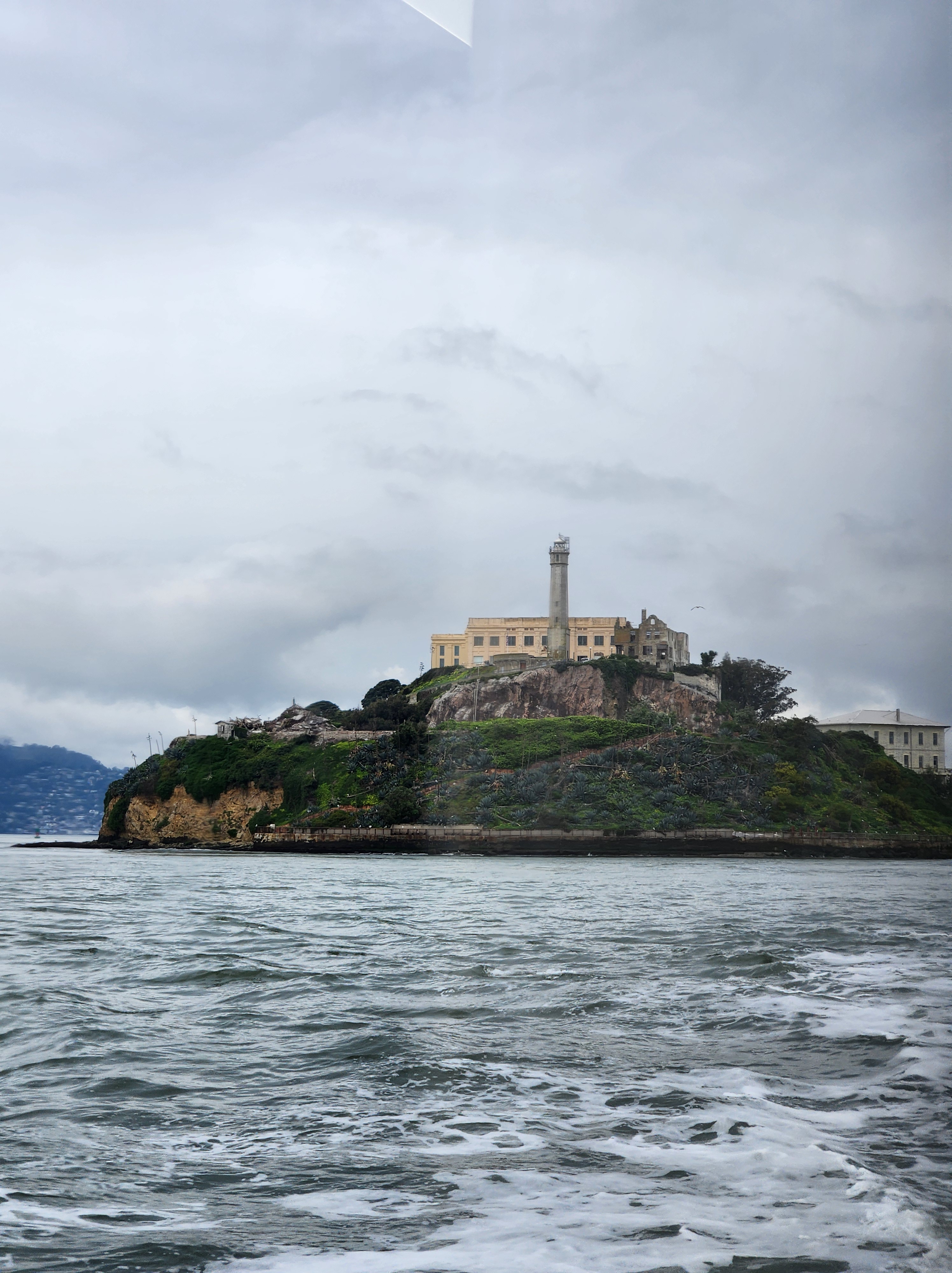
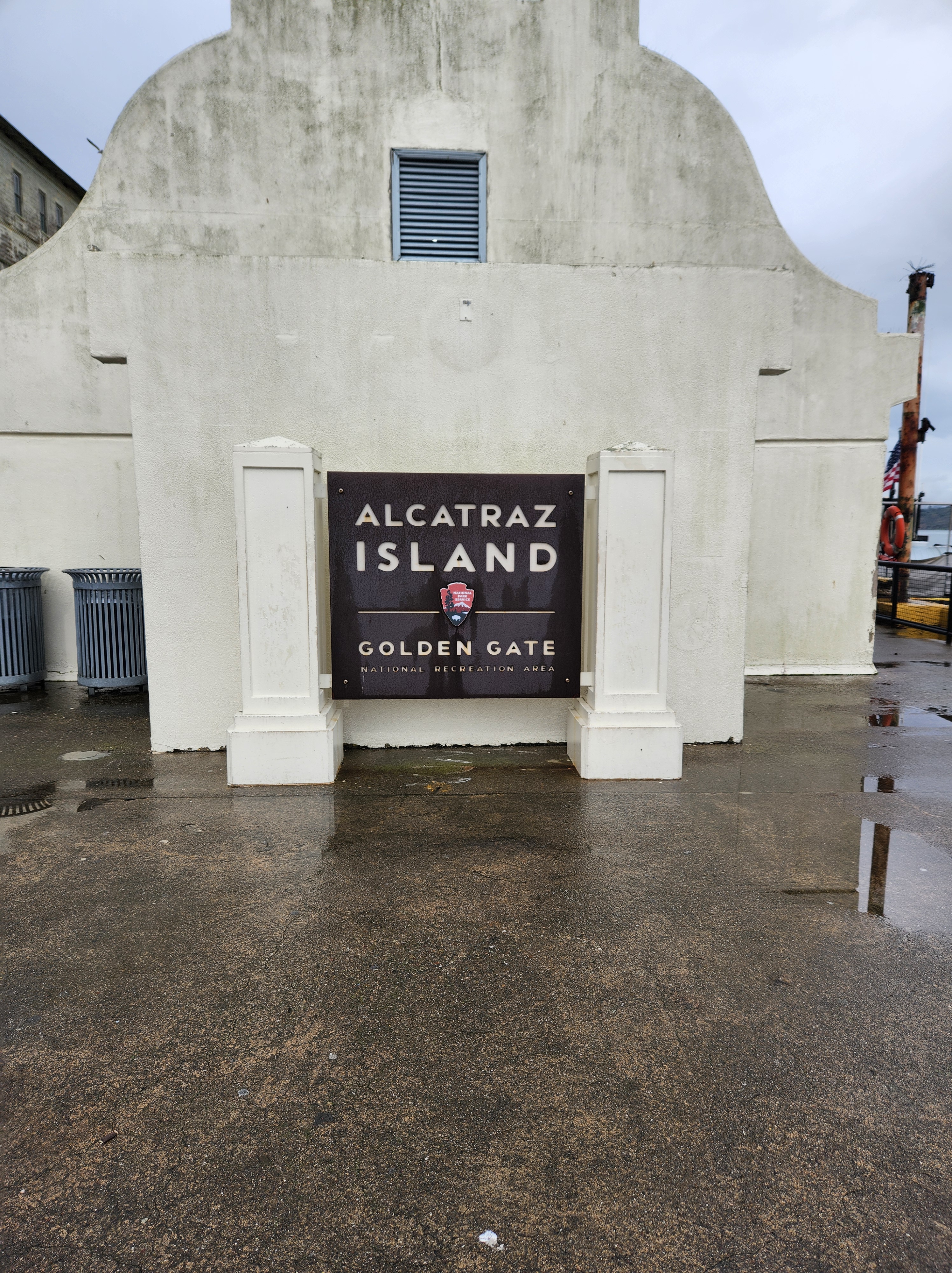
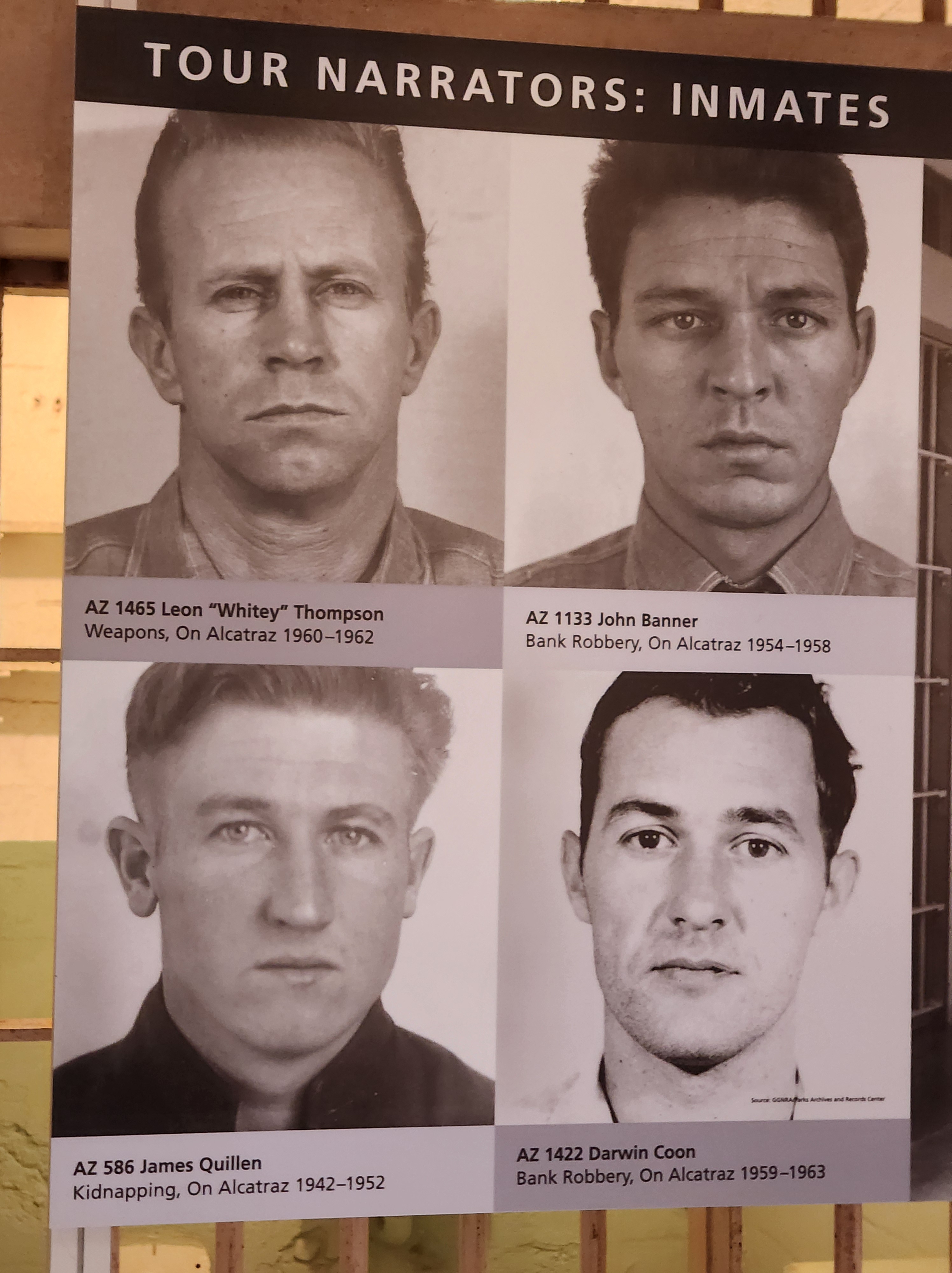
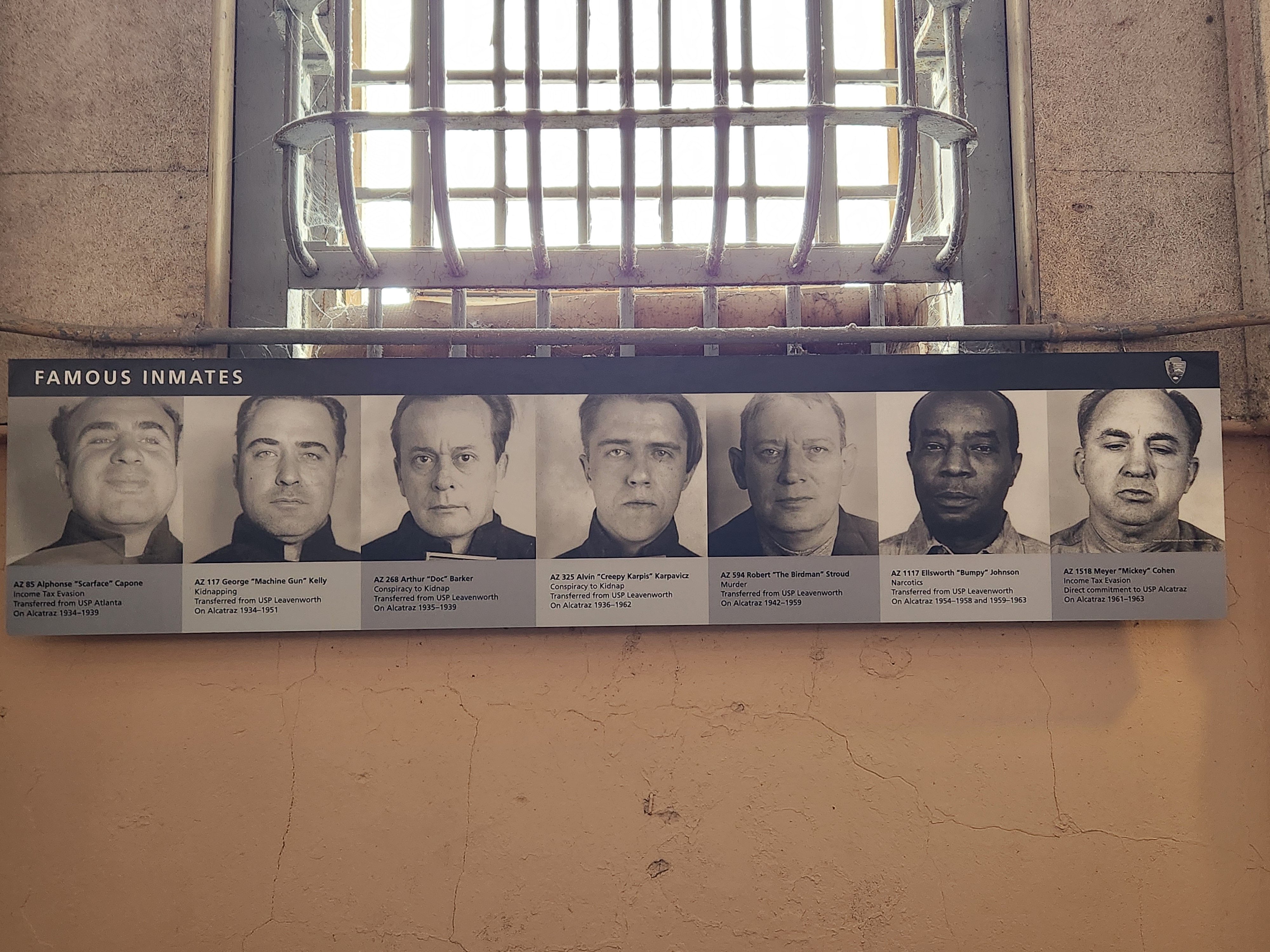
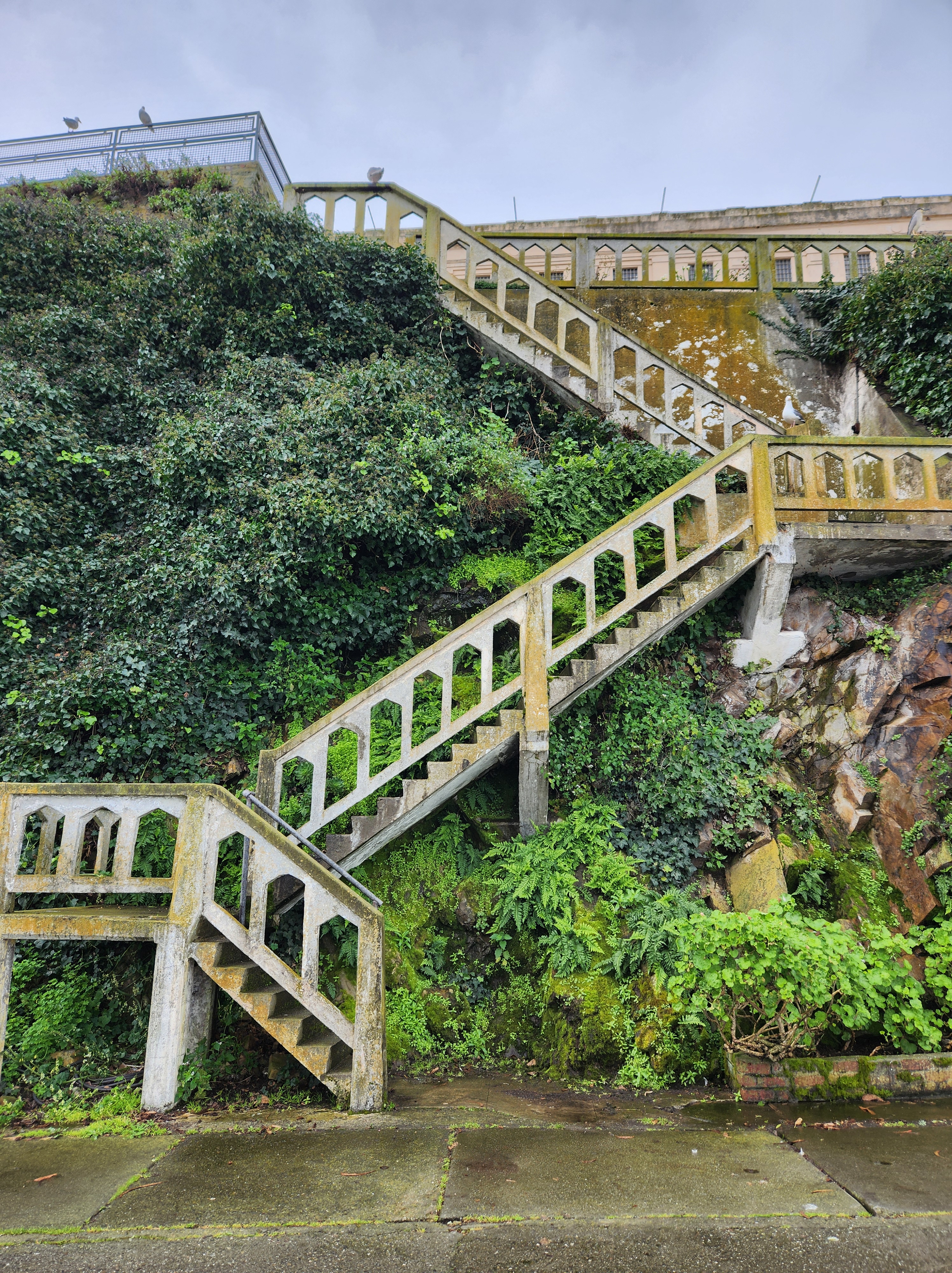
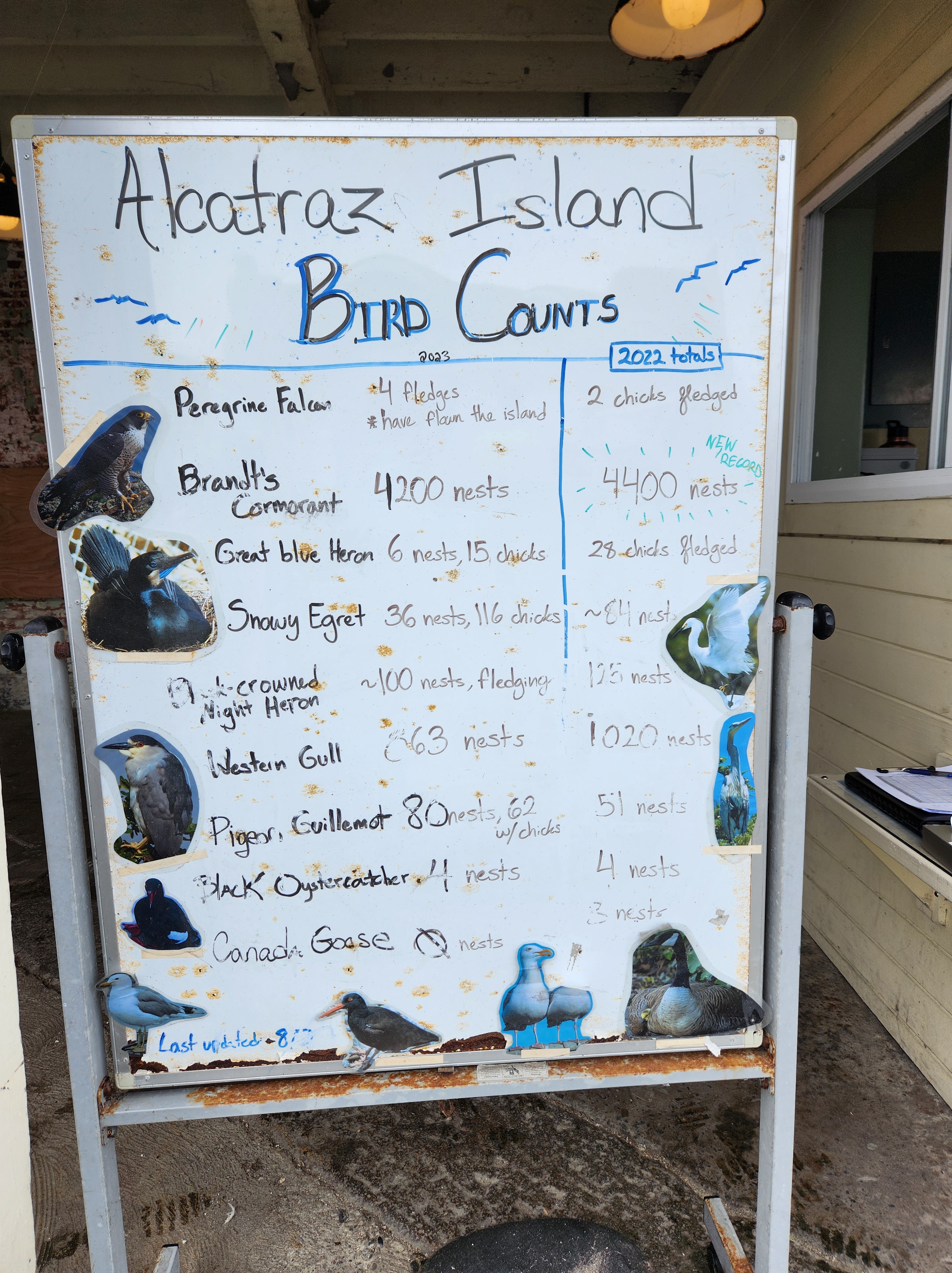
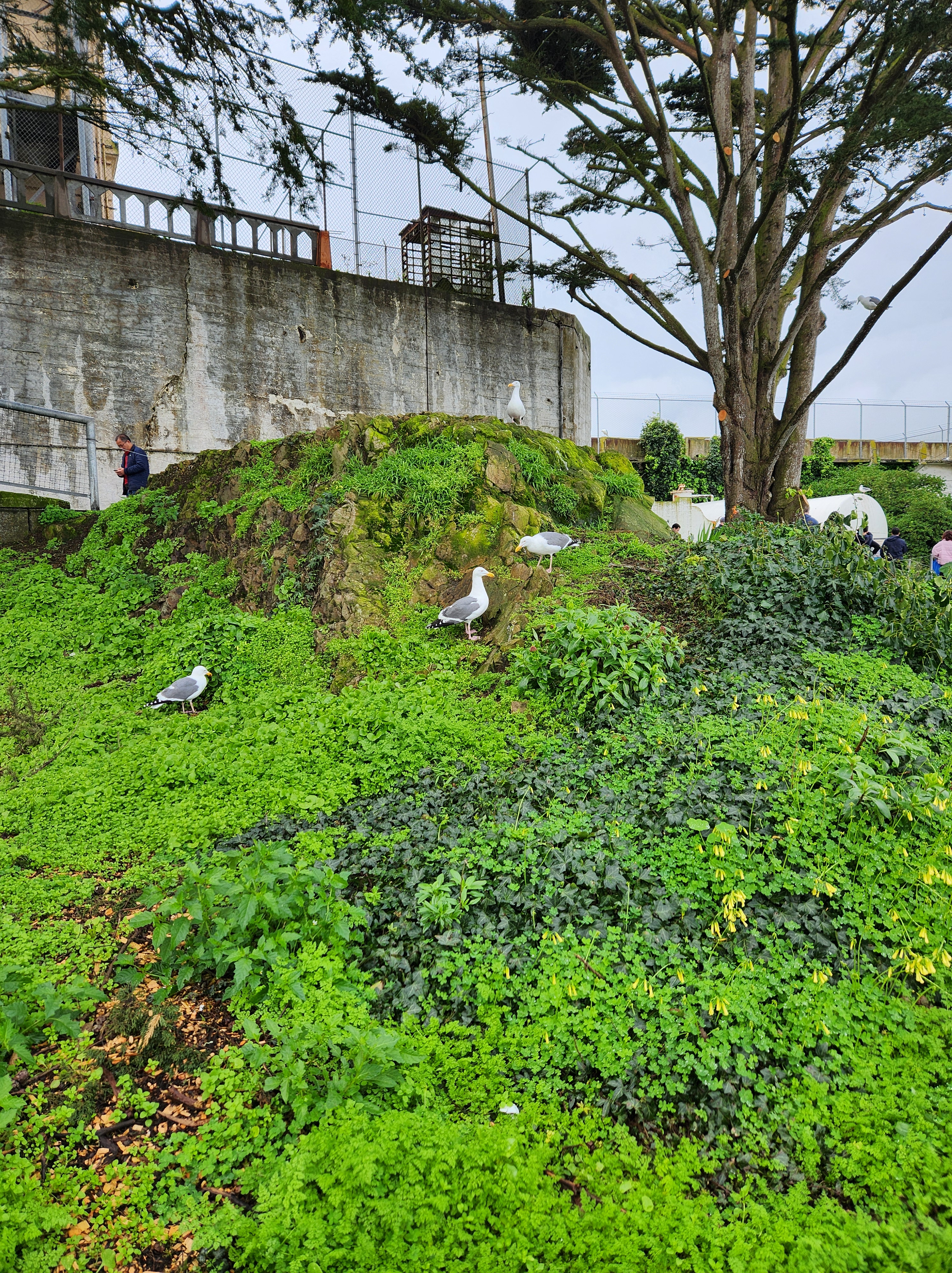
JNPA attendees took a few individual excursions outside the convention. One person visited Alcatraz Island in Golden Gate Recreation Area. A featured experience at Alcatraz is the highly immersive audio tour of the cellhouse, which is narrated by former guards and inmates. Alcatraz is also home to several types of wildlife and is the second largest seagull nesting ground in the world.

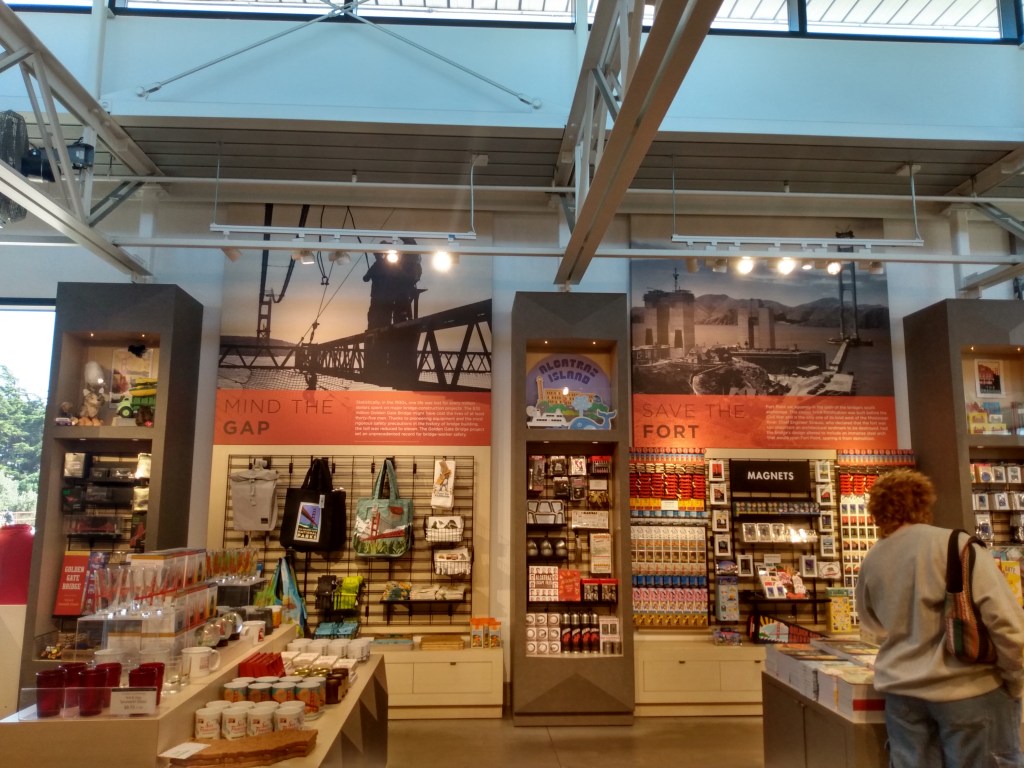
JNPA’s retail team visited the Golden Gate Bridge Store, which is operated by Golden Gate National Parks Conservancy. They were very impressed by how well the store mixes both product merchandising and storytelling through exhibits.

The convention concluded with a special presentation by Rue Mapp, Founder & CEO of Outdoor Afro. Rue spoke about her life and the inspiring story of how she created this organization dedicated to bringing the African American community closer to nature. She also talked about the benefits of people connecting with the outdoors and how public lands can play a vital role in improving community health.

While each attendee came into the convention with different perspectives and goals, it is safe to say that everyone left with a shared sense of appreciation that we all get to play even a small part in supporting our amazing public lands.

French Lesson

French soldiers, explorers, and fur traders established settlements in North America as early as the 1500s.  The vast territories of “New France” spanned a large portion of eastern North America, from what is now Canada south to the Gulf of Mexico.

Map of New France circa 1750

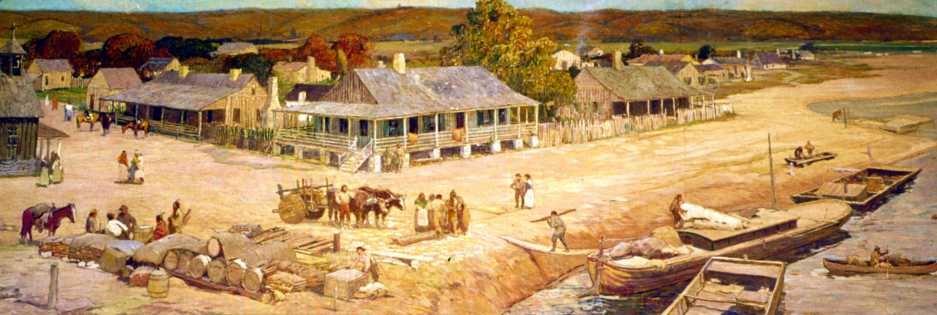
Among the earliest French settlements in the so-called Illinois Country was the village of Ste. Geneviève, founded by French Canadians in 1750.  These hardy immigrants were drawn by the rich soils deposited by the nearby Mississippi River and by minerals and other natural resources the region offered.  Naturally they brought their Old World culture, religion, laws, architecture, and language with them.  But it wasn’t long before they adopted new habits, customs, and even words that fit their new lives in the New World.

In fact, the residents of Ste. Geneviève created what historians call a French Creole cultural zone in the middle Mississippi Valley.  The influences of European immigrants, Native Americans, and free and enslaved Blacks combined to create customs that were unique in terms of law, religion, clothing, use of the land, architecture, personal philosophy, and slave law.  This regional culture was unlike anything else in what is now the United States, and substantially different from its parent cultures in Canada and France.

Credit: NPS

The Creoles of Ste. Geneviève (a term used to describe a French, Spanish or African person born in America) lived in tight-knit communities along the river rather than on isolated farmsteads as most Anglos did.  Their agricultural system evoked that of northern France, in which the residents grazed and farmed on common lands just outside the village.

Creoles also dressed differently than Anglos and seem to have been influenced by the local indigenous people. An 1811 traveler recalled that “Men wore a blanket coat of coarse cloth or coating, with a cape behind, which could be drawn over the head…They wore a blue handkerchief on their heads; but no hats, or shoes, or stockings; moccasins, or the Indian sandals, were used by both sexes.” And despite their shared Christian religion, Creoles apparently scandalized their Anglo neighbors on Sundays. After church they held auctions, conducted business, danced, and bet on cards and horse racing.

Then there was the Creoles’ language.  Though most settlers in Ste. Geneviève were of French ancestry, it didn’t take long for them to adopt new words, phrases, and pronunciations.  Naturally, the New World presented new influences on the immigrants.  Unfamiliar animals and plants needed names, tools and objects long used by Indigenous peoples needed descriptions, as did new patterns of commerce and trade.  In many cases they adopted or adapted words from African or Native American languages to fill these descriptive gaps. 

Some of these terms seem quaint to modern ears:  bete puante (literally, stinking beast, i.e. skunk; bete rouge (red beast, i.e. chigger); and chat sauvage (wildcat, i.e. raccoon).  Other Creole words have been absorbed into the modern English language:  bayou (from an Indian word for a body of water cut off from a river); butte (for a hill); and cache (for a place to store or hide goods).

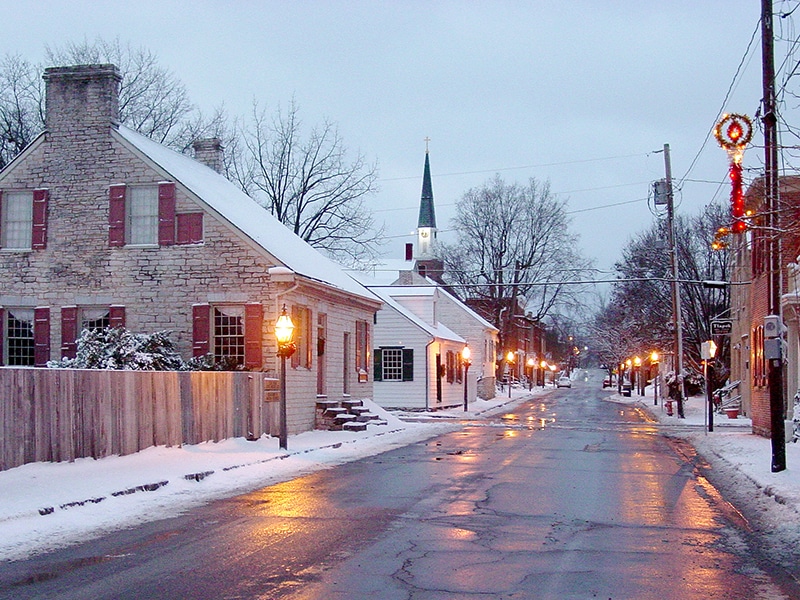
Photo Credit: Robert Mueller, Ste. Genevieve Tourism

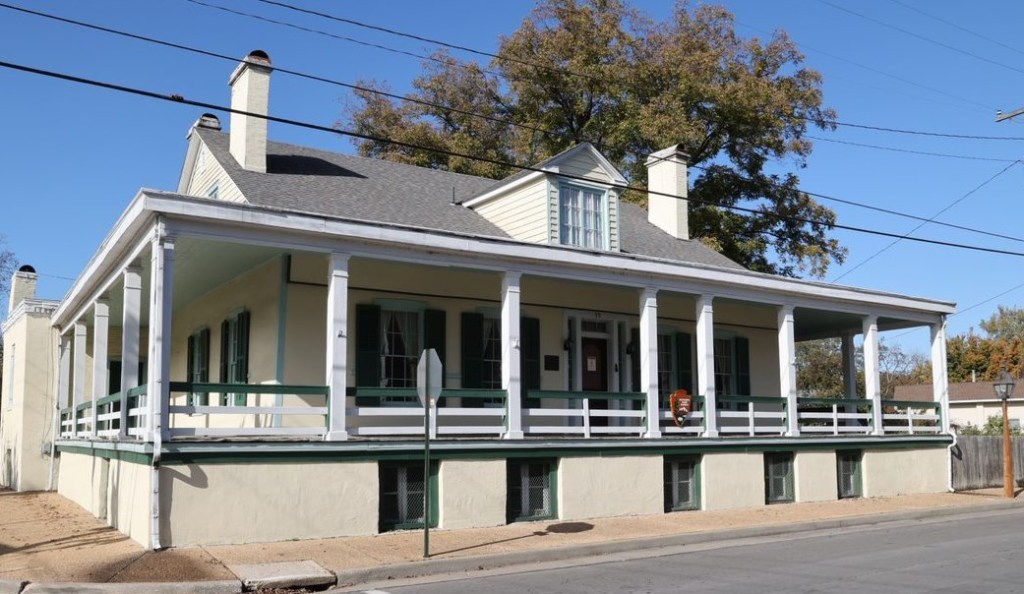
For an in-depth immersion in early French colonial life, a trip to Ste. Geneviève, Missouri, is a must.  As one of America’s oldest permanent European settlements, the proud little community offers a mixture of fascinating history and modern charm.  And don’t miss the guided tours of its unique historic buildings offered by the rangers at Ste. Geneviève National Historical Park

ça vaut le détour!

*Featured Image Credit: capitol mural of early Ste. Genevieve by Oscar Berninghaus- State Historical Society of Missouri

It’s a bird! It’s a plane! No, it’s…

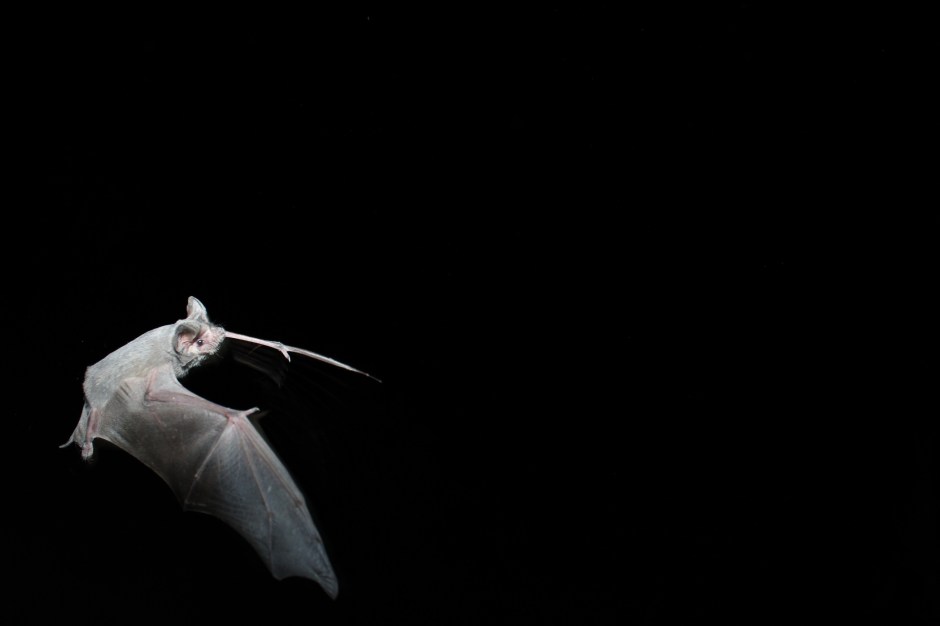
Pop quiz! What animals are small, furry, eat thousands of mosquitoes every night, and are critical to many natural ecosystems?  Bats!  

National parks are home to 45 species of these cute (to some!) little mammals, each of which play an important role in nature.  Yet they have recently been decimated by a deadly disease. Luckily, Missouri National Recreational River and many other national parks are working to rescue bat populations.

Why is it so important to protect bats? In contrast to the pop culture depiction of tiny flying vampires, most bats eat insects, fruit, plant nectar, or small animals such as fish or frogs. In fact, only three of the nearly 1,500 bat species in the world drink blood, and they only live in Central and South America. Insect-eating bats feed on so many flying pests that their contributions would add up to more than $3 billion worth of pest control in the United States alone!

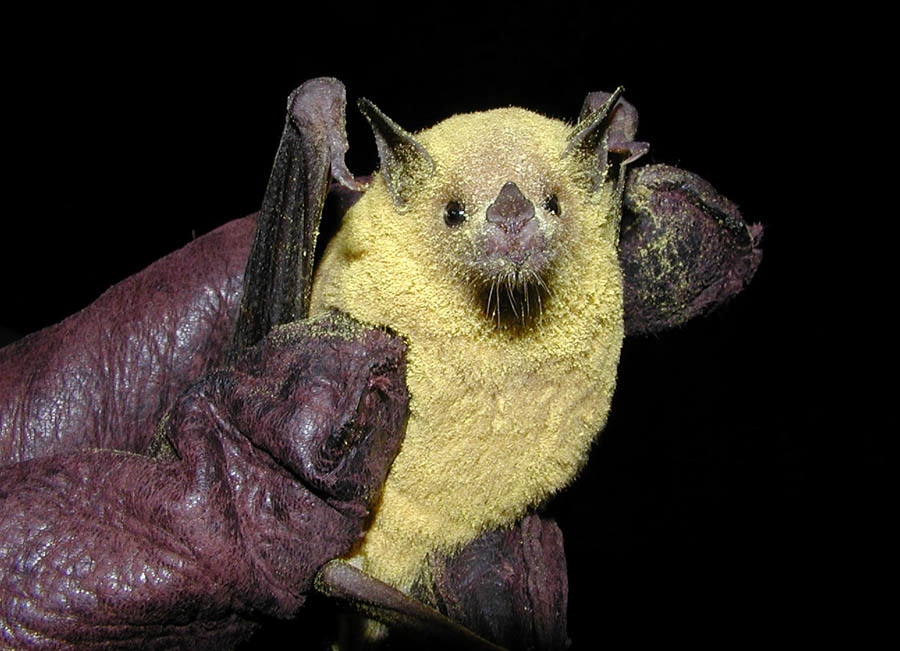
A lesser long-nosed bat covered in pollen from an agave flower. Credit NPS.

Additionally, bats are excellent pollinators. Do you enjoy tequila? Well, thank bats because they are the number one pollinator of blue agave! Bats also contribute to the ecosystem by supporting cave communities, distributing seeds from the fruit they eat, and serving as prey to other animals. Bats have even inspired technological advances such as sonar systems designed after bats’ echolocation and new types of drones inspired by bats’ thin, flexible wings!

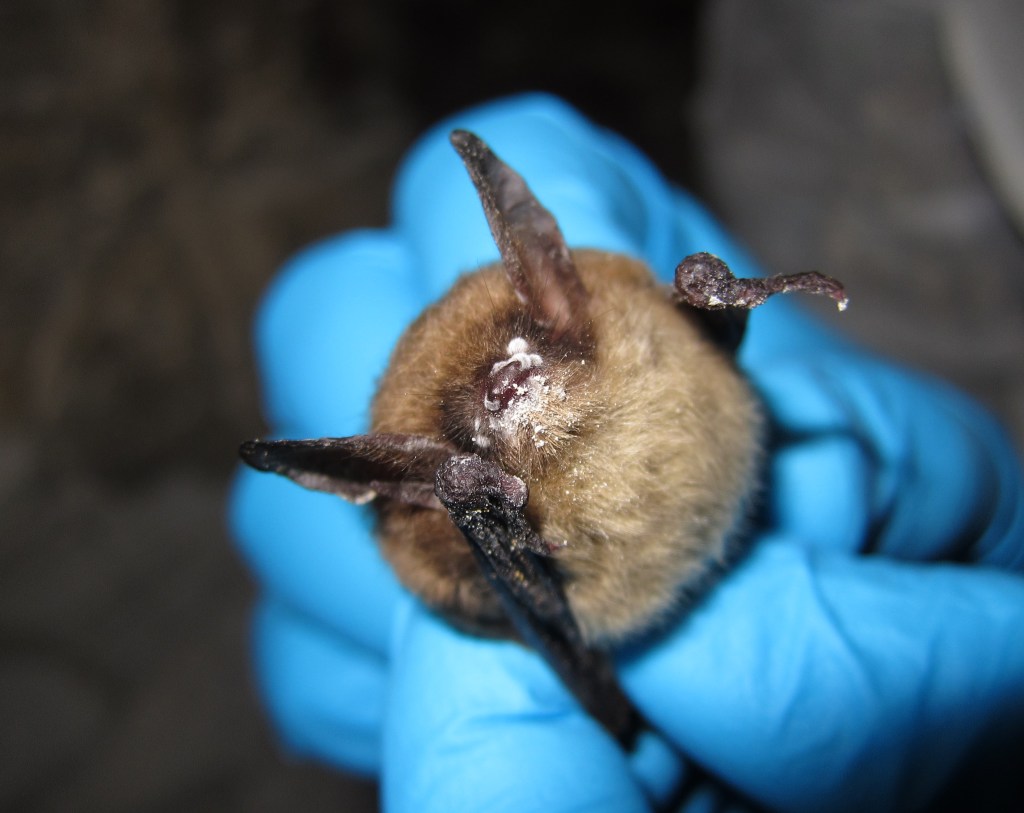
It’s clear that bats are AMAZING animals, so what is wreaking so much havoc on their populations? It’s a disease known as white-nose syndrome, caused by the fungus Pseudogymnoascus destructans. The fungus infects bats during hibernation, covering their face and wings. This causes the bats to wake up more frequently, use up their fat reserves, and starve before winter is over. The fungus is easily transmitted through physical contact, either with infected bats or on cave surfaces. Because the fungus spreads through contact, it can also be carried on shoes, clothing, and supplies. That’s why scientists urge people who visit caves to thoroughly decontaminate all of their clothing, shoes, and supplies before and after their visit.

A northern long-eared bat with visible symptoms of white-nose syndrome. Credit US Fish and Wildlife Service.

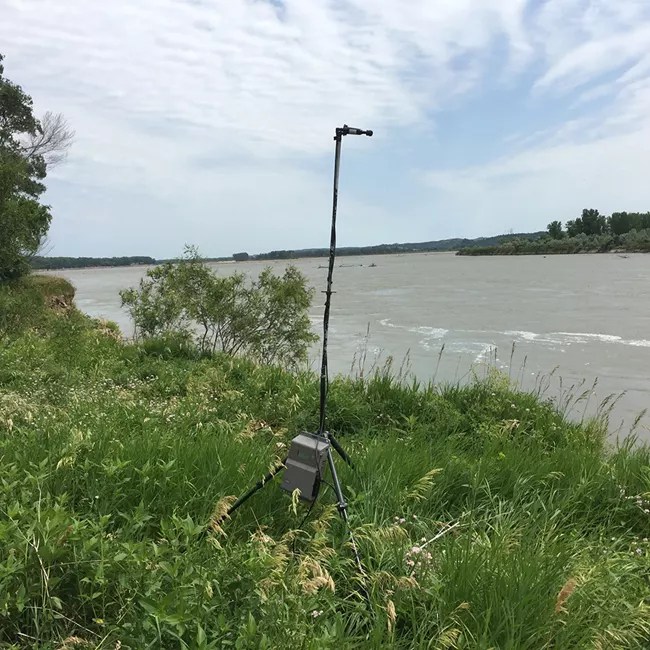
Missouri National Recreational River, a JNPA partner park, began an acoustic monitoring program in 2014 to monitor bat populations in and around the park. Acoustic recorders were installed to detect the calls bats use for echolocation. Different species of bats have different calls, so this system can also determine what species are in and around the park. Researchers then review the recordings and analyze the data.

A bat acoustic monitoring station at Missouri National Recreational River. Credit NPS.

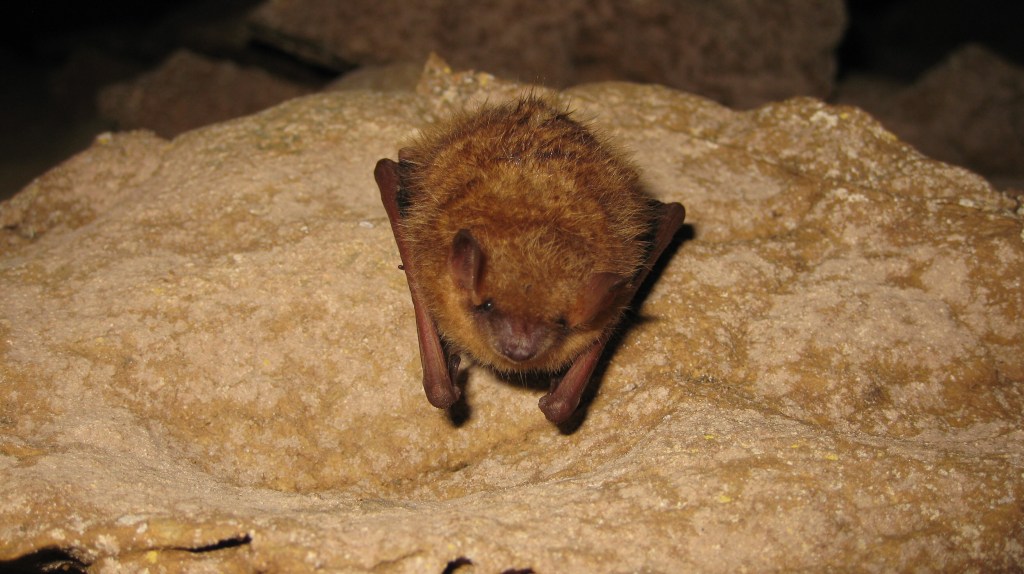
So far, scientists have determined that eight species of bat call the park home: the big brown bat, eastern red bat, hoary bat, silver-haired bat, little brown bat, northern long-eared bat, evening bat, and tri-colored bat. Although white-nose syndrome has been detected in nearby populations in South Dakota, thankfully it has not been detected within the park boundaries.

If you want to learn more about bats and how to help protect them and their habitats, visit the National Park Service website.

A tri-colored bat. Credit NPS.

Soldiers on Two Wheels

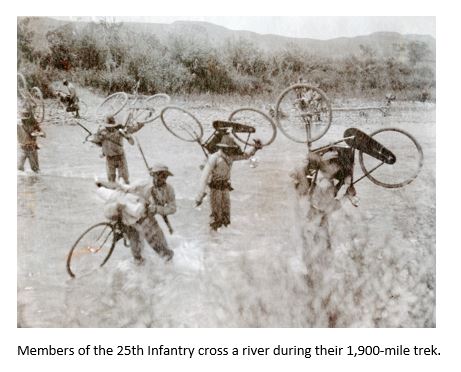
If you’ve ever taken a verrrrry long bicycle ride, you know the physical endurance needed for such an undertaking.  Now imagine biking off-road through mountain ranges, mud, deep sand, and flowing streams, all while carrying heavy supplies.  For more than 1,900 miles!

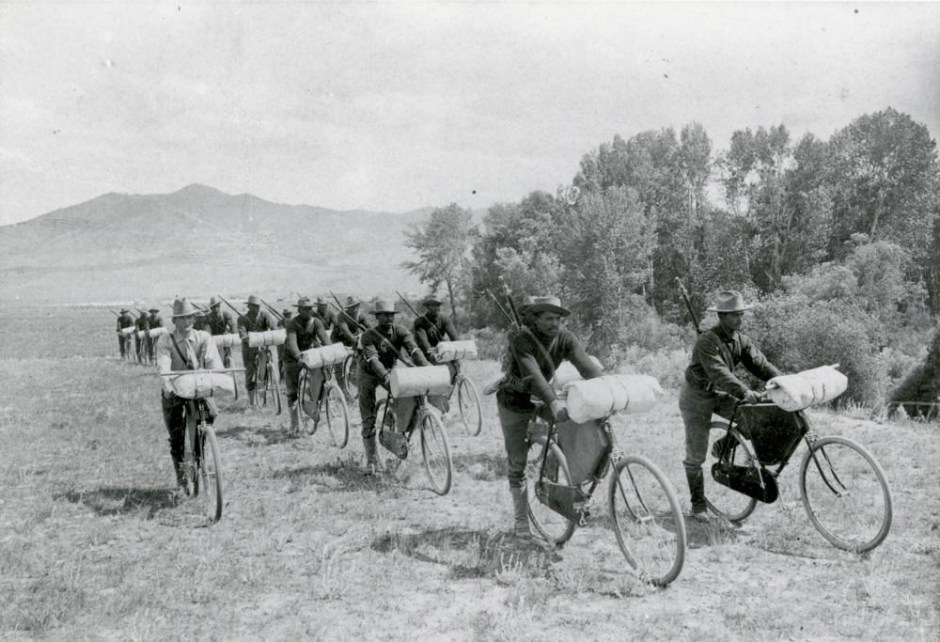
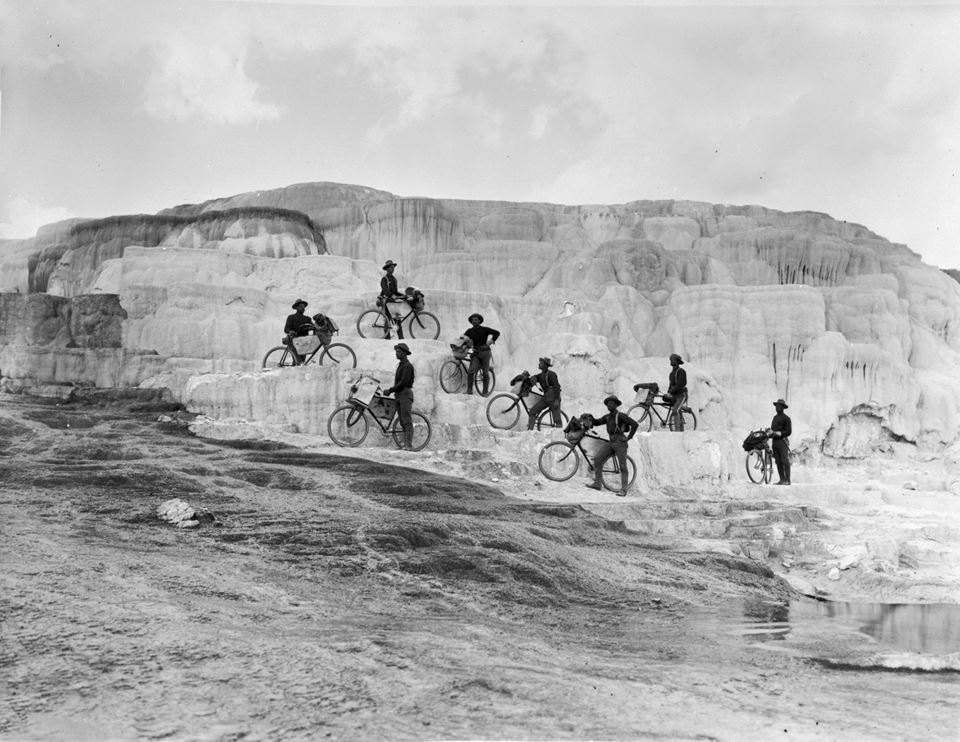
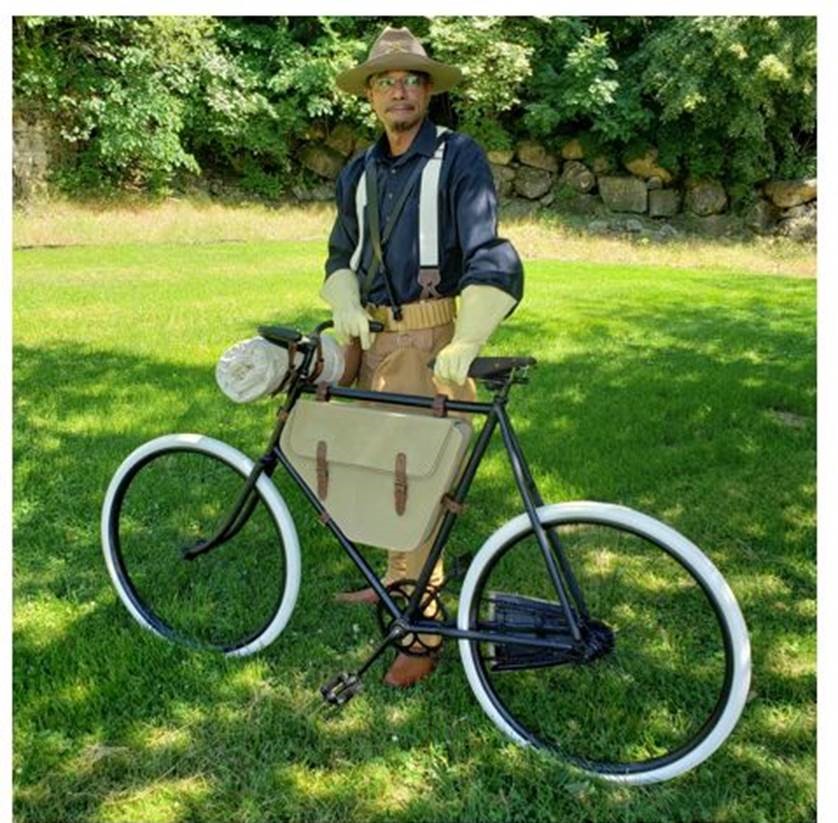
That’s just what members of the U.S. Army’s 25th Infantry accomplished – in 1897 no less. The so-called Iron Riders were members of the famed Buffalo Soldiers, all-black regiments who served on the American frontier in the mid-1800s.  A living history program this weekend at Gateway Arch National Park will recount the Riders’ grueling journey.

Credit: NPS

As the popularity of bicycles soared worldwide at the end of the 19th century, the Army decided to evaluate their use for certain military operations.  Military leaders commissioned a long-distance experiment that would test the efficiency of bikes as a way of moving troops.  In May 1897, the all-Black 25th Infantry Regiment Bicycle Corps embarked from Missoula, Montana, bound for St. Louis – a journey of nearly 2,000 miles.   Their heavy bikes were laden with all they would need for the trip:  cooking supplies and food, rifles and ammunition, tent and poles, and clothing.  The combined weight of these provisions and the heavy one-speed bike was 59 pounds!

Credit: Missouri State Parks

The arduous journey took 41 days, an average of about 50 miles per day.  The men endured severe storms, extreme heat, food and water shortages, illness from tainted water, and racism and hostility from local residents.  In the words of the bicycle corps’ leader Lt. James Moss, “We made and broke camp in the rain; we traveled through mud, water, sand, dust, over rocks, ruts, etc.; for we crossed and recrossed mountain ranges, and forded streams, carrying our rations, rifles, ammunition, tents, blankets, extra underwear, medicines, tools, repairing material, cooking utensils and extra bicycle parts.”

On July 24, 1897, the Iron Riders arrived in St. Louis to great fanfare.  Thousands of locals gathered to cheer the finale of what national newspapers called the Great Experiment.  Yet despite several attempts to assemble subsequent experimental rides, the corps was ordered to return to Montana.  No permanent military bicycle corps was ever established, and the Army soon shifted its focus towards the use of trucks and other motorized vehicles.

Kevin Smith, Iron Rider re-enactor

To learn more about the journey of the Iron Riders, be sure to attend the program at the Arch this Saturday, from 11:00 to 2:00.  A re-enactor will be on hand to discuss the riders’ trial and triumphs.  Admission is free and no reservation is required.

We Aim to Puzzle You! 🧩

Are you puzzling over what to do with yourself during cold winter days? Well, wonder no more. In honor of National Puzzle Day on January 29, we suggest cozying up indoors with a fun (or maybe maddeningly challenging) puzzle!

JNPA is crazy for puzzles; we sell a wide variety at our partner park stores.  Some are three- dimensional and require manual dexterity (and patience!).  Others are flat jigsaw puzzles, both single- and double-sided.  Some are kid-friendly, others will challenge any grown-up.  The artwork on some of our puzzles are custom-designed for a specific park, while others have a broader national parks theme. 

Check out some of our more popular puzzles:

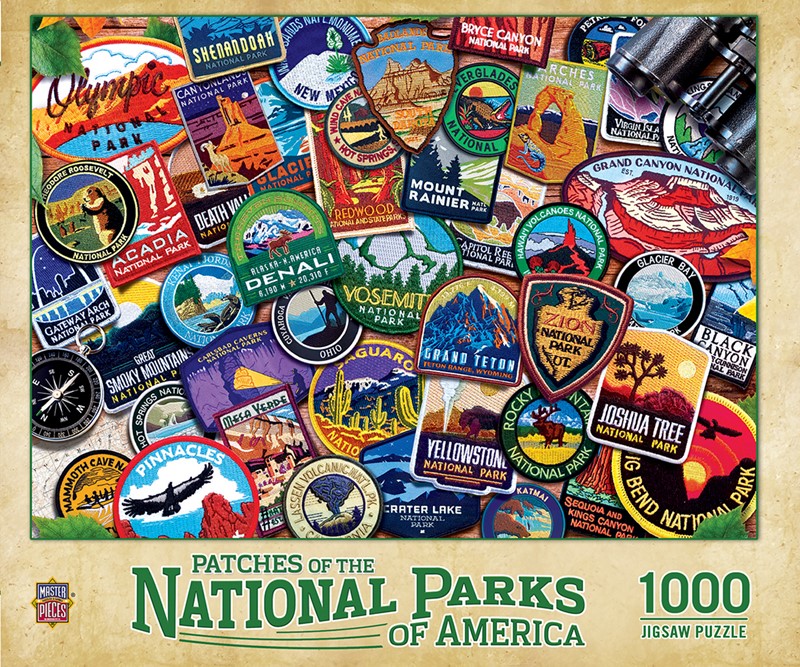
Puzzle fiends who love a challenge will want to snag this 1,000-piece national parks puzzle featuring a colorful montage of national park patches.

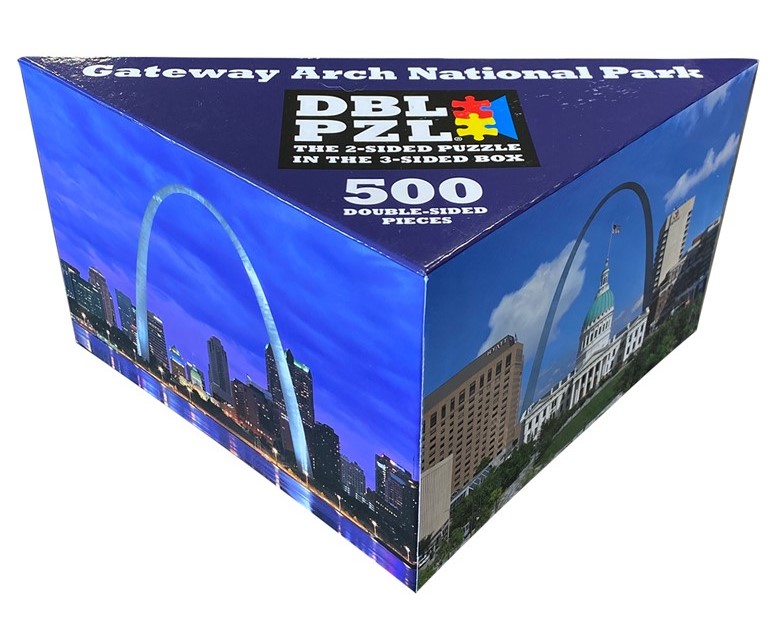
But if you like your 1,000 pieces divided into two puzzles, go for one of our two-sided Gateway Arch jigsaw puzzles.  When you’re done with one side, just break the pieces apart and start on the other side.

If two-dimensional puzzles aren’t your thing, how about trying your hand at some tricky 3D building sets?  Warning – they’re challenging!  We offer two buildable models of the Gateway Arch and Old Courthouse, one made from plastic mini-blocks and the other from wood. 

Our Arch mini-building block set has 1,913 pieces – enough to keep a team of puzzlers busy for weeks.  When completed, it stands more than 14” high.

The pieces for this wooden Arch model are first popped out of their cards, then assembled into a handsome 16” replica. 

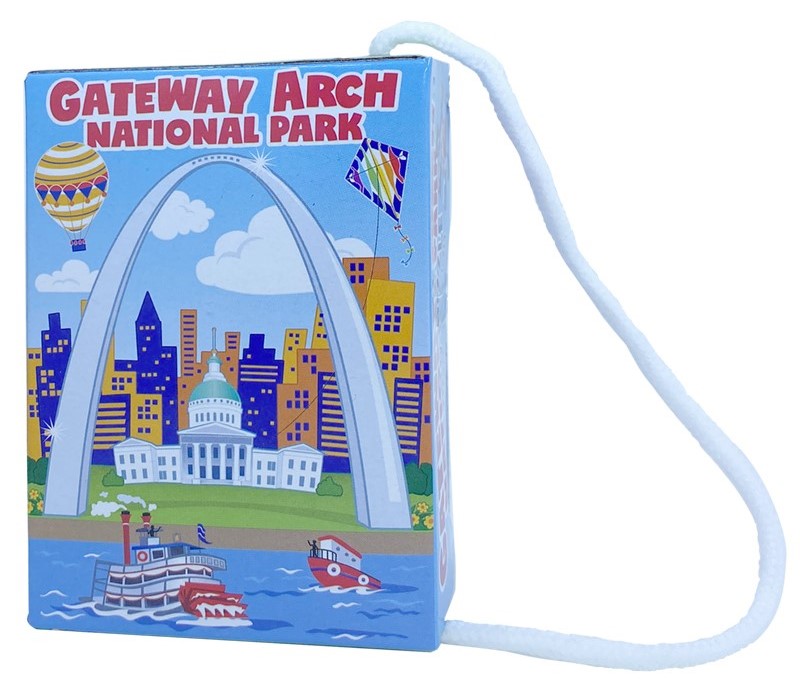
And finally, to help start your kids off right (and not discourage them!), we offer these little Gateway Arch mini puzzles:  either this adorable 24-piece set with a cute carrying strap or a slightly more challenging 140-piece puzzle – they’re great for travel.

One of these projects is sure to be just right for a winter’s day. Happy puzzling!

What’s “App-ening” at our National Parks?

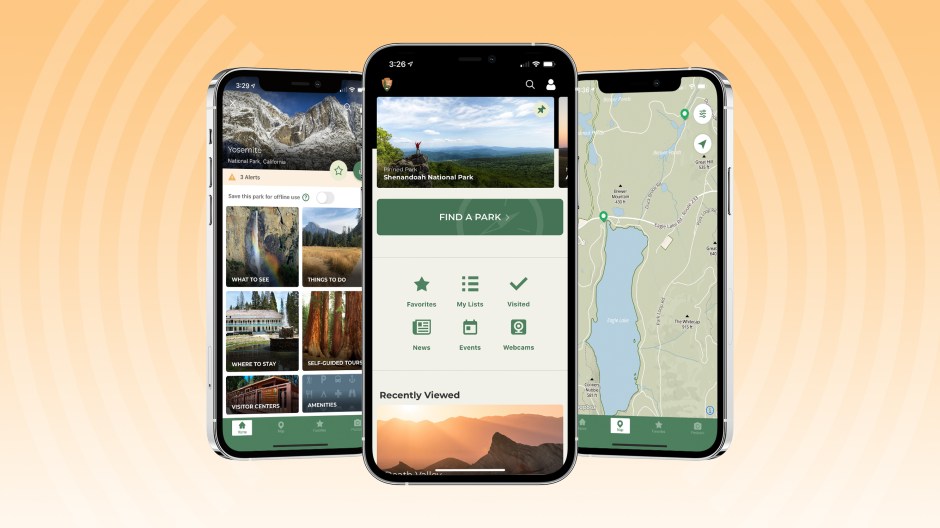
Are you planning a trip to a national park in 2024?  Wouldn’t it be handy to have all the important information about the park at your fingertips, both before you go and while you’re there?  Now you can – with the NPS app.

The free app was created by National Park Service rangers with visitors in mind.  It provides up-to-date information about each of the nearly 430 national park sites across the country to help you make the most of your visit.  You can even download content for offline use, which comes in handy if you’re exploring remote areas in parks or have concerns about data limits.

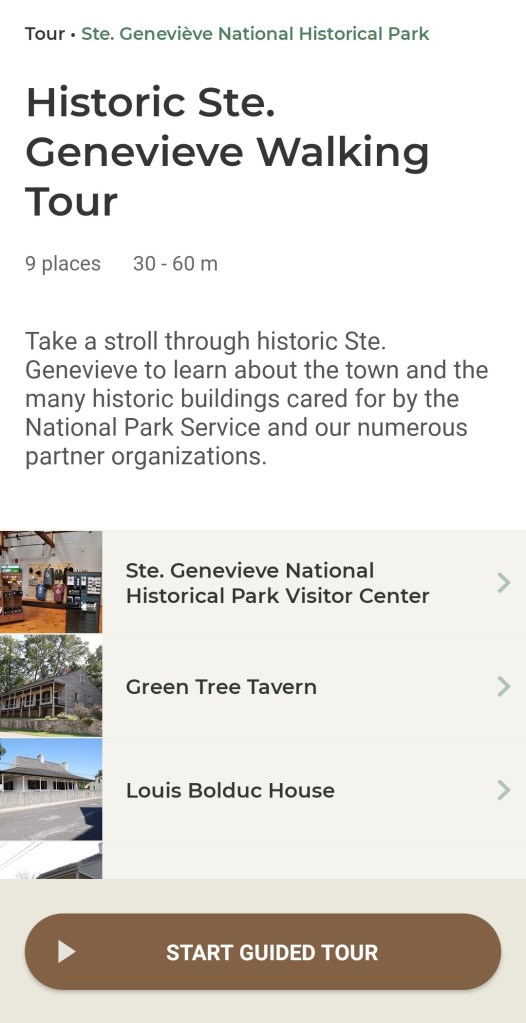
The tools provided by the app range from the basic to the esoteric.  Once you click on the Explore Full Park tab, you’ll find directions and interactive maps; lists of park amenities like food, restrooms, shopping, and accessibility accommodations; information on special events, ranger programs, and self-guided tours; and recommendations for points of interest and recreation opportunities. 

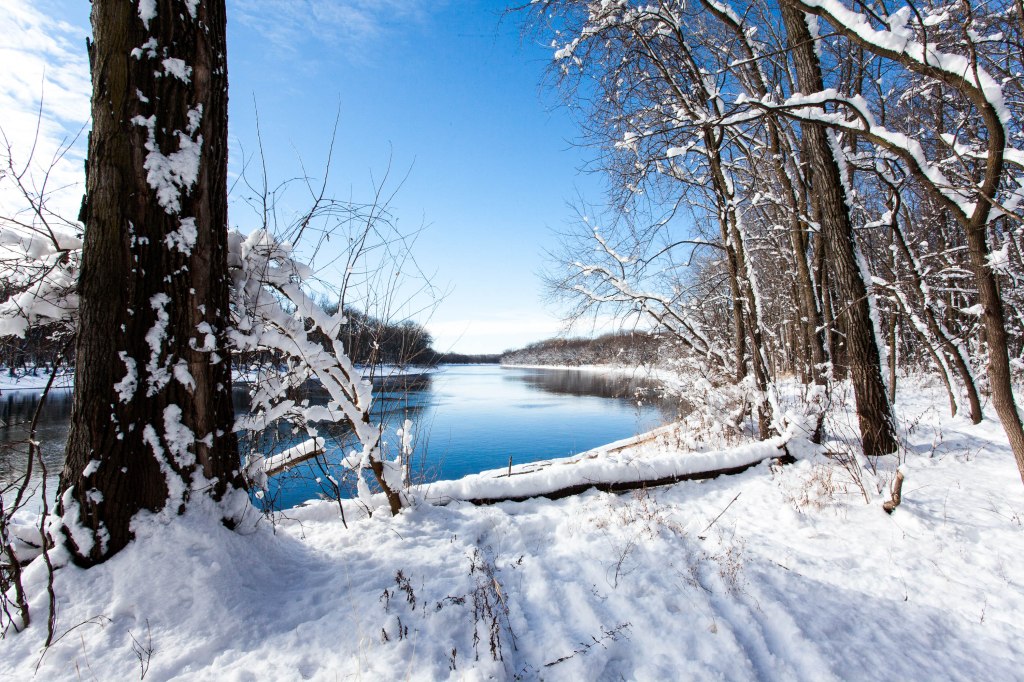
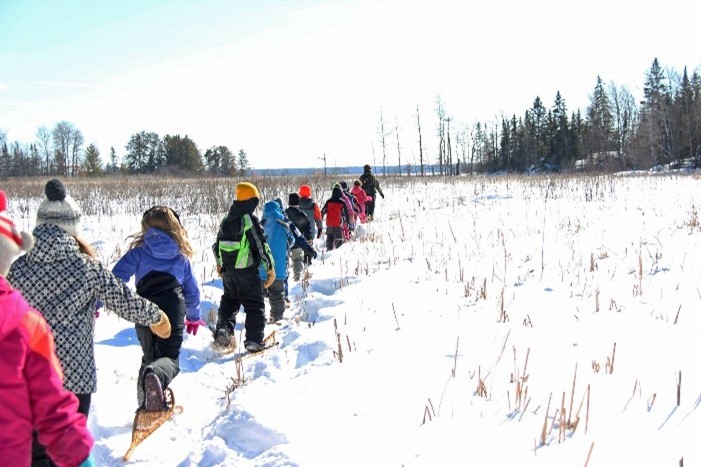
Snowshoeing at Voyageurs National Park

Some parks include more specialized information for visitors with unique interests.  History buffs can find out how to access the archives at Ulysses S. Grant National Historic Site, for instance.  Or winter sport enthusiasts can learn about snowshoeing or sledding opportunities at Voyageurs National Park.

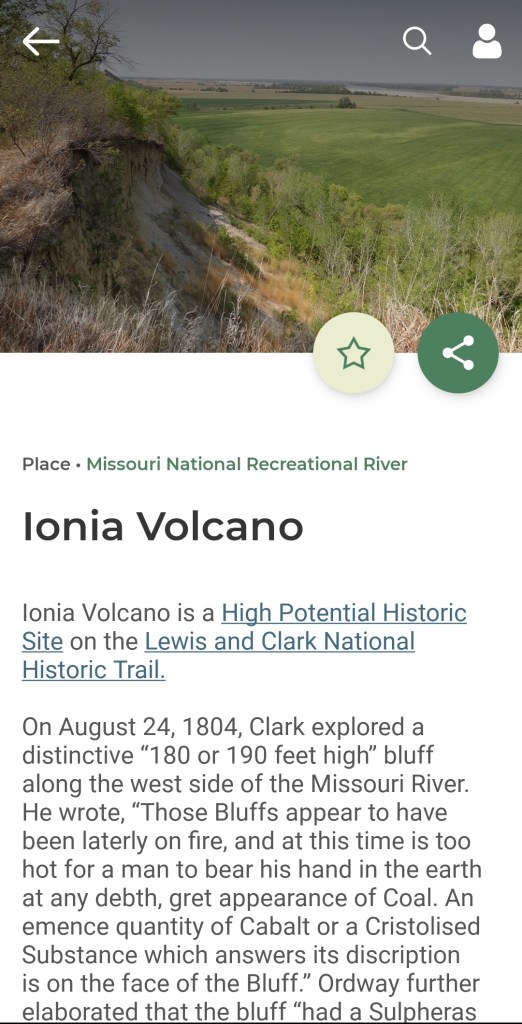
Other examples of highlights that the app offers for visitors to our partner parks include information on how to:

If for no other reason, you’ll appreciate the app for its real-time updates on conditions within a park, such as road closures, long entry lines, weather advisory warnings, fees, and reservation information.

The NPS App is currently available for iOS- and Android-powered devices such as phones or tablets.  You can download it for free through the App Store and Google Play.

Let’s Get Crafty!

When the days get shorter and the weather gets colder, families can start to get cabin fever.  If you and your loved ones are looking for fun activities, we’ve got you covered! Lucky for national park enthusiasts, there are several activities inspired by our favorite parks that can help pass the time during the long winter months.

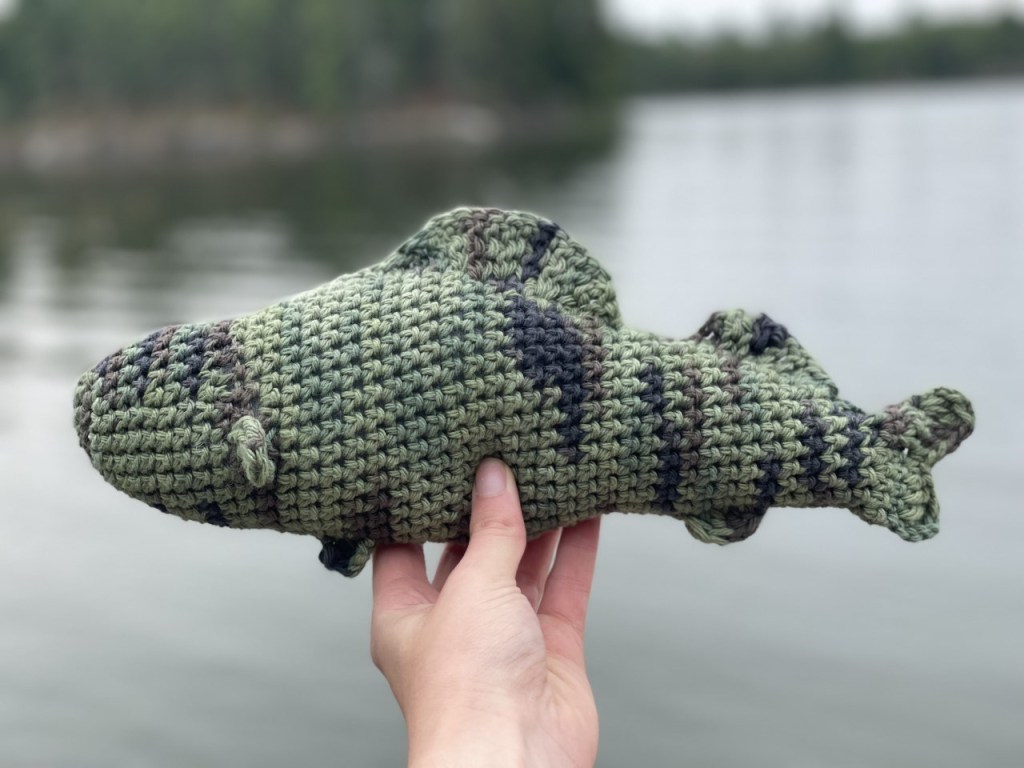
Crochet a Walleye

Voyageurs National Park has 54 species of fish that can be found in the park’s aquatic habitats! Walleyes are some of the most popular, and you can make a cute, cuddly one for yourself. This activity is great for both older kids and adults. If you are new to crocheting, this is a great pattern to try, since it is on the simpler side. Click here to view the instructions.

Credit: NPS

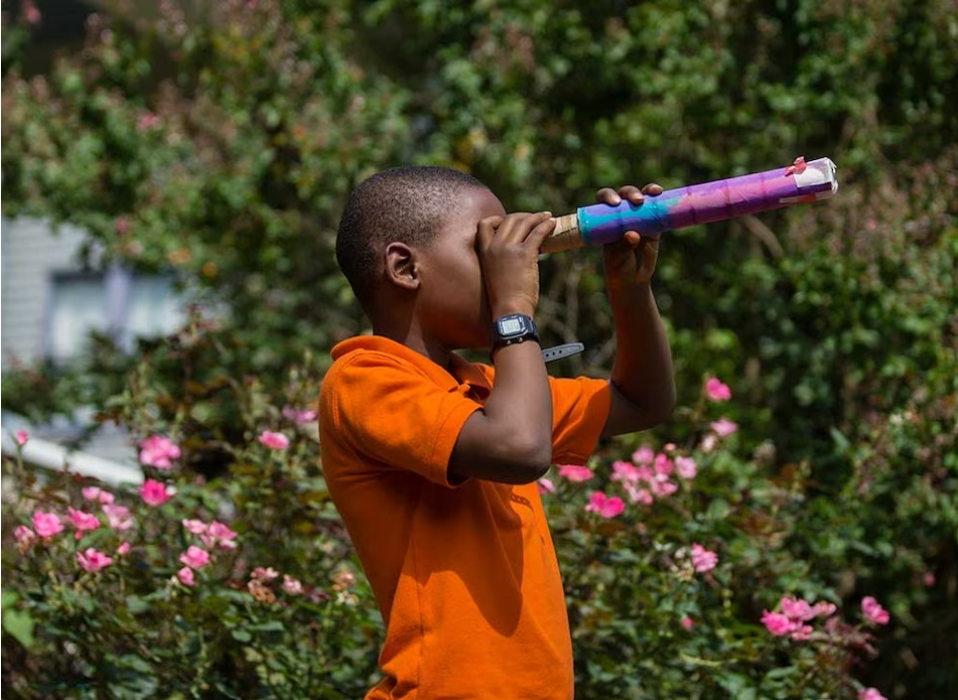
Make a Telescope

On May 14, Lewis and Clark’s Corps of Discovery embarked from St. Louis, MO on an expedition to find a route to the Pacific Ocean. This expedition has been commemorated by many public lands sites along the route they journeyed, including Gateway Arch National Park and the Lewis and Clark Visitor Center at Gavin’s Point Dam. While the kids in your life are cooped up indoors, you can make these working telescopes and go on your own pretend expedition. Since the telescopes are actually functional, you can also use them to view the winter landscape and wildlife out your window! Click here to view the instructions.

Credit: National Geographic Kids

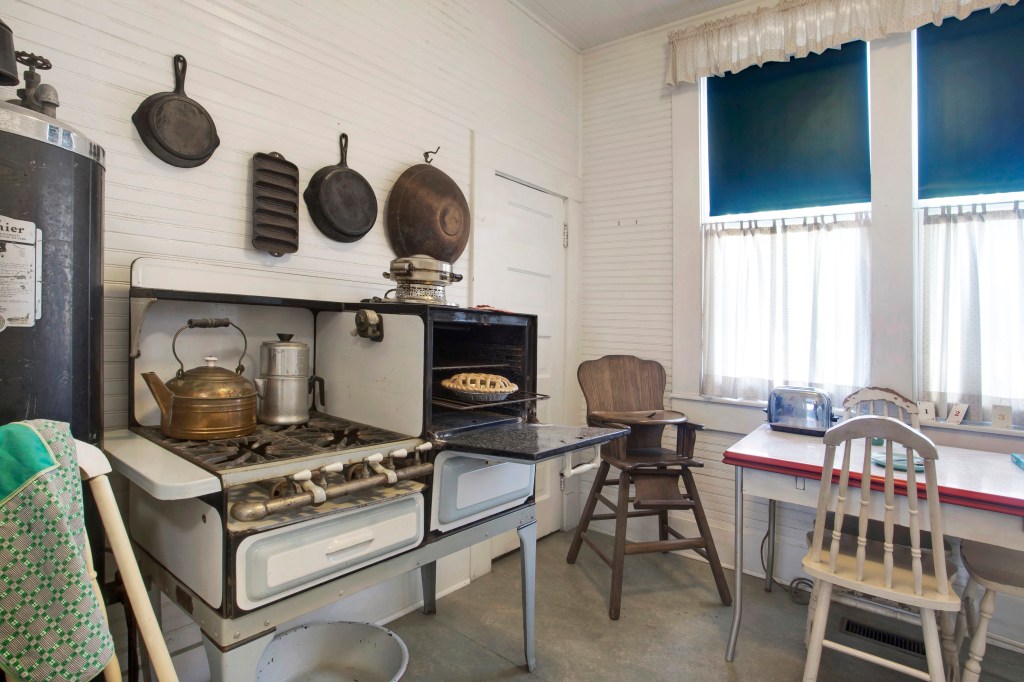
Bake an Old-Fashioned Apple Pie

One of visitors’ favorite rooms at President William Jefferson Clinton Birthplace Home National Historic Site is the quaint 1940s-era kitchen, which is fitted out to look as it did when President Clinton lived in the home as a child. It is easy to imagine the family enjoying many warm meals in the modest home, including a nice pie like the one on display. If you want to recreate that same cozy feeling, try baking a delicious old-fashioned apple pie. You can serve it warm on a chilly day or make it à la mode with some vanilla ice cream! Click here to view the instructions.

William Jefferson Clinton Birthplace Home National Historic Site

Weave a Diversity Heart

On September 23, 1957, nine African American teenagers entered Little Rock Central High School, defying an angry mob of adults protesting the desegregation of the school. Today, Little Rock Central High School National Historic Site commemorates the story of those brave students as well as the broader civil rights movement in the United States. It is vital that we learn about and remember the struggles in our nation’s history.

If you’d like to help a young person learn to respect people with all shades of skin color, we have a fun craft for you – create a diversity heart. This charming activity was created for classroom students but it’s easy to do at home and doesn’t require many materials.  Once it’s complete, it can display the many different skin tones we see in the world, including yours!  Just follow the step-by-step instructions here.

Credit: Teach Starter

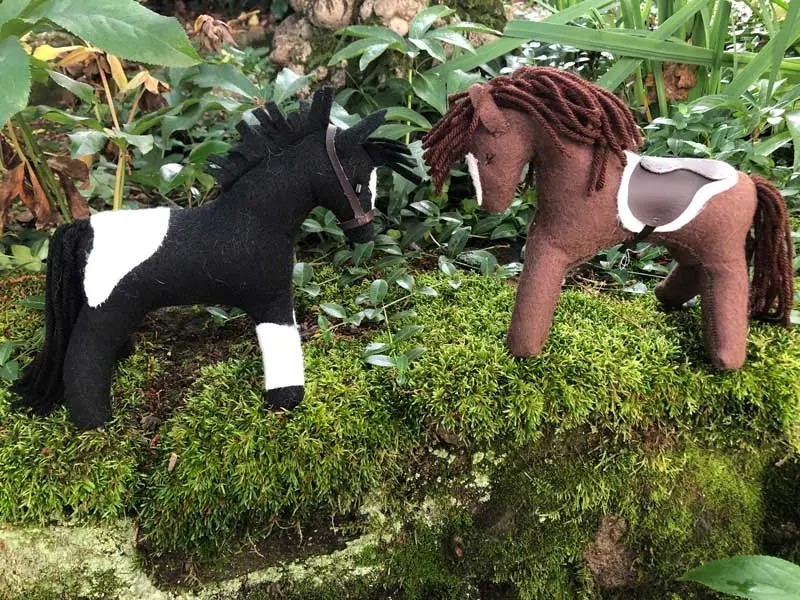
Create a Stuffed Horse

Fans of Ulysses S. Grant probably know the former U.S. president was a superb horseman who kept a number of horses while he lived at White Haven.  How about creating a little horse of your own?  Younger kids will probably need help making this unique little craft, but the teamwork will be half the fun!

You’ll find complete instructions on making your stuffed horse here.

Credit: Allpony

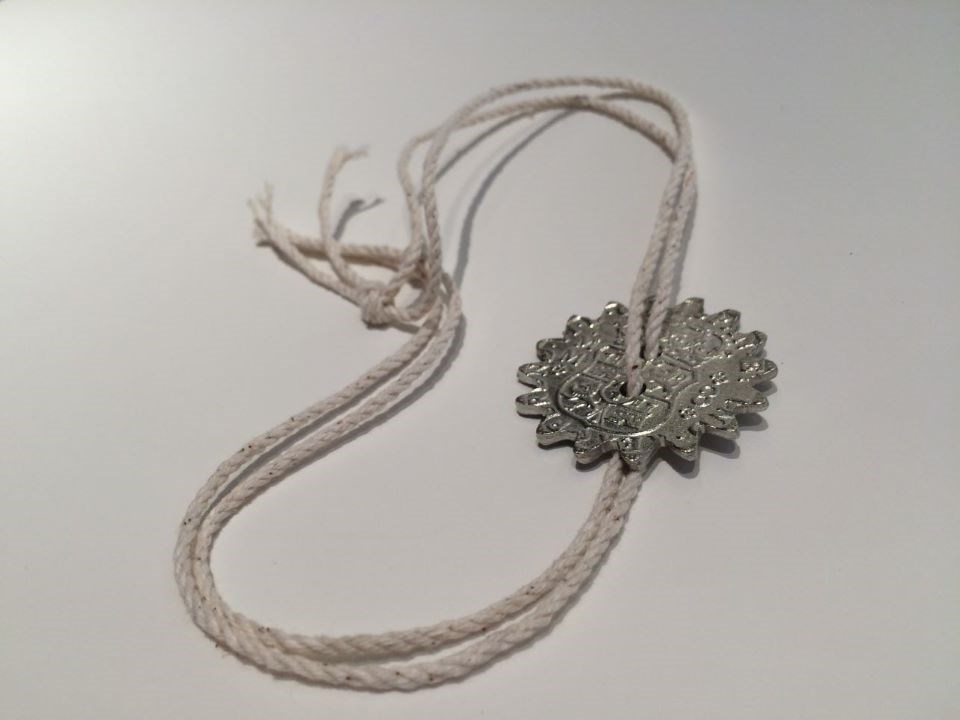
Make a Whirligig

Kids have always played with toys, but a few hundred years ago there were no stores or websites that sold toys.  So what did a child play with when growing up in French Colonial America, like in Ste. Geneviève, Missouri?  They created their own toys!
A whirligig was a favorite among 18th century children.  This little spinning toy was easy to make from just a few common materials, such as buttons, worn out coins, or hammered musket balls. It was almost as much fun to make as it was to play with. 
Want to make your own paper whirligig?  Check out these simple instructions.  The more you decorate it, the better it looks!

Credit: NPS