A Most Skilled Horseman

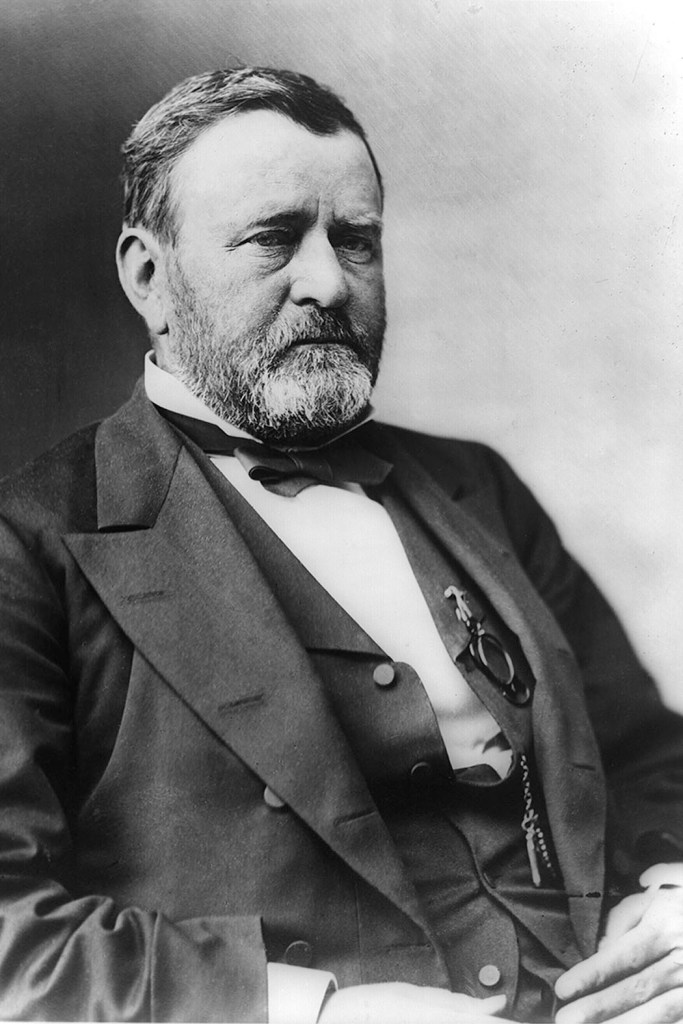
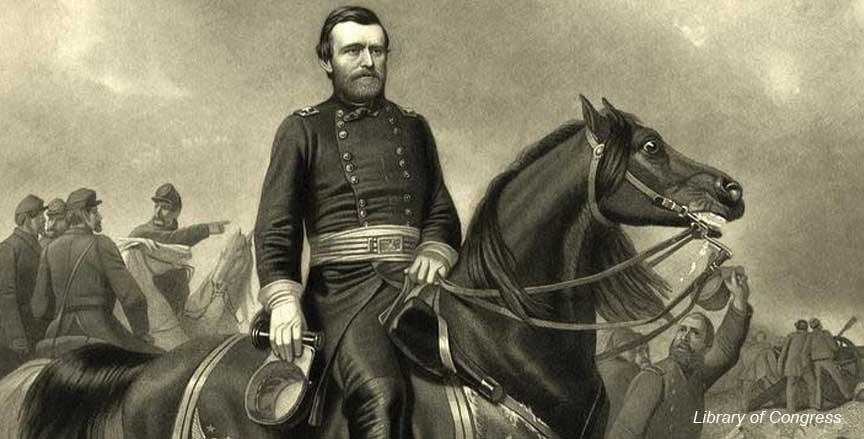
Many of our U.S. presidents were accomplished horsemen. George Washington was known as the “finest horseman of his age;” Thomas Jefferson rode nearly every day until late in life; Andrew Jackson bred and raced horses, stabling several at the White House; and Zachary Taylor grazed his beloved warhorse on the White House lawn. But Ulysses S. Grant is considered by many to be the most skilled horseman to ever occupy the Oval Office.

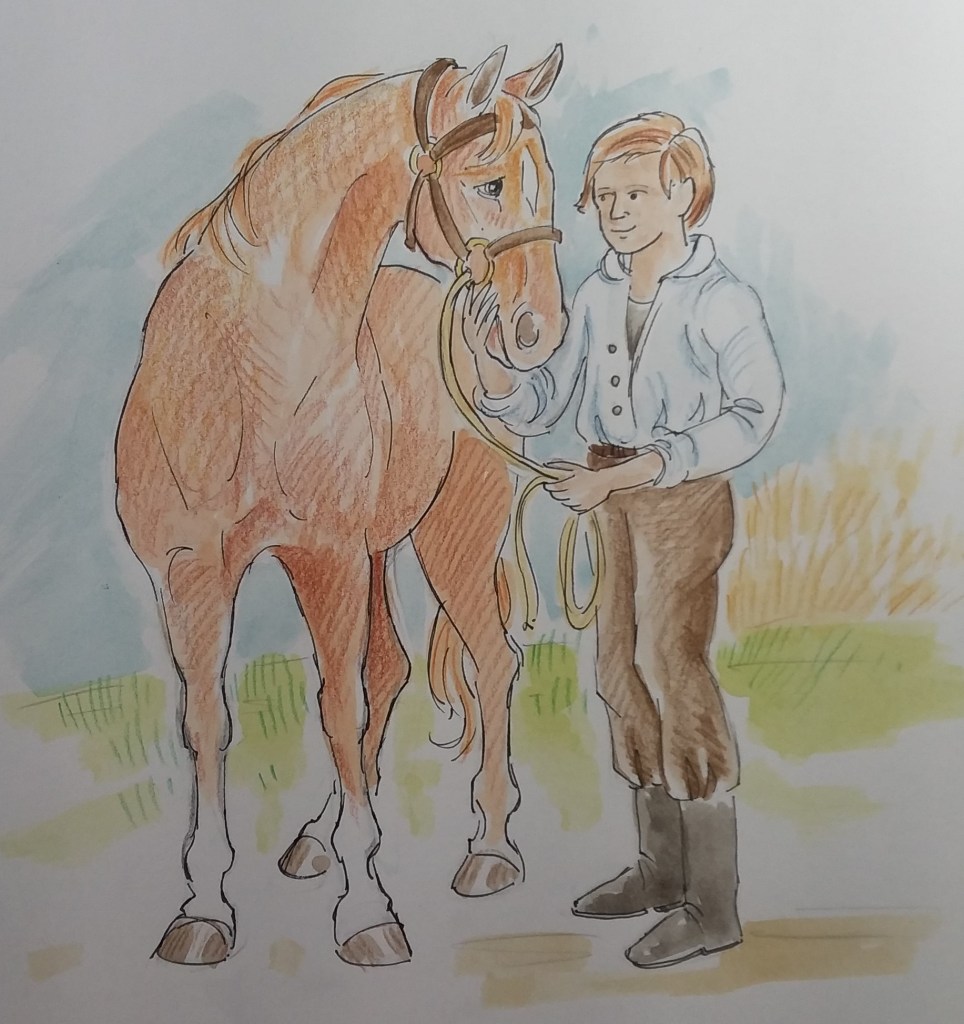
Even as a small boy, Grant’s connection with horses was obvious. There are numerous stories of young Ulysses breaking in horses nobody else could ride and doing daredevil stunts on horseback. By age five, he was an accomplished and daring rider, known for standing on one leg while maintaining his balance at a gallop. His mother was heard to say, “Horses seem to understand Ulysses.” 

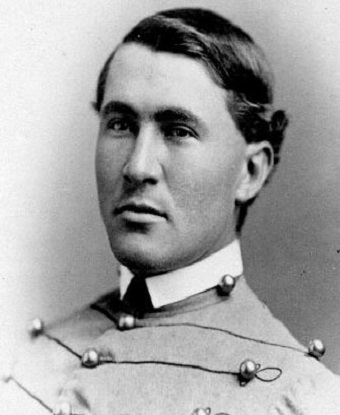
Throughout adulthood, Grant continued to ride, train, and care for horses. For him, riding was more than a pastime – it was a form of discipline and excellence.  When he attended West Point, his riding abilities were legendary. Fellow cadet James Longstreet described Grant’s skills: “In horsemanship…he was noted as the most proficient in the Academy. In fact, rider and horse held together like the fabled centaur.” 
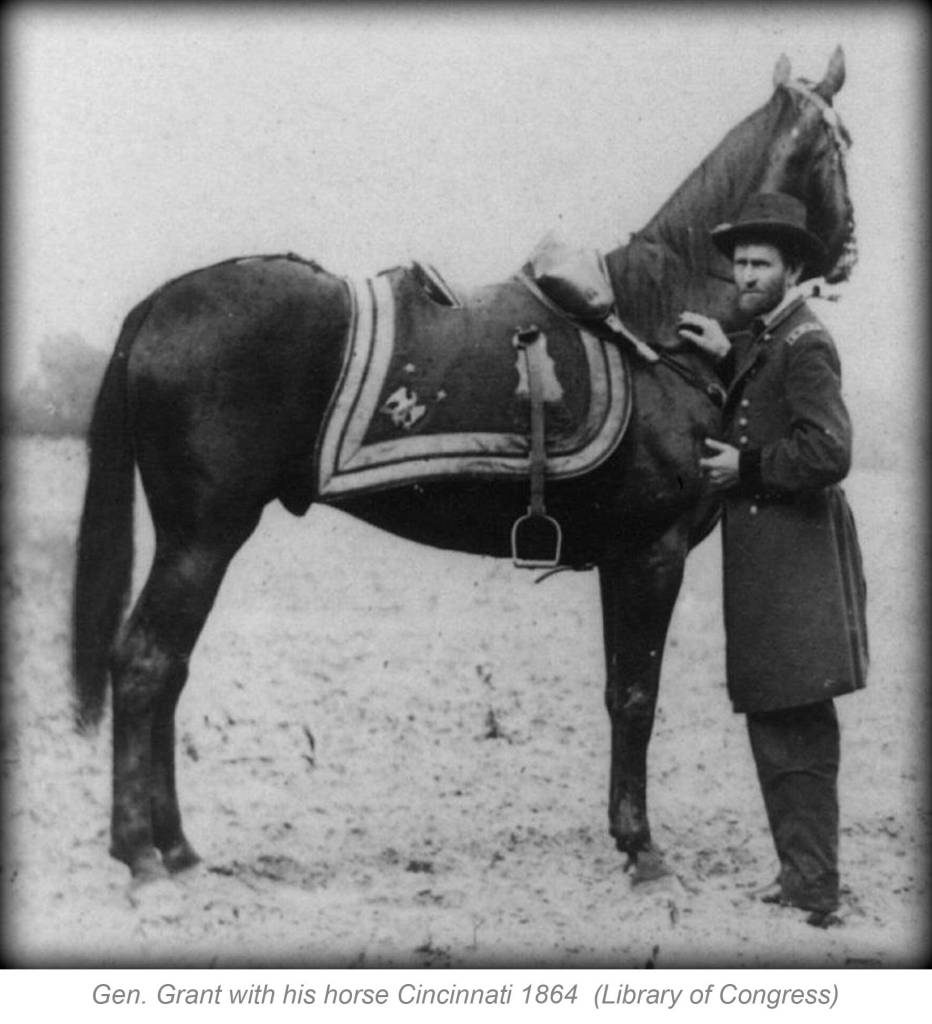
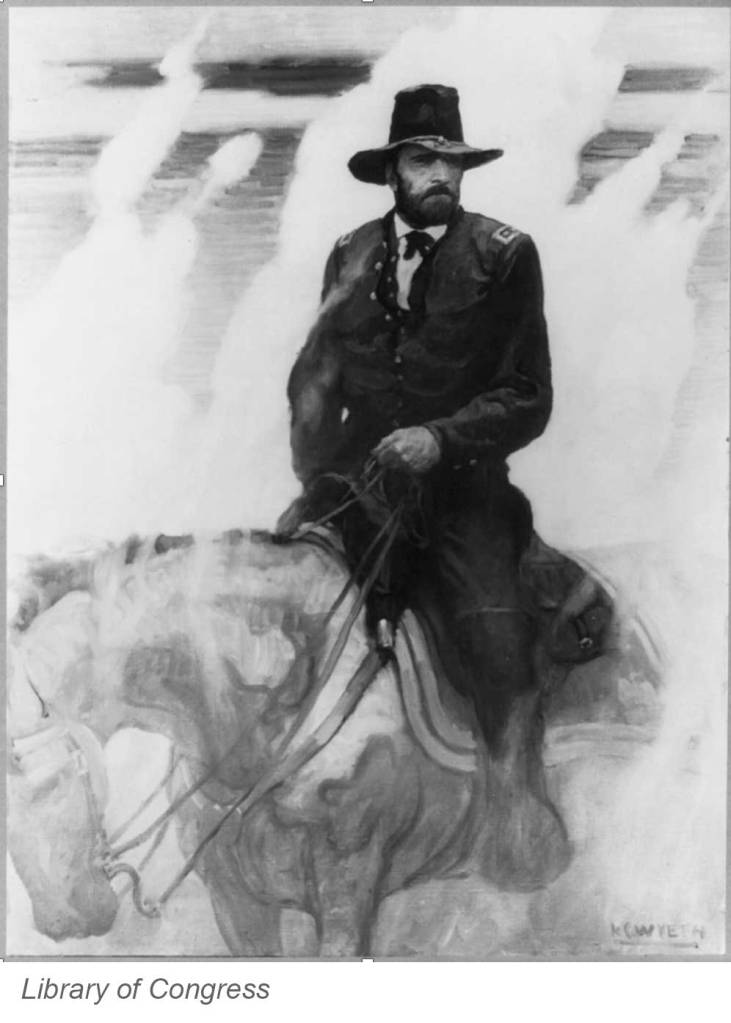
During the Civil War, riding was Grant’s preferred means of transportation since he found it a useful way to scout the terrain. His most famous horse, Cincinnati, was given to him as a gift after the Battle of Chattanooga and quickly became his favorite. (The horse was the son of Lexington, at one time the fastest four-mile thoroughbred in the country.) Cincinnati was a reliable warhorse, remaining even tempered during the fiercest of battles, and Grant continued to own him until the horse’s death of old age.
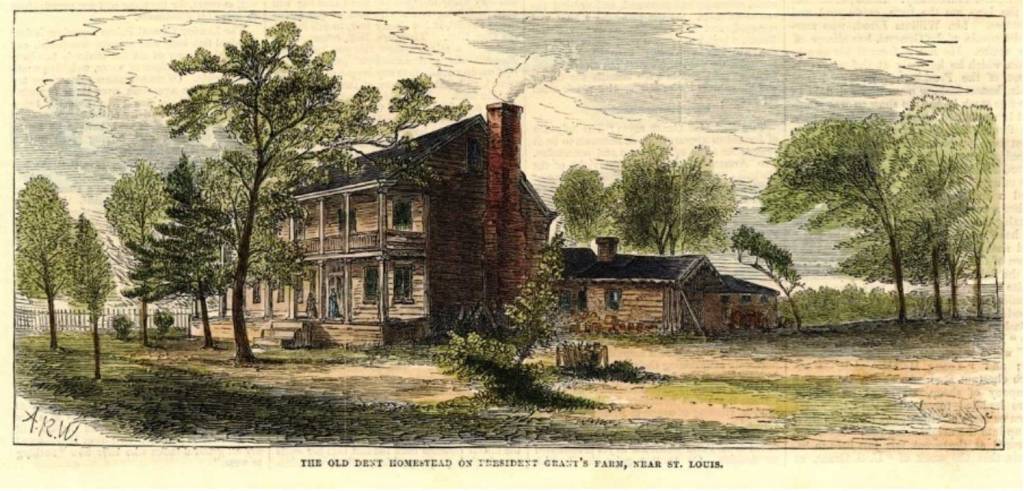
Courtesy NPS.

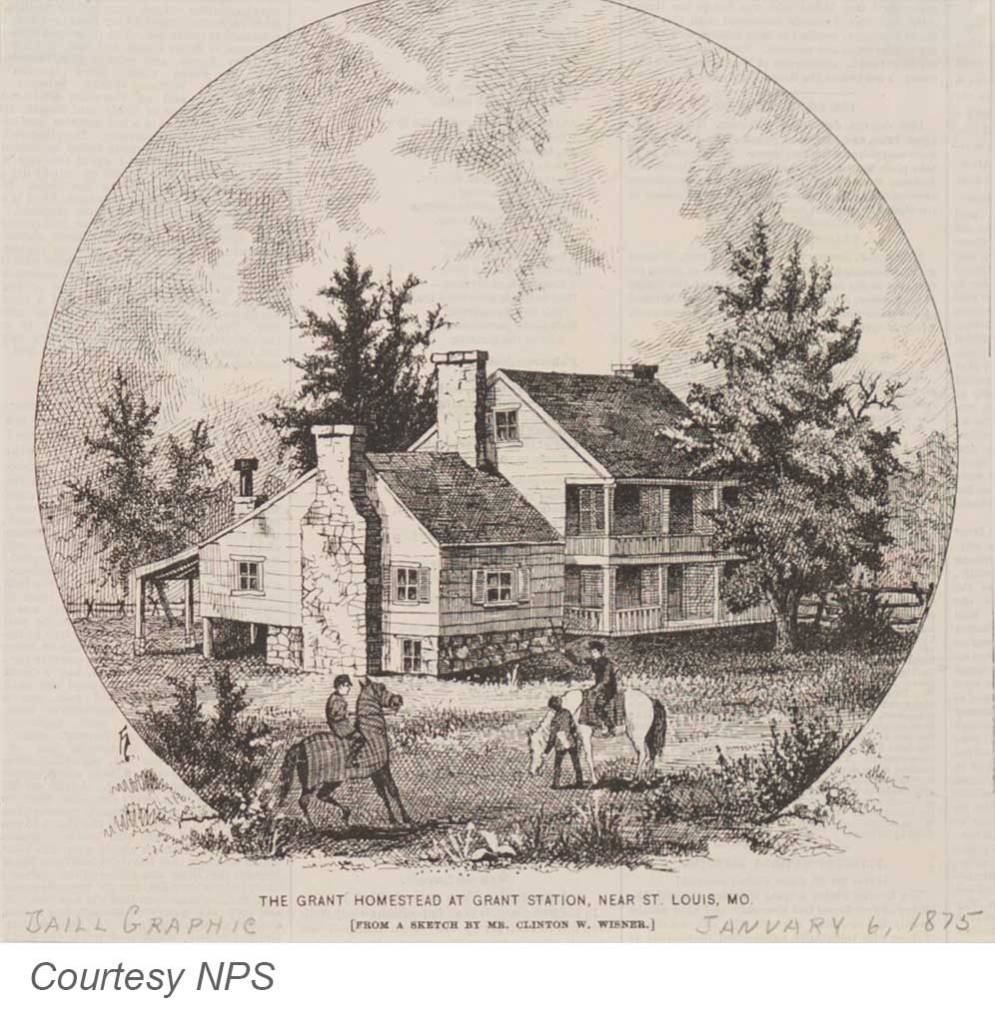
After the war, Grant turned to horse breeding. In 1866 he bought the 860-acre White Haven estate outside St. Louis from his wife’s family, primarily to breed and raise horses. To do this, he needed to convert the bulk of the land from fruits and vegetables to grass and hay to provide feed for the horses. He wrote his caretaker: “I want to get all the ground in grass as soon as it can be got rich enough, except what will be in fruit.”
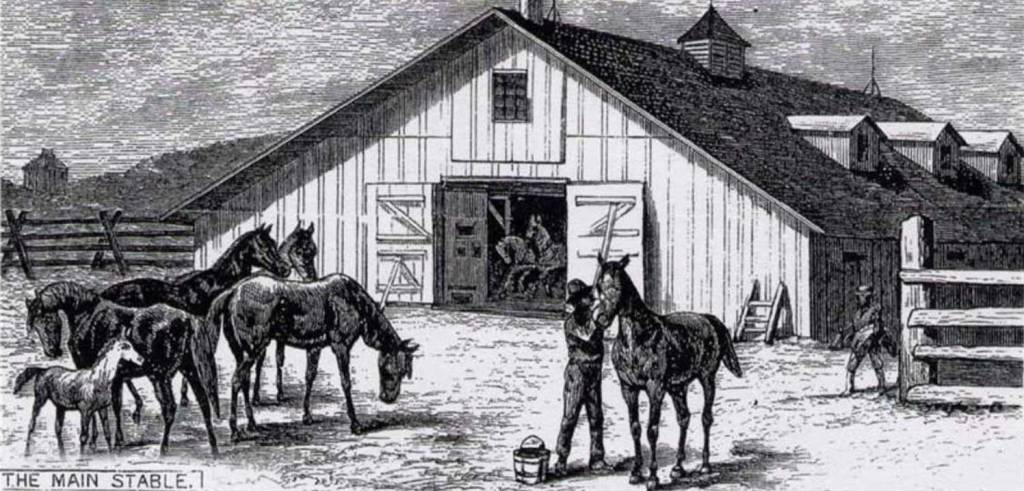
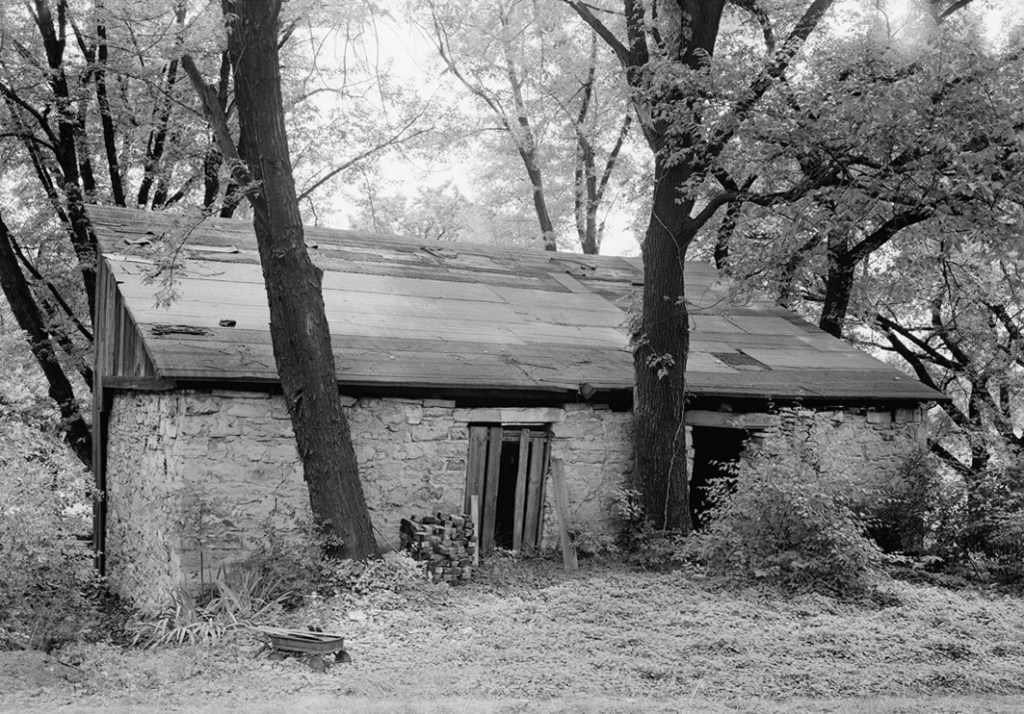
Original stable at White Haven.

In 1871, he also designed and built a large stable that could accommodate 25 horses, including his beloved trotters, thoroughbreds, and Morgans. Today, the stable remains standing and serves as the museum at Ulysses S. Grant National Historic Site

Grant’s breeding farm produced a number of very fine horses, which in 1873 were valued at $25,000 ($675,000 in today’s dollars). And yet the operation was barely turning a profit. Grant decided to shut down the farm and put its resources to auction in 1875. He lost the farm when he was swindled by a New York City business partner in 1884. 

Today, the last ten acres of Grant’s horse farm constitute Ulysses S. Grant National Historic Site.
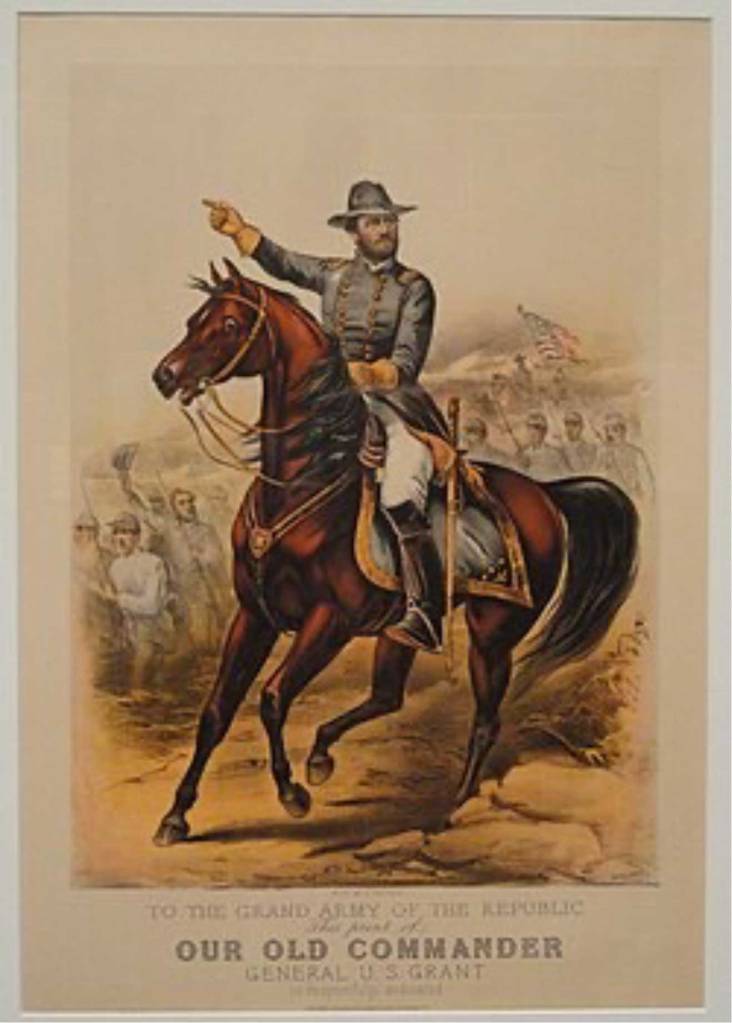
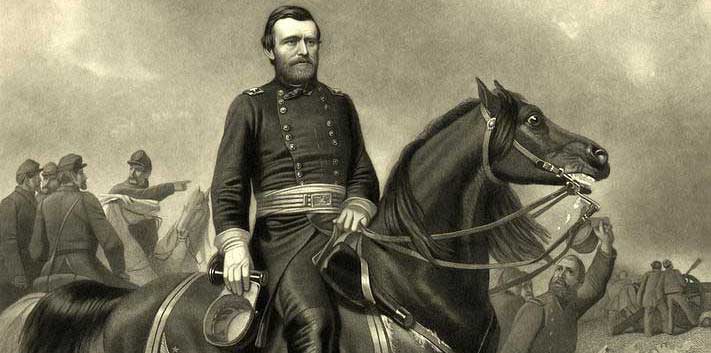
Currier & Ives print, 1885.

Grant’s Very Unpleasant Ride

Many of us shudder at the prospect of enduring bone-chilling weather. But imagine having to endure sub-zero temperatures on a multi-day outdoor journey, on bad roads through rugged wilderness, and on horseback! That’s what Ulysses S. Grant had to face during the winter of 1864 as he searched for supply lines for his Union troops fighting the U.S. Civil War.

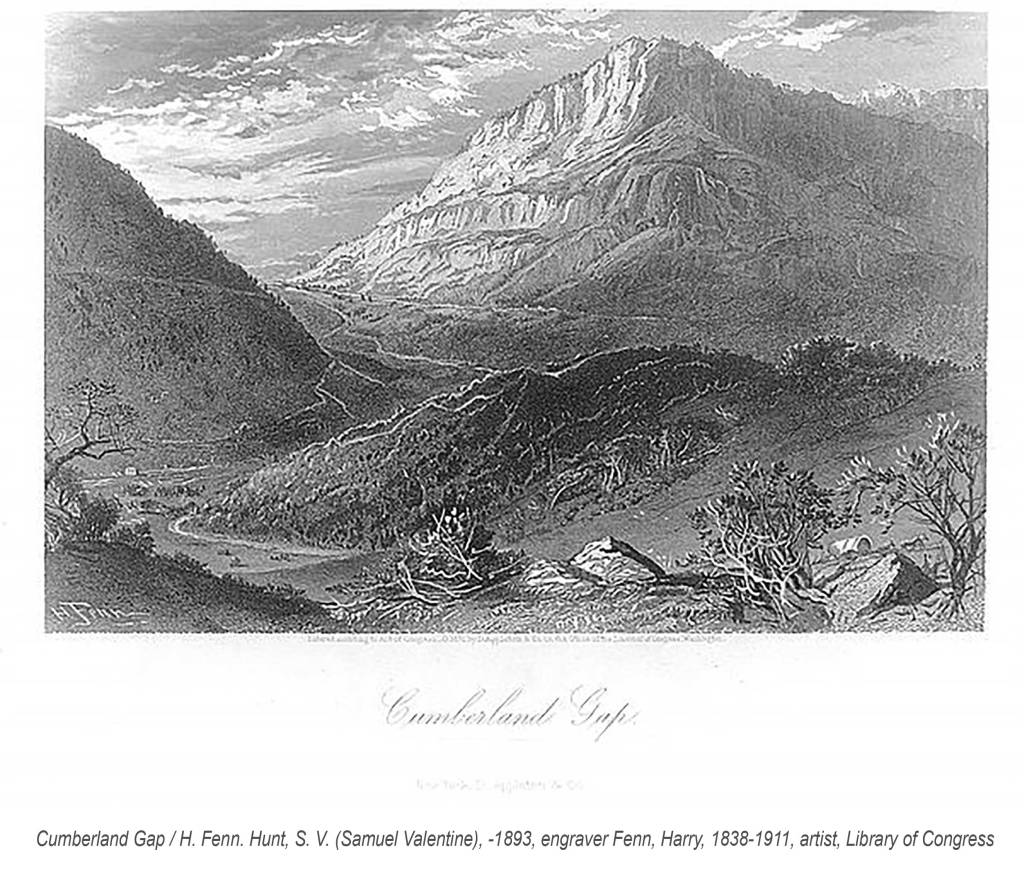
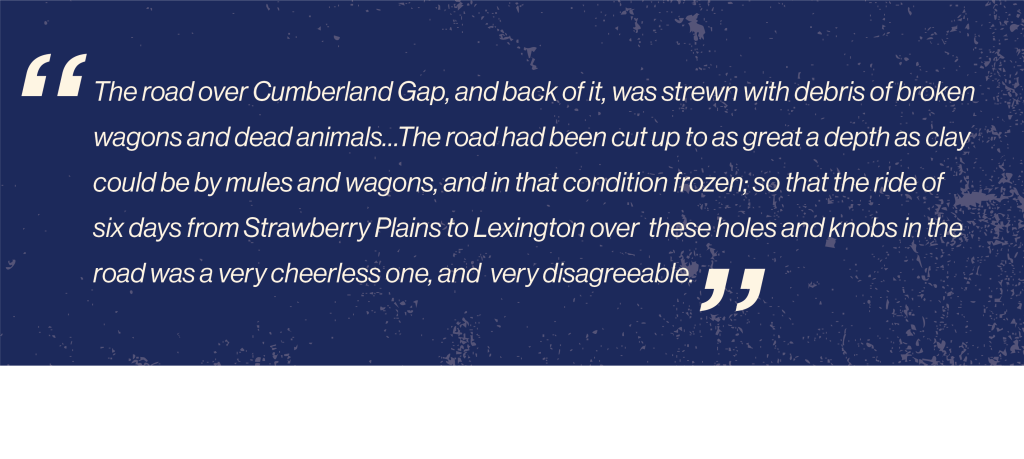
The Union general was laying plans to capture Atlanta, well before that assignment fell to General William Sherman. As Grant explored possible supply routes that would provide easy access to the front in Georgia, he was hoping the Cumberland Gap – straddling Kentucky, Virginia and Tennessee – would fit the bill. The mountain passes in the Gap were valued by both Union and Confederate armies as a way to move men and supplies between the eastern and western theaters of war. But when Grant reached the area in January 1864, what he found was quite unpleasant: 

This assessment must have been particularly disheartening for such an accomplished horseman as Grant. From an early age, he became adept at riding, training, and caring for horses, and used those skills during his military career and private life. Some historians believe he bought the White Haven property (now Ulysses S. Grant National Historic Site) from his wife’s family after the Civil War mainly to breed and raise horses.

Grant ultimately had to abandon his plans to move troops through the Gap that freezing cold winter.  He might have succeeded in reaching Atlanta by other routes, but President Lincoln interrupted that strategy.  Lincoln promoted him to the rank of Lt. General in March 1864, and placed him in command of the Union armies. 

Grant’s eventual plan to win the war involved immobilizing General Robert E. Lee’s army near Richmond, Virginia, while General Sherman led the Union army through Georgia. Grant went on to force the Confederates to surrender in 1865.

To learn more about the life and accomplishments of Ulysses S. Grant, consider a visit to Ulysses S. Grant National Historic Site.
On the Civil War Battlefield – at Age 11

Frederick Dent Grant had big shoes to fill.  As the oldest son of Ulysses S. Grant, Fred was treated “always as if I were already a man.”  He helped with chores around his childhood home at White Haven and was taught to ride and swim at an early age.  “I can see myself now, a chubby little chap, sitting on the back of one of the farm horses and holding on for dear life, my father urging me to be brave,” Grant later recalled.

Young Fred was also exposed early on to the stark realities of warfare.  Not long after his father was promoted to the rank of colonel in the 21st Illinois Infantry in 1861, Fred accompanied him through the Illinois countryside.  Colonel Grant believed his 11-year-old son was relishing his time as an unofficial member of the 21st.  He wrote to his wife Julia: “Fred enjoys it hugely…The Soldiers and officers call him Colonel and he seems to be quite a favorite.”

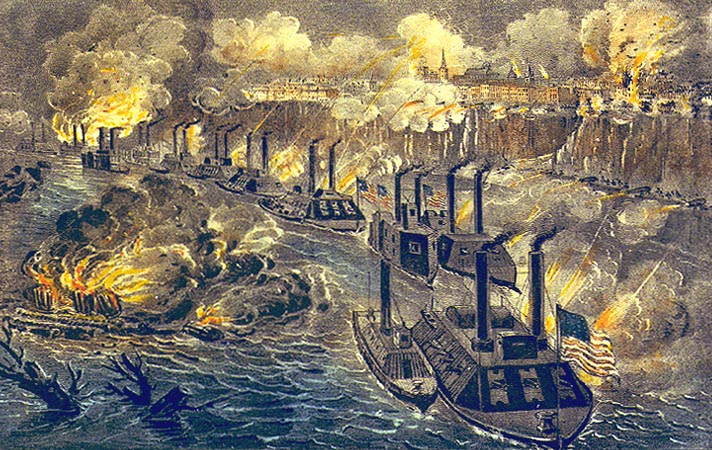
Ulysses also bragged about his son’s bravery a few years later when he brought him along during the Vicksburg Campaign of 1863.  “Fred is very well enjoying himself hugely. He has heard balls whistle and is not moved in the slightest by it. He was very anxious to run the blockade of Grand Gulf.”  But decades later, Fred painted a different picture, having been horrified by what he saw from a Union gunboat at Grand Gulf: “I was sickened by the scenes of carnage.” 

At one point, the boy was shot in the leg by a Confederate soldier, but soon made a complete recovery and was able to stay with his father until the 45-day siege of Vicksburg ended.  Fred returned to Ulysses’ side again during further battles.  And he accompanied him to Washington, DC, when President Lincoln promoted Grant as Commanding General of all Union armies.

Credit: NPS

Despite his early distaste for the horrors of combat, Frederick Grant pursued a military career.  Like his father, he attended West Point six years after the end of the Civil War.  He was eventually promoted to the rank of Major General during the Spanish-American War.  Also like his father, he was a heavy smoker and died of cancer in 1885 at age 62.

Grant’s Final Battle

“The greatest man I have ever had the privilege of knowing personally. And I have not known a man with a kinder nature or a purer character.”  – Mark Twain.

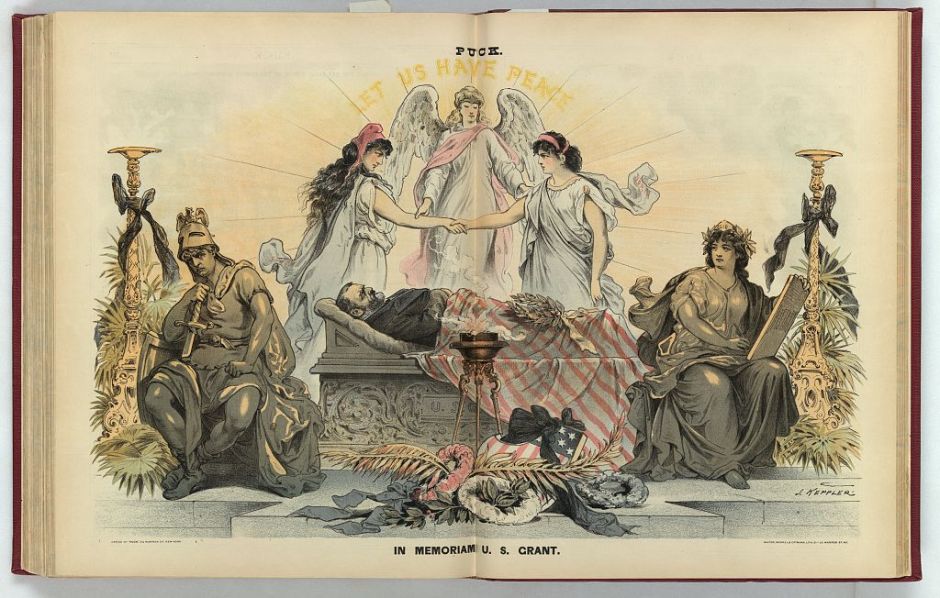
So said Twain upon learning of the death of his friend Ulysses S. Grant on July 23, 1885 – 138 years ago next week.  Grant, the nation’s 18th president and victorious Civil War general, died of throat cancer at the age of 63.  

Grant writing his memoirs [Library of Congress]

The final years of Grant’s life were filled with hardship. After retiring from the Presidency, he unwisely invested in a scandal-prone financial firm which eventually went bankrupt, leaving him destitute. About that time, he also learned he had throat cancer.  In order to earn enough money for his wife Julia to live on, he decided to write his personal memoirs, hoping that proceeds from the book’s sales would support his family after his death.  His writing chronicled his life as a soldier, from his early dates at West point to his service as general-in-chief of all Union armies.

As Grant’s memoirs progressed, so too did his cancer.  Racing against death, he kept writing despite debilitating pain and weakness.  He was encouraged by Twain, who offered him a generous publishing contract.   Just three days after completing the last page, Ulysses Grant died.  America mourned – his funeral in New York City was attended by 1½ million people.

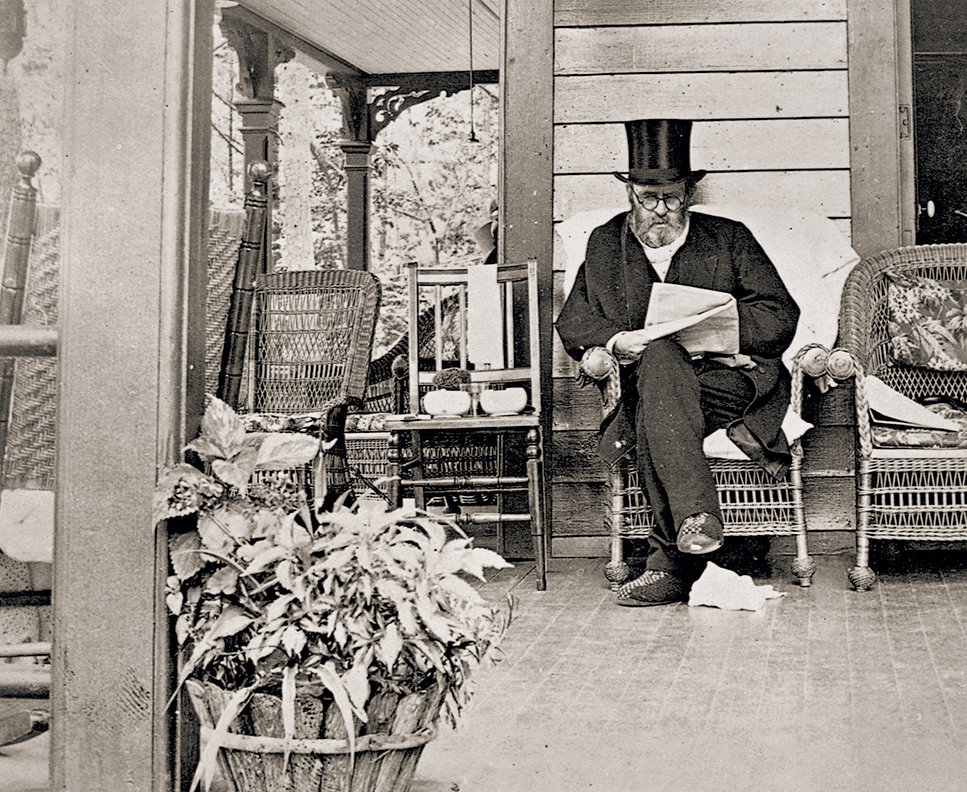
Last photo of Grant before his death. [Library of Congress]

Twain published Grant’s memoirs the same year he died.  They became an instant best-seller and proved a literary and financial success.  Julia Grant received royalties that totaled $450,000, roughly equivalent to more than $14 million today.

To learn more about Grant’s life, death, and legacy, we encourage you to visit our partner park Ulysses S. Grant National Historic Site.  While you’re there, be sure to pick up your own copy of the Personal Memoirs of Ulysses S. Grant at our bookstore, or order it online.
Honoring Those Who Honored Ulysses S. Grant

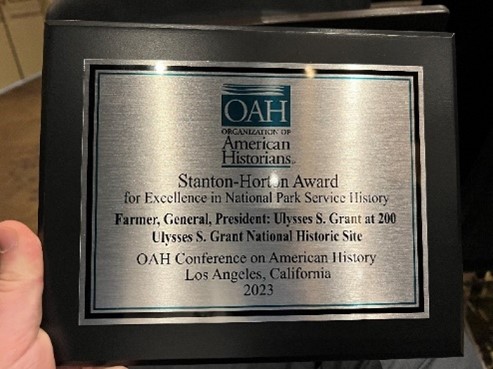
We congratulate our friends at Ulysses S. Grant National Historic Site for their recent award from the Organization of American Historians.  At the OAH conference in California last month, the park was recognized for Excellence in National Park Service History because of the many public events and programs honoring last year’s 200th anniversary of Ulysses Grant’s birth.

Park staff members used the occasion of the Grant Bicentennial year as a “hook” to connect park visitors to many aspects of the former president’s life, both public and private.  Rangers offered more than 100 in-person education programs, six special events (one with horses!), 26 off-site programs, and 16 virtual programs in 2022.  They also created online exhibits, videos, and articles on the park’s website to reach audiences that couldn’t attend on-site programs.

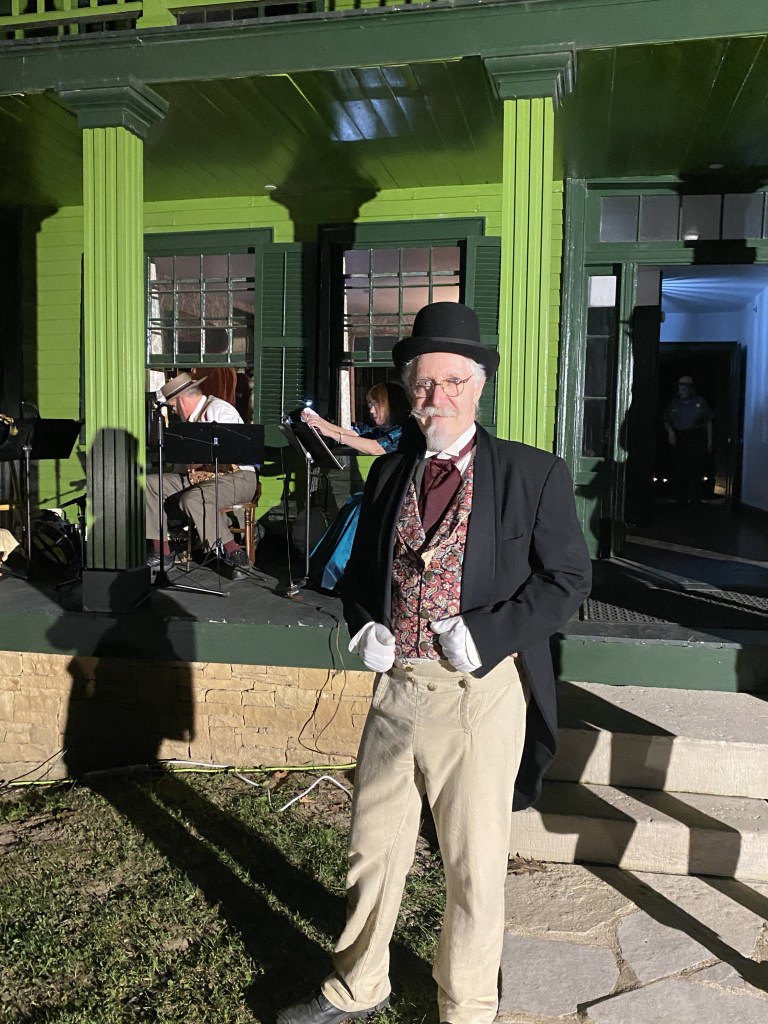
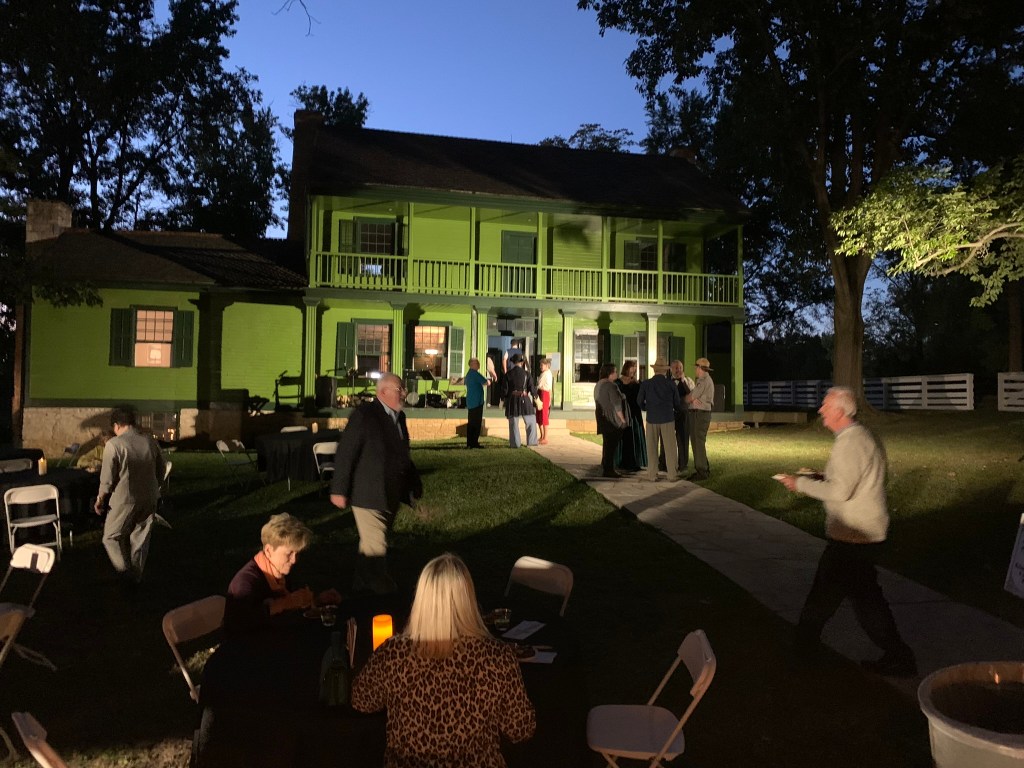
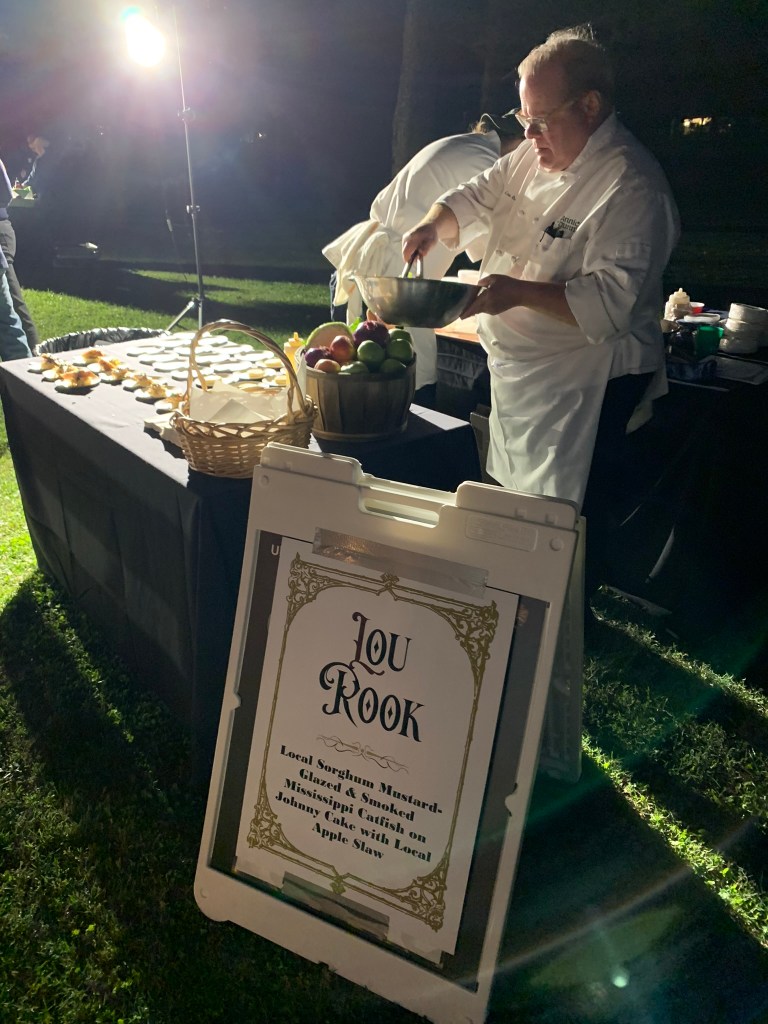
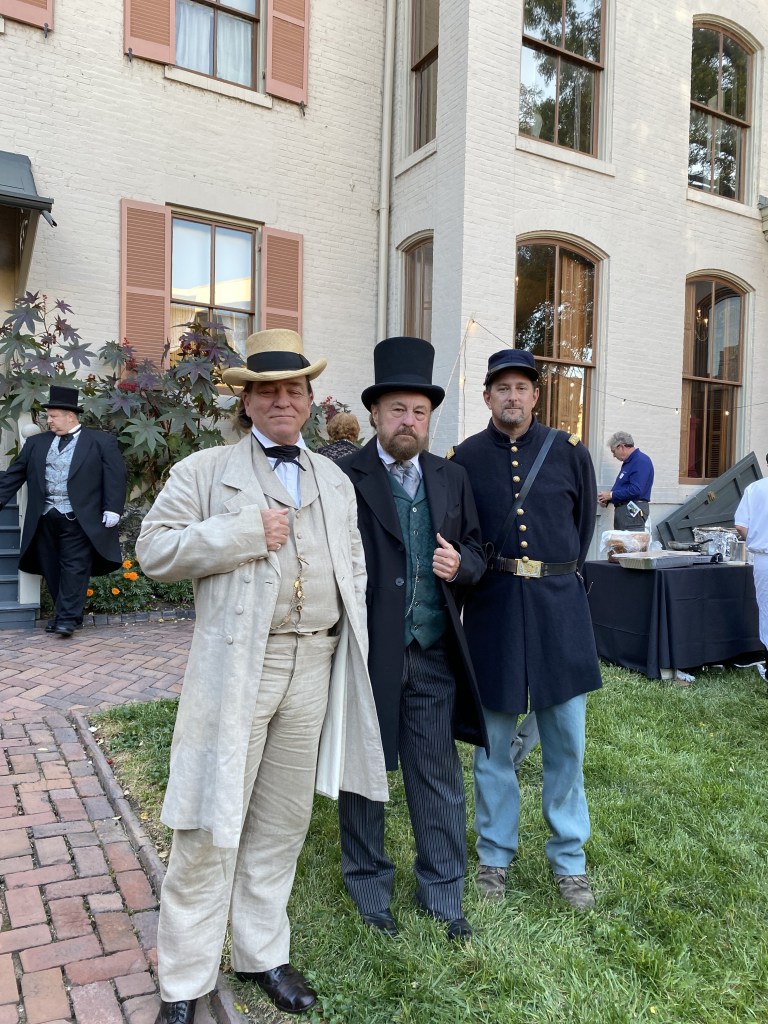
Among the Grant-related events held at the park was an extravagant dinner recognizing benefit the Grant bicentennial, held in partnership with the Campbell House Museum, where Grant sometimes dined.  The September event featured local chefs who offered historically inspired recipes from the 1800s. More than 400 guests attended the occasion, which JNPA was proud to host.

For a more complete list of the programs and events that earned the park its recent award, click here.

Take a Virtual Tour of Ulysses Grant’s Life

Ulysses S. Grant lived in many places throughout his lifetime. Now that the year-long celebration of the Ulysses S. Grant Bicentennial has come to an end, we thought it was a perfect time to visit a range of historic sites around the country where you can trace the growth and development of our 18th president.  From homes to memorials to museums, each of these 11 sites provides a unique perspective on the life and legacy of our 18th president.

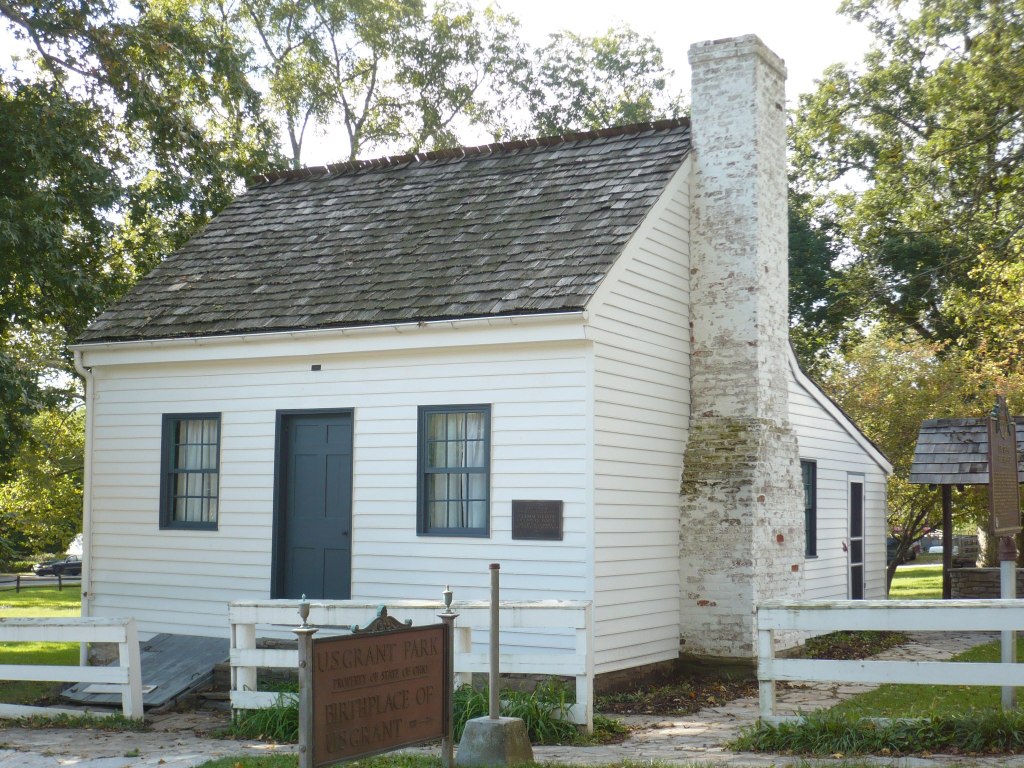
The first stop on our virtual tour is Ulysses’ birthplace in Point Pleasant, a small town in southwest Ohio. He was born there on April 27, 1822, in a one-story frame home rented by his parents, Jesse and Hannah Grant.  The family moved a year later to a larger brick home in nearby Georgetown, Ohio, and young Ulysses lived there until he left for West Point in 1839. In addition to his boyhood home, the town also features the small schoolhouse he attended, the tannery his father built, and other Grant-related sites.

Credit: U.S. Grant Birthplace

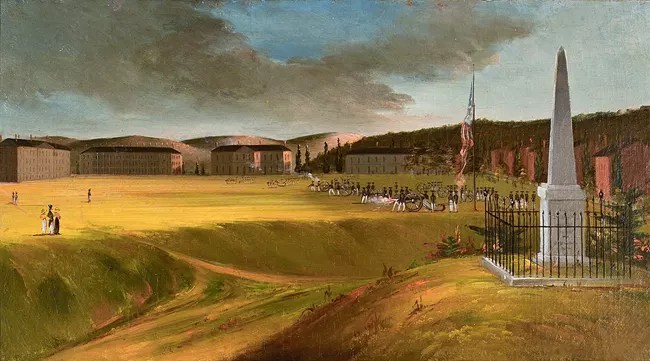
When he was 17, Grant enrolled in the U.S. Military Academy at West Point, NY, thanks to his father’s encouragement.  Visitors to West Point can see several memorials and statues dedicated to Grant when they book a tour at the academy.

Painting of West Point by George Catlin, circa 1827. Credit: U.S. Army

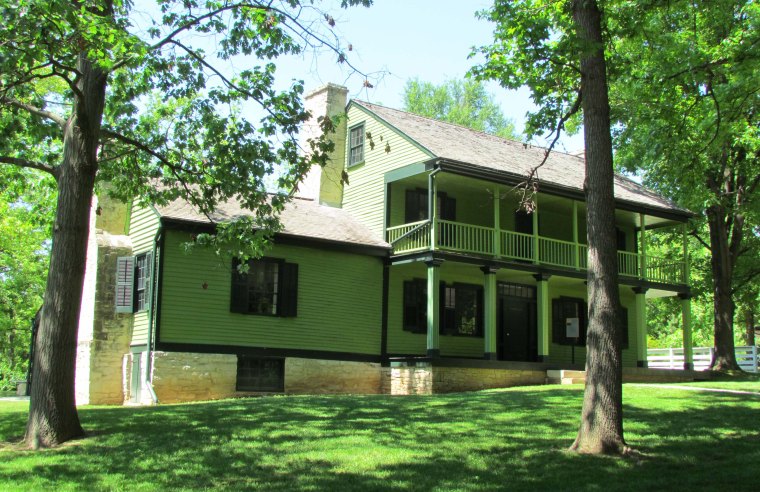
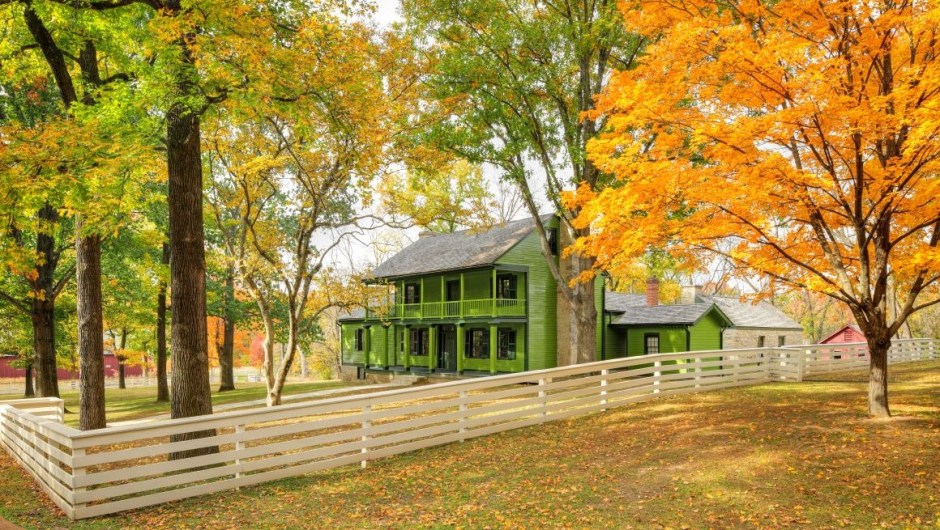
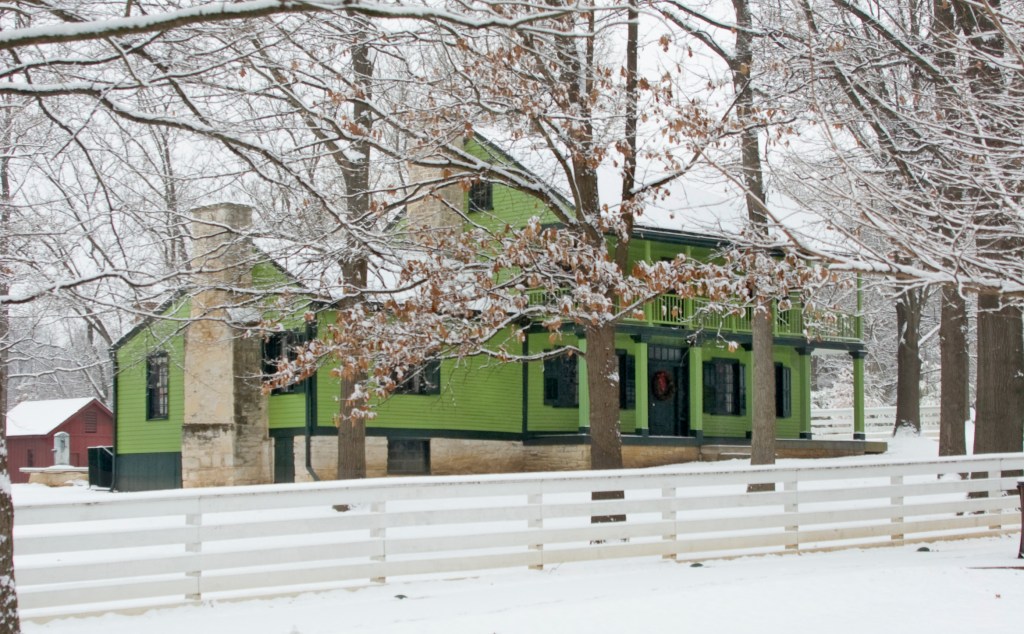
After graduation, the young cadet was assigned to join the 4th U.S. Infantry at Jefferson Barracks near St. Louis.  It was here that Grant’s friendships led him to visit White Haven, the sprawling plantation where he would meet his future wife, Julia Dent. Visitors to Ulysses S. Grant National Historic Site can tour the White Haven home as well as the on-site museum devoted to Ulysses and Julia’s lives.

Ulysses S. Grant National Historic Site

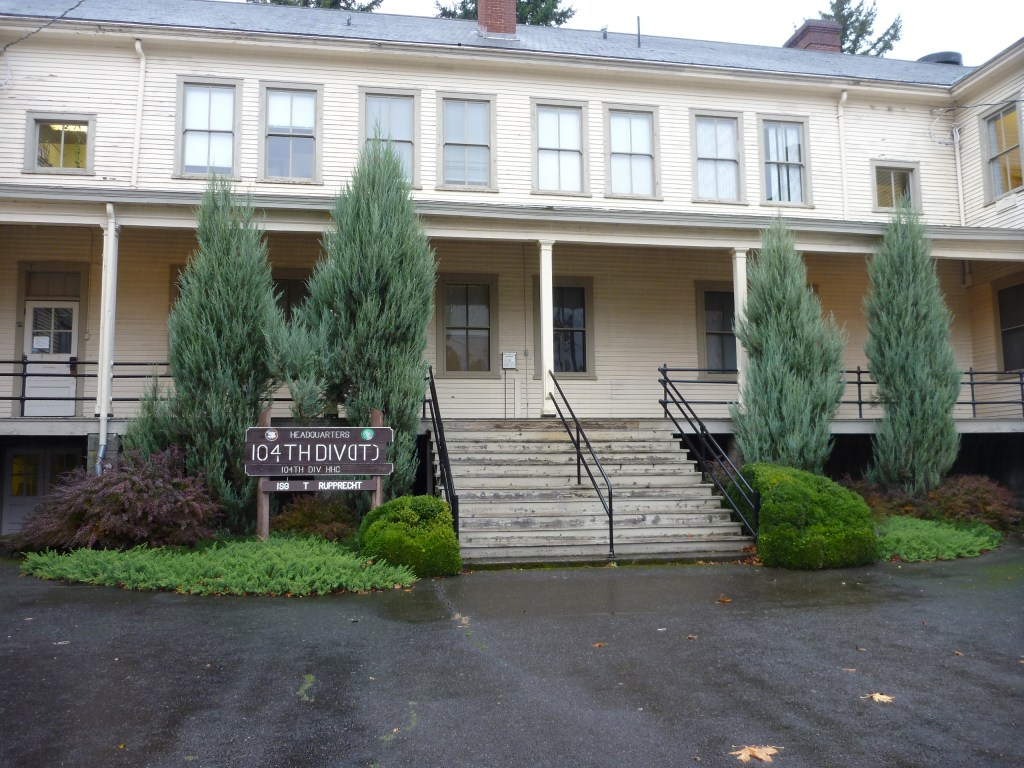
Other sites on our virtual tour trace the various military outposts and stations around the country where Grant served in the U.S. military, sometimes with Julia and his children, sometimes not.  These include Fort Vancouver National Historic Site in Vancouver, WA – another National Park Service site.

Barracks at Fort Vancouver National Historic Site. Credit: NPS

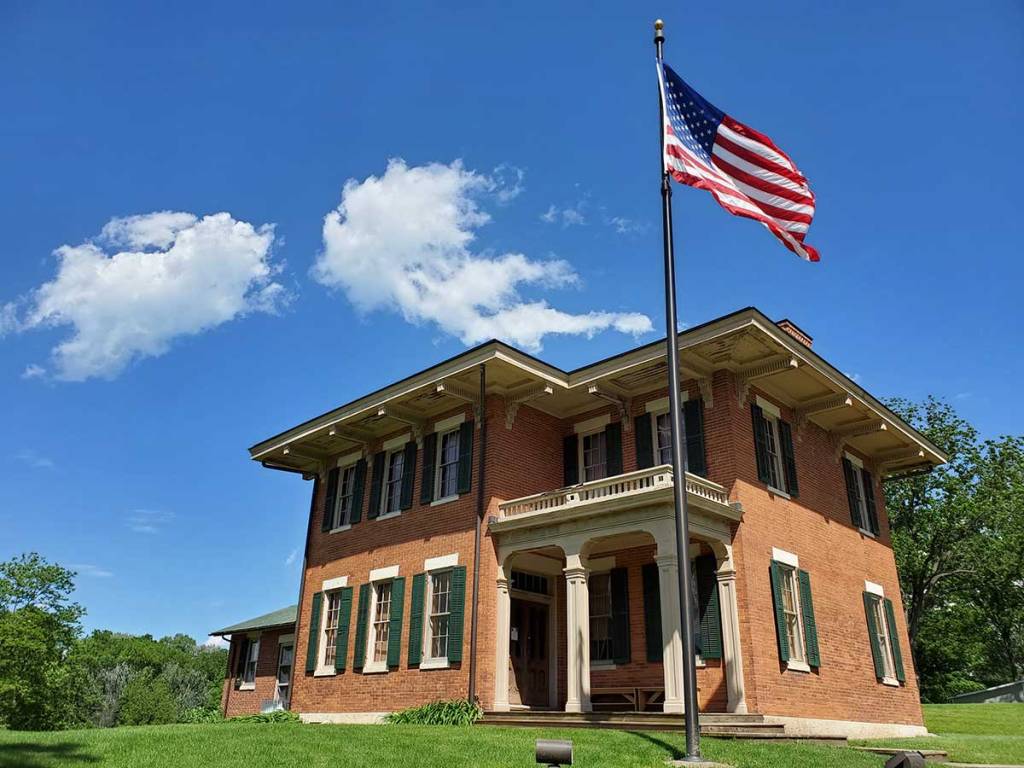
Additional Grant home sites that are open for public tours are also part of our virtual tour.  They include the Grant home in Galena, Ill., where his family relocated after his failed career as a farmer in White Haven, and the Grant Cottage in Wilton, NY where Grant died of throat cancer on July 23, 1885.

The Grant home in Galena, IL. Credit: U.S. Grant State Historic Sites

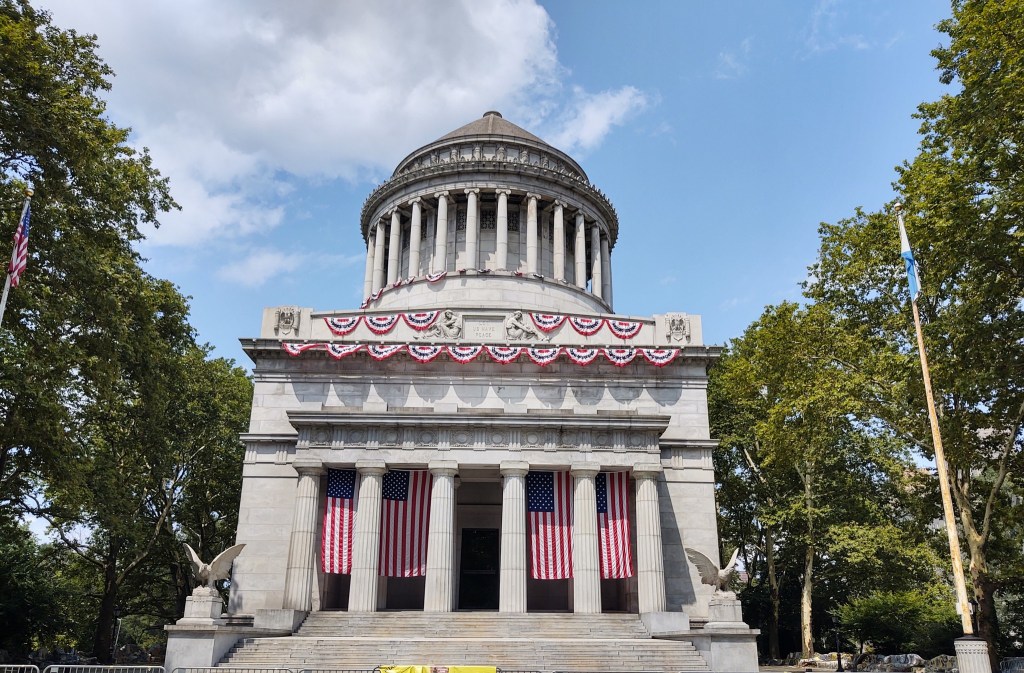
The final resting place of Ulysses and Julia Grant is also worthy of a visit.  This is the General Grant National Memorial in New York City. This largest mausoleum in North America was dedicated in 1897, with more than a million people in attendance.

General Grant National Memorial. Credit: NPS

And finally, Grant scholars will want to stop in at the Ulysses S. Grant Presidential Library in Starkville, MI.  Mississippi was the site of the Battle of Vicksburg, the general’s greatest victory in the Civil War.  Visitors to the library can view exhibits as well as many of Grant’s papers, which are housed at Mississippi State University.

Credit: Ulysses S. Grant Presidential Library

Broke at Christmas

Let’s face it – many of us stress over holiday spending, whether it’s for gifts, airline tickets, party clothes, special foods, or even supplies for house guests.  So it might be comforting to know that some of America’s most famous historical figures also faced money woes during the Christmas season.  Take Ulysses S. Grant, who found himself in tough times at the holidays while living at White Haven.

Credit: NPS

In the mid-1850s, Grant was working hard to make a living as a farmer while he and his wife Julia were raising their young children at his in-laws’ 850-acre plantation near St. Louis.  He intended to plant potatoes, sweet potatoes, corn, and other vegetables – enough “to keep a wagon going to market every day.”  He was optimistic that the venture would be successful, writing his father that “Every day I like farming better and I do not doubt that money is to be made of it.” 

However, unseasonably bad weather, poor health, and an unstable economy hampered Grant, and he was forced on several occasions to ask his father for a loan to purchase farm equipment and seeds.  By late 1857 he became despondent and predicted financial ruin if his father didn’t come through (there is no evidence he ever received his much-needed loan). 

Credit: Library of Congress

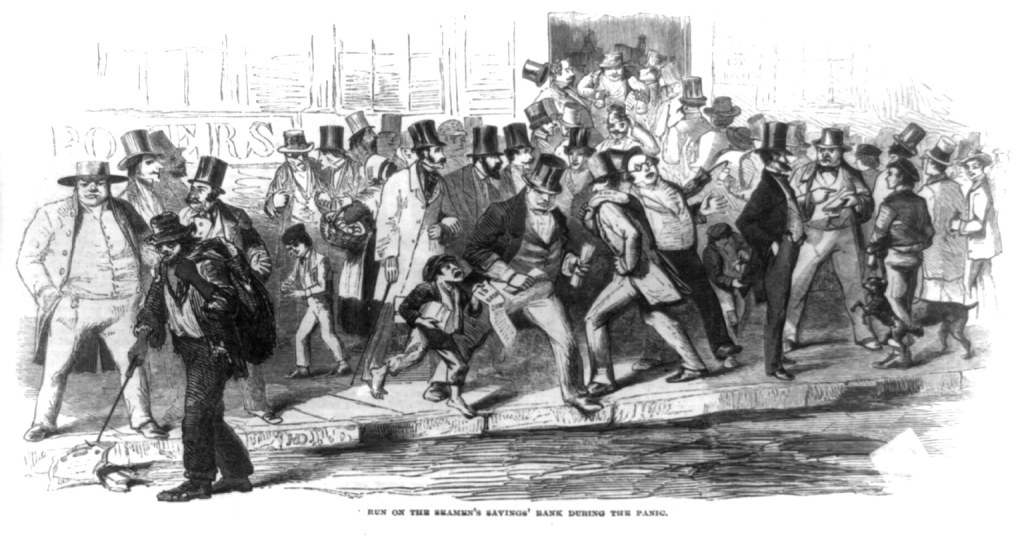
To make matters worse, America was undergoing a severe recession known as the Panic of 1857 caused by both the declining international economy and the over-expansion of the U.S. economy in previous years.  The Grant family was in a precarious financial state.  Just two days before Christmas, Grant was forced to pawn off a valuable gold watch and chain.  Even with this cash infusion, Ulysses, Julia, and their three children no doubt endured a bleak holiday season, as did many other American families that year.

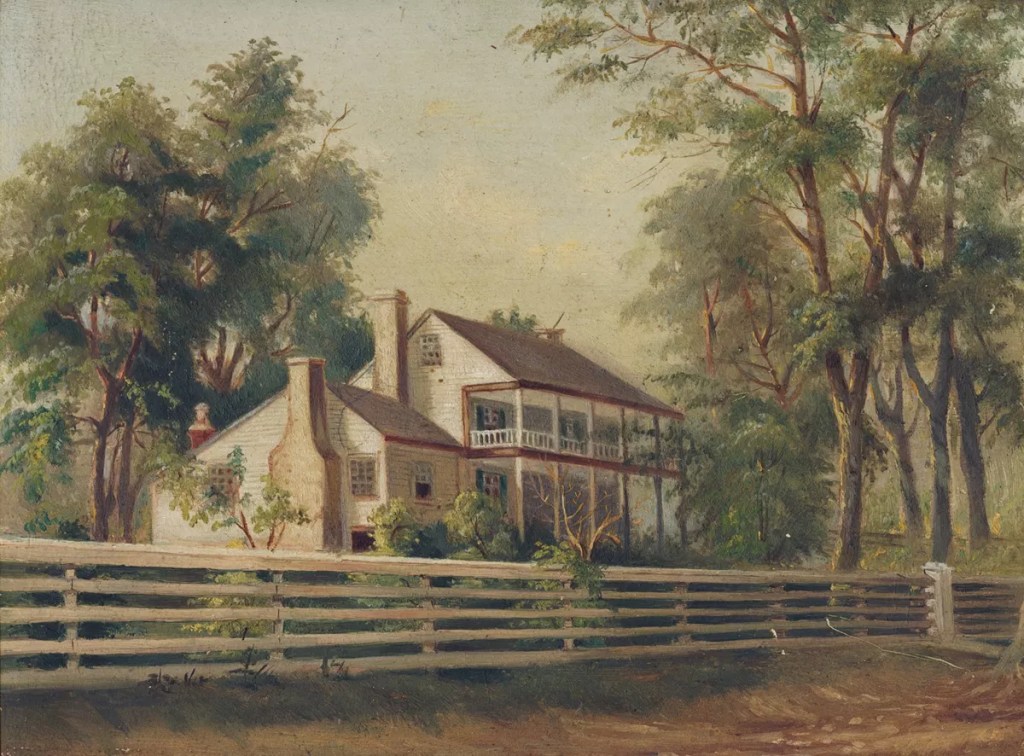
A Painting of White Haven before the American Civil War. Credit: NPS

Eventually, Grant made plans to sell his farming equipment and by the fall of 1858 he and his family moved to St. Louis to find a new line of work.  Within a few years, the family moved to Galena, Illinois, and never again lived in Missouri.

Thanksgiving’s Complicated History

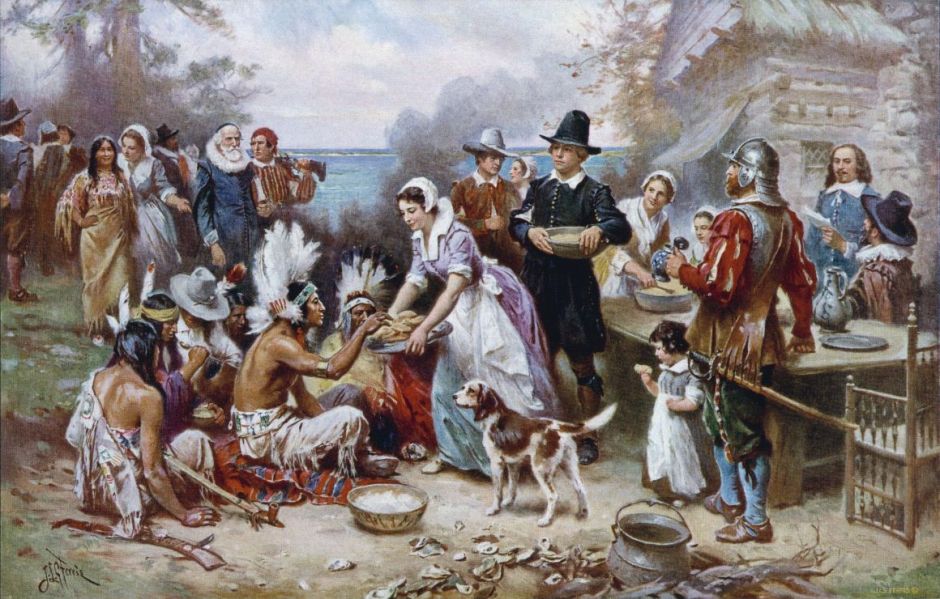
Every schoolkid will tell you about the origins of Thanksgiving.  How the Pilgrims in Massachusetts shared a late autumn feast with members of the Wampanoag nation after the colonists’ first harvest in 1621.  How the celebration became an annual tradition commemorated throughout the growing nation.  And how Thanksgiving Day was eventually declared a national holiday that Americans still honor around the family dinner table.

Sound like what you learned in school?

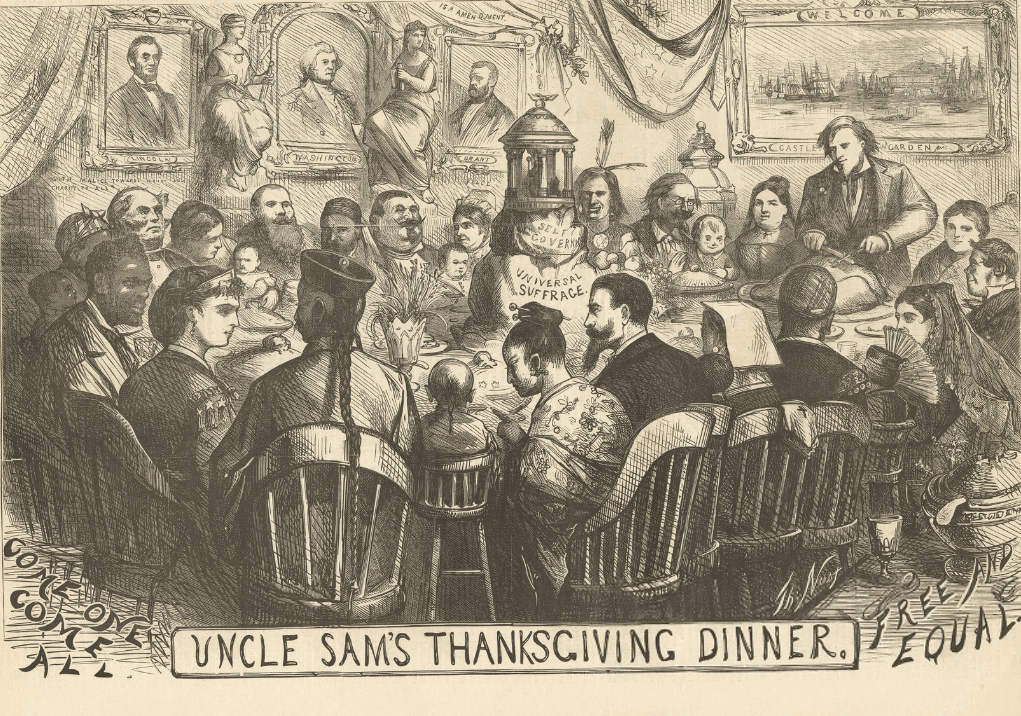
Uncle Sam’s Thanksgiving Dinner – Thomas Nast 1869

Well, as with so many accounts of our nation’s past, the Thanksgiving origin story is just a little more complex than that (and a lot more interesting).  And thanks to the historians at Ulysses S. Grant National Historic Site, you can learn all about it this weekend. 

An annual day of thanks does indeed harken back to the very early days of our nation.  But it wasn’t observed only in Massachusetts.  In 1619, a group of English colonists celebrated a thanksgiving service and feast after their ship safely landed near Jamestown, Virginia, and they vowed to establish the tradition every year thereafter. 

Thanksgiving was celebrated sporadically in various American colonies throughout the 17th and 18th centuries.  In 1789, President George Washington issued a proclamation encouraging a nationwide day of thanks, though his declaration had more to do with a religious observance than an autumn feast.  Governors of various states gradually embraced the idea, and the observance of Thanksgiving became more widespread – until the 1850s. 

For whatever reason, the origin of Thanksgiving – and indeed the young nation – had become associated with New England, not Virginia.  So as the national divide over slavery polarized the North and the South, southerners soured on anything associated with Massachusetts.  They considered Thanksgiving a “Yankee holiday” and adorned with that region’s symbols and traditions:  Pilgrims, turkey, pumpkins, and cranberries. So rather than celebrate the annual event, many Confederate sympathizers chose to fast on Thanksgiving, not feast.

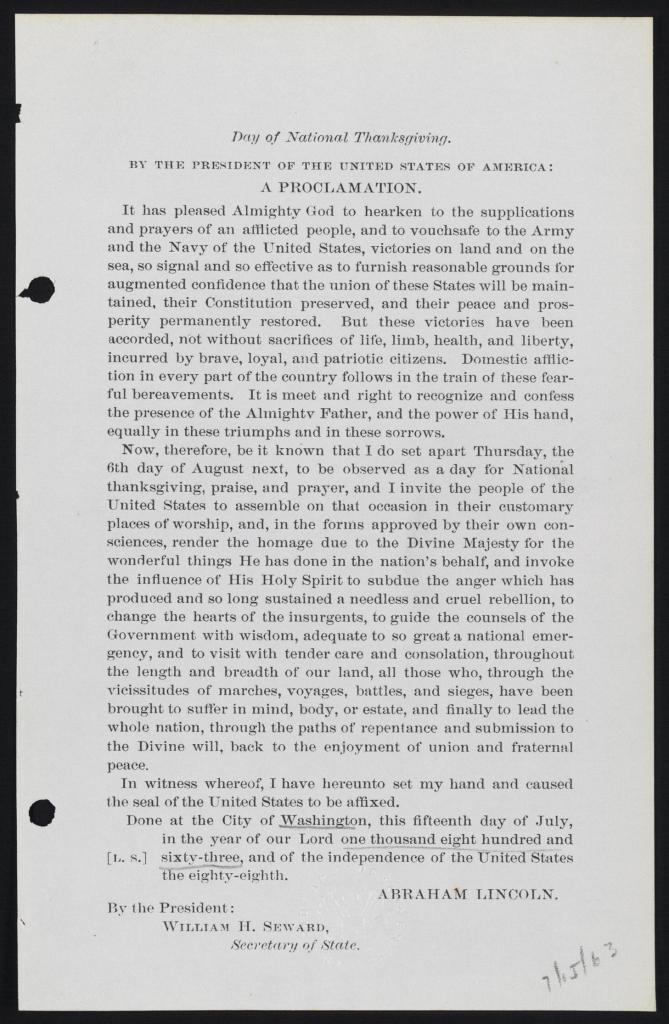
Lincoln’s Thanksgiving Proclamation – Library of Congress

When President Abraham Lincoln proclaimed Thanksgiving a national holiday at the height of the Civil War in 1863, he was well aware of this controversy.  In his proclamation he intentionally refrained from mentioning any references to the geographic origins of the feast, instead looking at the shared holiday as a way to “heal the wounds of the nation.”

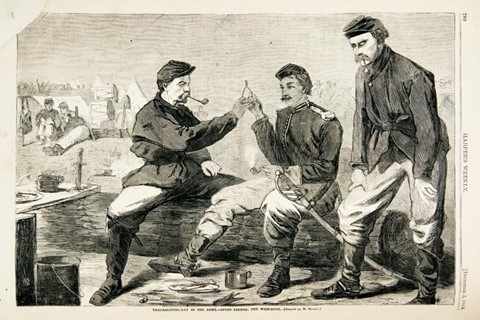
Union soldiers fighting in the war made the most of the new holiday as they paused to enjoy a special meal.  Their Confederate counterparts, however, most likely abstained.  

Today, as most Americans honor Thanksgiving with their own traditions, few probably realize the fraught history surrounding the holiday.  If you’re interested in learning more about its origins, you’re invited to a special ranger talk at 10:00 a.m. this Saturday at Ulysses S. Grant National Historic Site.  Park historian Nick Sacco will share his insight on the history of Thanksgiving during the Civil War.  The lecture is free, but reservations are required.  Call (314) 842-1867 ext. 230 to sign up.
Meanwhile, warm Thanksgiving wishes from Jefferson National Parks Association!

All About Julia

Julia Dent grew up in the early 19th century on a plantation near St. Louis named White Haven.  The fifth of seven children, she was an outgoing, active girl who fished, rode horses, and played in the woods with the plantation’s enslaved children.  Julia once told her school friends she would someday wed “a gallant, brave, dashing soldier.” Little did she know that she would indeed marry a soldier, and that he would become commander of the armed forces and later the 18th president of the United States.

You can learn more about the long and eventful life of Julia Dent Grant later this week.

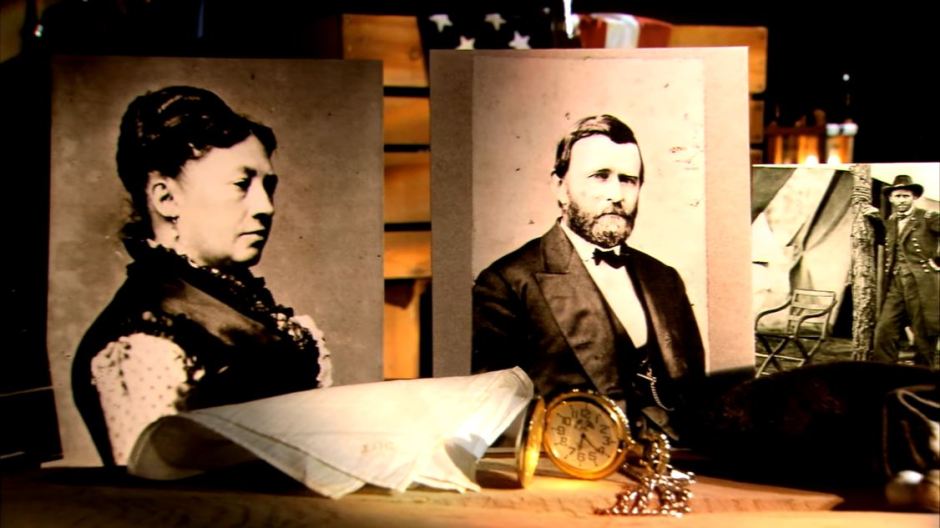
Some would say Julia Dent and Ulysses Grant were an unlikely pair.  She was spirited and gregarious; he was shy.  She was raised in a slave-owning family; his family was opposed to slavery.  In fact, Grant’s choice to marry into the Dent family worsened tensions with his father, and none of the Grants attended Ulysses and Julia’s wedding in 1848.

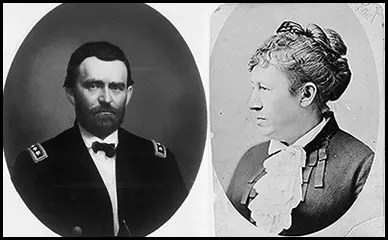
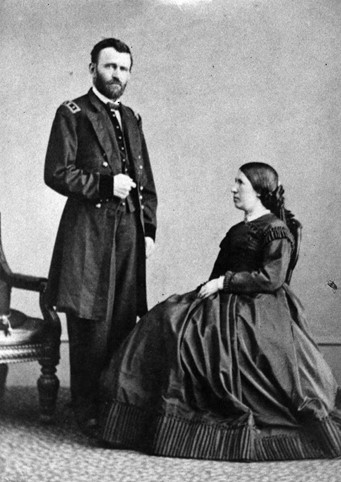
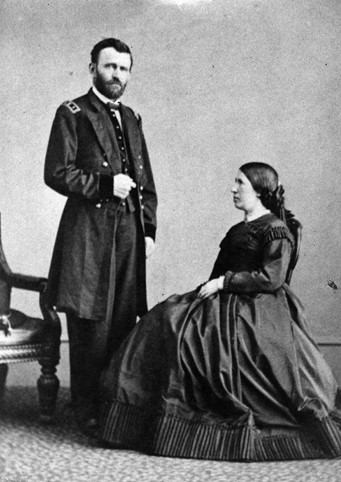
Mr. and Mrs. Grant

Against the odds, the Grants’ marriage lasted for 37 years, and through all their many hardships and accomplishments, their close bond never wavered.  The couple endured numerous separations as Grant pursued his military career.  And though Julia was sometimes able to accompany her husband to distant Army postings, she returned home to White Haven for the birth of their four children.  During the Civil War, she served as the financial manager and agent for White Haven in her husband’s absence, leasing sections of the farm, collecting rent, and consolidating land titles.

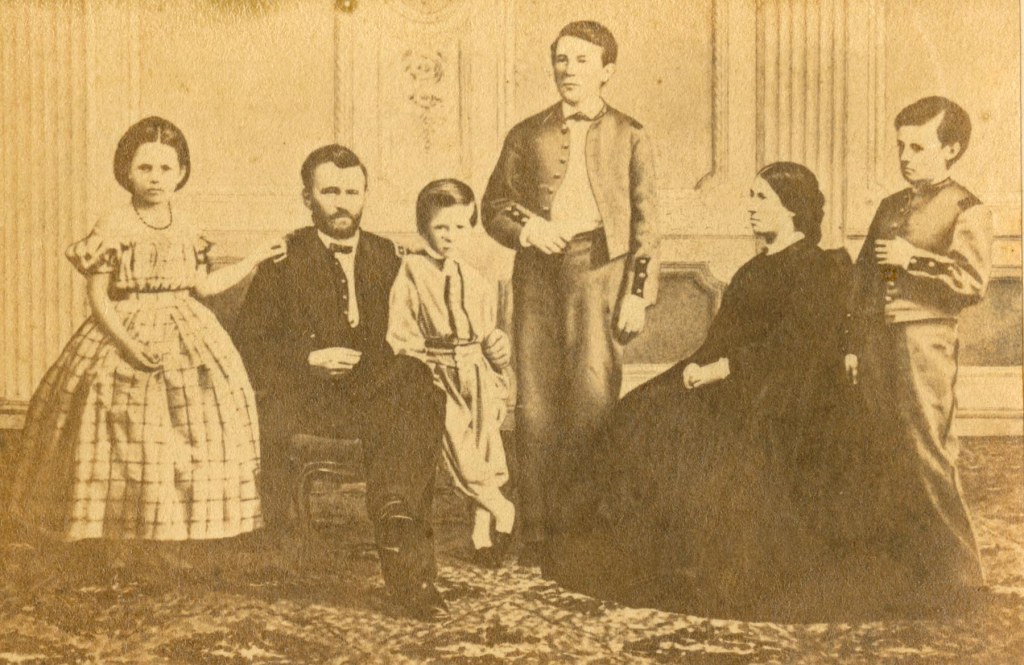
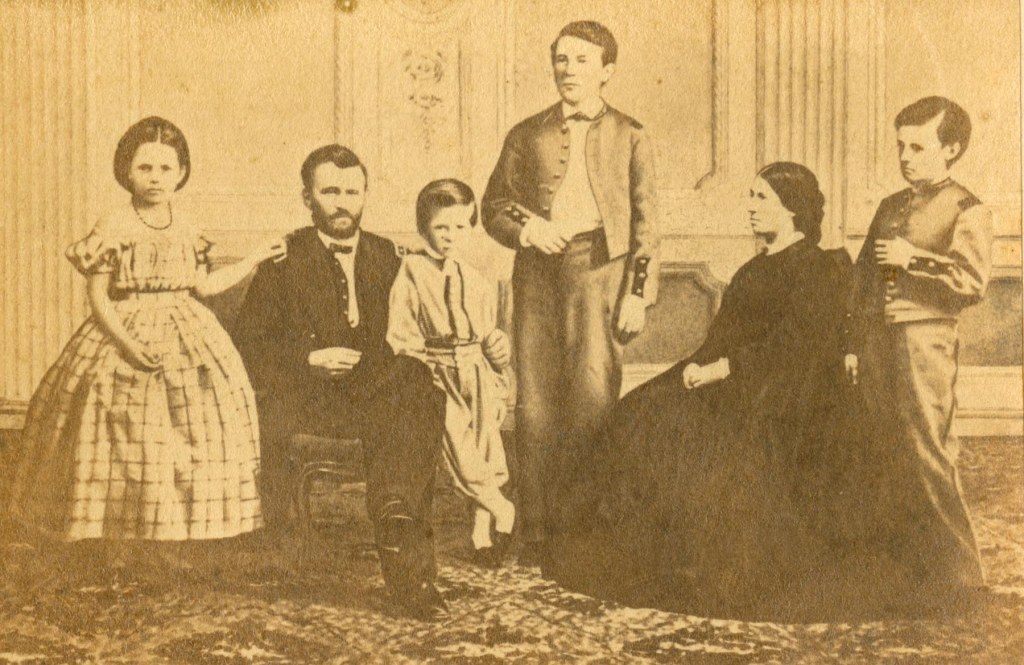
Ulysses and Julia Grant and their children. Credit: Ulysses S. Grant National Historic Site.
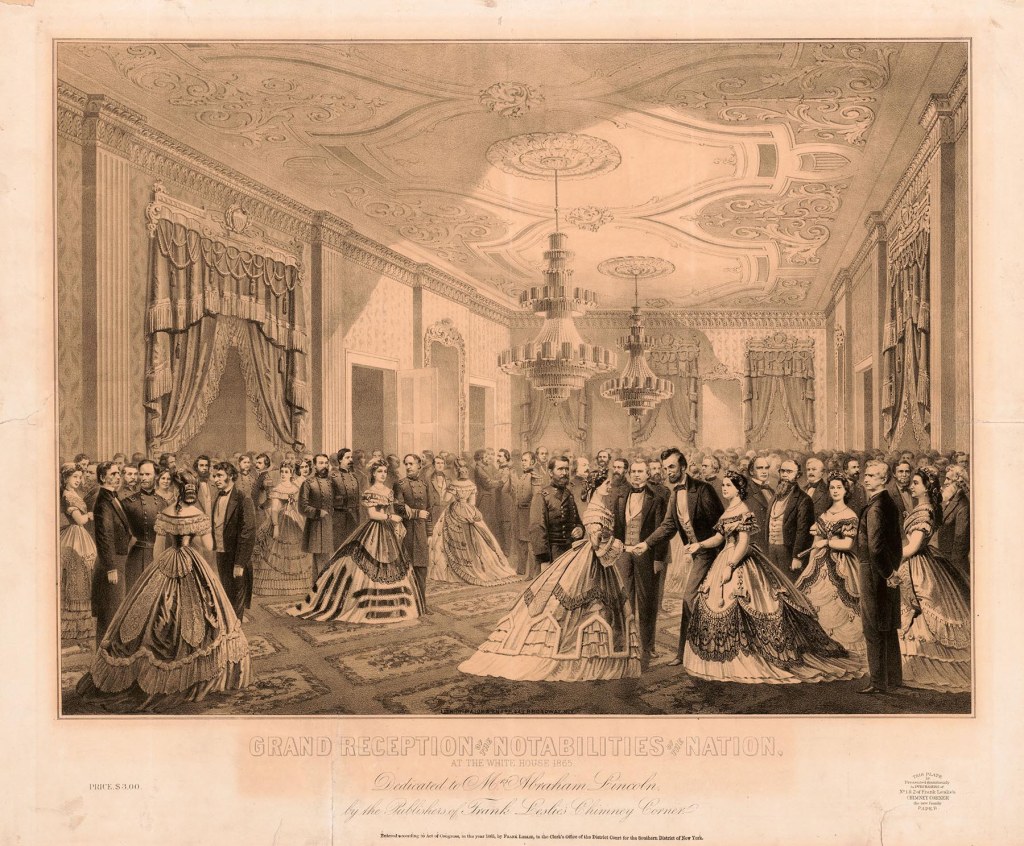
As the nation’s First Lady, Julia was an active participant in presidential matters and reveled in her eight-year role as hostess to the nation.  She entertained lavishly and welcomed dignitaries from around the world to the White House.  At the end of Ulysses’ second term, the couple embarked on a two-year worldwide tour that further burnished her reputation as a valuable partner to the former president.

Grand reception of the notabilities of the nation, at the White House 1865. Credit: Library of Congress

Her later years were difficult, however.  Grant lost most of their money in a bogus financial deal, and the couple was nearly destitute.  By the time he signed a lucrative contract to write his now-famous memoirs, Grant was dying of throat cancer.  Julia lived as a widow for 17 years until she died at age 76 in 1902.

This Saturday at 10 a.m., you’re invited to learn more about the long eventful life of Julia Dent Grant.  Historian Pam Sanfilippo will present “Julia Dent Grant and Family,” the annual John Y. Simon lecture at Ulysses S. Grant National Historic Site

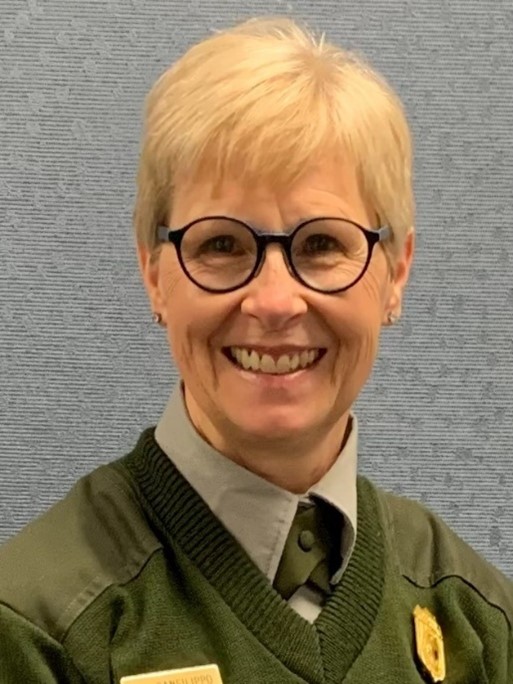
Pam Sanfilippo

Pam served as park ranger, education director and historian at the park for many years and is now Program Manager for Museum Services and Interpretation at Gateway Arch National Park. She is the author of numerous essays, articles, and publications. Her biography of Julia Dent Grant is scheduled for publication by Southern Illinois University. Pam’s talk will present highlights from her research on Julia and her family.

For reservations to this presentation, call (314) 842-1867 x230.

Exploring the Life of Ulysses S. Grant

Just in time for the upcoming wedding anniversary of Ulysses and Julia Grant, the National Park Service has created a new online exhibit exploring the life and legacy of the nation’s 18th president.  The expansive exhibit amasses artifacts, documents, and photographs from numerous Park Service sites, including Ulysses S. Grant National Historic Site.
As one might expect from such a multi-faceted figure as Ulysses Grant, his life encompasses many aspects, including his early upbringing and family life as well as his military career and presidency.  And the fascinating new exhibit covers them all.

There are more than 20 national sites with connections to Grant, many of them housing collections that include artifacts, portraits, and documents related to the president or his family members.  But thanks to this new virtual exhibit, many of these items can now be viewed in one accessible location.  They shed light on little-known facets of his life, helping us gain greater insights into the famous man.

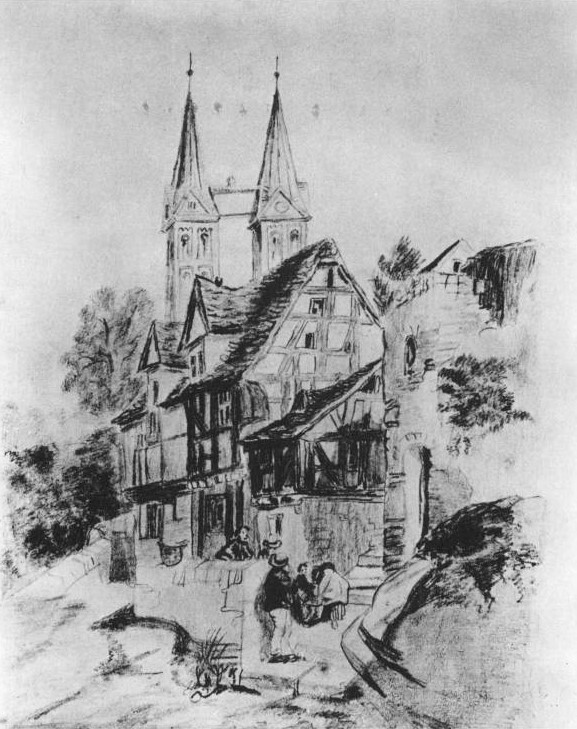
Drawing of Church Steeples by Ulysses S. Grant (Courtesy The Papers of Ulysses S. Grant, Volume 1 and Library of Congress)

Although Grant is celebrated for his military and political achievements, his artistic side is less well known.  The exhibit features sample of some of his watercolor paintings. When he was a West Point cadet, he enrolled in several drawing classes and developed this hobby over the years.  Sadly only eight of his paintings have survived to the present day.

Then there are the charming vestiges of the Grants’ everyday life, like Julia’s ivory sewing kit, Ulysses’ cigar holder, the couple’s ivory and silver coffee service, and even the leather boots worn by Julia’s sister Emma.

Courtesy NPS

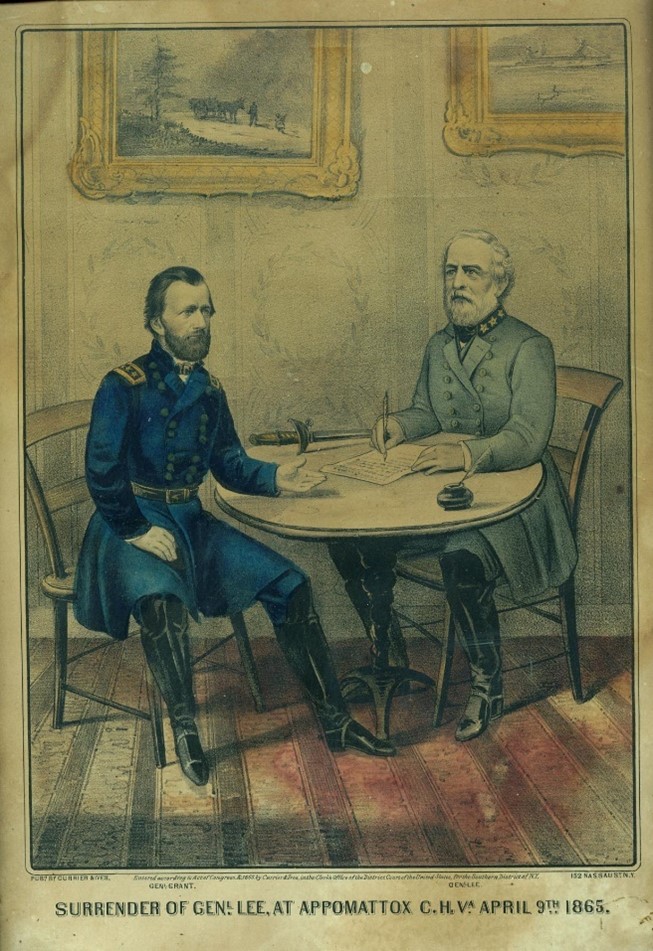
The exhibit explores Grant’s military career from his early days at West Point to his role as commander of the entire Union Army during the Civil War.  The surrender of Robert E. Lee at Appomattox in 1865 is highlighted with a color image of a Currier & Ives print of the two generals signing the surrender documents, a photo of the chairs and table used during the signing ceremony, and a poignant letter outlining the terms of surrender.

Slave quarters at White Haven, prior to removal (photo courtesy of NPS)

Grant’s experience with the institution of slavery is a recurrent theme in the exhibit.  From an early age, he was taught that slavery was wrong and that his Southern relatives “had depended too much on slave labor to be trained in self-reliance.”  When Grant married into the slaveholding Dent family, it worsened tensions with his father (none of the Grants attended Ulysses and Julia’s wedding).

Yet when the couple occupied White Haven in the 1850s, they lived and worked alongside dozens of enslaved African Americans, most of whom were owned by Grant’s father-in-law (though Grant himself owned an enslaved man named William Jones, whom he later freed).  This experience strengthened Grant’s hatred of slavery and commitment to abolish the institution, and set the stage for him to become one of the great civil rights presidents in American history.   

The new Grant exhibit is just the latest virtual exhibit created by the National Park Service Museum Management Program, whose aim is to make the broad range of NPS collections widely available to online users. You can see numerous other offerings at the program’s website.  
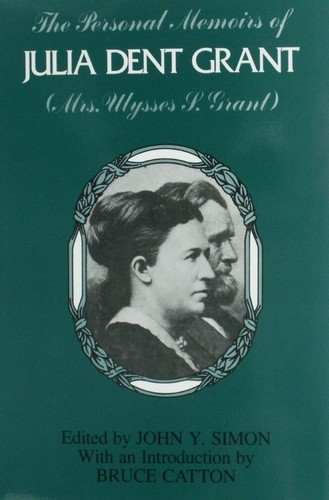
In honor of Ulysses and Julia’s 174th wedding anniversary on August 22nd, you may want to brush up on the life of Julia Dent Grant.  She had a long and event-filled life as the wife of a Civil War general and U.S. president.  Also check out her personal memoirs, which are available from JNPA’s online store, or at the gift shop at Ulysses S. Grant National Historic Site.