What’s your favorite fruit? Apples or bananas? Blueberries? Maybe peaches or strawberries? Could you imagine a day without coffee? Or a world without chocolate? (Aaaghh!!!)
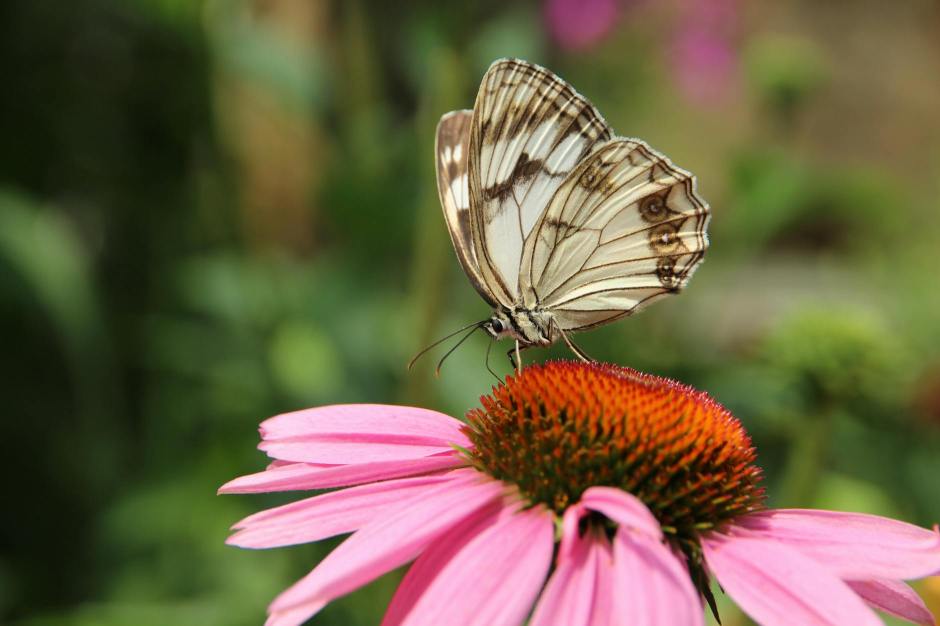
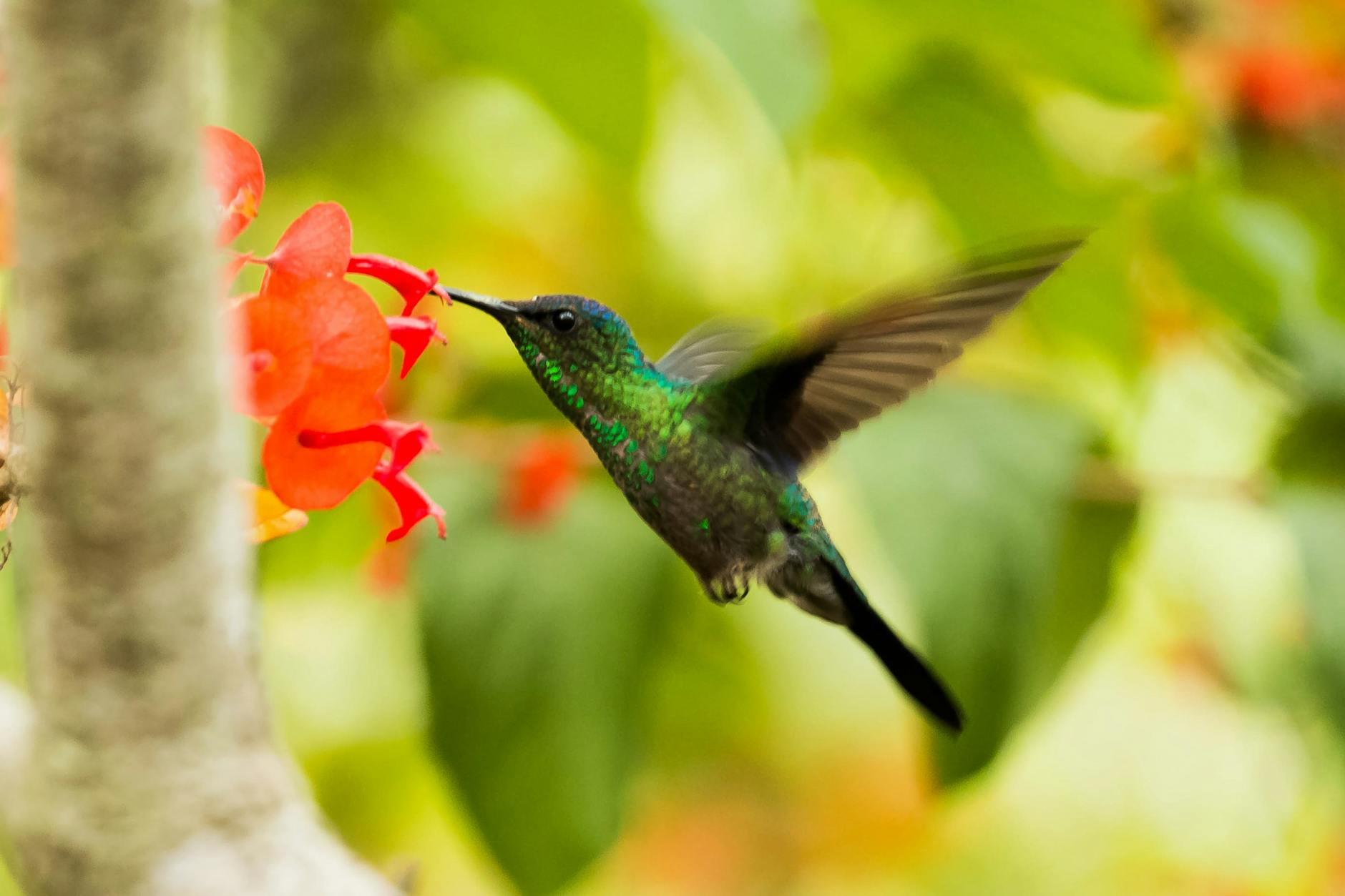
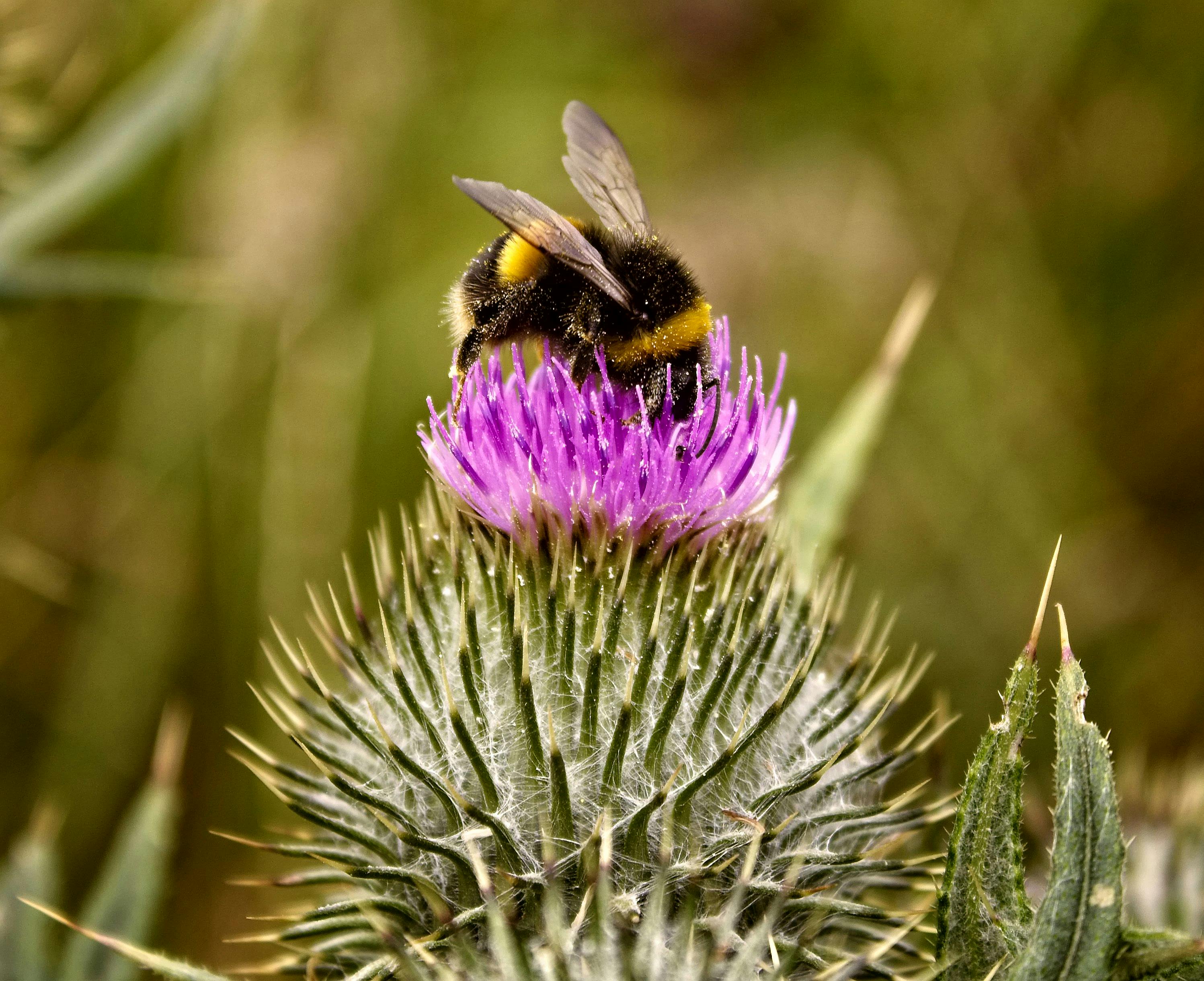
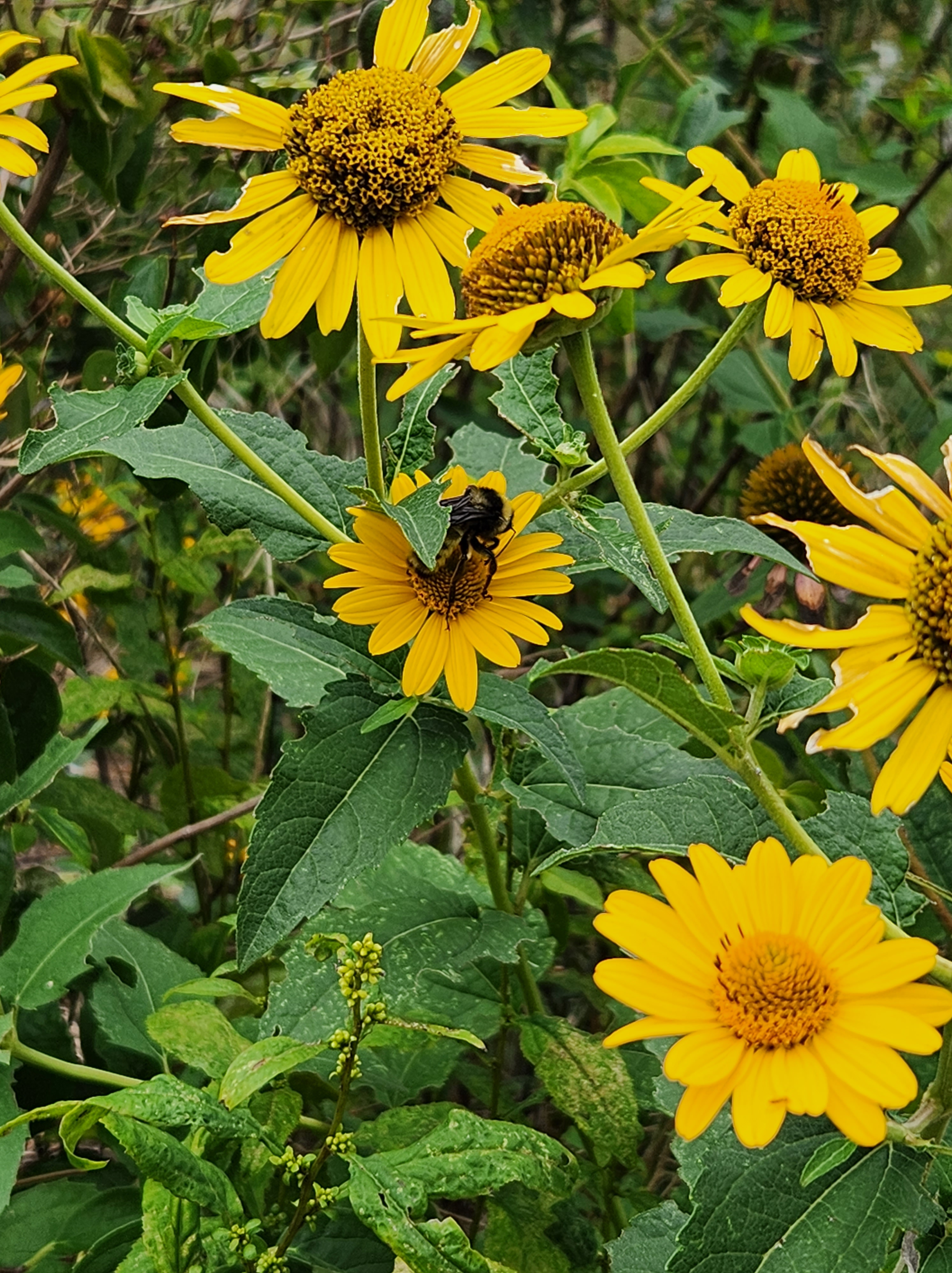
Well, if any of these foods are on your must-have list, you can thank a pollinator – specifically one of the thousands of birds, bats, bees, butterflies, beetles, and other insects that move pollen from plant to plant. We rely on these little critters for one out of every three bites of food we eat. Three-fourths of the world’s flowering plants and more than a third of the world’s food crops depend on animal pollinators for successful seed and fruit production, making pollinators a vital link to our food security, economy, and overall environmental health.
So what does this have to do with national parks and public lands?
The National Park Service is committed to preserving our natural pollinator populations, especially those species that are in decline. In many parks, species inventories are helping site managers know which pollinators are present so they can better understand the state of park ecosystems and make decisions about how to manage them.
Seventeen national parks are currently being surveyed for bees and butterflies in a project that started this spring and will continue through 2026. In collaboration with university and NGO partners, these projects will address ecological priorities for pollinator conservation identified by park staff. These include invasive plant removal, grazing management, controlled burning, and habitat restoration.
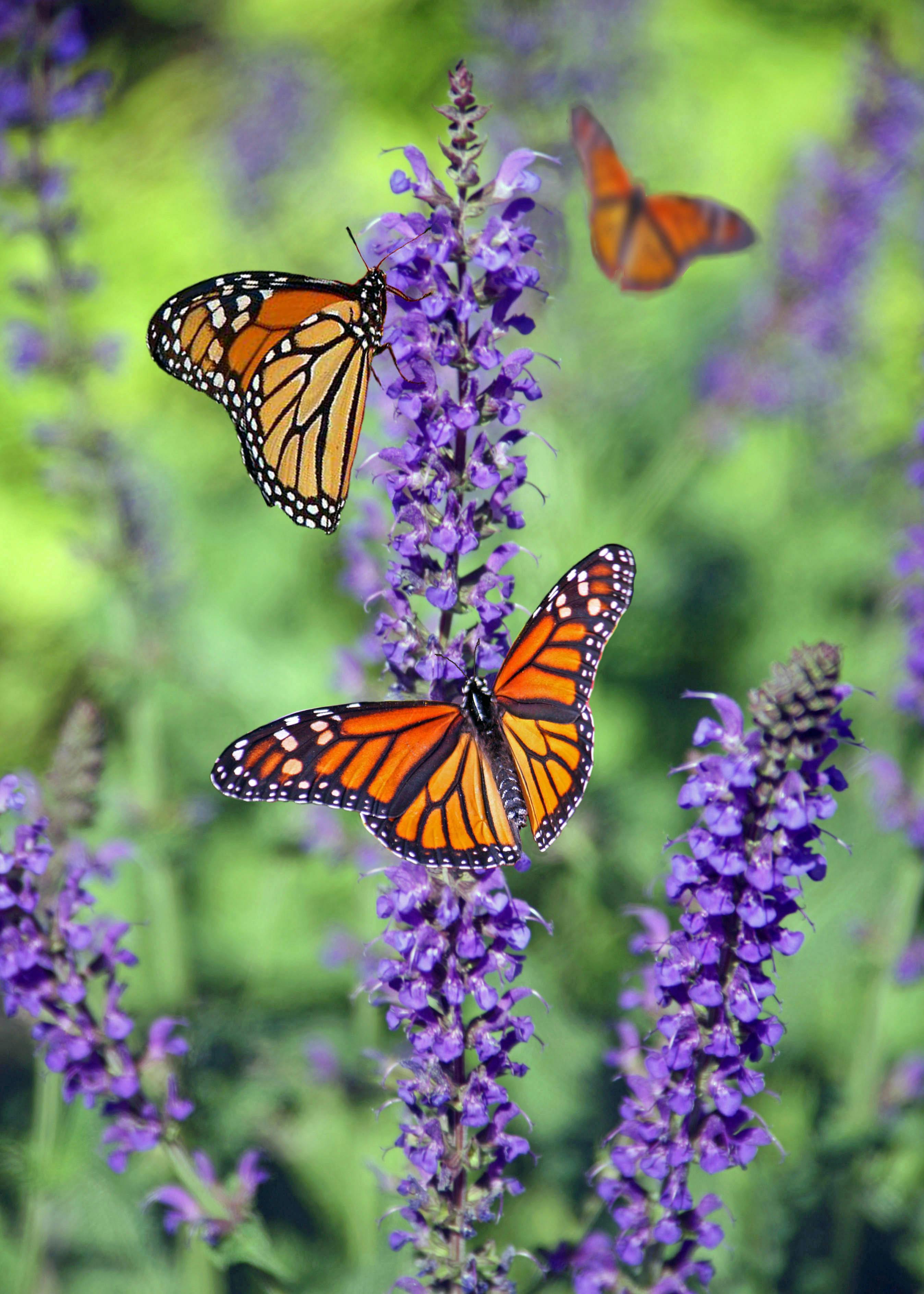
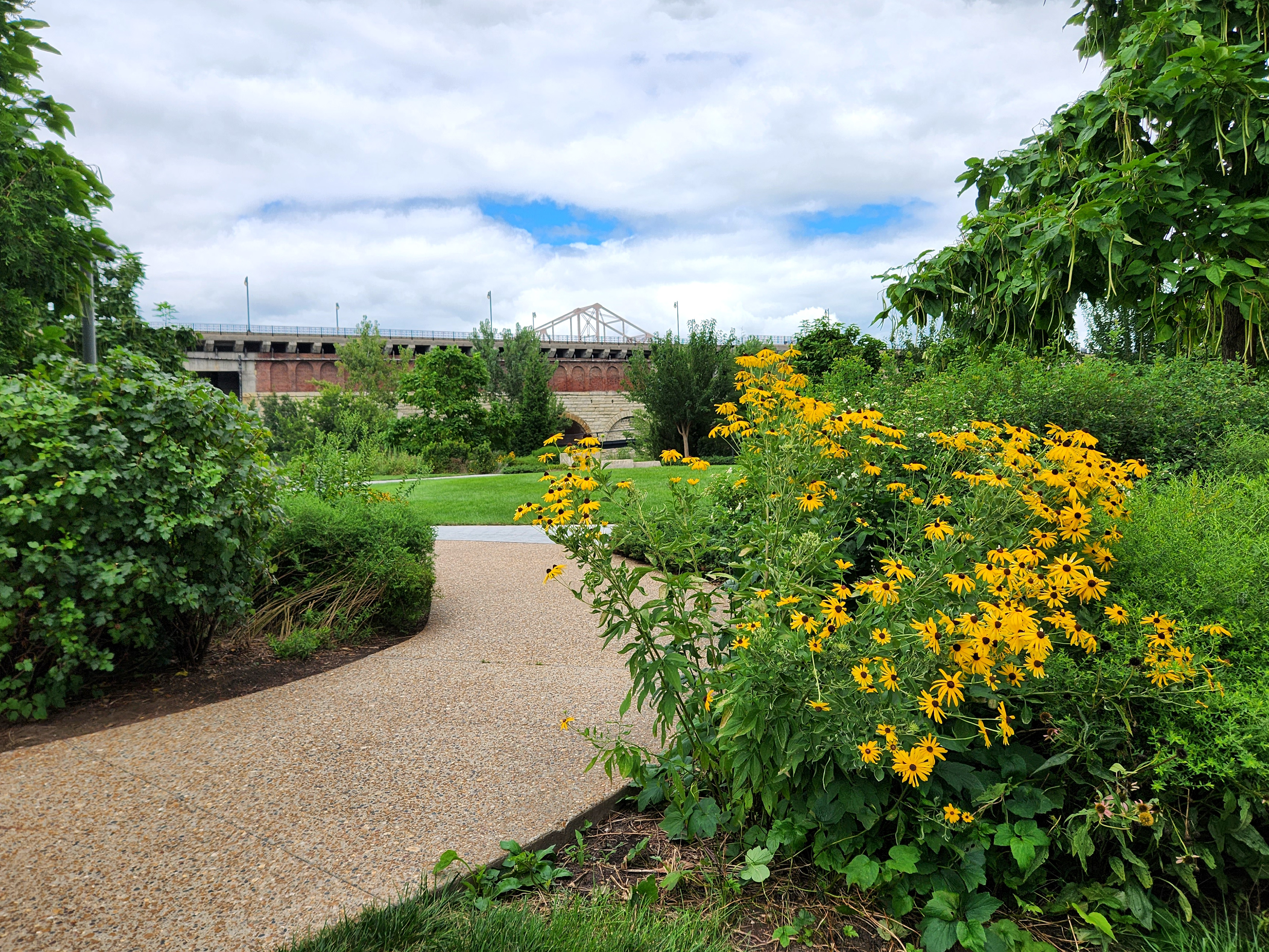
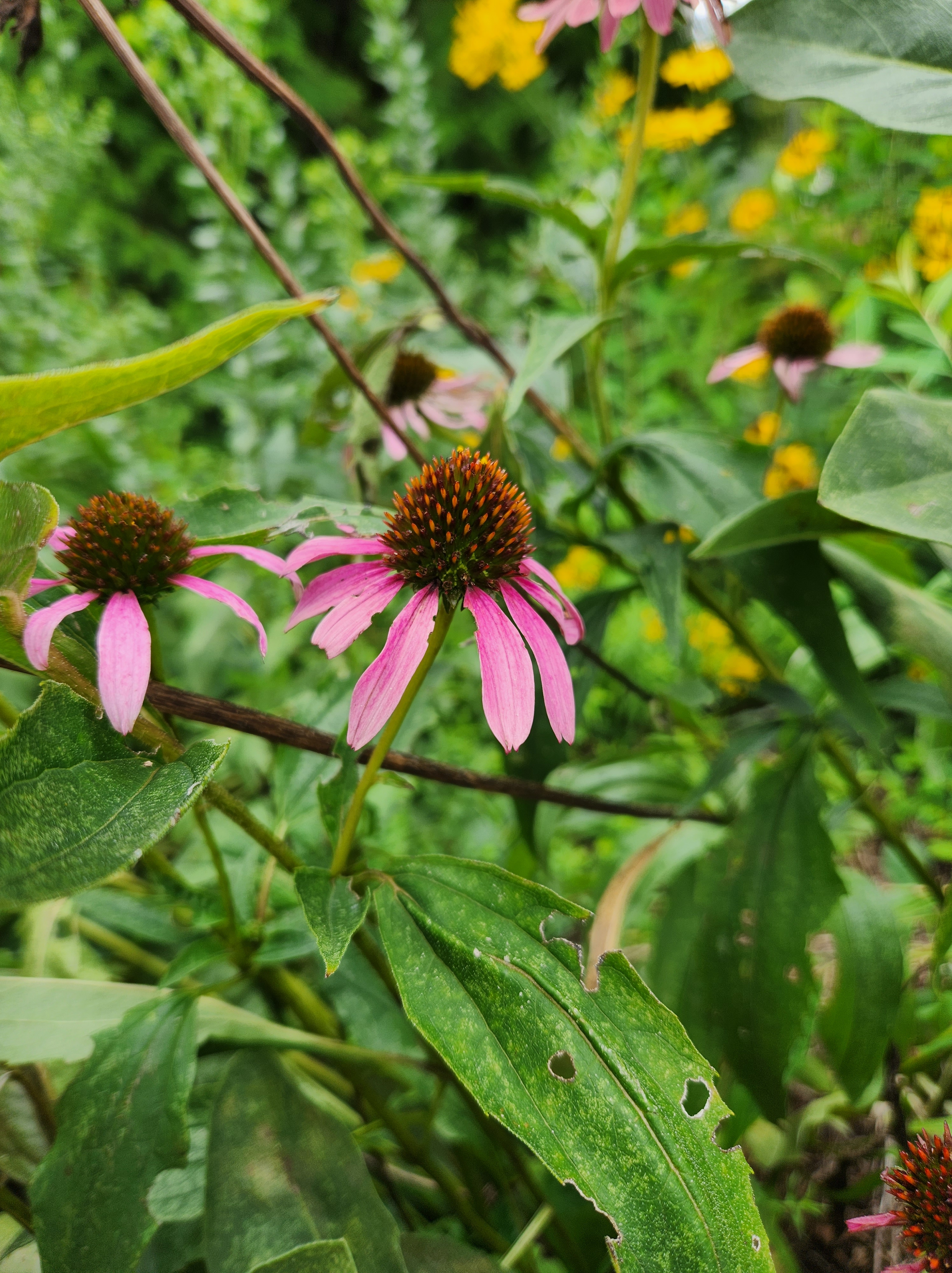
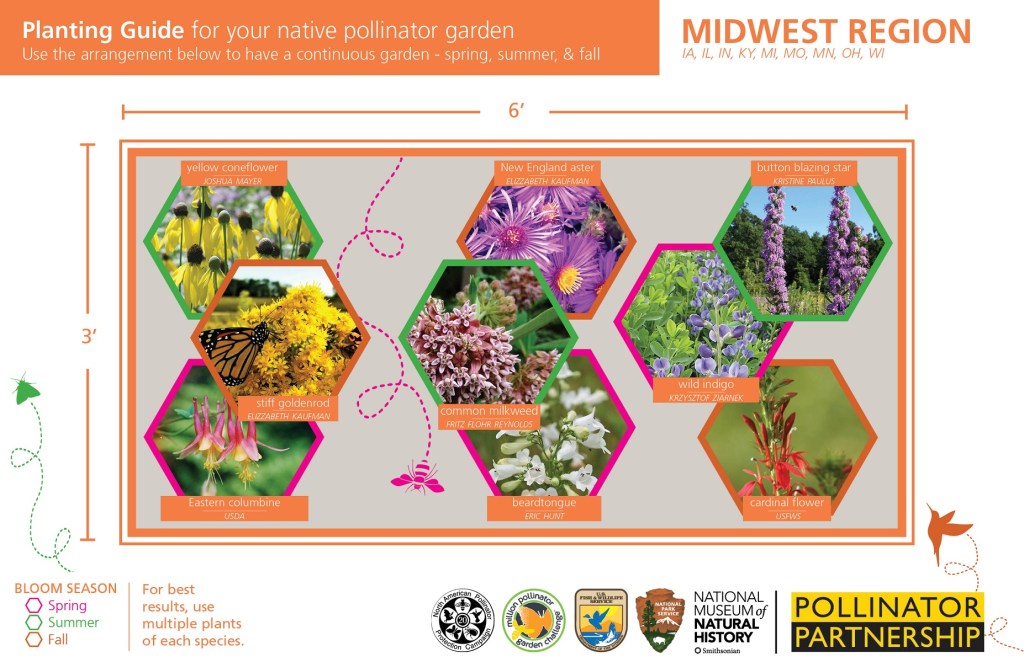
Mississippi National River & Recreation Area – one of JNPA’s partner sites – is included in this long-range pollinator study. At the same time, park staff are also taking steps to protect the Monarch butterfly. In order to ensure adequate supplies of Monarch-friendly nectar, they have planted numerous “pollinator gardens” throughout the park, each of which feature milkweed plants, the only plants that monarch caterpillars can eat. In this way, the park hopes to reverse the years-long decline of its Monarch populations.
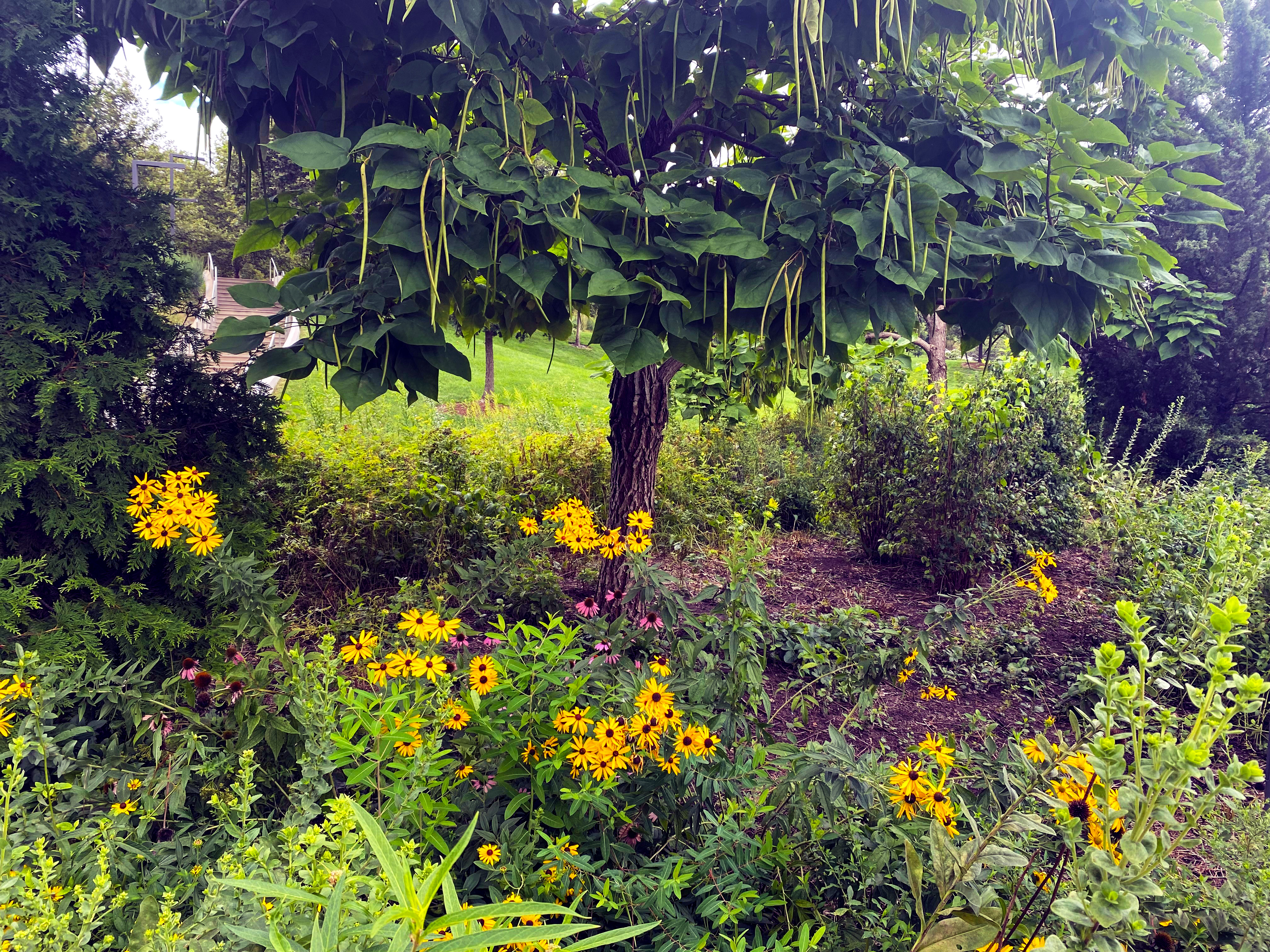
Gardeners at Gateway Arch National Park are also serious about helping pollinators. The plants you’ll see in the luscious Explorer Garden at the park’s northern tip were selected with the intention of creating a friendly stopover for native pollinators. For an in-depth look at seven of these native plant species on the Arch grounds, check out this short video.
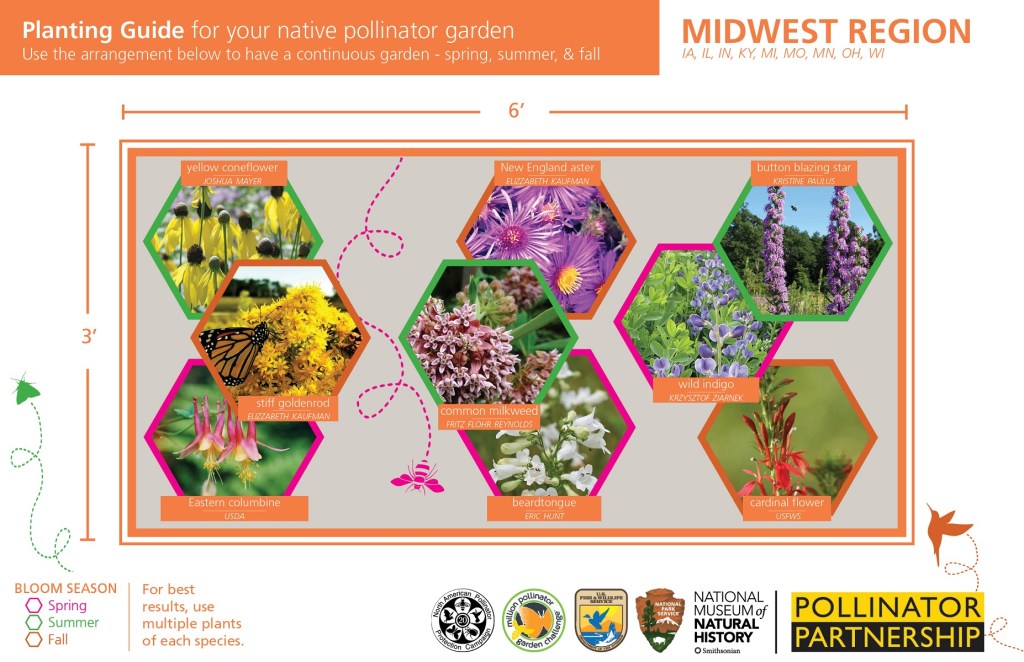
Finally, there are many things you can do to help keep our pollinator populations healthy, even if it’s just in your own backyard. The NPS website also contains valuable information about how to attract local or migrating pollinators, including planting and landscaping tips, and opportunities to record your own sightings of pollinators on your next trip to a national park.
So the next time you see a tiny bee, butterfly, or hummingbird flitting from flower to flower, take a minute to appreciate its beauty AND its critical role in nature.
Are you a fan of national parks? Beyond just paying them a visit, do you want to get more involved in their events and activities? Then National Park Week is for you!!
In August of 1991, the very first National Park Week was established to honor the National Park Service’s 75th anniversary. Since then, it has been celebrated in April alongside Earth Day. This year, National Park Week is April 20-28, and each day is themed around a unique aspect of the national parks.
It is also Park Rx Day, focusing on the connection between the health of people, the health of parks, and the health of our planet.
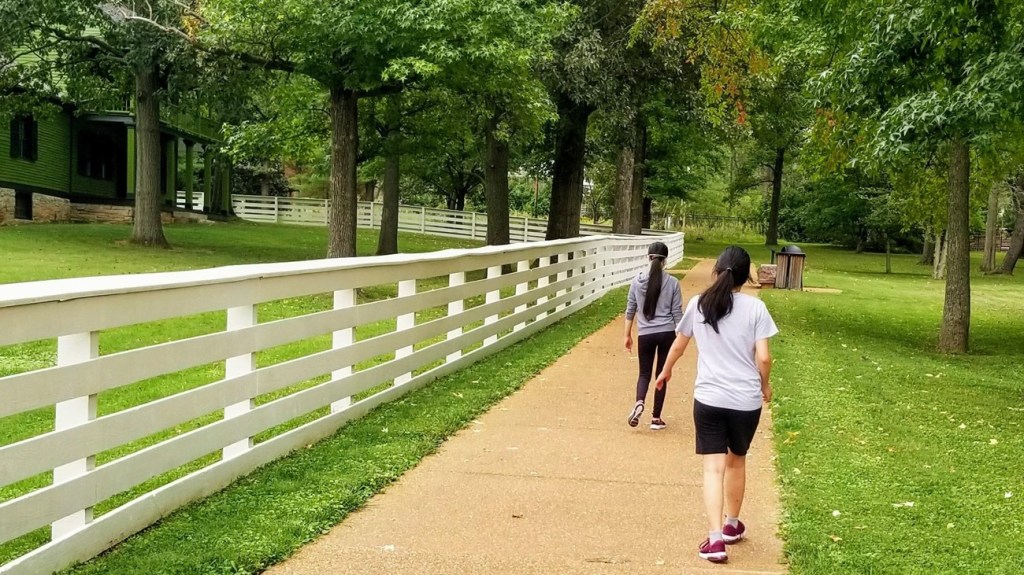
If you are in Missouri, we highly recommend attempting the NPS Wellness Challenge. All seven of the national park sites in Missouri offer challenges in three categories that visitors can complete: mental, physical, and learning. If you complete a challenge, you can earn a Wellness Challenge Badge!
Visitors take a walk through history as part of the NPS Wellness Challenge at Ulysses S. Grant National Historic Site. Credit: NPS
April 21 – Volunteers
Have you ever wanted to volunteer at a national park but either lived too far away or could not find activities that fit your schedule? Now you can volunteer VIRTUALLY as a citizen archivist! Ahead of the upcoming 250th anniversary of American Independence, the National Archives and Records Administration is collaborating with the National Park Service to have volunteers transcribe Revolutionary War Pension Records. These records hold incredible, untold stories of the American Revolution, and once transcribed, will be a permanent contribution to our country’s historical record.
Want to get outside to volunteer? Gateway Arch National Park is having its first ever BioBlitz on April 28. Volunteers will use the iNaturalist app to document various types of wildlife found in the park.
April 22 – Earth Day
On Earth Day, you can join an event at a park near you, or you can learn about all the great ways to practice conservation at home. By taking a few small steps, you can do your part to help protect pollinators, birds, bats, oceans, and even our night skies!
April 23 – Innovation
National Park sites are full of innovative ideas, programs, and technology. For Innovation Day, check out a few of our past blog posts about innovation in some of our partner parks:
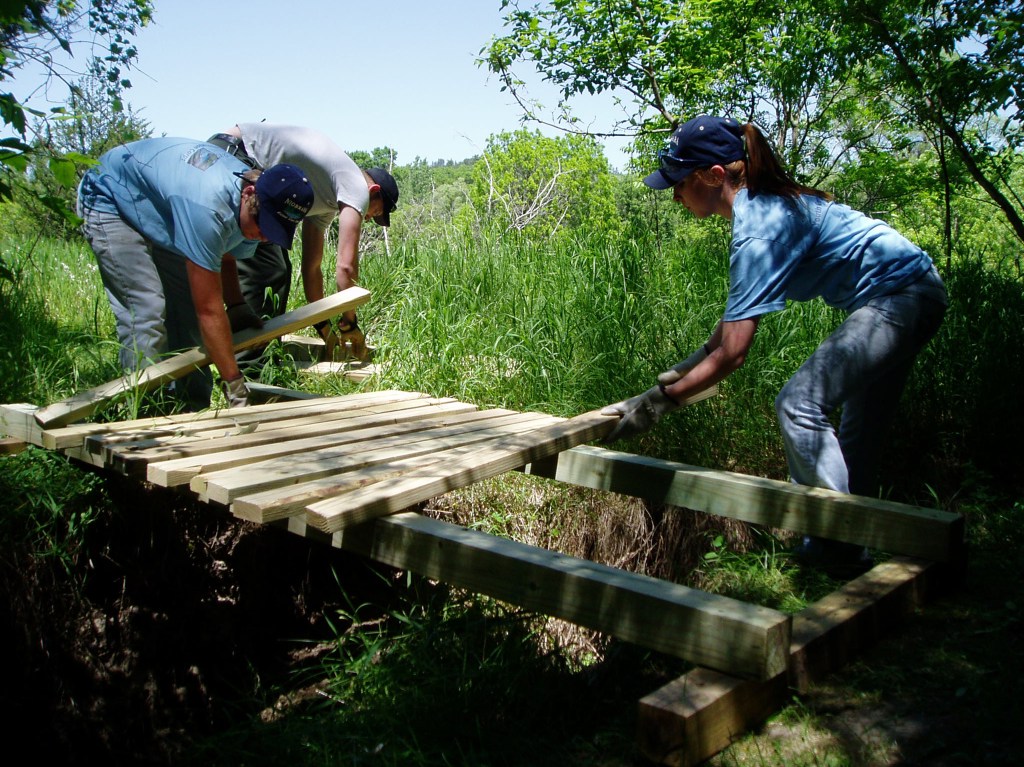
After joining the webinar on Workforce Wednesday, young people between the ages of 15 and 18 can take the next step on their National Park Journey by researching and applying for opportunities with the Youth Conservation Corps! One of our partner parks, Voyageurs National Park, even has an upcoming opportunity May 13 – June 13 for Corps members to repair boardwalks and complete trail maintenance in the park.
Youth Conservation Corps installing a bridge at Niobrara National Scenic River. Credit: NPS
April 26 – Community Connections
Did you know that the National Park Service’s work does not stop at a park’s boundary? Every day, parks across the country partner with their surrounding communities to expand their mission of conserving the natural and cultural resources of our country for the “enjoyment, education, and inspiration of this and future generations.” A few notable examples in the JNPA network of sites include:
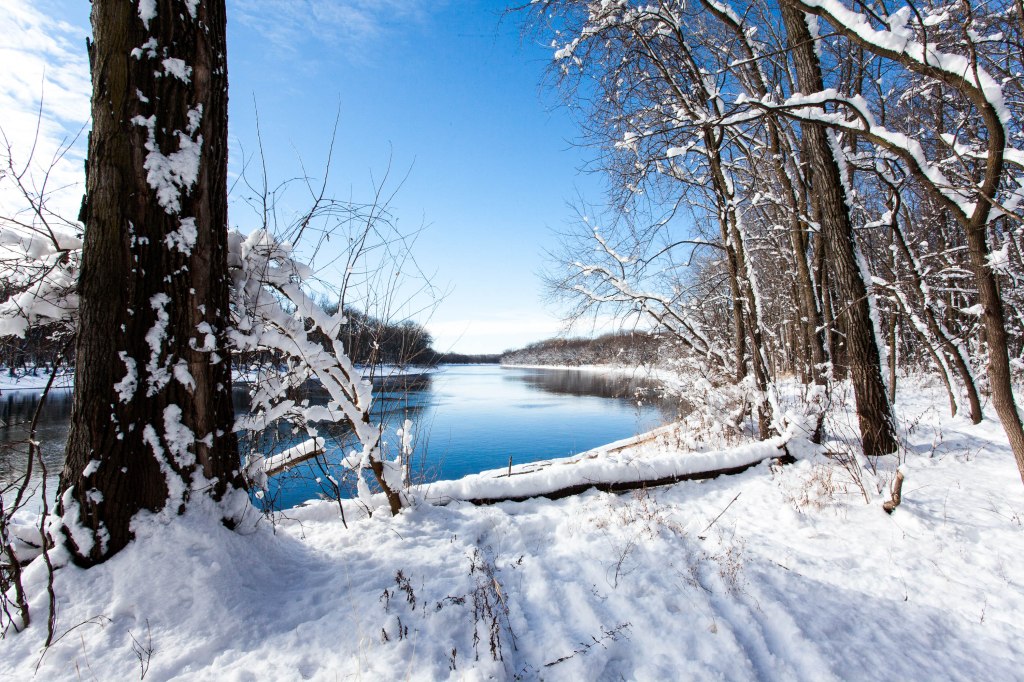
Mississippi National River and Recreation Area– This park is incredibly unique because the National Park Service owns only 67 of the 54,000 acres that the park encompasses. The rest is made up of city, state, and regional parks, a national wildlife refuge, and private businesses and homes. This “partnership park” can only achieve its mission by working closely with the community to achieve their shared goals.
Lower Mississippi Delta Initiative (LMDI)- This outstanding grant program is funded by the National Park Service and co-administered by JNPA. These grants fund small-scale cultural heritage projects at not-for-profit community organizations in the Lower Mississippi Delta Region.
Crosby Farm at Mississippi National River and Recreation Area. Credit: NPS
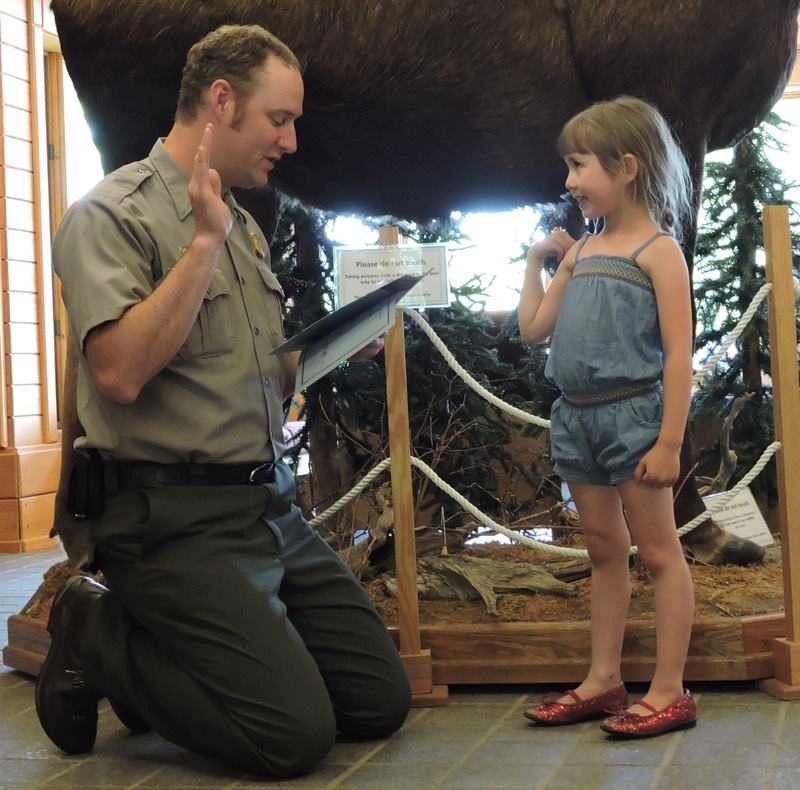
Swearing in a Junior Ranger at Voyageurs National Park Credit: NPS
April 28 – Arts in the Parks
When you think of national parks, art may not be the first thing that comes to mind. However, all five of the “fine arts” play an important role at national park sites.
Painting – Beginning in the 1800’s, beautiful landscapes of the American West were captured by the painters of the Hudson River School. These paintings helped inspire support for the creation of the national parks. This tradition continues today with the NPS Artist-in-Residence program.
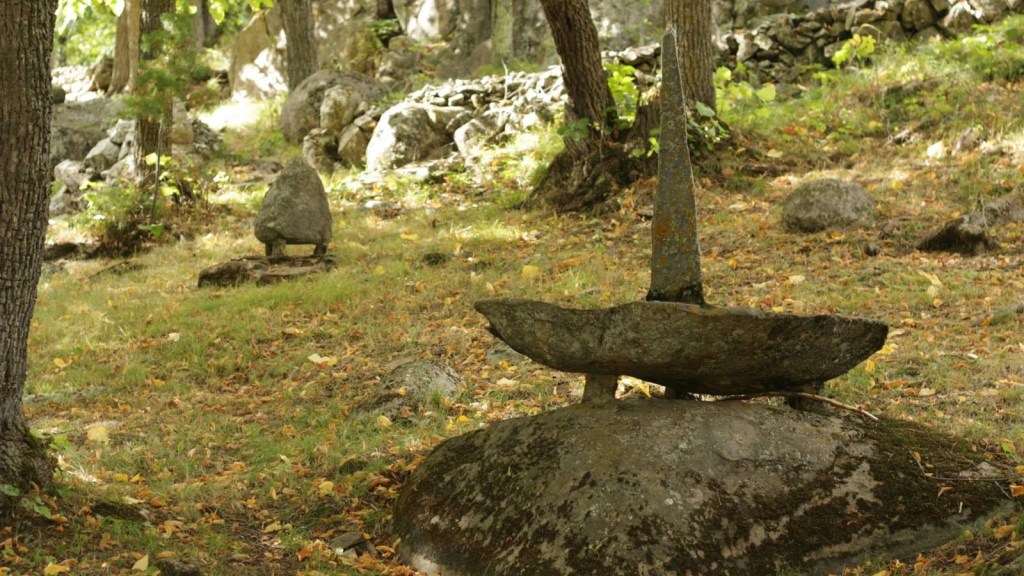
Sculpture – The Ellsworth Rock Gardens at Voyageurs National Park is home to over 200 abstract rock sculptures.
Architecture– Standing at 630 ft, one of the most iconic architectural marvels in the National Park Service is the Gateway Arch.
Music – Little Rock Central High School National Historic Site, Oxford American, and composers Christopher Parker and Kelley Hurt partnered to create a musical tribute to the Little Rock Nine, a jazz composition entitled “The No Tears Suite.”
Poetry – A new initiative this year is “Poetry in Parks.” U.S. National Poet Laureate Ada Limón selected historic American poems which will be displayed as public works of art on picnic tables in seven national parks. The installations will be unveiled throughout the summer and fall.
Rock sculptures at Ellsworth Rock Gardens/Voyageurs National Park. Credit: NPS
No matter what theme speaks to you, no matter how old you are, no matter if you visit in person or virtually, go to a national park next week!
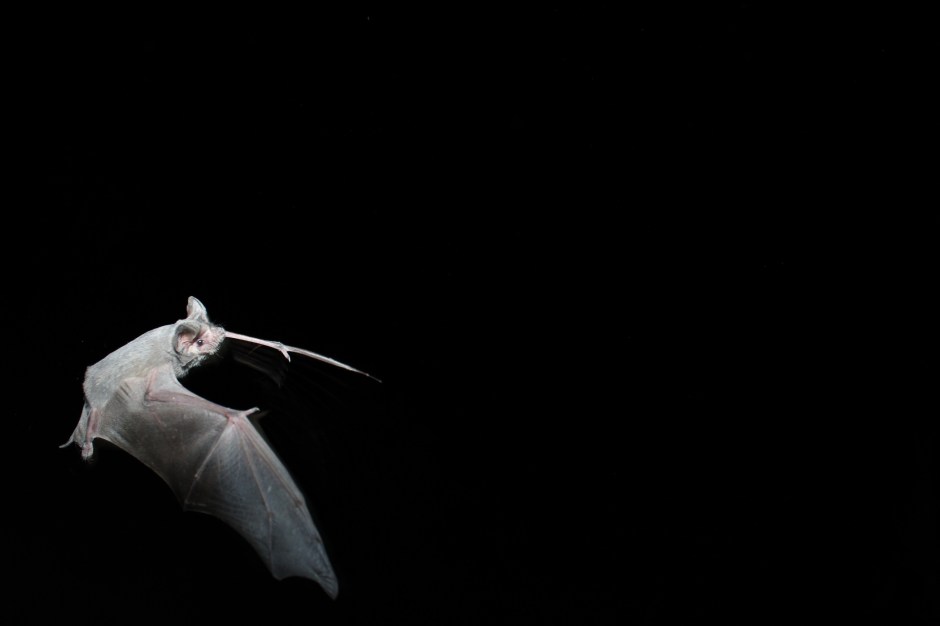
Pop quiz! What animals are small, furry, eat thousands of mosquitoes every night, and are critical to many natural ecosystems? Bats!
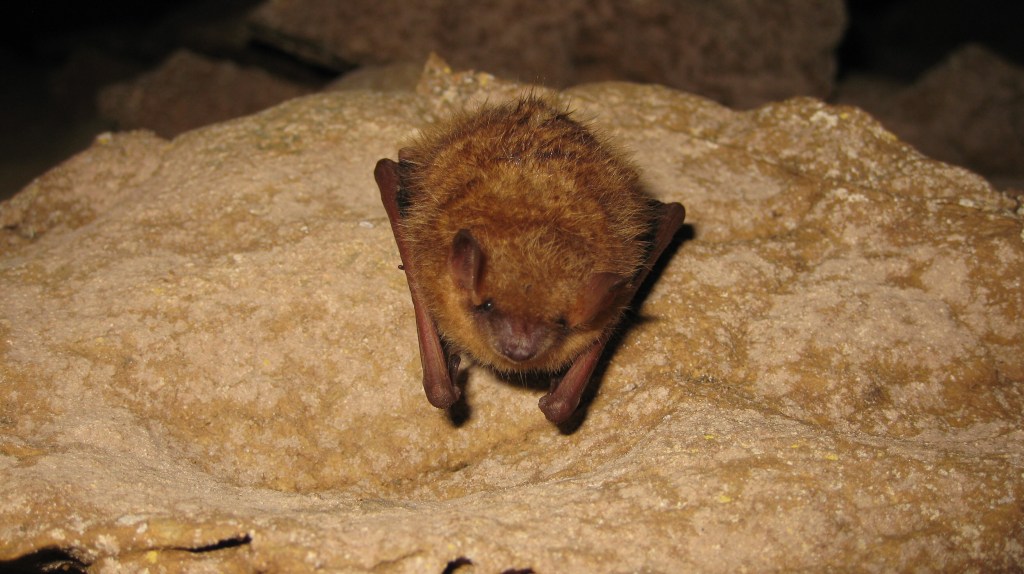
National parks are home to 45 species of these cute (to some!) little mammals, each of which play an important role in nature. Yet they have recently been decimated by a deadly disease. Luckily, Missouri National Recreational River and many other national parks are working to rescue bat populations.
Why is it so important to protect bats? In contrast to the pop culture depiction of tiny flying vampires, most bats eat insects, fruit, plant nectar, or small animals such as fish or frogs. In fact, only three of the nearly 1,500 bat species in the world drink blood, and they only live in Central and South America. Insect-eating bats feed on so many flying pests that their contributions would add up to more than $3 billion worth of pest control in the United States alone!
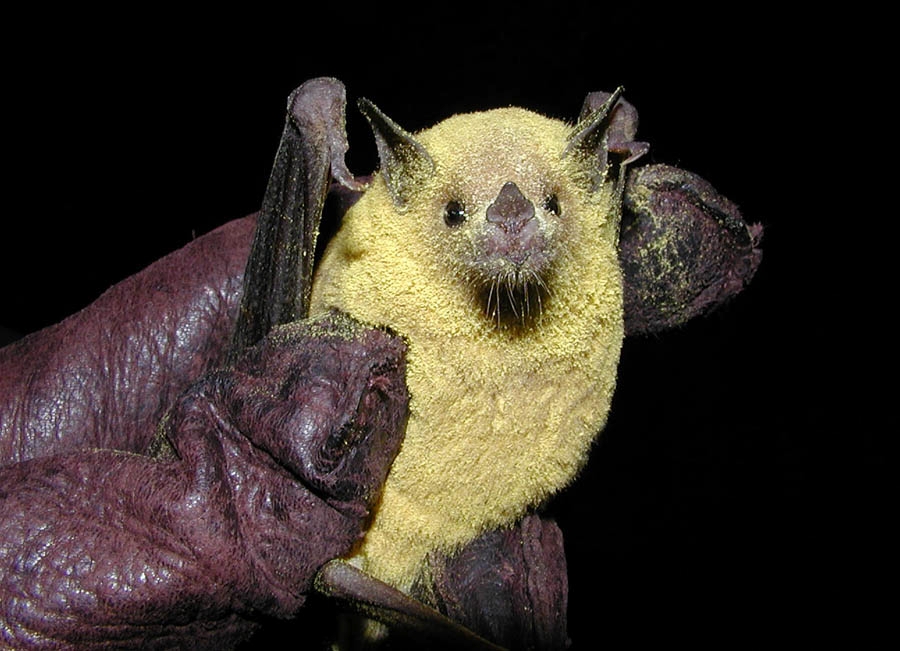
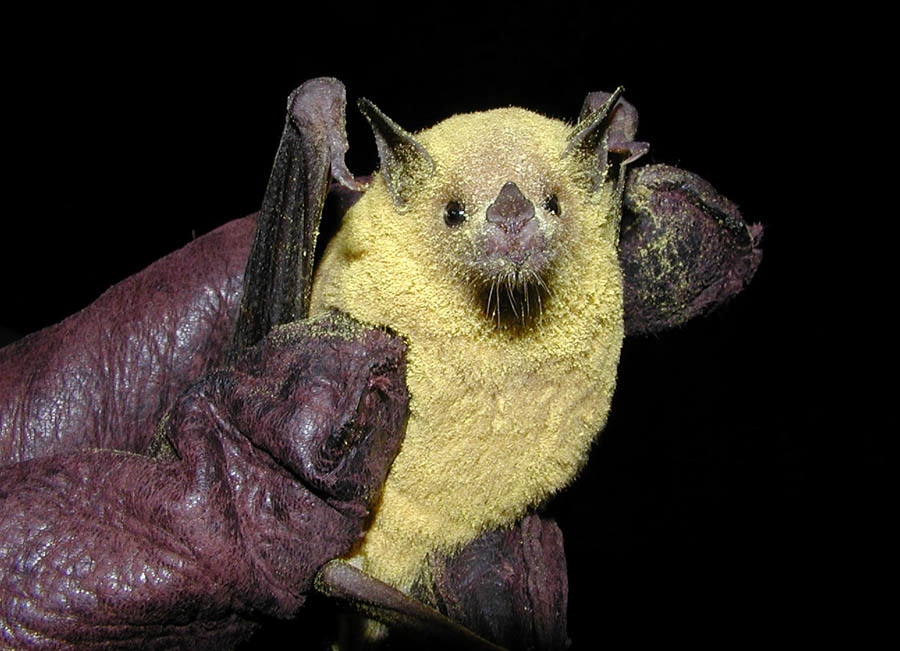
A lesser long-nosed bat covered in pollen from an agave flower. Credit NPS.
Additionally, bats are excellent pollinators. Do you enjoy tequila? Well, thank bats because they are the number one pollinator of blue agave! Bats also contribute to the ecosystem by supporting cave communities, distributing seeds from the fruit they eat, and serving as prey to other animals. Bats have even inspired technological advances such as sonar systems designed after bats’ echolocation and new types of drones inspired by bats’ thin, flexible wings!
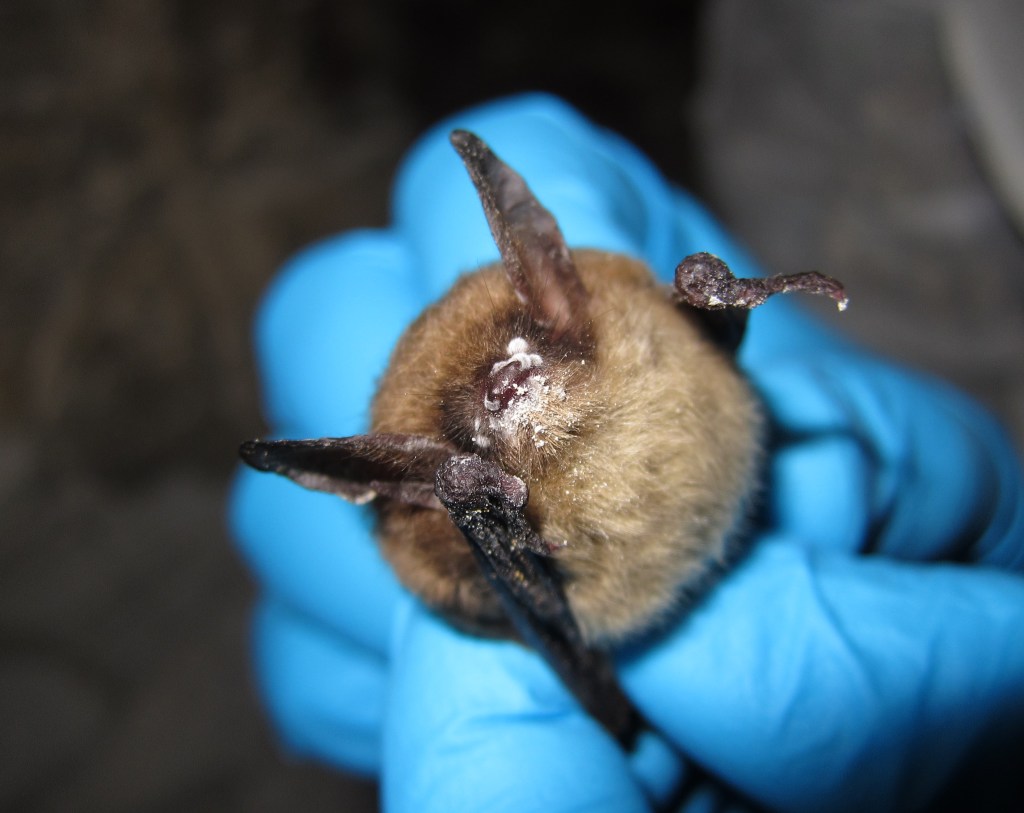
It’s clear that bats are AMAZING animals, so what is wreaking so much havoc on their populations? It’s a disease known as white-nose syndrome, caused by the fungus Pseudogymnoascus destructans. The fungus infects bats during hibernation, covering their face and wings. This causes the bats to wake up more frequently, use up their fat reserves, and starve before winter is over. The fungus is easily transmitted through physical contact, either with infected bats or on cave surfaces. Because the fungus spreads through contact, it can also be carried on shoes, clothing, and supplies. That’s why scientists urge people who visit caves to thoroughly decontaminate all of their clothing, shoes, and supplies before and after their visit.
A northern long-eared bat with visible symptoms of white-nose syndrome. Credit US Fish and Wildlife Service.
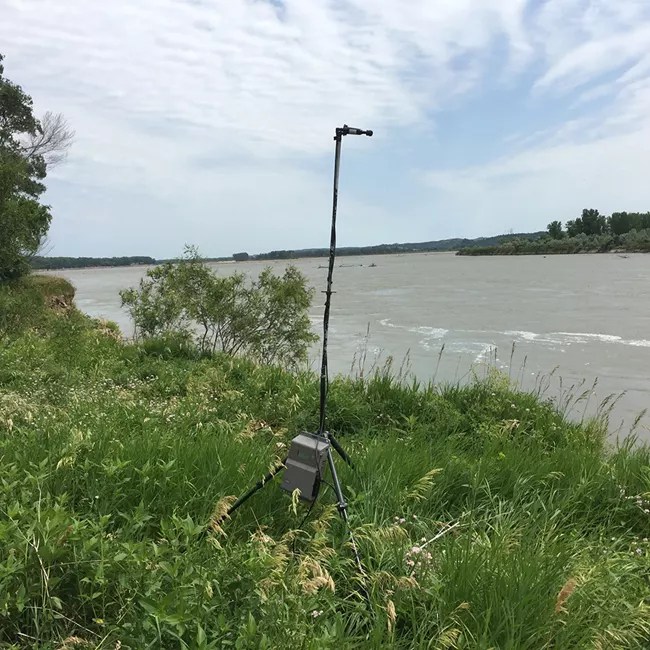
Missouri National Recreational River, a JNPA partner park, began an acoustic monitoring program in 2014 to monitor bat populations in and around the park. Acoustic recorders were installed to detect the calls bats use for echolocation. Different species of bats have different calls, so this system can also determine what species are in and around the park. Researchers then review the recordings and analyze the data.
A bat acoustic monitoring station at Missouri National Recreational River. Credit NPS.
So far, scientists have determined that eight species of bat call the park home: the big brown bat, eastern red bat, hoary bat, silver-haired bat, little brown bat, northern long-eared bat, evening bat, and tri-colored bat. Although white-nose syndrome has been detected in nearby populations in South Dakota, thankfully it has not been detected within the park boundaries.
If you want to learn more about bats and how to help protect them and their habitats, visit the National Park Service website.


 JNPA Blog