The Bridge of Firsts

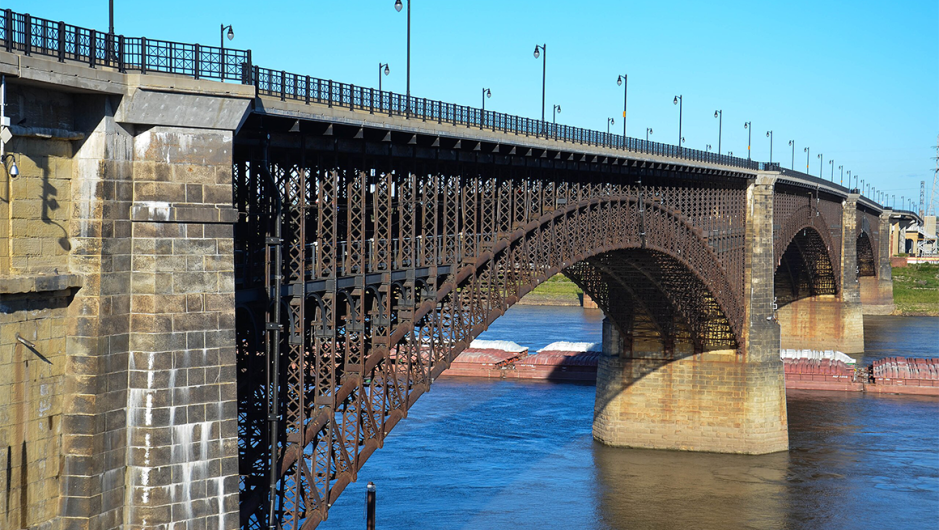
They said it couldn’t be done.  They said the design of Eads Bridge was preposterous, that it would snarl riverboat traffic, that riverboats wouldn’t fit under it, that its chief engineer had never designed a bridge, that the Mississippi River’s massive currents and 8-foot-thick ice floes would crush it, that its stone piers wouldn’t support its heavy steel spans. 

But against all odds, when the Illinois & St. Louis Bridge (later known as Eads Bridge) was completed in 1874, it became the largest bridge built at the time, and the very first steel bridge.  And 150 years later, it still stands as the oldest existing bridge on the Mississippi and a testament to one man’s ingenuity. 
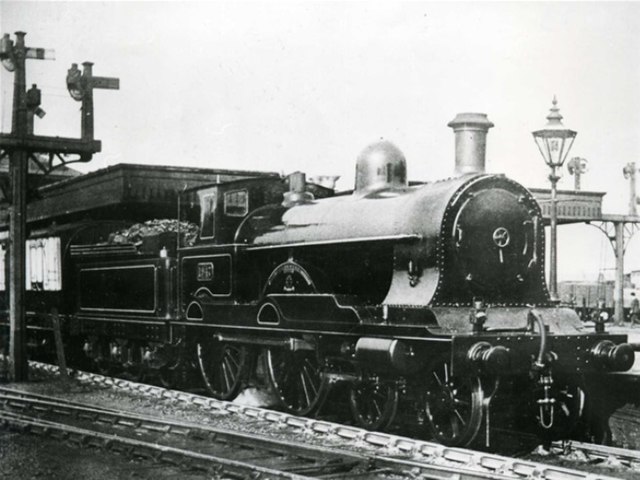
In the decade following the Civil War, railroads began to edge out river traffic as the nation’s primary transportation mode.  But the Mississippi River was a barrier to rail traffic.  Trains would reach the river’s edge, empty their cargo onto a ferry, ship it across the river, then load it onto new trains on the other side.  This cumbersome system meant St. Louis was losing out to Chicago as a center of Midwestern commerce.
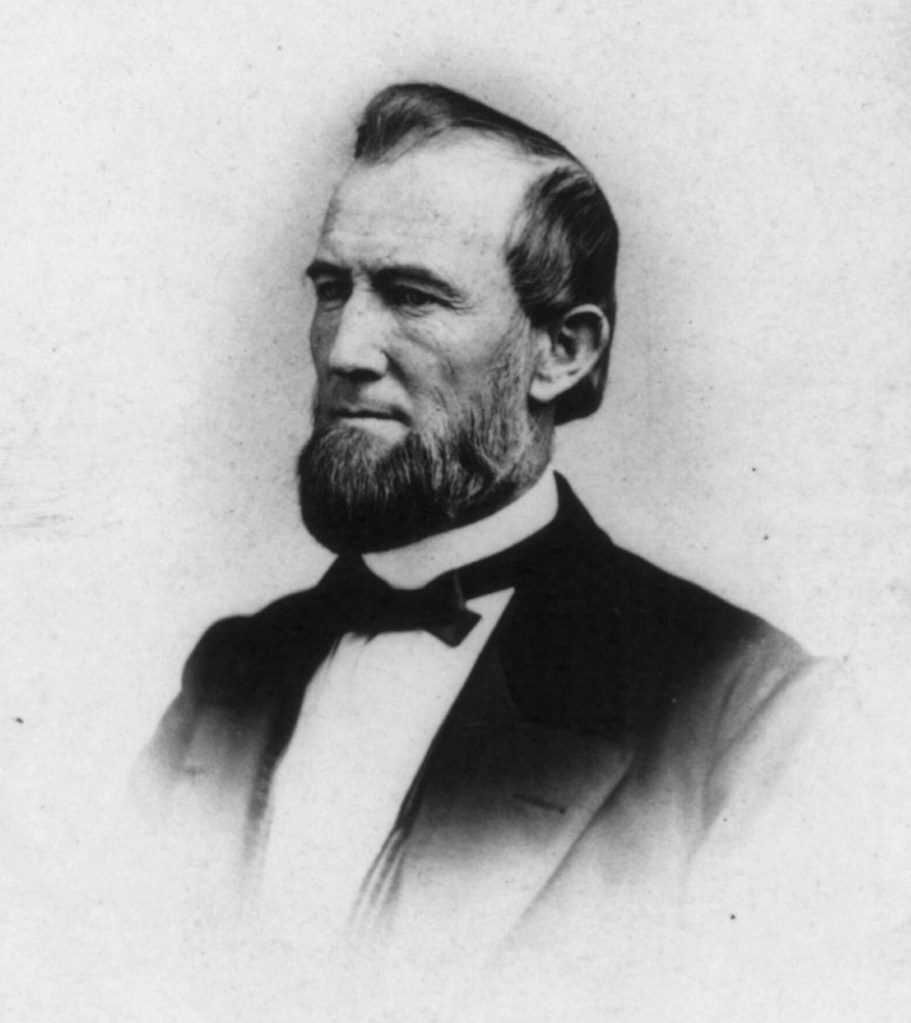
James Eads

A young self-educated river engineer named James Buchanan Eads offered St. Louis leaders a solution.  He had no experience with bridge design, though he’d made a name for himself salvaging wrecks on the river bottom and designing ironclad gunboats for the Union navy during the Civil War.
Credit: Library of Congress

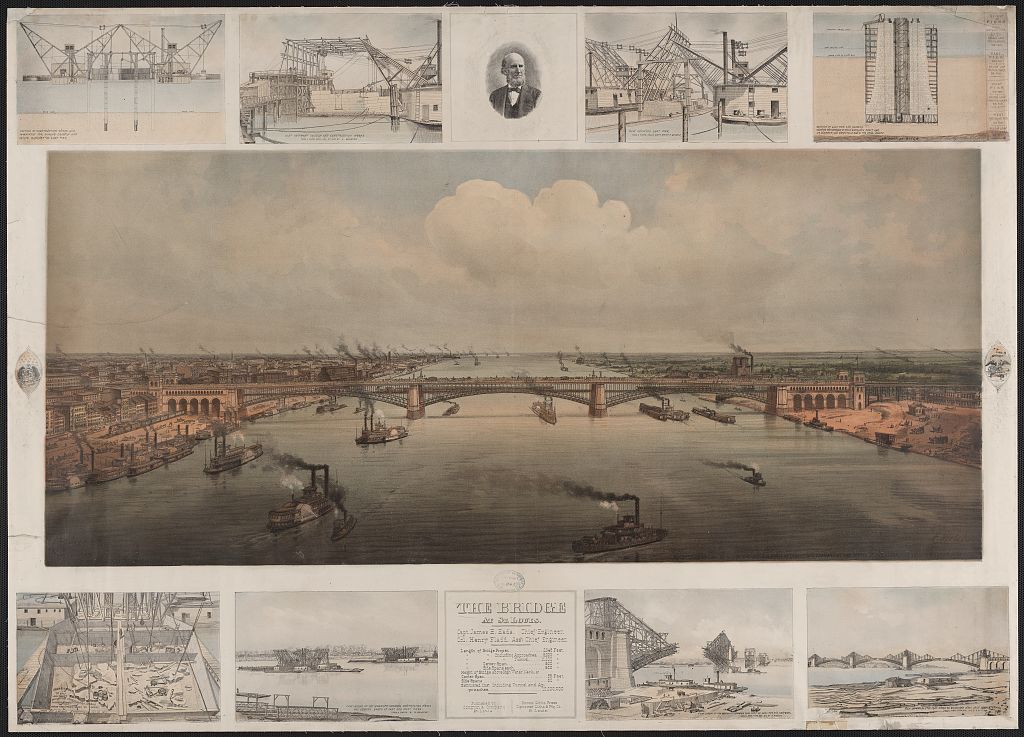
Eads’ design called for giant arches that would support the weight of the bridge from below, leaving ample room for boat traffic while spanning the wide distance from Missouri to Illinois.  Naysayers doubted whether the amateur designer’s enormous arches would hold up.  Eads’ solution?  Steel. The strong and relatively lightweight alloy had never been used as a large-scale building material, but Eads maintained it would be perfect for his bridge.
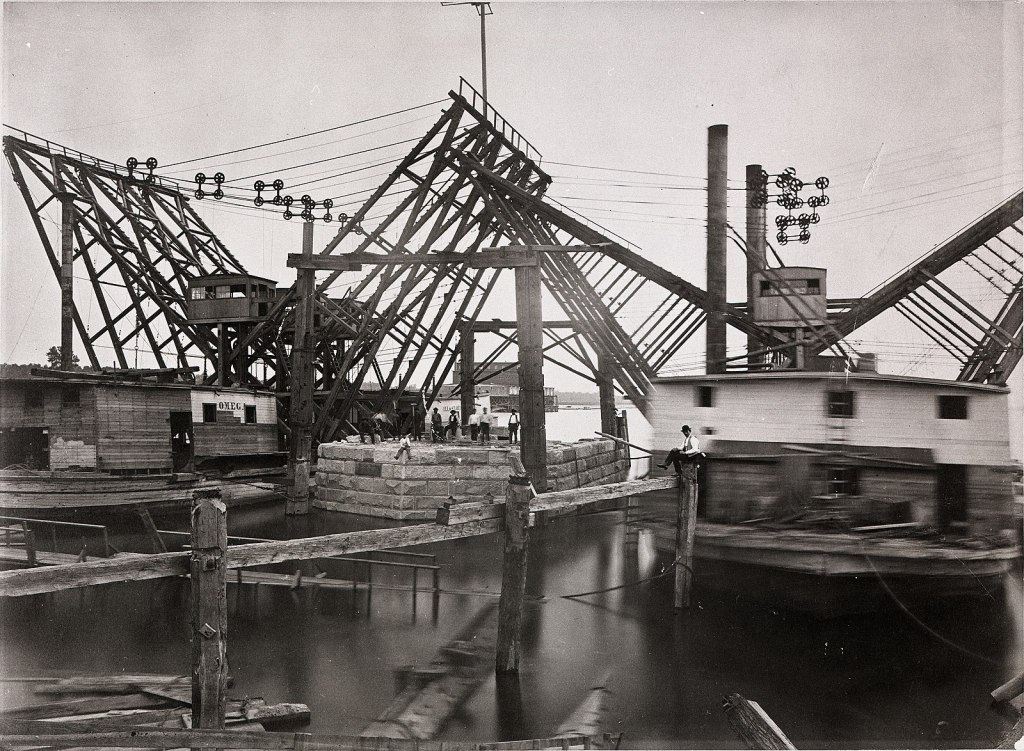
Sinking the east pier of Eads Bridge

Another equally daunting challenge lay below the water. To ensure the bridge would stand up to the notoriously swift currents of the Mississippi, Eads believed that the four stone piers needed to be anchored not just in mud and silt but in bedrock, more than 100 feet below the water’s surface. 
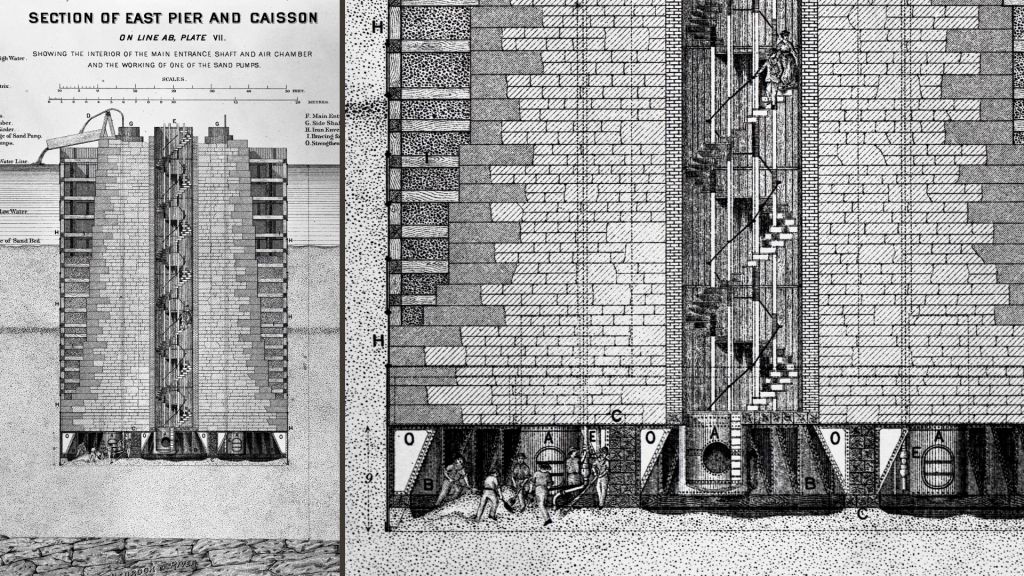
Credit: Missouri Historical Society

To accomplish such a deep underwater pier construction, he invented a pneumatic caisson, a large watertight chamber filled with compressed air to keep out water and mud.  Little did he know, however, that the workers within these pressurized chambers would suffer what came to be known as caisson disease (also known as the bends) when they emerged at the surface too quickly.  Despite the establishment of a floating hospital to treat the ailing workmen, at least 15 died as a result.
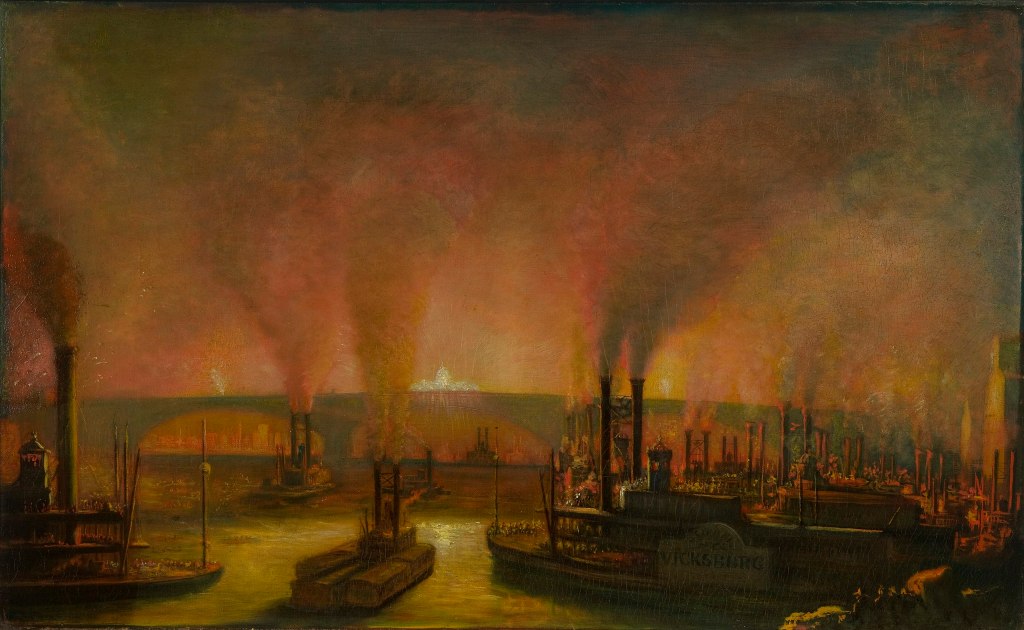
Dedication of Eads Bridge July 4, 1874, Saint Louis Art Museum

After seven long years and a cost of more than $7 million, the bridge opened in 1874 – at the time the world’s largest bridge and the first to use structural steel.  To reassure those who worried it wouldn’t carry heavy loads, Eads brought in 15 50-ton locomotives filled with coal and water, which safely crossed the bridge in both directions. The grand opening ceremony on July 4th – complete with a 14-mile parade, gun salutes, and a fireworks display – was attended by an estimated 200,000 people on both sides of the river. President Ulysses S. Grant was in attendance, as were a host of other elected officials and dignitaries.
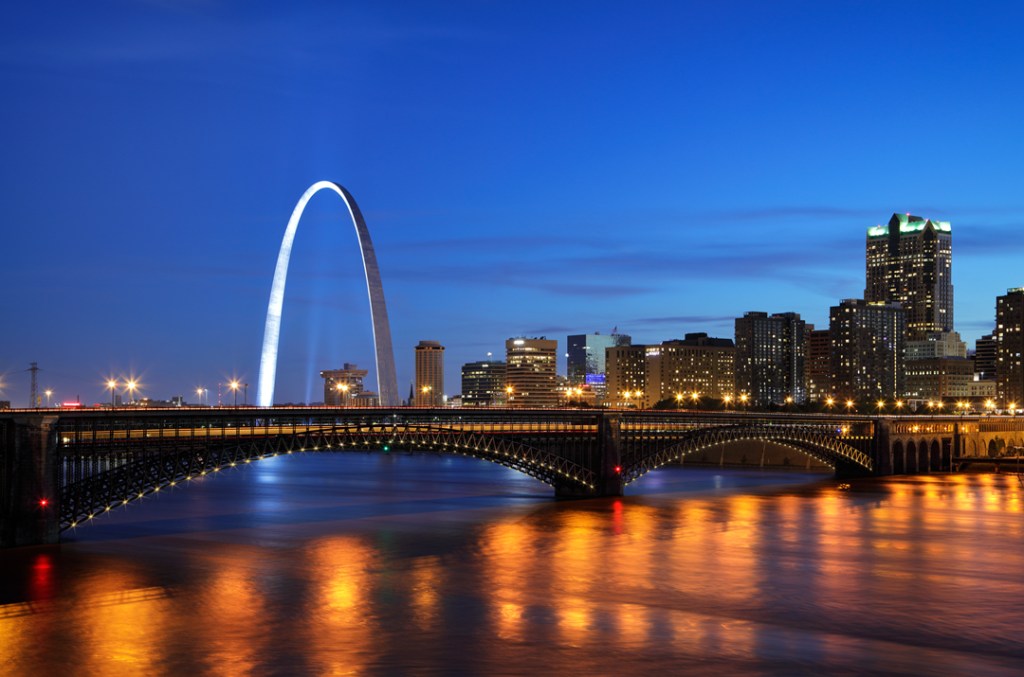
Credit: Debbie Franke

The National Park Service designated Eads Bridge a National Historic Landmark in 1964, and it has since received accolades from the city of St. Louis and from numerous professional organizations.  It continues to carry automobile and light rail traffic across the Mississippi River today, just north of the Gateway Arch.

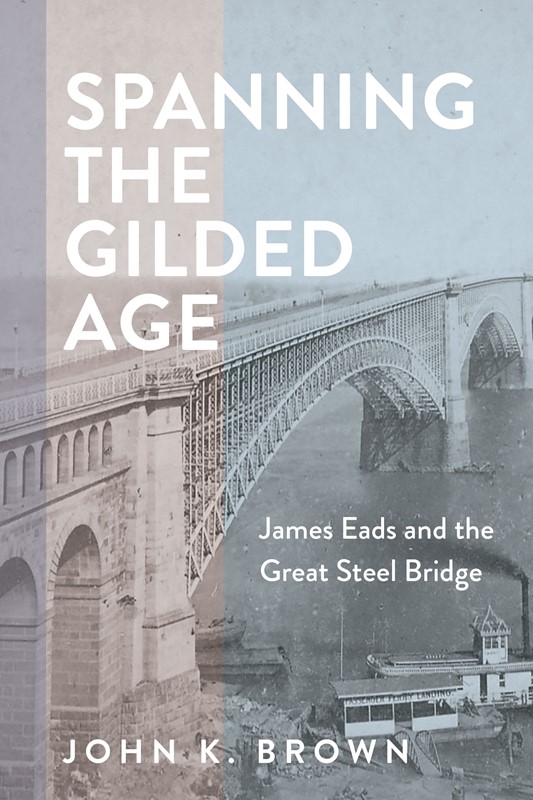
Eads Bridge fans will want to attend one of Gateway Arch National Park’s upcoming educational programs about the bridge offered by historian Paul Giroux and park rangers inside the park visitor center.  The Arch museum will also feature artifacts from the original bridge.  And The Arch Store has a number of commemorative Eads Bridge products and books available for purchase, including the newly published Spanning the Gilded Age

High School Students Solve Real-World Engineering Problems at Gateway Arch National Park

The Gateway Arch tram system is a one-of-a-kind invention that incorporates components of both Ferris Wheels and elevators in its design. There is nothing else quite like it in the world – and it was invented in only two weeks by Richard Bowser.

It is in this engineering spirit that the Gateway Arch National Park Engineering Contest was created. The contest, held in association with Washington University McKelvey School of Engineering, challenges teams of high school students to create a solution for a real engineering problem that exists in the park. The winning team takes home the coveted Richard Bowser Trophy, which they keep until next year’s competition.

Nine teams from area high schools participated in the 7th Annual Gateway Arch National Park Engineering Contest, making this year’s competition the fiercest yet.  Each year students are presented with a different engineering challenge. This year’s challenge asked students to engineer a system for automatically adjusting the Riverboats at the Gateway Arch dock to the appropriate level as the river rises and falls.

Situated on the river beneath the shadow of the Gateway Arch, the Riverboats at the Gateway Arch have been cruising the Mississippi since 1910. The Riverboats offer daily sightseeing cruises, dinner cruises, private charters, and specialty cruises to tourists and locals.

The boats’ dock structure is 303 feet long and consists of 4 barges. Keeping the dock tethered to the levee are four electric winches, one hydroelectric winch, and five cables. There are also utility lines that must be moved as the dock position varies with the water levels.

With the river level fluctuating daily, the dock must be frequently adjusted, so the ramps are not in the water and the docks themselves do not become grounded. Currently, these adjustments are made by hand, a time-consuming process that requires the full crew. 

In September 2023, students participating in the contest toured the dock with a park ranger and members of the Riverboats at the Gateway Arch team, so they could see how the winches are used, measure the area, take photographs, receive blueprints, and have any initial questions answered. Using this information, the students produced an executive summary that included pictures, diagrams and other visual aids to communicate their design, as well as a budget for the project.

The competition final was held at Washington University’s McKelvey Engineering complex in Whitaker Hall on Saturday, November 11, 2023. Each of the nine teams presented an executive summary to a panel of six judges (all professional engineers). The teams were judged on both their executive summary content and presentation.  They were scored in categories ranging from innovative design, functionality, and ease of use to responsible budget and realistic possibility of the design.

According to Gateway Arch National Park, this year’s contest was fierce and the most competitive yet, with the first-place school winning the trophy by only half a point! Christian Brothers College High School placed first, with teams from St. Louis Centers for Advanced Professional Studies (STL CAPS) taking second and third place. Both STL CAPS teams received the award for Best Executive Summary, as they remarkably tied with a 45.83 score out of 50 points.

The Parkway Spark! program also had two teams enter the competition. The Sparkles took home the award for Best Presentation after receiving a near-perfect presentation score of 49.33 out of 50. Student Ryder Risko of the Parkway Spark! River Tech team received the Charles Janson MVP Award.

The Taylor Tuleja McKelvey Award for Creativity and Ingenuity went to Kate Hulsen of St. Joseph’s Academy.

Other participating teams included Gateway Science Academy of St. Louis – High School, St. Louis University High School, and Gibault Catholic High School, the 2022 contest winner. 

In addition to the competition component, the contest final included a presentation from a professional engineer, a luncheon, and a guided tour of McKelvey School of Engineering for all contest participants and their families and friends in attendance – an excellent opportunity for students considering the engineering field.

For more information on this year’s contest visit gatewayarchengineeringcontest.com. To inquire about participating in the 8th Annual Gateway Arch National Park Engineering Contest in 2024, contact Anthony Gilpin, at tony_gilpin@nps.gov.

The Genius behind the Arch Tram Ride

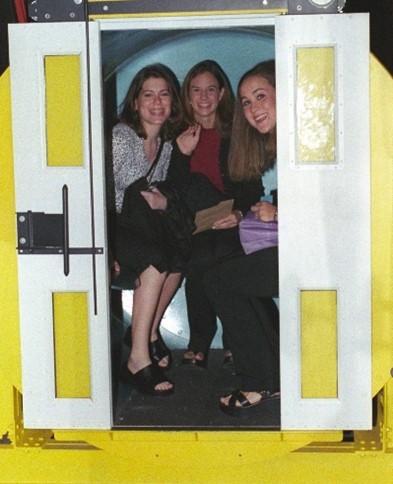
A ride to the top of the Gateway Arch is an unusual experience.  Visitors sit in somewhat cramped little capsules that carry them upward and downward through the legs of the Arch.  All the while, they hear strange clicking noises as the capsules constantly pivot to stay upright. Most people probably give very little thought to how this one-of-a-kind transportation system came about.  But it’s a fascinating story, mostly centered on one very clever inventor.

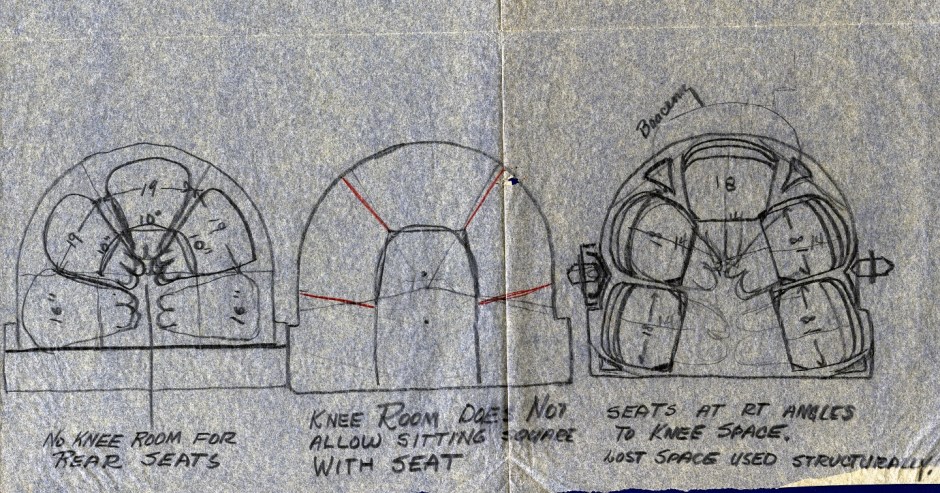
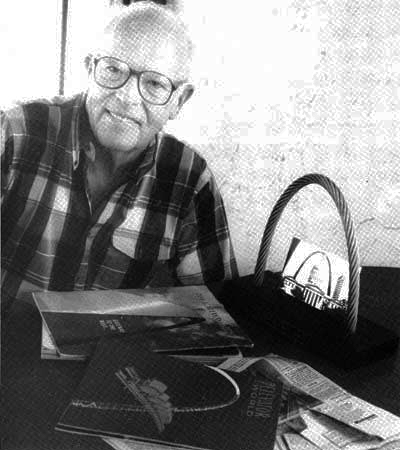
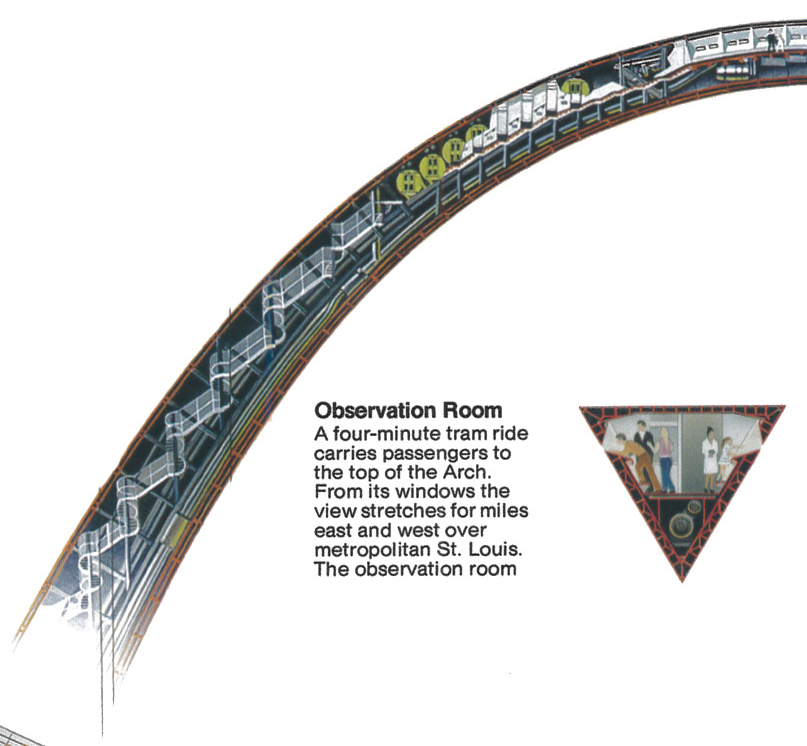
The Arch tram ride was conceived in just two short weeks by a humble man who never received a college degree.  Dick Bowser was a 38-year-old second-generation elevator manufacturer working in Des Moines, Iowa, when Gateway Arch architect Eero Saarinen asked him to develop a way to bring visitors to the top of the Arch and back down. The project was extremely challenging given the curve of the Arch (it is much narrower at the top than at the base), and the fact that he had to leave room for an observation platform at the top as well as space for a maintenance crew stairway.

A cross section view of the tram ride to the top of the Arch.

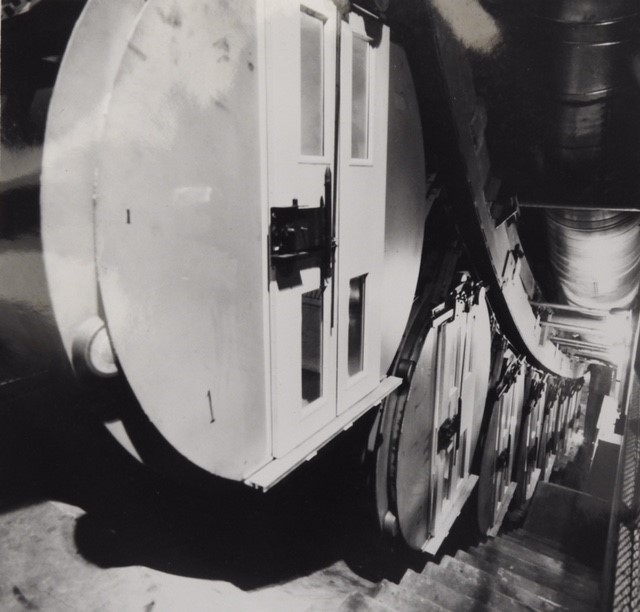
Another challenge was Saarinen’s timeline – Bowser was given just two weeks to submit a design for the Arch passenger system!  Working day and night at home in his basement, he came up with a concept that borrowed from the mechanics of both Ferris wheels and elevators, resulting in a small curving train of linked passenger capsules.  His tram concept was accepted by Saarinen and his team.  Bowser was hired to build and install the tram, which opened in 1967, two years after the Arch itself was completed. He then served as tram maintenance supervisor until 1972.

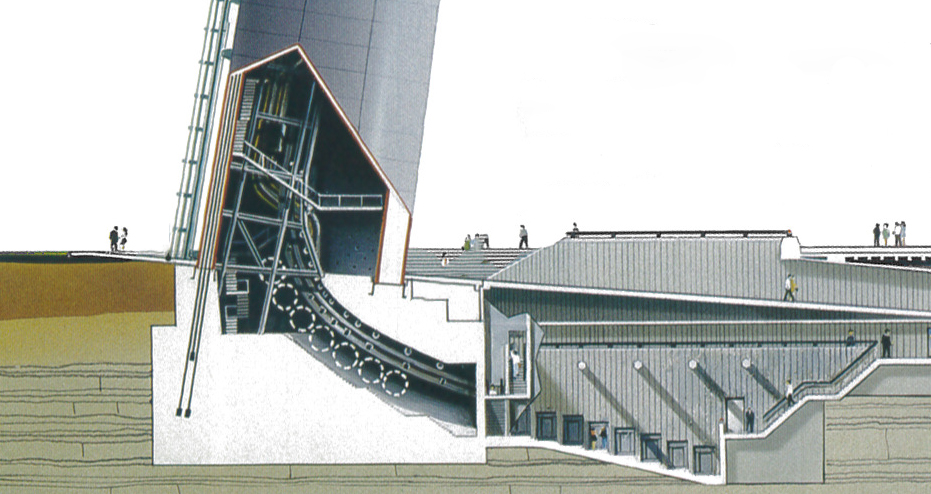
A cross section view of the tram load zone.

Dick Bowser passed away in 2003, but his crowning achievement lives on. “Dick Bowser is a trailblazer in innovation and invention and will always be an important figure in Arch history,” says Pam Sanfilippo, Program Manager, Museum Services & Interpretation, Gateway Arch National Park. “Without his Tram Ride to the Top design, tens of millions of visitors to the Arch would not have had the experience of ascending 630 feet to the top of the monument.”

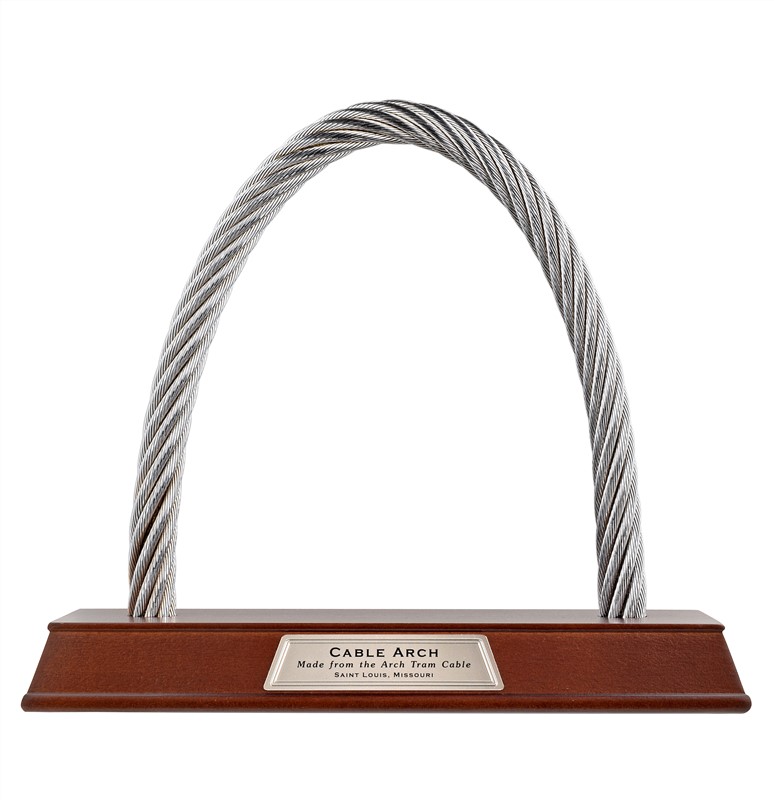
That’s why the National Park Service will be honoring Bowser’s memory this Thursday September 15 on the occasion of his 101st birthday.  The daylong public celebration at the Arch will include a panel discussion by previous and current tram mechanics as well as ongoing ranger talks and kids’ activities.  The Arch Store will offer a rare 25% discount on our unique Arch cable replicas, made from the cables that pull the tram cars, and the Arch Café will hand out free cupcakes.