The Unique History of St. Louis’ First Church

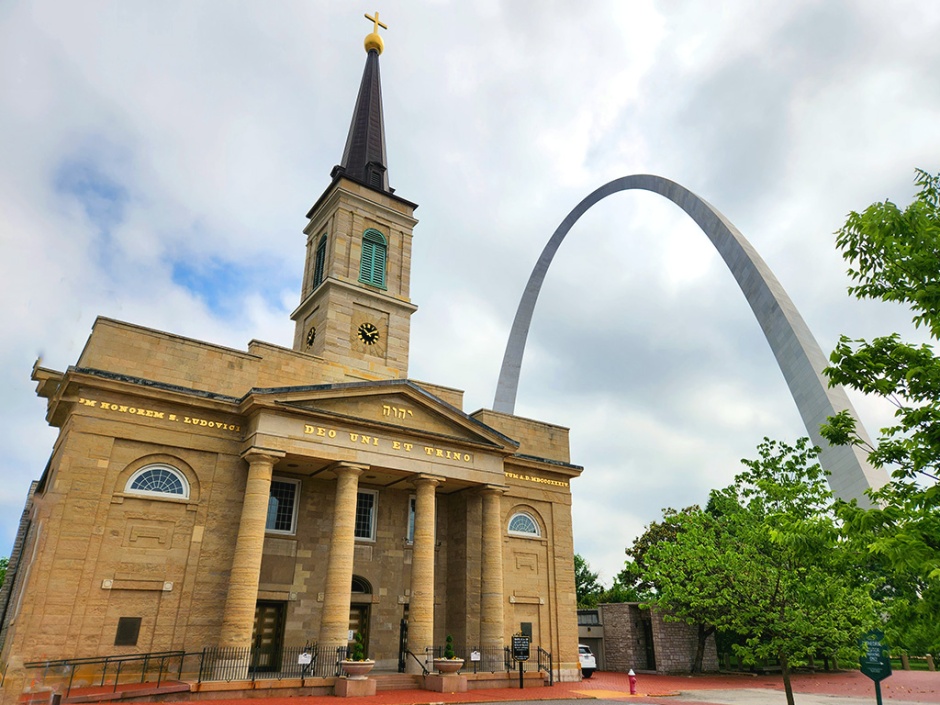
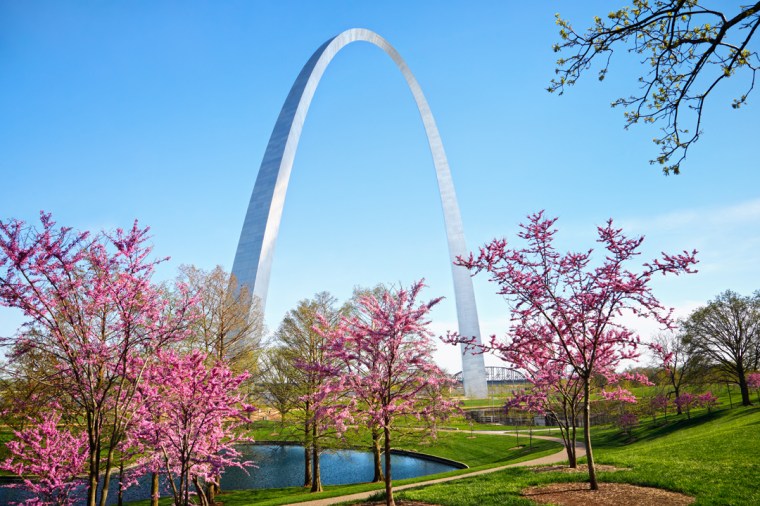
When you visit Gateway Arch National Park, you may not expect to see a Catholic Church perched on the edge of the Arch grounds.  Nor is just any church – it’s the first cathedral west of the Mississippi River.

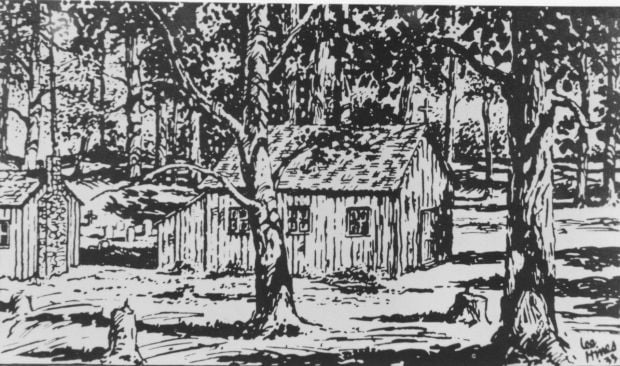
Depiction of the original log church c. 1770

This handsome stone building is formally known as the Basilica of Saint Louis, King of France, but St. Louisans refer to it as simply the Old Cathedral.  In 1764, St. Louis was established as a French fur trading post. Since then, the city has fallen under the control of three different countries (France, Spain, and the United States) and the church served a wide variety of purposes. One thing, however, has remained the same since 1770: the ownership of the land where the Old Cathedral sits. Although the building has been changed several times, for the last 253 years the property has been home to a Catholic church.

Old Cathedral c. 1834. Credit: Missouri Historical Society

Beginning as a simple log building, the Catholic church was the only house of worship in the area of any denomination until the early 1800s. Over the years, it was renovated and expanded, until construction of the “new” cathedral began in 1831. As the social hub of the region, the church played host to many significant people and stood witness to a number of historic events. Jean Baptiste Charbonneau, the son of Sacagawea, was baptized at the church, as were explorer William Clark’s children. The church survived war, cholera, fire, influenza, tornados, and many other tragedies that befell the St. Louis region.

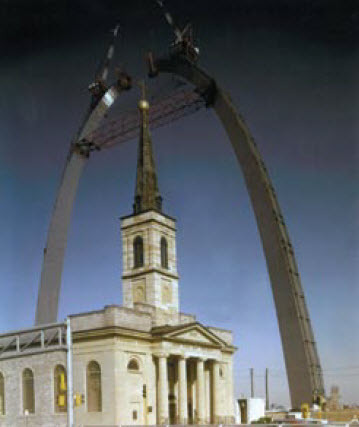
Old Cathedral c. 1965. Credit: Basilica of Saint Louis, King of France

Because of its historical significance, Pope John XXIII designated the Old Cathedral as “The Basilica of Saint Louis, King of France” in 1961. However, at that time, the building was in disrepair, and much of the riverfront had been cleared to make room for the future Jefferson National Expansion Memorial (now Gateway Arch National Park). The cathedral was one of only two buildings on the future park grounds that was spared from demolition (the other being the Old Courthouse). The archbishop of St. Louis, Cardinal Joseph Ritter, decided to keep the designation a secret when he launched a restoration project of the Old Cathedral. The news of its elevated title was not announced until the project was completed in 1963, right before the St. Louis Bicentennial in 1964 and the completion of the Arch in 1965.

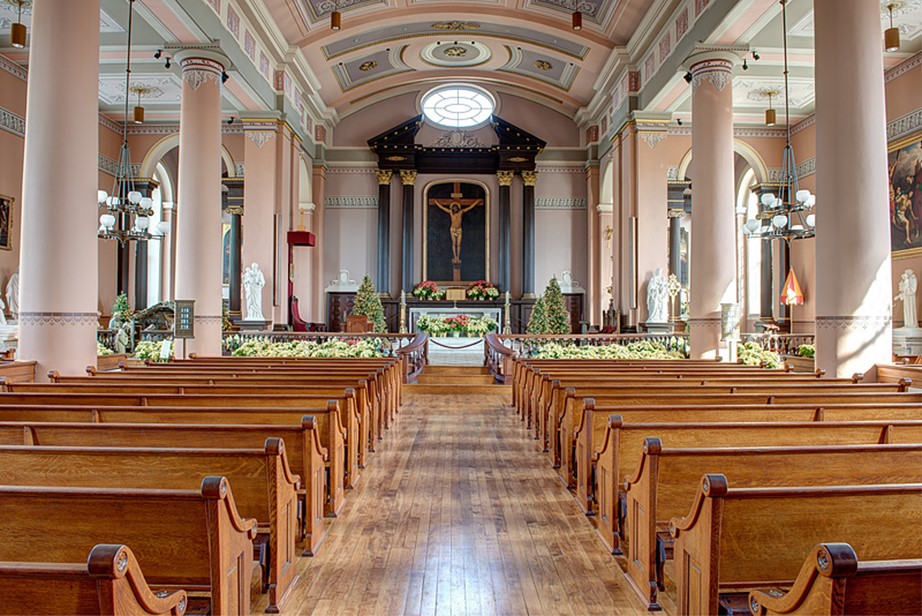
Credit: Basilica of Saint Louis, King of France

Now, the Old Cathedral stands next to the Gateway Arch as a testament to the beginnings of the Village of St. Louis and how far our city has come.  It invites visitors to attend Mass and offers free tours on the first Sunday of each month following the noon Mass. 

Don’t Miss the Arch Museum!!

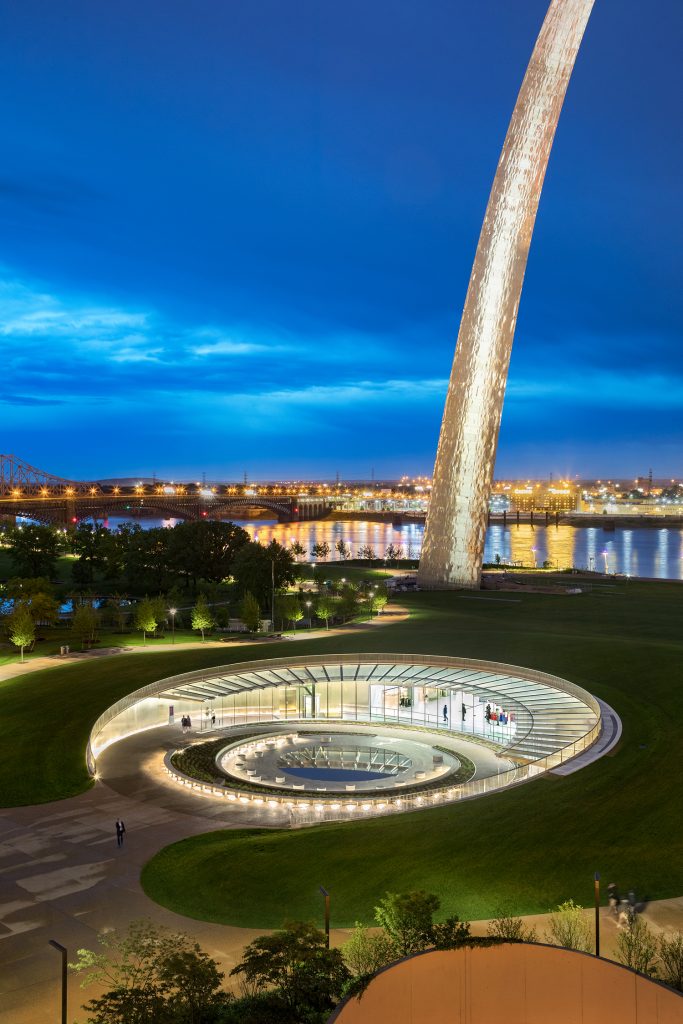
When you visit Gateway Arch National Park, you’re no doubt wowed by seeing the height and majesty of America’s tallest monument.  And you probably also can’t wait to take a tram ride to the top.  But there are plenty of cool things to experience down below on the ground level of the visitor center, like the Museum at the Gateway Arch.  That’s where you can learn what America’s westward expansion was like through the eyes of explorers and pioneers, Native Americans and enslaved individuals, and women and children.  You can also learn the stories of the founding of St. Louis and see unique artifacts and displays that commemorate the pioneering spirit.

In 2018, the Museum at the Gateway Arch underwent a major renovation. A key factor in this renovation was increased inclusivity in how visitors physically interact with the galleries and with the stories told in the exhibits. The galleries within the museum now tell the city’s history through the eyes of the various cultures involved, encouraging visitors to think about other perspectives.

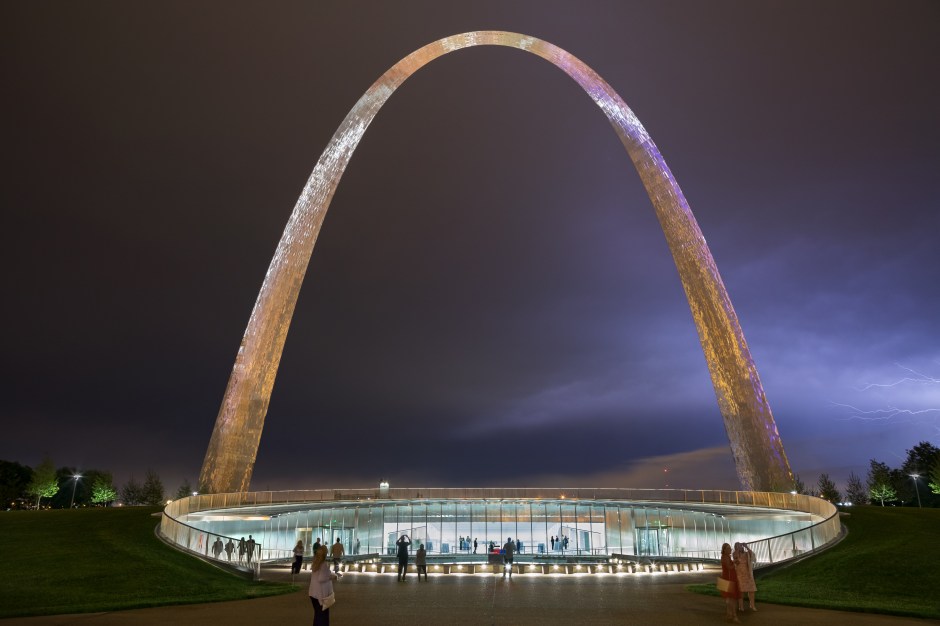
Credit: Gateway Arch Park Foundation

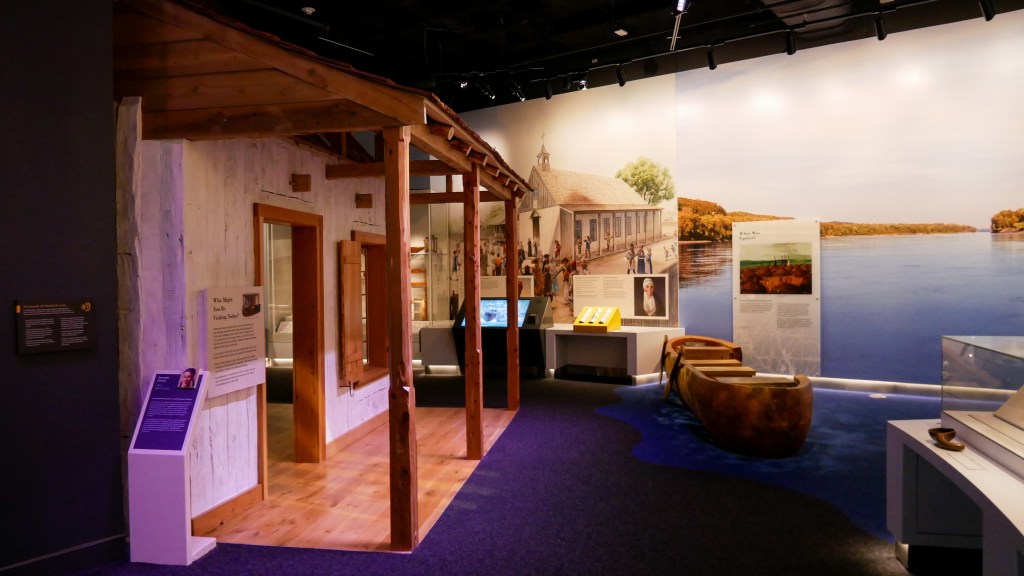
The museum is composed of six interactive galleries that detail more than 200 years of American history.  Early St. Louis history will come alive in the Colonial St. Louis gallery as you take in artifacts from the region’s early French colonial inhabitants, including a full-sized vertical log house.  You’ll also learn about the Indigenous and Creole cultures of St. Louis before the Louisiana Purchase.

Credit: Gateway Arch Park Foundation

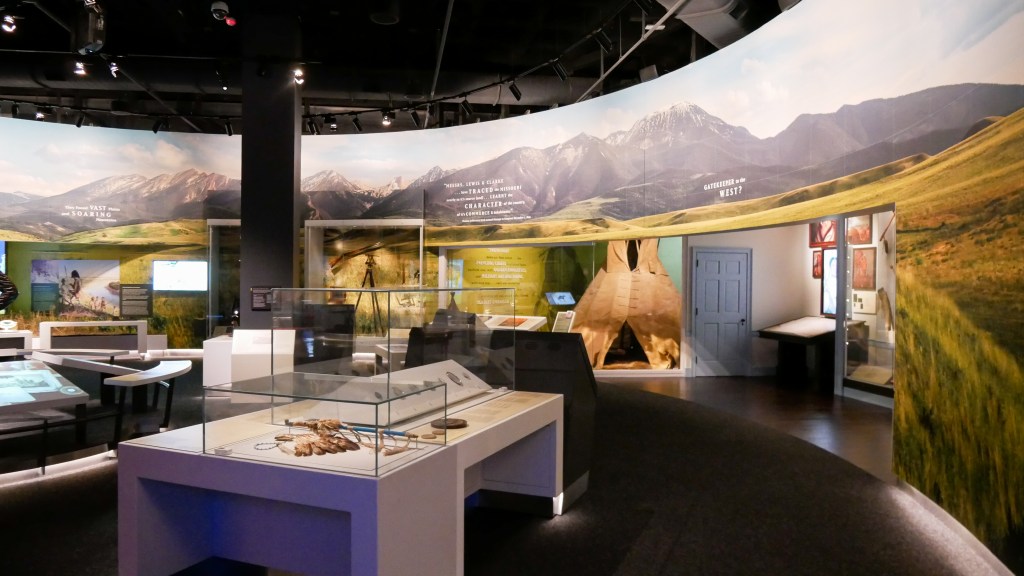
Jefferson’s Vision focuses on the Lewis and Clark expedition, which set the stage for the opening of the American West to settlers from all parts of 19th century society.  Examine the discoveries from the explorers’ adventures, see the tools they used, and learn about the ongoing struggle among nations for supremacy in North America.

Credit: Gateway Arch Park Foundation

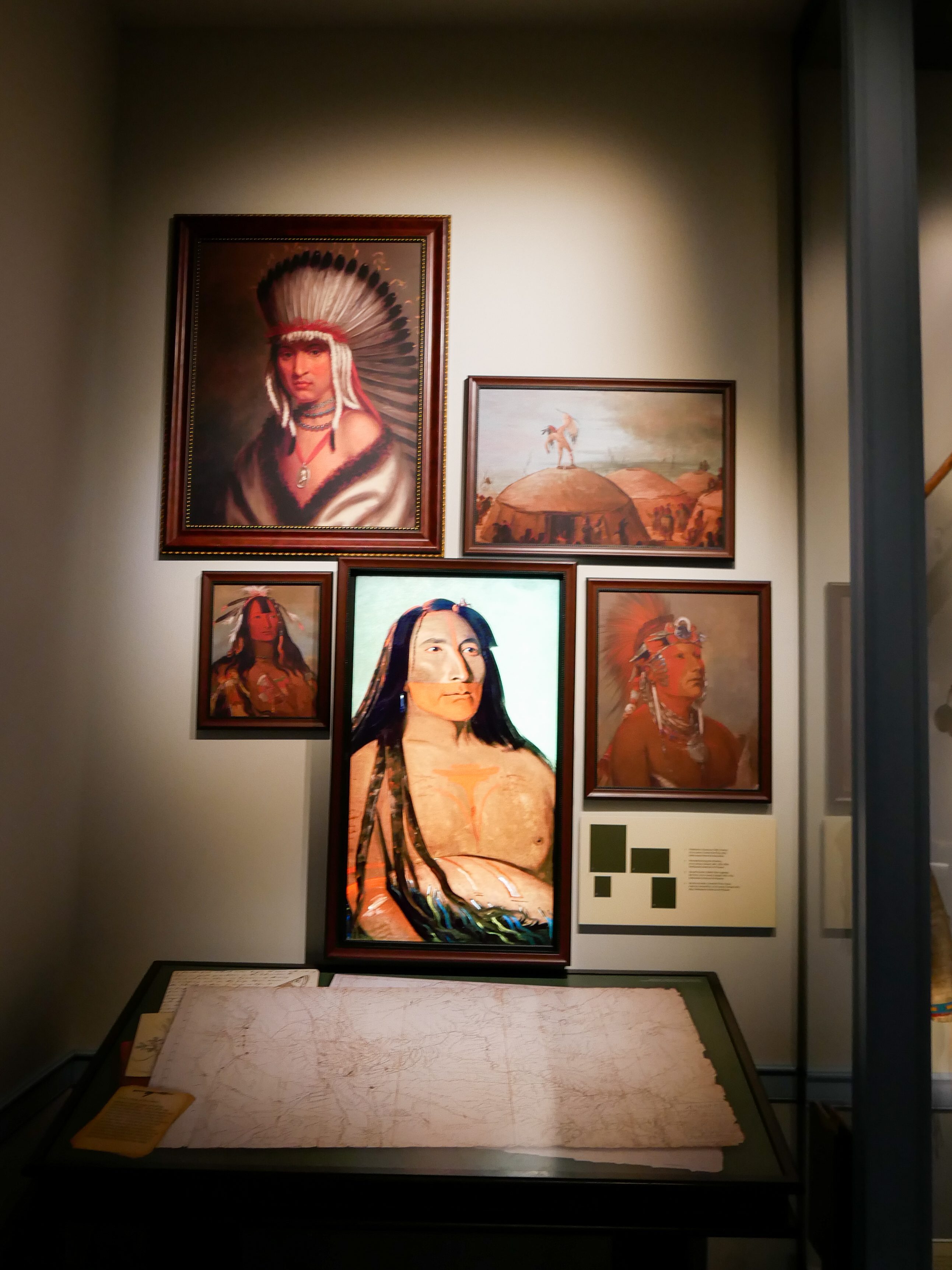
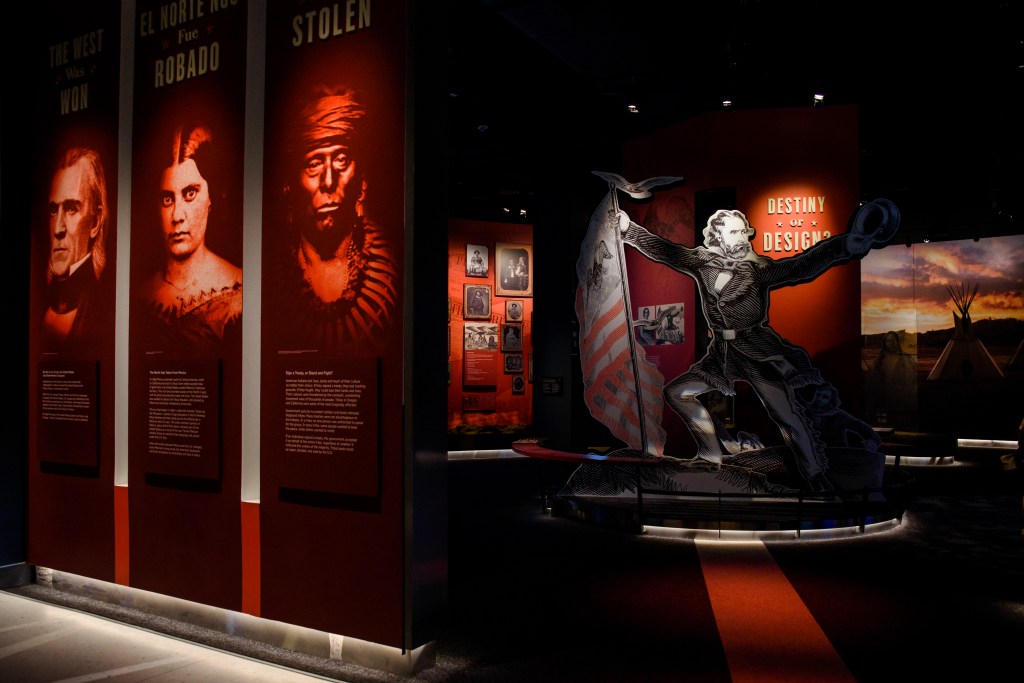
By the mid-1800s, many Americans believed their country had a God-given right to expand its borders throughout the continent.  In Manifest Destiny you can examine the clash of cultures as settlers moved west, including the Indigenous inhabitants and the Mexican government. 

Credit: Gateway Arch Park Foundation

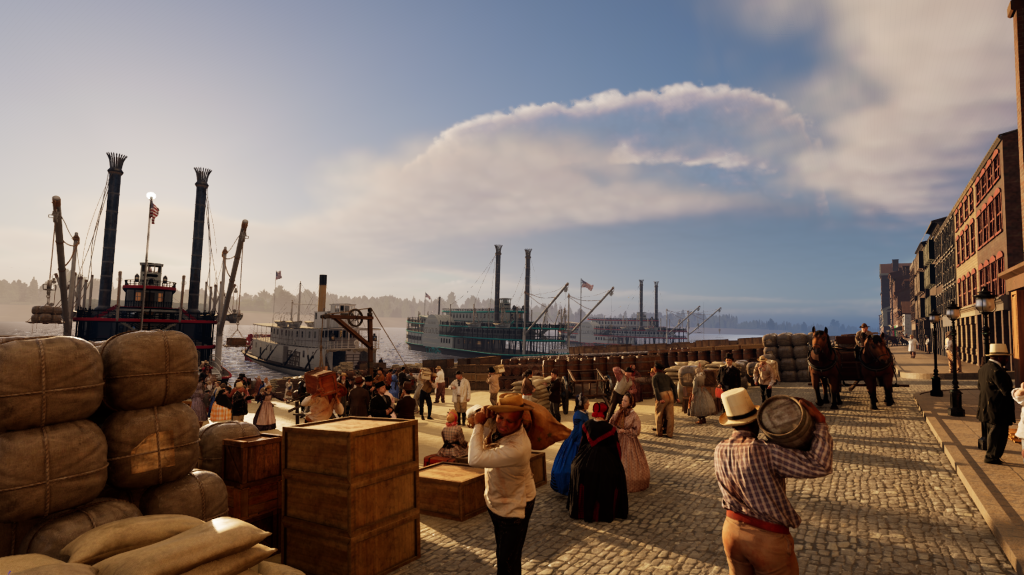
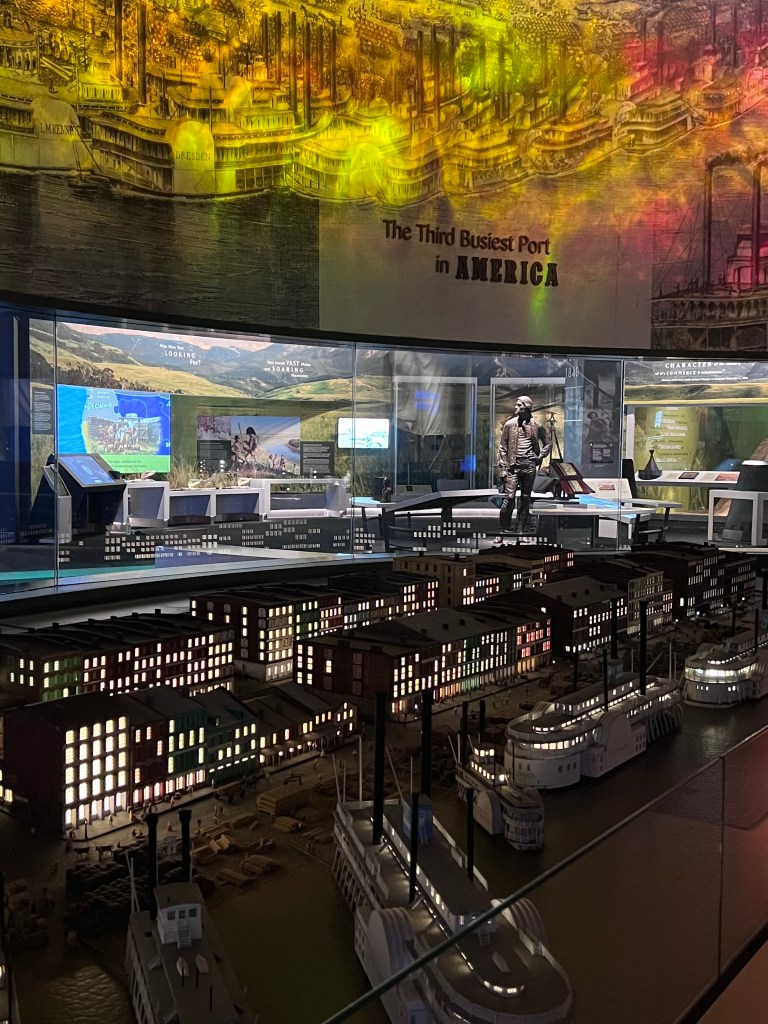
The Riverfront Era gallery traces the evolution of St. Louis as steamboats began to arrive on its riverbanks. By the mid-19th century, the city had truly earned its title as Gateway to the West as the levee bustled with dozens of riverboats carrying goods and people to other parts of the United States.  The highlight of this gallery is an intricate scale model of the St. Louis riverfront that changes from day to night before your eyes.

In New Frontiers you can explore what it was like to live in the American West. See an authentic buffalo-hide tipi as you learn about the very different lifestyles of European settlers and Native Americans.

Credit: Gateway Arch Park Foundation

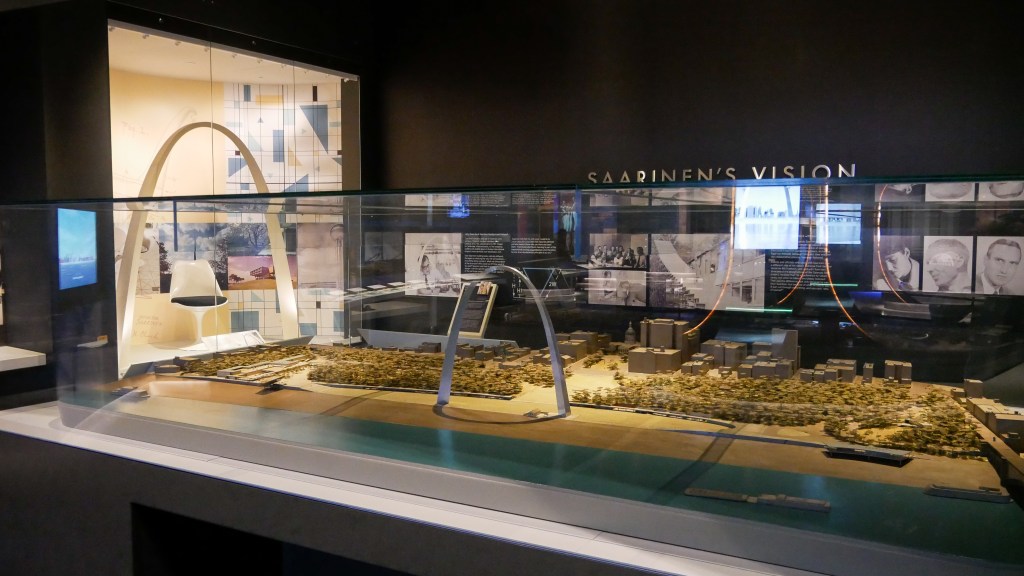
If you’re wowed by the design of the Gateway Arch, you’ll want to spend time in the Building the Dream gallery.  There you can examine the various concepts that architects submitted to anchor the new national monument to westward expansion and see the details of Eero Saarinen’s award-winning design.  Also discover the innovative builders who constructed the Arch.

Credit: Gateway Arch Park Foundation

The new Arch Museum is only part of park partners’ plans for restoring, maintaining and enhancing the national park.  There is also a new entrance to the Arch, improvements to the 90-acre grounds, and new interior amenities like The Arch Store and the Arch Café.   Additional renovations have begun at the Old Courthouse and are expected to be completed in the next few years.   

Be sure to visit to see all that’s new at the Arch!

Featured Image Credit: Gateway Arch Park Foundation

Inviting African American Youth to National Parks

The two National Park Service sites in St. Louis are filled with exhibits, artifacts, and programs that tell important stories about our nation’s past – from the exploration of the American west to the lives of two U.S. presidents to the struggle for civil rights.  The resources at these parks – Ulysses S. Grant National Historic Site and Gateway Arch National Park – are available free to all visitors.  But all too often, children from under-served communities aren’t able to take advantage of these experiences.

Now there’s a unique opportunity for middle school students to visit these sites this summer for a full week of specially-designed programs. 

Credit: U.S. Grant National Historic Site

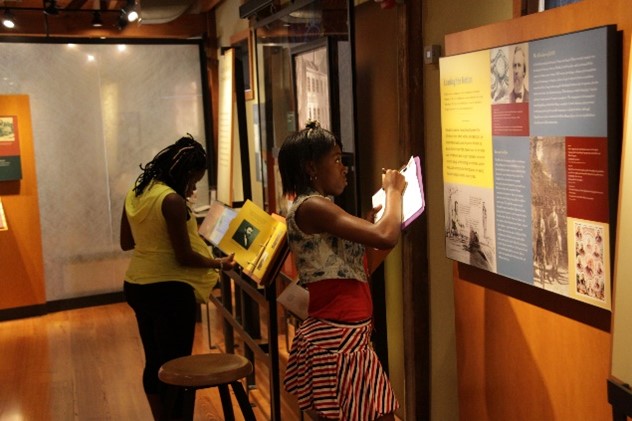
The Arch and U. S. Grant are offering free weeklong summer workshops at their sites for middle school students from African American communities.  Daily transportation and lunch are included at no cost, as are normally fee-based experiences like the Arch tram ride and a Mississippi riverboat cruise.

The five-day workshops will be offered at both the Arch and at Grant during select weeks from June to August.  Educators from both parks will lead the programs.  Their aim is to familiarize students with under-told stories of Black Americans in St. Louis and throughout Missouri, including stories of slavery, resistance, and Reconstruction.  The participants will learn by discovery instead of direct instruction, with guidance from park staff.  Students will select a person or story they want to research, then will present their creative project on their chosen subject at the conclusion of the workshop.
If you are interested, now’s the time to apply! The parks are accepting applications for groups of approximately 15 students (ideally from schools or youth groups) through mid-April.  Those interested in applying should contact Julie Northrip, Program Manager of Interpretation and Education at Ulysses S. Grant NHS by emailing julie_northrip@nps.gov or calling 314-842-1867 ext. 223. Please list in order your preference for which week your youth can attend.

June 12-16

June 19-23

June 26-30

July 24-28

July 31-Aug 4

JNPA is proud to support this unique program by underwriting the cost of the student lunches. 

A New Life for a Historic Building

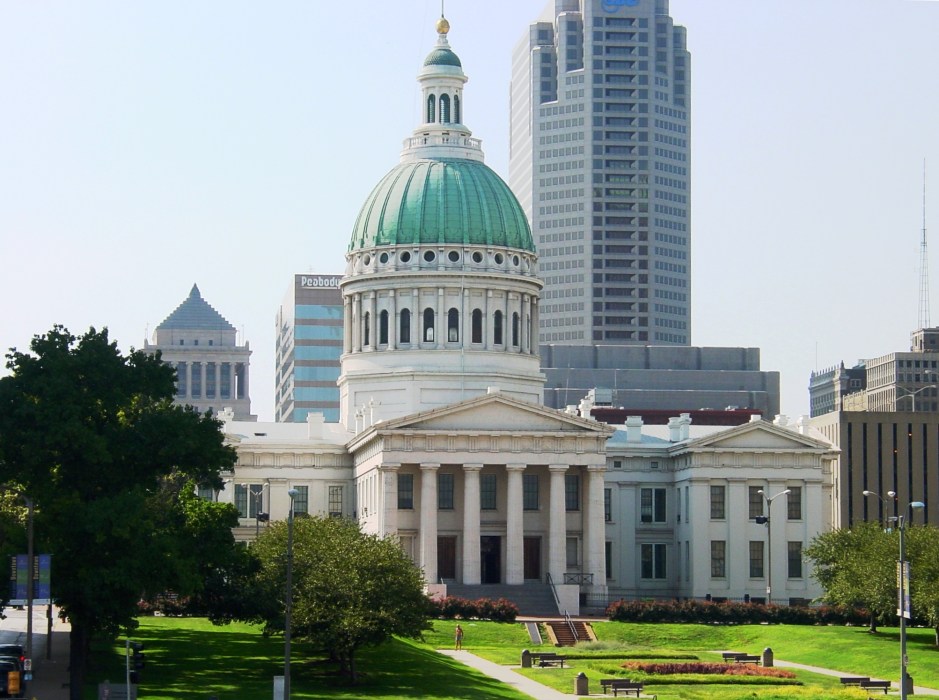
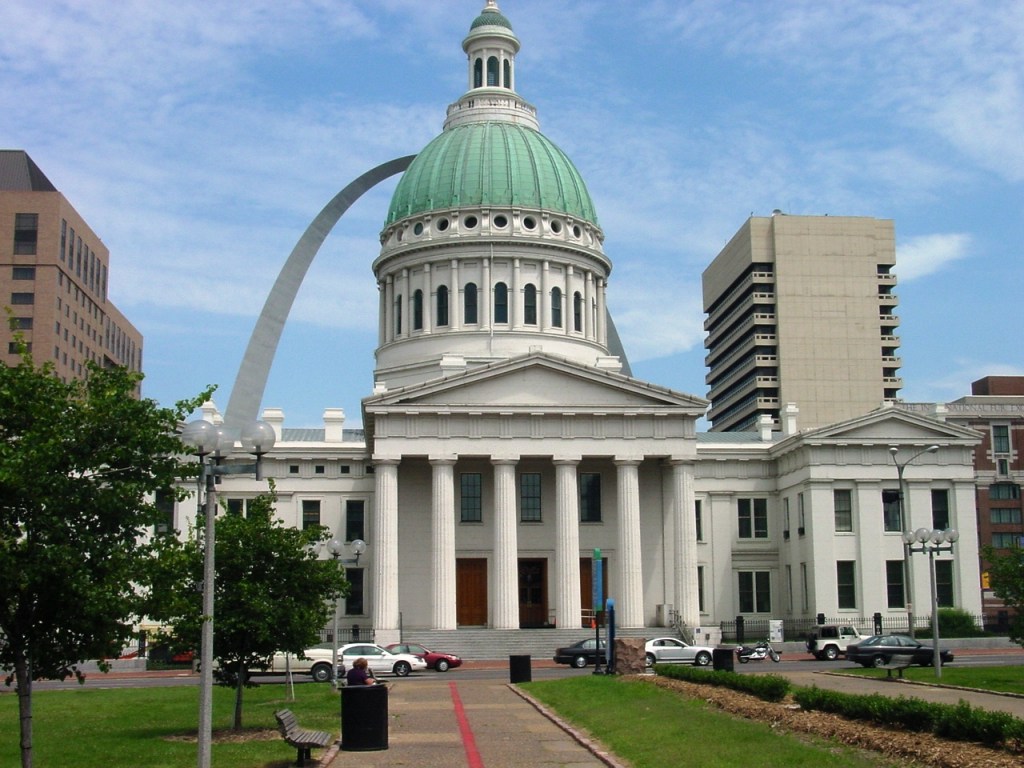
The stately Old Courthouse has stood on its site in Gateway Arch National Park for nearly 200 years.  Its courtrooms have been witness to some of the most important court cases in American history, including suits by enslaved African Americans seeking their freedom, and challenges to women’s right to vote.

But over the decades, the imposing building in downtown St. Louis has been in need of serious renovations, both to update its structural integrity and security, and to ensure accessibility for all visitors.  There was also a need to substantially update the building’s exhibits to better explain the stories that unfolded within its walls.

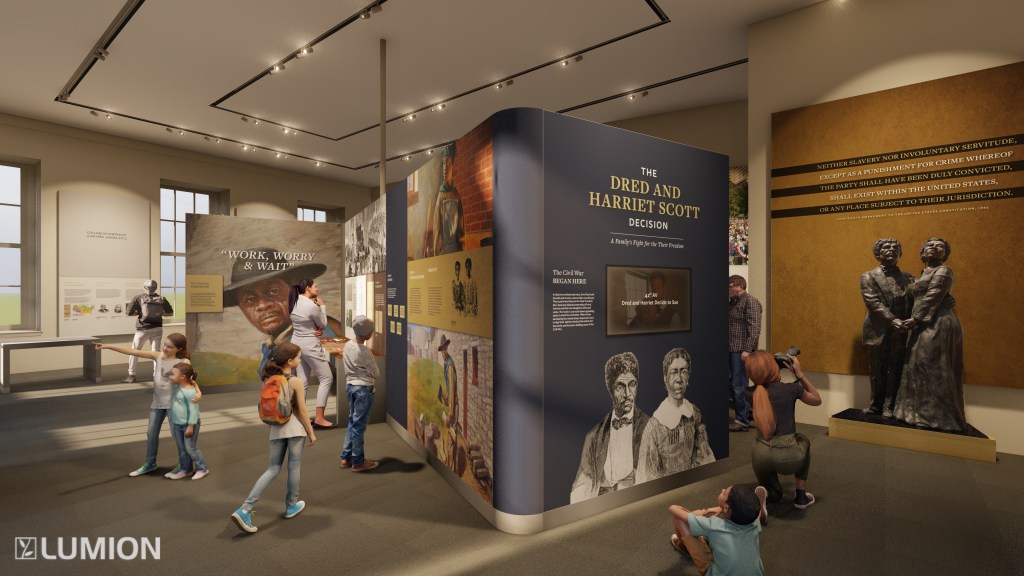
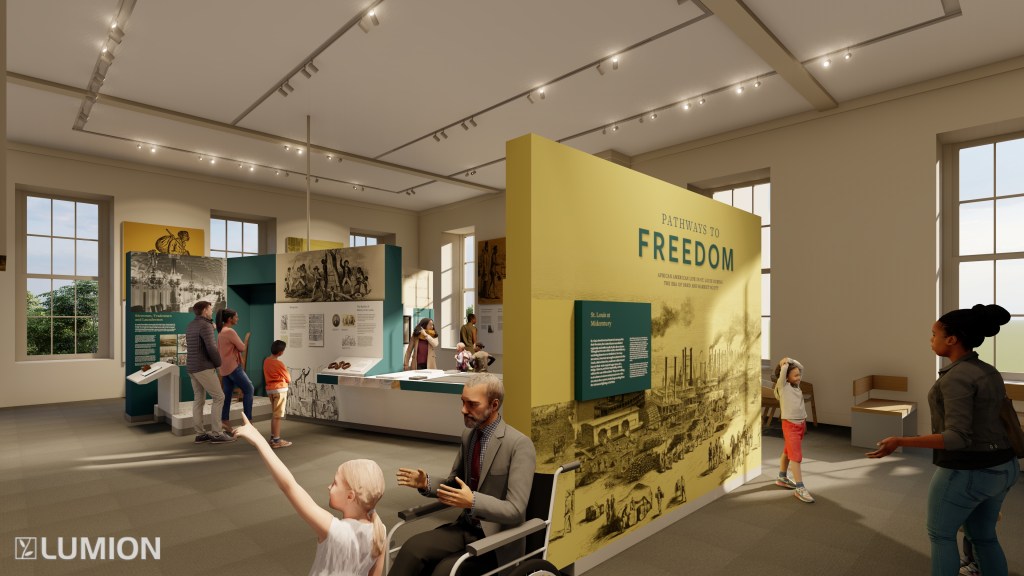
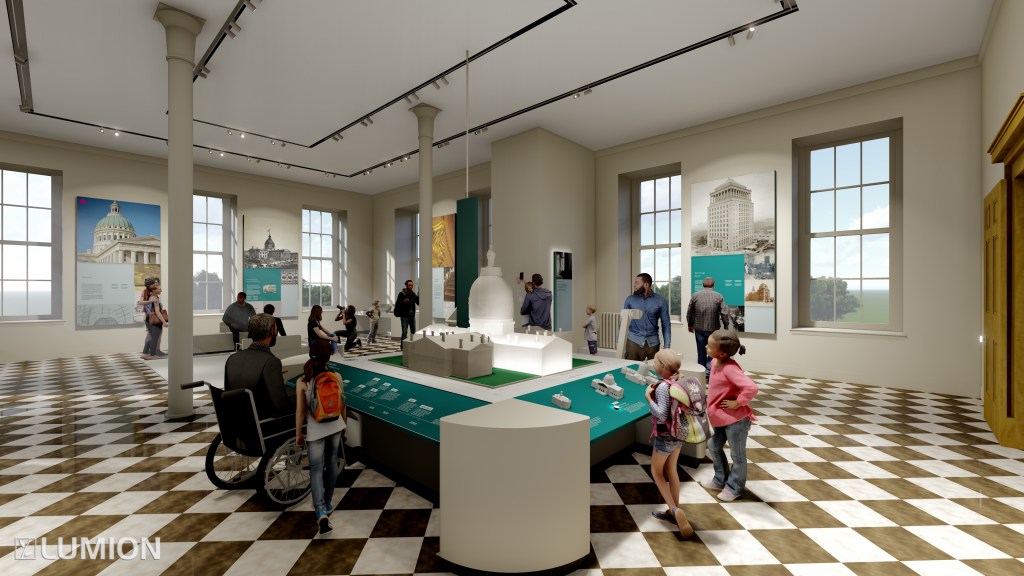
The Old Courthouse is now closed until these renovations are complete.  But let’s take a sneak peek of the fascinating exhibits now in the works for the four exhibit galleries.

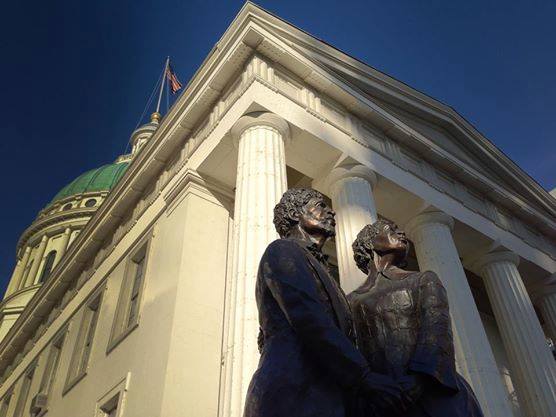
Northeast Gallery: Dred and Harriet Scott – Focuses on the Scott family’s fight for freedom, which began in the Old Courthouse, and how the legal and political environment at the time culminated in the infamous U.S. Supreme Court Decision. The exhibit gallery also reflects on the legacy and relevancy of their case today.

Northwest Gallery: Pathways to Freedom – Explores African American life in St. Louis: slavery, the tortured legacy of enslaved individuals seeking freedom, post-Civil War civil rights, and more.

Southeast Gallery: Designed for Justice – Highlights the architectural features of the courthouse and the spirit of innovation of its architects, designers, builders, and craftsmen.

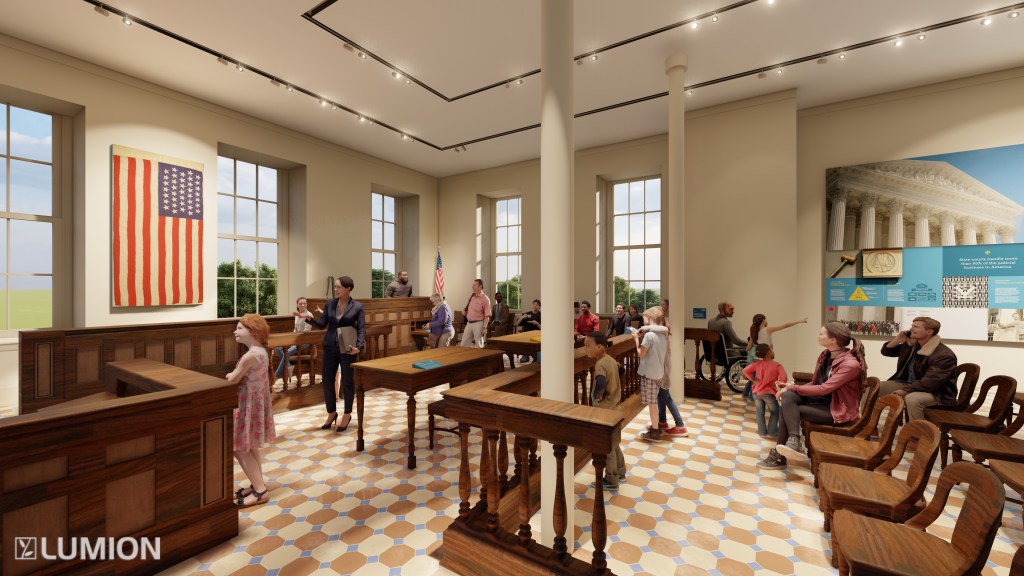
Southwest Gallery: See You in Court – Focuses on the importance of courts in our society, our legal structure, and the daily activities in the courthouse from 1839 to 1930. Visitors will be able to experience an 1850s courtroom and re-enact mock trials.  These will further their understanding of how our court system allows us to settle disputes peacefully and provides a framework for how our society functions.

The Old Courthouse renovations are jointly funded by the National Park Service and the Gateway Arch Park Foundation

Let’s Roll Up Our Sleeves!

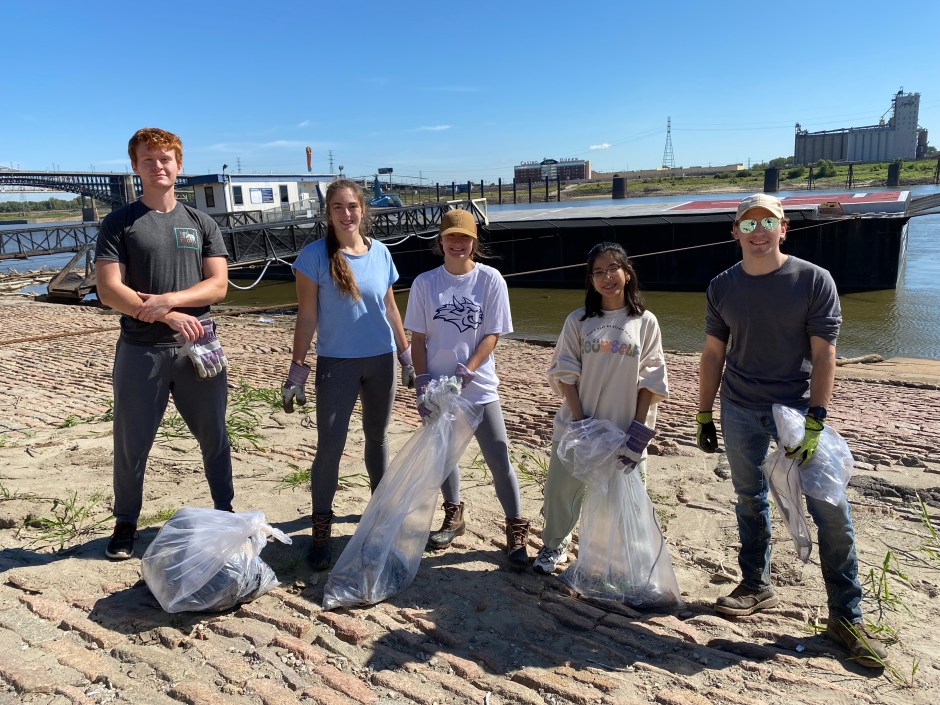
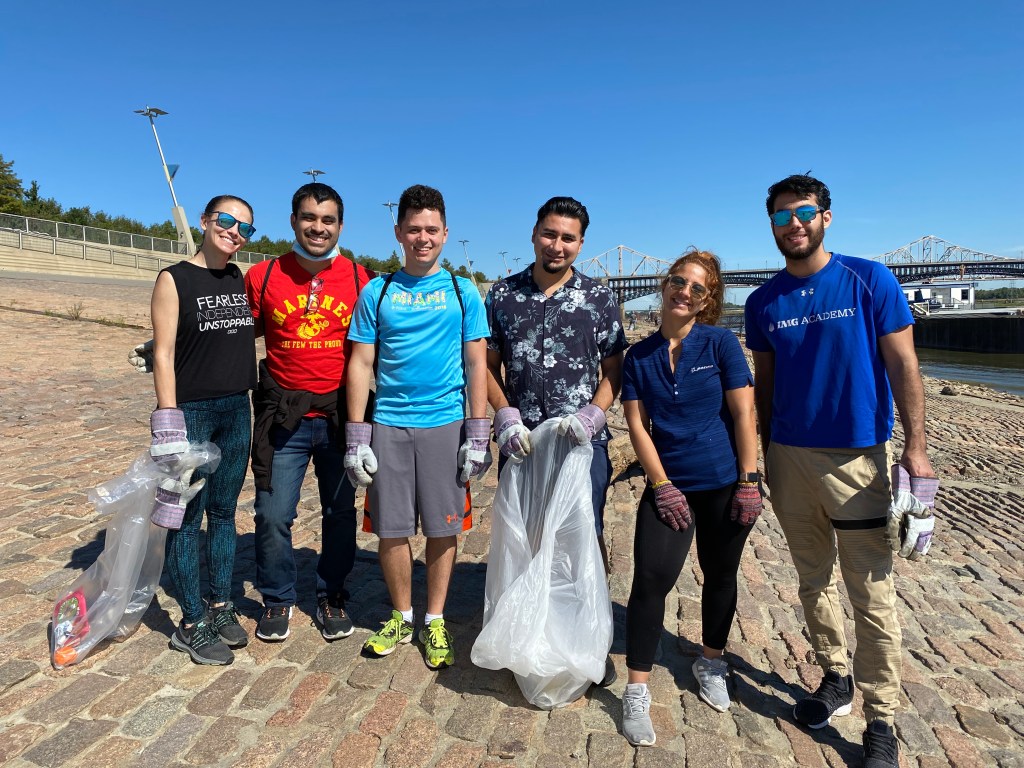
Love the Gateway Arch?  Then join in an upcoming effort to clean up its “front yard.”  On Saturday September 24, join in a fun trash pick-up event to tidy up the St. Louis riverfront.  And also enjoy special programs on the Arch grounds.

September 24th is National Public Lands Day, the nation’s largest single-day volunteer effort.  National parks around the country will host outdoor events for hundreds of thousands of volunteers who will help restore, preserve, and clean up their beloved public lands.  In St. Louis, Gateway Arch National Park, Gateway Arch Park Foundation, Beyond Plastics, and Living Lands & Waters are organizing a community trash pick-up event to help tidy up the downtown riverfront. It’s part of a nationwide effort to connect people with the outdoor recreation spaces in their area.

Photo by Gateway Arch Park Foundation

Riverfront cleanups will occur from 9:00-11:00 and from 11:00-1:00. All volunteers will receive materials they’ll need during the cleanup and will be entered to win a drawing for prizes. Sign up here to volunteer.

Photo by Gateway Arch Park Foundation

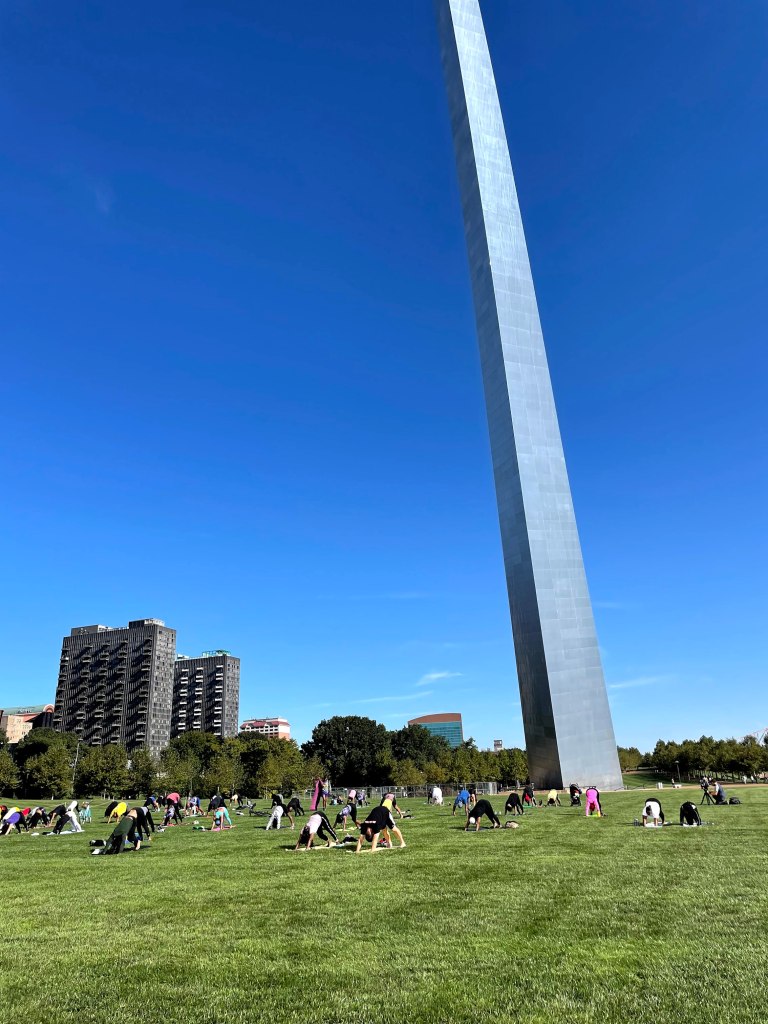
Don’t miss out on other fun happenings in the park that day.  How about a free yoga class underneath the Arch at 9:30 a.m.? Gateway Arch Park Foundation sponsors this Just Breathe Yoga session offered by The Collective STL.  Go here to register.

Photo by Gateway Arch Park Foundation

In the afternoon, you and your favorite pooch can join in a dog walk led by four-legged B.A.R.K. Superintendents (dog ambassadors) as part of the day’s B.A.R.K. Ranger activities.  Learn how your pup can become an official NPS B.A.R.K. Ranger by visiting the table from 2-5 p.m. on the Arch grounds.

Photo by Gateway Arch Park Foundation

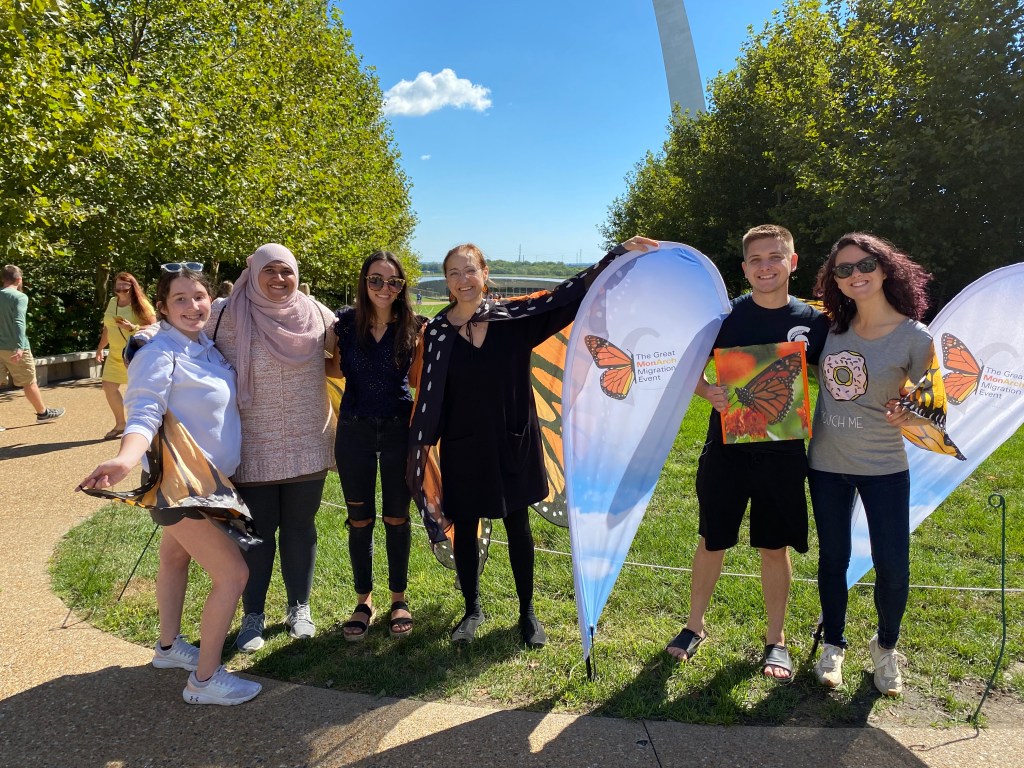
Or if butterflies are more your thing, attend the MonArch Migration event to learn about butterfly flight patterns and native plants.  This annual National Park Service program celebrates the Monarch butterfly’s spectacular north-south migrations, and features information on which native plants can help these winged friends.  The event takes place from 1-4 p.m. in the Explorer’s Garden on the north end of the Arch grounds. 

Gateway Arch is proud to host these fun events, says Pam Sanfilippo, the park’s Program Manager for Museum Services and Interpretation.  “The Arch grounds are a place for everyone to enjoy – whether it’s to practice yoga, see butterflies migrating, or play fetch with your four-legged best friend.  Join us on National Public Lands Day to experience firsthand the incredible spaces here at the park.”
The Genius behind the Arch Tram Ride

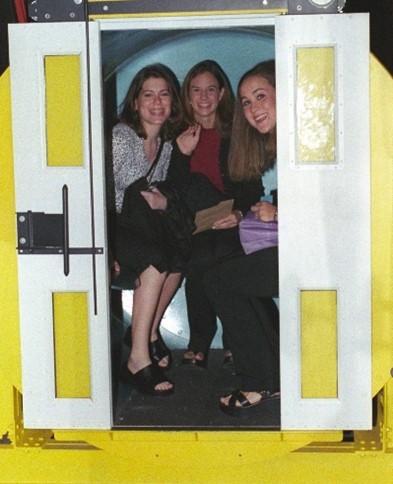
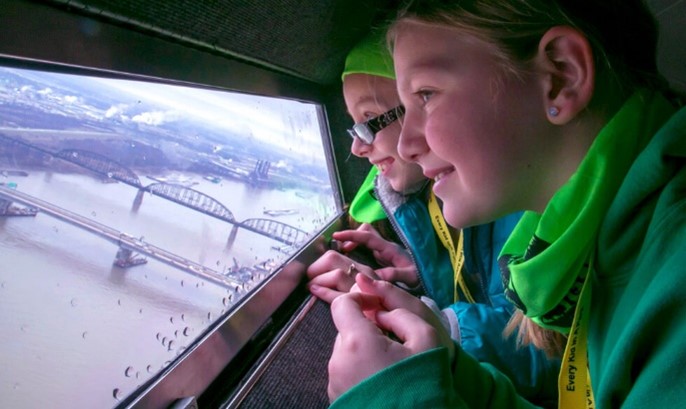
A ride to the top of the Gateway Arch is an unusual experience.  Visitors sit in somewhat cramped little capsules that carry them upward and downward through the legs of the Arch.  All the while, they hear strange clicking noises as the capsules constantly pivot to stay upright. Most people probably give very little thought to how this one-of-a-kind transportation system came about.  But it’s a fascinating story, mostly centered on one very clever inventor.

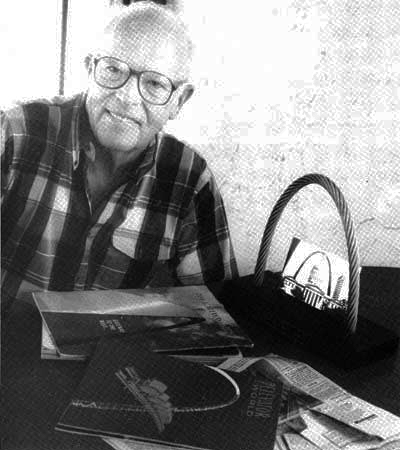
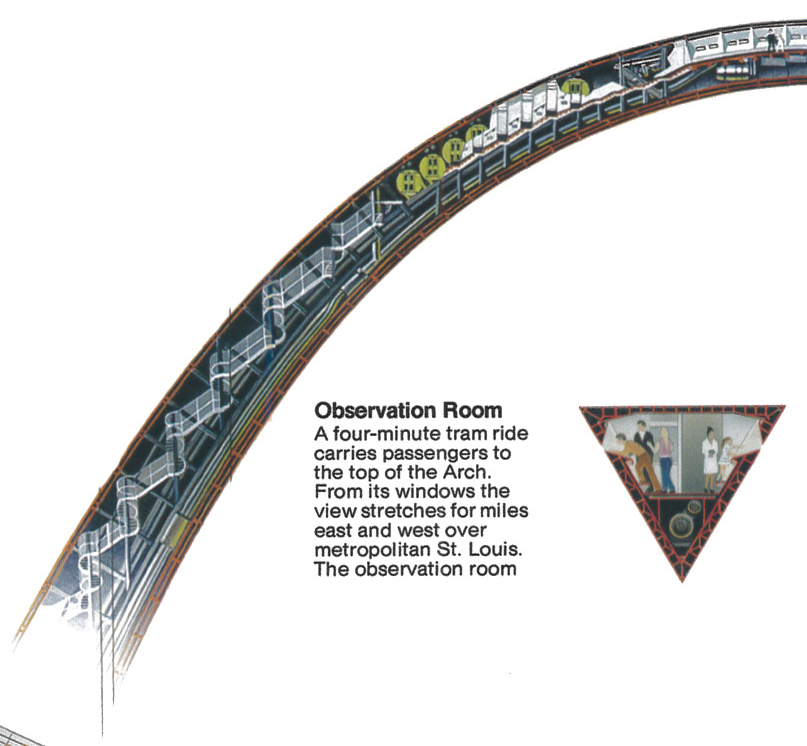
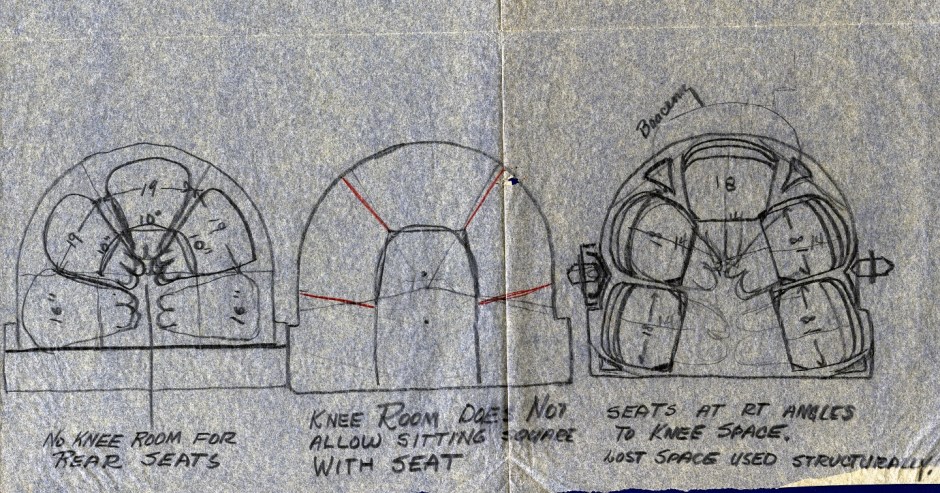
The Arch tram ride was conceived in just two short weeks by a humble man who never received a college degree.  Dick Bowser was a 38-year-old second-generation elevator manufacturer working in Des Moines, Iowa, when Gateway Arch architect Eero Saarinen asked him to develop a way to bring visitors to the top of the Arch and back down. The project was extremely challenging given the curve of the Arch (it is much narrower at the top than at the base), and the fact that he had to leave room for an observation platform at the top as well as space for a maintenance crew stairway.

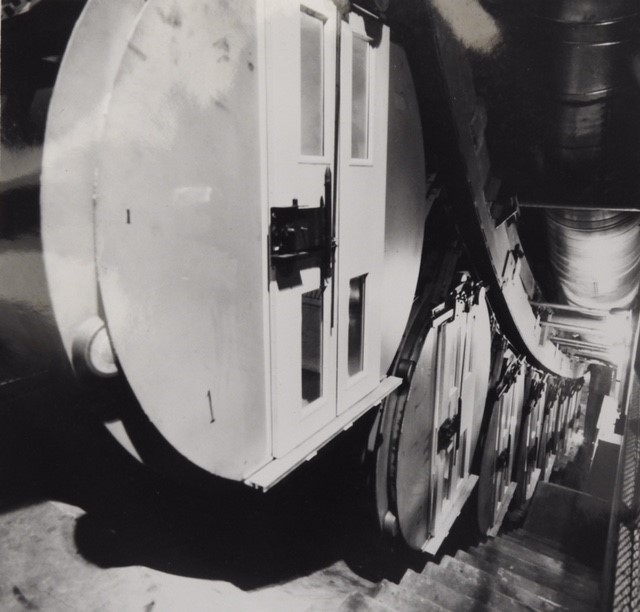
A cross section view of the tram ride to the top of the Arch.

Another challenge was Saarinen’s timeline – Bowser was given just two weeks to submit a design for the Arch passenger system!  Working day and night at home in his basement, he came up with a concept that borrowed from the mechanics of both Ferris wheels and elevators, resulting in a small curving train of linked passenger capsules.  His tram concept was accepted by Saarinen and his team.  Bowser was hired to build and install the tram, which opened in 1967, two years after the Arch itself was completed. He then served as tram maintenance supervisor until 1972.

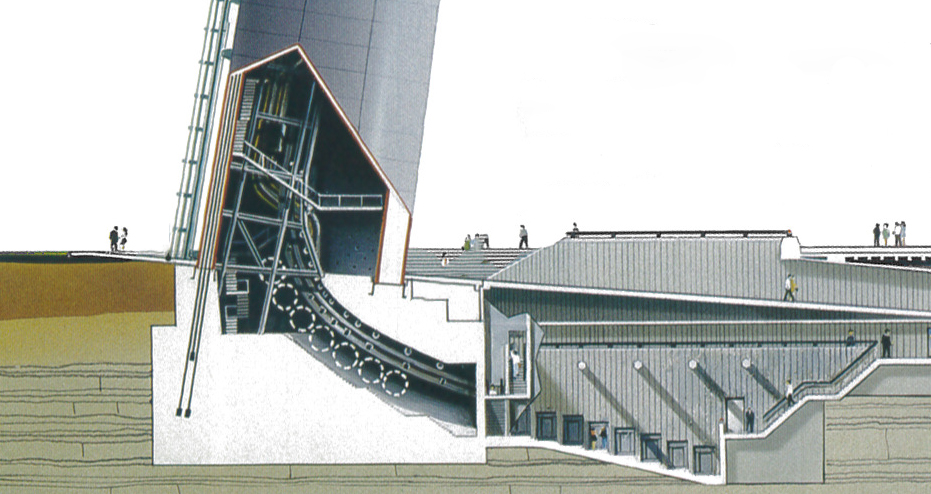
A cross section view of the tram load zone.

Dick Bowser passed away in 2003, but his crowning achievement lives on. “Dick Bowser is a trailblazer in innovation and invention and will always be an important figure in Arch history,” says Pam Sanfilippo, Program Manager, Museum Services & Interpretation, Gateway Arch National Park. “Without his Tram Ride to the Top design, tens of millions of visitors to the Arch would not have had the experience of ascending 630 feet to the top of the monument.”

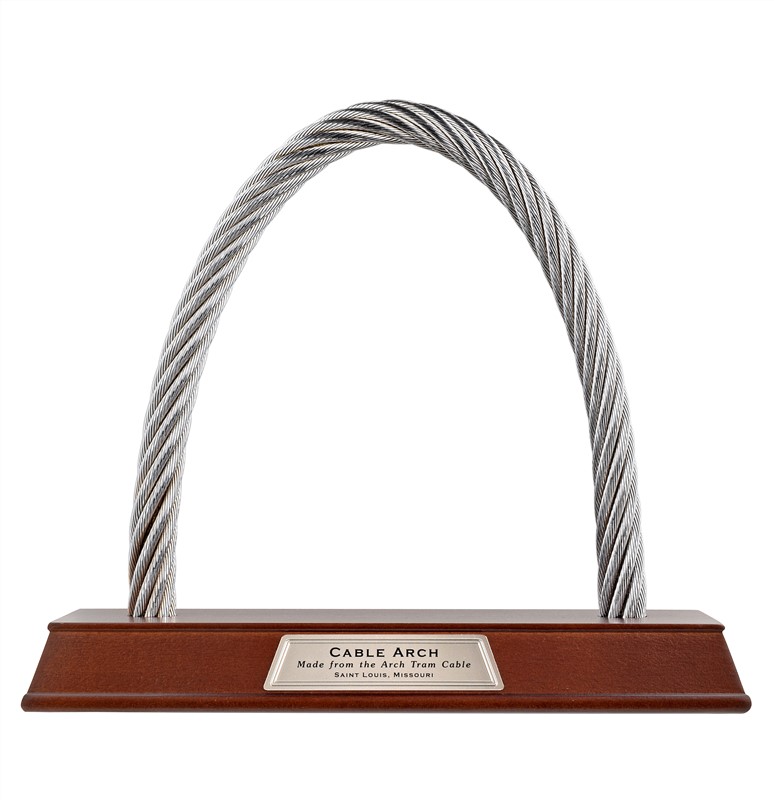
That’s why the National Park Service will be honoring Bowser’s memory this Thursday September 15 on the occasion of his 101st birthday.  The daylong public celebration at the Arch will include a panel discussion by previous and current tram mechanics as well as ongoing ranger talks and kids’ activities.  The Arch Store will offer a rare 25% discount on our unique Arch cable replicas, made from the cables that pull the tram cars, and the Arch Café will hand out free cupcakes.

“A great arch did seem right.”

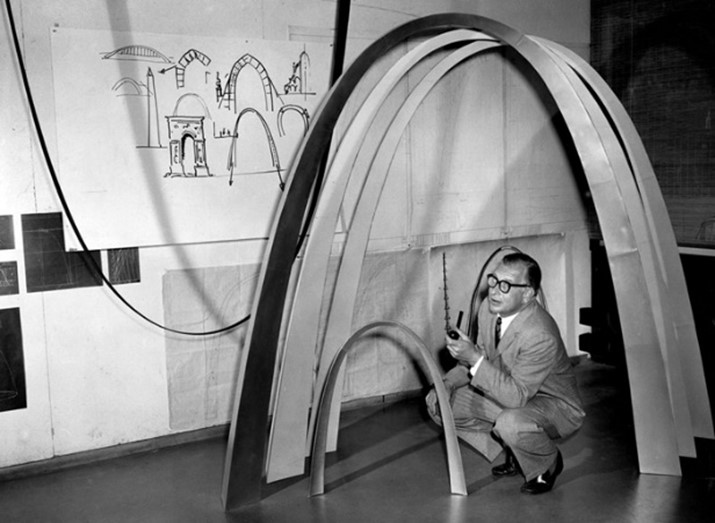
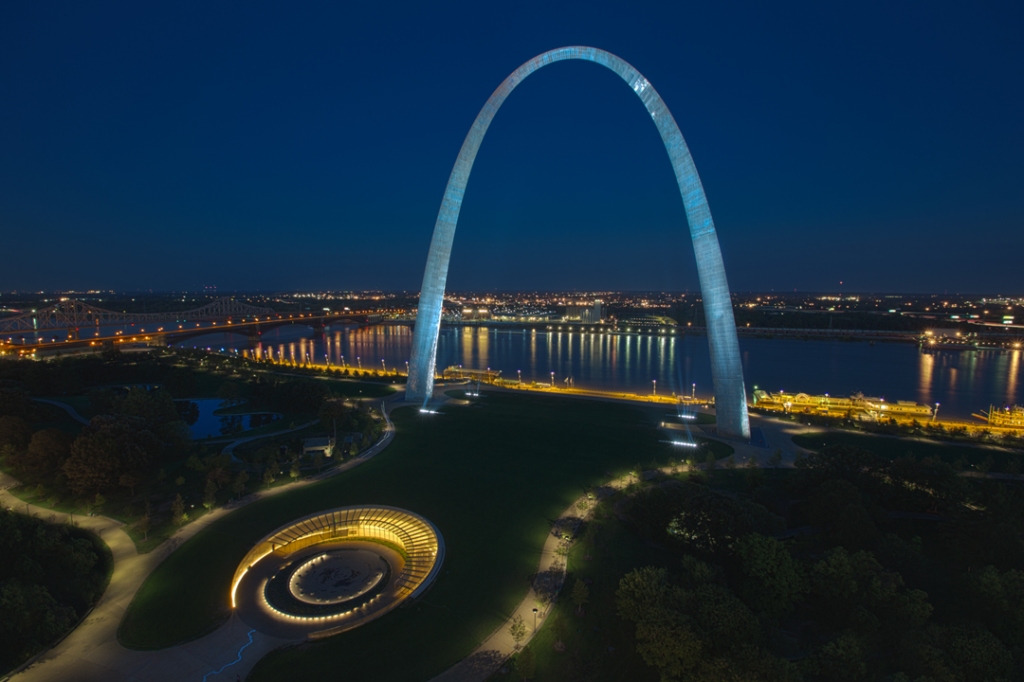
It has been called brilliant, inspirational, breathtaking, a true architectural marvel.  Those who have visited the Gateway Arch rarely forget their first glimpse of the shimmering stainless steel icon.  It soars 630 feet above the St. Louis riverfront, standing as a lasting memorial to Thomas Jefferson’s vision of exploring the American West. But who was the creative genius behind the design of the Arch?

When St. Louis officials decided in 1947 to erect a monument to President Jefferson on the downtown riverfront, they invited architects from around the world to submit designs.  A little-known Finnish architect named Eero Saarinen beat out more prominent designers with his plans for a majestic arch rising from the riverbanks.  The competition judges appreciated the symbolism of an arch as a reference to St. Louis’ historic role as a “gateway to the west.”  As Saarinen said at the time, “The major concern… was to create a monument which would have lasting significance and would be a landmark of our time… Neither an obelisk nor a rectangular box nor a dome seemed right on this site or for this purpose. But here, at the edge of the Mississippi River, a great arch did seem right.”

Beyond its architectural beauty, the Arch is also an engineering marvel.  Each leg consists of double-walled steel equilateral triangles which are stacked one on top of the other and welded together. The complex engineering design and construction is completely hidden from view; all that can be seen from the outside is its sparkling, stainless steel outer skin. 

Nor did Saarinen intend for visitors just to look at the Arch – he wanted them to go inside it and travel to the top.  So he designed the structure’s two legs to be hollow, allowing enough room for a specially designed tram to transport guests up and down, itself a daunting engineering challenge

Saarinen went on to design other prominent American buildings, including the TWA airport terminal in New York, Dulles International Airport near Washington, D.C., as well as numerous churches, university buildings, and corporate headquarters.  He was also an influential furniture designer, responsible for the famous Tulip Chair and other well-known mid-century pieces.

Credit: Debbie Franke

Saarinen would be turning 112 years old on August 20.  What better way to commemorate his birthday than with a trip to the Gateway Arch, where you can admire his architectural wonder and learn more about the building of the monument in the Arch Museum.  Or you might want to purchase one of the many Saarinen-related products we sell at The Arch Store, like this handsome tote bag.

Rules to Live By

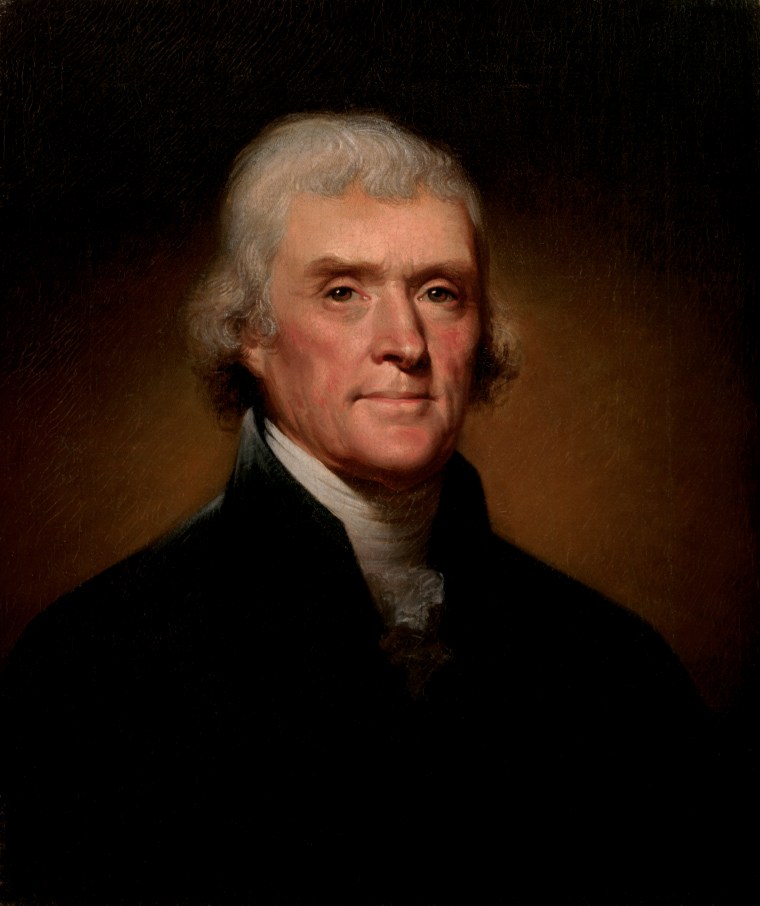
At this patriotic time of year, we often recall our nation’s founding fathers. Here at JNPA, we’re particularly fond of the visionary Thomas Jefferson, whom the National Park Service honors as part of the founding mission of Gateway Arch National Park.  But while Jefferson is famous for many reasons (let’s see — third U.S. President, author of the Declaration of Independence, signer of the Louisiana Purchase…), you might not be familiar with his lesser known Ten Rules of Conduct.

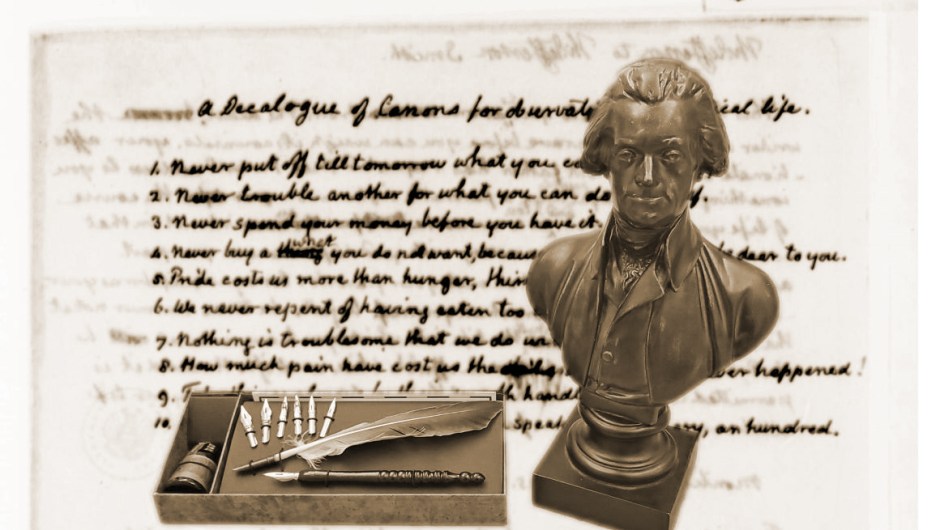
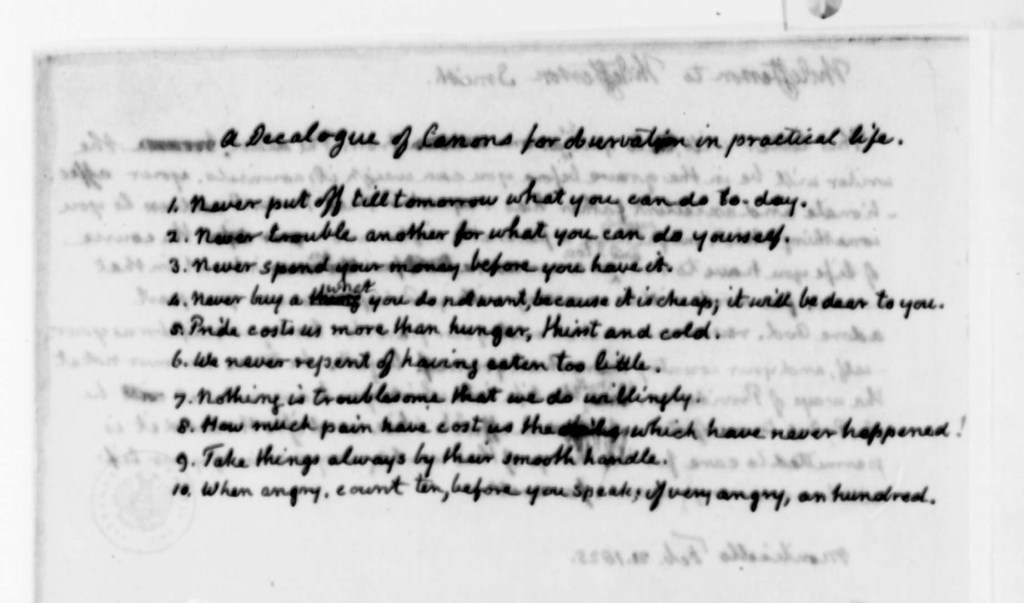
Thomas Jefferson often advised others, including his children and grandchildren, on how to conduct themselves and frequently developed lists of personal behavior for them.  In 1825, the year before he died, he imparted what he called “a decalogue of canons for observation in practical life.”  Some of these rules were borrowed from literary sources; others seem to be his own creation.
Credit: Library of Congress

Jefferson’s rules seem to be as relevant today as they were in the 1800s:

  1. Never put off till tomorrow what you can do to-day.
  2. Never trouble another for what you can do yourself.
  3. Never spend your money before you have it.
  4. Never buy what you do not want, because it is cheap; it will be dear to you.
  5. Pride costs us more than hunger, thirst and cold.
  6. We never repent of having eaten too little.
  7. Nothing is troublesome that we do willingly.
  8. How much pain have cost us the evils which have never happened!
  9. Take things always by their smooth handle.
  10. When angry, count ten, before you speak; if very angry, an hundred.
Thomas Jefferson’s signature

If you decide to share Jefferson’s useful rules with the children in your family, why not also treat them to this mini-building block set? That way, they can build their own (4-inch) statue to Jefferson.

Oh, Fudge!

Stop the presses.  We have an important news flash:  National Fudge Day is just around the corner!  Actually, it’s not until June 16 but we’re letting you know early because – hey, fudge!  We also wanted to give you extra time to pop down to The Arch Store to pick up a box for yourself, or for your sweetie (sweetie, get it?), in time for the Big Day. 

Fudge is thought to have originated as a mistake.  Accordingly to legend, a candy maker in the late 1800s botched a batch of caramel he was making, but he ended up making something just as tasty.  And since the term “fudge” was already in use to describe a clumsy adjustment or nonsense, the name stuck!

Wondering why we sell fudge at The Arch Store, where our products have to adhere to the interpretive themes of Gateway Arch National Park?  Well among other things, we feature various foods, toys and other historical goods that were available in the early days of St. Louis, where pioneers and western explorers passed through on their way to the western frontier.  And fudge was as popular in old St. Louis as it is now.

The Arch Store makes its own fudge several days a week in a specially designed kitchen and we sell it at our historically themed fudge counter in the back of the store, often after giving customers free samples to try.  Our best-selling flavors are Chocolate Sea Salt Caramel, Peanut Butter-Chocolate and Gooey Butter Cake.  Mmmmm. 

So celebrate National Fudge Day with a trip to The Arch Store to get a sweet taste of the past.  And be sure to let us know which is YOUR favorite flavor!

Starstruck

How much do you know about the skies above us?  Well here’s a fun way to learn.  All would-be stargazers should mark their calendars for the return of the summer and fall Gateway to the Stars series at Gateway Arch National Park.  Visitors of all ages can join in the fun.
Credit: NPS

Each month from now through October, the National Park Service and the St. Louis Astronomical Society will offer public astronomy programs and telescope viewing at the Gateway Arch.  Each evening event will begin with a ranger talk and discussion inside the park’s Visitor Center at 6:45 p.m. followed by telescope viewings of the night sky just outside the Arch entrance beginning at 8:00 p.m., weather permitting.  Volunteers from the Astronomical Society will have multiple telescopes available for participants to use and will help interpret what people can see through the eyepiece.

Credit: NPS

The theme of each evening will differ.  No reservation is required except for the children’s program on July 10, which requires advance registration:

  • Sunday, June 12: Stories in the Stars The discussion will focus on the sky as a cultural resource and will include constellation stories from many cultures. Visitors will also be invited to share their sky stories.
  • Sunday, July 10: Kids Explorer Night Children ages 5-12 can earn their Junior Ranger Night Explorer patches as they build and take home their own Galileoscopes.  These are small refractor telescopes that allow viewers to see the same objects as famed astronomer Galileo Galilei such as craters of the moon and four moons of Jupiter. Space is limited.  Go to Gateway to the Stars: Kids Explorer Night for information on how to sign up.
Credit: NPS
  • Sunday, August 14: The New James Webb Space Telescope Learn about the newest space telescope, its “first light,” and early discoveries it has already made.
  • Saturday, September 3:  Lights Out Heartland  Speakers from Dark Sky Missouri will discuss the impact of light pollution on wildlife and the environment.
  • Saturday, October 8:   Theme to be determined.