Digging Deeper into the Lewis and Clark Expedition

We hope our recent blog quiz highlighting little-known facts about the Lewis and Clark Expedition left you wanting more. If that’s the case, we recommend a visit to several of our partner sites to see their exhibits on the famous explorers.   
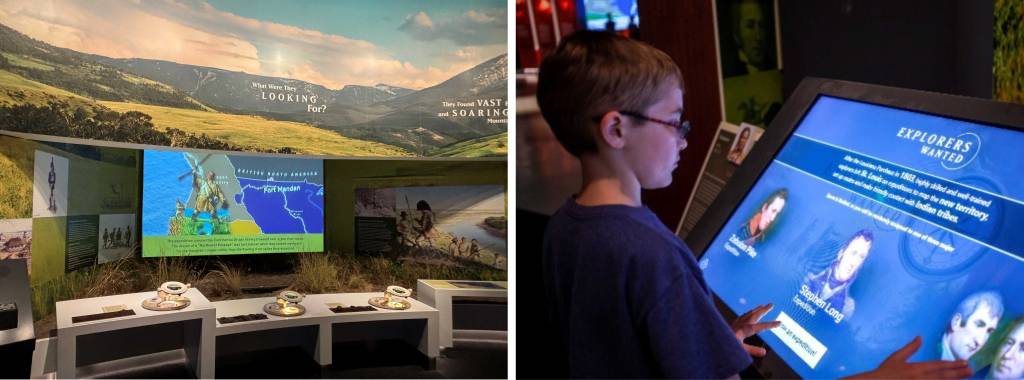
The museum at Gateway Arch National Park features extensive displays highlighting the Corps of Discovery’s many accomplishments, including hands-on interactives that appeal to younger visitors.
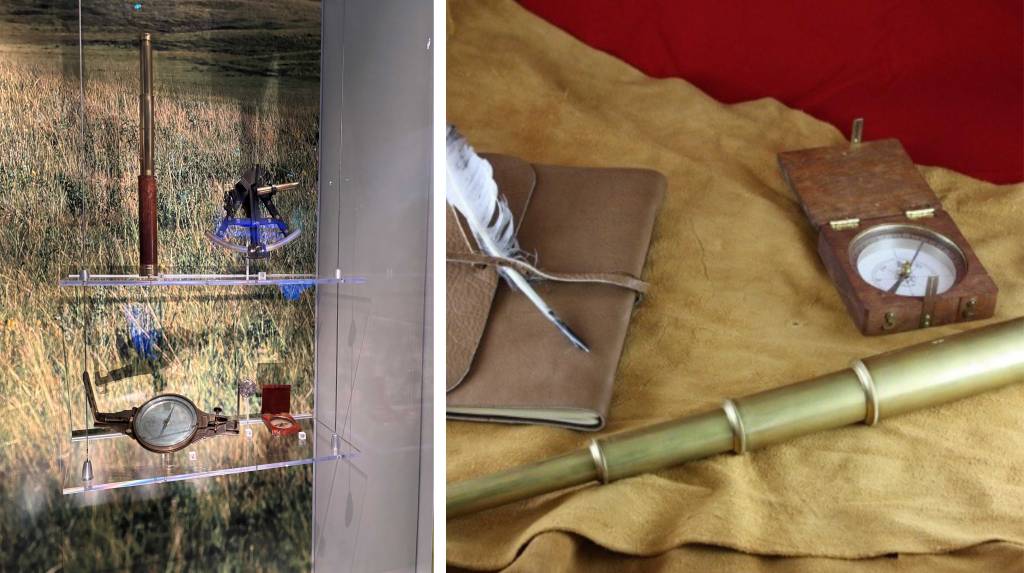
Learn about the Louisiana Purchase, or the Indigenous people who helped the explorers, or the plants and animal species the explorers found along the way. You can also examine spyglasses, theodolites, and other tools similar to those used during the journey.  

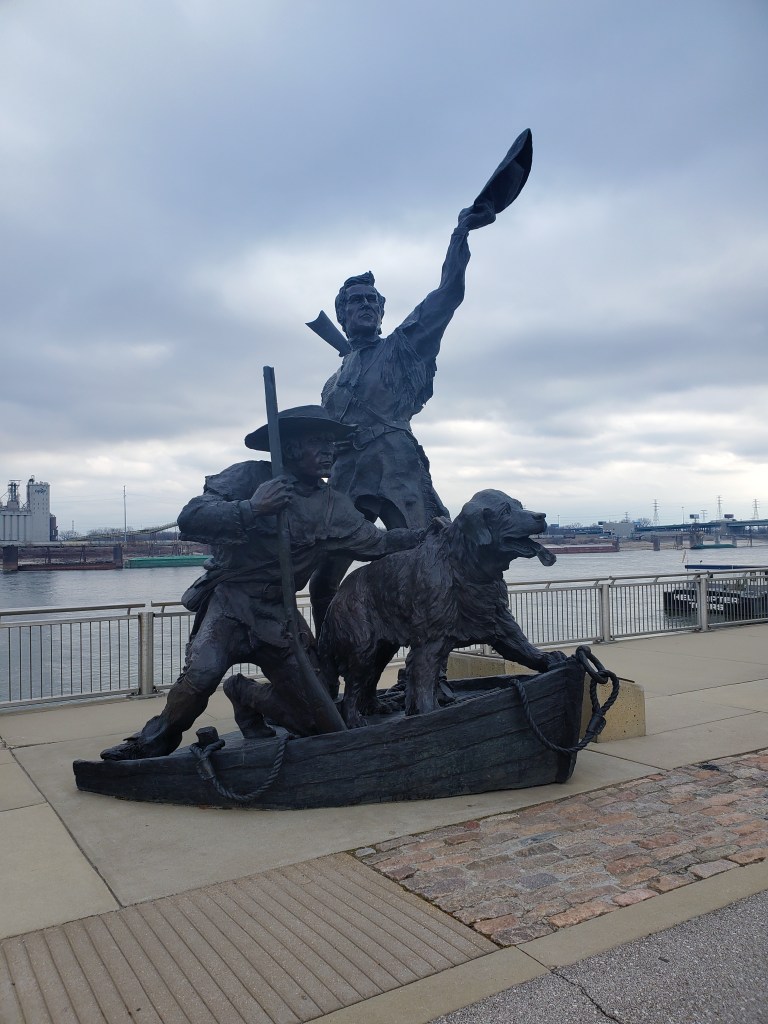
After your Arch visit, stroll down to the St. Louis riverfront to see a large sculpture of Lewis and Clark, accompanied by Lewis’ dog Seaman. The 23’ bronze by artist Harry Weber was completed in 2006 to commemorate the bicentennial of the explorers’ return.

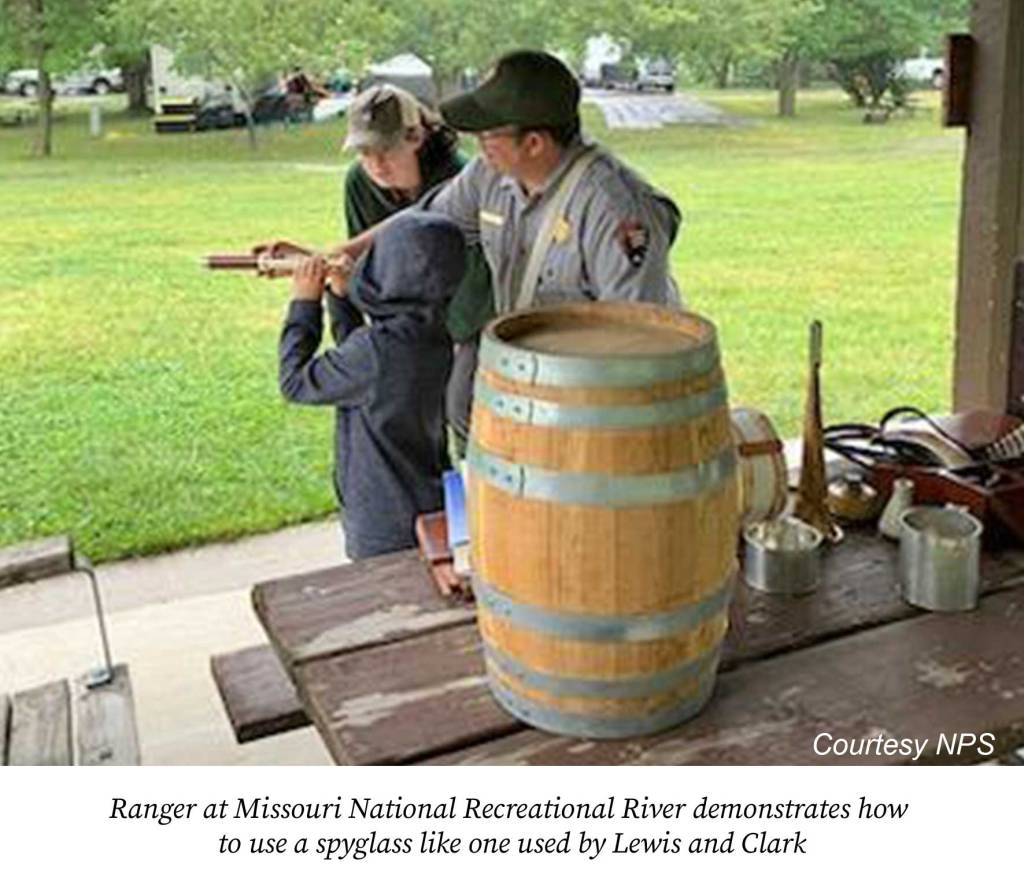
The Expedition figures prominently in the interpretive stories told at Missouri National Recreational River. In 1804, while traveling up the Missouri River on their epic journey to the Pacific Ocean, Lewis and Clark participated in a Grand council with the Yankton Sioux at a site below Calumet Bluff. This significant meeting was the first meeting with a Sioux tribe on their journey upstream. 
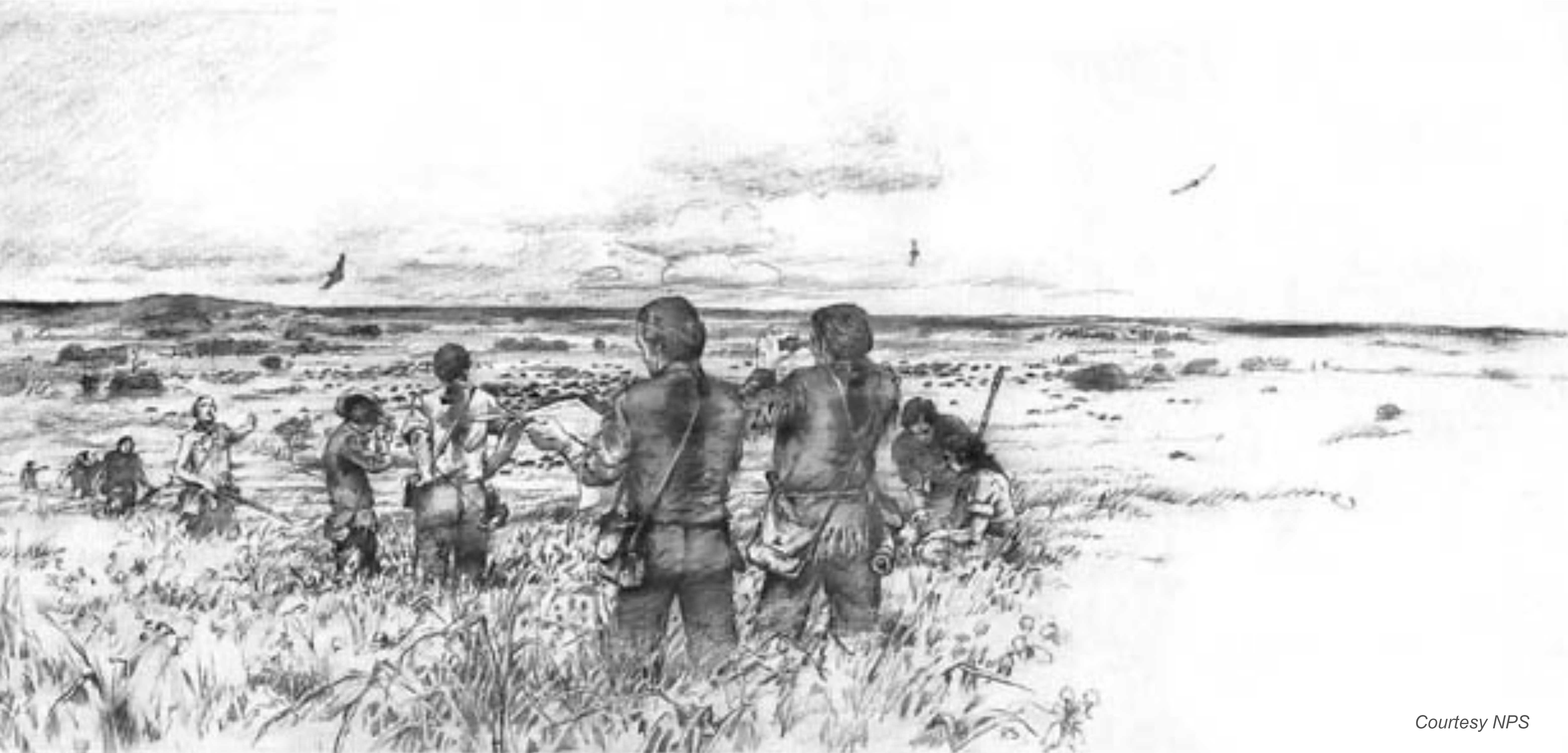
Lewis, Clark, and their crew approach the Hill of Little Devils (now known as Spirit Mound) in late August of 1804

Visitors to the park can follow in the travelers’ footsteps to discover Spirit Mound and other memorable sites recorded in their journals.

The nearby Lewis and Clark Visitor Center now stands on Calumet Bluff, the site of the explorers’ historic meeting with the Yankton Sioux. The visitor center features educational exhibits that interpret the Expedition.


Looking for more? Then check out our extensive collection of interpretive products related to Lewis and Clark. Many are available at our park stores, but you can also find them in our online store:

There’s no better way to hear the voices of the explorers than by reading the journal entries of the expedition’s leaders:
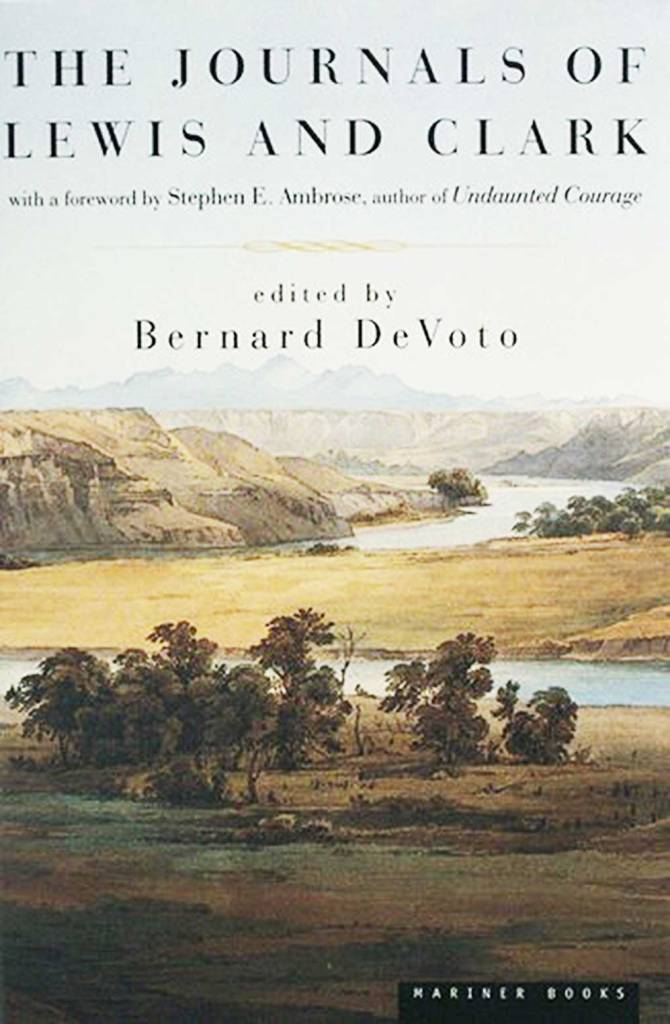

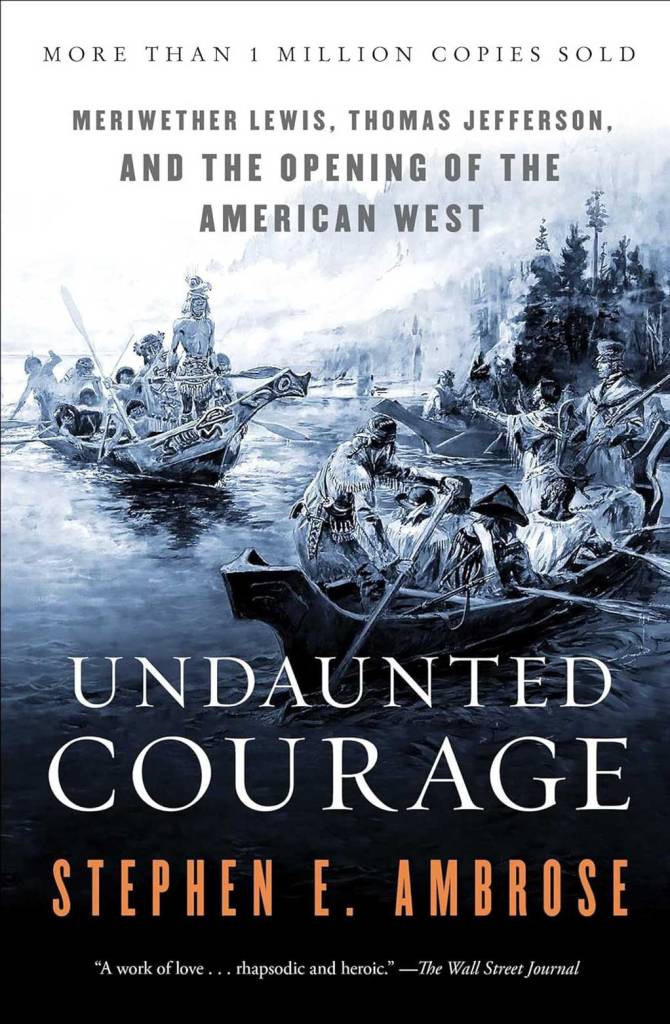
Or read noted historian Stephen Ambrose’s account of the expedition:

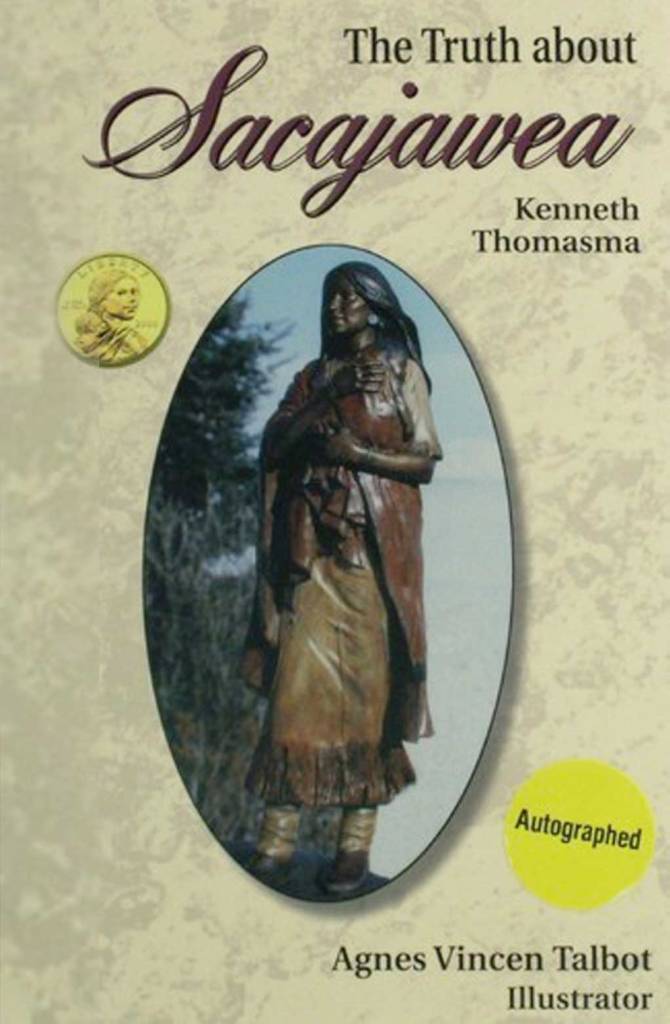
Teens will enjoy reading the inspiring story of the Shoshoni girl who made valuable contributions to the expedition:

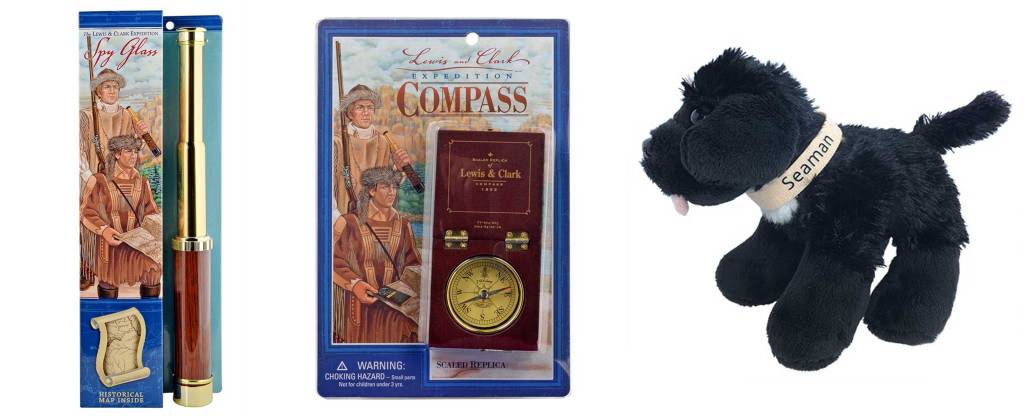
It’s never too early to interest kids in Lewis and Clark’s adventures:
An Epic Journey

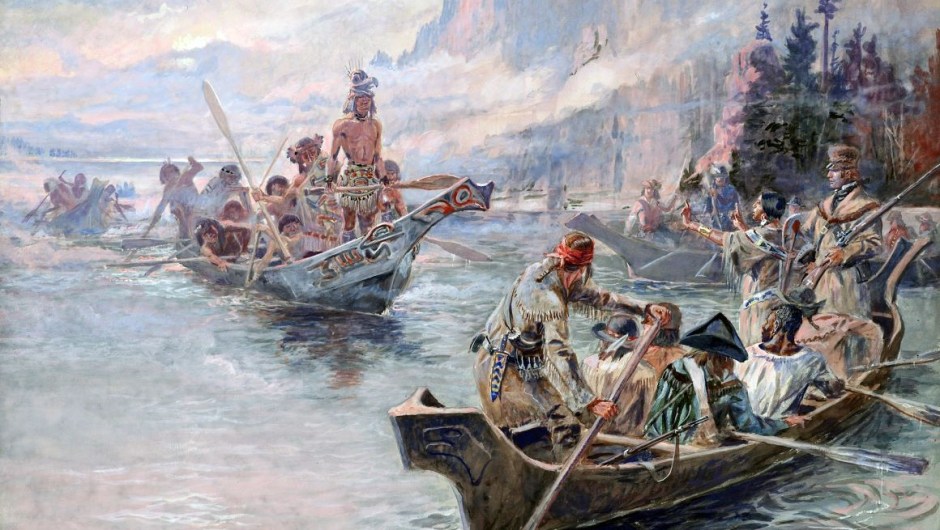
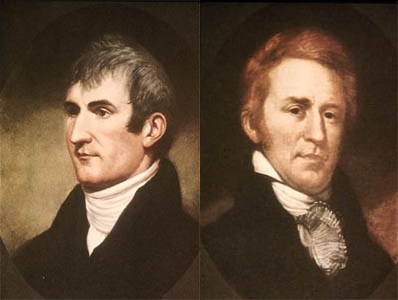
Nearly 218 years ago this week, 45 men and one dog set out from Camp Dubois near St. Louis on what was to become one of the most famous explorations in American history.  On May 14, 1804, Meriwether Lewis and William Clark led their Corps of Discovery on an expedition to explore the newly acquired western portion of the continent.  Their epic two-year journey took them to the Pacific Coast and back, yielding a treasure-trove of detailed maps, climate and soil data, and plant and animal specimens, as well as the beginning of relationships with dozens of tribal nations.

Two of JNPA’s partner sites – Gateway Arch National Park and the Lewis and Clark Visitor Center – feature interpretive exhibits about this famous expedition in their museums.  So we thought it fitting to honor the intrepid explorers during this anniversary week.

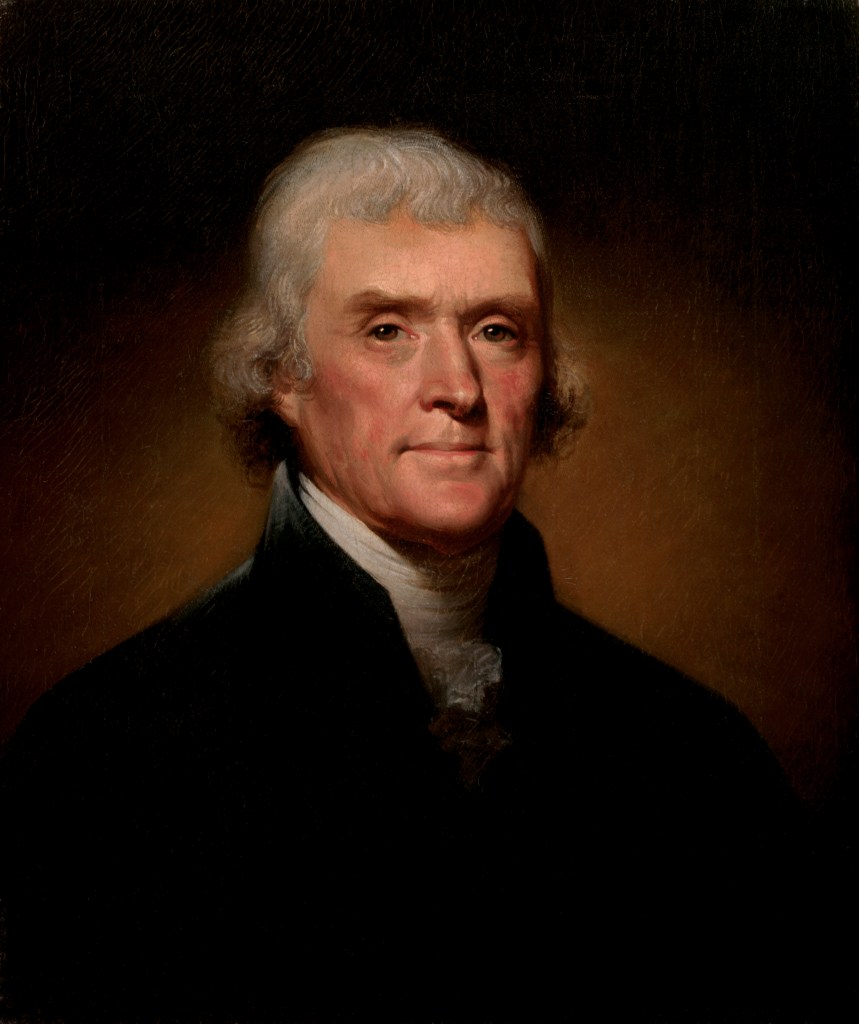
Thomas Jefferson

President Thomas Jefferson commissioned the expedition shortly after acquiring the Louisiana Purchase territory in 1803.  Although scientific discoveries and mapping were of high importance, Jefferson’s primary interests were political and commercial.  He envisioned an eventual expansion of the nation to the Pacific Ocean and wanted to establish an American presence in the west before European nations made claims to the region.  He also charged Lewis and Clark with preparing the way for the extension of the valuable fur trade, with documenting other natural resources that could support future settlements, and with assessing the friendliness of the indigenous tribes they encountered.

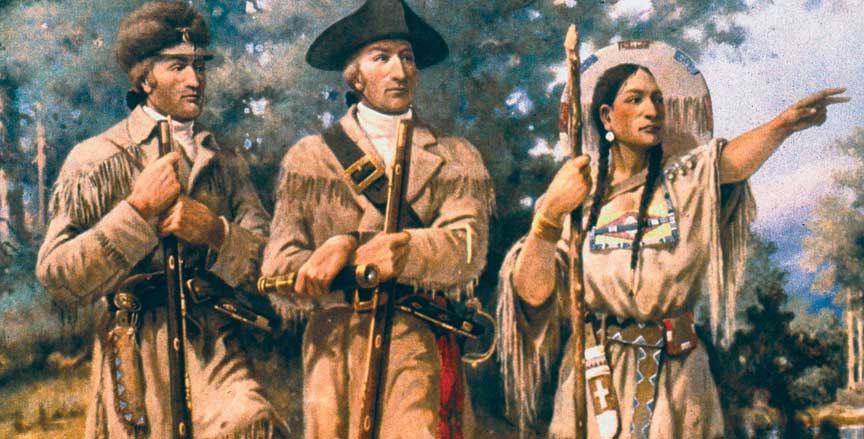
Meriwether Lewis and William Clark

Jefferson provided the Corps of Discovery with the best clothing, firearms, boats, equipment, and rations then available.  He also supplied them with an assortment of medals, ribbons, needles, mirrors, and other articles which were intended as gifts to Native American chiefs.

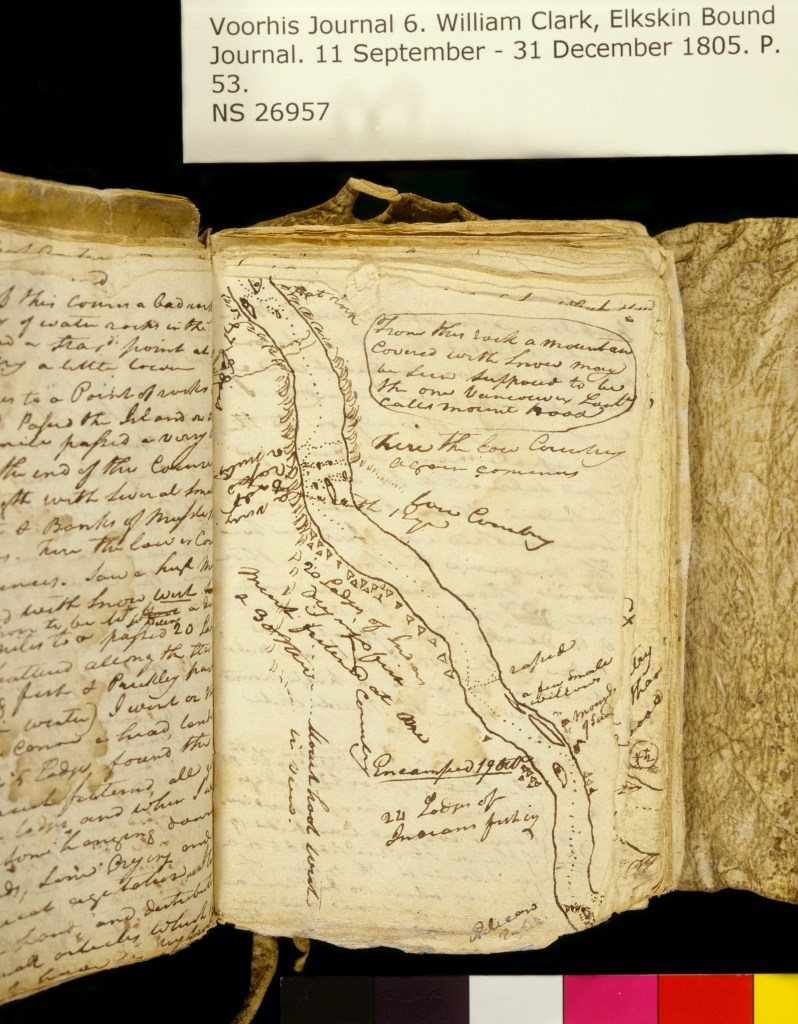
The expedition travelled up the Missouri River and through its tributaries in a specially built 55-foot keelboat and two smaller boats called pirogues, averaging 15 miles a day.  Their journey proved difficult and exhausting:  the men were plagued by heat, injuries, insects, and the river’s strong current and many snags.  Both Lewis and Clark’s kept detailed records of these arduous conditions in their journals, which were primarily devoted to meticulous descriptions and drawings of the native people, plants, animals they saw.

[Columbia River near Mouth of Umatilla River, Washington and Oregon]. Entry of 19 October 1805, cont. Voorhis Journal #6 [Elkskin Bound Journal]. p. 53. [Moulton 5:302]. Voorhis Journal 6. William Clark, Elkskin Bound Journal, 11 September – 31 December 1805., p. 53. Clark Family Collection. William Clark Papers. Missouri Historical Society Archives. Photograph by Cary Horton, 2003. NS 26957. Photograph and scan (c) 2003, Missouri Historical Society.

To find out more about this famous expedition, you can visit the museum at the Gateway Arch.  The Jefferson’s Vision gallery features numerous exhibits on Lewis and Clark’s journey, including replicas and artifacts, interactives about the plants and animals the explorers encountered, and information about the native peoples who inhabited the West at the time of the expedition.

The Arch Store also offers books and other products related to the Corps of Discovery, including the classic best-seller Undaunted Courage by Stephen Ambrose.  You can purchase these and other items online or at The Arch Store.