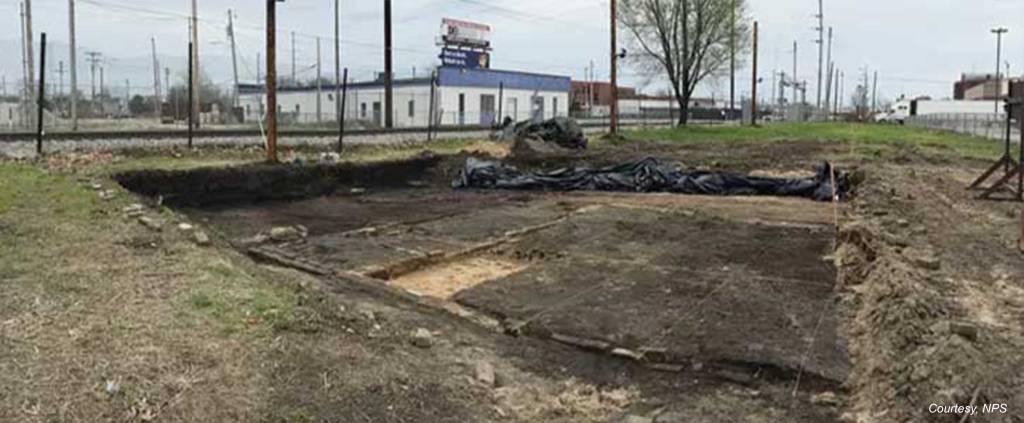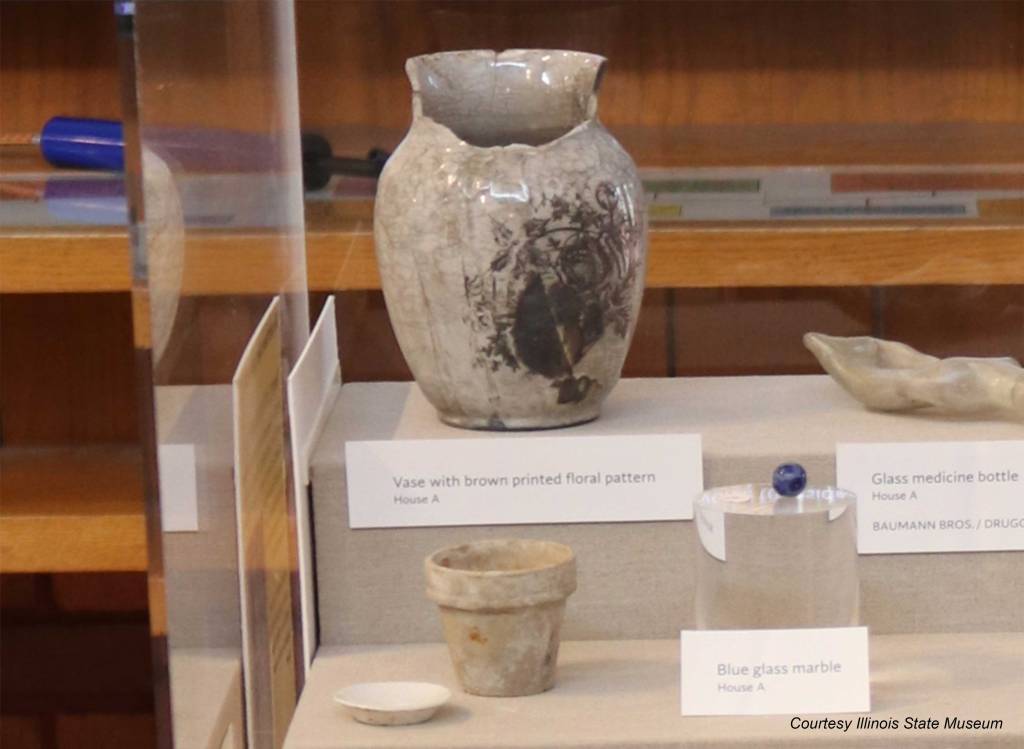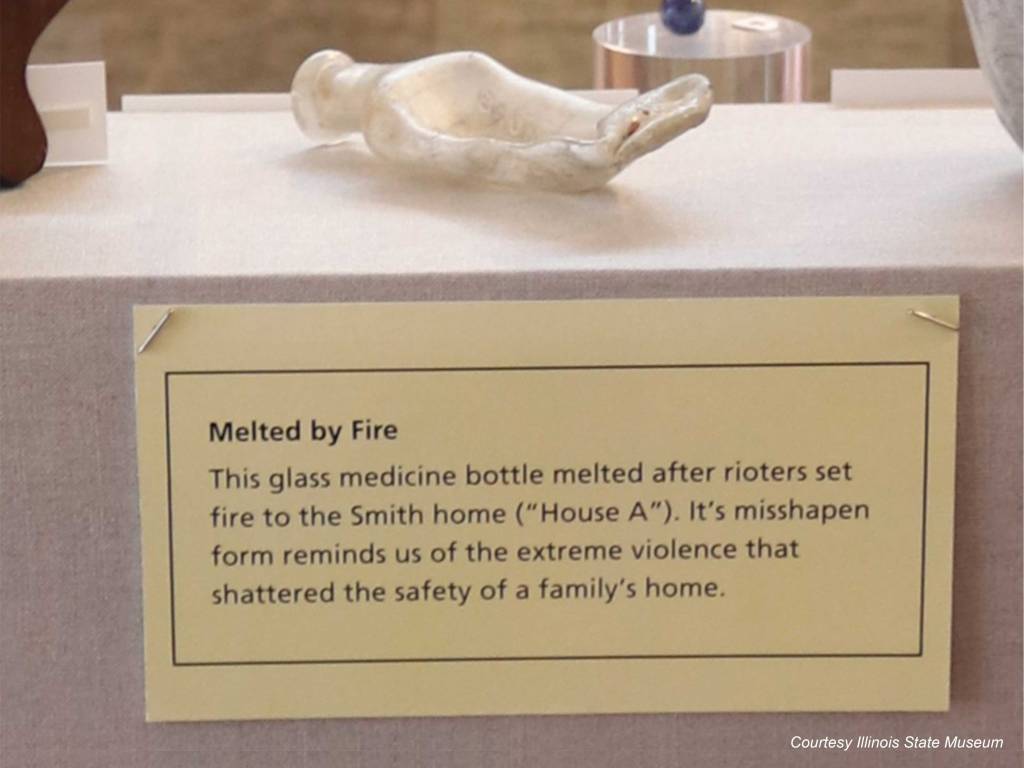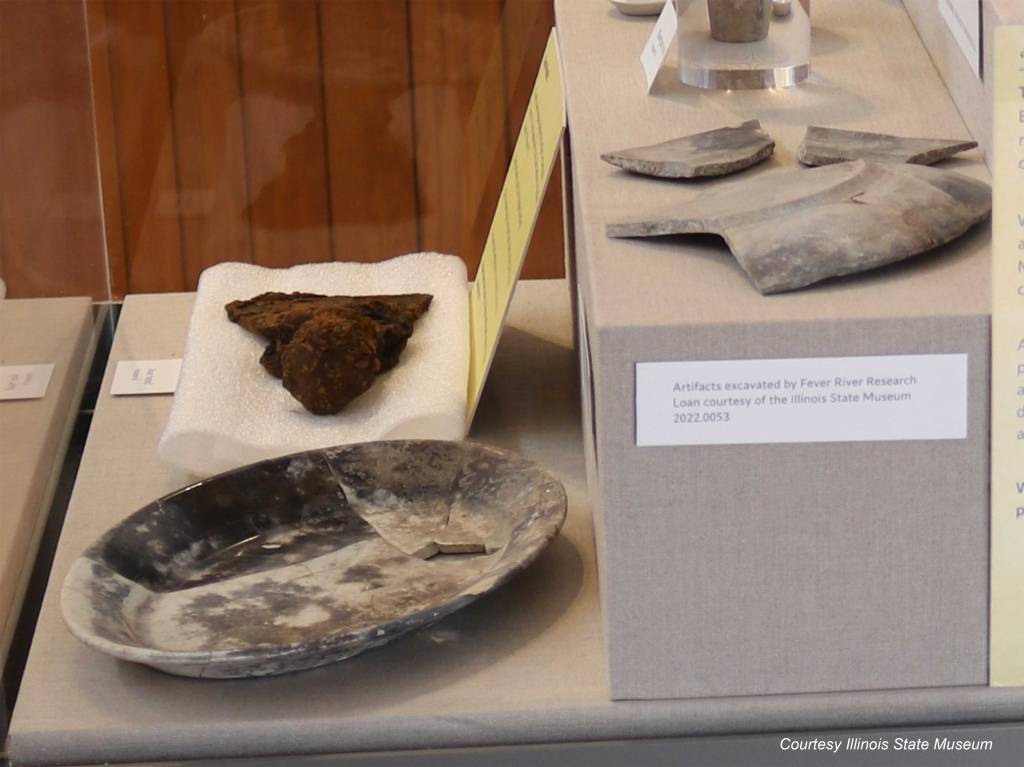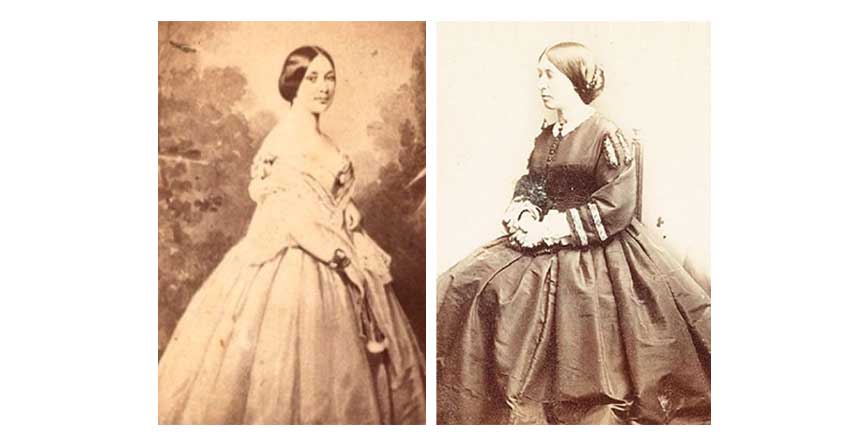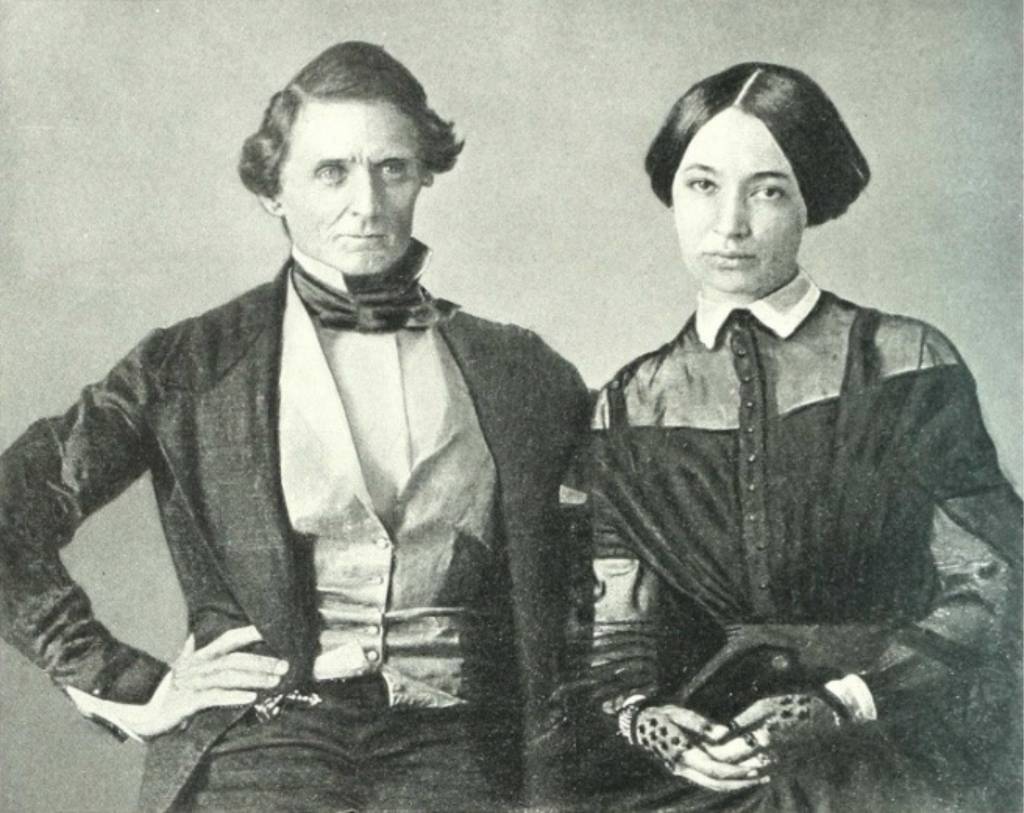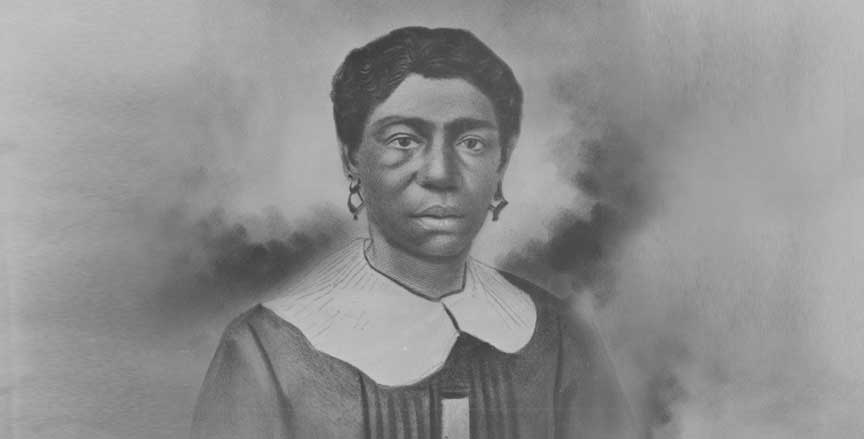
The Legacy of Harriet Scott  

Do you recognize the name Harriet Scott? If you can’t place her, don’t feel bad. She is usually only mentioned in connection with her more famous husband, Dred. Does that ring a bell?

The Scotts were responsible for one of the most important court cases ever heard in the U.S., and one that carried significant implications for African American rights in this country. And since this month marks the 150th anniversary of Harriet’s death, we thought it was a good time to recall her role in history.

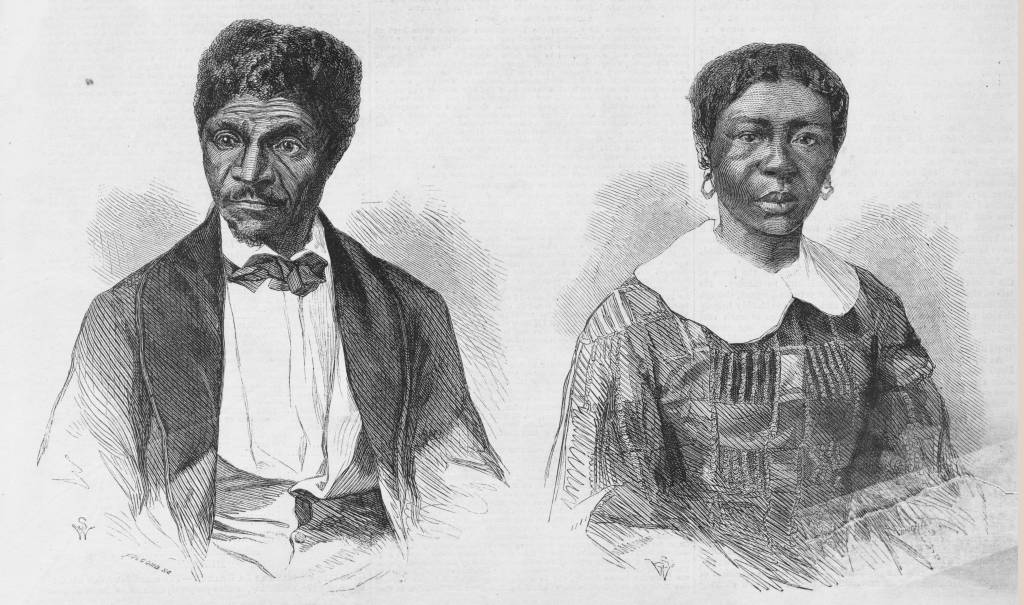
Dred and Harriet Scott

In the mid-19th century, Harriet and Dred Scott were an enslaved couple living in St. Louis along with their two young daughters. They had spent years living in free territory in what is now Minnesota, so they decided to sue for their freedom in the slave state of Missouri. Their original petitions, filed in 1846, took years to wend their way through the court system, and the Scotts endured years of delays and multiple appeals. 

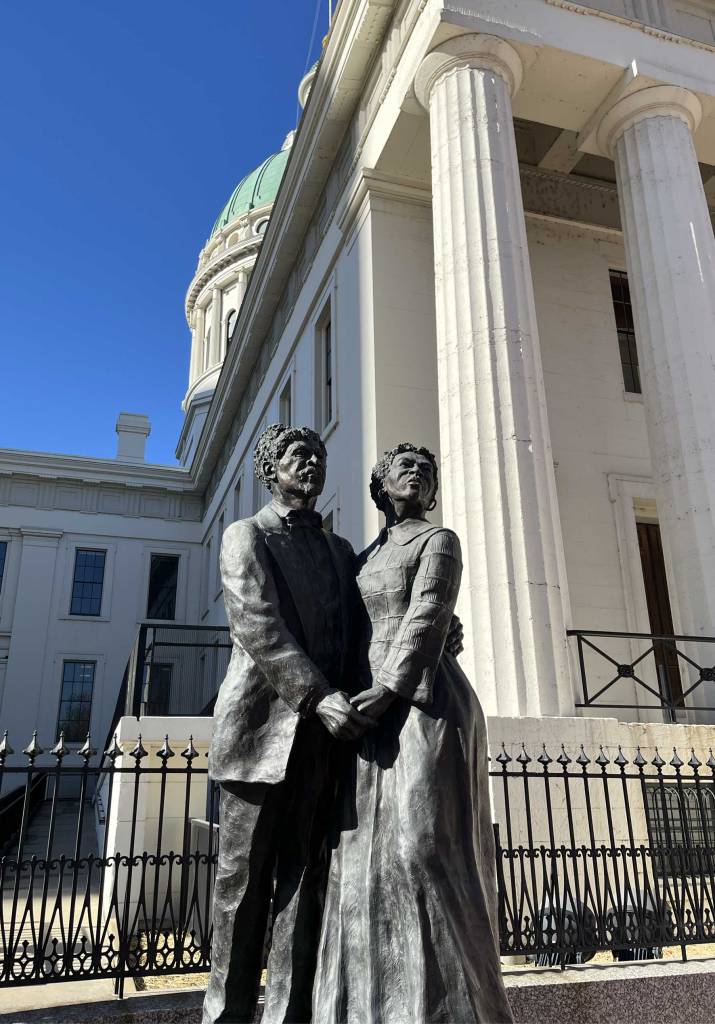
Statue of Dred and Harriet Scott outside Old Courthouse

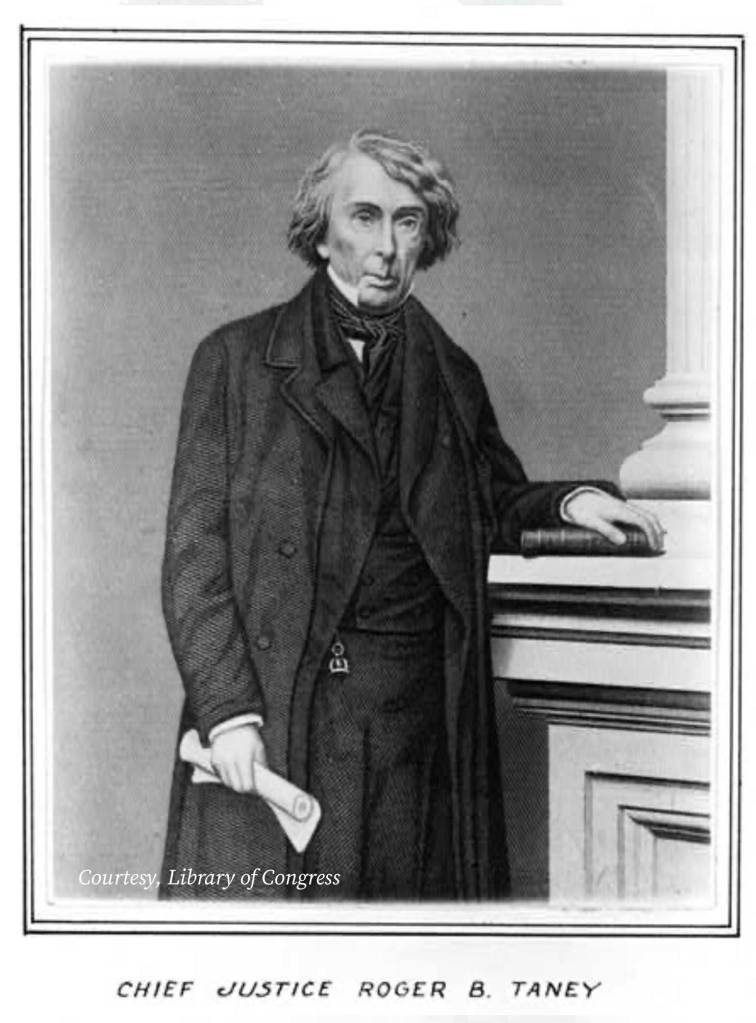
Finally in 1857 their case reached the U.S. Supreme Court, where Chief Justice Roger Taney wrote the majority opinion. He argued that the framers of the Constitution had believed that Black people had “no rights which the white man was bound to respect.” Enslaved or free, he ruled, Black people were not citizens of the United States, so therefore had no right to bring freedom suits. The Supreme Court decision contributed to the start of the Civil War four years later, which ultimately led to freedom for the enslaved people of the United States.

Though the Scotts were devastated by the court ruling, they gained their freedom a few months later. Their owner—by then Taylor Blow—freed them on May 26, 1857. Sadly, Dred died of tuberculosis less than a year later.  

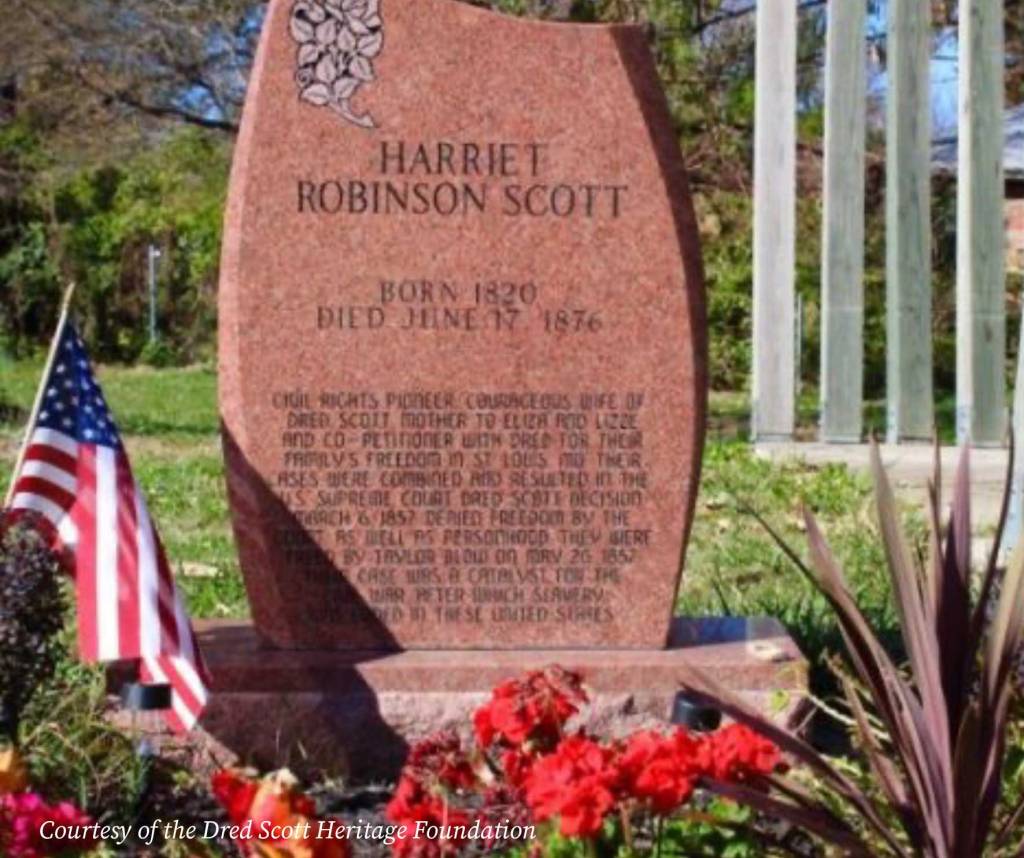
Harriet Scott lived for nearly 20 more years in freedom in St. Louis, witnessing the Civil War and the end of slavery in the United States of America. She died at age 61 on June 17, 1876, and was buried in Greenwood Cemetery, one of the first Black burial grounds in the city. 

Although her name is not as well known as her husband’s, Harriet Scott’s quest to seek freedom for herself and her family was equally powerful in changing the course of American history.

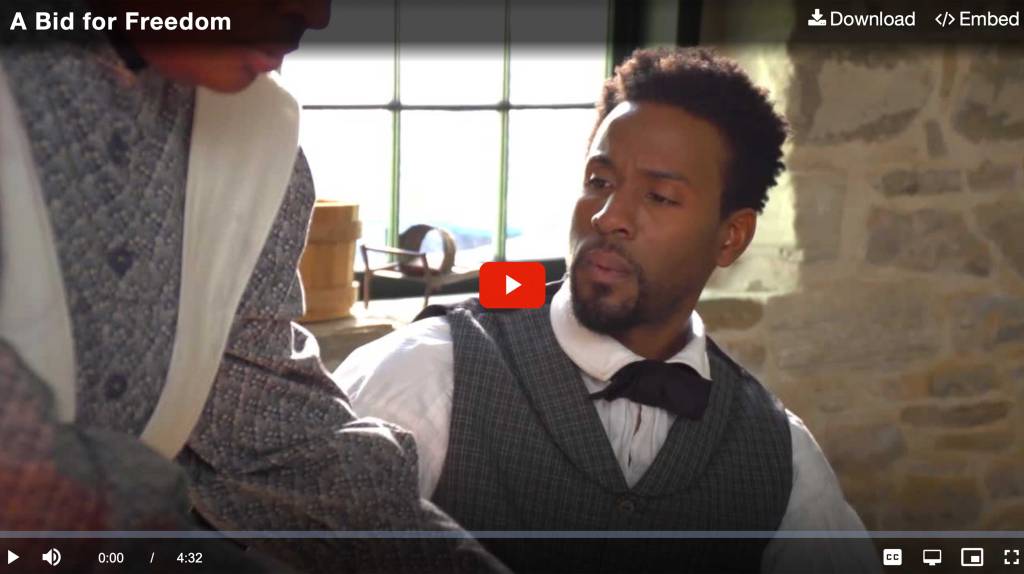
JNPA helped produce a short video for Gateway Arch National Park that dramatizes the Scotts’ decision to seek freedom. Click here to watch. 

Listen to Your Park!  

When we visit a national park, most of us focus on what we see: a waterfall, a historic building, a field of wildflowers, a soaring monument. But what if you closed your eyes and just…listened? We bet the sounds you’d hear would make your park visit that much richer.
Now that spring is well underway and summer is upon us, there are a myriad of dazzling sounds in our partner parks just waiting to be enjoyed.  

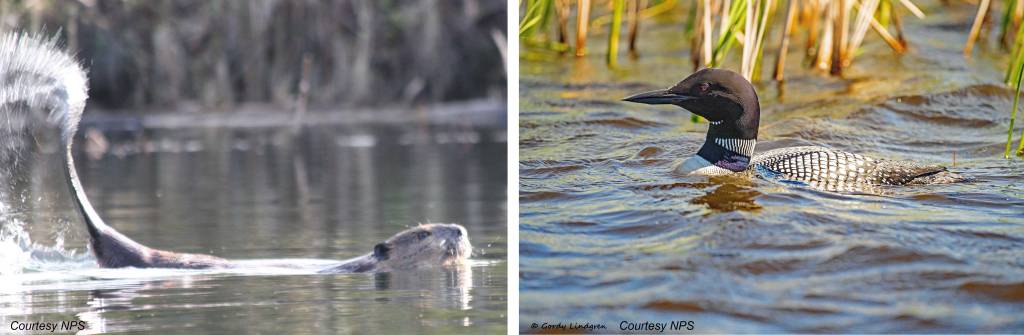
At Voyageurs National Park, you might catch the slap of a beaver’s tail, the haunting call of a loon, or the gurgle of a rushing stream. 

beaver’s tail
loon call
gurgling stream

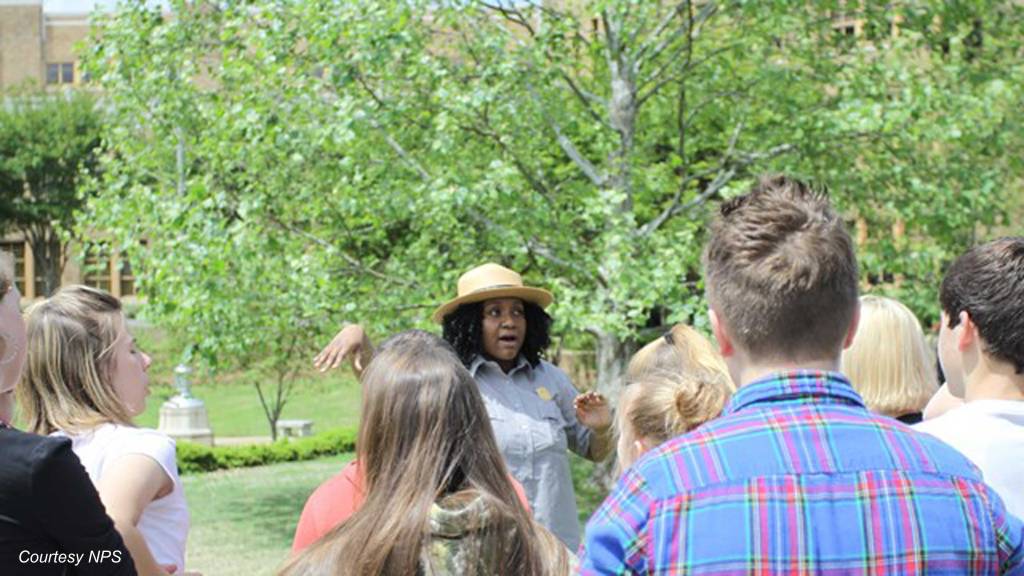
At Little Rock Central High School National Historic Site, you can listen to schoolchildren on a ranger tour learning about our nation’s early civil rights struggles.

schoolchildren

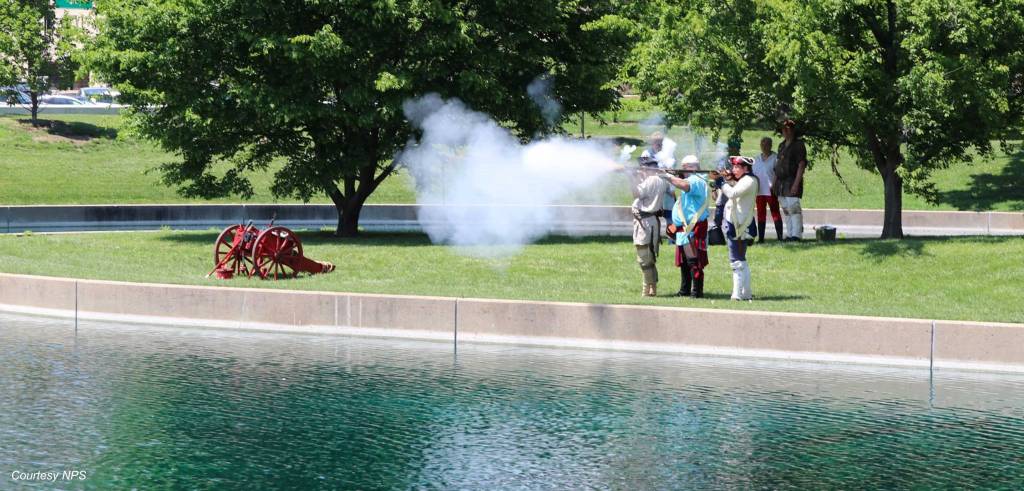
At Gateway Arch National Park, you can’t miss the loud firing of cannons and muskets when you attend the annual Battle of St. Louis commemoration. 
cannons
muskets

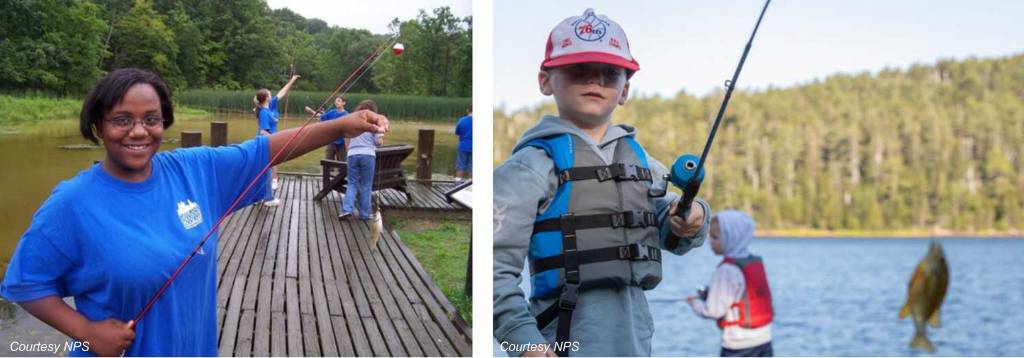
And at Missouri National Recreational River, the squeals from children catching their first fish is guaranteed to bring smiles.

children laughing

These are the sounds that make visiting our national parks such a unique experience. They awaken the sense of awe that connects us to the splendor of nature or to a deeper understanding of our nation’s history. And as these sounds enrich our emotions and attitudes, they can help build lifelong memories of our park visits.

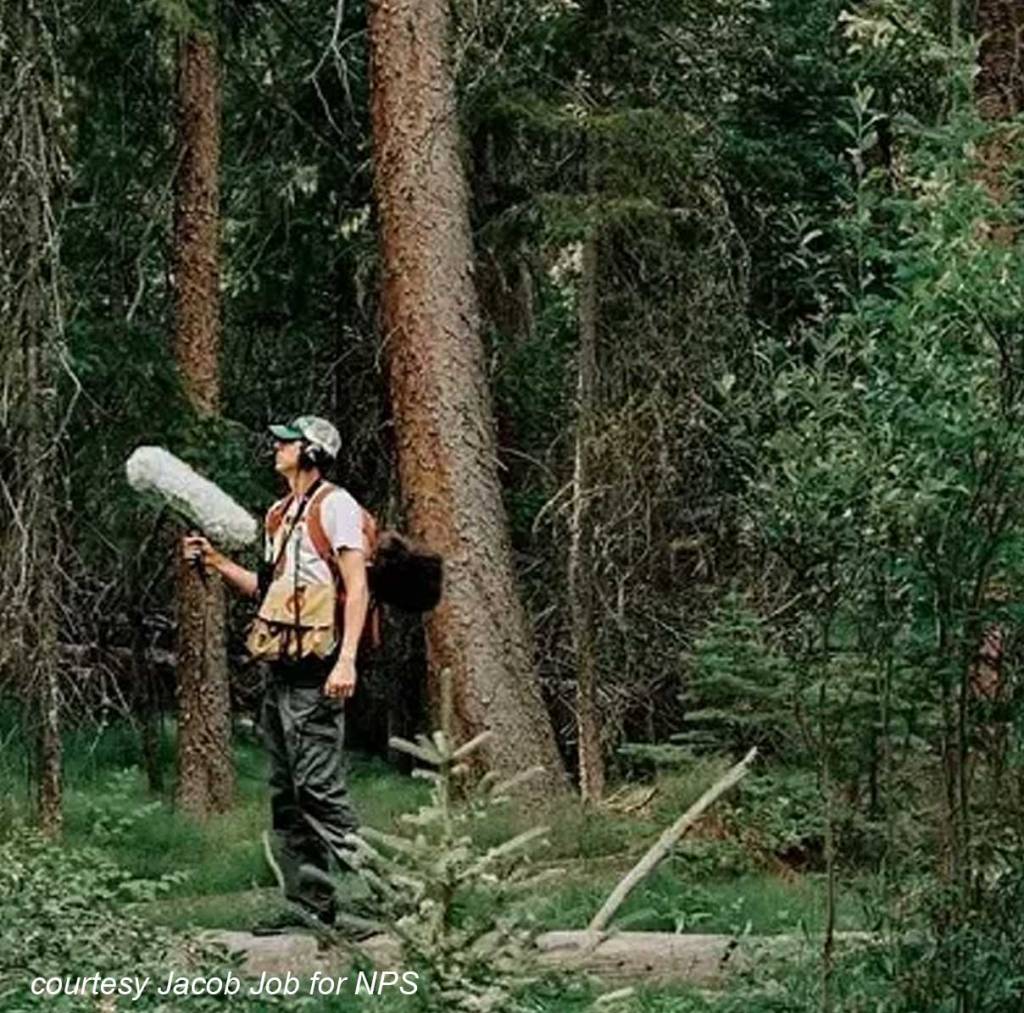
The National Park Service considers sounds from its parks as part of a web of natural and cultural resources that must be protected. In fact, the NPS Natural Sounds and Night Skies Division helps park staff protect their acoustic environments by reducing noise pollution and by recording and preserving their natural sounds.  

Recording sounds at Rocky Mountain National Park

Scientists at national parks across the country have set up microphones to record sounds throughout park systems. The recordings are then transferred to the PARC Listening Lab, where Penn State students listen to, analyze and inventory the sounds heard. Once sounds are analyzed, the findings are sent back to officials at respective parks and used to inform management decisions about how best to protect natural quiet. 

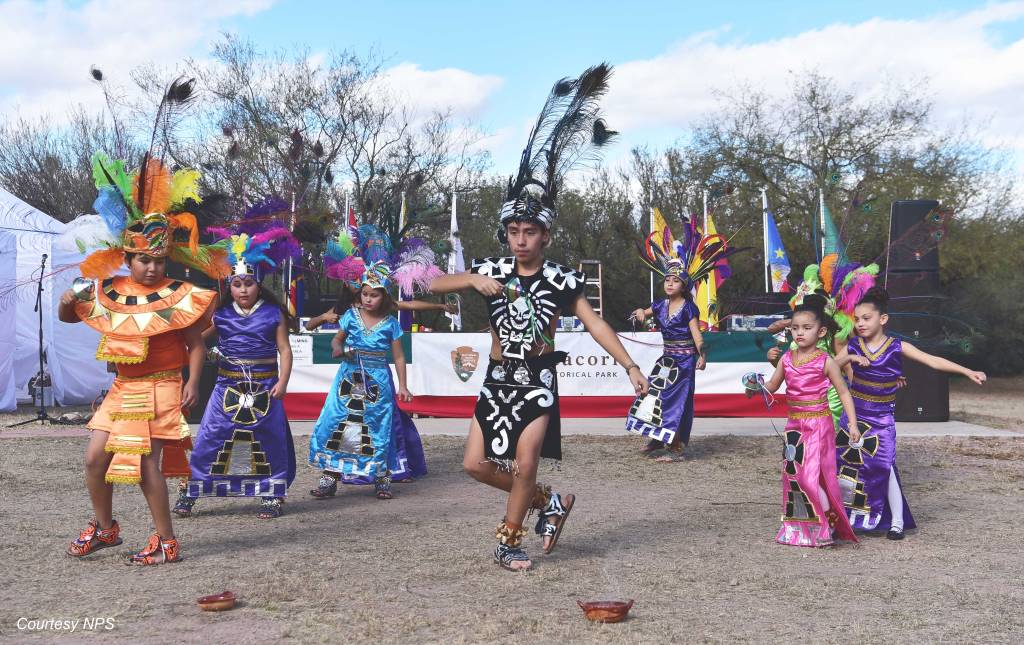
Azteca dancers at Tumacácori National Historical Park

And of course a healthy soundscape is not limited to the sounds of nature. Cultural and historic sounds are important components of many national park units. The sound of a cannon shot echoing across a Civil War battlefield or the hypnotic drumbeat of a sacred tribal dance brings the past into the present and elicits a sense of connection to our ancestors. Managers at cultural and historic parks strive to preserve an acoustic setting that is consistent with the resources and values being protected.

So the next time you visit a national park, be sure to listen for the sounds all around you. And to help inspire you as you read this, close your eyes, sit back, and enjoy this soothing 12-minute soundtrack that will transport you to parks across the country.

Mni Ówe Sni: Honoring an Indigenous Site  

It is a 29-acre prairie and oak savanna graced with a freshwater spring that flows year-round. And it is also steeped in thousands of years of history, of both Indigenous people and European/American settlers. And now the area has a new name that honors its complex heritage.

This verdant landscape at Mississippi National River and Recreation Area holds both natural beauty and generations of meaning. It has been known to many locals as Coldwater Spring, but has recently been renamed Mni Ówe Sni, honoring the site’s longstanding spiritual significance to the Dakota and other Indigenous people.   

Stereoscope image of Winnebago people, 1863

Mni Ówe Sni has been a place of peace, healing, and gathering for many Indigenous nations including the Dakota, Anishinaabe, Ho-Chunk, and others for thousands of years. Because of its proximity to the confluence of the Mississippi and Minnesota Rivers, the site served as a neutral place where various tribes could trade, camp, and move freely. And it continues to be an active and vital part of Dakota life even today. 

View of Fort Snelling c. 1850 by Edward K. Thomas

More recently, the area lured European explorers and setters looking to expand the fur trade. After explorer Zebulon Pike secured 100,000 acres of land from the local Dakota chiefs in 1805, the U.S. government established a military reservation there. Soldiers erected a permanent stone fort – Fort Snelling – making use of the abundant fresh water from the spring. Following the closing of the fort after World War II, the site was turned over to the U.S. Bureau of Mines as its Twin Cities Research Center, where mining research was carried out for over 40 years. The Bureau of Mines closed in 1995 and the campus was abandoned.  

The site was eventually transferred to the National Park Service in 2010. NPS officials collaborated with local Tribes, other agencies, non-profits, and volunteers to begin restoring native plants communities, re-introducing tallgrass prairie, oak savanna, bur oak-pin oak woodland, and other forestlands. 

Then in 2023, the early cultural heritage of Coldwater Spring came full circle. It was officially designated a Traditional Cultural Place named Mni Ówe Sni and listed in the National Register of Historic Places. As the park noted in a 2023 Facebook post: 

NPS now manages portions of the Mni Ówe Sni area in partnership and collaboration with these and 18 additional Tribes.  

Plant Like Grant? 

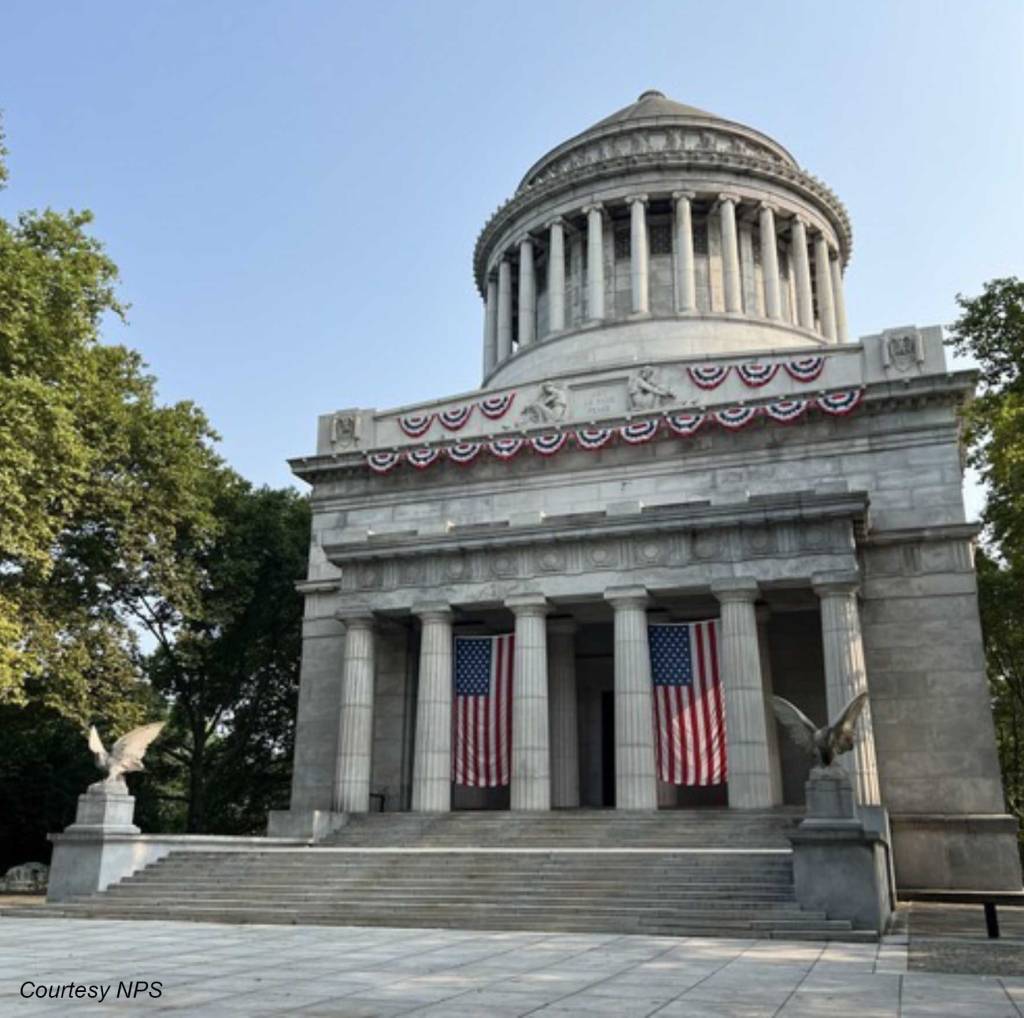
Say the name Ulysses S. Grant to most people, and they’ll likely mention his role as a U.S. president or as a renowned Civil War general or maybe as a force behind the 15th Amendment (banning racial discrimination in voting). What probably won’t come to mind is Grant as a farmer. 

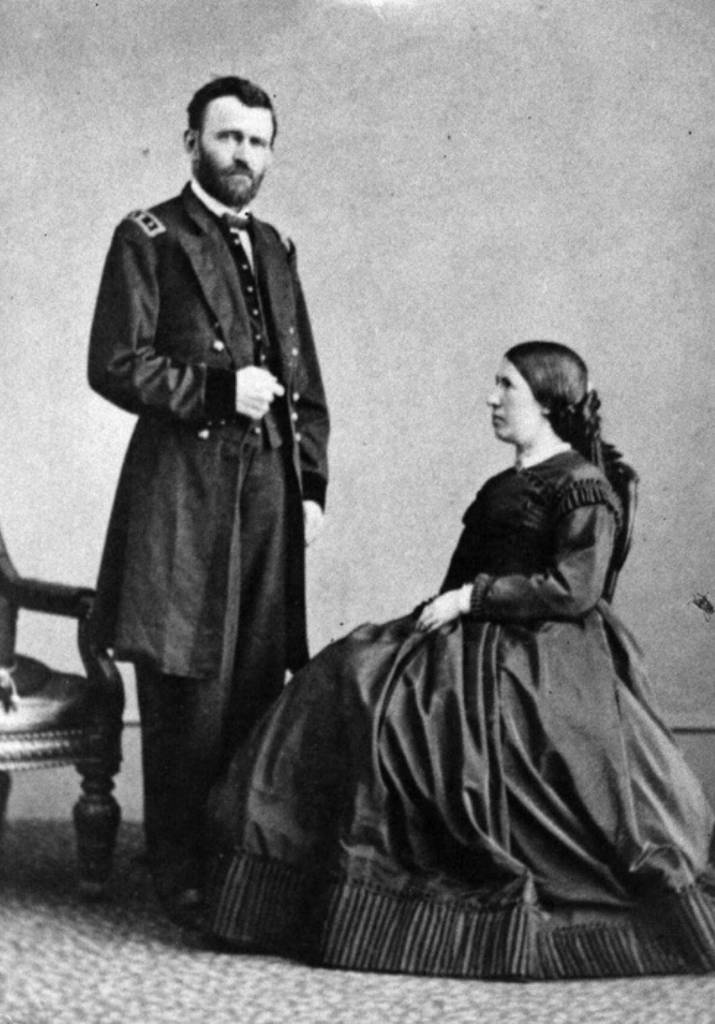
When Grant abandoned his early military career in 1854, he returned to White Haven, the suburban St. Louis estate he shared with his wife Julia and their young children. He had decided to try his hand at farming the 80 acres he was given as a wedding present, part of the 850-acre plantation belonging to his father-in-law, Fredrick Dent. In a letter to a fellow soldier that year, he wrote:

“Whoever hears of me in ten years, will hear of a well-to-do Missouri farmer.” 

With the help of enslaved laborers, Grant initially cultivated fruit and vegetable crops only on his 80 acres. He also built a cabin on his land, which he dubbed Hardscrabble. But when Col. Dent moved to the city several years later, Grant took full control of day-to-day farming operations on the entire plantation.   

Grant’s initial forays into farming were filled with optimism. In 1856, he wrote to his father, Jesse R. Grant, with updates on his farm operations, as well as a request for a loan of “about $500.00 for a year at 10 percent [interest].”

As many farmers can relate to, Grant faced numerous obstacles during his farming venture despite his best efforts. Persistent droughts, illness, a failing economy, and unseasonable frosts took their toll on the White Haven harvests, and he began to fear he would no longer be able to support his family. He resorted to selling firewood to help make ends meet. 

White Haven Plantation

Having received no response to his first letter, Grant sent his father an even more desperate plea for money about six weeks later:

It’s believed that Jesse Grant never loaned his son money. By the fall of 1858, Ulysses began making plans to sell off his farming equipment and he eventually moved his family to the city of St. Louis.  

To learn more about Grant’s experiences as a would-be farmer, join Ranger Blake this Sunday April 26 at 1:00 p.m. for Plant Like Grant! Farming at White Haven, a lecture at the park. The program is free but call 314-842-1867 ext. 230 for reservations.

A Vestige of the Untamed West 

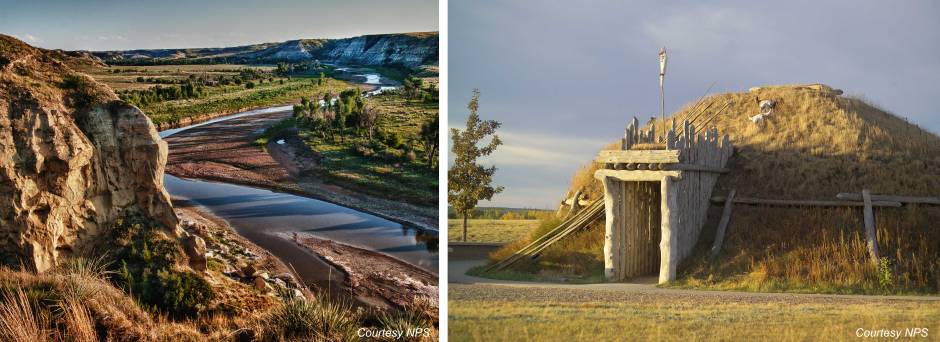
If you’re looking to step back to a time when the American landscape was untouched and wild, head to southeast South Dakota. There you’ll find a remarkable parcel of land that was recently added to Missouri National Recreational River:  a 676-acre property on James River Island, downstream from Yankton, South Dakota.  

The $1.6 million purchase protects the largest private tract on the island, enhancing public recreational access for boating, hiking, and hunting within the park. The National Park Service has worked for decades to acquire the property from a private landowner. The acquisition was a joint effort between NPS and the National Park Trust, with funding support from the National Park Foundation.  

James River Island displays remarkable natural and historic vestiges of the untamed, natural Missouri River habitat. The island is home to old-growth cottonwood forests and native prairie, both of which are rapidly disappearing across the region. It provides vital nesting habitat for federally endangered species, including the least tern and the piping plover. 

In addition to the unique habitat, the property also carries historic significance. Lewis and Clark’s Corps of Discovery noted the confluence of the James River and surrounding channel islands in their journals when the expedition passed through the area on August 27th, 1804, and again on September 2nd, 1806.

Under NPS stewardship, the island will remain undeveloped, offering low-impact recreational activities such as hunting, fishing, camping, boating, and paddling, while ensuring the land’s ecological integrity is maintained. Access to the island is only by boat (kayak, canoe, or motorboat).

Located in southeast South Dakota and northeast Nebraska, the Missouri National Recreational River protects over 100 free-flowing miles of the Missouri River and several of its tributaries. Enjoy this short introductory video about the park, or dive even deeper on its YouTube channel.

Oh, To Be a Woman in Early Ste. Geneviève 

When the United States government purchased the Louisiana Territory from France in 1803, it doubled the size of our nation. It also brought a significant cultural, political, and legal shift for the residents who had previously lived under French rule. Few of these changes were more significant than those affecting women.

Women’s rights in the small Missouri town of Ste. Geneviève were quite a bit different before the French Colonial village became part of the United States. French customary law had granted women a considerable amount of economic independence. For one thing, French inheritance laws did not discriminate against a widow, who would receive half of the estate when her husband died. The other half would be split evenly among her heirs – regardless of gender – and if there were no heirs, the wife received everything.  

French law also allowed women to buy and sell property and to enter contracts in their own names. They could manage households, farms, and businesses, often having influential control over estates. Women could lend or borrow money, marry or separate, bring a lawsuit or be sued, engage in commerce, and even use their maiden names. A husband could not dispose of his wife’s property without her consent.  

It’s difficult to know how many women in colonial Ste. Geneviève played active roles in property transactions and legal matters, since few were educated enough to leave written records of their daily decisions and achievements. Most women were consumed by the labor-intensive work of sustaining a frontier settlement as they managed households and participated in religious life.  

However, most of their legal rights ended in 1804 when the Louisiana Purchase was finalized and Ste. Geneviève became an American village, subject to a system based on English common law. Married women were stripped of their independent legal existence, merging their rights with their husbands. They could no longer own property, sign contracts or bring lawsuits. A husband now owned his wife’s personal property, wages, and real estate, and held sole rights to their children. 

Women in Ste. Genevieve slowly adapted to these changes, of course. They continued to be active participants in churches, schools, courts, and many businesses. They were also primarily responsible for keeping the town’s French traditions alive, like the annual La Guiannée (New Year’s Eve singing tradition).  

Over time, of course, women’s rights throughout America slowly progressed from a limited legal status to constitutional equality in many areas, driven first by the women’s suffrage movement then by legislative gains addressing workplace discrimination, voting rights, reproductive rights, and economic autonomy.

Two Different Lives for the Women of White Haven

A life of privilege or of hardship. For the women who lived on the White Haven plantation in the 19th century, their overlapping fates depended on the color of their skin.

Ulysses S. Grant spent most of his pre-Civil War civilian years living at the 850-acre plantation. It was also home to his wife Julia Dent Grant and their growing family of four children, Julia’s parents and six siblings, and several of Grant’s own relatives. The family enjoyed a life of wealth and privilege, benefiting mostly from Colonel Dent’s success as a planter and merchant.  

At the other end of the spectrum, White Haven was also where dozens of enslaved African Americans lived and toiled. Long before Grant married into the Dent family, slave labor had been essential to the daily operations of the plantation, whether the enslaved worked in the field and orchards or in the home.  

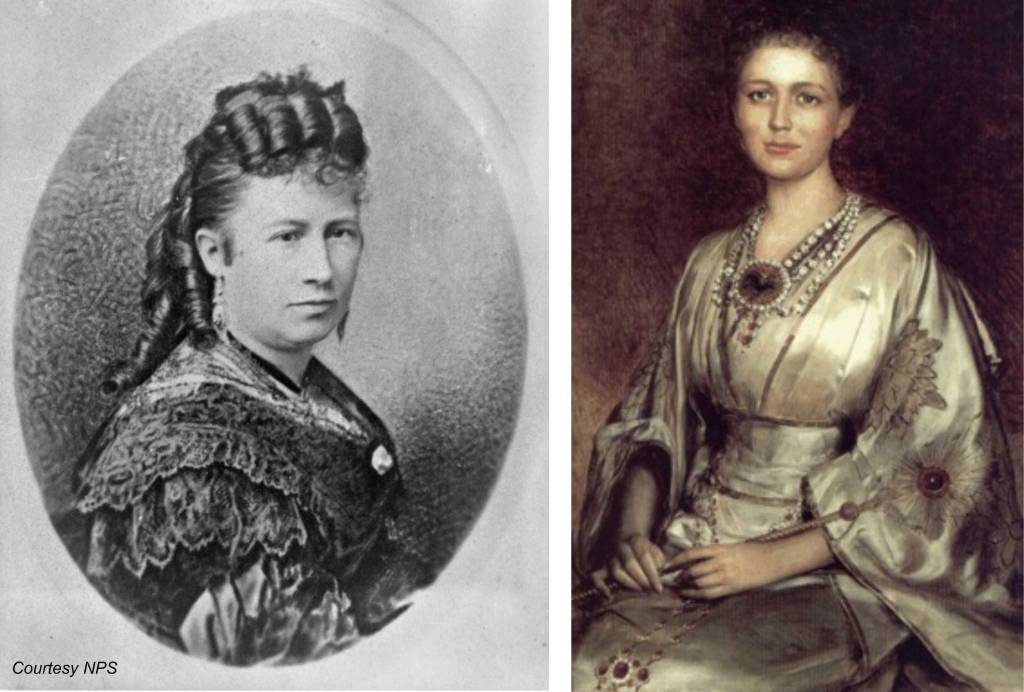
The family matriarch at White Haven, Ellen Wrenshall Dent, managed the domestic duties of the household, overseeing food preparation, clothing production, childrearing, entertaining of guests, and other daily routines (primarily carried out by the enslaved staff). Julia described her mother as “a great reader, fond of poetry and music. She was beautiful, kind, and gentle.”

Julia and her younger sisters Nellie and Emma had access to education, leisure, and social mobility. From the ages of 10 through 17, Julia attended the Misses Mauros’ Academy, a boarding school in St. Louis. She studied literature, history, philosophy, and other subjects considered appropriate for young women of her class, as well as an apt preparation for a woman who would become one of the most prominent First Ladies of the 19th century. 

Contrast the Dent women’s genteel lifestyle with that of the enslaved women at White Haven. Like their male counterparts, they lived under a system of forced labor, enduring restrictions on their freedom, harsh working conditions, and the threat of family separation.  

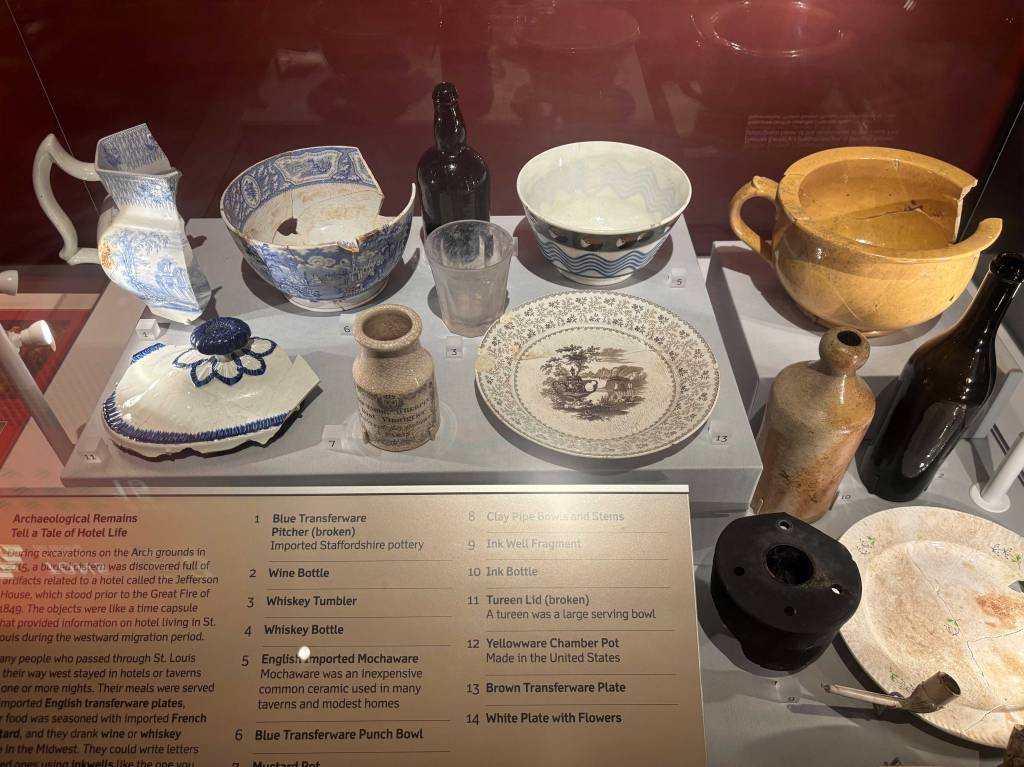
The African American women on the plantation were charged with cleaning the home, feeding the livestock, cooking the Dent and Grant families’ meals, helping raise their children, and serving guests – all the while having to live in crude cabins on the property.  

Among these women were Mary Henry, who was enslaved by the Dent family prior to the Civil War and was a playmate of Julia’s as a child; Mary Robinson, another childhood friend of Julia’s who eventually became the family cook;  Jule, whom Julia described as “always a favorite of mine” though she ran away while on a journey with Julia; and Henrietta Jones, who nursed the White Haven children. 

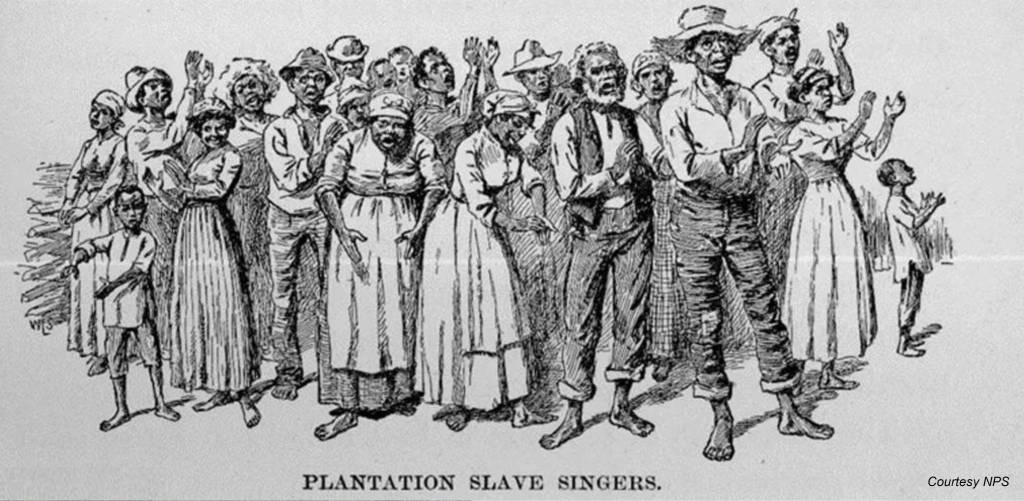
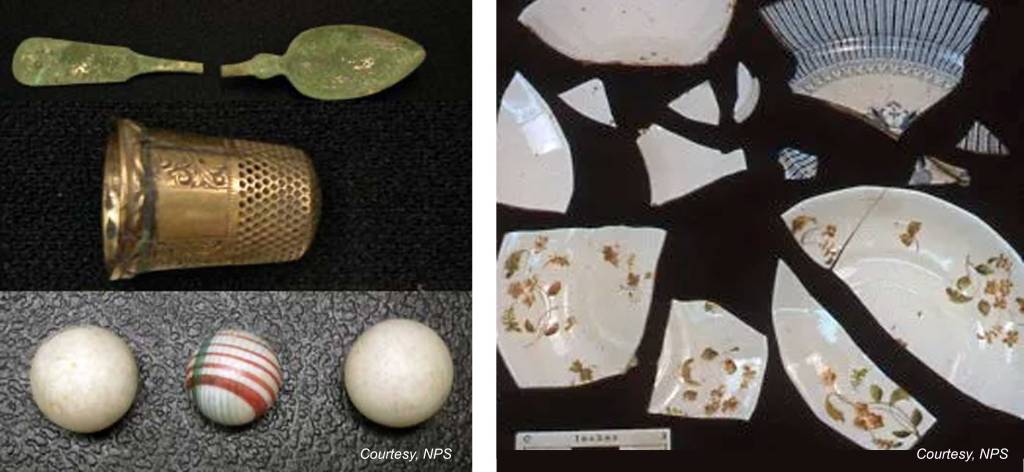
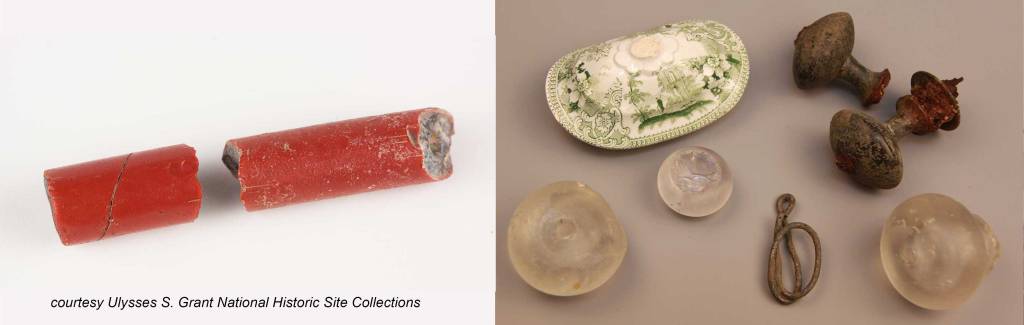
The children of the enslaved were forbidden to attend school, or to read or write, though chalk and other tools found hidden in the floorboards of the winter kitchen show that the plantation’s enslaved were learning to write. Countless other indignities formed the daily life of the enslaved women of White Haven, despite the assertion from Julia and her sisters that they were always treated well.

Slave quarters at White Haven (left image)
Summer kitchen at White Haven where Mary Robinson cooked and may have lived (right image)

Little wonder that during the Civil War, the remaining enslaved laborers at White Haven simply walked off, as they did on many plantations in both Union and Confederate states. Little is known about where most of them wound up, although Mary Robinson and Mary Henry apparently remained in St. Louis and were interviewed by local newspapers after Grant’s death in 1885.

Want to learn more?  Visit the park for a ranger talk on The Women of White Haven on at 10 a.m. Saturday March 21. The lecture is free, but please call 314-842-1867 ext. 230 for reservations.

Digging Deeper into the Lewis and Clark Expedition

We hope our recent blog quiz highlighting little-known facts about the Lewis and Clark Expedition left you wanting more. If that’s the case, we recommend a visit to several of our partner sites to see their exhibits on the famous explorers.   

The museum at Gateway Arch National Park features extensive displays highlighting the Corps of Discovery’s many accomplishments, including hands-on interactives that appeal to younger visitors.

Learn about the Louisiana Purchase, or the Indigenous people who helped the explorers, or the plants and animal species the explorers found along the way. You can also examine spyglasses, theodolites, and other tools similar to those used during the journey.  

After your Arch visit, stroll down to the St. Louis riverfront to see a large sculpture of Lewis and Clark, accompanied by Lewis’ dog Seaman. The 23’ bronze by artist Harry Weber was completed in 2006 to commemorate the bicentennial of the explorers’ return.

The Expedition figures prominently in the interpretive stories told at Missouri National Recreational River. In 1804, while traveling up the Missouri River on their epic journey to the Pacific Ocean, Lewis and Clark participated in a Grand council with the Yankton Sioux at a site below Calumet Bluff. This significant meeting was the first meeting with a Sioux tribe on their journey upstream. 

Lewis, Clark, and their crew approach the Hill of Little Devils (now known as Spirit Mound) in late August of 1804

Visitors to the park can follow in the travelers’ footsteps to discover Spirit Mound and other memorable sites recorded in their journals.

The nearby Lewis and Clark Visitor Center now stands on Calumet Bluff, the site of the explorers’ historic meeting with the Yankton Sioux. The visitor center features educational exhibits that interpret the Expedition.


Looking for more? Then check out our extensive collection of interpretive products related to Lewis and Clark. Many are available at our park stores, but you can also find them in our online store:

There’s no better way to hear the voices of the explorers than by reading the journal entries of the expedition’s leaders:


Or read noted historian Stephen Ambrose’s account of the expedition:


Teens will enjoy reading the inspiring story of the Shoshoni girl who made valuable contributions to the expedition:


It’s never too early to interest kids in Lewis and Clark’s adventures:

Test Your Knowledge of the Lewis and Clark Expedition

We all heard about the Lewis and Clark expedition in school, right? We learned that President Thomas Jefferson dispatched the Corps of Discovery in 1804 on a journey through the newly acquired Louisiana Territory. They were ordered to map the terrain, to befriend the Native peoples they encountered, to document and collect new animals and plants, and to search for an all-water Northwest Passage to the Pacific Ocean.  

But we unearthed some little-known facts about the expedition that we bet you didn’t learn in school. Take our little quiz to test your knowledge and wow your friends at the next Trivia Night.

While serving as a young army officer in 1795, a drunk Meriwether Lewis was court-martialed for allegedly challenging a fellow officer to a duel. Though he was found not guilty, he was transferred to a different rifle company to avoid future disputes. His new commander turned out to be – you guessed it – William Clark.

Scroll down and click page 2 for the next question.  

You Mean They Drive on the Ice?

During harsh winter conditions, most of us do our utmost to avoid driving on icy roads. But not so at Voyageurs National Park, where visitors intentionally drive on ice!

Every winter, park staff members clear snow from parts of Rainy Lake and Kabetogama Lake, creating ice roads that visitors can use. The roads are open to cars and trucks weighing less than 7,000 lbs. (Snowmobiles are not permitted). The speed limit is 30 mph. The roads are typically very wide – up to 60 feet or more – giving vehicles plenty of room to park and spread out.

Voyageurs’ two main ice roads begin at the park’s visitor centers, though the routes vary from year to year. Depending on weather conditions, they are open from early January to mid-March.  

The park takes visitors’ safety very seriously. When heavy snow, slush, or thin ice exists, an ice road may be closed or shortened for safety. Specially trained staff test the ice thickness frequently and they post warning signs when the roads are unsafe for travel.

Steam log hauler, 1915 

Northern Minnesota ice roads have a long history. Starting in the late 19th century, lumberjacks created ice roads to transport logs efficiently. And truckers carrying other loads commonly took advantage of the frozen lakes.

Why do park visitors use the ice roads today, you ask? Some use them to access cross country ski trails. Others take their kids to a popular sledding hill. Still other visitors drive to their favorite ice fishing spots, where they spend the day waiting at a fishing hole for a bite from below.

Whatever the reason, driving the ice roads is just another unique part of North Woods culture. 

Plowing the ice road on Rainy Lake