
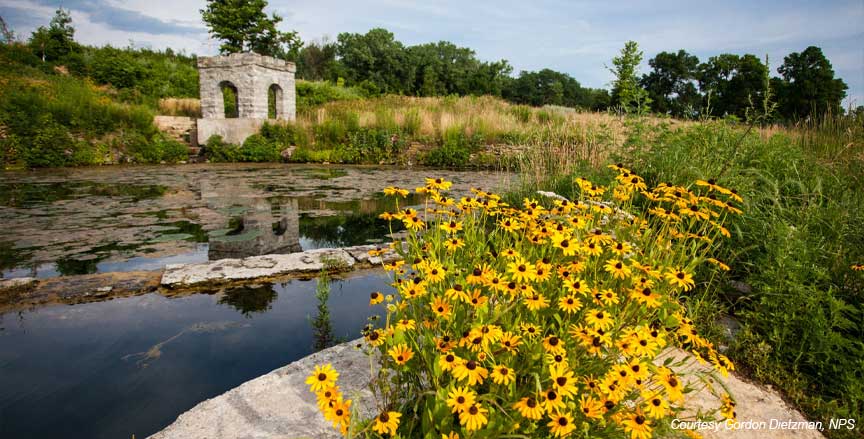
It is a 29-acre prairie and oak savanna graced with a freshwater spring that flows year-round. And it is also steeped in thousands of years of history, of both Indigenous people and European/American settlers. And now the area has a new name that honors its complex heritage.
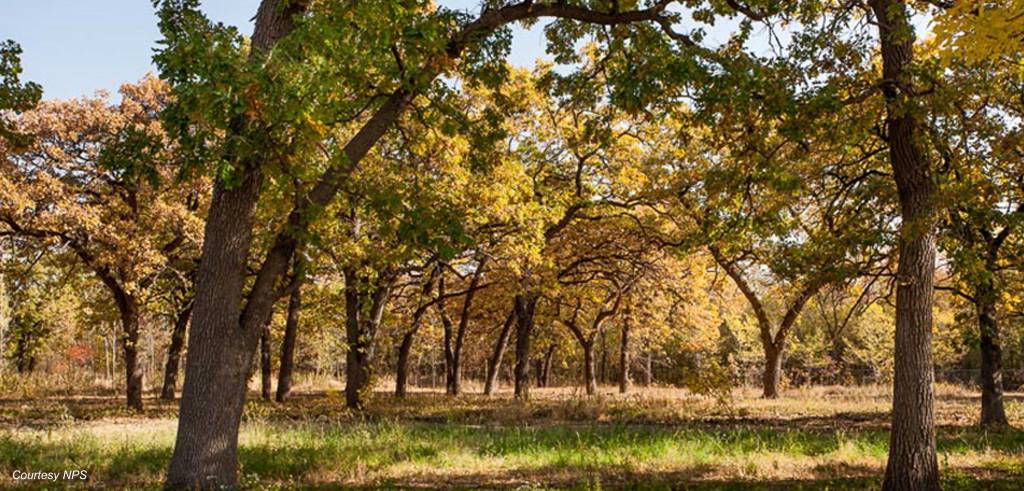
This verdant landscape at Mississippi National River and Recreation Area holds both natural beauty and generations of meaning. It has been known to many locals as Coldwater Spring, but has recently been renamed Mni Ówe Sni, honoring the site’s longstanding spiritual significance to the Dakota and other Indigenous people.
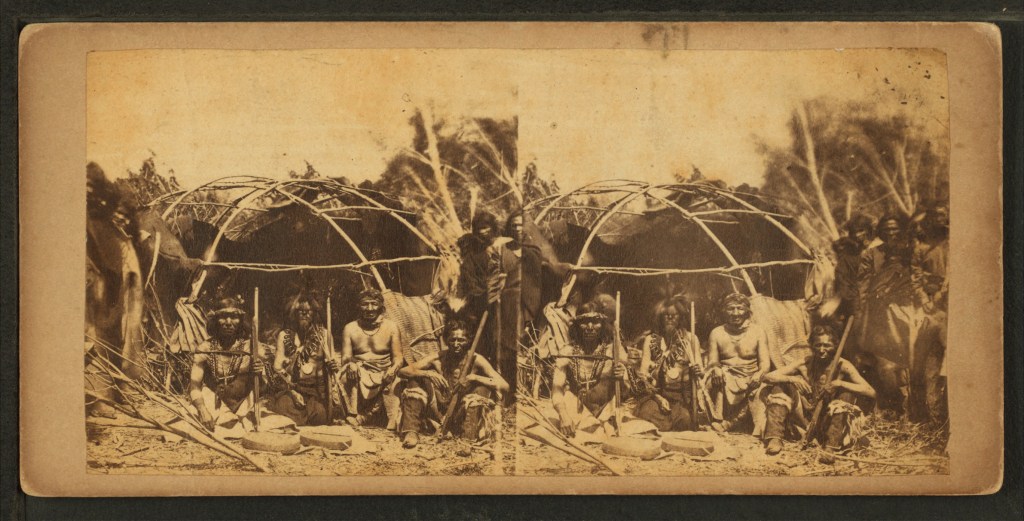
Mni Ówe Sni has been a place of peace, healing, and gathering for many Indigenous nations including the Dakota, Anishinaabe, Ho-Chunk, and others for thousands of years. Because of its proximity to the confluence of the Mississippi and Minnesota Rivers, the site served as a neutral place where various tribes could trade, camp, and move freely. And it continues to be an active and vital part of Dakota life even today.

More recently, the area lured European explorers and setters looking to expand the fur trade. After explorer Zebulon Pike secured 100,000 acres of land from the local Dakota chiefs in 1805, the U.S. government established a military reservation there. Soldiers erected a permanent stone fort – Fort Snelling – making use of the abundant fresh water from the spring. Following the closing of the fort after World War II, the site was turned over to the U.S. Bureau of Mines as its Twin Cities Research Center, where mining research was carried out for over 40 years. The Bureau of Mines closed in 1995 and the campus was abandoned.
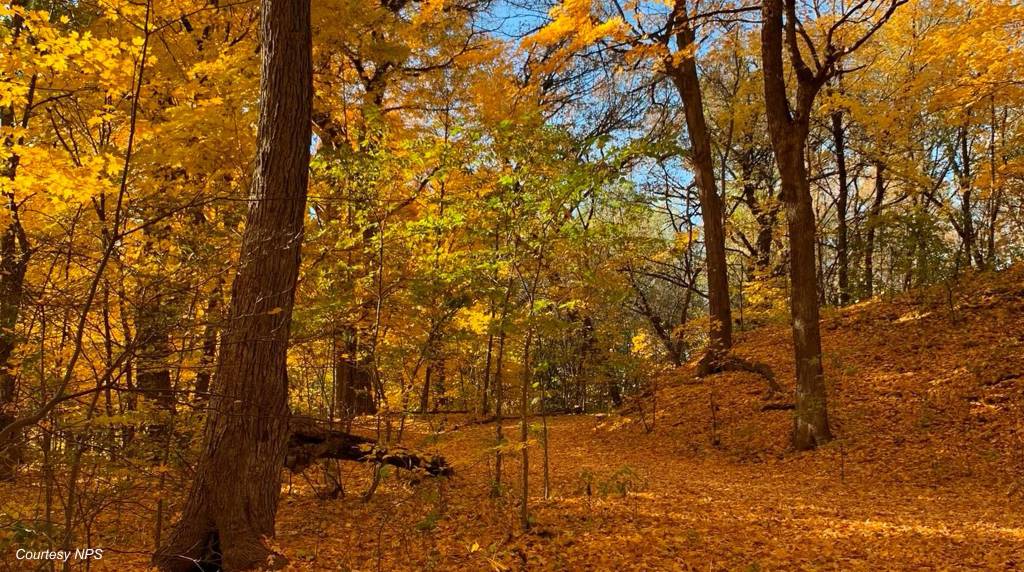
The site was eventually transferred to the National Park Service in 2010. NPS officials collaborated with local Tribes, other agencies, non-profits, and volunteers to begin restoring native plants communities, re-introducing tallgrass prairie, oak savanna, bur oak-pin oak woodland, and other forestlands.
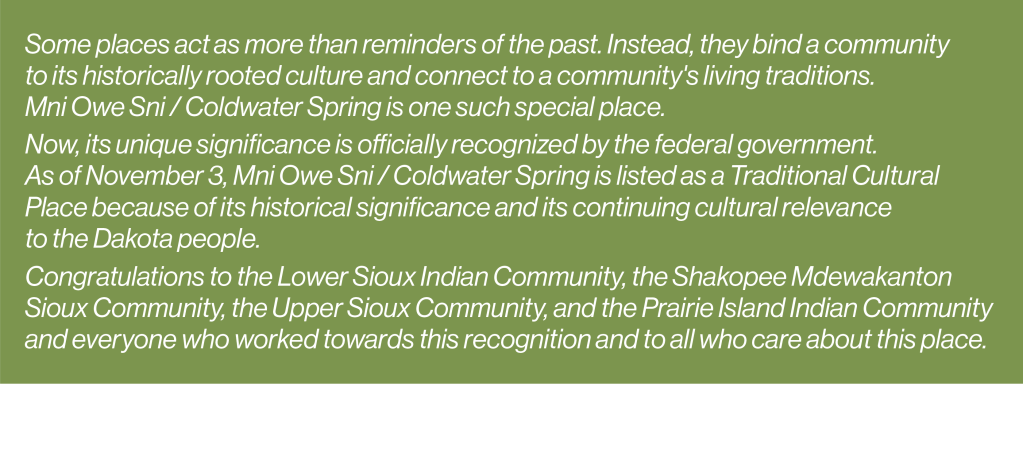
Then in 2023, the early cultural heritage of Coldwater Spring came full circle. It was officially designated a Traditional Cultural Place named Mni Ówe Sni and listed in the National Register of Historic Places. As the park noted in a 2023 Facebook post:
NPS now manages portions of the Mni Ówe Sni area in partnership and collaboration with these and 18 additional Tribes.

