
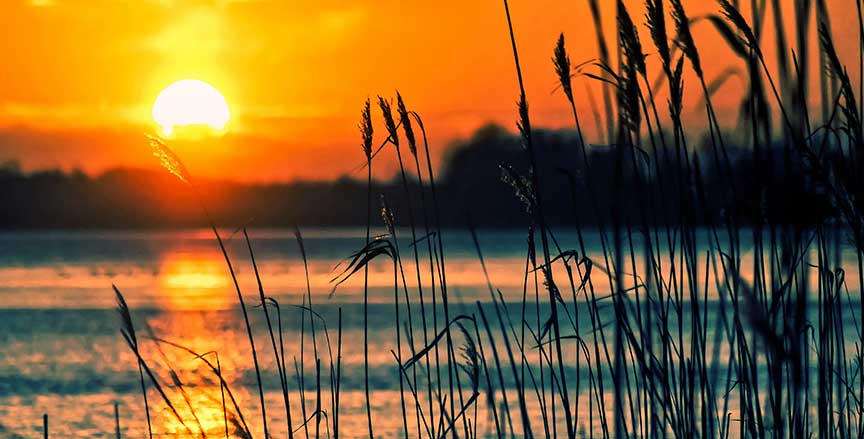
When we visit a national park, most of us focus on what we see: a waterfall, a historic building, a field of wildflowers, a soaring monument. But what if you closed your eyes and just…listened? We bet the sounds you’d hear would make your park visit that much richer.
Now that spring is well underway and summer is upon us, there are a myriad of dazzling sounds in our partner parks just waiting to be enjoyed.
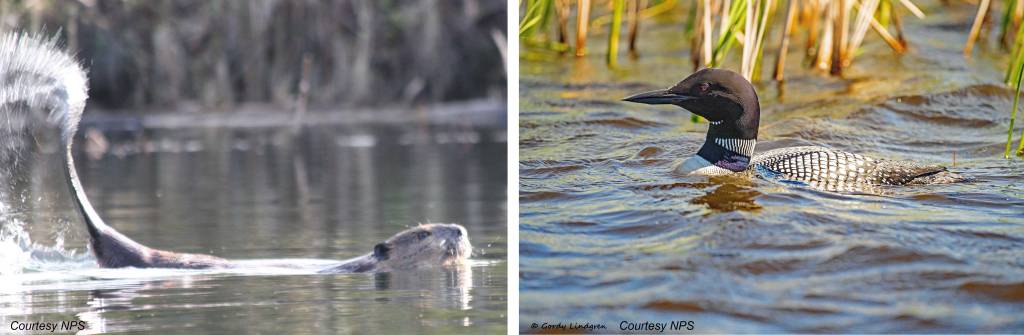
At Voyageurs National Park, you might catch the slap of a beaver’s tail, the haunting call of a loon, or the gurgle of a rushing stream.
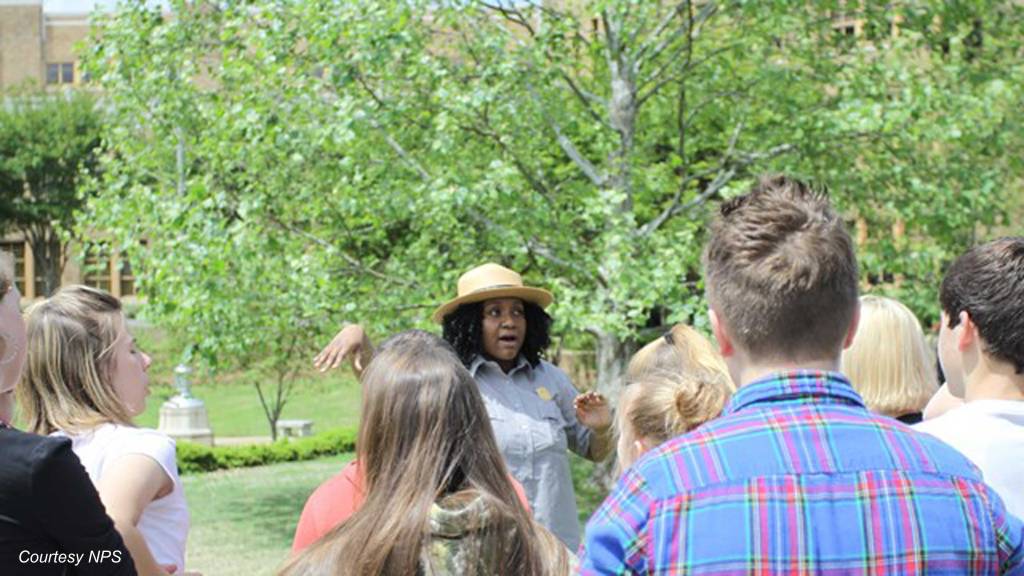
At Little Rock Central High School National Historic Site, you can listen to schoolchildren on a ranger tour learning about our nation’s early civil rights struggles.
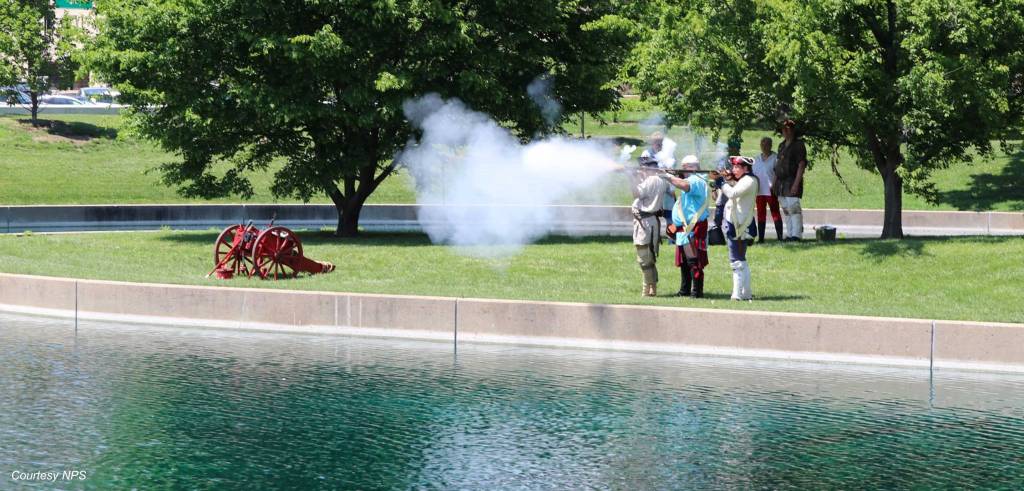
At Gateway Arch National Park, you can’t miss the loud firing of cannons and muskets when you attend the annual Battle of St. Louis commemoration.
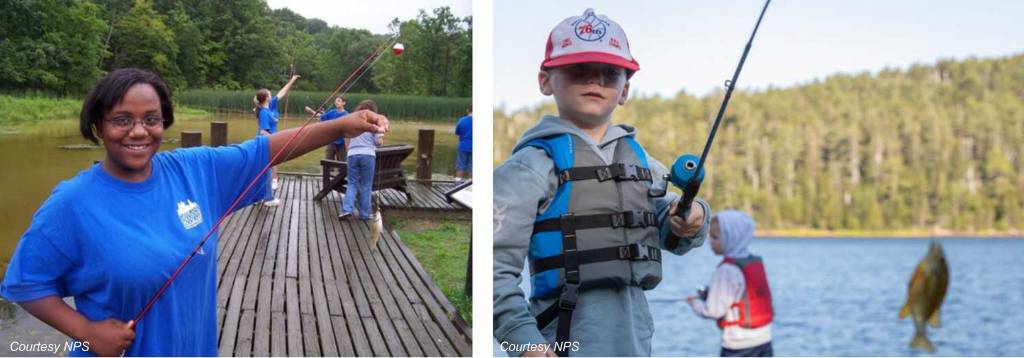
And at Missouri National Recreational River, the squeals from children catching their first fish is guaranteed to bring smiles.
These are the sounds that make visiting our national parks such a unique experience. They awaken the sense of awe that connects us to the splendor of nature or to a deeper understanding of our nation’s history. And as these sounds enrich our emotions and attitudes, they can help build lifelong memories of our park visits.
The National Park Service considers sounds from its parks as part of a web of natural and cultural resources that must be protected. In fact, the NPS Natural Sounds and Night Skies Division helps park staff protect their acoustic environments by reducing noise pollution and by recording and preserving their natural sounds.
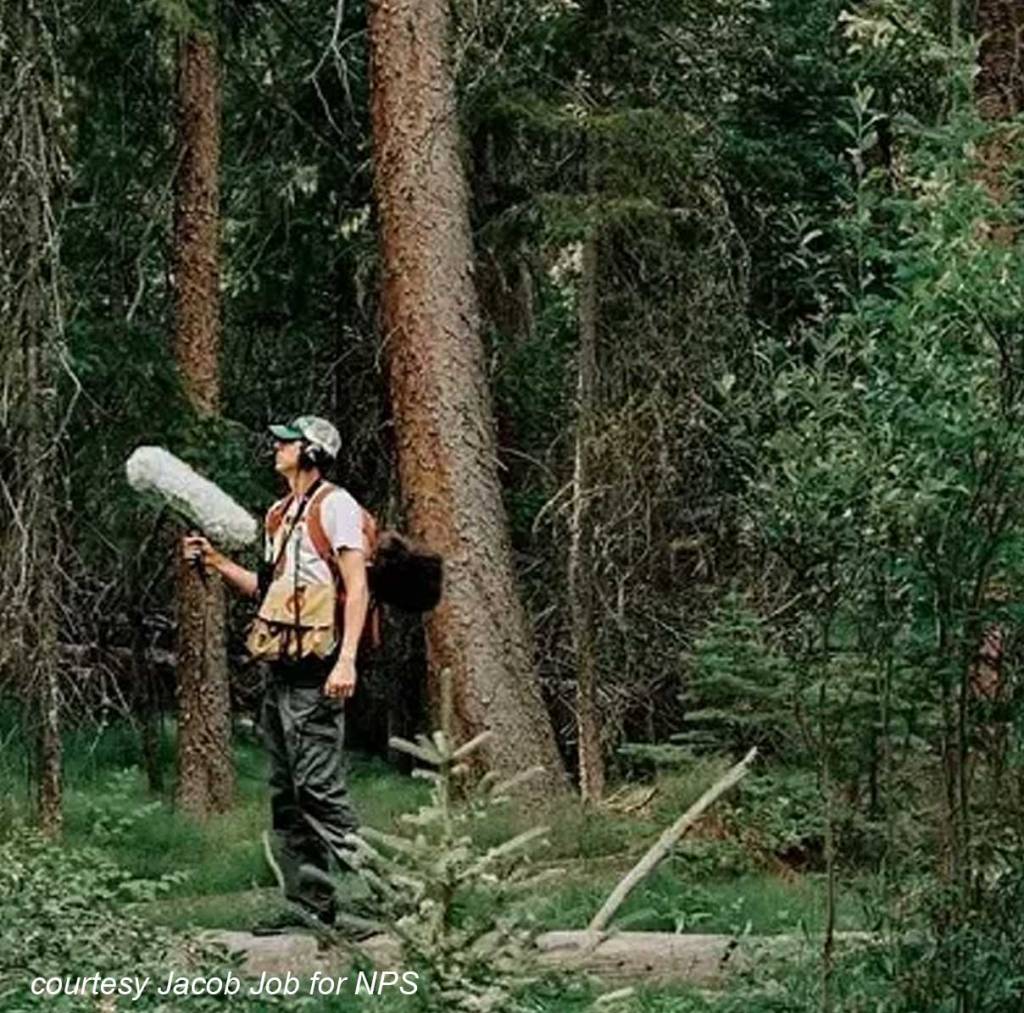
Scientists at national parks across the country have set up microphones to record sounds throughout park systems. The recordings are then transferred to the PARC Listening Lab, where Penn State students listen to, analyze and inventory the sounds heard. Once sounds are analyzed, the findings are sent back to officials at respective parks and used to inform management decisions about how best to protect natural quiet.

And of course a healthy soundscape is not limited to the sounds of nature. Cultural and historic sounds are important components of many national park units. The sound of a cannon shot echoing across a Civil War battlefield or the hypnotic drumbeat of a sacred tribal dance brings the past into the present and elicits a sense of connection to our ancestors. Managers at cultural and historic parks strive to preserve an acoustic setting that is consistent with the resources and values being protected.

So the next time you visit a national park, be sure to listen for the sounds all around you. And to help inspire you as you read this, close your eyes, sit back, and enjoy this soothing 12-minute soundtrack that will transport you to parks across the country.

