
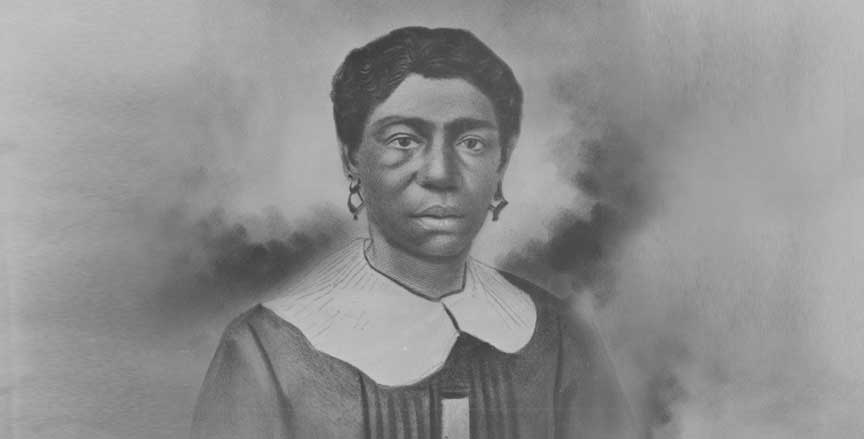
Do you recognize the name Harriet Scott? If you can’t place her, don’t feel bad. She is usually only mentioned in connection with her more famous husband, Dred. Does that ring a bell?
The Scotts were responsible for one of the most important court cases ever heard in the U.S., and one that carried significant implications for African American rights in this country. And since this month marks the 150th anniversary of Harriet’s death, we thought it was a good time to recall her role in history.
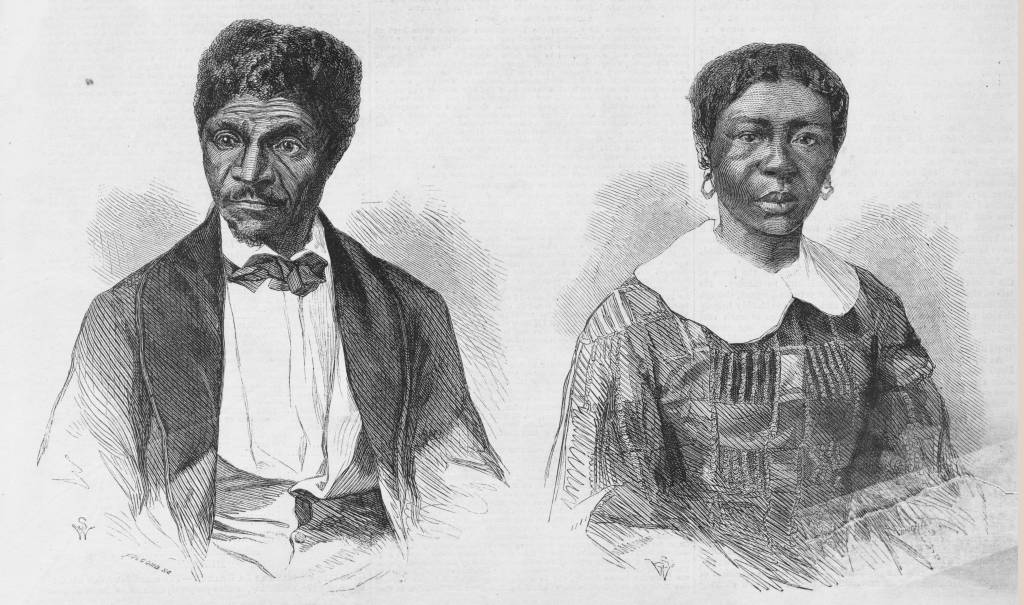
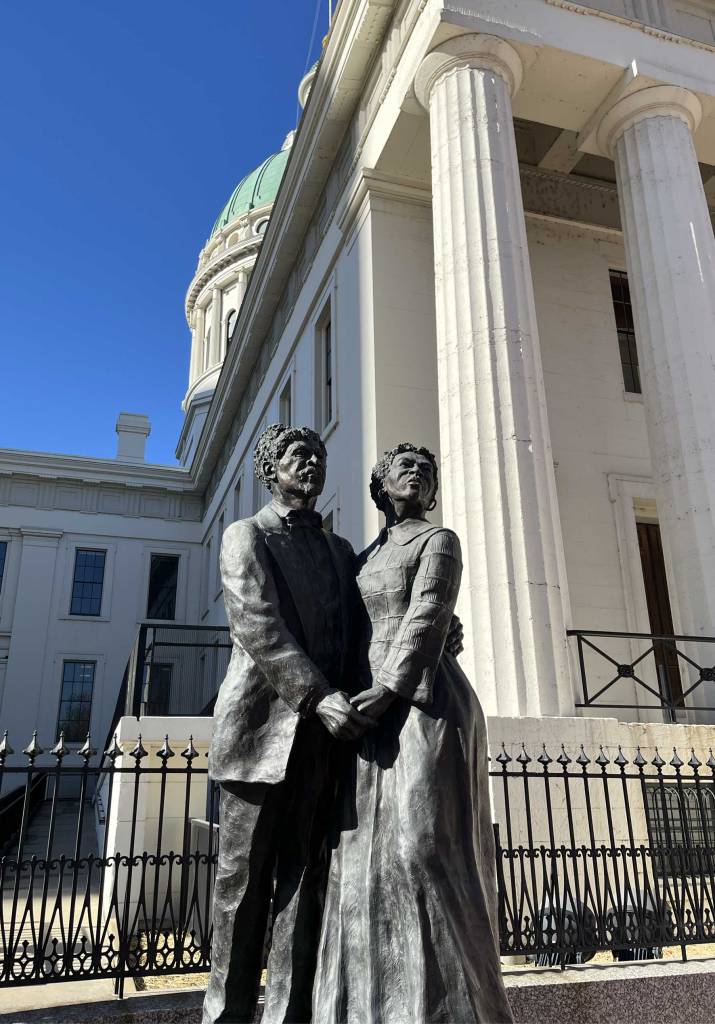
In the mid-19th century, Harriet and Dred Scott were an enslaved couple living in St. Louis along with their two young daughters. They had spent years living in free territory in what is now Minnesota, so they decided to sue for their freedom in the slave state of Missouri. Their original petitions, filed in 1846, took years to wend their way through the court system, and the Scotts endured years of delays and multiple appeals.
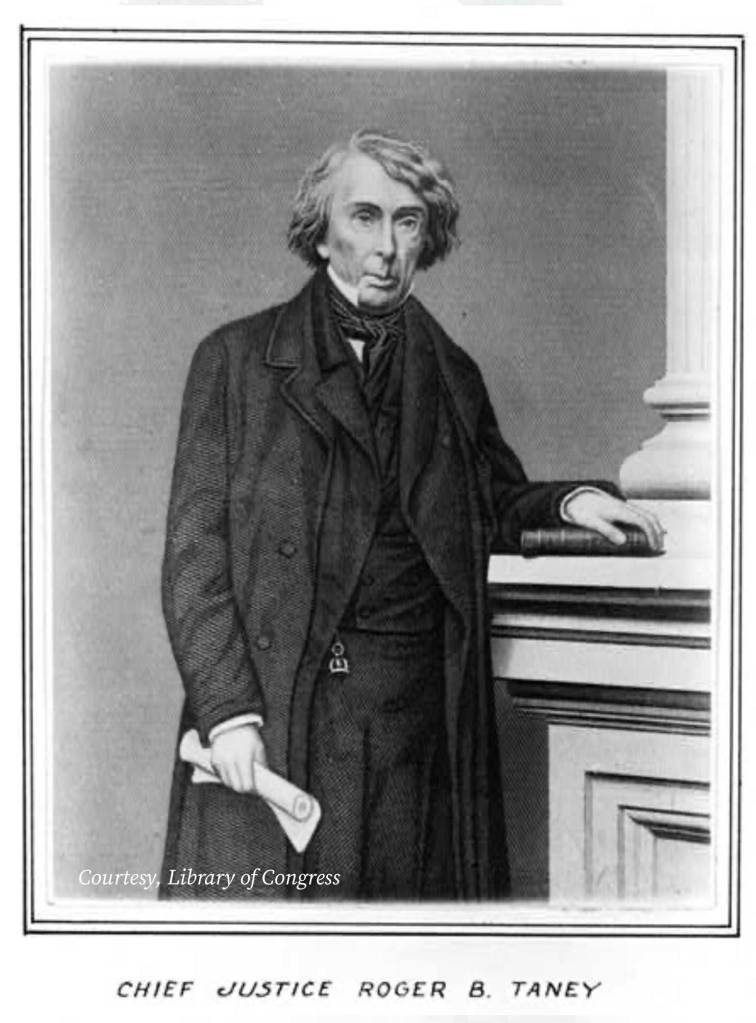
Finally in 1857 their case reached the U.S. Supreme Court, where Chief Justice Roger Taney wrote the majority opinion. He argued that the framers of the Constitution had believed that Black people had “no rights which the white man was bound to respect.” Enslaved or free, he ruled, Black people were not citizens of the United States, so therefore had no right to bring freedom suits. The Supreme Court decision contributed to the start of the Civil War four years later, which ultimately led to freedom for the enslaved people of the United States.
Though the Scotts were devastated by the court ruling, they gained their freedom a few months later. Their owner—by then Taylor Blow—freed them on May 26, 1857. Sadly, Dred died of tuberculosis less than a year later.
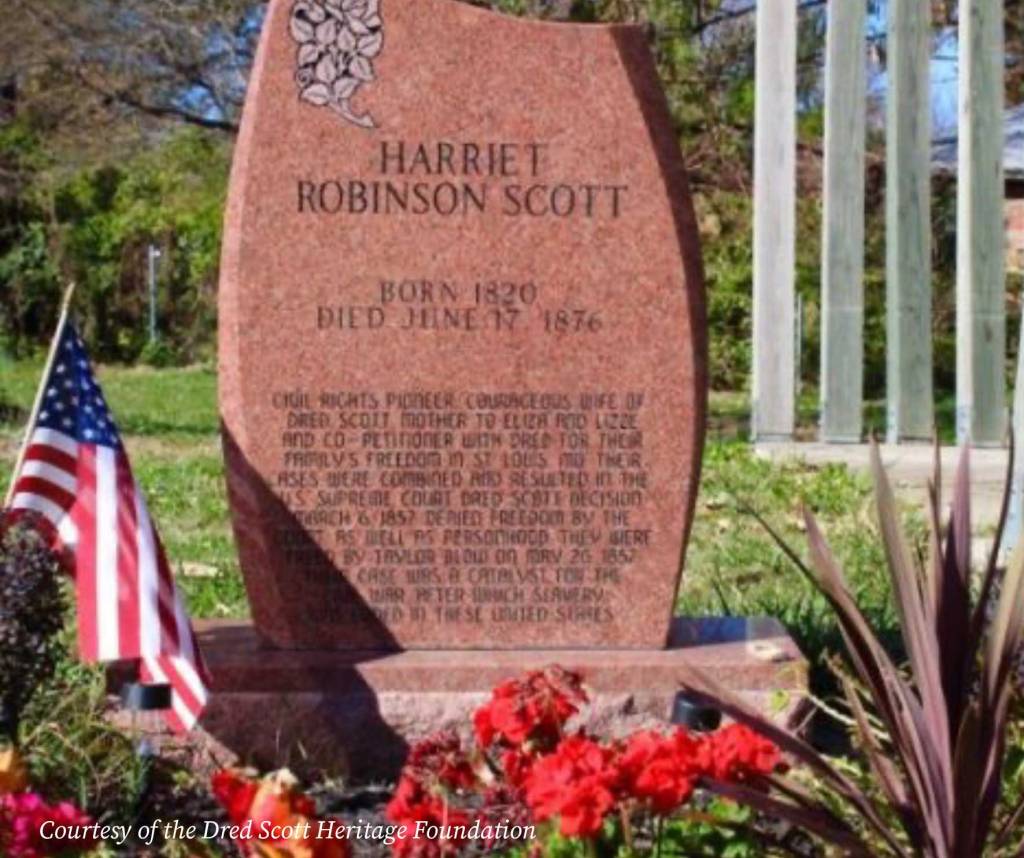
Harriet Scott lived for nearly 20 more years in freedom in St. Louis, witnessing the Civil War and the end of slavery in the United States of America. She died at age 61 on June 17, 1876, and was buried in Greenwood Cemetery, one of the first Black burial grounds in the city.
Although her name is not as well known as her husband’s, Harriet Scott’s quest to seek freedom for herself and her family was equally powerful in changing the course of American history.
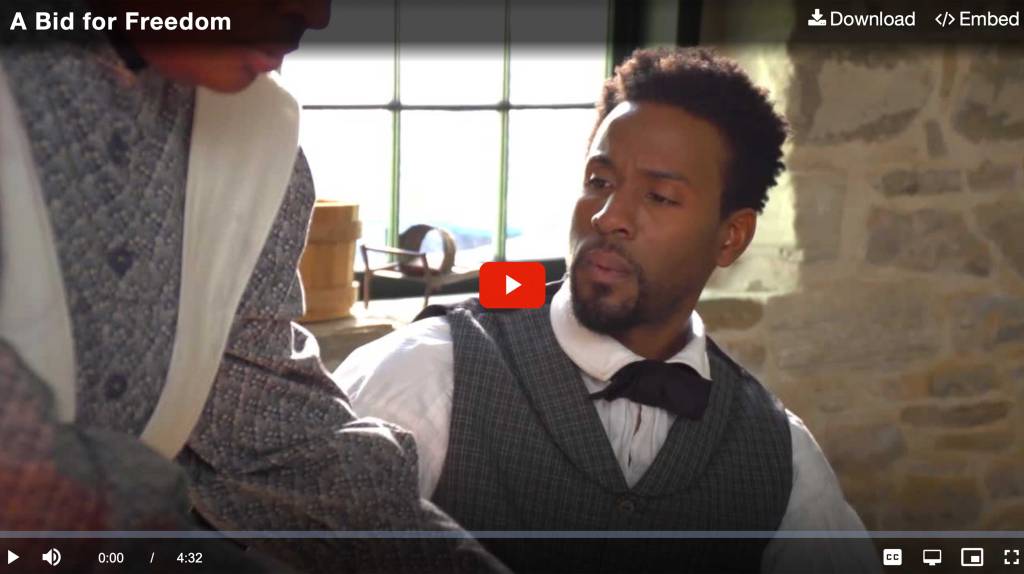
JNPA helped produce a short video for Gateway Arch National Park that dramatizes the Scotts’ decision to seek freedom. Click here to watch.

