The Conservation President   

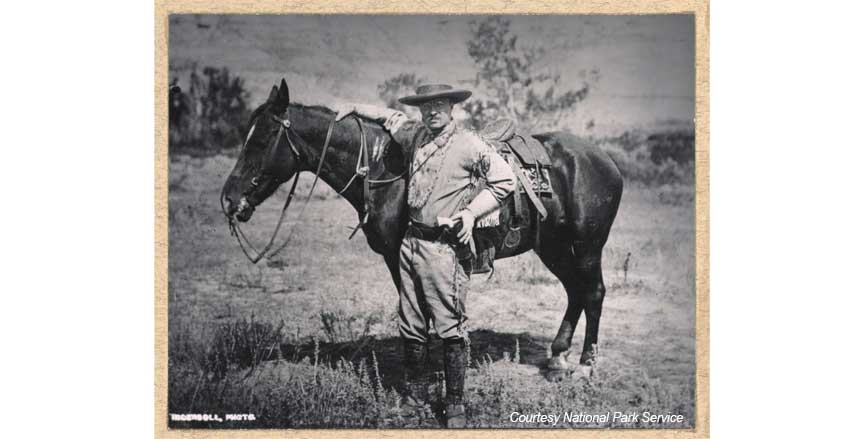
When Theodore Roosevelt first stepped foot in the Dakota badlands in 1883 as a 20-something city slicker, little did he know his adventures in this remote territory would someday shape the nation’s public land policies. But his romantic attachment to the rugged landscapes and wildlife he encountered during his western travels would only strengthen as his political life progressed. By the time he became president in 1901, Roosevelt was a lifelong champion of conservation.

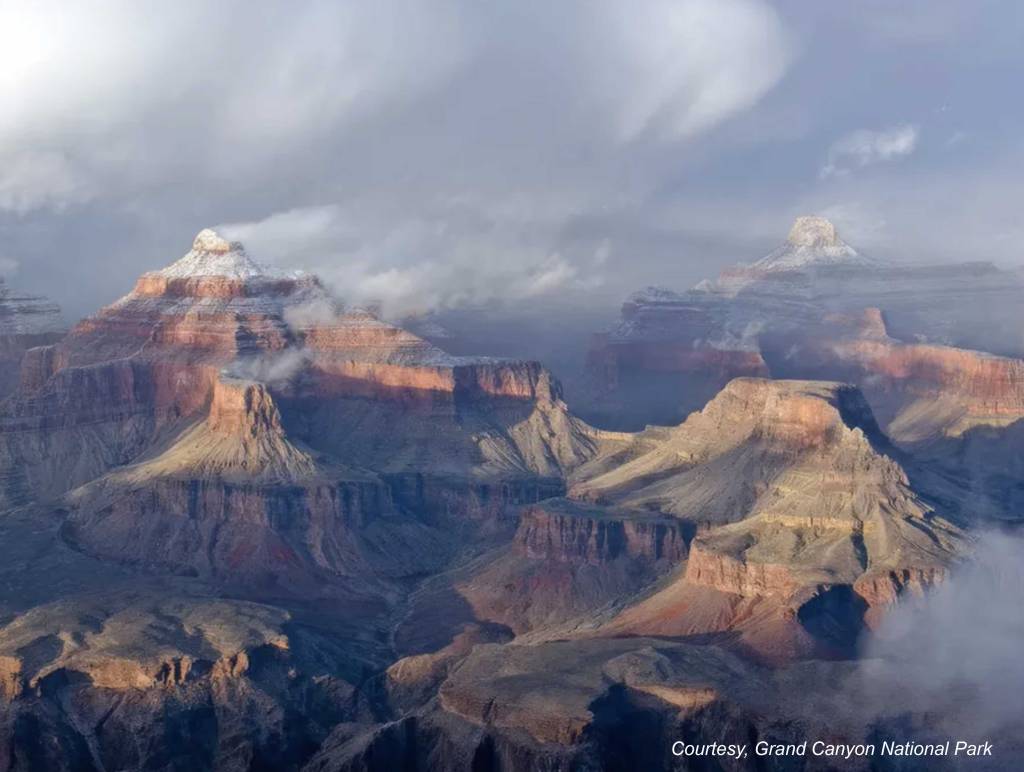
On a visit to the Grand Canyon in 1903, he delivered a passionate speech in support of the area’s protection:

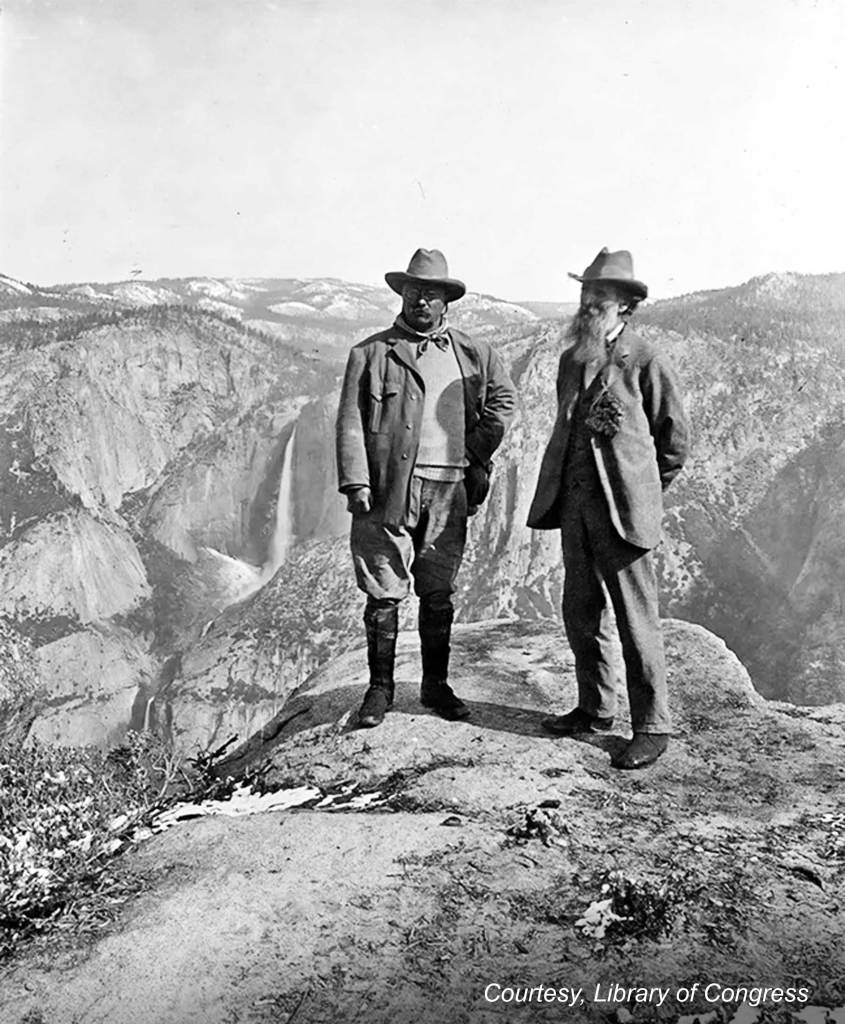
Theodore Roosevelt and John Muir in Yosemite

That same year, Roosevelt interrupted a national speaking tour to spend two weeks camping in Yellowstone National Park. And on a trip to Yosemite National Park, he and John Muir slept out under the stars for three nights, a trip that solidified his commitment to conservation.  

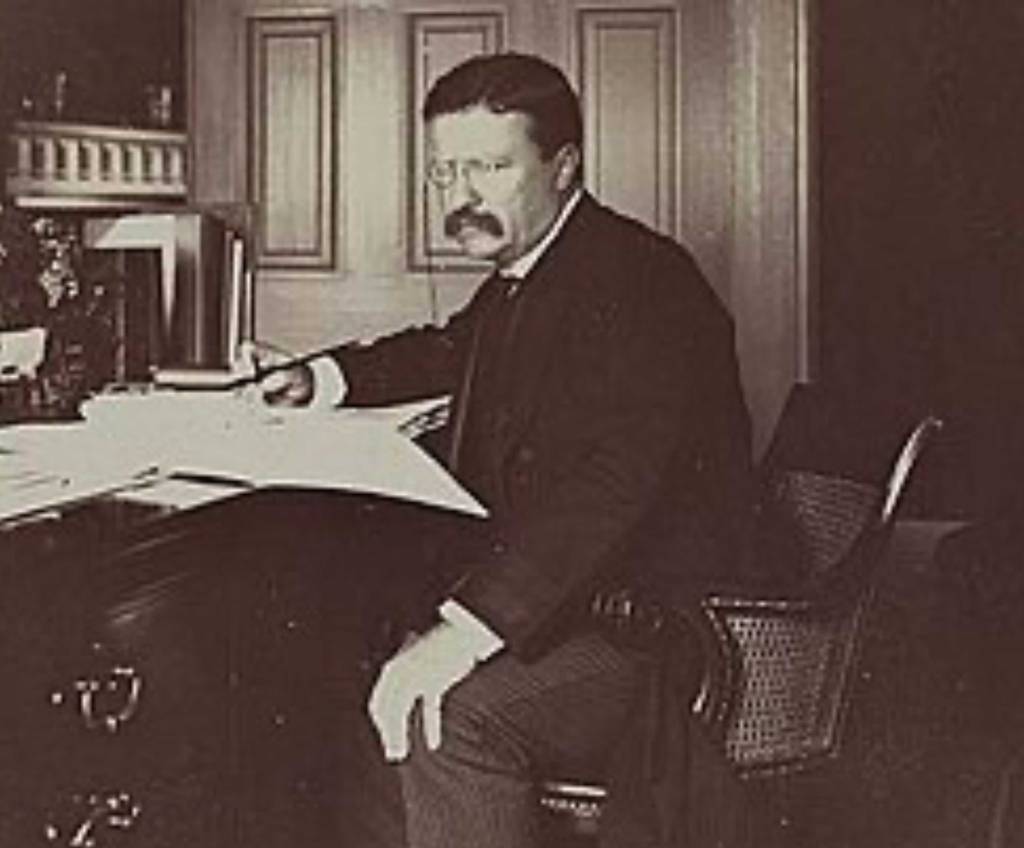
President Roosevelt in his White House office

The president worked directly with Congress to sign bills establishing five new national parks, doubling the previous number. They are Crater Lake, Oregon; Wind Cave, South Dakota; Sullys Hill, North Dakota (later re-designated a game preserve); Mesa Verde, Colorado; and Platt, Oklahoma (now part of Chickasaw National Recreation Area). In addition, he designated 150 national forests, 51 federal bird reserves, 4 national game preserves, and 18 national monuments.  

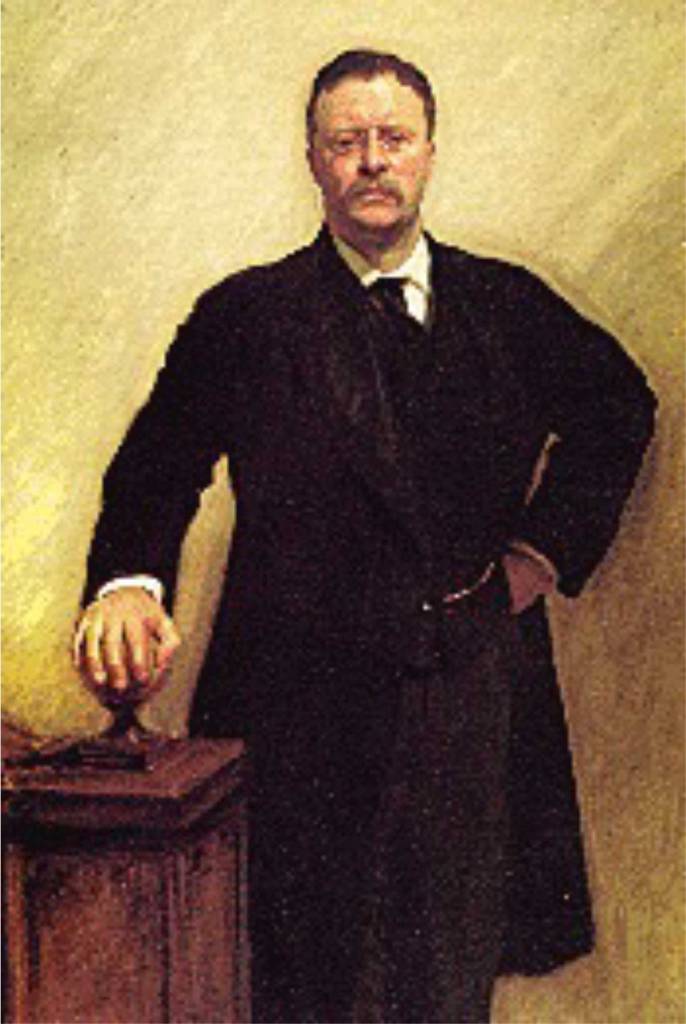
Portrait of Roosevelt by John Singer Sargent, 1906

Another Roosevelt enactment had an even more profound effect: the Antiquities Act of June 8, 1906. This legislation enabled him and all succeeding presidents to proclaim historic landmarks, historic or prehistoric structures, and other objects of historic or scientific interest in federal ownership as national monuments. All told, he set aside 230 million acres of public lands during his eight-year term of office.

Although Theodore Roosevelt did not establish the National Park Service, his conservation activities as president created the foundation on which the agency was founded a decade later. And in return the national park system has paid him the ultimate compliment: there are more NPS units dedicated to Roosevelt’s life and memory than any other American. 

Theodore Roosevelt Birthplace National Historic Site in New York City, Sagamore Hill National Historic Site in Oyster Bay, New York, Theodore Roosevelt Inaugural National Historic Site in Buffalo, New York, Theodore Roosevelt National Park in North Dakota, and Theodore Roosevelt Island in Washington, DC, all trace his career and memorialize his contributions to America. Additionally, Theodore Roosevelt is one of four U.S. presidents whose likenesses grace Mount Rushmore National Memorial in South Dakota.

JNPA is honored to have added Theodore Roosevelt National Park as one of our newest park partners this year; we are proud to help safeguard the former president’s legacy:

We Welcome Two New NPS Partners  

It’s official! JNPA has proudly added two National Park Service sites in North Dakota to our portfolio of public lands partners: Theodore Roosevelt National Park and Knife River Indian Villages National Historic Site.

We are now the official nonprofit partner at both sites, supporting visitor education, interpretation, and park-approved projects that connect people with the stories, landscapes, and cultures preserved there.

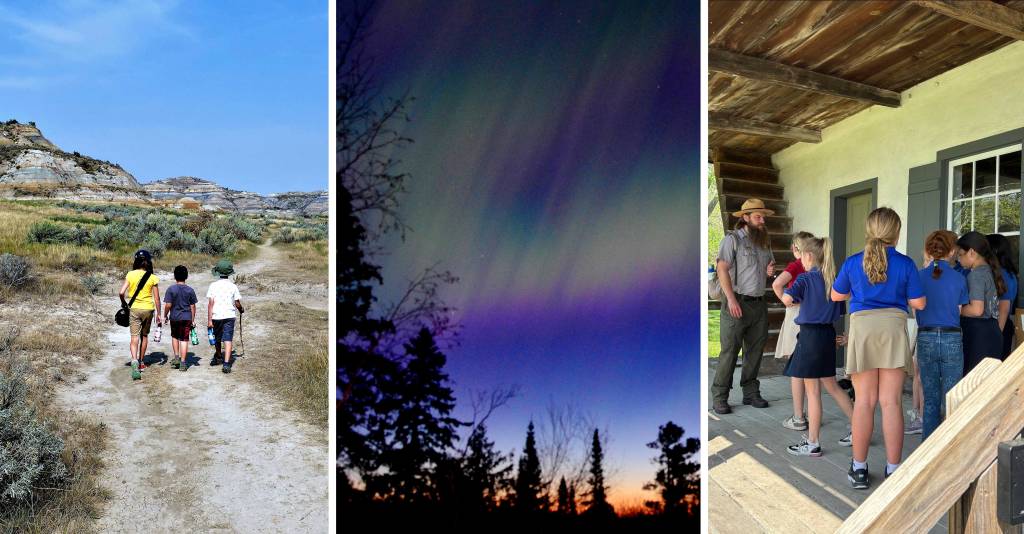
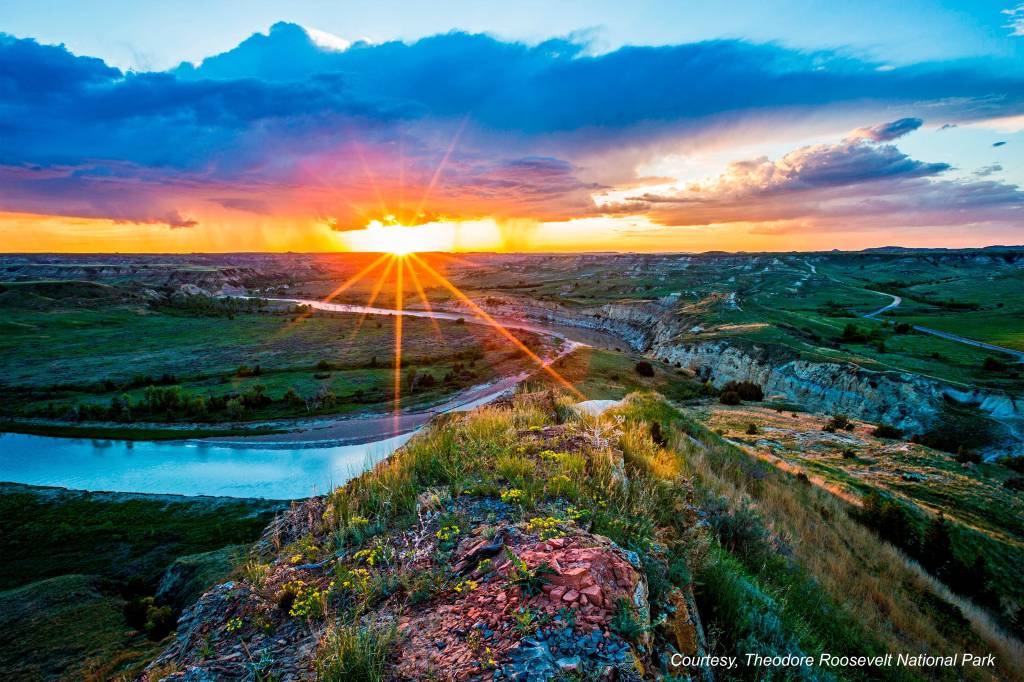
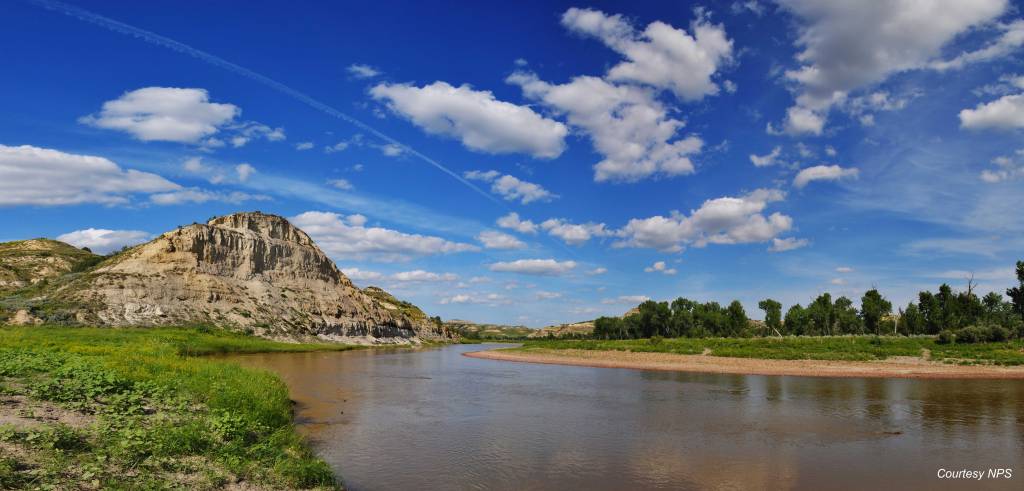
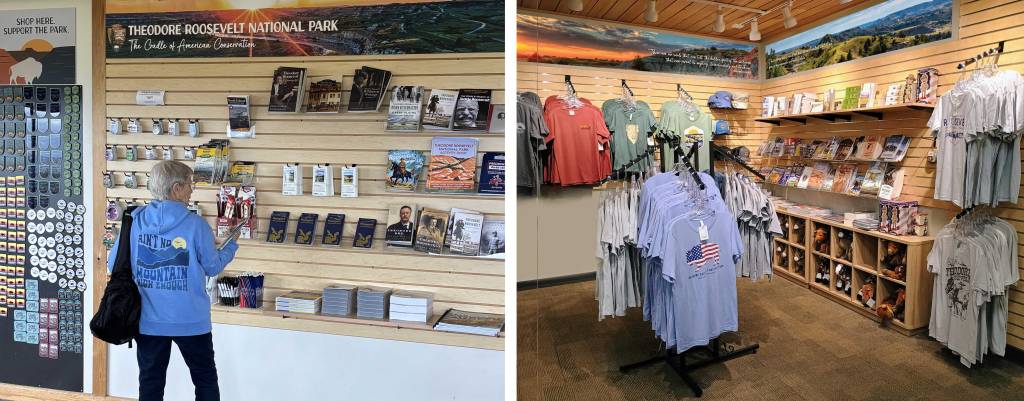
Our three stores at Theodore Roosevelt National Park in Medora offer a wide range of products that honor the importance of the rugged North Dakota landscape in Roosevelt’s life and the key role that the region played in fostering the former president’s passion for the outdoors and for conservation. The 70,000 acre park includes three visitor centers, each of which features a unique shopping experience.

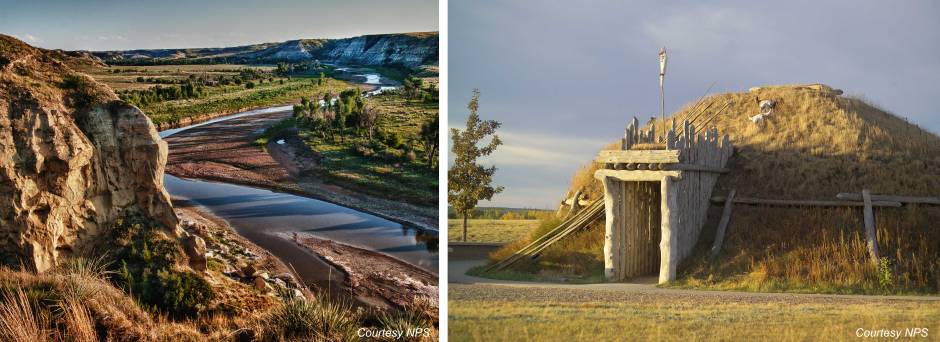
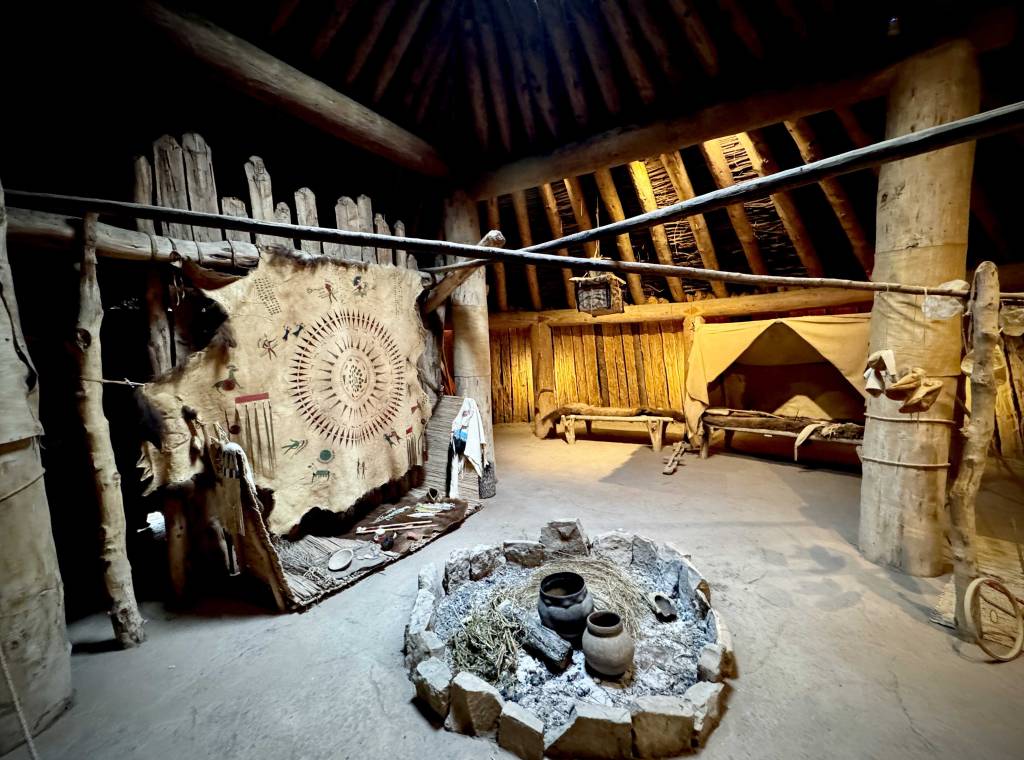
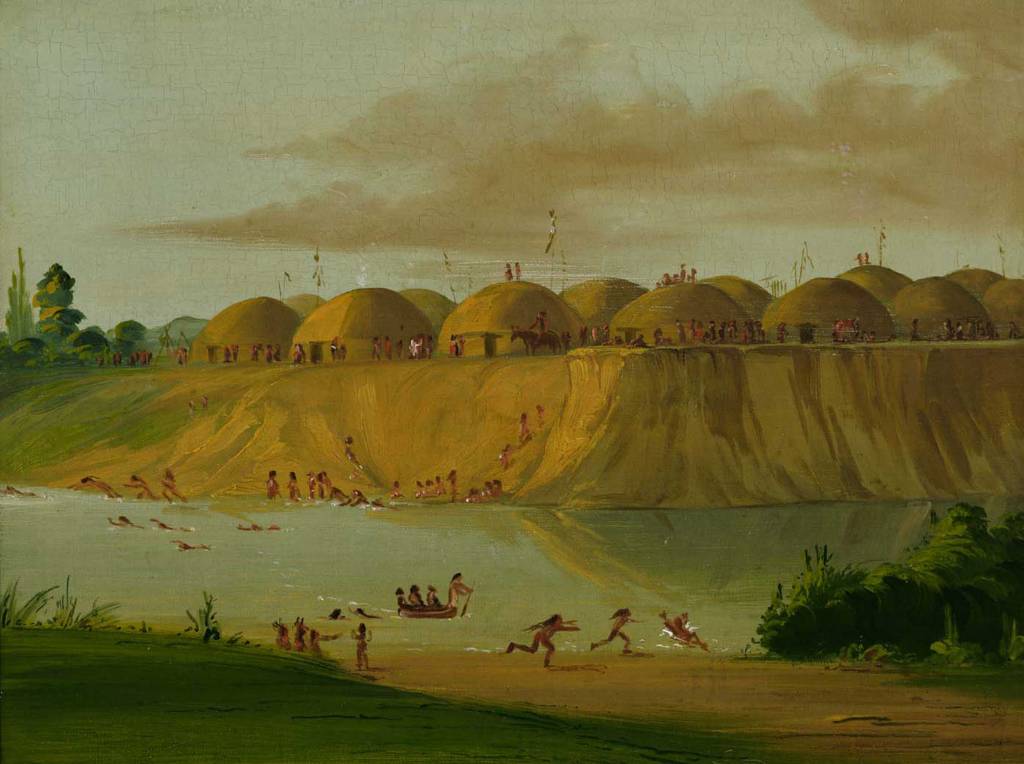
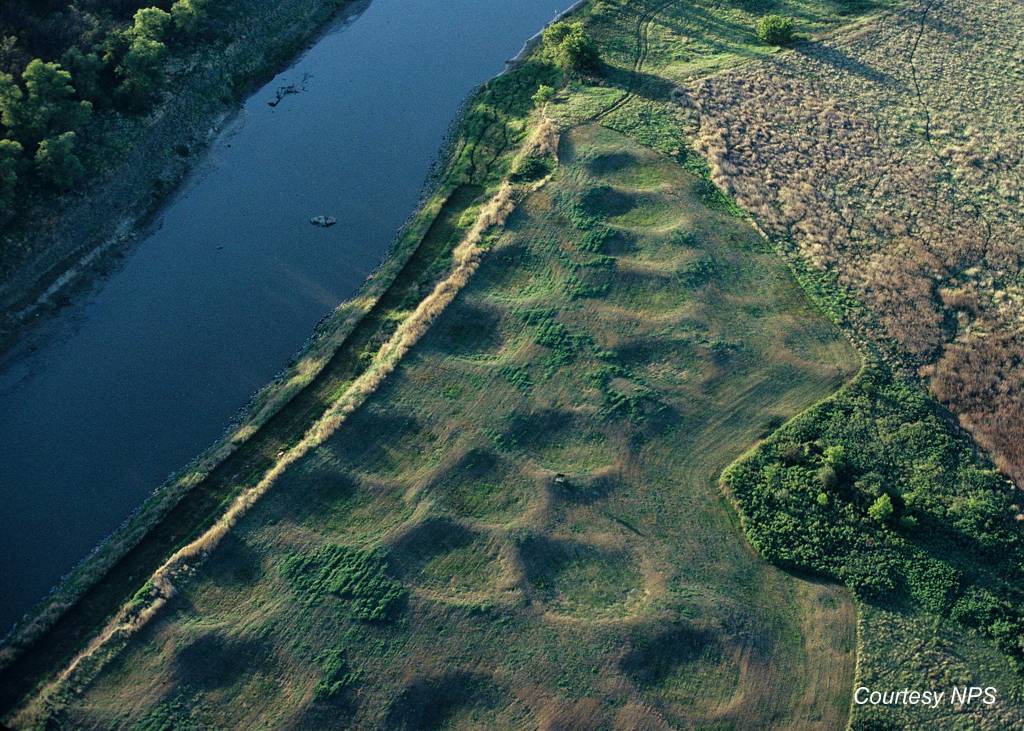
Knife River Indian Villages National Historic Site in Stanton preserves the stories of the Indigenous people who built unique earthlodges along the Knife River tributary of the Missouri River for hundreds of years. The earthlodge villages were the site of the most significant Native American trading centers on the Northern Plains. JNPA will reopen the park store in the near future, enabling us to support education, interpretation, and visitor engagement at the site.

Hidatsa Village, Earth-covered Lodges, on the Knife River, Smithsonian American Art Museum, by George Catlin, 1832

“Theodore Roosevelt National Park and Knife River Indian Villages National Historic Site are extraordinary places that deserve an extraordinary level of support,” said David Grove, president and CEO of JNPA. “We are honored to partner with the National Park Service at these two remarkable North Dakota sites and look forward to investing in their futures for years to come.”

Remnant of earthlodge village

Look for additional details about these two important national park sites in future blog posts. Or better yet, plan a trip to North Dakota to see them in person!