Celebrating the Holidays in Colonial Ste. Genevieve

How do YOU celebrate the holidays? Your answer may depend upon your religious practices or your family traditions. But if you’d lived in the French colonial village of Ste. Geneviève in the 1700s, chances are you and your neighbors would have commemorated the winter holidays in very similar ways.
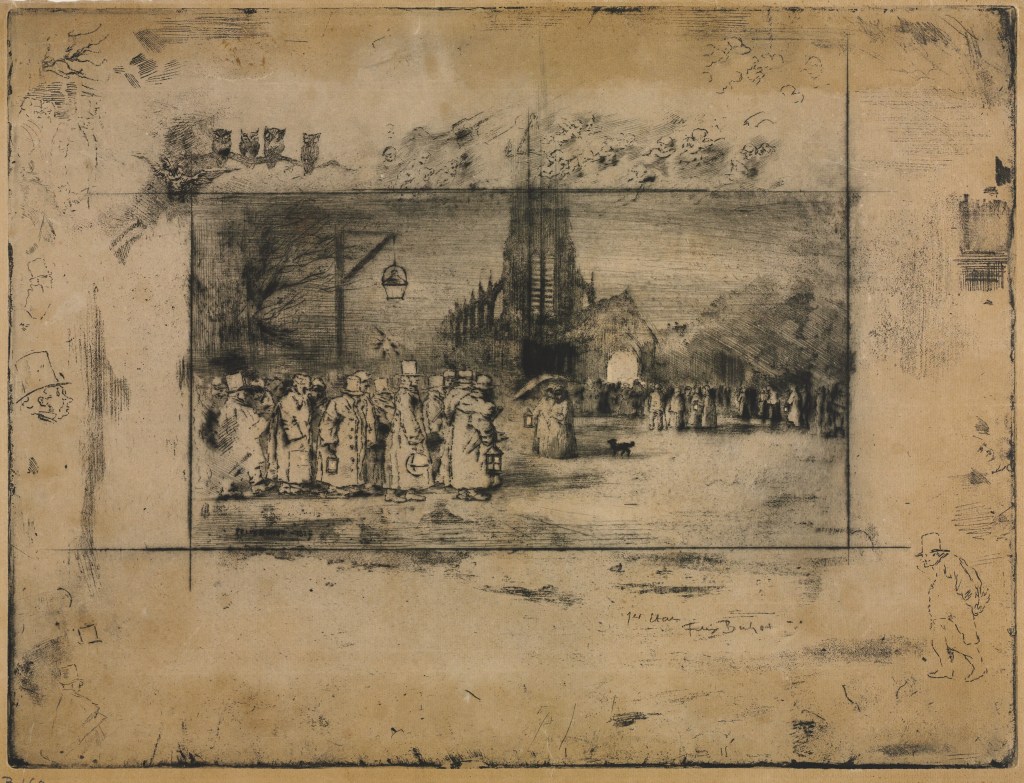
The Midnight Mass, Félix Hilaire Buhot

The townspeople of 18th-century Ste. Geneviève were predominantly Catholic, having brought their religious and cultural traditions from France. One of their most festive seasons of the year was December to mid-January. The four weeks prior to Christmas was Advent, a time of reflection, fasting, and merriment. The culmination of Advent was Christmas Eve, when most of the community attended midnight Mass.
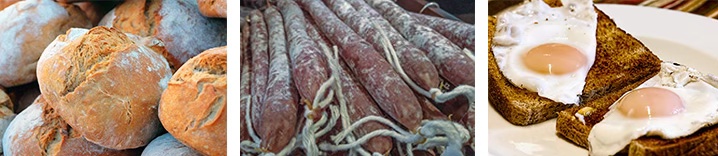
After the church service ended, the townsfolk gathered with their extended families for a feast called La Réveillon. This special breakfast would start in the early hours of the morning and proceed well into the next day. La Réveillon featured traditional breakfast foods such as eggs, sausage, and breads along with non-traditional items like puddings, stews, and cakes. Christmas Day festivities would continue throughout the day with more feasting, church services, and in some households, balls or parties.
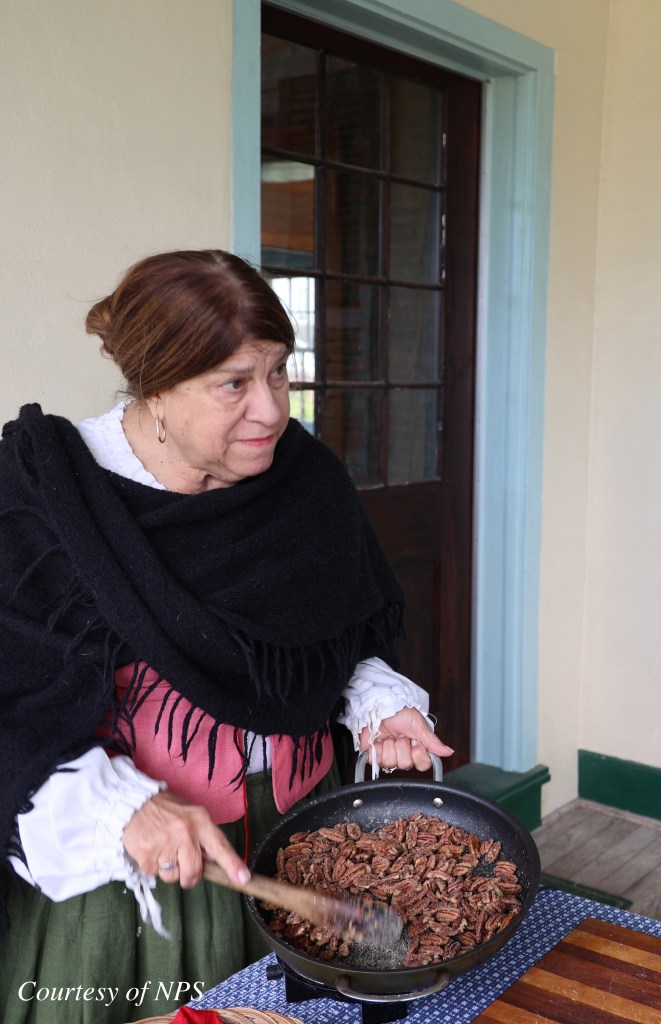
During this time of year the Frenchwomen of Ste. Geneviève were able to show off their cooking skills, using the new foods they found available in the New World, and incorporating African and Native American influences.
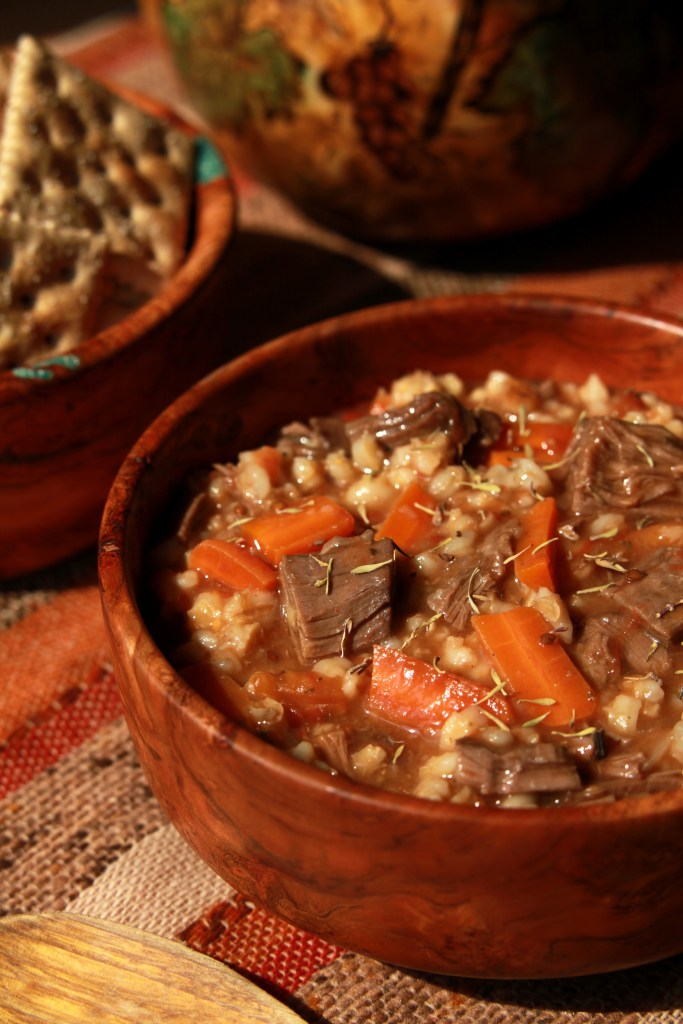
In 1811 Henry M. Brackenridge wrote that “The table was provided in a very different manner from that of the generality of Americans. With the poorest French peasant, cookery is an art well understood. They make great use of vegetables and prepared in a manner to be wholesome and palatable. Instead of roast and fried, they had soups and fricassees, and gumbos…” 
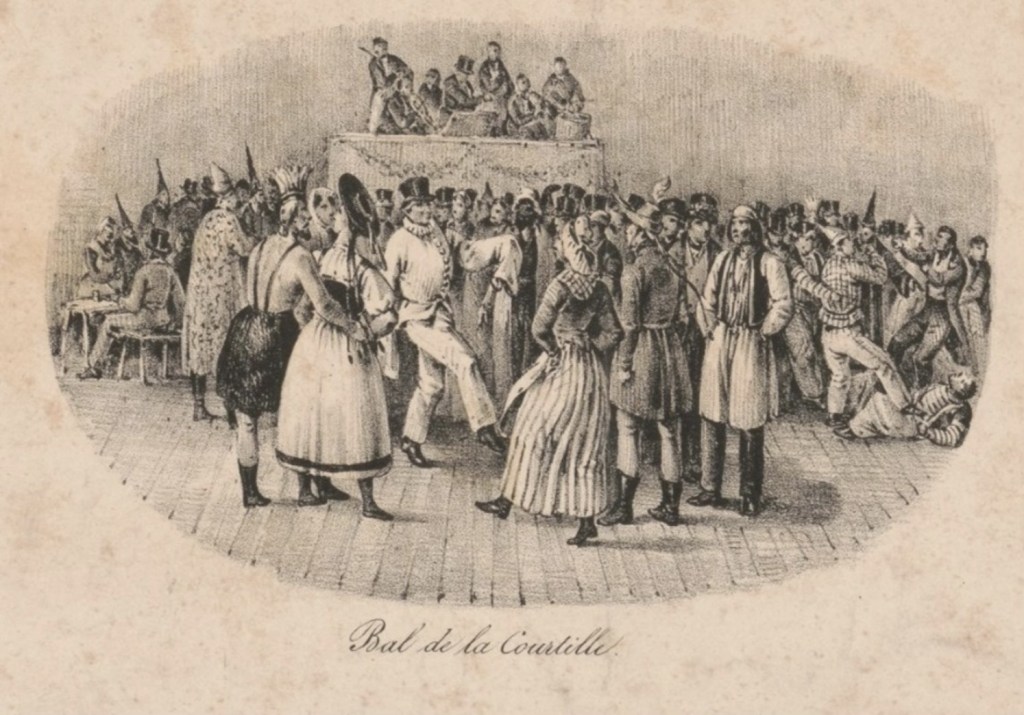
The Kings Ball featured finely dressed participants like those seen in this sketch of the “Bal de la Courtille”
from 1820.  Library of Congress)  

The next holiday celebration, La Guiannée, took place on New Year’s Eve.  On the evening of December 31st, a troupe of male singers dressed in costume went door-to-door throughout the community. As they sang, they asked for donations from each household for the upcoming Epiphany feast. The group collected things like lard, poultry, eggs, wheat, and candles to feed the community and decorate for the Epiphany Celebration.  (The 250-year-old tradition of La Guiannée is still celebrated in Ste. Geneviève to this day.)
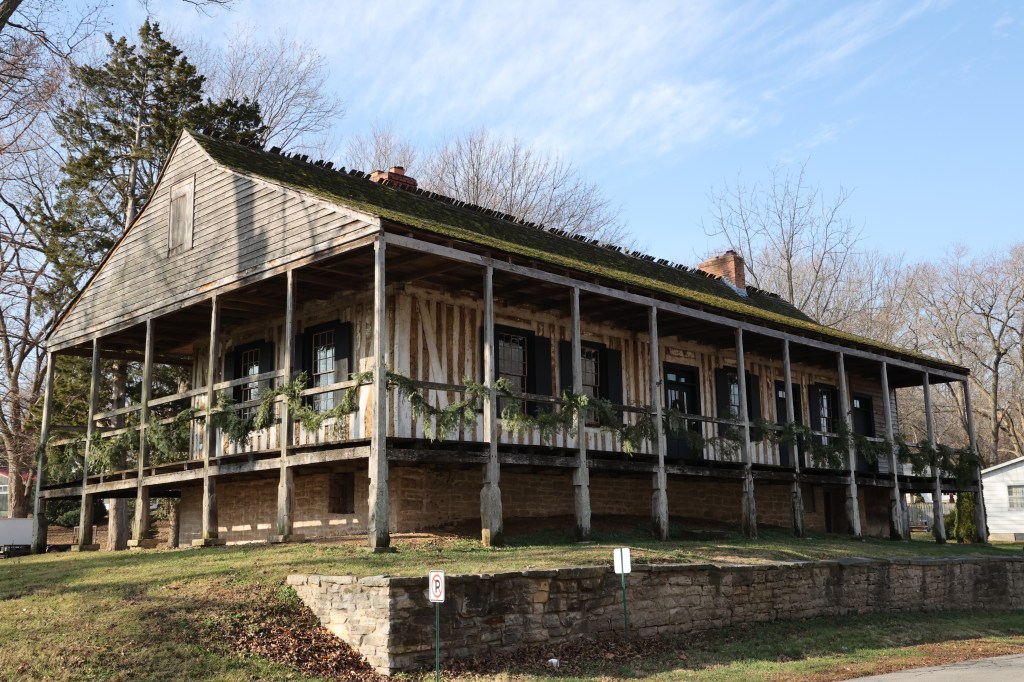
Green Tree Tavern, courtesy NPS

As the years went on and the village changed, the holiday traditions for the French Catholic residents of Ste. Geneviève ebbed and flowed. With the arrival of new residents from American and German backgrounds, new traditions emerged, and old traditions adapted to suit the growing community. The changes have allowed for many of the French Catholic traditions to continue into the present-day community. 

If you haven’t yet visited the town, or our park partner Ste. Geneviève National Historical Park, winter can be a great time to stop by.  Be sure to check the park’s website for upcoming activities before you go.
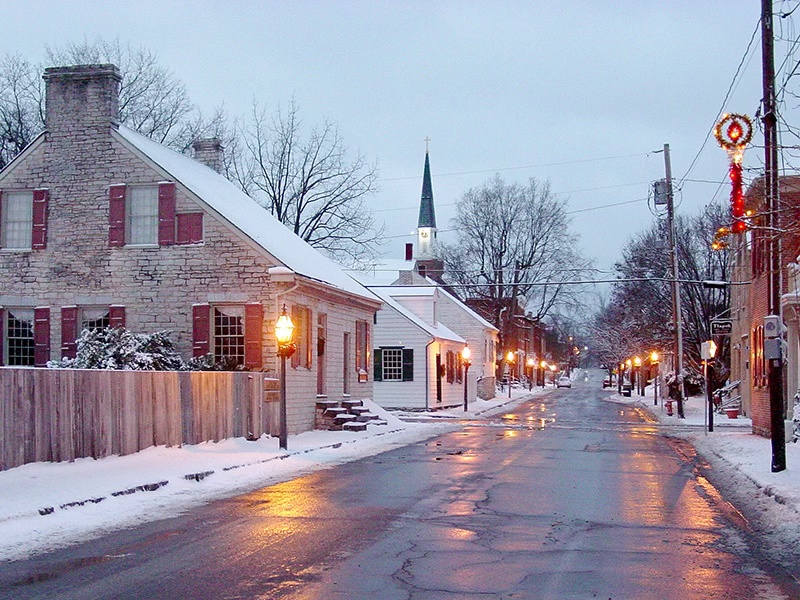
Courtesy of Robert Mueller, Ste. Genevieve Tourism

The Birchbark Canoe of the Ojibwe

As we approach the end of Native American Heritage month, we wanted to honor the first people who occupied the lands we now call Voyageurs National Park. And to praise their artistry in the design of the remarkable birchbark canoe.

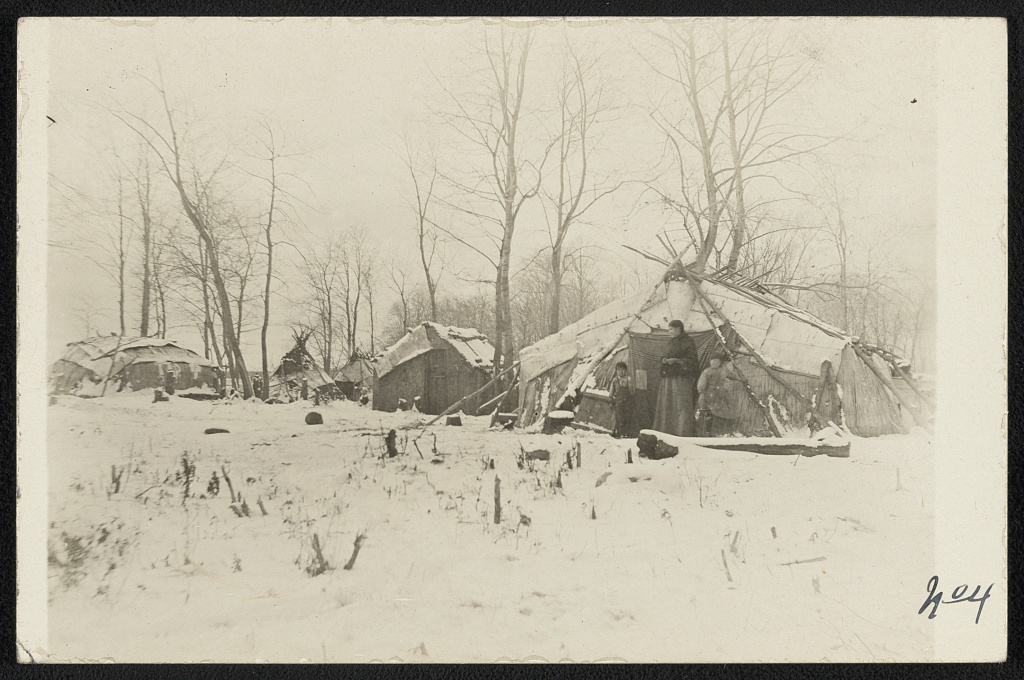
Ojibwe village 1910, Library of Congress

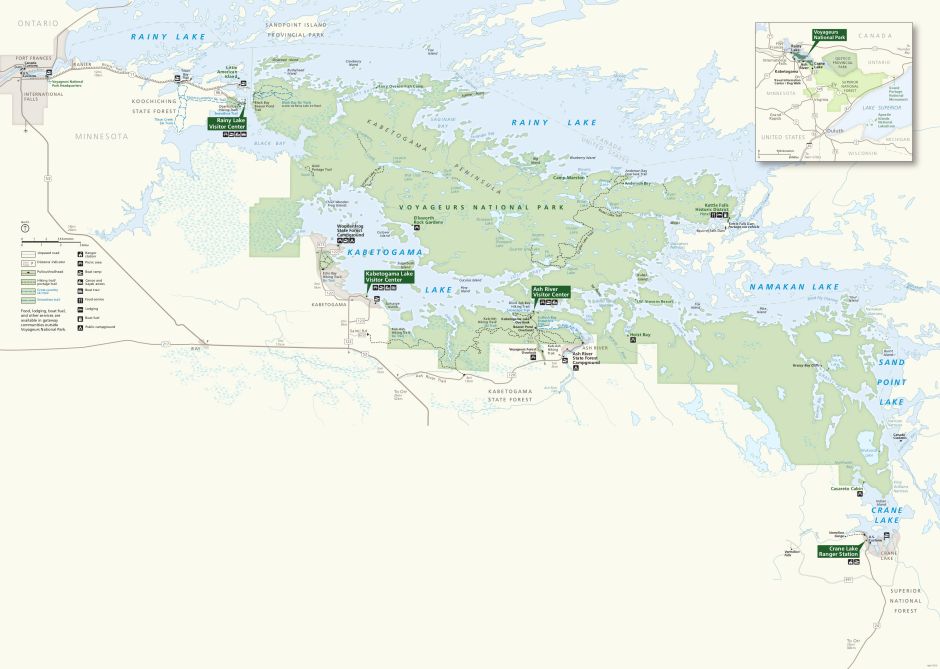
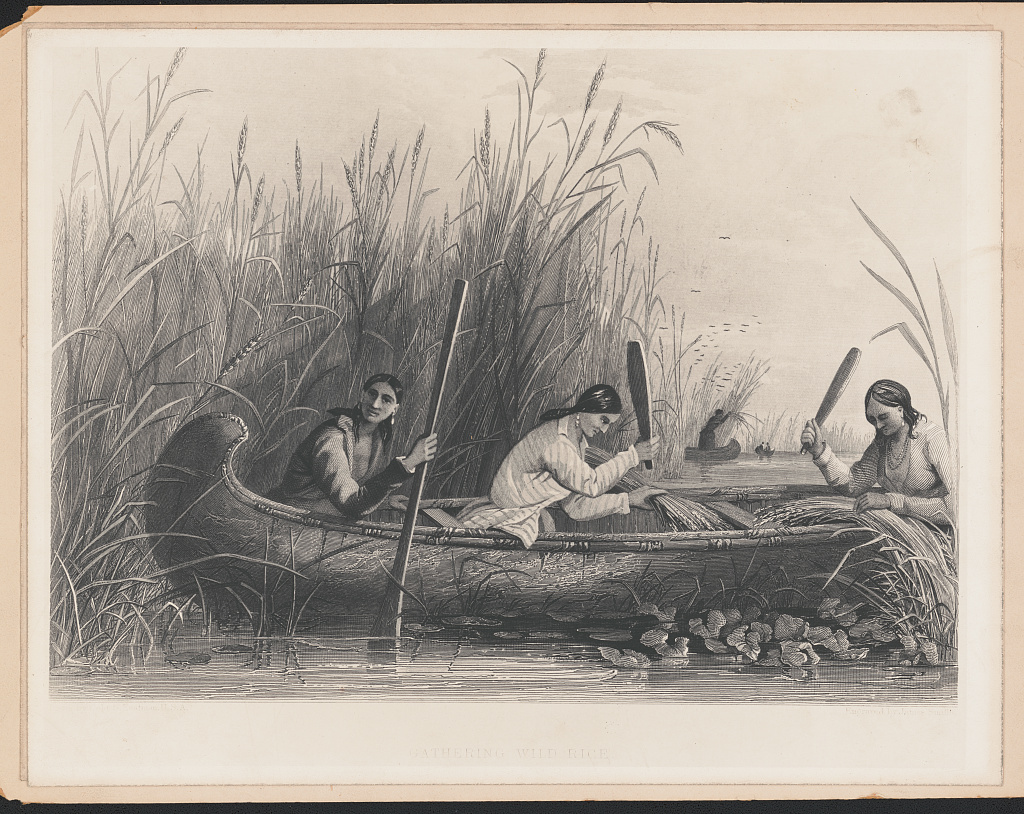
As glacial waters in northern Minnesota began to retreat nearly 10,000 years ago, small groups of people were able to move into the area, pursuing primarily a hunting and gathering lifestyle. The dense forests and the four major lakes within the 218,000 acres of today’s Voyageurs provided abundant natural resources for these Indigenous settlers. Fishing was their major source of food, as was the harvesting of native plants like wild rice.

Ojibwe women harvesting wild rice, Seth Eastman 1848, Library of Congress

The dominant tribe in the area was the Ojibwe (also known as the Chippewa).  Over time they played a key role in the region’s commerce as suppliers of food, furs, and canoes. The Ojibwes’ intimate knowledge of the local geography and resources also made them excellent guides for the European fur traders who later arrived in the area.

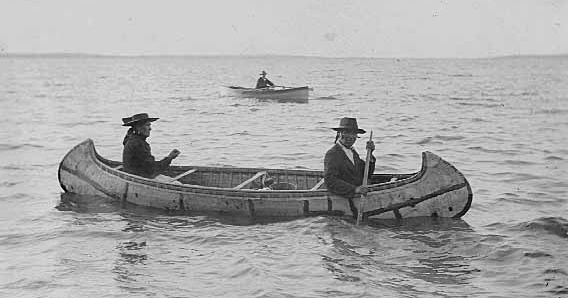
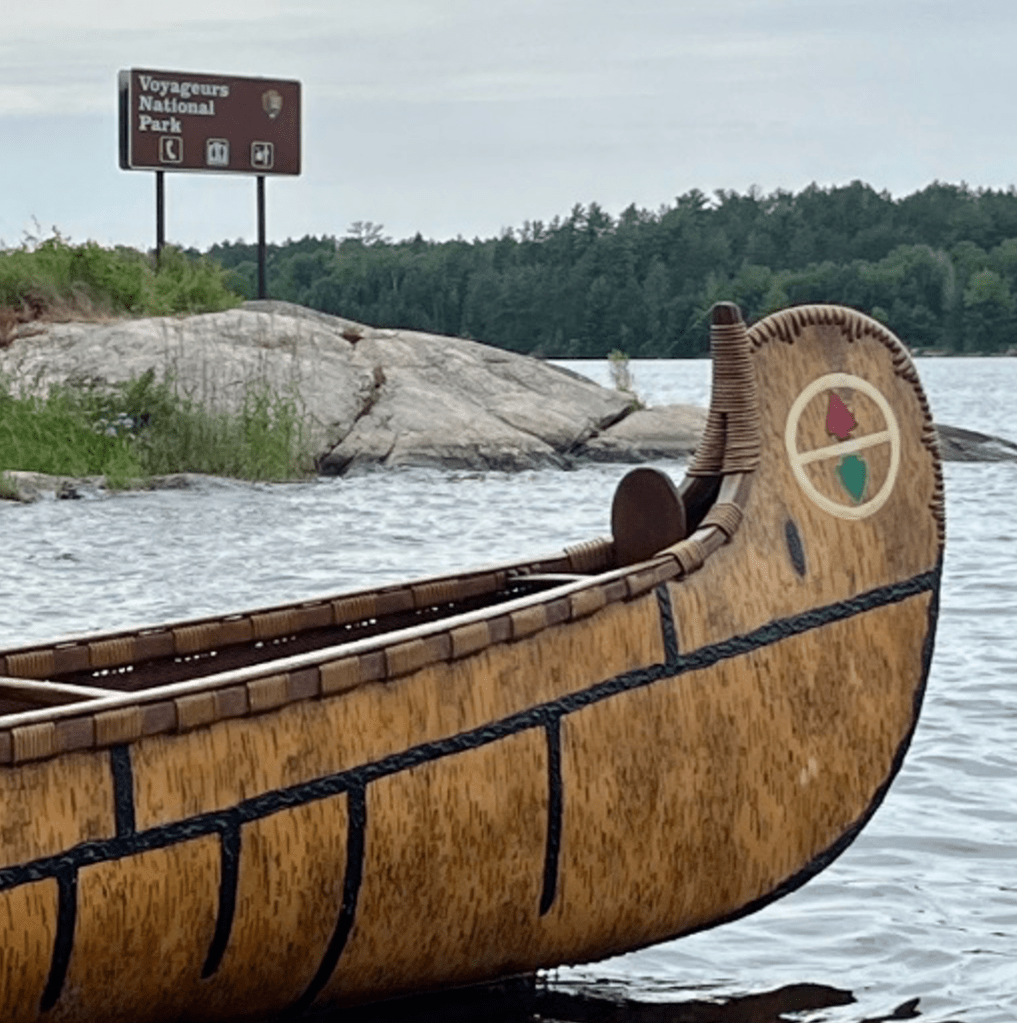
Ojibwe birchbark canoe 1910

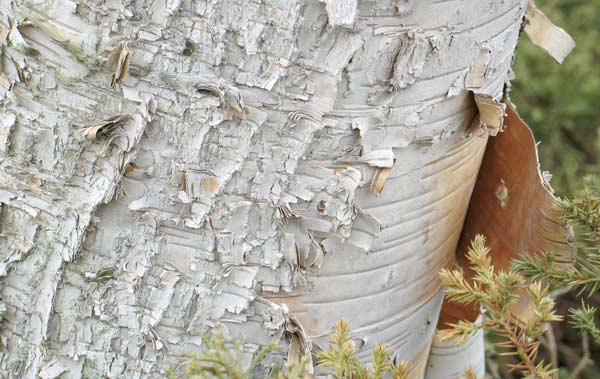
Since there were no roads or established trails in the early days of Minnesota, the Ojibwes’ primary mode of transportation was the birchbark canoe. They discovered that the outer rind of a birch tree can be stripped off without damaging the tree itself. When used for the outer skin of a canoe, birchbark is a naturally waterproof, resilient material, suitable for canoes that must navigate rivers, lakes, and even rapids. And its light weight made the canoes easy to carry over land.

Paper birch tree , credit Sue Sweeney, Wikimedia Commons

The Ojibwe canoe builders’ construction methods were impressive. They “make no use of nails and screws but everything is sewn and tied together,” reported a 19th-century observer. “The seams, stitches and knots are so regular, firm and artistic that nothing better could be asked for.”  

The simple design integrates birch bark for the skin, cedar for the framework, split spruce-roots for sewing the bark to the frame, and a sealing compound made from cedar ashes and heated pine pitch for closing the seams. In the heyday of the fur trade, birchbark canoes were in high demand. The area that is now Voyageurs National Park became a canoe-building hub due to the abundance of birchbark and the artisanry of the Ojibwe.

To get the full experience of a birchbark canoe, you’ll want to travel to Voyageurs next summer. The staff will invite you to participate in one of their programs featuring a replica of a 26-foot birchbark canoe – you might even get to paddle it!

It’s Never Too Early to Start Making Memories at Historic Sites and Museums

It’s the weekend, “Baby Shark” is permanently burned into your brain, you NEED to get out of the house, and you’ve been to every playground in your town umpteen-million times. If you are the parent of kids under the age of five, this scenario may sound painfully familiar. But what if we told you that there was somewhere fun that you can take your small children that you BOTH will enjoy?  Why not try a museum or historic site in the National Park System!

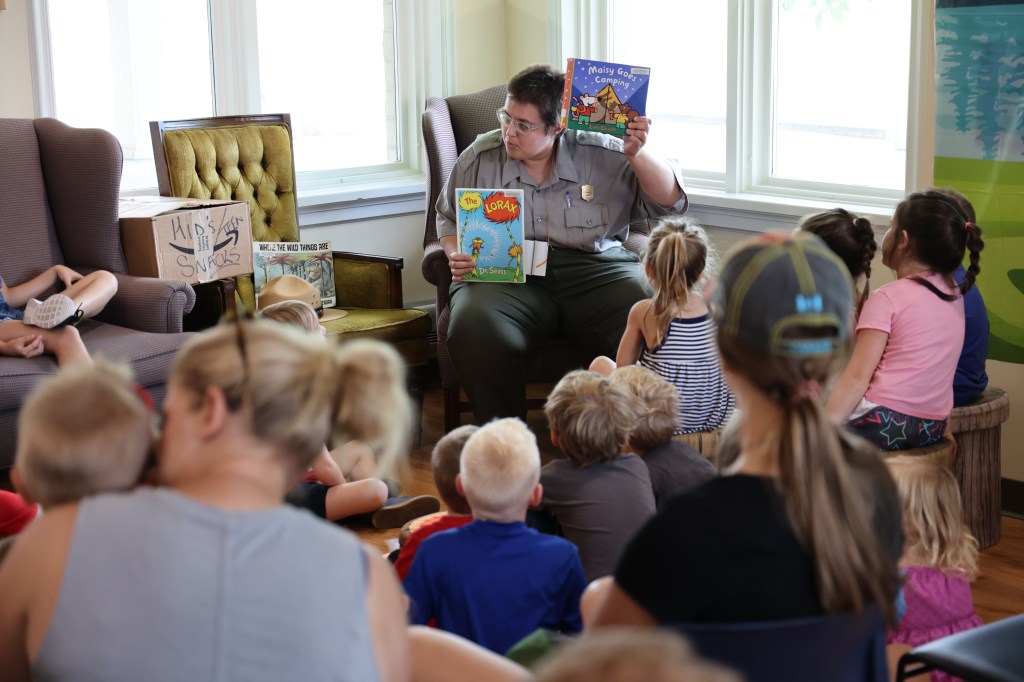
Reading with a Ranger from Ste. Genevieve National Historical Park. Credit: NPS

The mission of the National Park Service is “to preserve the natural and cultural resources of the National Park System for the enjoyment, education, and inspiration of current and future generations,” and they take that mission very seriously. This means that all sites within the National Park System do their best to be a welcoming place for all ages. Not only can your family enjoy the wonders of natural parks, but museums and historic sites will also happily welcome you and your little ones.

Children participate in boat building activity behind the Jean Baptiste Valle House at Ste. Genevieve National Historical Park. Credit: NPS

Before visiting a national park site, check out its website. Every park’s website has a “Kids and Youth” section, and many include specific activities for toddlers. Many people are aware of the NPS Junior Ranger Program, which is typically geared towards children over the age of five, but some parks have recently adapted their Junior Ranger booklets to include activities for younger children. For example, Ulysses S. Grant National Historic Site includes a picture scavenger hunt that leads children to various places around the historic home.

Excerpt from the Ulysses S. Grant National Historic Site Junior Ranger booklet. Credit: NPS

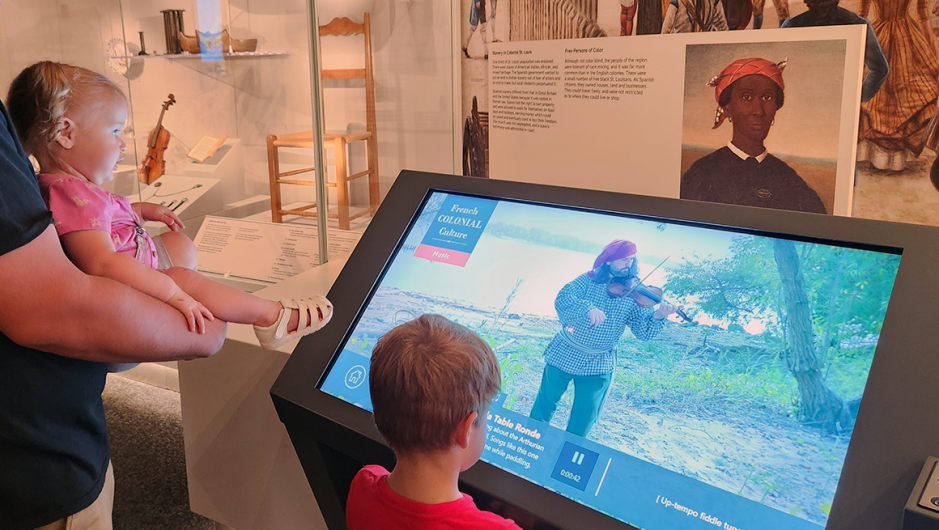
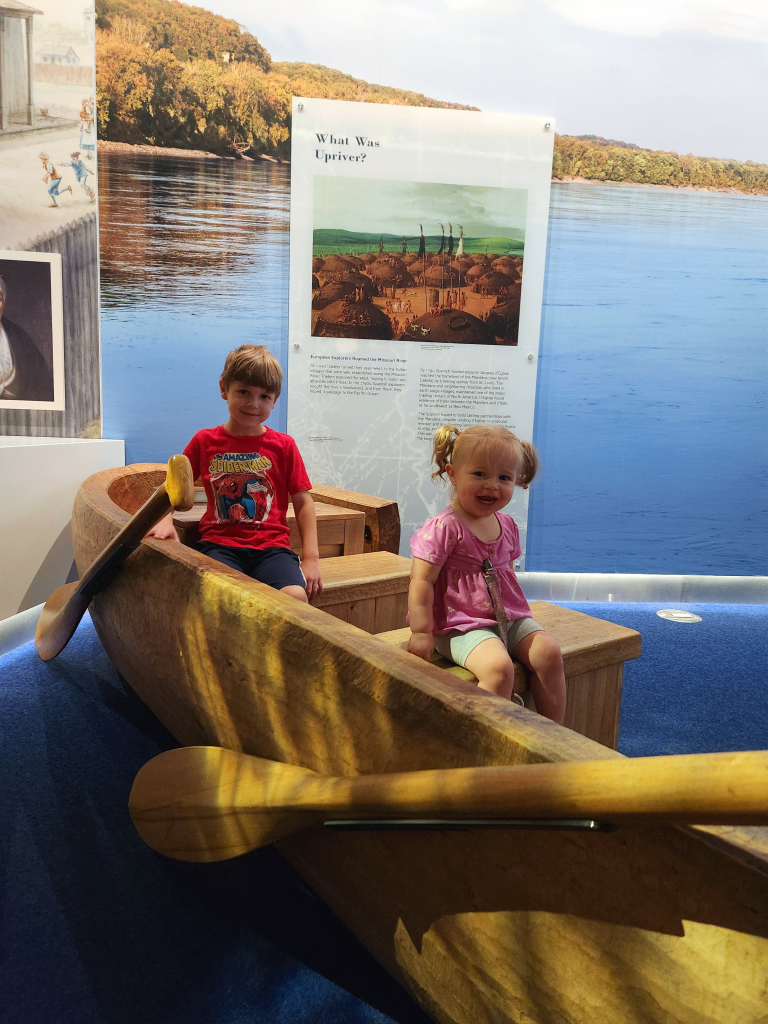
Some sites have interactive exhibits that are perfect for toddlers and preschoolers. The museum at Gateway Arch National Park features touchable exhibits like a beaver pelt, a replica pirogue kids can sit in, and interactive touchscreens with educational games. They even have a scale map of Lewis and Clark’s expedition route on the floor that kids can stomp on!

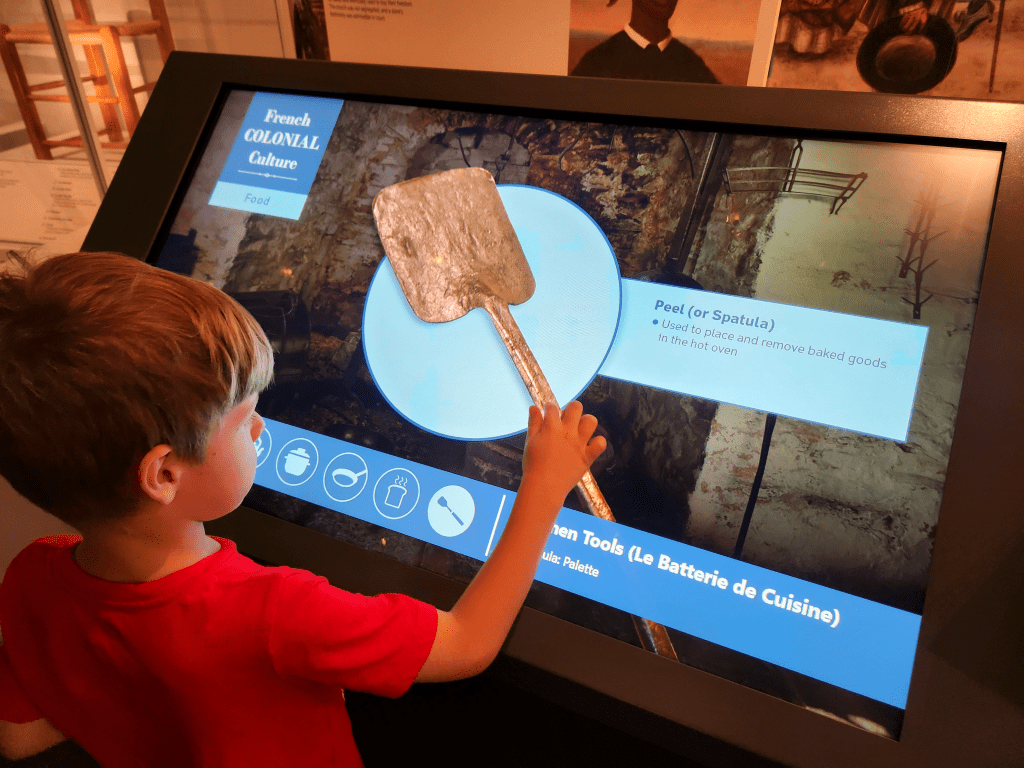
Young children can use interactive touchscreens to learn about French colonial cooking.

Make sure you check out a park’s calendar of events and keep a look out for programs targeted at families with small children. Museums and historic sites often have programs such as puppet shows, touch tables, or reading with a ranger. Many special events also have activities for the whole family, such as the annual NPS Birthday Bash at Ste. Genevieve National Historical Park.

A puppet show at Gateway Arch National Park. Credit: NPS / D. Reissing

Here are a few tips for your visit:

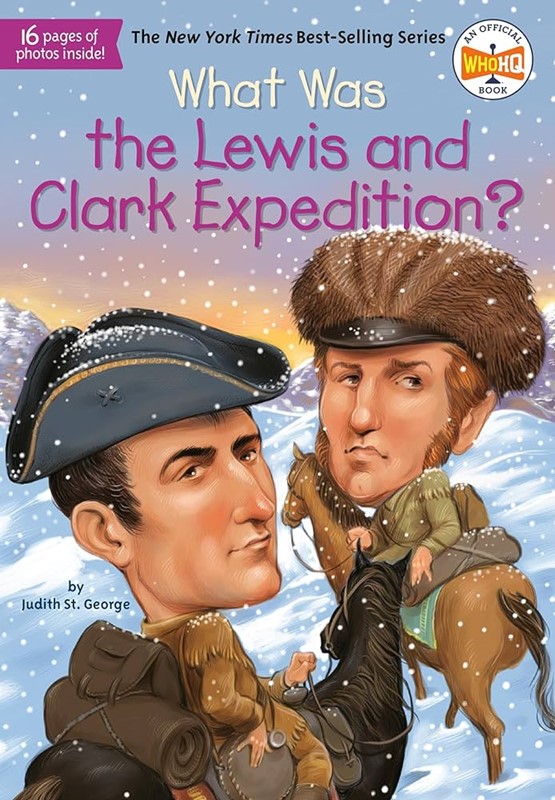
  • Try to read a book or watch a video that ties into the theme of the site before you visit.  We sell kids’ books for a number of partner parks in our online store. Get them excited!
  • SNACKS. Make sure your children eat well before your visit and keep a few extra snacks on hand in your car.
  • Try to burn off some energy before your visit. Many sites have walking trails or some sort of greenspace nearby. Let your kids stretch those little legs and get their wiggles out!
There is plenty of space to run on the grounds of Gateway Arch National Park.
  • Bring a stroller or carrier. It will help you keep your child from wandering off, and it will help your child to feel safe and comfortable in new situation.
  • Manage your expectations. You are more than likely not going to read every interpretive panel in the museum, and that is ok! Instead of trying to see everything, try to see the site from your child’s perspective. What can they see from their eye level? What draws their attention? You’d be surprised what small things a child will notice that most adults overlook.
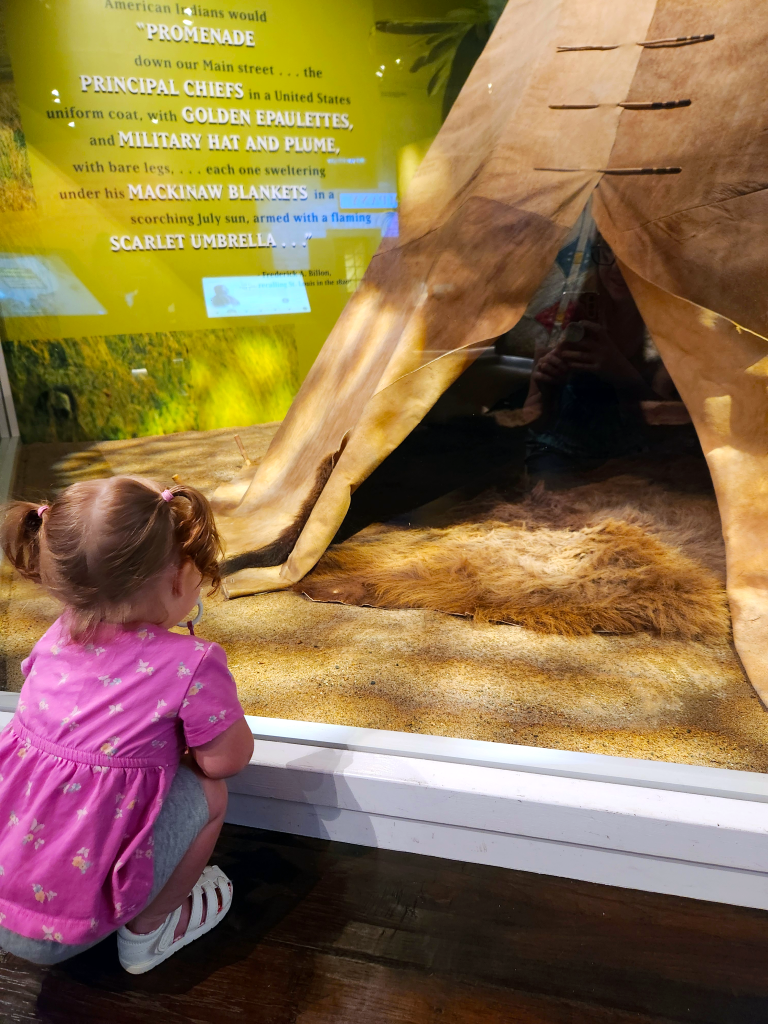
Toddlers are at perfect eye-level to see inside this teepee exhibit.
  • Go early when it is less crowded. It will be easier for you to relax, and there will be more opportunities to speak with park staff. Which brings me to my next point…
  • Talk to a ranger! Park rangers are excellent and engaging storytellers, and they know the site better than anyone. They will be able to point you toward exhibits and activities that are most likely to spark your child’s interest.
  • It can also be fun to let your children lead. Hold their hand and see where their curiosity takes them. If they are old enough to speak, ask them about what they see.
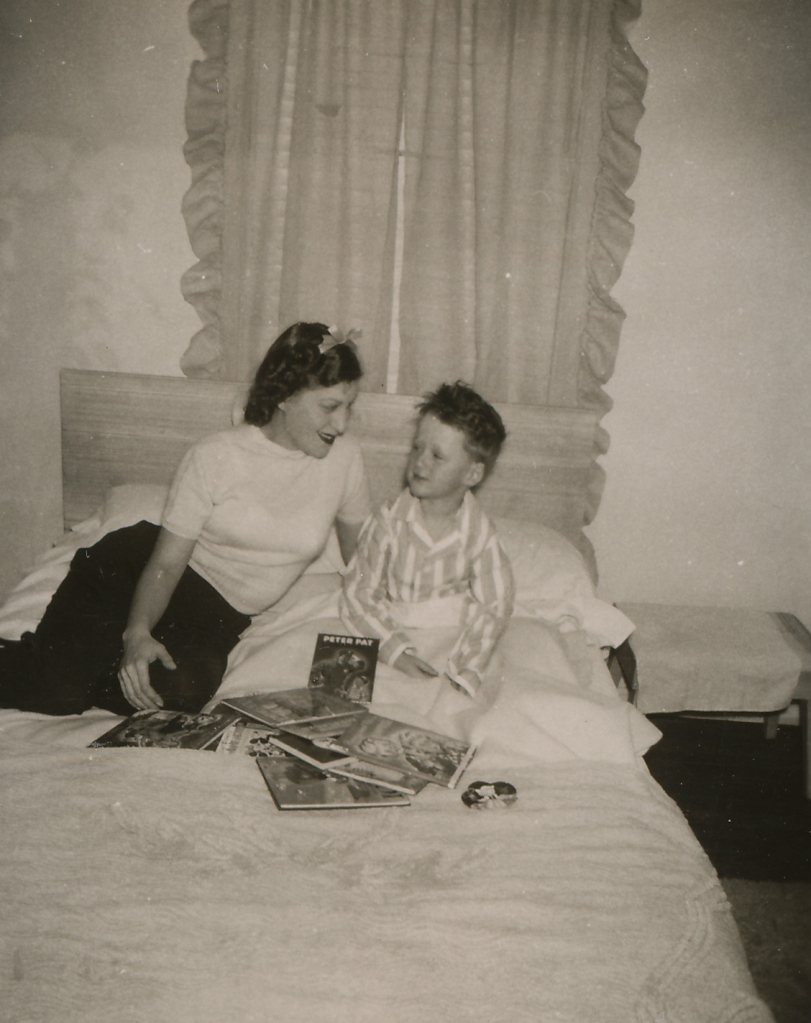
  • Point out the kids in the stories. Show them Bill Clinton’s childhood bedroom and toys at President William Jefferson Clinton Birthplace Home National Historic Site or talk to them about how the Little Rock Nine were just kids when they bravely became the first African American students to attend Central High School.
Members of the Little Rock Nine are escorted by the National Guard.
  • Let them ask questions! Toddlers LOVE to ask what seems like millions of questions a day. Let them ask about anything and everything that strikes their fancy and make it a game to find the answers together!
  • If you need to leave, leave. Do not feel like you have to see every exhibit. It is better to leave on a happy but unfinished note than to leave on a bad one.

No matter which site you choose to visit, we are sure you will make many happy memories with your little ones.

A toddler gazes up at an interpretive panel.

Juneteenth at our Parks

Several of our partner parks are planning events to honor Juneteenth, one of the oldest known commemorations related to the abolition of slavery in the United States.  The holiday marks the day that enslaved people in Texas learned they had been freed.   News of the Emancipation Proclamation had taken two-and-a-half years to reach Texas, arriving June 19, 1865.

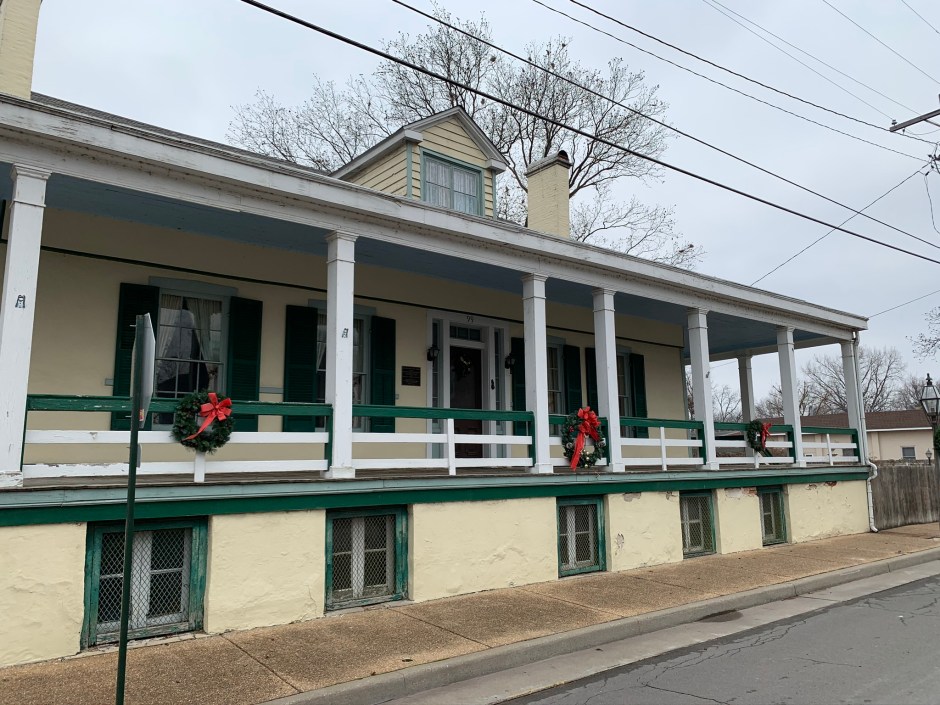
Staff at Ste. Geneviève National Historical Park have found a unique way to honor the enslaved residents of the park’s historic houses during the annual Juneteenth commemoration.  They place flowers on the porches of the Jean Baptiste Vallé House, Bauvais-Amoureux House, and Green Tree Tavern.  Each flower memorializes an individual who was enslaved at that home.

Credit: NPS

This project is an outgrowth of the park’s ongoing effort to learn more about the early Black residents of Ste. Genevieve.  So far, staff and volunteers have confirmed the names of 46 individuals who were enslaved at the three NPS-managed houses.  They hope to uncover the larger narratives of these residents and learn about their connections among the free and enslaved people of color in the historic community. The park plans to share the details of these findings through public events like Juneteenth.

Lynne Jackson

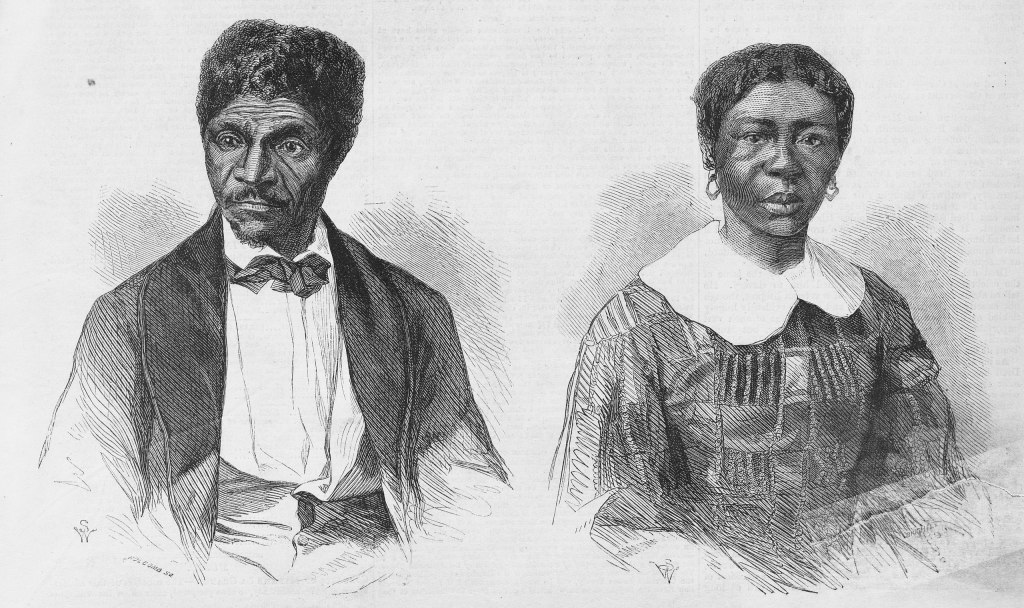
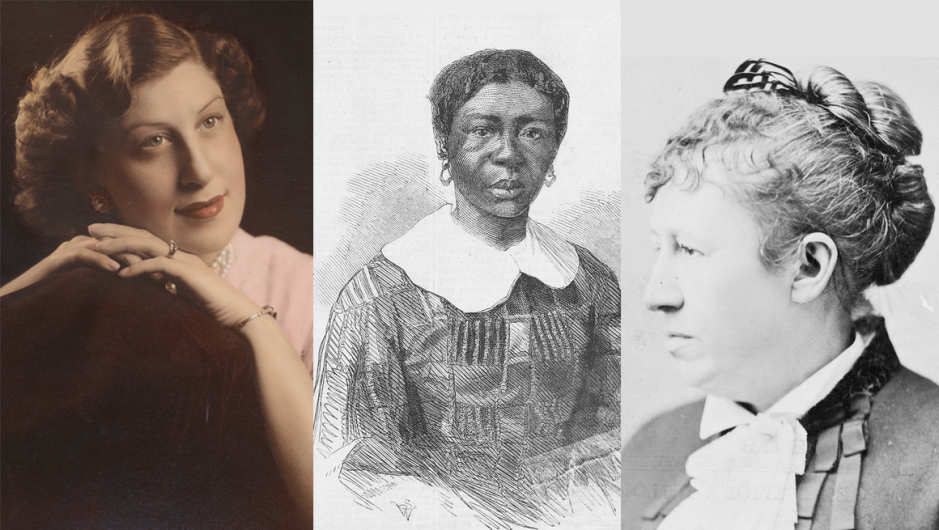
Another Juneteenth-related program will take place at the park on Saturday June 22.  Lynne Jackson, a descendant of Dred and Harriet Scott, will share the story of her famous ancestors’ long-awaited emancipation in 1857.  She will also discuss the Freedom Suit Memorial in St. Louis, a bronze sculpture erected in 2022 commemorating the many lawsuits that enslaved people filed against slaveholders in an effort to gain their freedom. 

The lecture begins at 1:30 at the park’s Welcome Center.  The event is free, but reservations are recommended; reserve your spot by calling 573-880-7189.

Peggy Harris

Ulysses S. Grant National Historic Site will celebrate Juneteenth on Saturday June 15 with a unique program– Rhythms, Rhymes and Cultural Times.  This one-woman show by performer Peggy Harris is a collection of narratives depicting the lives of various strong Black women, including an African Royal’s recounting of the slave trade, Harriett Tubman’s journey to freedom, Harriet Scott’s support of her husband Dred, and Luisah Teish’s call to join women of color together to embrace their culture and spirituality.

The free program takes place at the park at 1:00 p.m. For reservations call 314-842-1867 ext. 230.

If These Walls Could Talk

Visitors to the White Haven estate at Ulysses S. Grant National Historic Site sometimes happen upon a curious stone building behind the historic house.  This humble little structure looks a bit out of place amid the other wooden buildings on the site, and it has undergone several transformations since it was built.  What was it used for?

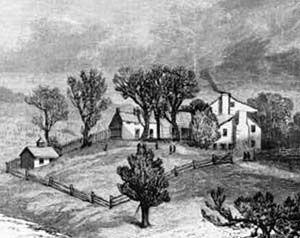
White Haven, circa 1850. Stone building is visible to the immediate left of the main house. Photo credit: NPS

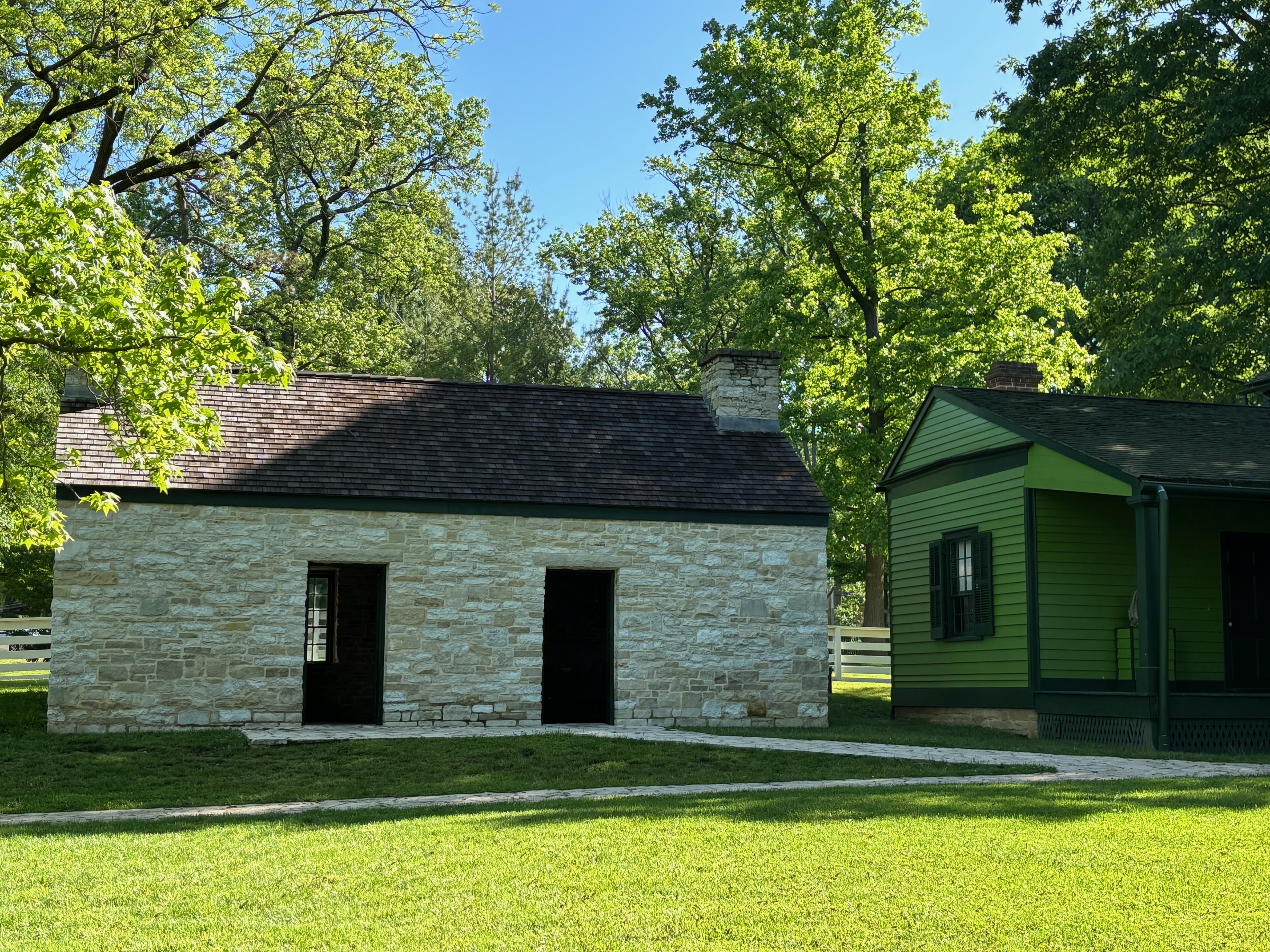
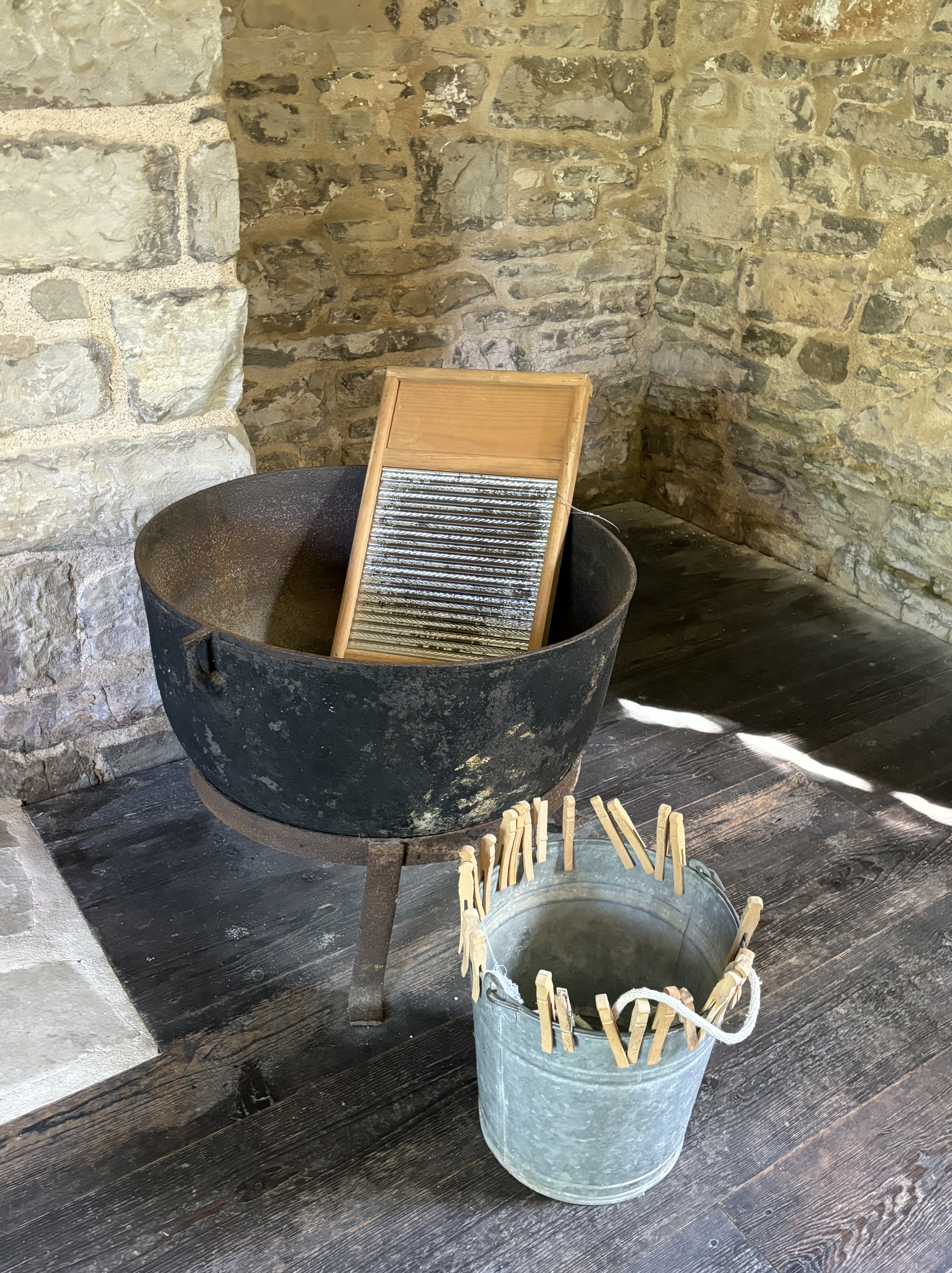
National Park Service archeologists believe the stone building was probably built well before the Civil War – perhaps as early as 1840 – when Grant’s in-laws, Frederick and Ellen Dent, owned and farmed the 850-acre slave plantation.  Enslaved laborers are thought to have worked there, cooking food, sewing clothing, and cleaning laundry; and some enslaved cooks may even have lived in the attic. 

 Although the main house on the estate featured a basement kitchen, its wood construction would have been prone to catching fire during the cold winter months, so cooking duties would probably have shifted to the cooler stone kitchen during the summer. 

Photo credit: NPS

Yet a workplace for enslaved people wasn’t the end of the little building’s story. Sometime after slavery was abolished, a permanent kitchen was established on the first floor of the main residence and the stone building ceased to function as a summer kitchen. The roof and walls of the neglected building collapsed.

Photo credit: NPS

Then in the 1940s or 1950s, the private owners of White Haven expanded the west wall of the stone building, rebuilt and re-roofed it, and used it as a three-car garage. Changes to the structure included rebuilding exterior walls, removal of the wall dividing the two rooms, replacement of the gabled roof with a shed roof, and a concrete floor.

Photo credit: NPS

After the National Park Service acquired ownership of White Haven in 1990 (a purchase facilitated by JNPA), workers restored the stone building to its original appearance.  Archaeological digs yielded numerous broken dishes, crockery, silverware, as well as sewing equipment from the nineteenth century – further evidence of the domestic tasks enslaved laborers were performing at this site.

On your next visit to the park, be sure to pay a visit to the summer kitchen building, where you’ll find additional information about its many uses. 

Mothers Who Made History

Resilience, optimism, and unconditional love. These are traits that are shared by three mothers who played an important role in our country’s history and who helped shape America’s future through their love for their families.

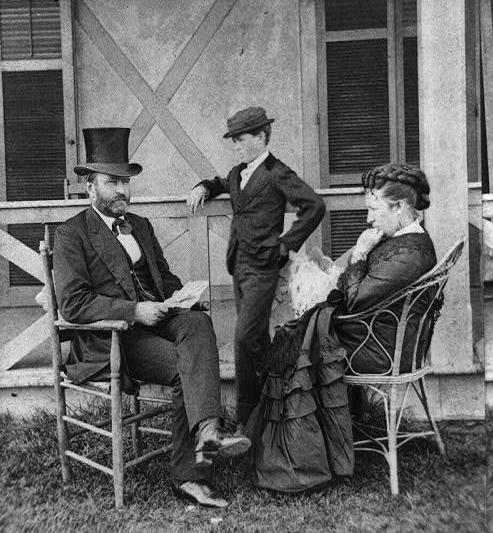
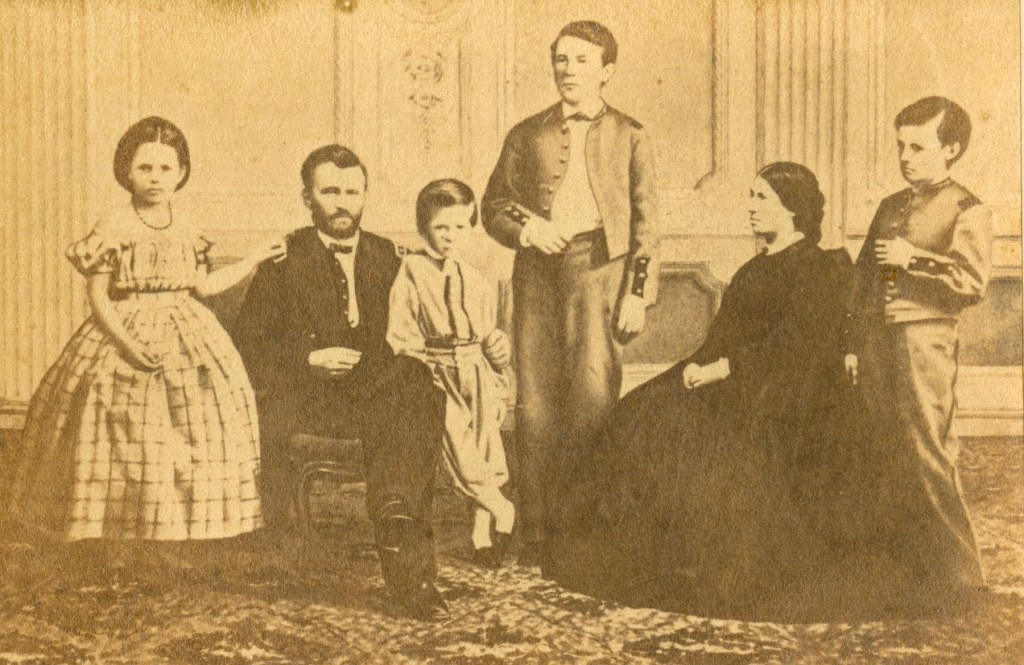
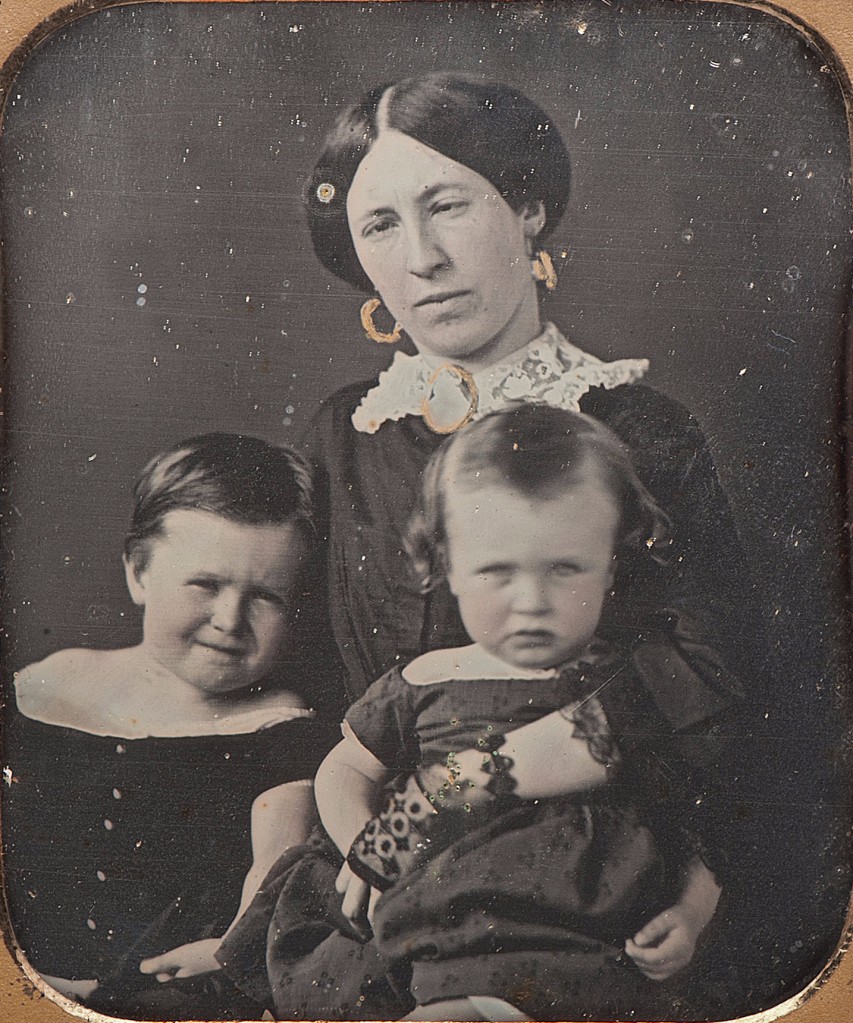
Julia Dent Grant may be best known as the wife of President Ulysses S. Grant, but she held another equally important title: mother. Julia met Ulysses in 1844, and they were married four years later. Their first child, Frederick Dent Grant, was born in 1850, followed by Ulysses S. “Buck” Grant Jr. in 1852, Ellen Wrenshall “Nellie” Grant in 1855, and Jesse Root Grant in 1858. 

In the 1800’s, nearly half of the babies born in the United States did not live to see their fifth birthday. However, all four of the Grants’ children lived into adulthood. Julia and Ulysses were incredibly devoted to their children and were known to be “permissive” parents. They taught their offspring to ride horses from the time they were small, and they allowed them to be noisy, playful, happy children.

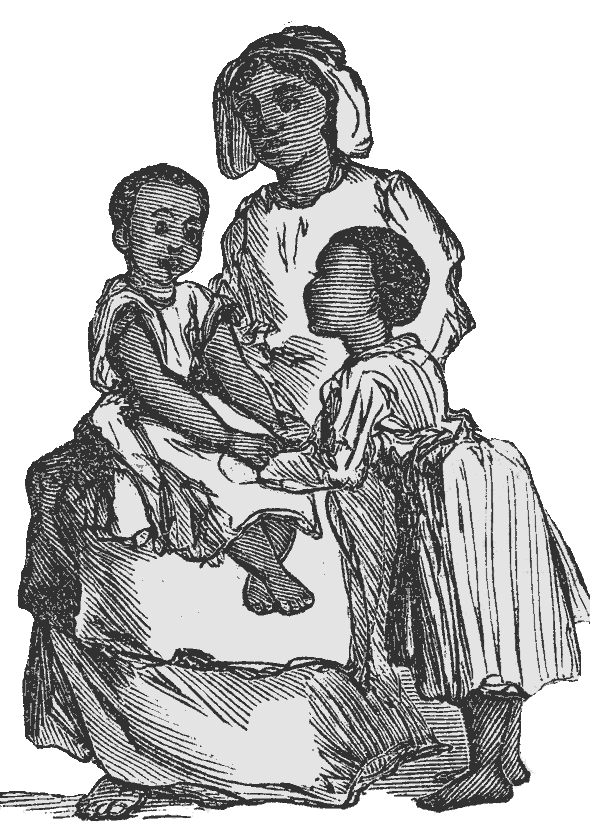
Harriet Robinson Scott was an enslaved woman whose determination to free herself, her husband, and her daughters changed the course of African American history.   

Harriet was born into slavery sometime around 1815.  Her enslaver brought her to Fort Snelling (in present-day Minnesota) in the 1830’s, where she met and married the enslaved Dred Scott. Their enslaver subsequently moved them between free and slave-holding territories frequently while leasing them out as hired hands.  Their residence in free areas would become the centerpiece of the couple’s claim to freedom. 

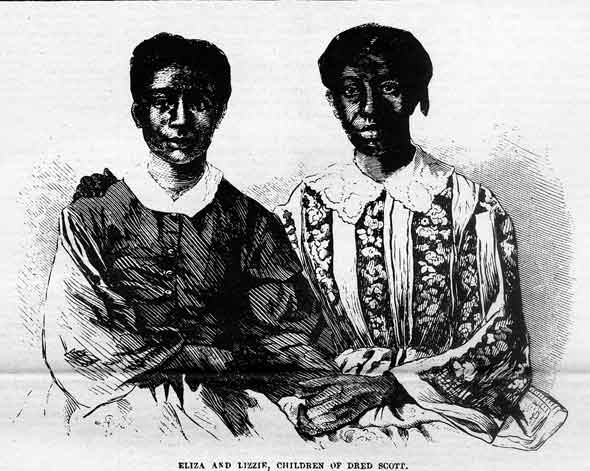
Harriet and Dred eventually wound up in St. Louis with their two daughters, Eliza and Lizzie.  It was here that the couple began to explore their chances of gaining their freedom. Harriet in particular was highly motivated to see her daughters become free.  After a failed attempt to purchase their way out of slavery, she encouraged Dred to sue for their freedom in the courts.

She and Dred endured five trials over the course of 11 years to fight for their family’s freedom, and it was her love for her children that kept her going through those hard times. Though the infamous Supreme Court decision in the Dred Scott Case denied them their freedom, the son of Dred’s original enslaver finally freed the family a few months after the verdict.

Former President Bill Clinton’s mother, Virginia Clinton Kelley, was known for her optimism and enthusiasm for life.  Bill Clinton was quoted as saying that, to his mother, “every day was a good day.”

Clinton’s father, William Jefferson Blythe II, died in a car accident when his wife Virginia was pregnant. Suddenly alone, she had to figure out a way to support herself and her newborn son in little Hope, Arkansas. With the support of her parents, Virginia was able to attend nursing school. She later married Roger Clinton Sr., who turned out to be an abusive alcoholic. Despite the many hardships she faced over the course of her life, Virginia was wholeheartedly devoted to Bill and later to his little brother, Roger Jr. She believed that it was her responsibility to support herself and create a good life for her children, regardless of their circumstances.  Although she died in 1994, she luckily lived long enough to see Bill become the 42nd president of the United States the previous year.

French Lesson

French soldiers, explorers, and fur traders established settlements in North America as early as the 1500s.  The vast territories of “New France” spanned a large portion of eastern North America, from what is now Canada south to the Gulf of Mexico.
Map of New France circa 1750

Among the earliest French settlements in the so-called Illinois Country was the village of Ste. Geneviève, founded by French Canadians in 1750.  These hardy immigrants were drawn by the rich soils deposited by the nearby Mississippi River and by minerals and other natural resources the region offered.  Naturally they brought their Old World culture, religion, laws, architecture, and language with them.  But it wasn’t long before they adopted new habits, customs, and even words that fit their new lives in the New World.
In fact, the residents of Ste. Geneviève created what historians call a French Creole cultural zone in the middle Mississippi Valley.  The influences of European immigrants, Native Americans, and free and enslaved Blacks combined to create customs that were unique in terms of law, religion, clothing, use of the land, architecture, personal philosophy, and slave law.  This regional culture was unlike anything else in what is now the United States, and substantially different from its parent cultures in Canada and France.

Credit: NPS

The Creoles of Ste. Geneviève (a term used to describe a French, Spanish or African person born in America) lived in tight-knit communities along the river rather than on isolated farmsteads as most Anglos did.  Their agricultural system evoked that of northern France, in which the residents grazed and farmed on common lands just outside the village.

Creoles also dressed differently than Anglos and seem to have been influenced by the local indigenous people. An 1811 traveler recalled that “Men wore a blanket coat of coarse cloth or coating, with a cape behind, which could be drawn over the head…They wore a blue handkerchief on their heads; but no hats, or shoes, or stockings; moccasins, or the Indian sandals, were used by both sexes.” And despite their shared Christian religion, Creoles apparently scandalized their Anglo neighbors on Sundays. After church they held auctions, conducted business, danced, and bet on cards and horse racing.

Then there was the Creoles’ language.  Though most settlers in Ste. Geneviève were of French ancestry, it didn’t take long for them to adopt new words, phrases, and pronunciations.  Naturally, the New World presented new influences on the immigrants.  Unfamiliar animals and plants needed names, tools and objects long used by Indigenous peoples needed descriptions, as did new patterns of commerce and trade.  In many cases they adopted or adapted words from African or Native American languages to fill these descriptive gaps. 

Some of these terms seem quaint to modern ears:  bete puante (literally, stinking beast, i.e. skunk; bete rouge (red beast, i.e. chigger); and chat sauvage (wildcat, i.e. raccoon).  Other Creole words have been absorbed into the modern English language:  bayou (from an Indian word for a body of water cut off from a river); butte (for a hill); and cache (for a place to store or hide goods).

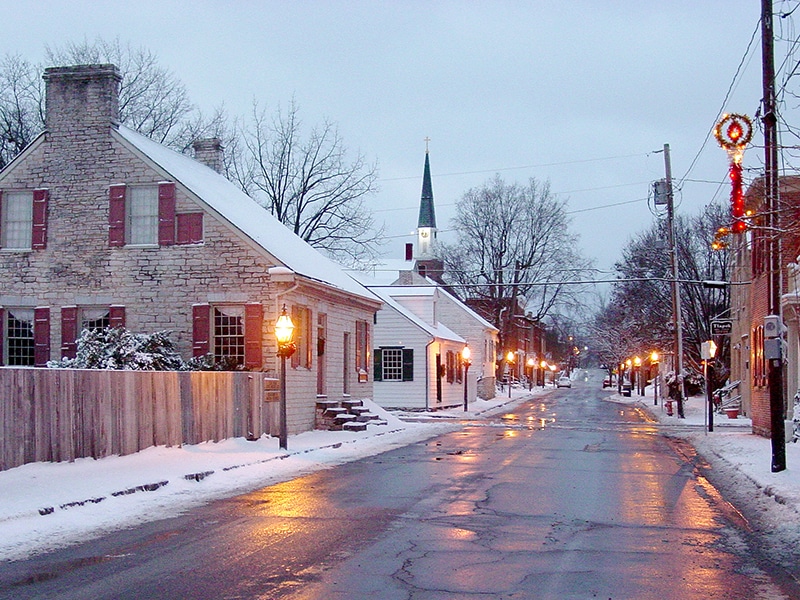
Photo Credit: Robert Mueller, Ste. Genevieve Tourism

For an in-depth immersion in early French colonial life, a trip to Ste. Geneviève, Missouri, is a must.  As one of America’s oldest permanent European settlements, the proud little community offers a mixture of fascinating history and modern charm.  And don’t miss the guided tours of its unique historic buildings offered by the rangers at Ste. Geneviève National Historical Park

ça vaut le détour!

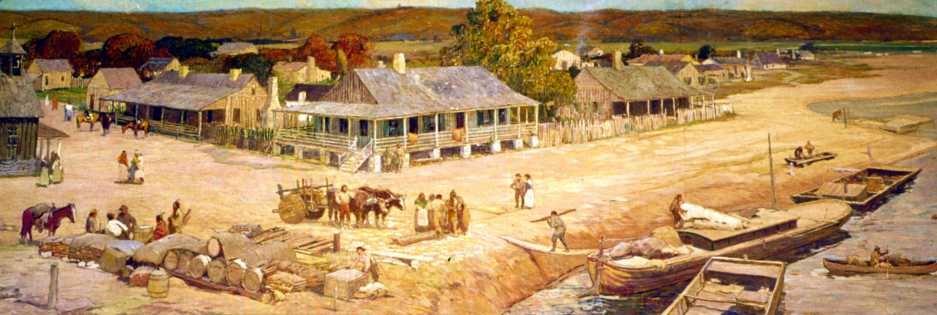
*Featured Image Credit: capitol mural of early Ste. Genevieve by Oscar Berninghaus- State Historical Society of Missouri

On the Civil War Battlefield – at Age 11

Frederick Dent Grant had big shoes to fill.  As the oldest son of Ulysses S. Grant, Fred was treated “always as if I were already a man.”  He helped with chores around his childhood home at White Haven and was taught to ride and swim at an early age.  “I can see myself now, a chubby little chap, sitting on the back of one of the farm horses and holding on for dear life, my father urging me to be brave,” Grant later recalled.

Young Fred was also exposed early on to the stark realities of warfare.  Not long after his father was promoted to the rank of colonel in the 21st Illinois Infantry in 1861, Fred accompanied him through the Illinois countryside.  Colonel Grant believed his 11-year-old son was relishing his time as an unofficial member of the 21st.  He wrote to his wife Julia: “Fred enjoys it hugely…The Soldiers and officers call him Colonel and he seems to be quite a favorite.”

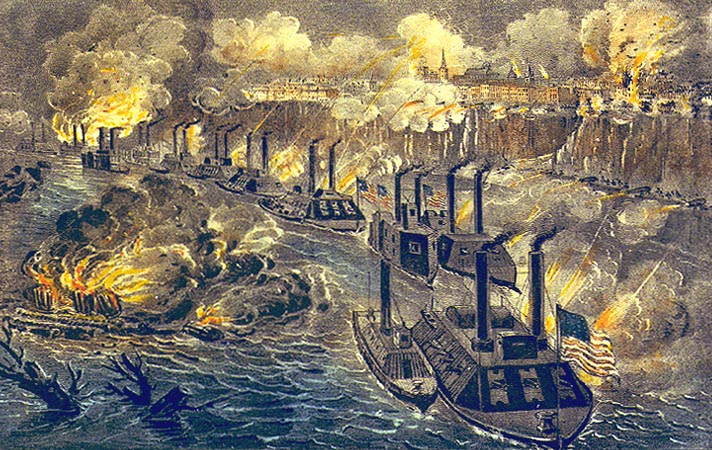
Ulysses also bragged about his son’s bravery a few years later when he brought him along during the Vicksburg Campaign of 1863.  “Fred is very well enjoying himself hugely. He has heard balls whistle and is not moved in the slightest by it. He was very anxious to run the blockade of Grand Gulf.”  But decades later, Fred painted a different picture, having been horrified by what he saw from a Union gunboat at Grand Gulf: “I was sickened by the scenes of carnage.” 

At one point, the boy was shot in the leg by a Confederate soldier, but soon made a complete recovery and was able to stay with his father until the 45-day siege of Vicksburg ended.  Fred returned to Ulysses’ side again during further battles.  And he accompanied him to Washington, DC, when President Lincoln promoted Grant as Commanding General of all Union armies.

Credit: NPS

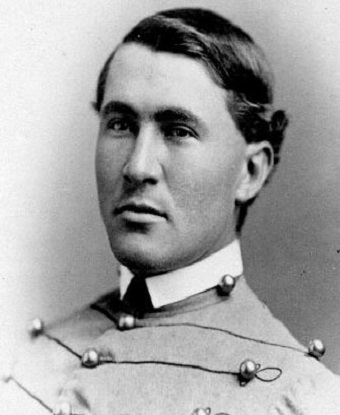
Despite his early distaste for the horrors of combat, Frederick Grant pursued a military career.  Like his father, he attended West Point six years after the end of the Civil War.  He was eventually promoted to the rank of Major General during the Spanish-American War.  Also like his father, he was a heavy smoker and died of cancer in 1885 at age 62.

The Hermit of the North Woods

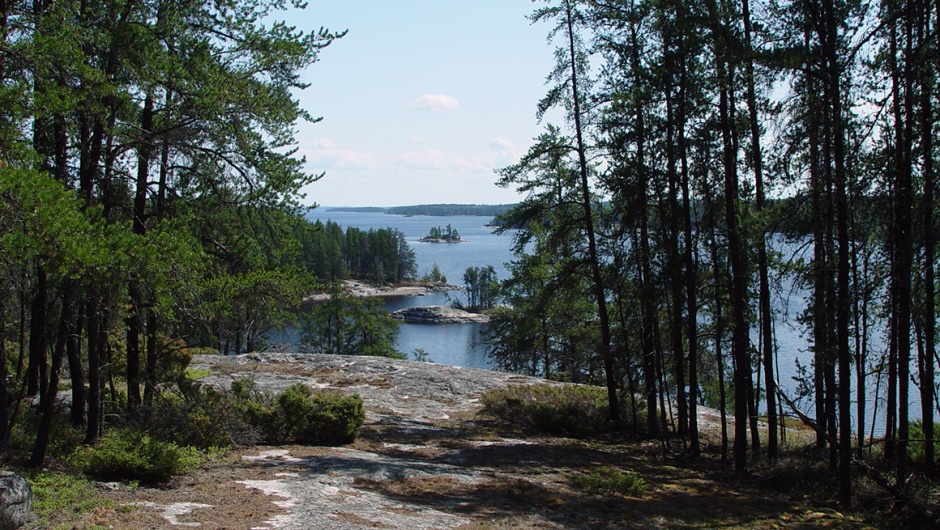
There are many secrets and hidden stories within the forests and waters of Voyageurs National Park.  But perhaps one of the strangest is that of a mysterious recluse who made his home in the rugged back woods near Namakan Lake.

Credit: NPS

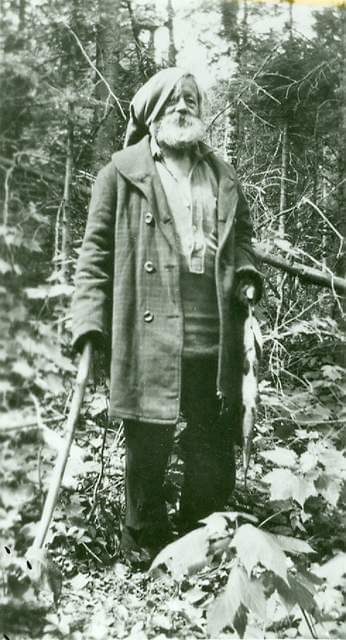
Sometime in the 1930s, locals spotted a small old man paddling a crude log raft on the park’s waters, earning him the nickname “Catamaran.”  No one knew where he came from or why he shunned civilization.  He seemed to be educated and reportedly spoke with a British accent.  He said his name was Bert Upton but refused to reveal more about himself.

Upton lived in a crude hut built over a dug-out hole in the ground, furnished with a homemade hammock but few other possessions.  He occasionally scavenged materials from logging camps but rejected offers of food and clothing from neighbors in the area.  He snared rabbits and other wildlife, and he also fished the local waters.  He seemed to enjoy his surroundings, forging paths in the woods and even planting attractive gardens around his hut.

Just five feet tall and wildly unkempt, Upton wore hacked-off pants and walked with a large walking stick. He was usually clothed in a cast-off wool jacket and a long cap made from the legs of long underwear.  He walked about in bare feet most of the year, but he was seen wearing shoes during the harsh Minnesota winters.   It’s hard to believe he could survive the severe cold, though he reportedly followed the old-world custom of conserving body heat by spending most of the winter in bed.

Some suspected Catamaran was fleeing the law; others just considered him a bizarre outcast.  Everyone agreed he was peculiar since he often suspected any donations of food were poisoned.

Credit: NPS

Whatever his past, the end of his life was no mystery.  He was found frozen to death in the snow by a local explorer, just a half-mile from his home.

If you’re lucky enough to camp out in the magnificent forests of Voyageurs National Park, perhaps you’ll begin to appreciate what brought this mysterious recluse to the North Woods and why he stayed.

Whetting Your Child’s Appetite for Learning

Do you know a child who can spend hours looking at every plant, insect, and set of tracks they come across outside? What about a budding history buff who wants to know every detail of historical events? Are you a grown-up whose inner child never quite let go of your dream of being a paleontologist or train engineer or marine biologist? Whatever your child’s (or your inner child’s) interest, there is a National Park Service Junior Ranger program for you!

Credit: NPS

The NPS Junior Ranger program is an activity-based program aimed at 5- to 13-year olds that takes place in almost all national parks.  Children typically complete a series of activities during a park visit, share their answers with a park ranger, then receive an offical Junior Ranger patch and certificate. 

This very popular program got its start more than 90 years ago, beginning  as the “Yosemite Junior Nature School” in 1930. The school was held for six weeks every summer from 1930-1954 (with the exception of the years during WWII). Back then, earning an award (the equivalent of becoming a Junior Ranger today), was quite difficult! A child had to attend at least five meetings of the Junior Nature School as well as complete 25 out of the following 26 tests:

  1. Point out and give characteristics of ten trees.
  2. Point out and give characteristics of five shrubs.
  3. Demonstrate the ability to read tree history by means of tree rings.
  4. Tell the principal values of forests.
  5. Identify five birds by means of songs alone.
  6. Point out fifteen different kinds of birds.
  7. Name ten resident birds of Yosemite Valley, five predators, two waders, three wood borers, and fifteen perchers.
  8. Identify the nests of five birds.
  9. Point out the four principal minerals found in granite.
  10. Tell briefly the story of the origin of the Yosemite Valley.
  11. Illustrate the difference between stream-worn and glacial-worn boulders.
  12. Name and identify twenty-five different flowers.
  13. Know the principal parts of the flower.
  14. Explain the function of flowers in plant reproduction.
  15. Name and identify ten Yosemite mammals.
  16. Name and identify five Yosemite reptiles.
  17. Outline the life history of the bear.
  18. Tell four ways of identifying old Indian village sites.
  19. Tell how obsidian arrow points are made.
  20. Tell how the Yosemite [Native Americans] made acorn bread.
  21. Point out fifteen vegetable, ten animal, and three insect sources of food used by the Indians.
  22. Point out forty points of interest around Yosemite Valley.
  23. Identify four kinds of trout.
  24. Tell the methods of fish culture used in the hatchery.
  25. Demonstrate the ability to ‘read the trail-side like a book.’
  26. Identify the following: ant lion, termite, swallow-tail butterfly, grasshopper, wasp, dragon-fly, moth, and ladybird beetle.
Yosemite Junior Nature School, ca. 1935. Credit: NPS

In 1955, the Junior Nature School officially transitioned to the Junior Ranger program, which was much closer to how the program runs today. Now, children (and adults!) can earn a Junior Ranger badge and certificate at over 400 National Park sites across the country by completing activities from that park’s official Junior Ranger booklet. Additionally, there are many national themed booklets available which can be completed at home or at a nearby national park. Some of these themed Junior Ranger programs include Wildland Firefighter, Archeologist, and Underground Railroad Explorer.

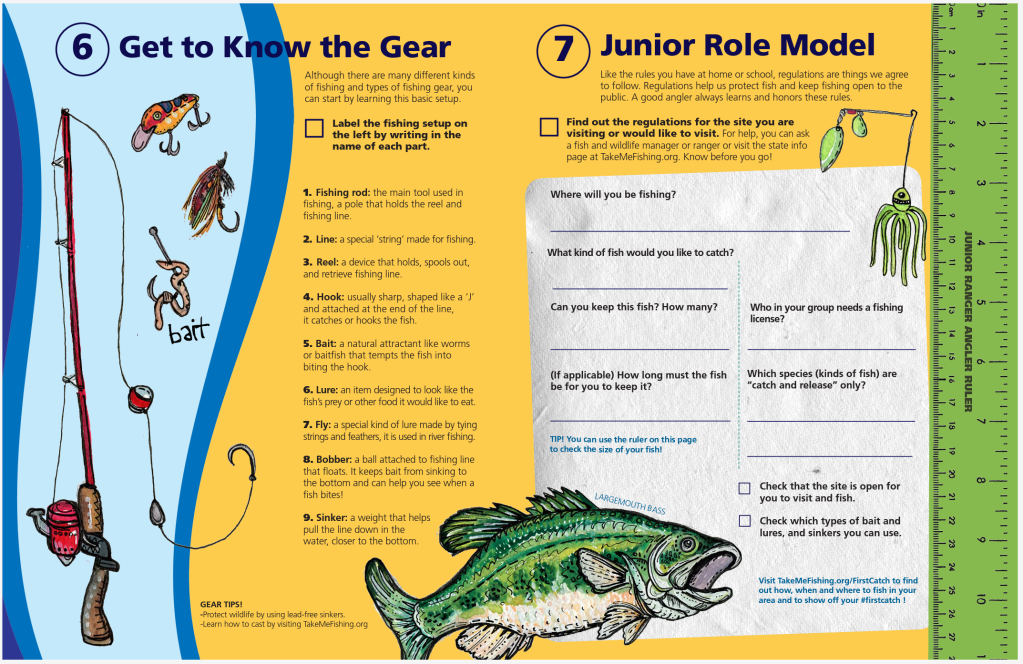
An excerpt from the “Junior Ranger- Let’s Go Fishing!” booklet

Each of JNPA’s partner parks participate in the Junior Ranger program, including:

Also, for a limited time, visitors to Gateway Arch National Park will have the opportunity to earn the “Riverboat Explorer” Junior Ranger badge. This program will be offered daily on riverboat cruises at 1:30pm and 3:00pm now through Labor Day.

Credit: NPS

The next time you visit a national park, make sure to check out their Junior Ranger Program. It is completely free, and you never know what new things you may learn! If you want to add to the experience, you can also purchase this Junior Ranger Hat and Junior Ranger Vest to proudly display all of your badges!