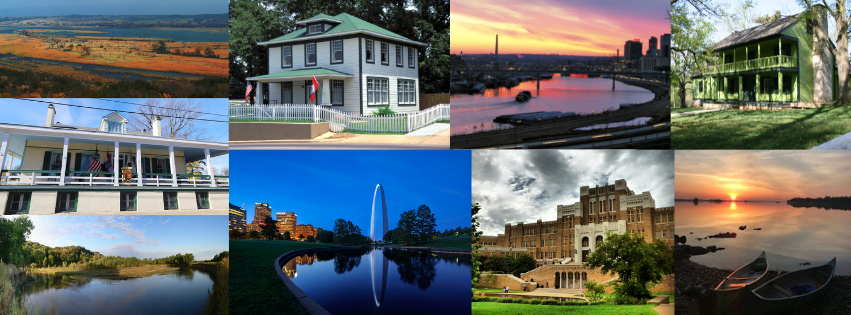
The National Park Service system currently includes 423 sites throughout the United States and its territories. These range from national monuments and battlefields to national historic sites and recreation areas to national rivers and seashores.
Don’t feel bad if you haven’t visited the majority of these places (most of us haven’t!). But luckily, National Park Week is just around the corner – a perfect time to add to your NPS “life list.”
National Park Week is an annual celebration jointly hosted by the National Park Service and the National Park Foundation to encourage everyone to discover our nation’s diverse historic, natural, and cultural treasures. This year, the week runs from April 16 through 24. Parks across the country will host a variety of special programs, events, and digital experiences, including National Junior Ranger Day for kids on Saturday April 23. You can find out more about programs and themes you might be interested in by going here.
Another bonus for park visitors during National Park Week – entrance fees are waived at all parks on Saturday April 16. (Other 2022 free fee days can be found here). Luckily, there are never entry fees at JNPA’s partner parks but each of them would be glad to see you in April, or any time!
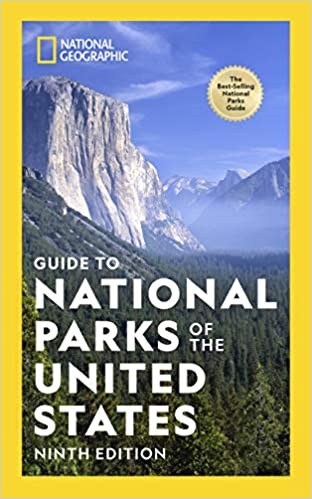
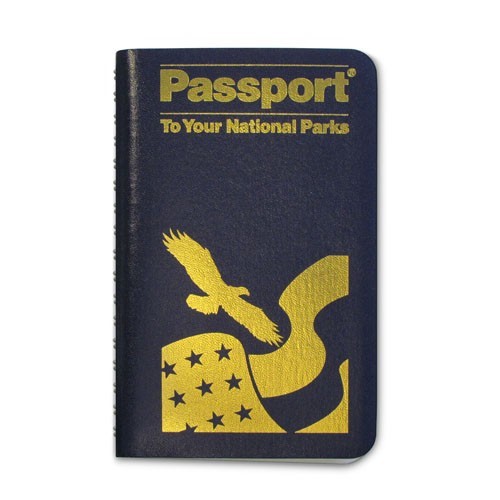
If you’re planning to visit any of the 63 parks that have “national park” in their name, you’ll want a copy of National Geographic’s national park guide as well as the Passport to Your National Parks, which not only contains park information but allows you to collect the passport stamps from every park you visit.
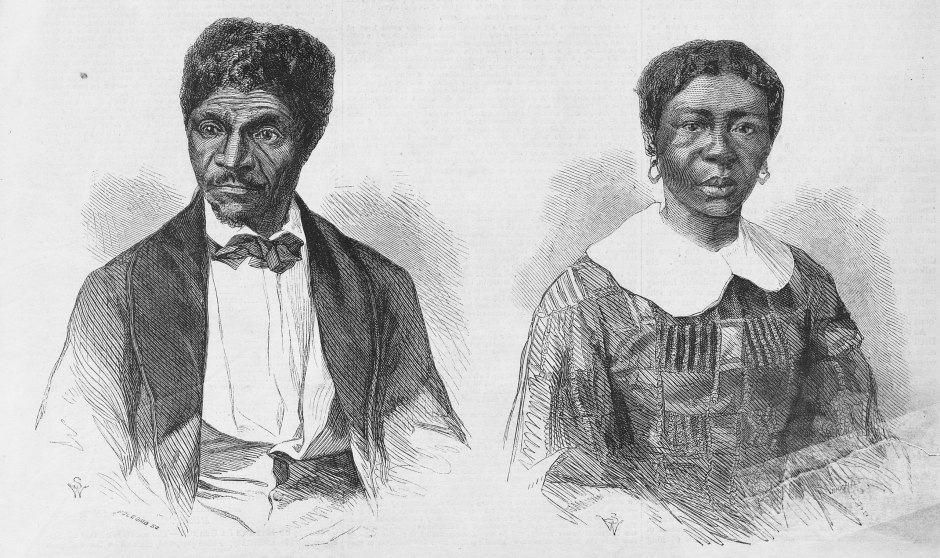
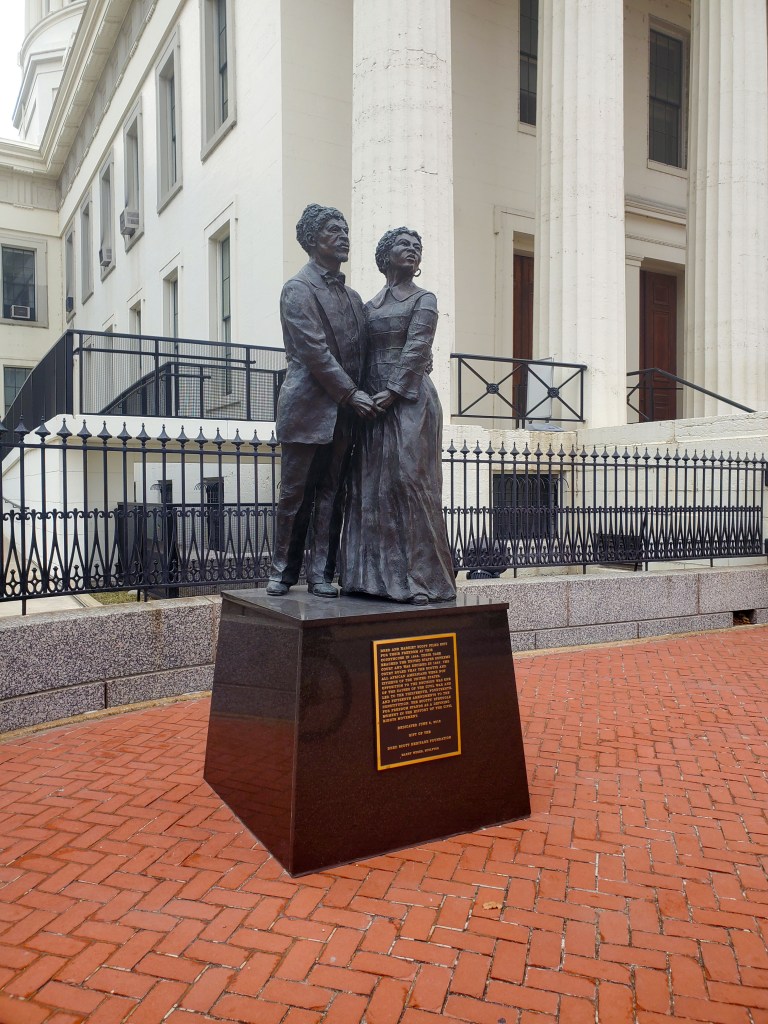
The road to freedom from slavery was a long one for Dred and Harriet Scott. Just over 170 years ago, on March 22, 1852, the Missouri Supreme Court ruled that enslaved people entering a free territory were not automatically free, delivering a blow to the hopes and dreams of the Missouri couple. While this was not the end of the Scotts’ pursuit for freedom, this stain on Missouri history was not corrected for over a century.
Dred Scott was born in Virginia sometime around 1799. He was enslaved by the Blow family, who moved him to Alabama and then Missouri. He was then sold to an army surgeon, Dr. John Emerson, who took him to Illinois, a free state, and then Fort Snelling, Wisconsin, a free territory. At Fort Snelling, Dred met and married Harriet Robinson, an enslaved woman whose owner transferred ownership of Harriet to Dr. Emerson, who then brought the couple back to St. Louis.
In 1846, the Scotts sued for their freedom at the Old Courthouse in St. Louis on the grounds that they had lived in a free territory, and Missouri had been known to follow the legal precedent of “once free, always free.” However, the Scotts lost their case on a technicality and began a decade of litigation that would lead to unfavorable rulings in both the Missouri Supreme Court and the United States Supreme Court.
The final decision from the United States Supreme Court in March 1857 ruled that Black people, whether free or enslaved, were not United States citizens and therefore had no right to sue in federal court. The court also ruled that the Missouri Compromise was unconstitutional, and that Congress did not have the authority to prohibit slavery in territories. This outraged abolitionists and is thought to have hastened the onset of the Civil War.
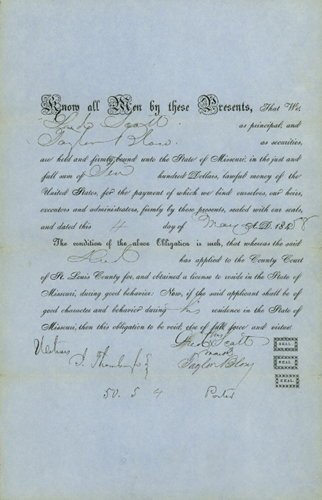
Dred Scott’s “free negro bond.” Credit: Missouri Historical Society
The Scotts did eventually gain their freedom later in 1857, after the son of Dred’s original enslaver purchased and subsequently emancipated their family. Sadly, Dred Scott passed away the following year from tuberculosis.
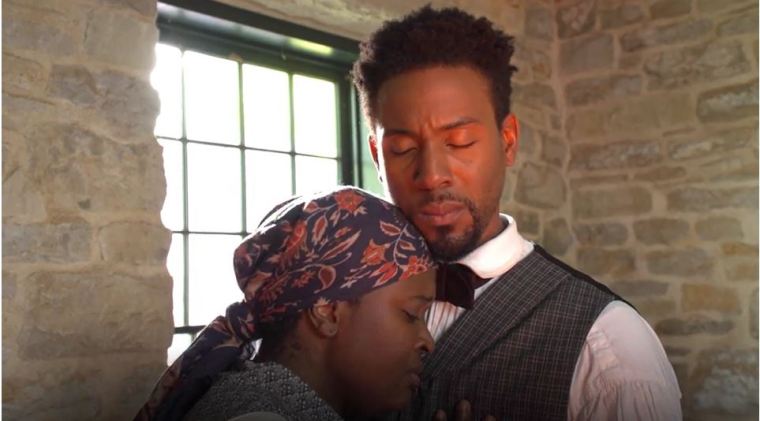
To watch a dramatic re-enactment of a conversation between Dred and Harriet Scott, you can view the short video A Bid for Freedom. JNPA helped produce this video for Gateway Arch National Park.
It was not until 2021 that the Missouri State Legislature finally passed House Concurrent Resolution 4, formally denouncing the Dred Scott decision. JNPA Board Member Lynne Jackson — Dred and Harriet Scott’s great-great granddaughter — is the President and Founder of the Dred Scott Heritage Foundation. She said:
“We started seriously inquiring about a renunciation of the 1852 Dred Scott decision in 2013 and hoped something along that order would be in the Missouri time capsule in 2015. The next serious push was in 2018 when we came close to a senate vote, but time ran out. We are very pleased at the bi-partisan and unanimous votes by the MO State Legislature in 2021.”
The Dred Scott Heritage Foundation continues the work of recognizing the Scott Family’s place in history both at the Old Courthouse in Gateway Arch National Park and through efforts to construct an educational memorial at Dred Scott’s gravesite in St. Louis’ Calvary Cemetery.
We’re excited to welcome Nathan Wilson as the new superintendent at Ulysses S. Grant National Historic Site. The National Park Service announced his appointment, effective this month. Wilson is a 17-year veteran of NPS and has a wide range of experience working in historical parks, mostly in the Midwest. We recently caught up with him to learn why he’s excited about his new role at our partner park.
Why did you start working for the National Park Service?
I’ve always enjoyed the outdoors and parks as places to reflect, learn, and recreate. As a student in the Parks, Recreation, and Tourism program at the University of Missouri, I became interested in public land management and the various agencies tasked with overseeing them. I found the National Park Service mandate to protect and preserve our nation’s most significant resources – for everyone’s enjoyment – to be particularly special. That’s what led me to pursue a career working for the agency. I was fortunate to receive an internship at Fort Smith National Historic Site as I was finishing my undergraduate degree and that opportunity turned out to be a springboard for my career with the NPS.
What is particularly special about U.S. Grant National Historic Site, or why should someone visit?
I think the story we tell in conjunction with the physical resources at the site make for a very impactful experience. The period of Grant’s life spent here in St. Louis is often overlooked in comparison to his time served as Union general and president. However, it was critical in shaping and influencing the values, character, and identity that we associate with this American hero today. Visitors get a meaningful glimpse into this part of his life when they visit our park.
What’s your favorite part of the job, or what do you hope to accomplish at ULSG?
The park staff does an incredible job of interpreting the Grant story and administering and caring for the resources here at the park. The level and variety of skill among our team is impressive and inspiring to me, and collaborating with them is a highlight of the job. I’m truly honored by the opportunity to take on this leadership role and look forward to continued collaboration with this amazing team during Grant’s bicentennial year and into the future.
What’s your favorite activity to do at your park?
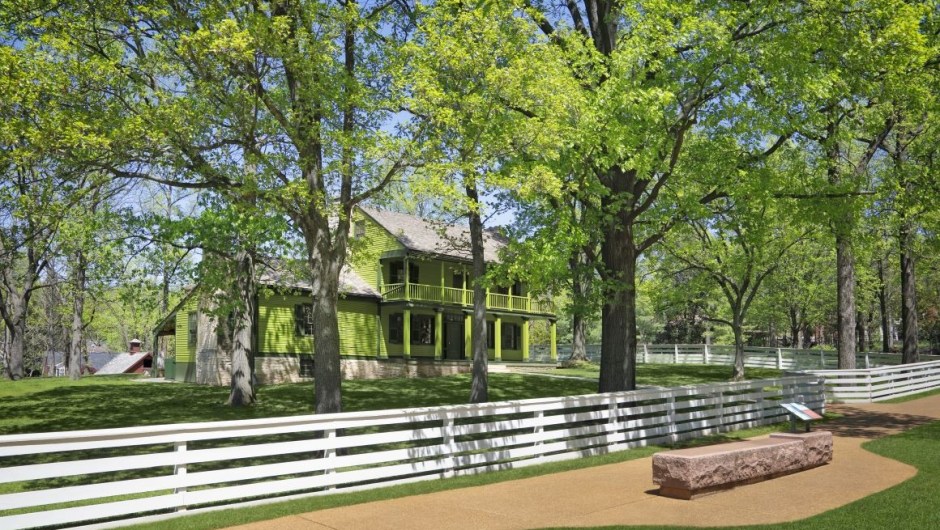
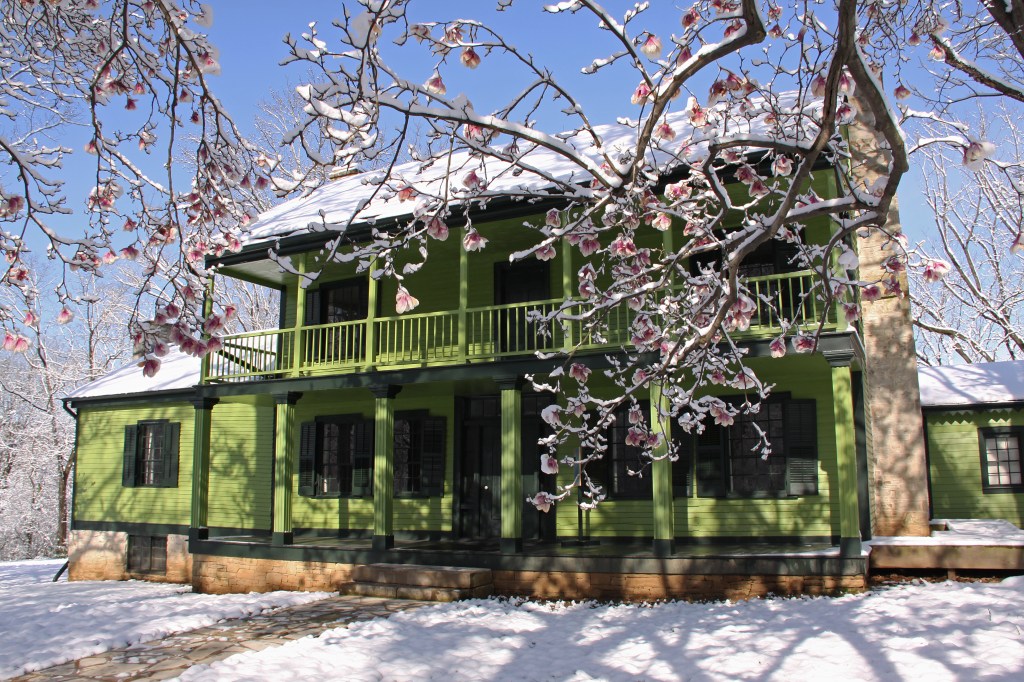
I really enjoy the historic structures and cultural landscape here at the park. The restoration and rehabilitation work that took place at White Haven in the 1990s transformed the park structures and makes for a great historic preservation experience, and the landscape provides a nice greenspace to enjoy the outdoors in suburban St. Louis.
Your park’s best kept secret is…?
Not necessarily a secret but I’d be remiss if I didn’t give a shout out to our park volunteers. We’ve got over 20 volunteers here at Grant who help us with everything from visitor services and tours to cultural resource management and museum operations. These dedicated team members provide a tremendous amount of support to our park and are a major contributor to the high-quality visitor experience we provide at the Ulysses S. Grant National Historic Site.
In honor of National Equal Pay Day, we are taking a look at the life of an influential woman in the history of JNPA partner park Mississippi National River and Recreation Area who never received equal pay nor recognition in her lifetime, Marguerite Bonga Fahlstrom.
Marguerite Bonga Fahlstrom and Jacob Fahlstrom. Credit: Historic Fort Snelling
Marguerite was born in 1797 in Duluth, Minnesota. Her father, Pierre Bonga, was the son of former slaves and a successful fur trader. Her mother, Ogibwayquay, was an Ojibwe woman. Her lineage was notable in that the slave trade was very much alive at the time, and while it was somewhat common for fur traders to marry Ojibwe women to establish trading partnerships, these typically involved white traders. Two of Marguerite’s brothers, Stephen and George, went on to become well-known fur traders in their own right.
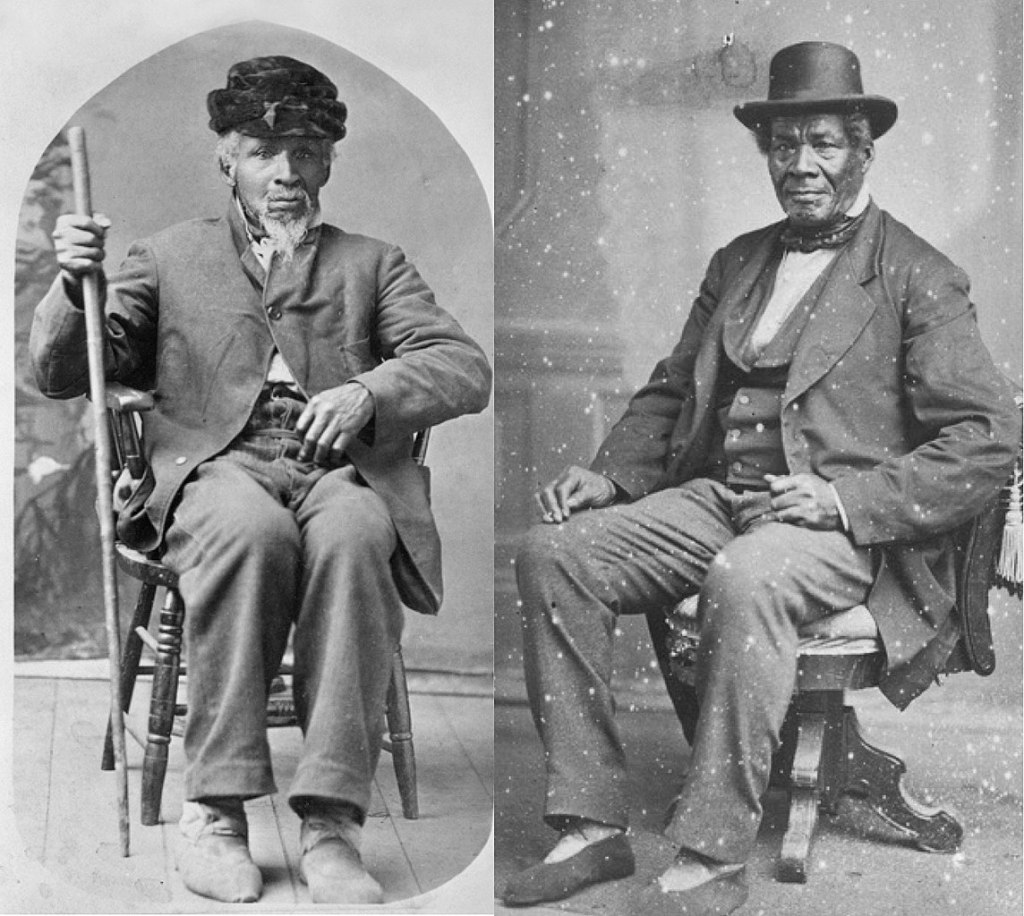
Stephen Bonga (left) and George Bonga (right)
Today, Marguerite is best known for being the wife of Jacob Fahlstrom, a Swedish immigrant known as the “first Swede of Minnesota” who helped establish the Swedish community of Minnesota. But Marguerite’s role has largely been forgotten. As Haddy Bayo, National Park Ranger at Mississippi National River and Recreation Area, notes in Women of the Mississippi: Marguerite Bonga Fahlstrom, “It’s unlikely that Fahlstrom would have risen to the social position, which has so captured historians and the public, without Bonga’s contribution.”
Marguerite provided Jacob with critical knowledge and social connections in order to establish trade with the native Ojibwe community. Additionally, traders’ wives did not stay home to tend the house and children like other women of the time. Instead, they were travel partners who fully participated in the work. Later, as a minister’s wife, Marguerite was also expected to assist with her husband’s missionary work in addition to raising the couple’s 10 children!
Despite her influential role in early Minnesota history, she has largely been forgotten, and very few photographs of her exist. Today, we celebrate Marguerite and all women who never received the recognition they so deserved in their lifetime.
You can learn more about Marguerite and other influential women in the history of Mississippi National River and Recreation Area by exploring Women of the Mississippi River, an NPS interactive map that highlights the narratives of women who shaped the history of the Twin Cities and the greater American Midwest.
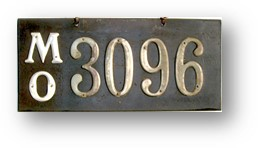
Have you ever wondered what it would be like to be one of the first people to own an automobile? Did you know that in order to drive this new and exciting creation, that you would need to make your own license plate?! The modern-day license plate has had quite a history since then, and on the 111th anniversary of the very first Missouri license plate, JNPA has a way for you to make history with your own license plate!
Way back in 1907 Missouri car owners had to register their cars and trucks for $2.00 per year. If the vehicle was to be operated at night, two lighted lamps were required, and the registration number was to be painted on the lamps. Cars back then were registered by fuel types: gasoline, electric, or steam. License plates were handmade out of tin and leather.
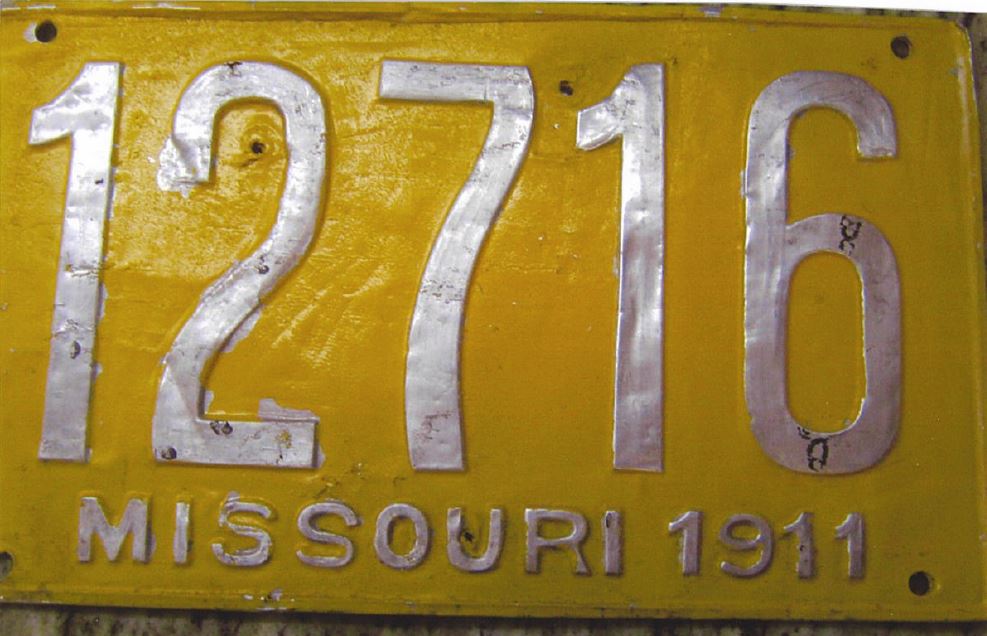
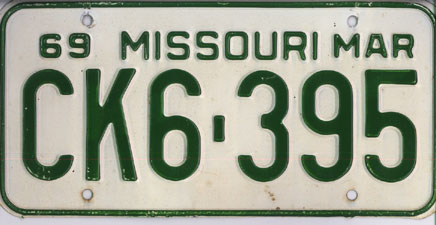
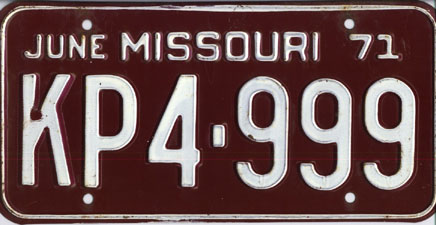
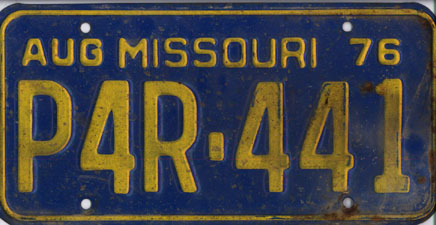
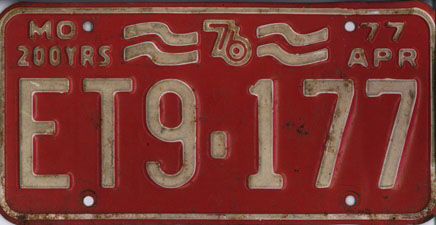
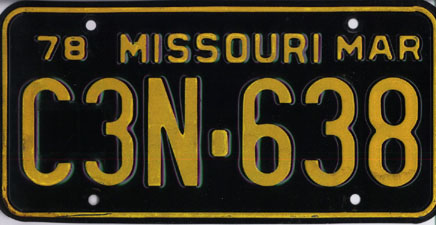
It was 111 years ago this month, in March of 1911, that the first state-issued license plates were distributed in Missouri. They featured unpainted numbers embossed on a yellow background. In 1949, the state began adding year tabs to plates, although they were made of metal and affixed through slots in the license plate. For a brief period between 1967-1979, Missouri actually issued a brand new license plate to registered vehicles every single year!
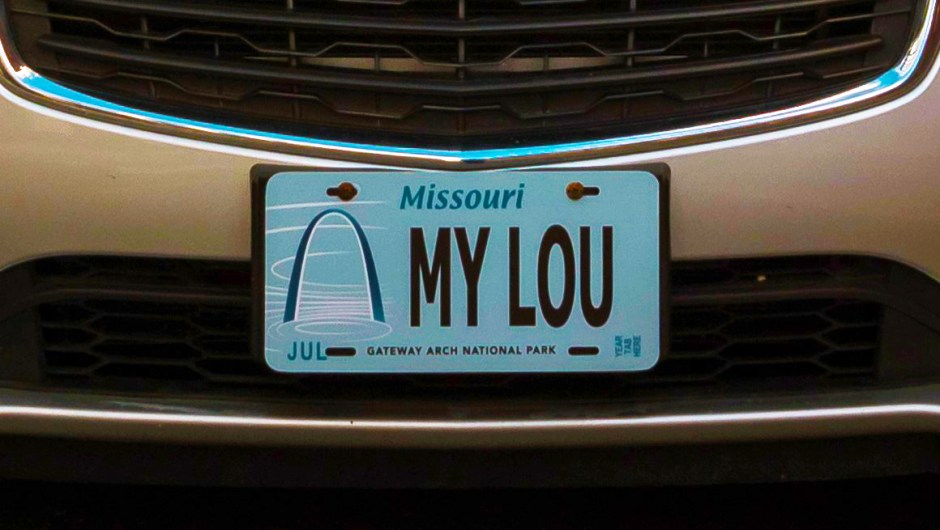
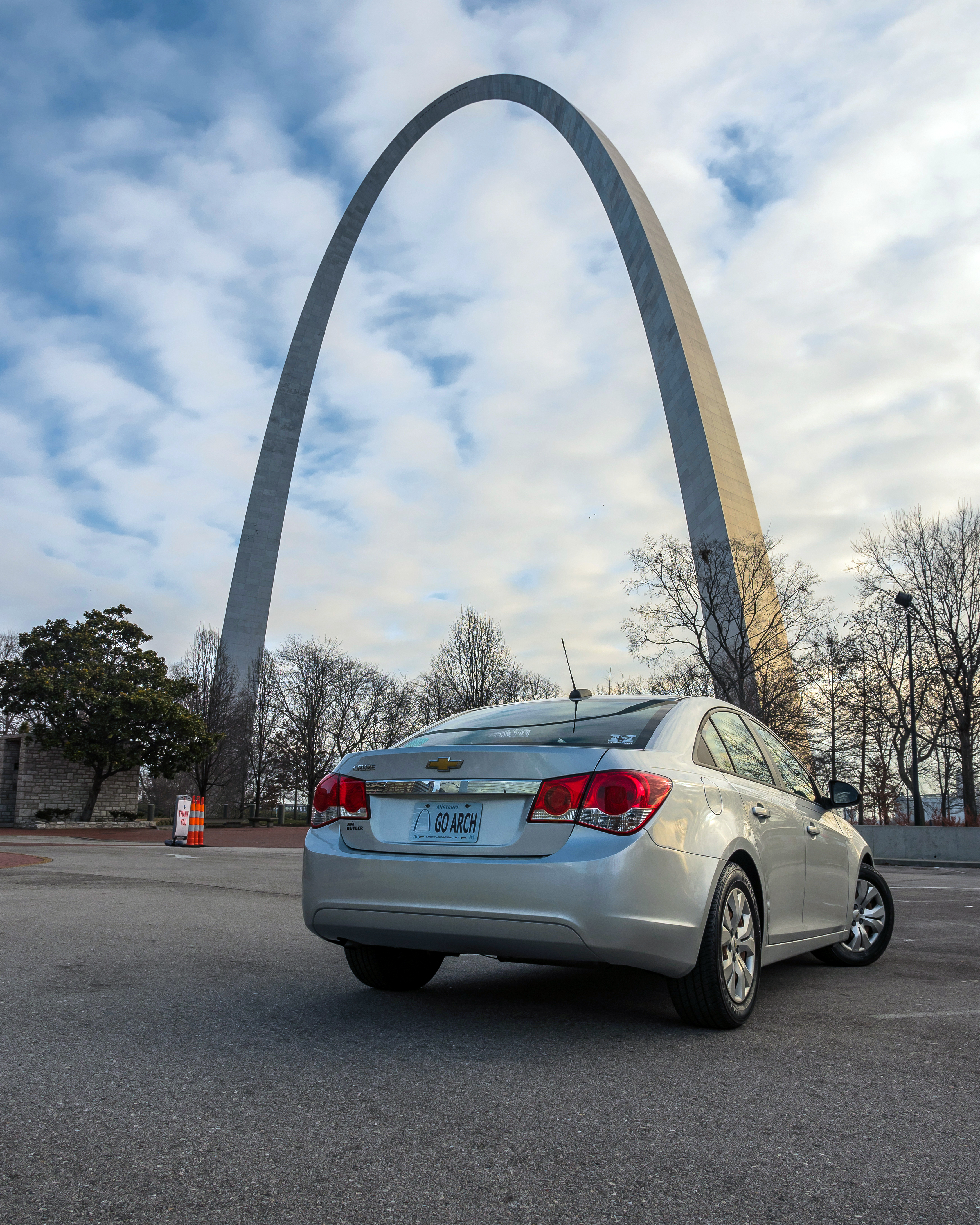
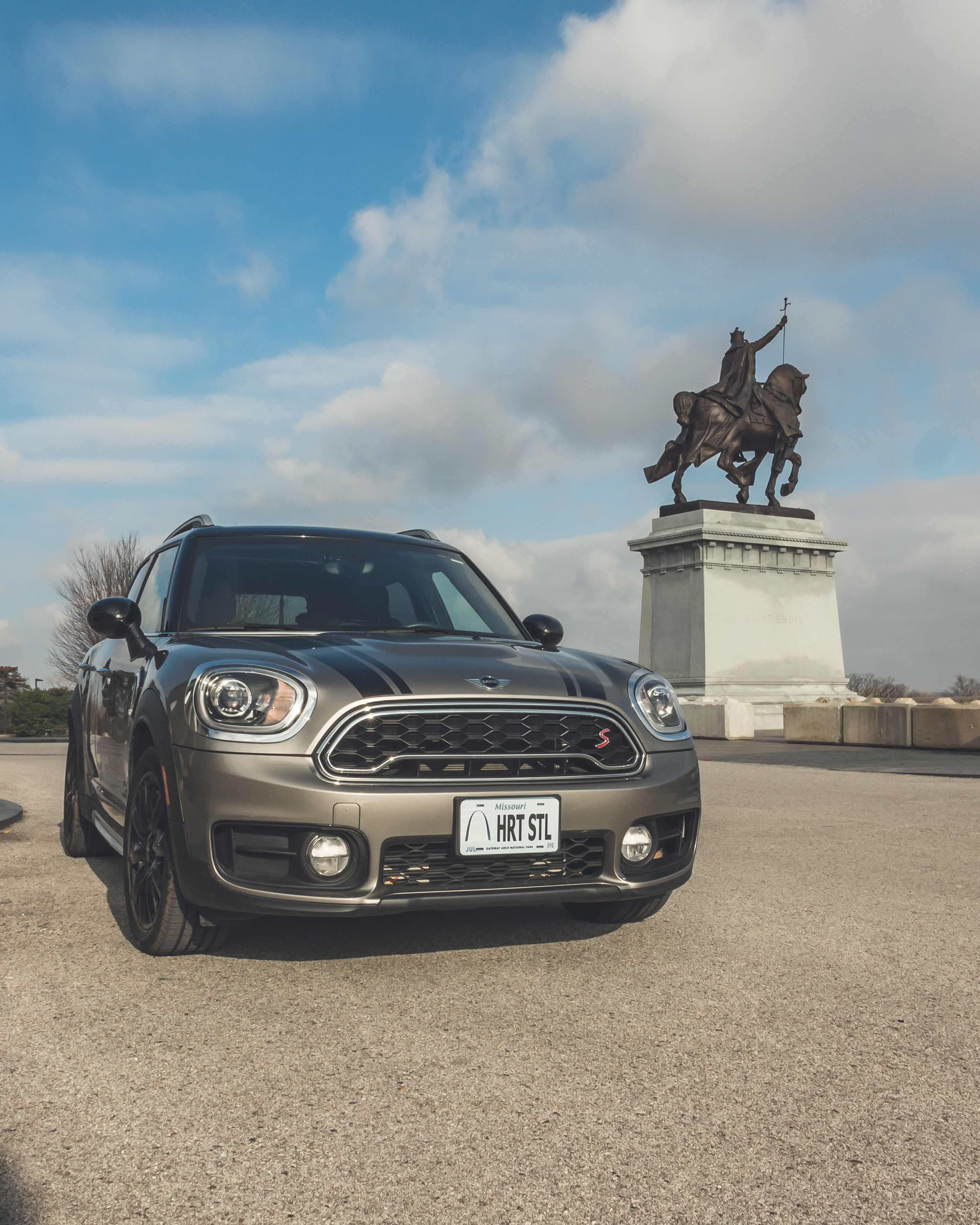
License plates have come a long way since then. But in addition to going with the standard state plates, Missourians now have another option – one that honors our world-famous Gateway Arch. When you order a custom Gateway Arch license plate for your car, you’ll be showing your fellow drivers that you’re proud of our state and our iconic Arch. Your tax-deductible contribution to JNPA helps support vital education programs at Gateway Arch National Park, including living history demonstrations, exhibits, and teacher workshops.
You can order Arch license plates at any time, regardless of when your current Missouri plates expire. To get the process started, visit archplates.jnpa.com. Then you can start cruising around town in style!
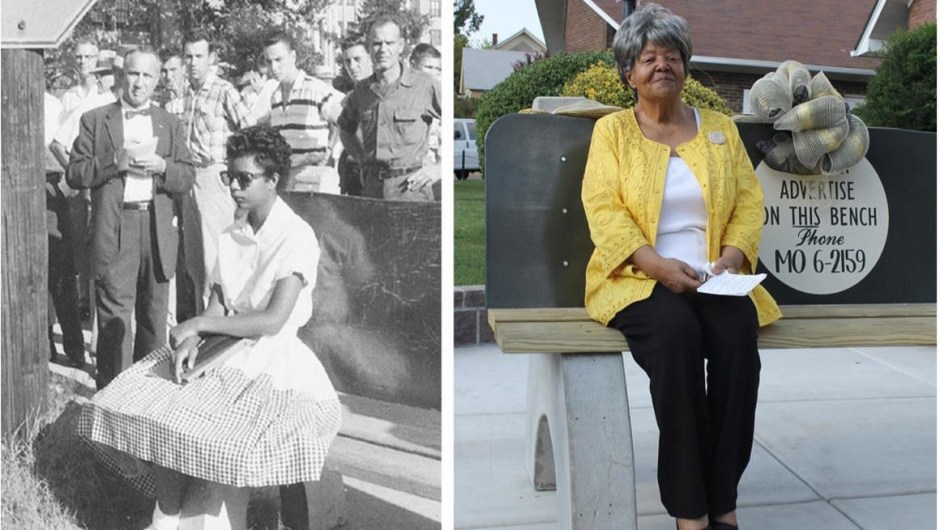
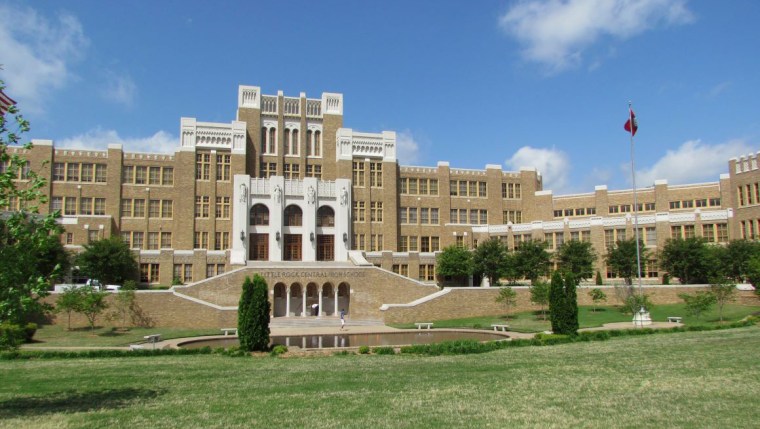
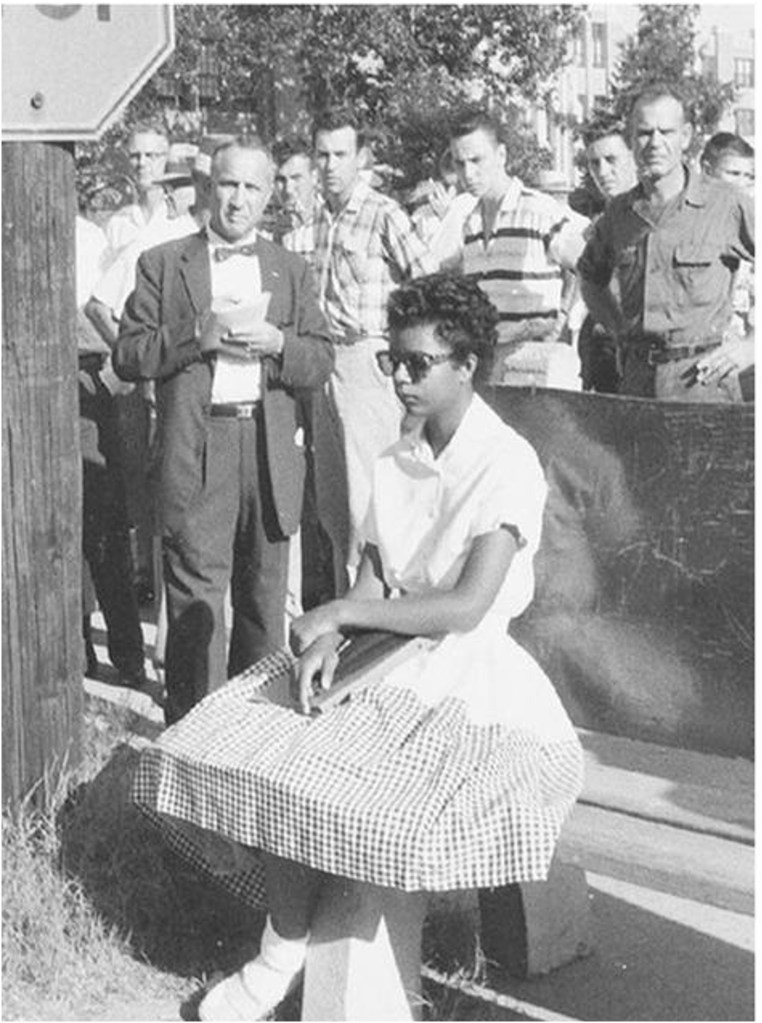
You may not be familiar with the name Elizabeth Eckford, but at age 15 she became an unwitting participant in the historic battle to integrate America’s public schools by seeking to attend Central High School in Little Rock, Arkansas. We think it is fitting to honor Eckford on this first day of Women’s History Month.
In 1957, several years after the Supreme Court mandated school integration, a group of nine African American teenagers sought to attend school at the formerly all-white Central High. They were met by angry mobs opposing integration who taunted and threatened them.
While eight of the teens tried to enter the school as a group on September 4, Eckford wasn’t among them. She had gotten off the bus alone after a mix-up in the students’ planned meeting place. As a result, she was forced to endure the protesters’ obscenities and chants of “Two, four, six, eight, we ain’t gonna integrate” all by herself. She made her way to a bench at the end of the block after trying to enter the campus twice.
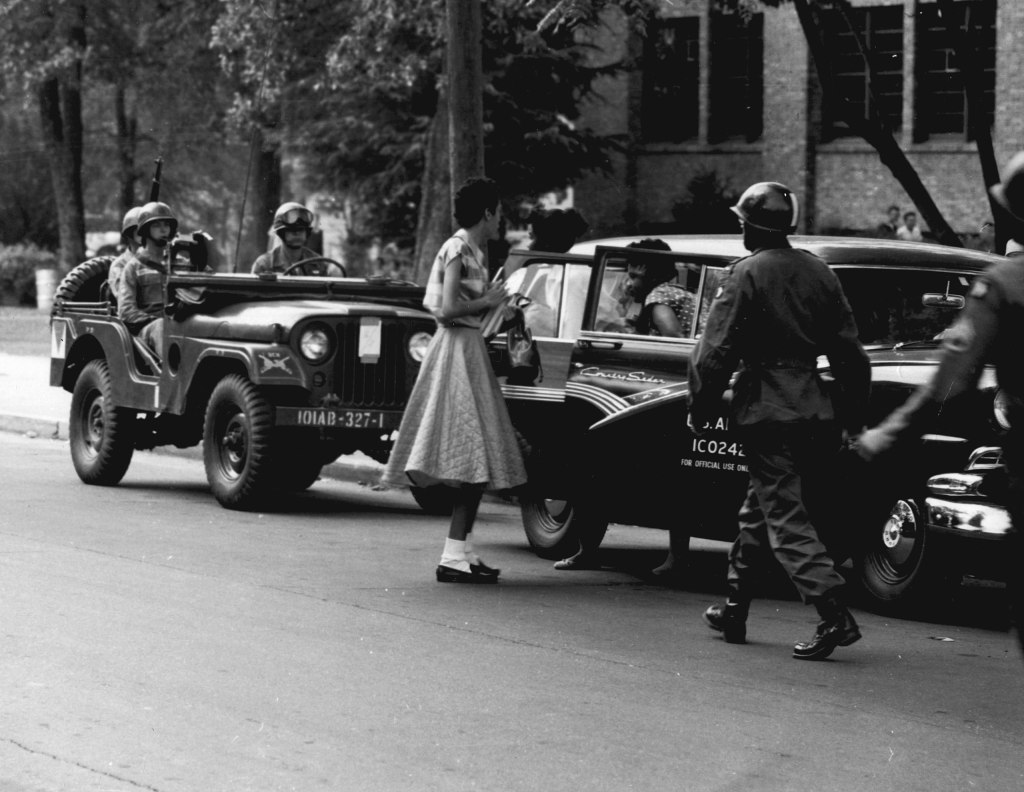
She and the remaining Little Rock Nine were eventually removed by the police, fearing for their safety. They were only admitted to the school weeks later, after President Dwight Eisenhower mobilized the U.S. Army’s 101st Airborne Division to escort them into the school. Many of the Nine – including Eckford – left Central High School after that first year to attend other schools.
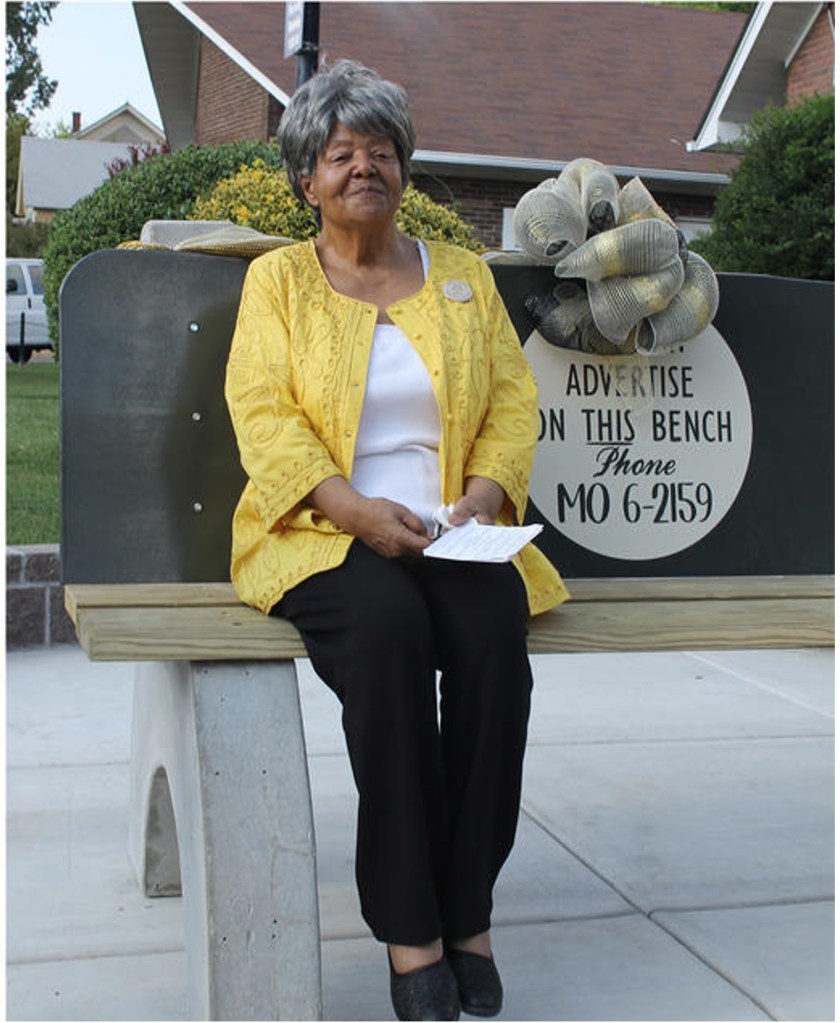
In 2018, a commemorative bench was erected near the Central High School campus as a reminder of Eckford’s struggles in 1957. She has received many other prestigious awards including the Congressional Gold Medal, the NAACP Spingarn Medal, and the Humanitarian Award presented by the National Conference for Community and Justice. Eckford herself remains a strong proponent of tolerance in every aspect of life.
JNPA sells numerous publications that relate the story of the Little Rock Nine at the national park’s bookstore and online, including Remember Little Rock which features Elizabeth Eckford on the cover.
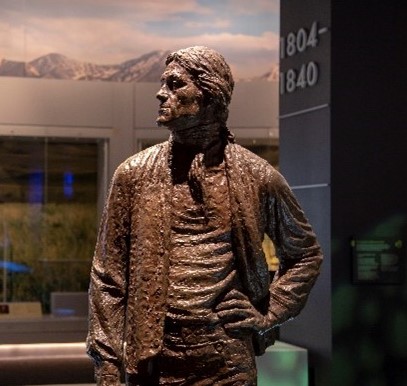
Gateway Arch National Park is a memorial to President Thomas Jefferson and his role in greatly expanding the borders of the United States.
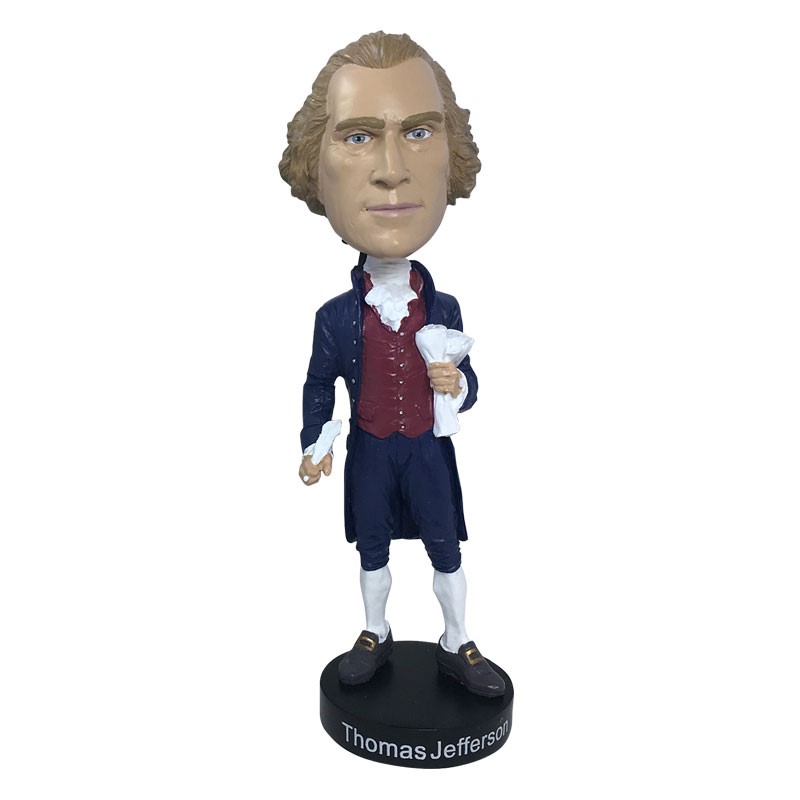
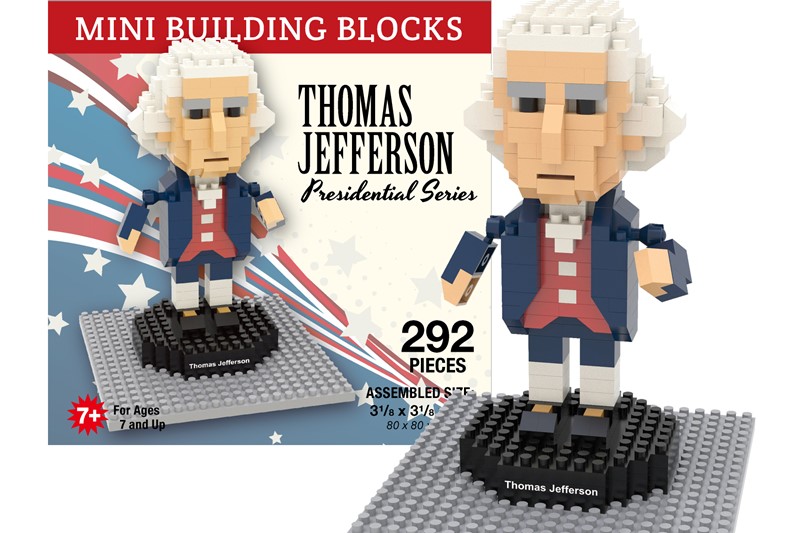
JNPA greatly respects Jefferson’s accomplishments, as evidenced by the many books and statues we sell at The Arch Store. But we also sell a few more whimsical items that still honor our third president, like this stately bobblehead and mini-building block set. (We trust Mr. Jefferson doesn’t object to our…ahem…taking “liberties” with his likeness.)
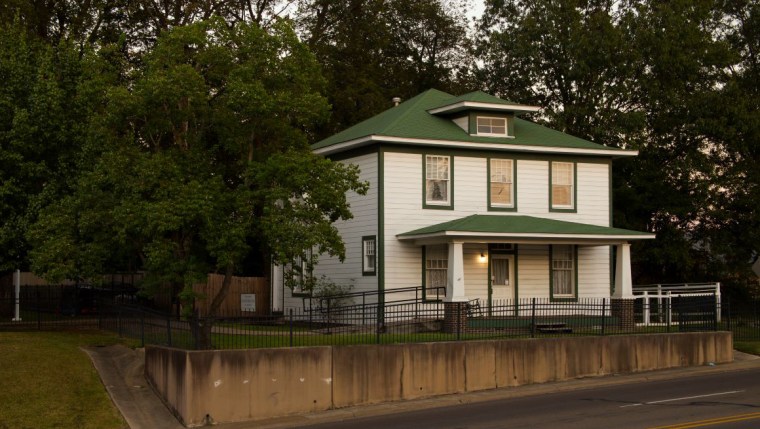
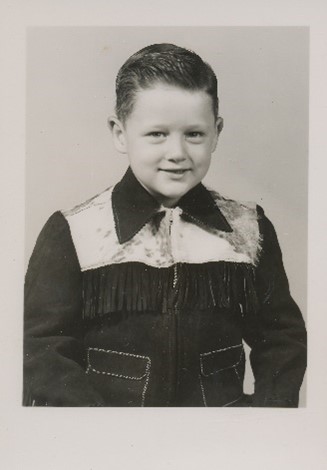
President Bill Clinton spent his early boyhood years in a comfortable two-story frame house in Hope, Arkansas, an experience that he says helped develop his broad views on race relations, social justice, and public service. Our book on Clinton’s early life features numerous photos of the home as well as of the young future president.
Credit: Clinton Foundation
An image of the home is featured on this handsome earthenware mug. And of course, we also sell a fun bobblehead version of the 42nd president.
Credit: David Newmann
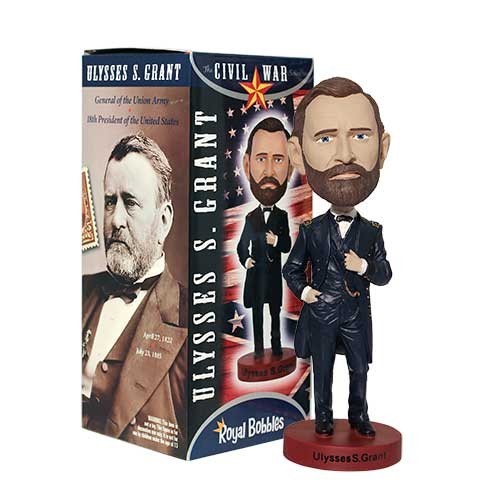
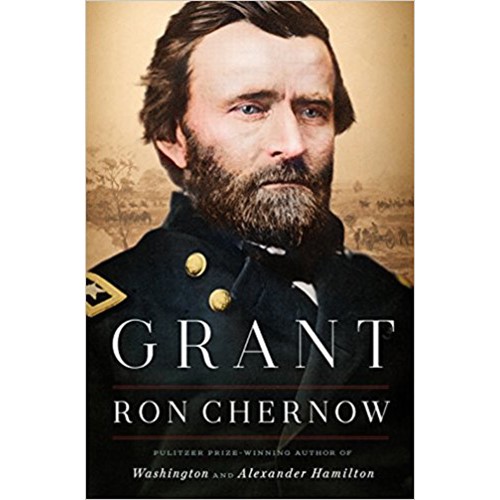
If it’s President Ulysses S. Grant you’re interested in, JNPA offers numerous items commemorating both Grant and his wife Julia. From books to sturdy mugs to fun kids’ products, there’s something for everyone. And don’t forget our popular bobblehead version of our 18th president.
What do you know about Ulysses S. Grant? Victorious commander of the Union troops in the U.S. Civil War: Check. Eighteenth President of the United States: Yep. Devoted lover: Huh??
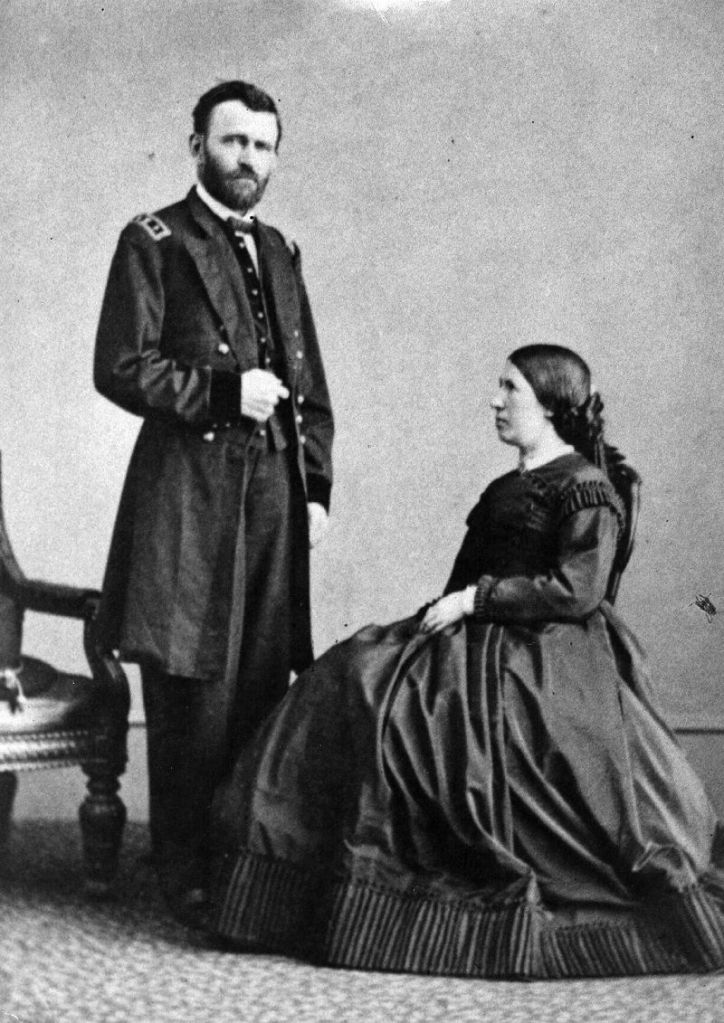
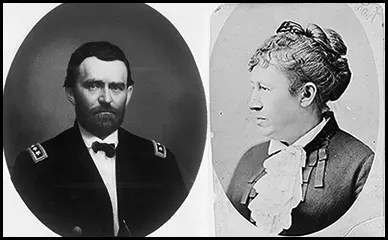
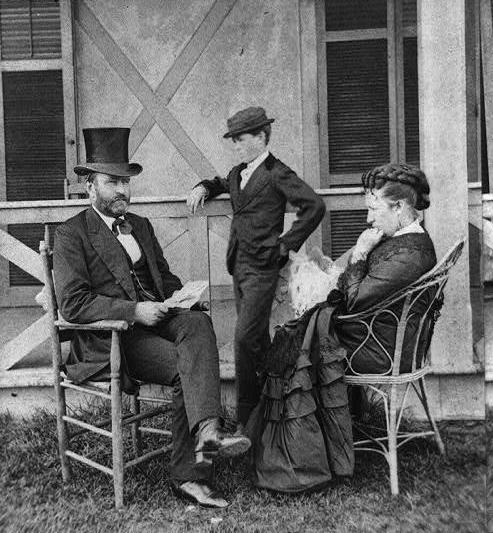
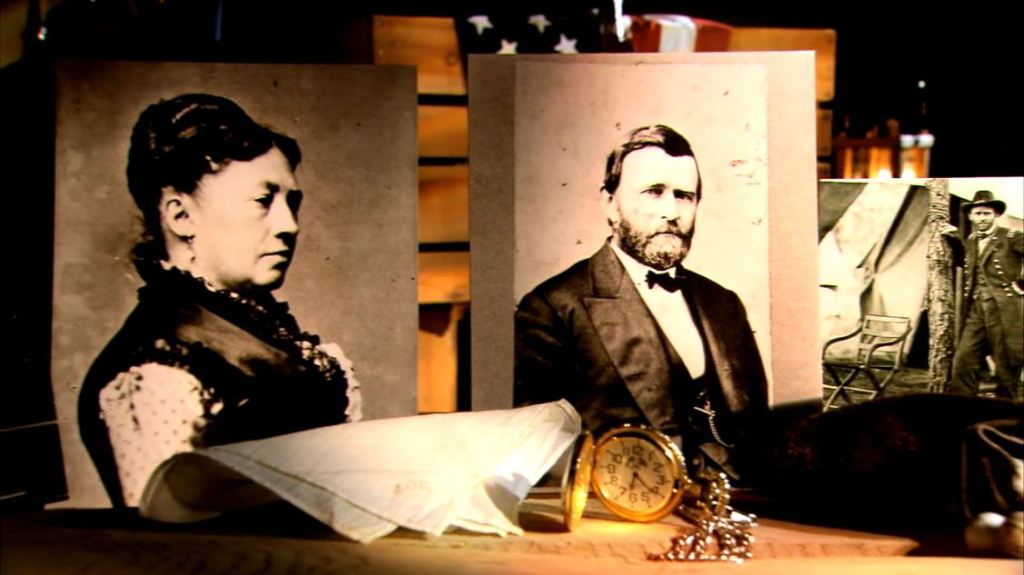
President Grant and his wife Julia Dent Grant sustained a long love affair throughout their lives. What better love story to share in time for Valentine’s Day?
Ulysses and Julia’s romance began at White Haven, the Missouri plantation owned by Julia’s parents. In 1843, while stationed at a nearby Army barracks, the young Lieutenant Grant visited the farm where his West Point roommate had grown up. He was immediately charmed by Julia and often made the 12-mile ride to White Haven to visit her several times a week.
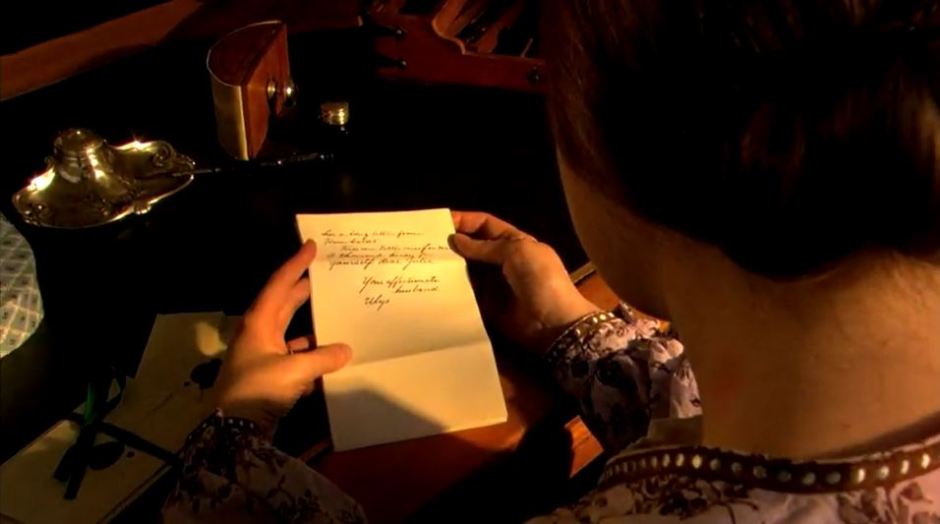
Unfortunately for the young couple, their courtship was marked by long periods of separation while Grant was on assignment for the Army. So they turned to letter writing as their sole method of declaring their love. Although sadly no correspondence from Julia to Grant survives to this day, we are lucky to have numerous letters that Grant sent to his beloved, and his devotion to her is obvious.
When Grant was stationed in Louisiana and Texas in preparation for the coming war with Mexico, he wrote Julia in 1844 “of the depth and sincerity of my love for you.” Writing from Texas the following year, Grant told her “for my own part I would sacrifice everything Earthly to make my Dear Julia my own forever.”
Even during the height of battle, his feelings for her were as strong as ever: “…in the midst of grape and musket shots, my Dearest Julia and my love for her are ever in my mind.” And in that same letter, Grant assures her “I am getting very tired of this war, and particularly impatient of being separated from one I love so much, but I think before I see another birth day I shall see Julia, and if she says so, be able to call her my own Dear for ever.” Grant’s wish eventually came true. The couple was married at White Haven in 1848.
Though Julia was able to travel with Ulysses to some of his Army postings, they still remained apart for much of their early marriage. It is thought that these ongoing separations was one reason Captain Ulysses Grant resigned his commission from the Army in 1854 and returned to White Haven to be with his wife and young children.
To learn more about the love story of Julia and Ulysses, watch A Thousand Kisses, the short video about their early life that JNPA helped produce for the National Park Service.




 JNPA Blog