
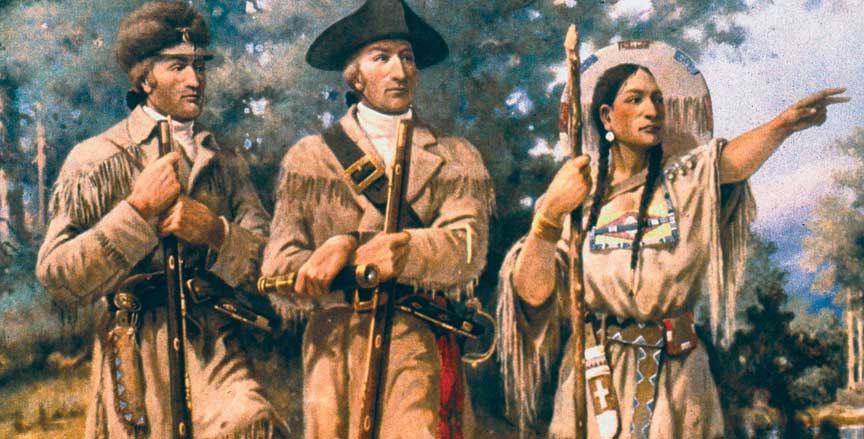
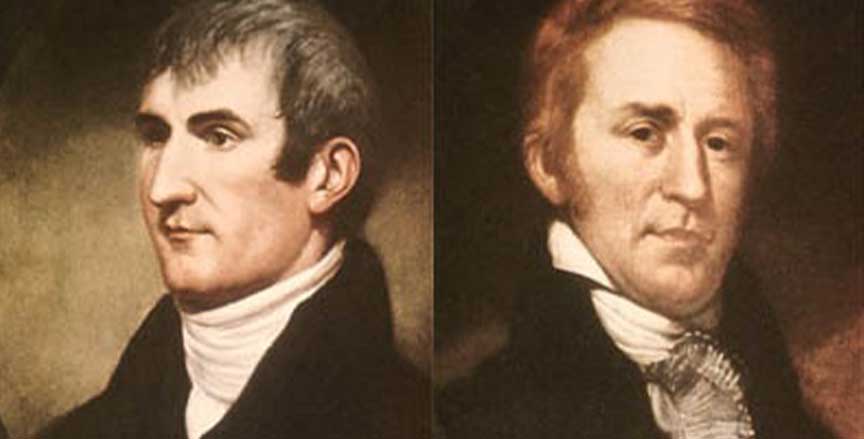
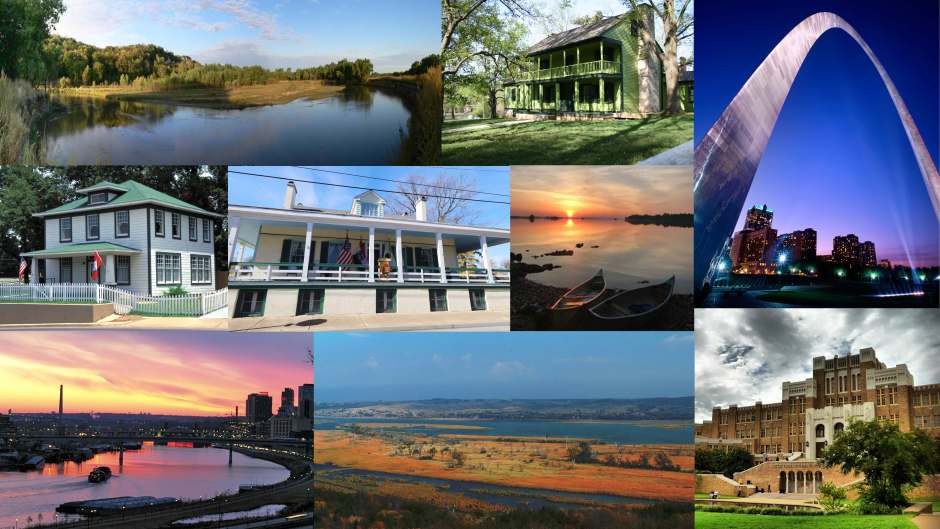
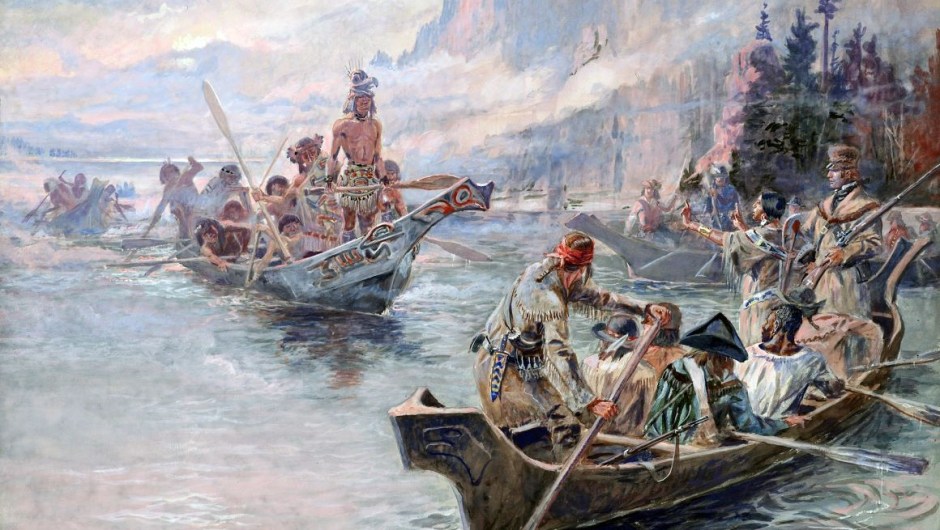
We hope our recent blog quiz highlighting little-known facts about the Lewis and Clark Expedition left you wanting more. If that’s the case, we recommend a visit to several of our partner sites to see their exhibits on the famous explorers.
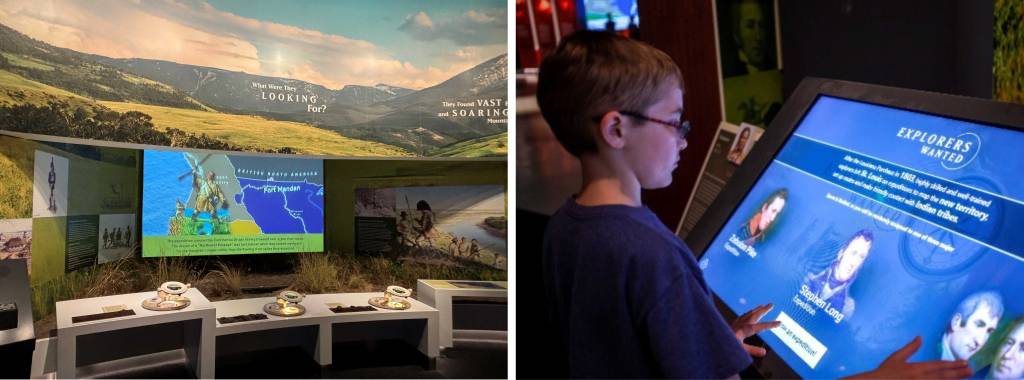
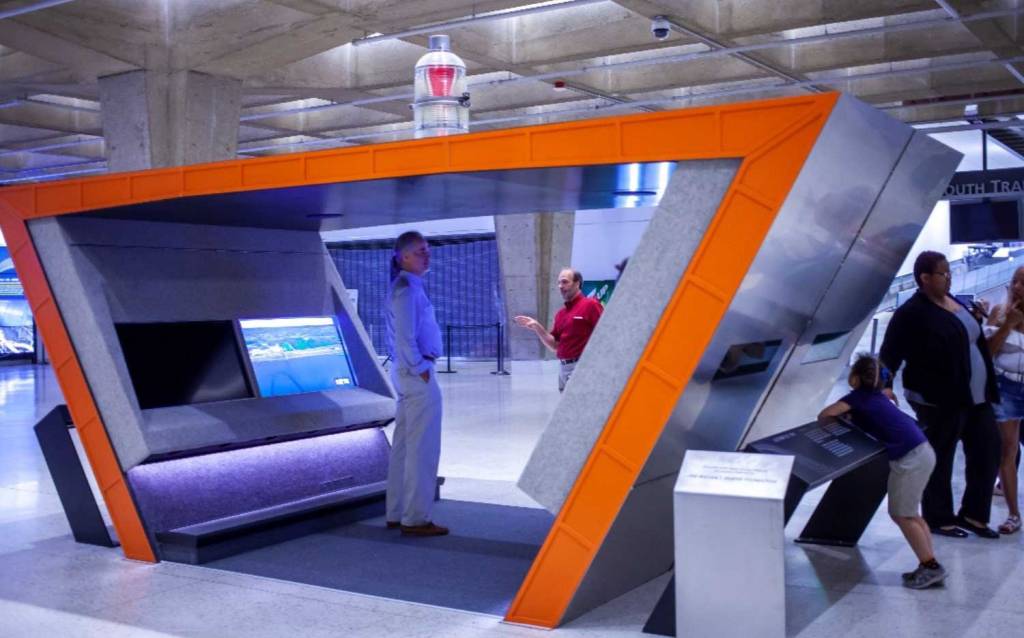
The museum at Gateway Arch National Park features extensive displays highlighting the Corps of Discovery’s many accomplishments, including hands-on interactives that appeal to younger visitors.
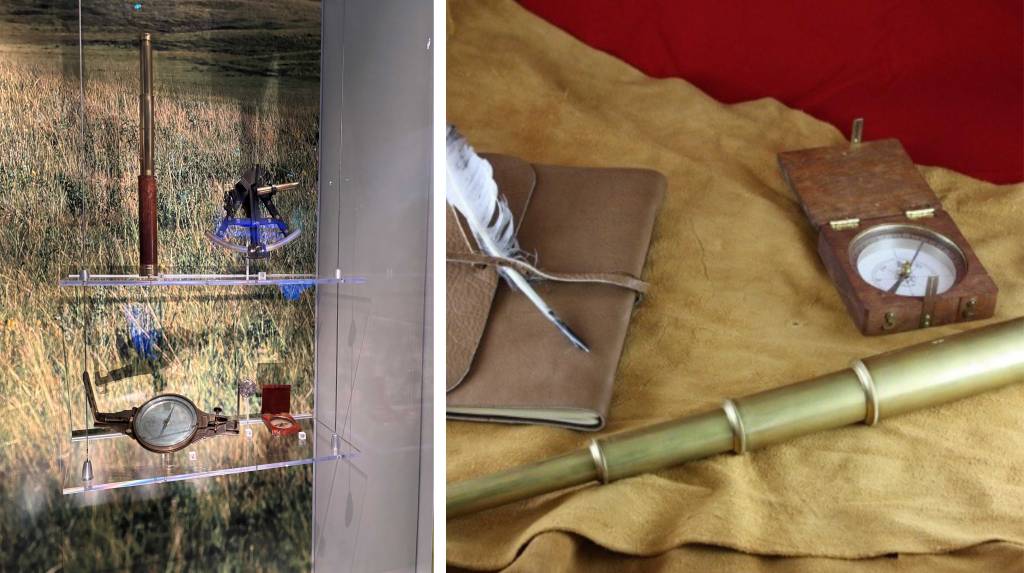
Learn about the Louisiana Purchase, or the Indigenous people who helped the explorers, or the plants and animal species the explorers found along the way. You can also examine spyglasses, theodolites, and other tools similar to those used during the journey.

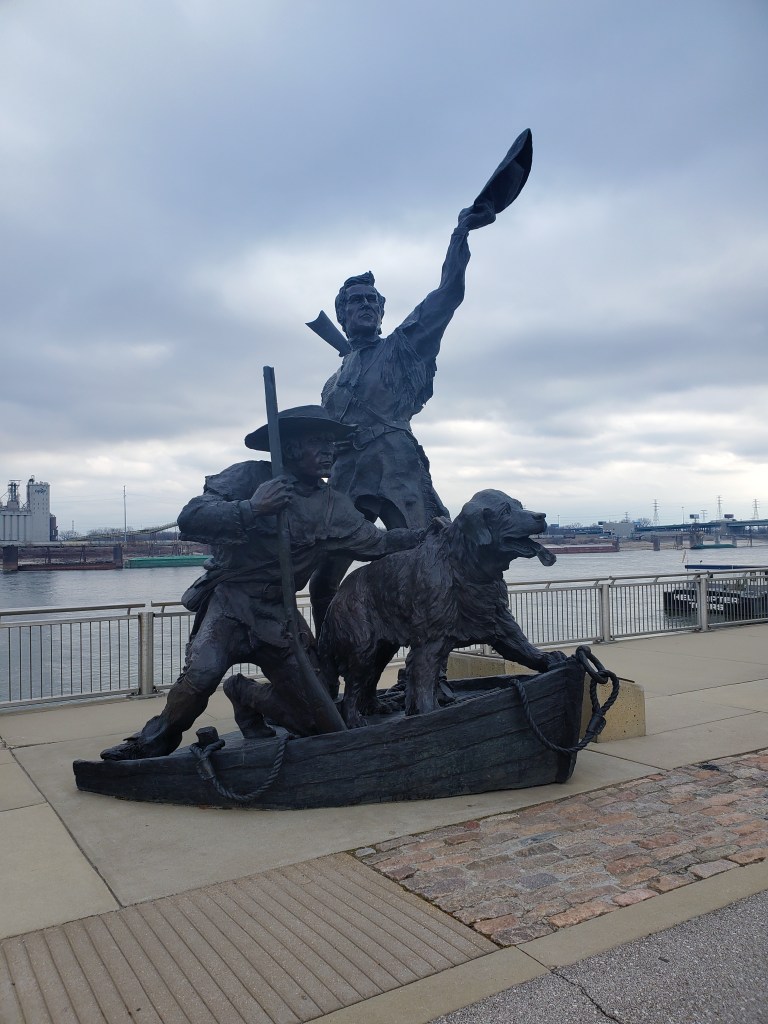
After your Arch visit, stroll down to the St. Louis riverfront to see a large sculpture of Lewis and Clark, accompanied by Lewis’ dog Seaman. The 23’ bronze by artist Harry Weber was completed in 2006 to commemorate the bicentennial of the explorers’ return.
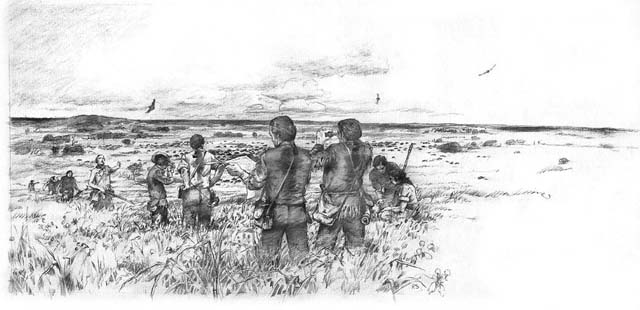
The Expedition figures prominently in the interpretive stories told at Missouri National Recreational River. In 1804, while traveling up the Missouri River on their epic journey to the Pacific Ocean, Lewis and Clark participated in a Grand council with the Yankton Sioux at a site below Calumet Bluff. This significant meeting was the first meeting with a Sioux tribe on their journey upstream.
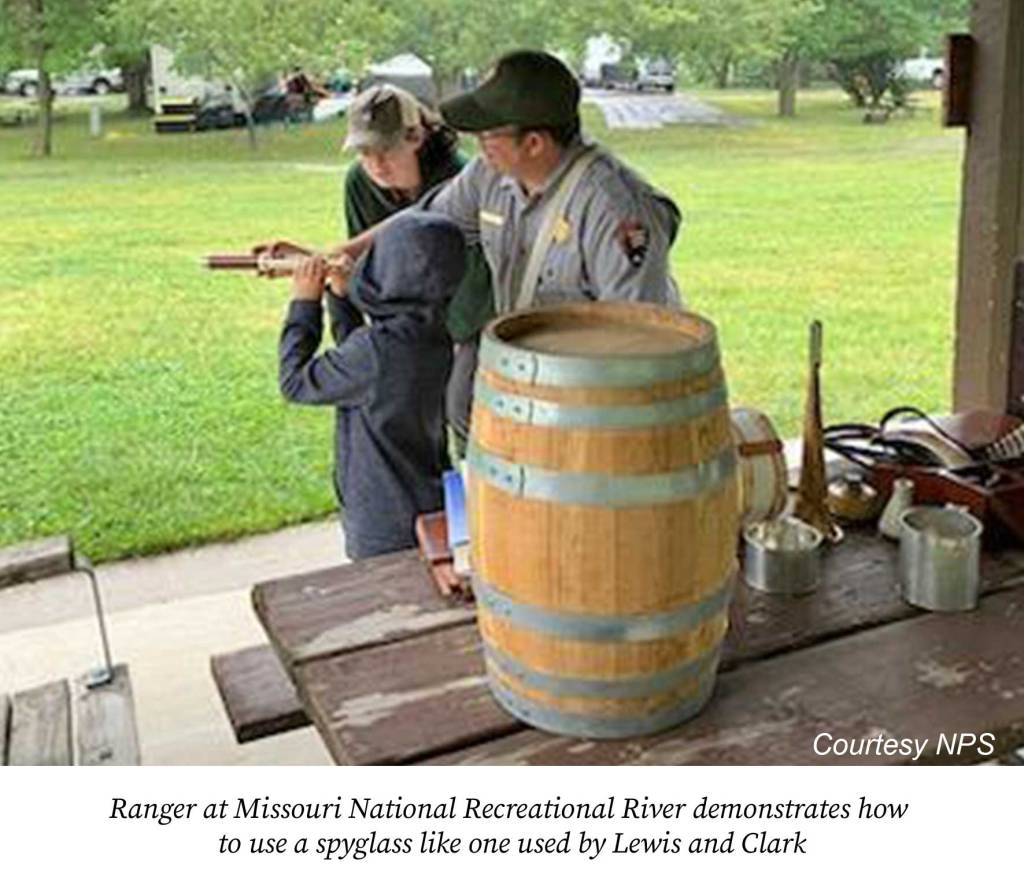
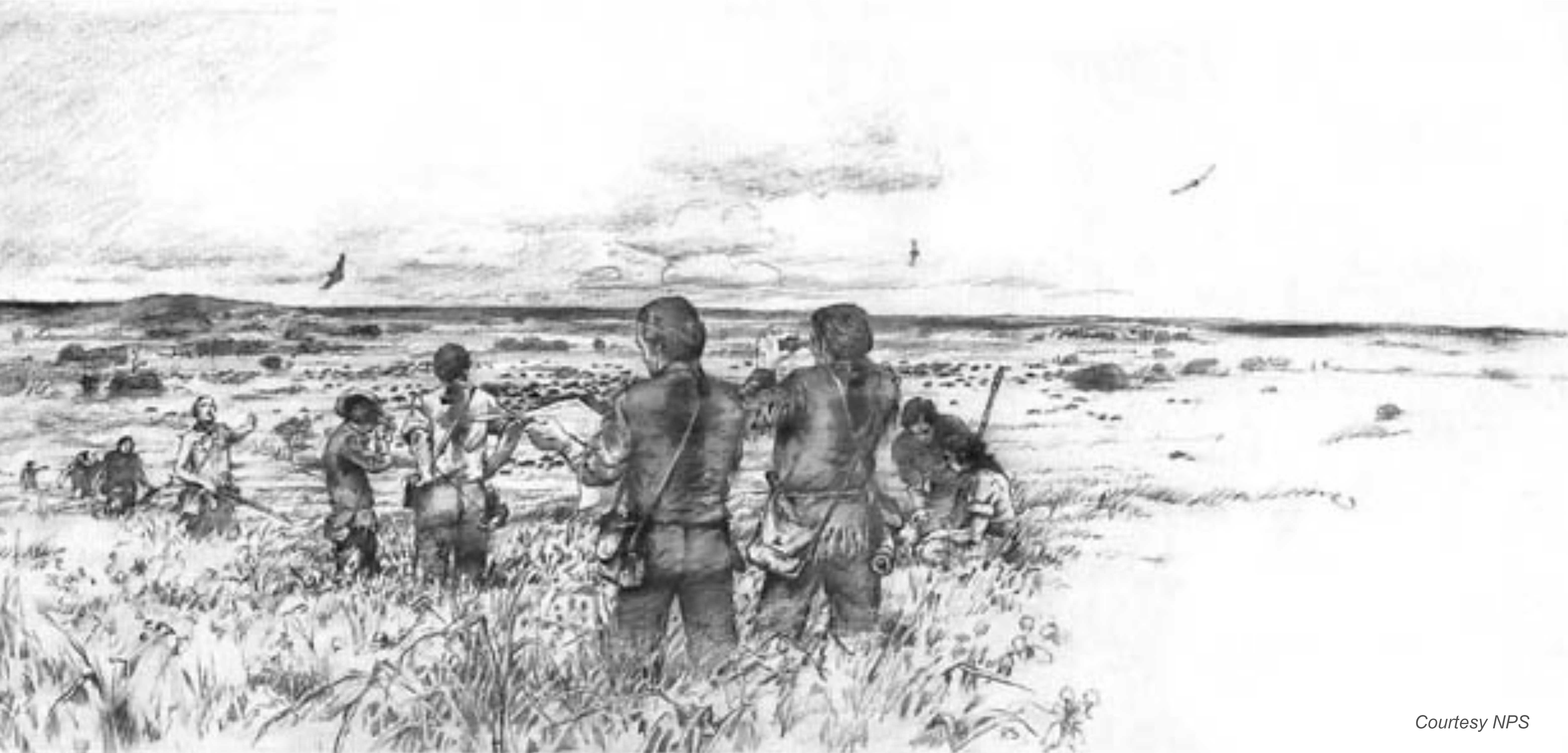
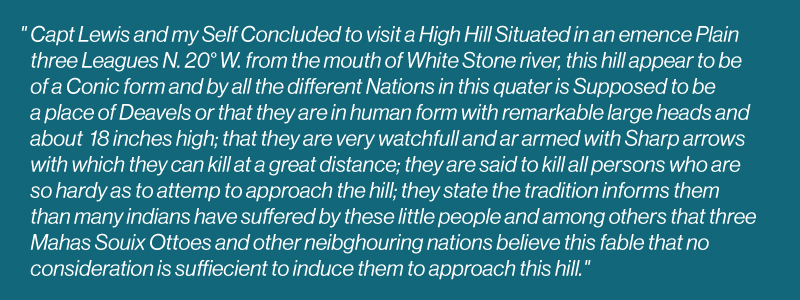
Visitors to the park can follow in the travelers’ footsteps to discover Spirit Mound and other memorable sites recorded in their journals.

The nearby Lewis and Clark Visitor Center now stands on Calumet Bluff, the site of the explorers’ historic meeting with the Yankton Sioux. The visitor center features educational exhibits that interpret the Expedition.
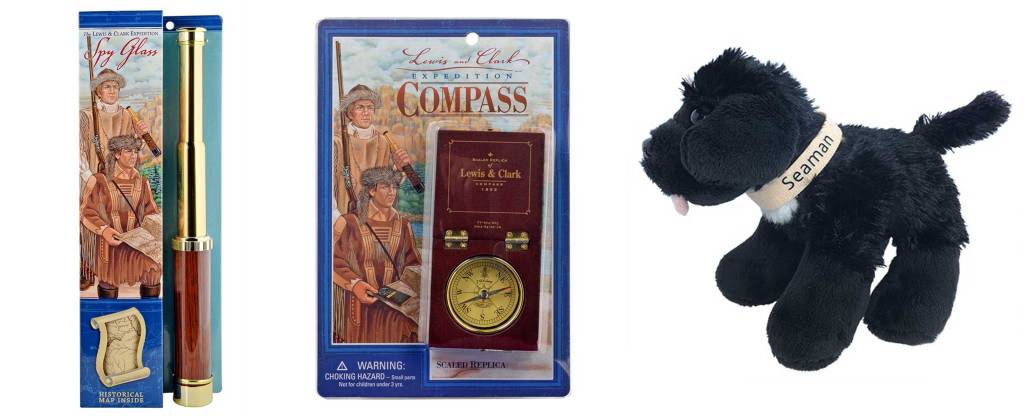
Looking for more? Then check out our extensive collection of interpretive products related to Lewis and Clark. Many are available at our park stores, but you can also find them in our online store:
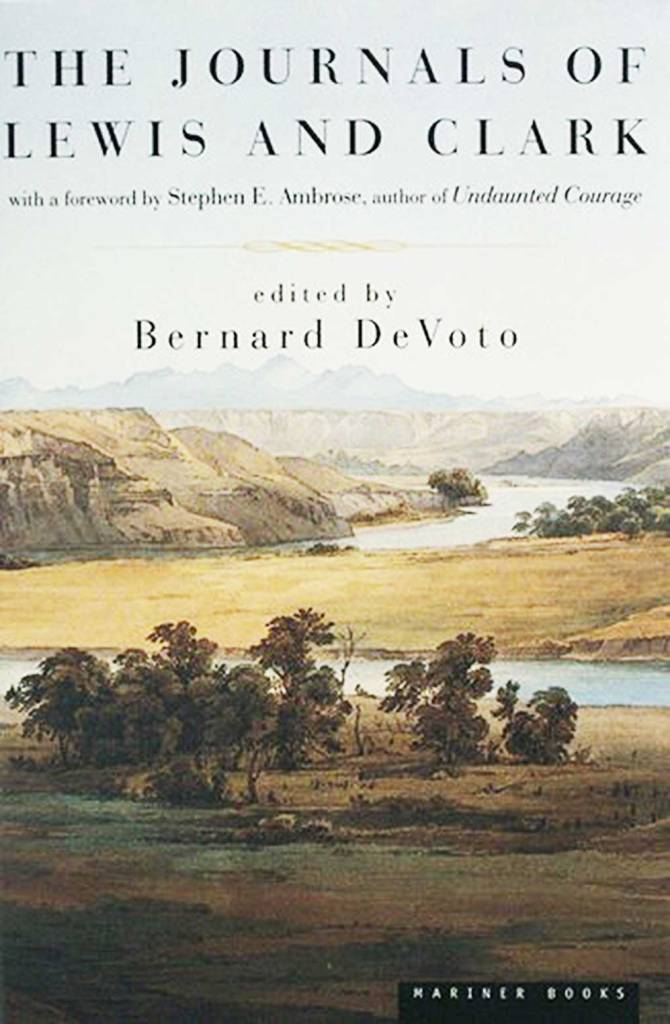
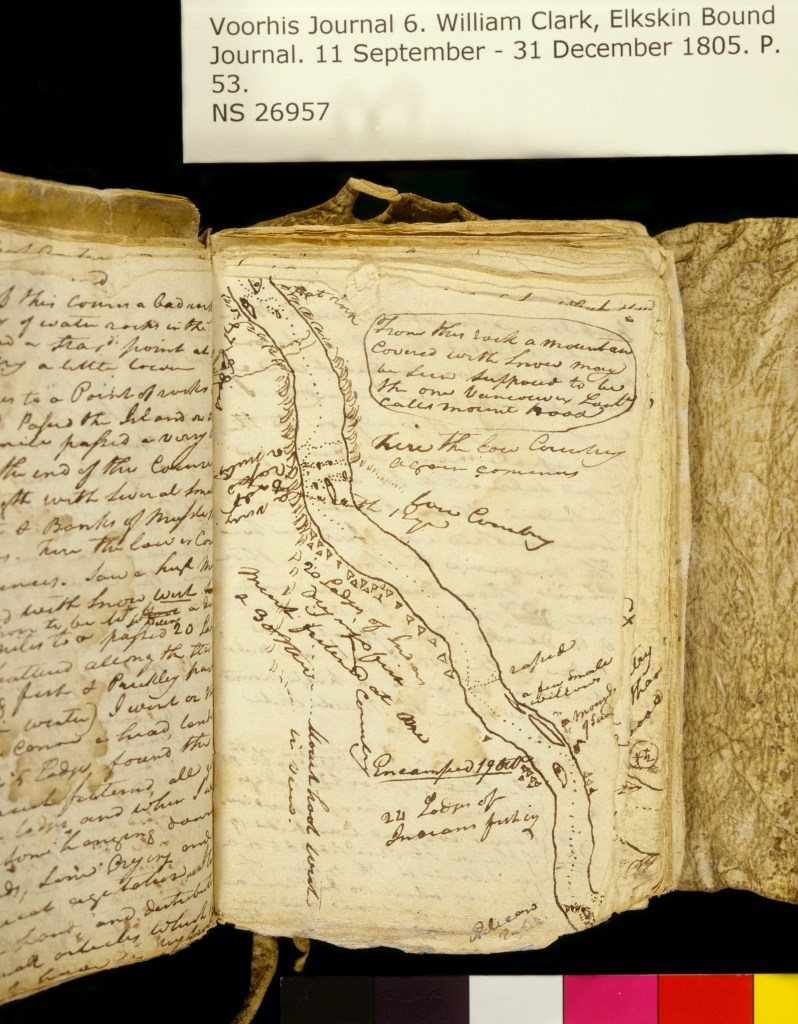
There’s no better way to hear the voices of the explorers than by reading the journal entries of the expedition’s leaders:
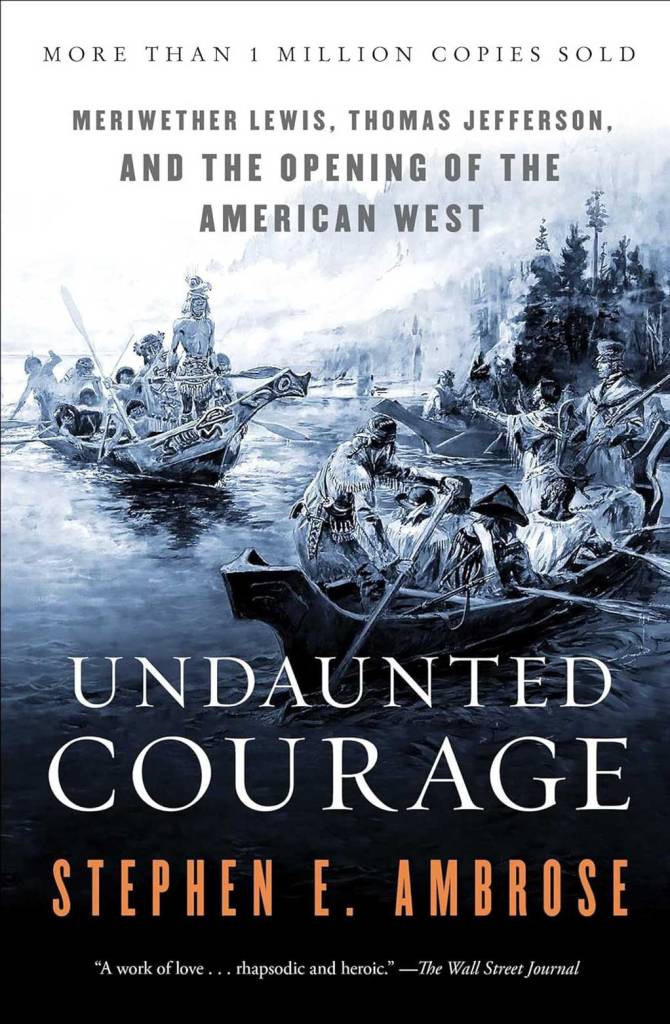
Or read noted historian Stephen Ambrose’s account of the expedition:
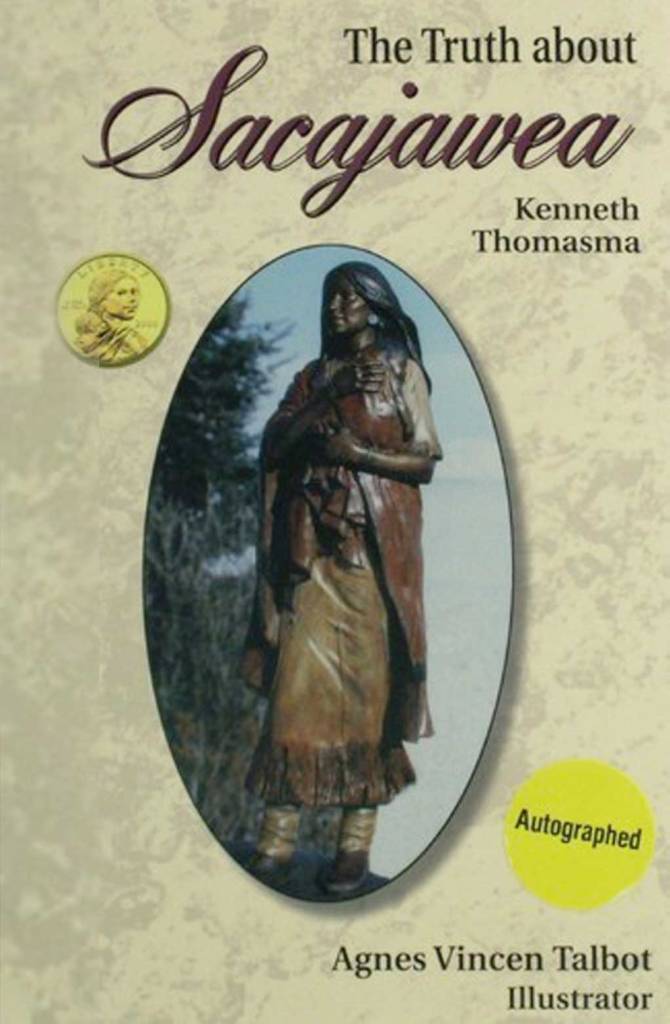
Teens will enjoy reading the inspiring story of the Shoshoni girl who made valuable contributions to the expedition:
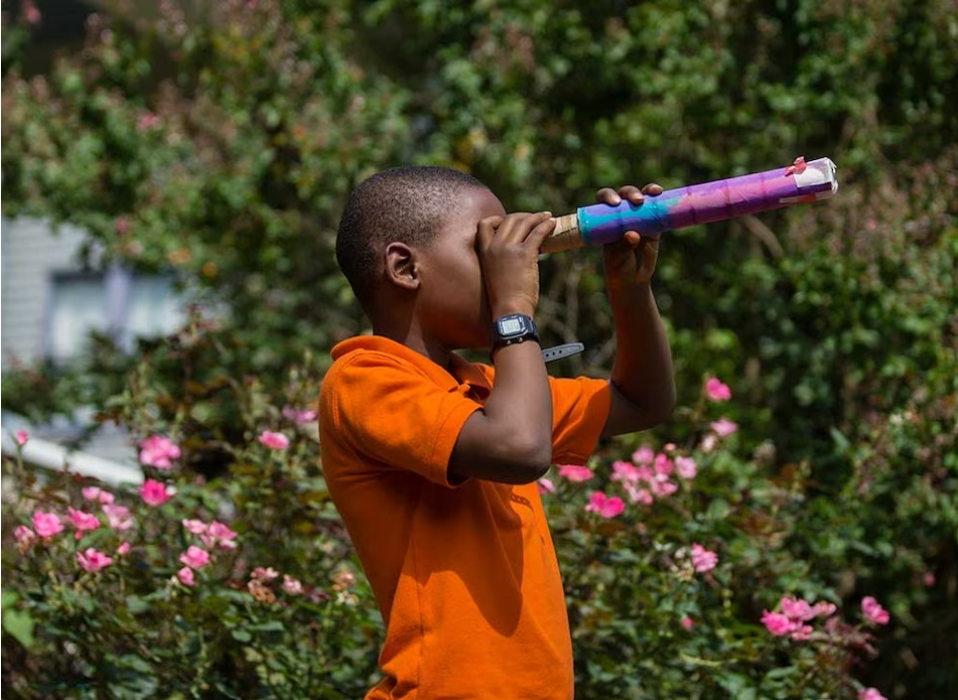
It’s never too early to interest kids in Lewis and Clark’s adventures:











 JNPA Blog