You were only waiting for this moment to arise…

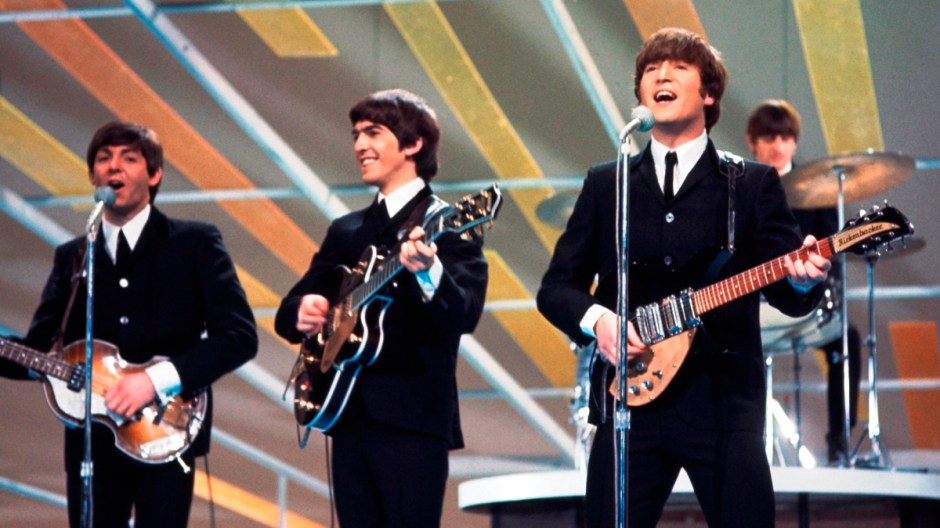
1968. “Beatlemania” was in full swing. Martin Luther King Jr. had been assassinated a year prior. The Civil Rights Act had just been passed, and almost a decade prior, the Little Rock Nine desegregated Little Rock Central High School in Arkansas. Meanwhile, Paul McCartney had been taking notice of the racial turmoil happening in the United States and was inspired to write a song of encouragement for the people fighting for civil rights. Maybe you recognize it?
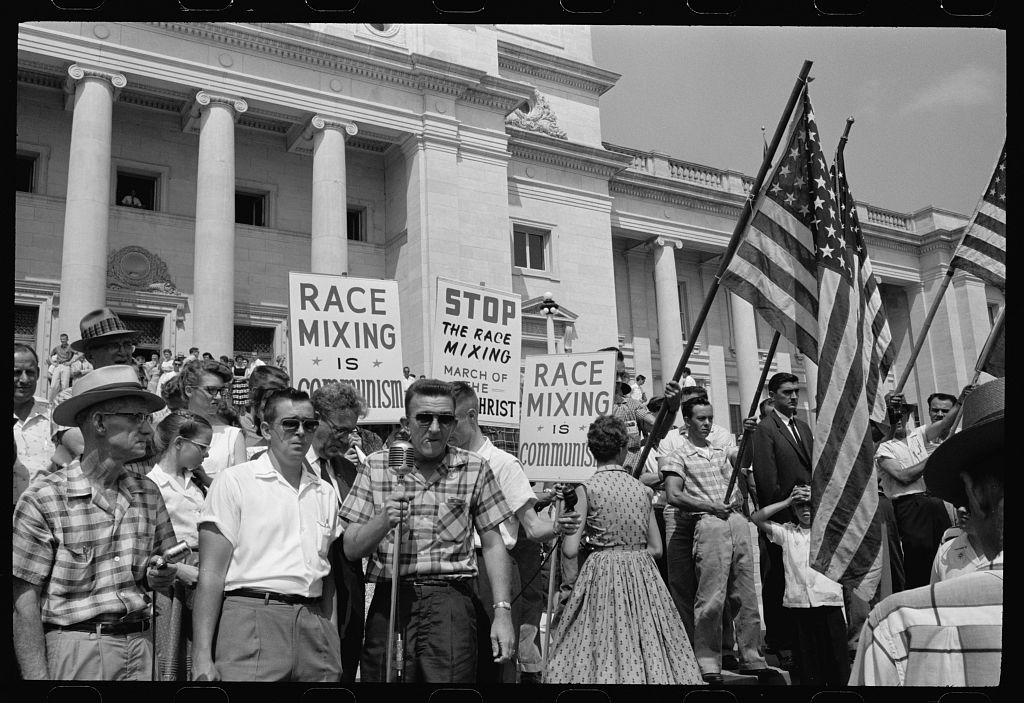
Credit: Library of Congress

“Blackbird singing in the dead of night,
Take these broken wings and learn to fly,
All your life,
You were only waiting for this moment to arise,
(You were only waiting for this moment to arise)

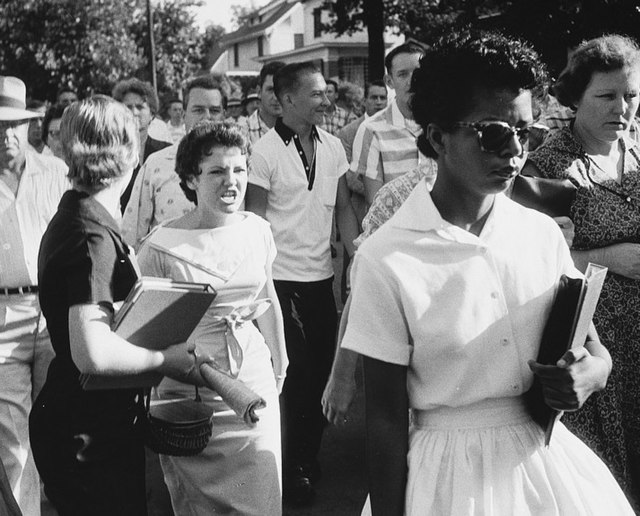
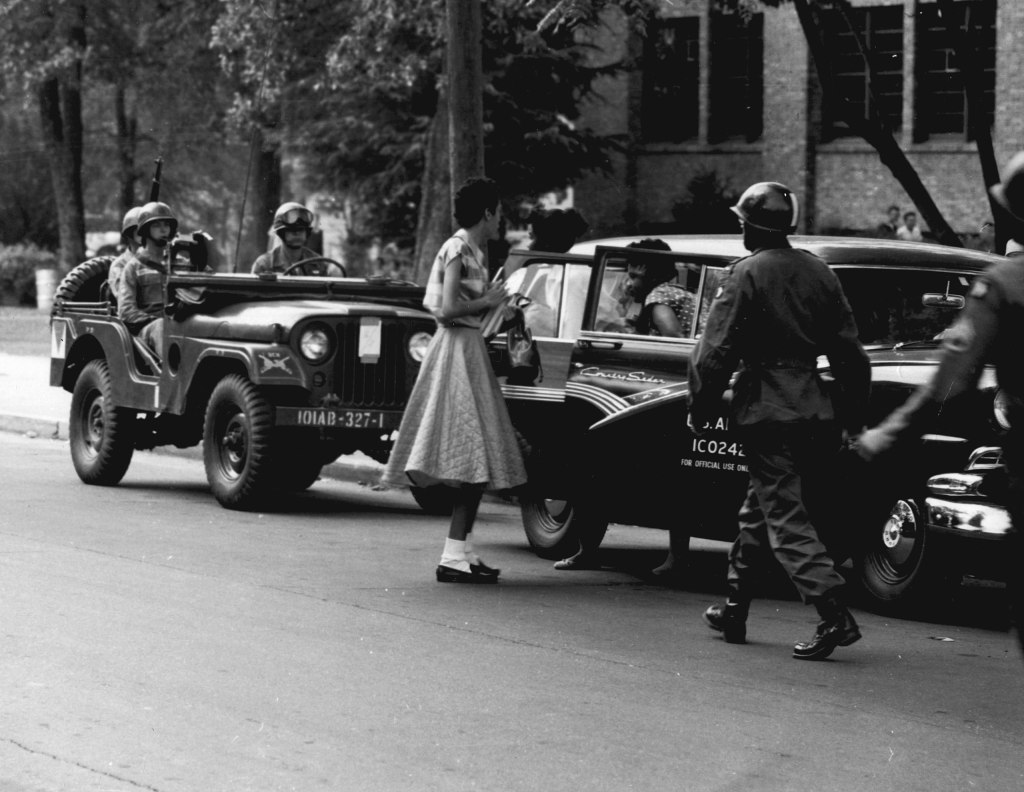
Melba Pattillo Beals was only a teenager when a mob of angry white people confronted her and the rest of the Little Rock Nine as they tried to enter Little Rock Central High School. After Brown v. the Board of Education, the landmark Supreme Court decision outlawing segregation in public schools, the Little Rock School District planned to implement a “gradual” desegregation beginning at Central High School. But on the first day of school, the African American students were met by an angry mob screaming threats at them, and they were barred from entering by the Arkansas National Guard. The governor of Arkansas had called out the guard to “maintain and restore order” by preventing the students from entering. Two weeks later, the students successfully entered the school, but rioting broke out outside and the Little Rock Nine were removed by police for their safety. It wasn’t until September 25, 1957, that federal troops under orders from President Eisenhower successfully escorted the students to their first full day of school.

“Blackbird singing in the dead of night (dead of night, night),
Take these sunken eyes and learn to see (learn to see),
All your life (all your life),
You were only waiting for this moment to be free”
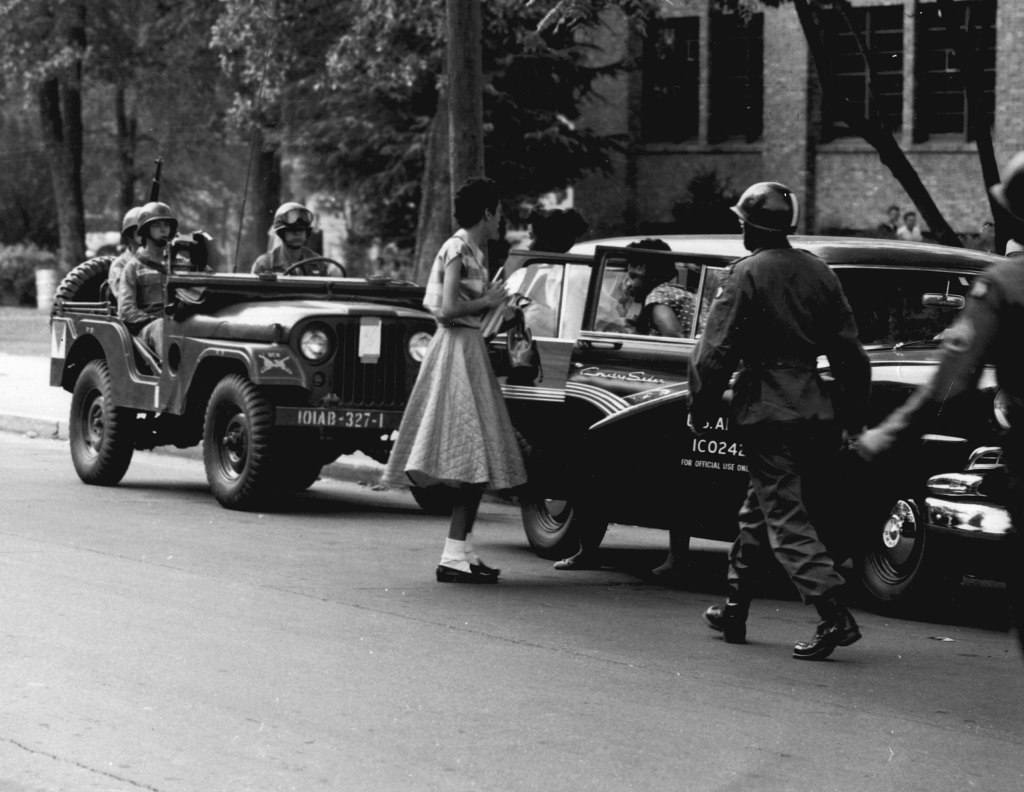
McCartney has stated in several interviews that he was specifically inspired by the Little Rock Nine. In England, “bird” is slang for “girl,” so to McCartney, the titular “Blackbird” represented “Black girl.” He said in an interview with GQ, “I’d heard about the civil rights troubles that were happening in the 60s in Alabama, Mississippi, and Little Rock in particular. So that was in my mind, and I just thought it’d be really good if I could write something that if it ever reached any of the people going through those problems, it might kind of give them a little bit of hope.”

Sure enough, it did reach those people. Ten years after the events at Central High, Beals heard the Beatles’ “Blackbird” for the first time. In an interview with NPR, she said, “It reminded me of what my grandmother said to me when I came home from Central High School complaining about the abuse I had taken during the day: ‘March forward, girl. You have to keep going no matter what.’”
“Blackbird fly (fly, fly),
Blackbird fly (fly),
Into the light of a dark, black night
,
Blackbird singing in the dead of night,

Take these broken wings and learn to fly (learn to fly, learn to fly),
All your life,
You were only waiting for this moment to arise.”

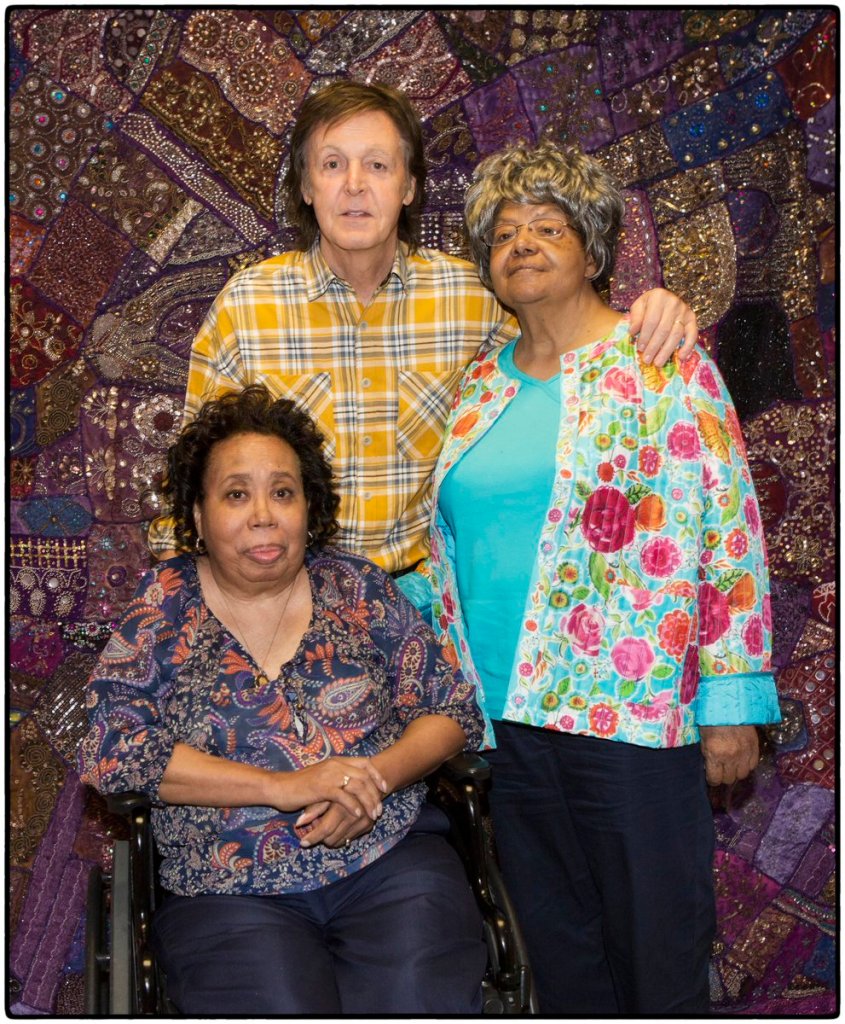
In 2016, McCartney was lucky enough to meet two members of the Little Rock Nine, Thelma Wair and Elizabeth Eckford, backstage at his Little Rock concert. When he introduced “Blackbird” that evening, McCartney said, “Way back in the Sixties, there was a lot of trouble going on over civil rights, particularly in Little Rock. We would notice this on the news back in England, so it’s a really important place for us, because to me, this is where civil rights started. We would see what was going on and sympathize with the people going through those troubles, and it made me want to write a song that, if it ever got back to the people going through those troubles, it might just help them a little bit, and that’s this next one.” You can watch a video of the performance here.

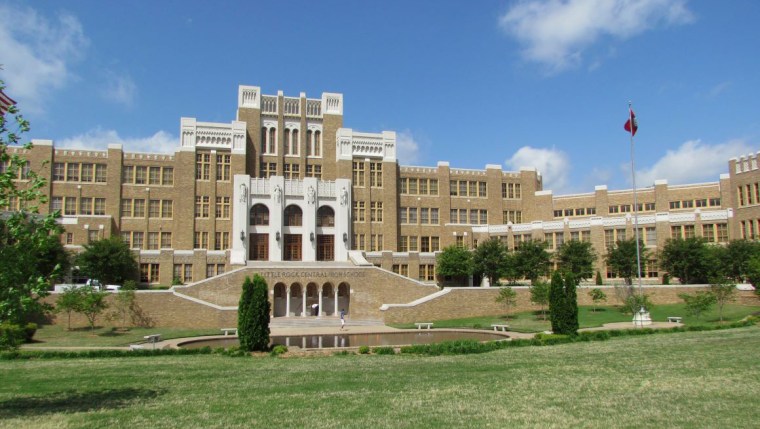
Today, Little Rock Central High School continues to operate as a fully integrated – and high-performing – public school and also as part of Little Rock Central High School National Historic Site, a unit of the National Park Service. The site interprets the story of the Little Rock Nine and the battle for civil rights.
No Tears Project – St. Louis

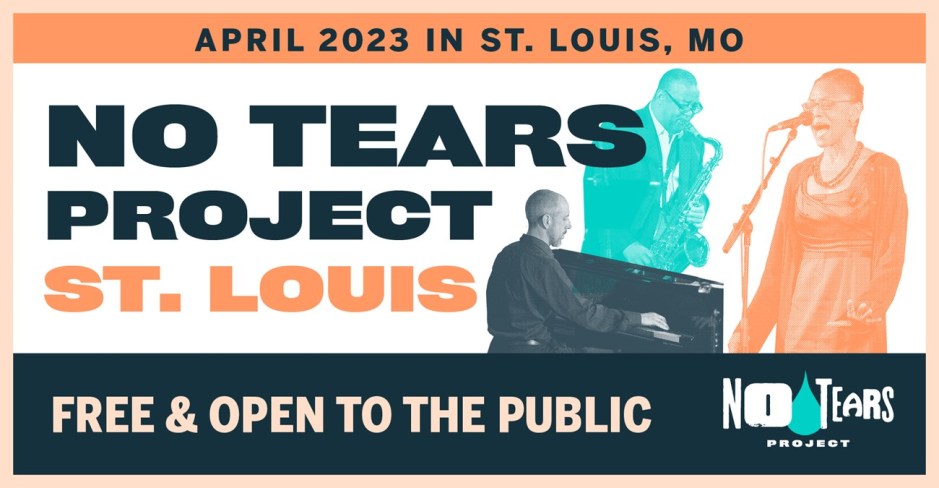
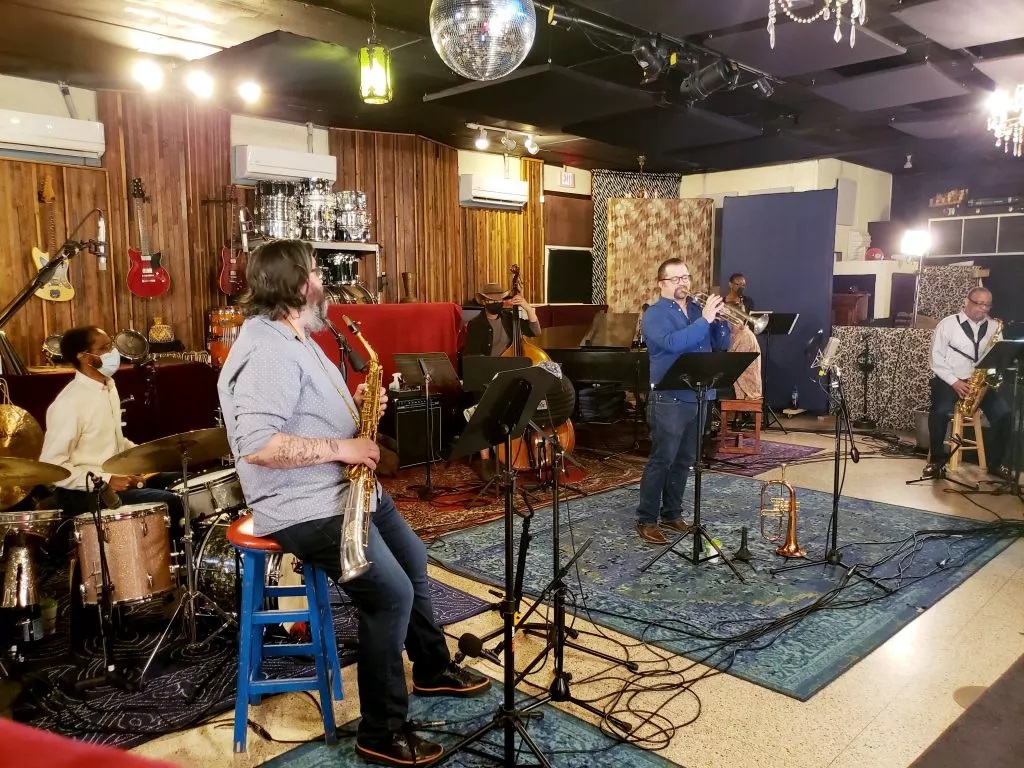
When examining the complex history of civil rights in St. Louis, and the country as a whole, you may turn to books, documentaries, the internet, or… music? Yes! Thanks to one unique program, many of our nation’s civil rights stories have been interpreted through jazz music. This month, Gateway Arch National Park has partnered with Oxford American and Jazz St. Louis to develop the No Tears Project – St. Louis, “a multi-day residency of free events that will use music and conversation to engage communities in civil rights education and storytelling.”

The No Tears Project began in 2019 by interpreting the story of the Little Rock Nine in Little Rock, Arkansas, and has since gone on to develop programs in New Orleans, Louisiana; Fayetteville, Arkansas; and Tulsa, Oklahoma.

No Tears Suite – Little Rock

Throughout the month of April, the project is using youth education events, panel discussions, and community concerts to interpret St. Louis’ role in the broader American civil rights story. Many notable guests will be featured during the project events, including Lynne Jackson, great-great granddaughter of Dred and Harriett Scott and founder of the Dred Scott Heritage Foundation; Percy Green, civil rights activist; and Elizabeth Eckford, a member of the Little Rock Nine.

“It’s an honor to work with these people and organizations to present an arts-based civil rights program like No Tears Project in St. Louis—a city so rich in cultural and musical heritage,” said Ryan Harris, No Tears Project Director and consultant to Oxford American. “Like all communities, St. Louis can become a better place through continued dialogue that honestly addresses its past, forging a deeper understanding of each other to move forward together, and create a better future. The fact that two of the city’s major cultural institutions, Gateway Arch National Park and Jazz St. Louis, are creating the space for these programs and this music reiterates their own commitment to the work and the importance of these conversations.”

“We’re excited to be working with Oxford American, Jazz St. Louis, local partners and community leaders on No Tears Project,” said Tarona Armstrong, Deputy Superintendent of Gateway Arch National Park. “The events will foster relevant and constructive conversations through education workshops and live performances, while connecting and engaging diverse audiences and youth to the history of our park and the civil rights movement.”

This week, the project is culminating in a panel discussion at the Arch on Wednesday, April 26, followed by live concerts at Jazz St. Louis on Friday, April 28 and Saturday, April 29. All of the events are free to the public, but registration is required. Details can be found here.

The No Tears Project – St. Louis residency is made possible by a consortium of generous funders led by Jefferson National Parks Association with additional support from Gateway Arch Park Foundation and the Stella Boyle Smith Trust.

Celebrating Women’s History Month

Throughout history, women have been instrumental in every facet of human endeavor.  Whether they have been renowned trailblazers or unsung heroines working behind the scenes, women have helped guide the course of American history and they continue to shape our future.

That’s why JNPA is commemorating Women’s History Month.  In the words of a White House proclamation, the month of March is an opportunity to “celebrate the countless women who have fought tirelessly and courageously for equality, justice, and opportunity in our Nation.  We also reaffirm our commitment to advancing rights and opportunities for women and girls in the United States and around the world.”

In honor of Women’s History Month, JNPA is proud to offer a number of books that shine a light on examples of women’s contributions to our national heritage, in both civil rights and voting rights:

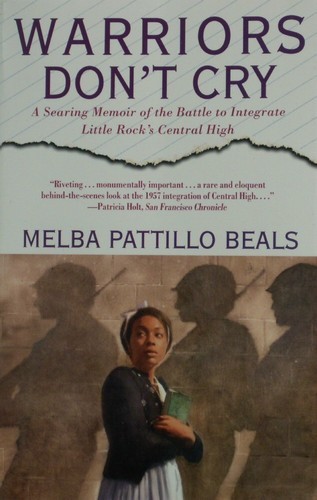
Warriors Don’t Cry is a first-person account of Melba Pattillo Beals, one of nine African American teenagers who helped integrate Little Rock’s Central High School in the 1950s.  This searing account of her junior year at Central High highlights Beals’ bravery in the face of racist warnings, attacks, and ultimately, death threats.

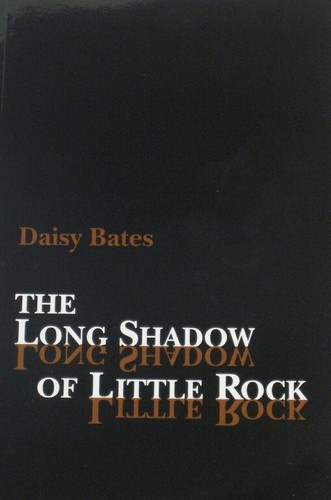
The Long Shadow of Little Rock is a riveting memoir by Daisy Bates, one of the Little Rock Nine.  As a later civil rights activist, journalist, and lecturer, Bates provides a riveting and very personal account of America’s fraught school desegregation movement. 

An iconic 1957 image of a white girl screaming at an African American student highlights the anguish of America’s struggle to desegregate schools.  Elizabeth and Hazel recounts the intersecting lives of those two girls – Elizabeth Eckford and Hazel Bryan Massery – whose very different lives unexpectedly braided together.

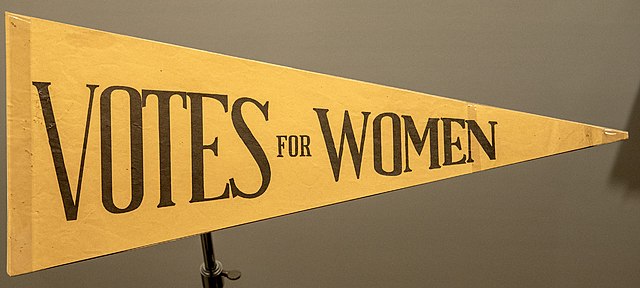
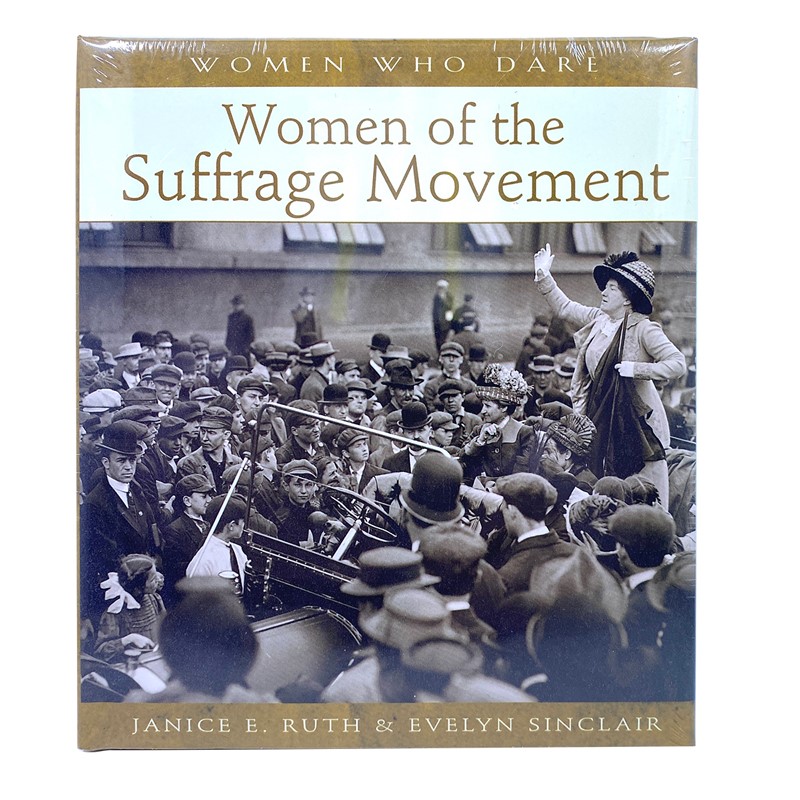
Women of the Suffrage Movement recounts the decades-long struggle of American women to secure the right to vote, from the famous Seneca Falls meeting in 1848 to the ratification of the Nineteenth Amendment in 1920.

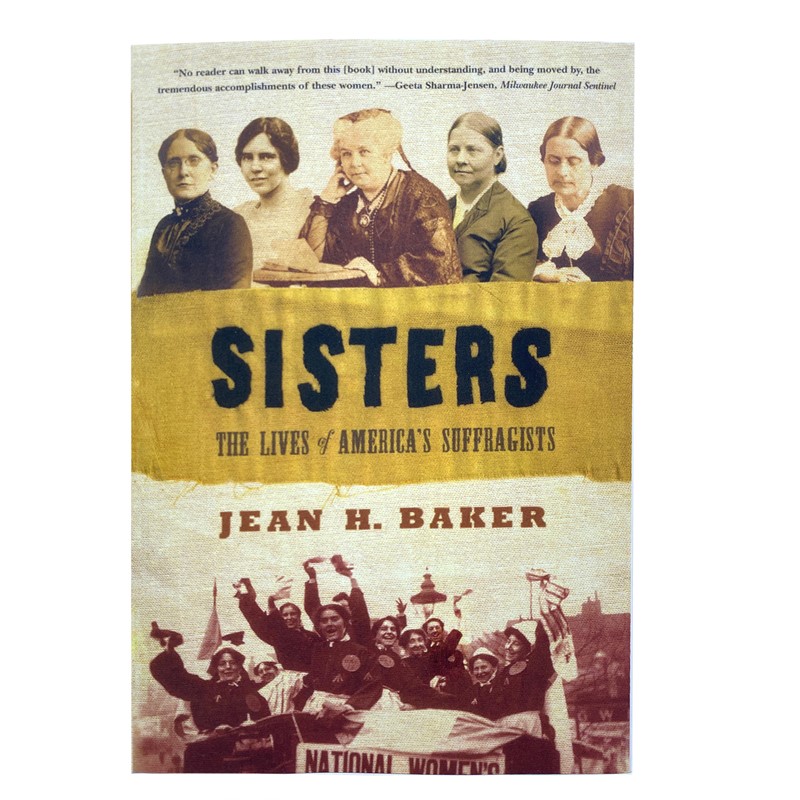
The women’s suffrage movement of the 1800s and 1900s was about more than just the right to vote.  It encompassed the most fundamental rights of citizenship: the right to receive fair wages, to hold property, to sign contracts, and to file suit in court.  Sisters examines the lives of America’s leading suffragists and how their efforts resulted in far-reaching changes to the nation’s laws.

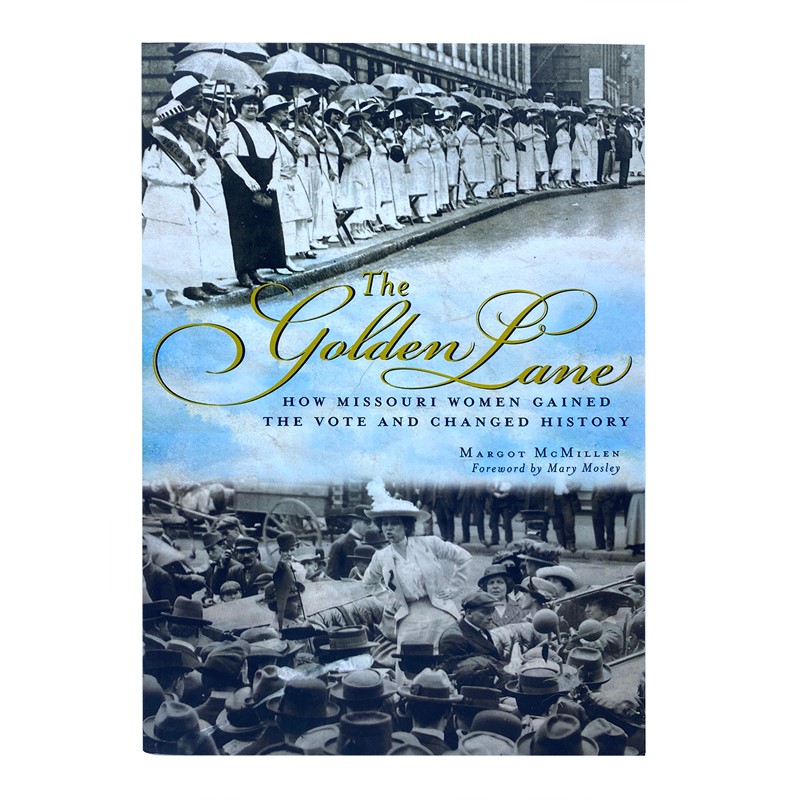
The Golden Lane is the story of how women in Missouri gained the vote and changed the state’s history.

Songs of Freedom

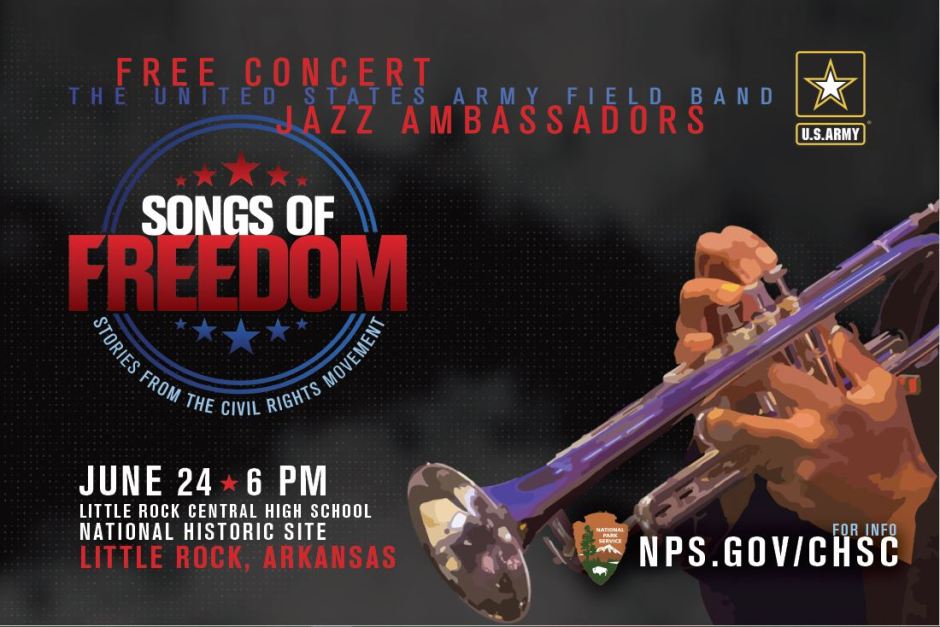
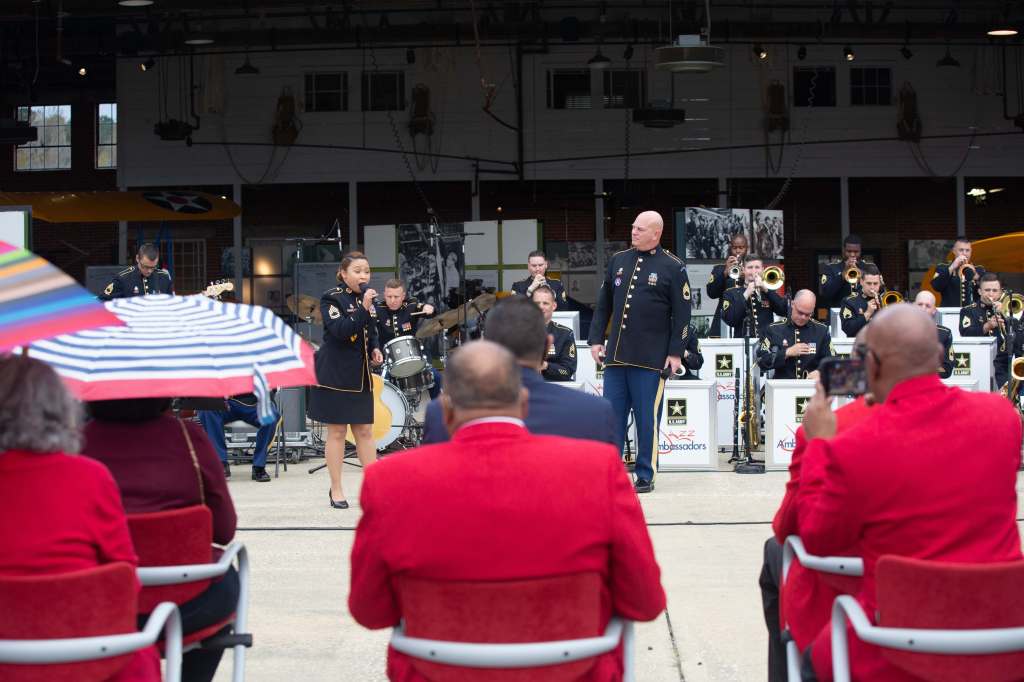
If you like rousing jazz and swing music, you’ll want to head to Little Rock, Arkansas, this Friday evening. The U.S. Army’s official touring big band, the Jazz Ambassadors, will present a 90-minute concert at Little Rock Central High School National Historic Site.

Credit: The U.S. Army Field Band

The theme of Friday’s concert is Songs of Freedom, Stories from the Civil Rights Movement.  It’s fitting that the musicians will be performing these selections at Central High, since it served as the frontline of America’s school desegregation battles in the 1950s. 

The 19-member Jazz Ambassadors have received widespread acclaim at home and abroad, earning the ensemble the title “America’s Big Band.” The musicians have performed in all 50 states and overseas.  Their stop in Little Rock is part of their Summer 2022 tour.  Check out the clip below to hear a snippet of their musical style.

The Songs of Freedom concert will take place outdoors on the park grounds on Friday, June 24 from 6:00 to 7:30 p.m.  It is free and open to the public. For more information, contact Little Rock Central High School National Historic Site at (501) 374-1957.

Credit: The U.S. Army Field Band

How Many National Park Sites Have YOU Visited?

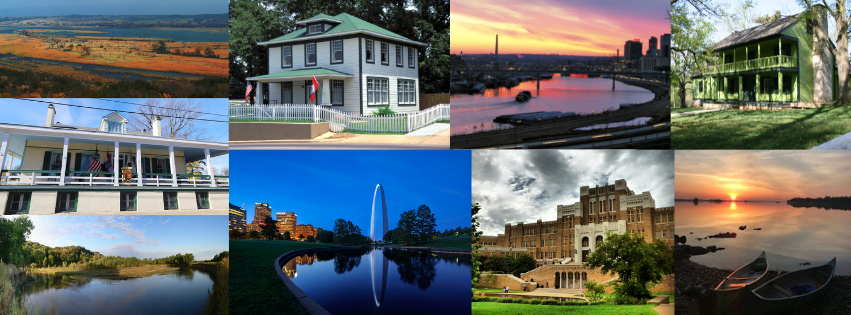
The National Park Service system currently includes 423 sites throughout the United States and its territories.  These range from national monuments and battlefields to national historic sites and recreation areas to national rivers and seashores. 

Don’t feel bad if you haven’t visited the majority of these places (most of us haven’t!). But luckily, National Park Week is just around the corner – a perfect time to add to your NPS “life list.”

National Park Week is an annual celebration jointly hosted by the National Park Service and the National Park Foundation to encourage everyone to discover our nation’s diverse historic, natural, and cultural treasures.  This year, the week runs from April 16 through 24.  Parks across the country will host a variety of special programs, events, and digital experiences, including National Junior Ranger Day for kids on Saturday April 23.  You can find out more about programs and themes you might be interested in by going here.  

Another bonus for park visitors during National Park Week – entrance fees are waived at all parks on Saturday April 16.  (Other 2022 free fee days can be found here).  Luckily, there are never entry fees at JNPA’s partner parks but each of them would be glad to see you in April, or any time!

If you’re planning to visit any of the 63 parks that have “national park” in their name, you’ll want a copy of National Geographic’s national park guide as well as the Passport to Your National Parks, which not only contains park information but allows you to collect the passport stamps from every park you visit. 

A Symbol of Resistance

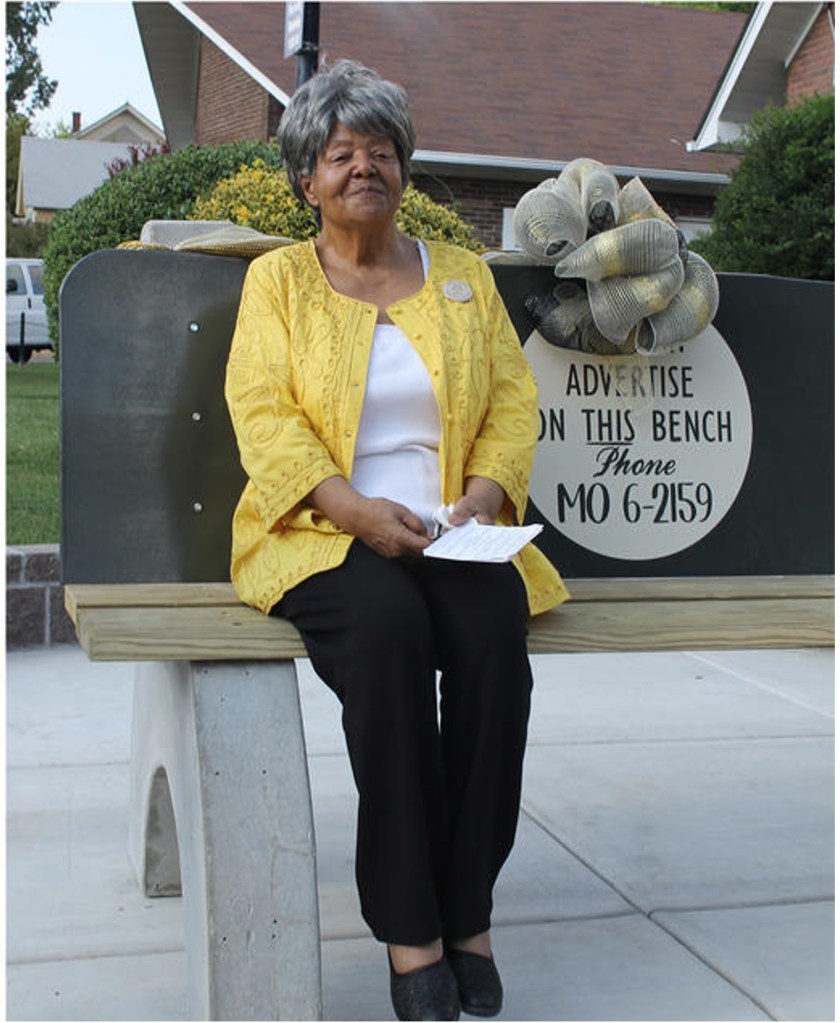
You may not be familiar with the name Elizabeth Eckford, but at age 15 she became an unwitting participant in the historic battle to integrate America’s public schools by seeking to attend Central High School in Little Rock, Arkansas.  We think it is fitting to honor Eckford on this first day of Women’s History Month.

In 1957, several years after the Supreme Court mandated school integration, a group of nine African American teenagers sought to attend school at the formerly all-white Central High. They were met by angry mobs opposing integration who taunted and threatened them. 

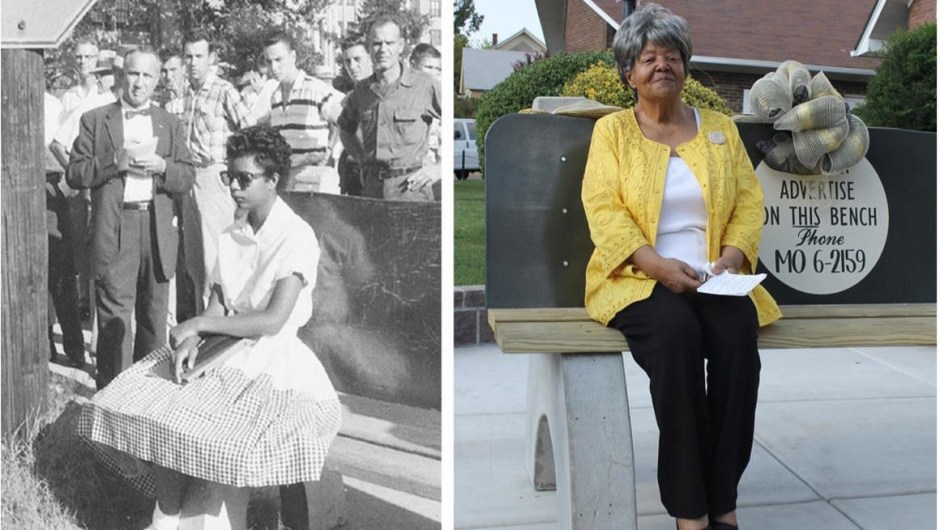
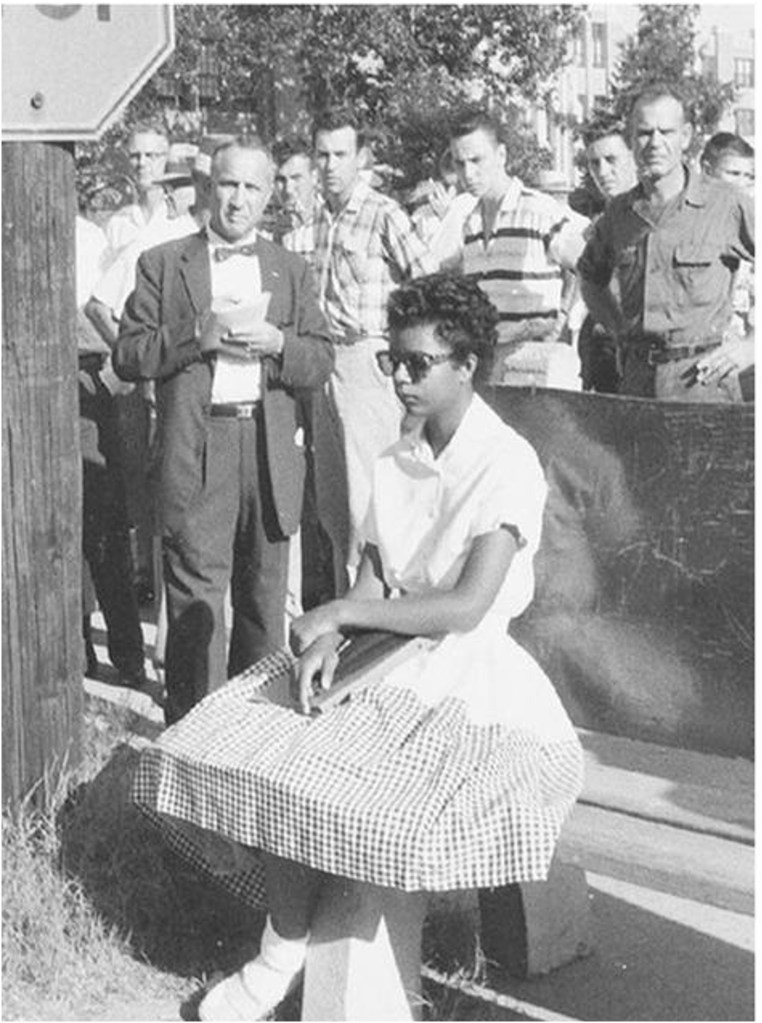
While eight of the teens tried to enter the school as a group on September 4, Eckford wasn’t among them.  She had gotten off the bus alone after a mix-up in the students’ planned meeting place. As a result, she was forced to endure the protesters’ obscenities and chants of “Two, four, six, eight, we ain’t gonna integrate” all by herself.  She made her way to a bench at the end of the block after trying to enter the campus twice. 

She and the remaining Little Rock Nine were eventually removed by the police, fearing for their safety.  They were only admitted to the school weeks later, after President Dwight Eisenhower mobilized the U.S. Army’s 101st Airborne Division to escort them into the school.  Many of the Nine – including Eckford – left Central High School after that first year to attend other schools.

In 2018, a commemorative bench was erected near the Central High School campus as a reminder of Eckford’s struggles in 1957. She has received many other prestigious awards including the Congressional Gold Medal, the NAACP Spingarn Medal, and the Humanitarian Award presented by the National Conference for Community and Justice. Eckford herself remains a strong proponent of tolerance in every aspect of life.

JNPA sells numerous publications that relate the story of the Little Rock Nine at the national park’s bookstore and online, including Remember Little Rock which features Elizabeth Eckford on the cover.