The Many Meanings of Spirit Mound

Many of our national parks contain places that have special significance to Native American tribes. One such sacred site lies within Missouri National Recreational River: Spirit Mound.

This gently sloping natural hill rises from a broad plain near present-day Vermillion, South Dakota. Geologists say the mound is a remnant of bedrock that was not eroded away by Ice Age glaciers. Whatever its origins, the mound has taken on a variety of cultural meanings reflecting the wide-ranging beliefs of our diverse American population. 

Long before white traders and explorers arrived in the northern plains, this little hill was held in awe by the Indigenous peoples who inhabited the area. The Sioux, the Omaha, and the Otoes believed the mound was occupied by spirits that would kill any human who came near.  

According to Lakota oral traditions, the Spirit Mound was home to a group of small people called Can O’ti na, or Little Tree Dwellers. The Can O’ti na sometimes behaved mischievously and played tricks on humans. They could also serve as spiritual helpers. 

William Clark’s map identified Spirit Mound as: “This place called by the Indians Hill of the little Devils.”  (Courtesy NPS)
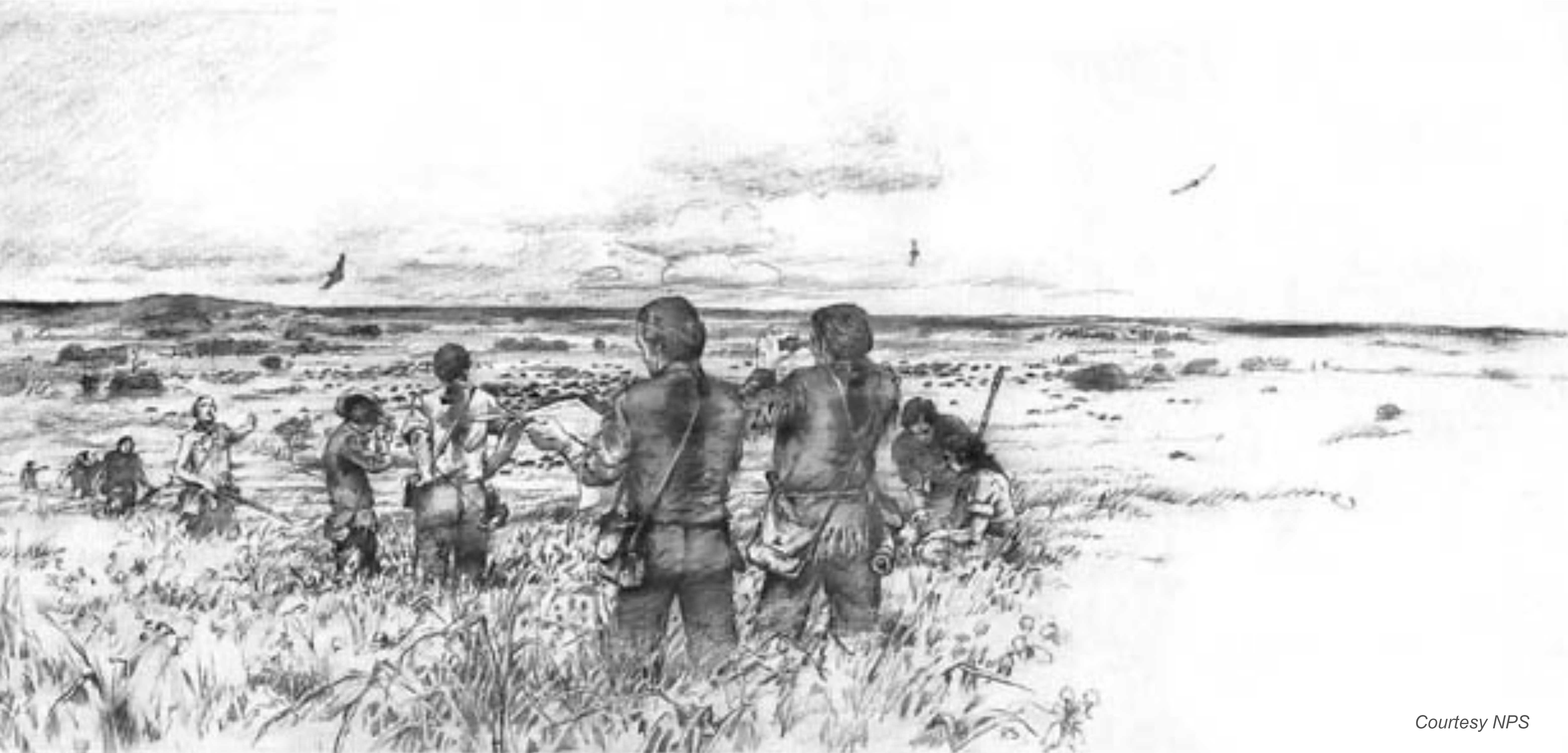
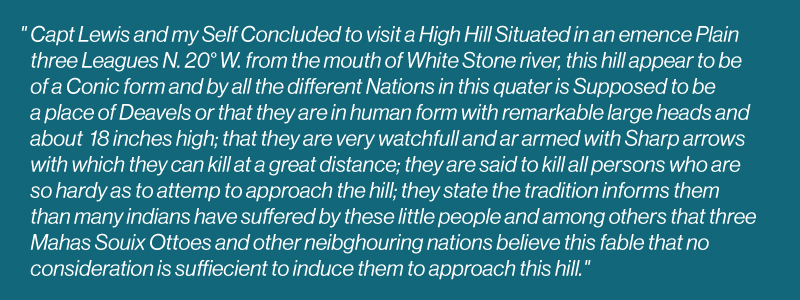
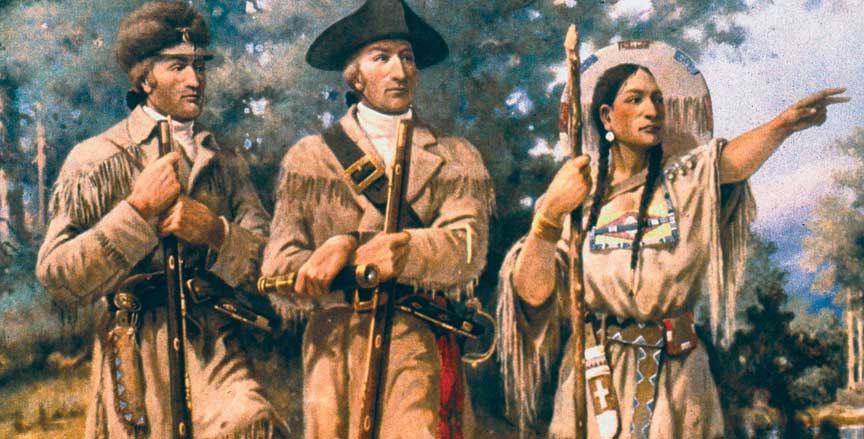
So mysterious were these stories that the explorers Lewis and Clark made a rare nine-mile detour from their Missouri River explorations in 1804 so they could see the mound for themselves. On August 24th, Clark wrote:

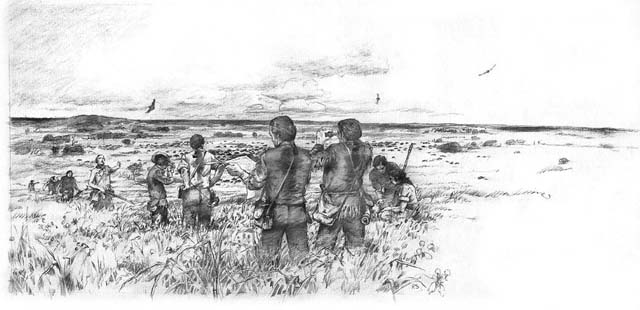
Meriwether Lewis, William Clark, and a small group of their expedition approaching the Hill of Little Devils (now known as Spirit Mound) in late August of 1804. (Courtesy NPS)

When the Corps of Discovery ascended to the top of the mound, it was one of the first times they were able to comprehend the wide expanse of the Great Plains landscape. Clark described the panoramic view from the top:

While the little mound was clearly just a unique geological formation to white explorers, it continued to carry a special meaning for Native tribes, many of whom still have spiritual ties to the place. Lakota ceremonies today, for instance, still include the Little Tree Dweller’s Medicine Bundle. This important medicine traces its origins to Spirit Mound.

Courtesy NPS

The mound was placed on the National Register of Historic Places in 1974. If you visit Missouri National Recreational River, you can see Spirit Mound for yourself thanks to the development of a walking trail to the top. The state of South Dakota (with help of the National Park Service and the Spirit Mound Trust) purchased a 160-acre tract of surrounding land in 2002 with the intention of restoring the site to the prairie landscape that Lewis and Clark saw over 200 years ago. Today, Spirit Mound Historic Prairie is a prairie restoration project in progress. 

Go Fish! 🎣

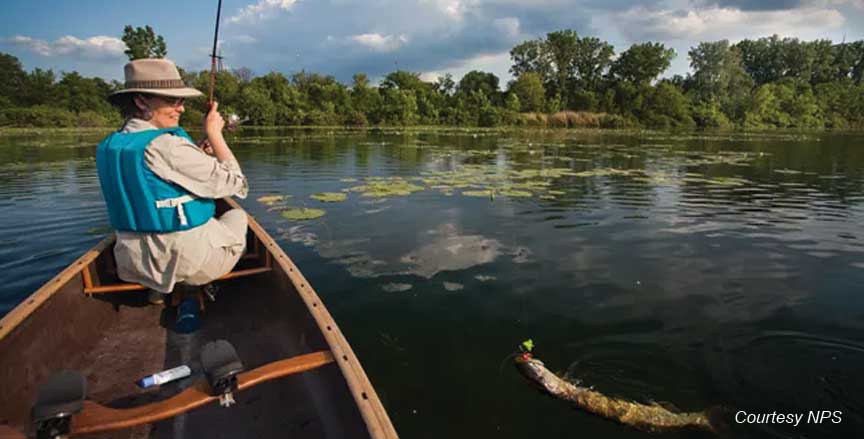
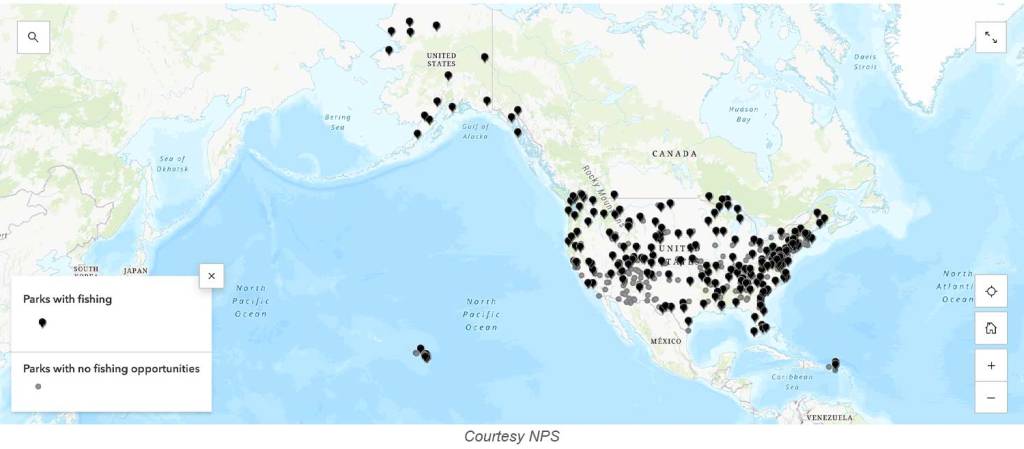
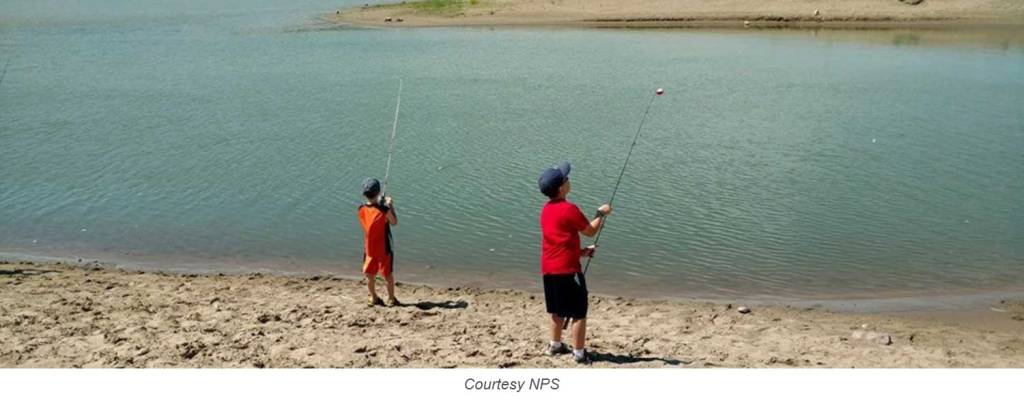
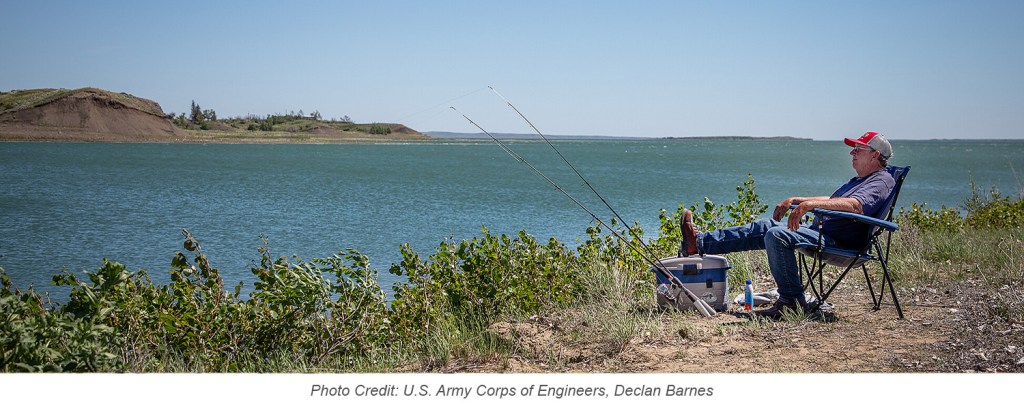
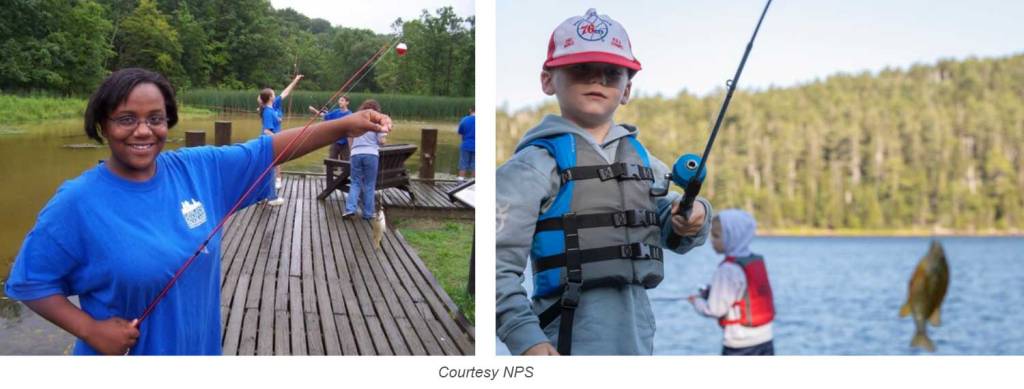
If your idea of a perfect way to spend a day outdoors is dropping a line in a stream or lake and seeing what bites, then you’ll want to check out the great fishing opportunities at our national parks. More than 200 sites in the National Park Service offer recreational fishing for the general public, including fly fishing, casting, bait fishing, trolling, and even ice fishing (brrrr!).

Of course, since fishing can affect local animal populations, each national park site regulates the fishing activities within its borders, usually by conforming with the regulations of the state where the park is located. Before setting out, it’s wise to check a park’s regulations, including learning what permits might be needed and where to find the best fishing spots. By following the park’s rules, such as practicing catch and release fishing of native fish, anglers can help ensure that native fish in our national parks will be enjoyed for generations to come.

A number of JNPA’s partner parks offer visitors a chance to fish their waters: 

 Voyageurs National Park has many options for both aspiring and experienced anglers. Fish abound in the park’s 30 named lakes, which consist of four large lakes and 26 smaller interior lakes. So far 54 fish species have been identified in the park’s aquatic habitats. Some of the better-known are walleye, sauger, Northern pike, smallmouth bass, yellow perch, and black crappie.   

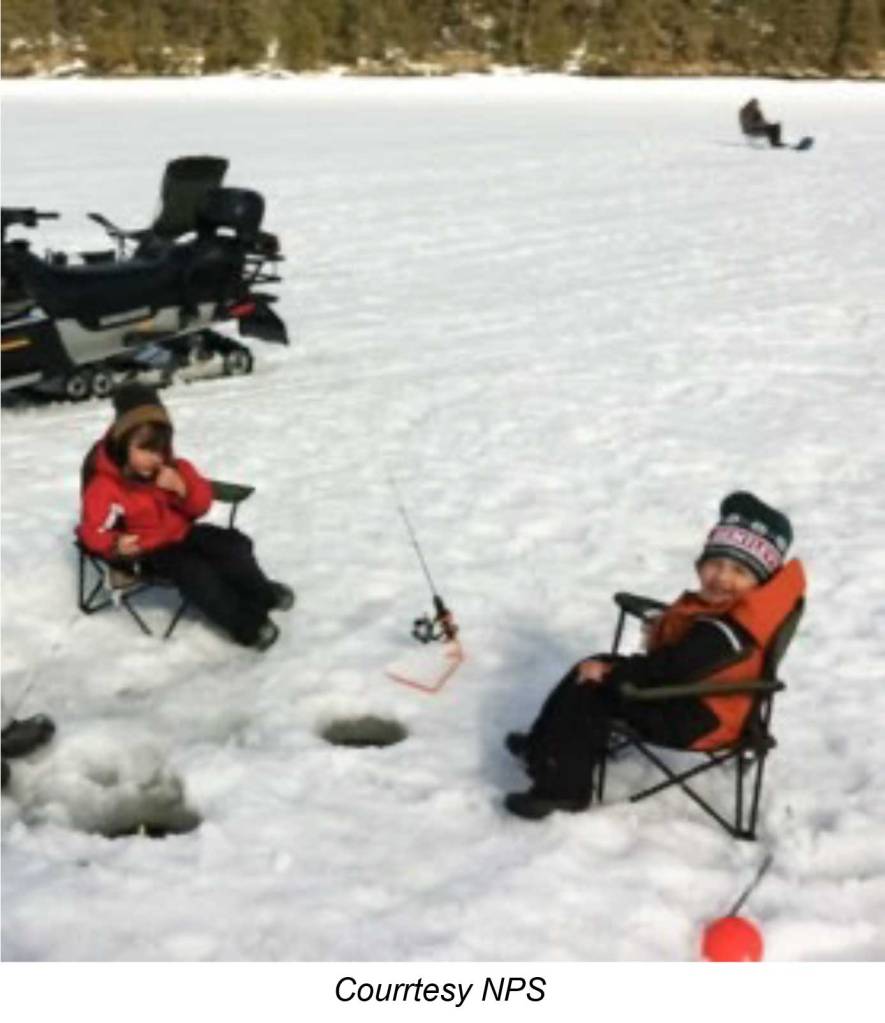
And if winter fishing is your thing, Voyageurs is a must-visit. Rugged piney shorelines, ultra-quiet conditions, and PLENTY of lake ice make the park an ice angler’s dream. Always check the park’s ice conditions before setting out and review the rules about placement of icehouses.

You can also put your angling skills to the test at Missouri National Recreational River. Walleye, sauger, paddlefish, and many more game species are waiting within the two reaches of the Missouri River, 20 miles of the lower Niobrara River, and eight miles of the lower Verdigre Creek. Since most of the park lies on the state boundary between Nebraska and South Dakota, you should be aware of license information and regulations for both states. 

The great fishing opportunities near the Lewis and Clark Visitor Center attract thousands of anglers year-round. The park’s website lists the prime fishing spots and seasons where anglers can find their favorite fish species. Accessible fishing piers are located on the south shore of Lake Yankton and in the Nebraska Tailwaters area. There are separate regulations for residents and non-residents of South Dakota and Nebraska, so be sure to check before you go.

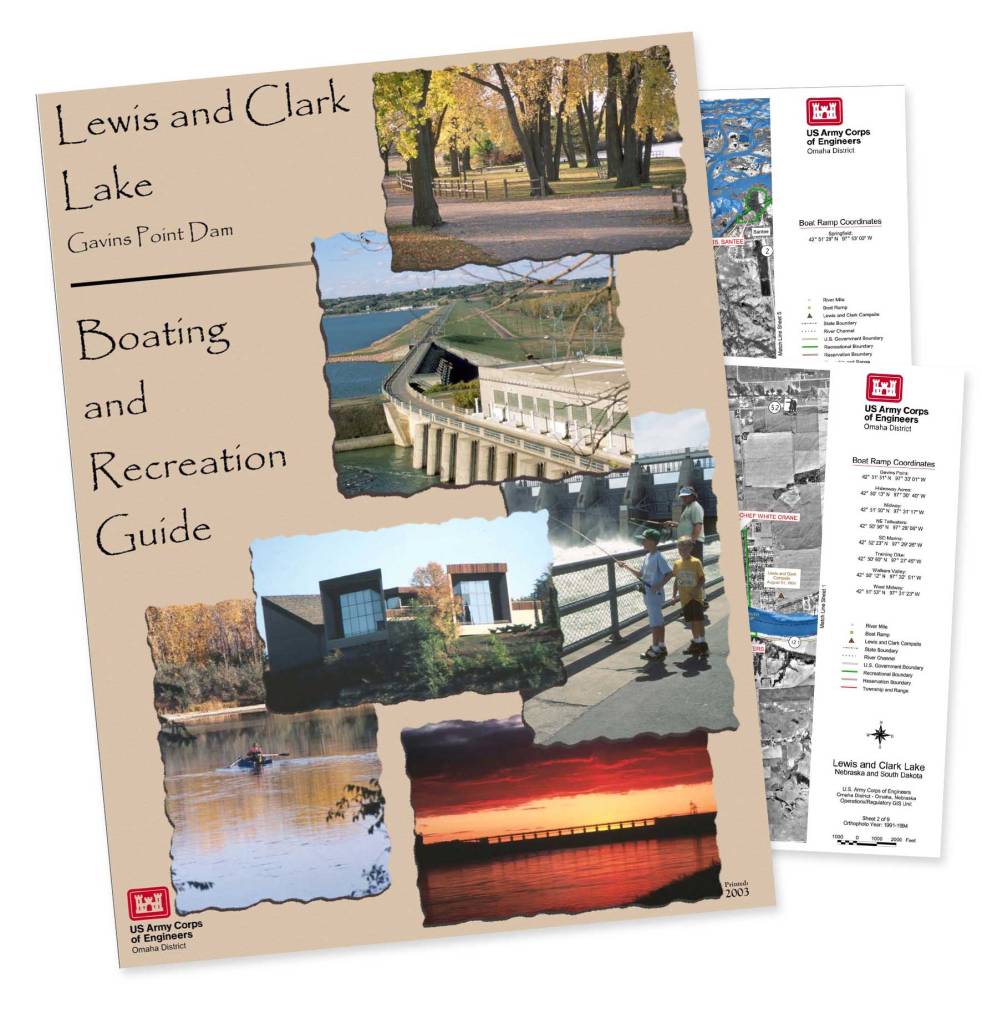
Learn about endangered and threatened species, historical information, or water safety and reservoir navigation with the Lewis and Clark Lake Gavins Point Dam Boating and Recreation Guide. You can pick up a copy at the site, or order it from JPNA’s online store.

There are plenty of locations for both boat-fishing and shoreline fishing within Mississippi National River and Recreation Area. The Mississippi River in the northern suburbs and further north is a nationally recognized smallmouth bass fishery. Walleyes are plentiful below Lock and Dam #1. And floodplain lakes contain trout, panfish, northern pike, and largemouth bass. The park’s website offers more suggested fishing locations. 

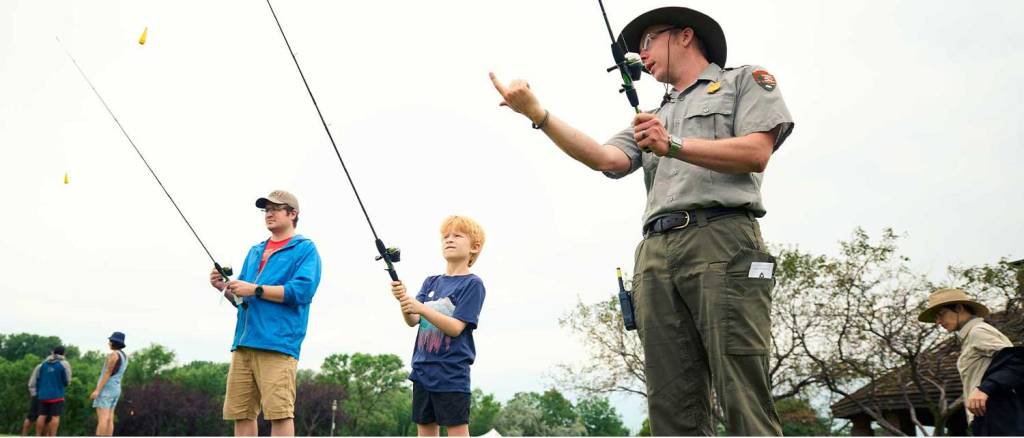
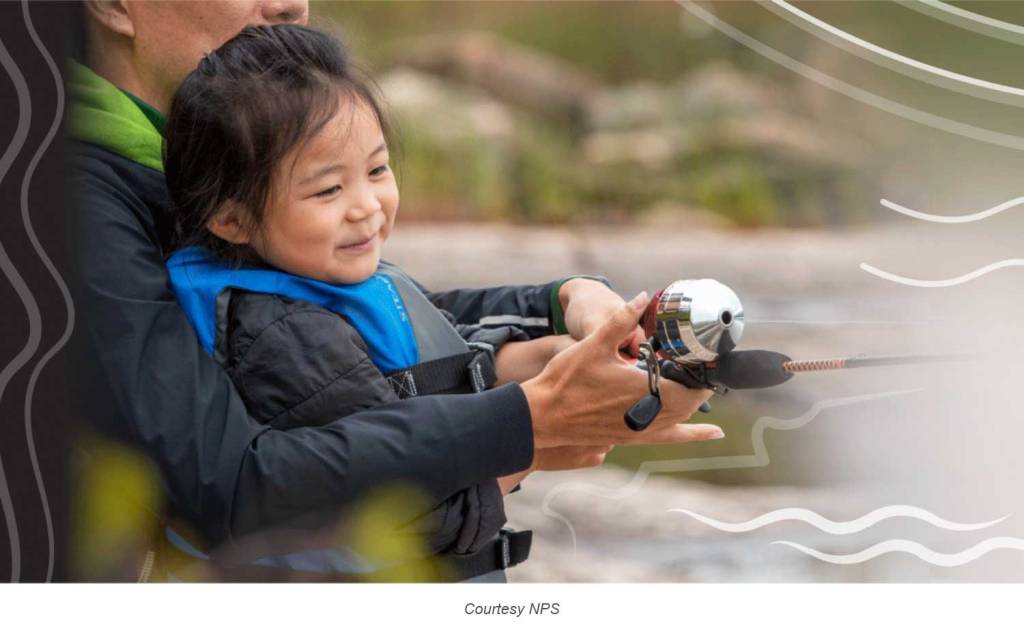
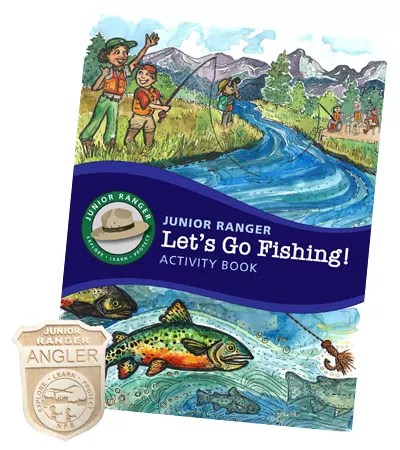
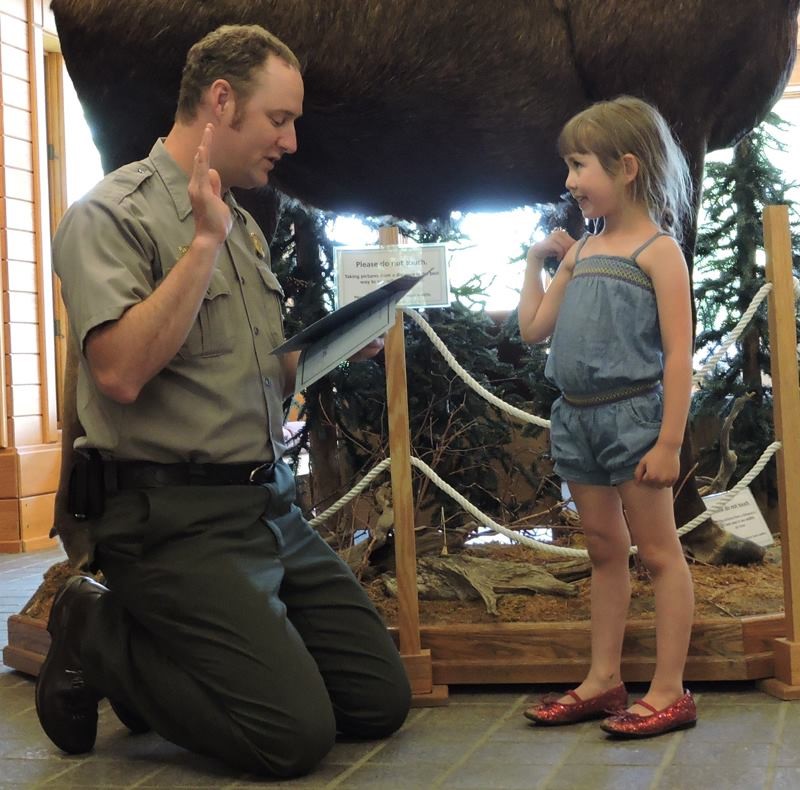
To get kids involved, park rangers hold fishing clinics at certain times of the year. Younger anglers who complete the clinic can earn a Junior Ranger Angler Badge as well as their own fishing kit. 

Speaking of kids, the NPS Junior Ranger Angler program is a perfect way to get youngsters interested in the sport. Many national park sites that permit fishing offer the program’s special activity booklet as well as Junior Ranger Angler badges. You can find participating parks on the National Park Service Fish & Fishing website.

Accessible to All

As the Americans with Disabilities Act (ADA) turns 35 years old this month, the Centers for Disease Control reports that more than one in four Americans – roughly 70 million people – are living with a disability. This can include a wide range of conditions from mobility issues and hearing loss to vision impairment and cognitive limitations.  

Yet there’s no reason people with physical challenges can’t enjoy our national parks. In fact, the National Park Service “strives to make its parks, monuments, and historic sites available to all.” And it offers a wide range of accessible experiences across its 400+ park sites.

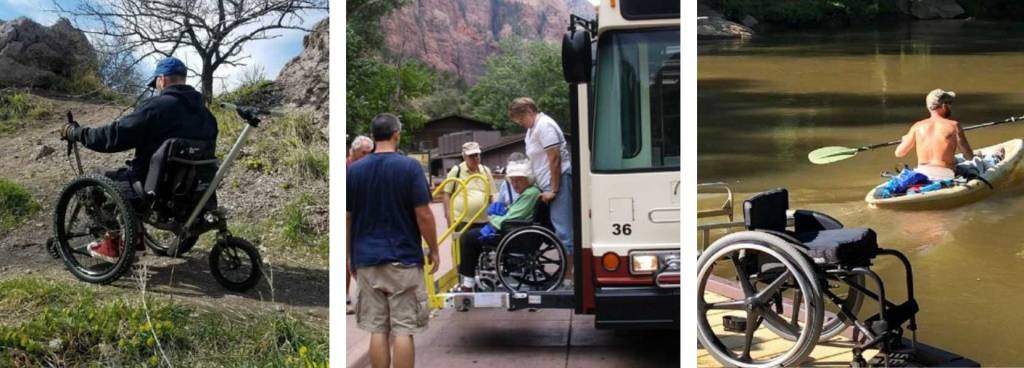
Each park has its own accessibility section on its website, where visitors can find details about its accessibility services and programs. These can go way beyond more traditional services like sign language interpretation of tours, accessible camping sites, paved trails, and ramps. Newer accommodations include all-terrain wheelchairsaudio cave tours,  tactile maps and accessible shuttle buses, and Wheels to Water floating kayak launches

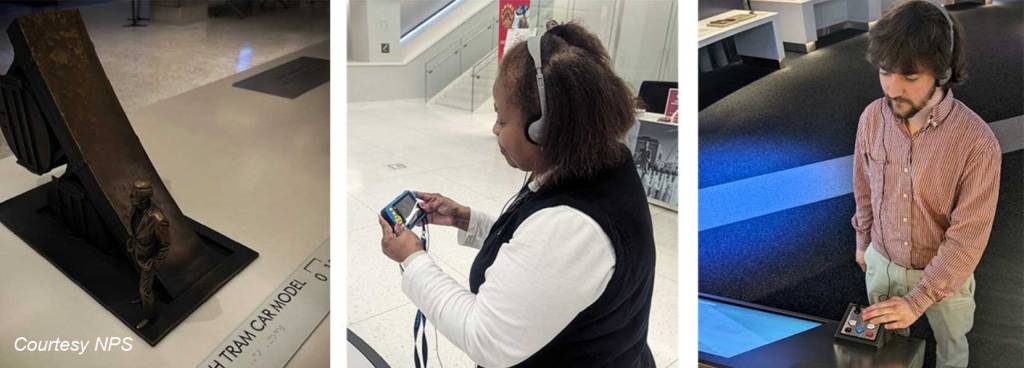
As challenging as some of these physical accommodations are, making museum exhibits accessible is even more complicated. Designers of the new museum at Gateway Arch National Park, for instance, fully embraced the concept of Universal Design when planning new exhibits. The museum includes multiple accessibility features, like tactile exhibits and interactive computer simulations that are visitor-directed through a touchscreen. Visitors can make use of Braille signage, large-print, high-contrast text versions of exhibit copy, assisted listening and captioning devices, as well as a new device that allows non-speaking guests to type questions for museum staff. Similar accommodations are available in the park’s theater.

And since the tram ride to the top of the Arch is not wheelchair accessible, designers created the next best thing. Inside a full-size replica of the final piece of the Gateway Arch, video screens show live views from each side of the top observation deck, replicating the experience as much as possible for visitors who cannot make the trip to the top. 

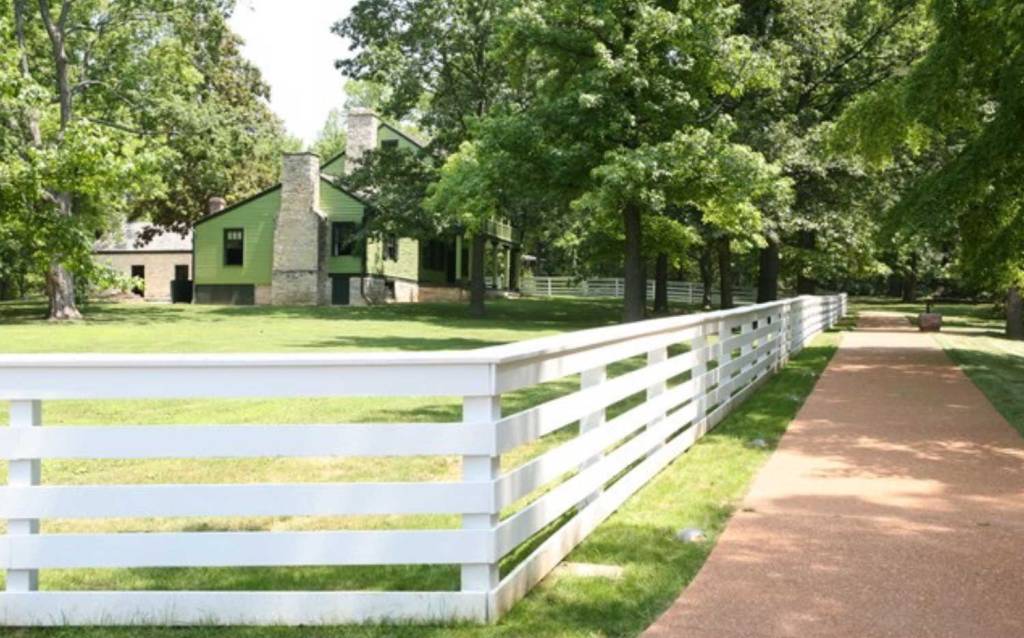
Ulysses S. Grant National Historic Site also offers a range of accessibility services, including free wheelchair use, assisted listening devices for guided tours, audio descriptions of park films, and Braille and large-format brochures.  

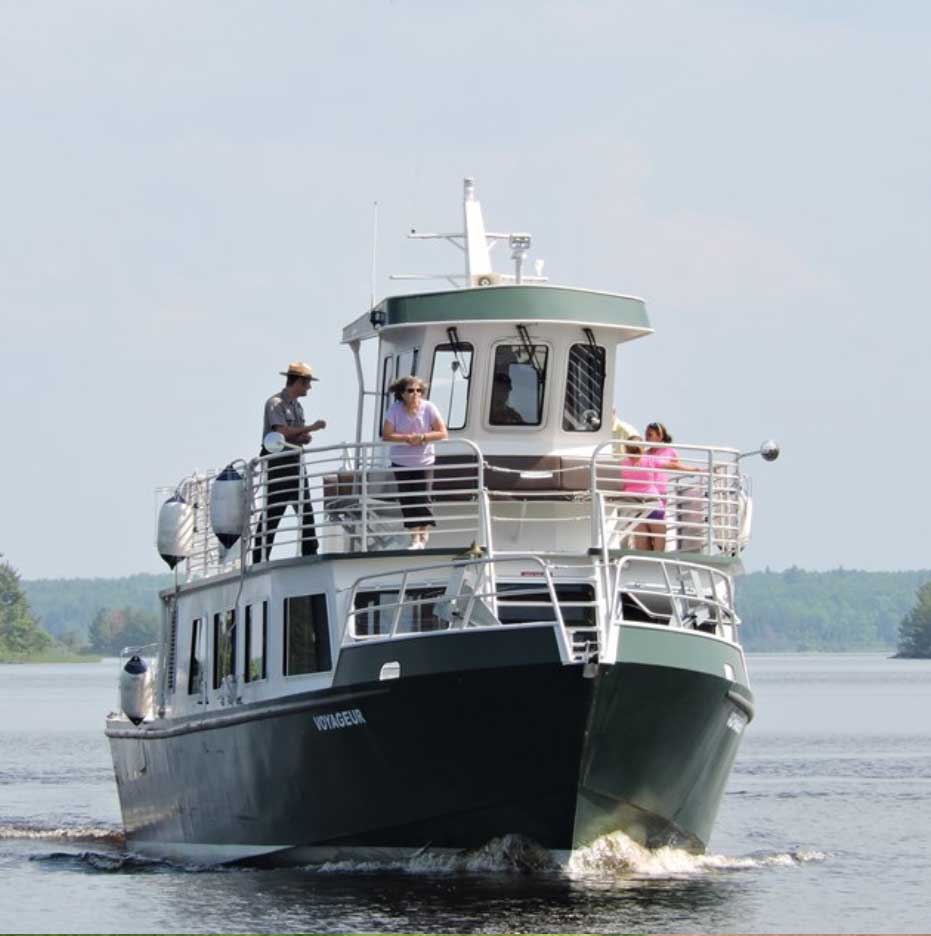
At Voyageurs National Park boating, fishing, and camping are the primary activities. All NPS boats are accessible. And visitors can make use of accessible lifts at boat launches as well as accessible campsites.

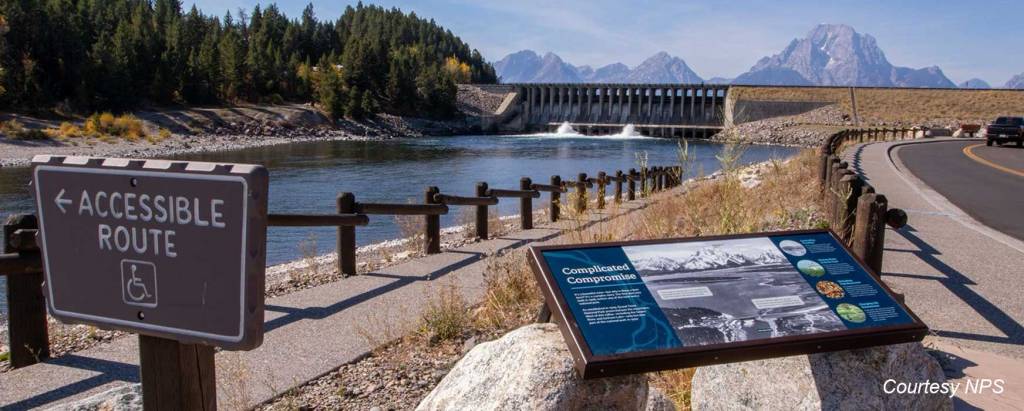
Similar accommodations are available at Missouri National Recreational River and the Lewis and Clark Visitor Center, both of which are popular with anglers.  In addition to taking advantage of accessible trails, shelters, and cabins, visitors can fish from several piers that are reachable by those in wheelchairs. 

All in all, NPS efforts to improve accessibility have principally focused on well-developed areas within easier reach, such as park visitor centers and established campgrounds. But accessibility advocates want to see more trails, shelters, and other park areas comply with ADA standards, particularly in more remote natural areas. Park Service officials acknowledge there’s a nationwide backlog of existing trails and structures that don’t meet accessibility standards, especially in the backcountry. But they say they’re making progress where they can.

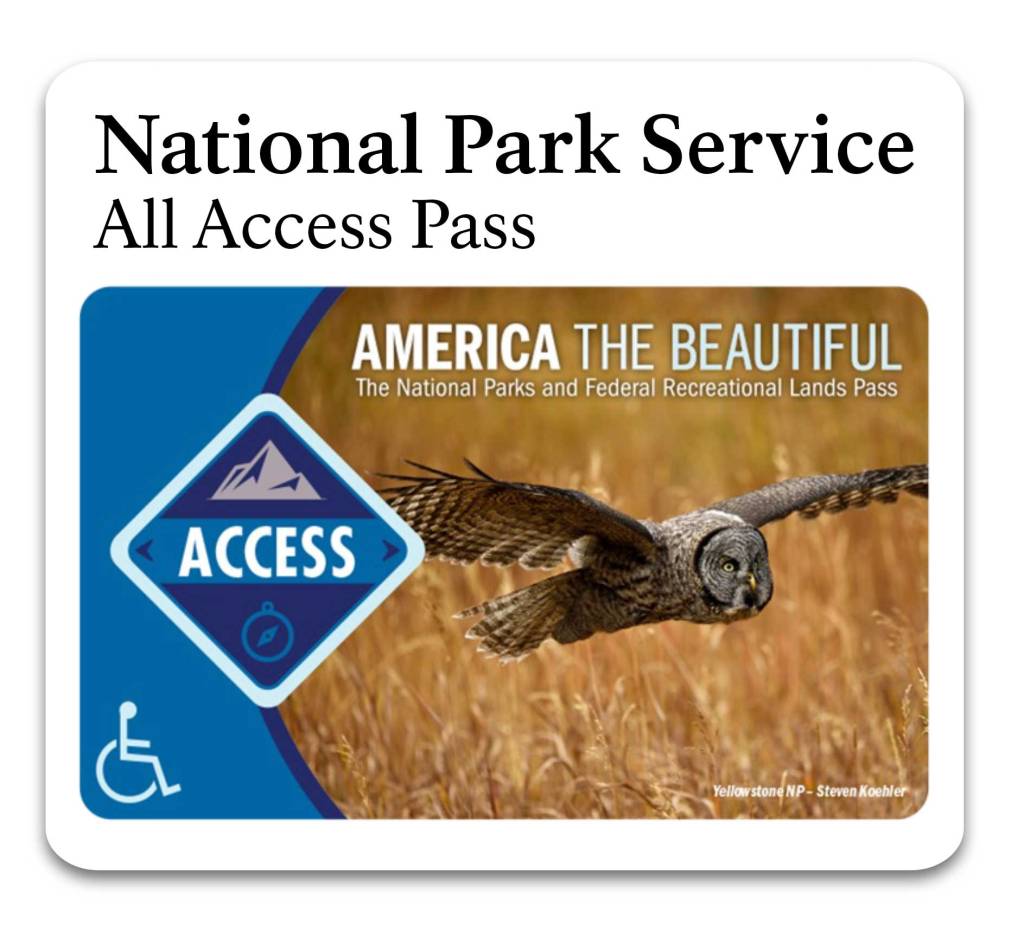
Americans with permanent disabilities are eligible to receive the National Park Service All Access Pass, which provides lifetime benefits at federal lands managed by six agencies, including free entrance to parks managed by the National Park Service that charge an entrance fee. The free passes are available at certain federal recreation sites or can be ordered online (for a small shipping fee). 

It’s a bird! It’s a plane! No, it’s…

Pop quiz! What animals are small, furry, eat thousands of mosquitoes every night, and are critical to many natural ecosystems?  Bats!  

National parks are home to 45 species of these cute (to some!) little mammals, each of which play an important role in nature.  Yet they have recently been decimated by a deadly disease. Luckily, Missouri National Recreational River and many other national parks are working to rescue bat populations.

Why is it so important to protect bats? In contrast to the pop culture depiction of tiny flying vampires, most bats eat insects, fruit, plant nectar, or small animals such as fish or frogs. In fact, only three of the nearly 1,500 bat species in the world drink blood, and they only live in Central and South America. Insect-eating bats feed on so many flying pests that their contributions would add up to more than $3 billion worth of pest control in the United States alone!

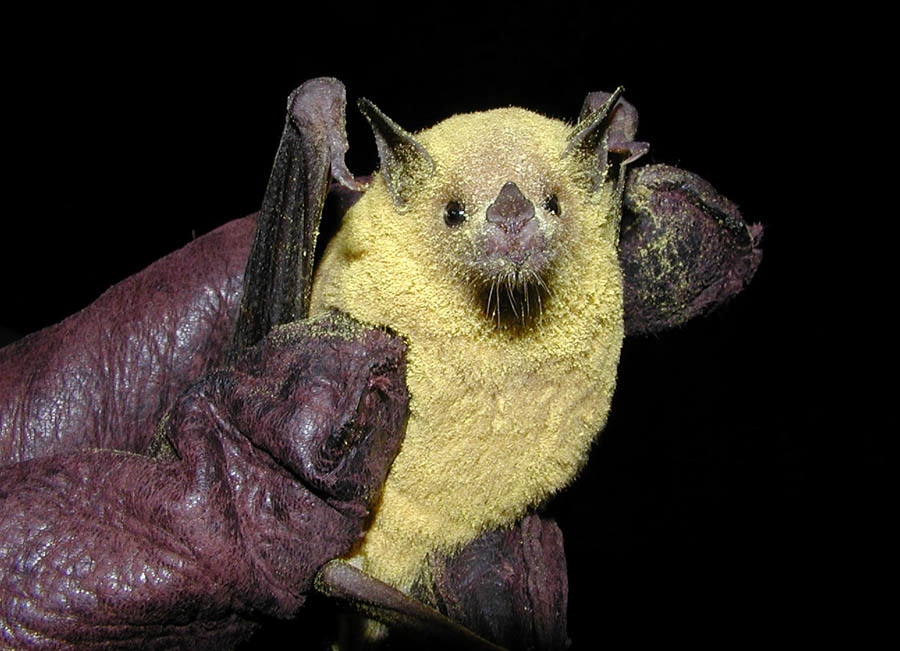
A lesser long-nosed bat covered in pollen from an agave flower. Credit NPS.

Additionally, bats are excellent pollinators. Do you enjoy tequila? Well, thank bats because they are the number one pollinator of blue agave! Bats also contribute to the ecosystem by supporting cave communities, distributing seeds from the fruit they eat, and serving as prey to other animals. Bats have even inspired technological advances such as sonar systems designed after bats’ echolocation and new types of drones inspired by bats’ thin, flexible wings!

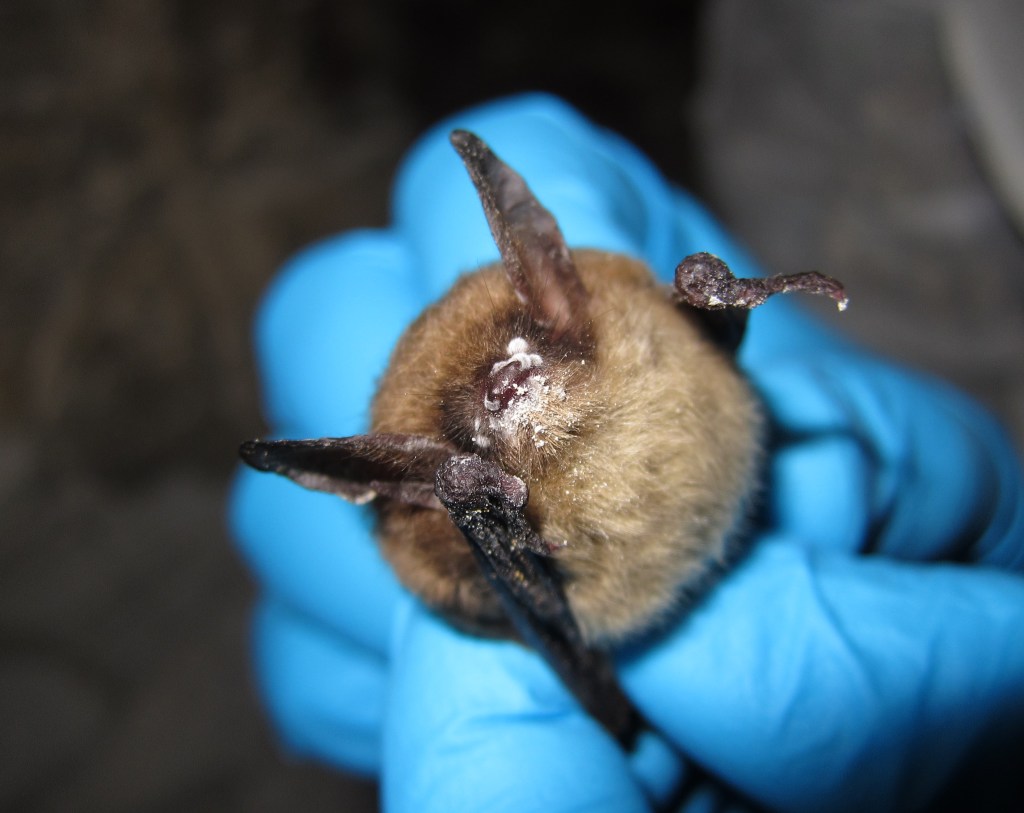
It’s clear that bats are AMAZING animals, so what is wreaking so much havoc on their populations? It’s a disease known as white-nose syndrome, caused by the fungus Pseudogymnoascus destructans. The fungus infects bats during hibernation, covering their face and wings. This causes the bats to wake up more frequently, use up their fat reserves, and starve before winter is over. The fungus is easily transmitted through physical contact, either with infected bats or on cave surfaces. Because the fungus spreads through contact, it can also be carried on shoes, clothing, and supplies. That’s why scientists urge people who visit caves to thoroughly decontaminate all of their clothing, shoes, and supplies before and after their visit.

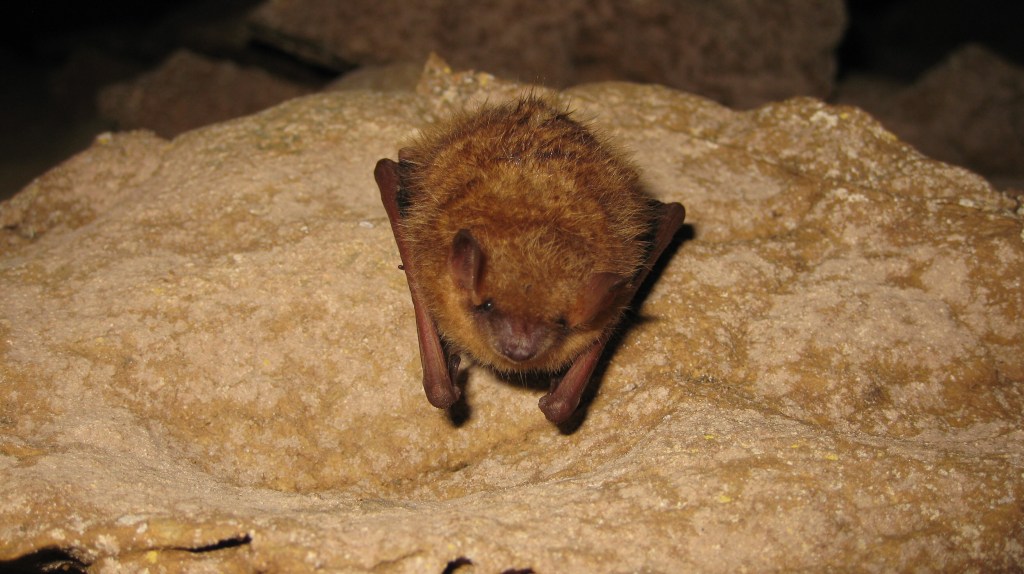
A northern long-eared bat with visible symptoms of white-nose syndrome. Credit US Fish and Wildlife Service.

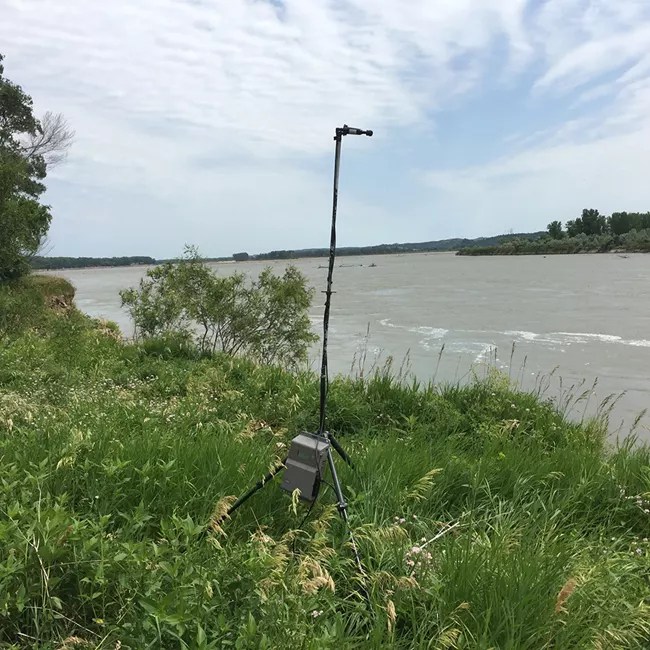
Missouri National Recreational River, a JNPA partner park, began an acoustic monitoring program in 2014 to monitor bat populations in and around the park. Acoustic recorders were installed to detect the calls bats use for echolocation. Different species of bats have different calls, so this system can also determine what species are in and around the park. Researchers then review the recordings and analyze the data.

A bat acoustic monitoring station at Missouri National Recreational River. Credit NPS.

So far, scientists have determined that eight species of bat call the park home: the big brown bat, eastern red bat, hoary bat, silver-haired bat, little brown bat, northern long-eared bat, evening bat, and tri-colored bat. Although white-nose syndrome has been detected in nearby populations in South Dakota, thankfully it has not been detected within the park boundaries.

If you want to learn more about bats and how to help protect them and their habitats, visit the National Park Service website.

A tri-colored bat. Credit NPS.

Why We’re Thankful

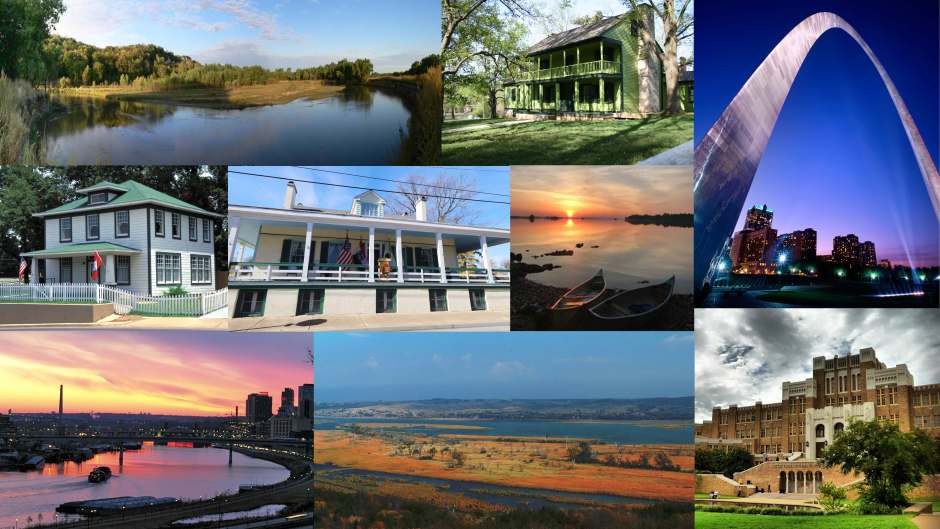
Here at JNPA, we’re proud to serve as a non-profit partner of some of our nation’s most treasured public lands.  So in honor of the upcoming Thanksgiving holiday, we wanted to take a moment to list some of the many things we’re thankful for.

Living history programs that bring the past alive for visitors of all ages. 

(Ulysses S. Grant National Historic Site)

Breathtaking scenery that inspires and enriches all of us.

(Voyageurs National Park)

Parks that honor the courageous men and women who fought for equality for all Americans.

(Little Rock Central High School National Historic Site)

Preserving America’s important historic buildings for future generations to enjoy.

(Ste. Genevieve National Historical Park)

Dedicated interpretive rangers from the Army Corps of Engineers who share the wonders of their sites with visitors.

(Lewis and Clark Visitor Center)

Energetic and committed National Park Service rangers who inspire children to become Junior Rangers.

(Voyageurs National Park)

Opportunities for recreation and enjoyment of the outdoors.

(Lewis and Clark Visitor Center)

Educators at all of our partner parks who share their love of public lands with tomorrow’s generation.

(Gateway Arch National Park)

Preserving the homes of America’s presidents as a way of helping us understand and connect with these important figures.

(President William Jefferson Clinton Birthplace Home National Historic Site)

Honoring African Americans’ struggle to achieve freedom and respect in American society.

(Gateway Arch National Park)

Commemorating the diverse nationalities, traditions, and cultures that helped shape our nation.

(Ste. Genevieve National Historical Park)

Preserving critical wilderness areas that safeguard our nation’s biodiversity and ecological health.

(Mississippi National River and Recreation Area)

Protecting America’s rivers and streams that are so vital for drinking water, recreation, and commerce.

(Missouri National Recreational River)

Architectural marvels that enhance our nation’s cultural heritage and stimulate our imaginations.

(Gateway Arch National Park)

Many thanks to JNPA’s partner parks and all they do to protect America’s heritage, landscapes, and stories.   Happy Thanksgiving!