

Feel like hitting the road? Check out our suggestions for a few fun weekend adventures.
Trip 1- St. Louis

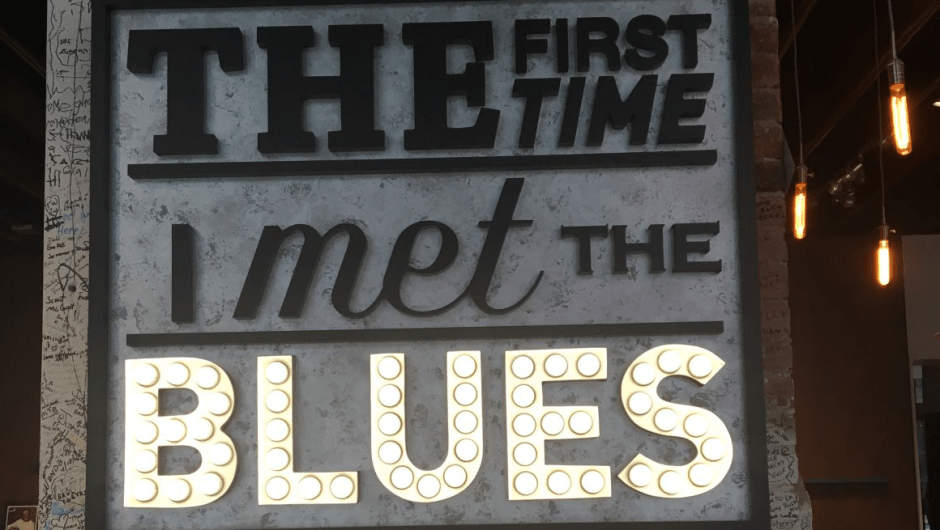
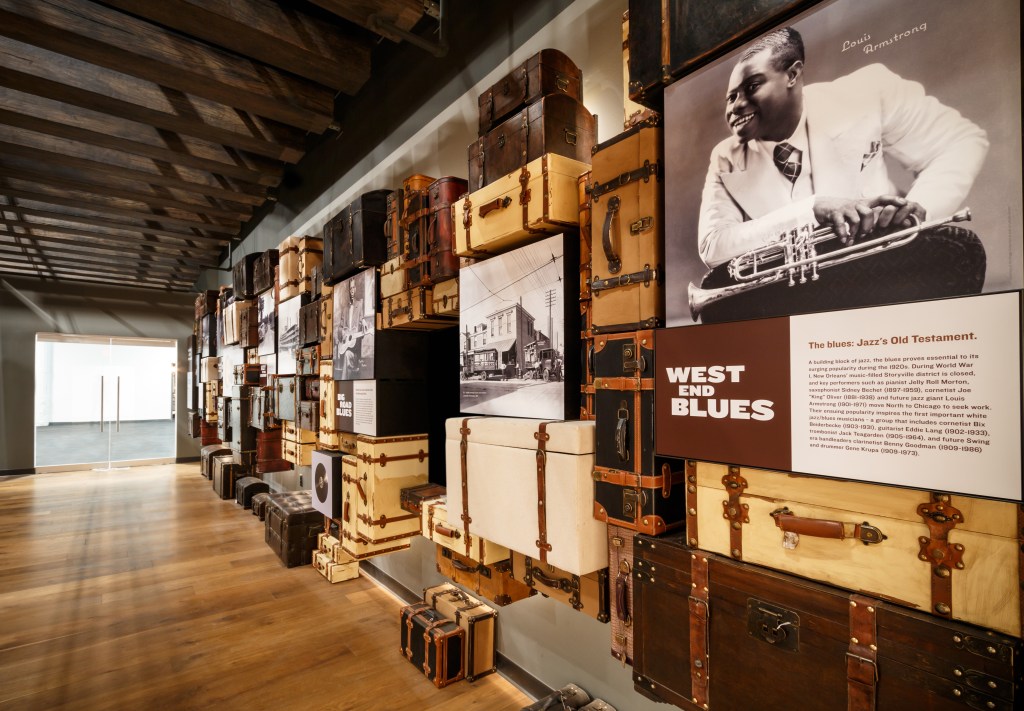
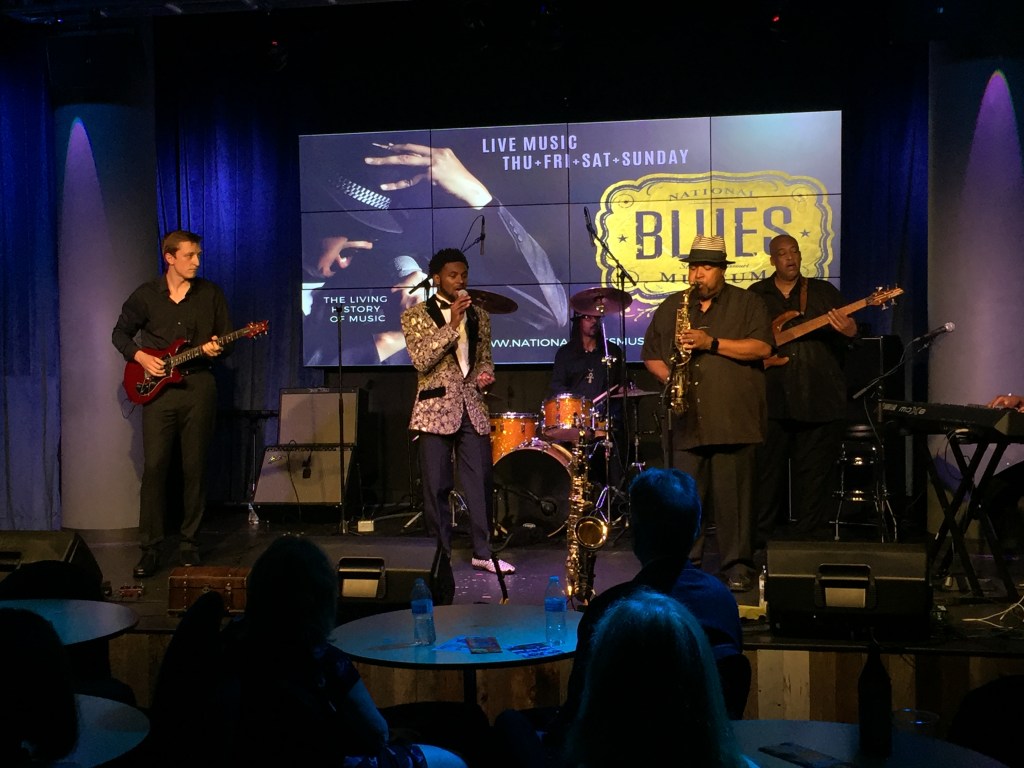
Day 1– Let’s start this trip with St. Louis’ own iconic Gateway Arch! Your first stop will be the museum at Gateway Arch National Park, where you will learn all about the history of St. Louis, westward expansion, and the unique architecture contest which resulted in the construction of the Arch. Next, catch a showing of the documentary film Monument to the Dream followed by a tram ride to the top of the Arch. At 630 feet high, you can’t beat those views! For lunch, you can grab a bite at the Arch Café, have a picnic on the beautiful park grounds, or go check out the restaurants downtown. (St. Louis is known for its diverse food offerings.) In the afternoon, take a riverboat tour of the Mighty Mississippi before you do some exploring of Downtown St. Louis. Catch a Cardinals baseball game, go for a stroll through Citygarden Sculpture Park, or take a tour of the National Blues Museum. For dinner, check out the restaurants and nightlife at Ballpark Village.
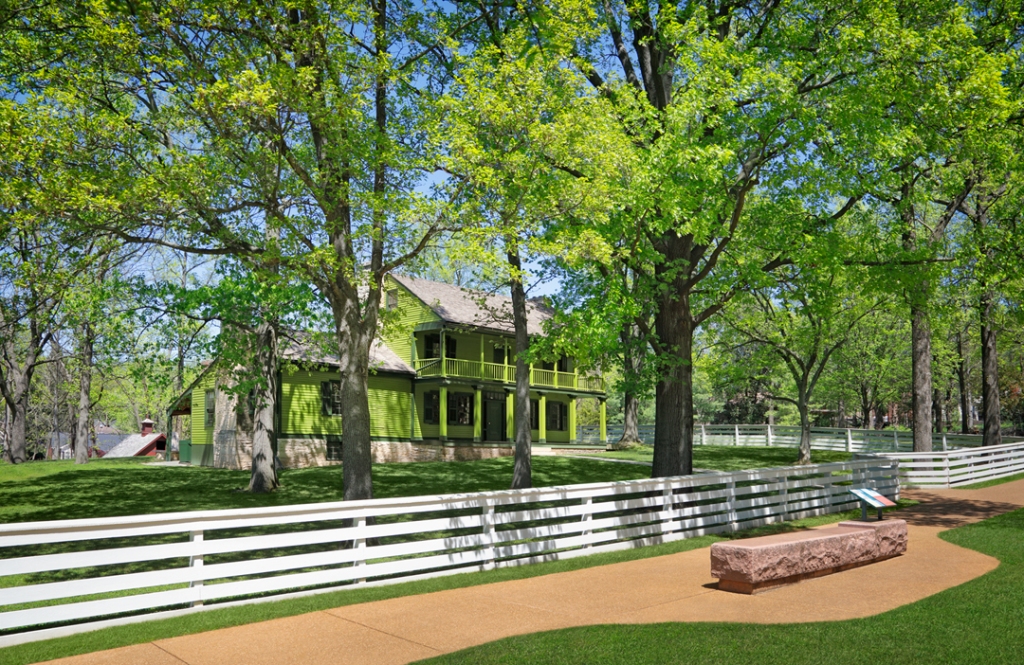
Day 2– Your main attraction for today will be Ulysses S. Grant National Historic Site in south St. Louis County. Check out the orientation film and take a self-guided tour of the park’s museum, housed in the historic 1872 horse stable that Grant himself designed. Then embark on a guided tour of White Haven, the home where Ulysses S. Grant and his wife, Julia, fell in love and made their life together. Next, head to brunch or lunch at The Barn restaurant before taking a tour of the Thomas Sappington House Museum next door. When you’re done, make sure to take a stroll through Father Dickson Cemetery, one of the first public cemeteries for African Americans in St. Louis. For dinner, take your pick from the many wonderful restaurants in nearby Crestwood, Kirkwood, or Webster Groves.
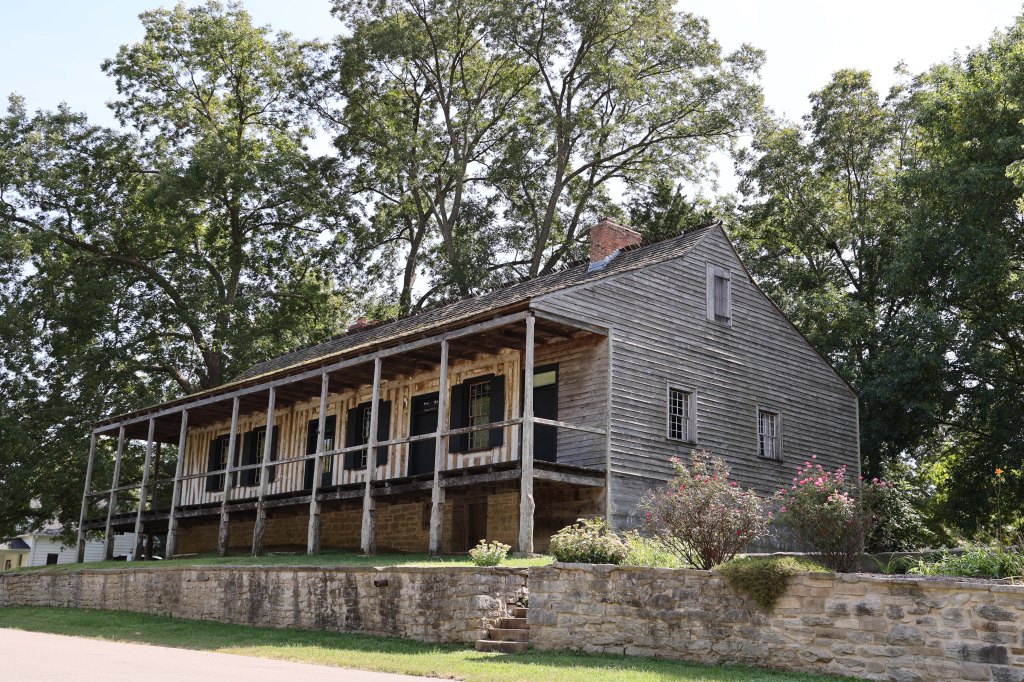
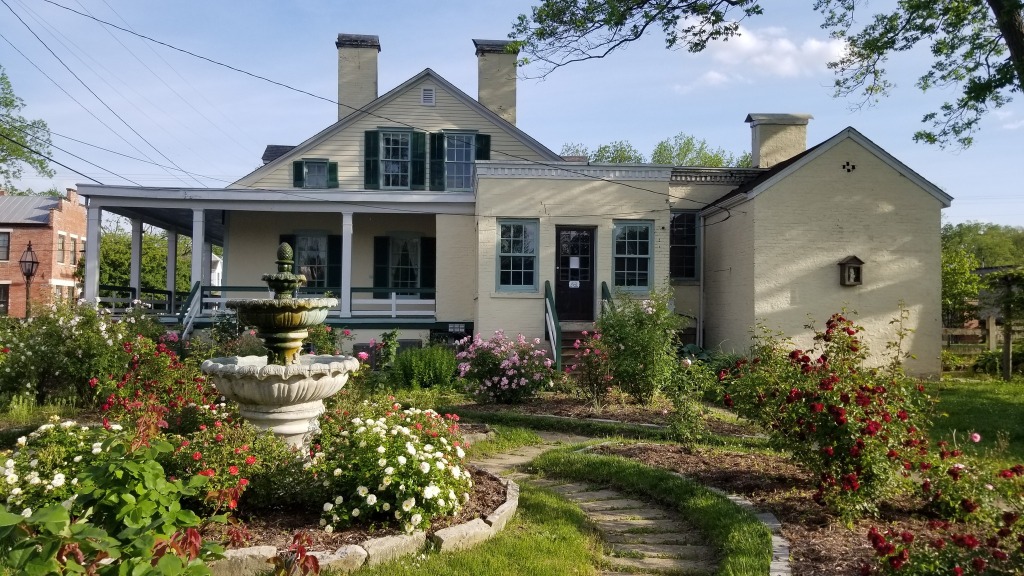
Day 3– On the final day of your weekend trip, you are going to head an hour south along the Mississippi to the beautiful Ste. Genevieve National Historical Park. This unique park is spread out across multiple buildings in the 18th century town of Ste. Genevieve. You can take ranger-led tours of the historic Green Tree Tavern and the Jean Baptiste Valle House. Next, you can wander through this picturesque small town and visit the multitude of shops, museums, and restaurants. For dinner, visit one of the six wineries on the Route du Vin Wine Trail.
Trip 2- Arkansas
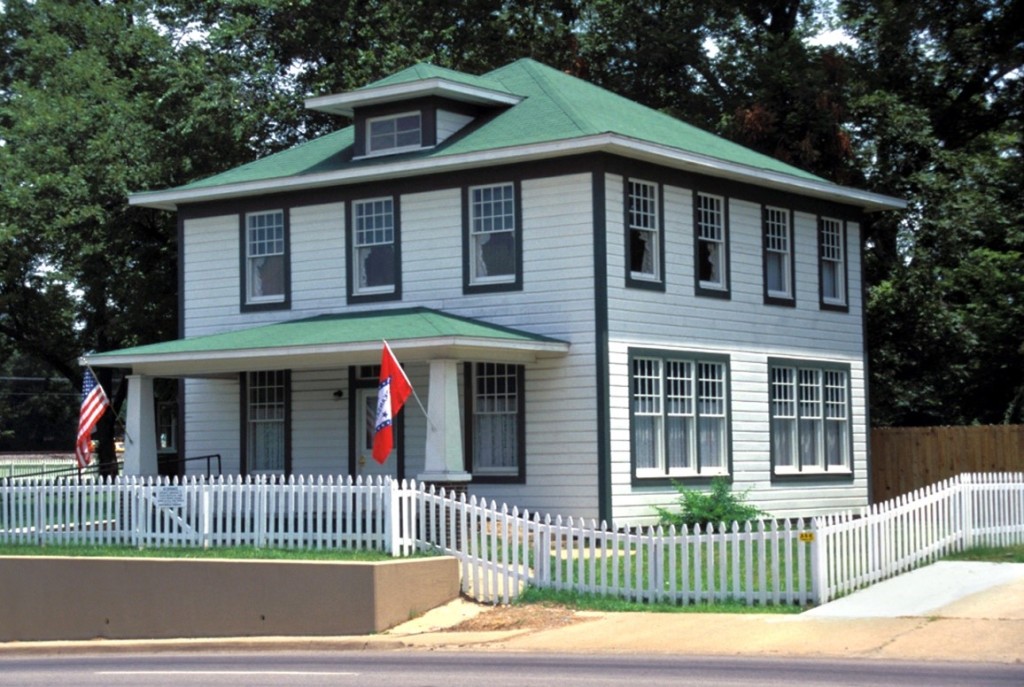
Day 1– Every good trip begins with a little hope, and for this trip, we are taking that literally! Your first stop is the President William Jefferson Clinton Birthplace Home National Historic Site in the quaint town of Hope, Arkansas. Stop by the park’s visitor center before taking a ranger-led tour of the home where our 42nd President was born. Next, head down the road for lunch at Tailgaters Burger Co. or one of the other local restaurants. In the afternoon, you can check out the Hope Visitor Center and Museum or the quirky Klipsch Museum of Audio History.

Day 2– About a 90-minute drive from Hope is the unique town of Hot Springs. One of the first “spa towns,” Hot Springs has a mix of historic architecture and natural beauty. Though Hot Springs National Park is not one of JNPA’s partner parks, we still don’t want you to miss this gem! Your first stop is the Fordyce Bathhouse Museum and Visitor Center to talk to a ranger and learn more about the history of the area. Next, you can check out historic Bathhouse Row or go for a hike on one of the park’s many miles of trails. For lunch, stop by the Superior Bathhouse Brewery, the only brewery located in a national park! In the afternoon and evening, go for a soak at one of the bathhouses, take another hike, or check out Downtown Hot Springs.
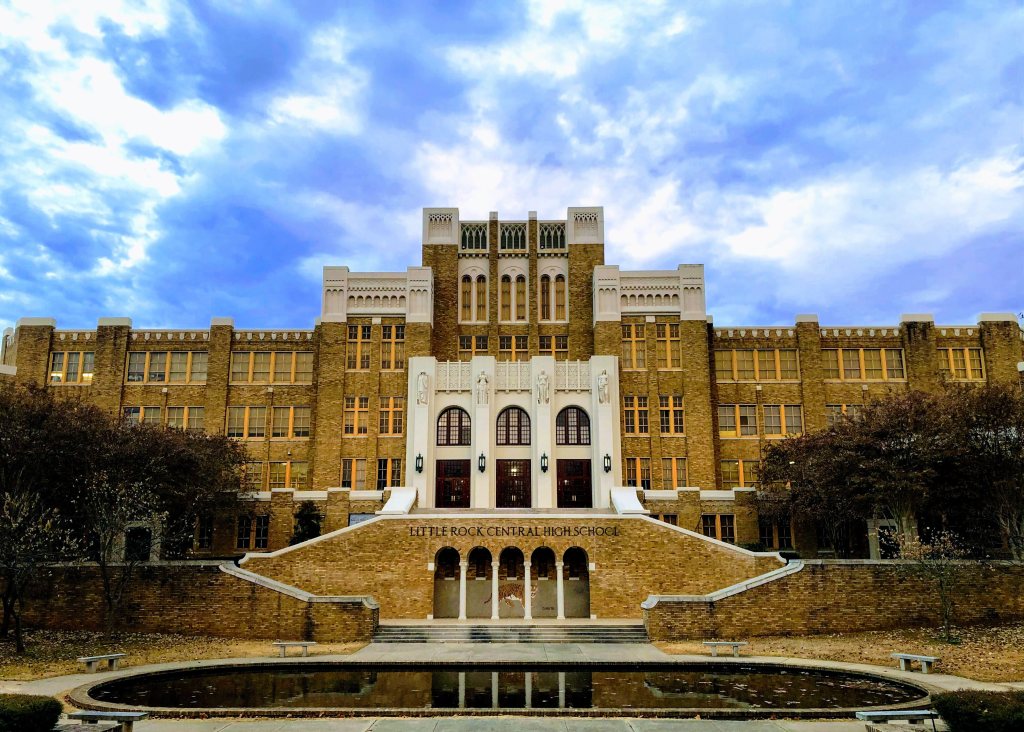
Day 3– Continuing northeast for an hour, this trip ends at the capital of Arkansas, the bustling city of Little Rock. At Little Rock Central High School National Historic Site, you will learn about the bravery of the Little Rock Nine and the rocky beginnings of the desegregation of America’s schools. Stop by the park’s visitor center first to view the exhibits and watch the interpretive film. Then, take a ranger-led tour of the school, which is still in use today. Ask the park rangers for a lunch recommendation before heading into the city to check out one of the many other cultural institutions. Don’t forget to visit the State Capitol Building, which offers free guided tours. Animal enthusiasts may want to see the Little Rock Zoo, or art aficionados may enjoy the Arkansas Museum of Fine Arts. For an outstanding ending to your Arkansas vacation, check out one of the many local restaurants for dinner.
Trip 3- Northern Minnesota
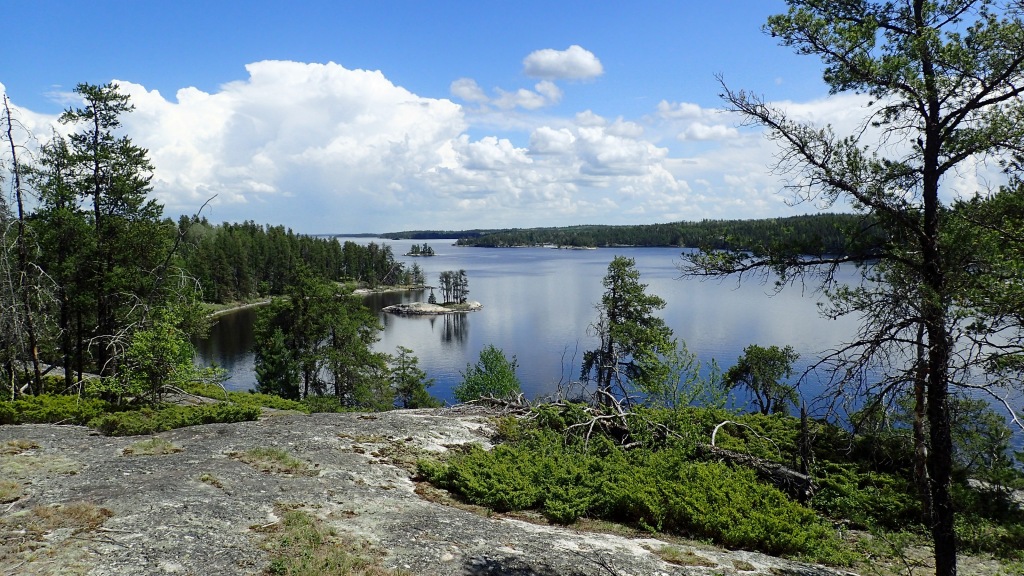
Day 1– At over 200,000 acres, Voyageurs National Park will take up all three days of this getaway. Your first stop will be one of the three visitor centers. The largest, Rainy Lake Visitor Center, offers exhibits, an orientation film about the park, and a bookstore (operated by you-know-who). Next, head out on one of the park’s many hiking trails to take in the scenery. Bring a picnic lunch to enjoy along the trail, but make sure to pack out what you pack in. End your day by getting settled into your lodgings. You could opt for the Kettle Falls Hotel or get a bit more adventurous: there are a variety of camping options at Voyageurs or you could even rent a houseboat!
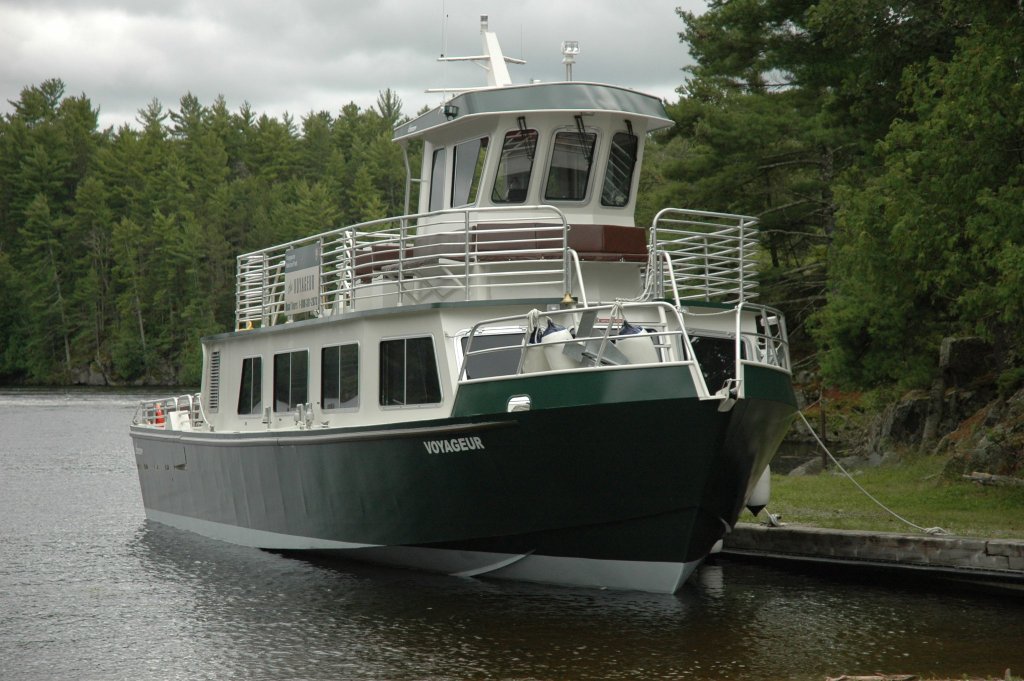
Day 2– For your only full day at the park, take the opportunity to participate in a guided tour or two. In the Rainy Lake district, you can take a boat tour aboard the Voyageur, or in the Namakan district, you can voyage on the park’s newest tour boat, the Ne-zho-dain. If you are feeling extra adventurous, sign up for one of the park’s North Canoe Voyages, where you can paddle a replica of a north canoe while being immersed in an on-the-water living history lesson!
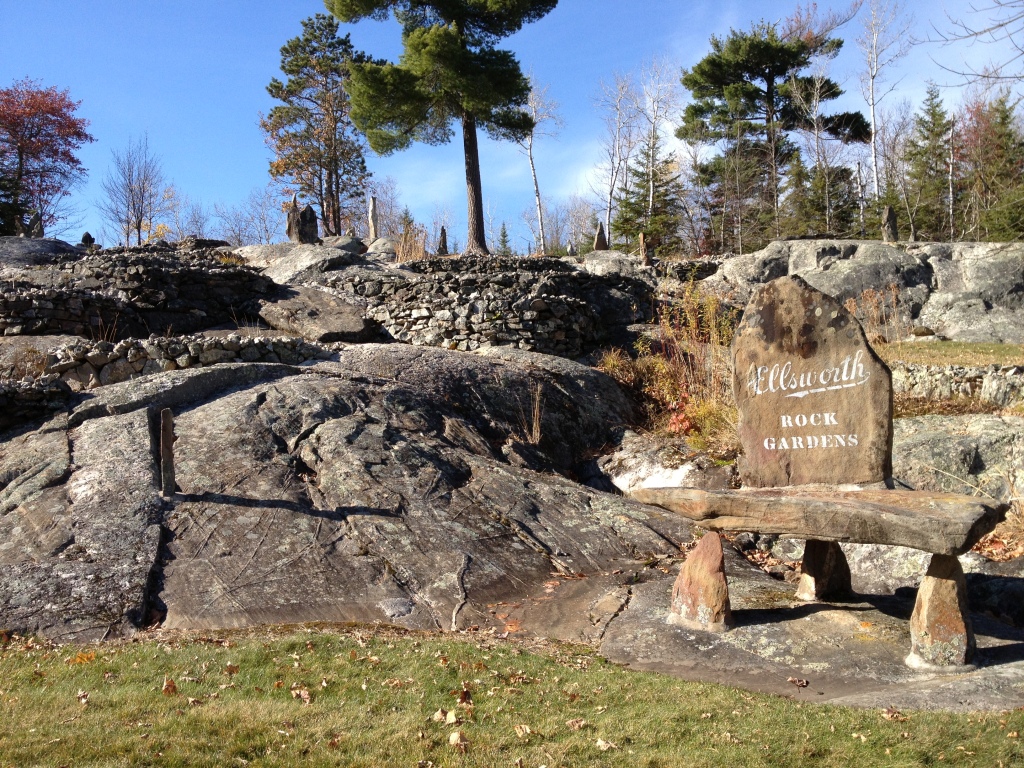
Day 3– For your final day at Voyageurs, take time to check out the Ellsworth Rock Gardens and the Harry Oveson Fish Camp, or do a bit of birdwatching. Then on your way out of the park, stop by one of the gateway communities, such as International Falls, to see the sights and restaurants they have to offer.
Happy traveling!
 JNPA Blog