A Treasure Trove of St. Louis History Re-opens

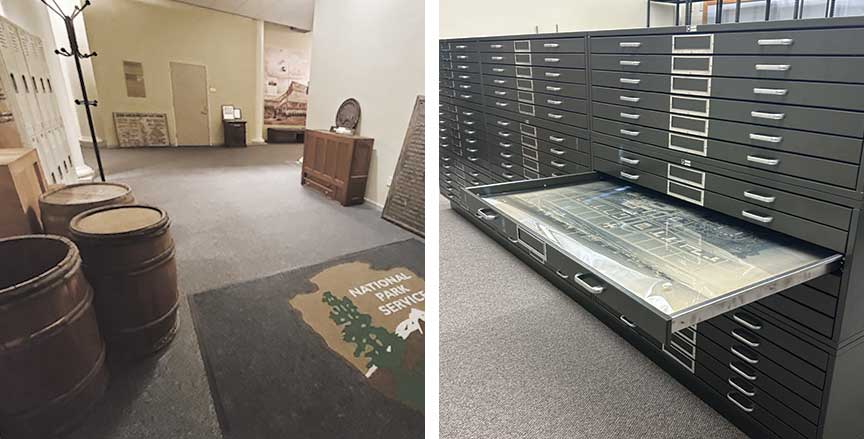
Are you a researcher, writer, or just plain old history buff wanting to learn more about the origins of Gateway Arch National Park, the Lewis and Clark Expedition, or the early history of St. Louis? Well, the park just made it easier to find what you’re looking for. Starting tomorrow, the park will open its new Archives Reading Room at the Gateway Arch National Park Research Center in downtown St. Louis. 

Courtesy of NPS.

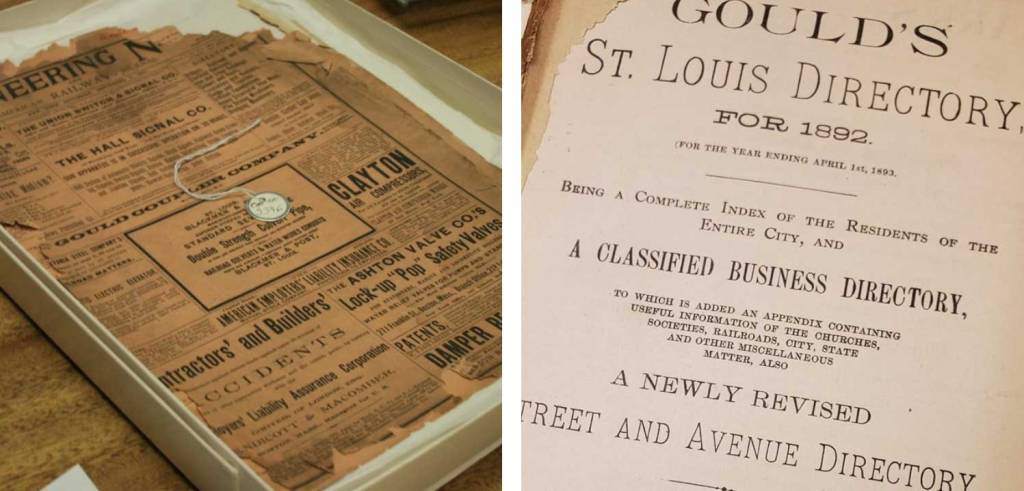
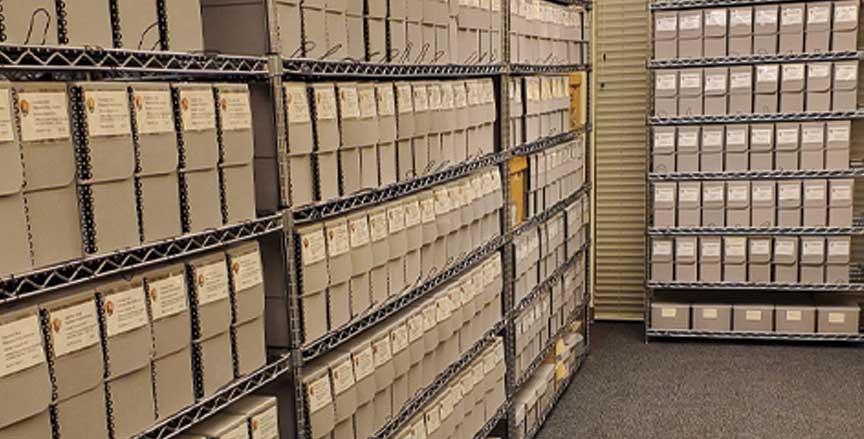
The park’s comprehensive collections include thousands of books, manuscripts, audio recordings, images, objects, and papers. They pertain to the history of the park, the nation’s westward expansion, the design and construction of the Gateway Arch, and St. Louis history. Researchers can access such diverse holdings as records pertaining to widows of Indian wars; as early directories of St. Louis business; documents on the fur trade; and maps, newspaper articles, brochures, engravings, letters and other materials relating to western forts, camps, and trading posts. 

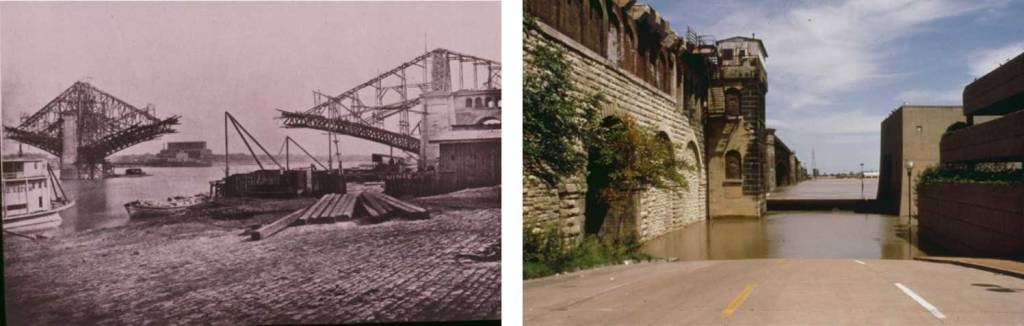
Left: Construction of Eads Bridge, early 1870s. Right: Washington Ave. near Arch garage during 1993 flood. Courtesy of NPS.

The park’s Visual Image Collection alone contains more than 20,000 slides and 8,000 photographs on subjects as wide-ranging as the construction of the Gateway Arch, the early days of the Old Courthouse, and the historic St. Louis Flood of 1993. (Though the images cannot be loaned out, many may be reproduced for purchase, subject to copyright regulation.) 

Then there is the Gateway Arch National Park Oral History Project, a collection of audio interviews with former park employees and others who have played an important role in the history of the Gateway Arch. And of course, there are priceless artifacts from the past such as wagons, stoves, tools, and other remnants from history.

Courtesy of NPS.

This extensive collection of documents and artifacts is accessible to the public for the first time in more than five years. The original archives room was located inside the Old Courthouse, but the National Park Service determined the historic building’s structural integrity would no longer be a safe home for the collection because of its weight. Park staff worked closely with JNPA and the Gateway Arch Park Foundation to locate a new home for the archives. They eventually re-located the holdings to the ground floor of the historic Old Post Office building in downtown St. Louis.

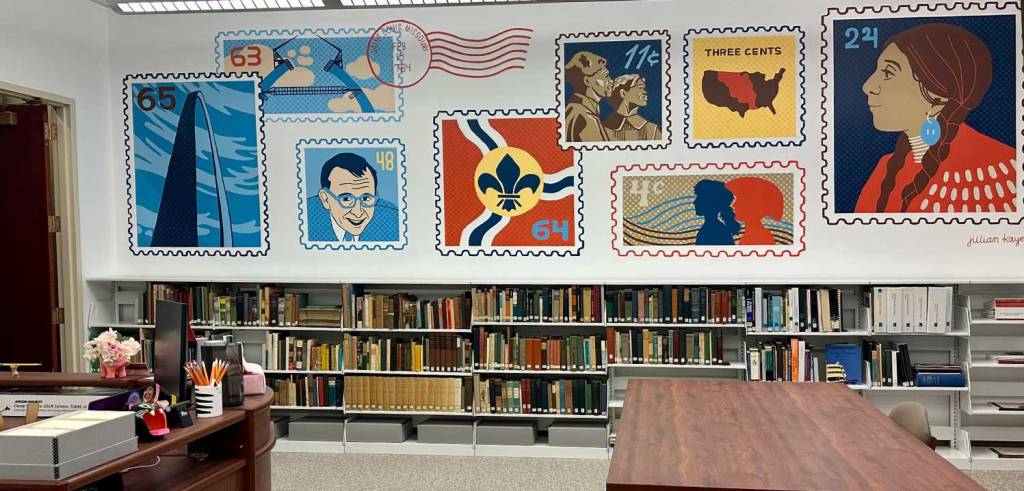
Custom mural by local artist Jillian Kaye.

A fun new addition to the Archives Reading Room is a custom mural by local artist Jillian Kaye, who won a recent design competition hosted by JNPA. The mural on the reading room wall uses postage stamp designs (a nod to the Old Post Office site) that depict various themes from the park’s history.

JNPA is also proud to have supported the Research Center in other ways, including purchasing document cases, furniture, and other supplies.

Researchers are welcome to use archival materials within the park’s Research Center Reading Room. Access to materials is dependent upon physical condition, copyright, and other factors. To inquire about researching the collection or to set up a research appointment, fill out the online contact form on this page or email the park Archivist Katherine Terry to make an appointment.  

Birds of a Feather

You don’t have to be a birdwatcher to appreciate the need for preserving our feathered friends. Beyond their beauty and fascinating behaviors, birds are critical components of nearly every ecosystem on Earth. They play many roles – as predators, prey, scavengers, seed dispersers, and pollinators. They also respond quickly to changes in their surroundings, making them good indicators of environmental conditions. Monitoring bird population numbers is an important way for biologists to assess the health of local habitats. 

The National Park Service regularly monitors birds at many of its parks, both to study the wellbeing of its sites and to monitor the effects of climate change and other human-caused disruptions. These efforts provide crucial conservation data, helping park managers improve the health and function of their sites’ habitats. 

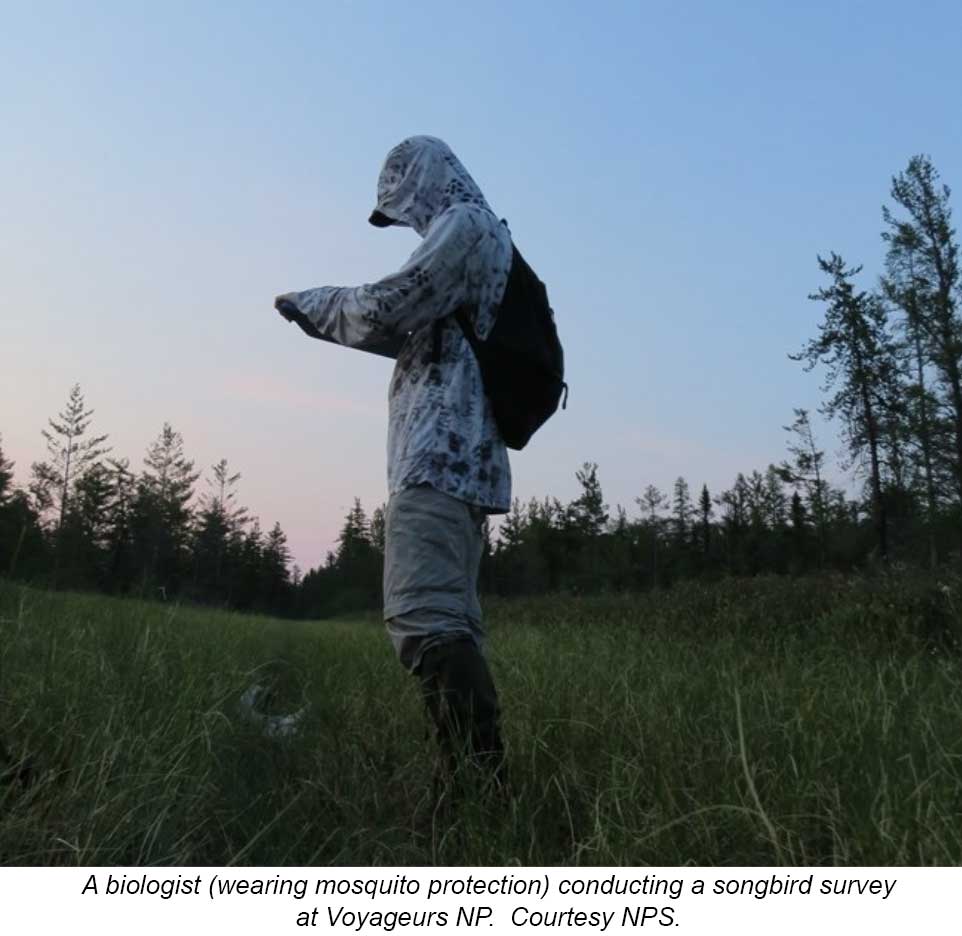
NPS biologists have been monitoring songbird populations at Voyageurs National Park in northern Minnesota since 1995, conducting annual songbird surveys each June at 60 different points across the vast park. More than 100 species of songbirds have been documented there.

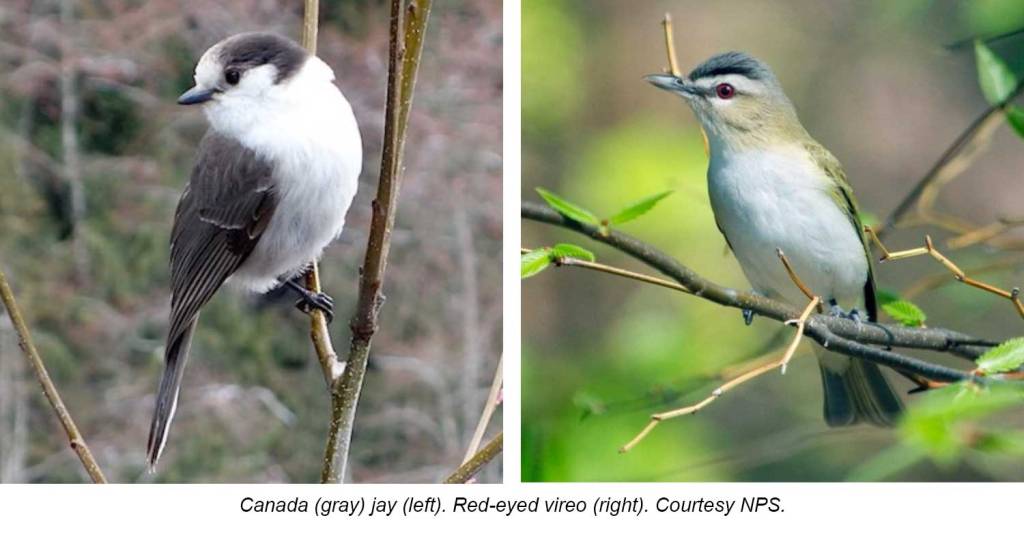
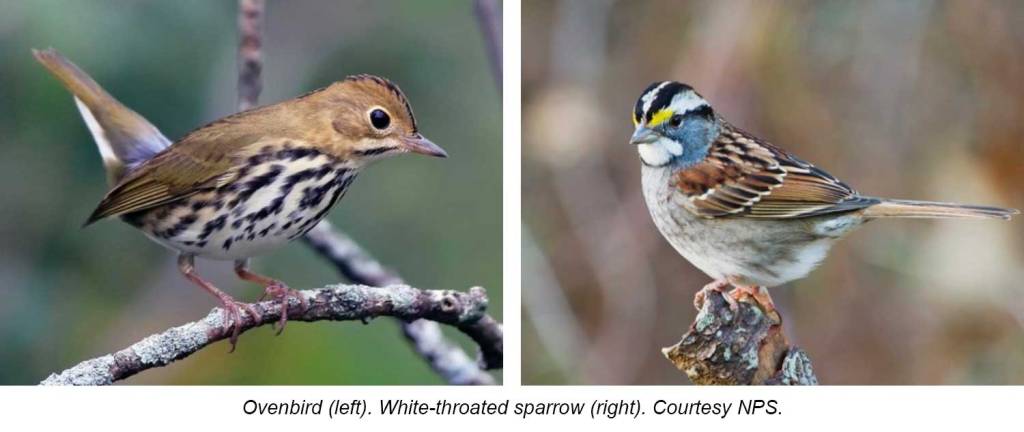
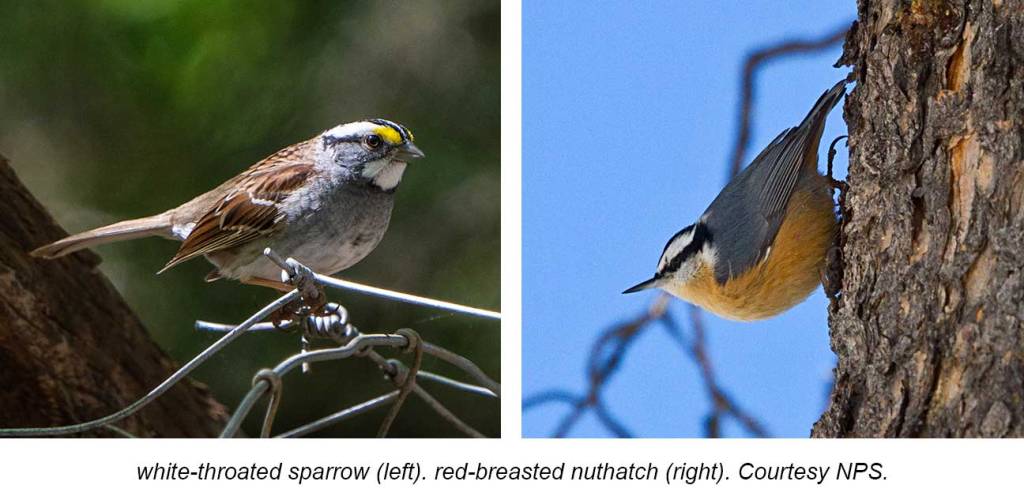
The six most common were the ovenbird, red-eyed vireo, Nashville warbler, white-throated sparrow, and blue jay, in that order. Many birds, such as the white-throated sparrow and the Canada jay, find their way to the park from conifer forests extending all the way to the Arctic.  

But the bird surveys at Voyageurs are showing mixed results. The white-throated sparrow has shown a 49% decline in observations since 2019, followed by a 22% decline in ovenbird observations.

In fact, the total number of individuals of all species recorded in Voyageurs is down 21% from 2020 to 2025. Species richness, or the number of species recorded, is down 7% over the same period. Some of this can be explained by missing some survey locations due to inclement weather, and limited time and/or personnel to conduct the surveys.

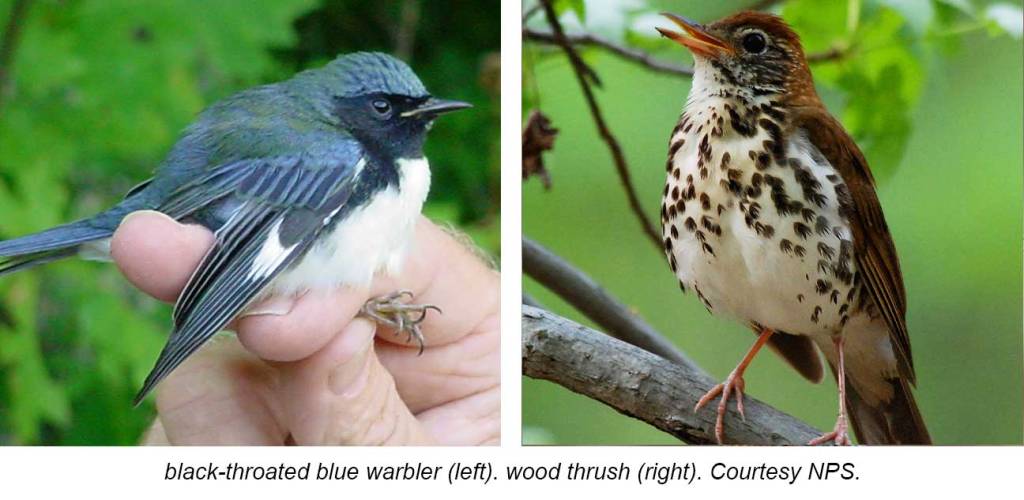
On a more positive note, the black-throated blue warbler, blue-headed vireo, and wood thrush are showing the highest increases in observations over the last five years, all of them over 200%. Biologists are still assessing the reasons behind these fluctuations.  

Researchers also predict a good news/bad news scenario in the future. One NPS study analyzing two different climate scenarios predicted a high turnover of species in the park by mid-century (2041–2070) if the nation continues on its current path of rising greenhouse gas emissions. In fact, two of the most common species at Voyageurs today – the red-breasted nuthatch and the white-throated sparrow – are predicted to disappear from the park by mid-century, while the nuthatch may only appear during the winter months. 


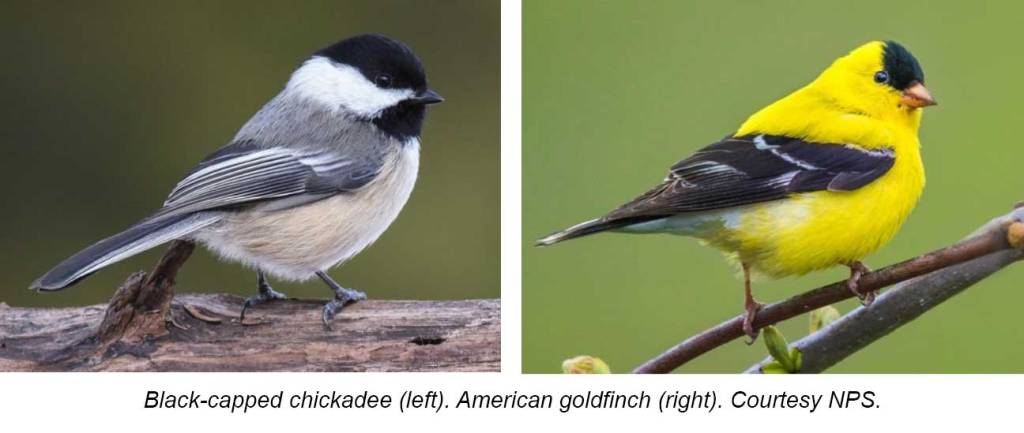
Meanwhile, the populations of birds more commonly found in open country and residential areas such as the blue jay, American goldfinch, Baltimore oriole, and common grackle are predicted to improve, and additional species are expected to move in.

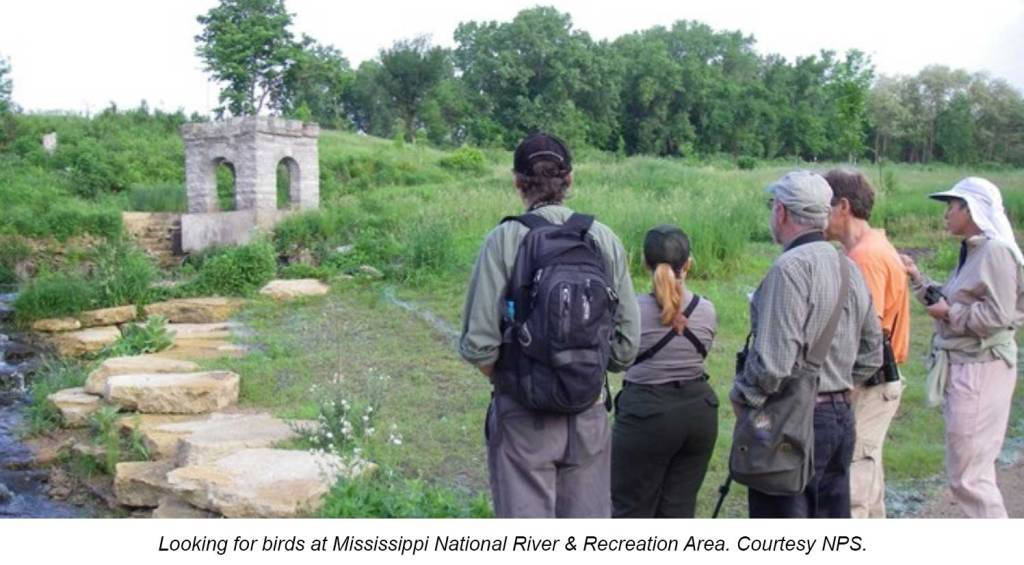
The situation for bird life is comparable at Mississippi National River & Recreation Area in Minnesota. NPS researchers there annually conduct songbird surveys at 49 locations scattered among nine city, county, and regional parks in the 72-mile length of the national park boundary. A total of 88 species has been documented, (an average of 62 species per year) since the studies began in 2015. 

The black-capped chickadee was the most densely populated species in the park followed by American goldfinch and American robin (84 birds/mi2). Populations of the Eastern wood-pewee are also on the rise.  

But scientists are tracking the small declines in insect-eating birds like warblers and flycatchers, as well as other species. They are also concerned that the effects of climate change may cause a decrease in the numbers of goldfinches and robins in the summer, though they’re predicted to fare better in the winter.  

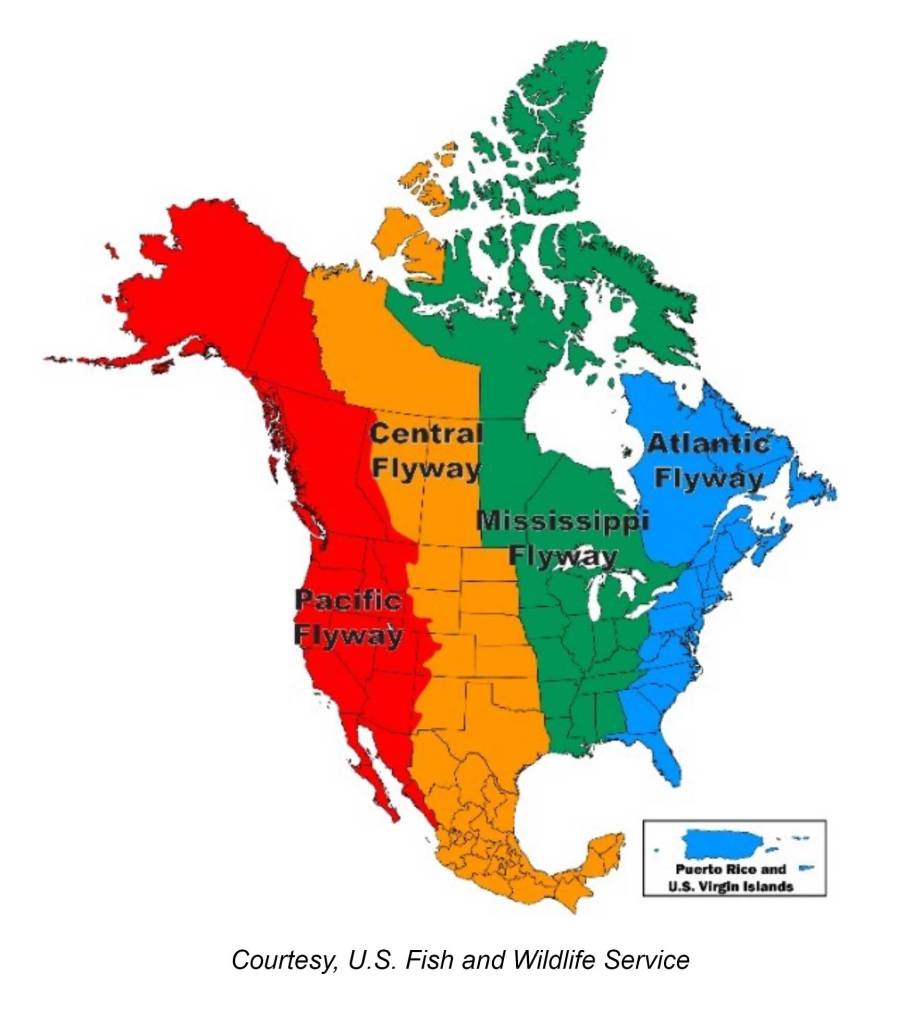
This Twin Cities park and its surrounding areas benefit from their position along the Mississippi River, one of North America’s four major flyways for migrating birds. An estimated 325 bird species use this route twice a year, flying between their breeding grounds in Canada and the northern U.S. and their wintering grounds along the Gulf of Mexico and in Central and South America. 

The rich diversity of habitats along the Mississippi River valley are a haven for many birds who stay for the summer to nest and raise young. It is little wonder that this large, south-flowing river forms the core of one of North America’s great flyways and offers birders wonderful opportunities to observe a wide variety of species.

It’s doubtful that a day will come when songbirds are completely absent from our national parks. They will continue to enchant us with their song, though some of the future performers may be new.

If you’re interested in identifying birds that you see in the wild, or just in your own backyard, the National Park Service can help. Check out this simple identification key that can help you recognize just who you’ve spotted, and will link you to more information about your feathered friends.

The Many Meanings of Spirit Mound

Many of our national parks contain places that have special significance to Native American tribes. One such sacred site lies within Missouri National Recreational River: Spirit Mound.

This gently sloping natural hill rises from a broad plain near present-day Vermillion, South Dakota. Geologists say the mound is a remnant of bedrock that was not eroded away by Ice Age glaciers. Whatever its origins, the mound has taken on a variety of cultural meanings reflecting the wide-ranging beliefs of our diverse American population. 
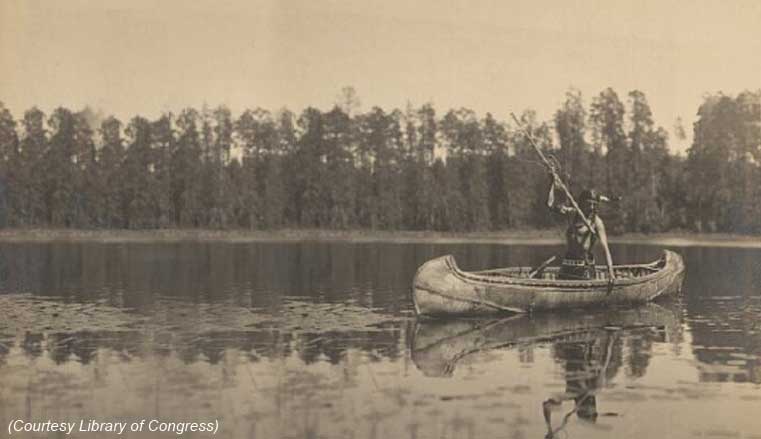
Long before white traders and explorers arrived in the northern plains, this little hill was held in awe by the Indigenous peoples who inhabited the area. The Sioux, the Omaha, and the Otoes believed the mound was occupied by spirits that would kill any human who came near.  

According to Lakota oral traditions, the Spirit Mound was home to a group of small people called Can O’ti na, or Little Tree Dwellers. The Can O’ti na sometimes behaved mischievously and played tricks on humans. They could also serve as spiritual helpers. 

William Clark’s map identified Spirit Mound as: “This place called by the Indians Hill of the little Devils.”  (Courtesy NPS)

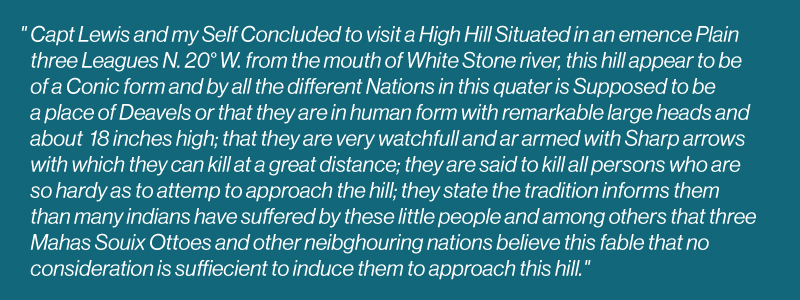
So mysterious were these stories that the explorers Lewis and Clark made a rare nine-mile detour from their Missouri River explorations in 1804 so they could see the mound for themselves. On August 24th, Clark wrote:

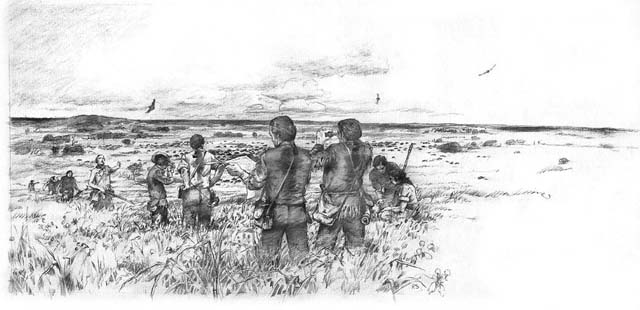
Meriwether Lewis, William Clark, and a small group of their expedition approaching the Hill of Little Devils (now known as Spirit Mound) in late August of 1804. (Courtesy NPS)

When the Corps of Discovery ascended to the top of the mound, it was one of the first times they were able to comprehend the wide expanse of the Great Plains landscape. Clark described the panoramic view from the top:

While the little mound was clearly just a unique geological formation to white explorers, it continued to carry a special meaning for Native tribes, many of whom still have spiritual ties to the place. Lakota ceremonies today, for instance, still include the Little Tree Dweller’s Medicine Bundle. This important medicine traces its origins to Spirit Mound.

Courtesy NPS

The mound was placed on the National Register of Historic Places in 1974. If you visit Missouri National Recreational River, you can see Spirit Mound for yourself thanks to the development of a walking trail to the top. The state of South Dakota (with help of the National Park Service and the Spirit Mound Trust) purchased a 160-acre tract of surrounding land in 2002 with the intention of restoring the site to the prairie landscape that Lewis and Clark saw over 200 years ago. Today, Spirit Mound Historic Prairie is a prairie restoration project in progress. 

Go Fish! 🎣

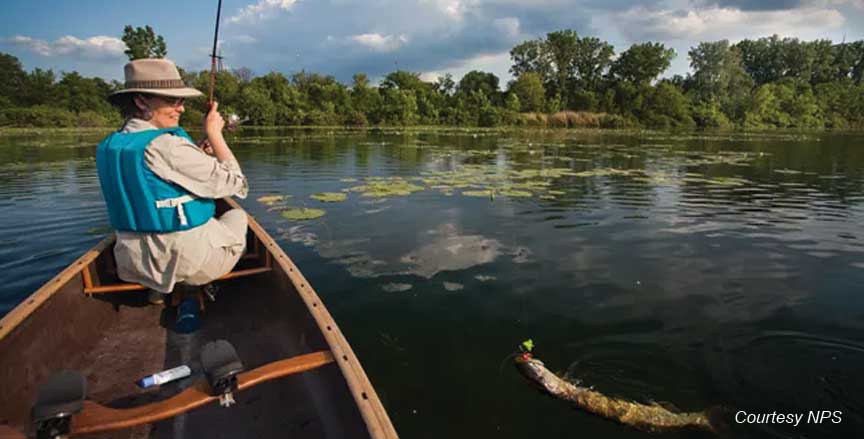
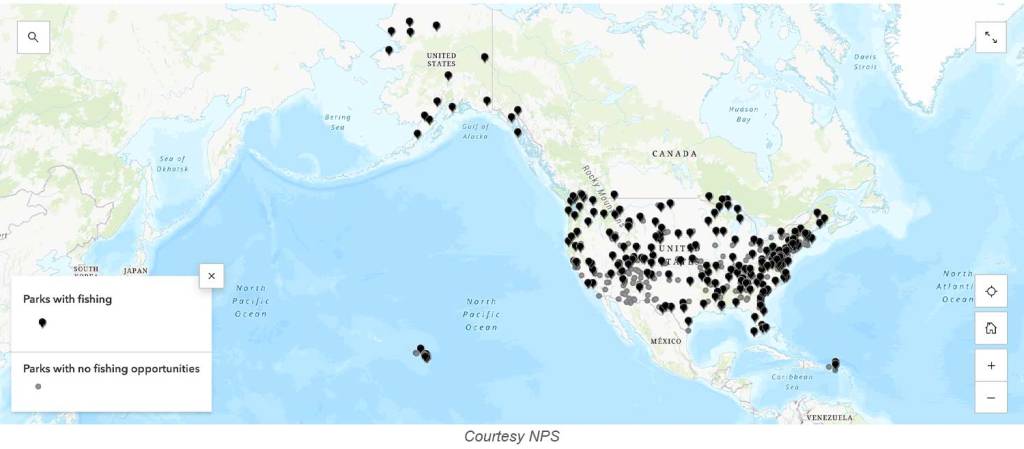
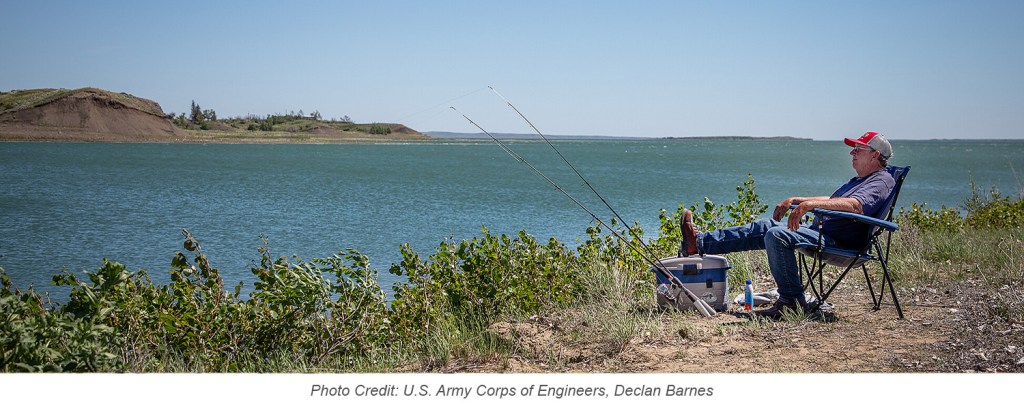
If your idea of a perfect way to spend a day outdoors is dropping a line in a stream or lake and seeing what bites, then you’ll want to check out the great fishing opportunities at our national parks. More than 200 sites in the National Park Service offer recreational fishing for the general public, including fly fishing, casting, bait fishing, trolling, and even ice fishing (brrrr!).

Of course, since fishing can affect local animal populations, each national park site regulates the fishing activities within its borders, usually by conforming with the regulations of the state where the park is located. Before setting out, it’s wise to check a park’s regulations, including learning what permits might be needed and where to find the best fishing spots. By following the park’s rules, such as practicing catch and release fishing of native fish, anglers can help ensure that native fish in our national parks will be enjoyed for generations to come.

A number of JNPA’s partner parks offer visitors a chance to fish their waters: 

 Voyageurs National Park has many options for both aspiring and experienced anglers. Fish abound in the park’s 30 named lakes, which consist of four large lakes and 26 smaller interior lakes. So far 54 fish species have been identified in the park’s aquatic habitats. Some of the better-known are walleye, sauger, Northern pike, smallmouth bass, yellow perch, and black crappie.   

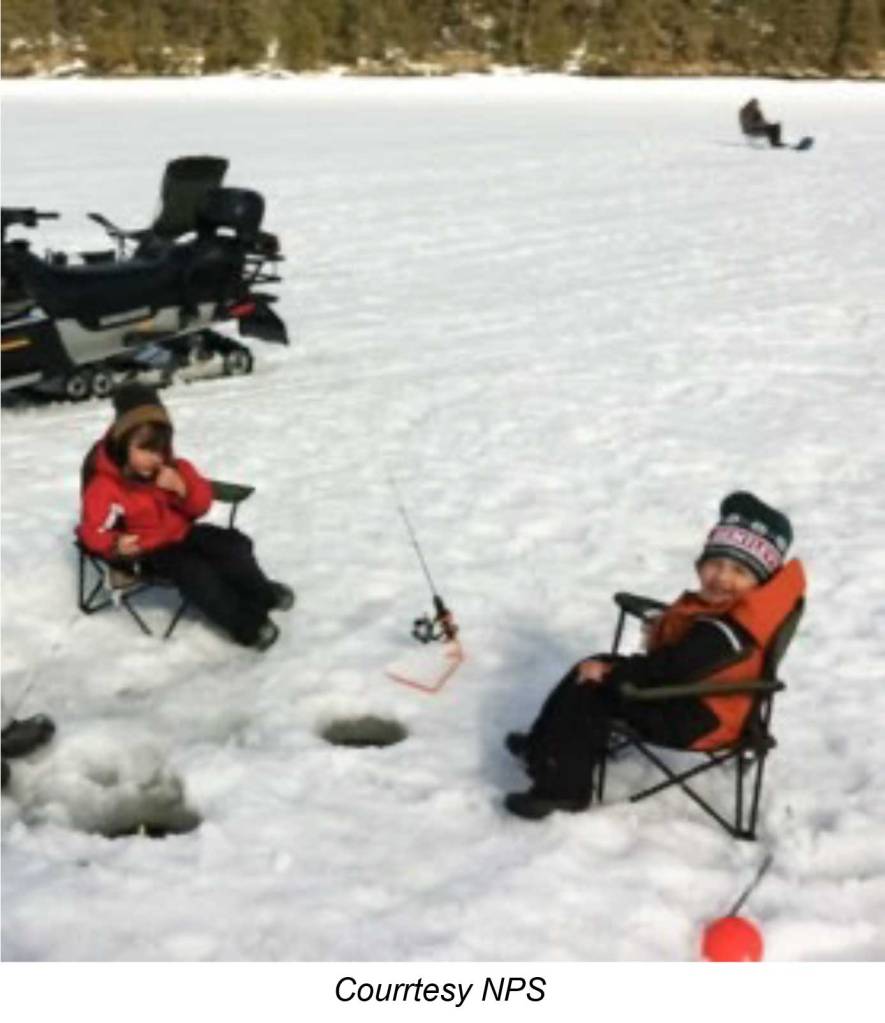
And if winter fishing is your thing, Voyageurs is a must-visit. Rugged piney shorelines, ultra-quiet conditions, and PLENTY of lake ice make the park an ice angler’s dream. Always check the park’s ice conditions before setting out and review the rules about placement of icehouses.

You can also put your angling skills to the test at Missouri National Recreational River. Walleye, sauger, paddlefish, and many more game species are waiting within the two reaches of the Missouri River, 20 miles of the lower Niobrara River, and eight miles of the lower Verdigre Creek. Since most of the park lies on the state boundary between Nebraska and South Dakota, you should be aware of license information and regulations for both states. 

The great fishing opportunities near the Lewis and Clark Visitor Center attract thousands of anglers year-round. The park’s website lists the prime fishing spots and seasons where anglers can find their favorite fish species. Accessible fishing piers are located on the south shore of Lake Yankton and in the Nebraska Tailwaters area. There are separate regulations for residents and non-residents of South Dakota and Nebraska, so be sure to check before you go.

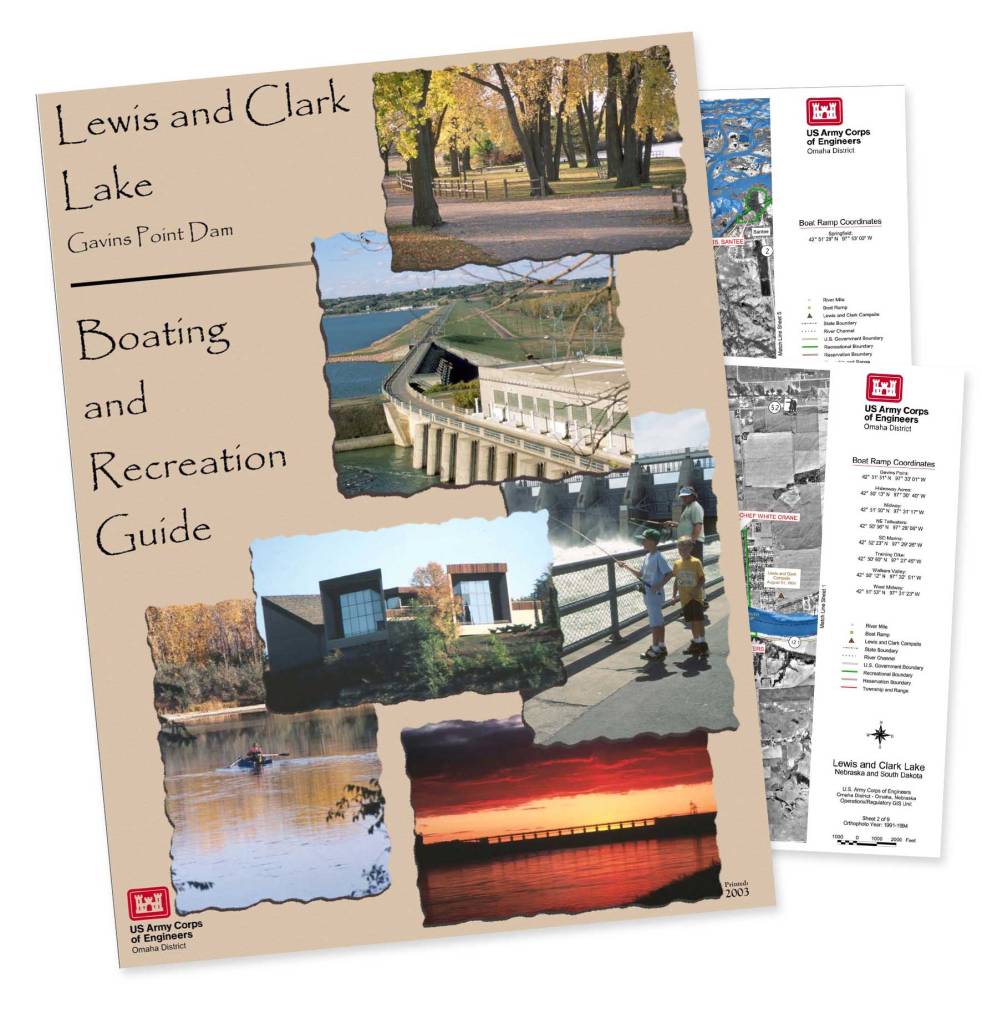
Learn about endangered and threatened species, historical information, or water safety and reservoir navigation with the Lewis and Clark Lake Gavins Point Dam Boating and Recreation Guide. You can pick up a copy at the site, or order it from JPNA’s online store.

There are plenty of locations for both boat-fishing and shoreline fishing within Mississippi National River and Recreation Area. The Mississippi River in the northern suburbs and further north is a nationally recognized smallmouth bass fishery. Walleyes are plentiful below Lock and Dam #1. And floodplain lakes contain trout, panfish, northern pike, and largemouth bass. The park’s website offers more suggested fishing locations. 

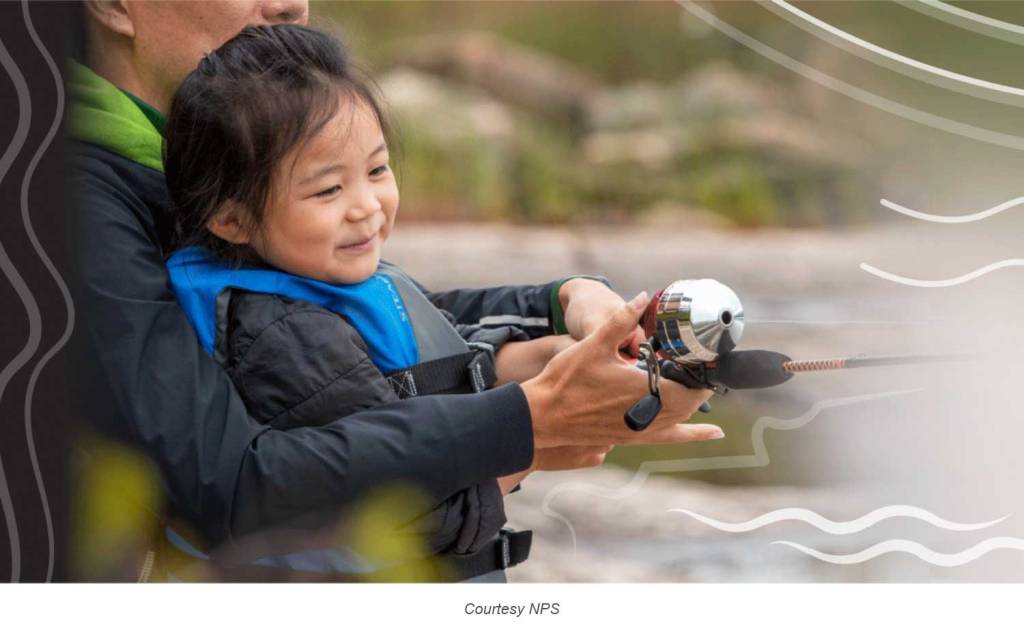
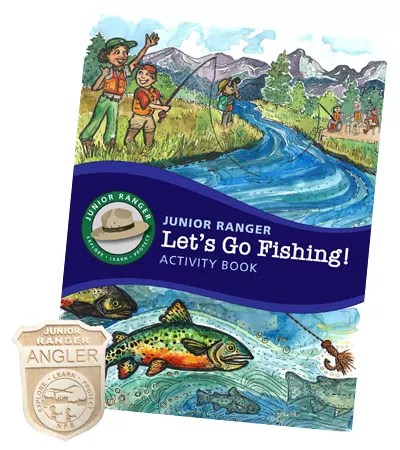
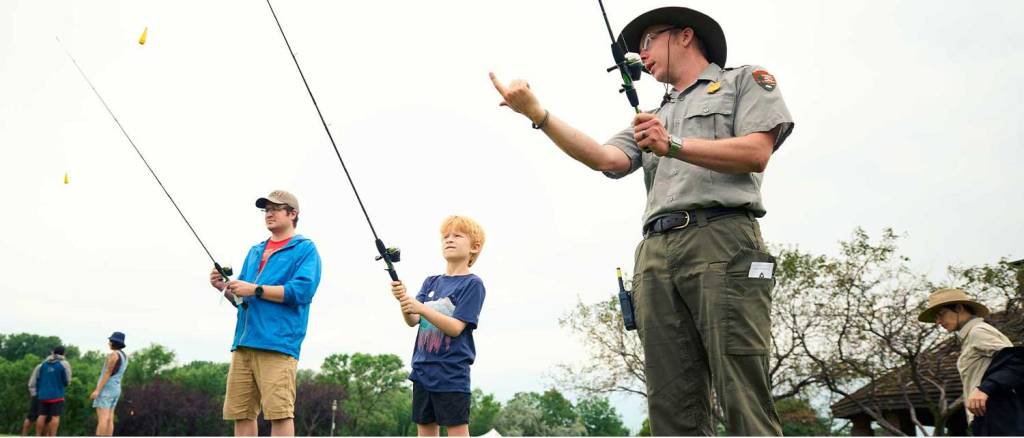
To get kids involved, park rangers hold fishing clinics at certain times of the year. Younger anglers who complete the clinic can earn a Junior Ranger Angler Badge as well as their own fishing kit. 

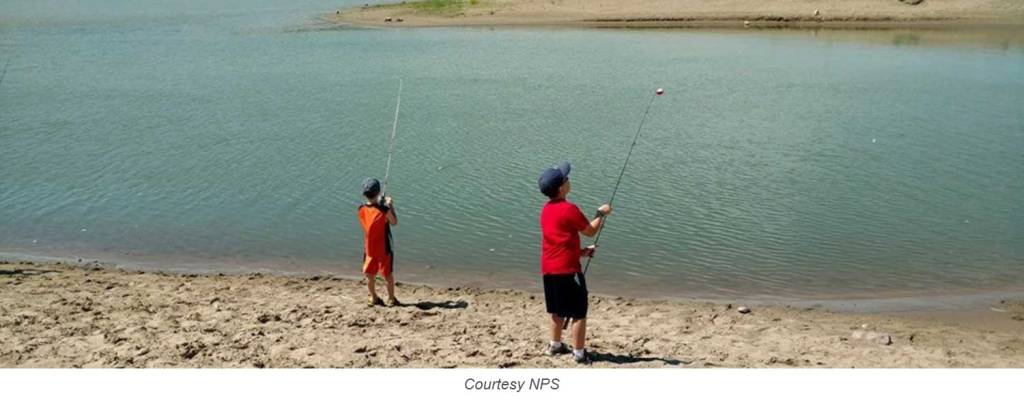
Speaking of kids, the NPS Junior Ranger Angler program is a perfect way to get youngsters interested in the sport. Many national park sites that permit fishing offer the program’s special activity booklet as well as Junior Ranger Angler badges. You can find participating parks on the National Park Service Fish & Fishing website.

Did Mark Twain Help Ulysses S. Grant Write His Memoirs?

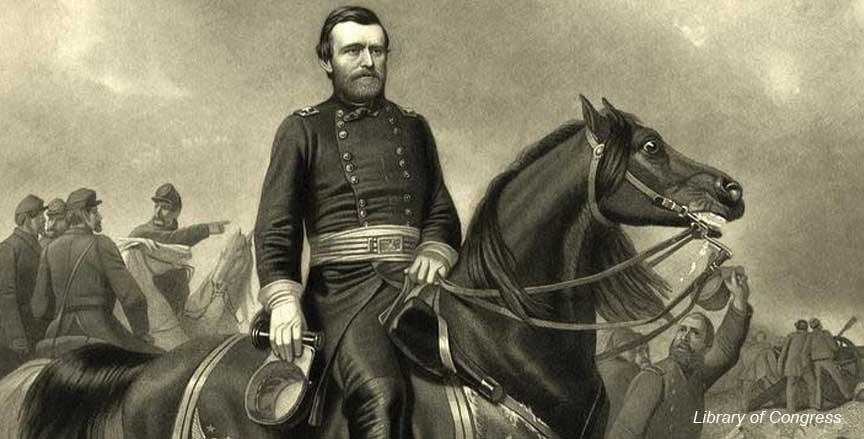
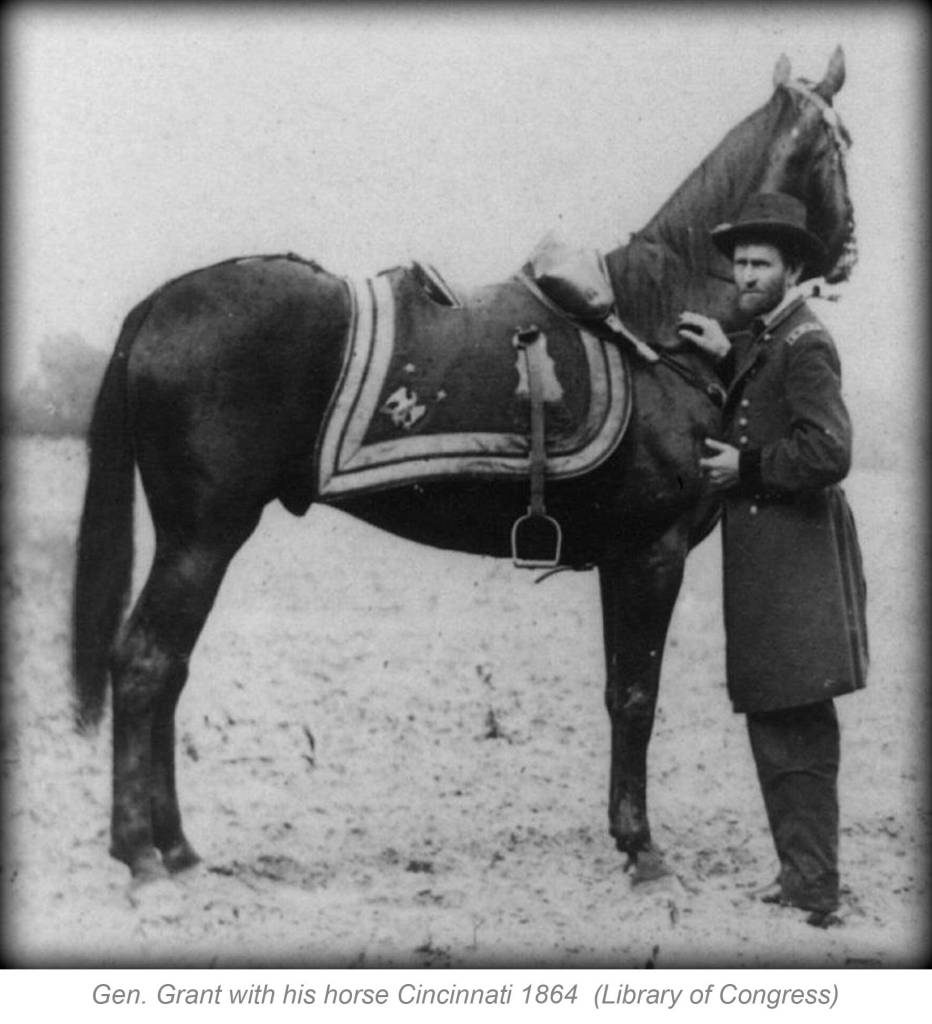
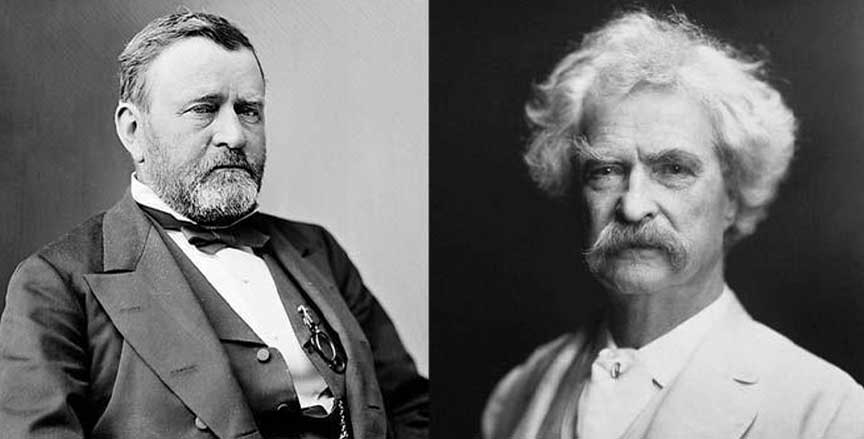
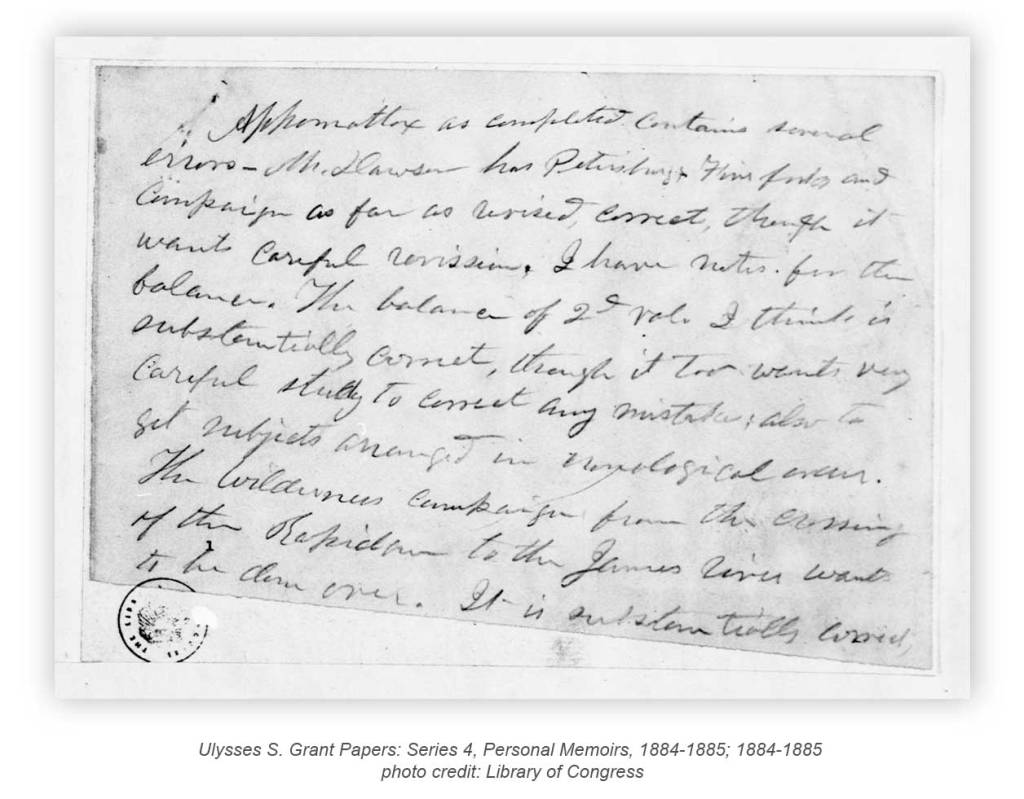
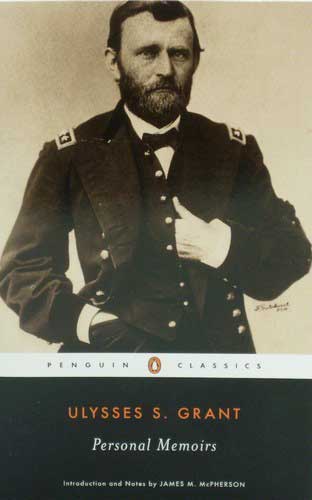
The Personal Memoirs of Ulysses S. Grant are considered one of the best military commentaries ever written. Yet rumors persisted for many years that Mark Twain helped write and edit them. Detractors doubted that the lucid prose used in the papers couldn’t possibly have been penned by the former president. However, the claim – first suggested by a disgruntled aide to Grant – proved untrue. The original hand-written manuscript still survives and is entirely penned in Grant’s own handwriting. What’s more, though the two men were indeed friends, Twain was not even involved with the project when Grant began writing.

In 1884, near the end of his life, Grant was struck by financial disaster. He had invested most of his assets with a firm headed by one of his sons, which was later involved in a scam that lost all of the investors’ money. Now broke and with no source of income on the horizon, Grant was concerned about providing for his beloved wife Julia. He reluctantly accepted an offer from a magazine to write articles about his experiences during the Civil War and soon decided to turn the effort into writing his personal memoirs. Although the magazine offered to publish the memoirs, his friend Mark Twain made him a much more lucrative offer through Twain’s own publishing company. Grant eventually accepted Twain’s offer, hoping the memoirs could secure Julia’s financial future.

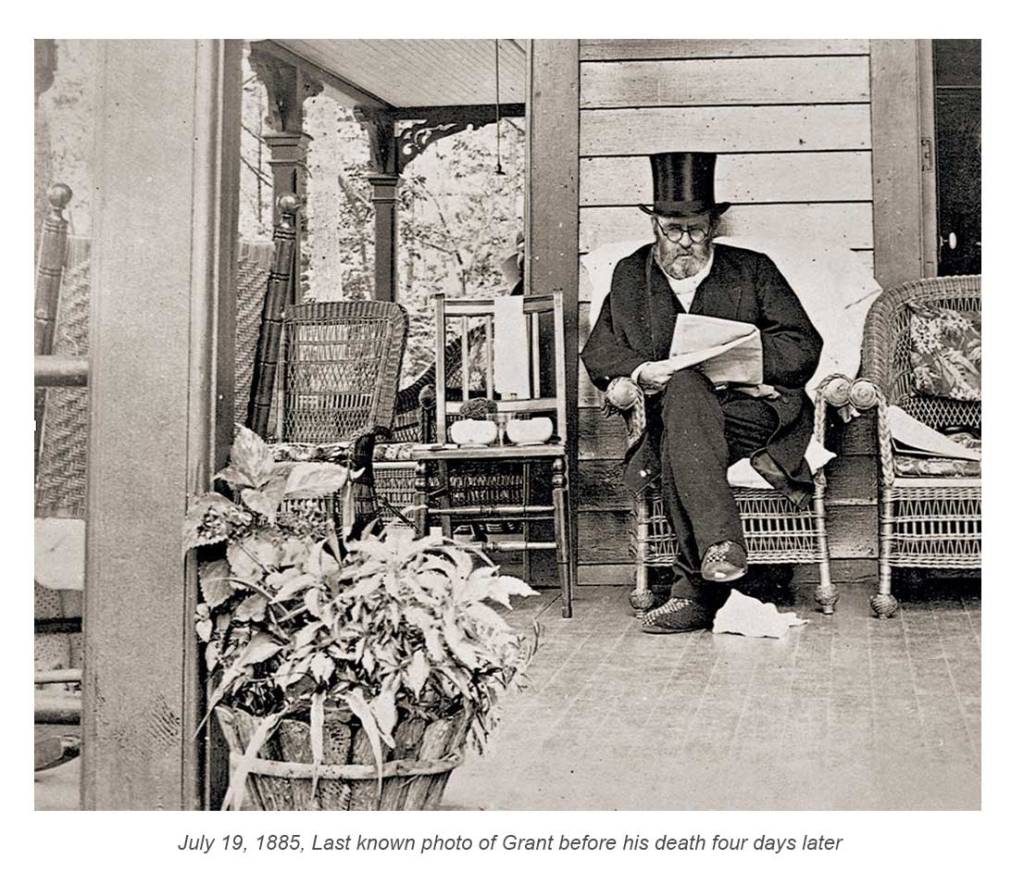
At about this time, the former president was diagnosed with advanced throat cancer, no doubt a result of his lifelong cigar habit. He was left in near-constant pain, unable to drink or sleep. Yet from his sickbed he churned out page after page. Twain was a frequent visitor, proof-reading the manuscript and sometimes passing notes back and forth when Grant was eventually unable to even speak.   

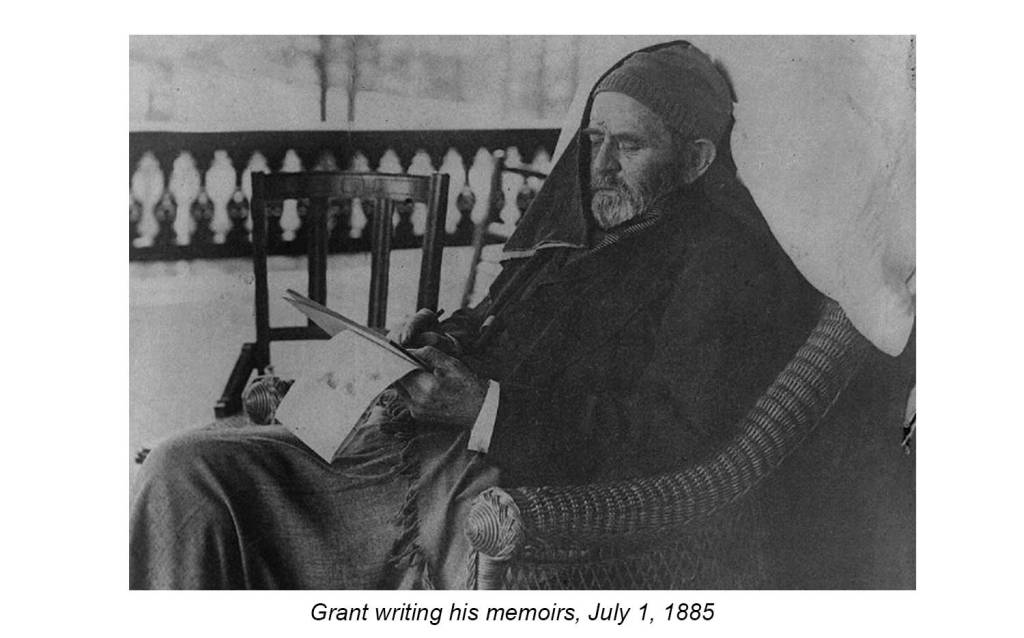
Grant’s last days were spent on his porch with pencil and paper, wrapped in blankets, determined to finish his memoirs before he succumbed to his disease. He completed his memoirs just days before his death on July 23, 1885. 

The book was sold in two volumes and became an instant bestseller. Twain said that the book was one of the best written he had ever seen. The publisher presented a check for $200,000 to Julia Dent Grant in early 1886 – the biggest royalty check written up to that time. Grant’s Personal Memoirs are still in print today and are often considered one of the best written ever produced by a former president.

You can purchase your own copy of the Personal Memoirs of Ulysses S. Grant online or in person at our gift shops at Ulysses S. Grant National Historic Site and Gateway Arch National Park. 

Accessible to All

As the Americans with Disabilities Act (ADA) turns 35 years old this month, the Centers for Disease Control reports that more than one in four Americans – roughly 70 million people – are living with a disability. This can include a wide range of conditions from mobility issues and hearing loss to vision impairment and cognitive limitations.  

Yet there’s no reason people with physical challenges can’t enjoy our national parks. In fact, the National Park Service “strives to make its parks, monuments, and historic sites available to all.” And it offers a wide range of accessible experiences across its 400+ park sites.

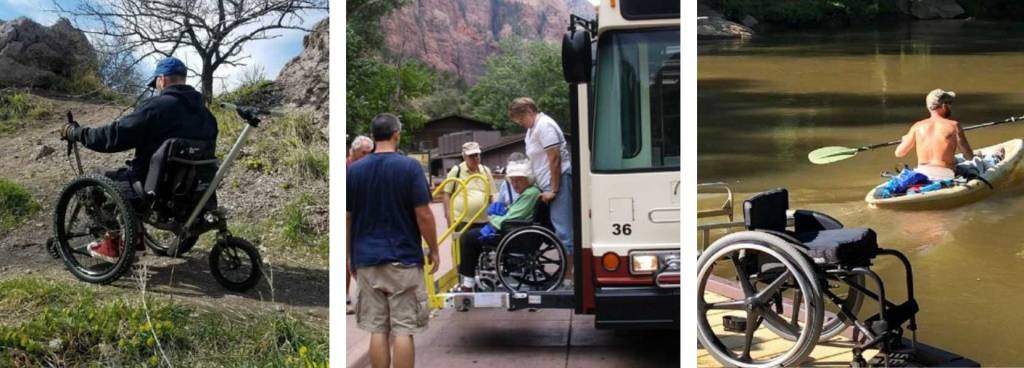
Each park has its own accessibility section on its website, where visitors can find details about its accessibility services and programs. These can go way beyond more traditional services like sign language interpretation of tours, accessible camping sites, paved trails, and ramps. Newer accommodations include all-terrain wheelchairsaudio cave tours,  tactile maps and accessible shuttle buses, and Wheels to Water floating kayak launches

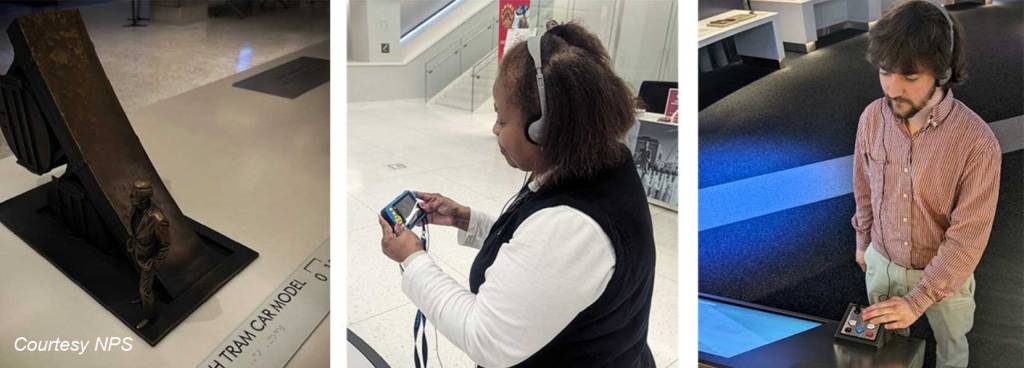
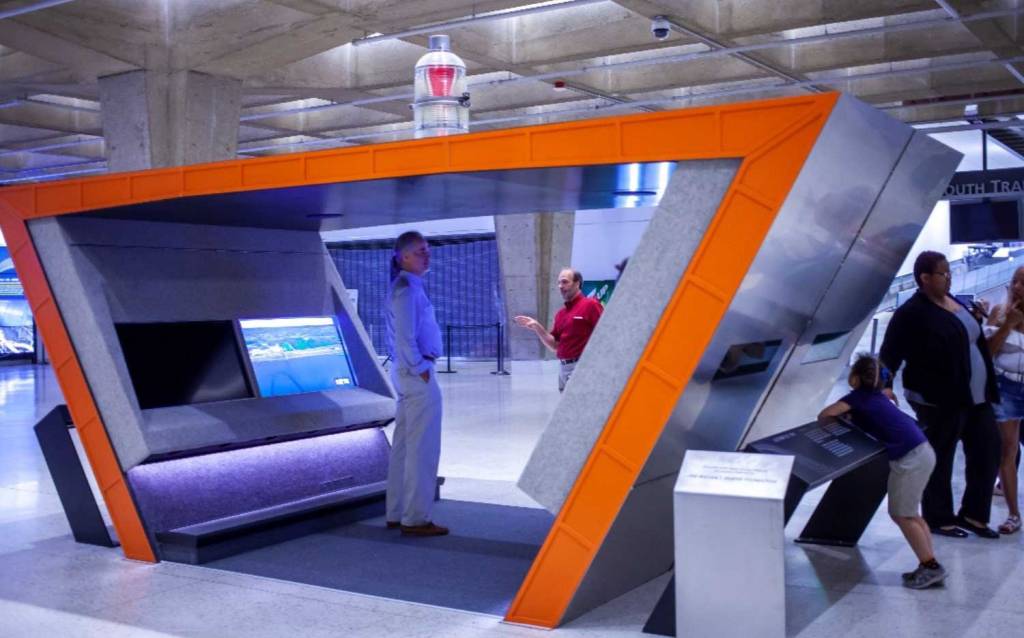
As challenging as some of these physical accommodations are, making museum exhibits accessible is even more complicated. Designers of the new museum at Gateway Arch National Park, for instance, fully embraced the concept of Universal Design when planning new exhibits. The museum includes multiple accessibility features, like tactile exhibits and interactive computer simulations that are visitor-directed through a touchscreen. Visitors can make use of Braille signage, large-print, high-contrast text versions of exhibit copy, assisted listening and captioning devices, as well as a new device that allows non-speaking guests to type questions for museum staff. Similar accommodations are available in the park’s theater.

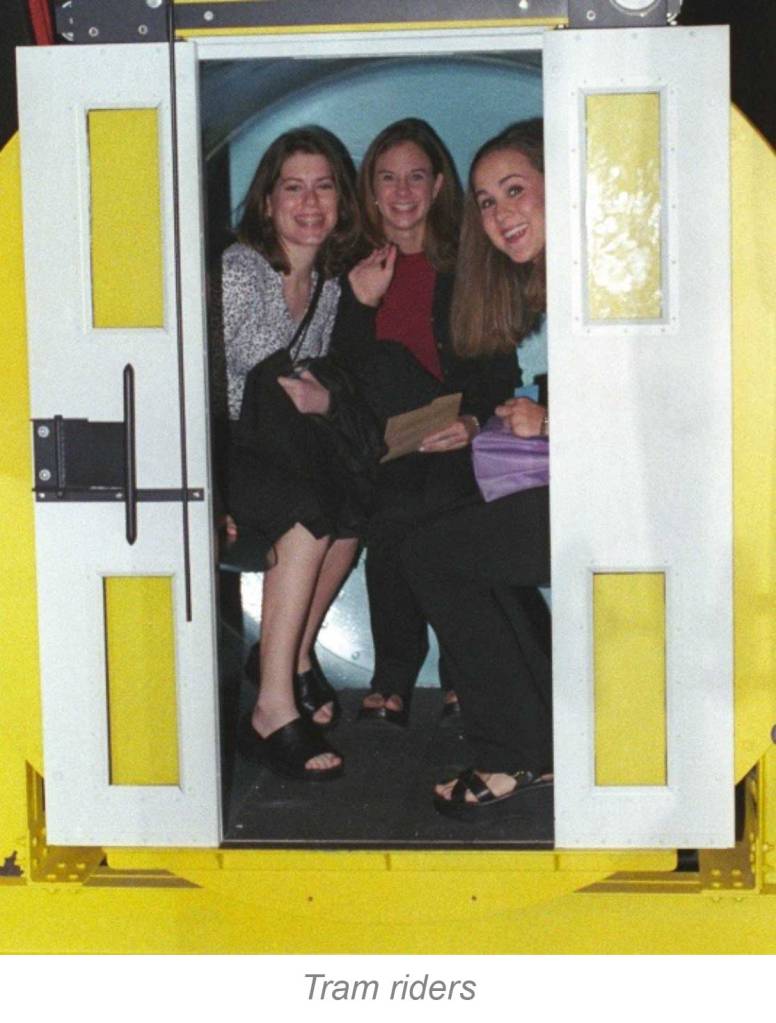
And since the tram ride to the top of the Arch is not wheelchair accessible, designers created the next best thing. Inside a full-size replica of the final piece of the Gateway Arch, video screens show live views from each side of the top observation deck, replicating the experience as much as possible for visitors who cannot make the trip to the top. 

Ulysses S. Grant National Historic Site also offers a range of accessibility services, including free wheelchair use, assisted listening devices for guided tours, audio descriptions of park films, and Braille and large-format brochures.  

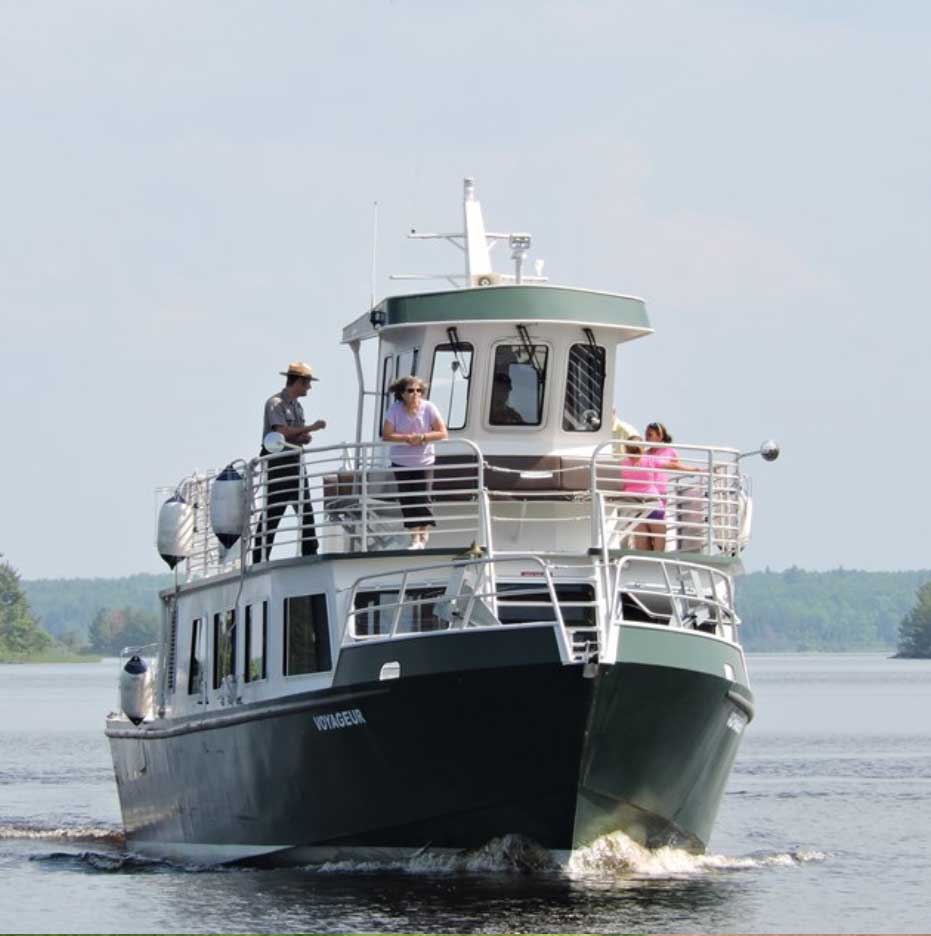
At Voyageurs National Park boating, fishing, and camping are the primary activities. All NPS boats are accessible. And visitors can make use of accessible lifts at boat launches as well as accessible campsites.

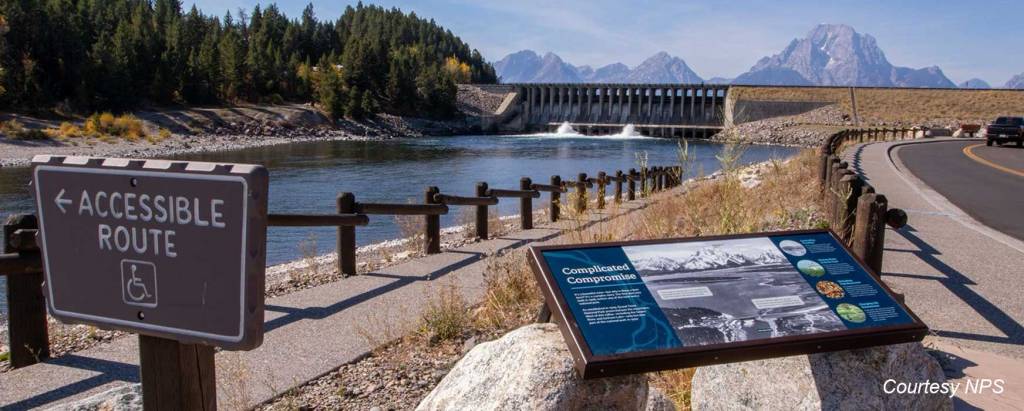
Similar accommodations are available at Missouri National Recreational River and the Lewis and Clark Visitor Center, both of which are popular with anglers.  In addition to taking advantage of accessible trails, shelters, and cabins, visitors can fish from several piers that are reachable by those in wheelchairs. 

All in all, NPS efforts to improve accessibility have principally focused on well-developed areas within easier reach, such as park visitor centers and established campgrounds. But accessibility advocates want to see more trails, shelters, and other park areas comply with ADA standards, particularly in more remote natural areas. Park Service officials acknowledge there’s a nationwide backlog of existing trails and structures that don’t meet accessibility standards, especially in the backcountry. But they say they’re making progress where they can.

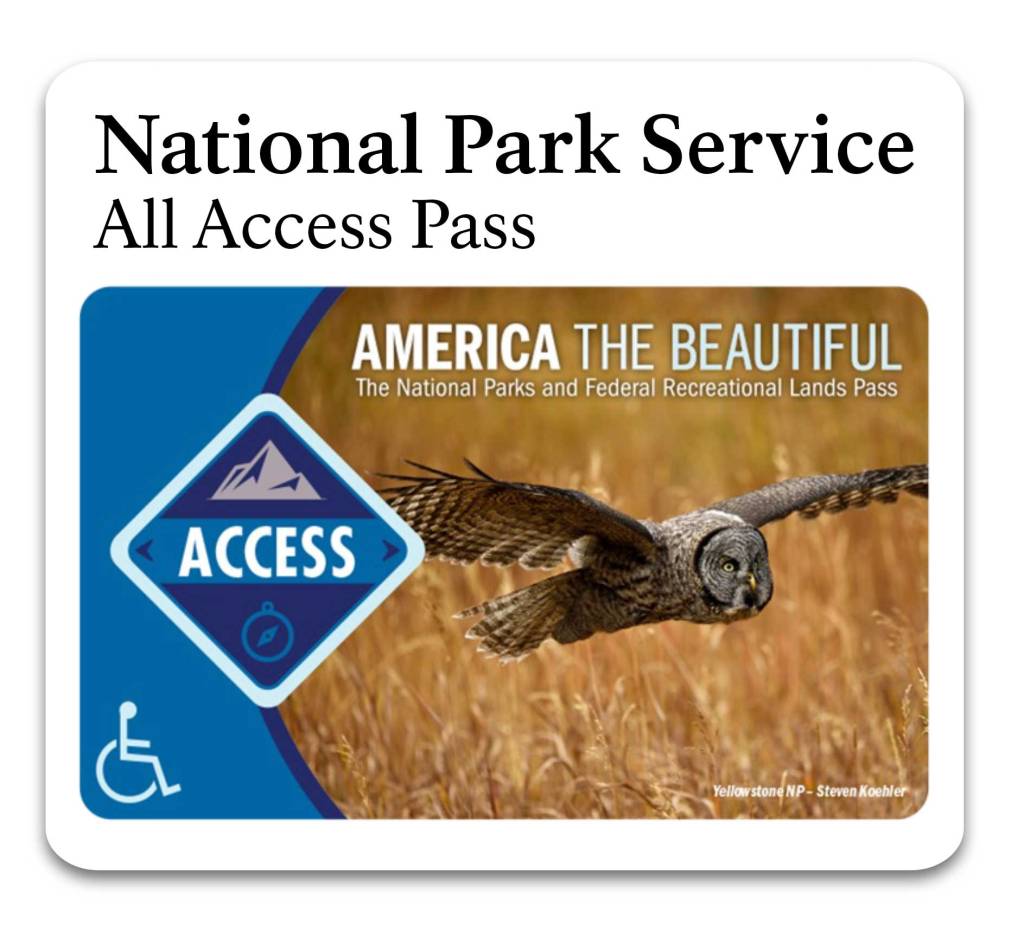
Americans with permanent disabilities are eligible to receive the National Park Service All Access Pass, which provides lifetime benefits at federal lands managed by six agencies, including free entrance to parks managed by the National Park Service that charge an entrance fee. The free passes are available at certain federal recreation sites or can be ordered online (for a small shipping fee). 

Have a “Pawsitive” Experience in Your National Parks

(Reader alert – if you’re allergic to puns, don’t read on. We’ve made generous and shameless use of many howl-arious puns in this blog post!)

Dog-gone-it – sometimes our canine friends have a ruff life. Especially when their human owners go on a fun vacation, and Fido gets left behind. Howl can we do that to them?  

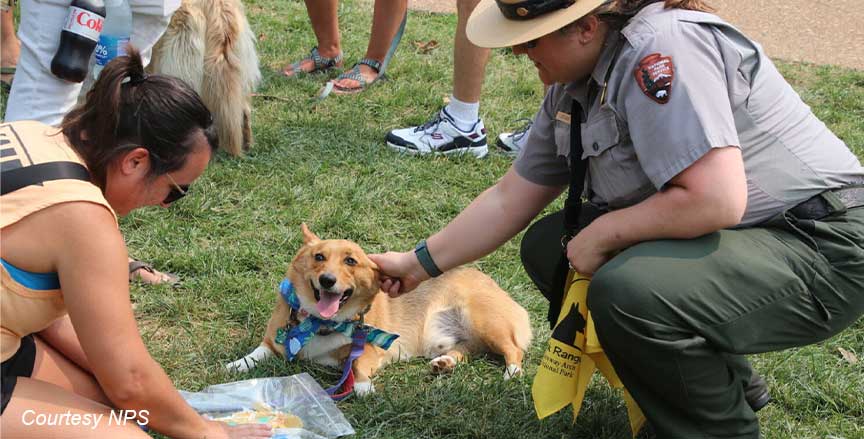
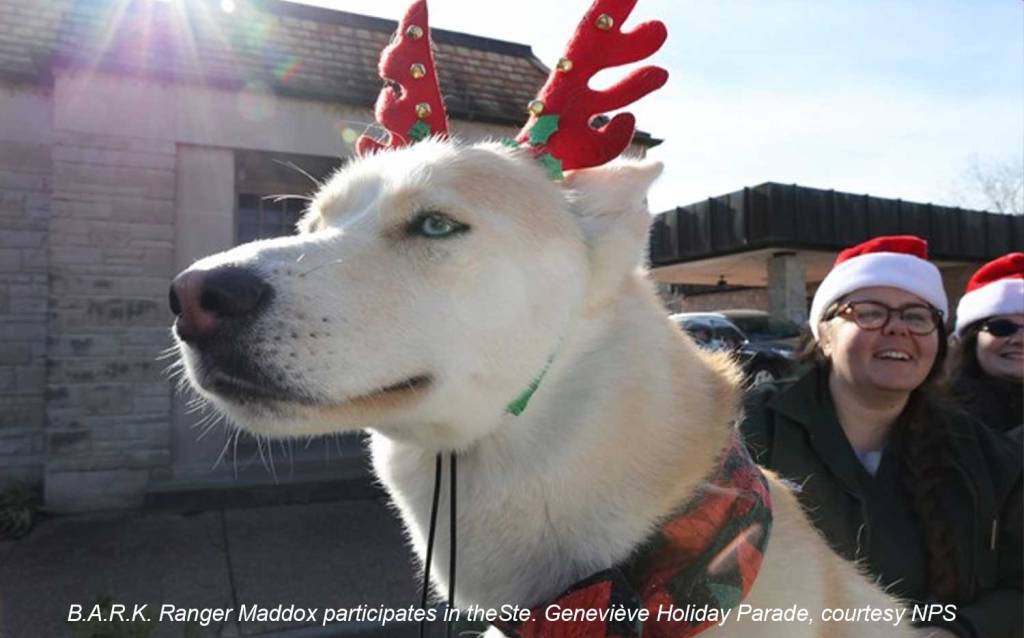
Well, the National Park Service believes that dogs deserve a round of a-paws.  That’s why dozens of parks offer our four-legged friends special programs, tasty treats, and fun adventures when they visit with their human owners. It’s all part of the NPS B.A.R.K. Ranger program, a project of the agency’s Healthy People Healthy Parks Initiative.   

What does B.A.R.K. stand for?  Glad you asked, since there are a few simple rules (none of them too far-fetched) that pet owners should follow when they visit a park:

  • Bag your pet’s waste
  • Always leash your pet
  • Respect wildlife
  • Know where you can go

B.A.R.K. Ranger programs vary from park to park and are tailored to each site’s unique setting.  Some parks offer a walk with a ranger program. Some have a pledge that owners take with their pets. Most sites adopt an honor system that assumes owners will follow the B.A.R.K. principles on their visit. (Well, anything is paw-sible…)

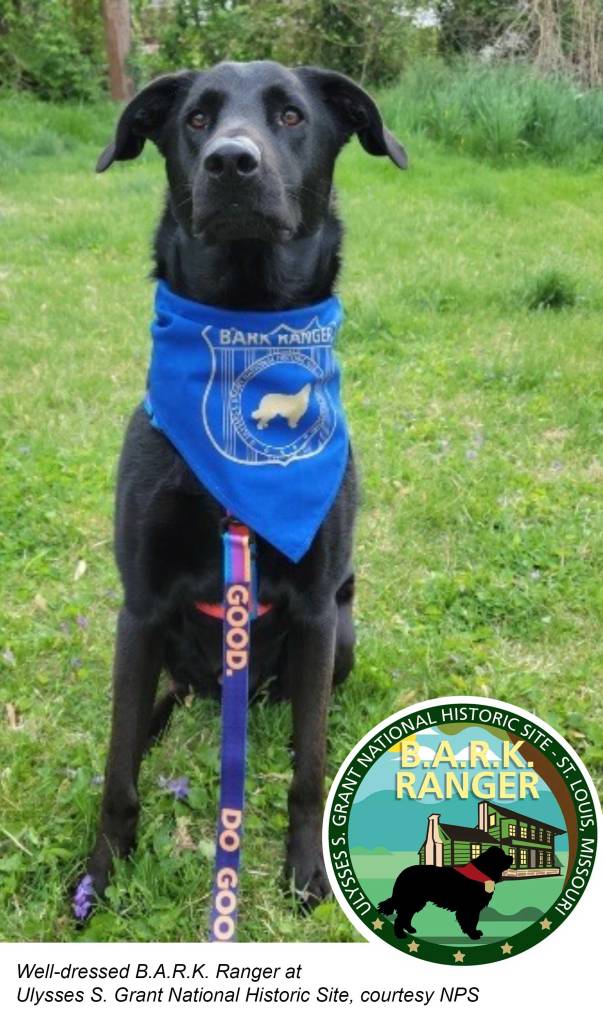
In return for abiding by the B.A.R.K. rules, pets can earn a variety of rewards. At Ulysses S. Grant National Historic Site, dogs who take the pledge earn a special bandana (looks very fetching) and a signed certificate.  

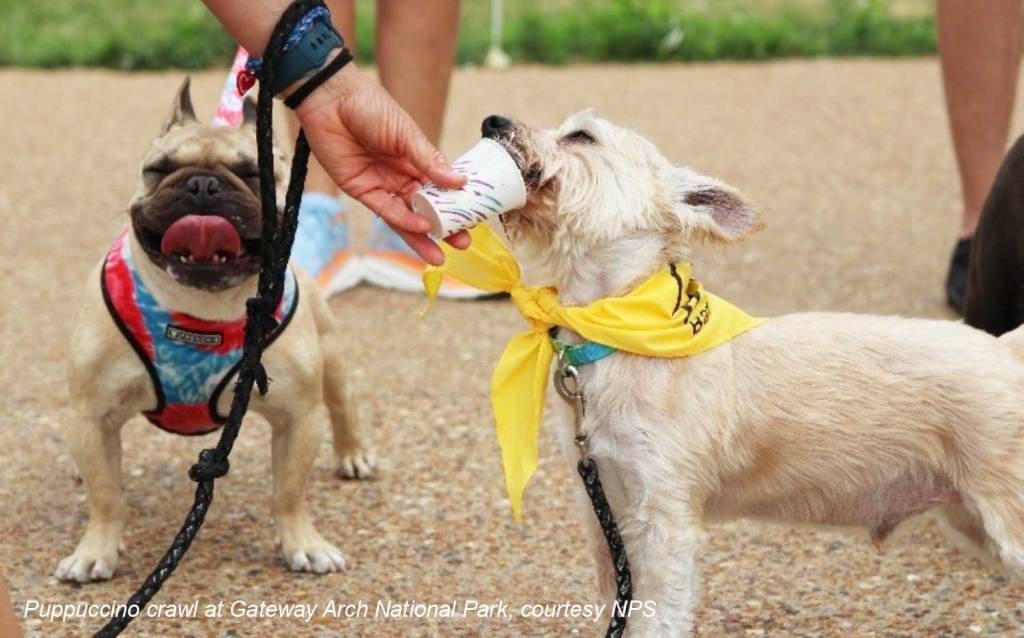
Dogs who attend one of the many annual B.A.R.K. Ranger events at Gateway Arch National Park can create special artwork or enjoy a cup of Puppuccino during their visit. Check out the upcoming B.A.R.K. events at the Arch in July, September, and October. Your pooch will be hounding you to attend!

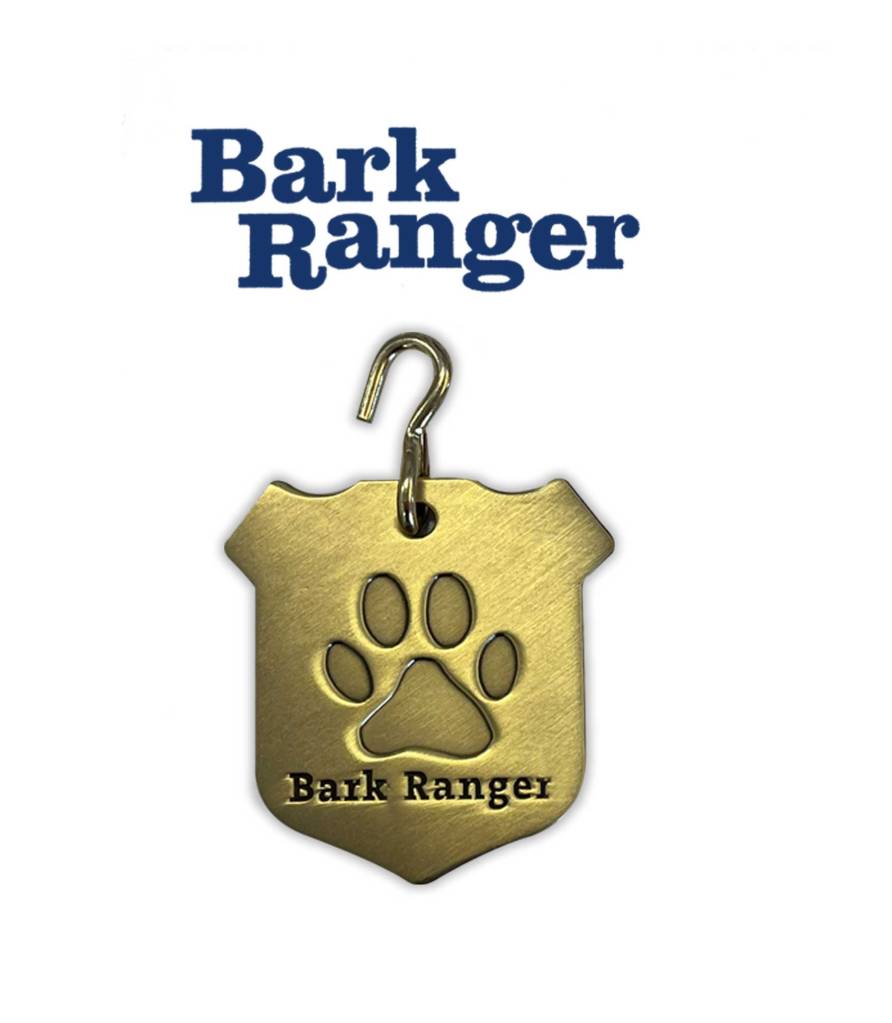
If you and your dog visit a park that doesn’t offer special rewards, you can still fetch a special B.A.R.K. Ranger collar tag. Try the park’s gift shop, or purchase one at The Arch Store or online . Your pup will go mutts about the new jewelry!

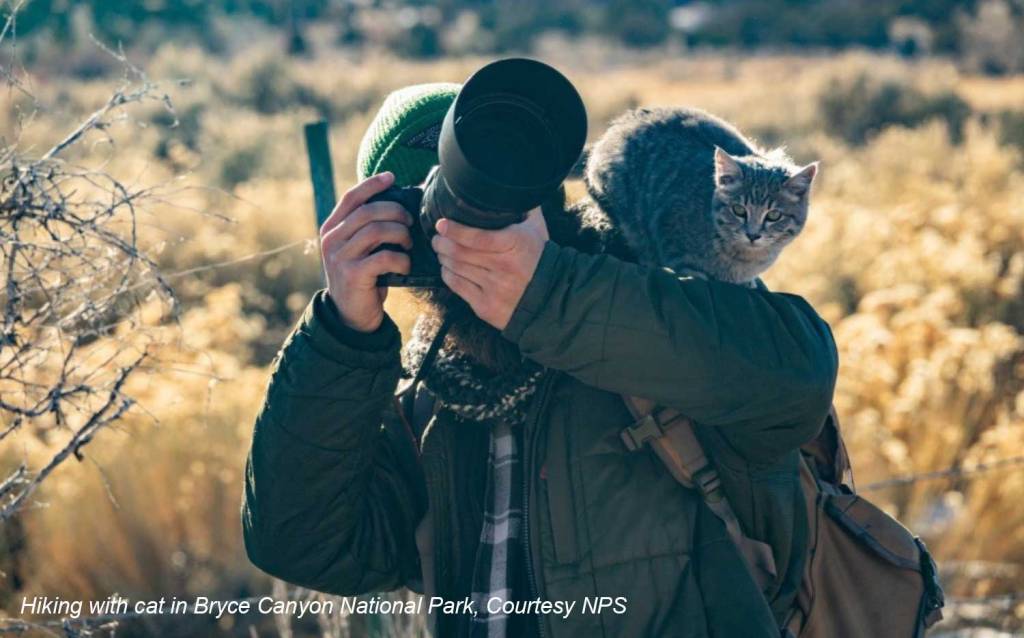
But what about cats, you ask? Are they feline left out with all this attention on dogs, fur crying out loud? What a cat-astrophe!  (Too much?)

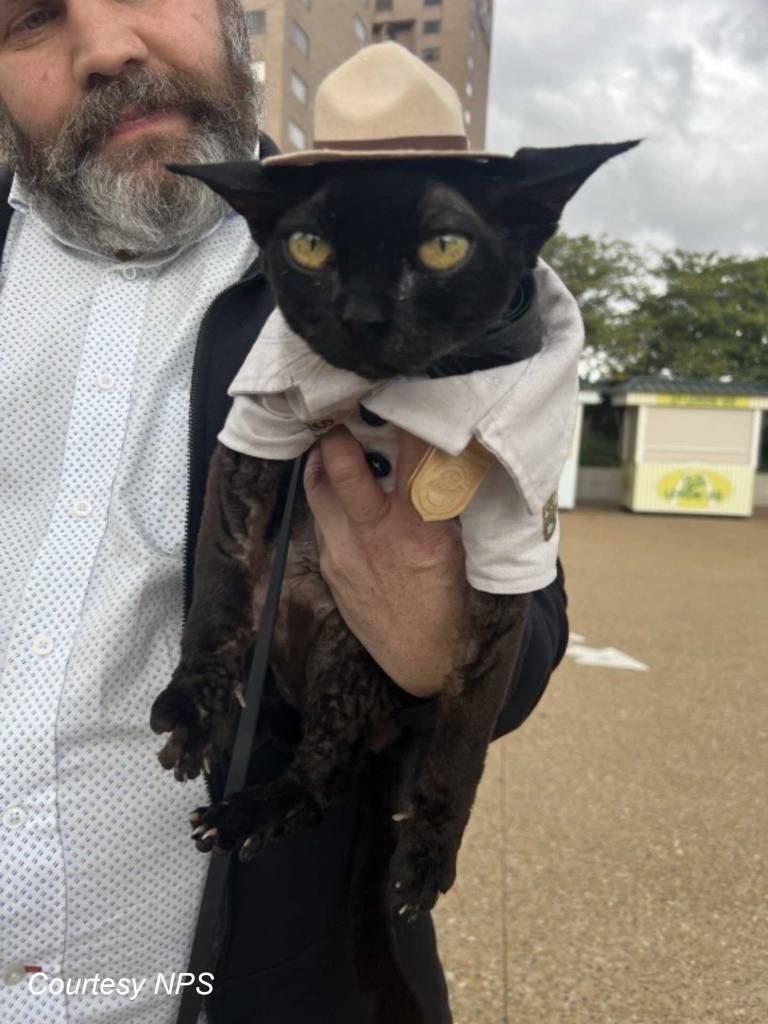
Never fear, some national parks allow cats as long as they are leashed or restrained. One dedicated cat owner recently dressed his feline friend for an outing at Gateway Arch National Park. Hiss-terical!

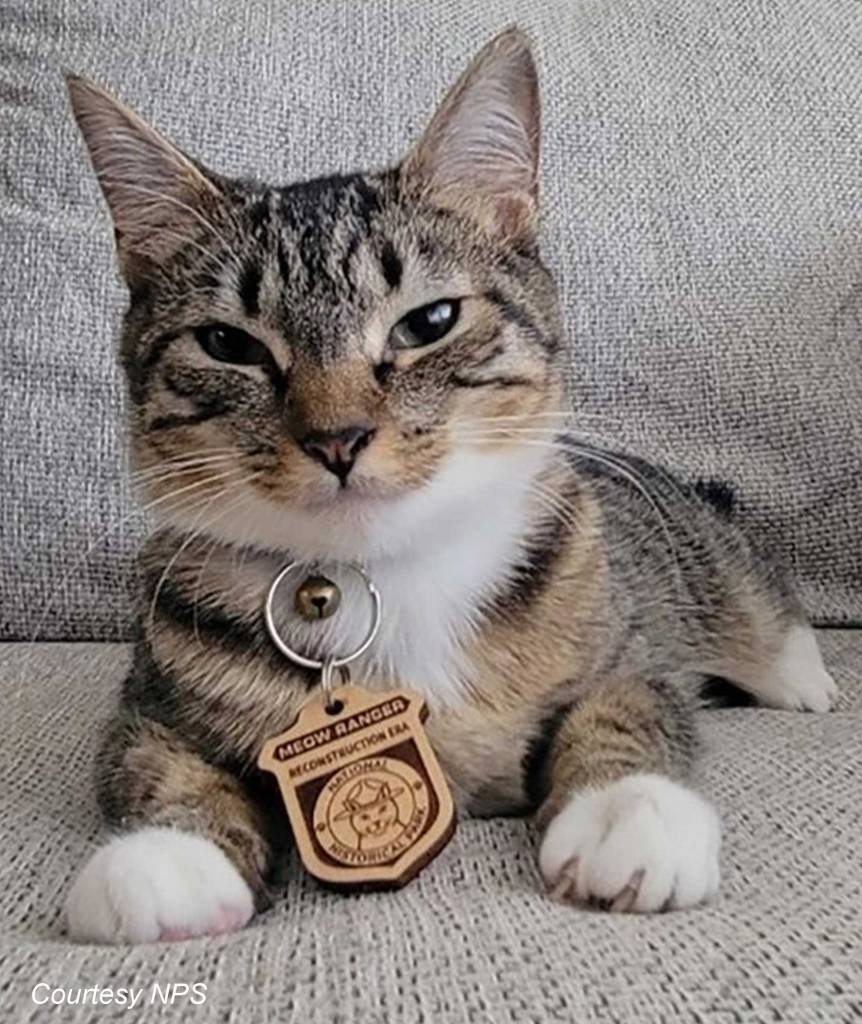
And another NPS site even inaugurated a M.E.O.W. Ranger program, complete with a special collar tag for participating kitties.  

No matter which furry friend you want to bring to a national park site, it’s always smart to check before you visit to learn about any restrictions and rules that might apply. Here’s wishing you and your companions a pawsitive park experience!  

A Home Called Hardscrabble

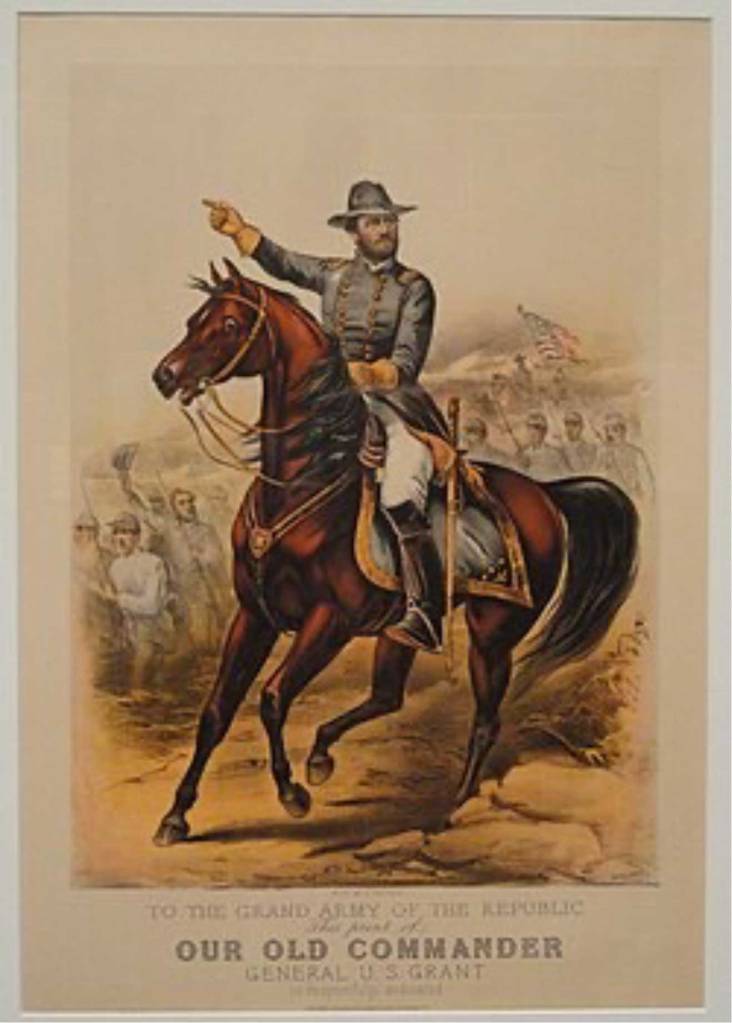
It’s hard to overstate the notable accomplishments of Ulysses S. Grant: military strategist, Commanding General of the U.S. Army, 18th president of the United States, supporter of the Fifteenth Amendment (which banned racial discrimination in voting), loving husband and father – the list goes on and on.  However, there was one area where it seems Grant didn’t exactly shine: homebuilder. 

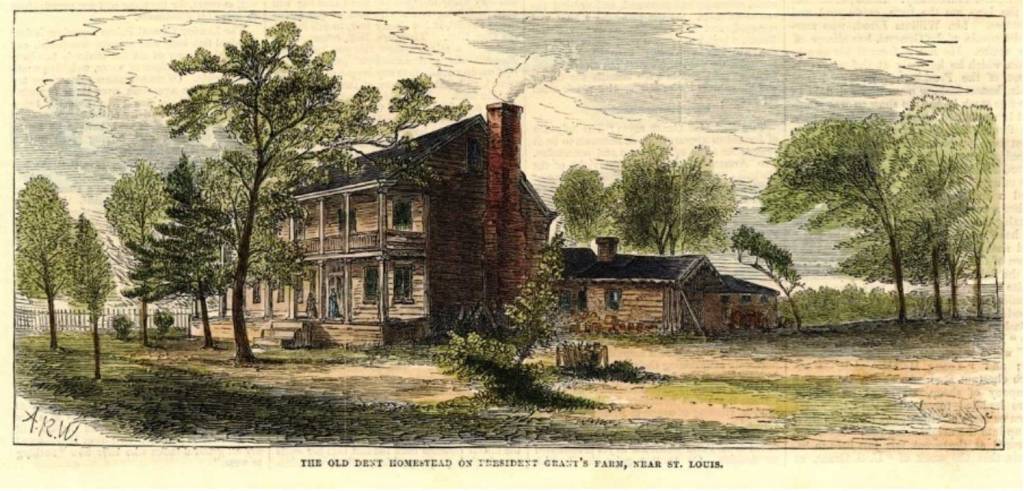
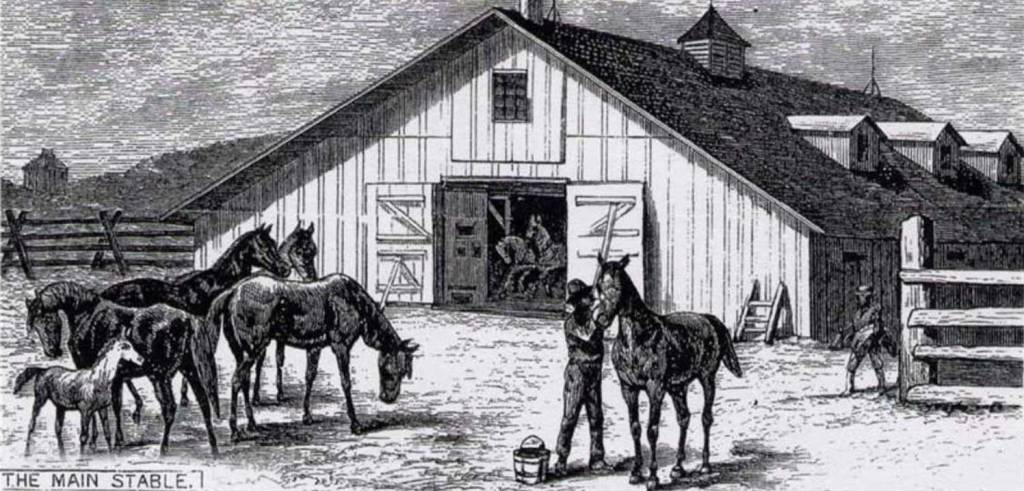
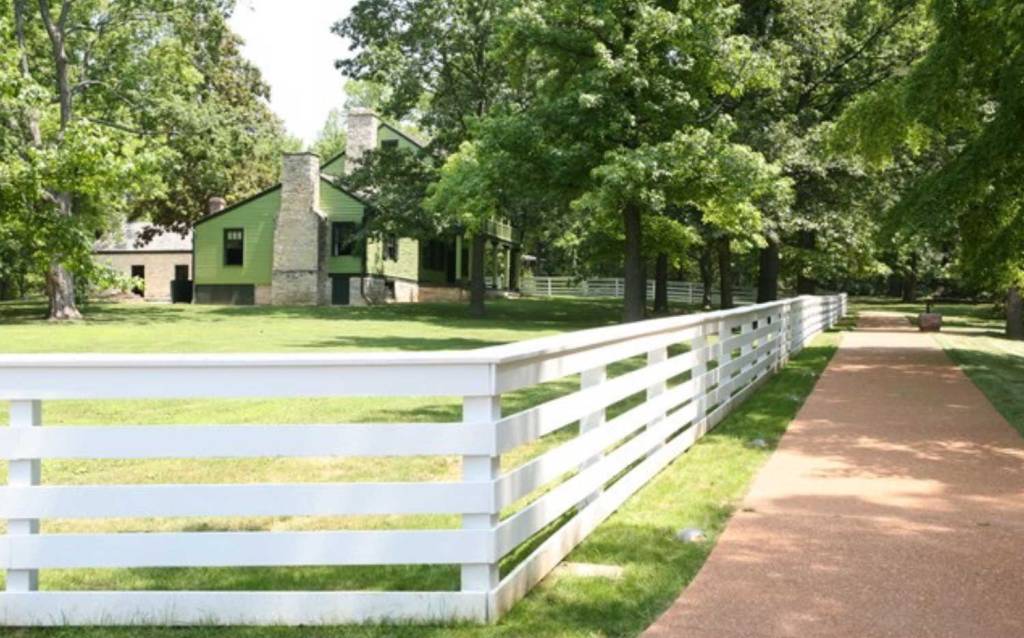
When Grant resigned from the military in 1854, he returned home to his in-laws’ plantation outside St. Louis and turned to farming as a way of supporting his wife Julia and their young children. With the help of enslaved laborers, he cultivated fruit and vegetable crops on the 80 acres he was given as a wedding present, and harvested and sold firewood. 

Grant also began constructing a house for his young family so they could live independently from his in-laws. In the fall of 1855, he started cutting, hewing, and notching logs for the cabin; the following spring he dug a cellar and laid stones for the foundation. Julia organized a house-raising with neighbors and enslaved laborers, but otherwise, Grant completed much of the work himself, including shingling the roof, laying floors, and building the stairs. 
The family moved into the modest four-room log cabin during the fall of 1856, but their stay was short-lived. Accustomed to the relative finery of her upbringing at White Haven, Julia was unimpressed by the roughness of the log cabin, which she felt was beneath her standards. (Her father had discouraged Ulysses from constructing a frame house, saying a log cabin would be warmer.)  Julia later recalled in her memoirs: 

Quote from The Personal Memoirs of Julia Dent Grant
Left:Julia Dent Grant with Frederic & Ulysses Jr. Right: Ulysses S. Grant circa 1860

Hardscrabble was abandoned in early 1857 when Julia’s mother Ellen died and the Grants moved back into White Haven at her father’s request. They never re-occupied the log cabin.   
But Hardscrabble eventually acquired a history of its own because of its association with the famous general and president. It was dismantled and moved three times, including to the site of the 1904 World’s Fair in St. Louis, where it became an attraction featuring refreshments and souvenirs!   
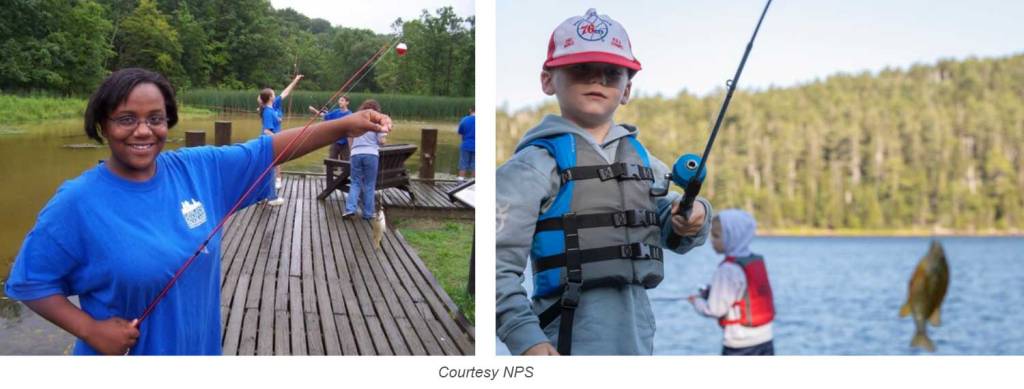
Image of Hardscrabble on grounds of 1904 World’s Fair. General Frederick Dent Grant, eldest son of Ulysses, is shown in center.
Courtesy of NPS 

In 1907 Hardscrabble was finally moved to its current location at “Grant’s Farm,” a public attraction owned and operated by Anheuser-Busch and adjacent to Ulysses S. Grant National Historic Site. The cabin is currently not available for tours, though visitors to Grant’s Farm can view it during a tram tour of the park. 

Present-day interior of cabin, courtesy NPS

Hardscrabble is the only existing structure hand-built by a U.S. president prior to assuming office. For now, there are no plans to relocate it in the future. 

“The Kindest Man I Have Ever Known”

With Father’s Day just around the corner, we wanted to send a shout-out to a very influential grandfather. The name Eldridge Cassidy may not be famous, but this modest Southerner had an outsized impact on the 42nd president of the United States.

When William Jefferson Blythe III was born in Hope, Arkansas, in 1946, his father had already died in a car accident several months before. So little Billy was raised by his mother Virginia and his maternal grandparents, Eldridge and Edith Cassidy. (He later took the name Clinton when his mother remarried.) 

During Bill Clinton’s formative years Eldridge owned a small grocery store in an African American neighborhood of Hope. The store was one of the most integrated establishments in Hope, an otherwise segregated town. And Eldridge would serve anyone who shopped at his store, regardless of their race or background.  

Bill Clinton credits his grandfather for his lifelong respect for all people, regardless of their race or background:

Photo courtesy of the Clinton Foundation

Clinton has described his grandfather as “the kindest man I have ever known,” instilling in the young boy the concepts of social justice, equality, dignity. Even after Eldridge’s early death of a heart attack, he kept his grandfather’s photograph on his desk. 

When Clinton accepted the presidential nomination at the Democratic National Convention in 1992, he honored Eldridge Cassidy this way:

For a fascinating exploration of the early years of President Bill Clinton, be sure to pay a visit to the President William Jefferson Clinton Birthplace Home National Historic Site in Hope.  And pick up a copy of His Story Started in Hope, Arkansas at the park gift shop or online.

Hey Kids, You Can Become a Junior Ranger!!!

National parks aren’t just for adults. If you’re planning a trip to a park with your kids this summer, make sure you check out the site’s Junior Ranger activities when you visit. These programs help children appreciate and connect to our parks – whether it’s walking in the footsteps of famous people, exploring beautiful landscapes, developing new interests, or just having fun.  

Here’s how it works: Before your visit, go to the park’s webpage to learn about its special kids’ activities. Most of the nation’s 400+ national park sites offer Junior Ranger programs. When you’re on site, check in at the visitor center. That’s where kids will typically receive a free park-specific activity book that helps them learn about the landmarks, history, wildlife, geology or other themes unique to that park.  

After your kids complete the activities in the book, they’ll need to present it to a park ranger to receive a special Junior Ranger badge and certificate. Often, they’ll also take a pledge to learn, protect, and explore their national parks. 

For kids who can’t visit in person, the National Park Service website offers a Junior Ranger Online section featuring videos, games, and songs, allowing families at home to connect with parks around the country. And many parks have their own Virtual Junior Ranger programs. Voyageurs National Park, for instance, includes fun activities on its website, as well as the opportunity to download the Virtual Ranger badge. U.S. Grant National Historic Site created a special Bicentennial Virtual Ranger Activity Book to celebrate the 200th anniversary of Grant’s birth.  

Finally, for those kids who want to go the extra mile, why not let them dress like a park ranger with a special Junior Ranger Vest and Flat Hat! JNPA carries a wide range of Junior Ranger products like these in our online store, including mini building blocks, pins, and activity books.  

However you introduce national parks to your kids, they’ll be sure to get more out of their visits when they become Junior Rangers!