What’s your favorite fruit? Apples or bananas? Blueberries? Maybe peaches or strawberries? Could you imagine a day without coffee? Or a world without chocolate? (Aaaghh!!!)
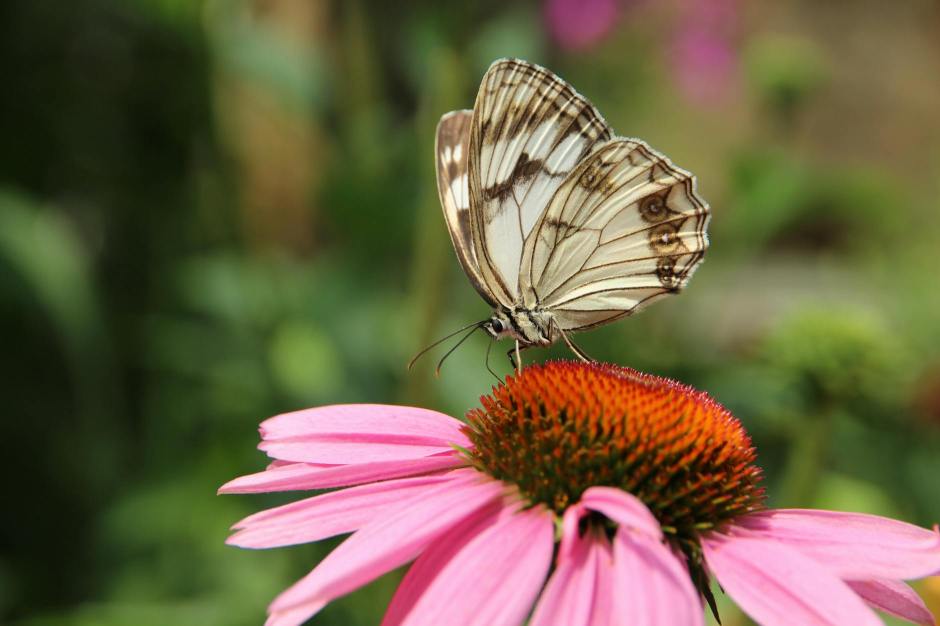
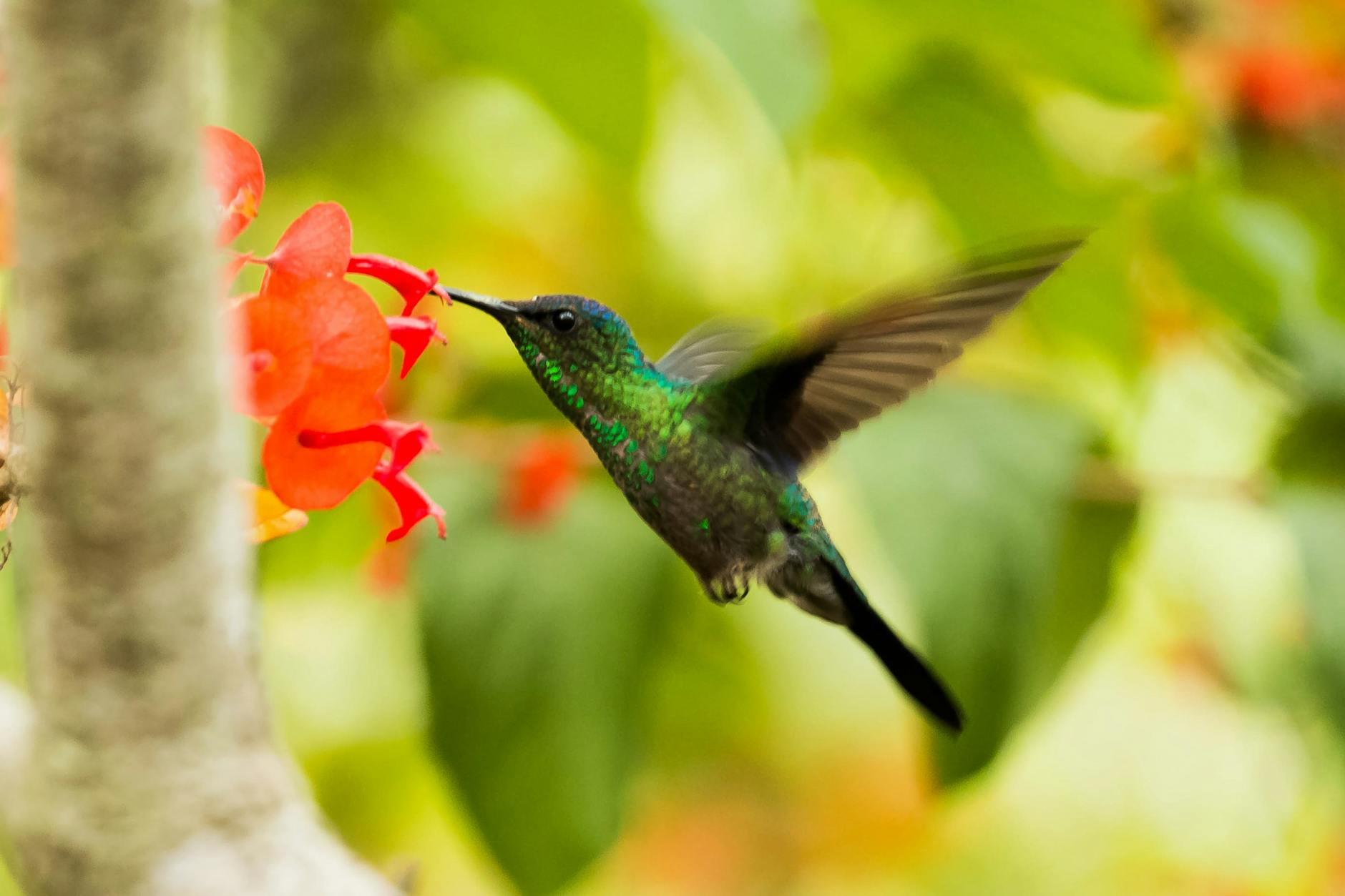
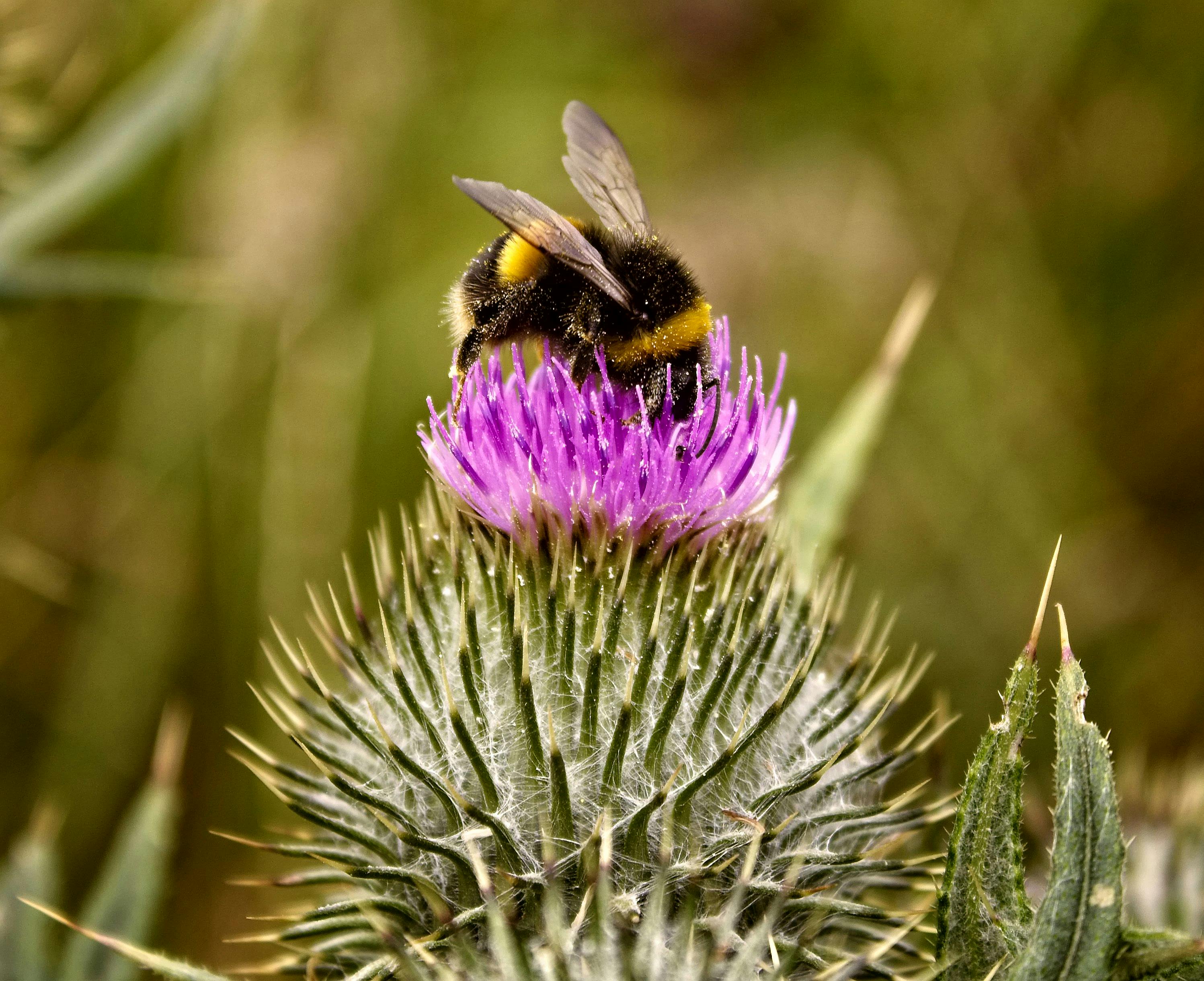
Well, if any of these foods are on your must-have list, you can thank a pollinator – specifically one of the thousands of birds, bats, bees, butterflies, beetles, and other insects that move pollen from plant to plant. We rely on these little critters for one out of every three bites of food we eat. Three-fourths of the world’s flowering plants and more than a third of the world’s food crops depend on animal pollinators for successful seed and fruit production, making pollinators a vital link to our food security, economy, and overall environmental health.
So what does this have to do with national parks and public lands?
The National Park Service is committed to preserving our natural pollinator populations, especially those species that are in decline. In many parks, species inventories are helping site managers know which pollinators are present so they can better understand the state of park ecosystems and make decisions about how to manage them.
Seventeen national parks are currently being surveyed for bees and butterflies in a project that started this spring and will continue through 2026. In collaboration with university and NGO partners, these projects will address ecological priorities for pollinator conservation identified by park staff. These include invasive plant removal, grazing management, controlled burning, and habitat restoration.
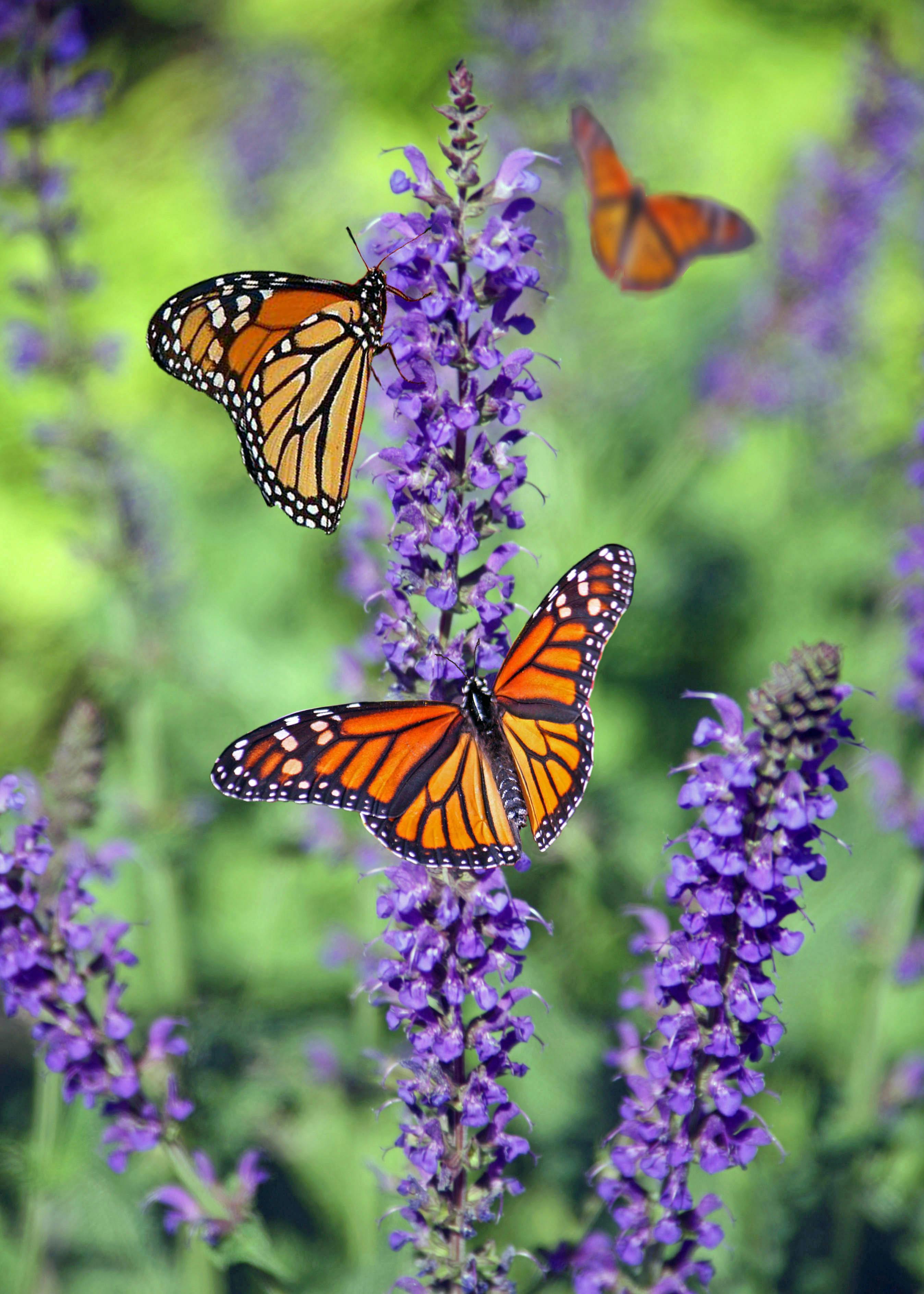
Mississippi National River & Recreation Area – one of JNPA’s partner sites – is included in this long-range pollinator study. At the same time, park staff are also taking steps to protect the Monarch butterfly. In order to ensure adequate supplies of Monarch-friendly nectar, they have planted numerous “pollinator gardens” throughout the park, each of which feature milkweed plants, the only plants that monarch caterpillars can eat. In this way, the park hopes to reverse the years-long decline of its Monarch populations.
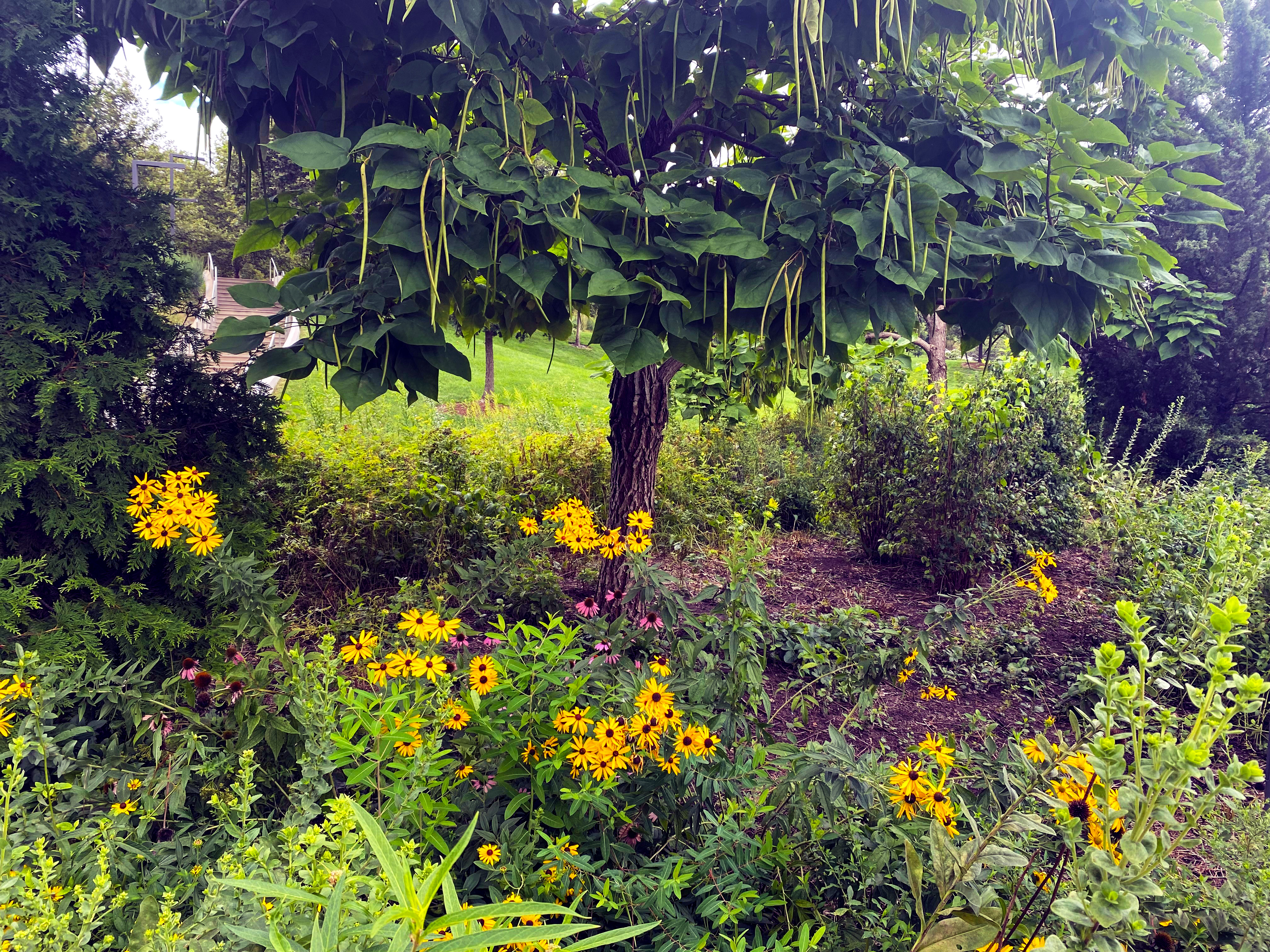
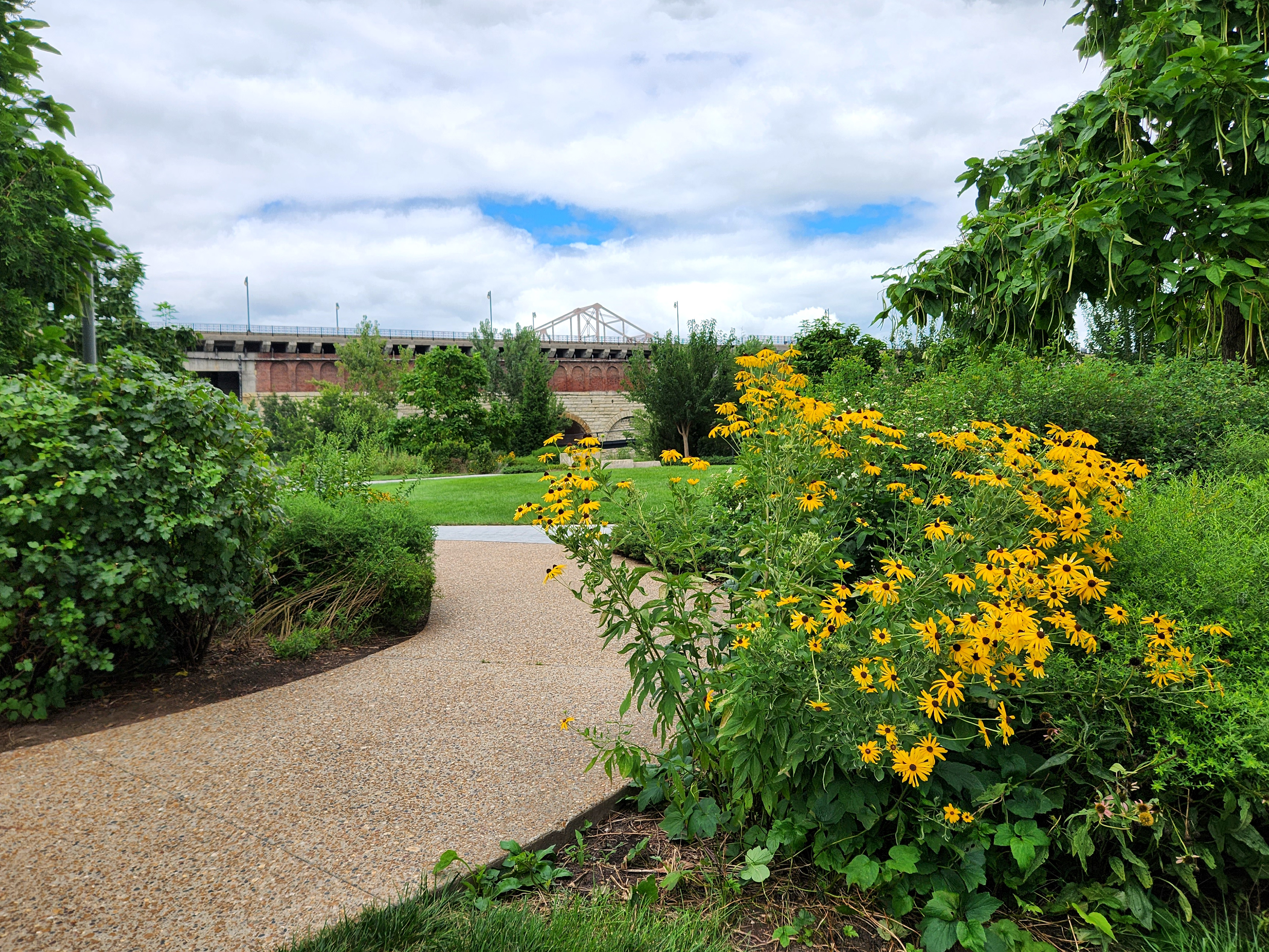
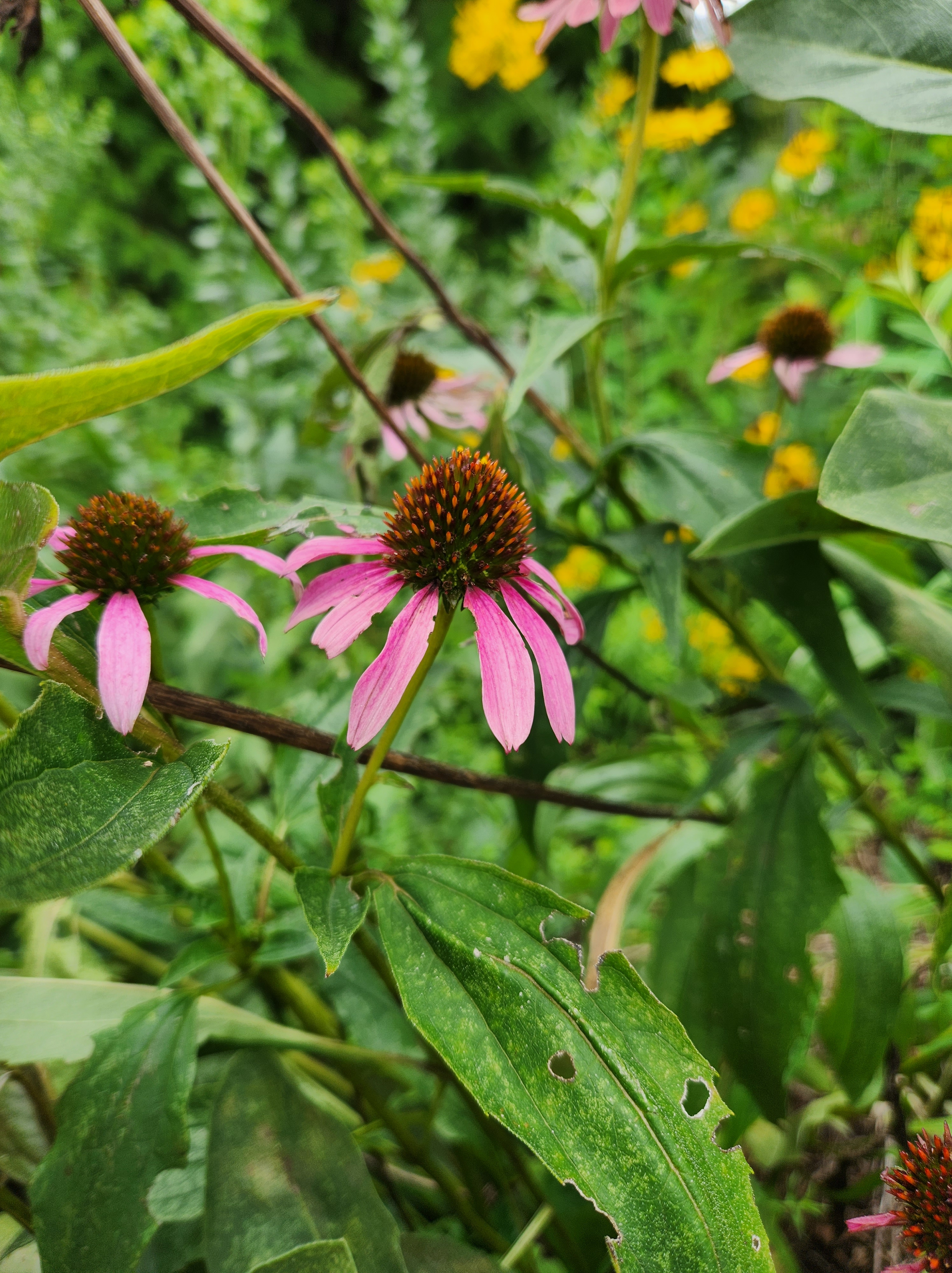
Gardeners at Gateway Arch National Park are also serious about helping pollinators. The plants you’ll see in the luscious Explorer Garden at the park’s northern tip were selected with the intention of creating a friendly stopover for native pollinators. For an in-depth look at seven of these native plant species on the Arch grounds, check out this short video.
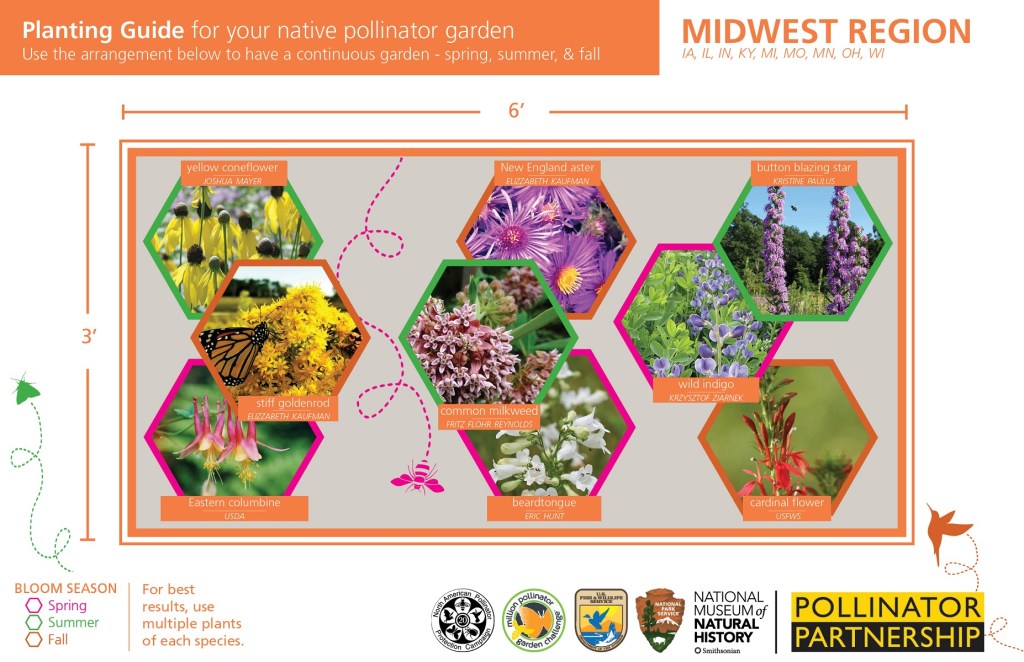
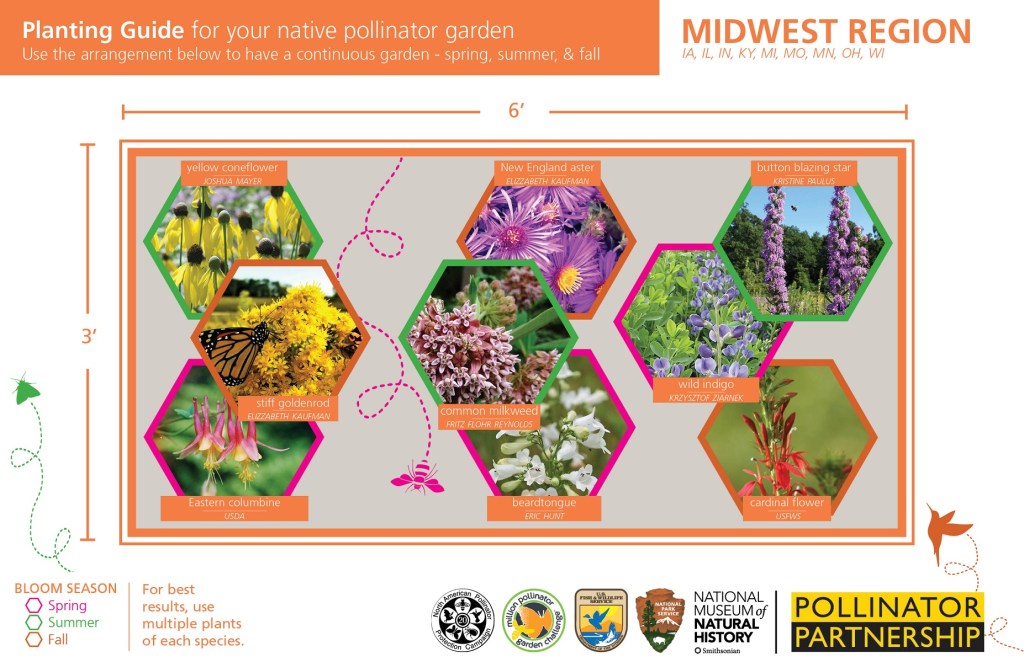
Finally, there are many things you can do to help keep our pollinator populations healthy, even if it’s just in your own backyard. The NPS website also contains valuable information about how to attract local or migrating pollinators, including planting and landscaping tips, and opportunities to record your own sightings of pollinators on your next trip to a national park.
So the next time you see a tiny bee, butterfly, or hummingbird flitting from flower to flower, take a minute to appreciate its beauty AND its critical role in nature.
It’s the weekend, “Baby Shark” is permanently burned into your brain, you NEED to get out of the house, and you’ve been to every playground in your town umpteen-million times. If you are the parent of kids under the age of five, this scenario may sound painfully familiar. But what if we told you that there was somewhere fun that you can take your small children that you BOTH will enjoy? Why not try a museum or historic site in the National Park System!
The mission of the National Park Service is “to preserve the natural and cultural resources of the National Park System for the enjoyment, education, and inspiration of current and future generations,” and they take that mission very seriously. This means that all sites within the National Park System do their best to be a welcoming place for all ages. Not only can your family enjoy the wonders of natural parks, but museums and historic sites will also happily welcome you and your little ones.
Children participate in boat building activity behind the Jean Baptiste Valle House at Ste. Genevieve National Historical Park. Credit: NPS
Before visiting a national park site, check out its website. Every park’s website has a “Kids and Youth” section, and many include specific activities for toddlers. Many people are aware of the NPS Junior Ranger Program, which is typically geared towards children over the age of five, but some parks have recently adapted their Junior Ranger booklets to include activities for younger children. For example, Ulysses S. Grant National Historic Site includes a picture scavenger hunt that leads children to various places around the historic home.
Excerpt from the Ulysses S. Grant National Historic Site Junior Ranger booklet. Credit: NPS
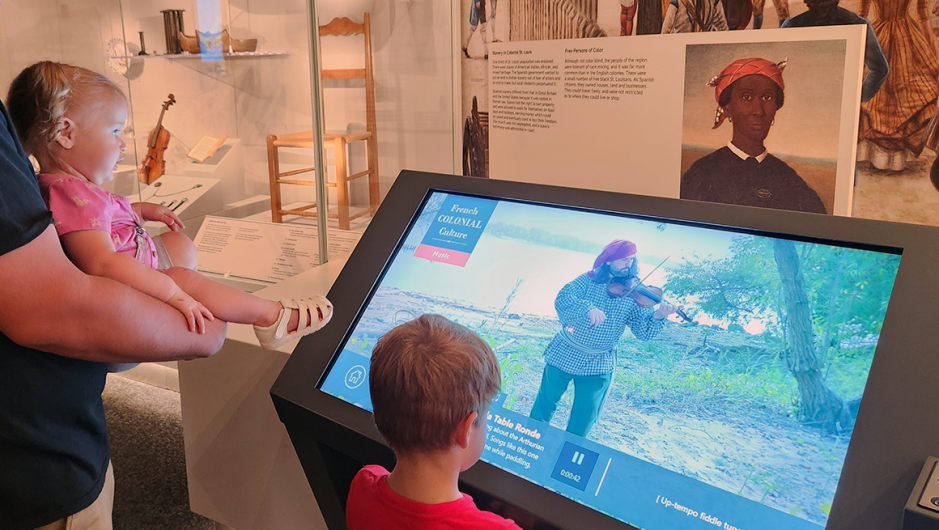
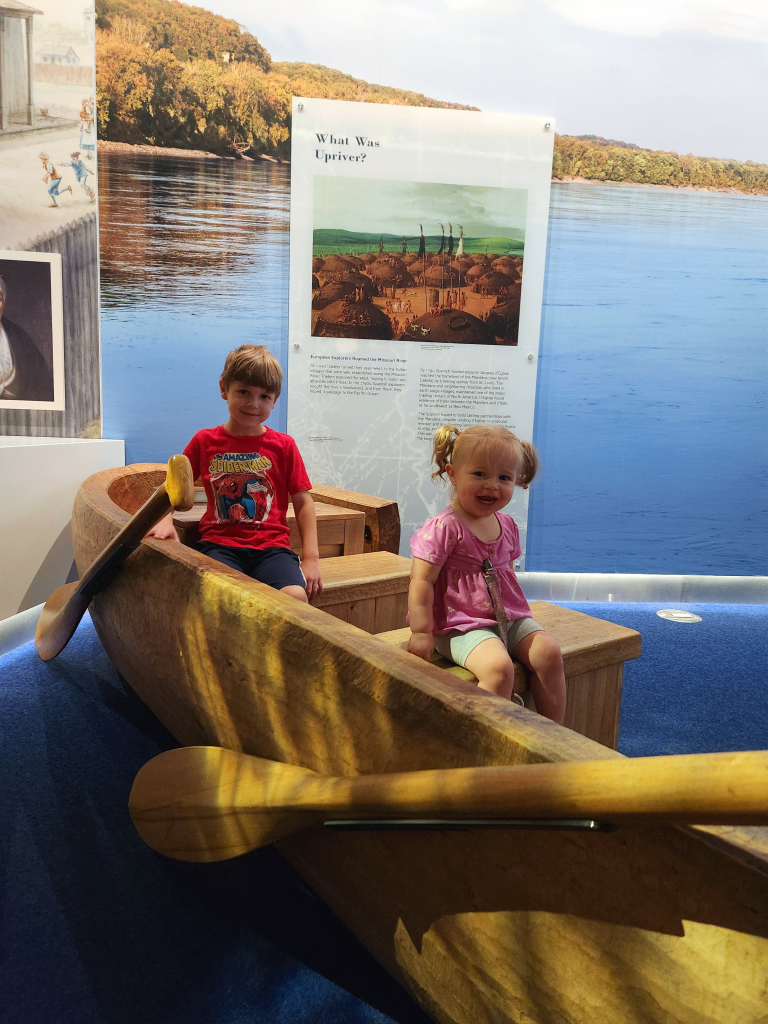
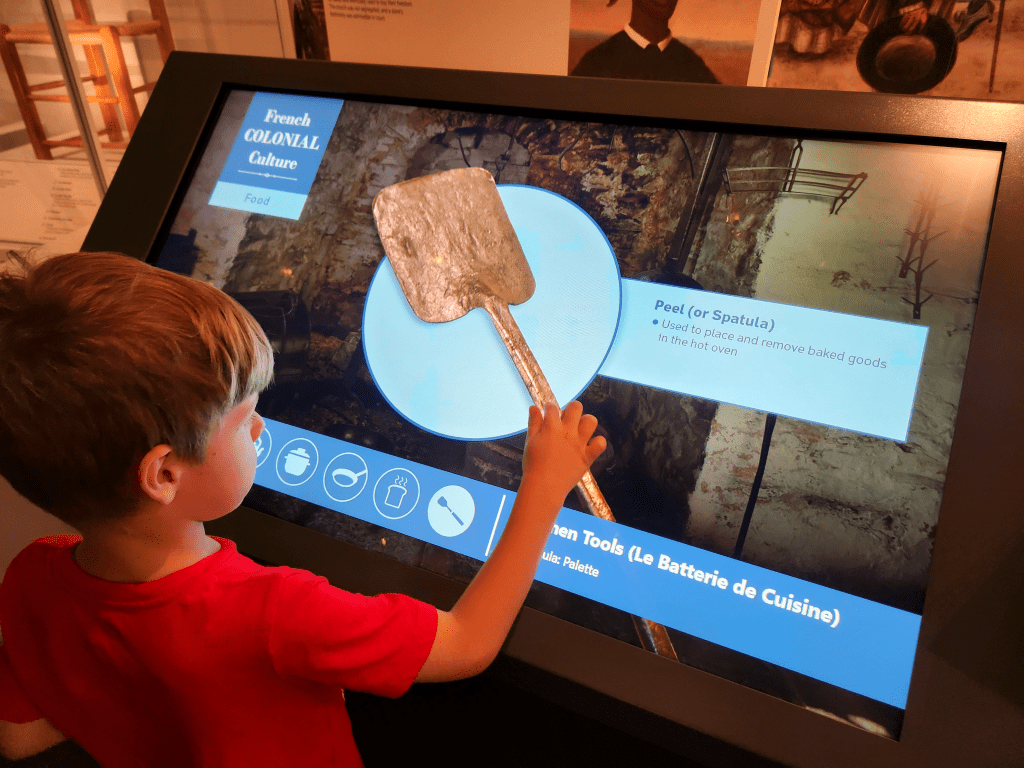
Some sites have interactive exhibits that are perfect for toddlers and preschoolers. The museum at Gateway Arch National Park features touchable exhibits like a beaver pelt, a replica pirogue kids can sit in, and interactive touchscreens with educational games. They even have a scale map of Lewis and Clark’s expedition route on the floor that kids can stomp on!
Children can sit in a replica pirogue.Tactile exhibits are great for small children and for visitors with impaired vision.Young children can use interactive touchscreens to learn about French colonial cooking.
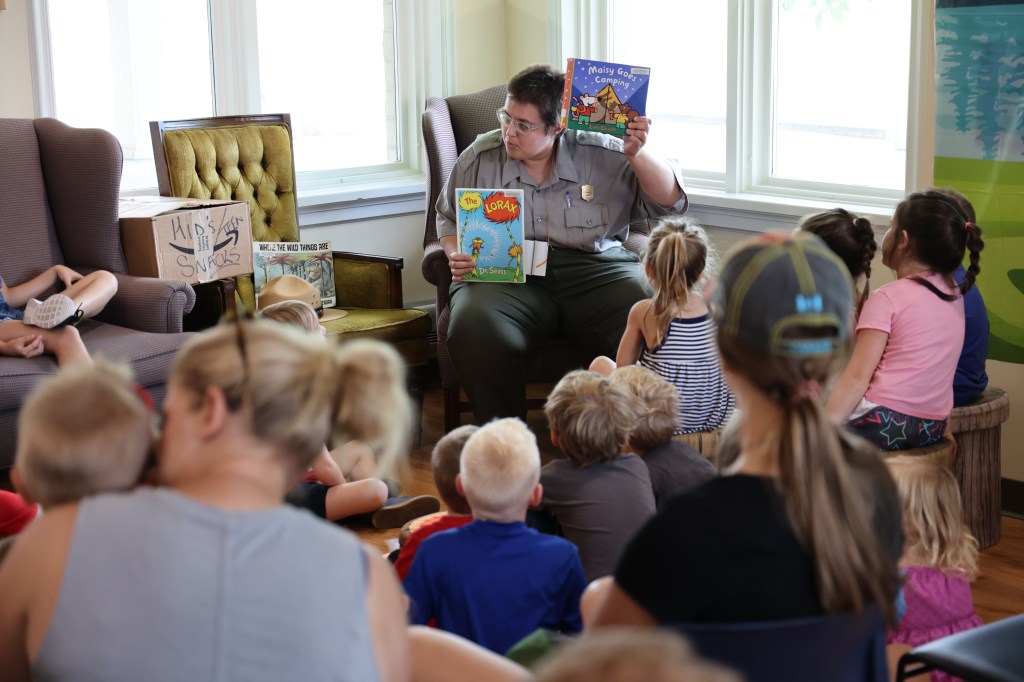
Make sure you check out a park’s calendar of events and keep a look out for programs targeted at families with small children. Museums and historic sites often have programs such as puppet shows, touch tables, or reading with a ranger. Many special events also have activities for the whole family, such as the annual NPS Birthday Bash at Ste. Genevieve National Historical Park.
A puppet show at Gateway Arch National Park. Credit: NPS / D. Reissing
Here are a few tips for your visit:
Try to read a book or watch a video that ties into the theme of the site before you visit. We sell kids’ books for a number of partner parks in our online store. Get them excited!
SNACKS. Make sure your children eat well before your visit and keep a few extra snacks on hand in your car.
Try to burn off some energy before your visit. Many sites have walking trails or some sort of greenspace nearby. Let your kids stretch those little legs and get their wiggles out!
There is plenty of space to run on the grounds of Gateway Arch National Park.
Bring a stroller or carrier. It will help you keep your child from wandering off, and it will help your child to feel safe and comfortable in new situation.
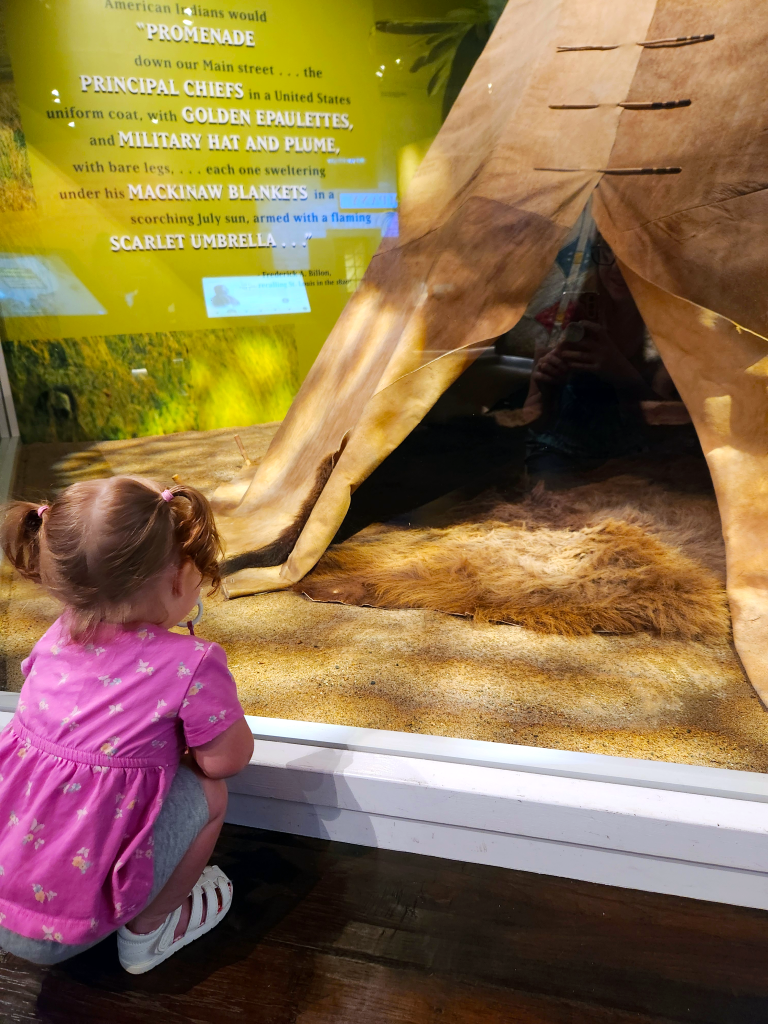
Manage your expectations. You are more than likely not going to read every interpretive panel in the museum, and that is ok! Instead of trying to see everything, try to see the site from your child’s perspective. What can they see from their eye level? What draws their attention? You’d be surprised what small things a child will notice that most adults overlook.
Toddlers are at perfect eye-level to see inside this teepee exhibit.
Go early when it is less crowded. It will be easier for you to relax, and there will be more opportunities to speak with park staff. Which brings me to my next point…
Talk to a ranger! Park rangers are excellent and engaging storytellers, and they know the site better than anyone. They will be able to point you toward exhibits and activities that are most likely to spark your child’s interest.
It can also be fun to let your children lead. Hold their hand and see where their curiosity takes them. If they are old enough to speak, ask them about what they see.
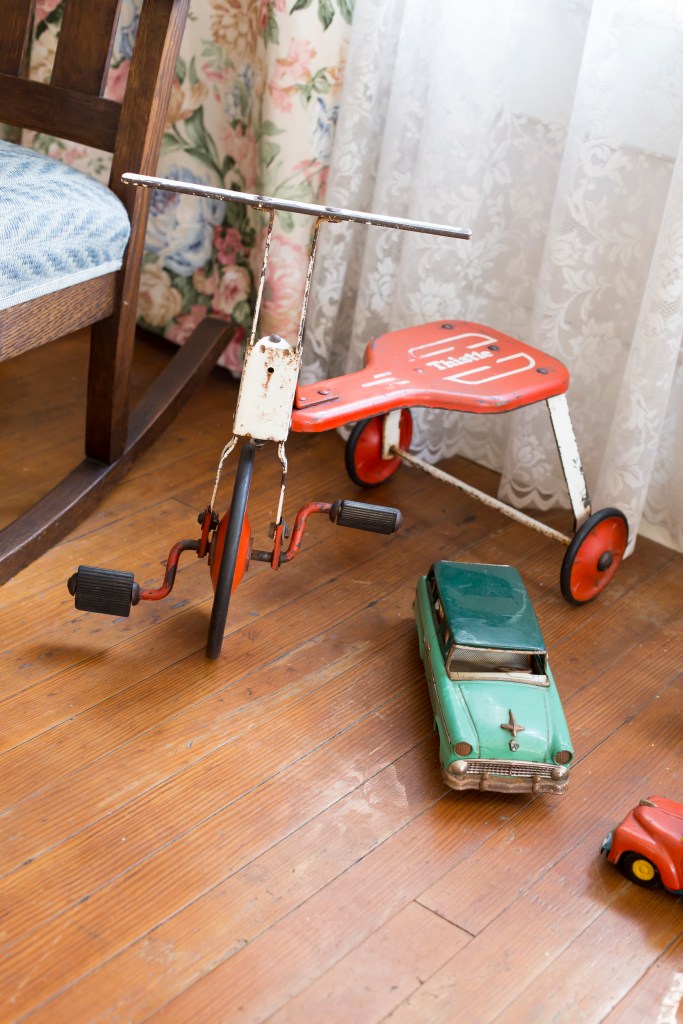
President Clinton’s childhood bedroom at President William Jefferson Clinton Birthplace Home National Historic Site.Antique toys at President William Jefferson Clinton Birthplace Home National Historic Site.Members of the Little Rock Nine are escorted by the National Guard.
Let them ask questions! Toddlers LOVE to ask what seems like millions of questions a day. Let them ask about anything and everything that strikes their fancy and make it a game to find the answers together!
If you need to leave, leave. Do not feel like you have to see every exhibit. It is better to leave on a happy but unfinished note than to leave on a bad one.
No matter which site you choose to visit, we are sure you will make many happy memories with your little ones.
We’ve all heard about invasive plants and the havoc they can wreak on natural ecosystems, including our own backyards. But what do you do when you’re faced with 500 acres of an aggressive invasive plant that is threatening wildlife and degrading local habitats?
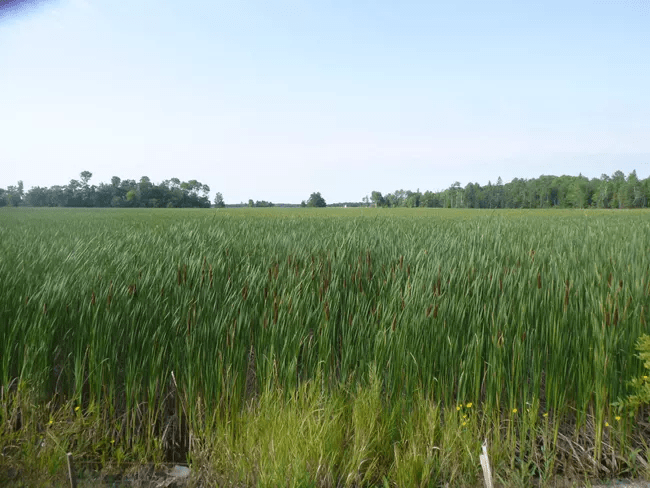
Dense mats of invasive cattails crowd out native plants – NPS photo
That’s the problem facing Voyageurs National Park. Several decades ago, hybrid cattails started invading some of the 20,000+ acres of wetlands in Voyageurs. They began to form dense floating mats on the surface of the lakes, choking shorelines and displacing native communities of plants such as wild rice, sedges, rushes, and the less hardy species of native cattails. The invasives also threatened the habitat of numerous aquatic animals in the park, including muskrats, waterfowl and other birds, and various fish species like northern pike.
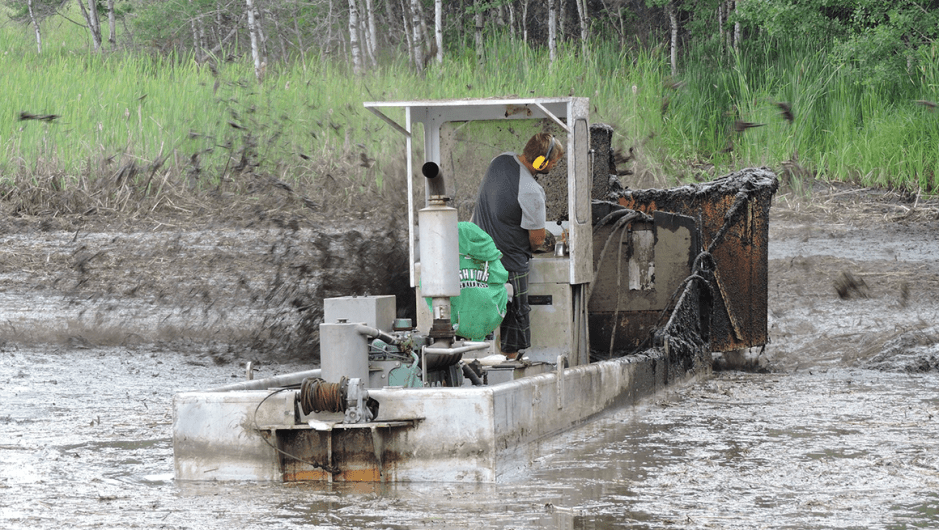
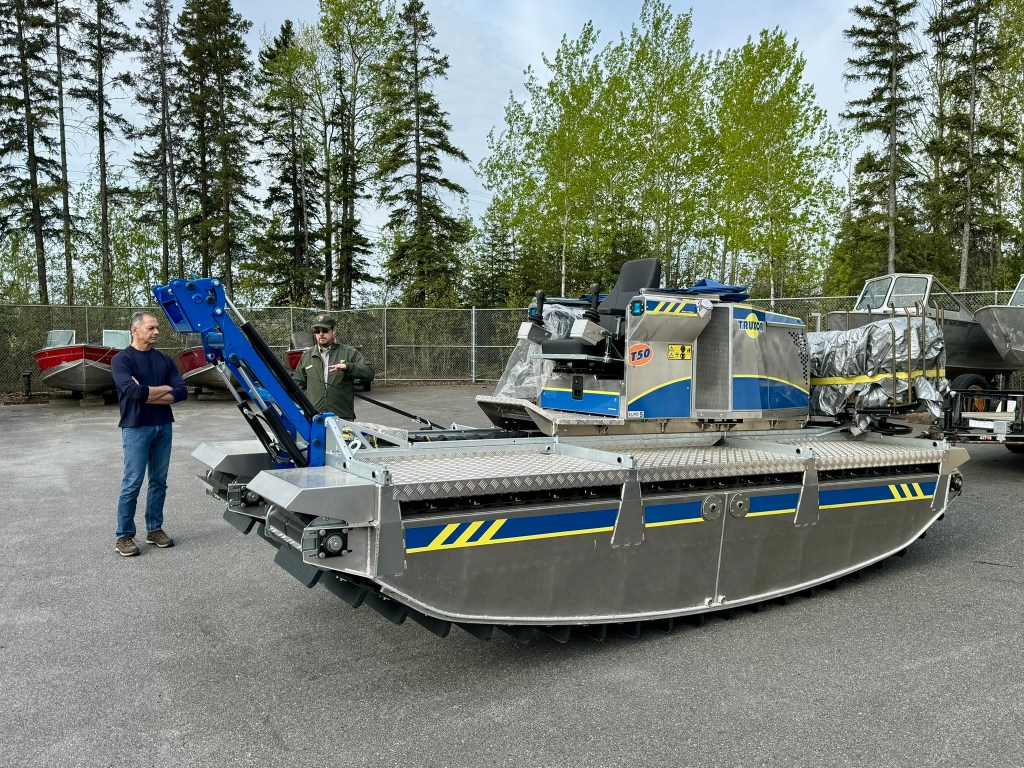
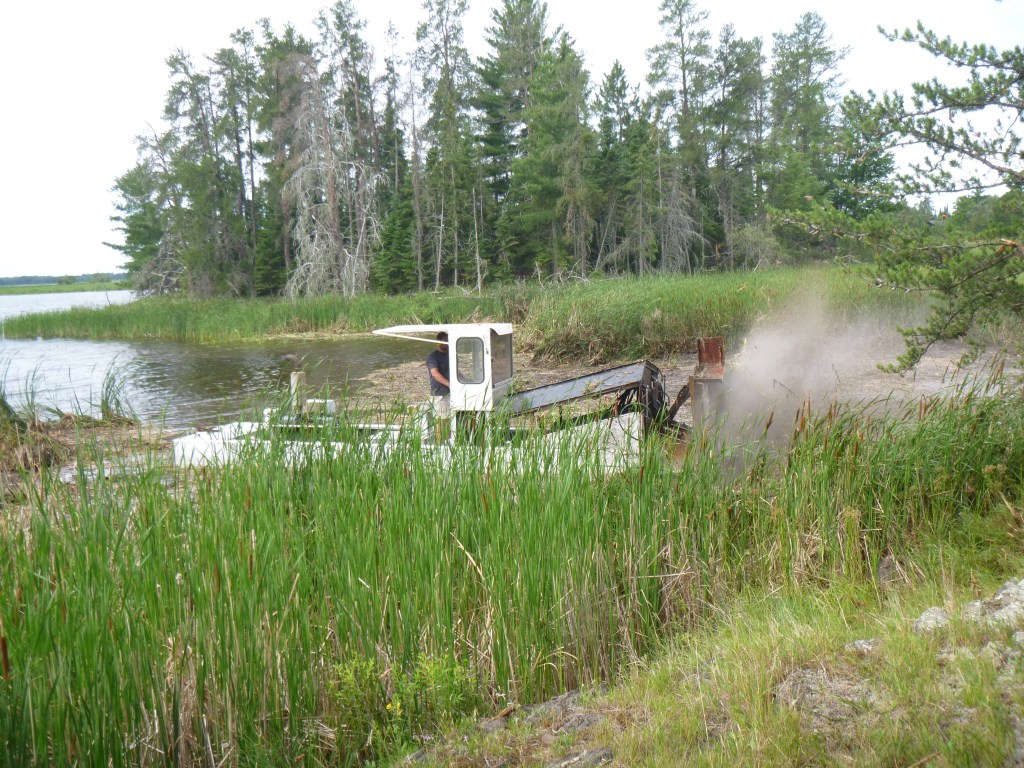
Park officials have had some success in removing the invasive cattails with controlled burning. But they found the most effective scheme is to make use of large (and costly) amphibious equipment to mechanically remove the unwanted cattail clumps.
One of the new amphibious machines
Fortunately, Voyageurs was able to qualify for a new Guaranteed Match Program that JNPA started offering its partner sites. With $10,000 in matching funds from both JNPA and the Voyageurs Conservancy, the park was able to secure a $20,000 grant from the Conservation and Outdoor Recreation Challenge Cost Share Program from the National Park Trust. A total of $40,000 was dedicated to the cattail removing equipment.
Removing invasive cattails – NPS photo
“JNPA is proud to serve our park partners by supporting their important work,” says JNPA President & CEO David Grove. “So we’re very pleased to help fund this ecosystem restoration project at Voyageurs.”
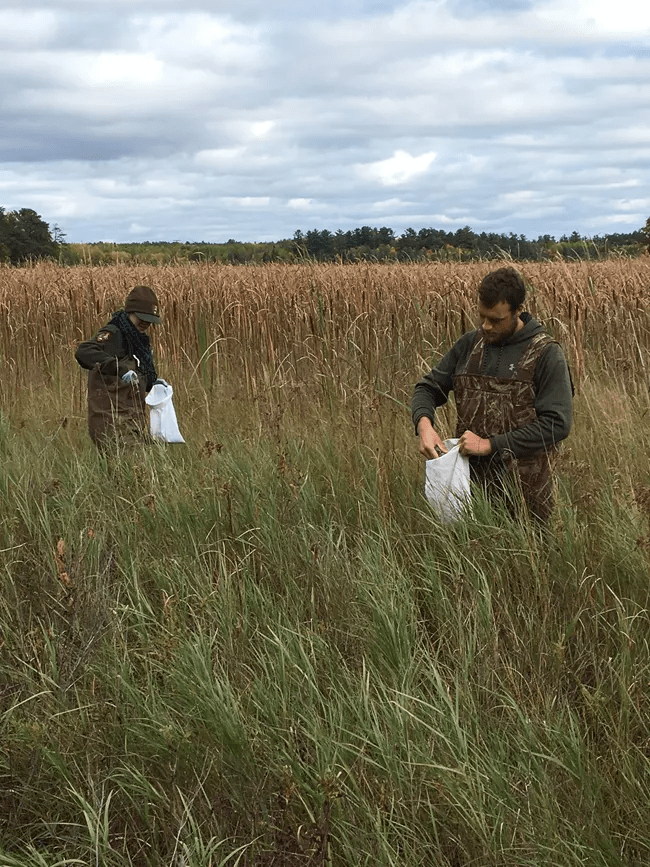
Gathering seeds from native wild rice – NPS photo
Once the non-native cattails are removed, the park plans to restore many of the degraded wetlands using seeds from local plant species, encouraging the return of healthy and diverse ecosystems. This fall, the Voyageurs Conservancy will host a volunteer program aimed at collecting wild rice seeds from healthy areas of the park and sowing them in the newly renovated wetland areas. Wild rice has long been an important food for the native Ojibwe people. Historically the wild rice in the area that is now Voyageurs National Park was so plentiful that during the fall harvest the Ojibwe could fill one canoe with 400 pounds of rice! When you visit one of JNPA’s stores in the park, be sure to pick up a few bags of native wild rice.
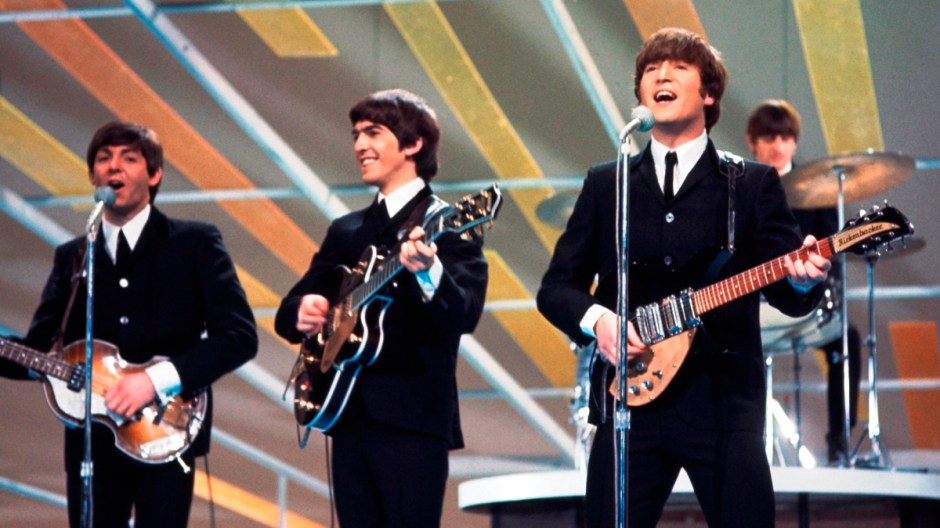
1968. “Beatlemania” was in full swing. Martin Luther King Jr. had been assassinated a year prior. The Civil Rights Act had just been passed, and almost a decade prior, the Little Rock Nine desegregated Little Rock Central High School in Arkansas. Meanwhile, Paul McCartney had been taking notice of the racial turmoil happening in the United States and was inspired to write a song of encouragement for the people fighting for civil rights. Maybe you recognize it?
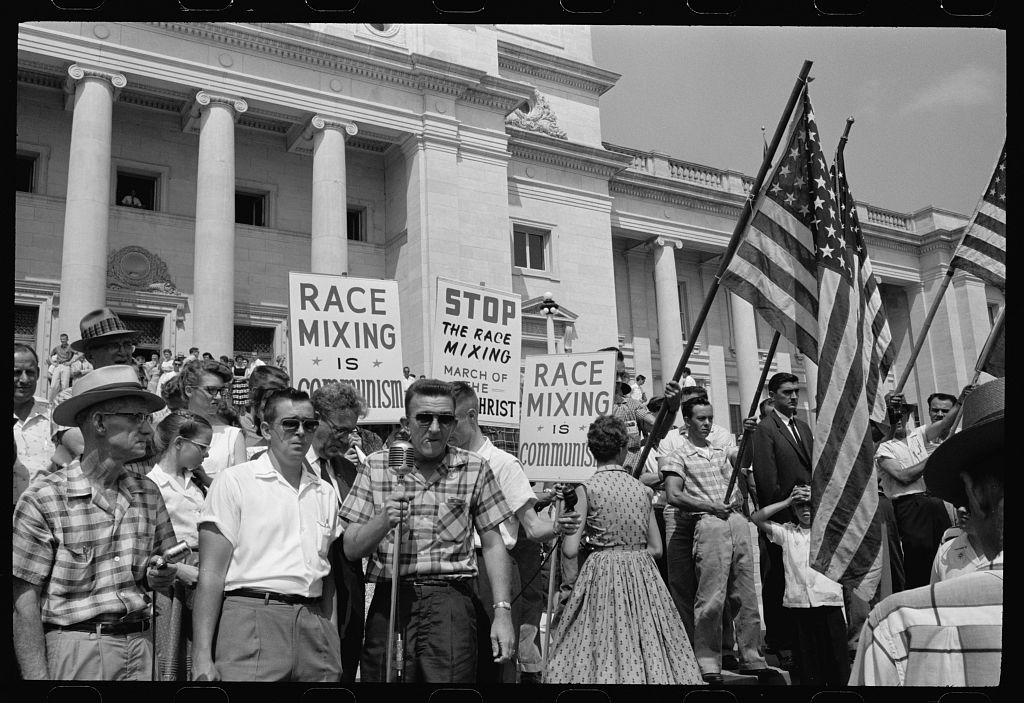
Credit: Library of Congress
“Blackbird singing in the dead of night, Take these broken wings and learn to fly, All your life, You were only waiting for this moment to arise, (You were only waiting for this moment to arise)“
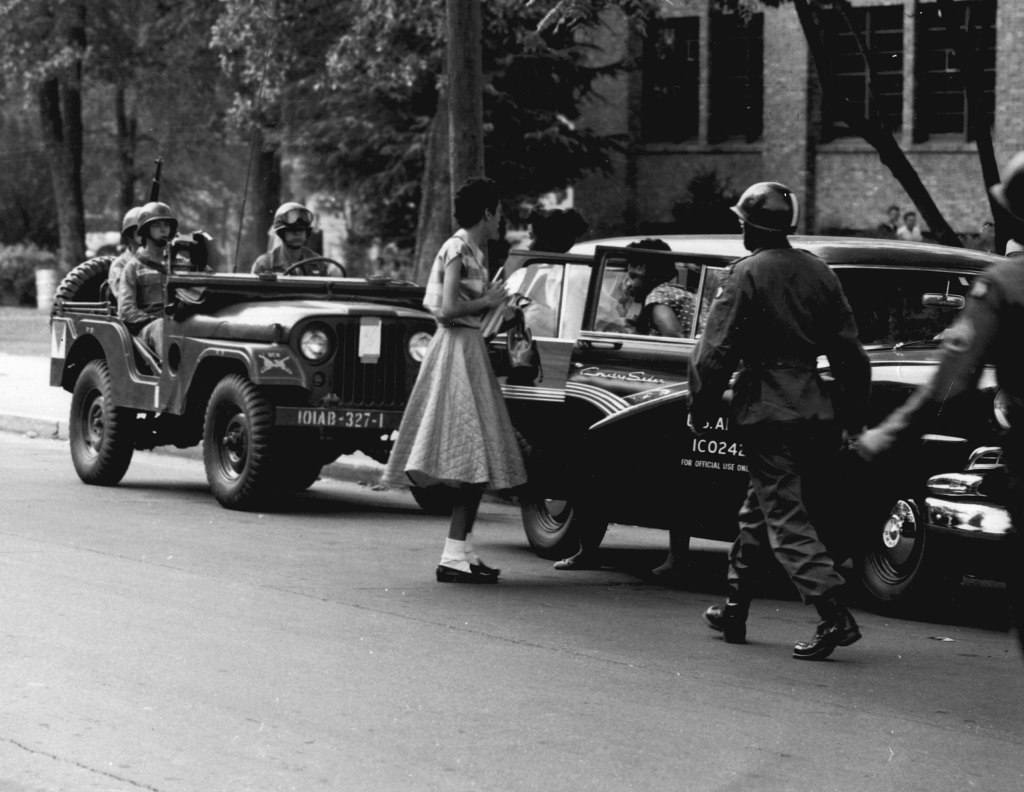
Melba Pattillo Beals was only a teenager when a mob of angry white people confronted her and the rest of the Little Rock Nine as they tried to enter Little Rock Central High School. After Brown v. the Board of Education, the landmark Supreme Court decision outlawing segregation in public schools, the Little Rock School District planned to implement a “gradual” desegregation beginning at Central High School. But on the first day of school, the African American students were met by an angry mob screaming threats at them, and they were barred from entering by the Arkansas National Guard. The governor of Arkansas had called out the guard to “maintain and restore order” by preventing the students from entering. Two weeks later, the students successfully entered the school, but rioting broke out outside and the Little Rock Nine were removed by police for their safety. It wasn’t until September 25, 1957, that federal troops under orders from President Eisenhower successfully escorted the students to their first full day of school.
“Blackbird singing in the dead of night (dead of night, night), Take these sunken eyes and learn to see (learn to see), All your life (all your life), You were only waiting for this moment to be free”
McCartney has stated in several interviews that he was specifically inspired by the Little Rock Nine. In England, “bird” is slang for “girl,” so to McCartney, the titular “Blackbird” represented “Black girl.” He said in an interview with GQ, “I’d heard about the civil rights troubles that were happening in the 60s in Alabama, Mississippi, and Little Rock in particular. So that was in my mind, and I just thought it’d be really good if I could write something that if it ever reached any of the people going through those problems, it might kind of give them a little bit of hope.”
Sure enough, it did reach those people. Ten years after the events at Central High, Beals heard the Beatles’ “Blackbird” for the first time. In an interview with NPR, she said, “It reminded me of what my grandmother said to me when I came home from Central High School complaining about the abuse I had taken during the day: ‘March forward, girl. You have to keep going no matter what.’”
“Blackbird fly (fly, fly), Blackbird fly (fly), Into the light of a dark, black night, Blackbird singing in the dead of night, Take these broken wings and learn to fly (learn to fly, learn to fly), All your life, You were only waiting for this moment to arise.”
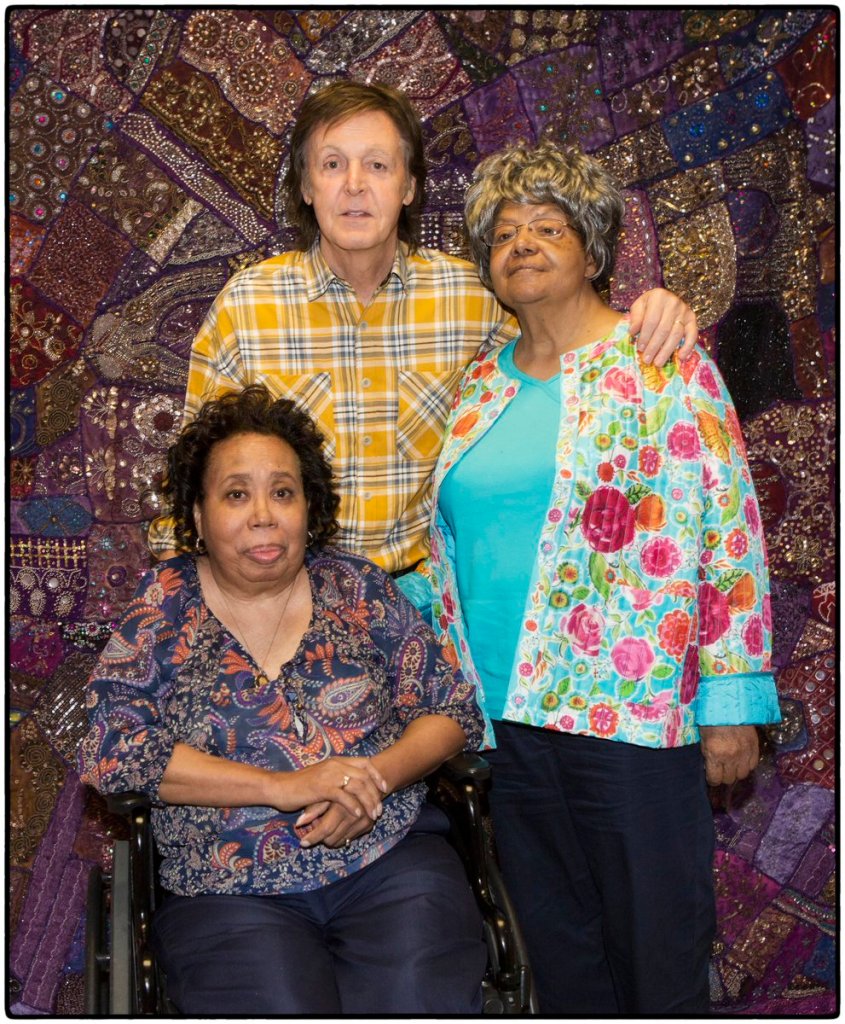
In 2016, McCartney was lucky enough to meet two members of the Little Rock Nine, Thelma Wair and Elizabeth Eckford, backstage at his Little Rock concert. When he introduced “Blackbird” that evening, McCartney said, “Way back in the Sixties, there was a lot of trouble going on over civil rights, particularly in Little Rock. We would notice this on the news back in England, so it’s a really important place for us, because to me, this is where civil rights started. We would see what was going on and sympathize with the people going through those troubles, and it made me want to write a song that, if it ever got back to the people going through those troubles, it might just help them a little bit, and that’s this next one.” You can watch a video of the performance here.
Today, Little Rock Central High School continues to operate as a fully integrated – and high-performing – public school and also as part of Little Rock Central High School National Historic Site, a unit of the National Park Service. The site interprets the story of the Little Rock Nine and the battle for civil rights.
Several of our partner parks are planning events to honor Juneteenth, one of the oldest known commemorations related to the abolition of slavery in the United States. The holiday marks the day that enslaved people in Texas learned they had been freed. News of the Emancipation Proclamation had taken two-and-a-half years to reach Texas, arriving June 19, 1865.
Staff at Ste. Geneviève National Historical Park have found a unique way to honor the enslaved residents of the park’s historic houses during the annual Juneteenth commemoration. They place flowers on the porches of the Jean Baptiste Vallé House, Bauvais-Amoureux House, and Green Tree Tavern. Each flower memorializes an individual who was enslaved at that home.
Credit: NPS
This project is an outgrowth of the park’s ongoing effort to learn more about the early Black residents of Ste. Genevieve. So far, staff and volunteers have confirmed the names of 46 individuals who were enslaved at the three NPS-managed houses. They hope to uncover the larger narratives of these residents and learn about their connections among the free and enslaved people of color in the historic community. The park plans to share the details of these findings through public events like Juneteenth.
Lynne Jackson
Another Juneteenth-related program will take place at the park on Saturday June 22. Lynne Jackson, a descendant of Dred and Harriet Scott, will share the story of her famous ancestors’ long-awaited emancipation in 1857. She will also discuss the Freedom Suit Memorial in St. Louis, a bronze sculpture erected in 2022 commemorating the many lawsuits that enslaved people filed against slaveholders in an effort to gain their freedom.
The lecture begins at 1:30 at the park’s Welcome Center. The event is free, but reservations are recommended; reserve your spot by calling 573-880-7189.
Peggy Harris
Ulysses S. Grant National Historic Site will celebrate Juneteenth on Saturday June 15 with a unique program– Rhythms, Rhymes and Cultural Times. This one-woman show by performer Peggy Harris is a collection of narratives depicting the lives of various strong Black women, including an African Royal’s recounting of the slave trade, Harriett Tubman’s journey to freedom, Harriet Scott’s support of her husband Dred, and Luisah Teish’s call to join women of color together to embrace their culture and spirituality.
The free program takes place at the park at 1:00 p.m. For reservations call 314-842-1867 ext. 230.
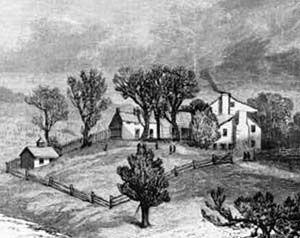
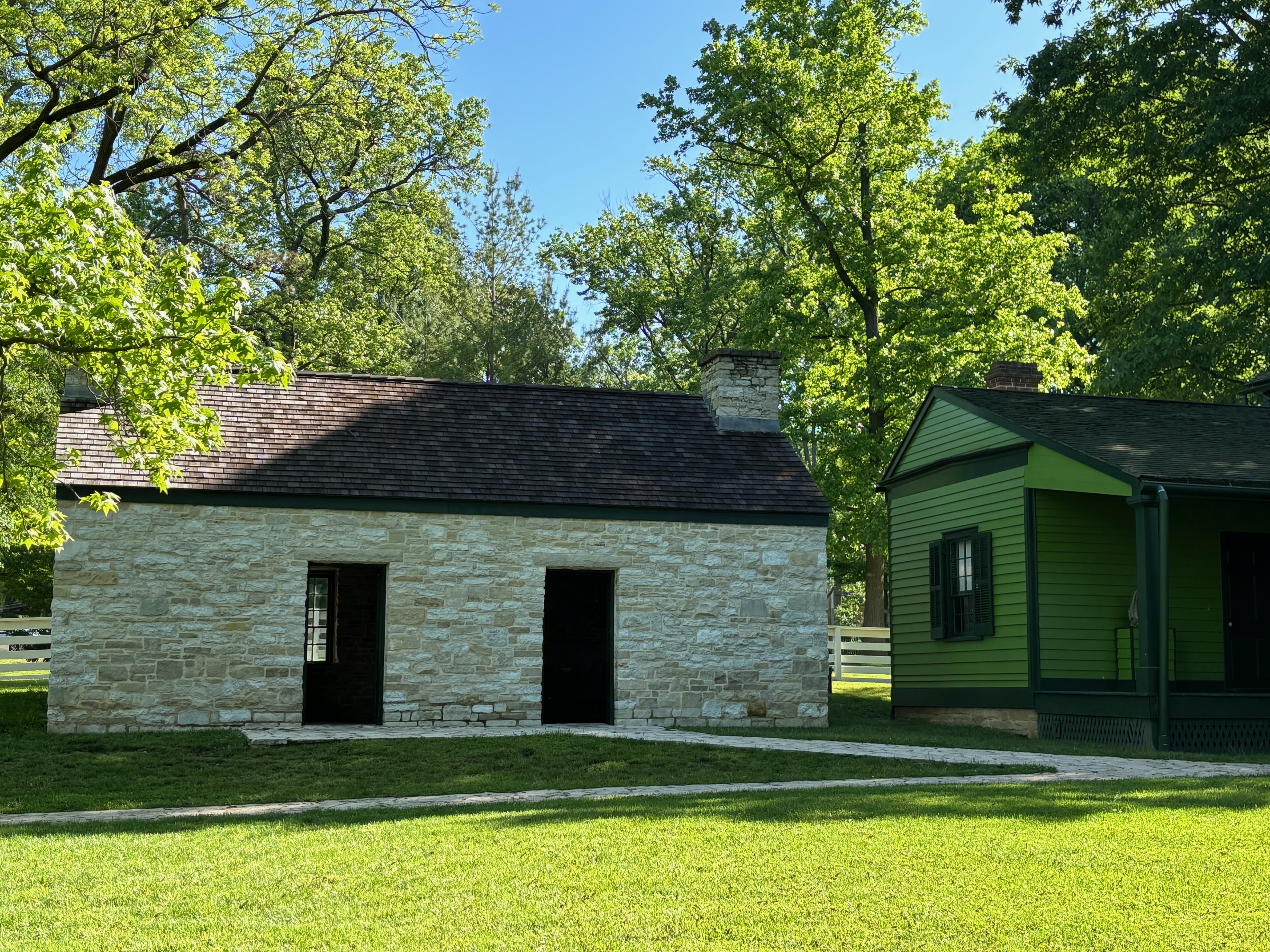
Visitors to the White Haven estate at Ulysses S. Grant National Historic Site sometimes happen upon a curious stone building behind the historic house. This humble little structure looks a bit out of place amid the other wooden buildings on the site, and it has undergone several transformations since it was built. What was it used for?
White Haven, circa 1850. Stone building is visible to the immediate left of the main house. Photo credit: NPS
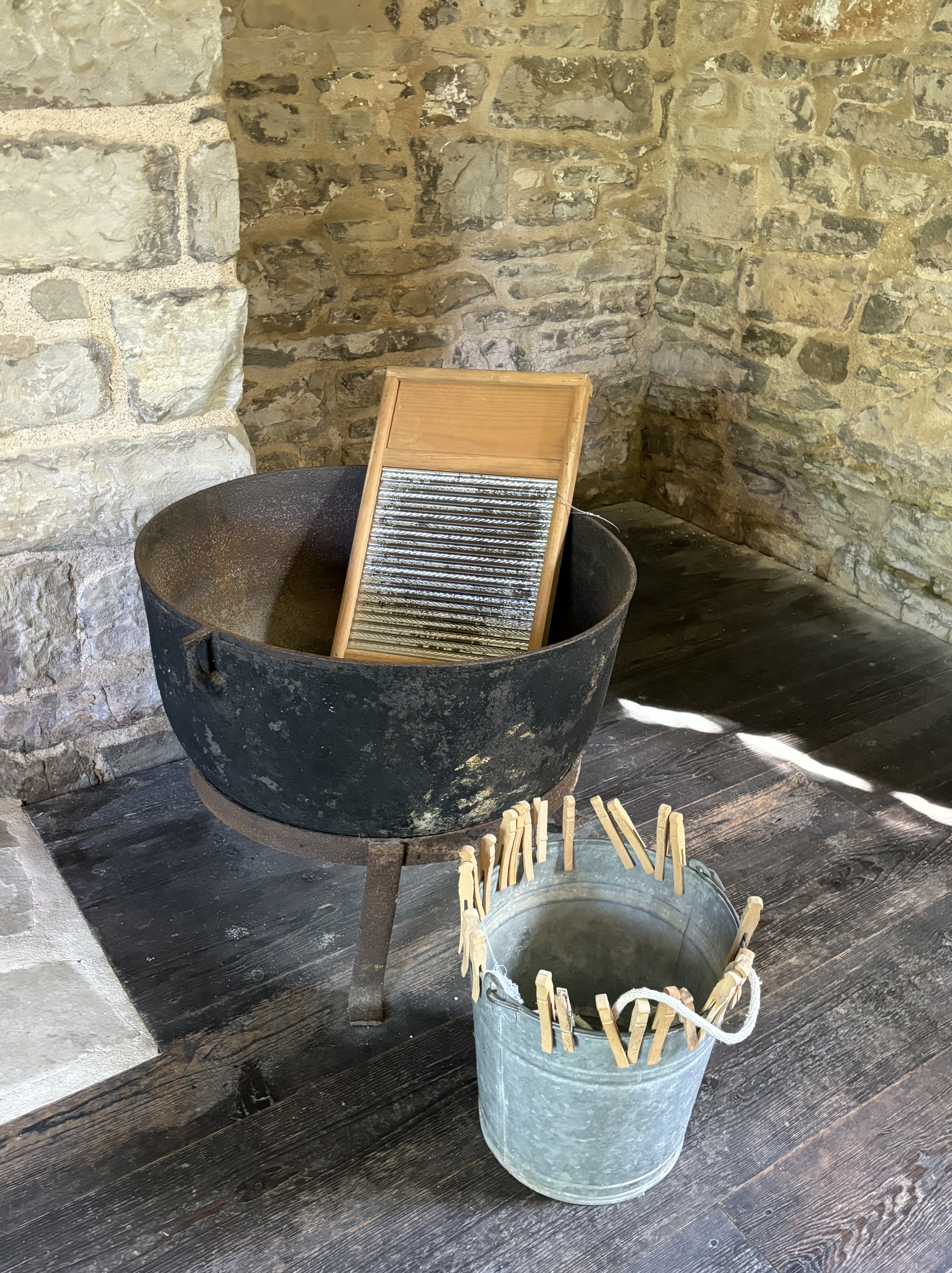
National Park Service archeologists believe the stone building was probably built well before the Civil War – perhaps as early as 1840 – when Grant’s in-laws, Frederick and Ellen Dent, owned and farmed the 850-acre slave plantation. Enslaved laborers are thought to have worked there, cooking food, sewing clothing, and cleaning laundry; and some enslaved cooks may even have lived in the attic.
Although the main house on the estate featured a basement kitchen, its wood construction would have been prone to catching fire during the cold winter months, so cooking duties would probably have shifted to the cooler stone kitchen during the summer.
Photo credit: NPS
Yet a workplace for enslaved people wasn’t the end of the little building’s story. Sometime after slavery was abolished, a permanent kitchen was established on the first floor of the main residence and the stone building ceased to function as a summer kitchen. The roof and walls of the neglected building collapsed.
Photo credit: NPS
Then in the 1940s or 1950s, the private owners of White Haven expanded the west wall of the stone building, rebuilt and re-roofed it, and used it as a three-car garage. Changes to the structure included rebuilding exterior walls, removal of the wall dividing the two rooms, replacement of the gabled roof with a shed roof, and a concrete floor.
Photo credit: NPS
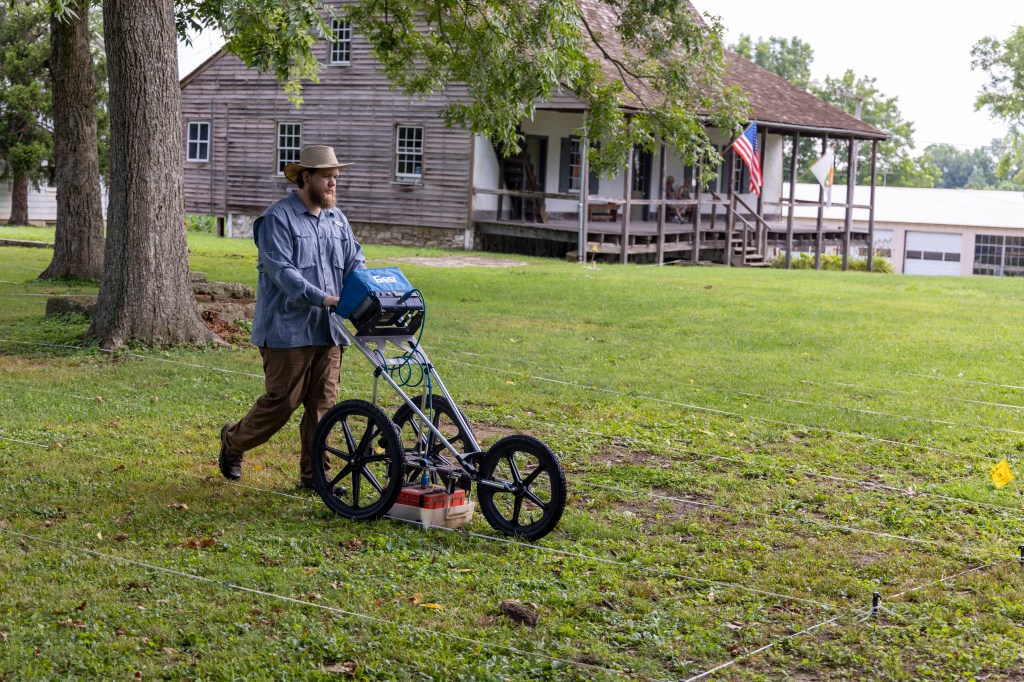
After the National Park Service acquired ownership of White Haven in 1990 (a purchase facilitated by JNPA), workers restored the stone building to its original appearance. Archaeological digs yielded numerous broken dishes, crockery, silverware, as well as sewing equipment from the nineteenth century – further evidence of the domestic tasks enslaved laborers were performing at this site.
On your next visit to the park, be sure to pay a visit to the summer kitchen building, where you’ll find additional information about its many uses.
Are you a fan of national parks? Beyond just paying them a visit, do you want to get more involved in their events and activities? Then National Park Week is for you!!
In August of 1991, the very first National Park Week was established to honor the National Park Service’s 75th anniversary. Since then, it has been celebrated in April alongside Earth Day. This year, National Park Week is April 20-28, and each day is themed around a unique aspect of the national parks.
It is also Park Rx Day, focusing on the connection between the health of people, the health of parks, and the health of our planet.
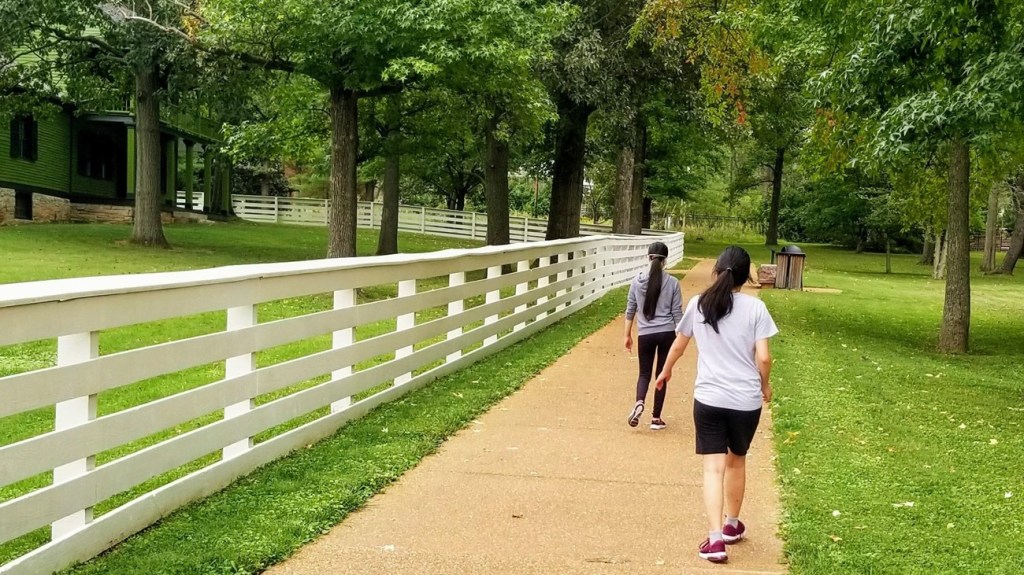
If you are in Missouri, we highly recommend attempting the NPS Wellness Challenge. All seven of the national park sites in Missouri offer challenges in three categories that visitors can complete: mental, physical, and learning. If you complete a challenge, you can earn a Wellness Challenge Badge!
Visitors take a walk through history as part of the NPS Wellness Challenge at Ulysses S. Grant National Historic Site. Credit: NPS
April 21 – Volunteers
Have you ever wanted to volunteer at a national park but either lived too far away or could not find activities that fit your schedule? Now you can volunteer VIRTUALLY as a citizen archivist! Ahead of the upcoming 250th anniversary of American Independence, the National Archives and Records Administration is collaborating with the National Park Service to have volunteers transcribe Revolutionary War Pension Records. These records hold incredible, untold stories of the American Revolution, and once transcribed, will be a permanent contribution to our country’s historical record.
Want to get outside to volunteer? Gateway Arch National Park is having its first ever BioBlitz on April 28. Volunteers will use the iNaturalist app to document various types of wildlife found in the park.
April 22 – Earth Day
On Earth Day, you can join an event at a park near you, or you can learn about all the great ways to practice conservation at home. By taking a few small steps, you can do your part to help protect pollinators, birds, bats, oceans, and even our night skies!
April 23 – Innovation
National Park sites are full of innovative ideas, programs, and technology. For Innovation Day, check out a few of our past blog posts about innovation in some of our partner parks:
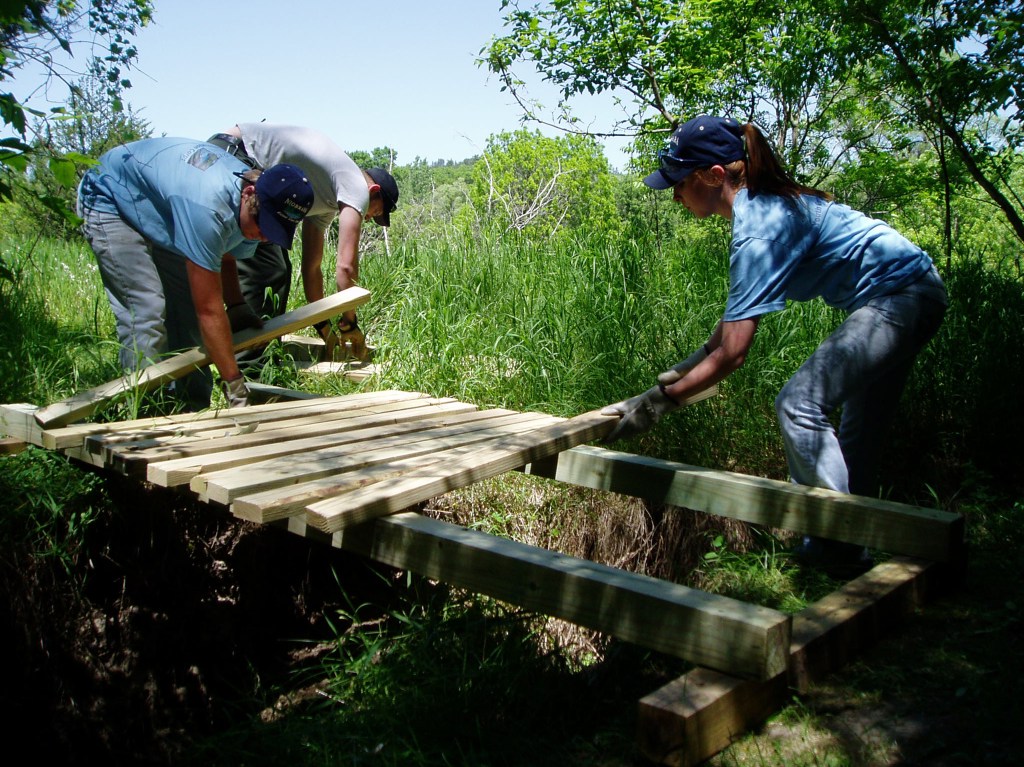
After joining the webinar on Workforce Wednesday, young people between the ages of 15 and 18 can take the next step on their National Park Journey by researching and applying for opportunities with the Youth Conservation Corps! One of our partner parks, Voyageurs National Park, even has an upcoming opportunity May 13 – June 13 for Corps members to repair boardwalks and complete trail maintenance in the park.
Youth Conservation Corps installing a bridge at Niobrara National Scenic River. Credit: NPS
April 26 – Community Connections
Did you know that the National Park Service’s work does not stop at a park’s boundary? Every day, parks across the country partner with their surrounding communities to expand their mission of conserving the natural and cultural resources of our country for the “enjoyment, education, and inspiration of this and future generations.” A few notable examples in the JNPA network of sites include:
Mississippi National River and Recreation Area– This park is incredibly unique because the National Park Service owns only 67 of the 54,000 acres that the park encompasses. The rest is made up of city, state, and regional parks, a national wildlife refuge, and private businesses and homes. This “partnership park” can only achieve its mission by working closely with the community to achieve their shared goals.
Lower Mississippi Delta Initiative (LMDI)- This outstanding grant program is funded by the National Park Service and co-administered by JNPA. These grants fund small-scale cultural heritage projects at not-for-profit community organizations in the Lower Mississippi Delta Region.
Crosby Farm at Mississippi National River and Recreation Area. Credit: NPS
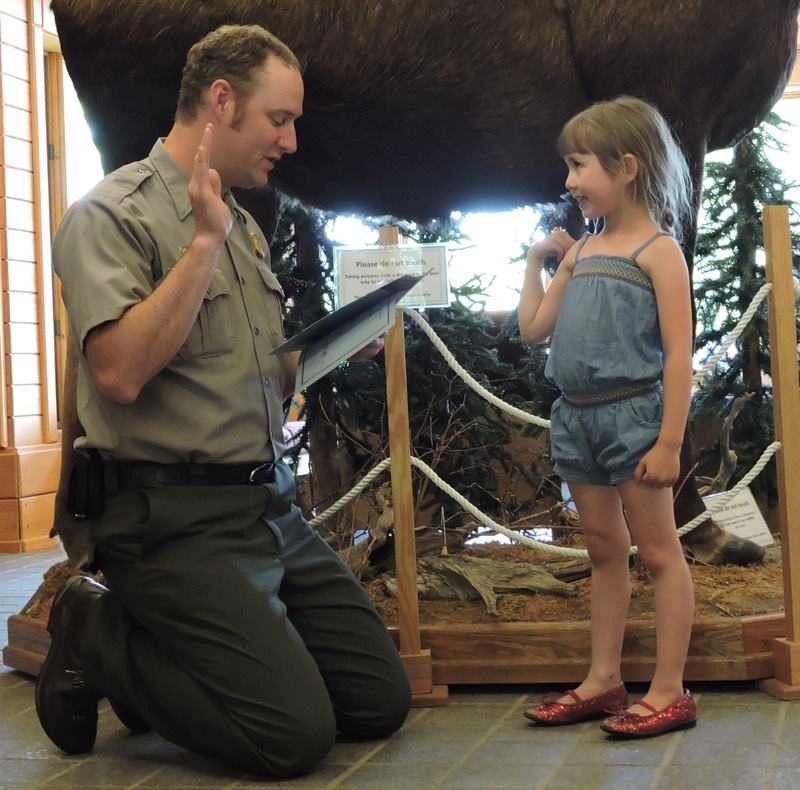
Swearing in a Junior Ranger at Voyageurs National Park Credit: NPS
April 28 – Arts in the Parks
When you think of national parks, art may not be the first thing that comes to mind. However, all five of the “fine arts” play an important role at national park sites.
Painting – Beginning in the 1800’s, beautiful landscapes of the American West were captured by the painters of the Hudson River School. These paintings helped inspire support for the creation of the national parks. This tradition continues today with the NPS Artist-in-Residence program.
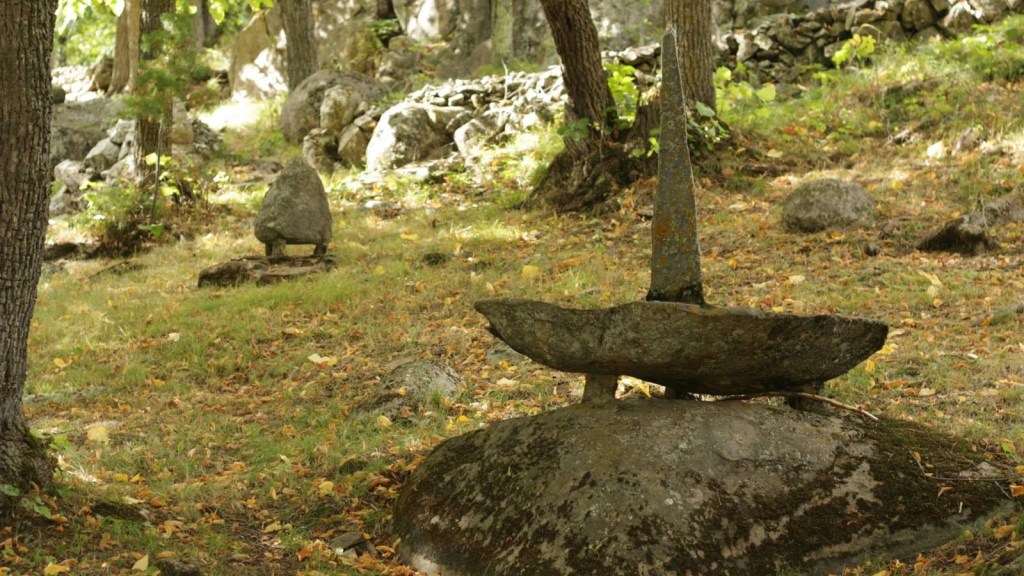
Sculpture – The Ellsworth Rock Gardens at Voyageurs National Park is home to over 200 abstract rock sculptures.
Architecture– Standing at 630 ft, one of the most iconic architectural marvels in the National Park Service is the Gateway Arch.
Music – Little Rock Central High School National Historic Site, Oxford American, and composers Christopher Parker and Kelley Hurt partnered to create a musical tribute to the Little Rock Nine, a jazz composition entitled “The No Tears Suite.”
Poetry – A new initiative this year is “Poetry in Parks.” U.S. National Poet Laureate Ada Limón selected historic American poems which will be displayed as public works of art on picnic tables in seven national parks. The installations will be unveiled throughout the summer and fall.
Rock sculptures at Ellsworth Rock Gardens/Voyageurs National Park. Credit: NPS
No matter what theme speaks to you, no matter how old you are, no matter if you visit in person or virtually, go to a national park next week!
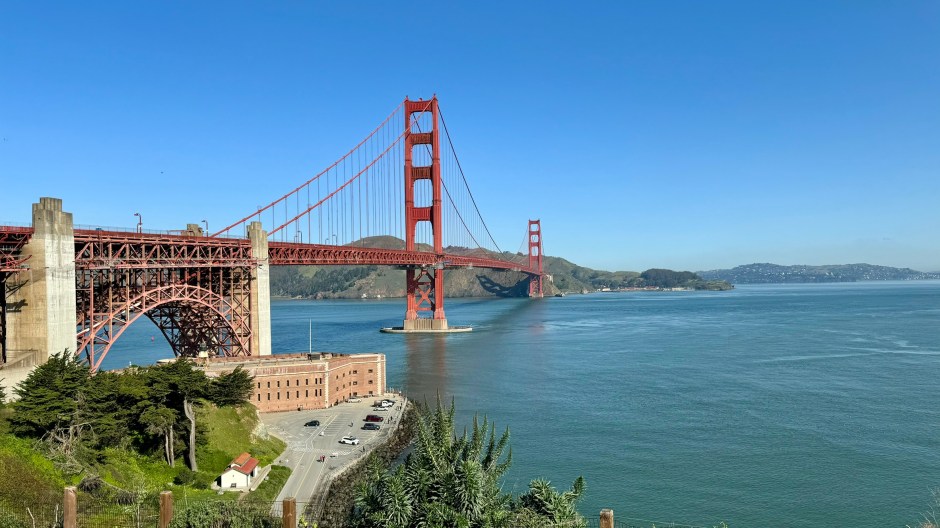
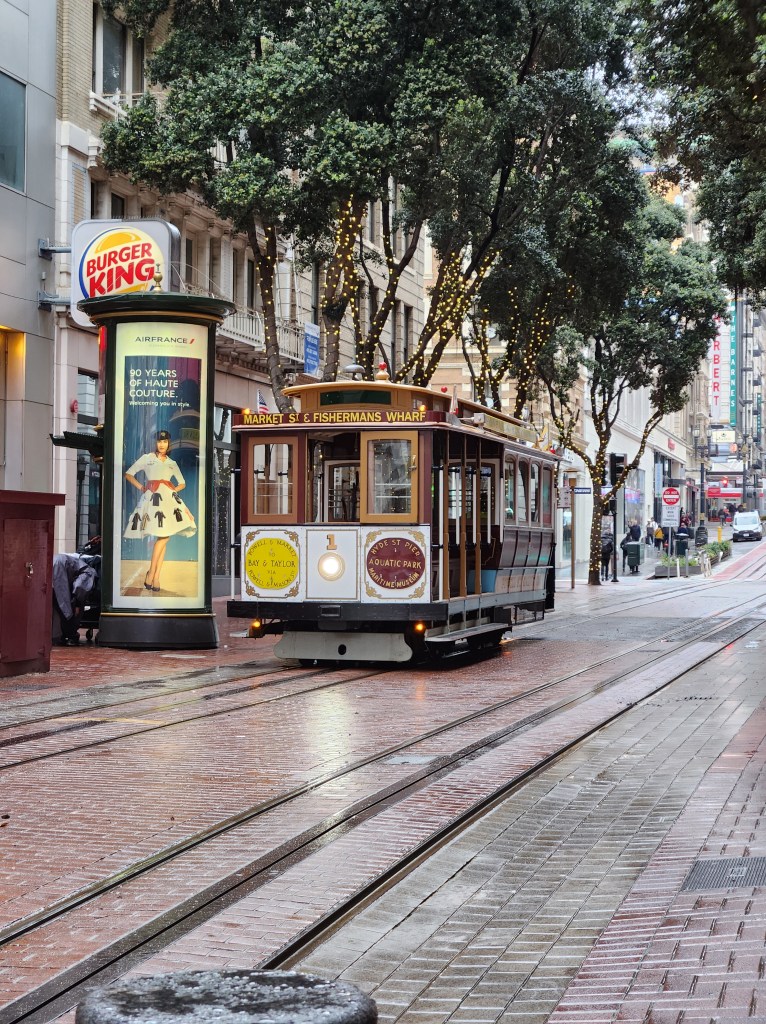
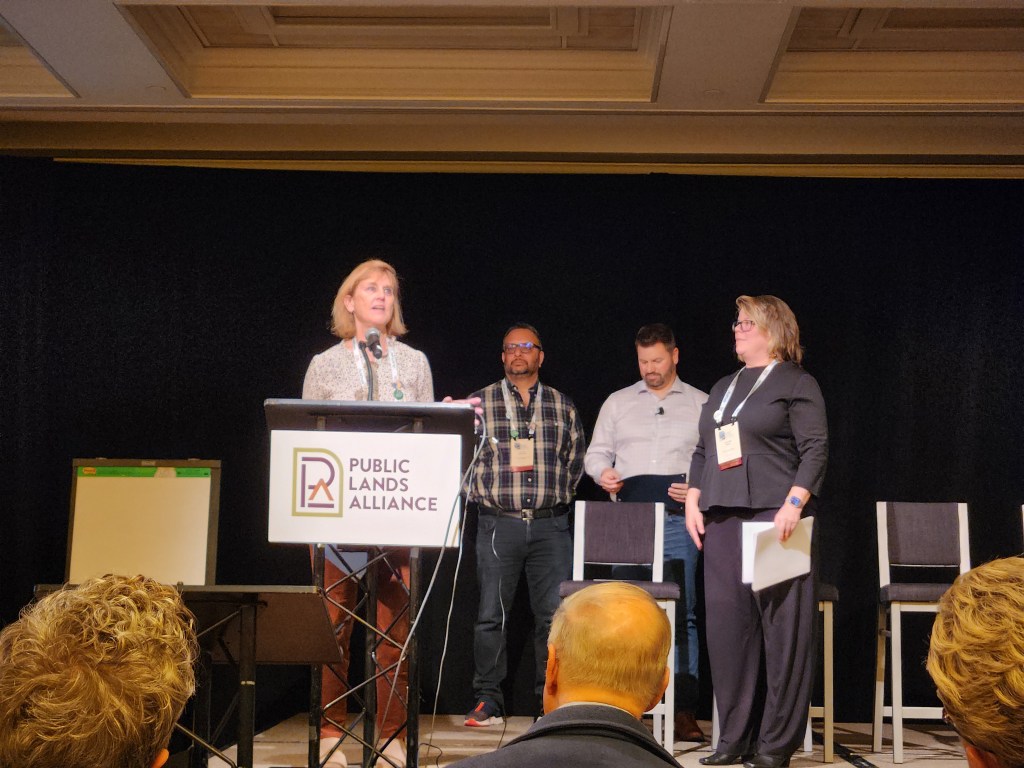
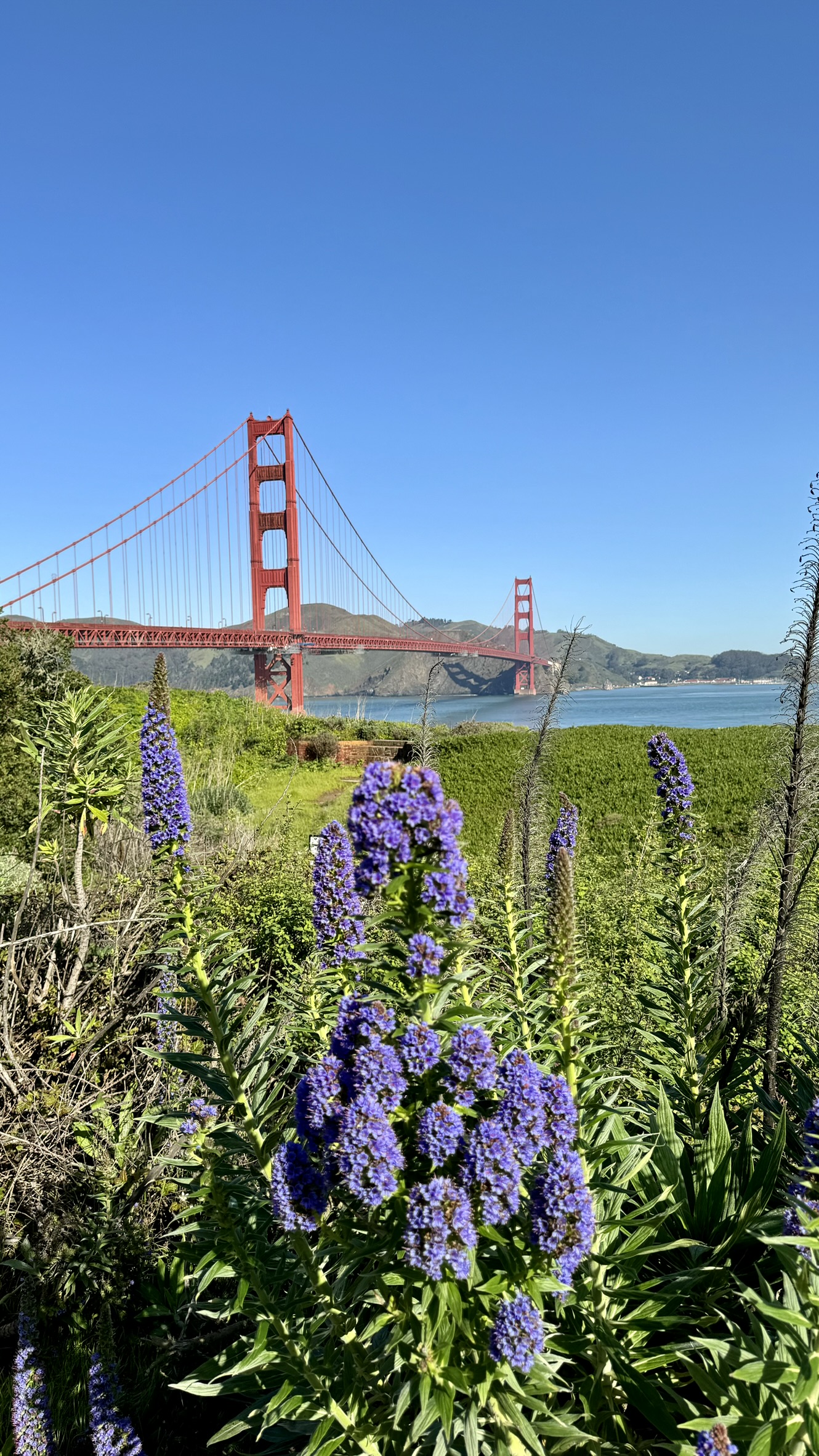
“I left my heart in San Francisco. High on a hill, it calls to me.” Tony Bennett famously sang of the captivating beauty of San Francisco, and a few JNPA staff members were lucky enough to experience that beauty earlier this month at the 2024 Public Lands Alliance Annual Convention.
The Public Lands Alliance (PLA) is a network of nonprofit partners of America’s public lands. Since 1977, PLA has connected public lands partners to agency leaders, socially conscious corporations, and to each other while providing resources for training, education, and collaboration. Each year, PLA holds an annual convention which brings together its members to participate in educational sessions, networking events, field trips to public lands sites, and a trade show featuring educational and public lands-related products.
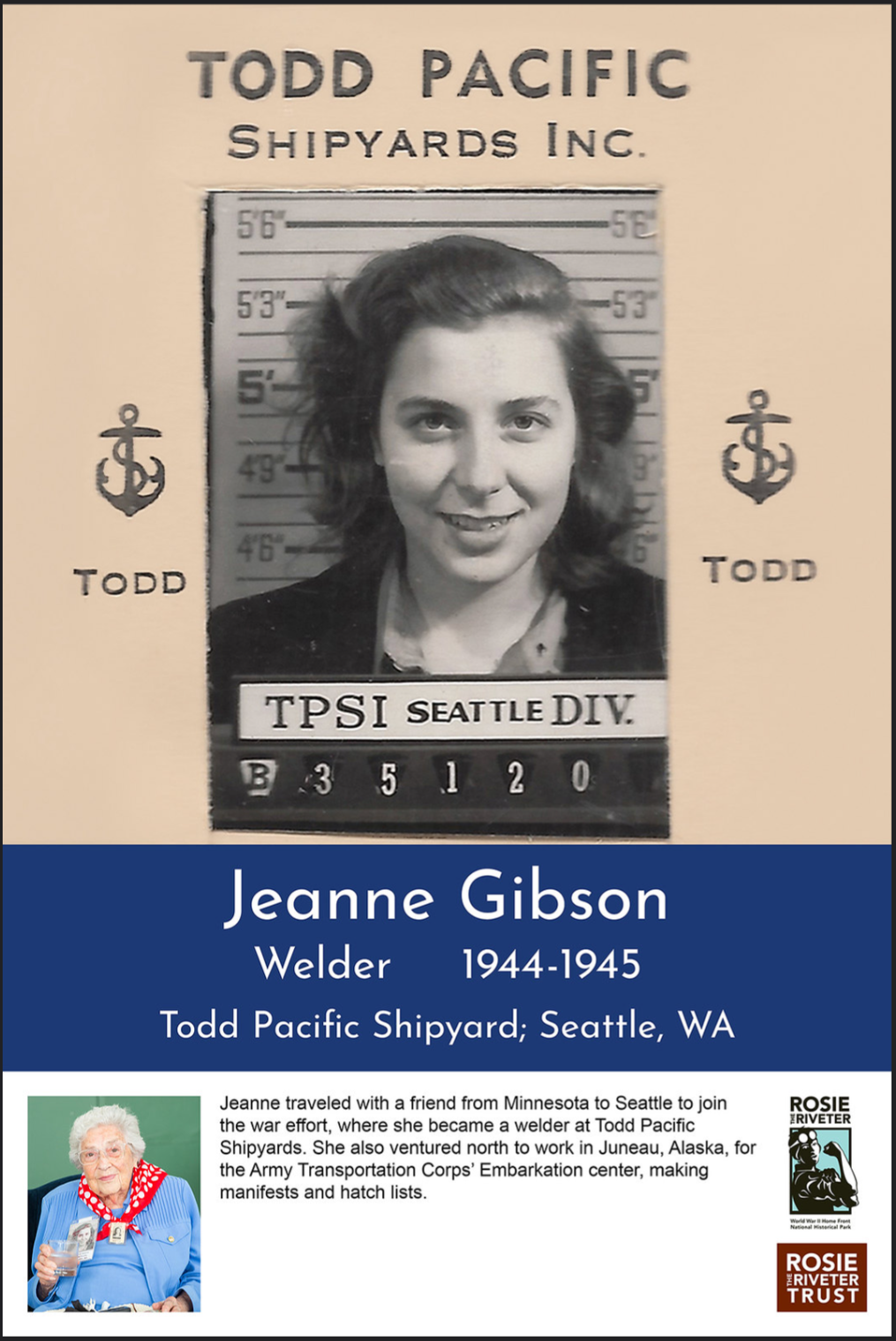
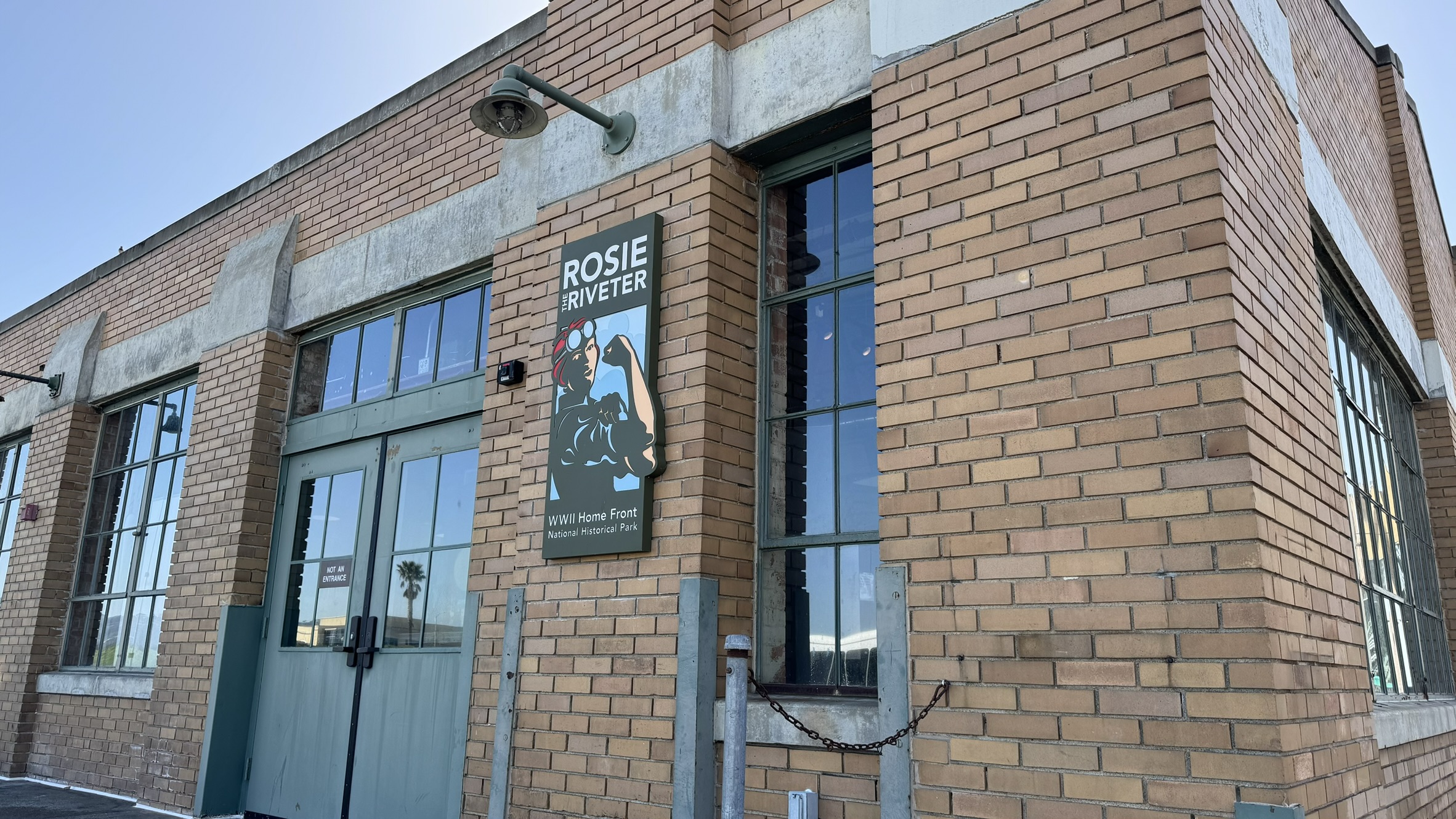
The convention officially began with a session about how organizations in the Bay Area have collaborated to create inclusive experiences and outdoor spaces in the Golden Gate National Recreation Area. The session ended with a bang — literally! The incredible percussionists and dancers of Fogo na Roupa, a Bay Area Brazilian Carnaval performance group, gave a performance that got everyone up on their feet dancing along. Attendees were then treated to an opening reception themed around Rosie the Riveter, including a visit from a real-life “Rosie,” Jeanne Gibson. Jeanne was a welder at Todd Pacific Shipyard from 1944-1945 and now volunteers for Rosie the Riveter WWII Home Front National Historical Park.
A whirlwind of sessions began bright and early Tuesday morning and continued the rest of the week. A few highlights included:
A panel discussion on outdoor stewardship and wellness;
A case study on the work done in the Marianas Islands to commemorate indigenous stories;
An in-depth guide to ethical storytelling;
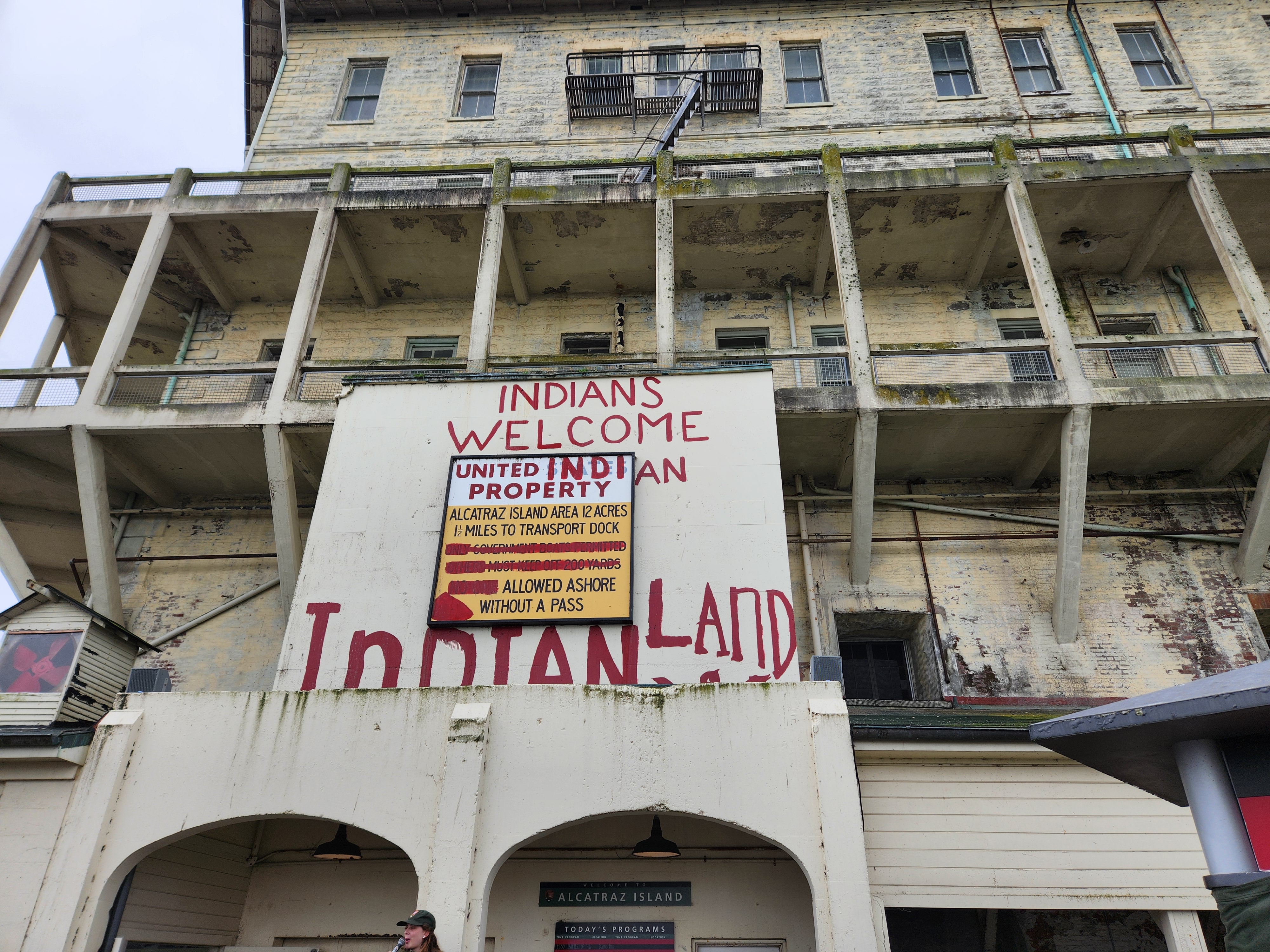
A panel discussion about how the National Park Service and others are collaborating with the Native American veterans of the Alcatraz Occupations to highlight their personal stories while creating a new Alcatraz exhibit about Indigenous history and the occupations.
An education session about how the U.S. Fish and Wildlife Service and National Park Service are using innovative new ways to prevent birds from colliding with glass at federal sites, as well as how the public can make their homes and businesses safer for birds.
Not only were attendees able to attend the illuminating education sessions, but there were a few extra opportunities both in and out of the convention. One evening, PLA hosted a screening of the breathtaking documentary, “Out There: A National Park Story” followed by a discussion with filmmaker Brendan Hall.
During one of the convention’s general sessions, the Public Lands Alliance surprised attendees with an early announcement of a few winners of its coveted Partnership Awards. Jefferson National Parks Association won Best Innovative Product for our virtual reality experience Cobblestones and Courage!
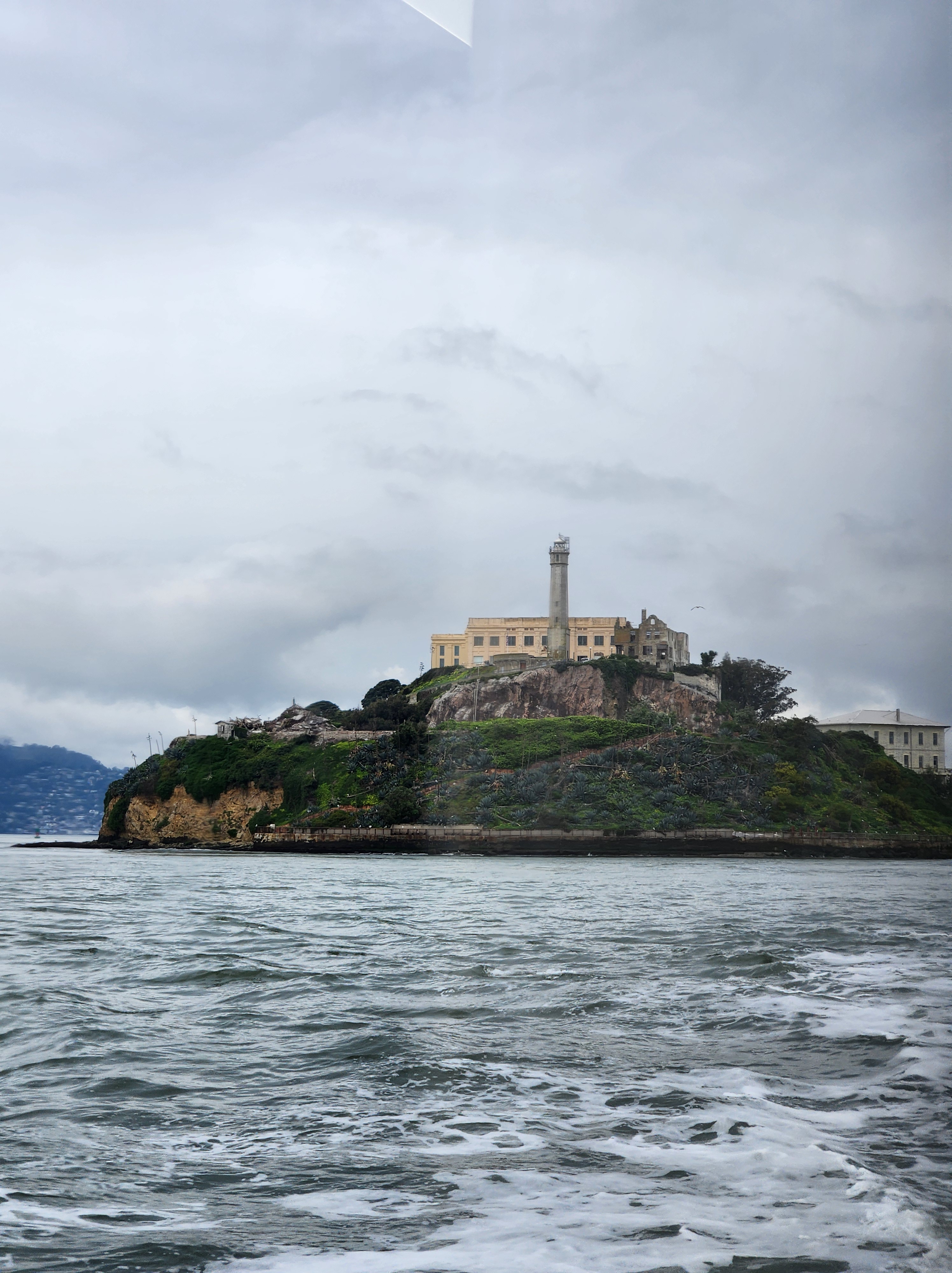
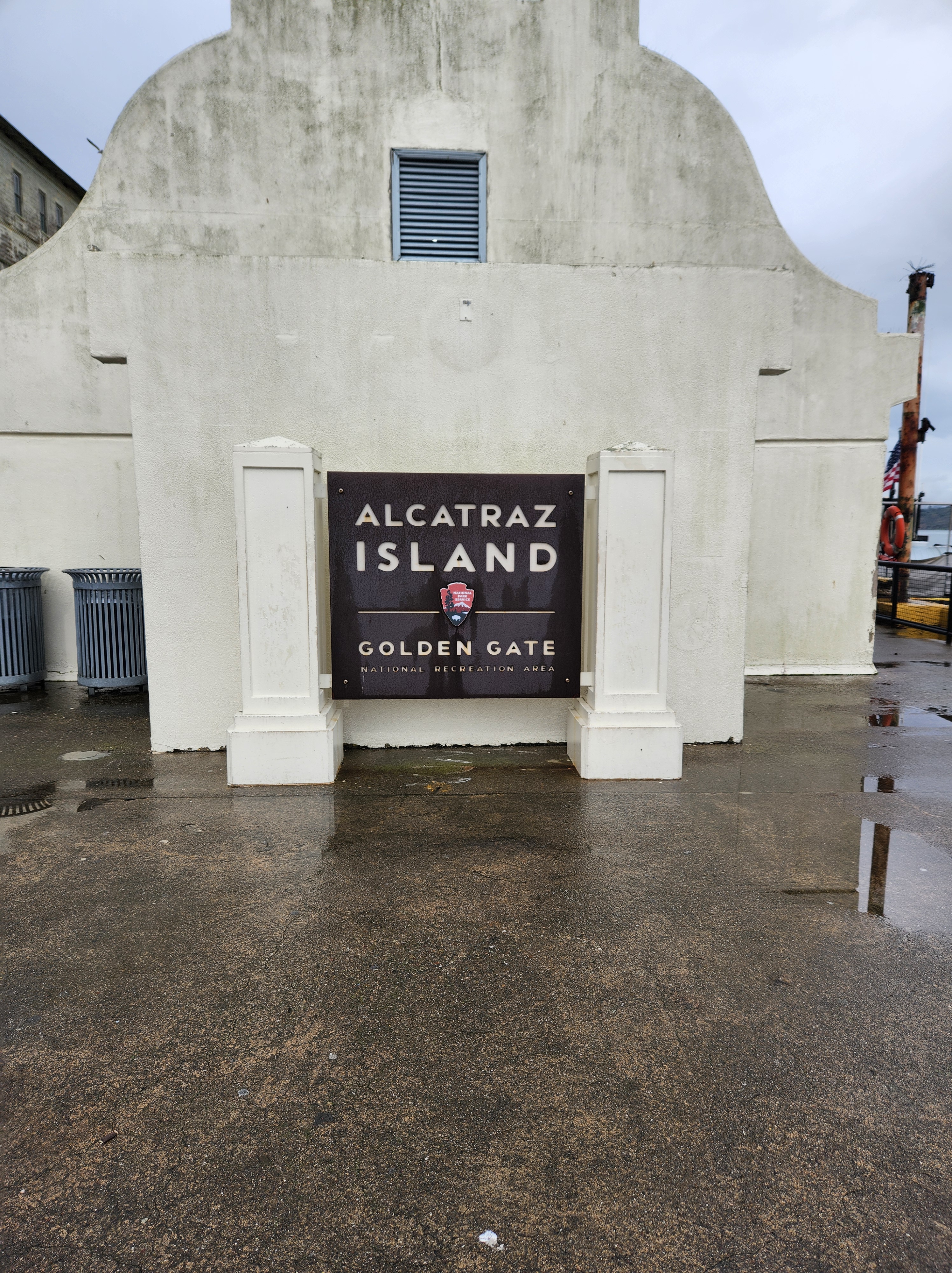
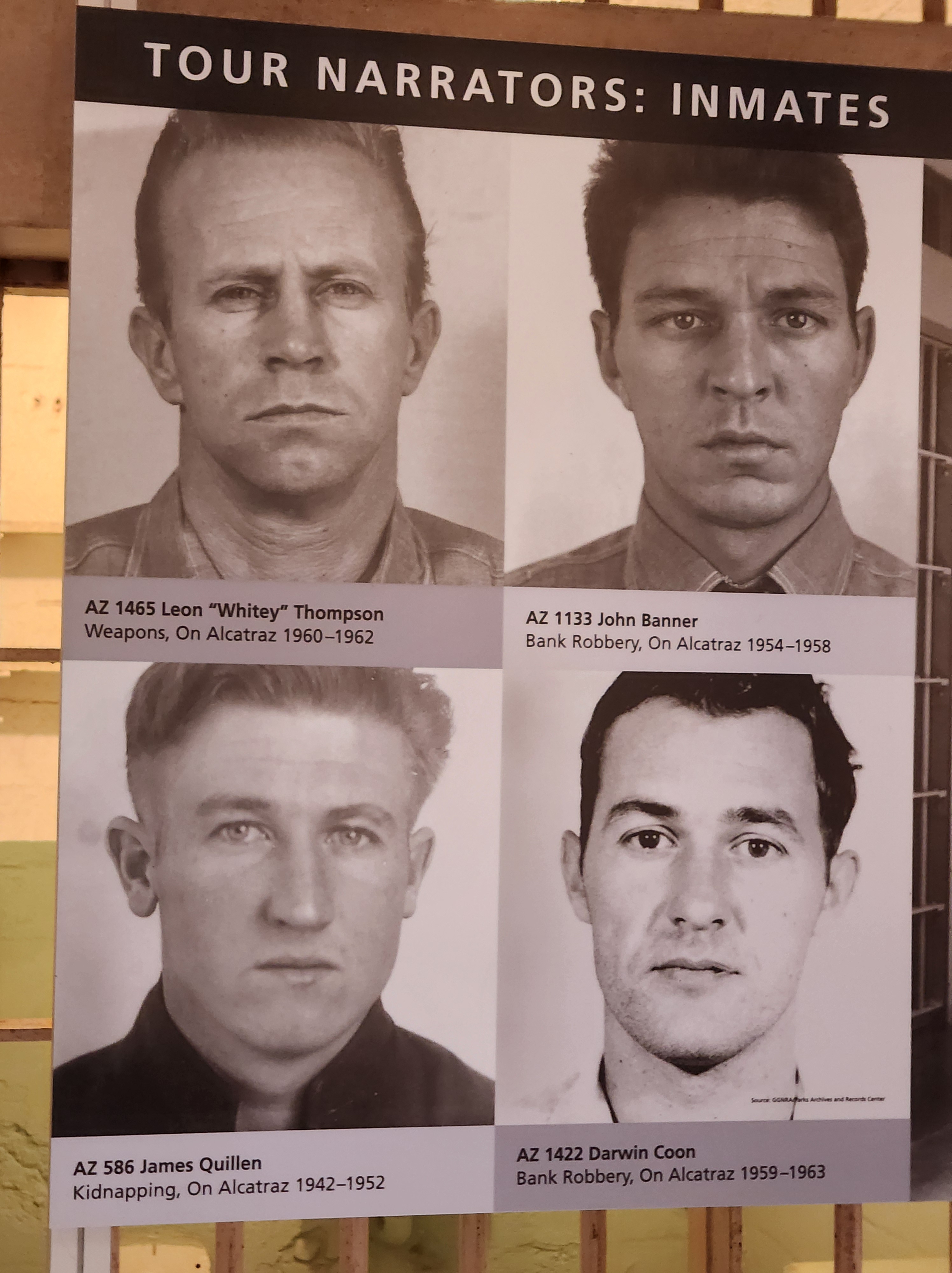
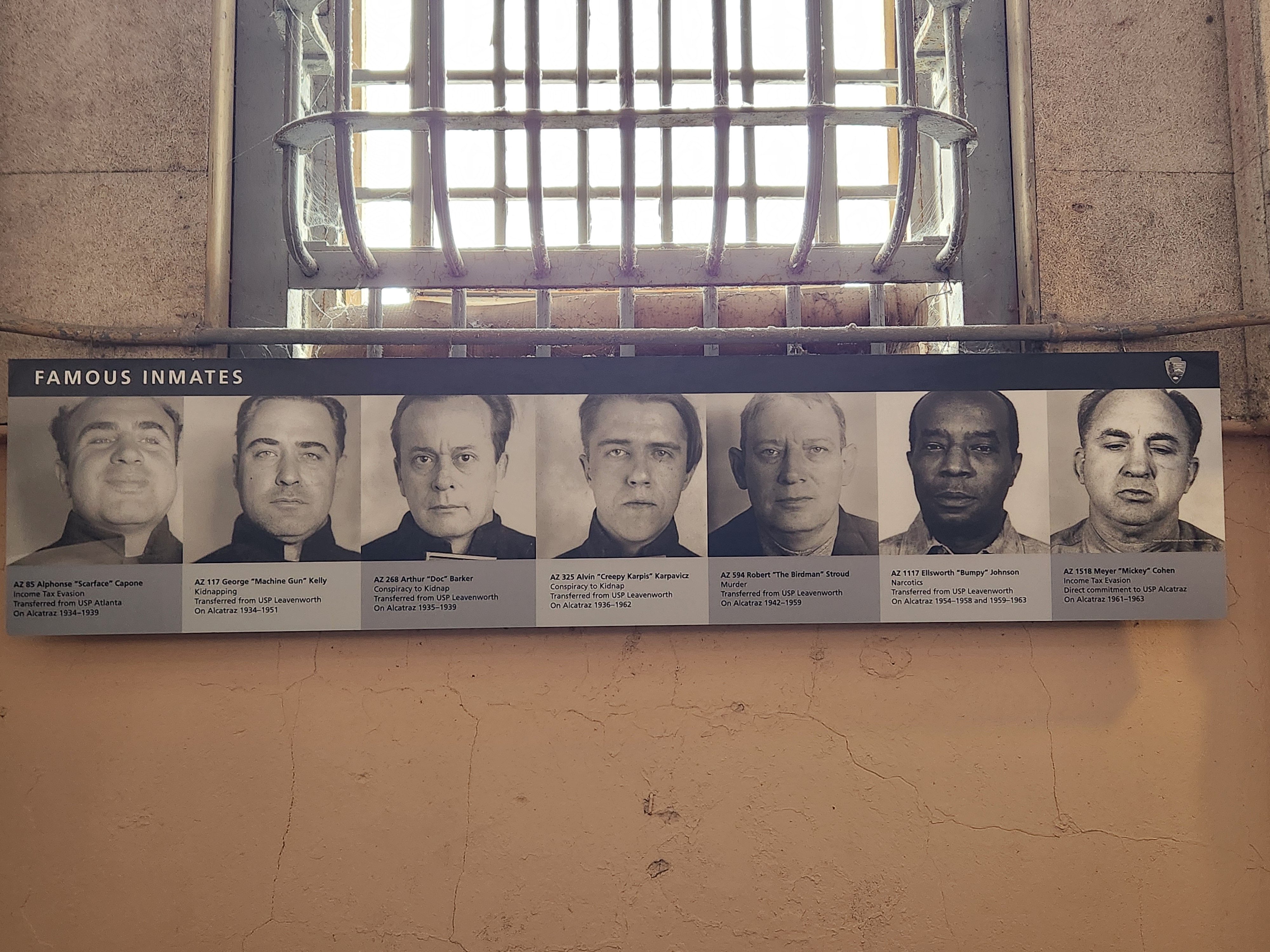
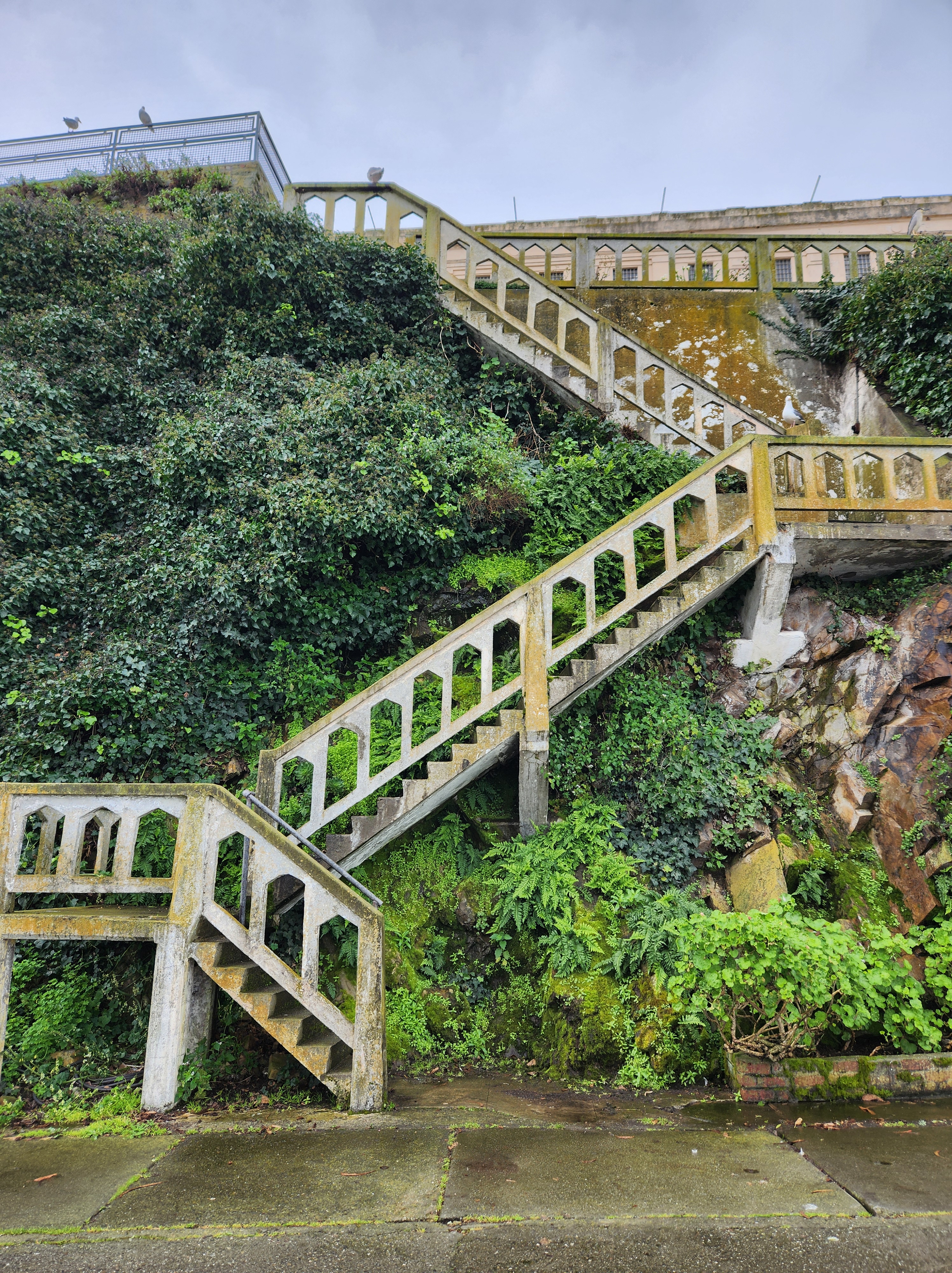
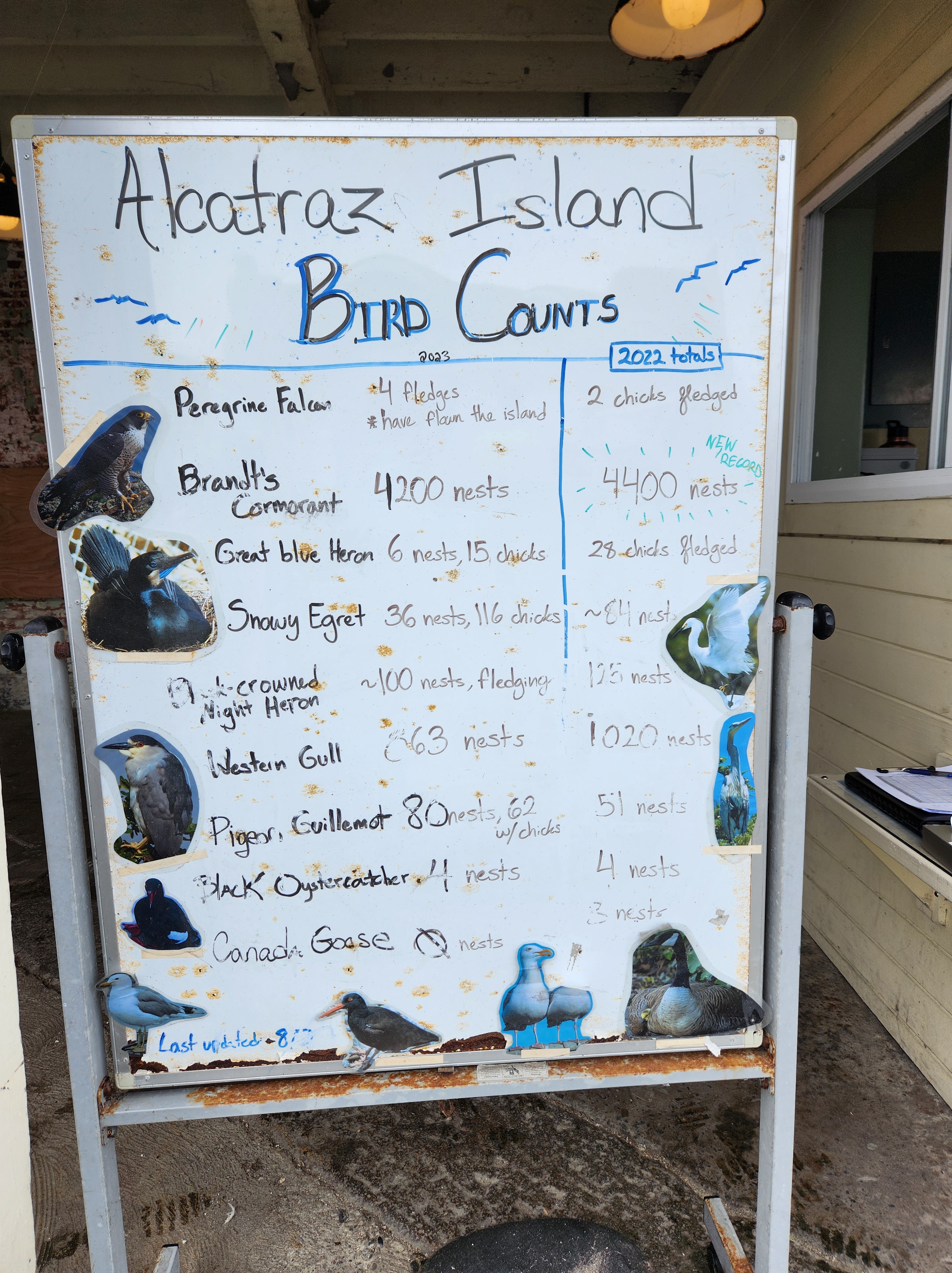
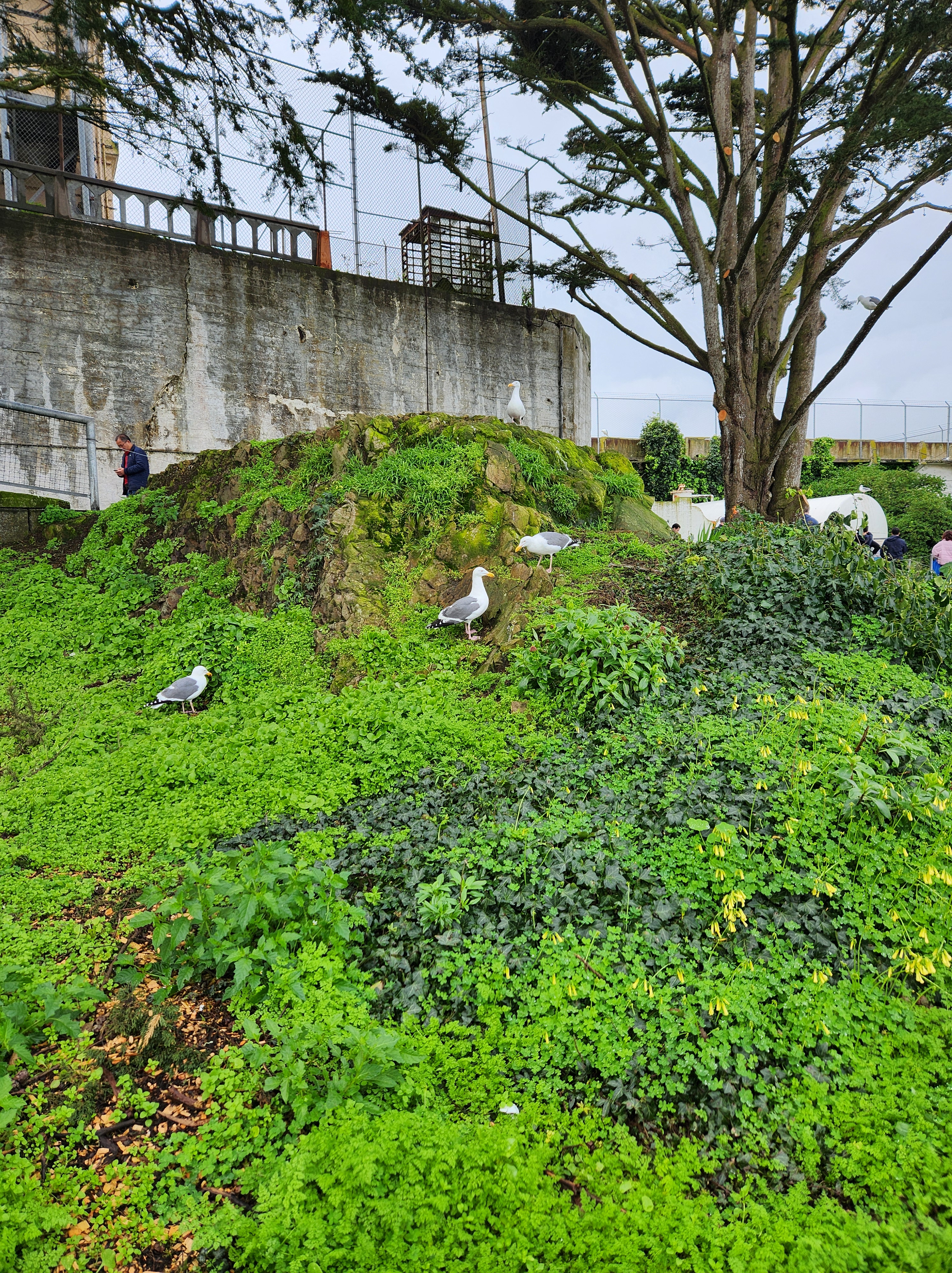
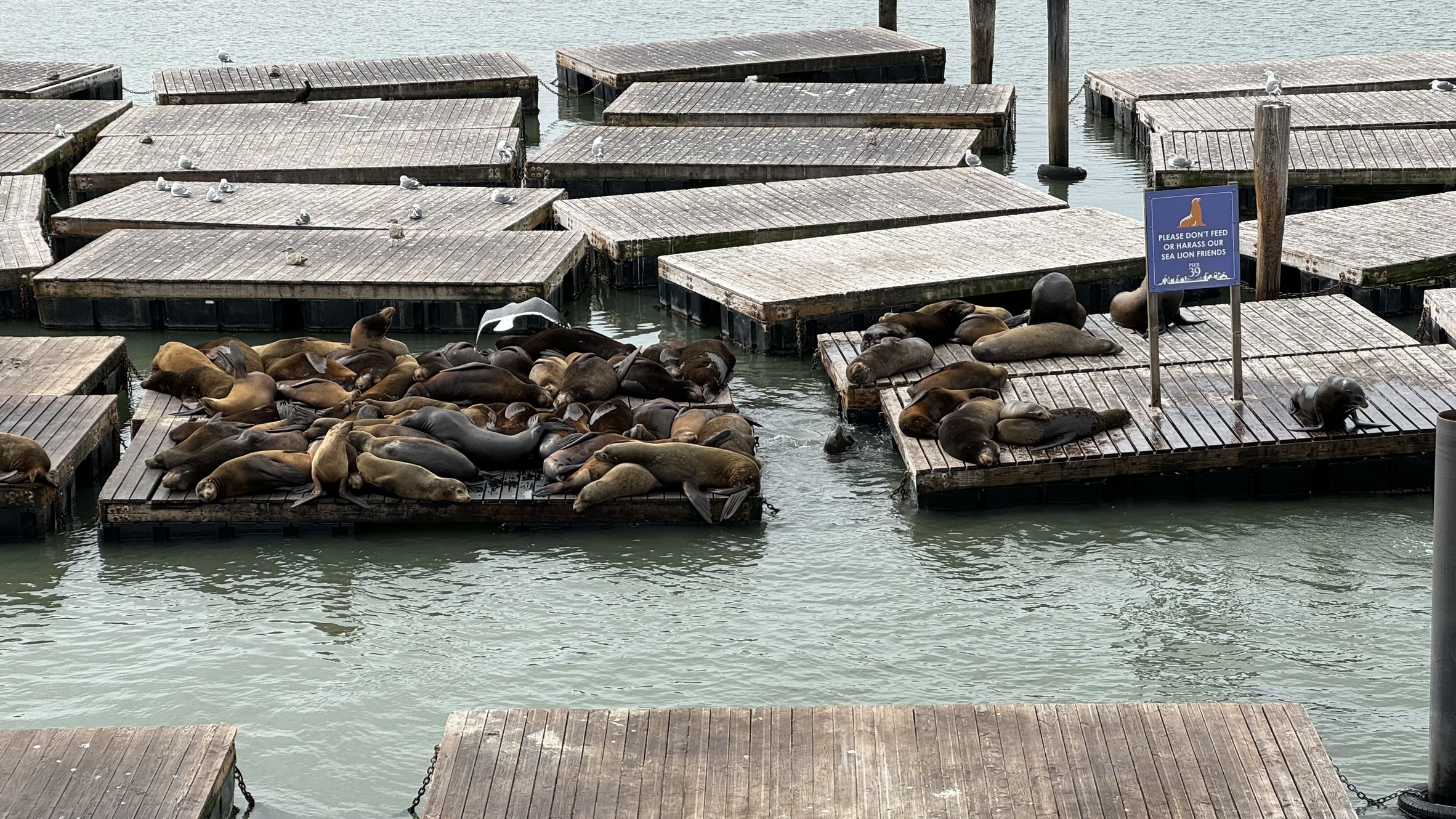
JNPA attendees took a few individual excursions outside the convention. One person visited Alcatraz Island in Golden Gate Recreation Area. A featured experience at Alcatraz is the highly immersive audio tour of the cellhouse, which is narrated by former guards and inmates. Alcatraz is also home to several types of wildlife and is the second largest seagull nesting ground in the world.
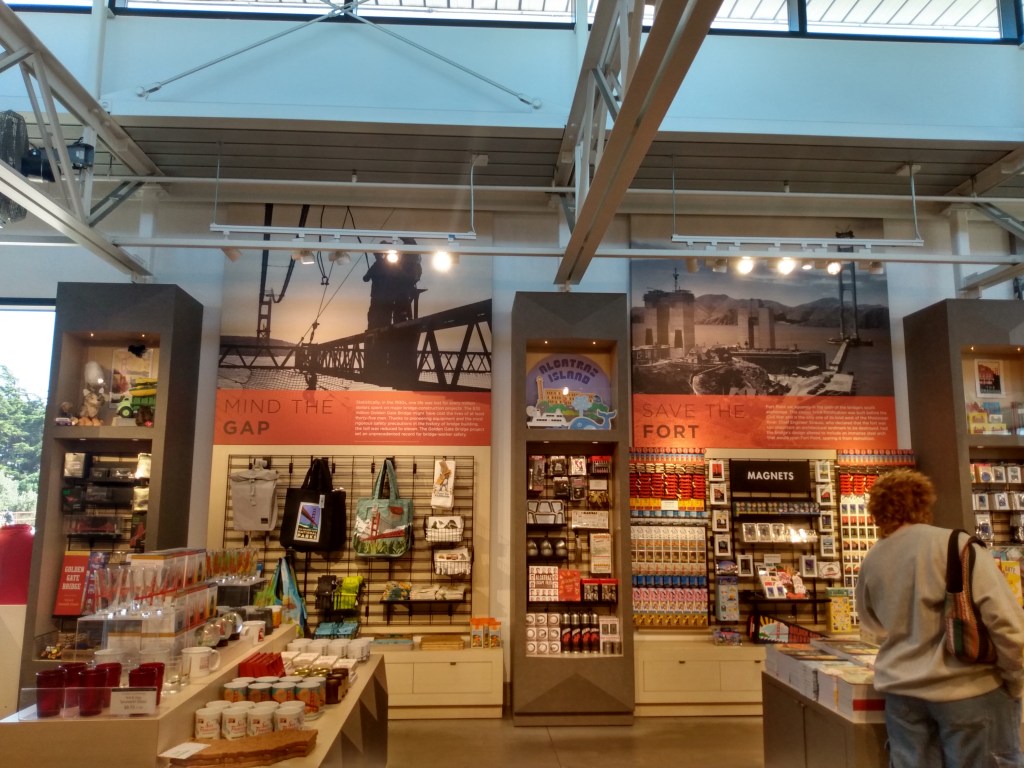
JNPA’s retail team visited the Golden Gate Bridge Store, which is operated by Golden Gate National Parks Conservancy. They were very impressed by how well the store mixes both product merchandising and storytelling through exhibits.
The convention concluded with a special presentation by Rue Mapp, Founder & CEO of Outdoor Afro. Rue spoke about her life and the inspiring story of how she created this organization dedicated to bringing the African American community closer to nature. She also talked about the benefits of people connecting with the outdoors and how public lands can play a vital role in improving community health.
While each attendee came into the convention with different perspectives and goals, it is safe to say that everyone left with a shared sense of appreciation that we all get to play even a small part in supporting our amazing public lands.
Pop quiz! What animals are small, furry, eat thousands of mosquitoes every night, and are critical to many natural ecosystems? Bats!
National parks are home to 45 species of these cute (to some!) little mammals, each of which play an important role in nature. Yet they have recently been decimated by a deadly disease. Luckily, Missouri National Recreational River and many other national parks are working to rescue bat populations.
Why is it so important to protect bats? In contrast to the pop culture depiction of tiny flying vampires, most bats eat insects, fruit, plant nectar, or small animals such as fish or frogs. In fact, only three of the nearly 1,500 bat species in the world drink blood, and they only live in Central and South America. Insect-eating bats feed on so many flying pests that their contributions would add up to more than $3 billion worth of pest control in the United States alone!
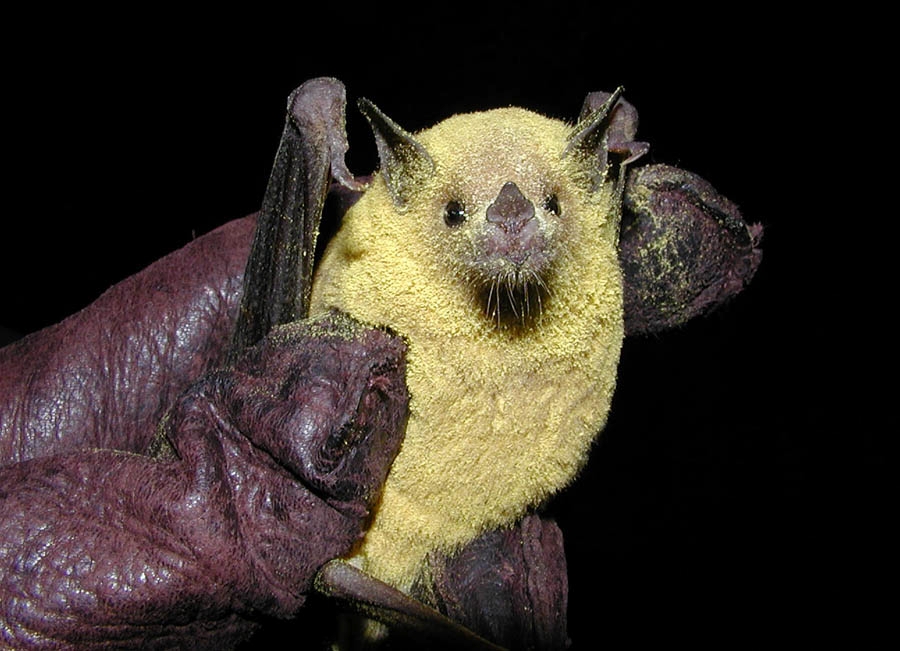
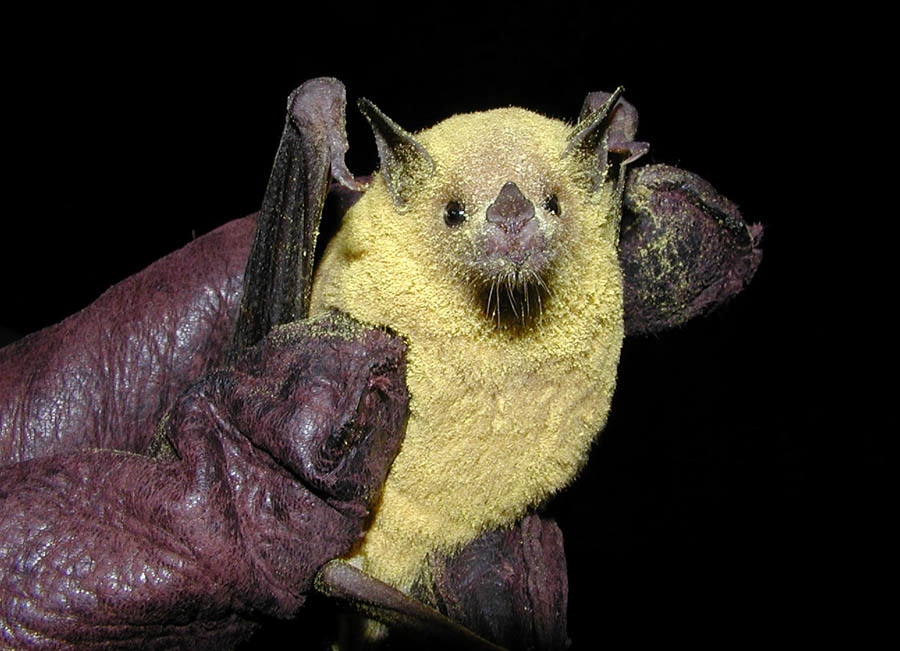
A lesser long-nosed bat covered in pollen from an agave flower. Credit NPS.
Additionally, bats are excellent pollinators. Do you enjoy tequila? Well, thank bats because they are the number one pollinator of blue agave! Bats also contribute to the ecosystem by supporting cave communities, distributing seeds from the fruit they eat, and serving as prey to other animals. Bats have even inspired technological advances such as sonar systems designed after bats’ echolocation and new types of drones inspired by bats’ thin, flexible wings!
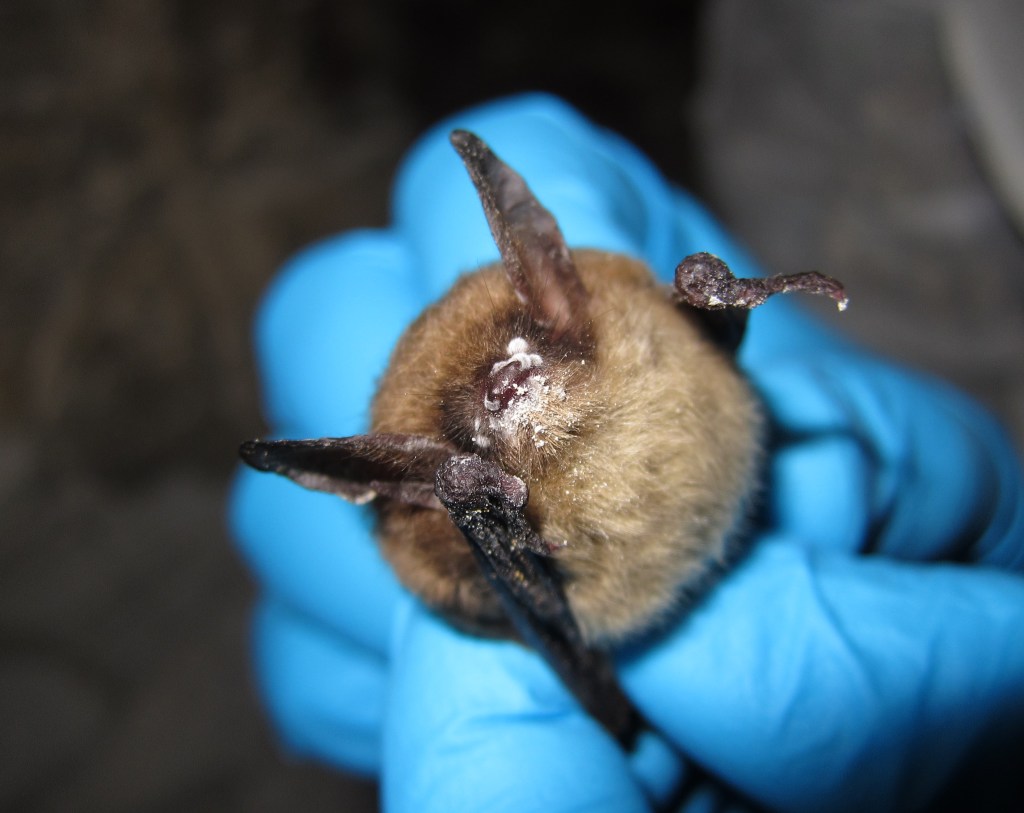
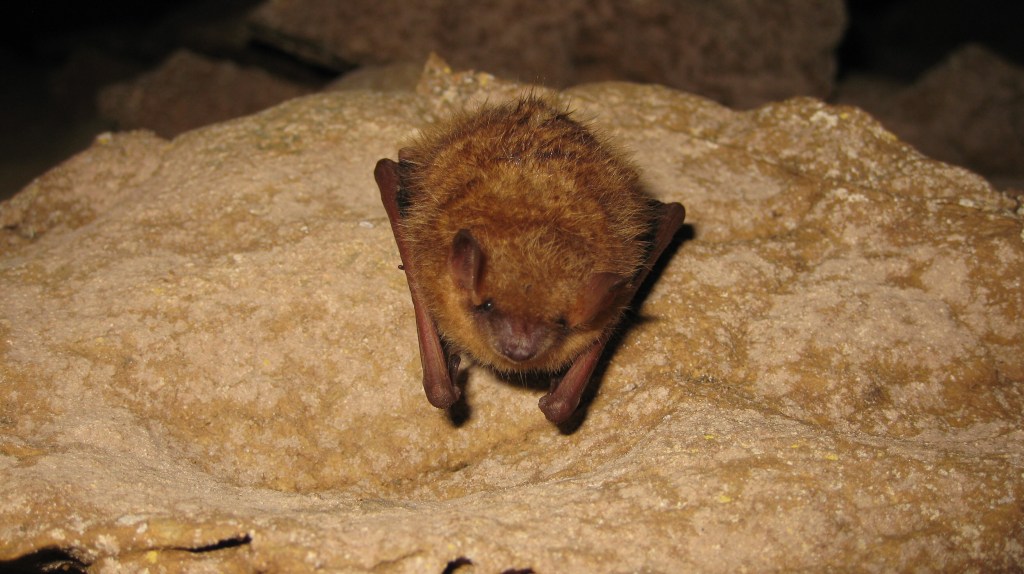
It’s clear that bats are AMAZING animals, so what is wreaking so much havoc on their populations? It’s a disease known as white-nose syndrome, caused by the fungus Pseudogymnoascus destructans. The fungus infects bats during hibernation, covering their face and wings. This causes the bats to wake up more frequently, use up their fat reserves, and starve before winter is over. The fungus is easily transmitted through physical contact, either with infected bats or on cave surfaces. Because the fungus spreads through contact, it can also be carried on shoes, clothing, and supplies. That’s why scientists urge people who visit caves to thoroughly decontaminate all of their clothing, shoes, and supplies before and after their visit.
A northern long-eared bat with visible symptoms of white-nose syndrome. Credit US Fish and Wildlife Service.
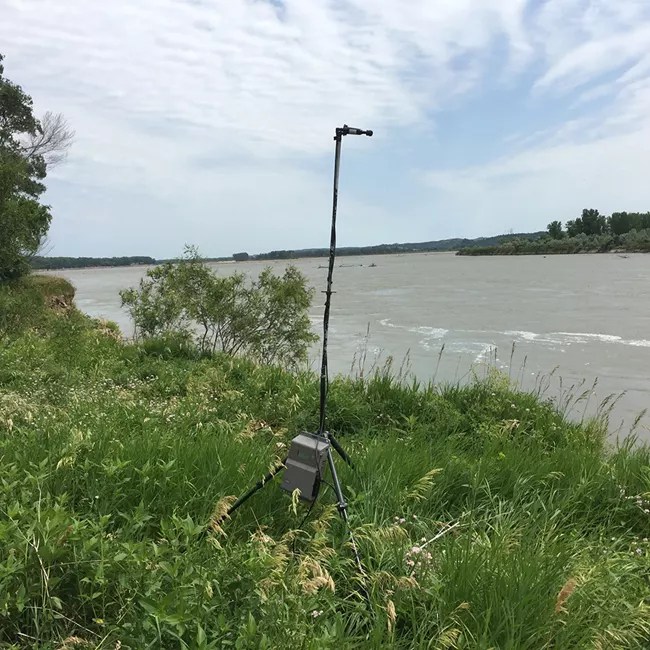
Missouri National Recreational River, a JNPA partner park, began an acoustic monitoring program in 2014 to monitor bat populations in and around the park. Acoustic recorders were installed to detect the calls bats use for echolocation. Different species of bats have different calls, so this system can also determine what species are in and around the park. Researchers then review the recordings and analyze the data.
A bat acoustic monitoring station at Missouri National Recreational River. Credit NPS.
So far, scientists have determined that eight species of bat call the park home: the big brown bat, eastern red bat, hoary bat, silver-haired bat, little brown bat, northern long-eared bat, evening bat, and tri-colored bat. Although white-nose syndrome has been detected in nearby populations in South Dakota, thankfully it has not been detected within the park boundaries.
If you want to learn more about bats and how to help protect them and their habitats, visit the National Park Service website.
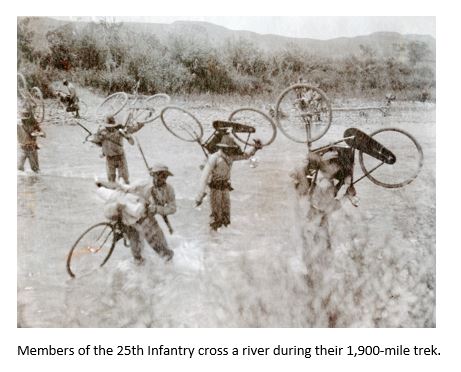
If you’ve ever taken a verrrrry long bicycle ride, you know the physical endurance needed for such an undertaking. Now imagine biking off-road through mountain ranges, mud, deep sand, and flowing streams, all while carrying heavy supplies. For more than 1,900 miles!
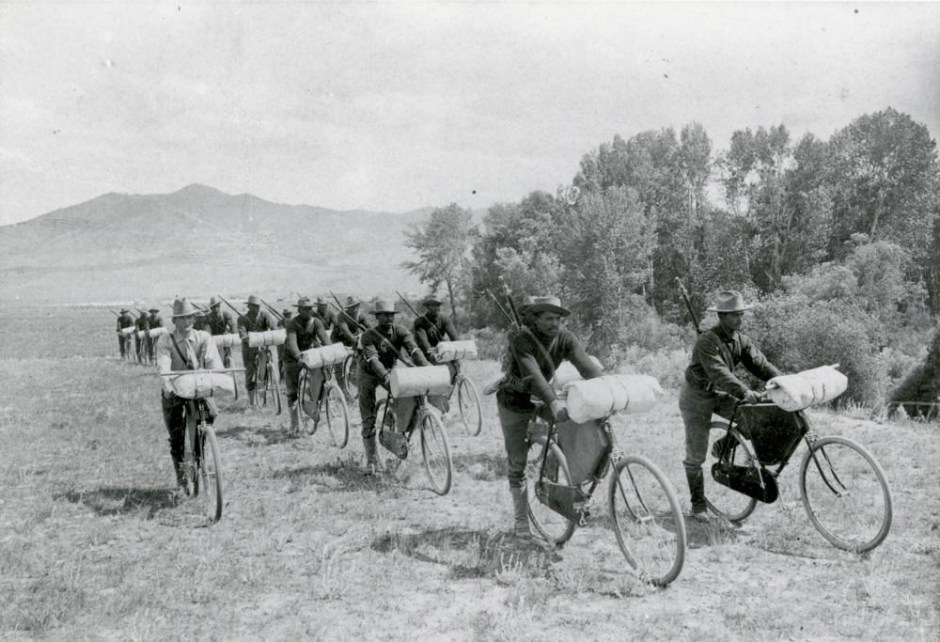
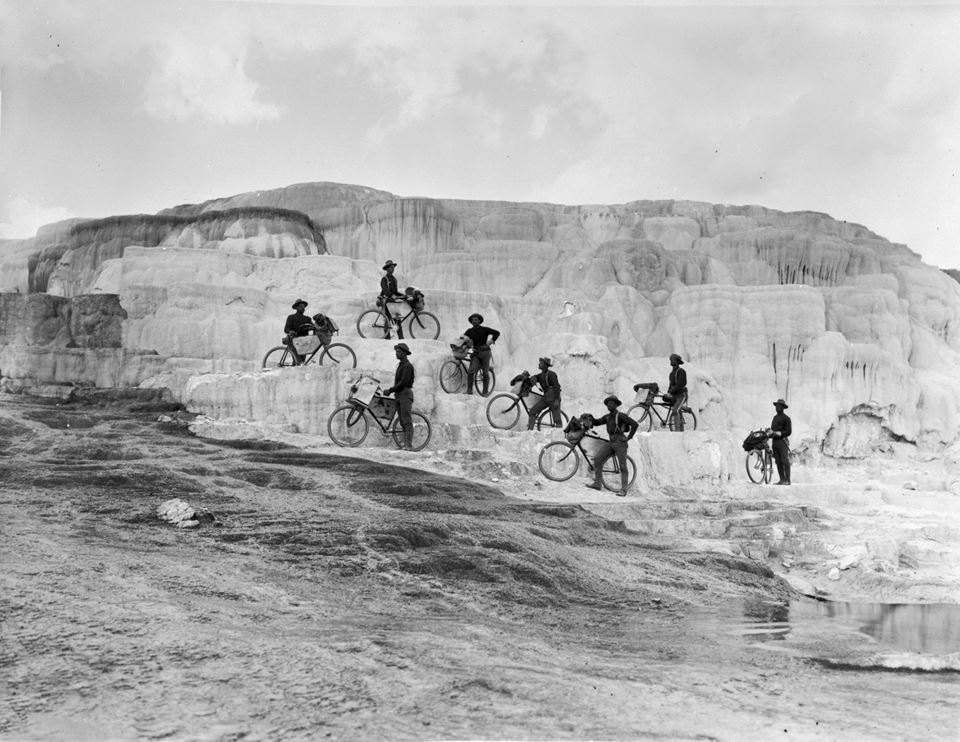
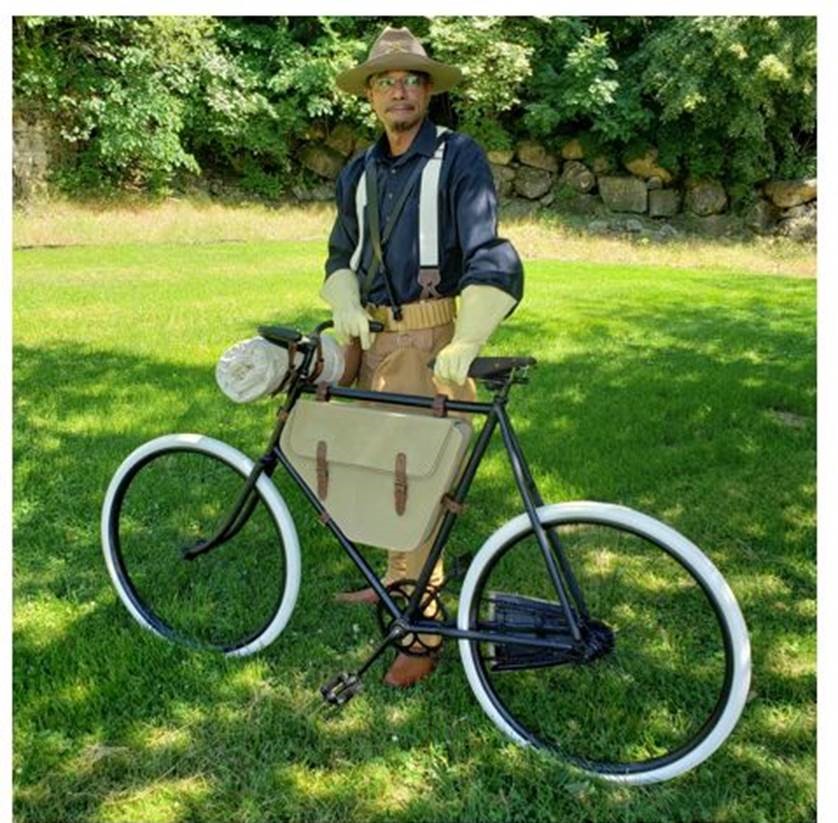
That’s just what members of the U.S. Army’s 25th Infantry accomplished – in 1897 no less. The so-called Iron Riders were members of the famed Buffalo Soldiers, all-black regiments who served on the American frontier in the mid-1800s. A living history program this weekend at Gateway Arch National Park will recount the Riders’ grueling journey.
Credit: NPS
As the popularity of bicycles soared worldwide at the end of the 19th century, the Army decided to evaluate their use for certain military operations. Military leaders commissioned a long-distance experiment that would test the efficiency of bikes as a way of moving troops. In May 1897, the all-Black 25th Infantry Regiment Bicycle Corps embarked from Missoula, Montana, bound for St. Louis – a journey of nearly 2,000 miles. Their heavy bikes were laden with all they would need for the trip: cooking supplies and food, rifles and ammunition, tent and poles, and clothing. The combined weight of these provisions and the heavy one-speed bike was 59 pounds!
Credit: Missouri State Parks
The arduous journey took 41 days, an average of about 50 miles per day. The men endured severe storms, extreme heat, food and water shortages, illness from tainted water, and racism and hostility from local residents. In the words of the bicycle corps’ leader Lt. James Moss, “We made and broke camp in the rain; we traveled through mud, water, sand, dust, over rocks, ruts, etc.; for we crossed and recrossed mountain ranges, and forded streams, carrying our rations, rifles, ammunition, tents, blankets, extra underwear, medicines, tools, repairing material, cooking utensils and extra bicycle parts.”
On July 24, 1897, the Iron Riders arrived in St. Louis to great fanfare. Thousands of locals gathered to cheer the finale of what national newspapers called the Great Experiment. Yet despite several attempts to assemble subsequent experimental rides, the corps was ordered to return to Montana. No permanent military bicycle corps was ever established, and the Army soon shifted its focus towards the use of trucks and other motorized vehicles.
Kevin Smith, Iron Rider re-enactor
To learn more about the journey of the Iron Riders, be sure to attend the program at the Arch this Saturday, from 11:00 to 2:00. A re-enactor will be on hand to discuss the riders’ trial and triumphs. Admission is free and no reservation is required.

























 JNPA Blog