A Multi-Racial Town on the Prairie

JNPA is proud to add to two new National Park Service sites to the list of partner parks that we serve. One site highlights the heroic story of a previously enslaved man, the other a sad reminder of Black-White conflict. This blog post will focus on the former, New Philadelphia National Historic Site. Our next post will tell the story of our other new partner park, Springfield 1908 Race Riot National Monument.

Courtesy of Gerald McWorter and Kate Williams McWorter

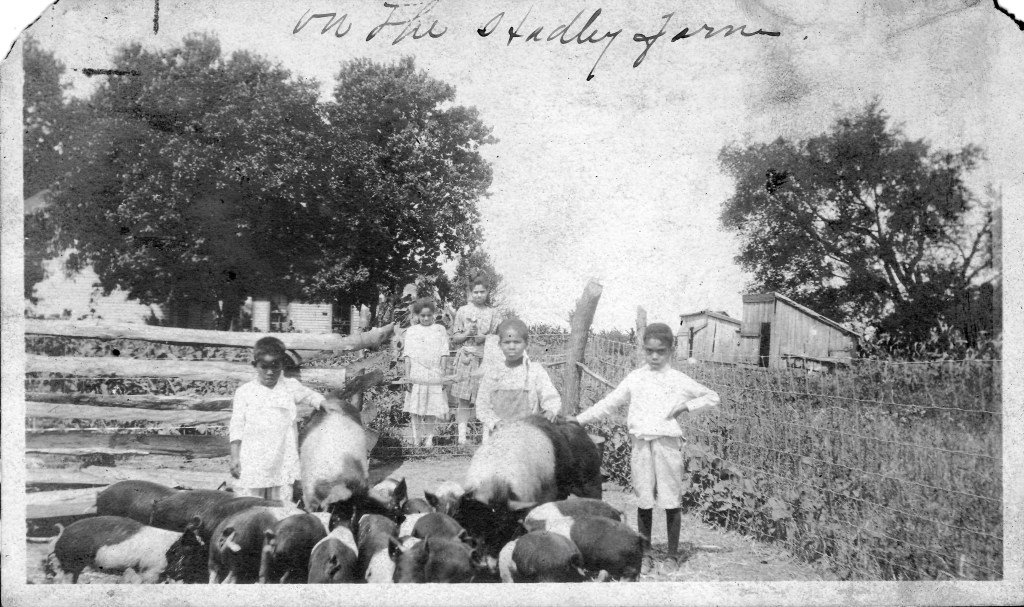
In 1836, the small village of New Philadelphia sprang up in west central Illinois, one of hundreds of villages and towns that emerged in rural America as settlers headed west. But New Philadelphia was not a typical pioneer community – it was the first American town founded and legally registered by an African American.

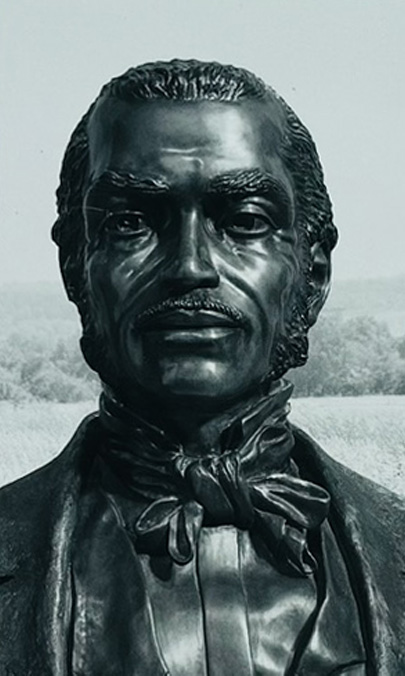
Frank McWorter (who called himself Free Frank) spent the first 42 years of his life as an enslaved man in South Carolina and Kentucky. Yet he aspired to freedom and independence. With the money he saved from outside jobs that his enslaver allowed him to hold, Free Frank was able to purchase freedom for his wife and himself, and ultimately 14 additional family members. In 1830, the couple and their freed children moved to the free state of Illinois, where they paid $100 for an 80-acre parcel of land and set up a pioneer homestead and farm in Pike County.

Courtesy of Gerald McWorter and Kate Williams McWorter

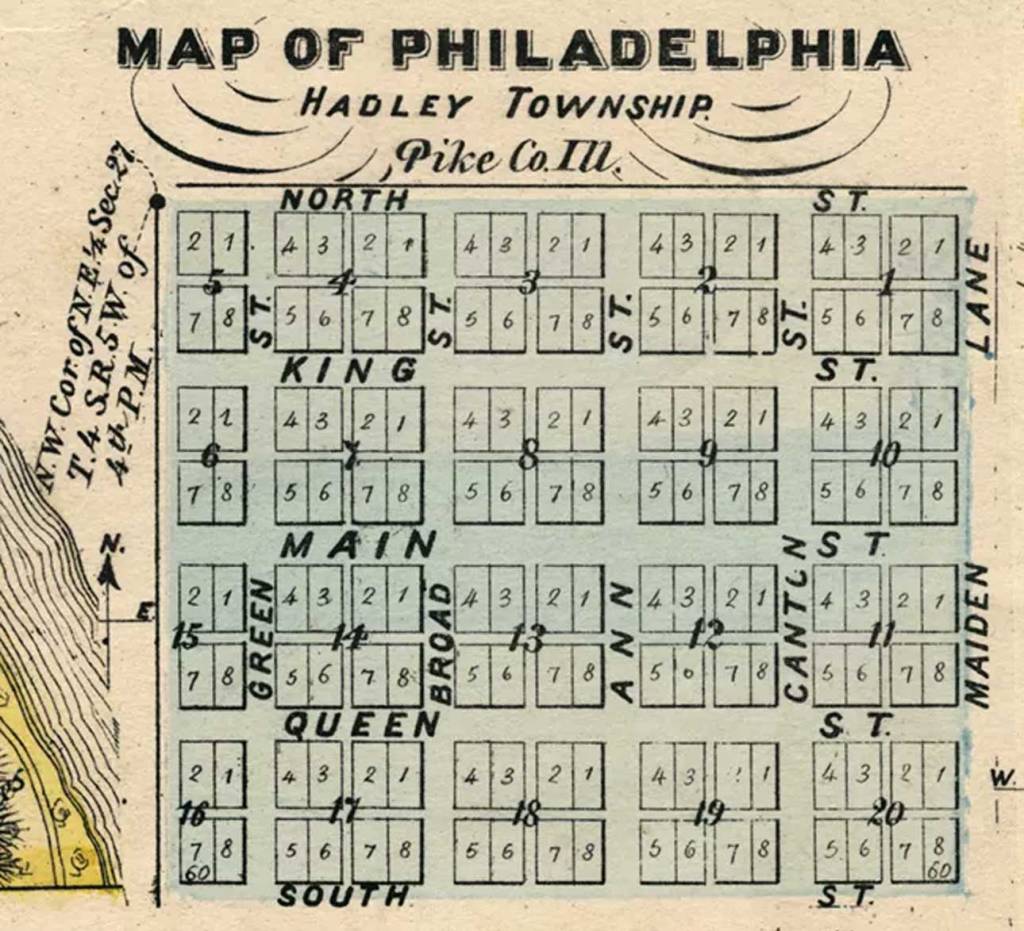
Free Frank officially registered and platted the town into 144 lots in 1836. He named it New Philadelphia, presumably to honor the city of Philadelphia, which had strong anti-slavery sentiments.

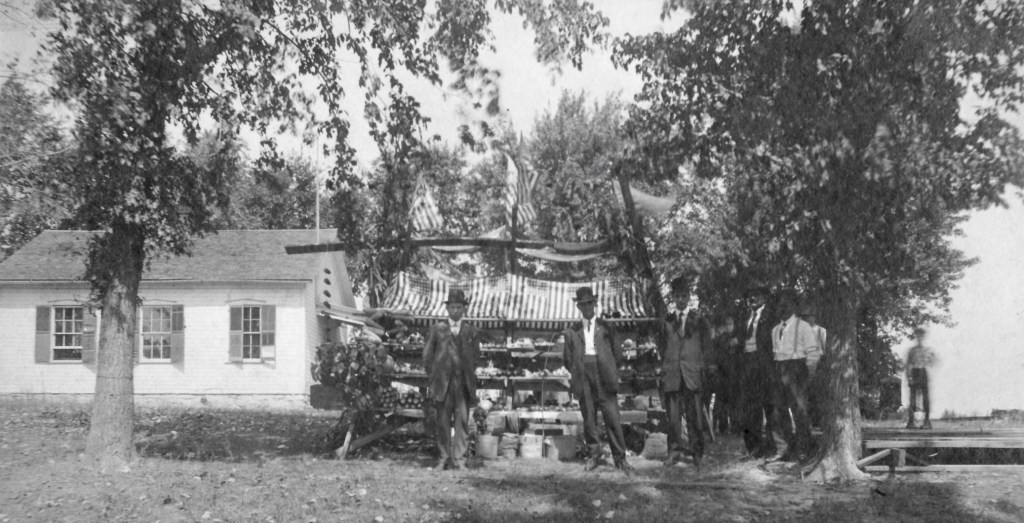
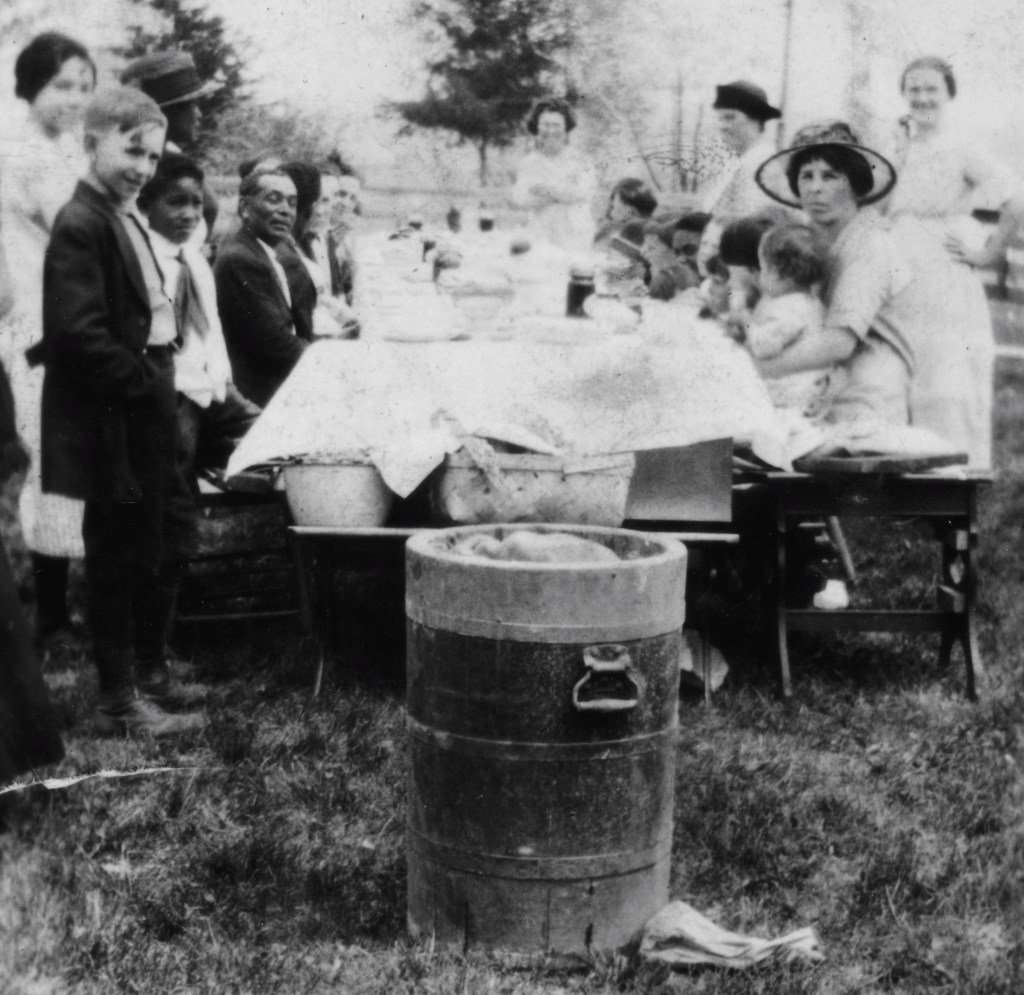
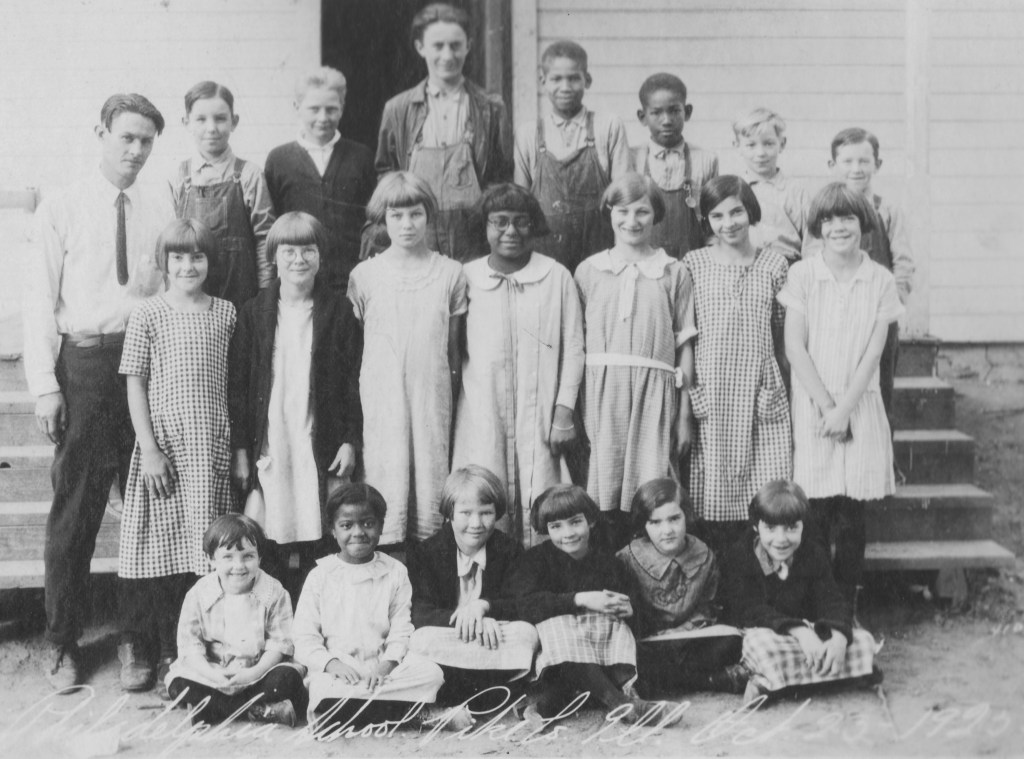
Soon the McWorters were joined by other settlers – both Black and White – drawn by nearby transportation routes and an abundance of natural resources.  In 1865, it was a vibrant town with a population that peaked with as many as 100 residents, 30 percent of whom were Black. Federal census records from 1850 to 1880 report that residents worked as cabinetmakers, shoemakers, a wheelwright, a carpenter, a physician, teachers, ministers, merchants, and blacksmiths. The town served as a stagecoach stop and supported a post office for a time.

Courtesy of Gerald McWorter and Kate Williams McWorter

Black and White people freely intermingled throughout the town – on the farm, in church and at school. While other small towns in the area documented incidents of racial violence, researchers haven’t found evidence of any such occurrences in New Philadelphia.

Courtesy of Gerald McWorter and Kate Williams McWorter

Free Frank remained committed to helping emancipate enslaved people. As a free Black community only 20 miles from Missouri, New Philadelphia eventually became a stop on the Underground Railroad. According to descendants, his first cabin contained a cellar where freedom seekers could hide on their journey north. His sons even traveled with some freedom seekers to help them reach Canada.

Courtesy of Gerald McWorter and Kate Williams McWorter

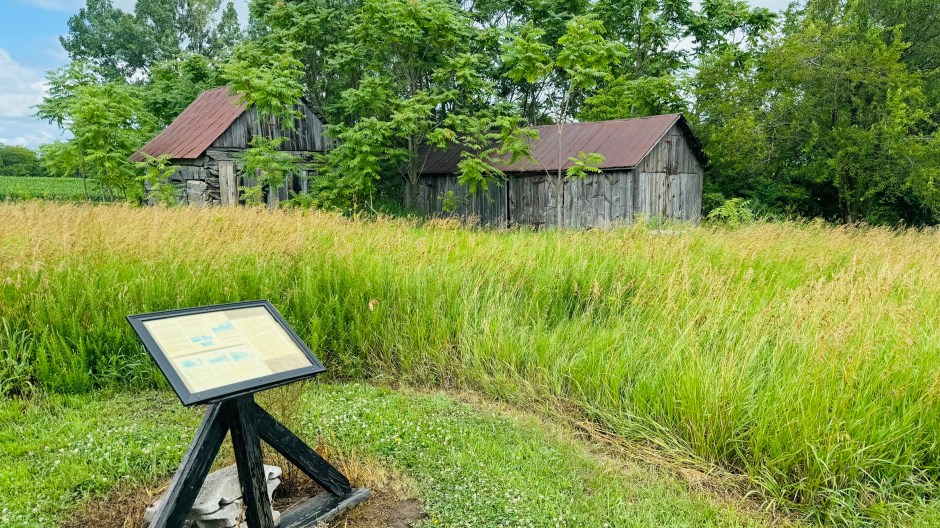
Over the ensuing decades, New Philadelphia declined, and most of its buildings were buried under farmland. But historical documents, oral histories, archeological research, local groups, and descendants have kept the town’s story alive.  In late 2022, the National Park Service designated the town as a National Historic Site.  

There are few visitor amenities on the site today, apart from an information kiosk and outdoor exhibits. But visitors who stroll along the ¼-mile walking trail can use their mobile devices to take an augmented virtual reality walking tour of the old town. NPS has plans to develop programs and additional facilities to bring New Philadelphia and the heroic story of Free Frank McWorter back to life.

Protecting Pollinators in Parks and Public Lands

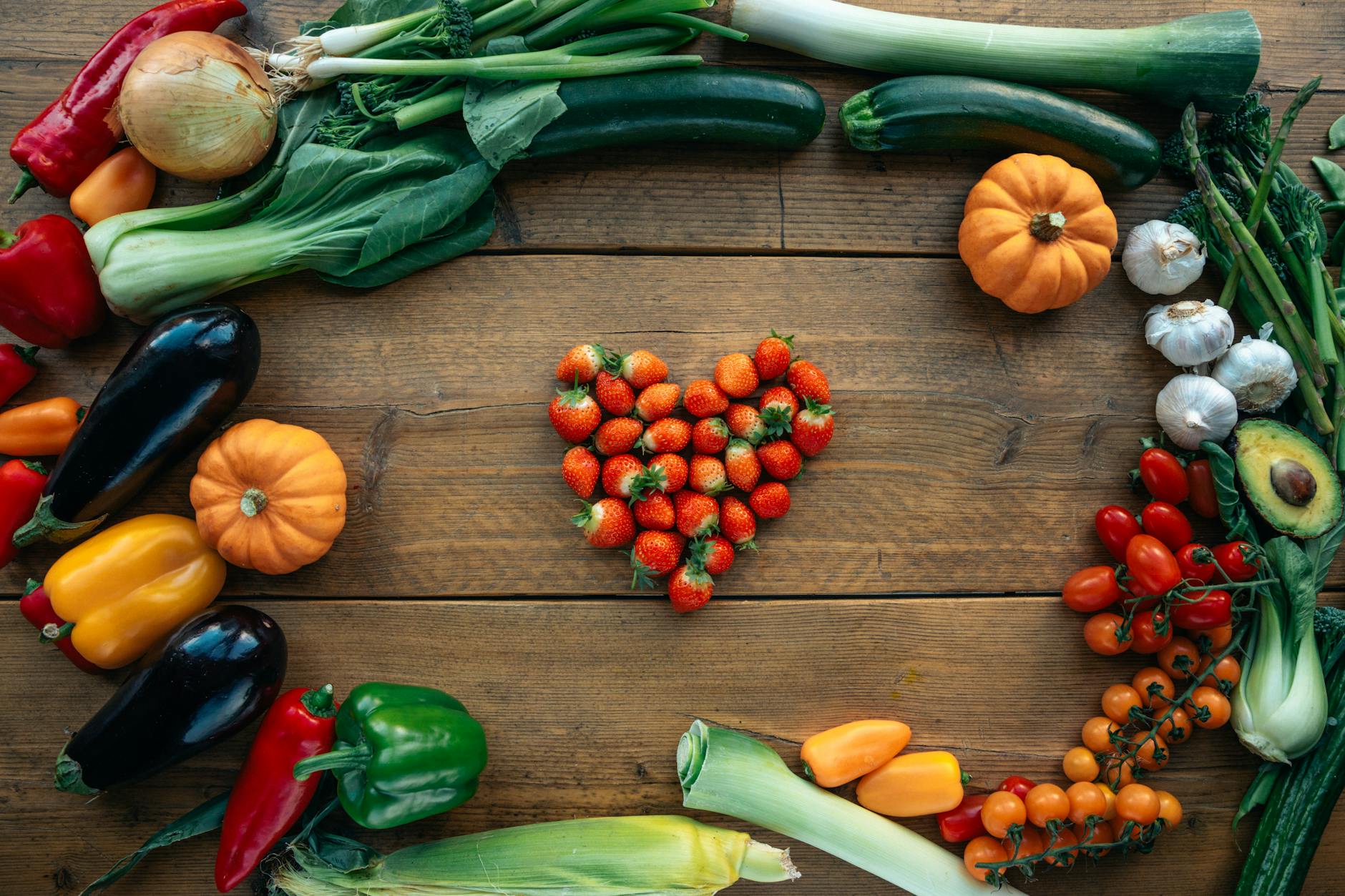
What’s your favorite fruit?  Apples or bananas?  Blueberries?  Maybe peaches or strawberries?   Could you imagine a day without coffee?  Or a world without chocolate?  (Aaaghh!!!)

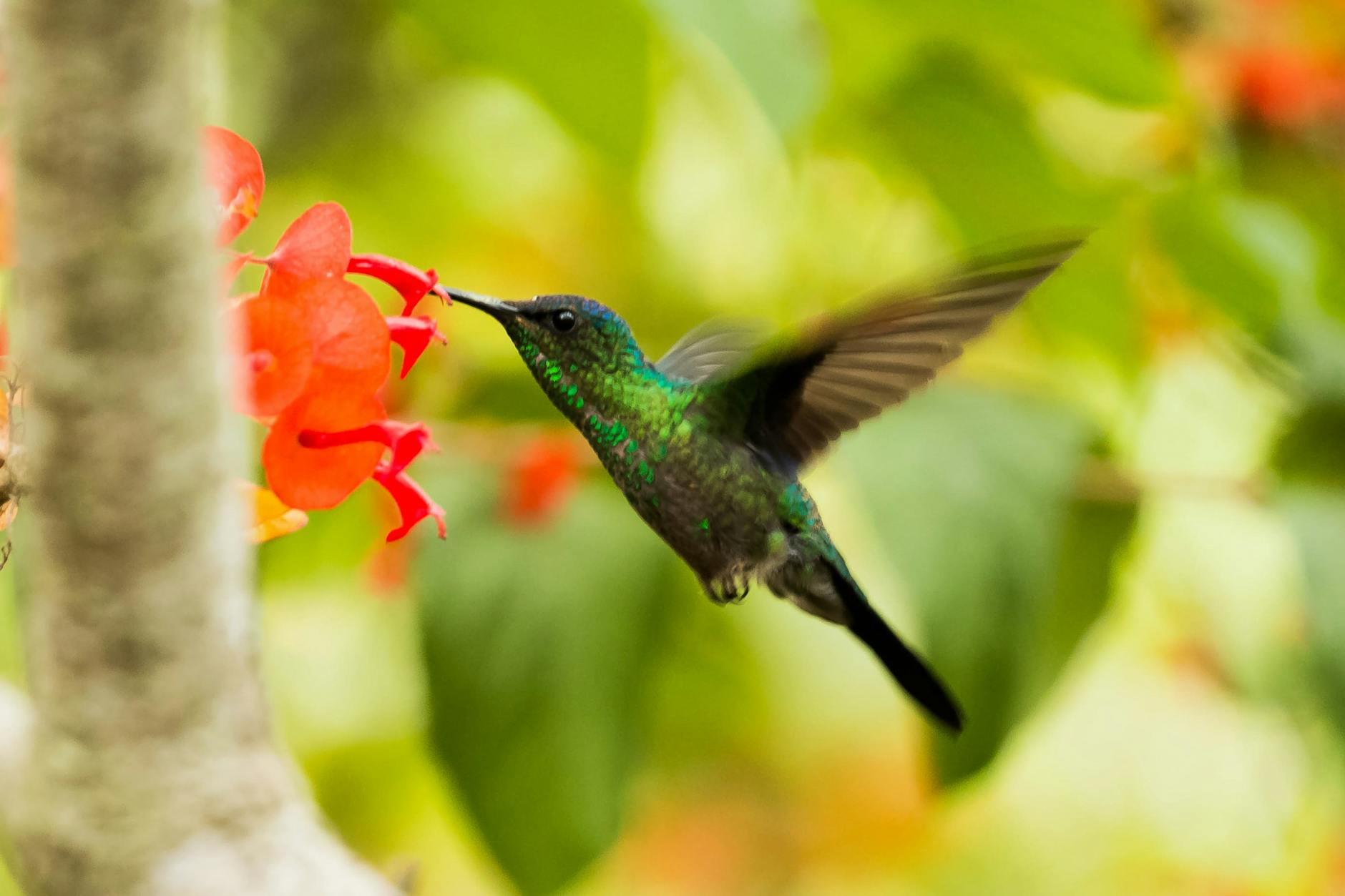
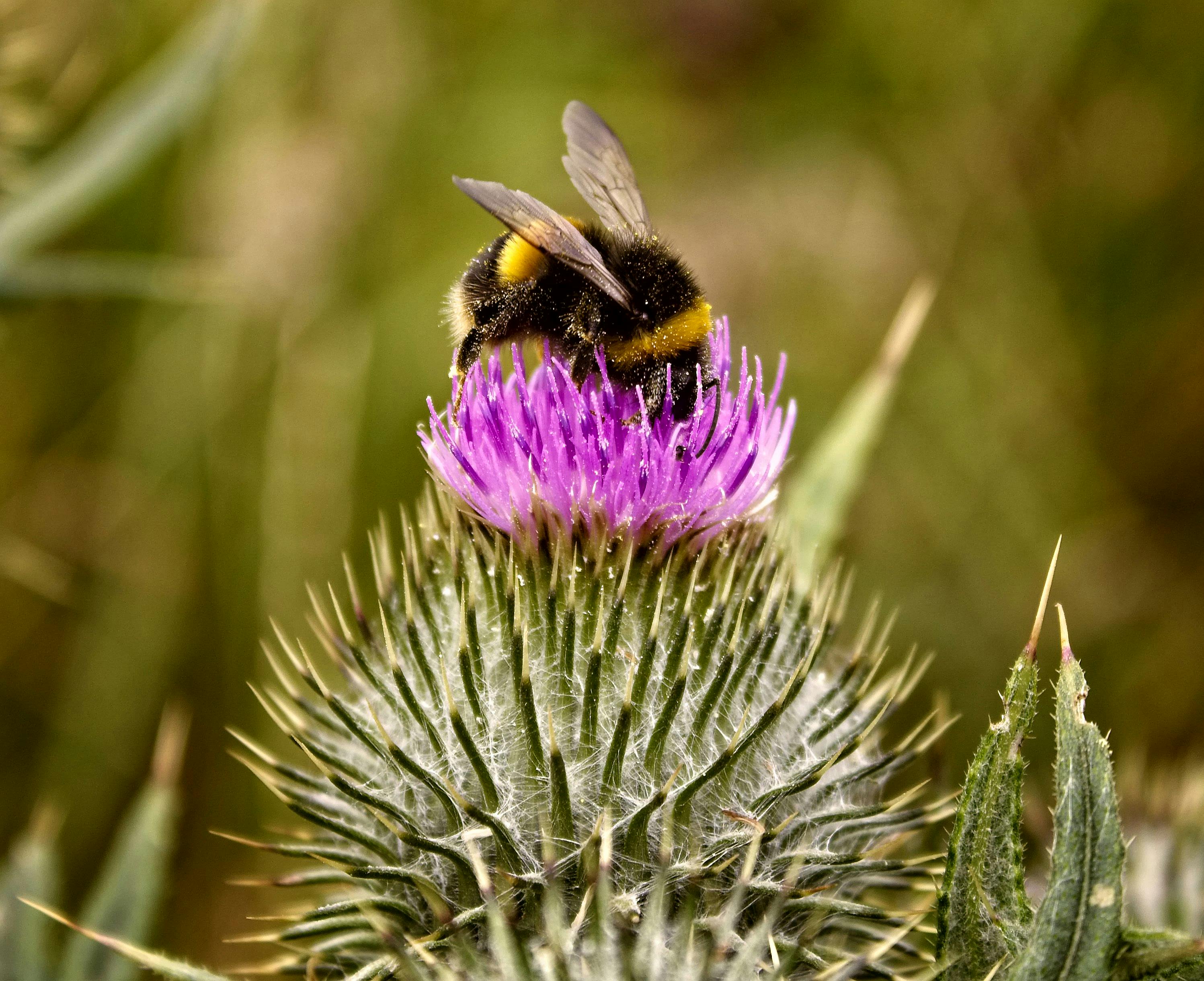
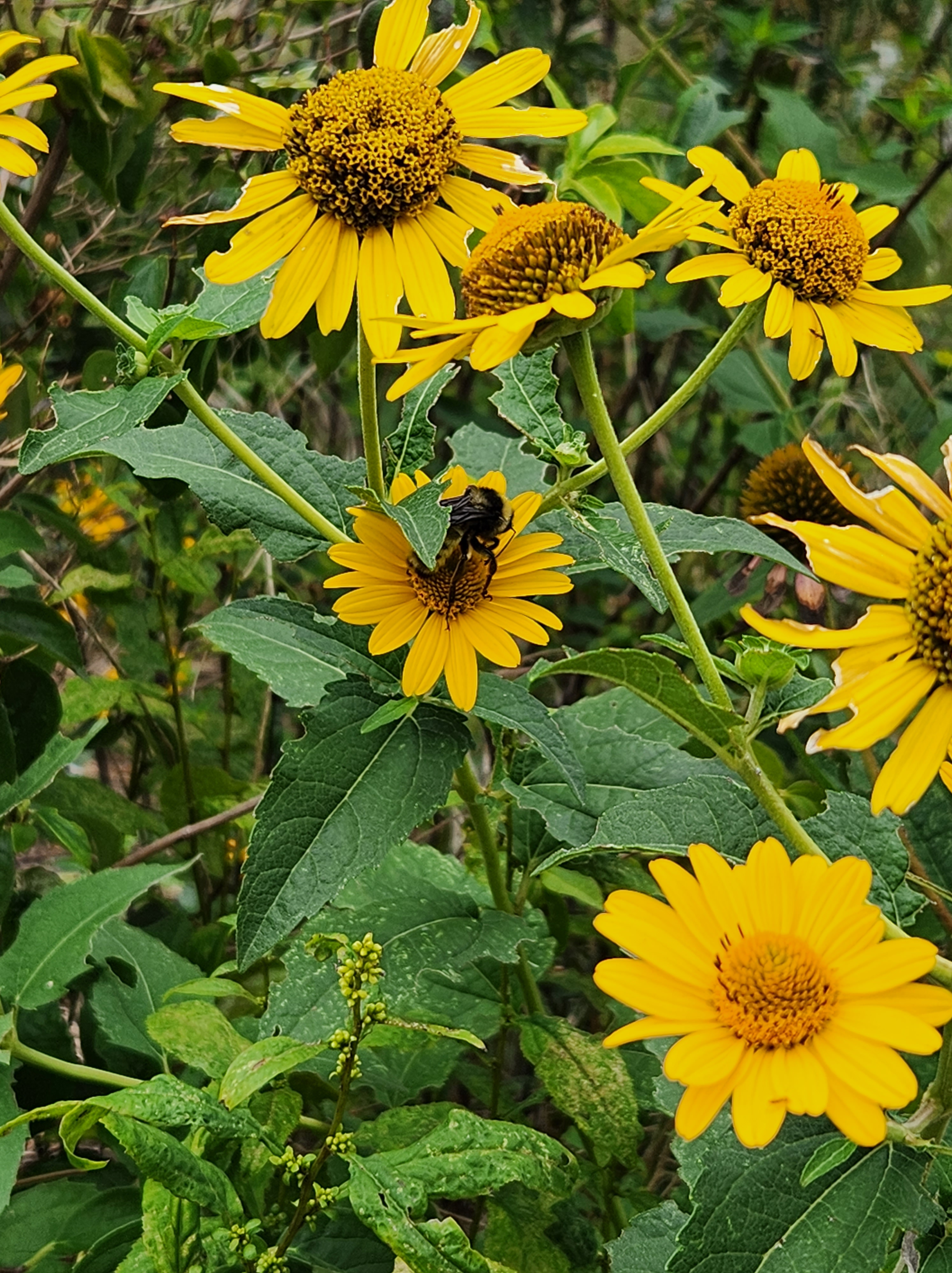
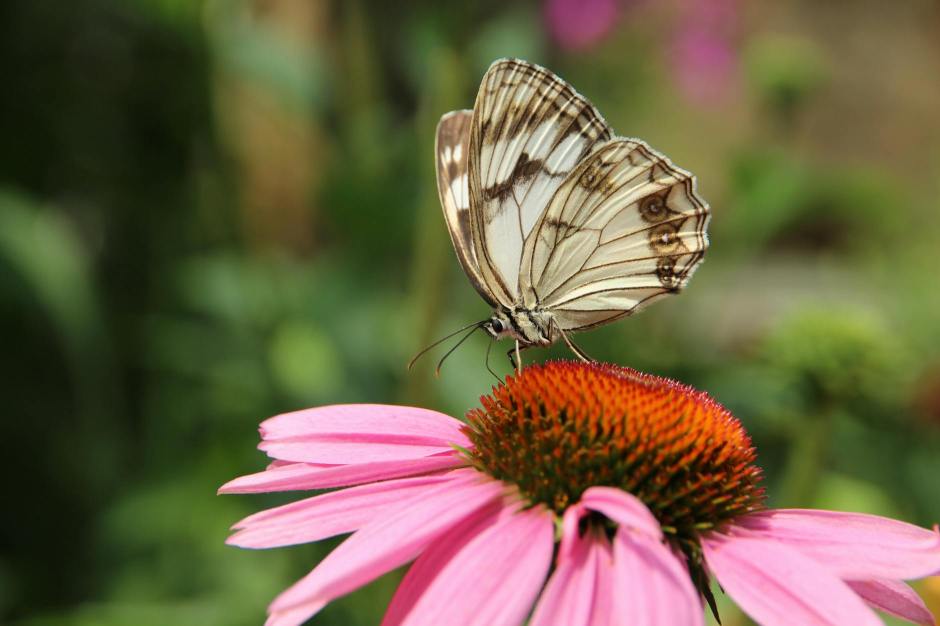
Well, if any of these foods are on your must-have list, you can thank a pollinator – specifically one of the thousands of birds, bats, bees, butterflies, beetles, and other insects that move pollen from plant to plant.  We rely on these little critters for one out of every three bites of food we eat.  Three-fourths of the world’s flowering plants and more than a third of the world’s food crops depend on animal pollinators for successful seed and fruit production, making pollinators a vital link to our food security, economy, and overall environmental health.

Photo by Viktoria Slowikowska on Pexels.com

So what does this have to do with national parks and public lands?

The National Park Service is committed to preserving our natural pollinator populations, especially those species that are in decline.  In many parks, species inventories are helping site managers know which pollinators are present so they can better understand the state of park ecosystems and make decisions about how to manage them.

Seventeen national parks are currently being surveyed for bees and butterflies in a project that started this spring and will continue through 2026.  In collaboration with university and NGO partners, these projects will address ecological priorities for pollinator conservation identified by park staff.  These include invasive plant removal, grazing management, controlled burning, and habitat restoration.

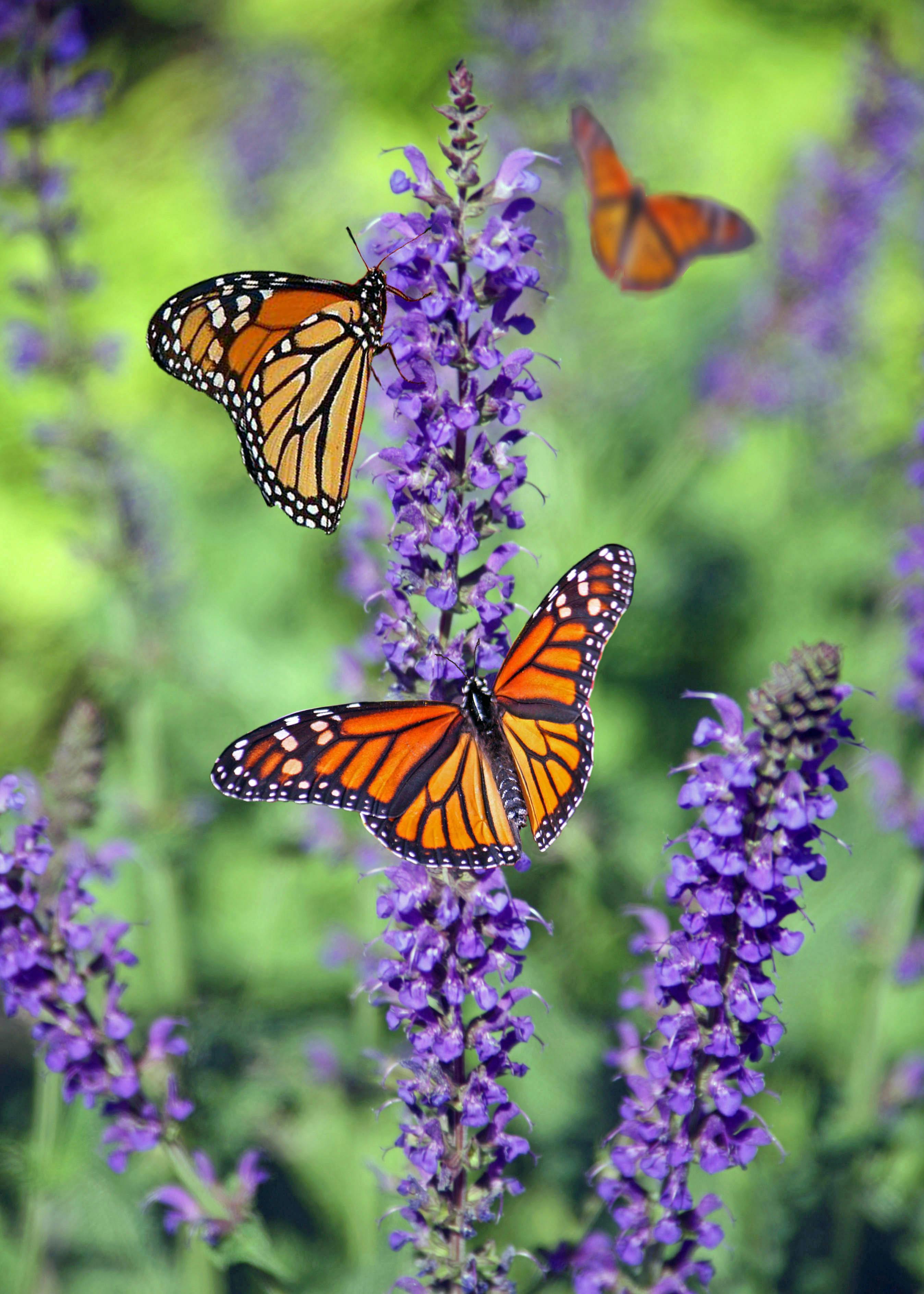
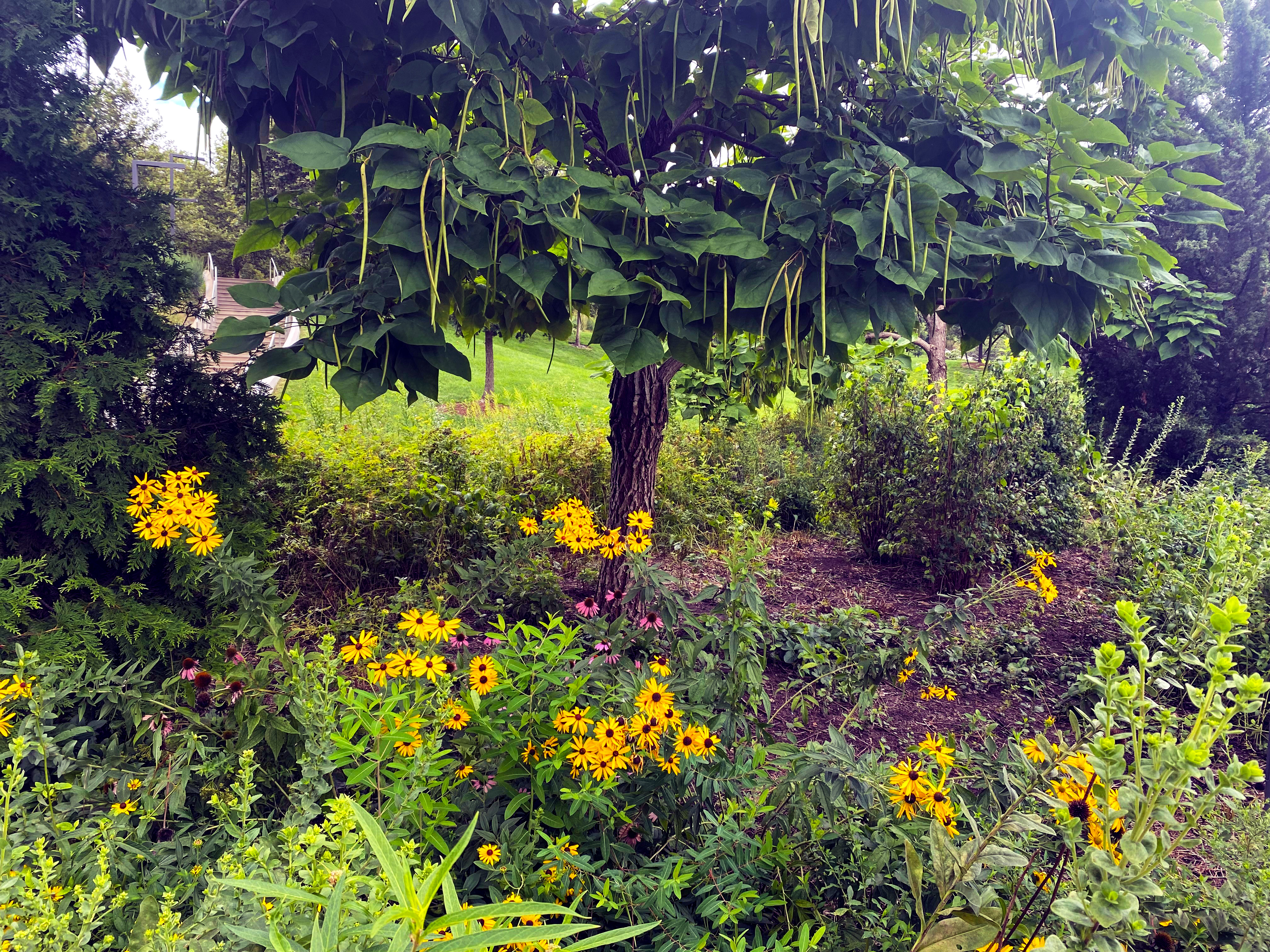
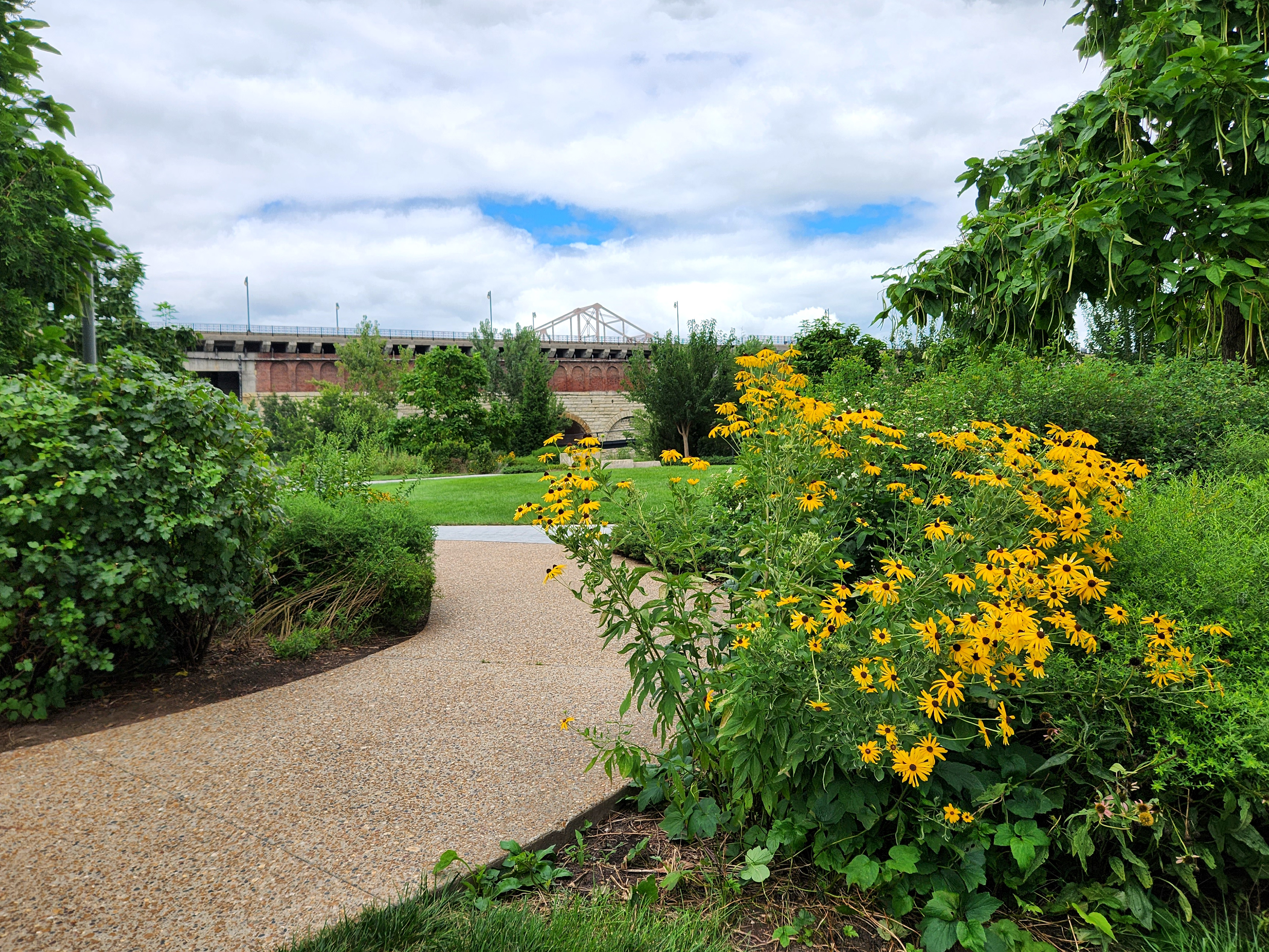
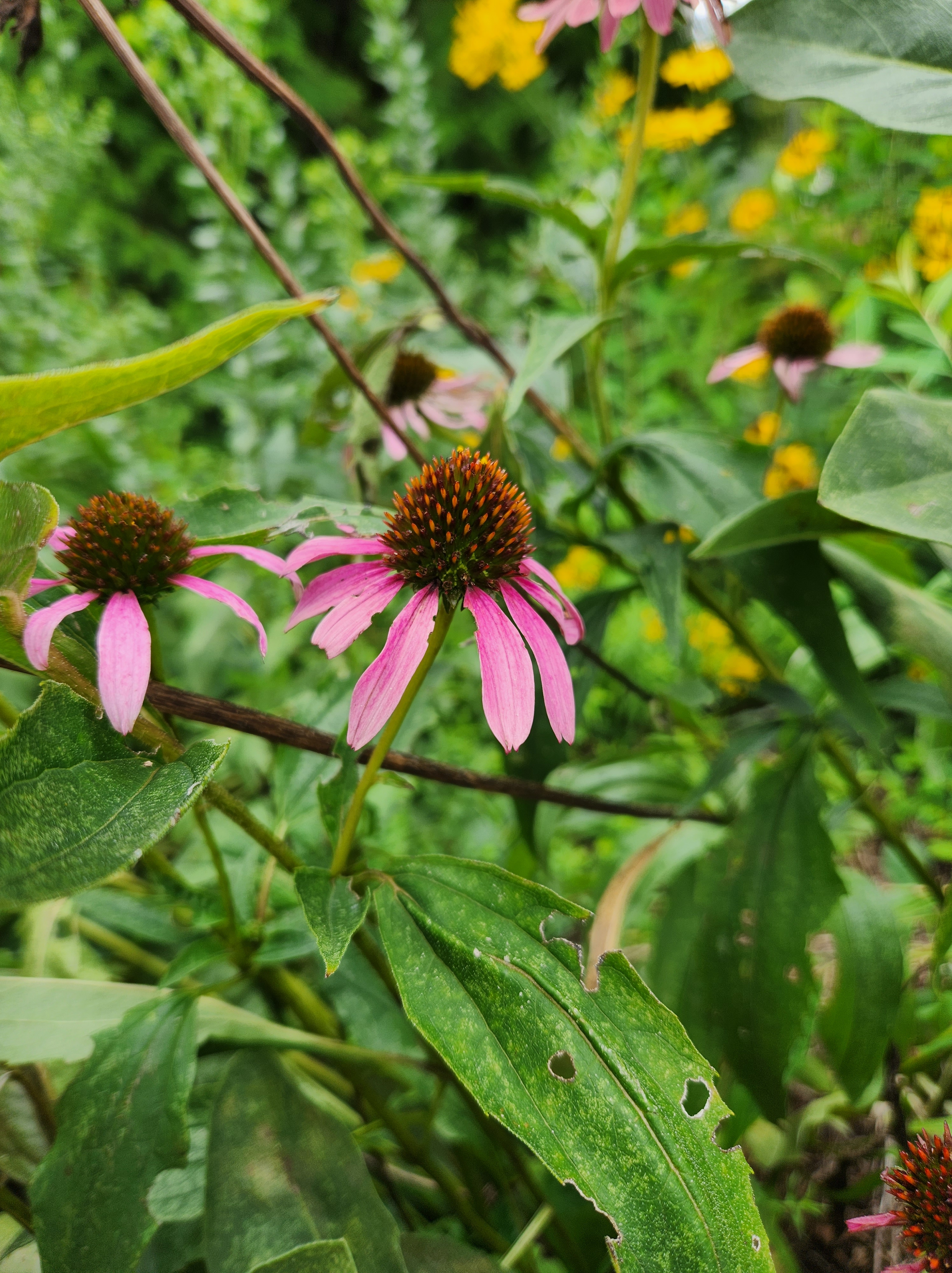
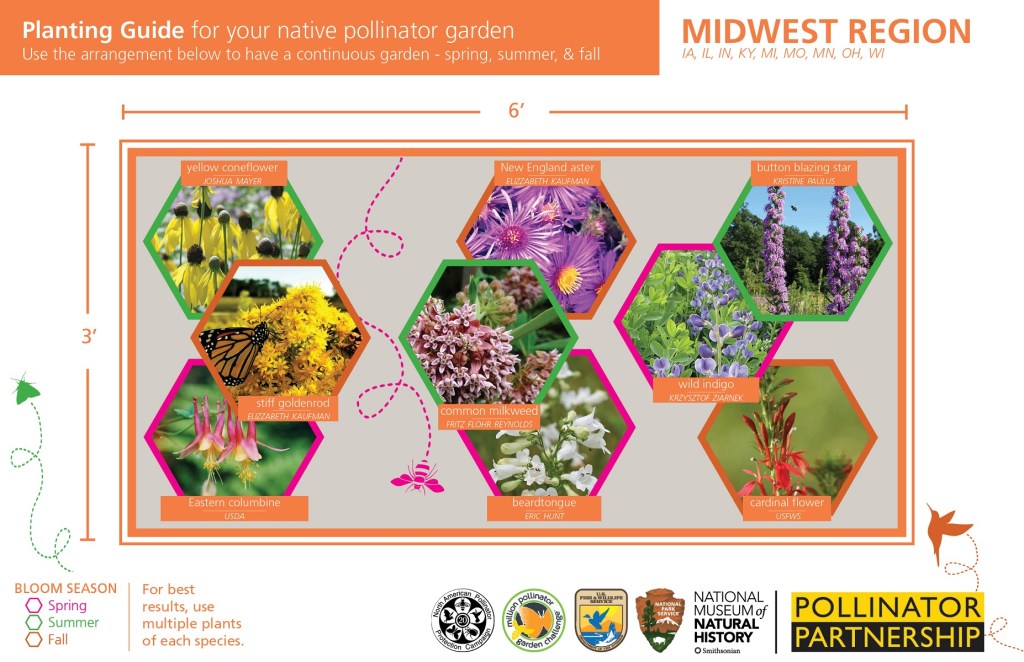
Mississippi National River & Recreation Area – one of JNPA’s partner sites – is included in this long-range pollinator study.  At the same time, park staff are also taking steps to protect the Monarch butterfly.  In order to ensure adequate supplies of Monarch-friendly nectar, they have planted numerous “pollinator gardens” throughout the park, each of which feature milkweed plants, the only plants that monarch caterpillars can eat.  In this way, the park hopes to reverse the years-long decline of its Monarch populations. 

Gardeners at Gateway Arch National Park are also serious about helping pollinators.  The plants you’ll see in the luscious Explorer Garden at the park’s northern tip were selected with the intention of creating a friendly stopover for native pollinators.  For an in-depth look at seven of these native plant species on the Arch grounds, check out this short video

Finally, there are many things you can do to help keep our pollinator populations healthy, even if it’s just in your own backyard.  The NPS website also contains valuable information about how to attract local or migrating pollinators, including planting and landscaping tips, and opportunities to record your own sightings of pollinators on your next trip to a national park.

So the next time you see a tiny bee, butterfly, or hummingbird flitting from flower to flower, take a minute to appreciate its beauty AND its critical role in nature.
If These Walls Could Talk

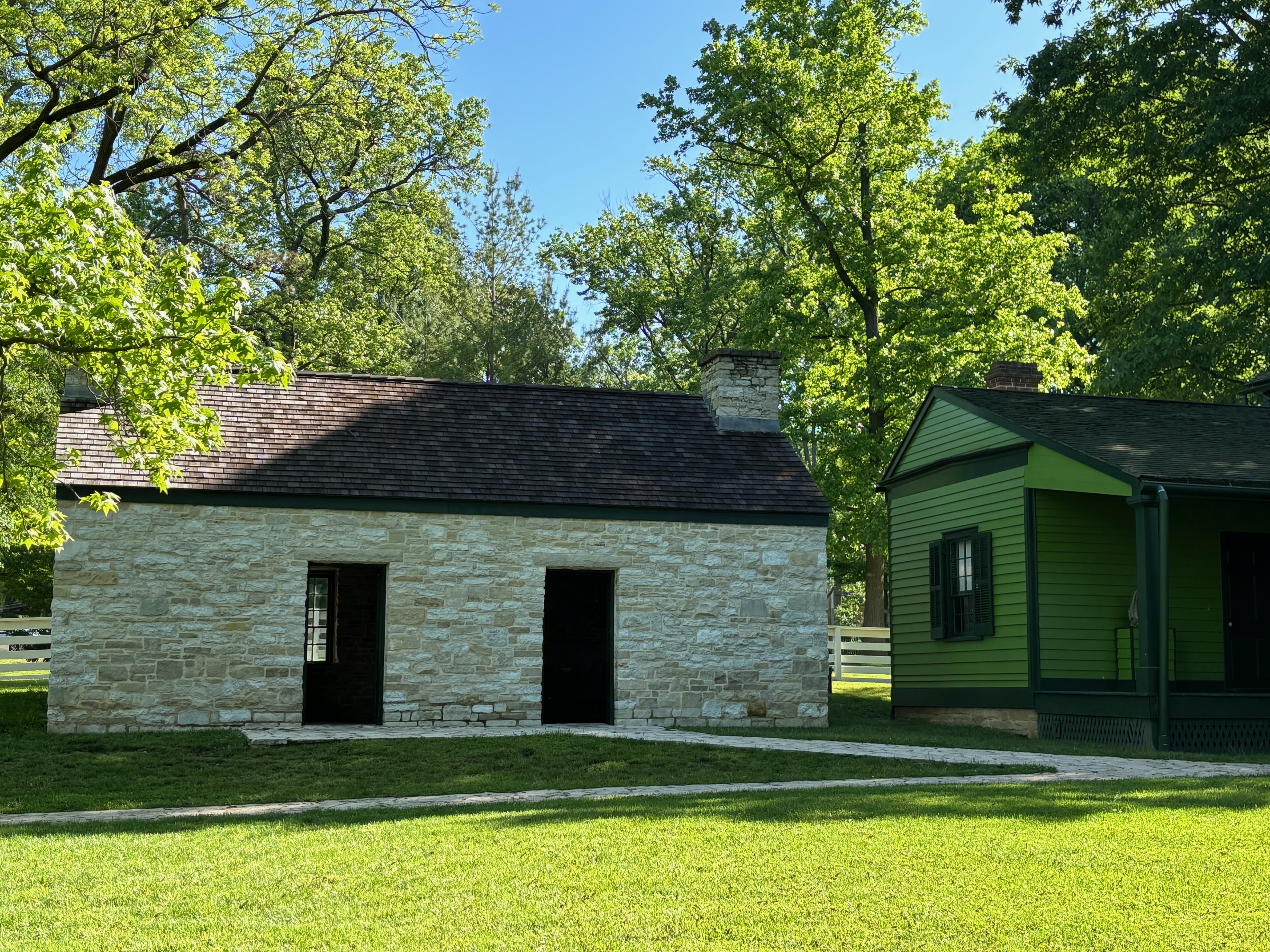
Visitors to the White Haven estate at Ulysses S. Grant National Historic Site sometimes happen upon a curious stone building behind the historic house.  This humble little structure looks a bit out of place amid the other wooden buildings on the site, and it has undergone several transformations since it was built.  What was it used for?

White Haven, circa 1850. Stone building is visible to the immediate left of the main house. Photo credit: NPS

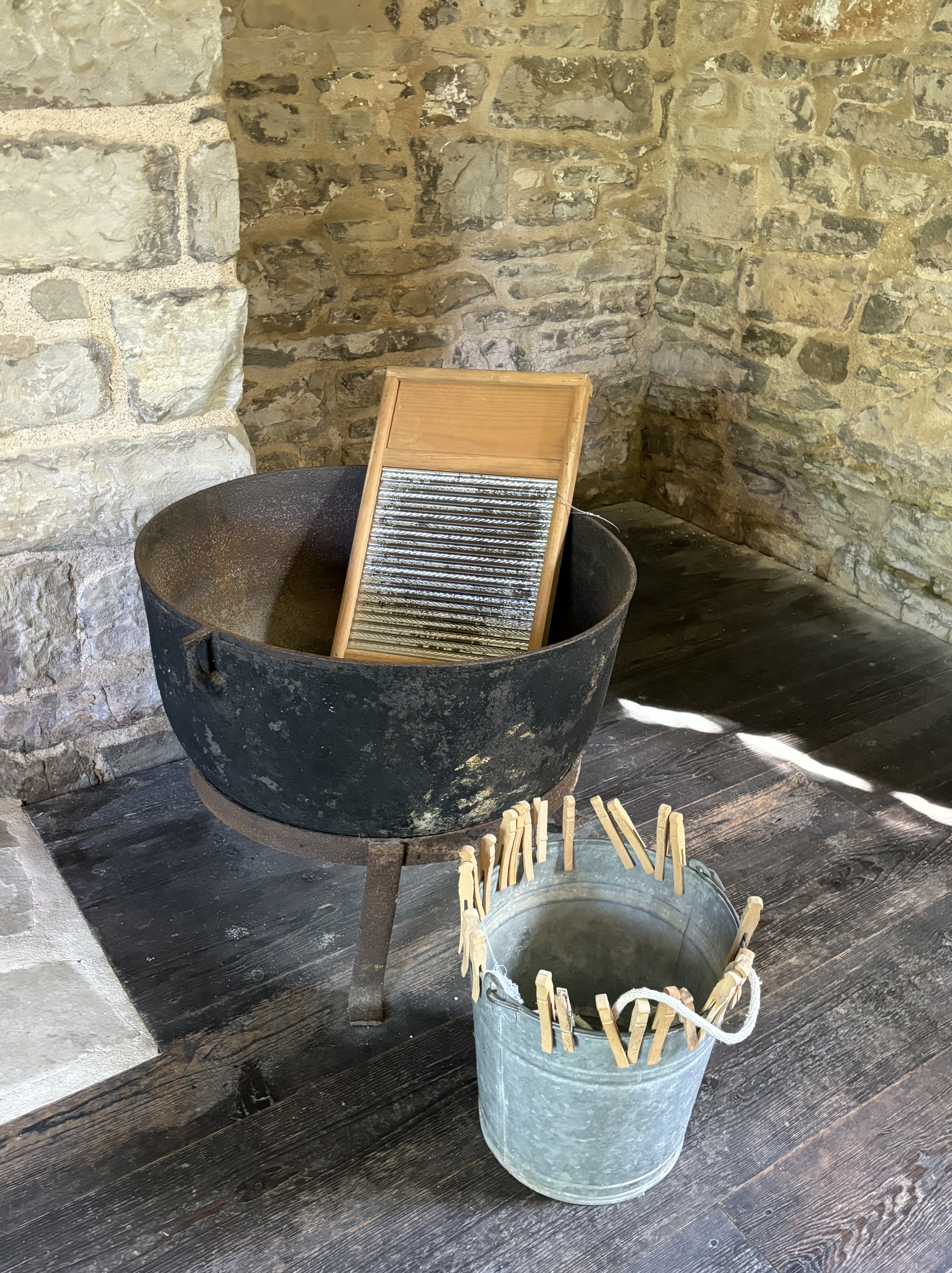
National Park Service archeologists believe the stone building was probably built well before the Civil War – perhaps as early as 1840 – when Grant’s in-laws, Frederick and Ellen Dent, owned and farmed the 850-acre slave plantation.  Enslaved laborers are thought to have worked there, cooking food, sewing clothing, and cleaning laundry; and some enslaved cooks may even have lived in the attic. 

 Although the main house on the estate featured a basement kitchen, its wood construction would have been prone to catching fire during the cold winter months, so cooking duties would probably have shifted to the cooler stone kitchen during the summer. 

Photo credit: NPS

Yet a workplace for enslaved people wasn’t the end of the little building’s story. Sometime after slavery was abolished, a permanent kitchen was established on the first floor of the main residence and the stone building ceased to function as a summer kitchen. The roof and walls of the neglected building collapsed.

Photo credit: NPS

Then in the 1940s or 1950s, the private owners of White Haven expanded the west wall of the stone building, rebuilt and re-roofed it, and used it as a three-car garage. Changes to the structure included rebuilding exterior walls, removal of the wall dividing the two rooms, replacement of the gabled roof with a shed roof, and a concrete floor.

Photo credit: NPS

After the National Park Service acquired ownership of White Haven in 1990 (a purchase facilitated by JNPA), workers restored the stone building to its original appearance.  Archaeological digs yielded numerous broken dishes, crockery, silverware, as well as sewing equipment from the nineteenth century – further evidence of the domestic tasks enslaved laborers were performing at this site.

On your next visit to the park, be sure to pay a visit to the summer kitchen building, where you’ll find additional information about its many uses. 

Get Involved at a National Park!

Are you a fan of national parks?  Beyond just paying them a visit, do you want to get more involved in their events and activities?  Then National Park Week is for you!!

In August of 1991, the very first National Park Week was established to honor the National Park Service’s 75th anniversary. Since then, it has been celebrated in April alongside Earth Day. This year, National Park Week is April 20-28, and each day is themed around a unique aspect of the national parks.

April 20 – Discovery/ Park Rx Day

To kick off the week and also encourage people to discover a new park, entrance fees at all national parks are waived on April 20!

It is also Park Rx Day, focusing on the connection between the health of people, the health of parks, and the health of our planet.

If you are in Missouri, we highly recommend attempting the NPS Wellness Challenge. All seven of the national park sites in Missouri offer challenges in three categories that visitors can complete: mental, physical, and learning. If you complete a challenge, you can earn a Wellness Challenge Badge!

Visitors take a walk through history as part of the NPS Wellness Challenge at Ulysses S. Grant National Historic Site. Credit: NPS

April 21 – Volunteers

Have you ever wanted to volunteer at a national park but either lived too far away or could not find activities that fit your schedule? Now you can volunteer VIRTUALLY as a citizen archivist! Ahead of the upcoming 250th anniversary of American Independence, the National Archives and Records Administration is collaborating with the National Park Service to have volunteers transcribe Revolutionary War Pension Records. These records hold incredible, untold stories of the American Revolution, and once transcribed, will be a permanent contribution to our country’s historical record.

Want to get outside to volunteer? Gateway Arch National Park is having its first ever BioBlitz on April 28. Volunteers will use the iNaturalist app to document various types of wildlife found in the park.

April 22 – Earth Day

On Earth Day, you can join an event at a park near you, or you can learn about all the great ways to practice conservation at home. By taking a few small steps, you can do your part to help protect pollinators, birds, bats, oceans, and even our night skies!

April 23 – Innovation

National Park sites are full of innovative ideas, programs, and technology. For Innovation Day, check out a few of our past blog posts about innovation in some of our partner parks:

Archeological exploration at Ste. Geneviève National Historical Park. Credit: NPS

April 24 – Workforce Wednesday

On April 24, the National Park Service is hosting a special virtual event, “Then/Now/Tomorrow: Empowering Our Future Conservation and Climate Stewards.” This is a great opportunity for teens and young adults to learn about volunteer and career opportunities in parks!

April 25 – Youth Engagement

After joining the webinar on Workforce Wednesday, young people between the ages of 15 and 18 can take the next step on their National Park Journey by researching and applying for opportunities with the Youth Conservation Corps! One of our partner parks, Voyageurs National Park, even has an upcoming opportunity May 13 – June 13 for Corps members to repair boardwalks and complete trail maintenance in the park.

Youth Conservation Corps installing a bridge at Niobrara National Scenic River. Credit: NPS

April 26 – Community Connections

Did you know that the National Park Service’s work does not stop at a park’s boundary? Every day, parks across the country partner with their surrounding communities to expand their mission of conserving the natural and cultural resources of our country for the “enjoyment, education, and inspiration of this and future generations.” A few notable examples in the JNPA network of sites include:

Crosby Farm at Mississippi National River and Recreation Area. Credit: NPS

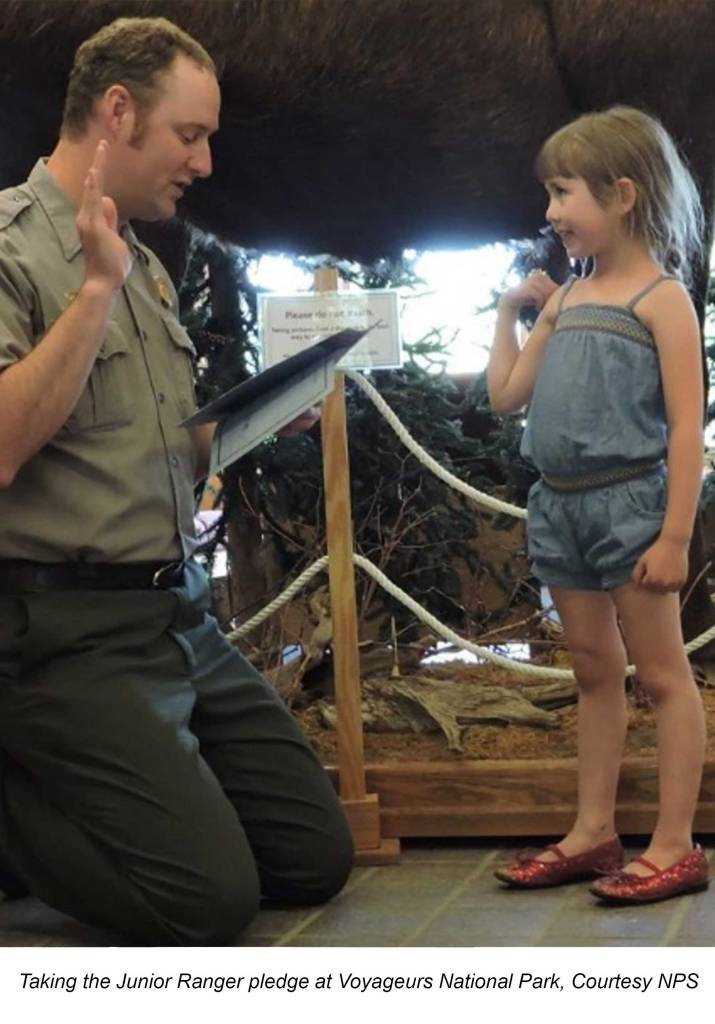
April 27 – Junior Ranger Day

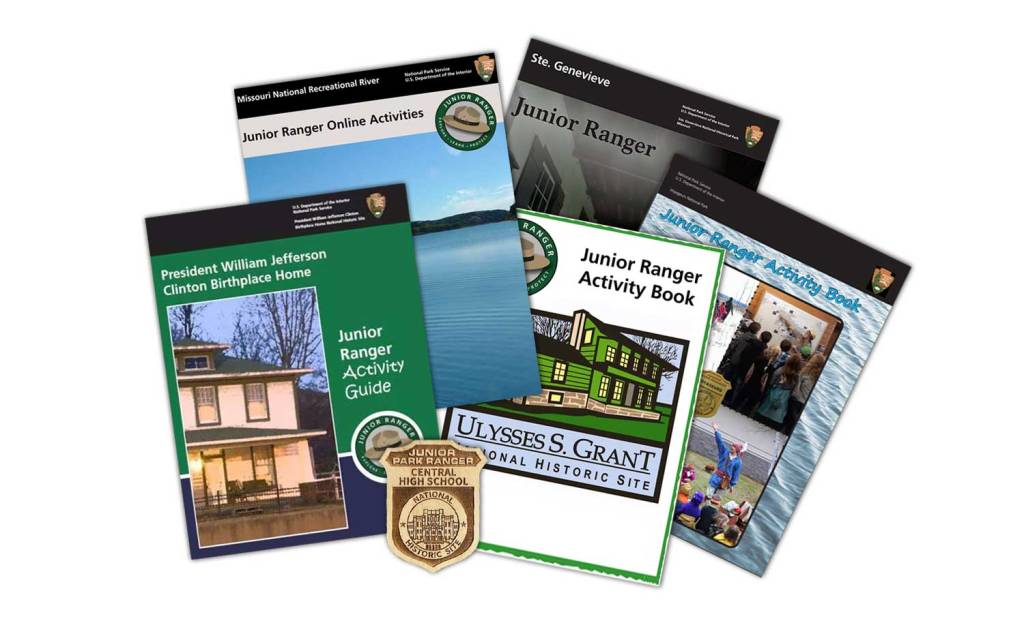
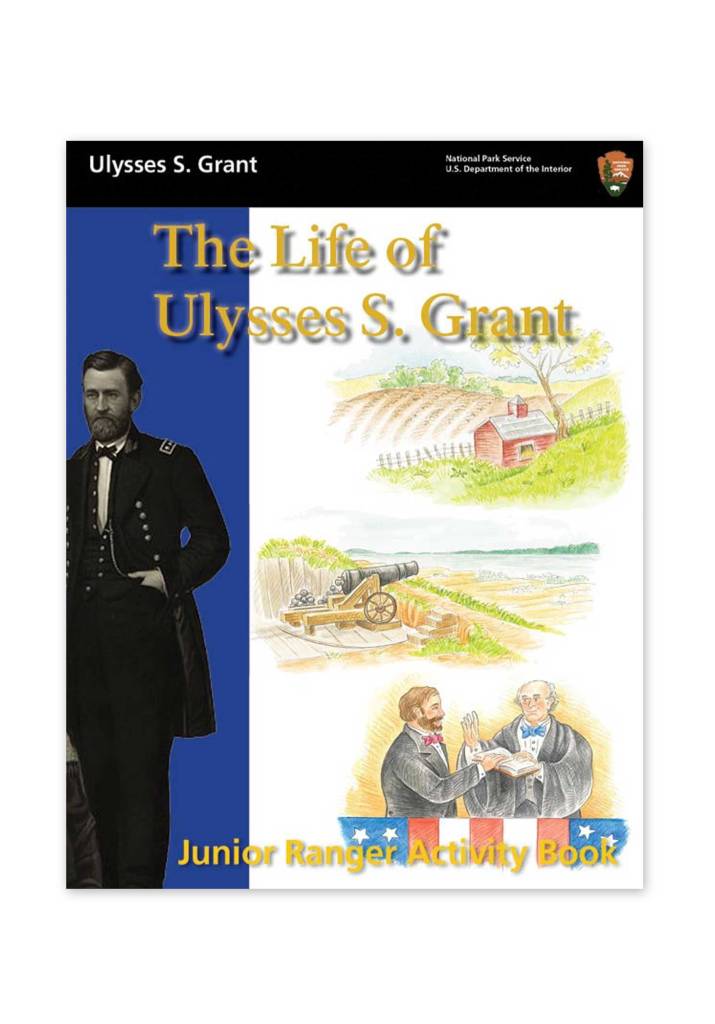
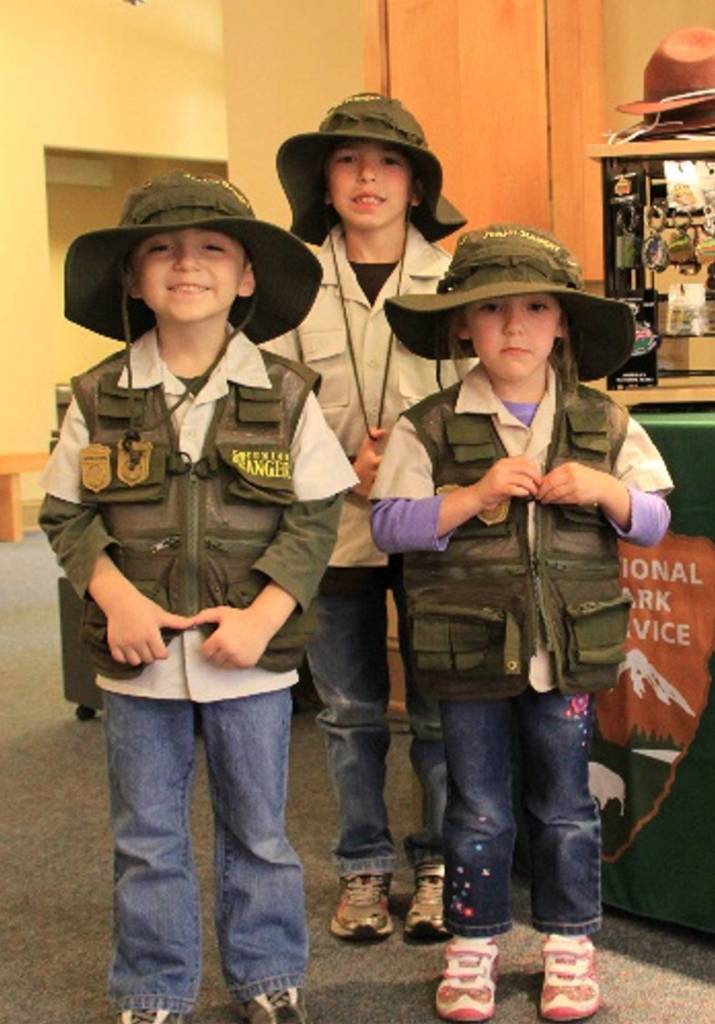
“Explore. Learn. Protect.” This is the motto of the NPS Junior Ranger program, an activity-based program to help kids of all ages learn about parks. On Junior Ranger Day, a variety of special events will be hosted at parks across the country, including Mississippi National River and Recreation Area, Ste. Geneviève National Historical Park, and Ulysses S. Grant National Historic Site.

Swearing in a Junior Ranger at Voyageurs National Park   Credit: NPS

April 28 – Arts in the Parks

When you think of national parks, art may not be the first thing that comes to mind. However, all five of the “fine arts” play an important role at national park sites.

  • Painting – Beginning in the 1800’s, beautiful landscapes of the American West were captured by the painters of the Hudson River School. These paintings helped inspire support for the creation of the national parks. This tradition continues today with the NPS Artist-in-Residence program.
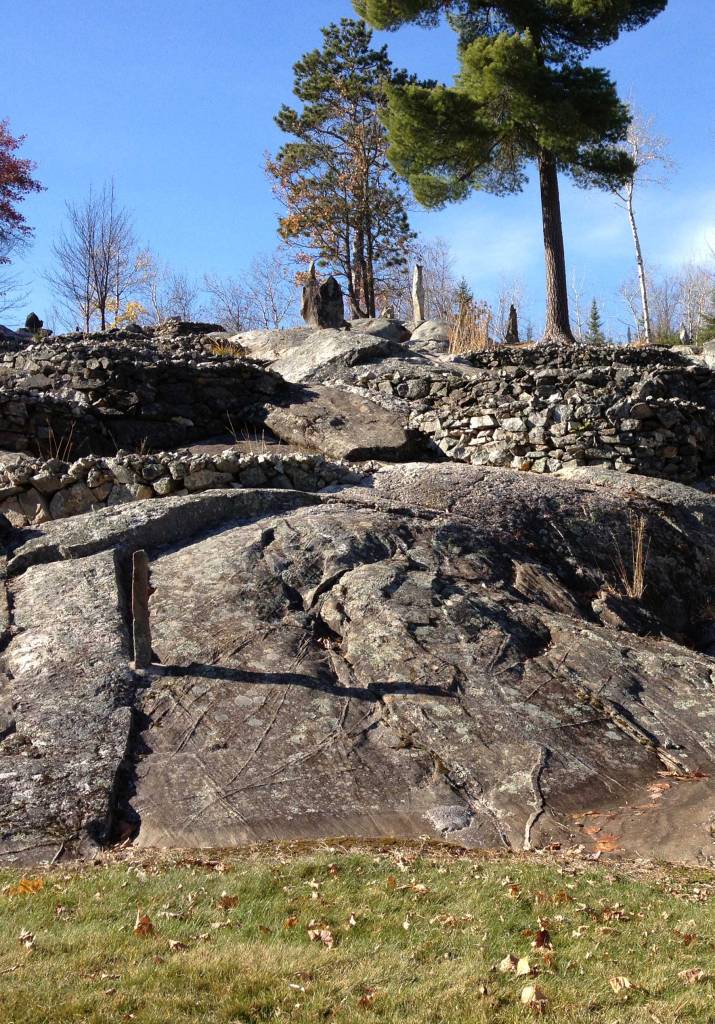
  • Sculpture – The Ellsworth Rock Gardens at Voyageurs National Park is home to over 200 abstract rock sculptures.
  • Architecture– Standing at 630 ft, one of the most iconic architectural marvels in the National Park Service is the Gateway Arch.
  • Music – Little Rock Central High School National Historic Site, Oxford American, and composers Christopher Parker and Kelley Hurt partnered to create a musical tribute to the Little Rock Nine, a jazz composition entitled “The No Tears Suite.”
  • Poetry – A new initiative this year is “Poetry in Parks.” U.S. National Poet Laureate Ada Limón selected historic American poems which will be displayed as public works of art on picnic tables in seven national parks. The installations will be unveiled throughout the summer and fall.
Rock sculptures at Ellsworth Rock Gardens/Voyageurs National Park. Credit: NPS

No matter what theme speaks to you, no matter how old you are, no matter if you visit in person or virtually, go to a national park next week!

It’s a bird! It’s a plane! No, it’s…

Pop quiz! What animals are small, furry, eat thousands of mosquitoes every night, and are critical to many natural ecosystems?  Bats!  

National parks are home to 45 species of these cute (to some!) little mammals, each of which play an important role in nature.  Yet they have recently been decimated by a deadly disease. Luckily, Missouri National Recreational River and many other national parks are working to rescue bat populations.
Why is it so important to protect bats? In contrast to the pop culture depiction of tiny flying vampires, most bats eat insects, fruit, plant nectar, or small animals such as fish or frogs. In fact, only three of the nearly 1,500 bat species in the world drink blood, and they only live in Central and South America. Insect-eating bats feed on so many flying pests that their contributions would add up to more than $3 billion worth of pest control in the United States alone!

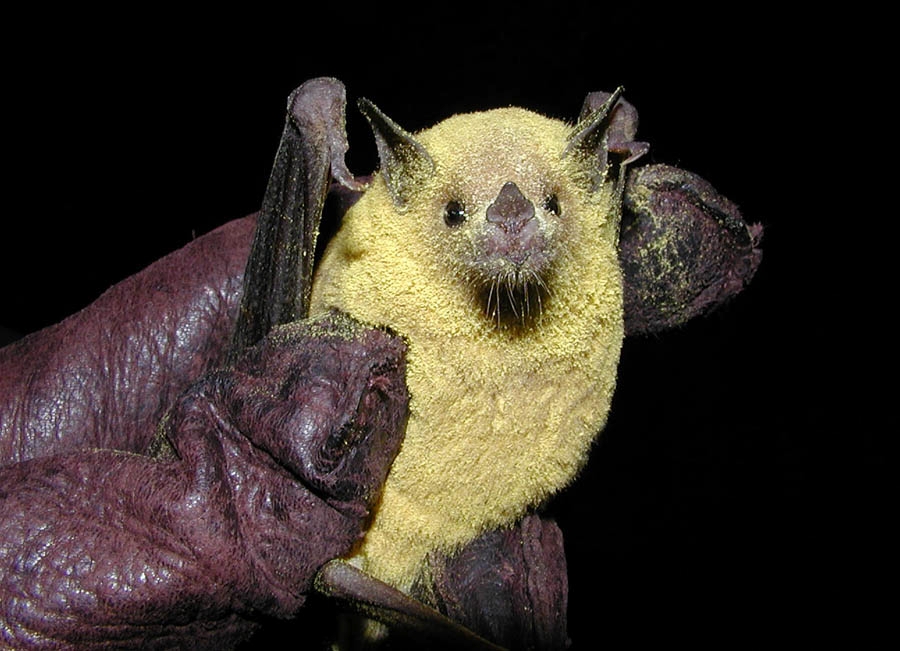
A lesser long-nosed bat covered in pollen from an agave flower. Credit NPS.

Additionally, bats are excellent pollinators. Do you enjoy tequila? Well, thank bats because they are the number one pollinator of blue agave! Bats also contribute to the ecosystem by supporting cave communities, distributing seeds from the fruit they eat, and serving as prey to other animals. Bats have even inspired technological advances such as sonar systems designed after bats’ echolocation and new types of drones inspired by bats’ thin, flexible wings!

It’s clear that bats are AMAZING animals, so what is wreaking so much havoc on their populations? It’s a disease known as white-nose syndrome, caused by the fungus Pseudogymnoascus destructans. The fungus infects bats during hibernation, covering their face and wings. This causes the bats to wake up more frequently, use up their fat reserves, and starve before winter is over. The fungus is easily transmitted through physical contact, either with infected bats or on cave surfaces. Because the fungus spreads through contact, it can also be carried on shoes, clothing, and supplies. That’s why scientists urge people who visit caves to thoroughly decontaminate all of their clothing, shoes, and supplies before and after their visit.

A northern long-eared bat with visible symptoms of white-nose syndrome. Credit US Fish and Wildlife Service.

Missouri National Recreational River, a JNPA partner park, began an acoustic monitoring program in 2014 to monitor bat populations in and around the park. Acoustic recorders were installed to detect the calls bats use for echolocation. Different species of bats have different calls, so this system can also determine what species are in and around the park. Researchers then review the recordings and analyze the data.

A bat acoustic monitoring station at Missouri National Recreational River. Credit NPS.

So far, scientists have determined that eight species of bat call the park home: the big brown bat, eastern red bat, hoary bat, silver-haired bat, little brown bat, northern long-eared bat, evening bat, and tri-colored bat. Although white-nose syndrome has been detected in nearby populations in South Dakota, thankfully it has not been detected within the park boundaries.

If you want to learn more about bats and how to help protect them and their habitats, visit the National Park Service website.

A tri-colored bat. Credit NPS.

Soldiers on Two Wheels

If you’ve ever taken a verrrrry long bicycle ride, you know the physical endurance needed for such an undertaking.  Now imagine biking off-road through mountain ranges, mud, deep sand, and flowing streams, all while carrying heavy supplies.  For more than 1,900 miles!

That’s just what members of the U.S. Army’s 25th Infantry accomplished – in 1897 no less. The so-called Iron Riders were members of the famed Buffalo Soldiers, all-black regiments who served on the American frontier in the mid-1800s.  A living history program this weekend at Gateway Arch National Park will recount the Riders’ grueling journey.

Credit: NPS

As the popularity of bicycles soared worldwide at the end of the 19th century, the Army decided to evaluate their use for certain military operations.  Military leaders commissioned a long-distance experiment that would test the efficiency of bikes as a way of moving troops.  In May 1897, the all-Black 25th Infantry Regiment Bicycle Corps embarked from Missoula, Montana, bound for St. Louis – a journey of nearly 2,000 miles.   Their heavy bikes were laden with all they would need for the trip:  cooking supplies and food, rifles and ammunition, tent and poles, and clothing.  The combined weight of these provisions and the heavy one-speed bike was 59 pounds!

Credit: Missouri State Parks

The arduous journey took 41 days, an average of about 50 miles per day.  The men endured severe storms, extreme heat, food and water shortages, illness from tainted water, and racism and hostility from local residents.  In the words of the bicycle corps’ leader Lt. James Moss, “We made and broke camp in the rain; we traveled through mud, water, sand, dust, over rocks, ruts, etc.; for we crossed and recrossed mountain ranges, and forded streams, carrying our rations, rifles, ammunition, tents, blankets, extra underwear, medicines, tools, repairing material, cooking utensils and extra bicycle parts.”

On July 24, 1897, the Iron Riders arrived in St. Louis to great fanfare.  Thousands of locals gathered to cheer the finale of what national newspapers called the Great Experiment.  Yet despite several attempts to assemble subsequent experimental rides, the corps was ordered to return to Montana.  No permanent military bicycle corps was ever established, and the Army soon shifted its focus towards the use of trucks and other motorized vehicles.
Kevin Smith, Iron Rider re-enactor

To learn more about the journey of the Iron Riders, be sure to attend the program at the Arch this Saturday, from 11:00 to 2:00.  A re-enactor will be on hand to discuss the riders’ trial and triumphs.  Admission is free and no reservation is required.

We Aim to Puzzle You! 🧩

Are you puzzling over what to do with yourself during cold winter days? Well, wonder no more. In honor of National Puzzle Day on January 29, we suggest cozying up indoors with a fun (or maybe maddeningly challenging) puzzle!
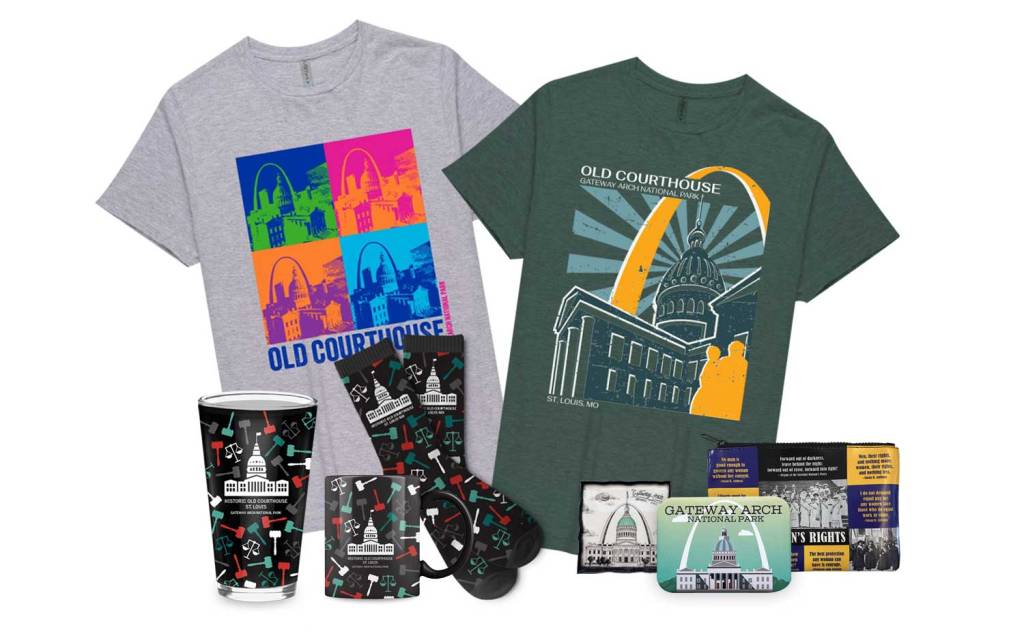
JNPA is crazy for puzzles; we sell a wide variety at our partner park stores.  Some are three- dimensional and require manual dexterity (and patience!).  Others are flat jigsaw puzzles, both single- and double-sided.  Some are kid-friendly, others will challenge any grown-up.  The artwork on some of our puzzles are custom-designed for a specific park, while others have a broader national parks theme. 
Check out some of our more popular puzzles:

Puzzle fiends who love a challenge will want to snag this 1,000-piece national parks puzzle featuring a colorful montage of national park patches.

But if you like your 1,000 pieces divided into two puzzles, go for one of our two-sided Gateway Arch jigsaw puzzles.  When you’re done with one side, just break the pieces apart and start on the other side.

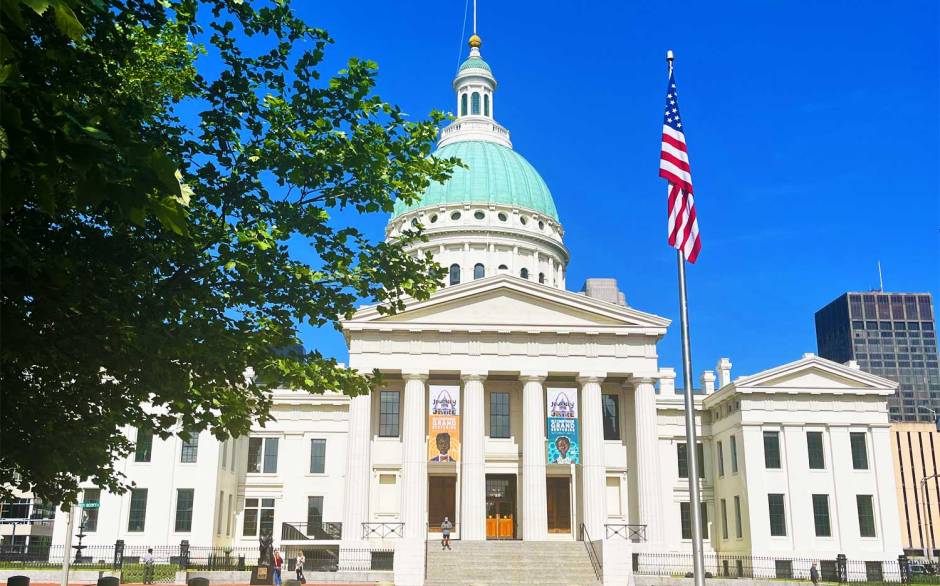
If two-dimensional puzzles aren’t your thing, how about trying your hand at some tricky 3D building sets?  Warning – they’re challenging!  We offer two buildable models of the Gateway Arch and Old Courthouse, one made from plastic mini-blocks and the other from wood. 

Our Arch mini-building block set has 1,913 pieces – enough to keep a team of puzzlers busy for weeks.  When completed, it stands more than 14” high.

The pieces for this wooden Arch model are first popped out of their cards, then assembled into a handsome 16” replica. 

And finally, to help start your kids off right (and not discourage them!), we offer these little Gateway Arch mini puzzles:  either this adorable 24-piece set with a cute carrying strap or a slightly more challenging 140-piece puzzle – they’re great for travel.

One of these projects is sure to be just right for a winter’s day. Happy puzzling!

What’s “App-ening” at our National Parks?

Are you planning a trip to a national park in 2024?  Wouldn’t it be handy to have all the important information about the park at your fingertips, both before you go and while you’re there?  Now you can – with the NPS app.

The free app was created by National Park Service rangers with visitors in mind.  It provides up-to-date information about each of the nearly 430 national park sites across the country to help you make the most of your visit.  You can even download content for offline use, which comes in handy if you’re exploring remote areas in parks or have concerns about data limits.

The tools provided by the app range from the basic to the esoteric.  Once you click on the Explore Full Park tab, you’ll find directions and interactive maps; lists of park amenities like food, restrooms, shopping, and accessibility accommodations; information on special events, ranger programs, and self-guided tours; and recommendations for points of interest and recreation opportunities. 

Snowshoeing at Voyageurs National Park

Some parks include more specialized information for visitors with unique interests.  History buffs can find out how to access the archives at Ulysses S. Grant National Historic Site, for instance.  Or winter sport enthusiasts can learn about snowshoeing or sledding opportunities at Voyageurs National Park.

Other examples of highlights that the app offers for visitors to our partner parks include information on how to:

If for no other reason, you’ll appreciate the app for its real-time updates on conditions within a park, such as road closures, long entry lines, weather advisory warnings, fees, and reservation information.

The NPS App is currently available for iOS- and Android-powered devices such as phones or tablets.  You can download it for free through the App Store and Google Play.

Let’s Get Crafty!

When the days get shorter and the weather gets colder, families can start to get cabin fever.  If you and your loved ones are looking for fun activities, we’ve got you covered! Lucky for national park enthusiasts, there are several activities inspired by our favorite parks that can help pass the time during the long winter months.

Crochet a Walleye

Voyageurs National Park has 54 species of fish that can be found in the park’s aquatic habitats! Walleyes are some of the most popular, and you can make a cute, cuddly one for yourself. This activity is great for both older kids and adults. If you are new to crocheting, this is a great pattern to try, since it is on the simpler side. Click here to view the instructions.

Credit: NPS

Make a Telescope

On May 14, Lewis and Clark’s Corps of Discovery embarked from St. Louis, MO on an expedition to find a route to the Pacific Ocean. This expedition has been commemorated by many public lands sites along the route they journeyed, including Gateway Arch National Park and the Lewis and Clark Visitor Center at Gavin’s Point Dam. While the kids in your life are cooped up indoors, you can make these working telescopes and go on your own pretend expedition. Since the telescopes are actually functional, you can also use them to view the winter landscape and wildlife out your window! Click here to view the instructions.

Credit: National Geographic Kids

Bake an Old-Fashioned Apple Pie

One of visitors’ favorite rooms at President William Jefferson Clinton Birthplace Home National Historic Site is the quaint 1940s-era kitchen, which is fitted out to look as it did when President Clinton lived in the home as a child. It is easy to imagine the family enjoying many warm meals in the modest home, including a nice pie like the one on display. If you want to recreate that same cozy feeling, try baking a delicious old-fashioned apple pie. You can serve it warm on a chilly day or make it à la mode with some vanilla ice cream! Click here to view the instructions.

William Jefferson Clinton Birthplace Home National Historic Site

Weave a Diversity Heart

On September 23, 1957, nine African American teenagers entered Little Rock Central High School, defying an angry mob of adults protesting the desegregation of the school. Today, Little Rock Central High School National Historic Site commemorates the story of those brave students as well as the broader civil rights movement in the United States. It is vital that we learn about and remember the struggles in our nation’s history.

If you’d like to help a young person learn to respect people with all shades of skin color, we have a fun craft for you – create a diversity heart. This charming activity was created for classroom students but it’s easy to do at home and doesn’t require many materials.  Once it’s complete, it can display the many different skin tones we see in the world, including yours!  Just follow the step-by-step instructions here.

Credit: Teach Starter

Create a Stuffed Horse

Fans of Ulysses S. Grant probably know the former U.S. president was a superb horseman who kept a number of horses while he lived at White Haven.  How about creating a little horse of your own?  Younger kids will probably need help making this unique little craft, but the teamwork will be half the fun!

You’ll find complete instructions on making your stuffed horse here.

Credit: Allpony

Make a Whirligig

Kids have always played with toys, but a few hundred years ago there were no stores or websites that sold toys.  So what did a child play with when growing up in French Colonial America, like in Ste. Geneviève, Missouri?  They created their own toys!

A whirligig was a favorite among 18th century children.  This little spinning toy was easy to make from just a few common materials, such as buttons, worn out coins, or hammered musket balls. It was almost as much fun to make as it was to play with. 

Want to make your own paper whirligig?  Check out these simple instructions.  The more you decorate it, the better it looks!

Credit: NPS

A Park by Any Other Name…

Let’s test your national park knowledge. 

  • What do the following sites have in common (aside from the word “national”):  National Battlefield, National Memorial, National Preserve, National Trail, National Monument, National Seashore, and National Cemetery?  Answer:  they’re all part of the National Park Service (NPS). 
  • Of the 425 sites in the national park system, how many are actually national parks?  Answer:  Only 63.   Wait, what?
  • What’s the difference between a national historic site and a national historical park?  Answer:  Ugh, don’t ask!*

If you’re confused, you’re not alone.  There are more than two dozen designations given to the hundreds of sites in the national park system.  Some titles are self-explanatory and suggest the type of attraction one can find in the park unit.  These include sites that are primarily natural (e.g., national parks or preserves), historical (e.g., national historic sites or historical parks), military (e.g., national battlefields or battlefield parks), or recreational (e.g., national recreation areas). 

But many other names are, let’s say, curious.  In fact, both NPS and Congress are working to simplify the criteria and names of the park service units.  Until they do, here are a few general guidelines that might help us untangle the mess when we consider our nine partner sites.

Gateway Arch National Park

National parks – The 63 national parks are typically large, naturally diverse areas containing unique natural features and ecological resources.  Think Yosemite National Park or Voyageurs National Park.  An exception to this rule, however, happens to one of our favorite sites: Gateway Arch National Park, which Congress upgraded to national park from national memorial in 2018.

National preserves – These can be similar to national parks in size but typically allow use such as hunting or oil extraction that aren’t permitted in national parks.

Mississippi National River and Recreation Area

National recreation areas – These usually encompass areas with water-based recreation, like Mississippi National River and Recreation Area, and may include boating, fishing and hunting. 

National monuments – These sites are intended to preserve a single significant natural feature, like Devils Tower National Monument, or important historical feature, like George Washington Carver National Monument.  Monuments usually have fewer diverse attractions than do national parks.

Missouri National Recreational River

Wild and scenic rivers –- Of the many river designations in the Park Service, this one encompasses rivers that are free flowing and protected from damaging development and use.  Missouri National Recreational River, for example, includes two free flowing stretches of the winding Missouri River.

*National historic sites vs. historical parks – Although both of these designations preserve sites of historic significance, a national historical park (like Ste. Geneviève National Historical Park) is usually larger and of greater complexity than a national historic site (like Ulysses S. Grant National Historic Site, Little Rock Central High School National Historic Site, and President William Jefferson Clinton Birthplace Home National Historic Site).

These are far from the only designations within the National Park Service.  You’ll find additional descriptions here.