The National Park Service is charged with preserving our nation’s history, including millions of original documents, photos, drawings, maps, personal letters, and other important records that chronicle the vital heritage and stories of the American people. And sometimes, the NPS archival collections even include some lighthearted mementos from our shared past.
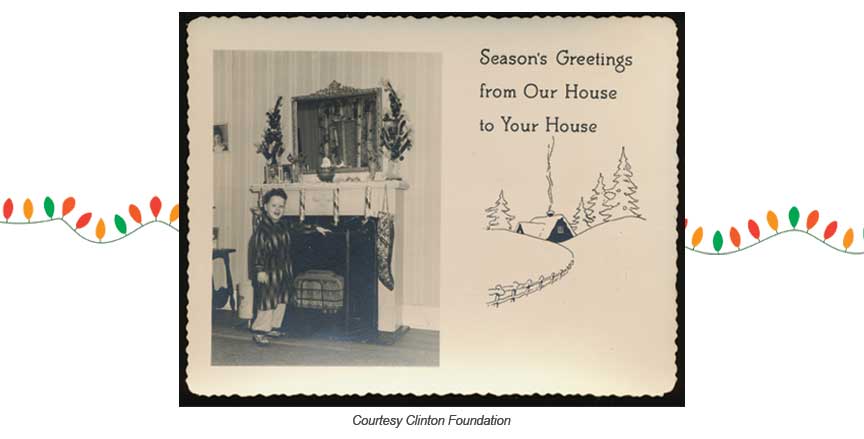
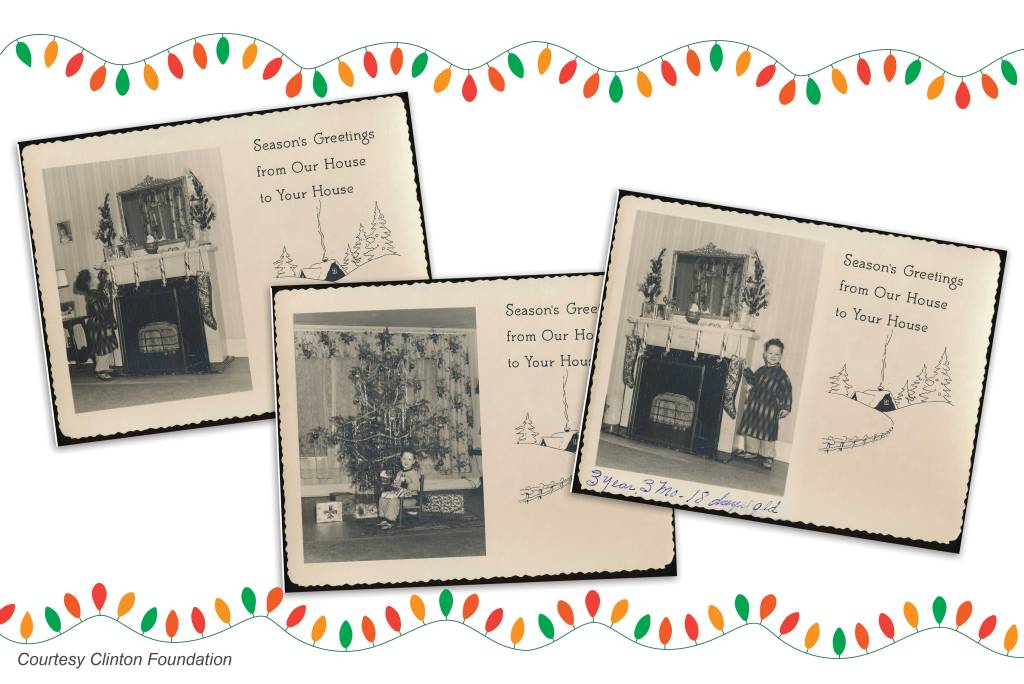
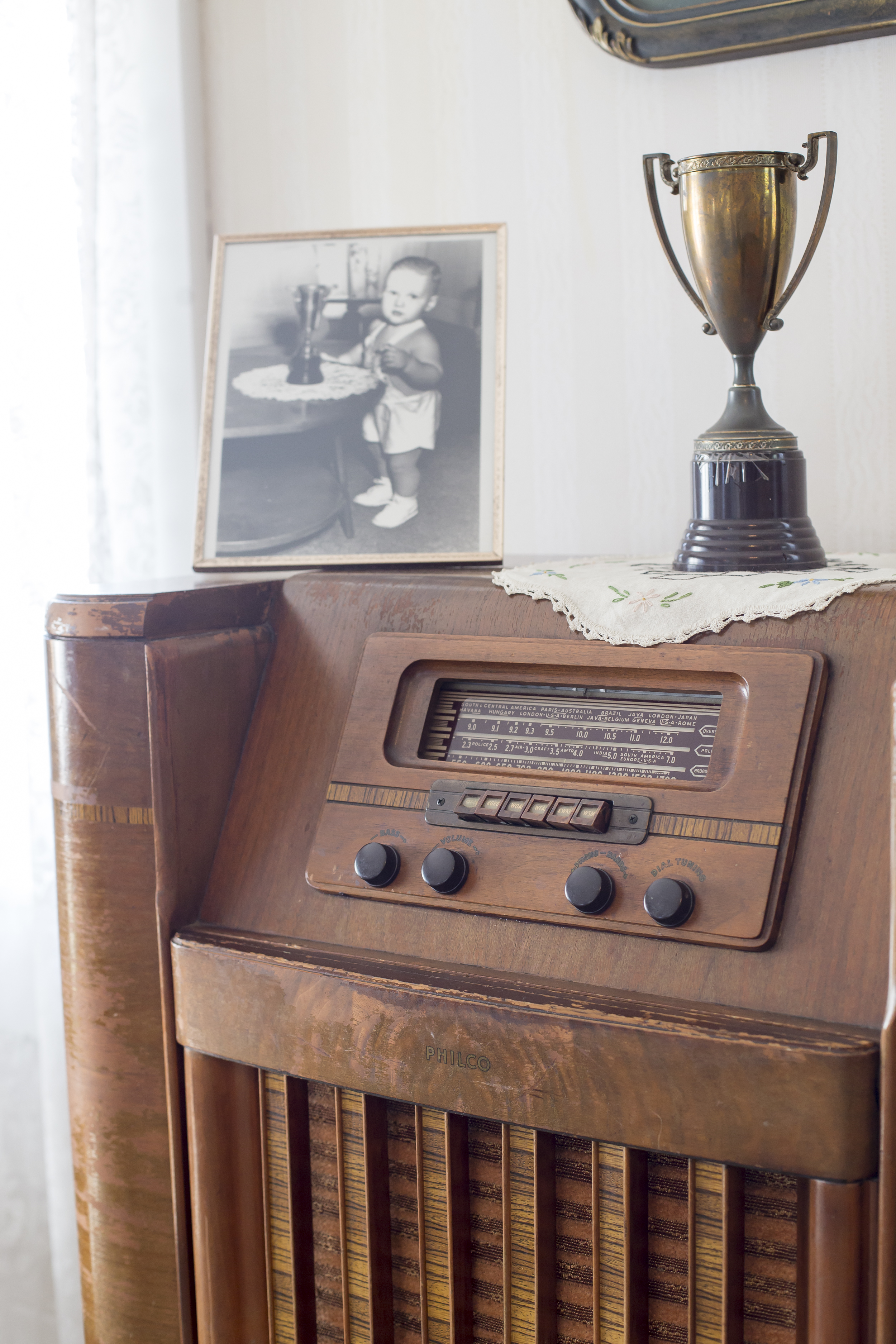
Case in point: this holiday card from 1949. It shows a three-year-old Billy Blythe standing at his family’s fireplace. Why is this worth saving, you might ask? Because Billy (later William Jefferson Clinton) grew up to become the 42nd President of the United States.
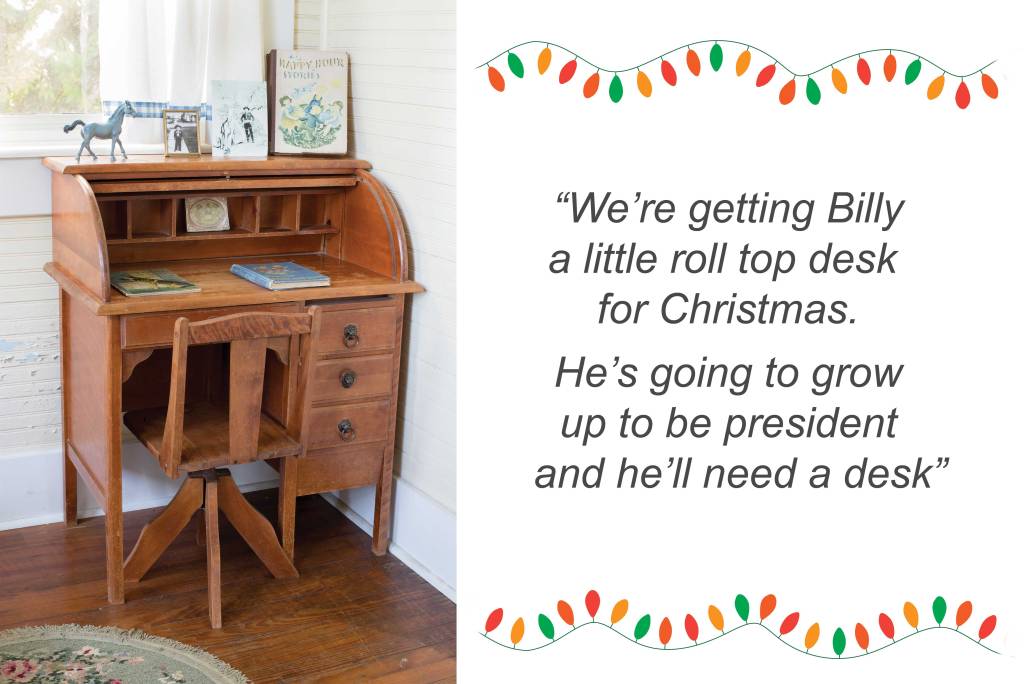
Naturally, no one in the Blythe family knew that young Bill would eventually grow up to be President…or did they? His maternal grandmother Edith Cassidy prophetically wrote to a friend about a present she and her husband were planning to give her grandson:
Replica of Billy’s roll top desk in the Birthplace Home
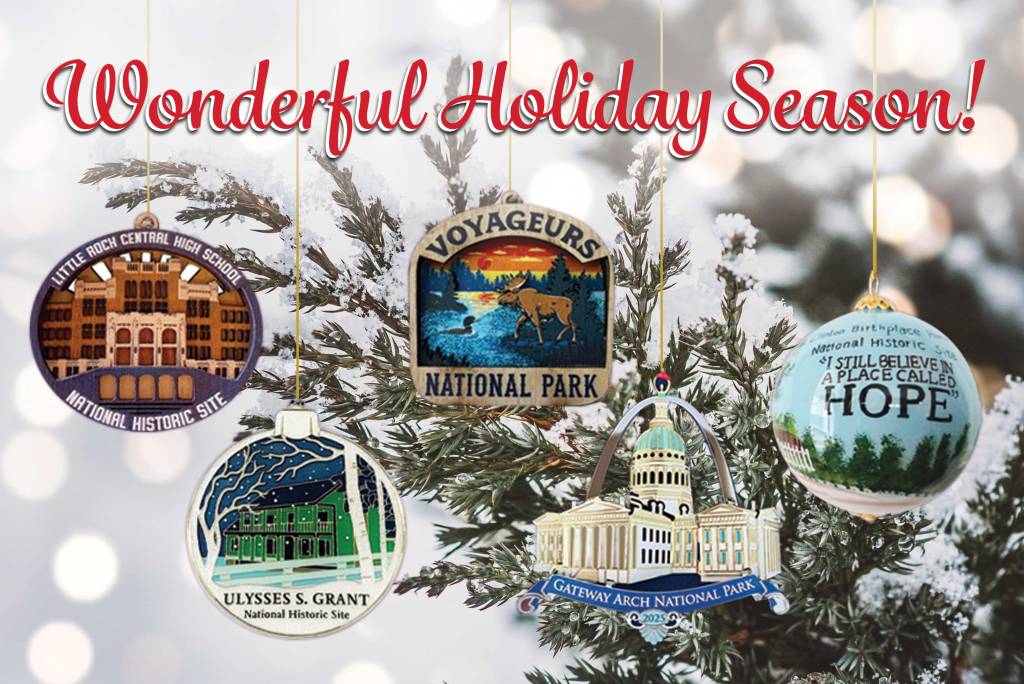
Sometimes a nostalgic look at the past helps us put the present in perspective. So consider these quaint holiday messages from 1949 as our way of wishing you a
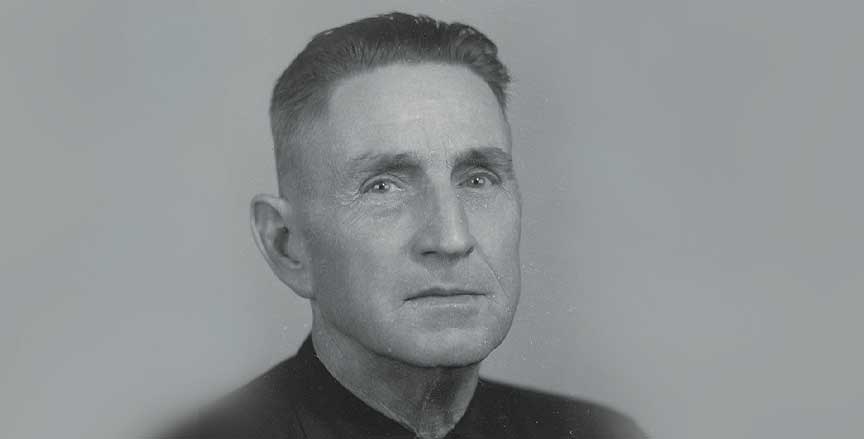
With Father’s Day just around the corner, we wanted to send a shout-out to a very influential grandfather. The name Eldridge Cassidy may not be famous, but this modest Southerner had an outsized impact on the 42nd president of the United States.
When William Jefferson Blythe III was born in Hope, Arkansas, in 1946, his father had already died in a car accident several months before. So little Billy was raised by his mother Virginia and his maternal grandparents, Eldridge and Edith Cassidy. (He later took the name Clinton when his mother remarried.)
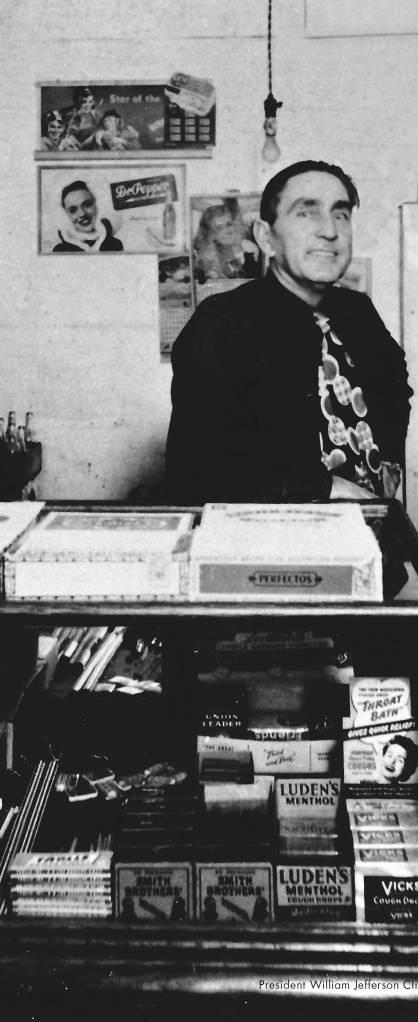
During Bill Clinton’s formative years Eldridge owned a small grocery store in an African American neighborhood of Hope. The store was one of the most integrated establishments in Hope, an otherwise segregated town. And Eldridge would serve anyone who shopped at his store, regardless of their race or background.
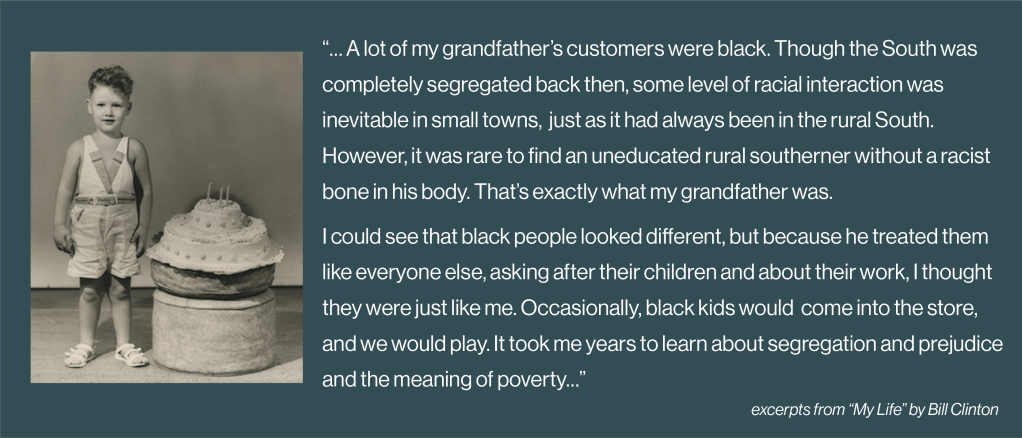
Bill Clinton credits his grandfather for his lifelong respect for all people, regardless of their race or background:
Photo courtesy of the Clinton Foundation
Clinton has described his grandfather as “the kindest man I have ever known,” instilling in the young boy the concepts of social justice, equality, dignity. Even after Eldridge’s early death of a heart attack, he kept his grandfather’s photograph on his desk.
When Clinton accepted the presidential nomination at the Democratic National Convention in 1992, he honored Eldridge Cassidy this way:
When the days get shorter and the weather gets colder, families can start to get cabin fever. If you and your loved ones are looking for fun activities, we’ve got you covered! Lucky for national park enthusiasts, there are several activities inspired by our favorite parks that can help pass the time during the long winter months.
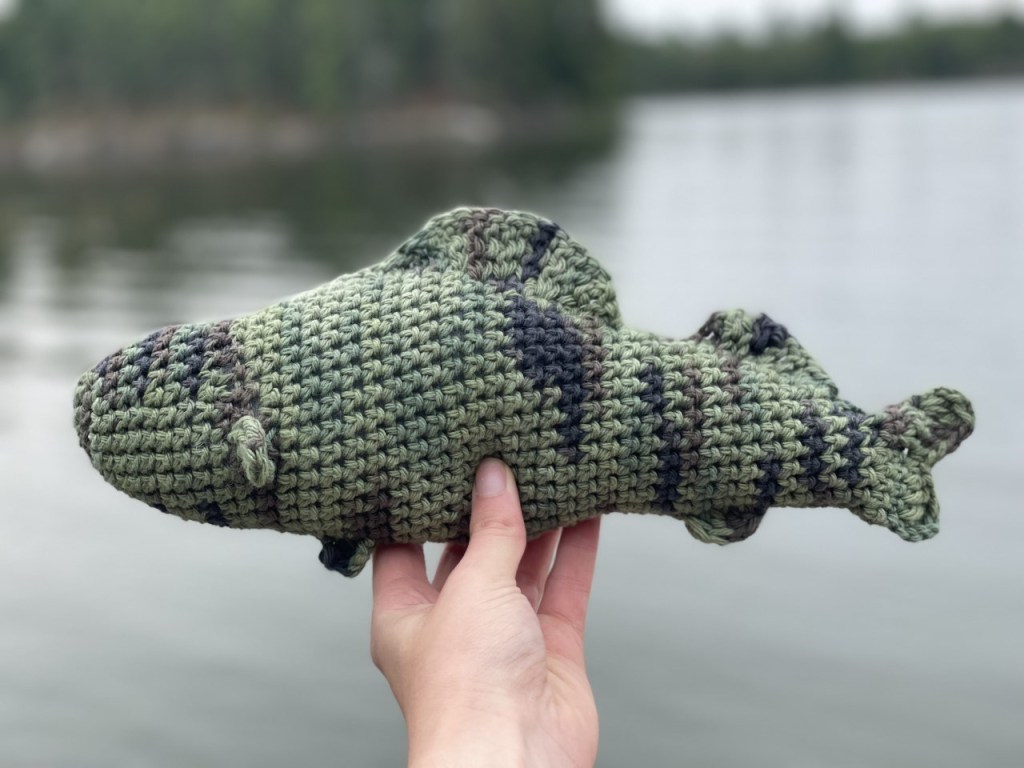
Crochet a Walleye
Voyageurs National Park has 54 species of fish that can be found in the park’s aquatic habitats! Walleyes are some of the most popular, and you can make a cute, cuddly one for yourself. This activity is great for both older kids and adults. If you are new to crocheting, this is a great pattern to try, since it is on the simpler side. Click here to view the instructions.
Credit: NPS
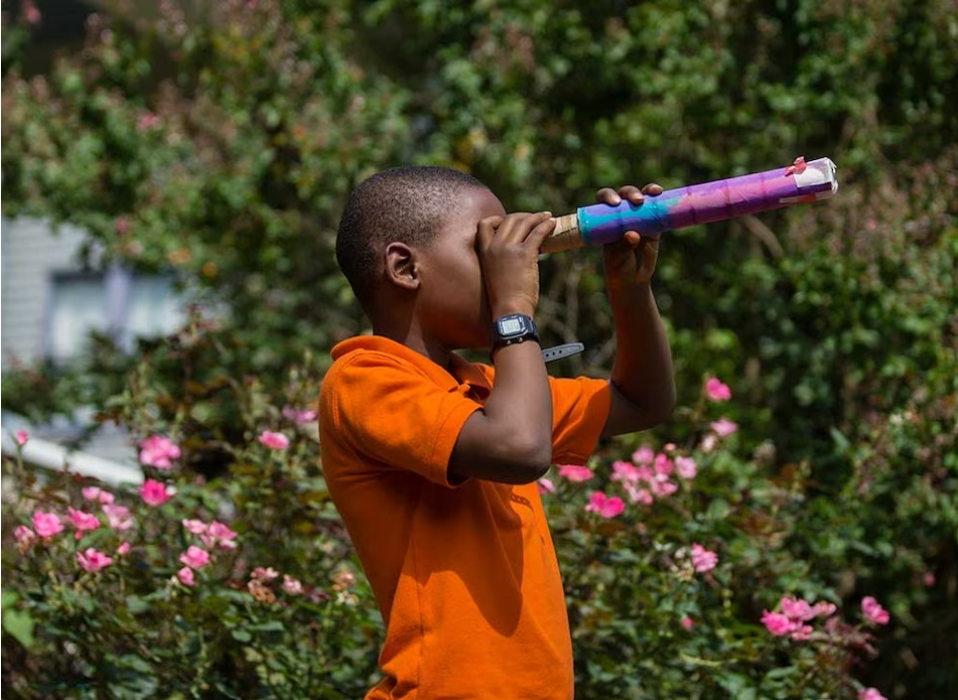
Make a Telescope
On May 14, Lewis and Clark’s Corps of Discovery embarked from St. Louis, MO on an expedition to find a route to the Pacific Ocean. This expedition has been commemorated by many public lands sites along the route they journeyed, including Gateway Arch National Park and the Lewis and Clark Visitor Center at Gavin’s Point Dam. While the kids in your life are cooped up indoors, you can make these working telescopes and go on your own pretend expedition. Since the telescopes are actually functional, you can also use them to view the winter landscape and wildlife out your window! Click here to view the instructions.
Credit: National Geographic Kids
Bake an Old-Fashioned Apple Pie
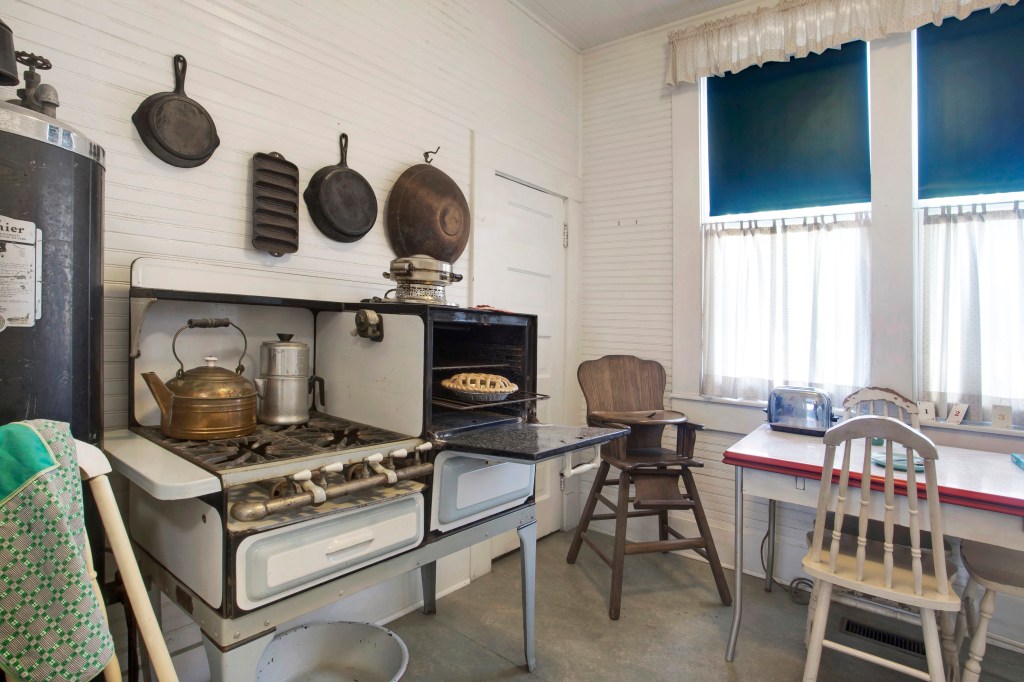
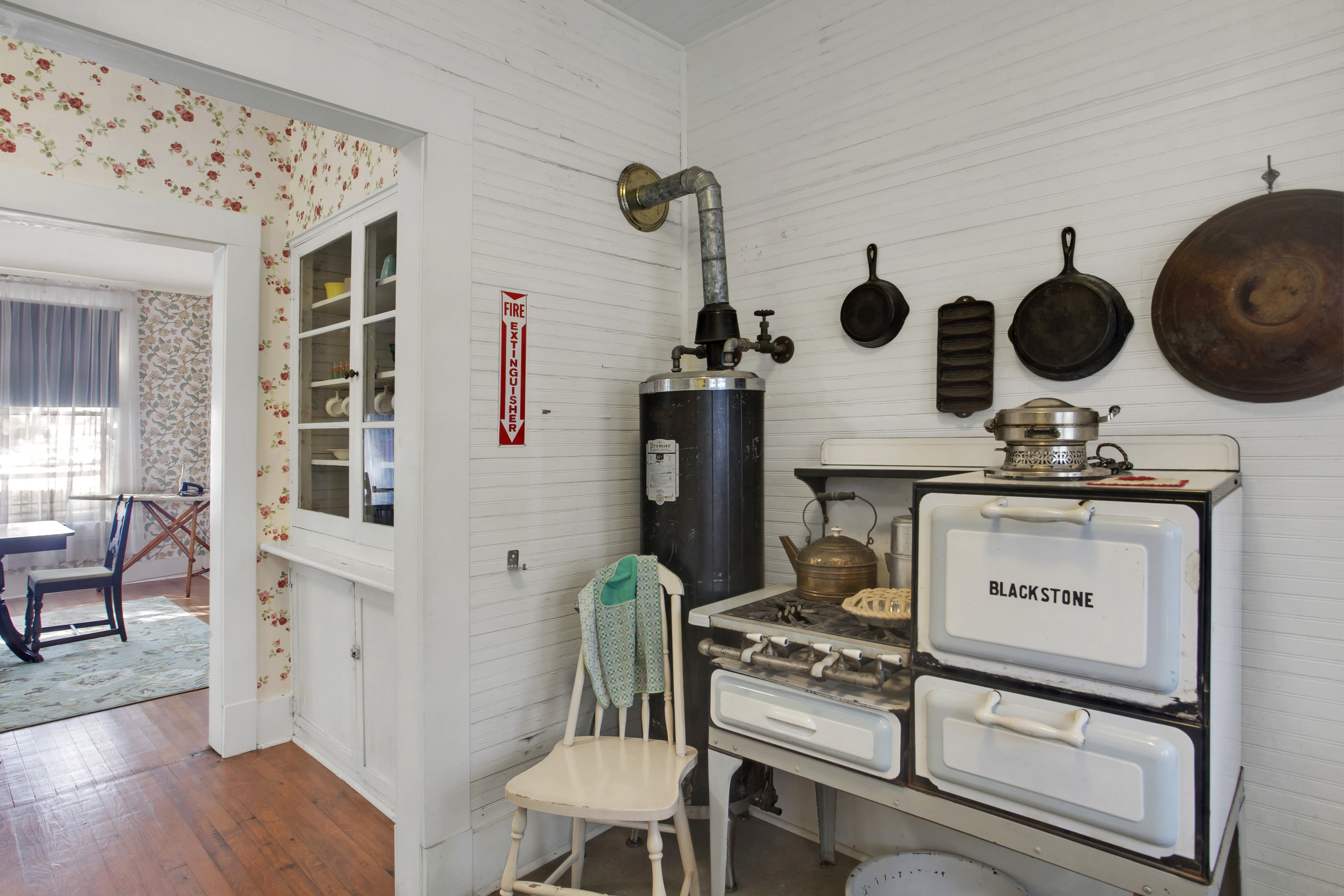
One of visitors’ favorite rooms at President William Jefferson Clinton Birthplace Home National Historic Site is the quaint 1940s-era kitchen, which is fitted out to look as it did when President Clinton lived in the home as a child. It is easy to imagine the family enjoying many warm meals in the modest home, including a nice pie like the one on display. If you want to recreate that same cozy feeling, try baking a delicious old-fashioned apple pie. You can serve it warm on a chilly day or make it à la mode with some vanilla ice cream! Click here to view the instructions.
William Jefferson Clinton Birthplace Home National Historic Site
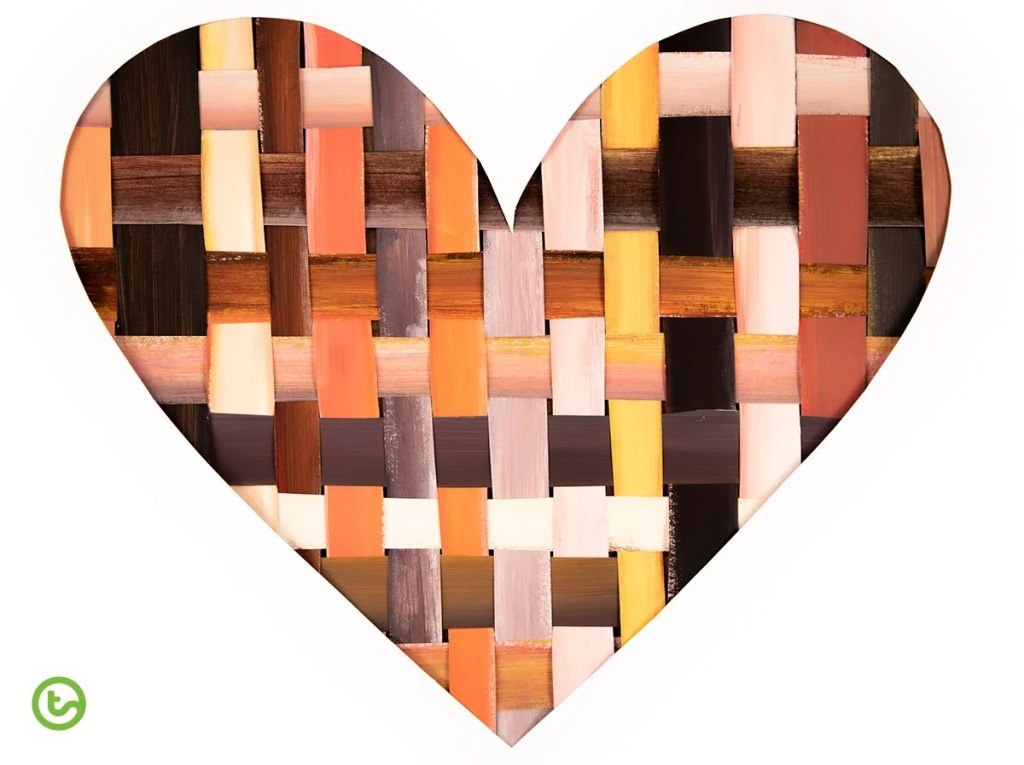
Weave a Diversity Heart
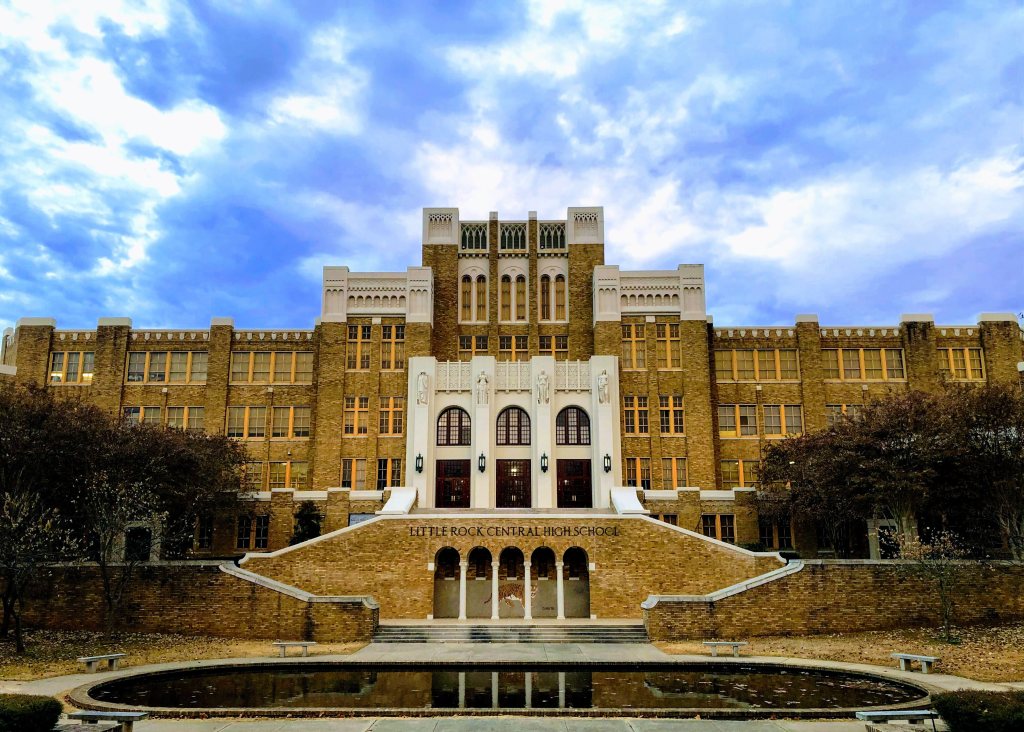
On September 23, 1957, nine African American teenagers entered Little Rock Central High School, defying an angry mob of adults protesting the desegregation of the school. Today, Little Rock Central High School National Historic Site commemorates the story of those brave students as well as the broader civil rights movement in the United States. It is vital that we learn about and remember the struggles in our nation’s history.
If you’d like to help a young person learn to respect people with all shades of skin color, we have a fun craft for you – create a diversity heart. This charming activity was created for classroom students but it’s easy to do at home and doesn’t require many materials. Once it’s complete, it can display the many different skin tones we see in the world, including yours! Just follow the step-by-step instructions here.
Credit: Teach Starter
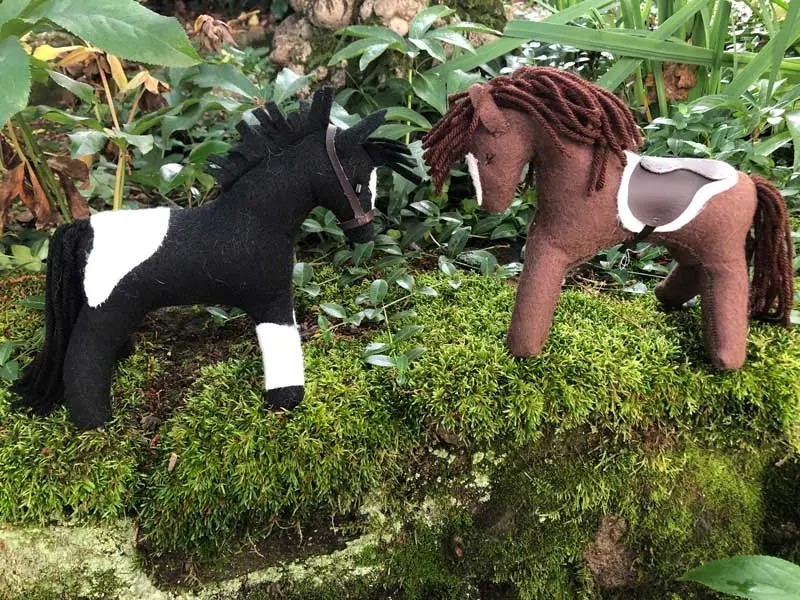
Create a Stuffed Horse
Fans of Ulysses S. Grant probably know the former U.S. president was a superb horseman who kept a number of horses while he lived at White Haven. How about creating a little horse of your own? Younger kids will probably need help making this unique little craft, but the teamwork will be half the fun!
You’ll find complete instructions on making your stuffed horse here.
Credit: Allpony
Make a Whirligig
Kids have always played with toys, but a few hundred years ago there were no stores or websites that sold toys. So what did a child play with when growing up in French Colonial America, like in Ste. Geneviève, Missouri? They created their own toys!
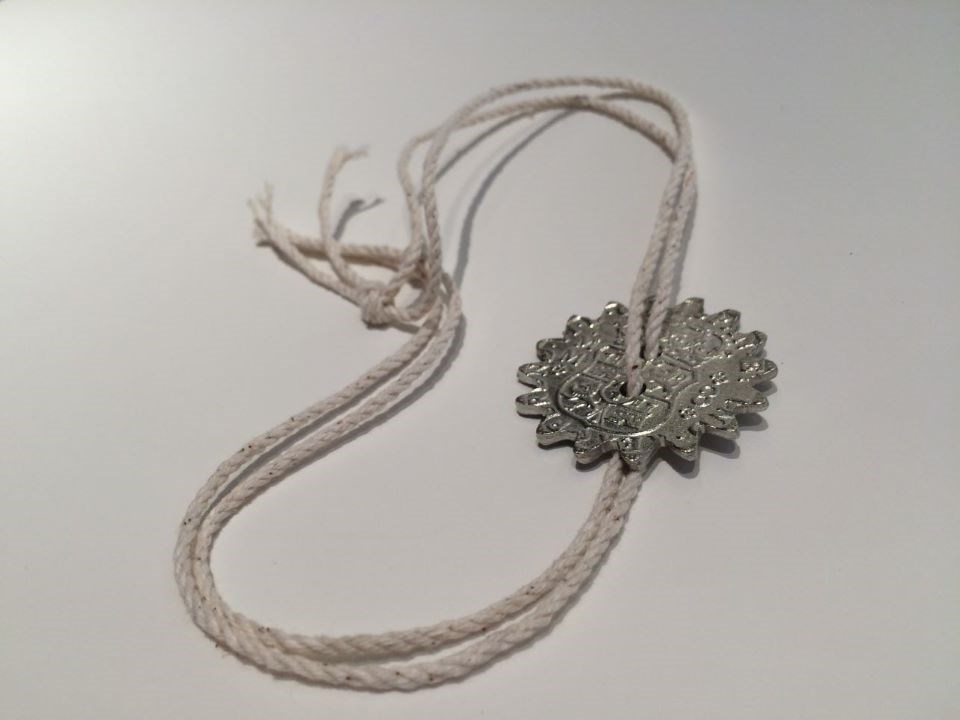
A whirligig was a favorite among 18th century children. This little spinning toy was easy to make from just a few common materials, such as buttons, worn out coins, or hammered musket balls. It was almost as much fun to make as it was to play with.
Want to make your own paper whirligig? Check out these simple instructions. The more you decorate it, the better it looks!
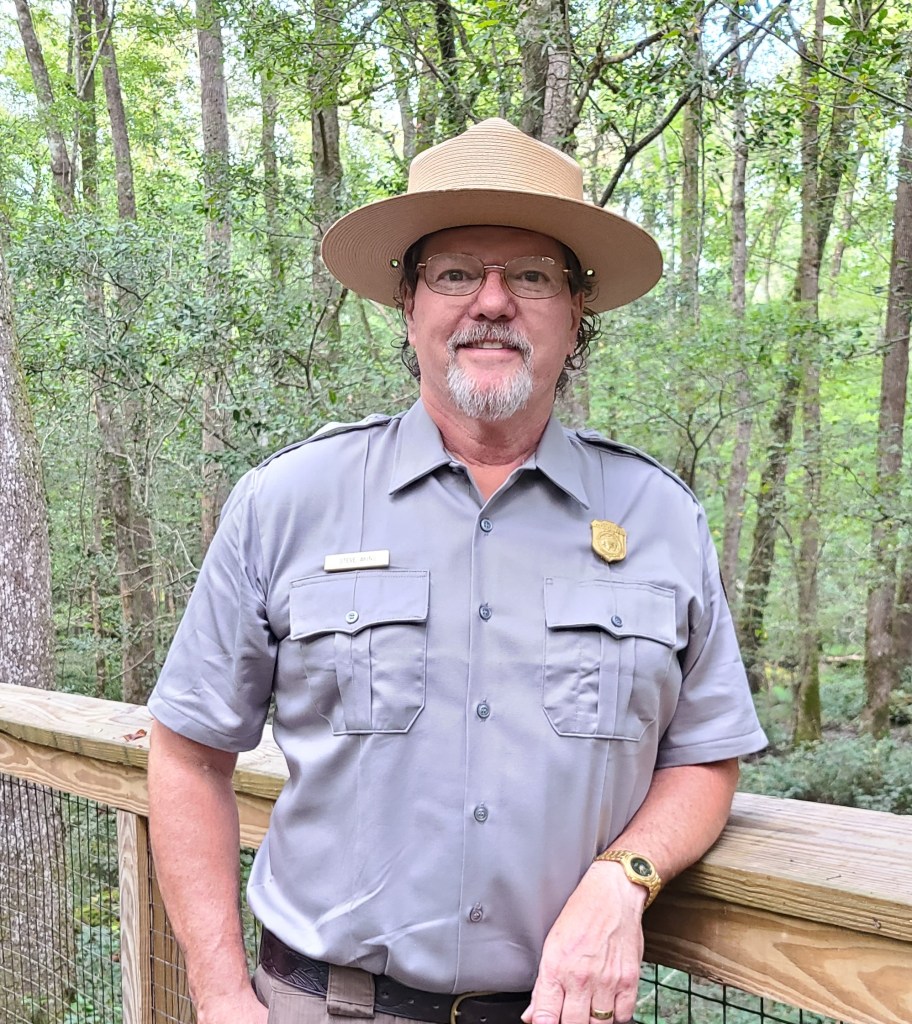
Akins has served at several NPS sites since joining the agency in 2016, including Glen Canyon National Recreation Area in Arizona and Utah, Puʻuhonua o Hōnaunau and Kaloko-Honokōhau National Historical Parks in Hawai’i, and Congaree National Park in South Carolina. His expertise is in facility management, construction, and safety – skills that promise to serve him well when the park embarks on upcoming expansion plans.
NPS regional director Bert Frost says he is pleased to announce Akins’ appointment. “The next several years are an exciting, developmental time for the park and his background in facilities, in addition to his safety manager experience, make him ideal to lead this operation into the future,” Frost says.
“I am honored to be selected as the next superintendent of President William Jefferson Clinton Birthplace Home National Historic Site,” said Akins. “President Clinton was instrumental in bringing diversity and inclusion policies to the White House and I am excited to join the team that helps celebrate those accomplishments and values.”
Akins plans to move into the new post later this fall. And in his free time, he says he and his wife look forward to camping and hiking in the natural splendor of Arkansas.
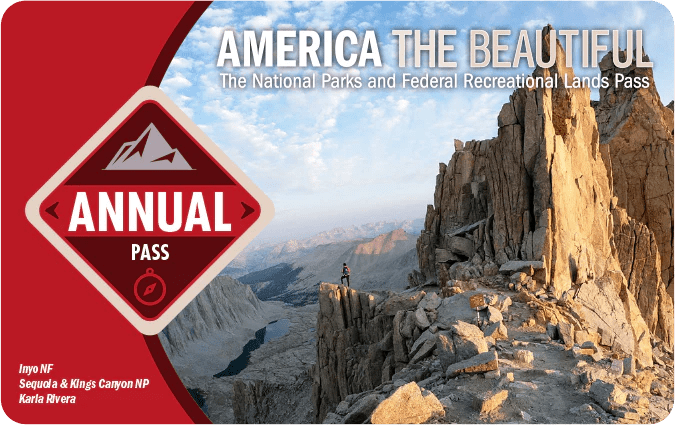
Now that summer is in full swing, you’re probably making vacation plans. If a national park is on your travel agenda, we have a suggestion you won’t want to pass up: buy an America the Beautiful Pass.
This $80 annual pass entitles you and three guests to free access to more than 2,000 public sites managed by five federal agencies for an unlimited number of visits during the year. And since some national parks charge up to $20 per person or $35 per vehicle, these savings can add up. What’s more, the proceeds from the purchase of each pass are dedicated to improving and enhancing visitor experiences at these federal recreation sites.
Ulysses S. Grant National Historic Site. Credit: NPS/David Newmann
Beyond the regular annual park pass, there are other options for certain groups:
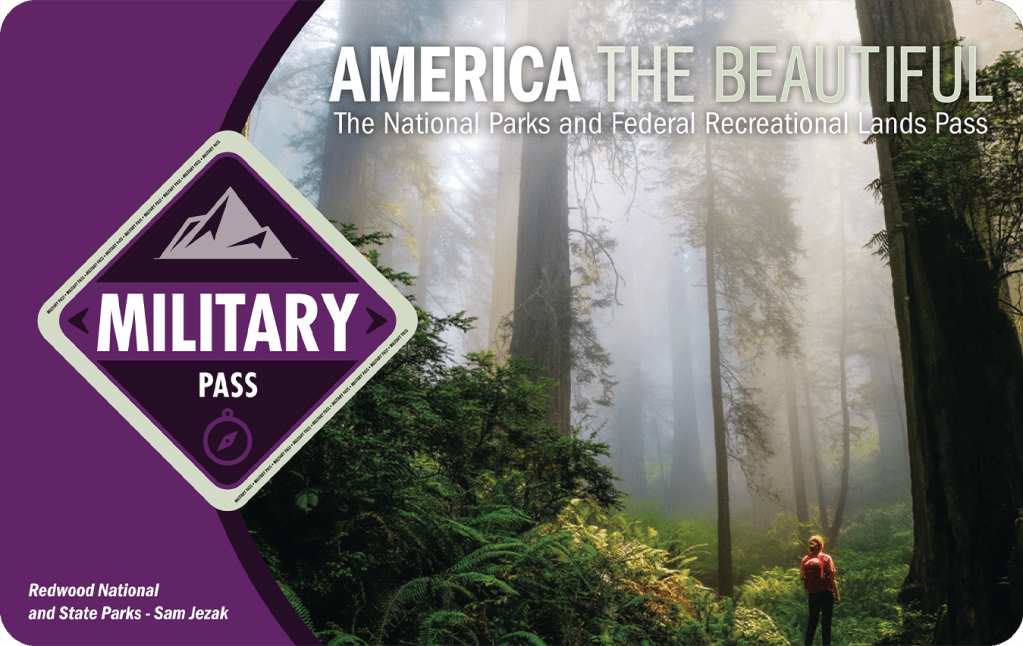
Members of the military and their dependents qualify for a free annual Military Pass;
Gold Star families and Veterans can receive a free lifetime Military Pass;
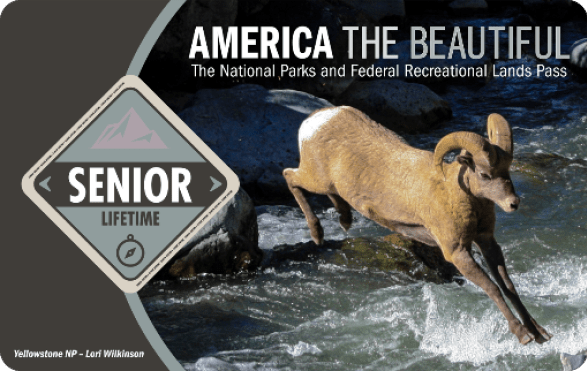
Those who are ages 62 and up can purchase a $20 annual Senior Pass or an $80 lifetime Senior Pass;
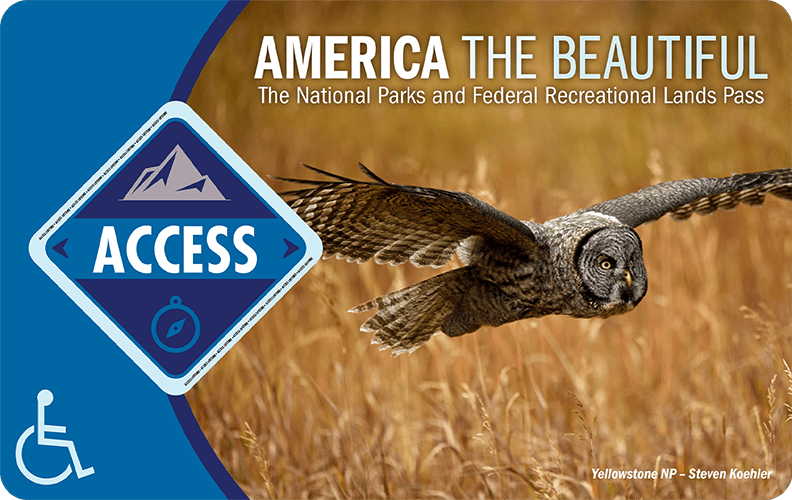
Those who have a permanent disability can qualify for a free lifetime Access Pass, regardless of their age.
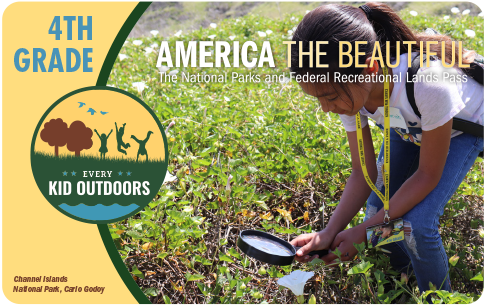
Children in 4th grade and their educators can take advantage of a free Every Kid Outdoors Annual 4th Grade Pass.
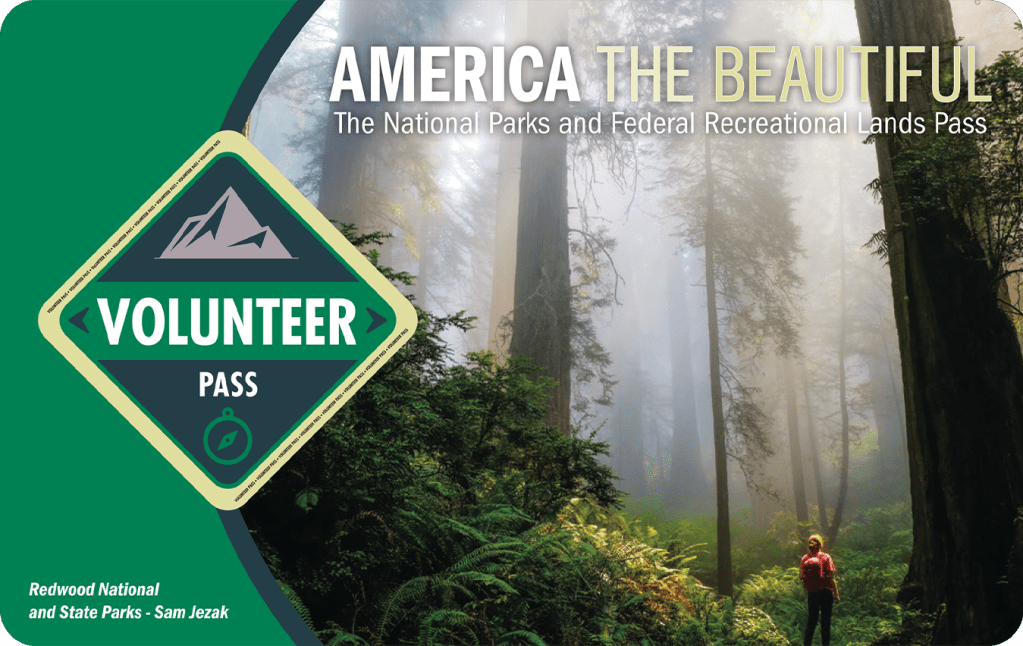
Those who volunteer for a federal recreation site for more than 250 hours are entitled to a one-year Volunteer Pass.
Where can you get one of these park passes? If your vacation is more than two weeks away, you’ll have time to order your passes online and have them mailed to you (there’s a $10 processing fee for online orders). But if you’re travelling sooner, you’ll want to buy your passes at one of more than 1,000 recreation sites managed by the National Park Service, Bureau of Land Management, U.S. Fish and Wildlife Service, U.S. Forest Service, and the U.S. Army Corps of Engineers. To find one near you, go here.
Feel like hitting the road? Check out our suggestions for a few fun weekend adventures.
Trip 1- St. Louis
Day 1– Let’s start this trip with St. Louis’ own iconic Gateway Arch! Your first stop will be the museum at Gateway Arch National Park, where you will learn all about the history of St. Louis, westward expansion, and the unique architecture contest which resulted in the construction of the Arch. Next, catch a showing of the documentary film Monument to the Dream followed by a tram ride to the top of the Arch. At 630 feet high, you can’t beat those views! For lunch, you can grab a bite at the Arch Café, have a picnic on the beautiful park grounds, or go check out the restaurants downtown. (St. Louis is known for its diverse food offerings.) In the afternoon, take a riverboat tour of the Mighty Mississippi before you do some exploring of Downtown St. Louis. Catch a Cardinals baseball game, go for a stroll through Citygarden Sculpture Park, or take a tour of the National Blues Museum. For dinner, check out the restaurants and nightlife at Ballpark Village.
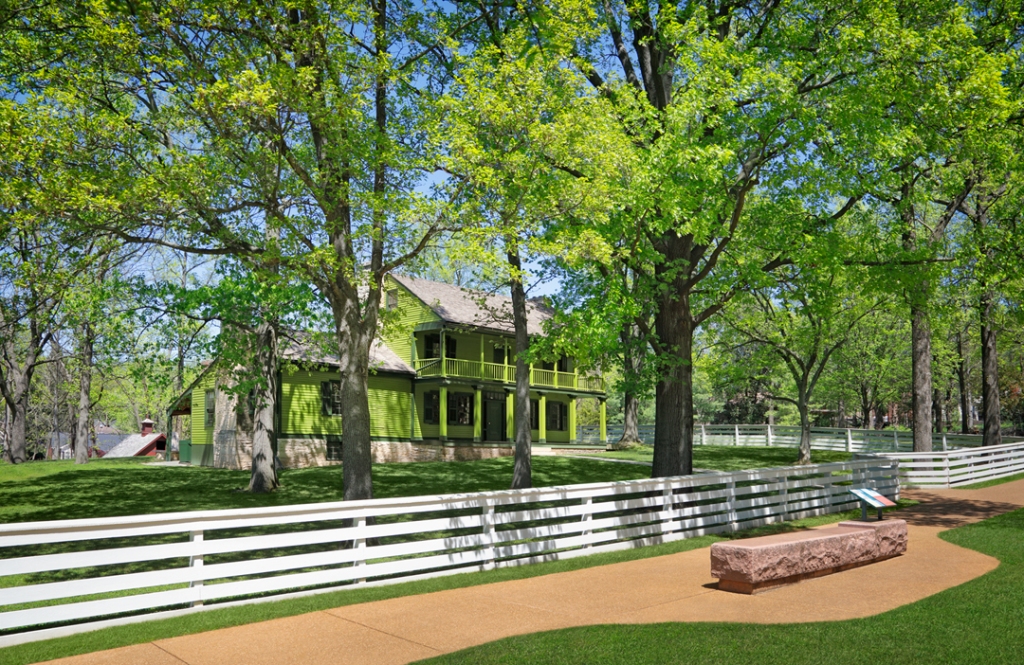
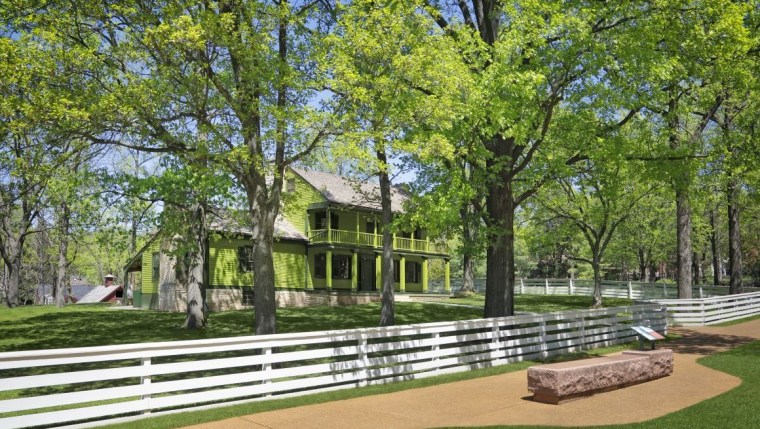
Day 2– Your main attraction for today will be Ulysses S. Grant National Historic Site in south St. Louis County. Check out the orientation film and take a self-guided tour of the park’s museum, housed in the historic 1872 horse stable that Grant himself designed. Then embark on a guided tour of White Haven, the home where Ulysses S. Grant and his wife, Julia, fell in love and made their life together. Next, head to brunch or lunch at The Barn restaurant before taking a tour of the Thomas Sappington House Museum next door. When you’re done, make sure to take a stroll through Father Dickson Cemetery, one of the first public cemeteries for African Americans in St. Louis. For dinner, take your pick from the many wonderful restaurants in nearby Crestwood, Kirkwood, or Webster Groves.
Green Tree TavernJean Baptiste Valle House
Day 3– On the final day of your weekend trip, you are going to head an hour south along the Mississippi to the beautiful Ste. Genevieve National Historical Park. This unique park is spread out across multiple buildings in the 18th century town of Ste. Genevieve. You can take ranger-led tours of the historic Green Tree Tavern and the Jean Baptiste Valle House. Next, you can wander through this picturesque small town and visit the multitude of shops, museums, and restaurants. For dinner, visit one of the six wineries on the Route du Vin Wine Trail.
Trip 2- Arkansas
Day 1– Every good trip begins with a little hope, and for this trip, we are taking that literally! Your first stop is the President William Jefferson Clinton Birthplace Home National Historic Site in the quaint town of Hope, Arkansas. Stop by the park’s visitor center before taking a ranger-led tour of the home where our 42nd President was born. Next, head down the road for lunch at Tailgaters Burger Co. or one of the other local restaurants. In the afternoon, you can check out the Hope Visitor Center and Museum or the quirky Klipsch Museum of Audio History.
Credit: NPS/Calvin Smith
Day 2– About a 90-minute drive from Hope is the unique town of Hot Springs. One of the first “spa towns,” Hot Springs has a mix of historic architecture and natural beauty. Though Hot Springs National Park is not one of JNPA’s partner parks, we still don’t want you to miss this gem! Your first stop is the Fordyce Bathhouse Museum and Visitor Center to talk to a ranger and learn more about the history of the area. Next, you can check out historic Bathhouse Row or go for a hike on one of the park’s many miles of trails. For lunch, stop by the Superior Bathhouse Brewery, the only brewery located in a national park! In the afternoon and evening, go for a soak at one of the bathhouses, take another hike, or check out Downtown Hot Springs.
Day 3– Continuing northeast for an hour, this trip ends at the capital of Arkansas, the bustling city of Little Rock. At Little Rock Central High School National Historic Site, you will learn about the bravery of the Little Rock Nine and the rocky beginnings of the desegregation of America’s schools. Stop by the park’s visitor center first to view the exhibits and watch the interpretive film. Then, take a ranger-led tour of the school, which is still in use today. Ask the park rangers for a lunch recommendation before heading into the city to check out one of the many other cultural institutions. Don’t forget to visit the State Capitol Building, which offers free guided tours. Animal enthusiasts may want to see the Little Rock Zoo, or art aficionados may enjoy the Arkansas Museum of Fine Arts. For an outstanding ending to your Arkansas vacation, check out one of the many local restaurants for dinner.
Trip 3- Northern Minnesota
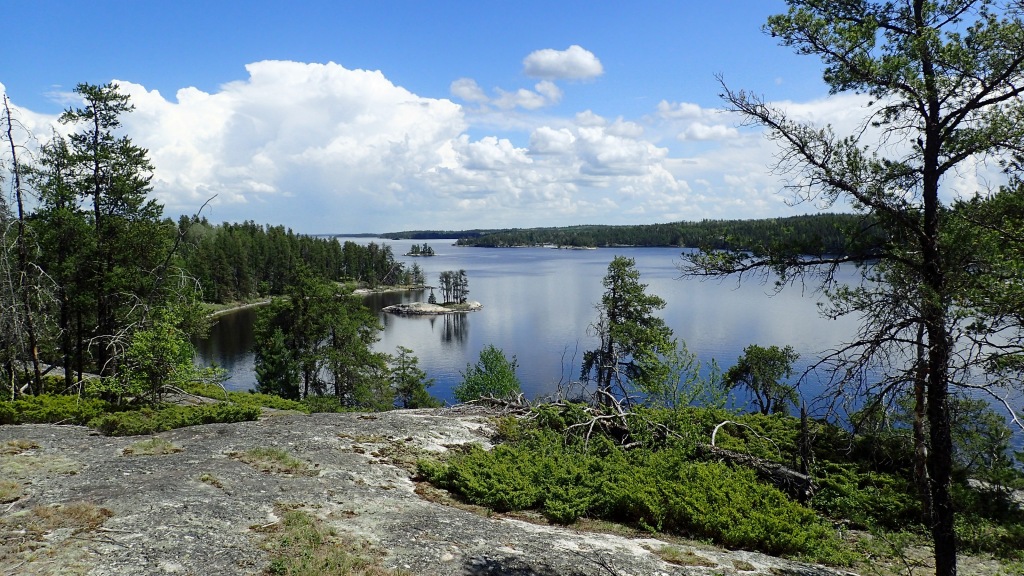
Day 1– At over 200,000 acres, Voyageurs National Park will take up all three days of this getaway. Your first stop will be one of the three visitor centers. The largest, Rainy Lake Visitor Center, offers exhibits, an orientation film about the park, and a bookstore (operated by you-know-who). Next, head out on one of the park’s many hiking trails to take in the scenery. Bring a picnic lunch to enjoy along the trail, but make sure to pack out what you pack in. End your day by getting settled into your lodgings. You could opt for the Kettle Falls Hotel or get a bit more adventurous: there are a variety of camping options at Voyageurs or you could even rent a houseboat!
Credit: NPS
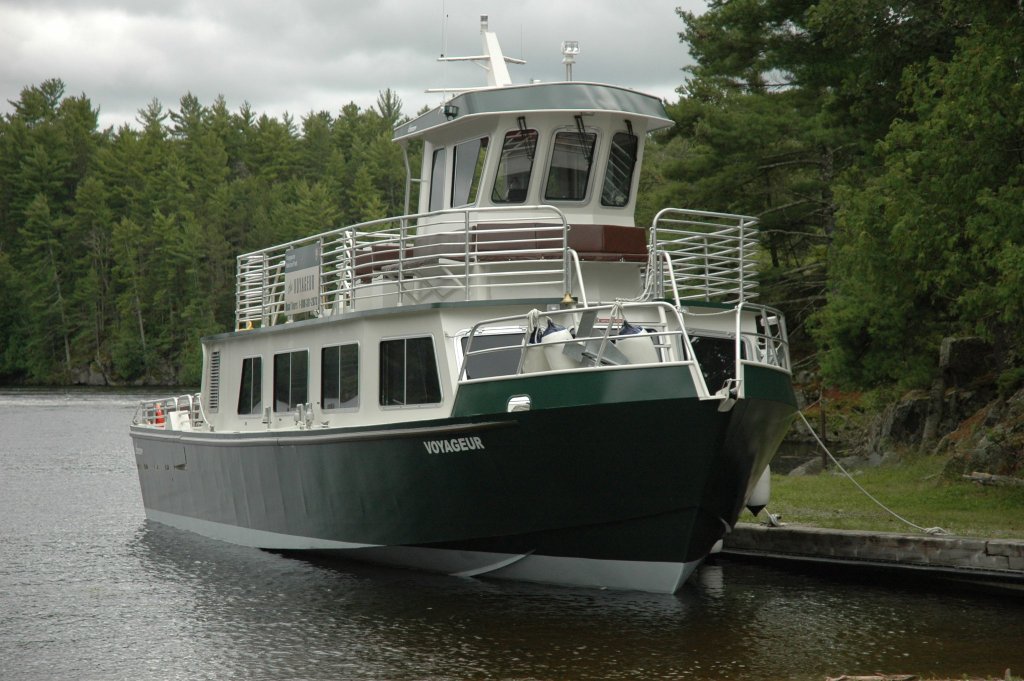
Day 2– For your only full day at the park, take the opportunity to participate in a guided tour or two. In the Rainy Lake district, you can take a boat tour aboard the Voyageur, or in the Namakan district, you can voyage on the park’s newest tour boat, the Ne-zho-dain. If you are feeling extra adventurous, sign up for one of the park’s North Canoe Voyages, where you can paddle a replica of a north canoe while being immersed in an on-the-water living history lesson!
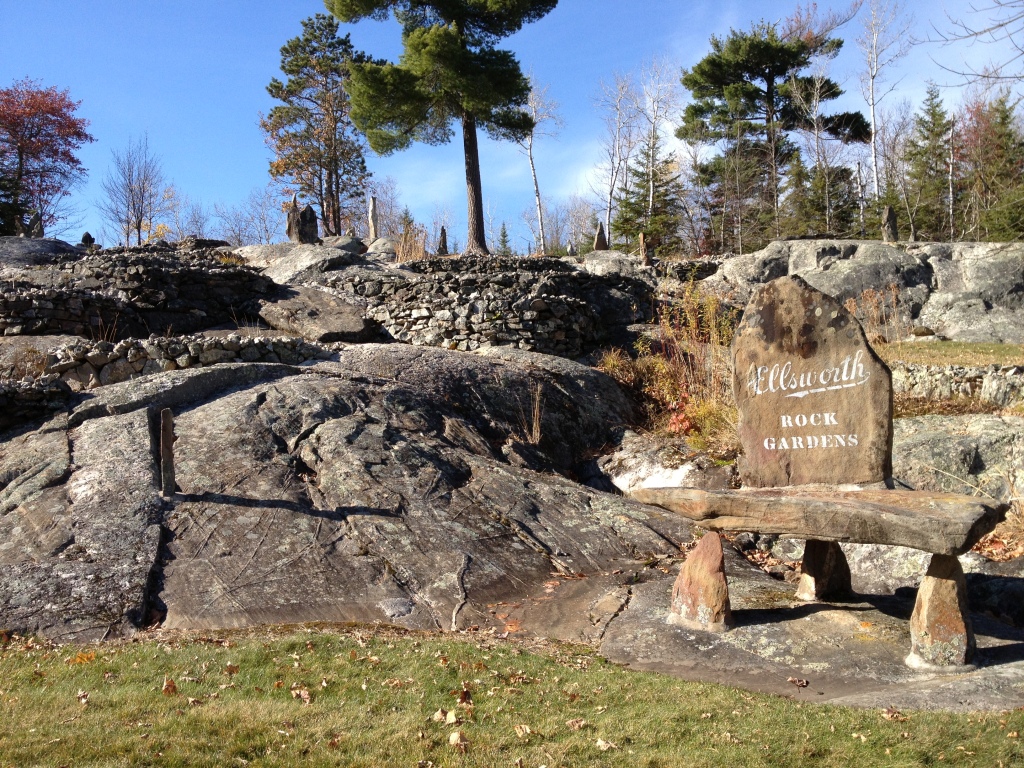
Day 3– For your final day at Voyageurs, take time to check out the Ellsworth Rock Gardens and the Harry Oveson Fish Camp, or do a bit of birdwatching. Then on your way out of the park, stop by one of the gateway communities, such as International Falls, to see the sights and restaurants they have to offer.
We love President’s Day! Why? Because JNPA is the proud partner of three national parks that were created to honor a U.S. president. So as we approach President’s Day on Monday February 20, join us in honoring our national leaders, and find out how you can celebrate the upcoming holiday.
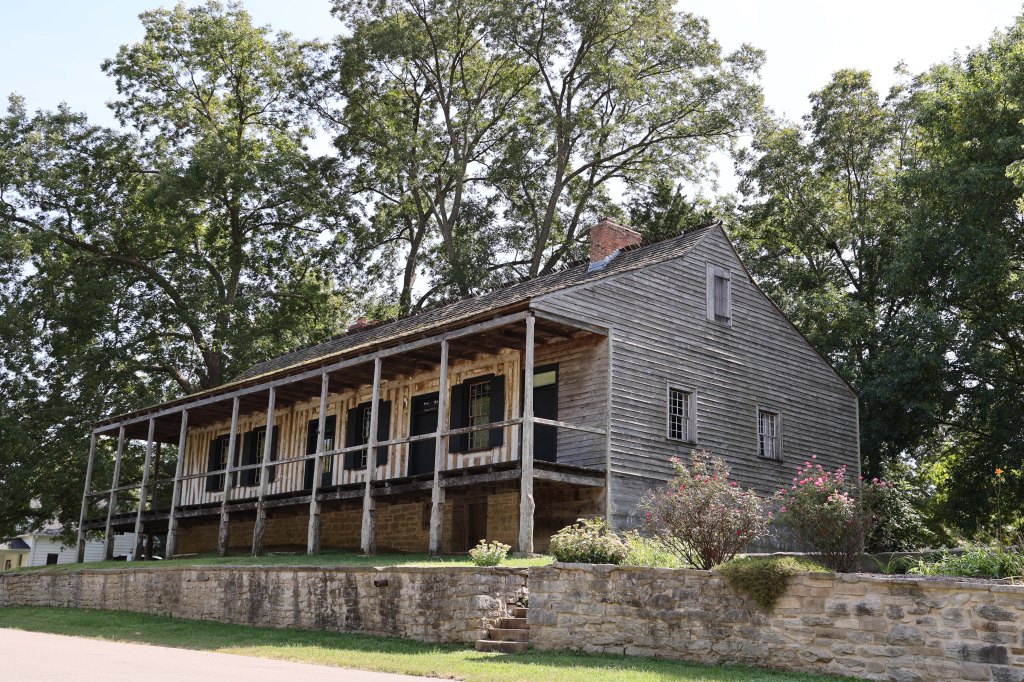
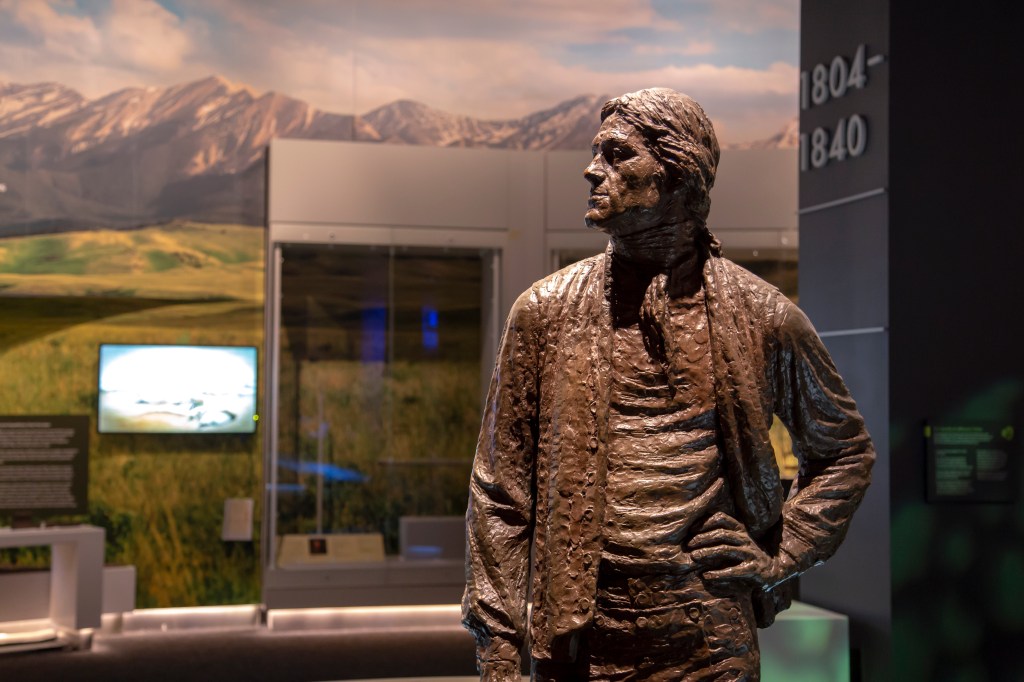
Though his name is no longer included in the park title, Thomas Jefferson is the reason behind the establishment of Gateway Arch National Park (formerly Jefferson National Expansion Memorial). The 90-acre park is a memorial to the third president’s role in exploring the American West. In addition to Eero Saarinen’s soaring Arch, the park features a museum that explores St. Louis’ vital role in U.S. history. It also includes the historic Old Courthouse, where the enslaved Dred and Harriet Scott sued for their freedom in the mid-1800s. (The Courthouse is currently closed for renovations.)
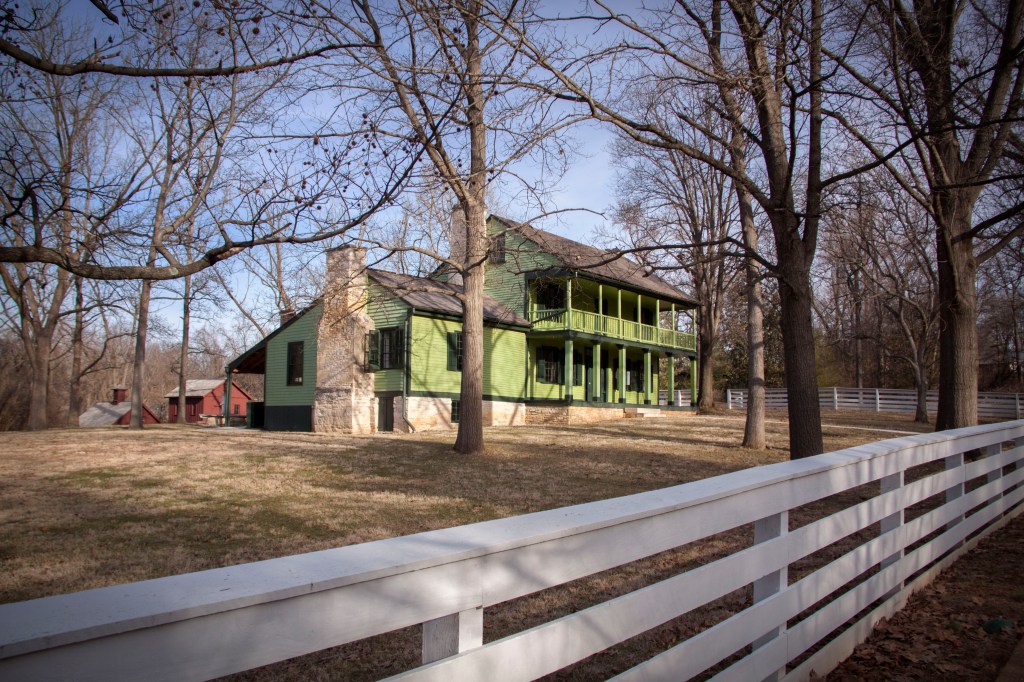
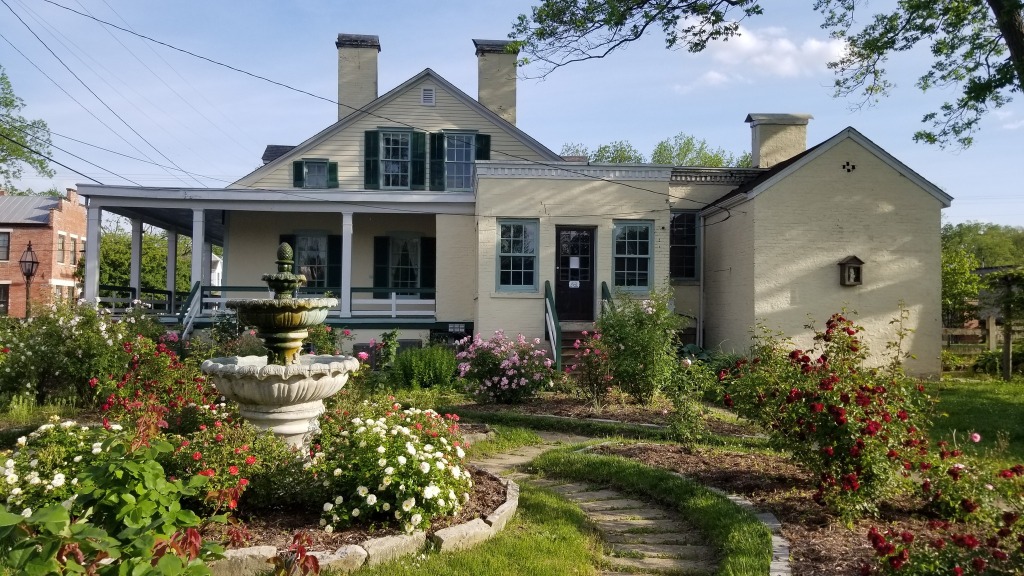
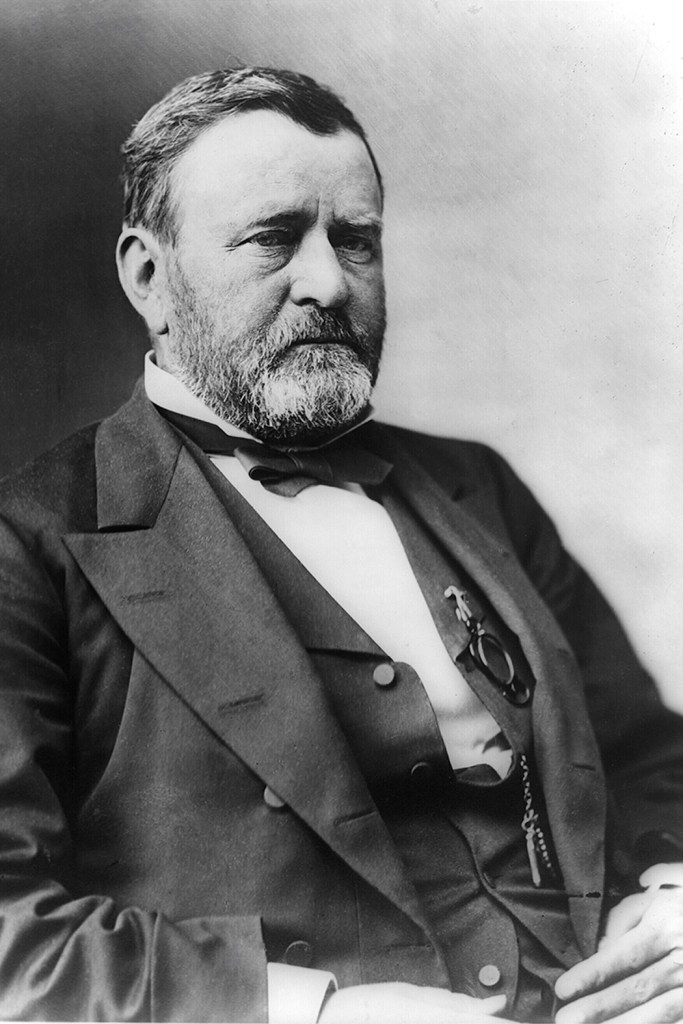
Ulysses S. Grant National Historic Site commemorates the life and illustrious military career of our 18th president. White Haven, the restored home where Grant and his wife Julia lived in the 1850s, is one of five historic structures that visitors can tour. The site also features a museum housed in Grant’s former stable, as well as an introductory film on Grant’s life in the visitor center.
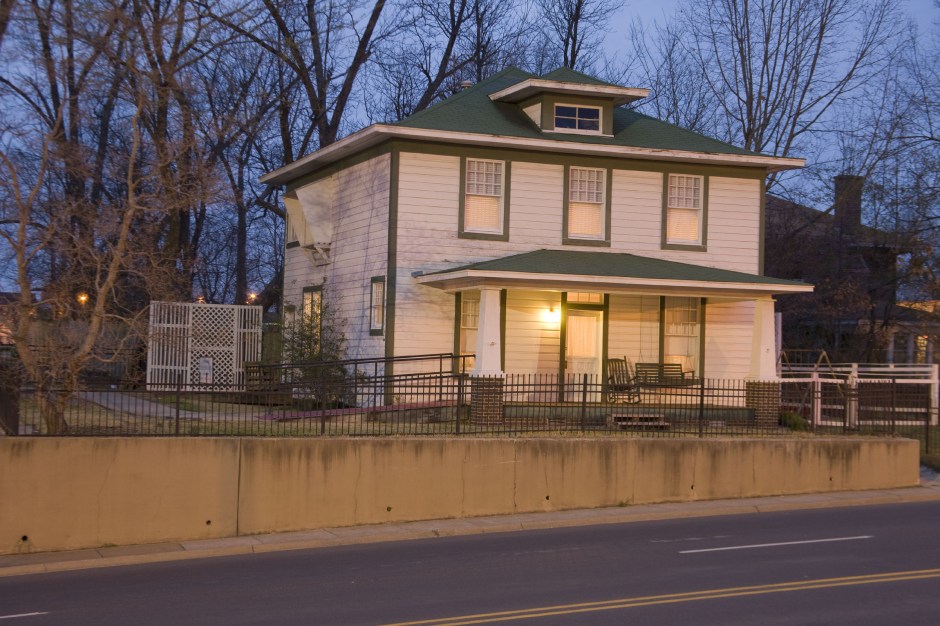
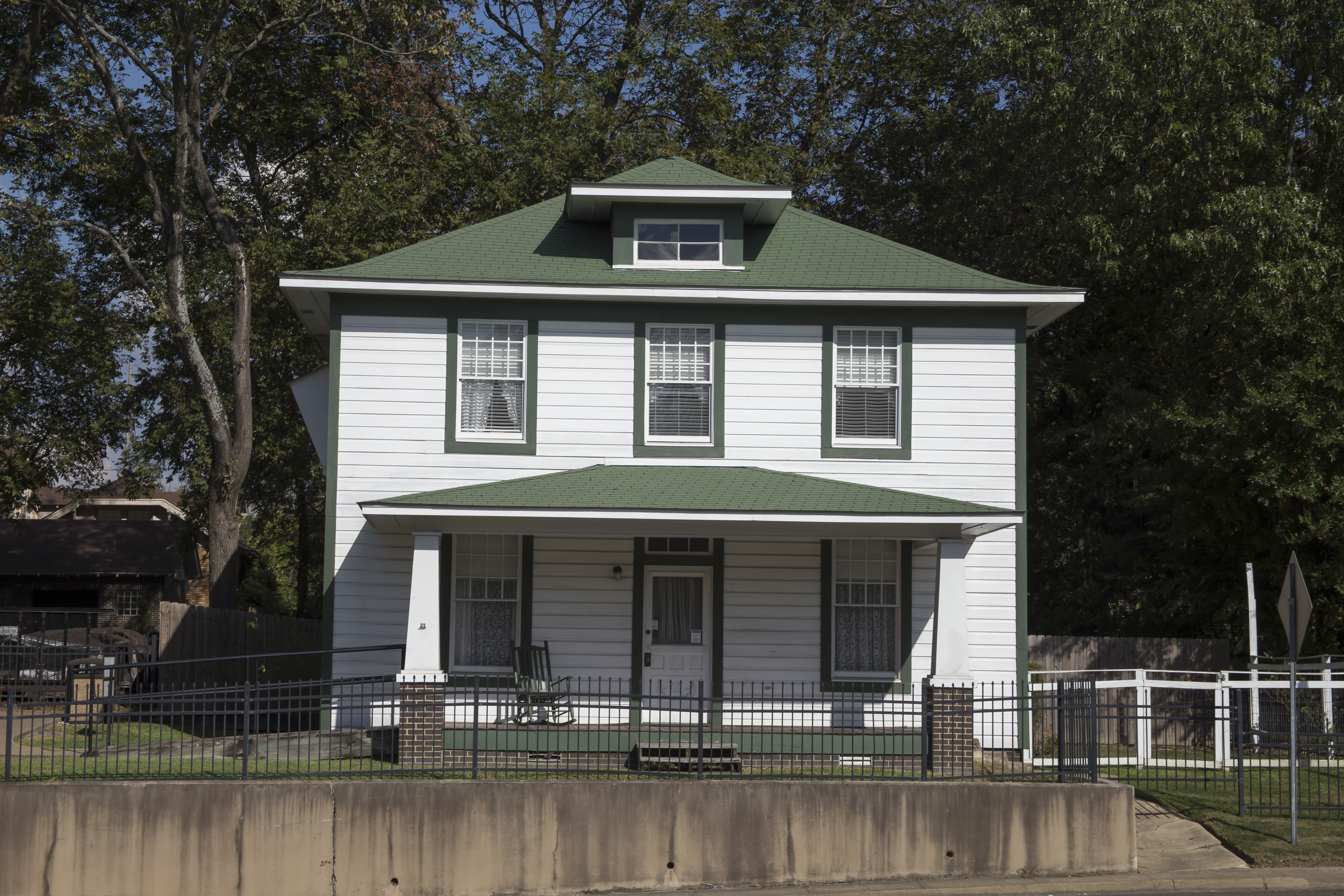
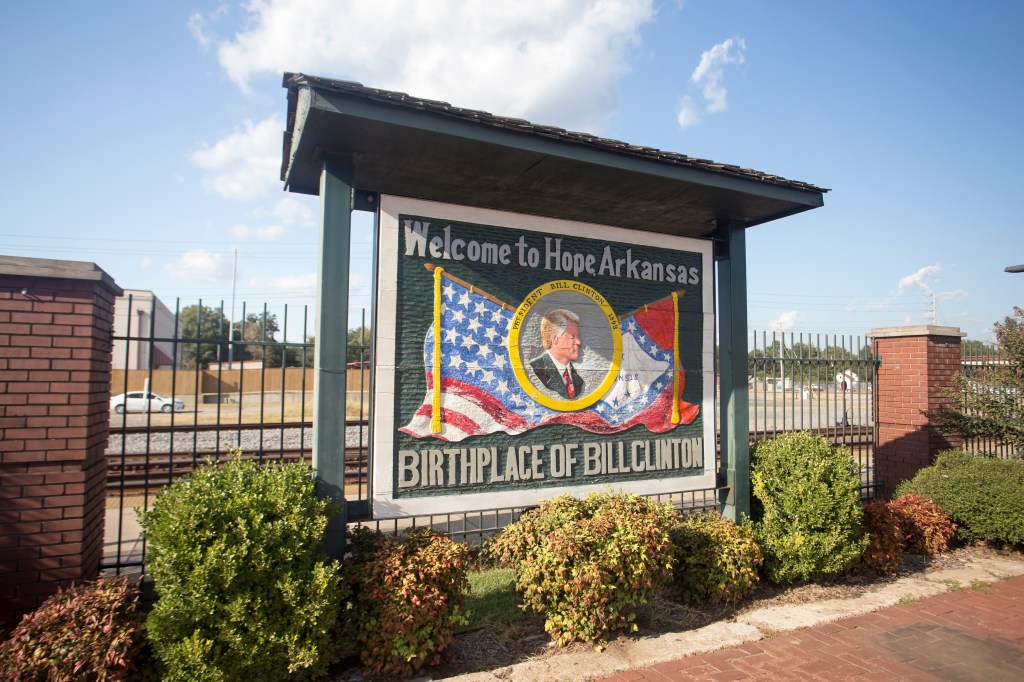
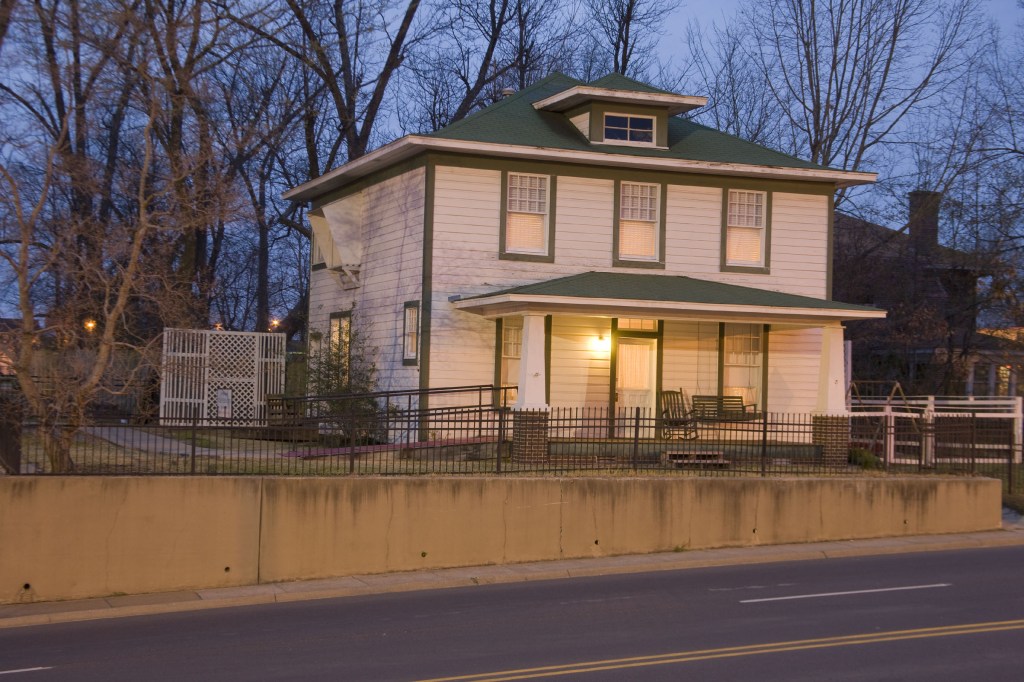
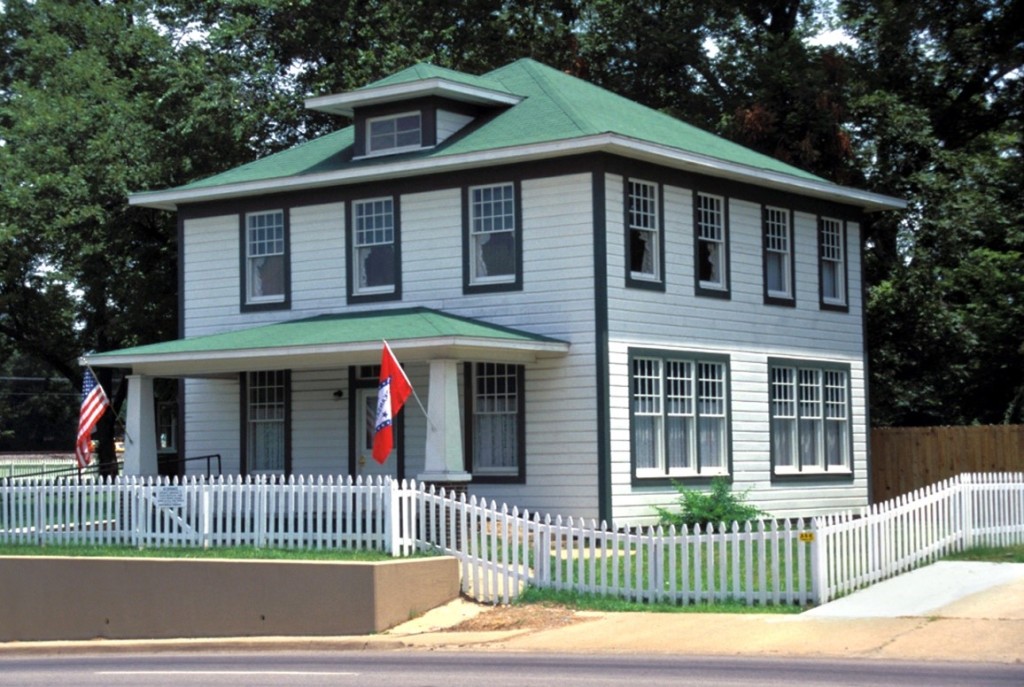
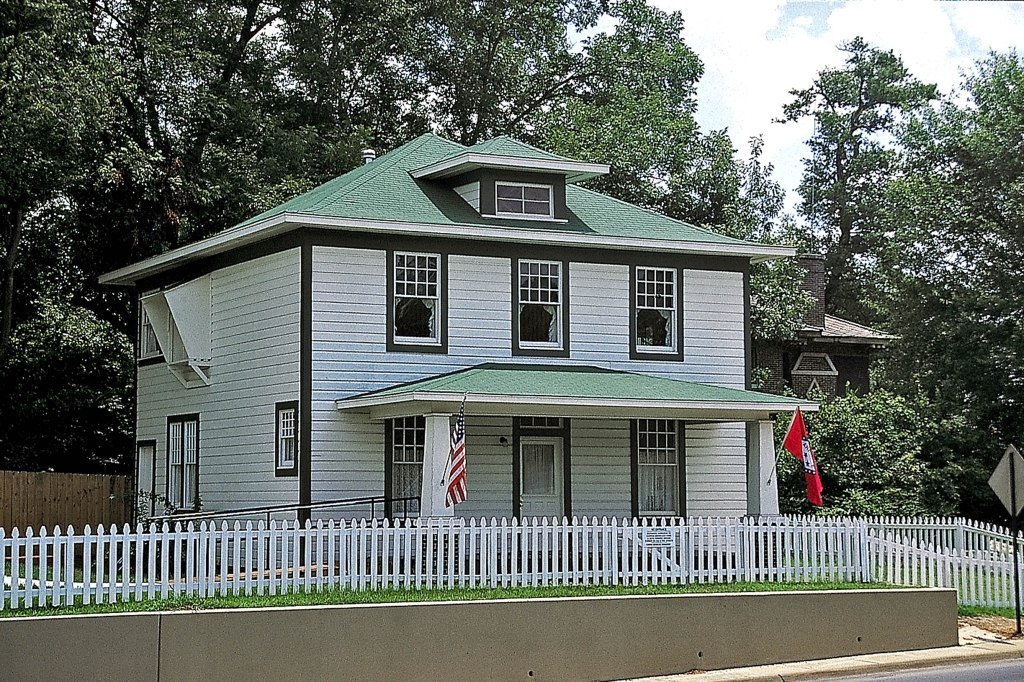
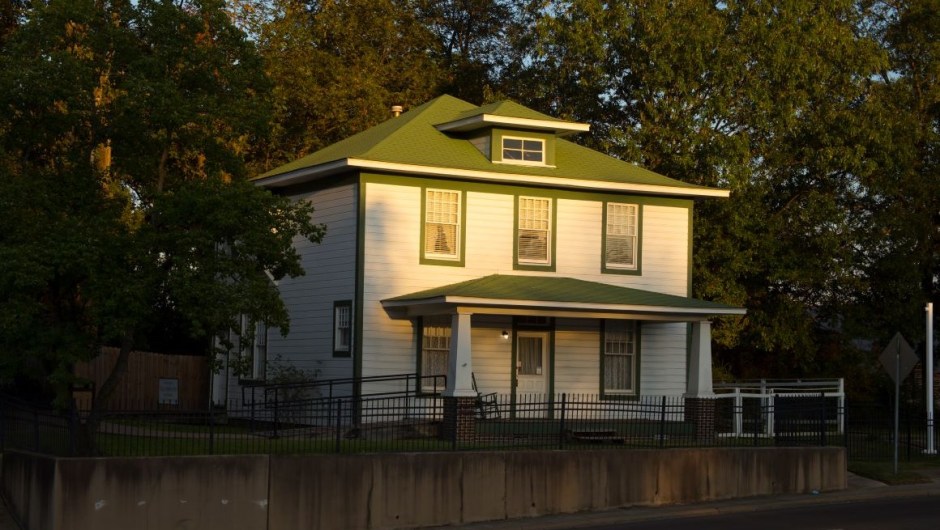
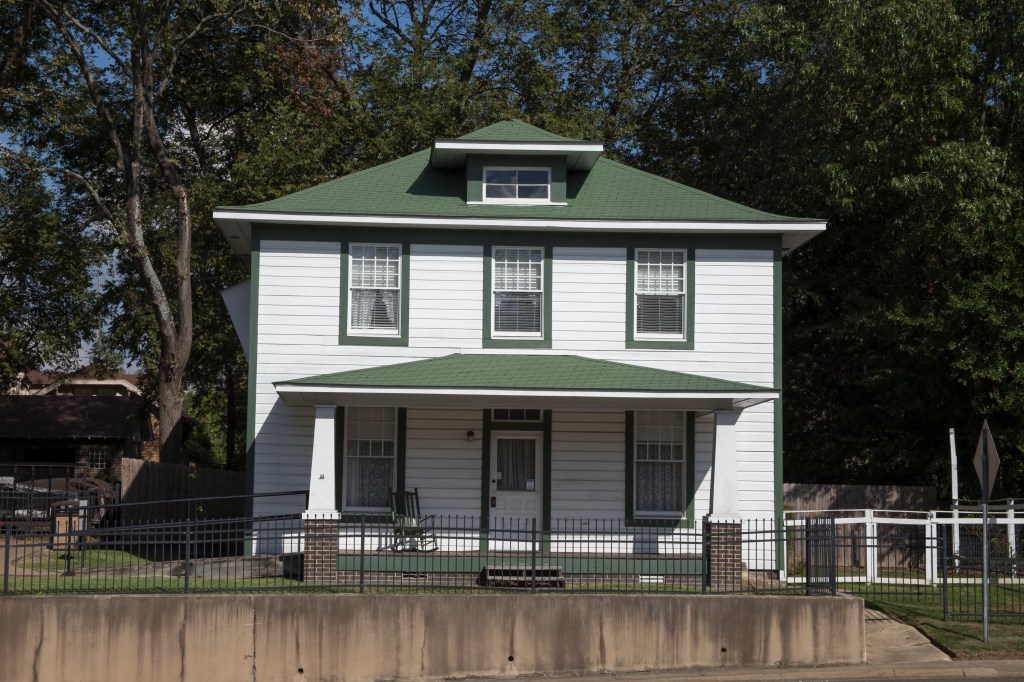
The boyhood home of President Bill Clinton is the featured attraction at President William Jefferson Clinton Birthplace Home National Historic Site in Hope, Arkansas. The small but important park recently celebrated its 12th anniversary as a National Park Service site. Clinton spent the first four years of his life in the white frame house. Visitors can join a ranger-led tour of the home, which has been restored with furniture that evokes the 1940s, and view exhibits on the president’s life in the nearby visitor center.
Looking for a way to celebrate President’s Day? Here are two St. Louis-area events you might enjoy, as well as a few products we love:
At the Gateway Arch:
Washington’s Ball, Saturday Feb. 18 12:00-4:00
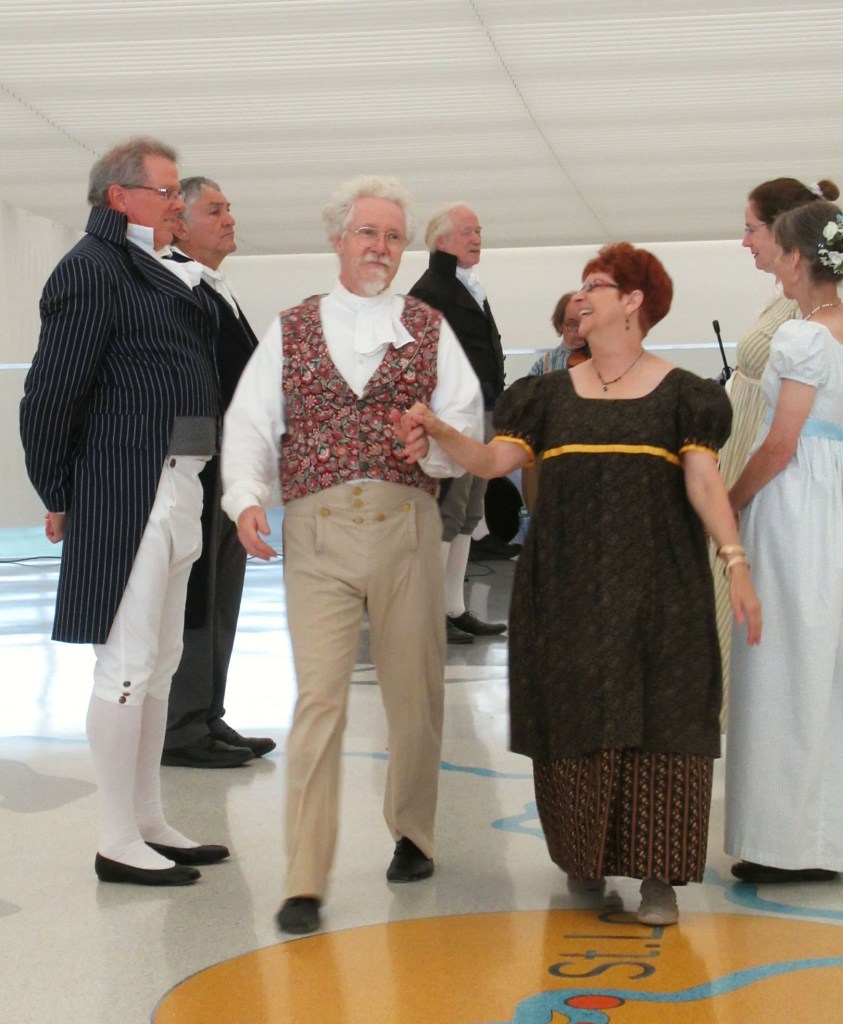
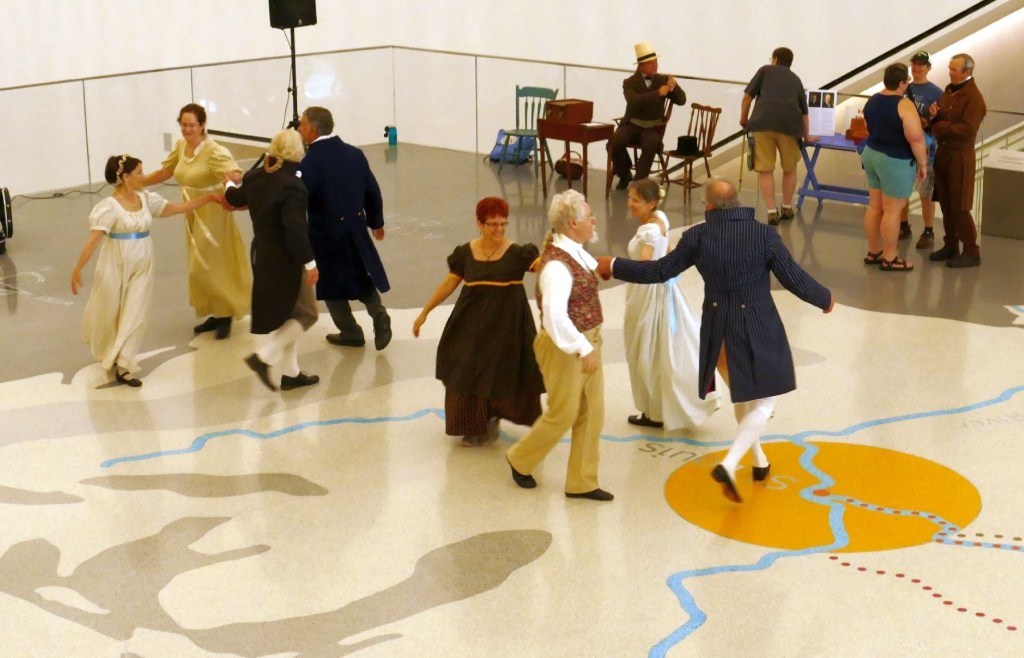
Although Gateway Arch National Park is less about George Washington than Thomas Jefferson, the park will celebrate the first president’s birthday with a mid-19th century ball. Visitors can learn old-fashioned dance steps from a historic dance expert, or just hang back and watch others twirl the afternoon away.
The ball will be held on the mezzanine inside the Arch visitor center. It is free and open to all ages. Historical clothing is not required to participate!
At Ulysses S. Grant National Historic Site:
Museum Quest, Monday, February 20
Here’s a family-friendly way to observe President’s Day: take part in a follow-the-clues quest at the park’s museum. You’ll learn about Grant’s connection to other presidents, as well as some of accomplishments and events during his presidency. When you have completed the quest, you will receive a special commemorative gift.
The quest will run all day, and is fun for all ages.
Fans of bobbleheads can celebrate the holiday with one of our fun presidential bobbleheads – either Thomas Jefferson or Bill Clinton. Whichever you choose, be sure to ask the president a question and he’ll answer you with a nod, “Yes, yes, yes, yes!” Both bobbleheads are available at our park stores, or online.
The National Park Service operates dozens of historic places that explore the lives and contributions of many of our U.S. Presidents. They range from homes where future presidents lived as children to memorials that honor their memories after their deaths.
Little Billy Clinton (originally named Blythe until he was adopted by his stepfather) spent the first four years of his life in a white frame house at 117 South Hervey Street in Hope, Arkansas. His widowed mother Virginia left town shortly after he was born to attend nursing school, so the young boy was left in the care of his grandparents, who ran a small grocery store. At a time when the southern U.S. was racially segregated, his grandparents served people of all races, a memory that Clinton says shaped his broad view on race relations and social justice.
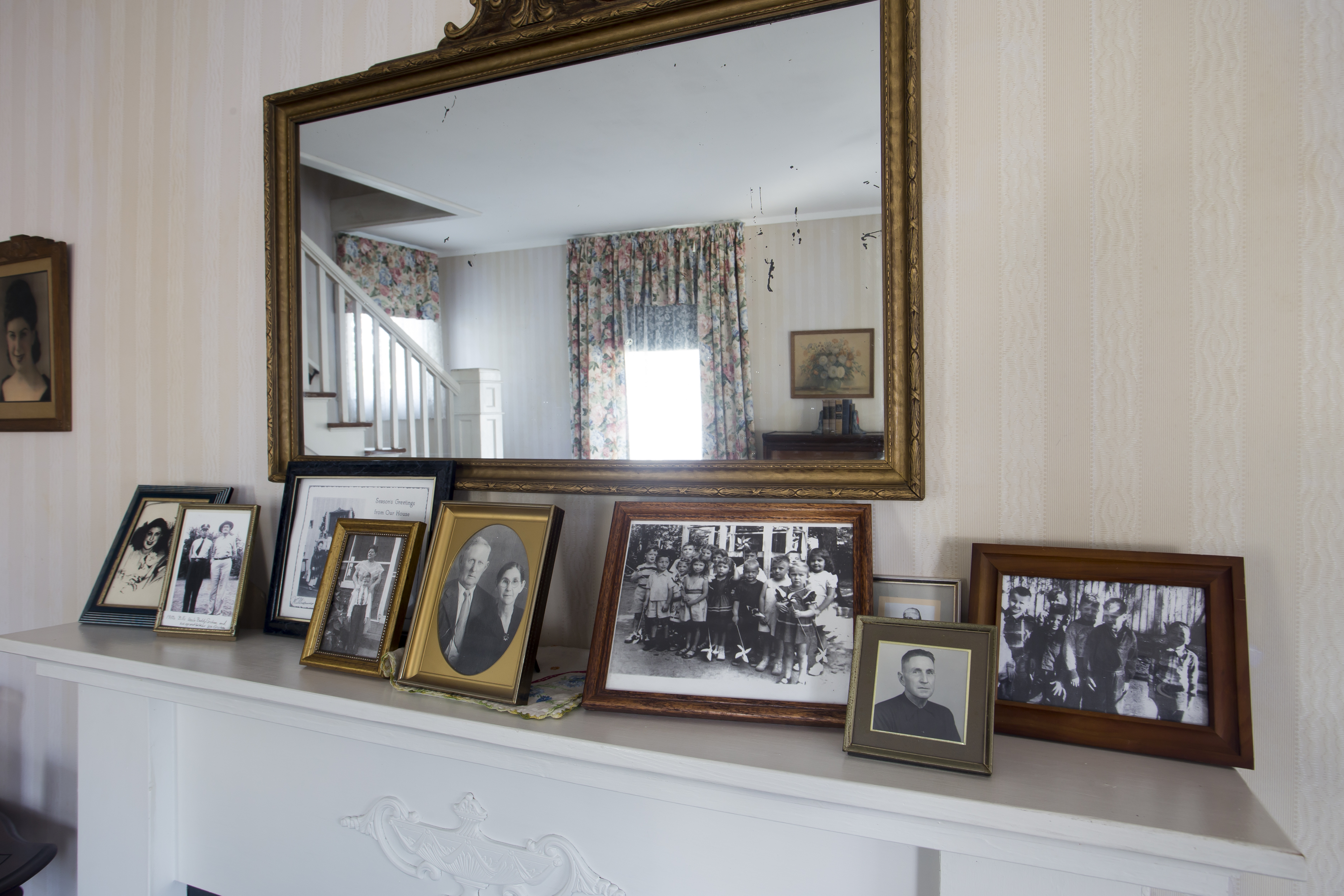
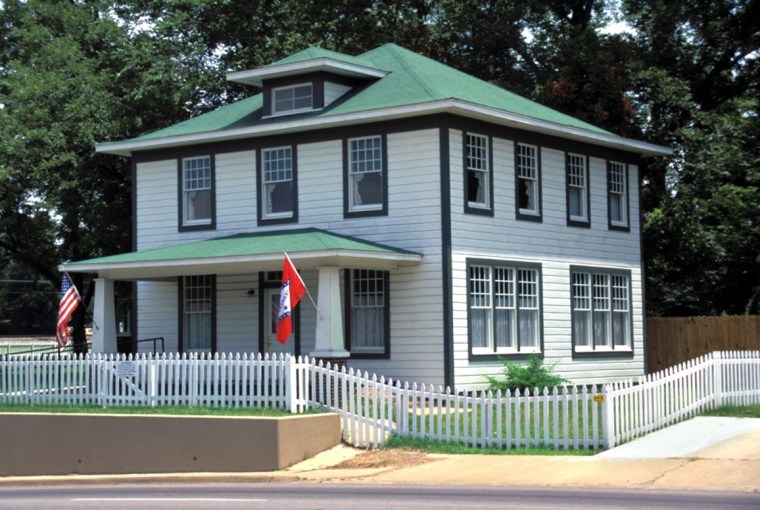
The 2½-story home – built in 1917 in a quiet residential neighborhood of Hope – was designed in the “American foursquare” style, so called because of its square floor plan. Its interior has been restored in recent years and although the furnishings inside the house aren’t original, they were carefully chosen to evoke the 1940s, when Clinton lived there. The first floor includes a living room, dining room and kitchen; upstairs are three bedrooms.
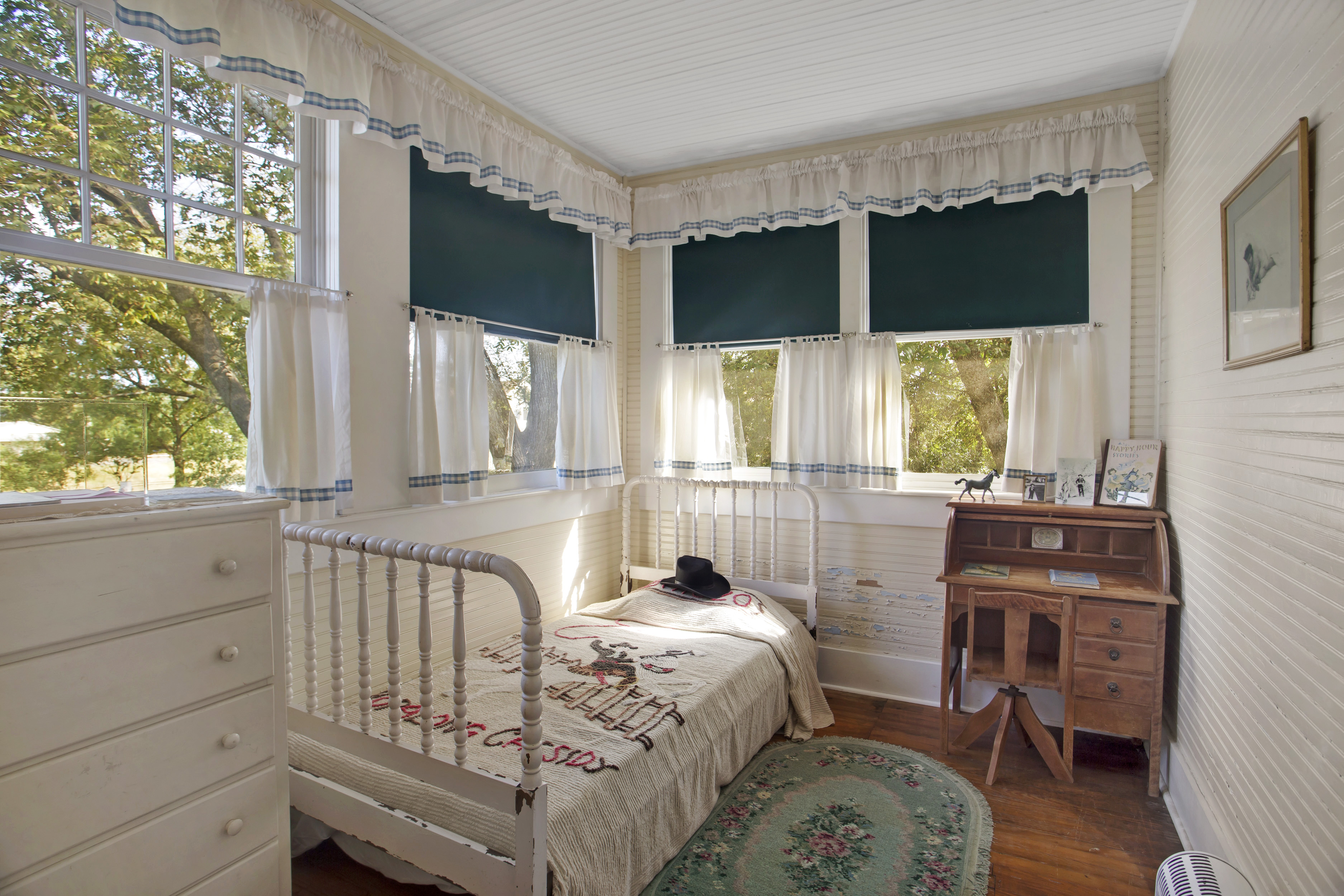
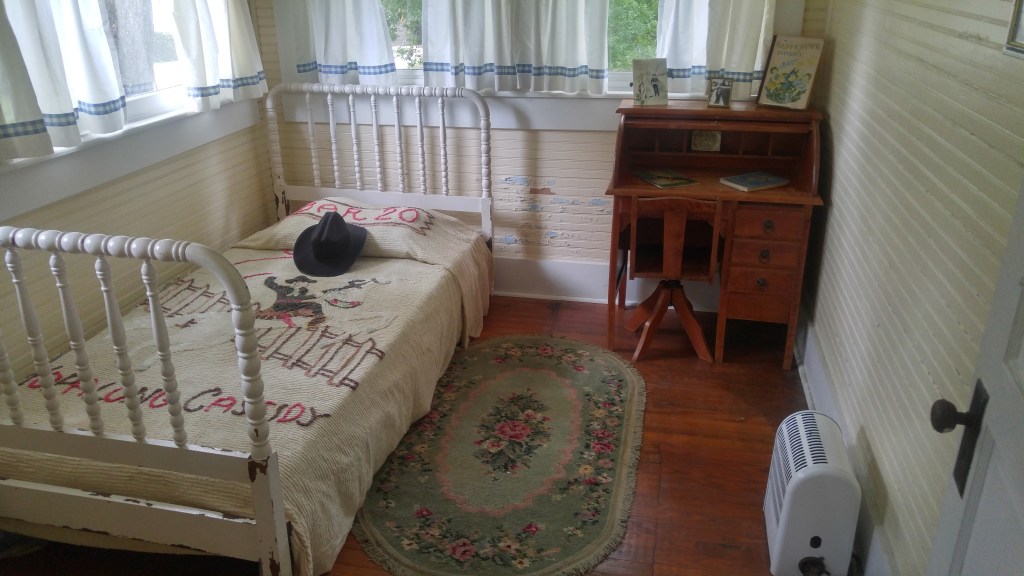
Little Billy’s bedroom with its cowboy-themed bedspread overlooks the nearby railroad tracks. Billy loved playing cowboy games with the neighborhood children, many of whom remained friends well into the future president’s White House years.
Today, National Park Service rangers offer guided tours of the home upon request. (Their schedule changes often, so it’s best to call 870-4455 for accurate tour times.) The park also operates a Visitor Center next door to the home, where guests can tour interpretive exhibits focusing on the life of the 42nd president. JNPA operates a gift shop there that features books and other products that interpret his life as well as fair-trade craft products from around the world, upon the request of the former president.
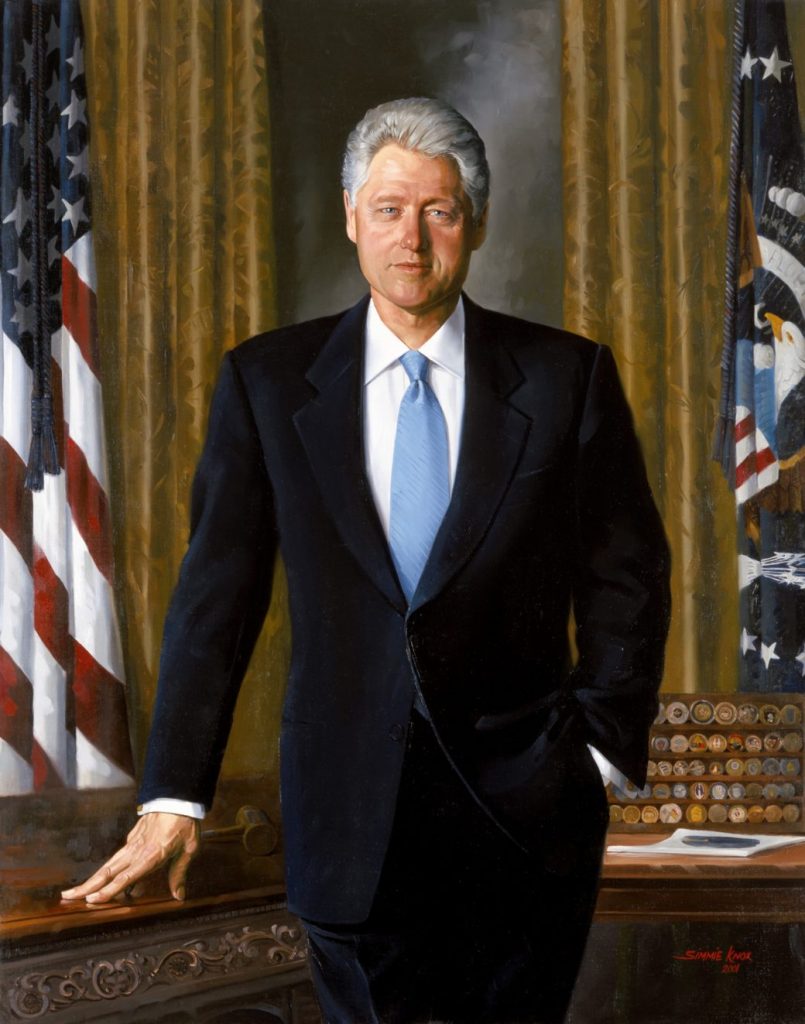
Credit: White House Collection/White House Historical Association
President Clinton credits his early days in his childhood home for many of the important life lessons that later defined his presidency and his leadership as a global statesman. As he frequently says, “I still believe in a place called Hope.”
Here at JNPA, we’re proud to serve as a non-profit partner of some of our nation’s most treasured public lands. So in honor of the upcoming Thanksgiving holiday, we wanted to take a moment to list some of the many things we’re thankful for.
Living history programs that bring the past alive for visitors of all ages.
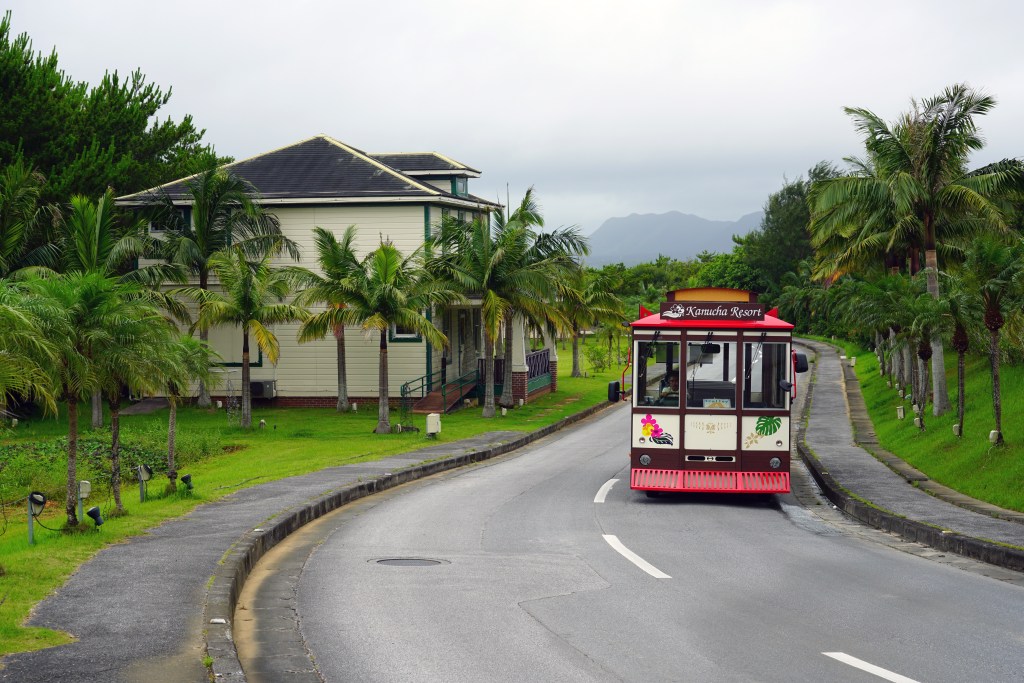
If you haven’t made it to Hope, Arkansas, you haven’t had a chance to visit Clinton Birthplace Home National Historic Site. Unless, of course, you’ve been to the Japanese island of Okinawa. Wait…what?
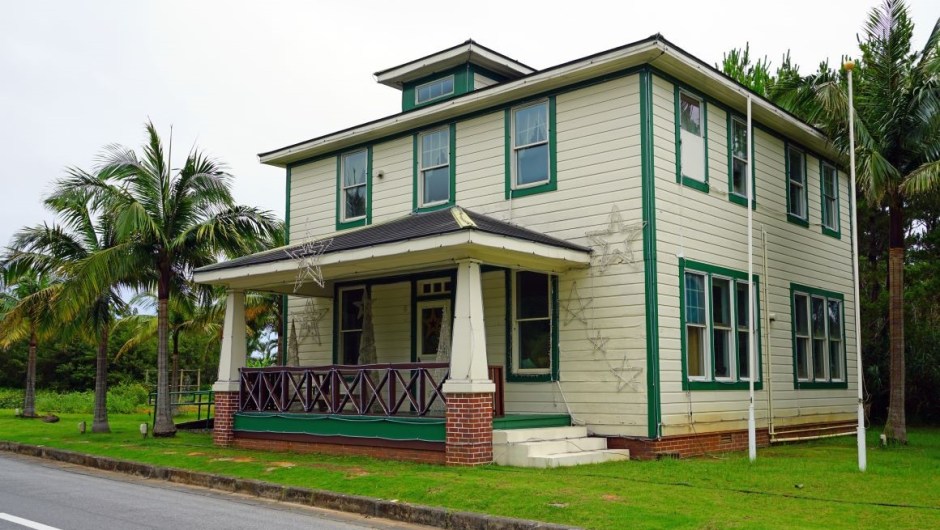
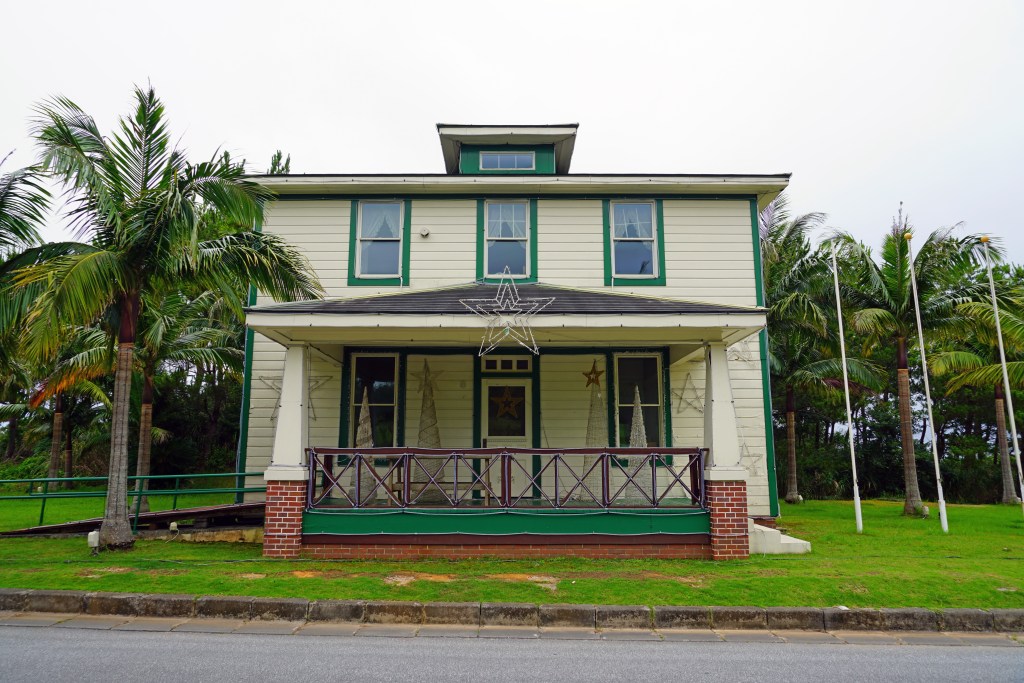
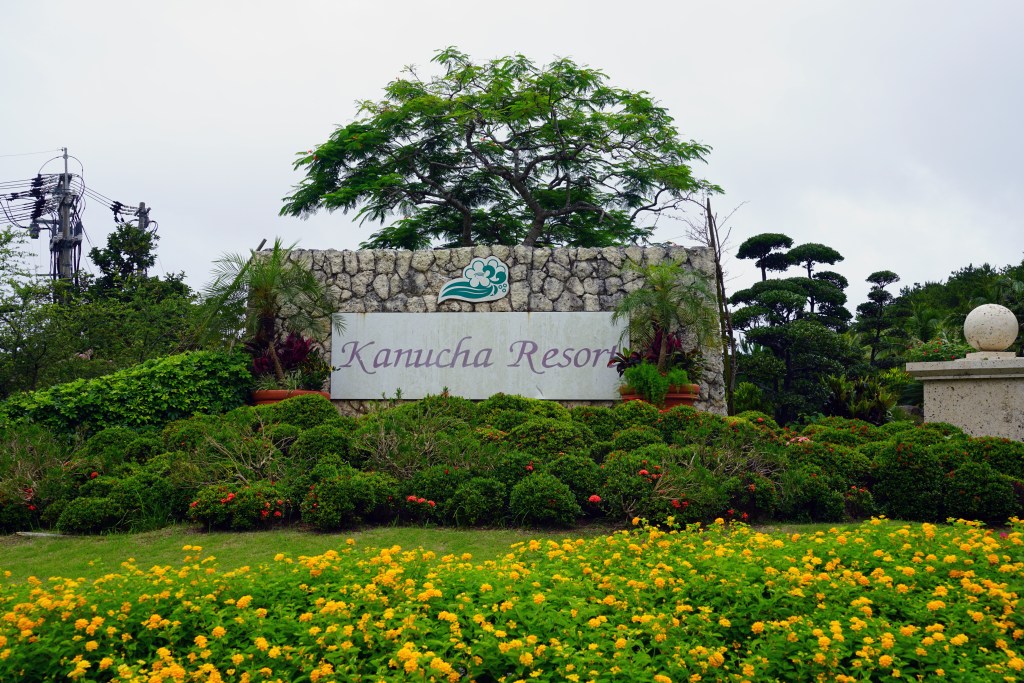
We’re guessing you wouldn’t expect to tour the boyhood home of a U.S. president in Japan. But you can (sort of). Eccentric Japanese businessman Takeharu Shiraishi, an admirer of Bill Clinton, built an exact replica of the president’s birthplace home on the grounds of a private golf resort. This was in 2000, just as the 42nd president was arriving in Okinawa for the G-8 Summit. Clinton apparently never toured the building, though he later met Mr. Shiraishi.
The modest two-story house features the same white clapboard siding and green trim as its authentic counterpart in Arkansas. It is even furnished much like the original, with period-appropriate furniture and antique appliances purchased in the U.S. The home originally functioned as a tourist attraction then was later repurposed as a daycare center. It has reportedly fallen into disrepair, unlike the real thing in Arkansas.
So if you’re interested in experiencing the ACTUAL birthplace home of Bill Clinton, we suggest you take a trip to Hope. National Park Service rangers offer guided tours of the president’s boyhood home, though tour hours are subject to change according to staffing levels. Please call the visitor center directly with any questions: (870) 777-4455. You can also explore exhibits at the park Visitor Center and, of course, stop in at JNPA’s gift shop. A virtual tour of the home is also available for non-travelers, as is our online store.
President William Jefferson Clinton Birthplace Home National Historic Site in Hope, Arkansas










 JNPA Blog