An Epic Journey

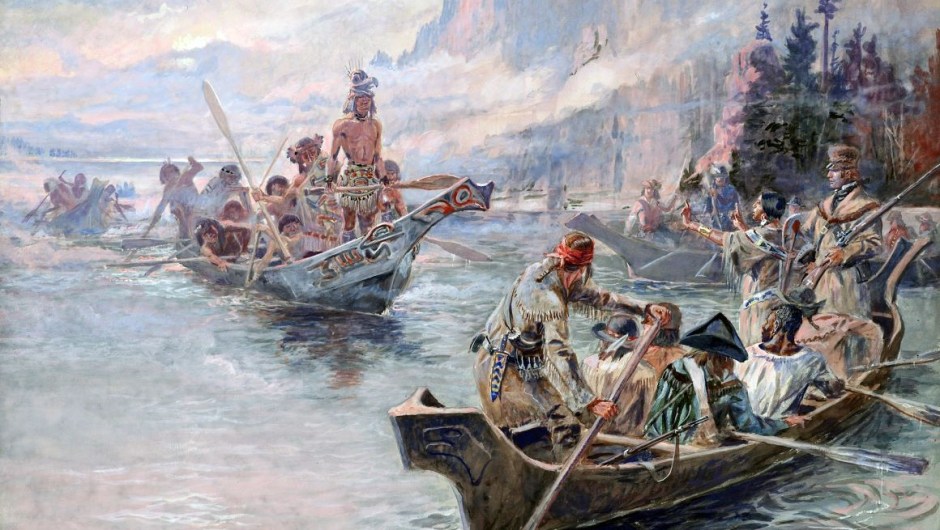
Nearly 218 years ago this week, 45 men and one dog set out from Camp Dubois near St. Louis on what was to become one of the most famous explorations in American history.  On May 14, 1804, Meriwether Lewis and William Clark led their Corps of Discovery on an expedition to explore the newly acquired western portion of the continent.  Their epic two-year journey took them to the Pacific Coast and back, yielding a treasure-trove of detailed maps, climate and soil data, and plant and animal specimens, as well as the beginning of relationships with dozens of tribal nations.

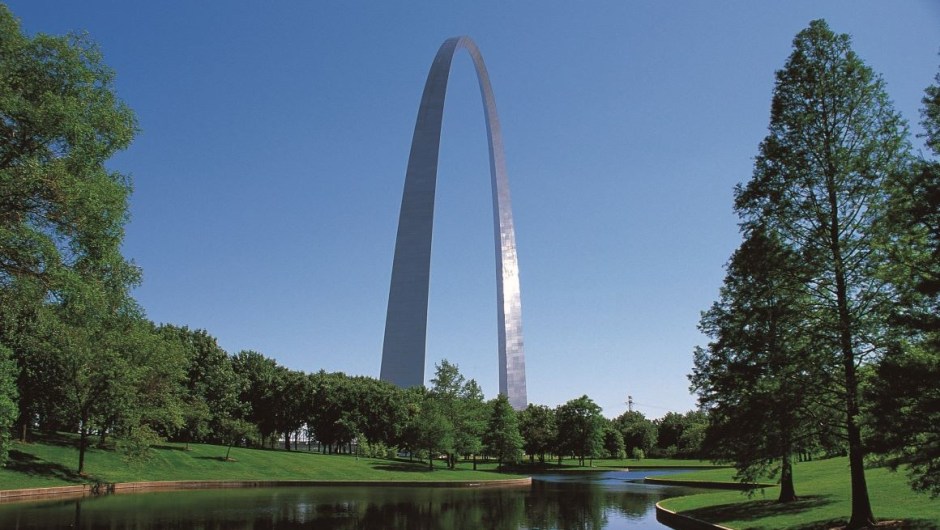
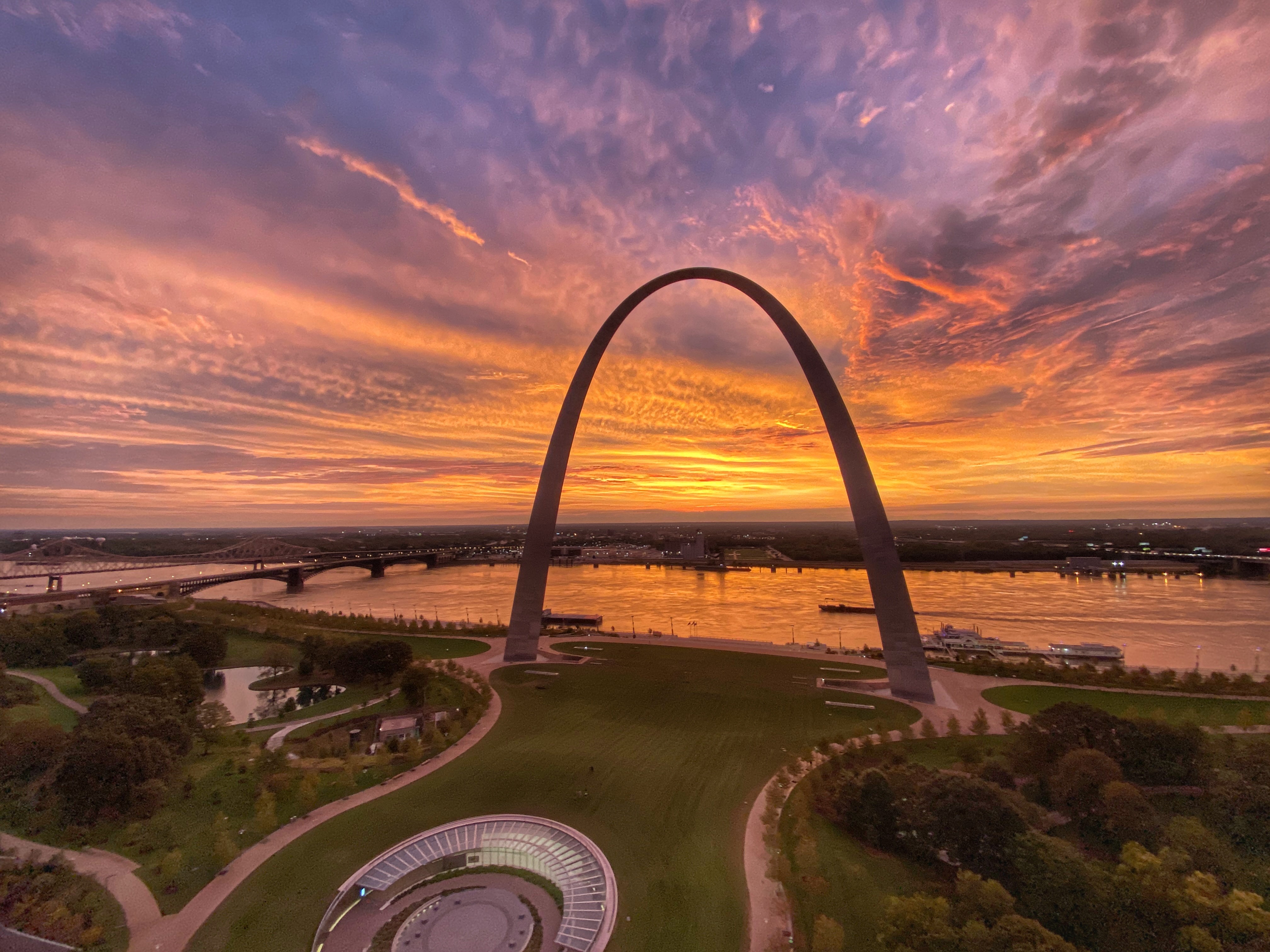
Two of JNPA’s partner sites – Gateway Arch National Park and the Lewis and Clark Visitor Center – feature interpretive exhibits about this famous expedition in their museums.  So we thought it fitting to honor the intrepid explorers during this anniversary week.
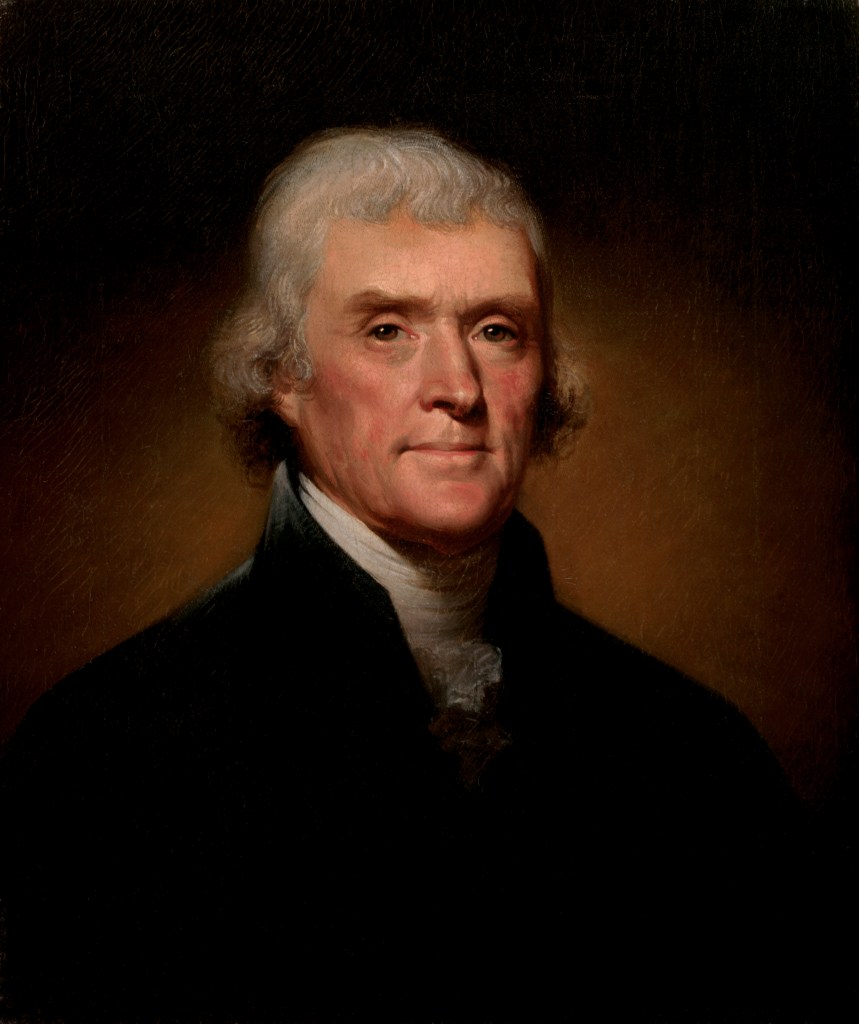
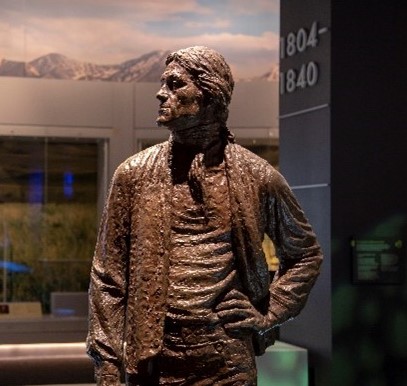
Thomas Jefferson

President Thomas Jefferson commissioned the expedition shortly after acquiring the Louisiana Purchase territory in 1803.  Although scientific discoveries and mapping were of high importance, Jefferson’s primary interests were political and commercial.  He envisioned an eventual expansion of the nation to the Pacific Ocean and wanted to establish an American presence in the west before European nations made claims to the region.  He also charged Lewis and Clark with preparing the way for the extension of the valuable fur trade, with documenting other natural resources that could support future settlements, and with assessing the friendliness of the indigenous tribes they encountered.
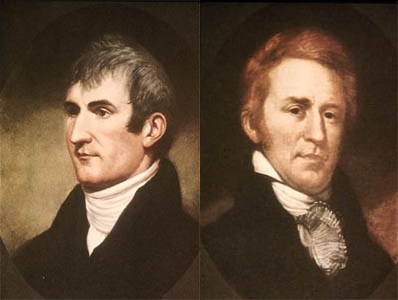
Meriwether Lewis and William Clark

Jefferson provided the Corps of Discovery with the best clothing, firearms, boats, equipment, and rations then available.  He also supplied them with an assortment of medals, ribbons, needles, mirrors, and other articles which were intended as gifts to Native American chiefs.
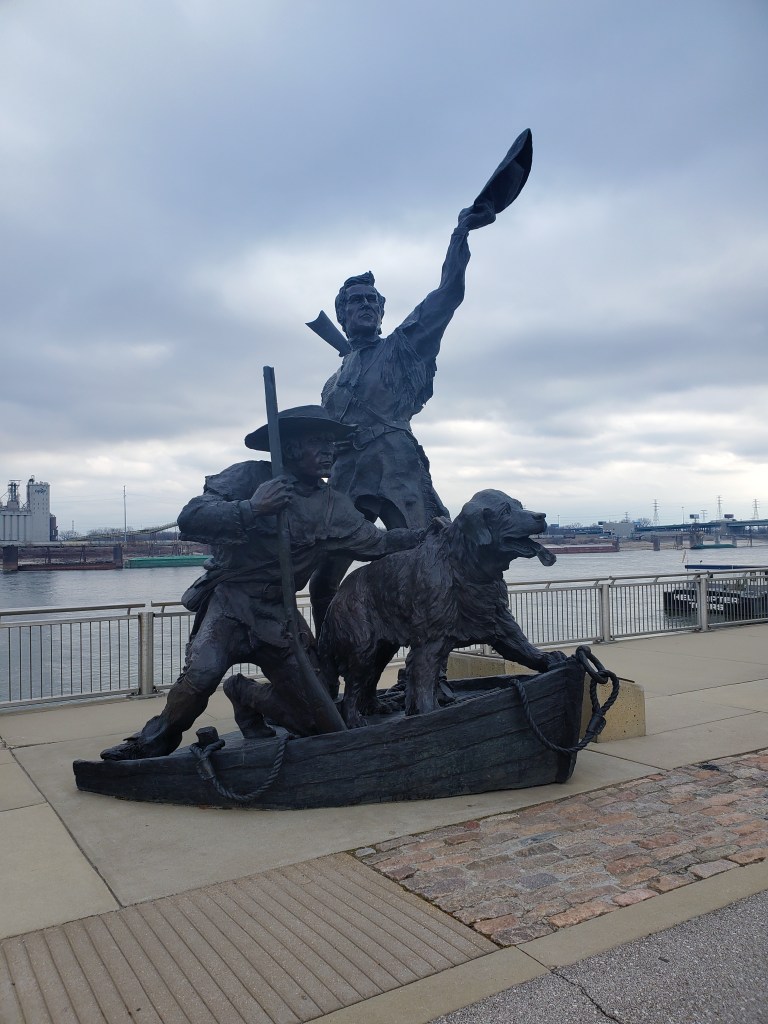
The expedition travelled up the Missouri River and through its tributaries in a specially built 55-foot keelboat and two smaller boats called pirogues, averaging 15 miles a day.  Their journey proved difficult and exhausting:  the men were plagued by heat, injuries, insects, and the river’s strong current and many snags.  Both Lewis and Clark’s kept detailed records of these arduous conditions in their journals, which were primarily devoted to meticulous descriptions and drawings of the native people, plants, animals they saw.
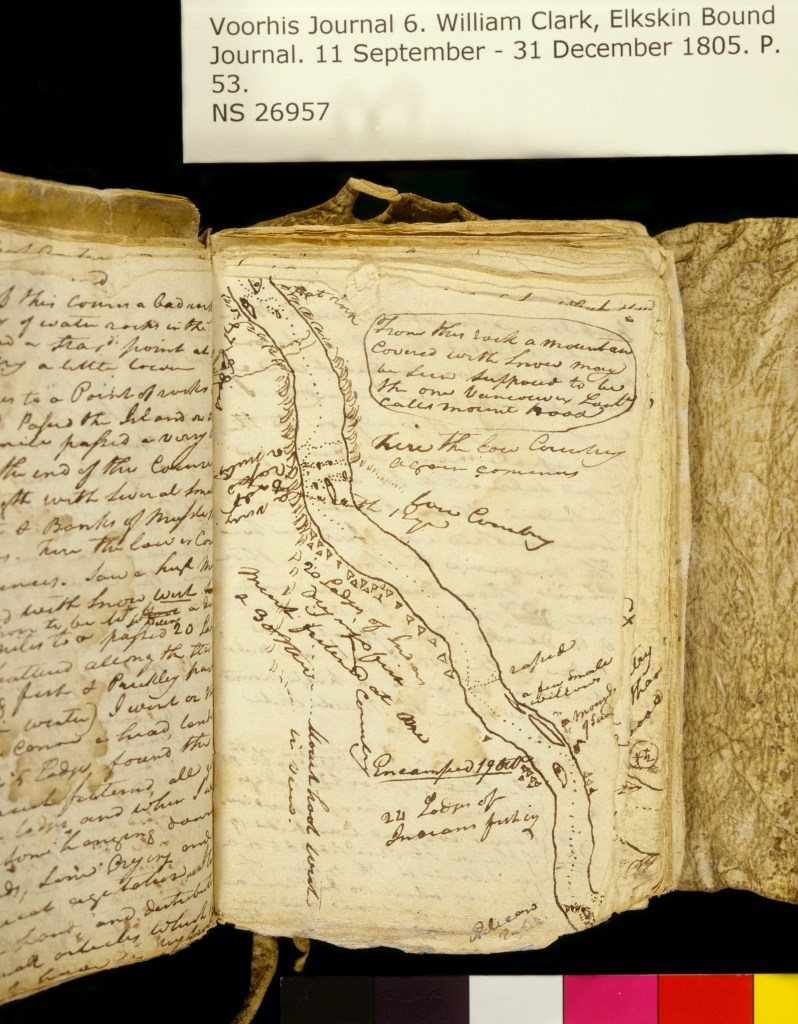
[Columbia River near Mouth of Umatilla River, Washington and Oregon]. Entry of 19 October 1805, cont. Voorhis Journal #6 [Elkskin Bound Journal]. p. 53. [Moulton 5:302]. Voorhis Journal 6. William Clark, Elkskin Bound Journal, 11 September – 31 December 1805., p. 53. Clark Family Collection. William Clark Papers. Missouri Historical Society Archives. Photograph by Cary Horton, 2003. NS 26957. Photograph and scan (c) 2003, Missouri Historical Society.

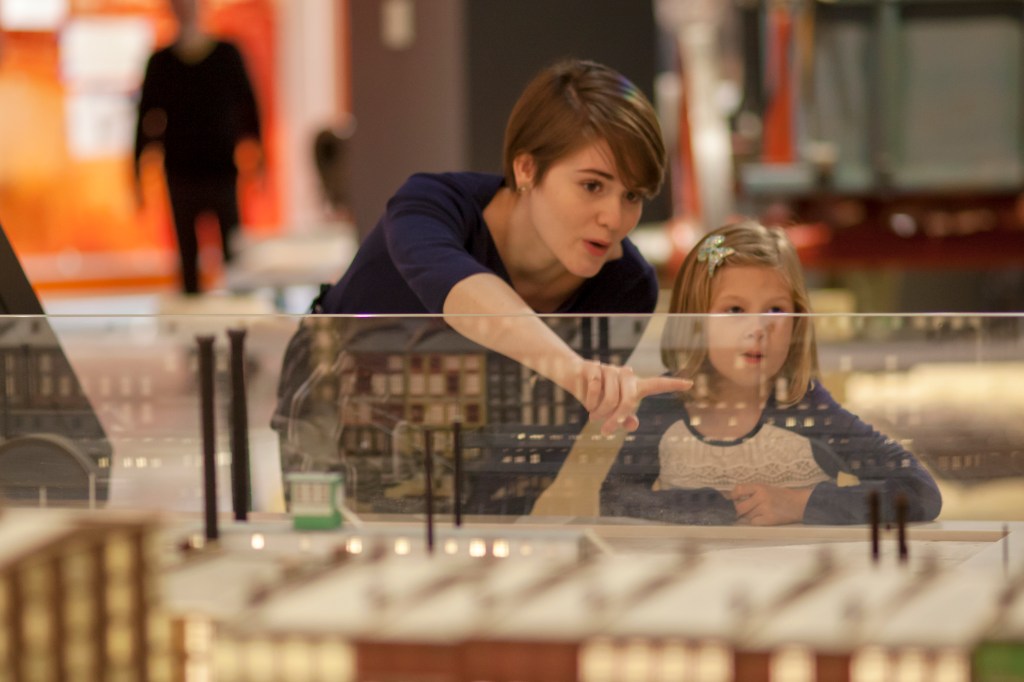
To find out more about this famous expedition, you can visit the museum at the Gateway Arch.  The Jefferson’s Vision gallery features numerous exhibits on Lewis and Clark’s journey, including replicas and artifacts, interactives about the plants and animals the explorers encountered, and information about the native peoples who inhabited the West at the time of the expedition.

The Arch Store also offers books and other products related to the Corps of Discovery, including the classic best-seller Undaunted Courage by Stephen Ambrose.  You can purchase these and other items online or at The Arch Store.
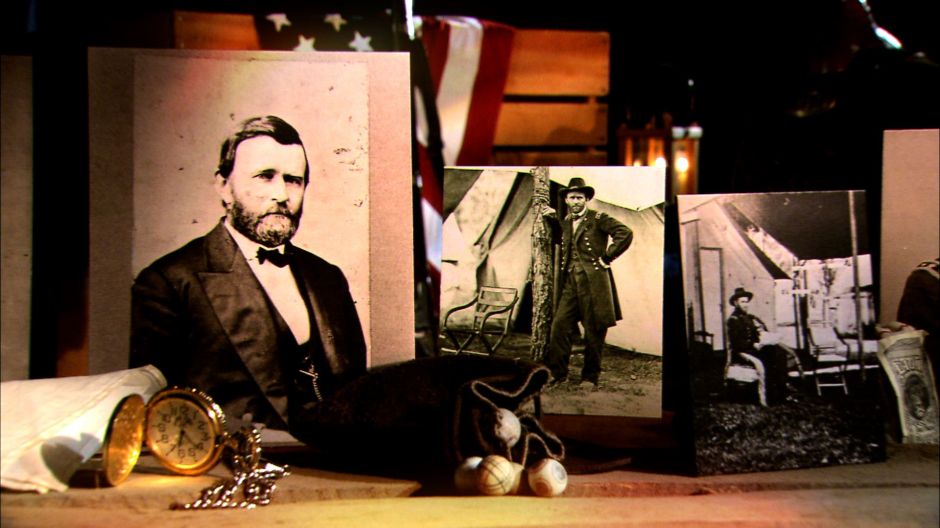
Happy Birthday, Ulysses!!!

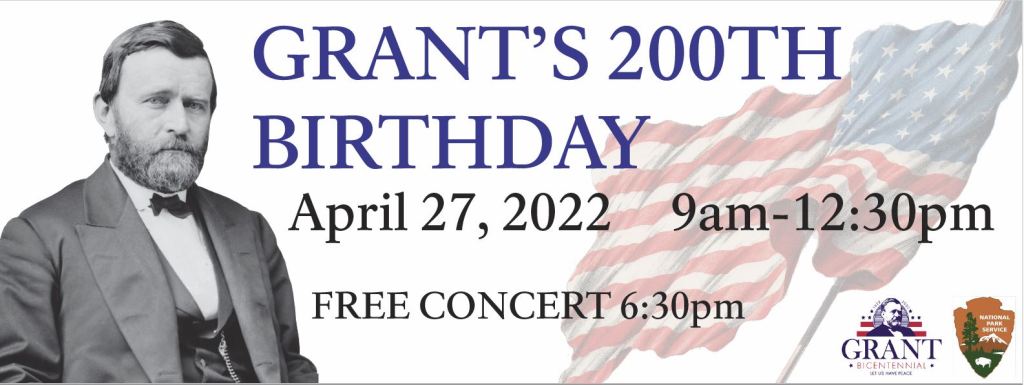
How do you fit 200 candles on a birthday cake?  Tomorrow – April 27, 2022 – marks the 200th anniversary of Ulysses Grant’s birth.  This notable bicentennial will be commemorated with events, activities and exhibits at dozens of locations across the nation.  Our partner park Ulysses S Grant National Historic Site will offer programs for all tastes and ages in the coming months.  Whether you’re a history buff, a military veteran, a food lover or a kid, you’re sure to find a fun and interesting way to celebrate the former president’s 200th year.

The park is devoting the entire day and evening of April 27 to an extended birthday celebration:

  • There will be presentations on Grant’s life in the visitor center theater. 
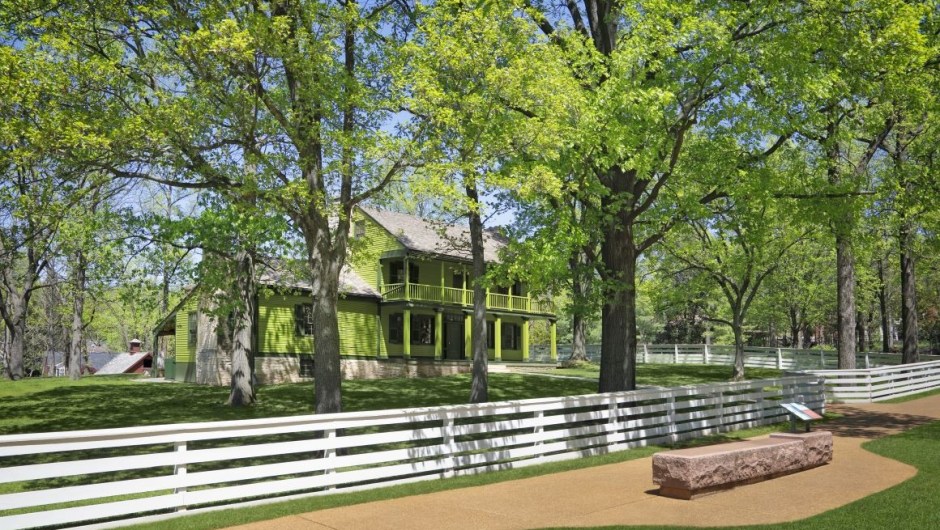
  • Food historian Suzanne Corbett will deliver a program on 19th century cakes and other desserts in the dining room of White Haven, the house where Ulysses lived with his wife Julia and her family. 
  • Visitors can make and send cards to residents of Missouri veterans’ homes letting them know about Grant’s appreciation of military veterans. 
  • You can pick up a “Flat Grant” handout at the park’s visitor center to color and take with you on your travels. Share your selfies with Grant on social media as you travel with #USGrant2ndWorldTour.
  • Kids can explore all aspects of Grant’s life with a special Junior Ranger activity book and receive a commemorative Junior Ranger badge. 
  • In the evening, the Independent Silver Band will conduct a one-hour concert on the park grounds, beginning at 6:30 pm. This program is presented in partnership with the Ulysses S. Grant Association and Mississippi State University.

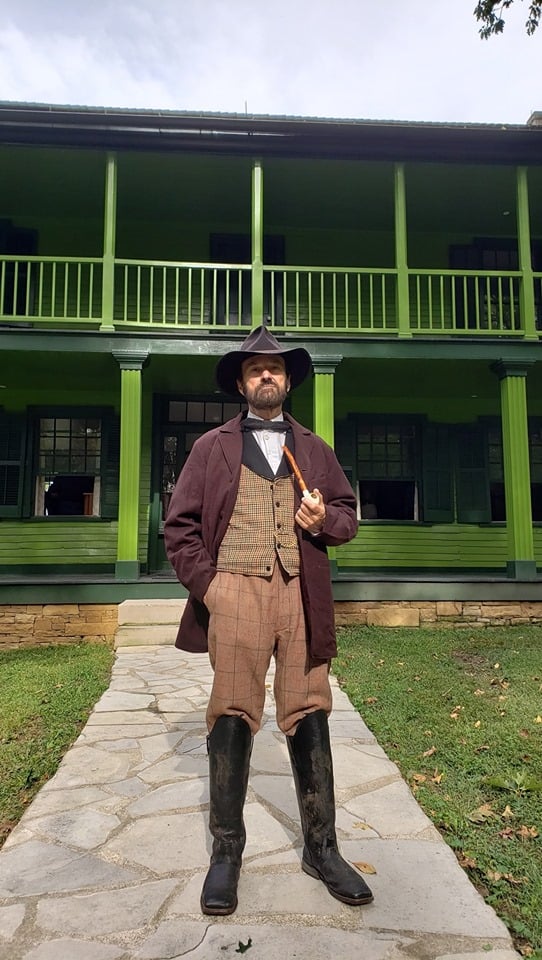
Credit: Curt Fields

Other bicentennial activities planned by the park include a visit by the nation’s premiere Grant impersonator, Curt Fields, on Tuesday May 17th.  Throughout the summer, park staff will offer special themed tours of the historic White Haven estate, gallery walks, touch tables, and facilitated dialogue programs inside the park’s museum.  Check the park’s list of bicentennial events for more details. To learn about events elsewhere in the U.S. that will commemorate the Grant Bicentennial, visit the Ulysses S. Grant Association’s website.

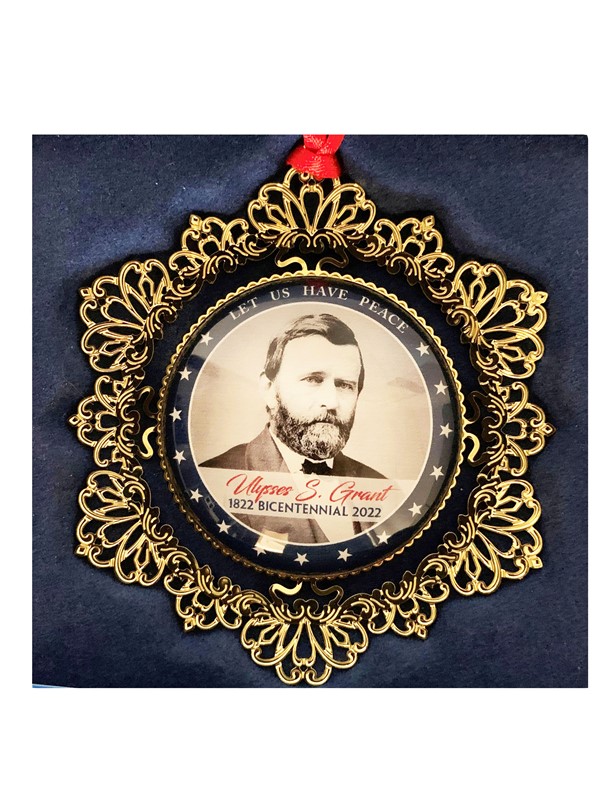
Finally, if you’d like a keepsake of this important bicentennial, pick up this unique brass ornament at our bookstore when you visit the park. It features a likeness of Grant beneath his well-known saying “Let us have peace.”  You can also order the ornament from our online store.  Quantities are limited!

Meet the New Leader at Gateway Arch National Park

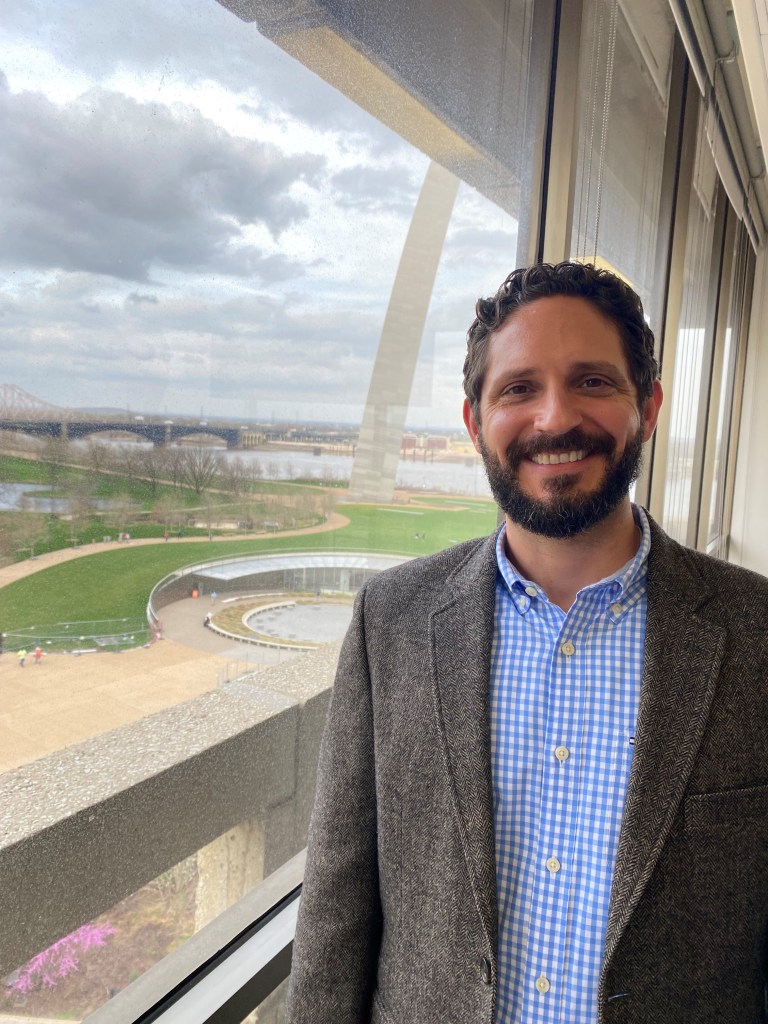
Gateway Arch National Park has a new superintendent.  Jeremy Sweat, a 15-year veteran of the National Park Service, took over the job late last year.  He oversees operations not only for the Gateway Arch but also for Ste. Genevieve National Historical Park.

Sweat has a background in resource management and policy at the park, regional and national levels, and has experience working with non-profit partners, with other agencies, and with local communities.  JNPA is excited to be working with him.

We recently caught up with Jeremy Sweat to learn a little more about him.

Why did you start working for the National Park Service?   

My first experience working in a national park was as an undergrad archeological field school student at Great Smoky Mountains National Park in 2004. The field school was a partnership between the University of Tennessee and the NPS, so we got to live and work in the park for the summer. I enjoyed it so much that I returned to the Smokies in 2005 as a graduate teaching assistant to supervise the field school. That winter the park archeologist encouraged me to apply for a seasonal position as an archeological technician and I was hired in the summer of 2006 to conduct backcountry archeological surveys. After that first season, I fell in love with the mission and the people, and never left the NPS.

Credit: Debbie Franke

What is particularly special about Gateway Arch National Park, or why should someone visit? 

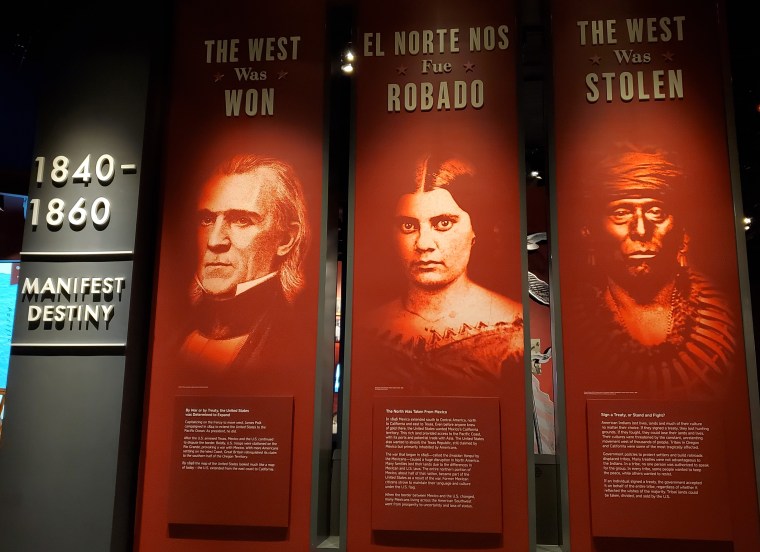
Aside from the incredible local and regional pride that the park inspires, one of my favorite things about Gateway Arch National Park is how relevant the park’s story is to America today. The Arch helps to tell the story of the European American settlement of the west, which for some people meant new opportunities and greater freedom, while for other people, it meant the loss of rights, lands, and freedom. The Old Courthouse is a place where people fought for racial equality, women’s rights, and voting rights during the 19th century. Telling these complicated, challenging stories gives our visitors the opportunity to connect that history with many of the challenges and conversations that are still happening in America today.  

What’s your favorite part of the job, or what do you hope to accomplish at Gateway Arch National Park?  

My favorite part of the job is seeing people enjoy the park. Each time I look out my window and see families enjoying the Arch grounds, or when I walk through the museum and see children learning about history, it reminds me why I joined the NPS.

What kinds of careers are available in the Park Service?

Honestly, it would be easier to make a list of what careers are not available in the NPS. If you look at the 423 sites that make up the national park system, there are opportunities for nearly every kind of skill and profession. Everyone knows that we hire park rangers, but we also have jobs for scientists, plumbers, law enforcement officers, engineers, carpenters, lifeguards, boat captains, arborists, livestock supervisors, scuba divers, veterinarians, accountants, and more. I encourage anyone who is interested in working for the NPS to learn more about how their skills might be needed in a park or office around the country. 

What’s your favorite activity to do at the park?

I moved here in the middle of winter, so now that it is getting warmer, I enjoy just being out in the park on sunny days. It’s nice to bike through the park on my way home from work and see so many people from the local community, and from around the country and world, here enjoying this place.

The park’s best kept secret is…?

If I told you, it wouldn’t be a well-kept secret, would it? 

How Many National Park Sites Have YOU Visited?

The National Park Service system currently includes 423 sites throughout the United States and its territories.  These range from national monuments and battlefields to national historic sites and recreation areas to national rivers and seashores. 

Don’t feel bad if you haven’t visited the majority of these places (most of us haven’t!). But luckily, National Park Week is just around the corner – a perfect time to add to your NPS “life list.”

National Park Week is an annual celebration jointly hosted by the National Park Service and the National Park Foundation to encourage everyone to discover our nation’s diverse historic, natural, and cultural treasures.  This year, the week runs from April 16 through 24.  Parks across the country will host a variety of special programs, events, and digital experiences, including National Junior Ranger Day for kids on Saturday April 23.  You can find out more about programs and themes you might be interested in by going here.  

Another bonus for park visitors during National Park Week – entrance fees are waived at all parks on Saturday April 16.  (Other 2022 free fee days can be found here).  Luckily, there are never entry fees at JNPA’s partner parks but each of them would be glad to see you in April, or any time!

If you’re planning to visit any of the 63 parks that have “national park” in their name, you’ll want a copy of National Geographic’s national park guide as well as the Passport to Your National Parks, which not only contains park information but allows you to collect the passport stamps from every park you visit. 

The Legacy of the Dred Scott Decision

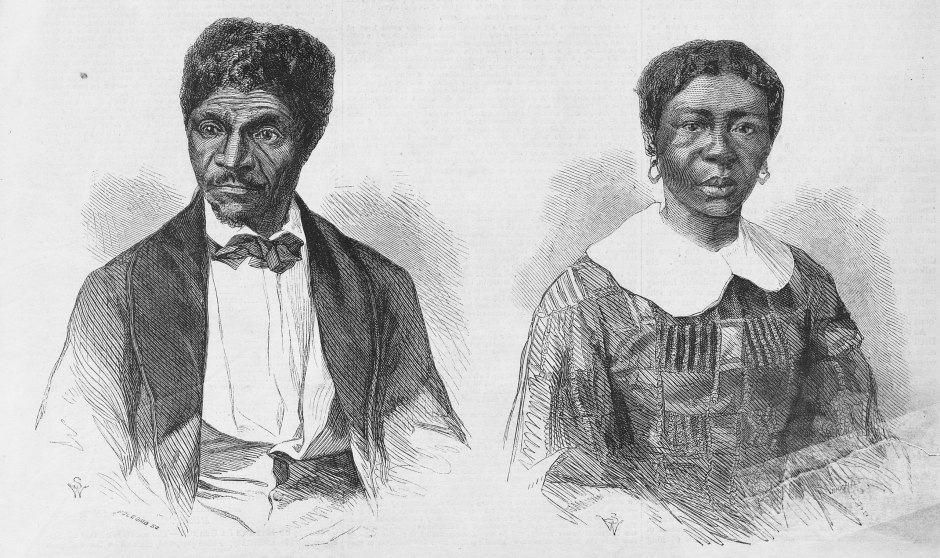
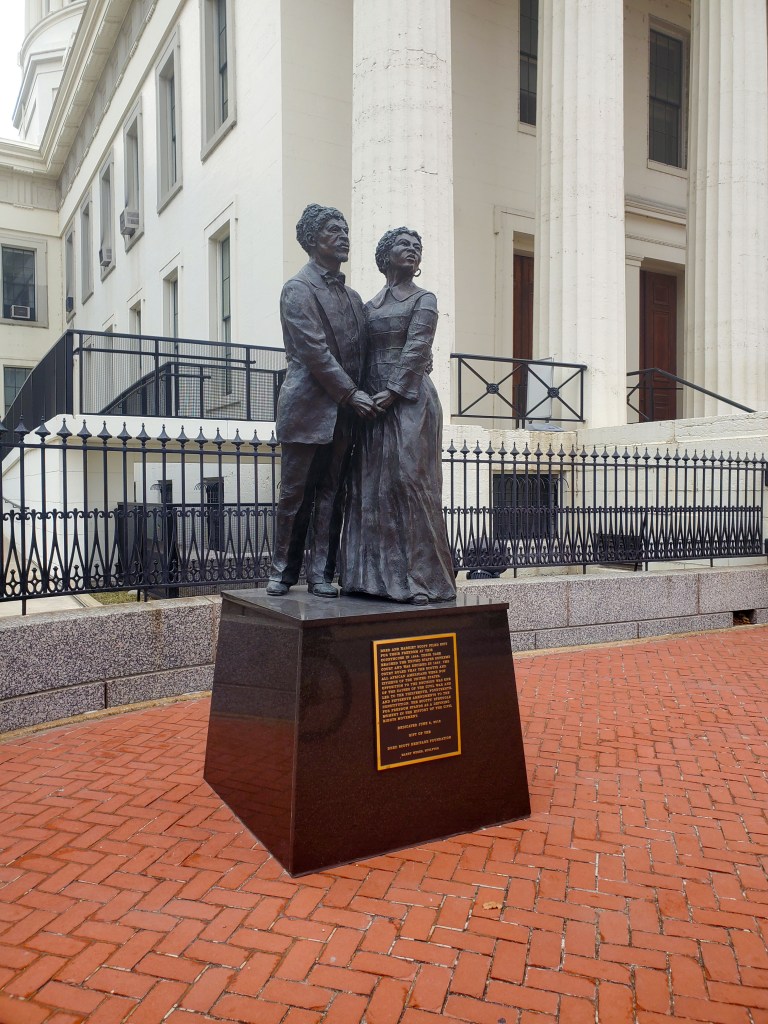
The road to freedom from slavery was a long one for Dred and Harriet Scott.  Just over 170 years ago, on March 22, 1852, the Missouri Supreme Court ruled that enslaved people entering a free territory were not automatically free, delivering a blow to the hopes and dreams of the Missouri couple. While this was not the end of the Scotts’ pursuit for freedom, this stain on Missouri history was not corrected for over a century.

Dred Scott was born in Virginia sometime around 1799. He was enslaved by the Blow family, who moved him to Alabama and then Missouri. He was then sold to an army surgeon, Dr. John Emerson, who took him to Illinois, a free state, and then Fort Snelling, Wisconsin, a free territory. At Fort Snelling, Dred met and married Harriet Robinson, an enslaved woman whose owner transferred ownership of Harriet to Dr. Emerson, who then brought the couple back to St. Louis.

In 1846, the Scotts sued for their freedom at the Old Courthouse in St. Louis on the grounds that they had lived in a free territory, and Missouri had been known to follow the legal precedent of “once free, always free.” However, the Scotts lost their case on a technicality and began a decade of litigation that would lead to unfavorable rulings in both the Missouri Supreme Court and the United States Supreme Court.

The final decision from the United States Supreme Court in March 1857 ruled that Black people, whether free or enslaved, were not United States citizens and therefore had no right to sue in federal court. The court also ruled that the Missouri Compromise was unconstitutional, and that Congress did not have the authority to prohibit slavery in territories. This outraged abolitionists and is thought to have hastened the onset of the Civil War.

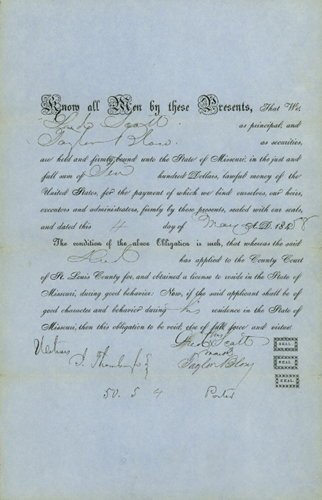
Dred Scott’s “free negro bond.” Credit: Missouri Historical Society

The Scotts did eventually gain their freedom later in 1857, after the son of Dred’s original enslaver purchased and subsequently emancipated their family. Sadly, Dred Scott passed away the following year from tuberculosis.

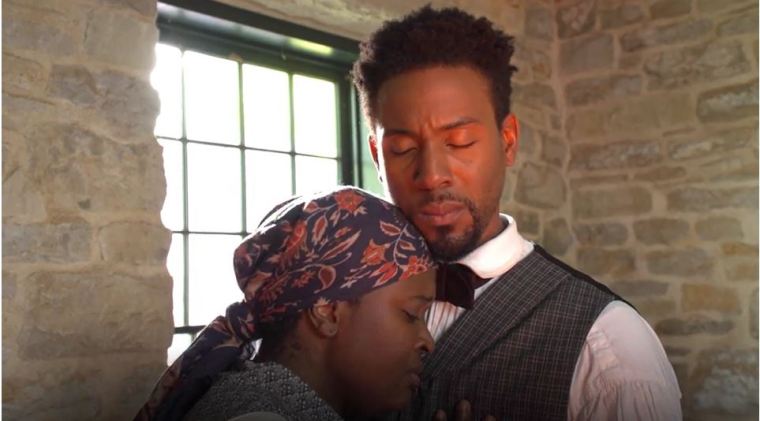
To watch a dramatic re-enactment of a conversation between Dred and Harriet Scott, you can view the short video A Bid for Freedom.  JNPA helped produce this video for Gateway Arch National Park.

It was not until 2021 that the Missouri State Legislature finally passed House Concurrent Resolution 4, formally denouncing the Dred Scott decision. JNPA Board Member Lynne Jackson — Dred and Harriet Scott’s great-great granddaughter — is the President and Founder of the Dred Scott Heritage Foundation. She said:

We started seriously inquiring about a renunciation of the 1852 Dred Scott decision in 2013 and hoped something along that order would be in the Missouri time capsule in 2015. The next serious push was in 2018 when we came close to a senate vote, but time ran out. We are very pleased at the bi-partisan and unanimous votes by the MO State Legislature in 2021.”

The Dred Scott Heritage Foundation continues the work of recognizing the Scott Family’s place in history both at the Old Courthouse in Gateway Arch National Park and through efforts to construct an educational memorial at Dred Scott’s gravesite in St. Louis’ Calvary Cemetery.

New Leader at U.S. Grant National Historic Site

We’re excited to welcome Nathan Wilson as the new superintendent at Ulysses S. Grant National Historic Site.  The National Park Service announced his appointment, effective this month.  Wilson is a 17-year veteran of NPS and has a wide range of experience working in historical parks, mostly in the Midwest.  We recently caught up with him to learn why he’s excited about his new role at our partner park.

Why did you start working for the National Park Service?

I’ve always enjoyed the outdoors and parks as places to reflect, learn, and recreate. As a student in the Parks, Recreation, and Tourism program at the University of Missouri, I became interested in public land management and the various agencies tasked with overseeing them. I found the National Park Service mandate to protect and preserve our nation’s most significant resources – for everyone’s enjoyment – to be particularly special. That’s what led me to pursue a career working for the agency. I was fortunate to receive an internship at Fort Smith National Historic Site as I was finishing my undergraduate degree and that opportunity turned out to be a springboard for my career with the NPS.  

What is particularly special about U.S. Grant National Historic Site, or why should someone visit?

I think the story we tell in conjunction with the physical resources at the site make for a very impactful experience. The period of Grant’s life spent here in St. Louis is often overlooked in comparison to his time served as Union general and president. However, it was critical in shaping and influencing the values, character, and identity that we associate with this American hero today. Visitors get a meaningful glimpse into this part of his life when they visit our park.

What’s your favorite part of the job, or what do you hope to accomplish at ULSG?

The park staff does an incredible job of interpreting the Grant story and administering and caring for the resources here at the park. The level and variety of skill among our team is impressive and inspiring to me, and collaborating with them is a highlight of the job. I’m truly honored by the opportunity to take on this leadership role and look forward to continued collaboration with this amazing team during Grant’s bicentennial year and into the future.

What’s your favorite activity to do at your park?

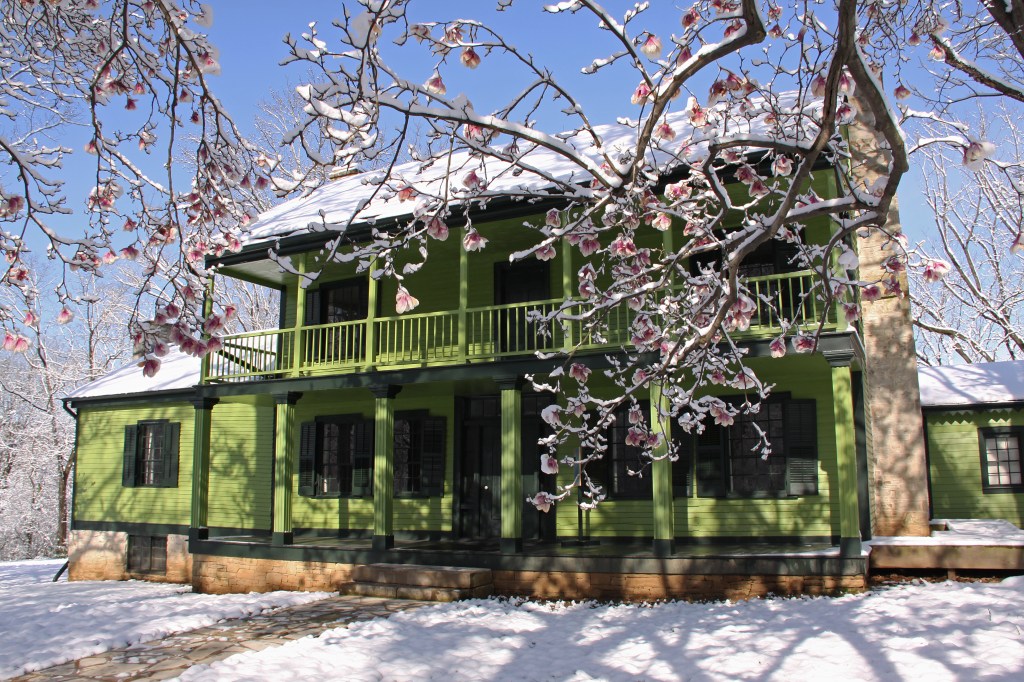
I really enjoy the historic structures and cultural landscape here at the park. The restoration and rehabilitation work that took place at White Haven in the 1990s transformed the park structures and makes for a great historic preservation experience, and the landscape provides a nice greenspace to enjoy the outdoors in suburban St. Louis.   

Your park’s best kept secret is…?

Not necessarily a secret but I’d be remiss if I didn’t give a shout out to our park volunteers. We’ve got over 20 volunteers here at Grant who help us with everything from visitor services and tours to cultural resource management and museum operations. These dedicated team members provide a tremendous amount of support to our park and are a major contributor to the high-quality visitor experience we provide at the Ulysses S. Grant National Historic Site. 

License a Piece of History

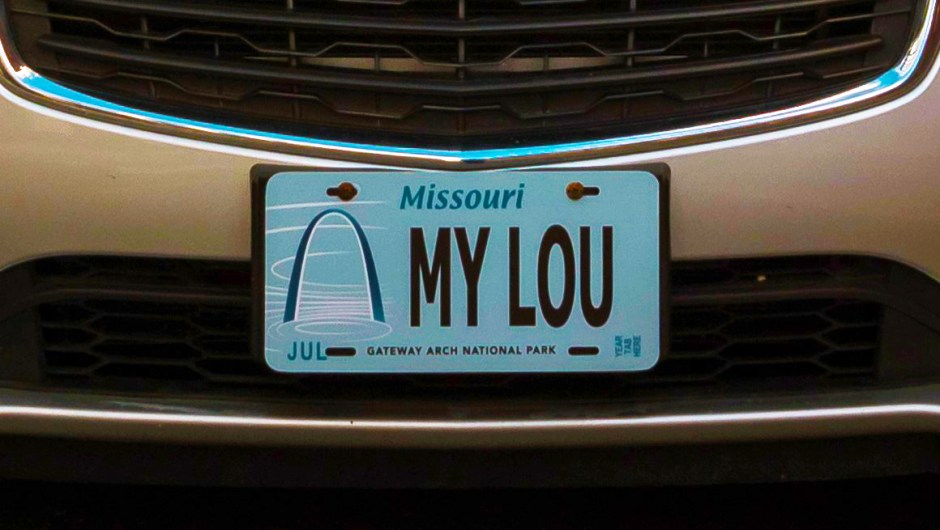
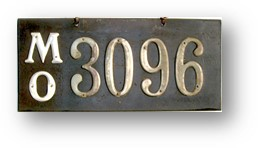
Have you ever wondered what it would be like to be one of the first people to own an automobile? Did you know that in order to drive this new and exciting creation, that you would need to make your own license plate?! The modern-day license plate has had quite a history since then, and on the 111th anniversary of the very first Missouri license plate, JNPA has a way for you to make history with your own license plate!

Way back in 1907 Missouri car owners had to register their cars and trucks for $2.00 per year. If the vehicle was to be operated at night, two lighted lamps were required, and the registration number was to be painted on the lamps.  Cars back then were registered by fuel types: gasoline, electric, or steam. License plates were handmade out of tin and leather.

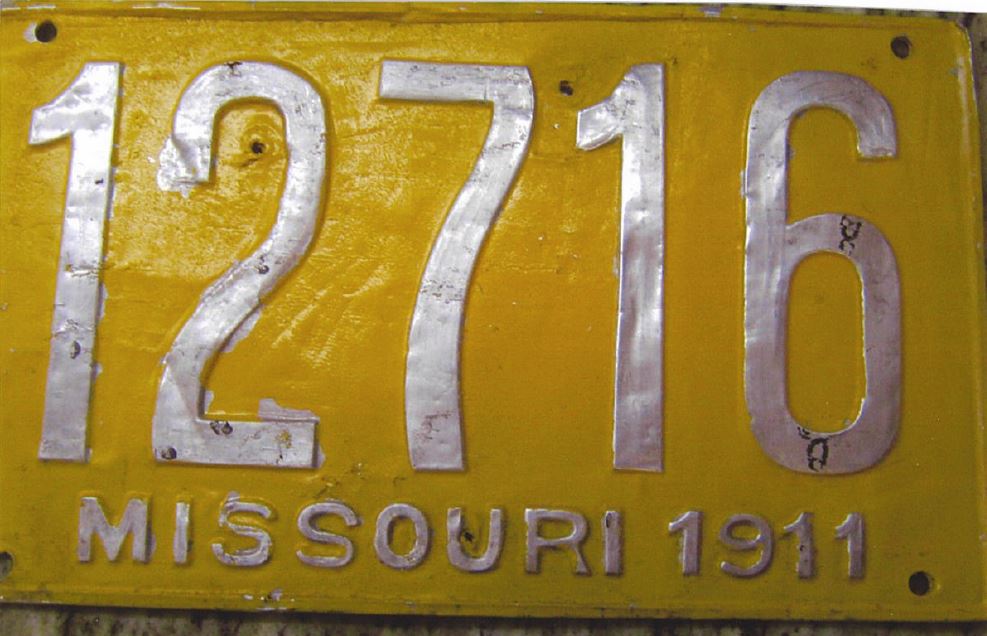
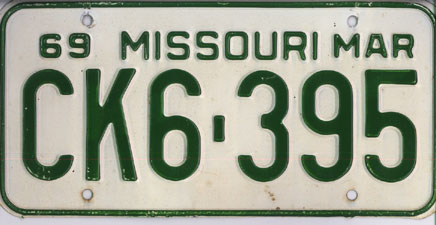
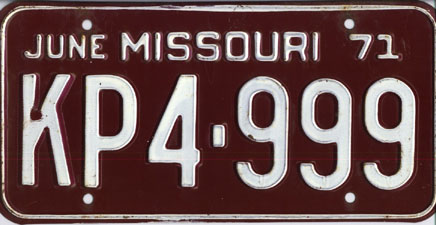
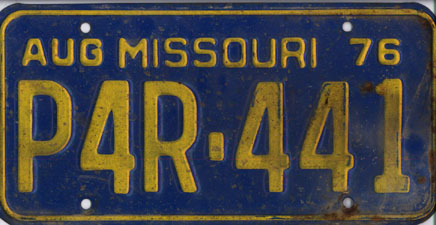
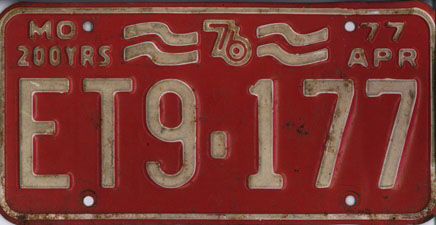
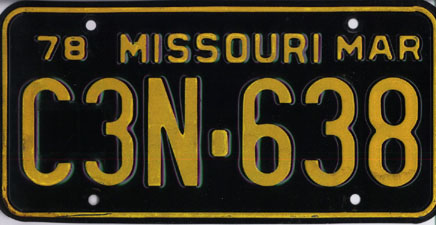
It was 111 years ago this month, in March of 1911, that the first state-issued license plates were distributed in Missouri. They featured unpainted numbers embossed on a yellow background. In 1949, the state began adding year tabs to plates, although they were made of metal and affixed through slots in the license plate. For a brief period between 1967-1979, Missouri actually issued a brand new license plate to registered vehicles every single year!

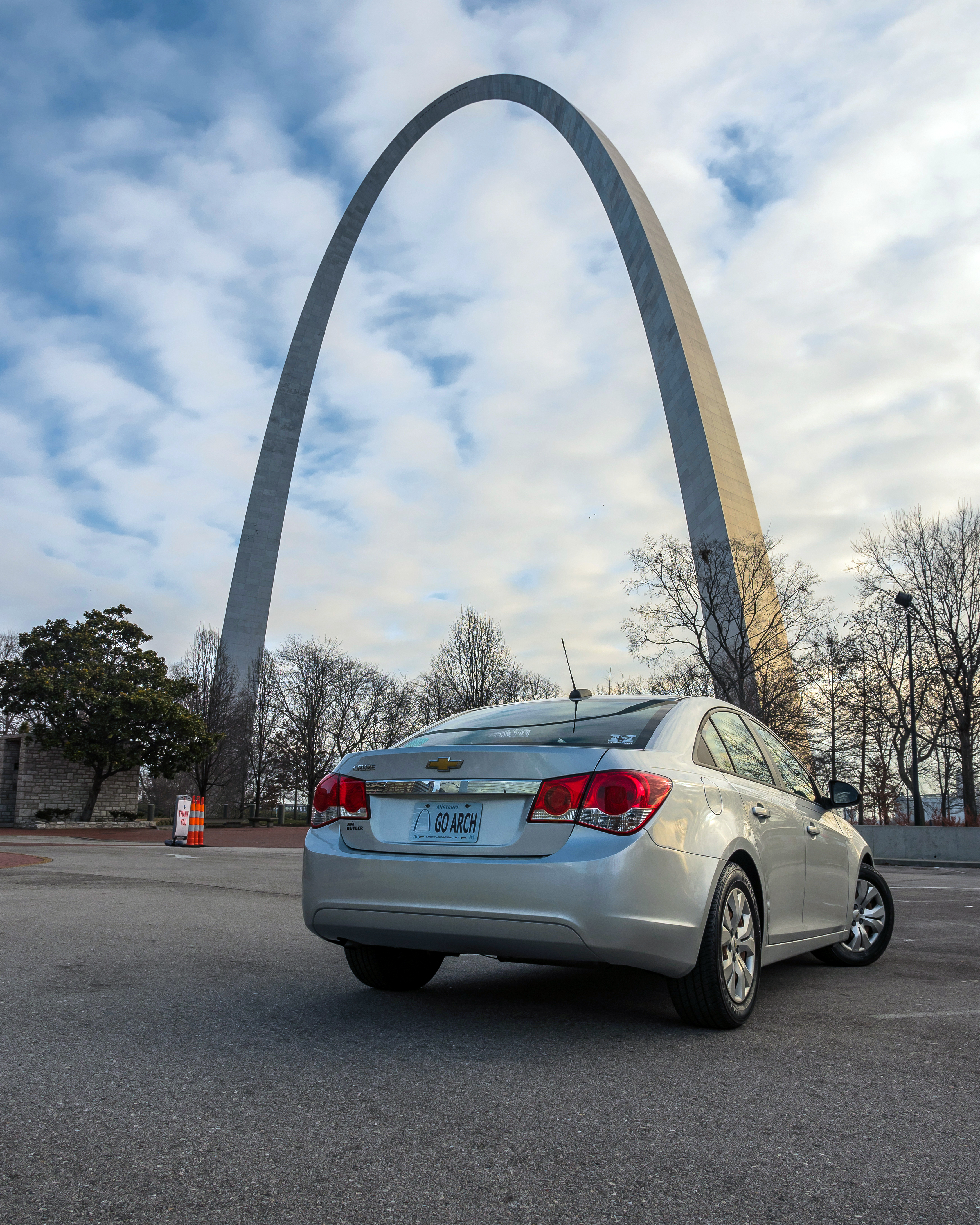
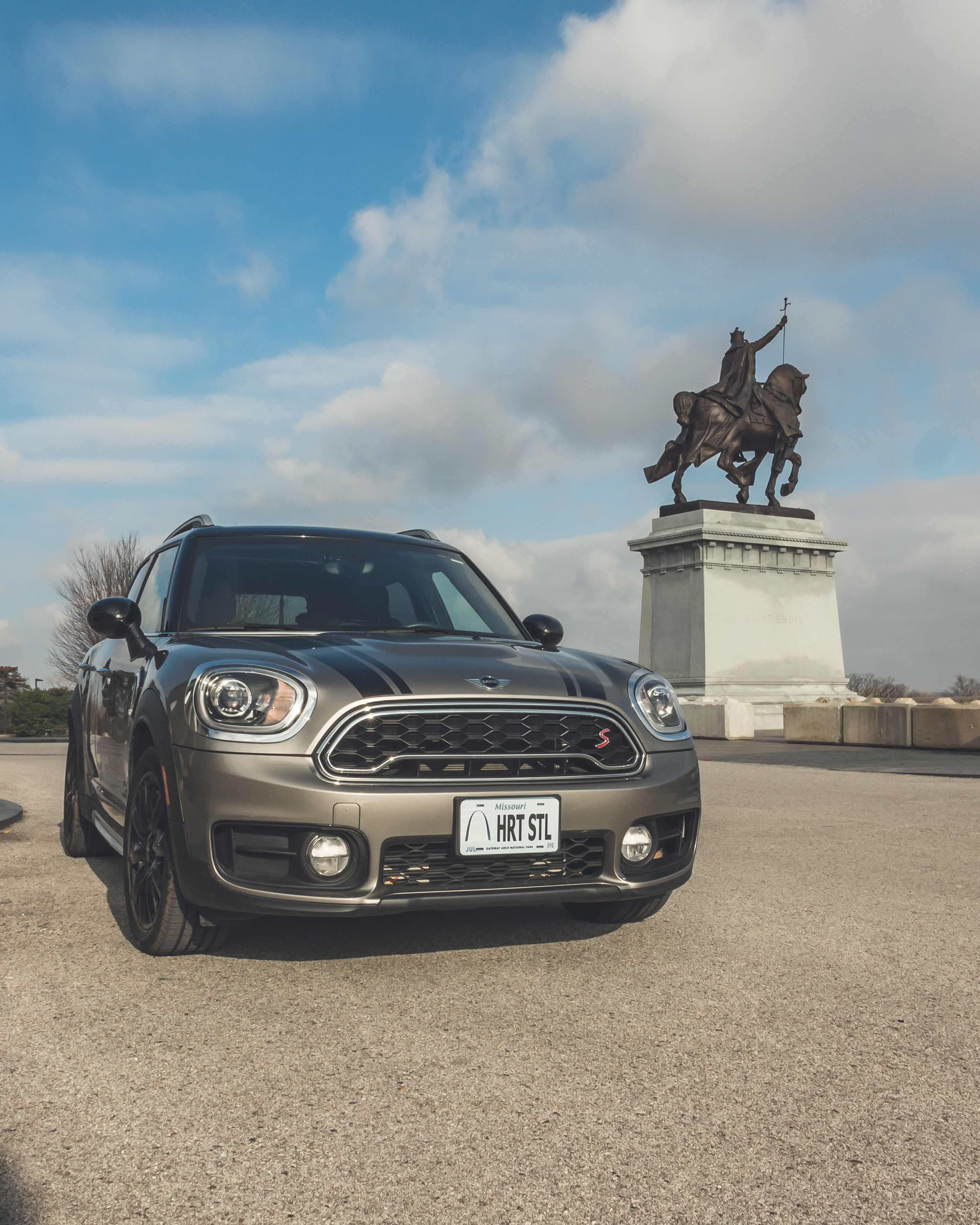
License plates have come a long way since then.  But in addition to going with the standard state plates, Missourians now have another option – one that honors our world-famous Gateway Arch.  When you order a custom Gateway Arch license plate for your car, you’ll be showing your fellow drivers that you’re proud of our state and our iconic Arch.  Your tax-deductible contribution to JNPA helps support vital education programs at Gateway Arch National Park, including living history demonstrations, exhibits, and teacher workshops.

You can order Arch license plates at any time, regardless of when your current Missouri plates expire.  To get the process started, visit archplates.jnpa.com. Then you can start cruising around town in style!

We’re Hiring!

Want to love where you work? Enjoy providing customer service to visitors from around the world? Want to be part of a dedicated team at a popular national park?  Have we got the job for you! 

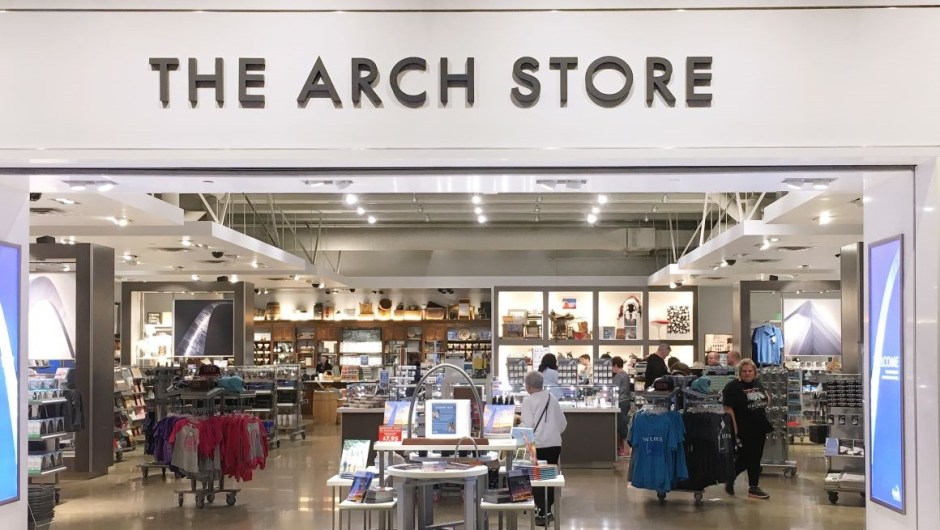
Come join the retail staff at The Arch Store at Gateway Arch National Park.

Whether you’re looking for a full-time career, a part-time job, or summer employment, working for JNPA is a rewarding experience.  As a sales associate at The Arch Store, you’ll be providing a memorable customer experience to visitors at St. Louis’ iconic Gateway Arch.  You’ll also have the satisfaction of knowing you’re helping advance JNPA’s mission of protecting America’s vital national heritage.

Job responsibilities include processing sales transactions, maintaining our beautiful store, providing great customer service and being an ambassador to St. Louis’ greatest treasure. Shifts are available seven days a week. We offer a highly competitive salary, flexible schedules and great benefits. 

Come join our friendly, fun and dedicated Arch Store staff.  Find out more here and submit your application today!

Honoring our Presidents

Just in time for Presidents’ Day (February 21), JNPA has a wide array of cool gift items for that POTUS* geek in your life.  What else would you expect from a non-profit with stores at three national parks that honor U.S. Presidents:  Gateway Arch National Park, Clinton Birthplace Home National Historic Site, and Ulysses S. Grant National Historic Site?

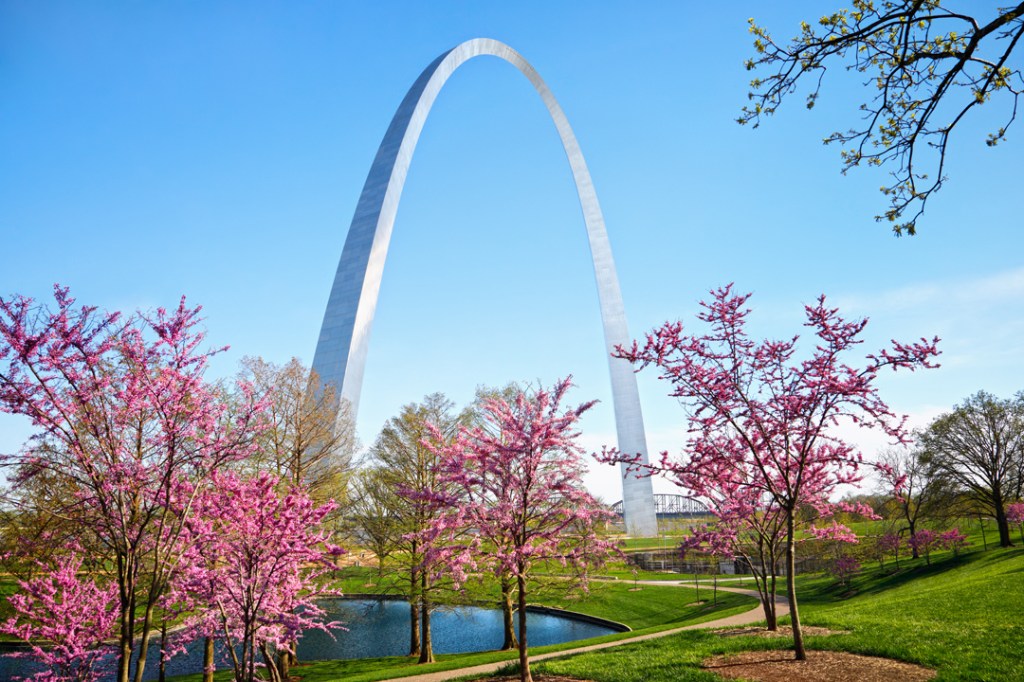
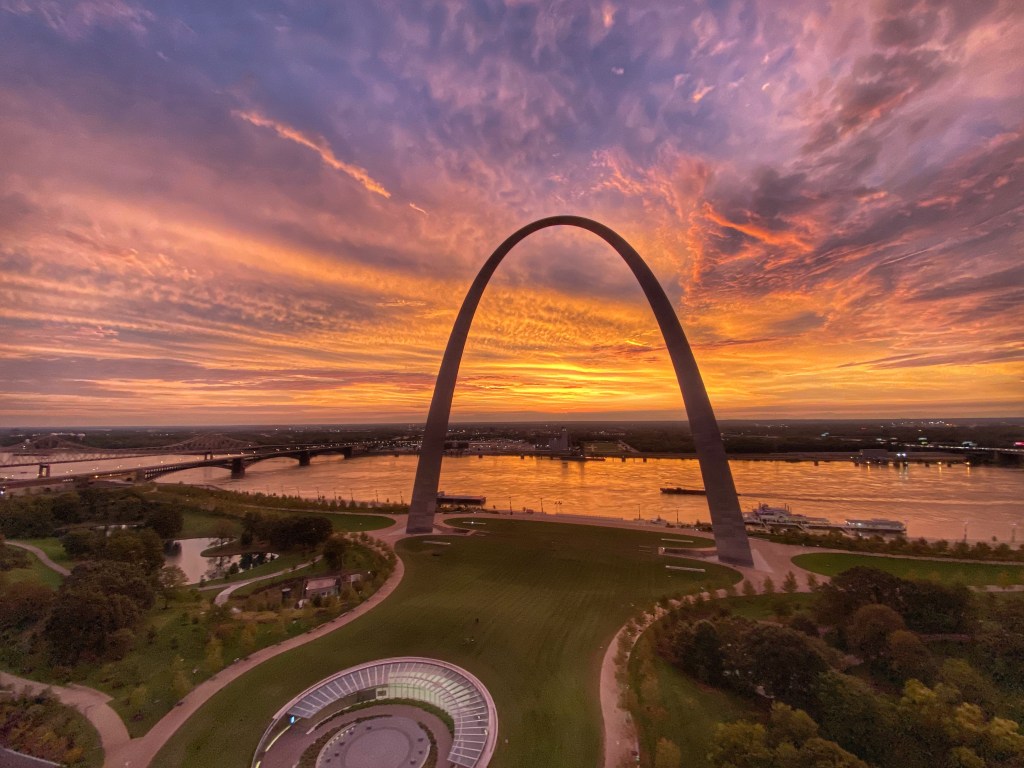
Gateway Arch National Park is a memorial to President Thomas Jefferson and his role in greatly expanding the borders of the United States.

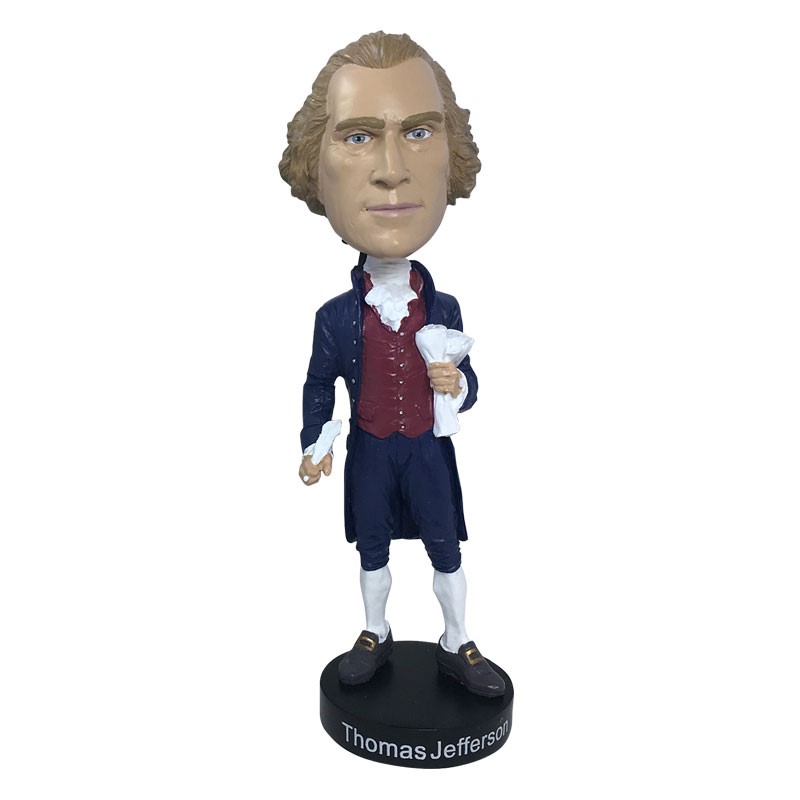
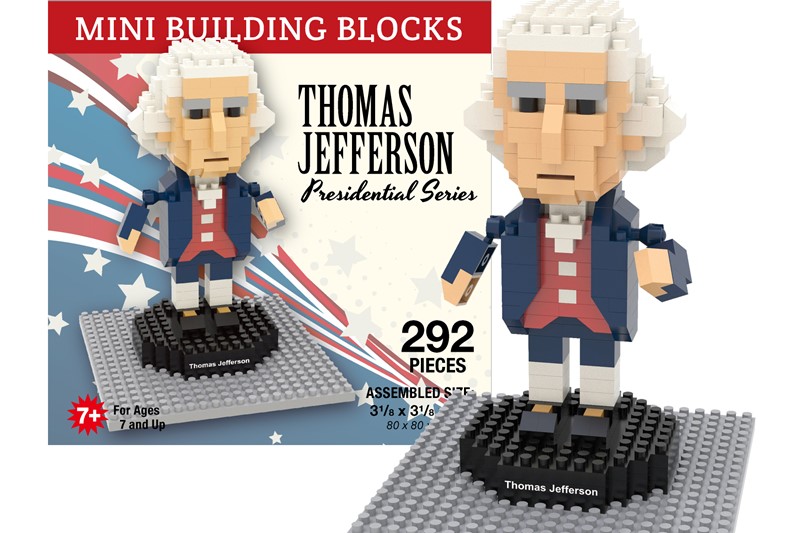
JNPA greatly respects Jefferson’s accomplishments, as evidenced by the many books and statues we sell at The Arch Store.  But we also sell a few more whimsical items that still honor our third president, like this stately bobblehead and  mini-building block set.  (We trust Mr. Jefferson doesn’t object to our…ahem…taking “liberties” with his likeness.)

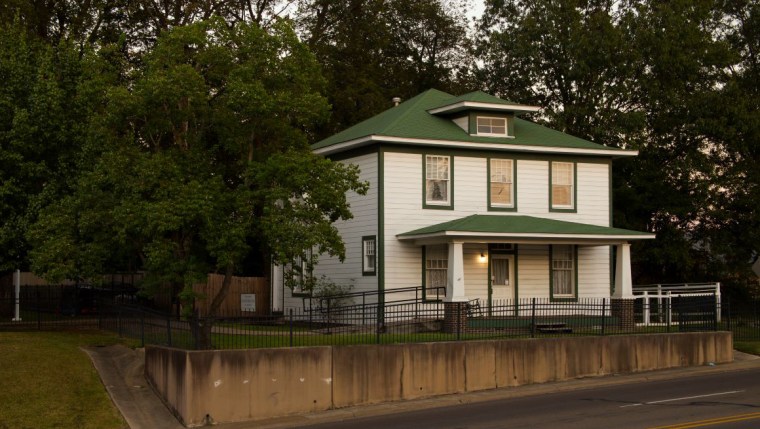
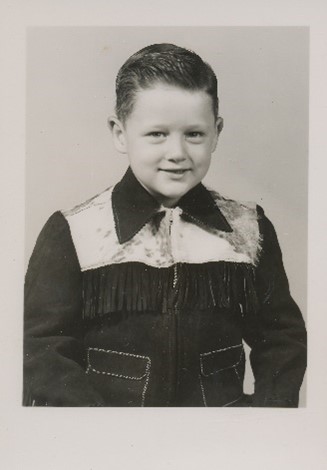
President Bill Clinton spent his early boyhood years in a comfortable two-story frame house in Hope, Arkansas, an experience that he says helped develop his broad views on race relations, social justice, and public service.  Our book on Clinton’s early life features numerous photos of the home as well as of the young future president. 
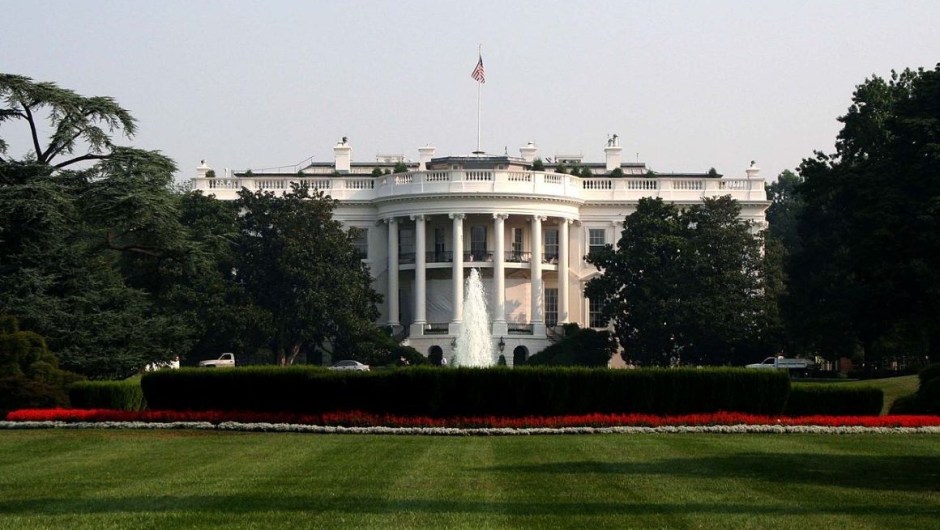
Credit: Clinton Foundation

An image of the home is featured on this handsome earthenware mug.  And of course, we also sell a fun bobblehead version of the 42nd president.


Credit: David Newmann

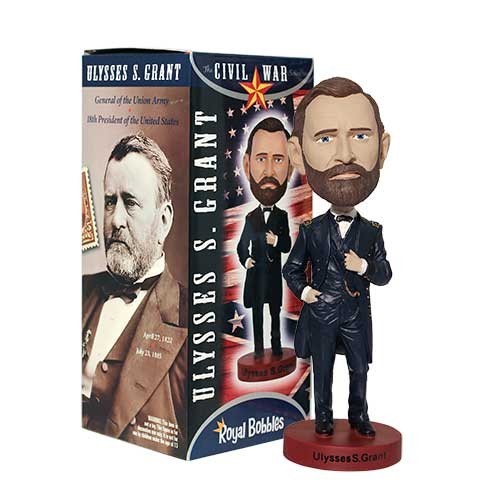
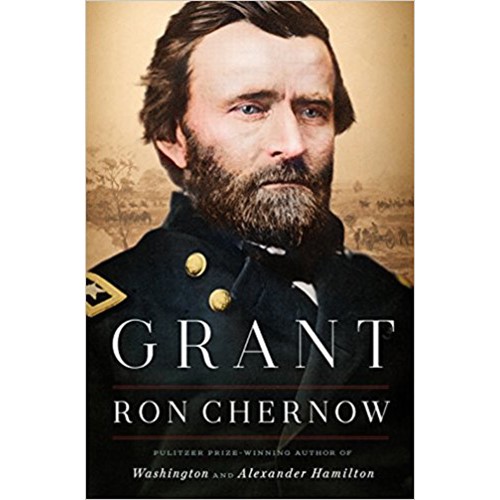
If it’s President Ulysses S. Grant you’re interested in, JNPA offers numerous items commemorating both Grant and his wife Julia.  From books to sturdy mugs to fun kids’ products, there’s something for everyone.  And don’t forget our popular bobblehead version of our 18th president.

*President of The United States

“My Dearest Julia and my love for her are ever in my mind…”

What do you know about Ulysses S. Grant?  Victorious commander of the Union troops in the U.S. Civil War:  Check.  Eighteenth President of the United States:  Yep.  Devoted lover:  Huh??

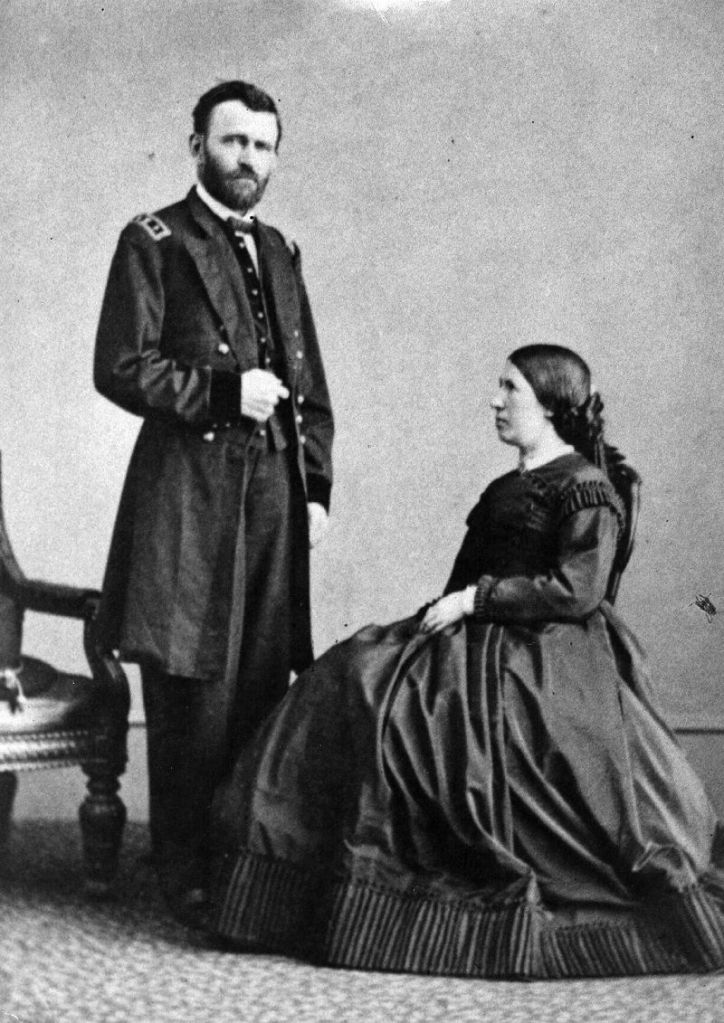
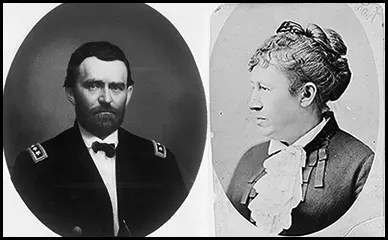
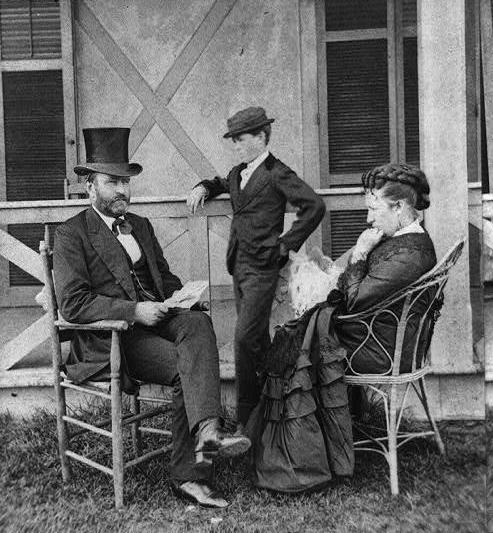
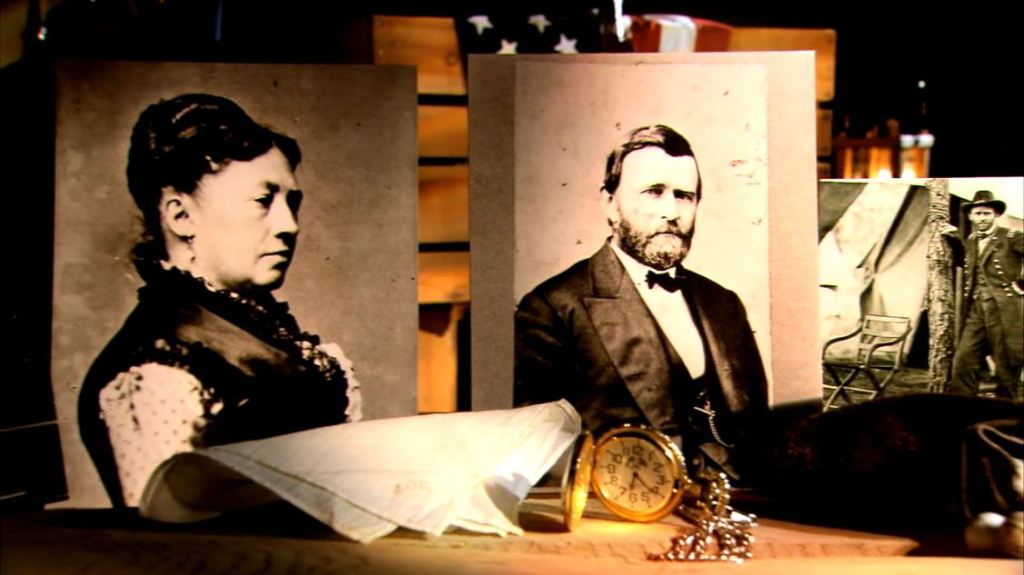
President Grant and his wife Julia Dent Grant sustained a long love affair throughout their lives. What better love story to share in time for Valentine’s Day?

Ulysses and Julia’s romance began at White Haven, the Missouri plantation owned by Julia’s parents.  In 1843, while stationed at a nearby Army barracks, the young Lieutenant Grant visited the farm where his West Point roommate had grown up.  He was immediately charmed by Julia and often made the 12-mile ride to White Haven to visit her several times a week. 

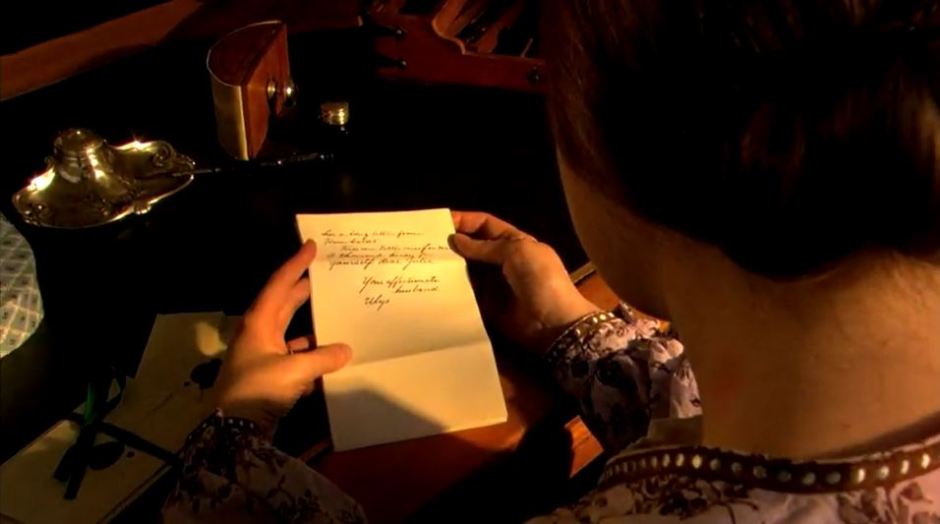
Unfortunately for the young couple, their courtship was marked by long periods of separation while Grant was on assignment for the Army.  So they turned to letter writing as their sole method of declaring their love.  Although sadly no correspondence from Julia to Grant survives to this day, we are lucky to have numerous letters that Grant sent to his beloved, and his devotion to her is obvious.

When Grant was stationed in Louisiana and Texas in preparation for the coming war with Mexico, he wrote Julia in 1844 “of the depth and sincerity of my love for you.”  Writing from Texas the following year, Grant told her “for my own part I would sacrifice everything Earthly to make my Dear Julia my own forever.”

Even during the height of battle, his feelings for her were as strong as ever: “…in the midst of grape and musket shots, my Dearest Julia and my love for her are ever in my mind.”  And in that same letter, Grant assures her “I am getting very tired of this war, and particularly impatient of being separated from one I love so much, but I think before I see another birth day I shall see Julia, and if she says so, be able to call her my own Dear for ever.” Grant’s wish eventually came true.  The couple was married at White Haven in 1848. 

Though Julia was able to travel with Ulysses to some of his Army postings, they still remained apart for much of their early marriage.  It is thought that these ongoing separations was one reason Captain Ulysses Grant resigned his commission from the Army in 1854 and returned to White Haven to be with his wife and young children.

To learn more about the love story of Julia and Ulysses, watch A Thousand Kisses, the short video about their early life that JNPA helped produce for the National Park Service.

You can also read many of Grant’s letters to his wife in My Dearest Julia, available in our online store or at our bookstore at Ulysses S. Grant National Historic Site.